▌ Day 06

Speaker
00:00:00 oh

Speaker
00:00:00 (Transcript content available)
Speaker 1
00:00:00 Yeah, well let's get to...
00:00:00 Yeah, well let's get to... Give you on Sunday maybe. Yep. Save also coat or jacket of Logan. I... Anastasia, call? I'll call her. Call and say... Oh yeah, it's here for... I just had to give her... She just has like one...
Speaker 3
00:00:30 We need to remember to get the easy rate. You can get the train station. Okay, yeah, we just got here. We were just wondering how close we were.
Speaker 1
00:00:45 He's actually one minute away. One minute, okay. We wait. Alright, yeah, we're gonna wait for you. We wait. Logan's film is the yellow. It's very nice.
Speaker 1
00:00:00 Yeah, well let's get to...
00:00:00 Yeah, well let's get to... Give you on Sunday maybe. Yep. Save also coat or jacket of Logan. I... Anastasia, call? I'll call her. Call and say... Oh yeah, it's here for... I just had to give her... She just has like one...
Speaker 3
00:00:30 We need to remember to get the easy rate. You can get the train station. Okay, yeah, we just got here. We were just wondering how close we were.
Speaker 1
00:00:45 He's actually one minute away. One minute, okay. We wait. Alright, yeah, we're gonna wait for you. We wait. Logan's film is the yellow. It's very nice.
Speaker 3
00:01:00 I'll cune it, yeah.
Speaker 1
00:01:10 You guys have never seen a surgery before, right? No. Do you remember I proposed you to take part in the operation on Friday?
Speaker 2
00:01:26 Yeah? As assistant here? You have a possibility to earn a lot of money. You have a possibility to earn a lot of money.
Speaker 3
00:01:32 Yeah. We make more money if we learn how to do brain surgery. Well, you guys jumped in with both feet. Coming to a combat zone, seeing a horrible combat injury and some difficult brain tumor.
Speaker 1
00:01:44 Yeah.
00:01:46 [RUS] So I'll tell you one story. [RUS] It's like a shock, but it's not a shock, it's a real story. [RUS] Some people ask:
00:02:00 [RUS] Why is a patient, 80-90 years old, with a malignant tumor, operated on by a very experienced surgeon? [RUS] But on the other hand, young people, only 20 years old, with trauma, are operated on by residents.
00:02:30 It's a good to imagine. Patient with pure prognosis only 6-12 months, but with money operated, experienced profession. But patient with severe brain trauma, young patient will have excellent results, excellent outcome, if you perform surgery in the right direction, complex surgery, you will be lived 40, 50 years. - And this patient operated by a resident. - And this patient operated by a resident. It's not only Ukraine, it's US also. - So what I say in the United States, the way I think about it is that a lot of neurosurgeons will only do elective cases. So that's like flying a 787, right? Those things fly themselves. I didn't have to do anything. And they leave the trauma to the most junior person.
Speaker 3
00:03:29 Well, you know, a sick, bleeding, quagliopathic patient at 2 o'clock in the morning who's trying to die, that's a tough case. That's when you need the most senior person, not someone who's fresh out of training. But that's the way the system works a lot of times. - Yeah, it's true. - Because in the United States, what's the number one cause of a traumatic brain injury? - Well, that's a great question. - Is it like falls? The stereotypical patient used to be a 15 to 24 year old male in a traffic accident. And so you kind of, if you plot the graph of, is it TBI versus age, there's a big bump in teeth, they were just kind of draft. Well now there's a huge spike among the elderly because people are living longer with comorbidities and so many of them are on blood thinners. And grandma falls and bumps her head and she's going to have problems.
00:04:18 Ah! Where did you find?
Speaker 1
00:04:49 I should not be carrying photography.
Speaker 2
00:04:59 Go, go, go. He wants you to go first so he can film it.
Speaker 1
00:05:07 I remember you need 50,000 hours recording. Uh-huh.
00:05:51 [RUS] Thank you. [RUS] Thank you.
00:06:43 [RUS] From 1 to 2 is a little... [RUS] Hi! [RUS] I'm glad to see you! [RUS] Tell me, I'm glad that I am too. [RUS] I'm glad that I am too. [RUS] Let's go!
00:06:59 Ready? Congratulations.
00:07:29 [UKR] I said that we're taking the maximum, [UKR] so that they reach, and the body, look, look. [UKR] And there were cars there that brought salad.
00:07:41 [RUS] Until we get the dose, we can't film.
Speaker 1
00:00:00 People who was treated yesterday, on Monday, he will be evacuated in Odessa.
00:00:00 People who was treated yesterday, on Monday, he will be evacuated in Odessa. That's why we can see him from the ICU units, his way, his direction, right ahead to the emergency department,
Speaker 2
00:00:18 after that to the ambulance. If you would like. You're saying on Monday? Yeah, yeah, that we've seen is getting transferred. That was on my lap. Yeah. Let me talk about it. Let me talk about it. Yeah.
Speaker 1
00:00:36 First of all, let's say what you dislike. I organize this. Oh yeah, well, I don't know if we can, but we'd love to...
Speaker 1
00:00:00 People who was treated yesterday, on Monday, he will be evacuated in Odessa.
00:00:00 People who was treated yesterday, on Monday, he will be evacuated in Odessa. That's why we can see him from the ICU units, his way, his direction, right ahead to the emergency department,
Speaker 2
00:00:18 after that to the ambulance. If you would like. You're saying on Monday? Yeah, yeah, that we've seen is getting transferred. That was on my lap. Yeah. Let me talk about it. Let me talk about it. Yeah.
Speaker 1
00:00:36 First of all, let's say what you dislike. I organize this. Oh yeah, well, I don't know if we can, but we'd love to...
Speaker 2
00:00:48 We'd love to, Ryan.
Speaker 3
00:01:10 Ich habe es gut. No, we're getting you there. No worries. Oh, gosh. Whew. You can close it. Thank you.
Speaker 1
00:00:00 uh we on duty together with him and nikita from anasesia no nikita
00:00:00 uh we on duty together with him and nikita from anasesia no nikita now he was on vacation but i saw him yesterday yeah he went to germany is that nikita nikita
Speaker 2
00:00:17 came yesterday because he took part maybe the day before yesterday take part in
Speaker 1
00:00:00 Wow. Wow. So you felt the explosion? Yeah. It was very close to our house.
Speaker 2
00:00:16 That's why this explosion wave shot down the entrance door. Sviatoslav wasn't 2 meters from this yard. We didn't have time to cry into gold. In this situation it was improved and the pollen covered the yard. My wife spent many hours in order to set us love, calm and don't afraid to this situation.
00:01:04 And another I remember, Sviatoslav, when I was in Kyiv, and an explosion near the house happened, Sviatoslav hid under my table, in my cabinet. He decided that the place is more safety for him. He didn't like to go away from this place in my cabinet after my office table. He realized in his brain it's more safety place in our flat. It's also true. That's why I remember these two situations when he was at home,
00:01:55 when explosion missile is happened.
Speaker 1
00:00:00 Wow. Wow. So you felt the explosion? Yeah. It was very close to our house.
Speaker 2
00:00:16 That's why this explosion wave shot down the entrance door. Sviatoslav wasn't 2 meters from this yard. We didn't have time to cry into gold. In this situation it was improved and the pollen covered the yard. My wife spent many hours in order to set us love, calm and don't afraid to this situation.
00:01:04 And another I remember, Sviatoslav, when I was in Kyiv, and an explosion near the house happened, Sviatoslav hid under my table, in my cabinet. He decided that the place is more safety for him. He didn't like to go away from this place in my cabinet after my office table. He realized in his brain it's more safety place in our flat. It's also true. That's why I remember these two situations when he was at home,
00:01:55 when explosion missile is happened.
00:02:00 He was at home and what he felt in this time, it's very interesting for another people understand
Speaker 1
00:02:13 what the child feels in this situation. Yeah, I was saying that just living here, going about your life, continuing your life,
00:02:30 has some heroism in it. And people like Sviatoslav don't even realize that it's taking place because it's just his life. He's just growing, you know? Yeah, yeah, it's true. But I think that this week, when Sviatoslav was in Kazakhstan, was the best moment of the year for him.
Speaker 2
00:03:00 best time because any alarm any explosion even without phone telephone without phone without messenger only spend time in the near the nature together with class makers it's beautiful a lot of activities like
Speaker 1
00:03:26 Cozaki wiele lat temu
Speaker 2
00:03:56 For sure. What was he gonna say? And I am sure these two pigs who live in his flat help him to...

Speaker
00:00:00 (Transcript content available)
Speaker
00:00:00 (Transcript content available)
Speaker
00:00:00 brain for next day for operation.
Speaker 1
00:00:09 [RUS] [music playing] [RUS] Alex is now in beautiful company [RUS] I think
00:00:27 In the morning, Alex will be fluently maybe speak Ukrainian, but these two women will speak English like native speakers. Yeah. Agree, yeah. Agree, yeah.
Speaker 2
00:00:52 Laura, are you asleep now?
Speaker 1
00:00:54 [RUS] I wish, no, I'm trying... [RUS] Because any voice, any from you and Logan, I'm sure you're very quiet and you'll mess me up.
Speaker 1
00:00:09 [RUS] [music playing] [RUS] Alex is now in beautiful company [RUS] I think
00:00:27 In the morning, Alex will be fluently maybe speak Ukrainian, but these two women will speak English like native speakers. Yeah. Agree, yeah. Agree, yeah.
Speaker 2
00:00:52 Laura, are you asleep now?
Speaker 1
00:00:54 [RUS] I wish, no, I'm trying... [RUS] Because any voice, any from you and Logan, I'm sure you're very quiet and you'll mess me up.
Speaker 4
00:01:07 [RUS] Yeah, well, we're just trying to think about what we need to do today.
00:01:19 I mean, let's say we start at 11. I'm suggesting we go to the hospital. We should see people there.
Speaker 1
00:01:30 Go to the hospital only together with Anastasia, yeah? And Anastasia will tell me what would you like to do. And Anastasia will tell me what would you like to do. And if you need, I will give my colleagues to you in order to follow with you. It's a rule I saved you in the second hour day.
Speaker 5
00:01:57 But anyway, all what you do, I will help you to organize this in the best way. So, thank you. Yes, so the academic school, the medical, whatever, there's some stained glass windows of medical scenes in the educational, well I'll ask on us to see it tomorrow, but stained glass windows of medical scenes is it is that somewhere on the campus of
Speaker 1
00:02:38 Metchnikov I don't worry about it I'll ask us to see you you were here is this yeah it's all this part of our medical hospital this There are tables where I wrote about the Crimea war. I think it's a need to go to the entrance and film this information.
Speaker 6
00:03:10 That's probably true. We'll be okay. We'll just sit and wait for like five minutes. - Tadeusz, myślę, że możesz...

Speaker 1
00:00:00 You still up here Alex?
Speaker 2
00:00:05 You still up here Alex? Yeah, I'm hanging out over here.
Speaker 1
00:00:11 Okay, so should I be looking at you or should I be looking like I'm talking to someone else? Yeah, maybe it just looks like here. Maybe I'll be standing up too. I feel like... Maybe I'll be standing up. I feel like that might be more urgent. Stand up. Yeah. Or at least standing up. It doesn't seem particularly dangerous if you're just lounging.
Speaker 2
00:00:37 Hey, where do you want to focus on walking to the shelter? If I'm walking towards the shelter? If I'm walking towards the shelter? Can we stage it that way? Can we stage it that way? So, yeah. Where do you go? Hey, where do you want to just look over your shoulder and talk to me?
Speaker 1
00:00:00 You still up here Alex?
Speaker 2
00:00:05 You still up here Alex? Yeah, I'm hanging out over here.
Speaker 1
00:00:11 Okay, so should I be looking at you or should I be looking like I'm talking to someone else? Yeah, maybe it just looks like here. Maybe I'll be standing up too. I feel like... Maybe I'll be standing up. I feel like that might be more urgent. Stand up. Yeah. Or at least standing up. It doesn't seem particularly dangerous if you're just lounging.
Speaker 2
00:00:37 Hey, where do you want to focus on walking to the shelter? If I'm walking towards the shelter? If I'm walking towards the shelter? Can we stage it that way? Can we stage it that way? So, yeah. Where do you go? Hey, where do you want to just look over your shoulder and talk to me?
Speaker 1
00:00:51 As we're going, I'm going to move it up. Yeah, but that was it. I can work with you. Alright Alex. Alright Alex. So I'm going to be kind of looking that way. You can come back.
Speaker 2
00:01:00 You can look. Yeah, you can kind of just look like we're like. Okay. Okay. And then go for it Alex. What's happening? So actually I got up early to get some work done and I was just stepping into the shower where I heard a big bang. Not that, oh this sounds bad. And then a few minutes later, Andri texted us and said, a few minutes later, Andri texted I can read this exactly here. And he said, preliminary launch of caliber cruise missiles has been carried out from Mishako Cape. We expect the cruise missiles to enter Ukrainian airspace within the next 30 minutes. There's already been one explosion in Dnepro. It's better to go down to the shelter. So that's where we're going. a little after four o'clock in the morning
00:01:58 actually i've never been down there before so i don't know what it's like here
Speaker 1
00:02:03 hopefully we won't have to or i won't have to be down there long we'll see Yeah? Yeah. Yeah.
Speaker 2
00:02:50 Yeah. Yeah, but I can't figure how to get the stairs on the first floor here.
Speaker 1
00:02:59 Find the stairs instead. What is the big stairs, Shelton? Oh, that's it. Okay, I never went here before.
Speaker 2
00:03:11 I think it... We can't take the stairs out of the spot. That'll get us down at least at two so you get some footage. Oh, here we go. This is cool.
Speaker 1
00:04:33 Okay. Here's the lobby. Is that the shelter out here? No, you should have people outside. I'm sure you do a 180 around the building. There's a black out there. Should I keep my phone on? I think so. It sounds like they're coming down. It sounds like they're coming down. It sounds like they're coming down. It sounds like they're coming down. This is actually a really cool stairway. I never knew this was here. It was a little out of the first place where we walked down. We walked down and we tried to follow the shelter signs just so we knew. Like if there was something happening. Like exactly now we know that this was the staircase to use. Yeah. But we didn't know it was outside. We'd always do that door. Yeah. It's funny. I never knew this existed.
Speaker 2
00:05:25 Okay, so, so, can you walk through the door? Okay. Okay. Shut up? Thank you.
00:06:14 I'm going to go. Can I hear you? Thank you.
00:06:59 Let me just test this here, make sure it works. This is locked. Okay, okay, Jack. *Splash
00:07:57 I'm going to use the water. There we are.
Speaker 1
00:08:22 The Wi-Fi was down here earlier. And no cell service down there. Can you see that one more time for us? The Wi-Fi is down? Yeah, no Wi-Fi and no cell service.
Speaker 2
00:08:41 You need to invite me up. Did you bring a mic?
Speaker 1
00:08:45 Yes. Looks like a little. Yeah. Can you ring that bell? Huh? I don't have a mic with me. No, it's fine. I don't have a whole lot to do. I think we got the highlights coming down to the shelter.
Speaker 2
00:09:09 - How you doing?
Speaker 1
00:00:00 The sound is a generator. Yeah. You know what? The sound is... Do you know what I'll say again? I think just having it... Well, I think the sound is a generator, because I didn't see any lights on. Did your lights go out right when we got back last night? Yeah, I did. Yeah. Is there less sound than anyone else? - I mean, if you had him stick it in this room, it's not like 100 times better.
Speaker
00:00:00 - No, we don't want you to like lock in the...
Speaker 1
00:00:00 That arm, that alarm alarm on your phone.
Speaker 2
00:00:00 That arm, that alarm alarm on your phone.
Speaker 1
00:00:09 I know, I think we can just record this in both spots and then call it a day.
Speaker 2
00:00:13 Yeah, I was going to say, I think it's tele and nobody else will do it.
Speaker 1
00:00:00 That arm, that alarm alarm on your phone.
Speaker 2
00:00:00 That arm, that alarm alarm on your phone.
Speaker 1
00:00:09 I know, I think we can just record this in both spots and then call it a day.
Speaker 2
00:00:13 Yeah, I was going to say, I think it's tele and nobody else will do it.
Speaker 1
00:00:28 figure out later.
Speaker 2
00:00:30 Will you guys be able to get back to sleep for a few hours? Oh yeah, no problem. Well I know you can, I'm worried about that. Maybe, we'll see. Alright, so should I be looking at Laura right over there?
Speaker 1
00:00:43 You can go over here. You can go over here. Yeah, just the camera left. So I'll direct my gaze right towards the corner of that space here.
Speaker 2
00:00:52 Yeah. You want me to move over there? Help you? I'd be good. I'd be good. I'd be good. Okay. So just over, you can try to be like there or a little? Yeah, a little bit back. So I actually had just gotten up early, about 4:00 or so, to start getting some work done
Speaker 1
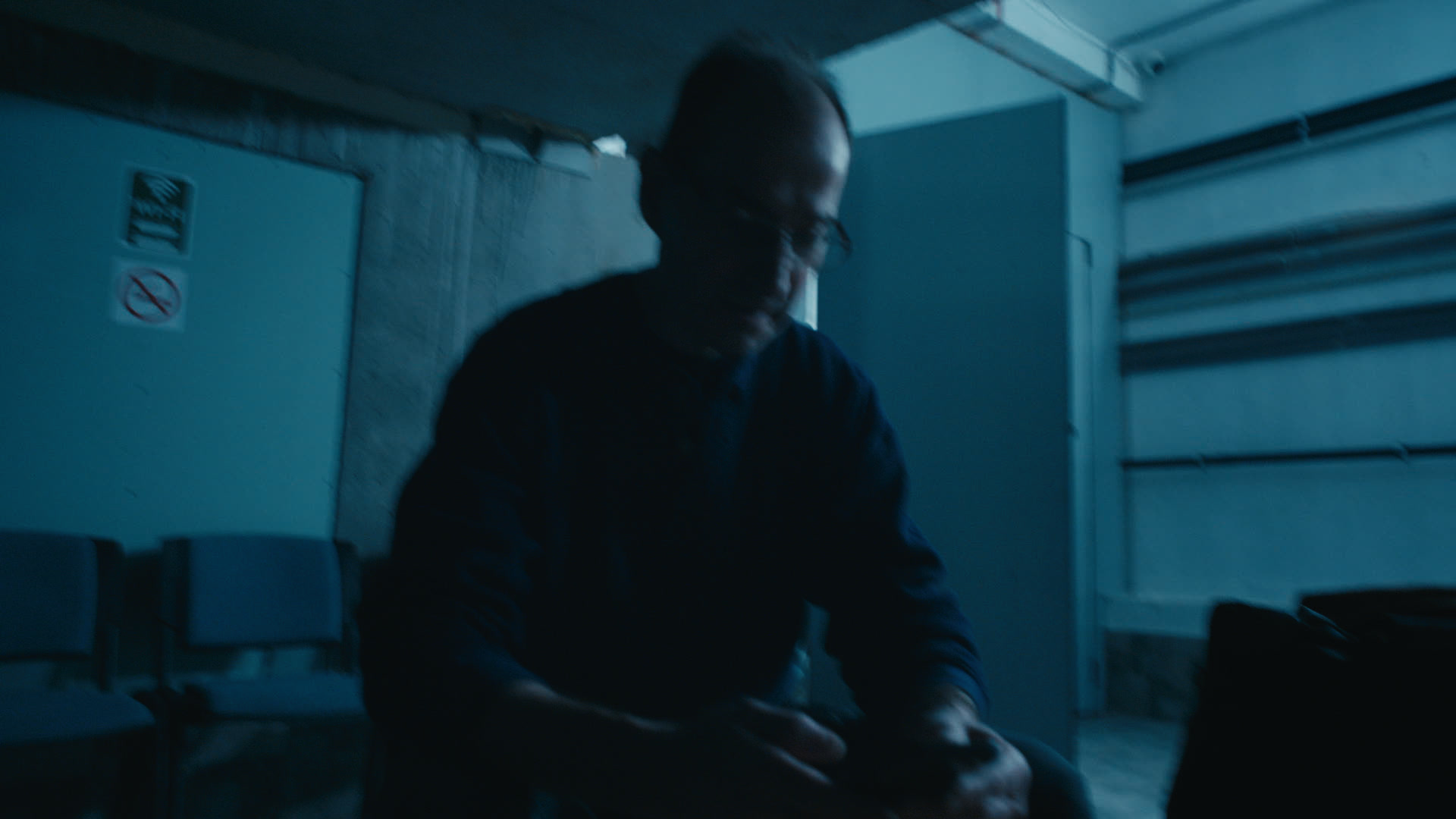
00:01:13 since we're so busy. So I'd just gotten up early, about 4:00 or so, since I'm so busy running around all day with no time to do other work and catch up on emails. And just stepping into the shower, I heard this huge bang outside the window. And I thought, "Oh, crap. Here we go. I better hurry up and get my stuff done." And then Andrei texted and he said, "The preliminary launch of caliber cruise missiles has been carried out from a shockwave tape. We expect the cruise missiles to enter Ukrainian airspace within the next 30 minutes. There has already been one explosion in Dnipro. It's better to go down to the shelter.
00:01:58 So, this is the shelter.
00:02:00 I haven't had to do this before on my previous three trips. I'm not really sure how long to stay down here because there's not up here to be any Wi-Fi or cell service. But, Wi-Fi and cell service are down up in the room. But I think there's a special different Wi-Fi network down here we can try to log into.
Speaker 2
00:02:22 go on one of the apps and see if you can track the progress of what's happening.
Speaker 1
00:02:34 Do you want to open up your phone and just show the written message from Andre? Yeah, you already got it once, but here's another shot. And I just reinstalled the app. I was trying to figure out how to disable the alarms. I need to enable messaging. Do you have the app on your phone, Laura? Yeah, why don't you open it? Maybe we can pull that up to the camera.
Speaker 3
00:03:09 Oh, is it not working now? Can we show you this? I mean, it says photos of my parents.
Speaker 1
00:03:18 Oh, this one here? Yeah, critical error there. Cause it's just, it's cause it's not on. Oh yeah, there's no service.
Speaker 2
00:03:30 What is the Tsunami G's password? Oh, it's the same one, right? Yeah. What is the password again? Isn't it Tsunami 12? It sort of stays in my memory. Tsunami.N.E.R. Oh good. Yeah, that's what I'm saying. Up there.
Speaker 1
00:04:10 There we go. I'm going to correct the password. Let's try this again.
00:05:03 Amen.
Speaker 2
00:05:31 E aí So it's now 5:20, it was 4:04 when Andre sent that, I think, but I just wanted to give
Speaker 1
00:05:48 that text in the shelter heading back.
Speaker 2
00:05:54 Oh yeah, text that. Yeah, so you can... Let her know we were here.
00:06:00 Yeah, just send it once as only I and then send it again as the lead. Oh, okay. So, wait, I'm in the shelter. It's now an hour and ten minutes since you had a message. I'm heading back to the room. Thank you for something like that. Oh, okay. Oh, wait, okay, start over. I was gonna say thank you.
Speaker 1
00:06:32 Thank you. In the shelter. All is good. Okay, I just tried to text them. Oh. Yep, here we go. Russia just doing what Russia does. Red means the regions of Ukraine that are under attack by Russian missiles, and it's the entire country. And like if you zoom in, you can see the missiles on this one. I don't know how I think it's supposed to be.
00:07:51 ... Yeah, see every time I zoom in it kicks itself out.
00:08:00 Oh, that's pretty far north. So that's Belarus right there. Oh, okay, so I don't know what the code is here. These look like Shahids. Shahids? I'm from Texas. - There it is. - Yeah, yeah, we got the same thing.
Speaker 2
00:08:31 Are we done? - Yeah. - All right. - You ready to go up? - Well, we have two parts.
Speaker 1
00:00:00 Actually, do you want to get some b-roll at this place?
Speaker 2
00:00:09 Actually, do you want to get some b-roll at this place?
Speaker
00:00:00 to do on the back is not necessarily a few
Speaker
00:00:00 (Transcript content available)
Speaker
00:00:00 (Transcript content available)
Speaker
00:00:00 So we've been blacked out all night in the area--
Speaker 1
00:00:00 So we've been blacked out all night and the neighborhood around the hotel is dark but this So we've been blacked out all night and the neighborhood around the hotel is dark but this place has some huge generators that keep it going and that's the really loud noise you hear
Speaker 2
00:00:17 in the background.
Speaker 1
00:00:21 And we were about power only five minutes? Yeah, when I got back last night, everything was fine until literally I walked into my room and everything went completely dark. The only thing on was a faint light in the hallway from the emergency exit stairwell right down the hall. And fortunately it came back on about 15 seconds later and it was fine all night.
Speaker 2
00:00:52 I'm like 3 minutes in my room, but that's not...
Speaker 1
00:00:00 So we've been blacked out all night and the neighborhood around the hotel is dark but this So we've been blacked out all night and the neighborhood around the hotel is dark but this place has some huge generators that keep it going and that's the really loud noise you hear
Speaker 2
00:00:17 in the background.
Speaker 1
00:00:21 And we were about power only five minutes? Yeah, when I got back last night, everything was fine until literally I walked into my room and everything went completely dark. The only thing on was a faint light in the hallway from the emergency exit stairwell right down the hall. And fortunately it came back on about 15 seconds later and it was fine all night.
Speaker 2
00:00:52 I'm like 3 minutes in my room, but that's not...
Speaker 1
00:00:56 Maybe you're closer to the generator. Yeah, they take care of the poor before they take care of the people at a luxury suite. Alright, so since I was camped out here, are you just going to be camping out of my stuff now? So we've been down here for a while and doesn't see how much else is going on.
Speaker 2
00:01:23 So I think I'll head back upstairs and try to reconnect to cell service and better Wi-Fi and see if there are any updates. I would say, you know, if I couldn't tell Andre that he can come down to the shelter, he'd be pissed. That's a good point. Yeah, I would say that. Well, I've been down here for a while and doesn't see how much is going on.
Speaker 1
00:01:50 And at least this way, I can honestly tell Andre. I did take your advice, but I did go to the shelter. All right.
Speaker 2
00:02:06 Yeah, it's really telling, I think, that this place is like deserted. Are you guys going to hear that huge explosion now? No, but I did hear things like after you got Logan up, I heard that some bum bum bum.
Speaker 1
00:02:23 Oh, that's probably further away. Yeah, we can log back on and get updates. Or I can log back on and get updates about exactly what's happening in the region. Okay, now you say, "I'm gonna log back in and get updates on what I'm doing." Yeah, I'm gonna log back in and get updates because there were some other sounds too after the initial really loud one, so maybe there's other blasts happening further away. Oh boy. Because we heard the air raid alarm. But I didn't hear the explosion.
Speaker 1
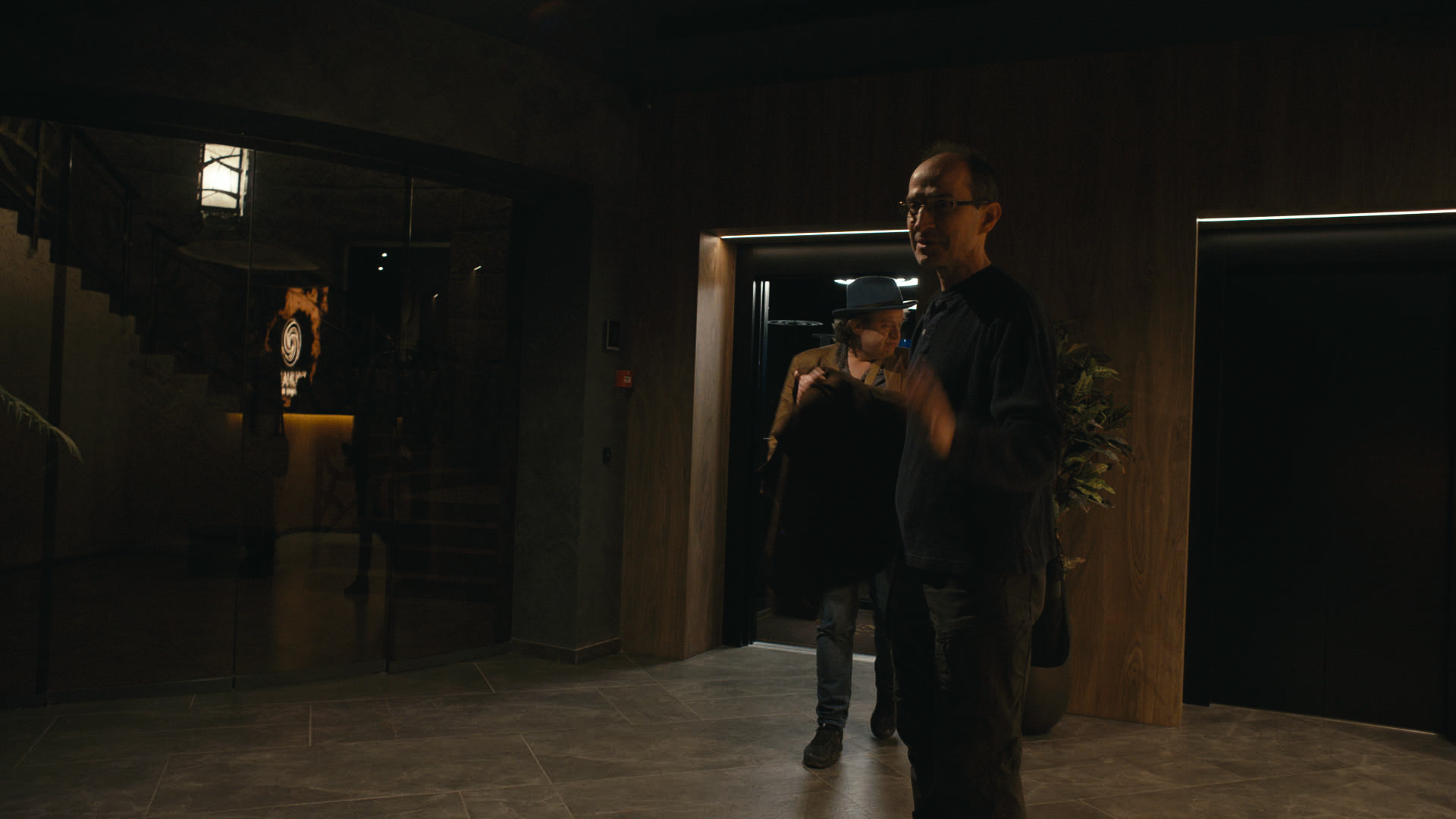
00:00:00 You guys okay? You guys okay? Yep. Alright, I'm sorry. Should I just walk again? You can walk again, sure. I thought you guys said somebody forgot something.
Speaker 2
00:00:13 No, we're just making a scene.
Speaker
00:00:00 (Transcript content available)
Speaker
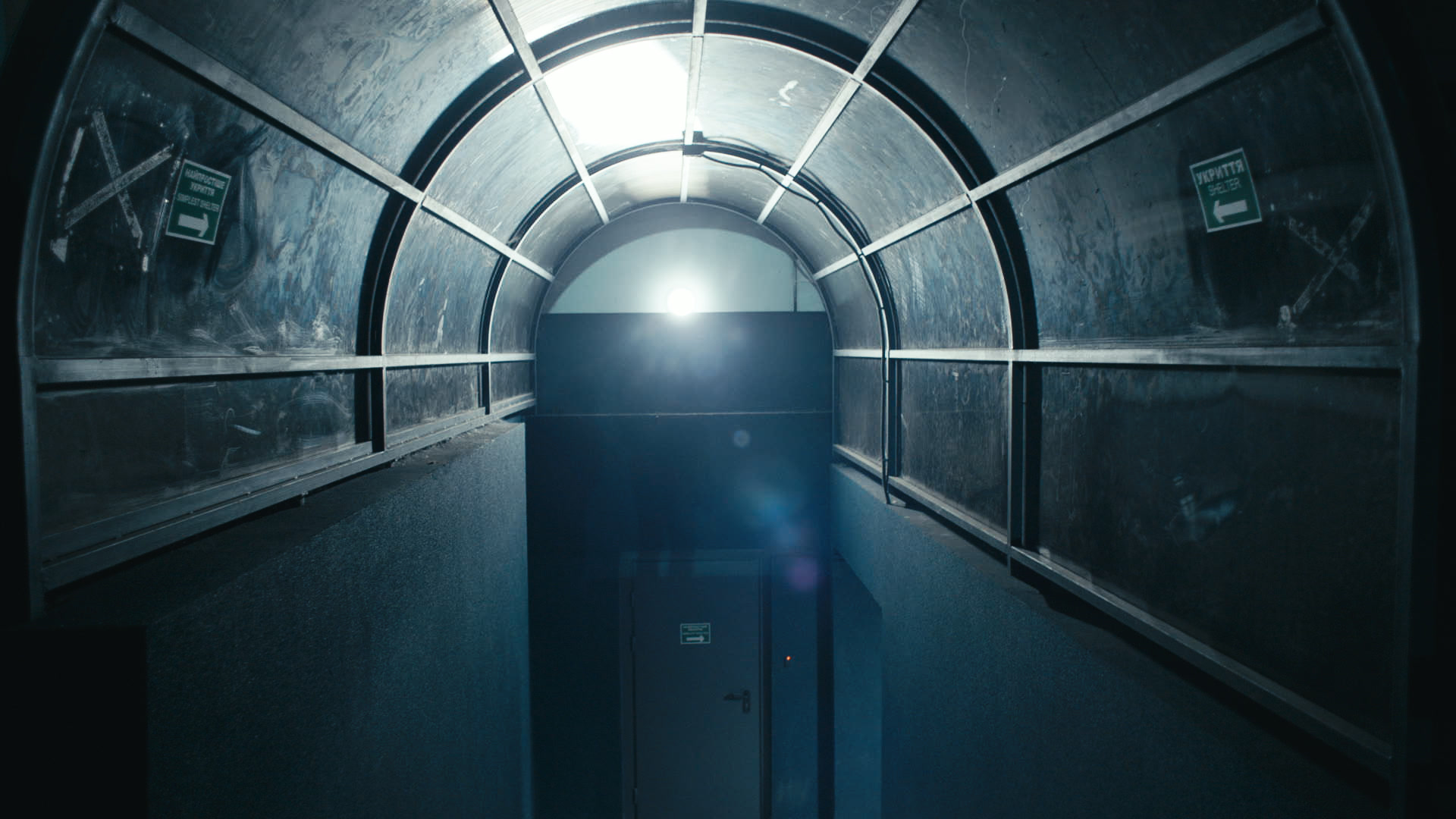
00:00:00 I expect you to message underneath the message of get to the shelter, but it's okay.
Speaker
00:00:00 in the shelter since our our our host messaged us that there were missiles in
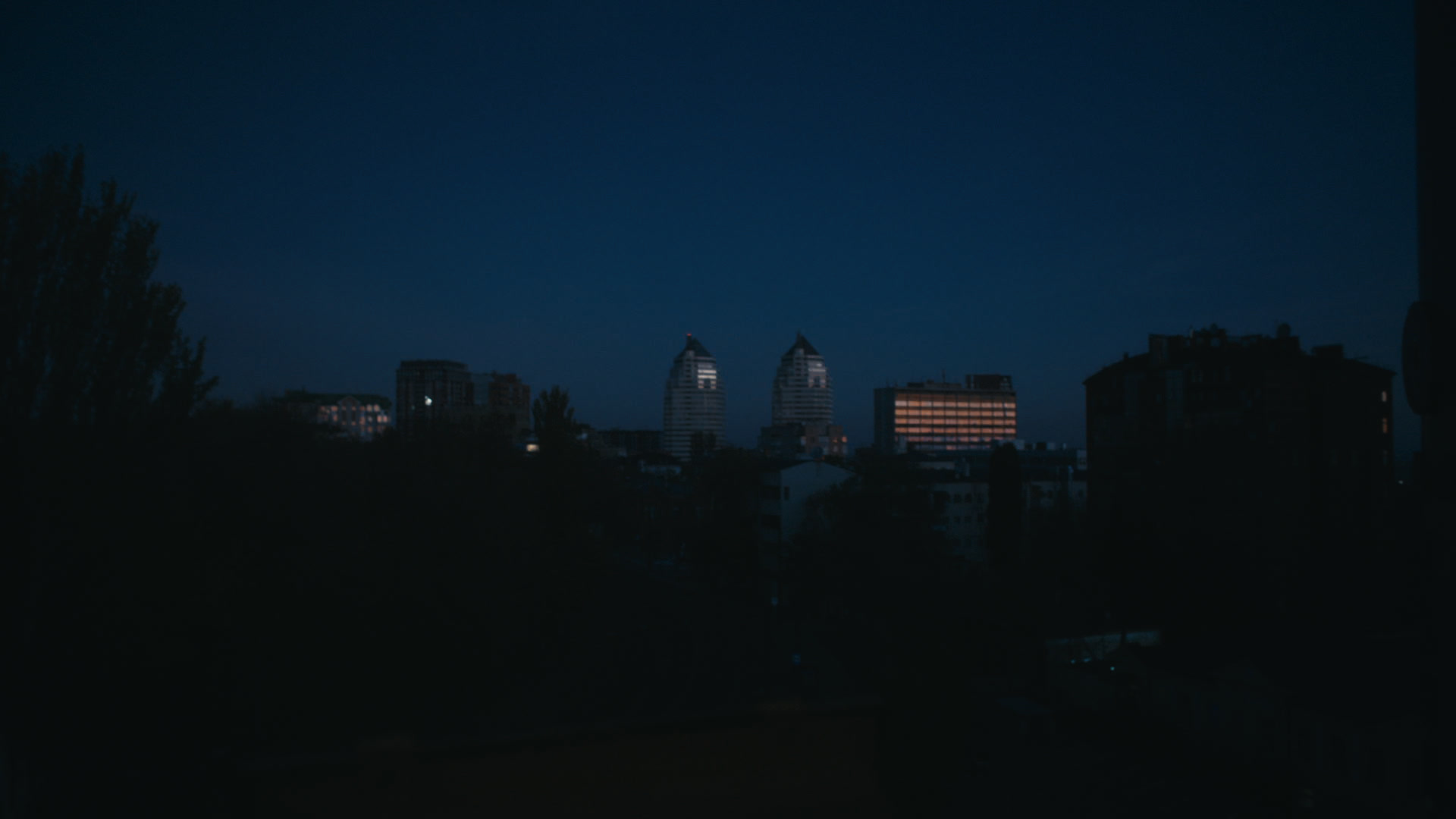
Speaker
00:00:00 (Transcript content available)
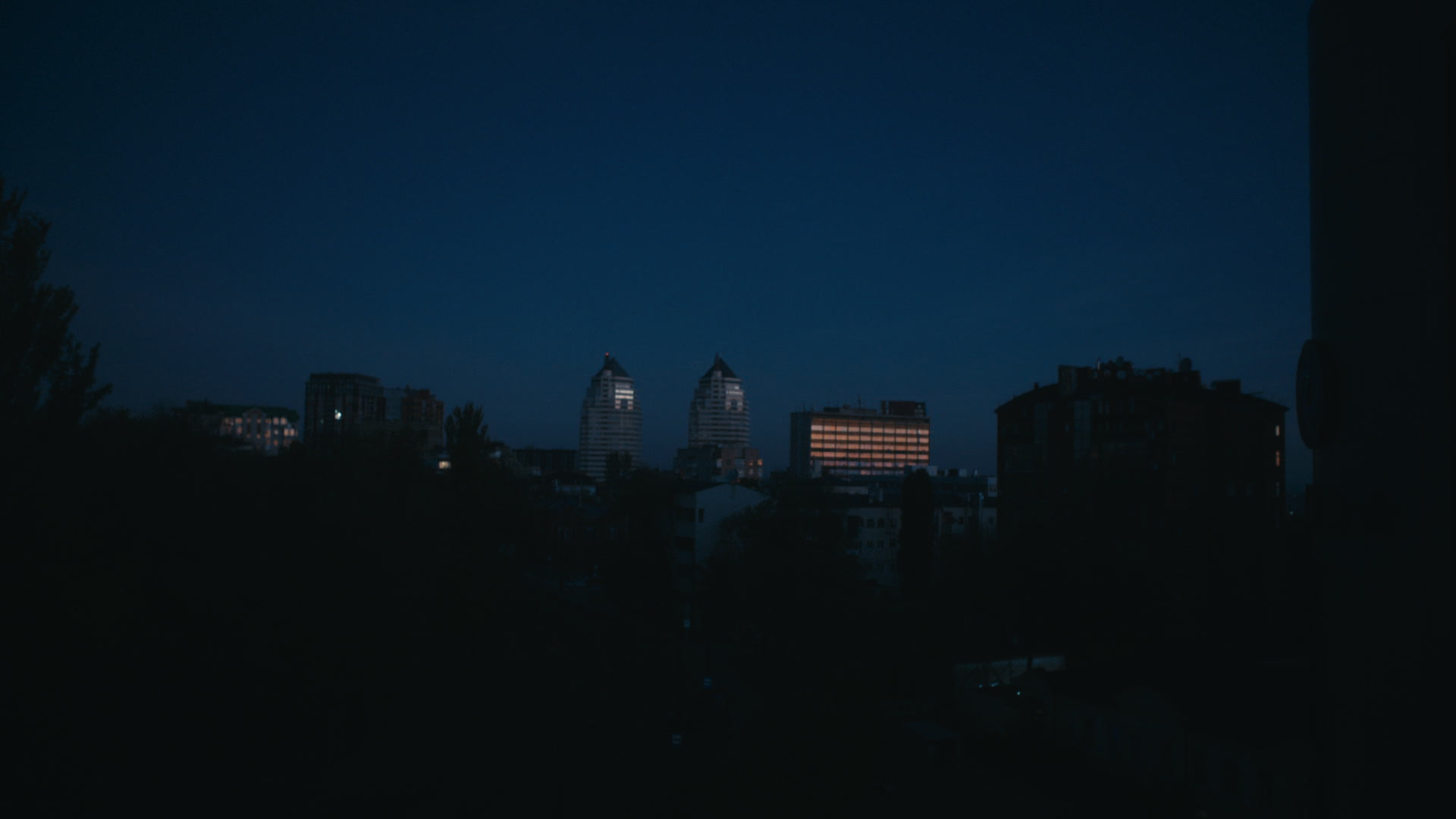
Speaker
00:00:00 (Transcript content available)
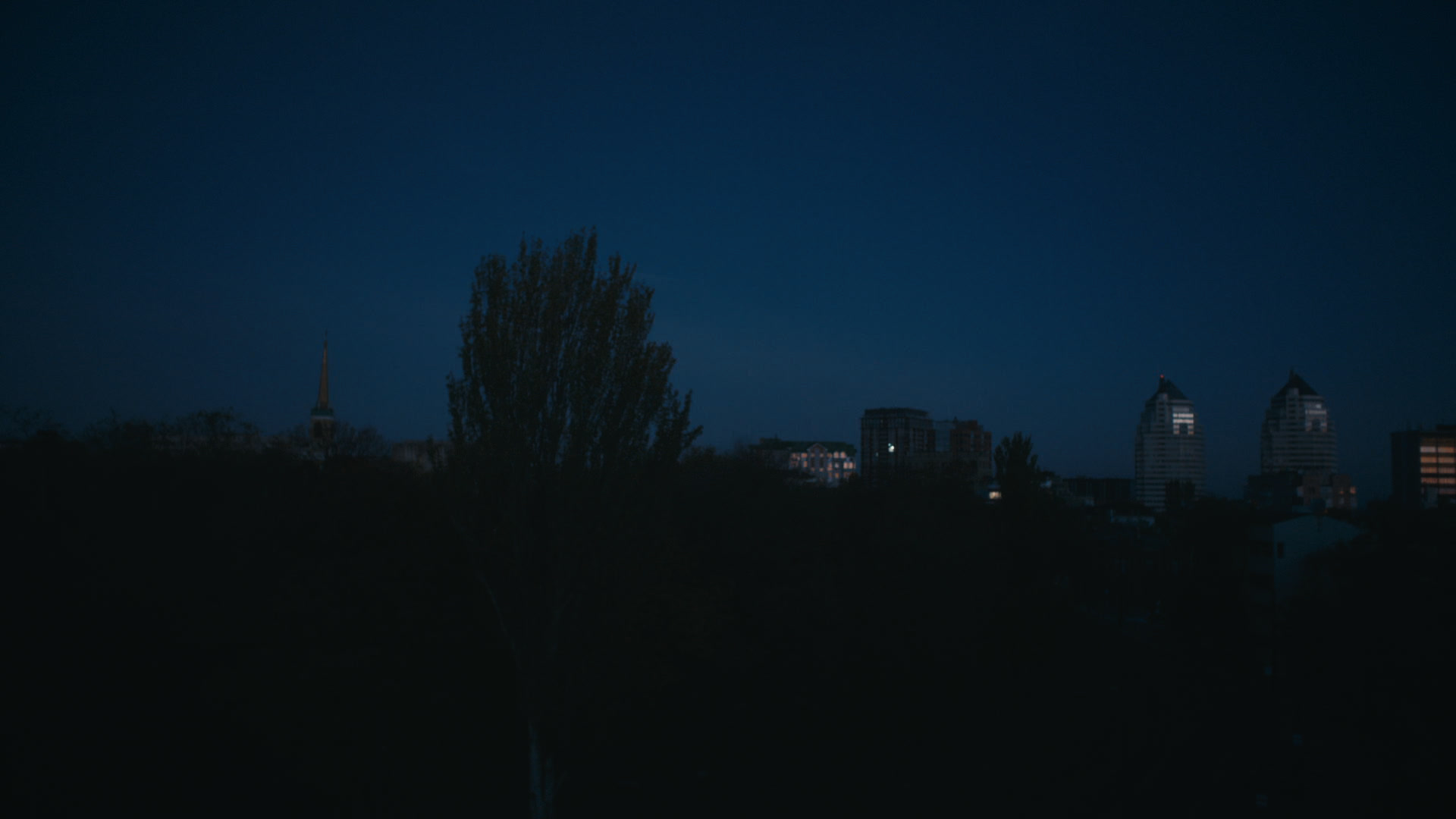
Speaker
00:00:00 (Transcript content available)
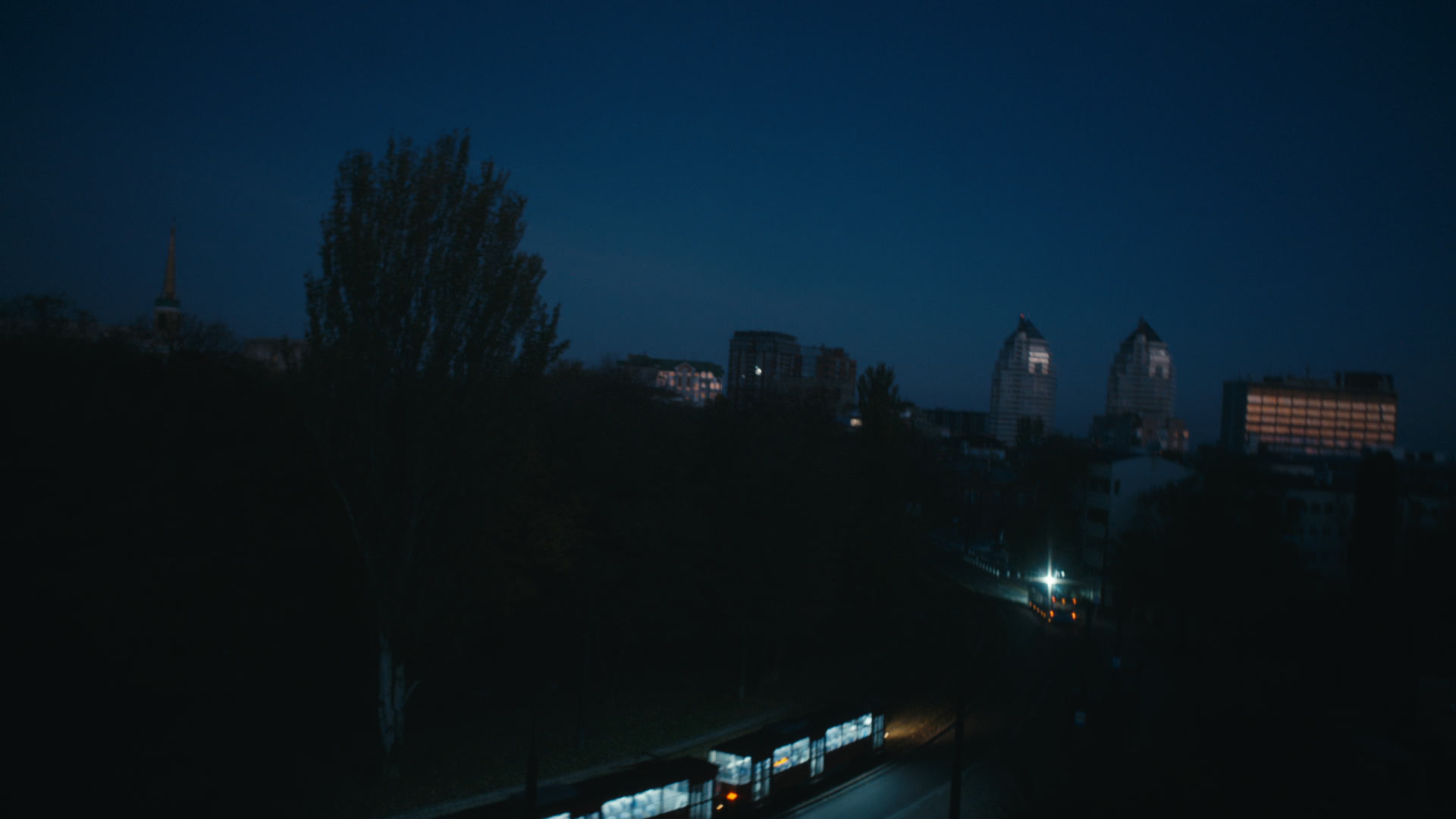
Speaker
00:00:00 What was that?
Speaker
00:00:00 (Transcript content available)
Speaker
00:00:00 (Transcript content available)
Speaker
00:00:00 (Transcript content available)
Speaker
00:00:00 (Transcript content available)
Speaker
00:00:00 (Transcript content available)
Speaker
00:00:00 (Transcript content available)
Speaker
00:00:00 (Transcript content available)
Speaker
00:00:00 (Transcript content available)
Speaker
00:00:00 (Transcript content available)
Speaker
00:00:00 (Transcript content available)
Speaker
00:00:00 (Transcript content available)
Speaker
00:00:00 (Transcript content available)
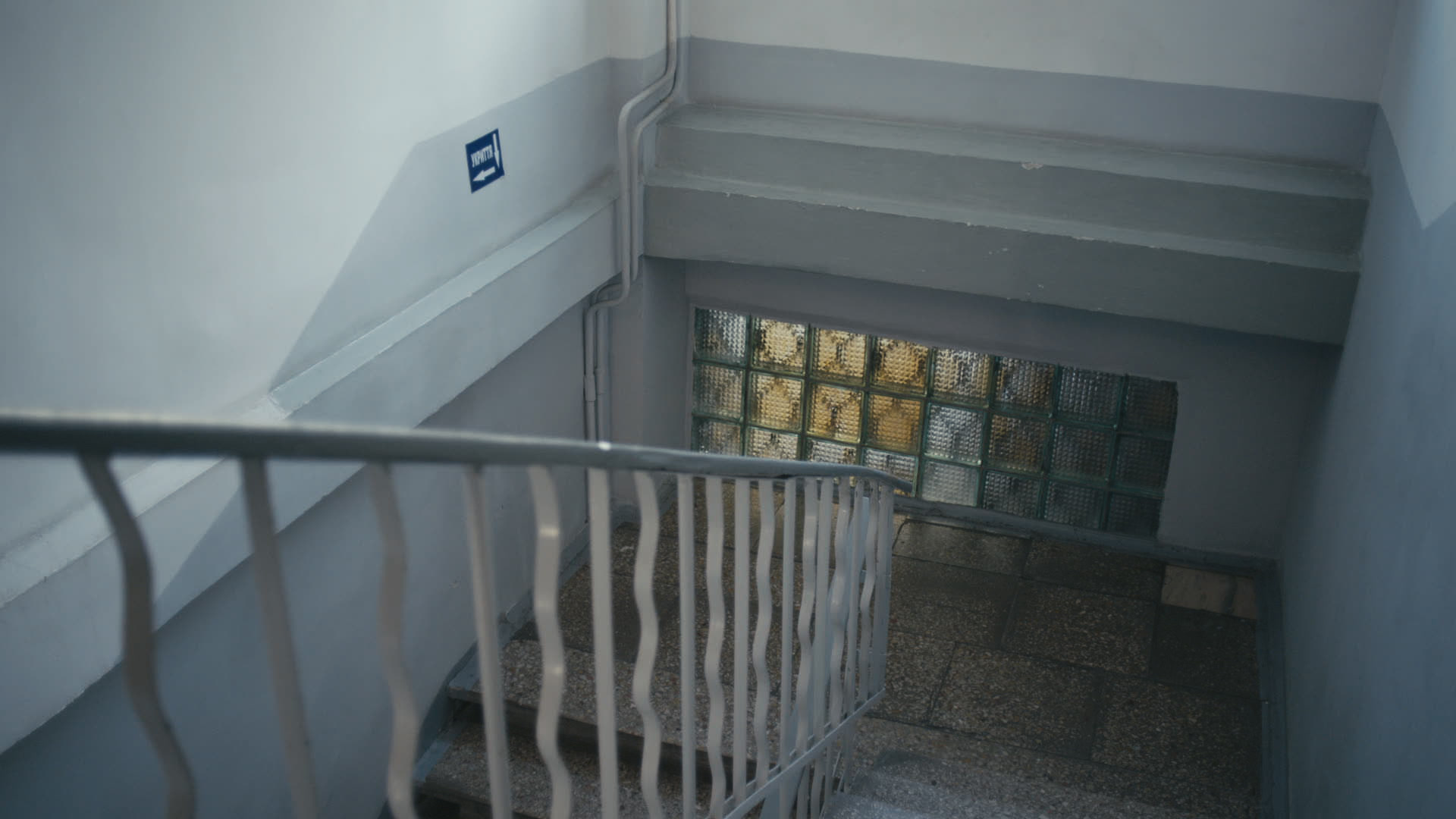
Speaker
00:00:00 (Transcript content available)
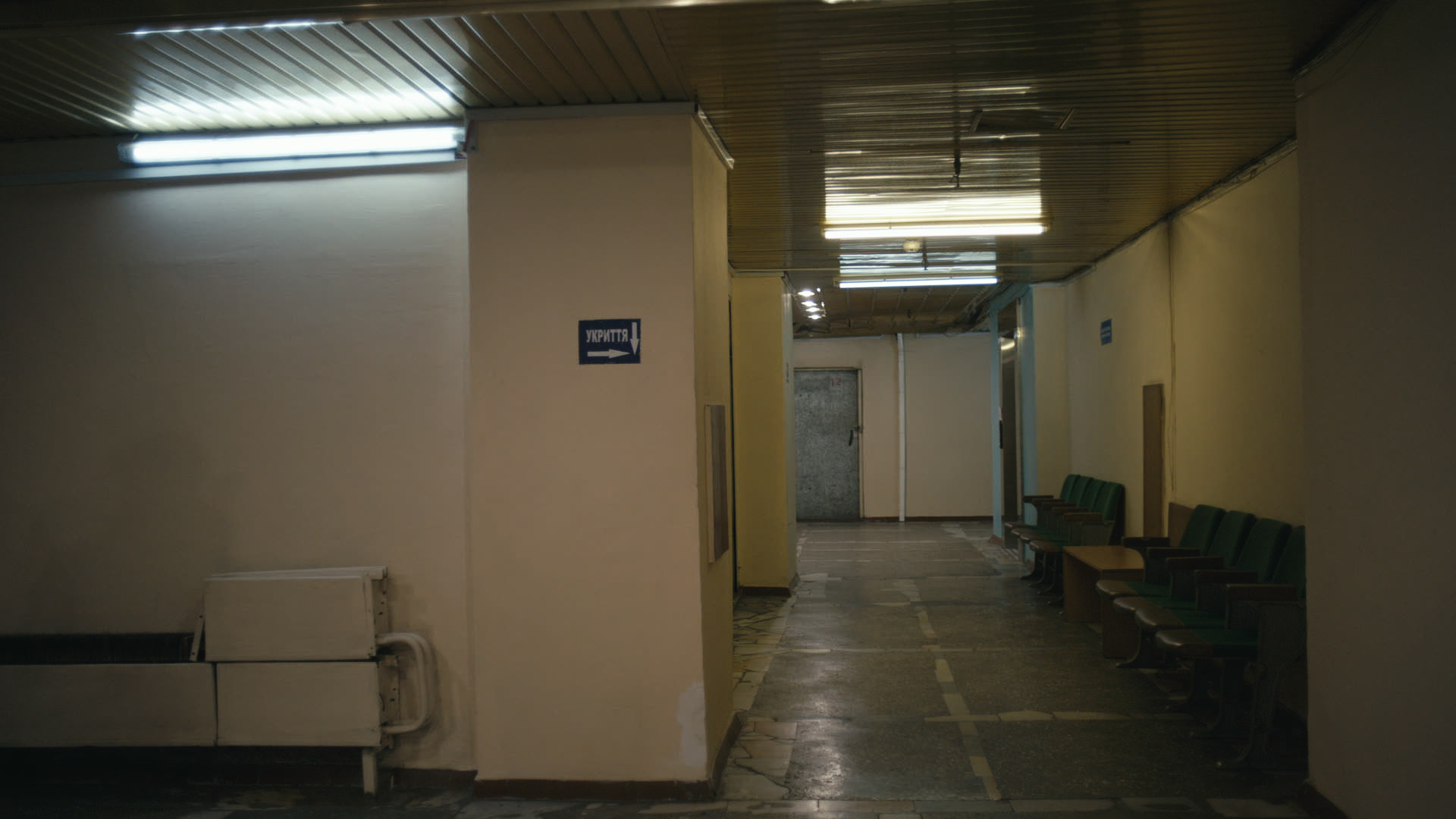
Speaker
00:00:00 What's that?
Speaker
00:00:00 Is that a place where she told us?
Speaker
00:00:00 (Transcript content available)
Speaker
00:00:00 (Transcript content available)
Speaker
00:00:00 (Transcript content available)
Speaker
00:00:00 (Transcript content available)
Speaker
00:00:00 (Transcript content available)
Speaker
00:00:00 (Transcript content available)
Speaker
00:00:00 - You don't want me to film.
Speaker
00:00:00 contracts.
Speaker
00:00:00 walk go through here
Speaker
00:00:00 I'm surprised we were able to walk up here without any...
Speaker
00:00:00 (Transcript content available)
Speaker
00:00:00 (Transcript content available)
Speaker
00:00:00 (Transcript content available)
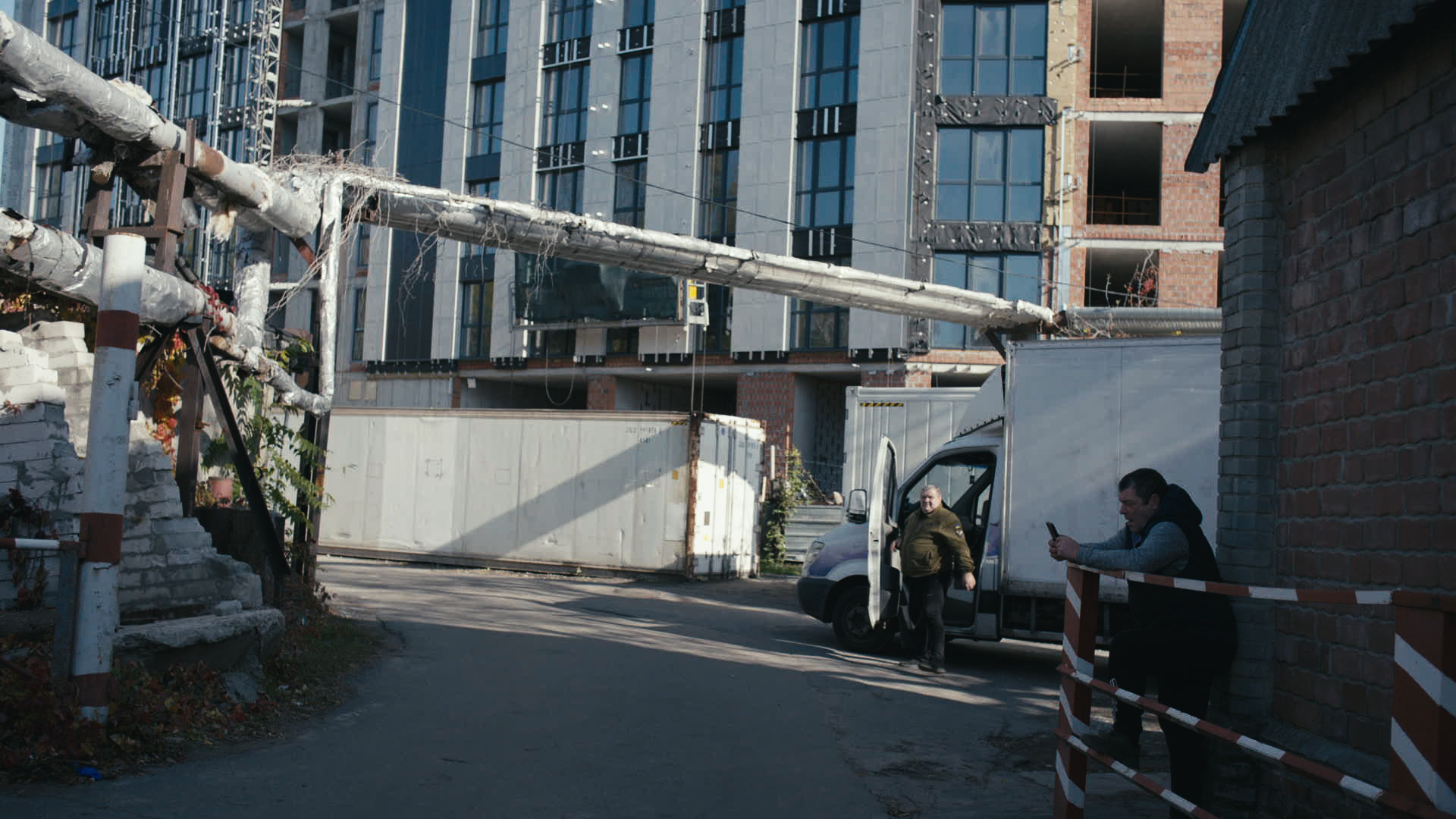
Speaker
00:00:00 Seryonya, the guys are waiting for you!
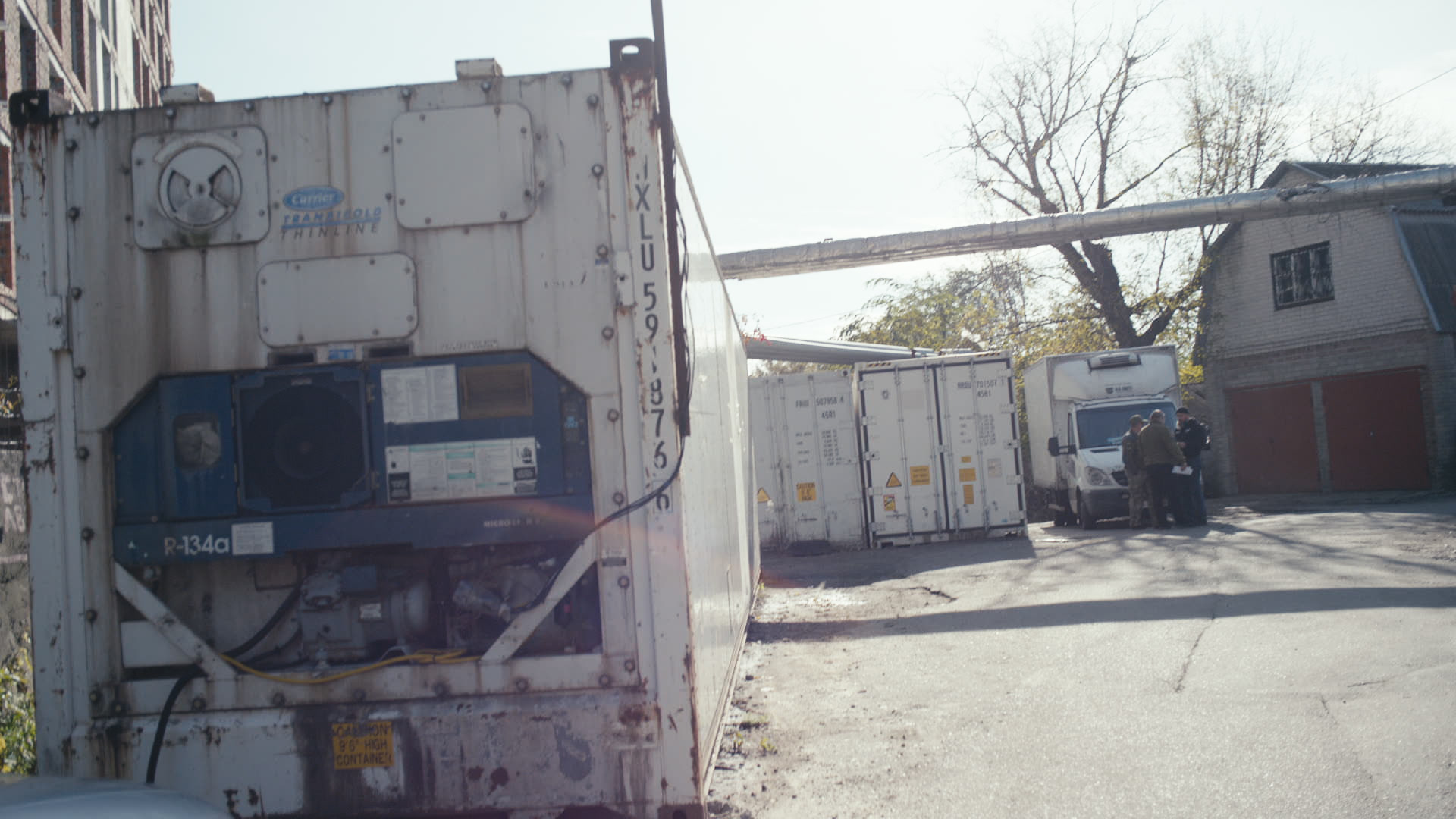
Speaker
00:00:00 (Transcript content available)
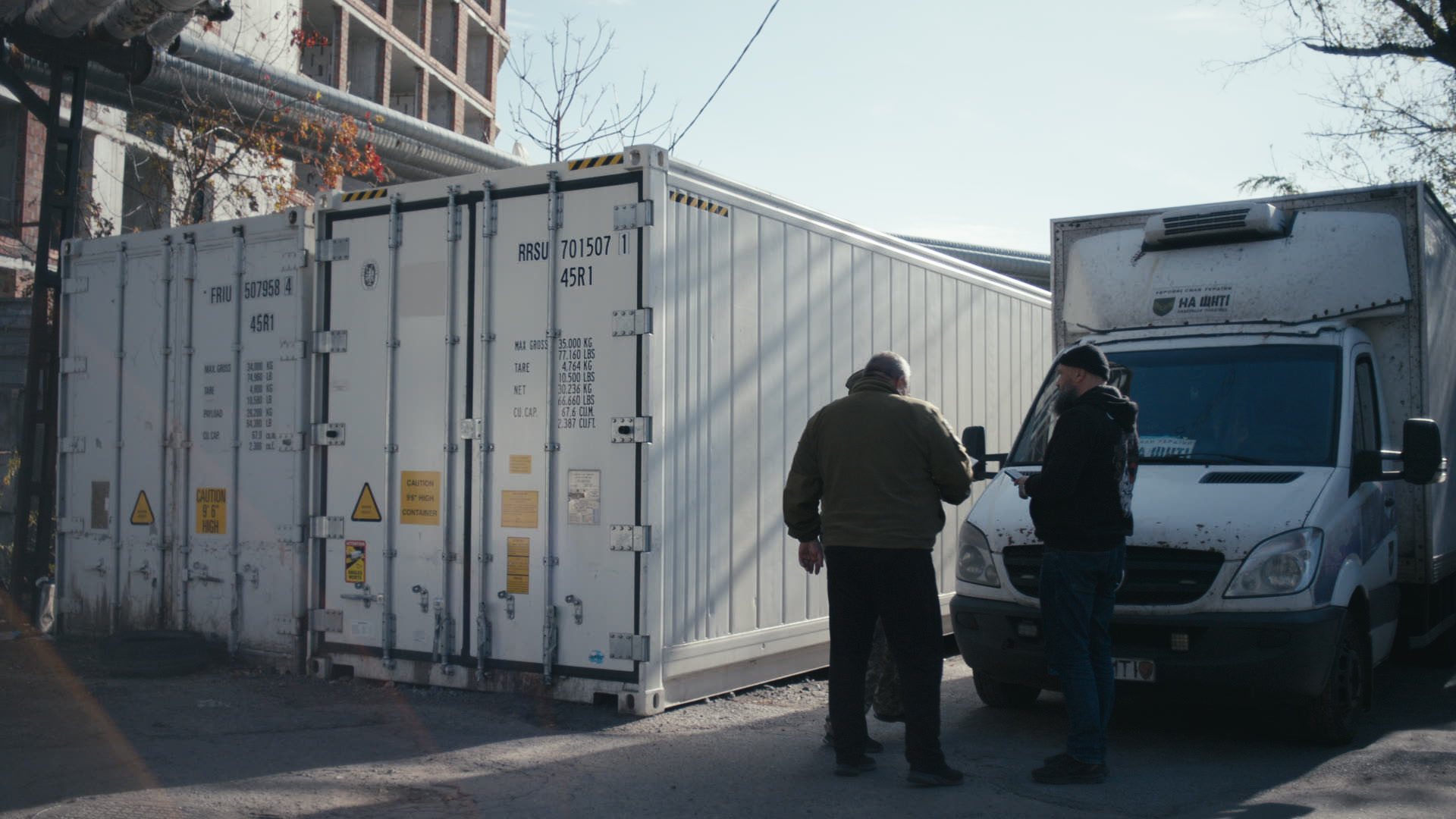
Speaker
00:00:00 (Transcript content available)
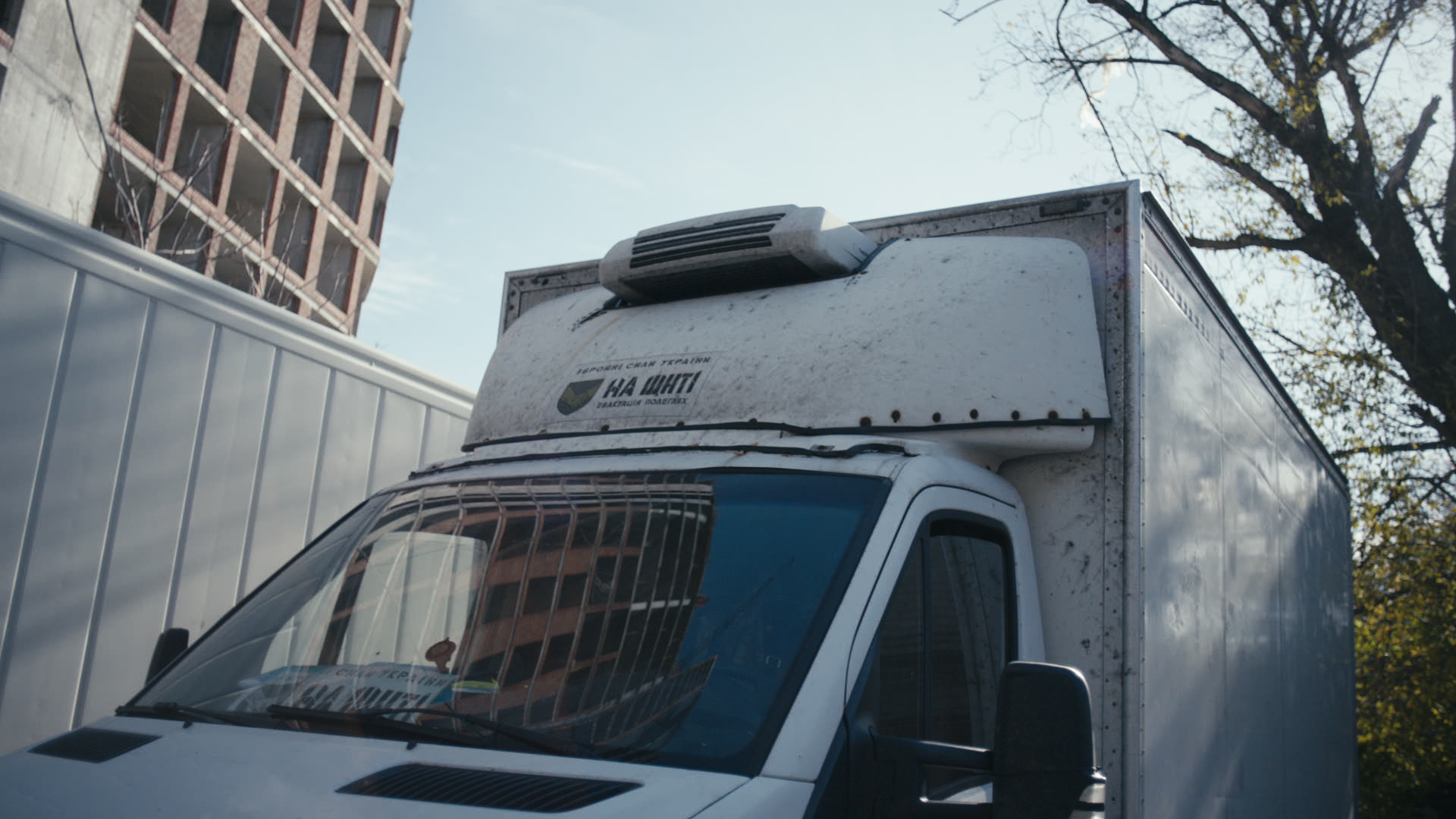
Speaker
00:00:00 (Transcript content available)
Speaker
00:00:00 (Transcript content available)

Speaker
00:00:00 - 어, 좀 쉬어보겠습니다.
Speaker
00:00:00 I need to get there.
Speaker
00:00:00 (Transcript content available)
Speaker
00:00:00 (Transcript content available)
Speaker
00:00:00 (Transcript content available)
Speaker
00:00:00 (Transcript content available)
Speaker
00:00:00 (Transcript content available)
Speaker
00:00:00 (Transcript content available)
Speaker
00:00:00 (Transcript content available)
Speaker
00:00:00 (Transcript content available)
Speaker
00:00:00 (Transcript content available)
Speaker
00:00:00 (Transcript content available)
Speaker
00:00:00 (Transcript content available)
Speaker
00:00:00 (Transcript content available)
Speaker
00:00:00 (Transcript content available)
Speaker
00:00:00 - Get on the last mirror.
Speaker
00:00:00 (Transcript content available)
Speaker
00:00:00 (Transcript content available)
Speaker 1
00:00:00 I don't know if you've heard Andrew's other story.
00:00:00 I don't know if you've heard Andrew's other story. He had an endotectomy done. Dad, just a new arm, could have moved parts of his left arm, but he's a surgeon. So show them how your arm is doing now. And this is-- the elbow is OK? Yes, yes. Yeah, that's great. Almost OK. Congratulations. I ask you to look at the control, it's bad, the patient, and with the epidural hematoma.
Speaker 2
00:00:25 Show me, show me. A contusion, I think this is generally minor hemorrhaging. I'm actually writing you a text message, here look. With this control, I discussed it. And where was the bleeding from? Parasagittal, temporal, bridging veins. Bridgin. - Bridgin. - Inflow outflow. But. Contralateral side. Posterior cranial fossa. - He was. - In psychomotor agitation. He scored 14 points. Not bad in terms of pain.
00:01:11 My opinion is to wait until at least the contusion develops. I don't know now, this morning he was so critical. I'll go take a look now. Discontinue mannitol, remove sedation and assess in an hour. Good. The inflow-outflow is in place, is it working? I'll go now. The inflow-outflow allows, sometimes, even to drain CSF in the subarachnoid space, also therapeutic like that... Yes, you're right. The vein bleeds, while it bleeds, it sometimes still functions. Compressed or coagulated immediately. - Injured vein, yes, yes. - Look, how the vein universally with hemorrhagic progression.
Speaker 1
00:00:00 I don't know if you've heard Andrew's other story.
00:00:00 I don't know if you've heard Andrew's other story. He had an endotectomy done. Dad, just a new arm, could have moved parts of his left arm, but he's a surgeon. So show them how your arm is doing now. And this is-- the elbow is OK? Yes, yes. Yeah, that's great. Almost OK. Congratulations. I ask you to look at the control, it's bad, the patient, and with the epidural hematoma.
Speaker 2
00:00:25 Show me, show me. A contusion, I think this is generally minor hemorrhaging. I'm actually writing you a text message, here look. With this control, I discussed it. And where was the bleeding from? Parasagittal, temporal, bridging veins. Bridgin. - Bridgin. - Inflow outflow. But. Contralateral side. Posterior cranial fossa. - He was. - In psychomotor agitation. He scored 14 points. Not bad in terms of pain.
00:01:11 My opinion is to wait until at least the contusion develops. I don't know now, this morning he was so critical. I'll go take a look now. Discontinue mannitol, remove sedation and assess in an hour. Good. The inflow-outflow is in place, is it working? I'll go now. The inflow-outflow allows, sometimes, even to drain CSF in the subarachnoid space, also therapeutic like that... Yes, you're right. The vein bleeds, while it bleeds, it sometimes still functions. Compressed or coagulated immediately. - Injured vein, yes, yes. - Look, how the vein universally with hemorrhagic progression.
Speaker 1
00:01:56 Yes, yes. - Because of the university. - And below the tentorium, yes.
Speaker 2
00:02:05 - What is this? Do you have universal? -Now we need to stop analogue sedation and give TZ. Discontinue mannitol, turn off sedation. -Adjust the inflow outflow in an hour. -I'll write to you, okay? -Yes, you can call. We just turned on airplane mode for an hour because we were giving a presentation at the Congress of Military Surgeons and Anesthesiologists of Ukraine. We were put first with two presentations. By the way, you're also a presenter. Did you see? No. How did you not see? I'll show you now.
00:02:57 Rocarmando, Alex Volasko, Cherednichenko, Botikov, Gullidin, Sirko, Perepelitsa, Lambrozo, Starik. This is Coasar, our report, Nikita Lombroza. I always talk about my team.
Speaker 1
00:03:30 That's why all the results are sent to teamwork.
Speaker 2
00:03:34 Oh, yeah. Oh, yes. It's all about, exactly, teamwork. Yes, yes. For my glory, it's not need anything. So, you're a chairman. Yeah, your glory is your team. Yeah. How well your department does. My team and the results of work, my team.
Speaker
00:00:00 We always have bottles of water from my room.
Speaker
00:00:00 (Transcript content available)
Speaker
00:00:00 (Transcript content available)
Speaker 2
00:00:29 Super.
Speaker 1
00:00:30 Yeah.
Speaker 2
00:00:30 Yeah. I'm good at that. OK. Let's go. Turn back off the light. Turn back off the light.
Speaker 1
00:00:40 Do you have the lights off? No. Yeah, no. OK. I think the guy was always done. There you go. The same line too. The same line too.
Speaker 1
00:00:00 Good afternoon!
Speaker 2
00:00:00 Good afternoon!
Speaker 1
00:00:30 The dear ones will give us the way along the road.
00:01:00 Oh, this one. Oh. Is this place? Yeah? Just a minute. Yeah, no. Okay. Oh, we find Alex Volatka, yeah? Right here. Oh, Alex Volatka is old. Can... Yes. You do incredible work. Your heroes receive outstanding care. you are leading the world in combat casualty care. Thank you for making me part of your team. Glory to Ukraine. I will always support you. And I will be back many times. Alivanka, Dallas, Texas. March 22nd. March 22nd, 2024.
Speaker 1
00:00:00 Good afternoon!
Speaker 2
00:00:00 Good afternoon!
Speaker 1
00:00:30 The dear ones will give us the way along the road.
00:01:00 Oh, this one. Oh. Is this place? Yeah? Just a minute. Yeah, no. Okay. Oh, we find Alex Volatka, yeah? Right here. Oh, Alex Volatka is old. Can... Yes. You do incredible work. Your heroes receive outstanding care. you are leading the world in combat casualty care. Thank you for making me part of your team. Glory to Ukraine. I will always support you. And I will be back many times. Alivanka, Dallas, Texas. March 22nd. March 22nd, 2024.
Speaker 3
00:01:48 That's right. 22, 3, 24. First visit.
Speaker 1
00:01:55 You promised and you do. Many times. Many times. Four times at least. See, Rocco has much better hand raised. I find Rocco. To Andrei, Yuri and all of Mechnikov, Ukraine, To Andrei, Yuri and all of Mechnikov, Ukraine, I will forever support you. Shoulder to shoulder, we will stand. I shall return together to victory, Razum, pobacimus, Rocco Armando, colonel, retired USA. Medical Corps. Medical? MC, Medical Corps. Medical Corps, February 24, and again February 20, 2025. Razum for Ukraine. Also, you can see Alex Domoratsky from Razum for Ukraine.
00:02:45 Luke Tomich, inspired by your resilience. friends, Slava Ukraine. Yeah, and this from New York. Peter Kim Nielsen, Maxim Shapiro, Razumko pilot Nero team, heroes of medicine and humanity. Humanity, we are with you always. Slava Ukraine. To our friends and colleagues in Dnepro Mechnikov, visit two, visit three. Kim Nelson, Maxim Shapiro, September 2023, April 2024, June 2025. Alex also will have all, but it's small because it's a lot.
00:03:30 Yeah, we can add all the other things. Yes, yes. Oh, Jeff Koli. Do you remember Jeff Koli?
Speaker 3
00:03:36 It's made by 38 government of Kansas.
Speaker
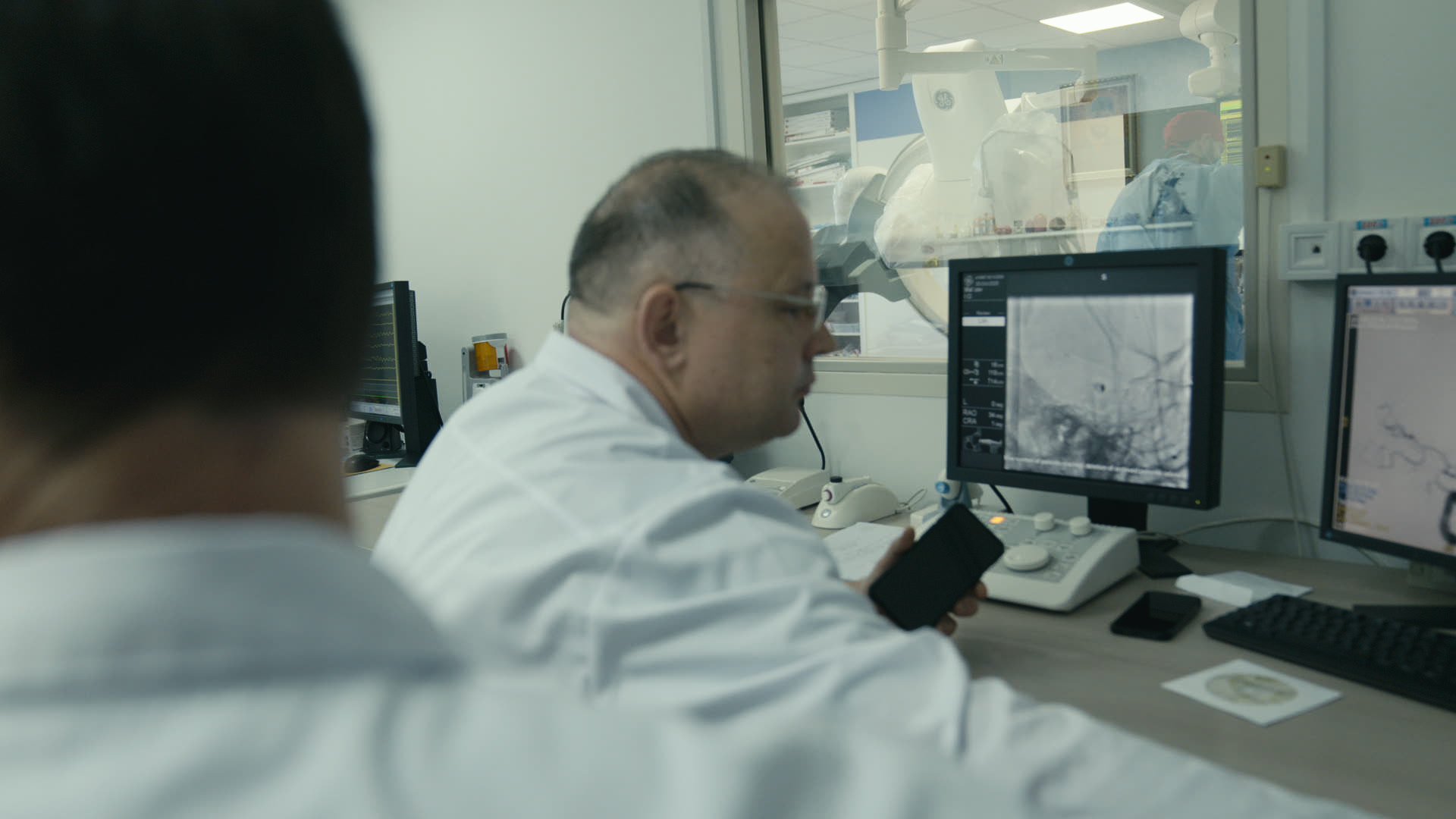
00:00:00 - Is it a femoral artery?
Speaker 1
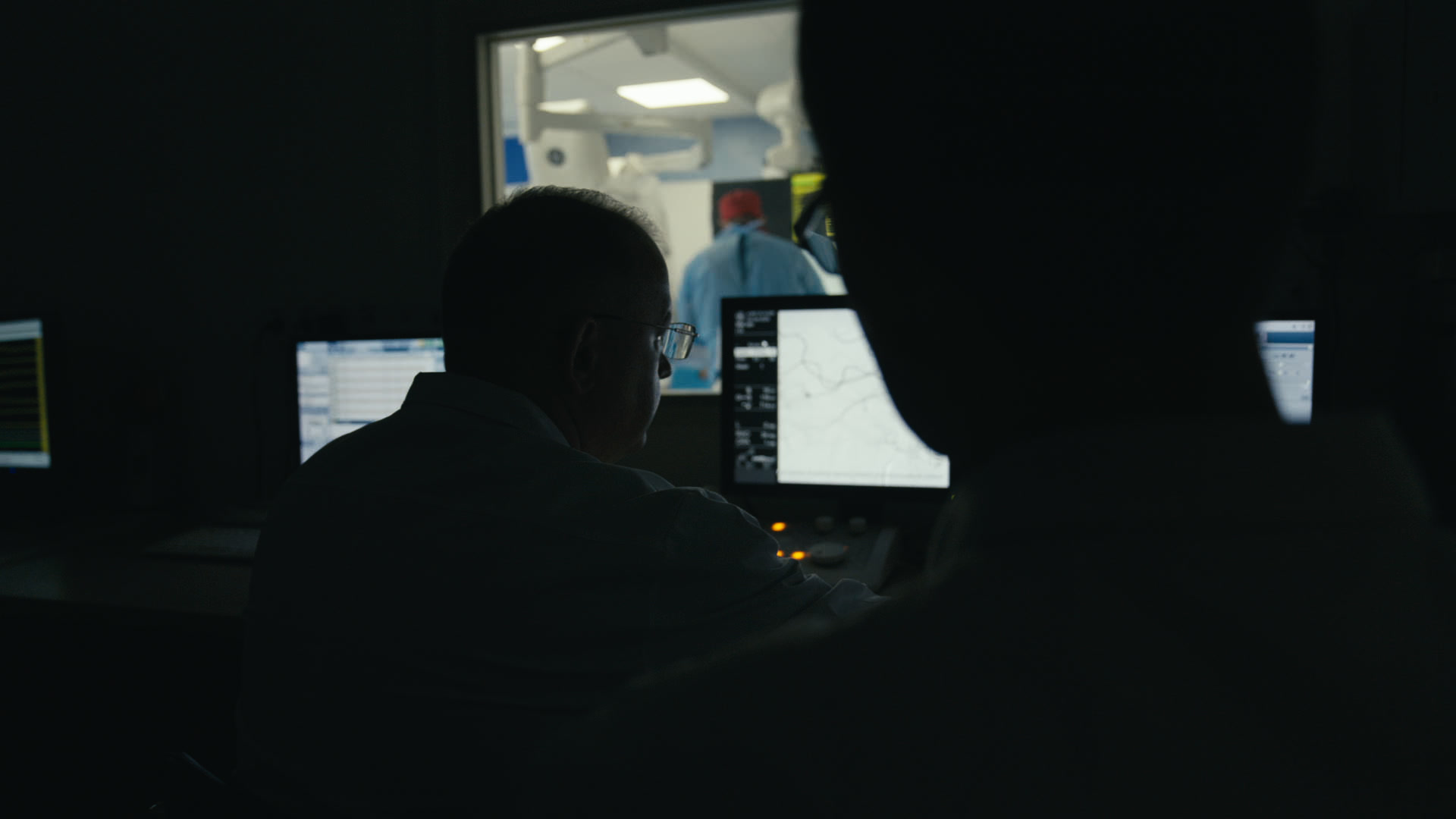
00:00:00 through the radial artery up into the brain and he's injecting dye and trying to occlude
Speaker 2
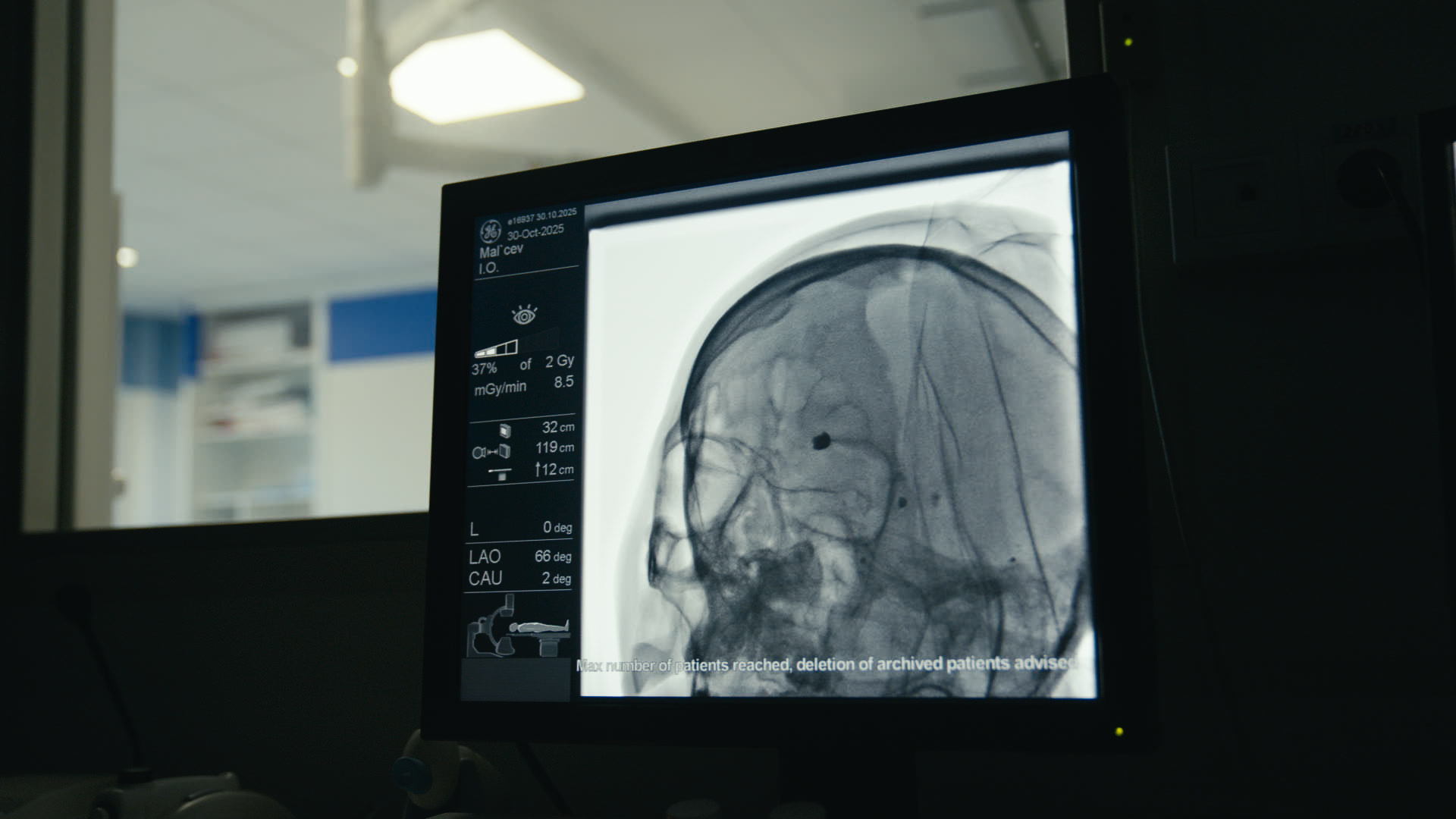
00:00:00 through the radial artery up into the brain and he's injecting dye and trying to occlude yeah you can see this stand yes and this metallic fragment metallic fragment what metallic fragment
Speaker 1
00:00:16 located here here and this traumatic intracranial aneurysm it's uh soldiers two weeks after injury
Speaker 2
00:00:30 So this person was initially injured and you said had surgery at a military hospital outside? The surgery removed the intracerebral hematoma and performed a decompressive cronectomy.
Speaker 1
00:00:00 through the radial artery up into the brain and he's injecting dye and trying to occlude
Speaker 2
00:00:00 through the radial artery up into the brain and he's injecting dye and trying to occlude yeah you can see this stand yes and this metallic fragment metallic fragment what metallic fragment
Speaker 1
00:00:16 located here here and this traumatic intracranial aneurysm it's uh soldiers two weeks after injury
Speaker 2
00:00:30 So this person was initially injured and you said had surgery at a military hospital outside? The surgery removed the intracerebral hematoma and performed a decompressive cronectomy.
Speaker 1
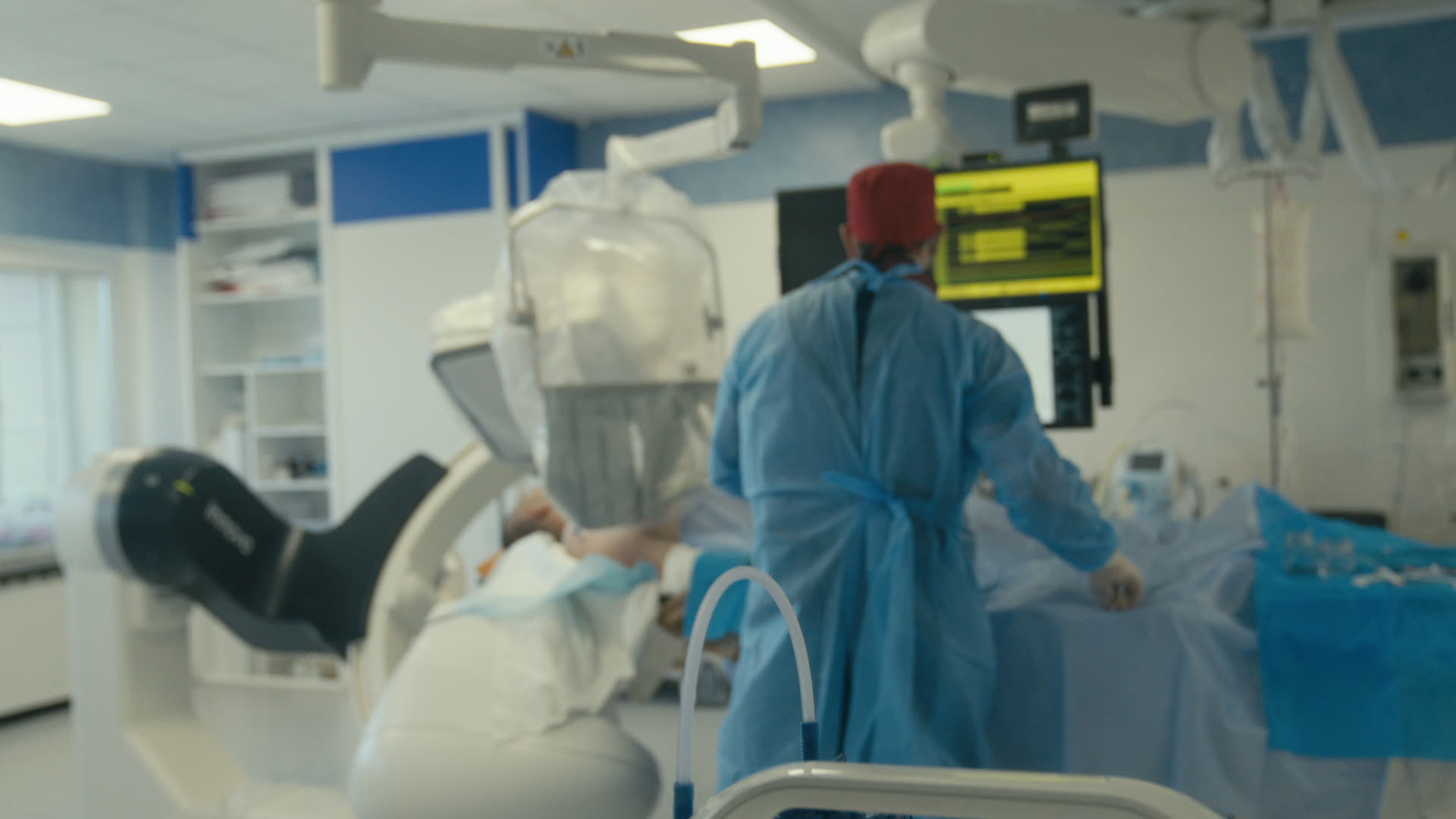
00:00:42 After that transferred to the medical hospital, Yuri and his team performed angiography, The problem is that when you put these stents in there, they need to be on what we call dual anti-pleyly. So aspirin is something stronger than aspirin. You can't do that too soon though because they might bleed in their brain, so it's a balancing act about the timing of all this. This is pretty high-tech equipment that Rocco helped them get.
Speaker 3
00:01:27 He wrote a letter to the government and talked about the need for this type of technology. It's pretty impressive. What is that machine? It's a biplane C-arm, so you can look not only right to left, but front to back.
Speaker 4
00:01:47 You know, get a full three-dimensional reconstruction.
Speaker 2
00:01:52 And also the quality of imaging is so much better too. It's not grainy or seedy or anything like that.
Speaker
00:00:00 (Transcript content available)
Speaker
00:00:00 (Transcript content available)
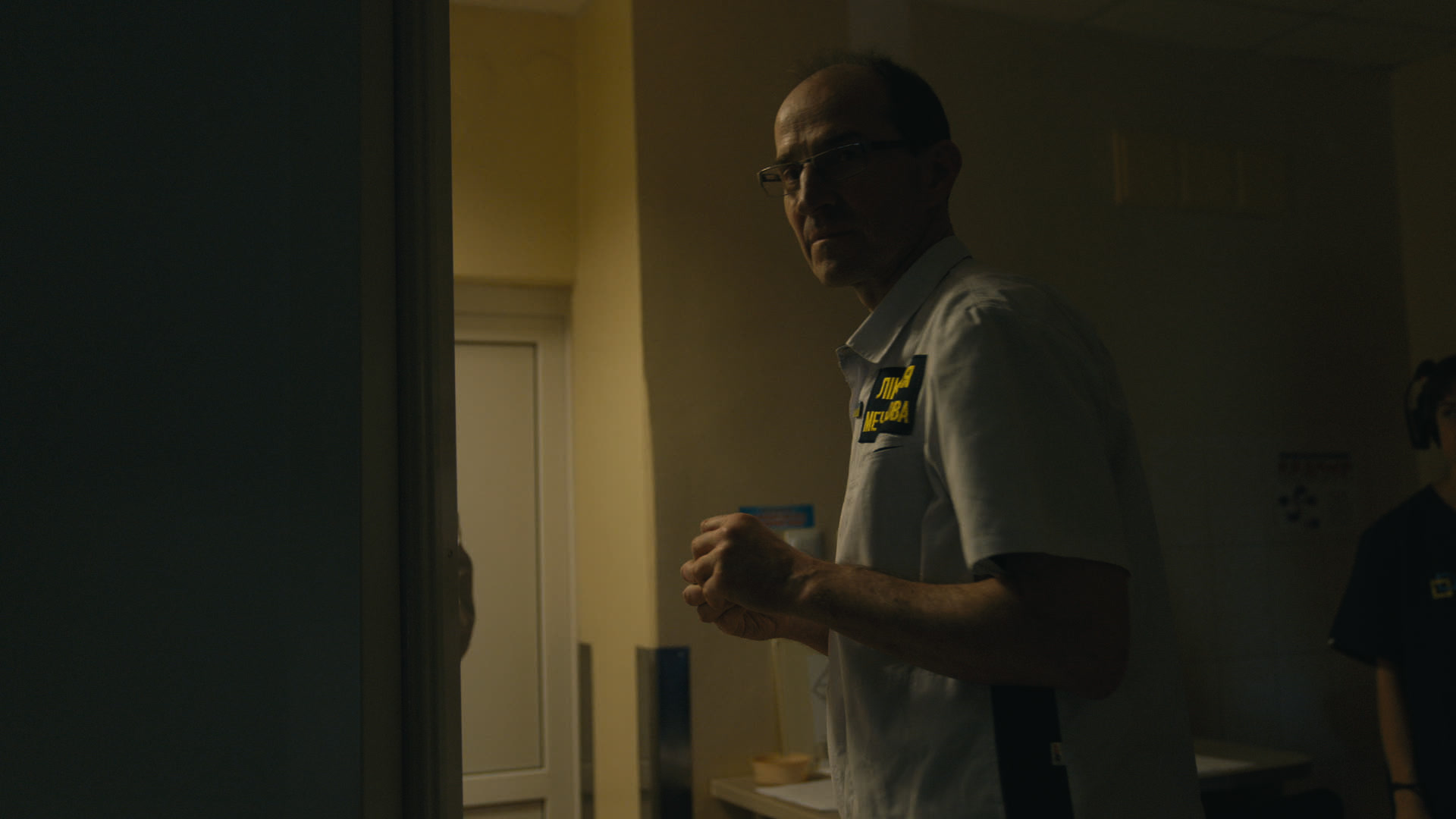
Speaker
00:00:00 (Transcript content available)
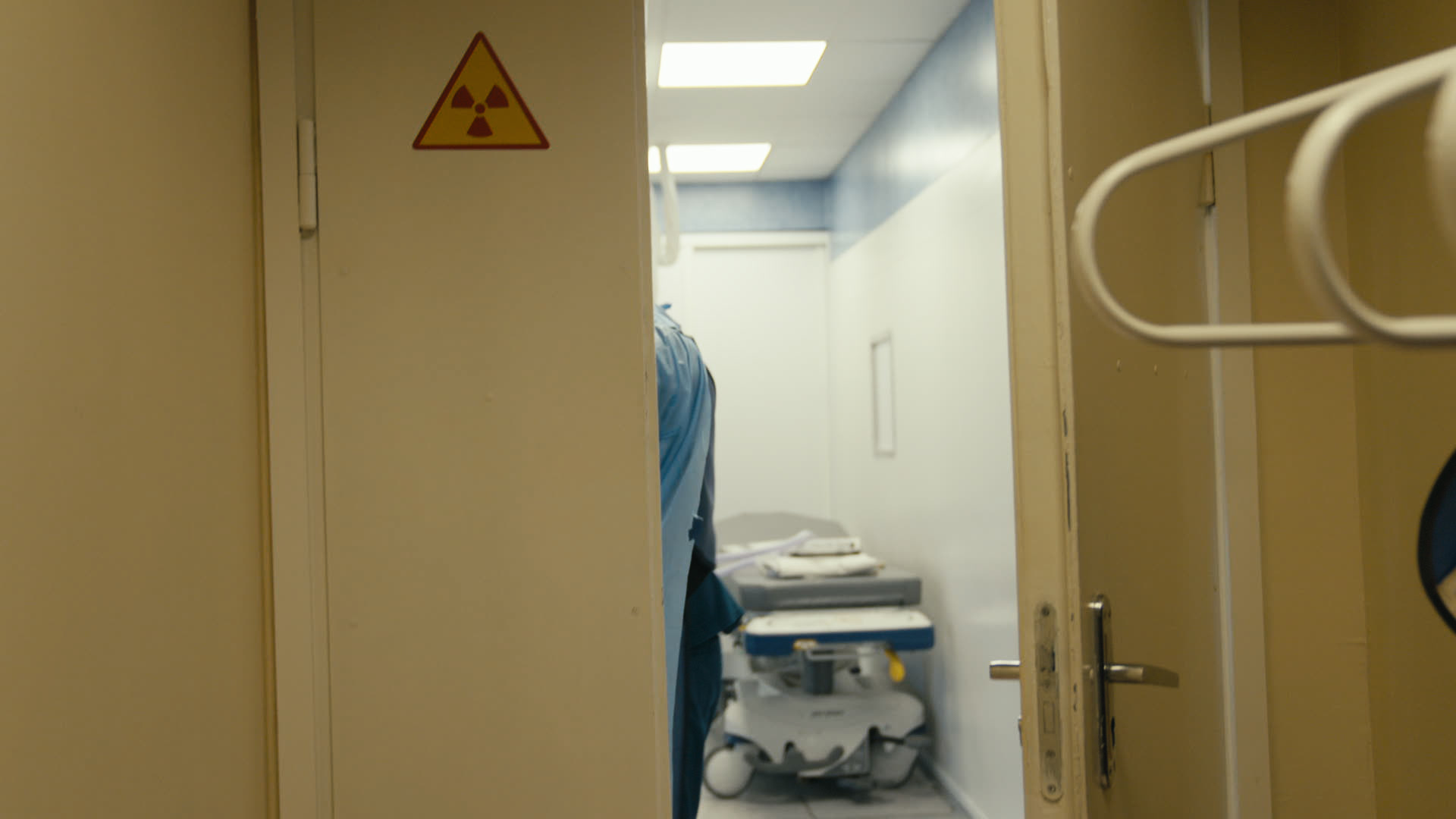
Speaker 1
00:00:00 I have...
Speaker 2
00:00:07 Yes. Yes. What is your name? American. Okay. Nice to meet the two. These are people who are shooting a documentary. You are a patient.
00:00:30 You're near the patient and talk about the patient, and he'll film you.
00:01:00 and we see that this aneurysm was grown and it's very dangerous, therefore we perform flow diverter implantation with Fred Diggs with anti-thrombogenic covering We see that the patency of the PCA was preserved, but the aneurysm was excluded. We hope that this operation will be useful for this patient for preservation.
Speaker 1
00:00:00 I have...
Speaker 2
00:00:07 Yes. Yes. What is your name? American. Okay. Nice to meet the two. These are people who are shooting a documentary. You are a patient.
00:00:30 You're near the patient and talk about the patient, and he'll film you.
00:01:00 and we see that this aneurysm was grown and it's very dangerous, therefore we perform flow diverter implantation with Fred Diggs with anti-thrombogenic covering We see that the patency of the PCA was preserved, but the aneurysm was excluded. We hope that this operation will be useful for this patient for preservation.
00:01:49 Show the fingers on the screen, you'll enter the office. This is one. This is a small splinter, close to the posterior circulation. And we see the flow diverter. This is a very density, very small cell.
00:02:36 This stand performs red direction of the blood flow to the PCA. This provides aneurysm exclusion. We see here the written.
Speaker 1
00:03:07 We see the patterns of the whole branch of the PC. I think they may come back upstairs, so they just may go out there. Have you had a.
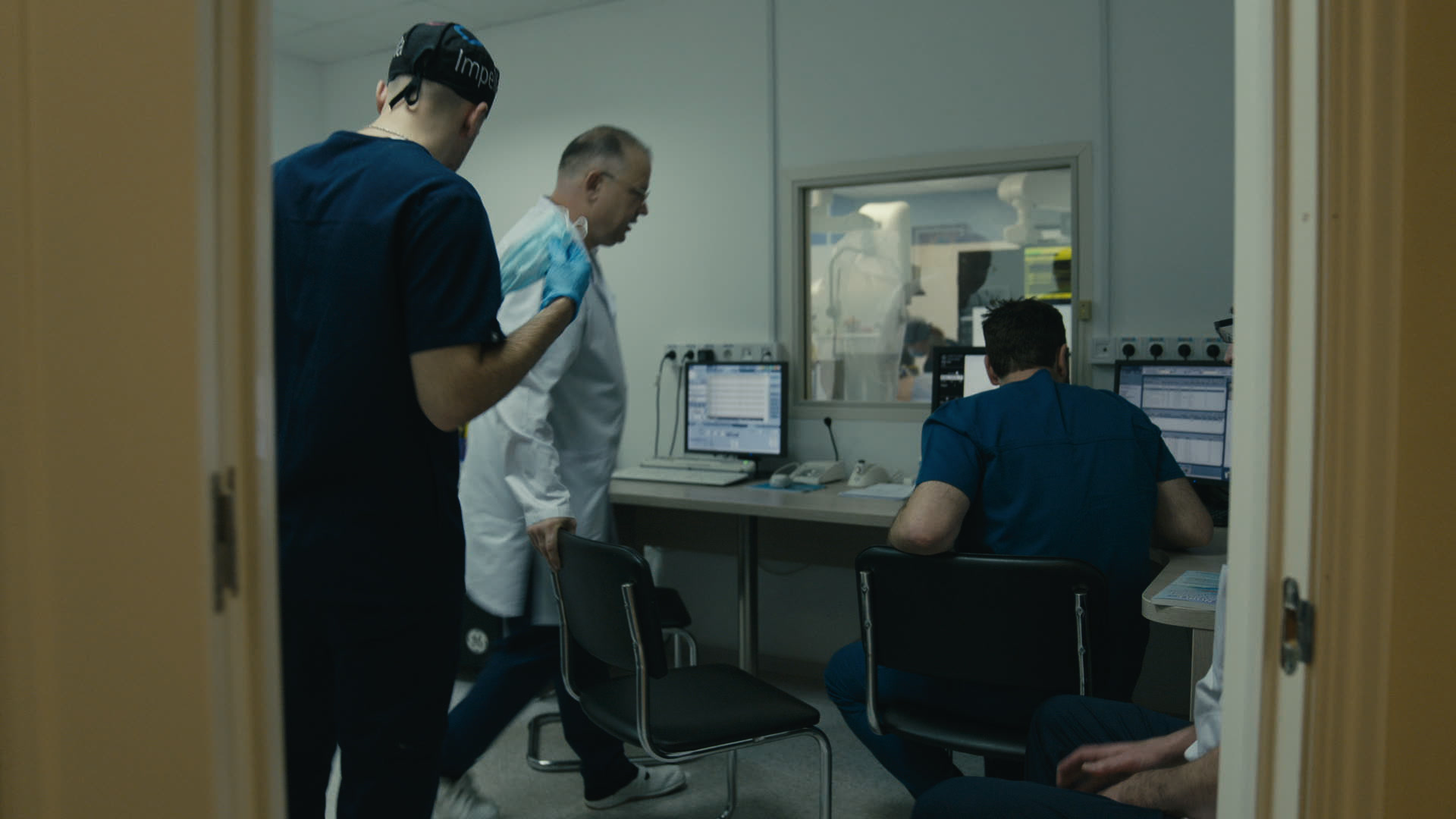
Speaker 1
00:00:00 - You want to turn the light up again?
Speaker 2
00:00:00 - You want to turn the light up again? - No. - Alex. - Alex.
Speaker 1
00:00:09 - So, you see, you see. - We're going to see Yuri. - There was a unit for Yuri.
Speaker 3
00:00:16 - Interventional practice. - Did you have any such? - No, there was no. - There was a director, yes.
Speaker 1
00:00:00 - You want to turn the light up again?
Speaker 2
00:00:00 - You want to turn the light up again? - No. - Alex. - Alex.
Speaker 1
00:00:09 - So, you see, you see. - We're going to see Yuri. - There was a unit for Yuri.
Speaker 3
00:00:16 - Interventional practice. - Did you have any such? - No, there was no. - There was a director, yes.
Speaker 1
00:00:24 - It's the first time. We had time in in just two weeks. Yes, Yuri would like to show you the first angiography. It's small
Speaker 3
00:01:05 small aneurysm and we decided to do what we need to do. In such case we use next algorithm. we perform NGO through two or three weeks.
Speaker 1
00:01:26 Two weeks, three weeks. In order to have possibility to prescribe double antiplatelet therapy.
Speaker 3
00:01:34 If we see such an erythema, we will... How big was it today? Yeah, 8 segments. Show the one from today. And today, we see maybe... 3 times or... Increased volume and size. yeah no it's a lot bigger yeah good you have the standard you understand the process
00:02:24 Yeah from Rokar Mondar the Nation, yeah? Yeah, 8mm broken segment. Diameter, yeah? Yeah, decreasing risk or from all this.
Speaker 1
00:02:42 Mateus, Mateus. Tedious, Tedious, yeah. I showed him in Facebook, Tedius is better than Tedious.
Speaker 2
00:02:52 Thaddeus is better than Thaddeus. Yeah, yeah, I prefer Thaddeus. You like Thaddeus? Thaddeus, you need to say. I would like to repeat this Freddix, Uri,
Speaker 3
00:03:08 implantation today sends to Rocco Armando donation. Donated devices from the USA, from Washington. yeah the device is a very kind of Long in device. So are you done now with the procedure? Big, bigger risk. And after that we see stagnation, contrasting the aneurysm.
00:04:06 So you're done? And now we see. Yeah, well, nice result. It's funny. But we use an anti-plastolate now. This is...
Speaker 1
00:04:27 This was donated with Professor Shapiro. Yeah, Maxim. Maxim Shapiro, New York. Kim Nelson, we read there.
Speaker 4
00:04:44 Yes? months ago. August 2025. So here is an article with your name on it. Thank you so much. Early multimodal neurointerventional, that's you, and neurosurgical management of penetrating cranioscabral injuries wartime experience from Ukraine. Andrei Sirko, Yuri Cherenchenko.
00:05:33 we need next and ron to go oh oh did you ask about the next article funny you should ask this is one
Speaker 1
00:05:41 uh your name's on it but the next one is another one from andre two and the same as alex volatka
Speaker 4
00:05:49 stop law new classification system for the printing engine posterior so here's a paper hard copy for
Speaker 1
00:05:55 Thank you.
Speaker 3
00:06:25 I was saying that it's a short segment, and then bigger freshener, greater chance that it will close. We'll have to switch to monotherapy, whatever may be. God forbid. Thank you. Thank you.
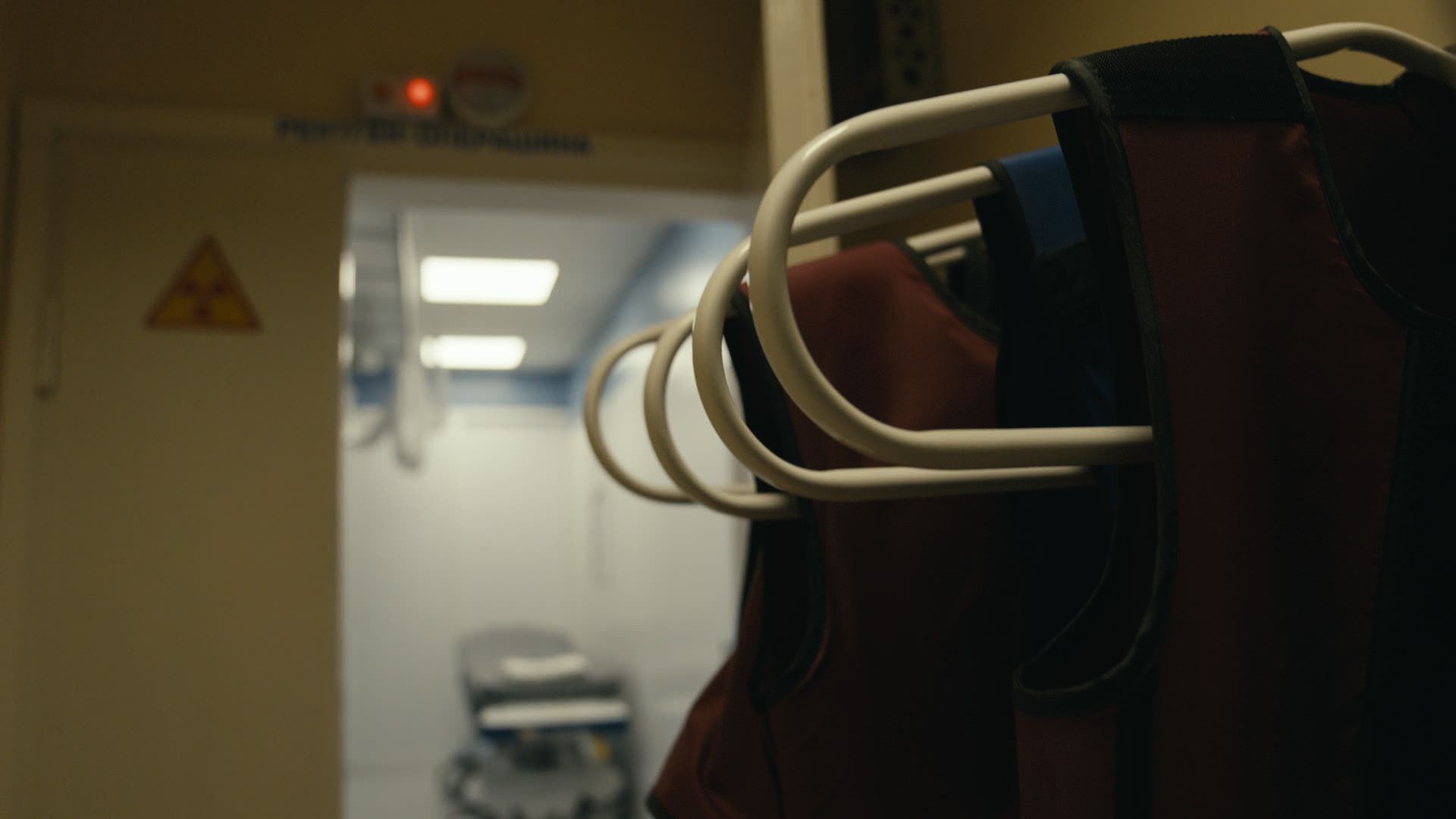
Speaker
00:00:00 - Are you here?
Speaker 1
00:00:00 So it's like this.
00:00:00 So it's like this. So 700 drones and rockets. Yes. And most of them in Zaporizhia. Most of them. Alex escaped today. Uh huh. Uh huh. Escape today. Right now. Teleport. So where are we? We are here. Yeah, there's Nibiru right there. That's crazy. How many people got killed? - I don't know. - You can tell me you watch your flops. - You can tell me you watch your flops. - You can tell me you watch your flops. - All right. - What do we keep it? - Did you guys see that?
Speaker
00:00:00 (Transcript content available)
Speaker 1
00:00:00 - No, talk to me.
00:00:00 - No, talk to me.
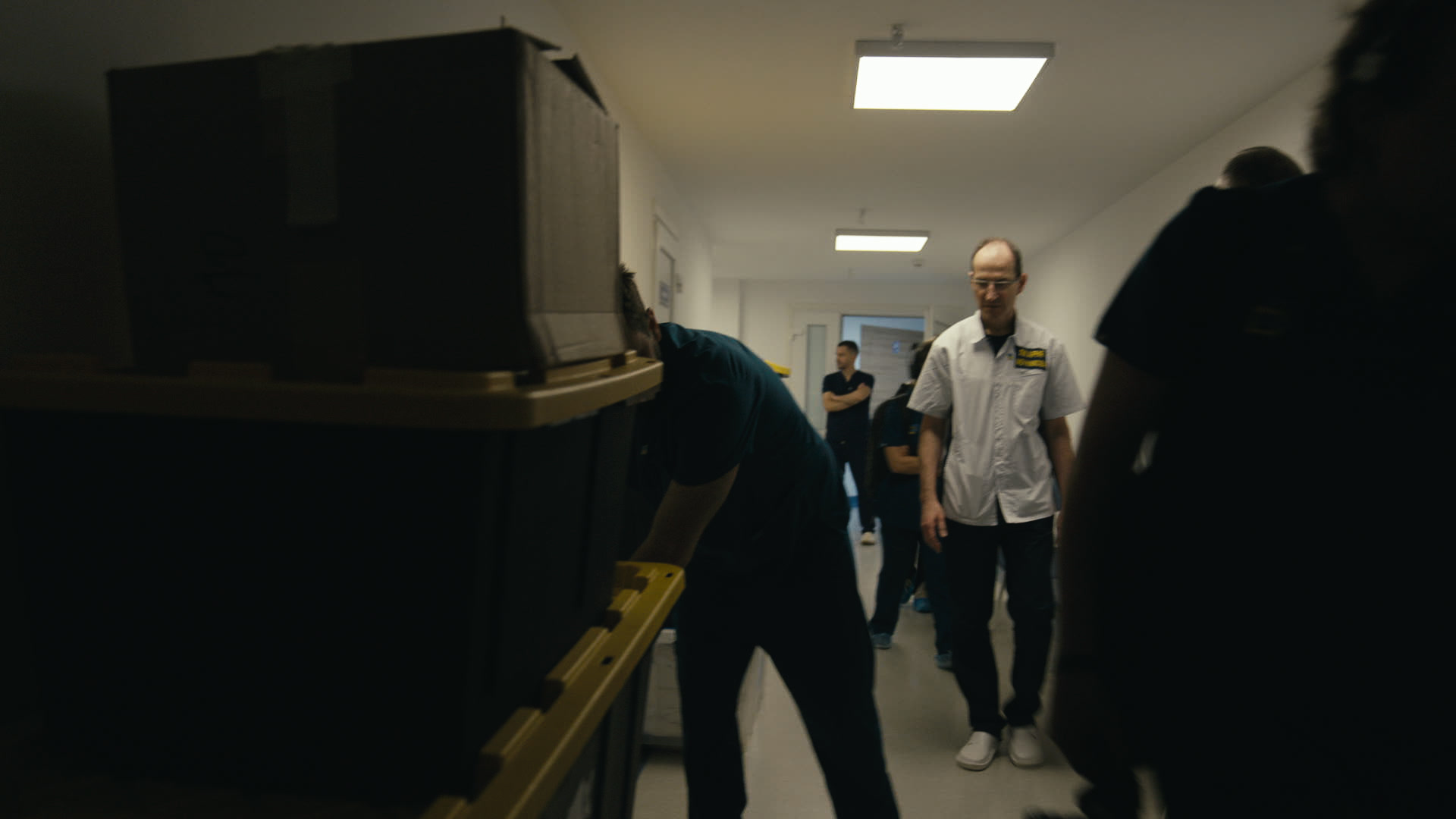
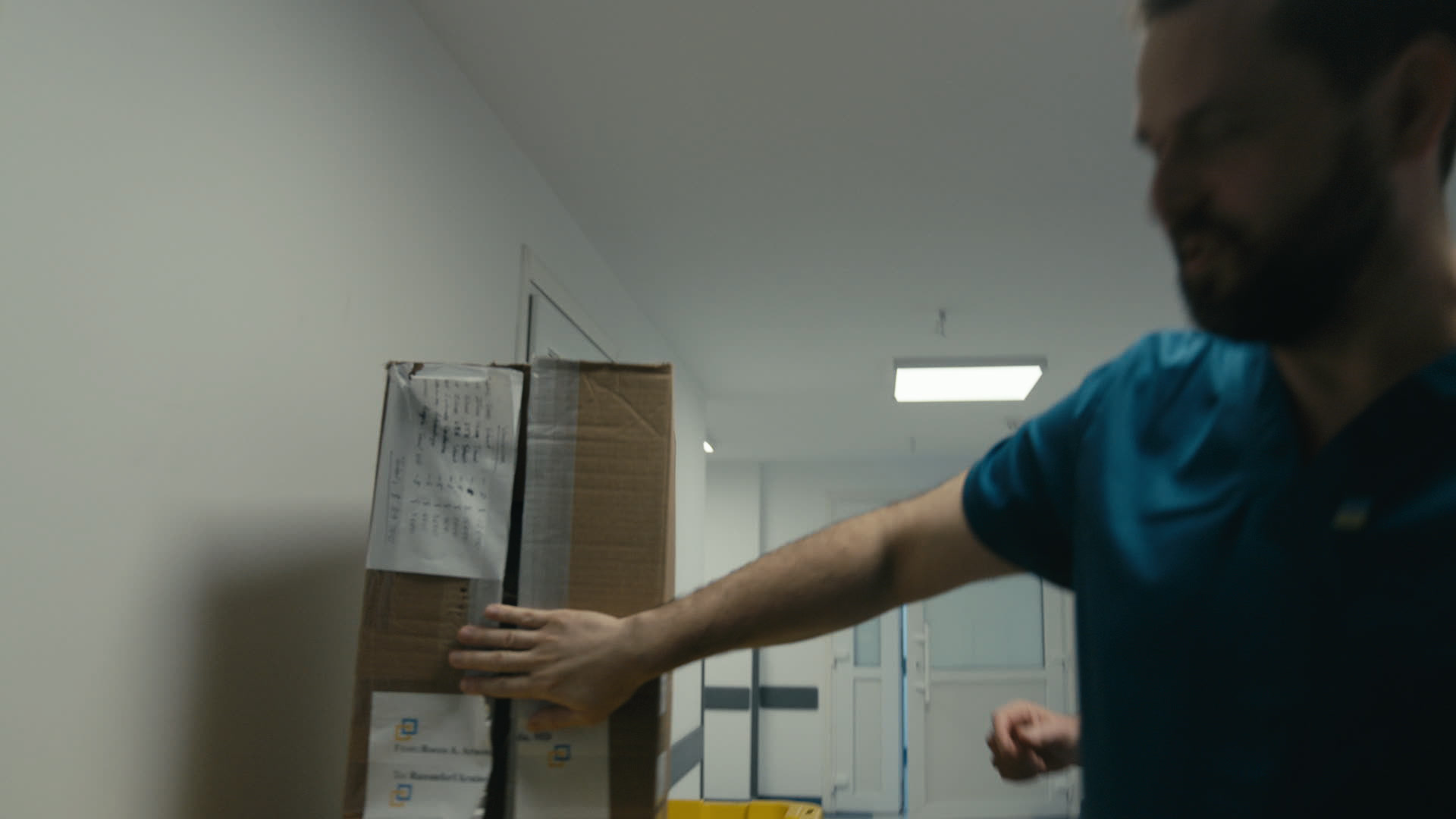
00:00:00 - No, talk to me. - No. So what's in this box? So what's in this box? - Yeah. - This device for saving the life of this patient. - This device for saving the life of this patient. - Oh, the same. - Oh, the same. - This is a Racco box. - Boxes from Washington DC. - No, yeah. - My Rokharmon. - There's a lot of them in here. - Yeah. - This one, this one. - Oh, yeah. - Next. - Rokharmon, that's great. - Yes, yes, yes. - This works one day, right?
Speaker 3
00:00:35 - Exactly Zaporizhzhia, Mykolaiv, Kherson, right? From Kharkiv, maybe. From Kharkiv, maybe. Even from Kyiv. From Ukraine, yes. From Kyiv, if you have the possibility, to have this device. But, like Rocco Armando, you have this device which is critically important. Critically important. That's true. What is this? What is this device? What does it do? It's a device. It's because it's built. The aneurysm is protruding from the wall of the artery, so it's like a little step that goes across it.
Speaker 1
00:00:00 - No, talk to me.
00:00:00 - No, talk to me.
00:00:00 - No, talk to me. - No. So what's in this box? So what's in this box? - Yeah. - This device for saving the life of this patient. - This device for saving the life of this patient. - Oh, the same. - Oh, the same. - This is a Racco box. - Boxes from Washington DC. - No, yeah. - My Rokharmon. - There's a lot of them in here. - Yeah. - This one, this one. - Oh, yeah. - Next. - Rokharmon, that's great. - Yes, yes, yes. - This works one day, right?
Speaker 3
00:00:35 - Exactly Zaporizhzhia, Mykolaiv, Kherson, right? From Kharkiv, maybe. From Kharkiv, maybe. Even from Kyiv. From Ukraine, yes. From Kyiv, if you have the possibility, to have this device. But, like Rocco Armando, you have this device which is critically important. Critically important. That's true. What is this? What is this device? What does it do? It's a device. It's because it's built. The aneurysm is protruding from the wall of the artery, so it's like a little step that goes across it.
Speaker 1
00:01:40 It isolates the aneurysm from the circulation. Excellent. We use a trans-radial approach as a rule. This approach is most traumatic and most safe for such patients. This is the Arctic arch and then we use telescopic technique. Bigger cassettes, distal access, smaller cassettes, then micro cassettes. and then through the microcasite therapy, perform implantation of this device
00:02:30 to the wounded segment on the level of the neck of this pseudoneurysm and exclude it. - Yeah, Yuri and his team have a largest experience
Speaker 3
00:02:48 in the world, treatment these severe wounded people using endovascular techniques. Usually, when Rocco Armando came to us, we spent half an hour together with us in the operating room, under the microscope, and half an hour together with Yuri in the endovascular cathlab. So we worked together with Alex and Rocco many times, it's very helpful and beneficial for our patients. I'm the younger generation, this is my first PhD in medicine, second PhD in medicine. And now Yuri paid a lot of money for me to have the opportunity to work with Vadim.
Speaker 2
00:03:35 It's a joke, but it's true. Rocco, I remember you said when you were defending your dissertation,
Speaker 3
00:03:43 what happened, what happened. - Yeah, one day defended the dissertation, the next day, his daughter was born. - Oh, that's great. - It's two, three days. We asked Vadim about the situation. Vadim not only operated, also prepared dissertation work.
Speaker 2
00:04:05 - But his dissertation was being defended while the air raid sergeant was going, right? You sent me that footage. - Yes. - Yes. - That's great. Now I asked Vadim, his lead will protect from X-rays. This is a gift from Armando Rocco. Yes, it's better to see. His lead will protect him.
Speaker 3
00:04:33 We're saying that you managed then... What did you manage? To defend the dissertation. Defended. Guys, my dissertation. What date was it? February 14th. February 14th. February 11th. February 11th, your daughter was born. And February 17th, the license. What license? For a car driver's government, it's a certificate, yes? And February 19th, I celebrated 50 years. 49. 49? 50? 49. Let's go.
Speaker
00:00:00 because then they want to set up their interview.
Speaker
00:00:00 (Transcript content available)
Speaker
00:00:00 In any case, they will have enough materials
Speaker
00:00:00 (Transcript content available)
Speaker 1
00:00:00 [RUS-NEEDS] После операции, да?
00:00:05 After surgery, yes? Yes. Alarm. Alex, you can sit. Yes. And where are you running? Ah, yes.
Speaker 2
00:00:29 I'll alarm and we continue to work, yeah?
Speaker 1
00:00:35 Yes, I understand why my speech is not good now because I don't have enough practice. Oh, you're fine. It's better than Ukrainian language from Alex, yeah? Yes. Okay, so who's first here? Of course, it's our patient, we have a tumor yesterday.
Speaker 1
00:00:00 [RUS-NEEDS] После операции, да?
00:00:05 After surgery, yes? Yes. Alarm. Alex, you can sit. Yes. And where are you running? Ah, yes.
Speaker 2
00:00:29 I'll alarm and we continue to work, yeah?
Speaker 1
00:00:35 Yes, I understand why my speech is not good now because I don't have enough practice. Oh, you're fine. It's better than Ukrainian language from Alex, yeah? Yes. Okay, so who's first here? Of course, it's our patient, we have a tumor yesterday.
Speaker 3
00:01:02 That was cool. the week when you write yes,
00:01:59 I'll call my wife, I'll ask her.
Speaker 1
00:02:06 Far away. Far away? Far away, I think, yes? Yes. By the blast wave, you can feel it's somewhere nearby. Tanya, are you alive? Are you okay? I'll call him now, he's sleeping. Alex, you came here. From the door
Speaker 2
00:02:53 And with explosion.
Speaker 1
00:03:46 There's the new app.
Speaker 4
00:04:01 This is where we are now.
Speaker 3
00:04:14 Missiles, 6.5-50 shells, and more than 50 shells. - It's northern, and now. She writes, collect your things, the most necessary documents, because fires, well anyway, she clearly, 4 hours, I see 16, and here, anyway, a bunch of hits, they're not landing. I didn't believe it at first. She's just scaring us. She's scaring us, giving targeting information. Yes?
Speaker 1
00:04:52 I was starting, afraid to travel by train, but now I'll tell him, I won't go. And now there's no internet, right? Something's working badly.
Speaker 5
00:05:00 And here we generally have Starlink.
Speaker 1
00:05:04 Generally Starlink. Once again, permission? You don't mind being filmed? American friends will show you in a documentary film in a year or two. You don't mind? No. Are you ready to film? Yes, so tell them, like each of them on camera
Speaker 3
00:05:27 say that they agree. What to say? And how are we living? How are you in such situations?
Speaker 1
00:05:37 Yes, Anastasia? What does Thaddeus want? That on camera I'll say I don't mind.
Speaker 4
00:05:44 Ah, can I speak Ukrainian? We don't mind being filmed and then shown in a Hollywood blockbuster. [VO CANDIDATE]
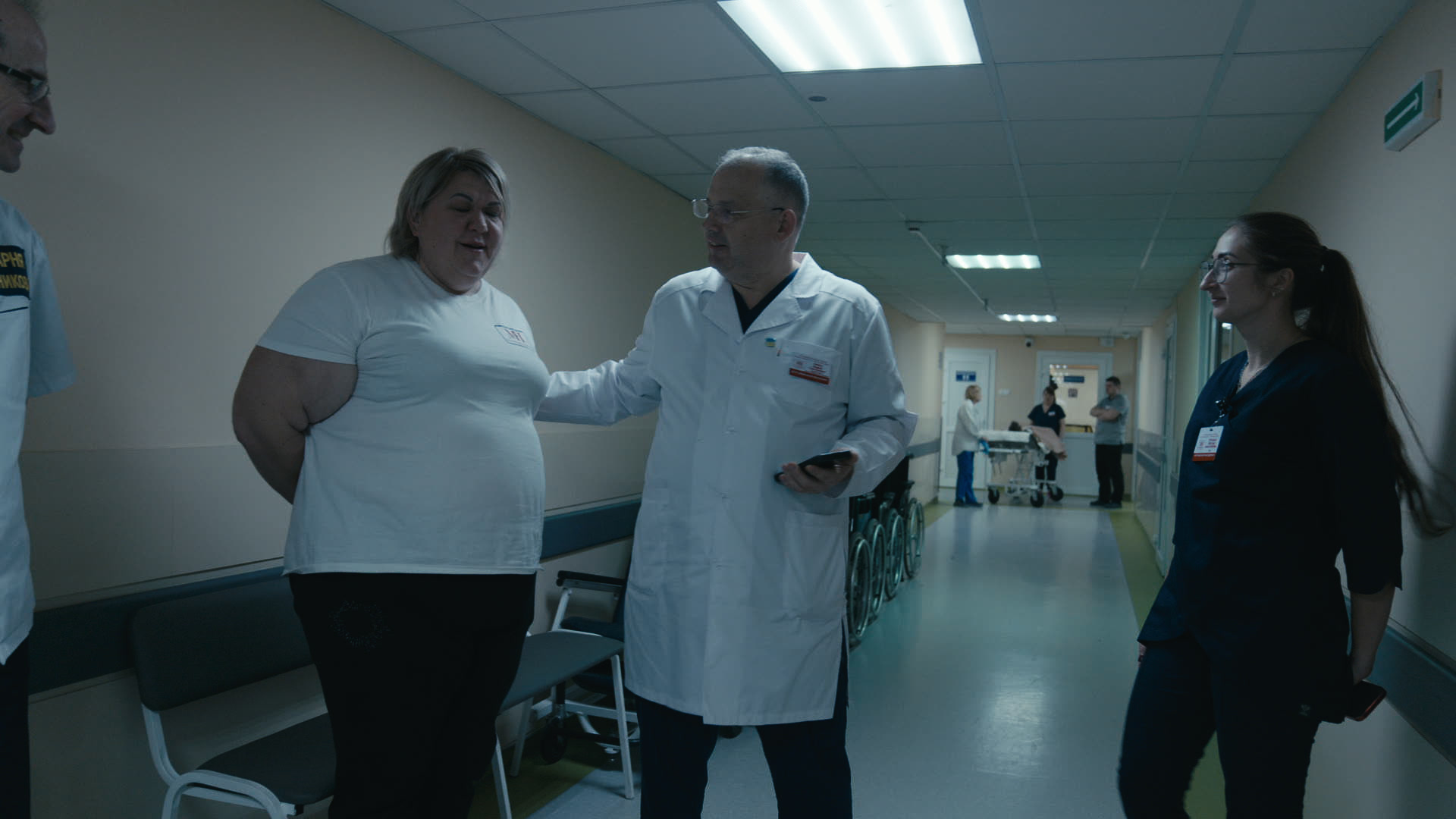
Speaker 1
00:00:00 I asked, Katerina Fyodorovna also didn't object,
00:00:00 I asked, Katerina Fyodorovna also didn't object, for you to film here. And will show. - And will show, and... - This, where you have on Facebook, you can request him as a friend. This is legendary, special. I added him yesterday, friends. Let's go. - Should we check the CT scan? - Check CT scan very well. - Okay. - I can... - If you don't show it, I won't be on video. - Yeah, no, that's fine. I was getting the pictures with you.
00:00:53 I saved this video and sent it out to the our group and this group all my team. - There's a little bit of blood, there's a tumor cavity,
Speaker 3
00:01:00 it's sort of sturgel foam in there, but no blood, no tumor. - Yes, for these complex cases, it's very good CT. I'm lucky, I'm happy.
Speaker 1
00:00:00 I asked, Katerina Fyodorovna also didn't object,
00:00:00 I asked, Katerina Fyodorovna also didn't object, for you to film here. And will show. - And will show, and... - This, where you have on Facebook, you can request him as a friend. This is legendary, special. I added him yesterday, friends. Let's go. - Should we check the CT scan? - Check CT scan very well. - Okay. - I can... - If you don't show it, I won't be on video. - Yeah, no, that's fine. I was getting the pictures with you.
00:00:53 I saved this video and sent it out to the our group and this group all my team. - There's a little bit of blood, there's a tumor cavity,
Speaker 3
00:01:00 it's sort of sturgel foam in there, but no blood, no tumor. - Yes, for these complex cases, it's very good CT. I'm lucky, I'm happy.
Speaker 1
00:01:14 Let's go. So, thank you. - Thank you.
Speaker 1
00:00:00 This is what looked like before surgery. This is what looked like before surgery. There's a big tumor right there and it's gone now. That's what you just saw. After surgery I... Can you side by side? Oh, side by side. Can you freeze it? . . Step this way. Step this way. Get out like the layer of that light. Yeah, okay. So he's scrolling through. Yeah. Yeah. Yeah. Yeah. Yeah.
00:00:46 And that's where the camera went. Yeah. - All right. - Let's go. - Let's go.
Speaker 2
00:01:02 - Yeah. - Yeah, it will be, you can hear it in your film, yeah? - Yeah. - I'm not special, but I'm a producer. - Yeah, yeah, exactly. No special effects. You are producer, you are director, you are star.
00:01:49 I was sitting at the computer on languages, leaning to the window, you heard it so well. Good job. Your emergency department is holding up like a sword-hospital. Thank you. Thank you. He flew, Alex. Merci.
Speaker 1
00:00:00 This is what looked like before surgery. This is what looked like before surgery. There's a big tumor right there and it's gone now. That's what you just saw. After surgery I... Can you side by side? Oh, side by side. Can you freeze it? . . Step this way. Step this way. Get out like the layer of that light. Yeah, okay. So he's scrolling through. Yeah. Yeah. Yeah. Yeah. Yeah.
00:00:46 And that's where the camera went. Yeah. - All right. - Let's go. - Let's go.
Speaker 2
00:01:02 - Yeah. - Yeah, it will be, you can hear it in your film, yeah? - Yeah. - I'm not special, but I'm a producer. - Yeah, yeah, exactly. No special effects. You are producer, you are director, you are star.
00:01:49 I was sitting at the computer on languages, leaning to the window, you heard it so well. Good job. Your emergency department is holding up like a sword-hospital. Thank you. Thank you. He flew, Alex. Merci.
00:02:51 [UKR-NEEDS] А пункцію робили?
00:03:13 Did you do a puncture? Did you puncture it? Now we'll wait. Who are you? I'm the wife. Ah, I understand. We don't film without permission, so don't worry. Where did you go, to dress? Come out of the intensive care unit. You can't walk here, dressed.
Speaker
00:00:00 My husband, this person who is on the right side,
Speaker
00:00:00 Can we go in?
Speaker 1
00:00:00 [RUS-NEEDS] Расскажите два слова, Викторий Васильевич.
Speaker 2
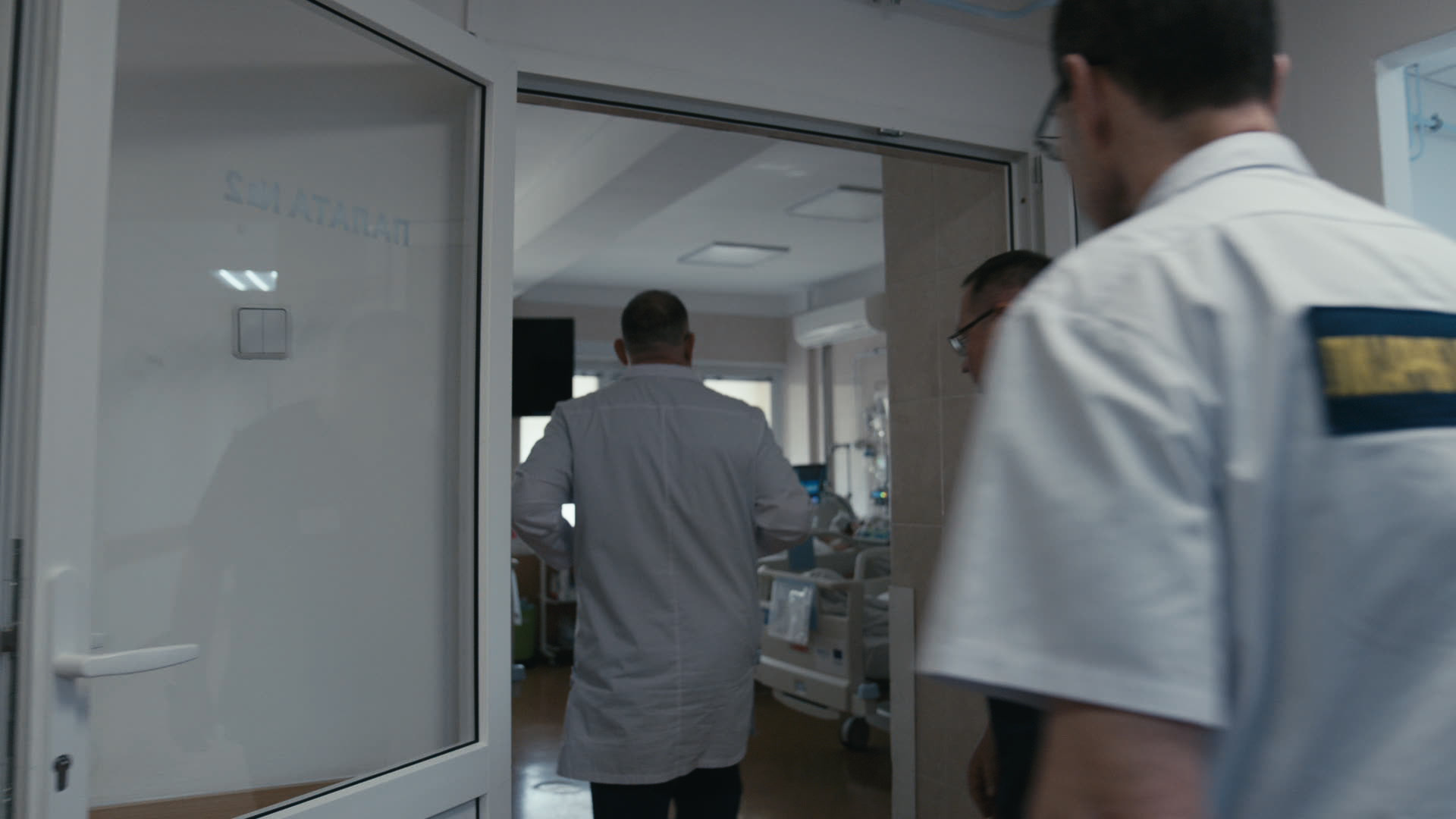
00:00:08 Say a few words, Viktoriy Vasilievich. Well, this is with a lead-in. And in what situation? On the first. On the first. Yes. Yes. 120. That is, we're among, that is normal. Well, for now 2.1. And not worse, God forbid. And the position? While we don't forget yet. - It didn't stop? - No. - Well, maybe further lumbar function... - We can try to reduce it a little bit. - I want to stop everything in the evening and see what happened. - Yes, if he'll be in a coma, then we'll have to do a tracheostomy. - Maybe we agreed for tomorrow. - For tomorrow? Yes. - Well done.
Speaker 1
00:00:49 - How much sedation now? - How much sedation now? - Fentanyl. - Fentanyl. We decided to decrease level sedation in order to check neurological examination and Anatoly decided to perform tracheostomy tomorrow. - It is a very severe trauma. - It is a very severe trauma. It's not will be a fast recovery. - How much fentanyl was he getting? - Two millimetres per hour. One millimetre of shots. - How many milligrams is that?
Speaker 2
00:01:30 - It's a million. - It's all only fat. What do you see in the eye? It's a few millimeters. Maybe three or four millimeters.
Speaker 1
00:00:00 [RUS-NEEDS] Расскажите два слова, Викторий Васильевич.
Speaker 2
00:00:08 Say a few words, Viktoriy Vasilievich. Well, this is with a lead-in. And in what situation? On the first. On the first. Yes. Yes. 120. That is, we're among, that is normal. Well, for now 2.1. And not worse, God forbid. And the position? While we don't forget yet. - It didn't stop? - No. - Well, maybe further lumbar function... - We can try to reduce it a little bit. - I want to stop everything in the evening and see what happened. - Yes, if he'll be in a coma, then we'll have to do a tracheostomy. - Maybe we agreed for tomorrow. - For tomorrow? Yes. - Well done.
Speaker 1
00:00:49 - How much sedation now? - How much sedation now? - Fentanyl. - Fentanyl. We decided to decrease level sedation in order to check neurological examination and Anatoly decided to perform tracheostomy tomorrow. - It is a very severe trauma. - It is a very severe trauma. It's not will be a fast recovery. - How much fentanyl was he getting? - Two millimetres per hour. One millimetre of shots. - How many milligrams is that?
Speaker 2
00:01:30 - It's a million. - It's all only fat. What do you see in the eye? It's a few millimeters. Maybe three or four millimeters.
Speaker 1
00:02:03 and look like there's a ramp uh rossislava perform a lumber punch and then the color make it now we get you can see you can see moving again this uh yes If you decrease an oxidation, I think it'll be...
Speaker 2
00:02:38 Like pain, yes, yes. And everything blood pressure and everything else is okay? It looks good? It's normal. Minus, minus This causes blood circulation
Speaker
00:00:00 - Who's the patient?
Speaker
00:00:00 (Transcript content available)
Speaker
00:00:00 (Transcript content available)
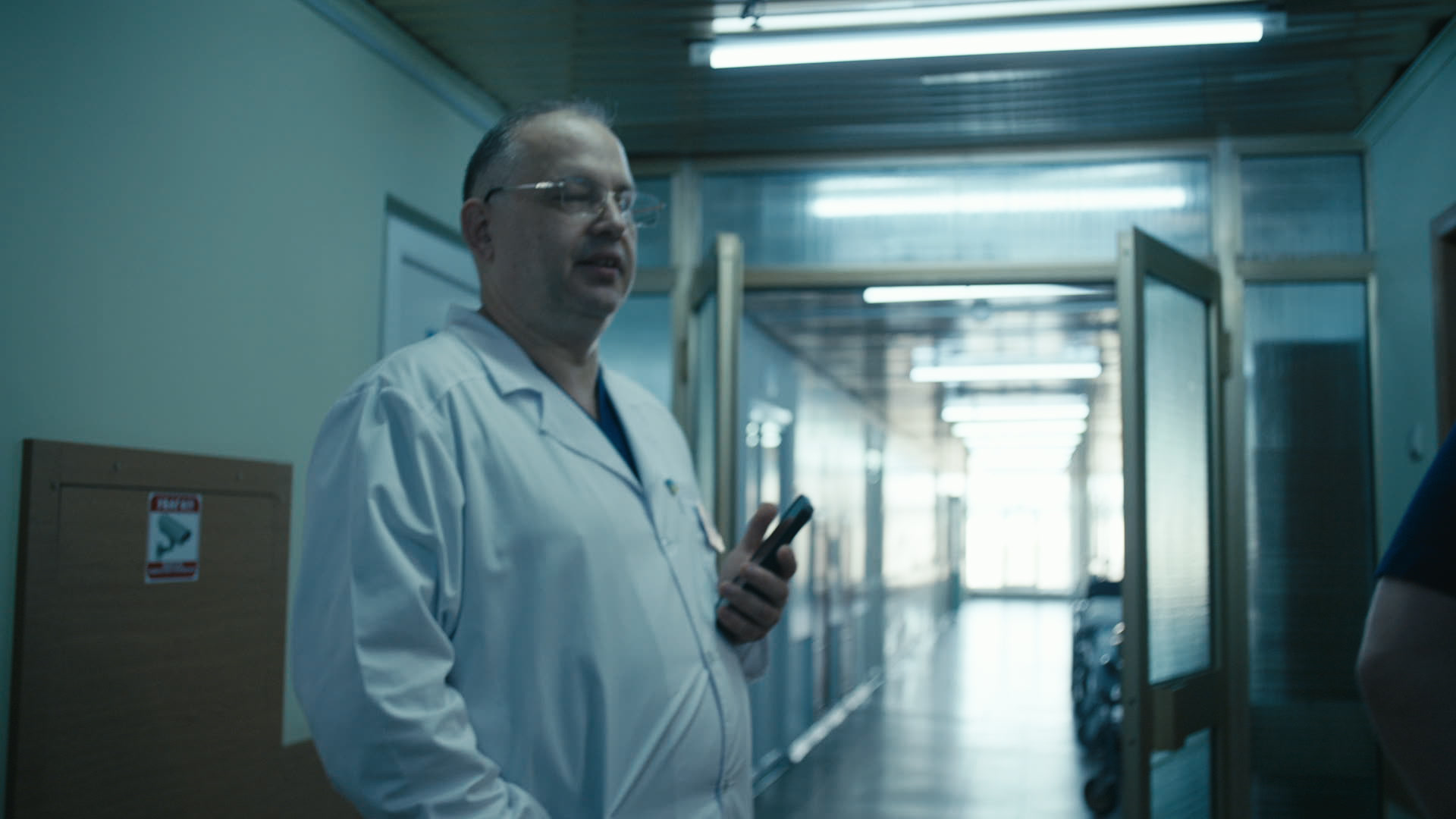
Speaker
00:00:00 (Transcript content available)
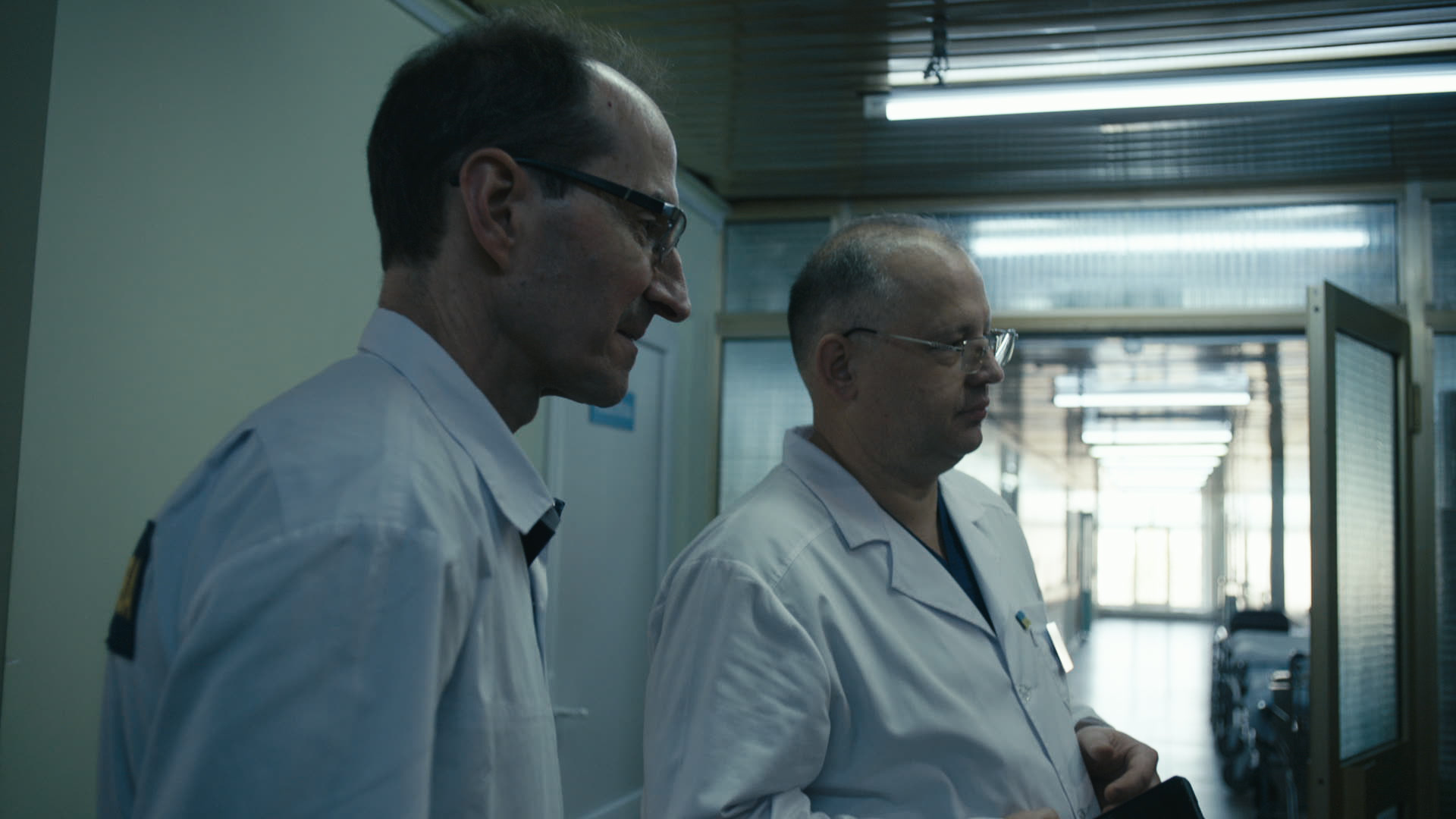
Speaker 1
00:00:00 [RUS] Do you mind if I film?
00:00:02 You don't mind that I'm filming? No. And then show. [DELETED - ASR ARTIFACT] [DELETED - ASR ARTIFACT] [DELETED - ASR ARTIFACT] [DELETED - ASR ARTIFACT] And where is our Yulia? [INAUDIBLE] Yulia, let's go. We're going to get to the other side of -- We'd love for you to open the doors as you walk through. Okay. There you go.
Speaker 2
00:00:52 All right. And action. All right, boys. Come on. Do I need an eye? There you are. Yeah, I'm making my shit out of the way.
Speaker 1
00:01:18 Room four, to our patient, let's see how she's feeling. We're coming to you, morning time. What's the patient's last name? We asked her permission to film, and the nurses gave permission. And do you give permission? We operated on her yesterday with the American professor, And today we looked at her CT scan on the first floor, just when the explosions started.
Speaker 1
00:00:00 [RUS] Do you mind if I film?
00:00:02 You don't mind that I'm filming? No. And then show. [DELETED - ASR ARTIFACT] [DELETED - ASR ARTIFACT] [DELETED - ASR ARTIFACT] [DELETED - ASR ARTIFACT] And where is our Yulia? [INAUDIBLE] Yulia, let's go. We're going to get to the other side of -- We'd love for you to open the doors as you walk through. Okay. There you go.
Speaker 2
00:00:52 All right. And action. All right, boys. Come on. Do I need an eye? There you are. Yeah, I'm making my shit out of the way.
Speaker 1
00:01:18 Room four, to our patient, let's see how she's feeling. We're coming to you, morning time. What's the patient's last name? We asked her permission to film, and the nurses gave permission. And do you give permission? We operated on her yesterday with the American professor, And today we looked at her CT scan on the first floor, just when the explosions started.
00:02:08 The CT scan for such an operation, it looks good, there's still some swelling. Can I ask a question? And we'll examine her now, and then we'll step out and you can finish your questions. I understand a little bit about this. Go ahead and ask. Good question, because during the first operation I was there at the time when Vova had brain damage, it was the third day.
Speaker 3
00:02:31 And I'm just now, well, sort of... - Are you afraid? Well, not that I'm afraid, I just remember that period, it was 20 years ago, when the head was the size of a pillow, and there were seizures, the seizures were severe. This is not hers. - Yes, I gave it to me. Take it there. No, the medical history on the computer and prescriptions.
Speaker 1
00:02:57 How much dexamethasone did we prescribe? 8 mg twice? 8 is a lot. 4? Twice? You can do 3-3 days. I just started thinking about myself, in case there's a repeat. Look, you are in a ward where there is always a nurse and two neurosurgeons on duty. Vratislav Roslavovich will prescribe dexamethasone 4 mg three times a day. 4 mg three times a day. Fractionated heparin we'll start from tomorrow. And we'll see based on her condition. Now we'll assess her condition and check again tomorrow. If we don't like something a bit, we may, tomorrow, between the 2nd and 3rd day we'll prescribe Mannitol infusion once.
00:03:46 Mannitol about 11% 200 ml.
Speaker 3
00:03:50 This is a hyperosmolar solution, which we use to reduce a bit.
Speaker 1
00:03:54 Should I give her water, 2 liters? 2-2.5 liters. Don't limit it. As much as she wants, as much as she drinks, the excess fluid will come out in urine. Your task: first, we monitor blood pressure at least once every 4 hours, write it on a sheet, monitor temperature, write it on a sheet, drink water, as much as possible, and try to have her work her legs. Yes, I always say: gas, brake, gas, brake, gas, brake. Or, when people remember, there was a sewing machine, a Singer. Good to remember: 30 minutes passed, 30 times done.
00:04:44 What for? Prevention of blood clot formation in the legs, because this is very important. and fluid, so the brain receives more water.
Speaker 3
00:04:57 Can I do this right now, you'll leave, I can already make her do it.
Speaker 1
00:05:01 Yes. And I wanted to ask, on duty, tomorrow, for 24 hours, tomorrow is Friday, Rostislav Ruslanovich, Yes, after work I'll come for the 24-hour shift. So he'll be on duty from 8 a.m. Friday until 8 a.m. Saturday,
Speaker 3
00:05:23 and will relieve me. Any questions can be asked, right? Yes. Let's go, let's go.
Speaker 1
00:05:36 Good day once again. You don't mind that we're filming you on camera? For our descendants, you don't mind? What's your name? Victoria. And your patronymic? Victoria Oleksandrivna. Victoria Oleksandrivna. And how old are you? 71. Well, you're still young. Well, you're still young. Yes? I think you can easily live to 90-95, right? I think you can easily live to 90-95, right? I already have two great-grandchildren. Two great-grandchildren? Yes, let's start counting. How many children? One daughter. One daughter. How many grandchildren? Two. Three. And what are their names? Anton, Kirill and Natasha. And Masha.
Speaker 4
00:06:26 Anton, Kirill and Masha. She started with great-grandchildren. I said at 71 years old she'll live to at least 90. She says she already has two great-grandchildren. And what are the great-grandchildren's names?
Speaker 1
00:06:39 Vitya and Dima. Do they go to school? I wish that you live to see great-great-grandchildren. Good. Logan can film from there, and we can stand here if needed. Hello
00:07:27 Is it cold that you have so crowded? Raise your left hand. Squeeze my hand. Squeeze my hand. How do you feel the strength in your hands? Normal? Squeeze harder. Oh, you could break my fingers. Harder, harder. Give me your hand. And can you smile? Clear your throat, can you smile?
00:08:13 A smile. Like that, there's a beautiful woman. You can put on lipstick, you can pencil your eyebrows. She's a woman, but she's entering the history of world cinema. For her, it's still too early to sit up.
Speaker 3
00:08:31 We allow sitting up around the third day.
Speaker 1
00:08:35 Can I try to lift her eyelid? No, absolutely not sitting up earlier than the third day. And now, to be comfortable, you can put a pillow under, fold a blanket and for a period, especially when she drinks water. Yes, sir. I'm sure you don't have this in Ukraine, only in Ukraine.
Speaker 3
00:09:04 Electric bed. Tell me again, to feed or not to feed? Do you want to eat? She'll be slender.
Speaker 1
00:09:16 It's not that she doesn't want to, the body doesn't need it. The main thing is that she drinks water. Okay? Drink water. Can you work your legs like this? Feet up and down. Up and down. Oh, that's how it works. Compression stockings are a very good thing. What do they compress? They won't cut off circulation? The girls rolled them up a bit, is that not right? Should I straighten them out like this? So they don't cut off anything, they're fine? So there are no wrinkles, straighten them out. So I should straighten them like this? I'll tell you, I recently flew to America. 12-hour flight back, so I bought myself these additional things,
00:10:06 I took off the compression stockings like nothing had happened. Before that I flew to India, my legs were like logs, red, painful. But these compression stockings are a great thing and slowly work the toes, drink some water and let her sleep.
Speaker 3
00:10:26 So don't overload her, let the brain rest. Let her be, the body doesn't need any food.
Speaker 1
00:10:39 Alex, by the way I saw your control together with Alex. We were on the first floor, just when the explosions were, we were looking at your CT scan.
Speaker 3
00:10:55 The tumor was removed completely, we took out her tumor.
Speaker 1
00:11:03 Yesterday there was a prayer service for you, and now I want to offer a thanksgiving prayer. I'm a very believing person. Prayer services were ordered at the cathedrals. What will the prayer be? The prayer will be a thanksgiving. There was a prayer yesterday for your work, and today they'll offer a thanksgiving prayer service in the churches. «A lot of people pray for»
00:11:30 Alex Valatka, he's Lithuanian by heritage.
Speaker 3
00:11:36 «A lot of pray for different people» Because with God's help, as they say, it's very important, we really acknowledge that this is...
Speaker 1
00:11:47 Little icons. Yes, this is very important.
Speaker 3
00:11:55 [VO CANDIDATE] Doctors are God's messengers. [VO CANDIDATE] Because a doctor is God's messenger. Therefore, with God's help... God does good things, [VO CANDIDATE] through our hands. And everything is done by hands. I'm very glad that the doctor [VO CANDIDATE] A doctor is a believing person, because, you know, God in reality, a doctor cannot just be like that, it's only God's gift in people. God willing, all will be well. God willing, all will be well. Antibiotics, which you don't need to take earlier tomorrow. Drink water, work the legs, the rest of the time sleep, rest. Okay?
Speaker 2
00:12:38 Thank you. Thank you. Thank you. Can you bend the right leg then the left? Right, left, good job.
Speaker 3
00:12:53 The catheter, I think, will stay for a day or two, and then we'll remove it.
Speaker 1
00:12:57 No need to treat it, but the girls don't need to. Yulia, I think it will stay until Saturday, nothing bad will happen. No. No need to treat anything there. What else do we have, what are the instructions? monitor blood pressure, monitor temperature, drink water, work the legs a little bit, don't push too hard and sleep, drink water and sleep and work the legs, Yulia will write it down so the nurses come every 4 hours measure blood pressure and you write on a sheet here the pressure for example 100 over such-and-such, temperature such-and-such another column drinks and drank there 200 300 400 to monitor, now you can practically
Speaker 3
00:13:44 So tomorrow morning, Yulia will show such a chart sheet, in the morning we come and look, throughout the day this was the pressure, this was the temperature, and you drank there, under observation, 2 liters, 2,200 there. Okay, okay, let's do it this way.
Speaker 1
00:14:01 Okay, let's do it this way. All done, hold, five. Thank you all, thank you very much. We deliberated a long time about your operation, you know, measure seven times, cut once. And we did MRI with contrast, and angiography with contrast. And yesterday I even asked our general director to be excused, there was an event about stroke. We were supposed to run around there, participate. I said, no, Professor Valatka and I will go to the operating room and we won't rush. If it takes 2 hours, 3 hours, 4 hours, sometimes 6 hours. Well, we were lucky, the main stage of the operation was 80 minutes.
Speaker 3
00:14:41 So we'll hope for the best. Thank God. Superstitious. Thank you. Thank you. Excuse me, you guys want to go in there and talk to her? Okay, thank you. Um, I don't know. I don't know what that is. Yeah, I think we've done a lot. Yeah, I think we've done a lot. We've seen a lot of people. We've seen a lot of people. We've seen a lot of people.
Speaker 2
00:15:30 There's also a little church people out the window, but I don't know if we can get anything like that later. What is the church? No one knows. No one knows. Yeah. I tried to recover. I don't know if you saw that very briefly. Yeah. Yeah. Yeah, nothing.
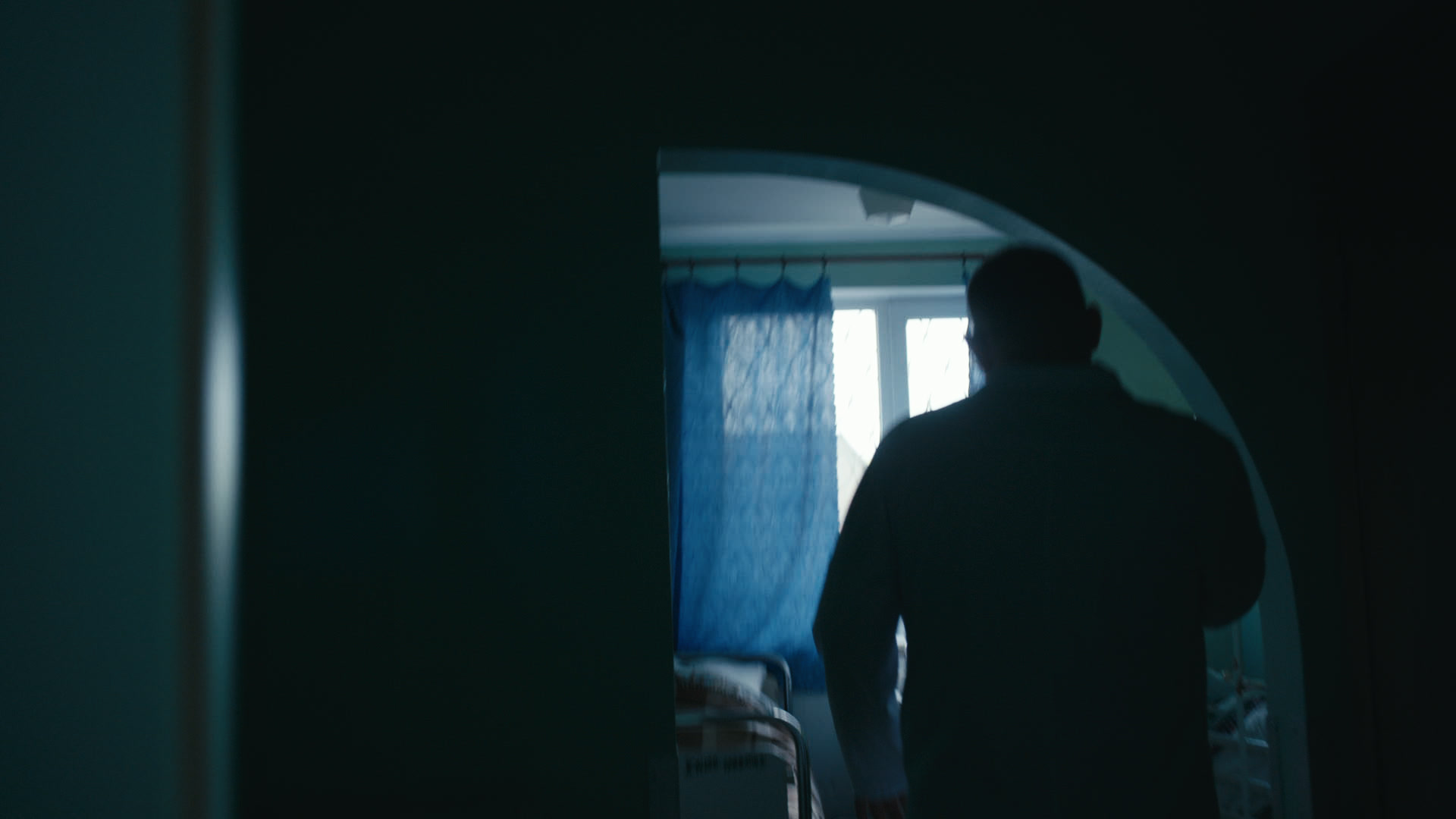
Speaker 1
00:00:29 Okay. Okay. And the church right ahead and the Ukrainian flag.
Speaker 2
00:00:43 And while he's doing that, did you want to turn around and get this and point it up to
Speaker 1
00:00:53 Yeah. Yeah.
Speaker 2
00:00:57 I don't know if you can get it. I don't know if you can get it. I should have to work with the right leg. And now the left leg.
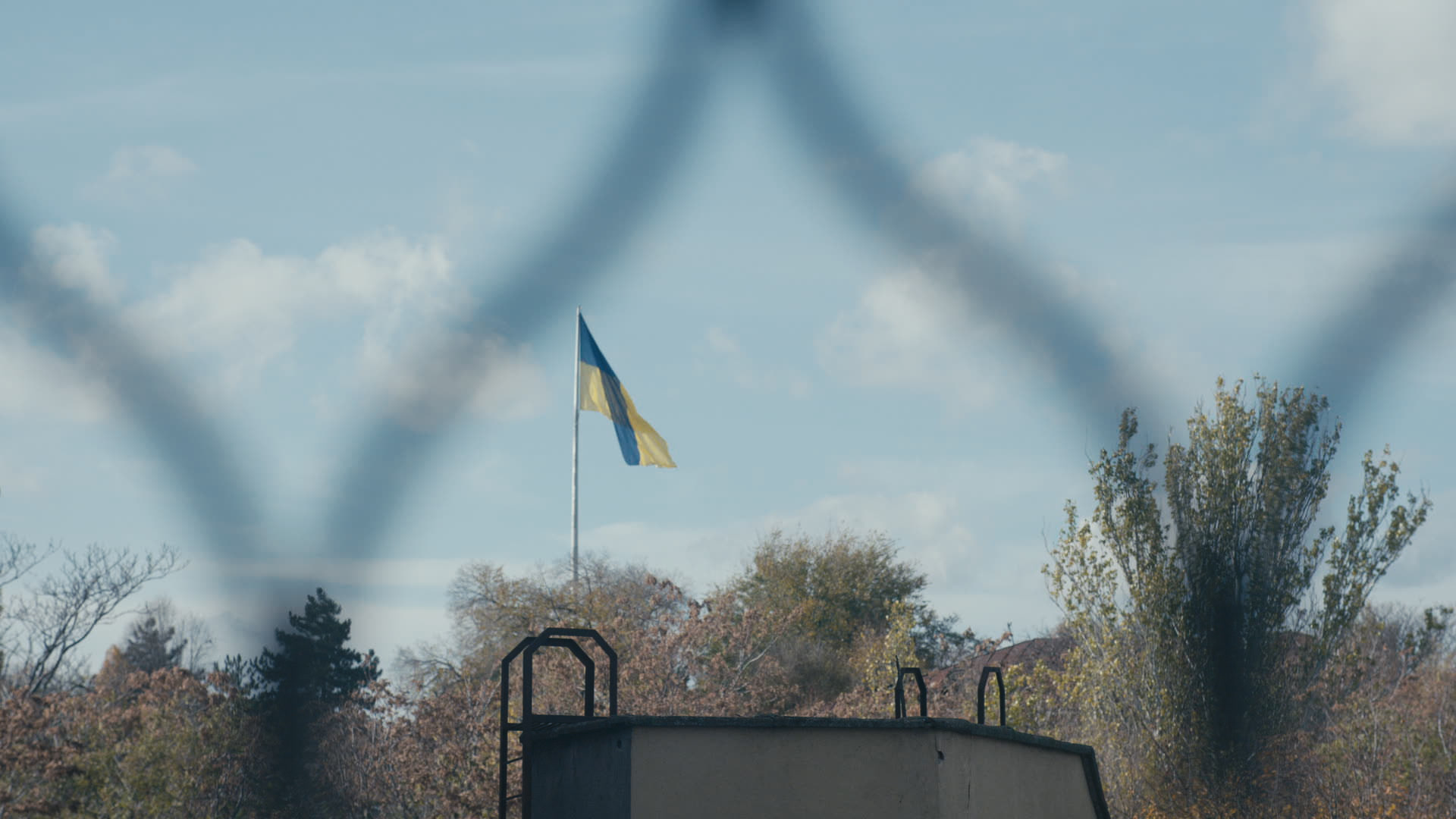
Speaker 1
00:00:00 For us, the main point is: the point is the most important
Speaker 2
00:00:00 For us, the main point is: the point is the most important
Speaker 1
00:00:00 I talked about blood transfusion, plasma transfusion, because it's very hyper-versed. I talked about blood transfusion, plasma transfusion, because it's very hyper-versed. But since we work very fast, we save a lot of your blood. Very fast, but very safe. Very fast, but very safe. Meaning we worked under microscope, under high magnification, we removed it completely, because he says:
00:00:30 "Neurosurgery" and "surgery" use the word,
Speaker 2
00:00:34 slowly, they lose a lot of blood. That word, "all of it," so you pulled it out from there, from where it was. Yes, yes. Unbelievable. Unbelievable. Thank you.
Speaker
00:00:00 (Transcript content available)
Speaker
00:00:00 (Transcript content available)
Speaker
00:00:00 (Transcript content available)
Speaker
00:00:00 the monitors and
Speaker
00:00:00 (Transcript content available)
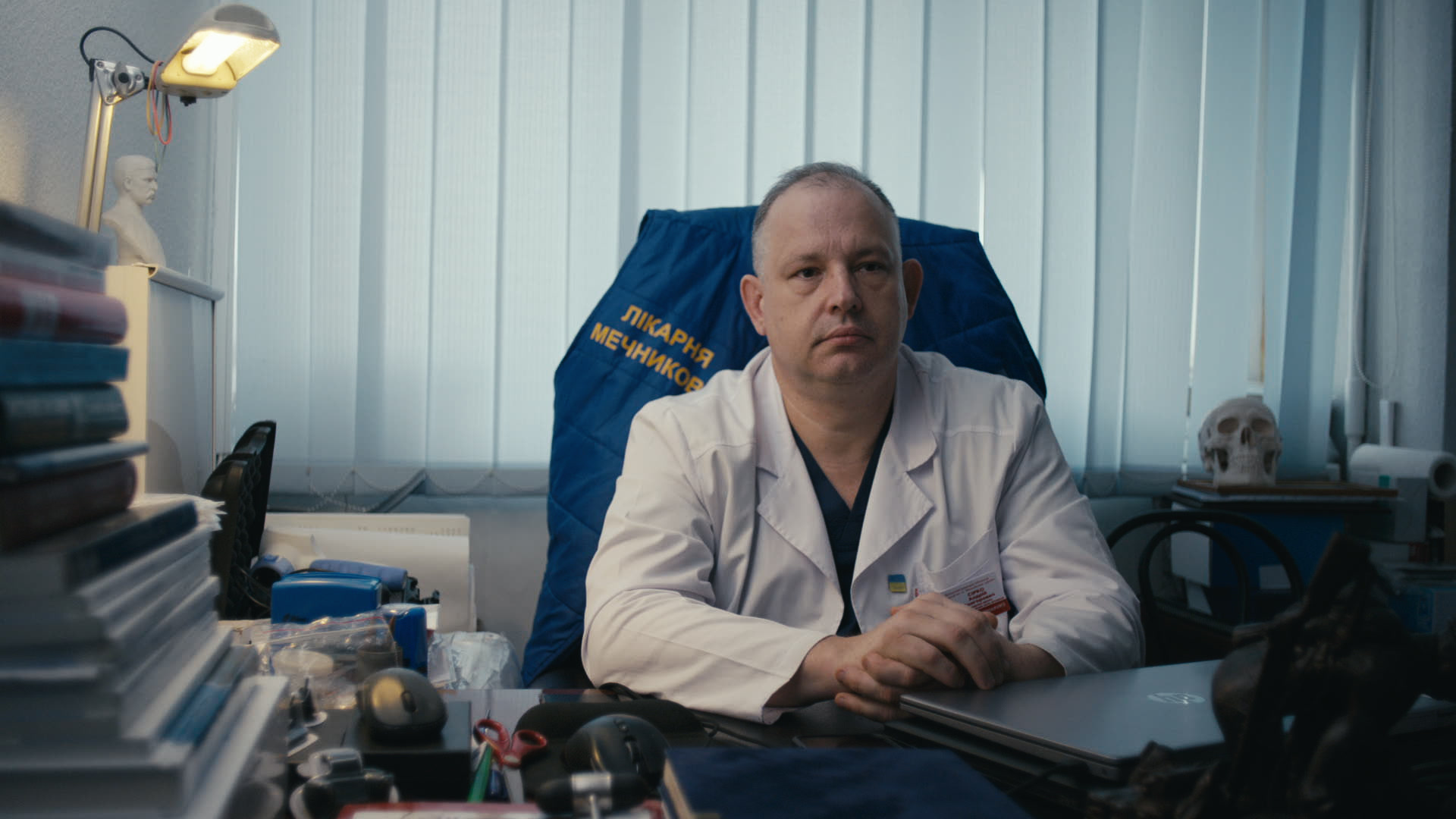
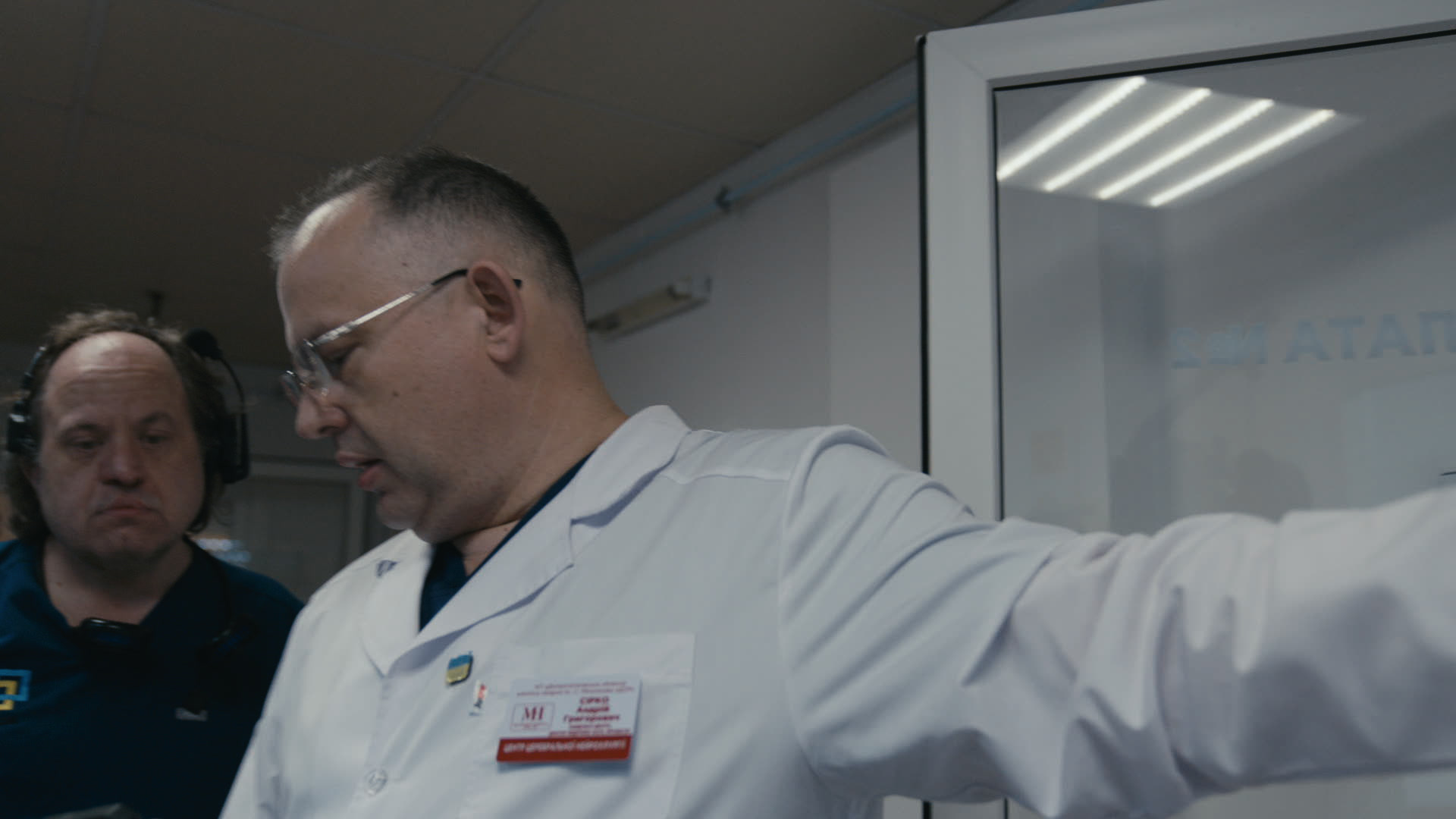
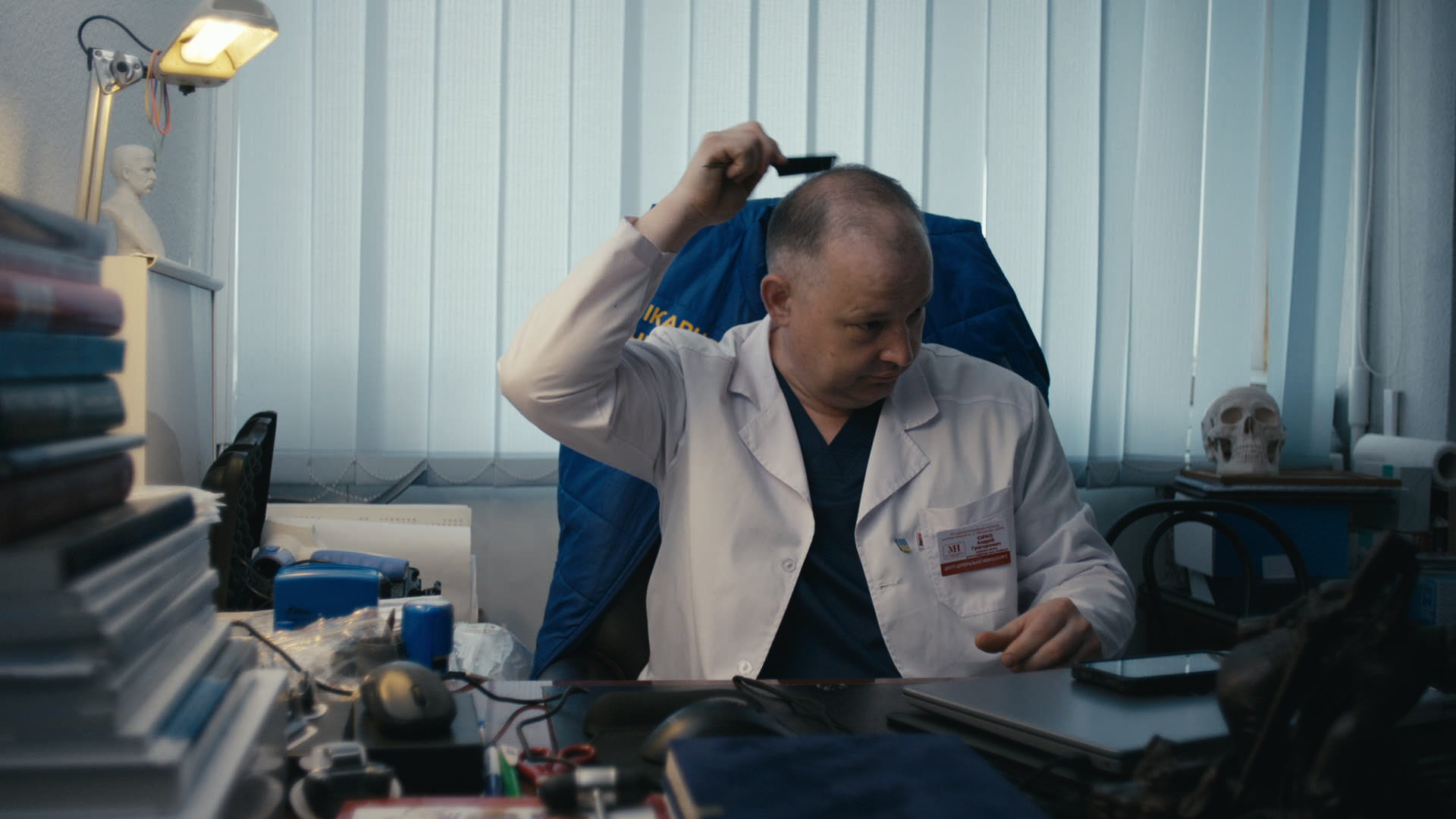
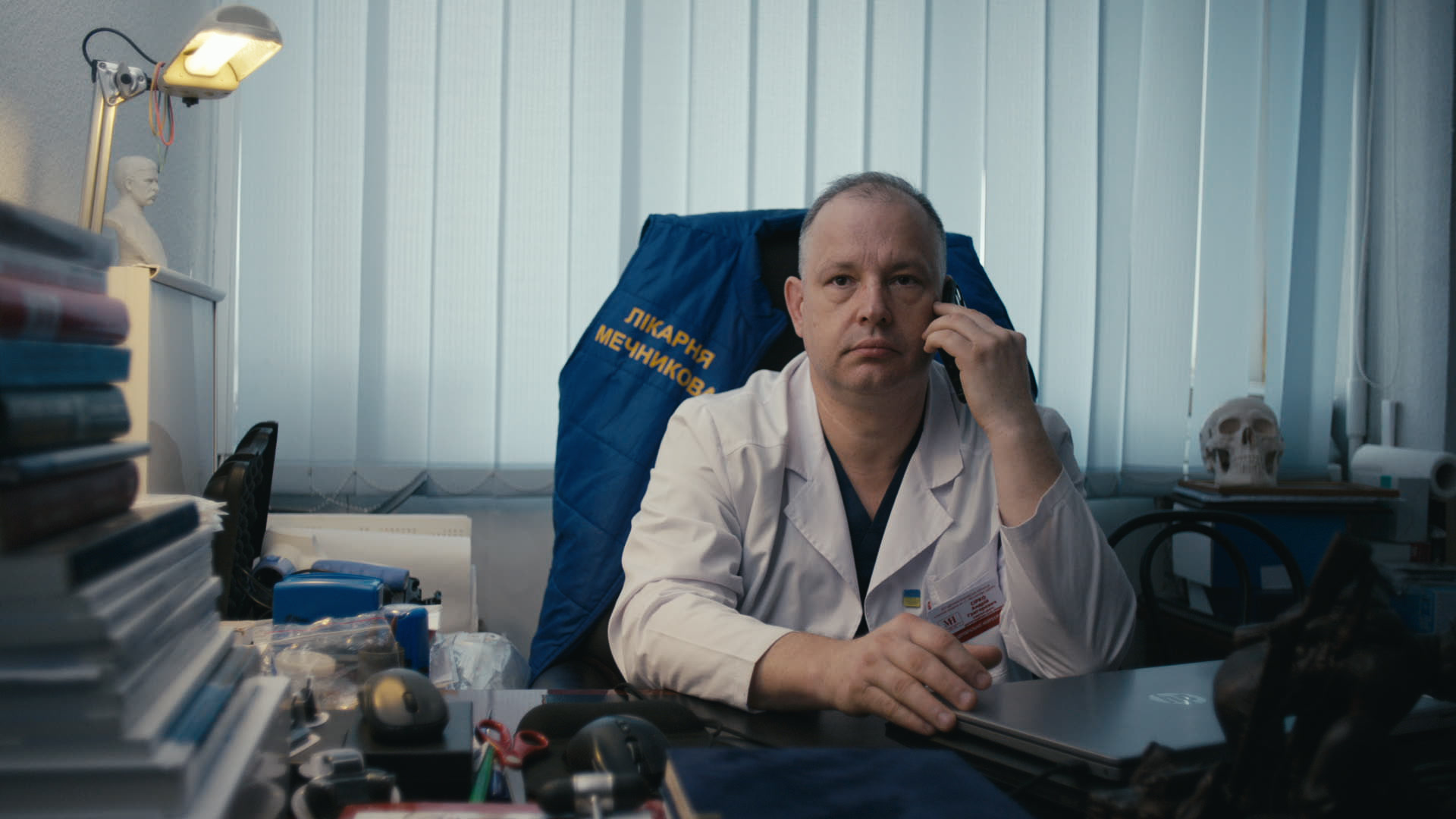
ANDRII SIRKO (Lead Neurosurgeon, Father)
00:00:00 You can go figure out the same pocket.
Andrii
00:00:06 You can go figure out the same pocket. If you need to come in and get these, please do. My hedgehog is Leo. He is moving. Is it moving? Yeah. Can we start? Yeah, we can start.
00:00:30 - We locked it specifically. What does Lora want? Take the child from here. - And she won't be here? - Maybe she'll return at some point, but not too soon. - I specifically asked them to lock us in. Does she have keys? - Yes, she does. - Does she know which lock was used? Lower or upper? We need to try two pieces and figure out which one will work. Because we don't know about the lock. And we need to lock us so people don't work in. - Four is the one. - Yeah, she's trying to get him. - Try the one below the other lock.
00:01:19 Now we'll lock ourselves in and won't come out. Now we'll lock ourselves in and won't come out. Quietly, quietly, don't use force. And lock it, lock it, lock it, let him call you later or send you a text message.
ANDRII SIRKO (Lead Neurosurgeon, Father)
00:00:00 You can go figure out the same pocket.
Andrii
00:00:06 You can go figure out the same pocket. If you need to come in and get these, please do. My hedgehog is Leo. He is moving. Is it moving? Yeah. Can we start? Yeah, we can start.
00:00:30 - We locked it specifically. What does Lora want? Take the child from here. - And she won't be here? - Maybe she'll return at some point, but not too soon. - I specifically asked them to lock us in. Does she have keys? - Yes, she does. - Does she know which lock was used? Lower or upper? We need to try two pieces and figure out which one will work. Because we don't know about the lock. And we need to lock us so people don't work in. - Four is the one. - Yeah, she's trying to get him. - Try the one below the other lock.
00:01:19 Now we'll lock ourselves in and won't come out. Now we'll lock ourselves in and won't come out. Quietly, quietly, don't use force. And lock it, lock it, lock it, let him call you later or send you a text message.
00:02:18 on she doesn't know we need about it's okay then she's ready ask her if the balance is here yeah no no it's not close don't worry about it we're good I won't close it. And Andri, not that we've been doing this before, but can you do a clap in front of your face?
00:03:03 -Chopnete, so that the microphone has all the sound at the beginning. -There you go. -We ask you for the beginning, how you were growing, where you were growing, what was your childhood? I was born in the city of Verkhnodniprovsk, in Dnipropetrovsk region, 90 kilometers from Dnipro, where I now work and live with my family. My father Hryhoriy was a zootechnician and managed a large poultry farm. My mother, unfortunately, passed away many years ago. She was a librarian.
00:03:48 My father's name is Hryhoriy, my mother's Tetiana. What did this give me? My mother worked as a librarian, so I never lacked books. I always had many books, I read a lot. Now there's the internet, now you can find anything online very quickly. But at the time when I was born, it was very important for me to have access to information. At the same time, my father, who constantly worked with living creatures at work, you could say, birds, and at home loved to raise many different species of animals. There were cows, and sheep, and even pigs, and chickens, and geese, and ducks.
00:04:36 This instilled in me a love for all living things. So I understood how a living organism functions. On one hand, my mother gave me the opportunity to gain knowledge in the best way possible at that time, and my father instilled a love for living things. I'll say that I performed my first surgery while still being a schoolboy. We were raising rabbits, and one rabbit, a weasel, that's a predatory animal, wanted to get it out of the cage, and with its claw tore open his side, and his skin from the upper paws to the lower ones split open on both sides, and you could see his body, so I took a needle and thread, sewed him up, and he survived and lived longer than all the others,
00:05:27 because we kept him as a kind of talisman, so that's how it was. Unfortunately, my mother has been gone for 14 years, but my father is alive, everything is good, he's active, and continues to work the farm. I believe this is his secret to longevity, because he works from 5 in the morning until late evening, and he's also so energetic, he infects everyone around him with his energy. You probably got this hard work ethic and constant work from him?
00:06:00 First of all, it's really genes from my parents on one hand, and on the other hand - it's upbringing. And they showed respectful, kind treatment of people, respect for elders and love for all living things. Tell us about the time when you came to study. When I was studying at school, at the secondary school in Verkhnodniprovsk, what I liked most were the subjects, first of all biology, initially botany, then biology, geography, I liked physics. I participated in school olympiads, even competed in all-Ukrainian biology olympiads, traveled around Ukraine, participated.
00:06:53 And when I finished school, I finished school with a gold medal, the question arose where would I go next, what would I become. The easiest thing was, we went to Dnipro University, considering that I had a gold medal, and also had victories in regional biology olympiads, and they told me, you can enter the ecological faculty of Dnipropetrovsk University without exams. My father says, I've already arranged it, we'll submit the documents, after lunch you'll be enrolled, and you'll study here. But I said, no, I think I'll become a doctor after all. So let's go, at that time it was still called Dnipropetrovsk Medical Institute, we submit the documents, and I prepare to take exams.
00:07:47 The exams, as I remember now, were Ukrainian language, biology and physics. What I loved in school, that's exactly what I needed. And I entered the first year of the medical faculty. It was 1992, it was just the first year after Ukraine gained independence, The Act of Independence. And I entered the first group, first subgroup, and this subgroup was Ukrainian. From our entire large class. It was the first Ukrainian subgroup, where students studied in the Ukrainian language.
00:08:30 Most of them were from the western regions of Ukraine. But thanks to the fact that I ended up in this subgroup, I later met my future wife Tetiana. Her name is the same as my mother's. And I entered this medical institute. Then it became an academy, then became a medical university. It's actually a strong university, where we received knowledge. And I graduated from this university with honors. and I'm even listed in the book, the golden book of the medical academy. I love jokes, especially during the war, it helps us survive,
00:09:19 so I say, listed in the red book, like the red book for animals, for plants, as an endangered species and, what does this mean, to promote so that there are generations, so that there is reproduction, so that there are children, so that there are descendants, so that they follow in the footsteps. So it's a joke, but actually I'm really proud and I think, the children are already proud, grandchildren will be proud, that their grandfather was so legendary, that even in the "Golden Book" of the medical academy,
00:10:00 of the medical university, his name is written, out of 4 or 5 thousand people, 500-600 people were listed. Indeed, now when you look at it, it was many years ago. But then, when I was finishing the academy, the question arose, what would I become next. And at first I wanted to be an oncologist, to treat oncological diseases, a general oncologist. These are lung tumors, intestinal tumors, melanomas, malignant tumors as an oncologist.
00:10:45 Then I wanted to be a neuropathologist, but my father-in-law then said to Andriy: "Neuropathologist - that's somehow not a man's profession. Maybe you'll be some kind of surgeon, because neuropathologists read books, prescribe medicines and don't understand whether a person got better from that, whether they recovered on their own, or from the medicines that were prescribed. Now if you become a surgeon, it's a man's specialty, and you'll see the results of your work. And I decided to be a neurosurgeon. And I'll say more, that oncology didn't leave me, because my specialization in neurosurgery has two directions. This is neurotraumatology, which is injuries to the central nervous system, and this is neuro-oncology, which is brain tumors.
00:11:36 And my dream, that I wanted to be a neuropathologist, study the brain and be an oncologist, it came true. And I was lucky in my time that I again ended up first in a good university, studied at an institute, received such strong foundational knowledge, and then I had good teachers. My teacher, professor, first of all, Mosiychuk Mykola Markovych, he is the founder of the neurosurgical school in our region. And then I studied under Professor Zorin Mykola Oleksandrovych. I'll say that again, I'm proud that in the history of Dnipropetrovsk neurosurgery at this moment there are four professors that I know. This was the late Professor Mosiychuk Mykola Markovych, Professor Soliany Vadym Ivanovych, Professor Zorin Mykola Oleksandrovych, he is alive, hello, and I wish him many years of such full life and work.
00:12:34 The fourth is Professor Sirko Andriy Hryhorovych, so I'm proud that I am the continuer of such a dynasty, a glorious line of neurosurgeons, scientists, and I already have my own school, my students, this truly inspires me. Going back to the moment of your admission, you said that your father told you, look, I've already enrolled you here, and you told him, no, I'll probably go for medicine. What was that about? Why did you say that? Why did you want that? I never look for the easy path in life, I never choose what's simpler. I thought, ecological faculty, I'd be walking around checking pollution in these rivers, air.
00:13:22 somehow it was uninteresting, but this desire to help people first and foremost, it remained with me. I decided, despite the fact that you had to take an exam, that there was really great competition for one spot, there were many applicants, it wasn't easy to get into this institution, so I decided that I would choose not what's easier after all, but what's close to my heart, despite the need to pass more difficult exams. I'm satisfied and have never once in my life regretted that I decided to be a doctor. Can you give me some questions? Yes, can you help unlock that door?
00:14:11 Smokey. And I'll move in next to you. Maybe we need to say name, Logan. That's what? No. Do you need to close the other one? I'll return if that calls from me. Okay. I'll return before we do the handheld shot, but I'm going to get the sinusoidal and stuff ready for that. Okay. Okay, let's continue. So we talked about Andre's childhood growing up.
00:15:00 Can you, well I guess I can see this monitor. Alright, I'll sit down. And how he started university, why medicine, and how he got to new research. What else do you want to know? um let's say and you're going to answer her so you're looking at the correct side yeah um talk to me about uh talk to you about growing up in in the soviet union maybe not even dreaming of a country of his own but um um just the idea of it and then being able to have one and what it's meant and what it means.
00:16:15 It's quite a complex question, because it was, when it became independent, the year '91. At first, when we lived in the Soviet Union, there was an ideology, communist ideology. And I still caught the time when I was first an Oktyabryonok, wore a star, then I was a Pioneer, I wore a Pioneer necktie, then I was a Komsomol member, I was even a Komsorg of the school, secondary school number one in Verkhnodniprovsk. I was the school's Komsorg, even went to this training camp for Komsomol workers. That's how it was, you have to understand, propaganda, it always existed, and it was very serious back then.
00:17:02 What did I want then? I wanted, what could I do? I organized competitions for schoolchildren there, as Komsorg, in arm wrestling, competitions, come on guys, I participated in them myself, and then it all collapsed on me, meaning I was the last Komsorg of the school, on whom it all collapsed, and when Ukraine became independent, somehow more, I had already become more mature by then, and I began to be more interested in the history of Ukraine, More at that time, especially when I was preparing for the Ukrainian history exam, it was 10th-11th grade, I studied Subtelny's history, not only the books that were given to us at school, but those that had undergone such Soviet editing, written what they wanted to hear.
00:17:57 But I already began to read books on Ukrainian history that were not recommended during school. And then I began to search for information about Ivan Sirko, about the Cossacks, and the Zaporizhian Sich appealed to me. [VO CANDIDATE] It really resonated with me then, truly, I felt what they now call the concept of identity. Identity, that I was really more attracted to and liked more the fact that it was Ukraine, that we are an independent, sovereign state, that we have our own language. we must preserve all this, preserve and on the contrary spread it, multiply it.
00:18:46 That's why my parents instilled the Ukrainian language in me, despite the fact that as I said, most were Russian-speaking, but somehow I had pride when I was still at the institute learning to speak Ukrainian, and it was such a pride for us. And I'll say more, that when something is forbidden, you want it even more. And when I saw that Ukraine, because we follow our own path, which differs from the one they constantly push us toward, we go a completely different path. [VO CANDIDATE] And for this they hate us, for this they want to punish us, for this they want to kill us.
00:19:33 And I'll say more, that I'm proud that my son Bohdan, he really, somehow at that time we had Freedom, the "Svoboda" party, And he communicated with guys who were from Svoboda. And when there were events, you know, under Yanukovych, and when there were these events near our regional council, I'll say that Bohdan was also there. Bohdan was also there and police came to our home with searches and it was very, I'll say that at that time I was at work, my wife called and said that many police came who wanted to do searches in our home, to look for this literature, Ukrainian literature, patriotic literature.
00:20:32 and maybe they want to pin some attempts to participate in some riots, possibly terrorist acts. I then said, wait, don't open the door. I called my friends, they're so strong, bigger than me, friends, and I say, I need your help, because I won't get home quickly, but you must help. And they really came and followed the police through the rooms, so they wouldn't plant anything, so they wouldn't take him to prison later. Indeed, we had to go through this with my wife. They ransacked everything, took laptops, took patriotic literature, what we had at home.
00:21:20 And this really happened, and we worried for his life, for his freedom. Although he did nothing criminal, he only stood up, like the majority. Then at Maidan, but it wasn't the Maidan in Kyiv, it was in Dnipropetrovsk, near our regional state administration. I don't remember, after how many weeks we invited my relative, he's a lawyer, We went with the lawyer to get back both the laptop and return these Ukrainian books. They're now standing in his office, where Sviatoslav is now. And so indeed, I'm proud that my children have this orientation. And I'm proud that Bohdan grew up in this Cossack camp, and he knows all these traditions, and he cherishes them.
00:22:09 [VO CANDIDATE] And this is truly patriotism that's not for show. It comes from within, from the desire to remain a free person, a liberated, free person. And he also doesn't look for easy paths. I suggested several times that he come to the department, to go into neurosurgery. He says, no, I don't want to be in scheduled neurosurgery, I'll be specifically in the emergency department, where the most severe patients come, the most severely wounded, I'll operate on them. And I'll say more, even when he was an intern, he was like, I want to be closer to the front line. And he went to military hospitals, he went to advanced surgical teams, stabilization points.
00:22:54 And we prayed to God that everything would be fine with him. He helped surgeons, helped traumatologists. And most interesting, he sends photos from operating rooms. Here I am operating with neurosurgeons, surgeons. And then 2-3 days later he sends a video, the guys send it to him. After he left from there before New Year, a rocket, a bomb, flew nearby there, shattered the windows. Thank God, people remained alive, but in that operating room where he was 2-3 days ago, in the mobile hospital it was destroyed. That's the situation. So you can't tell it in one sentence, even in a paragraph. This came from the parents. Parents instilled love for the native land and maybe some roots, some genes were passed down from that legendary Ivan Dmytrovych Sirko born in 1612.
00:23:49 were passed down and it, for example, is preserved in me and continues in my children. Both in the older Bohdan, and in the younger one now in the Cossack camp.
00:24:00 Learning how to work with a saber, learning how to ride horses, in boats, how to treat himself and others with herbs. They learn to play the kobza, instruments and sing Ukrainian songs. and there was a question, could we go to the camp, film everything. Previously this was possible. And now the Koshovy, the otaman there, he worries about the safety of the children. He says, I would be happy to, but initially our camp was set up on a hill, and it was clearly visible from afar. Now we've removed all that and hidden it in the forest, so no one can find it, because we worry, you see drones, rockets. Someone will give information that there are not children there, but military personnel, for example, soldiers preparing for rotation, drones will fly in and strike children.
00:24:55 So there was a great desire to show this camp, it's truly beautiful, but it's better not to do it. What can I say, when we last took Sviatoslav there, we arrived, and there were many young deer, more than 30-40 of them, they were calmly on the hill. It's like in Askania-Nova, such nature. And tonight we spent from 4 to 6 in the morning in the basement, I said that I'm grateful to the Lord God,
00:25:30 that precisely at this time Sviatoslav was not with us, because for him this is the most difficult. If he sees air raid alerts, if he sees drones flying, rockets, he can no longer fall asleep, and it's very hard on his psyche. Why was it always important to you that they grew up knowing the traditions and went to these Cossack camps? Why is this important to you specifically? Because not all parents think this way. This came not so much from me, it comes from them themselves, it's their desire,
00:26:18 somehow it's that they want it, maybe it was passed down through genes, but I didn't say you'll go specifically to this camp. I can say that Bohdan initially studied taekwondo for a long time and was constantly traveling. Previously they went to Crimea, and in winter they went to the mountains, to the Carpathians. And he was always so active. And once he ended up at this camp, he liked it so much that he said, I'm staying for another session, for another session. And every summer he spent one, two, three trips there. When he grew up, he already became, what's it called, kurinny, he would come and already looked after the little ones, he was kurinny, he was the leader, he was the senior on the boats, then there was climbing on nets, he was the senior.
00:27:15 And I can tell you one story that happened, when he was kurinny, he calls me, says, "Dad, did you receive a patient with the surname Bernyk? You didn't?" I say, "No, I operated on an unknown person." And he says, because our, not the otaman, the assistant, of the otaman, the son was at war, he fought, and he came to you. I say, ask, is he red-haired, with a beard? He says, yes, it's the red-haired one with a beard, it's our otaman's son. I say, well, you know, I'll tell you, it's an extremely severe injury, he's in a deep coma, grade two coma. He probably won't survive, I say, but I operated until late at night and did everything necessary.
00:28:05 He says: "Yes, this is my assistant otaman's son, do everything you can." And gradually he recovered, he recovered well. And I remember then, this assistant came, Mykola Bernyk, and he came, he says: "I brought you a gift." I say: "What gift?" And he takes out such a three-liter jar of honey, and says: "This is for you. This jar of honey is for you."
00:28:30 And he recovered well, unfortunately, he died from coronavirus and pneumonia. But at that time we gave him the opportunity to live and we became friends with families, even of those people we saved. They used to stay longer for treatment, we don't have such possibility now. we must operate, stabilize, do procedures, we must evacuate these people so there are places to admit new ones, but previously there was an opportunity to treat them. And previously my wife Tetiana made cabbage pies, potato pies, and they would come with Sviatoslav, we would go to the wards and treat wounded fighters, their relatives, and I have many friends on Facebook too, and they remain, who congratulate me, there are birthdays, various holidays, we became friends.
00:29:23 And so we were friends for a long time with the Bernyk family, and now I see Mykola Bernyk is traveling. Indeed, that's how it is, you can't say that I told them, you must learn this. No, it came from within them somewhere, and I just watch, well, I'm proud. At three o'clock you have to start a conversation with Alex somehow, right? It can be short, it can be 10-15 minutes, if needed, we can continue. - So it's easy, is it need to start? - At 3:00 p.m. it's maybe 10, 15 minutes. - Yeah, yeah. - And after that we can continue. - Yeah, yeah, yeah, that's good. So keep going. I mean, I have something next, but go ahead. - We have done this question I had. What else do you want to ask?
00:30:17 - Why neurosurgery? Do you have a... Is medicine in your family? Are you the first doctor? Does he have the most advanced degree of any of his upward relatives? Can you explain a bit how he chose a neurosurgery, but I can ask if there are any other doctors in the family? Yeah, ask him that and then have him talk to you about the beeswax and his father and the bees and that kind of thing. - Tell me, if you were before you were doctors and about the wine? - Yes, I'll honestly say that doctors of traditional medicine in the family had never been.
00:31:05 My grandmother, she was, as they say, a bonesetter, she treated with her hands. Grandmother Kateryna, she lived in Novopokrovka, and she treated not only in her village, but all the nearby villages, if a person had a dislocation of some joint on their hand, on their leg, everyone went to baba Kateryna, there was a line there, because she could set dislocations of joints, She raised four children, because her husband died early. But with these hands she could set any joint dislocations.
00:31:50 My uncle was a veterinarian, also her son, who treated everyone around. But traditional medicine specifically in the family there wasn't. There were some bonesetters, such folk medicine, there were veterinarians, but I was the very first who became a traditional medical doctor. But now in the family I'm a doctor, my wife is a doctor, and Bohdan - he's the first generation after us, a doctors' neurosurgeon. We ask Sviatoslav, what kind of doctor will you be, will you be a neurosurgeon, he says, no, I'll be a traumatologist. Well, life will tell. Regarding what I showed and told yesterday, indeed, as I was saying about my teachers, Professor Mosiychuk, Zorin Mykola Oleksandrovych,
00:32:43 we learned so much from them. And this old thing, what was passed down from generation to generation, for example, wax. Only recently with humanitarian aid we received wax, which is synthetic wax, It's packaged, sterile wax, humanitarian aid from the USA, our friends Rock Armonda, Alexis Latka. But before this we used beeswax for a long time. When interns come, I joke, I say, we have special neurosurgical bees. These very bees, these are very rare bees that produce neurosurgical wax that we can use during surgical interventions. When the wax runs out not only in our operating room, in other operating rooms, I call my father and say, do you have wax, and he melts down beeswax, such pieces of wax, and how much do you need?
00:33:40 I say, well about half a kilogram, and here they bring half a kilogram, we cut it into three parts: we gave to one, gave to another, gave to a third, and our nurses, I say, from generation to generation, the recipe is passed down, how to mix this wax with oil, boil it for a while, sterilize it, and it's even better, than the synthetic wax that's brought from abroad. This wax is used exclusively for one purpose - to stop bleeding from bone. For example, if we take this skull and make a cut, here are the diploic veins,
00:34:26 which bleed, neither coagulation nor other materials can stop it. we need to apply this wax, it's sterile wax, but indeed it's produced by ordinary bees. And so we were on an excursion on Sunday late in the evening, it was already dark, with Alex and Volodya at our rest place in Dnipro, There was such a hut, there it interestingly says "Sirko's apiary". I showed it to Alex and Volodya, and they showed us 5 hives that were just made, bees weren't living there yet. And they showed hives in which bees lived 100 years ago.
00:35:16 So indeed there's nothing accidental about it, that's why Sirko works with bees for some reason. My father works with these bees, when I was in school, I also did it and know how to raise these bees. I had such small hives where we put the queen, and there she began to breed, and when she had multiplied, then we transferred them to larger hives. And now I use this wax from Sirko's apiary, only not Ivan Sirko's, but Hryhoriy's, my father Sirko's, and it's used in neurosurgery. - Yes, I think it won't be very long and we'll continue, because I still have shell fragments that need to be shown.
00:36:07 There's a lot to tell. I don't think so.
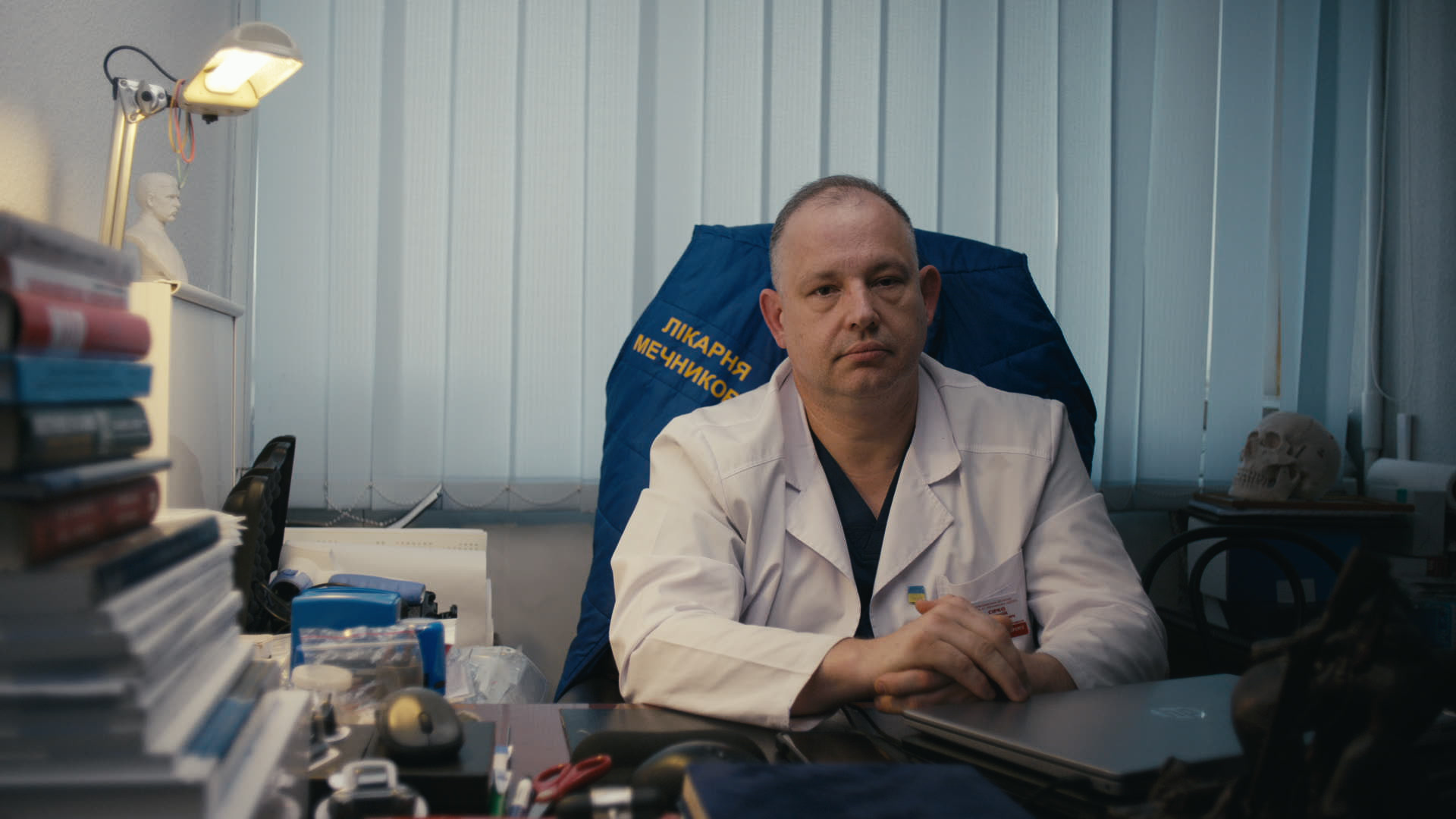
Andrii
00:00:00 Michael DeBakey in the United States talked about how he felt simply by not being in New York or LA
00:00:00 Michael DeBakey in the United States talked about how he felt simply by not being in New York or LA that he had the ability to sort of carve his own way in medicine and do things that were outside the norm because he wasn't in the in the established sort of like you know capitals of medicine or capital you know of um and um yeah and we talked about a little in the car but it is is sort of a bit like from talking to Alex there's so many things that he does that's uh
00:00:47 um revolutionary right and so um and then also like um you know i'd love to know the uh the politics of this place um and then of mechikov so like you know we um on within his team he's he's the boss it's all this this this but like other people here have their own turf right their own uh space uh but like and also like um tell me and tell us about nepro i mean like uh it was it is it was a
00:01:32 center for um space um firms correct and um aerospace and uh just um um when we talked to bodon and bodon said bogdan sorry bogdan said that um bogdan called himself he didn't he said he he said that sviatsaslav would feel the pressure because because bodon and bogdan felt that he was not the good son um whatever and it might be a
Andrii
00:00:00 Michael DeBakey in the United States talked about how he felt simply by not being in New York or LA
00:00:00 Michael DeBakey in the United States talked about how he felt simply by not being in New York or LA that he had the ability to sort of carve his own way in medicine and do things that were outside the norm because he wasn't in the in the established sort of like you know capitals of medicine or capital you know of um and um yeah and we talked about a little in the car but it is is sort of a bit like from talking to Alex there's so many things that he does that's uh
00:00:47 um revolutionary right and so um and then also like um you know i'd love to know the uh the politics of this place um and then of mechikov so like you know we um on within his team he's he's the boss it's all this this this but like other people here have their own turf right their own uh space uh but like and also like um tell me and tell us about nepro i mean like uh it was it is it was a
00:01:32 center for um space um firms correct and um aerospace and uh just um um when we talked to bodon and bodon said bogdan sorry bogdan said that um bogdan called himself he didn't he said he he said that sviatsaslav would feel the pressure because because bodon and bogdan felt that he was not the good son um whatever and it might be a
00:02:20 translation thing but that was an interesting thing. So what is the question about this? That's a good question. It's more the... I have one question related to him working this but maybe I don't know if you have a specific... Well, I just, like, like, no, I think that just like, you know, he sent us that message, translating the Facebook memory of like, I'm proud of you. And like, that was something that I said to Bardan. I feel your pride in your son, Bardan.
00:03:05 and I would like you know him to speak to that but also you know the I don't know what it was with Bohdan but I feel like I feel like he I don't know I feel like he doesn't there's something there's something he's not allowing himself to see within himself that is strongly admirable you know and that's probably part of it part of the humility. Anyway, so we can go and ask your questions. I can tell you what questions I have. I wanted to ask a bit about when Andrei started to work in this hospital,
00:03:54 how his work changed during his years here, and especially from like the 2014 and from 2022. and then I thought about asking about Bahdan, how is it for him to work with his son. And here I can also ask these questions that you just asked about what Bahdan told us in his interview. And then I wanted to ask about the fact that they have many young, very young doctors. I wanted to ask him if that is something that always used to happen or is this related to the work? And then I have a question: what is the most difficult part in his work during the last years?
00:04:47 This is a very active work, how it changed? And then I wanted to ask him, he usually has a line of people waiting to get his consultation and he is on call almost like 24/7, his phone rings all the time. And he operates also regularly and I just wanted to learn how he manages all this. Yeah, and then you had the idea of knowing the right words. Yes, that is my next question. And then I wanted to ask this question related to many people leaving, many doctors leaving, but he chooses to stay while being a very well-known specialist and knowing many people abroad who would happily work with him elsewhere, but he chooses to stay here. Why?
00:05:43 - I will say about that and why I want him to talk about Ivan Sirko again is that there's a thought
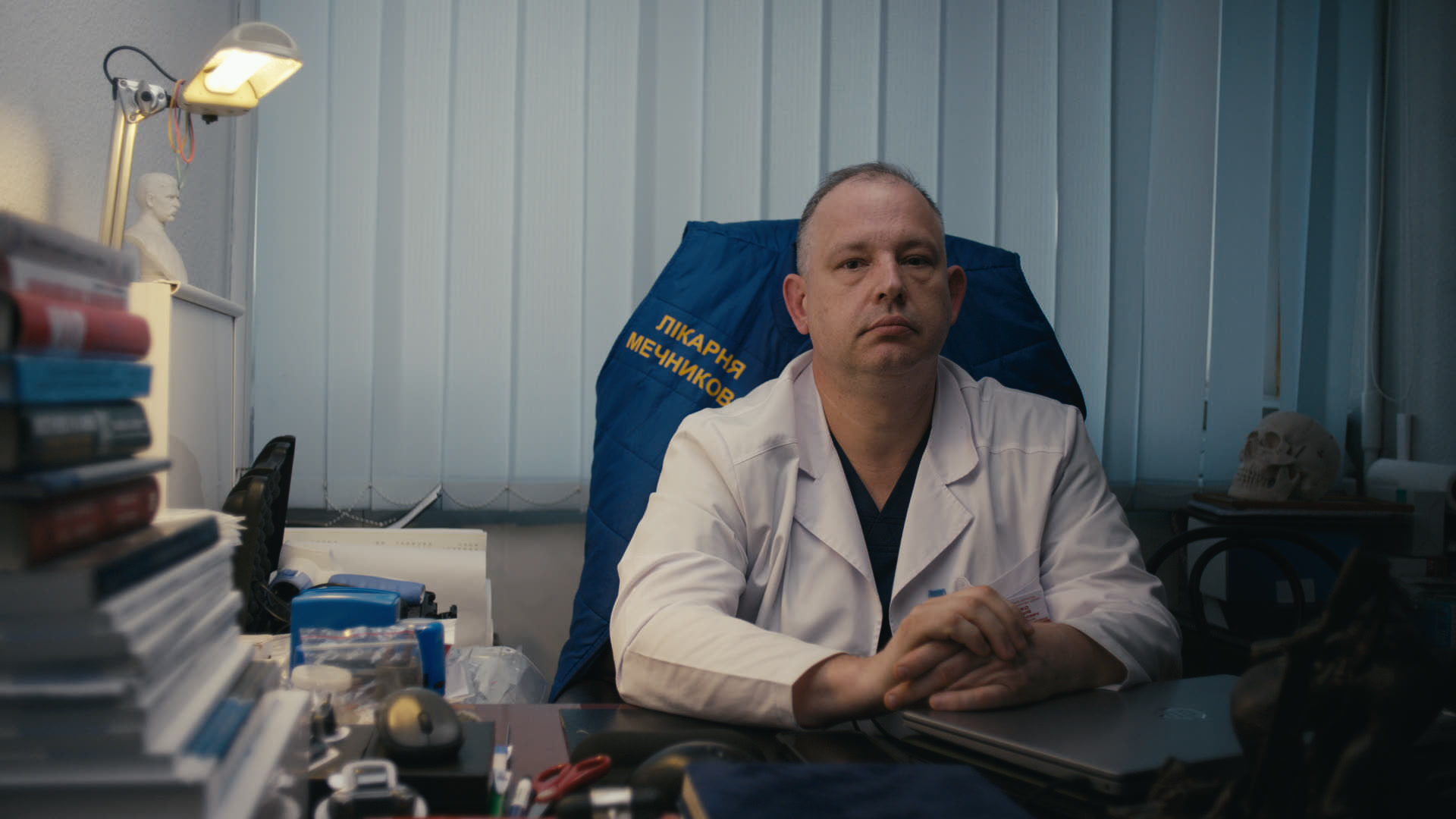
Andrii
00:00:00 stick near or when we're ready to go handheld and do that do the thing yeah
00:00:00 stick near or when we're ready to go handheld and do that do the thing yeah how long do you think that's gonna be so I might actually like there's a b-roll FX6 or something yeah or something yeah give me like a time when you think return for that like at least 30 minutes right yeah I think more yeah maybe an hour yeah 45 hour You get to clap again, yes. Yeah. And then, Andre, can I have you shift so you're facing your shoulders kind of like the... Right over there. Yeah, there you go. That's how you were before. Okay. Thank you, guys. And you've rolled. Okay.
00:00:54 [UKR] I want to return to the moment when you started working at the hospital. When was that? [UKR] I started working at the hospital in the year 2000. At that time there were many neurosurgeons at the hospital, and getting into the hospital was almost impossible. [UKR] I asked my father-in-law, that is, my wife's father, to find an opportunity to get me a job. [UKR] They hired me for only a quarter position. [UKR] At a full 0.25 position I started working. [UKR] From this I gradually grew. [UKR] 0.25 position in the department, 0.25 position in the admission-diagnostic department, [UKR] then 0.5 position in the department, then from 2001 I also started working part-time as an assistant at the Department of Nervous Diseases and Neurosurgery.
00:01:48 [UKR] That is, along with practical work, I also engaged in scientific work and pedagogical work. [UKR] First it was students, then interns, then already resident physicians. [UKR] That is, I grew both on the practical ladder - first a neurosurgeon, then head of the neurotraumatology department, head of the cerebral neurosurgery department - and at the institute first as an assistant, then associate professor, then professor. [UKR] So it was the year 2000 and until 2005 I worked as a neurosurgeon. [UKR] How has your work changed over these last 25 years at the hospital, and especially from 2013-2014 and 2022?
Andrii
00:00:00 stick near or when we're ready to go handheld and do that do the thing yeah
00:00:00 stick near or when we're ready to go handheld and do that do the thing yeah how long do you think that's gonna be so I might actually like there's a b-roll FX6 or something yeah or something yeah give me like a time when you think return for that like at least 30 minutes right yeah I think more yeah maybe an hour yeah 45 hour You get to clap again, yes. Yeah. And then, Andre, can I have you shift so you're facing your shoulders kind of like the... Right over there. Yeah, there you go. That's how you were before. Okay. Thank you, guys. And you've rolled. Okay.
00:00:54 [UKR] I want to return to the moment when you started working at the hospital. When was that? [UKR] I started working at the hospital in the year 2000. At that time there were many neurosurgeons at the hospital, and getting into the hospital was almost impossible. [UKR] I asked my father-in-law, that is, my wife's father, to find an opportunity to get me a job. [UKR] They hired me for only a quarter position. [UKR] At a full 0.25 position I started working. [UKR] From this I gradually grew. [UKR] 0.25 position in the department, 0.25 position in the admission-diagnostic department, [UKR] then 0.5 position in the department, then from 2001 I also started working part-time as an assistant at the Department of Nervous Diseases and Neurosurgery.
00:01:48 [UKR] That is, along with practical work, I also engaged in scientific work and pedagogical work. [UKR] First it was students, then interns, then already resident physicians. [UKR] That is, I grew both on the practical ladder - first a neurosurgeon, then head of the neurotraumatology department, head of the cerebral neurosurgery department - and at the institute first as an assistant, then associate professor, then professor. [UKR] So it was the year 2000 and until 2005 I worked as a neurosurgeon. [UKR] How has your work changed over these last 25 years at the hospital, and especially from 2013-2014 and 2022?
00:02:40 [UKR] I'll say it this way - in 2005 I defended my PhD dissertation at the Romodanov Institute of Neurosurgery in Kyiv, [UKR] became a Candidate of Medical Sciences, I already had the highest category in neurosurgery, [UKR] and then the director, the chief physician of the hospital Volodymyr Oleksiyovych Pavlovych, appointed me head of the neurotraumatology department. [UKR] That is, neurotraumatology, where I started, I became the head of this department. [UKR] This gave me the opportunity, so to say, freedom in my actions. [UKR] I looked at what was done before me, and what could be changed. [UKR] And many things were introduced into practice. Decompressive craniectomies were introduced, and monitoring of intracranial pressure, and cisternography in the diagnosis of nasal CSF leak - traumatic, spontaneous - and repair of skull defects with titanium implants.
00:03:39 [UKR] That is, this gave me freedom to introduce new technologies. And many of these technologies were introduced for the first time at Mechnikov Hospital, not only in Dnipropetrovsk region, but also in Ukraine. [UKR] In 2009, the chief physician Volodymyr Aleksiyovych Pavlov also decided to combine two departments - neurosurgery, two - and neurotraumatology. I became head of the combined department already at 60 beds. If before this there were 30 beds, it became 60 beds. [UKR] And I began to introduce new technologies not only in neurotraumatology, but also in neuro-oncology. These are technologies called the use of stereotaxis, neuronavigation in neuro-oncology, the use of intraoperative neurophysiological monitoring for removal of brainstem tumors, located near the brainstem.
00:04:36 [UKR] This is category five complexity, and we have achieved significant success here, and are alongside the Romodanov Institute of Neurosurgery as leaders in this direction in Ukraine. [UKR] Therefore, precisely the opportunity to be a department head, also the scientific level was growing, because in 2012 I defended my doctoral dissertation, became a Doctor of Medical Sciences, and in 2012 I gradually received, as they say, all awards, all titles, [UKR] that is, Honored Doctor of Ukraine, neurosurgeon of the highest category, Doctor of Medical Sciences, Professor, and in 2023 I received, I consider, one of my greatest awards, along with the Order of Merit 3rd degree - this is an award from the hands of the President of Ukraine Volodymyr Zelenskyy, which is called "National Legend of Ukraine."
00:05:36 [UKR] This is very honorable. This is not only my merit, this is the merit of the entire team, and of the team of Mechnikov Hospital, [UKR] headed by our general director Serhiy Anatoliyovych Ryzhenko, because this is truly thanks to such a large number of wounded being treated, [UKR] the results of treatment - they chose me among 10-12 people who were awarded this year, also worthy, very worthy people, [UKR] In various fields - these are athletes, these are actors, these are volunteers, these are also people who died in the war, heroes. [UKR] Da Vinci, you know well, was just awarded posthumously. [UKR] But these are awards for hard work, first of all, of the hospital team.
00:06:26 [UKR] Actually my next question is about your colleagues.
00:06:30 [UKR] Who are your colleagues? Tell us a bit about your team. [UKR] Now I'll turn it off so that I... [UKR] If it's important, take it.
00:06:40 Just a moment.
00:06:41 [RUS] Everything is important for you. [RUS] Hello.
00:06:46 [UKR] Okay, thank you. [UKR] Yes, thank you for watching. [UKR] Did you finish? [UKR] Go ahead, what's the question. [UKR] This is Kostya, and we're operating on him. We need an electroencephalogram, and we'll come to you. [UKR] We'll come, when to come, do the electroencephalogram, do it urgently, put him in the ward. [UKR] Well, you yourself are answering your own question. There should be a fresh electroencephalogram and there should be a fresh MRI. [UKR] And are they waiting? [UKR] Yes, yes, yes. [UKR] Thank you. I want this to be done. [UKR] Agreed, see you.
00:07:31 [UKR] I'll press airplane mode, because I turned it on for the first conversation. [UKR] Your team, who are they, tell us a bit about them. [UKR] Well, in fact, as you've already seen, there in the photos and among my colleagues, there are many young people. [UKR] Many young people and young guys. [UKR] First of all, why is this so? [UKR] Because, especially since 2022, the number of doctors has decreased almost by half. [UKR] Decreased almost by half, and there are three reasons for this - three doctors went abroad. [UKR] Abroad - those who have large families, that is, 3 or more children, those by disability - 3 people went just abroad.
00:08:26 [UKR] And they chose that life which they consider better for them, for their families. [UKR] I have no right to judge them, this is their choice, they left. [UKR] Several doctors, again, now I'll say, three doctors work in Dnipro, but they work in city hospitals and mainly provide planned neurosurgical care. [UKR] We call it abroad - elective cases, these are selected cases, that is, brain tumors themselves, other pathology, but there isn't such a number of wounded, seriously wounded, there aren't such difficult shifts, no operations at night.
00:09:14 [UKR] Yes, these are my students. I taught them in my time. They became doctors of the highest category, they became candidates of science. [UKR] The time came, they decided to go, as they say, to already engage in what they like. [UKR] Indeed, not what is most needed now - operating on the wounded - but what they like. This is also their choice. [UKR] One doctor moved to the endovascular neurosurgery department, Vadym Perepelytsia, this is my second PhD, whom I prepared, that is, Doctor of Philosophy. [UKR] He works there, saves the wounded, this is also his choice, he liked more not open operations, but precisely endovascular operations through vascular puncture. [UKR] And one doctor was mobilized into the ranks of the Armed Forces of Ukraine, works as a doctor in a military hospital. Therefore, the number of doctors decreased by half, but at the same time youth are coming.
00:10:15 [UKR] They know that I am always happy to share my knowledge, my experience. [UKR] And even surgical interns come. [UKR] Like surgeons, they say that we want to be neurosurgeons. [UKR] Andriy Hryhoriy, you saw him, and Artem. [UKR] And Mykhailo - these are unique people. Why? [UKR] Because their parents are also military. [UKR] They serve at the front. [UKR] And Mykhailo's father is a sergeant, now in the Pokrovsk direction. [UKR] Mykhailo saves the wounded at Mechnikov Hospital, his father is in the trenches defending Ukraine. [UKR] That is, these are people, one from Vinnytsia, one from Cherkasy, who don't have rich parents, who don't have a lot of money, as they say in connections, [UKR] these are not spoiled rich kids, these are the simplest people who came and said, Andriy Hryhorovych, we want to learn from you, we want to save with you,
00:11:07 [UKR] Indeed, and they work with me, you see, Mykhailo and I operate together, and he's a surgical intern, but he already has the training of a neurosurgeon who can provide care for neurotrauma. [UKR] Therefore, we will do everything so that he completes his neurosurgery residency in Kyiv, and they want to work in this department. [UKR] That is, the youth are smart, the youth are patriotically minded, they are not afraid of the proximity of the front line, explosions, shells. [UKR] They see that they can learn. They can learn from me both to work with their hands, and they can learn to write lots of articles, become scientists. [UKR] And perhaps, when they already become adults, learn to do everything,
00:11:54 [UKR] then say, thank you, you taught us, we will go head our own departments. [UKR] This is also not bad. Why? Because I see many professionals, [UKR] they made themselves, but they cannot prepare a team, [UKR] they cannot leave students after themselves. [UKR] I, like my teachers, Professor Zoryn and Professor Mosiychuk, I'm not afraid of competition. [UKR] Why? Because every year I do more and more complex things, I go up and pull along with me. [UKR] We conquered one peak, climb up here, while you climb up here, I climb even higher.
00:12:30 [UKR] And this is true, therefore they come from other departments, both at Mechnikov and around Ukraine, people are afraid, afraid of competition. [UKR] Therefore, I taught myself, you stay at that level. I don't have that. You saw Rostyslav Malyi, Oleksandr Volodymyrovych of the same age as me, but younger are Volodymyr Botykov, Mykyta Hulidin. [UKR] They already operate on tumors, they operate on them very well. I say, I'm happy for you, and if the team is strong, then our department is strong. [UKR] And what you see in the corridor every day near my office, 10 people sitting on block G, on block D, resident doctors come to my doctors.
00:13:18 [UKR] I understand that we are a top department not only in Dnipropetrovsk, Dnipropetrovsk region, but in the east and central Ukraine they come to us, because they know that we take on difficult things.
00:13:30 [UKR] I won't say who, but one of your colleagues told us that you're like a locomotive that pulls everything and everyone along with you. [UKR] This is so, but I'm proud of this, because while there are physical forces for this, it's good. [UKR] So, next. You mentioned your young doctors, this is exactly what I wanted to ask you, and one of these quite young doctors is also your son. [UKR] Can you recall the moment when you realized that your son would be a doctor, how was it, when was it, and how do you work with him now? [UKR] Well, Bohdan, he's an unusual person, he has such a tattoo on his skin - rebellious child,
00:14:16 [UKR] yes, born to revolt, that is, rebellious child, that is, he never in life so strongly obeyed, [UKR] because I tell him, he went his own way, this is good, this is good for any person, [UKR] that he chooses his path, sets difficulties before himself and tries to overcome them. [UKR] He wanted to breed fish too. [UKR] He was so involved that our whole house was full of aquariums. [UKR] He spent all his time - there we have a market, Ozerka. [UKR] He spent time there, bred fish, learned to breed those fish, [UKR] which lay eggs, which it was difficult for me to breed.
00:15:00 [UKR] But I succeeded. I will engage in industrial breeding of sturgeon, salmon, trout - go ahead. [UKR] Then I'll be a journalist, a politician. But when he was already finishing school, somehow he was more toward medicine. [UKR] Toward medicine he was pulled, then he decided to enter medical school, in medical school he studied very well, surgery attracted him. [UKR] He constantly participated in surgery olympiads, they found laboratories, made these incisions, did operations, created his own surgical channels. [UKR] That is, he engaged in surgery. When he finished and the question arose, what will you be? Well, probably, a neurosurgeon. He came to neurosurgery, but when he even came to neurosurgery, I still haven't decided whether I'll be a neurosurgeon, I want to try everything.
00:15:58 [UKR] And he tried himself - worked in the burn center, and in plastic surgery, and in ophthalmology, and in maxillofacial surgery, and in vascular surgery. [UKR] And wherever he was, he's like - I must learn this. [UKR] And I already said, he spent a lot of time in mobile hospitals, but this helped him because he's universal. [UKR] a universal doctor, he likes more trauma surgeon. [UKR] Abroad there is no neurosurgeon there, no surgeon or what kind of surgeon, [UKR] there is such a concept as trauma surgeon. [UKR] Trauma surgeon, he does these operations for trauma. [UKR] And this really pulls him, and he operates trauma quite well.
00:16:43 [UKR] I'll honestly say, when there are soft tissue defects, [UKR] there are defects, torn skin, such large wounds, [UKR] Even I, even experienced doctors from my department invite him: [UKR] "Bohdan, how to make an incision, how to rotate these skin flaps so they can be sutured, so there won't be a defect?" [UKR] And I'm amazed, and Rostyslav Malyi, Oleksandr Volodko, they watch when he assembles from those flaps the defects, how they then heal. [UKR] He operated on Viktor Rozov together with Mykyta Hulidin with a penetrating brain wound. [UKR] They did such repair that I think no one in Ukraine in the acute period would have done such a neurosurgical operation as Mykyta Hulidin did,
00:17:31 [UKR] and how Bohdan assembled these flaps, how it then healed. [UKR] Therefore, no one forces him: "If you want, try." [UKR] And there was an opportunity to rest during internship. [UKR] He went to mobile hospitals. [UKR] Went to mobile hospitals, for a long time there was no connection. [UKR] But indeed he never hid behind my last name. [UKR] He would arrive, negotiate, starting with doctors. [UKR] And then, when the chiefs of the hospital, of the medical service of the hospital, [UKR] learned his last name, they were surprised - how are you, the son of a professor, going here to the hospital, [UKR] this doesn't fit in the mind. [UKR] Usually the sons of professors are somewhere looking for a warm place.
00:18:16 [UKR] No, he goes where it's difficult, he goes where he can test himself. [UKR] This is all in him, he goes to the mountains alone, tests himself, [UKR] how he can live in the mountains without outside help, encounter those same bears, with wild dogs that are there or guard pastures, [UKR] but they're wild and they can tear a person apart, he constantly tested himself. [UKR] He's truly, as they say, wild, but in the good sense of this word, just as our ancestors were, they were such that they believed, they had their own faith, even not Orthodox faith, you remember these moments, but this says that a person is free.
00:19:03 [UKR] Free in their thinking, in their choice, in their behavior. [UKR] This doesn't violate generally accepted moral boundaries, but this says that a person is truly developing. [UKR] And therefore, English language he knows better than me, although we went to these courses together, but it comes easier to him, [UKR] he gets pleasure from it. [UKR] He was 20 years earlier than me, not 20, perhaps less, in the USA, because he just went on this Work and Travel program and was a lifeguard at pools. [UKR] He saved those children, he passed all these courses on saving lives, he knows the language well, he's not afraid of anything.
00:19:50 [UKR] He, for example, was returning back, either in London or where there was a connection, I, for example, was afraid, there were 12 hours, decided to go to the city.
00:20:00 [UKR] And he went to the city, came back. Similarly, he arrived in America, and the hotel where he arrived, that hostel was closed, already closed. [UKR] He found common language with African Americans, and they together with him on a bench until 5 in the morning, until they opened the hostel, they spent this time together. [UKR] This says that a person is very communicative, can find language with a child, with an adult. [UKR] I remember, he was 3 or 4 years old, we went then still to Prymorsk, and we're walking there, as they're called, [UKR] there, where first there's shallow water, and then the beach begins, and we cross over this little bridge.
00:20:48 [UKR] and a person is fishing, and he approaches at 3, maybe 3.5 years, and says: [UKR] "Well, are the fish biting?" [UKR] And the man turns around and can't understand who's talking to him,
00:21:00 [UKR] and then looks, and there's such a small one standing and saying: "Well, are the fish biting?" [UKR] That is, he's communicative, he can find language with anyone. [UKR] Indeed, he wants to be himself, I repeat. [UKR] He doesn't want to come to my department, he wants to make his own path independently, build his own career, but what he takes on, he does very qualitatively, like me, and he tries to do as best as possible. This is honest. [UKR] Are you proud of him? [UKR] Yes. And proud of the older one, and the younger one. [UKR] How do you manage to separate work, where you are colleagues, and the fact that you are father and son? [UKR] And here it's very simple, maximally simple, because at work our relationship with him and with other doctors is the same for me. I try so that there are no such, as I'm such a bad teacher's pet, not a favorite, somehow differently, somehow I single out or don't single out.
00:22:00 [UKR] We have a chat where we constantly exchange operation results, discuss cases, and if you operated poorly, I say so - poorly, whether it's Bohdan, or my doctor, or another doctor, this was done incorrectly, this is how it should have been done. [UKR] And when such an attitude is equal, and they know that I will judge not by family ties, not by the fact that someone has worked with me more years, such as, for example, Oleksandr Marchenko, or fewer years - I will single out someone, and not another.
00:22:30 [UKR] For me there are precisely objective criteria for assessment - there cannot be such favoritism at work. Precisely what goes is that you must do. Like we have requirements, job description, you must do such-and-such. This is one thing - at work come on time, don't leave home early, no one leaves, because there's a lot of work, and another is to perform those stages of intervention and perform them qualitatively. [UKR] Like today a doctor came, was on duty, did a CT control, after CT control an internal brain hematoma formed. [UKR] He came, we discussed with him all these moments, and he's worried, I see, he's worried, because the person was almost conscious, there in stupor,
00:23:15 [UKR] and such a complication, it could be, because this is trauma. [UKR] But he's worried, he's thinking how to do it. Did a CT control after the operation, sent me the CT control, says, I'll watch him, I'll call the intensive care in the evening, if it's necessary to operate on him again, I'll come. [UKR] Therefore, at home we communicate or outside the hospital as father and son, at work we communicate as head of center and a person who works in this department. [UKR] So there are no problems here. [UKR] Returning again to your work, you already mentioned that people are always sitting in line to you to consult with you. All the time on the phone they call you, either after an operation they say how everything went, or people ask something new. And at the same time you also operate regularly. How do you find strength, how do you in general cope with such a pace of work?
00:24:14 [UKR] Honestly speaking, I myself sometimes am amazed, why, because since 2022 there became much more work, I already told you that half fewer doctors, but the work is two, then three, sometimes four times more - if you multiply two decreased, four increased, this is a colossal load. [UKR] And what I wanted to say - our strongest link is our nurses. [UKR] If they leave, they only leave where? On maternity leave. [UKR] To give birth to a child and then return to the department. [UKR] This is the strongest link - unlike doctors, nurses, almost no one quit for other reasons. [UKR] Only go on leave, then they all return. [UKR] Many are happy. Strong nurses. I have a strong head nurse Lyudmyla Vasylivna Lazareva. She also prepares the team, you see, young nurses.
00:25:08 [UKR] In its time, when our such, Nataliya Shulhina, this is the head nurse, conducted competitions for the best nurse, the nurses of our department not only received victory at the level of Mechnikov Hospital. [UKR] They were the best nurses of Dnipropetrovsk region. [UKR] The best nurses. [UKR] And they participated in the competition "Best Nurse of Ukraine." [UKR] That is, this says that not only I prepare the youth.
00:25:39 [RUS] My head nurse also prepares the youth.
00:25:41 [UKR] And we truly at such a high level represent the department. [UKR] And therefore I feel more, one can say, drive from the fact that, despite the fact that we provide at the highest level care to the wounded,
00:26:00 [UKR] we don't slow down the pace, providing care for brain tumors. [UKR] We on one hand understand that if we say, we're now operating on the wounded, you go to Kyiv, somewhere look for doctors for yourself, [UKR] God willing, the war will end, the path to us will grow over, because they said, well no, at Mechnikov they operate, they only operate on the wounded, [UKR] there's no point going there, but this is not true. [UKR] Therefore, we try - if it's necessary to operate on a wounded person, we operate on the wounded person, warned everyone, [UKR] that your operation may be shifted in time, but if there's no wounded person now, we take planned cases, [UKR] therefore they come from everywhere. Even from Lviv, Uzhhorod, Kyiv come those cases where they were refused, they come here and we operate.
00:26:47 [UKR] Indeed it's difficult sometimes to consult, you understand that a person came to show CT control, MRI control after an operation. [UKR] I know that everything is fine there, but they want to come hear my opinion. Therefore, you can't say like that - go away, no need to show, [UKR] because people come, they come as to God, [UKR] and show the result, and you say, live long and happily. [UKR] And indeed, this helps to detect in time when there's a recurrence, [UKR] continued tumor growth. [UKR] And just last week, this week, [UKR] I operated on people whom my professor Mosiychuk [UKR] operated on 40 years ago, a woman. [UKR] Yesterday I operated on a woman who was operated on 20 years ago before me. [UKR] That is, people, they come when there's a recurrence,
00:27:30 [UKR] we detect it in time, and help them in time. [UKR] Therefore, even, sometimes, I want to say, I'm already tired from consultations, but this doesn't happen. [UKR] I think this won't happen. [UKR] What truly becomes with each day, month, week more difficult is when - well, I'm used to since '14 constantly being on the phone. [UKR] On the phone with my team of doctors, they know that you can always call, the phone lies near me, [UKR] Military neurosurgeons, since '14 they call. [UKR] I'm already used to it. [UKR] The phone, on the lowest sound, I see someone's calling.
00:28:11 [RUS] I take the phone, go to the kitchen.
00:28:16 [UKR] Without turning on the light, sometimes, open the refrigerator. [UKR] Found something in the refrigerator. [UKR] And while you look, they sent you a CT, you analyze, had a snack, ate something. [UKR] Because such moments happened that I ate and put an empty container in the refrigerator, and in the morning my wife discovered this. [UKR] I understood - so at night you woke up. [UKR] This is not difficult, I'm already used to it - woke up, consulted, came in 5 minutes, I'm already sleeping. [UKR] Very difficult now, when these Shahed attacks, ballistic attacks, and I have to go down to the basement together with my son. [UKR] Indeed this exhausts not so much physically, because 3-4 hours per day of sleep is enough for me, everything will be fine.
00:29:08 [UKR] But emotionally it's hard to watch how Sviatoslav reacts to this. [UKR] [VO CANDIDATE] It's very hard for Sviatoslav, and in 2022 I suggested to both my wife and younger son - let's, you go abroad, there it will be calmer, there it's better for you - but both my wife and Sviatoslav, we asked him several more times after this, they answered - no, we want to stay here, be with you, although indeed, when they bomb us heavily, I forcibly take them out to our country house 90 kilometers from the city. [UKR] so that they would be safe. [UKR] Although honestly I'll say, the place where we live, just there pass the routes of these same Shaheds.
00:29:58 [UKR] And we happen to observe in the evening how our helicopters hunt them, [UKR] helicopters, two helicopters, they caught this Shahed with light, they shoot it down, and we see like nuclear light, such a big flash, and we also observe this, although earlier we thought that this was the safest place in our country. [UKR] Actually about this I also wanted to ask. You are a very successful and well-known specialist not only in Ukraine, but also abroad.
00:30:30 [UKR] I'm sure that many of your colleagues abroad would happily want to work with you and take you closer to them, but you choose to stay here, in Dnipro, and work here. Why? [UKR] [VO CANDIDATE] I'll say that I can't do otherwise. I understand that precisely here, in Dnipro, I am most needed. And now, when already more than 2,500 wounded we have operated on with such severe penetrating head wounds, I understand that thanks to the work of my team, neurosurgeons, thanks to the work of Mechnikov Hospital, like with our general director,
00:31:17 [UKR] we are able to save them. [UKR] And from this time, I remember when the war just began, [UKR] the general director gathered all of us department heads [UKR] and said that our task is to do everything so that people survive. [UKR] This was truly the truth. [UKR] Then there wasn't yet such a load as now. [UKR] But then, this was '14, I remember even my first wounded person, [UKR] I operated, I'm friends with him now on Facebook. [UKR] Extremely severe brain wound, amputated limb, [UKR] multiple wounds of the chest cavity, abdominal cavity, [UKR] Dmytro Kraslianskyi, he miraculously survived.
00:32:03 [UKR] This was May 9, 2014, many operations, [UKR] then rehabilitation in Germany. [UKR] This is such a wound. I remembered, I remembered a photo when he got married, he was dancing a waltz on a prosthesis with his wife. [UKR] And I have this video saved. I understand that for the sake of such cases one must live. [UKR] And the first few weeks when the war began, we didn't know how to treat these brain wounds. [UKR] we didn't know. I quickly raised all the literature, starting from 1917. [UKR] World War I, World War II, Vietnam, Lebanon, Iraq, Afghanistan,
00:32:49 [UKR] North Caucasus, the first, second campaign of the North Caucasus. [UKR] Quickly read, rapidly read and saw that many moments are not disclosed.
00:33:00 [UKR] And people don't know how this needs to be treated. [UKR] We had experience treating severe traumatic brain injury, but this is traffic accidents, this is falling from height. [UKR] And we introduced the greatest experience in Ukraine with modern technologies that are now developing. [UKR] This is cranial pressure monitoring, another moment. [UKR] But brain wounds - whether bullet, whether mine-explosive, shrapnel wounds - we had no experience with this. [UKR] And therefore somewhere the first 40-50% of the first wounded I operated on personally. [UKR] How was it? Then helicopters still flew, then there was still such evacuation by helicopters. [UKR] And I understood that every evening work would end, I come home at 8 in the evening,
00:33:48 [UKR] and lie down to rest, lie down to sleep, because I know that somewhere at 10-11 there will be a phone call, [UKR] because either a plane or helicopter arrived at our Dnipropetrovsk airport - then it was still Dnipropetrovsk - [UKR] a plane arrived and these wounded are being rushed by ambulance to Mechnikov Hospital - then there was no curfew yet - [UKR] I knew that I have 2-3 hours to sleep because at 11 o'clock the call and I came here, there [UKR] In this blue room I had a complete set of bed linens, [UKR] to shave, brush teeth, because I knew that the operation might end at 5-6 in the morning, [UKR] and I no longer have sense to return home, I stayed here,
00:34:37 [UKR] shaved, brushed teeth, took a shower, and at 8 o'clock a new work day began. [UKR] This was truly such from 2014.
00:34:54 [RUS] From this everything began.
00:34:58 [UKR] And the first 40 operations I performed independently, and at this moment continued to teach the youth. [UKR] Then I assisted them. And when I saw that they themselves operate well, [UKR] I was already happy that they do these operations very well. [UKR] And we have such a cycle - we say, do, analyze, if something is wrong, change tactics, do again. [UKR] And such a cycle constantly, and when already 2,500 of these operations, we honed to the point that my colleagues do operations very quickly, [UKR] and with the best results. They operate better than anyone in the world, this I can tell you for sure. [UKR] Better than anyone in the world they operate. And that youth, they have already performed hundreds of those operations, that even in large clinics they cannot gather such a number of wounds in 10 years.
00:35:53 [UKR] But again I say, this is a component of many moments. First of all, this is such special leadership, that it's necessary to show by personal example, that you take complex cases, like neuro-oncology, neurotraumatology. [UKR] By personal example, that you not only operate, you also conduct scientific work, analyze, write articles, write books, participate in conferences, congresses, symposia, prepare the youth, your attitude toward patients, toward their relatives. This is also very important, it's necessary to respect people. [UKR] This is work in the team of Mechnikov Hospital. I respect, all department heads respect me, doctor centers, because 65% are combined wounds, when not only the head. This is also limbs, this is also the torso, this is also the face, this is also eyes. We work together.
00:36:54 [UKR] We have very close interaction with our anesthesiologists, very close interaction. That is, these characteristics - work in a team, and also work at Mechnikov Hospital - this is very costly. Why? Because, for example, I remember 2014, when I didn't have a microscope. [UKR] Now we have three microscopes standing. Before there wasn't a single microscope. [UKR] And I say to the general director Serhiy Anatoliyovych, I need a microscope. [UKR] We started to collect funds, but we're collecting them, well, we collected 100 thousand hryvnias. [UKR] But we were told that it costs 150 thousand euros. [UKR] And Serhiy Anatoliyovych says, I have an acquaintance, one of the leaders of a chain in Dnipro.
00:37:40 [UKR] And he said that he would make me a helicopter pad on the 9th floor of Mechnikov Hospital and buy me my own helicopter. [UKR] And Serhiy Ryzhenko says, but I don't need a helicopter, I need a modern microscope. [UKR] And he turned to me - Andriy Hryhorovych, which microscope do you need - I said. [UKR] And he himself went to Germany, chose this microscope, it cost, I'll say right away, two times cheaper. [UKR] It needed to be assembled there for 3-4 months, I didn't think that in a month it would arrive from Germany. [UKR] And this microscope, Opmi Vario 700, Carl Zeiss, Viktor Karachun, this is ATB Market, thanks to him we worked on it for these almost 10 years.
00:38:32 [UKR] We bought bulbs with our own hard-earned money, because they're designed for 500 hours, but thanks to this microscope we saved so many lives - both civilian and military wounded, and with tumors. [UKR] Then appeared a microscope which the Ministry of Health bought for us, thanks to Minister Viktor Liashko. [UKR] And now in microscopes we also have Mitaka - this is a gift from the people of Japan. [UKR] We have three operating rooms, and all these microscopes are engaged. [UKR] And the fact that we were the first, perhaps in the world, to introduce into practice, [UKR] we not only operate tumors under microscope, [UKR] we in complex cases of craniocerebral wounds operate under microscope.
00:39:17 [UKR] Doctors invite, indeed foreign clinics invite to come, but I said, while the war is going on, I think after the war it will be even better. [UKR] I stay here, stay together with my family, with my wife, with my older and younger son. And this is truly an example, because the nurses, when there's shelling, we all hide in the corridor, [UKR] Sometimes they run and cry. They're shaking like this, they're scared, and I calm them. [UKR] I say, there, for example, Tanya or Yulia. Do you see the department head crying? No. [UKR] Well, calm down, everything is fine, now it will end, we'll continue our work. [UKR] And it truly works. When they see that the department head never left, he stayed in place,
00:40:06 [UKR] that he works and work goes on. You saw what severe patients we have, no one cries. [UKR] No one cries, they all hold on, and truly I'm proud of the team of my doctors, nurses, junior nurses, [UKR] because I consider that they're the best. This is so. [UKR] Ted asked and mentioned about a cardiac surgeon from New York, Mike DeBakey. [UKR] He was talking with you about this yesterday and today during lunch, that that surgeon said that when he was not in New York, where is this whole main center of cardiac surgery, this gave him more of some opportunity to work a bit differently than others. [UKR] and to find some of his own methods there. [UKR] You just said that you also do [UKR] complex operations under microscope, [UKR] those which usually aren't done, right? [UKR] And Ted wanted to find out, [UKR] is this something only yours, [UKR] that you do, [UKR] or is this some general policy of the hospital, [UKR] because this is, for example, Dnipro, [UKR] and not Kyiv, and this gives more opportunity [UKR] to be a bit more inventive.
00:41:18 [UKR] Michael DeBakey, I know, I read about this famous vascular surgeon, indeed I read many books on surgery, how operations on the heart were performed, how transplantation was performed, the first heart.
00:41:30 [UKR] And indeed I admire the history of medicine, when someone first did surgical interventions. [UKR] And we talked yesterday, when there was no light, with Oleksandr Volodko, we remembered last year we watched in English the TV series The Knick, Knickerbocker Hospital, this is 1907 in New York, when you watch and see yourself in the image of that doctor, surgeon, who then did those surgical interventions. [UKR] And we said then with Oleksandr that now you can with ChatGPT or internet find any article and read this article. [UKR] Earlier this wasn't there, it was necessary only from Europe to receive this journal and read.
00:42:15 [UKR] On one hand, when you encounter a problem and you don't know how to solve it, you looked in the literature, but there's no solution to this question. [UKR] First of all, you must study all the literature. [UKR] Perhaps, before you someone already found this solution, and you don't need to reinvent this wheel. [UKR] But many such solutions, especially in the treatment of brain wounds, they were encountered for the first time. [UKR] Many such wounds previously weren't described at all. [UKR] And when you encounter this, you already have some baggage of knowledge quite large. [UKR] and you studied all the literature, you have experience of more than five - I counted two years ago - more than five thousand operations,
00:43:02 [UKR] you can already propose something of your own. [UKR] For this you, first, must have the level of highest category, doctor of sciences, professor, [UKR] and second, you must be head of department, that is, you make the decision, you're responsible for it. [UKR] You make the decision, you're responsible for it. [UKR] And you yourself must perform this operation. [UKR] If you performed it, and the person there has complications or died, you answer.
00:43:30 [UKR] But this is such a path of all, like such pioneers, who go first. [UKR] When they did this operation, everything worked out, did a second, third, fourth, fifth, [UKR] and then colleagues begin to do it, then we tell, [UKR] and these operations begin to be done in other clinics. [UKR] It's said that this was already long ago, and this, well, like, and today there was a conference, at this conference I hear, there, the methodology of early definitive surgery was proposed, there, in maxillofacial surgery, ophthalmology, [UKR] Although we were the first to prove that this methodology works. [UKR] When we see photographs from our book, [UKR] the one which I, they simply insert them, [UKR] we don't have such, how to say, plagiarism, [UKR] I relate to this very calmly, [UKR] but I see that this helped a person
00:44:24 [UKR] to study these illustrations, stages of operation [UKR] and do so that the person survived. [UKR] Super. Therefore, I never chase glory. It catches up on its own, but indeed it's very difficult the first time to make a decision. [UKR] You don't sleep, you think all night how to do better, when there's time. [UKR] With wounds, as a rule, there's no time for this. [UKR] And I want to say that I was lucky to work together with the endovascular team, with the endovascular center, [UKR] where we went today, where doctors operate through vessels. [UKR] Because many patients with head wounds require precisely combined operations. [UKR] Both such operations and open operations. [UKR] In Ukraine this doesn't exist. [UKR] In the world there it's even difficult to count on one hand centers where they can do this.
00:45:16 [UKR] And the team of Yuriy Vitaliyovych Cherednichenko, Vadym Perepelytsia, Andriy Miroshnychenko, and the fact that we work with them allows us to do unique things. [UKR] And plus, thanks to the help of American colleagues, Rostyslav Malyi, Oleksandr, they and we have what to work with. [UKR] Like today they closed an aneurysm, there the cost of this stent is there thousands of dollars. [UKR] If in hryvnias there are hundreds, 200-300 thousand hryvnias, these devices cost. [UKR] But thanks to this help we can save these wounded. [UKR] And wounded from all of Ukraine, military especially, who don't have these consumables, they're directed to Mechnikov Hospital.
00:46:02 [UKR] And our such position, I said, since '14, and the position of our general director, [UKR] He says: "We must help everyone." [UKR] And then, when it was necessary to have a microscope, I turned to the general director, he found a microscope. [UKR] I say: "Serhiy Anatoliyovych, we need another microscope." [UKR] He turned to the Minister of Health, we have a microscope. [UKR] "Serhiy Anatoliyovych, we need a good ventilator." [UKR] He found it.
00:46:30 [UKR] "And we need an MRI, one and a half Tesla, please." [UKR] At a modern level three Tesla is needed. And he connects all his acquaintances, all his contacts. [UKR] Regional council, regional civil administration, Ministry of Health, volunteers. [UKR] And they help us. Because the hospital, I already reported today at the Congress of military surgeons-anesthesiologists, accepted more than 50 thousand wounded, injured from Eastern Ukraine.
00:47:00 [UKR] starting from 2014, more than 50 thousand, and these 50 thousand need to be operated on. [UKR] And yesterday was the head of medical service with a brain tumor, [UKR] and he asks me, Andriy Hryhorovych, and how much will this cost, the operation? [UKR] I say, believe me, not only you, as head of medical service, [UKR] every service member receives free treatment from us. [UKR] How do we do this? This is already our question. That is, we, for example, titanium plates to do skull defect repair, looked for volunteers. [UKR] Many volunteers, both Tetyana Huba and everyone bought us titanium plates, screws. Then, as they say, they ran out of breath, because this is very much.
00:47:48 [UKR] There were times that we bought titanium plates, titanium screws with our own wallet. [UKR] Even neighbors in my building live, they say, Andriy Hryhorovych, we want to help. We collected money. Some bought diapers, I brought to the department. Others say, and we want to help. What operations do you do? I say, repairs. If we want to buy titanium screws, let's, we'll give you money. No need to give me money. I'll order, an invoice will come, you'll pay it, and we'll install titanium plate screws. [UKR] Only a week or two ago the hospital received these titanium plates, screws centrally. But until this we looked for ways so that people, military - these are our defenders, our heroes - so that they wouldn't pay money. And this is both for wounds and for brain tumors.
00:48:35 [UKR] Many brain tumors in service members, unfortunately, are discovered, both in the Armed Forces, and Security Service of Ukraine, and National Guard, they come, and we operate on brain tumors. [UKR] We operate for free, because we know that these are our hero people. [UKR] The maximum that I have as a fee is grenade launchers, these are shell casings, this is such weaponry. [UKR] They're already fired, but if they were not fired, I would have to make a declaration, [UKR] because the quantity of this equipment - they bring me downed Shaheds. [UKR] I say, where is this Shahed? Bohdan says, can I take it? [UKR] Take this Shahed, you'll have it at home. They bring me Mavics. In the neighboring office there's a Mavic, a working Mavic. These are gifts. Such a gift I'll take. Indeed, these, they say, with a dear soul. These are either the patients themselves or their relatives. Before the war these were gifts of icons. Icons you see in my office in the cabinet. Most of them are either embroidered with beads. This is handmade.
00:49:43 [UKR] Either the patients themselves made them, or their relatives then went to church, consecrated and brought to me - many icons both at home, many icons here. [UKR] Therefore, this is more than gratitude, because thanks to this I feel that I have support from somewhere above. [UKR] And this supports not only me, supports my family, my children, gives us strength, health to work. [UKR] Therefore, this is more than simply, as they say, handicrafts, that you do something with your hands - no, this is more, this is your message. [UKR] And as Oleksandr said today, on rounds in the ward we operated on a woman, complex tumor, [UKR] And the daughter, she already has three grandchildren and two great-grandchildren, she thanked, said, thank you for your golden hands.
00:50:39 [UKR] And Oleksandr says, this is thanks to the fact that the women confirm his words - God through your hands gives people life, gives people hope. [UKR] A few more questions, literally, we're almost finishing. What we noticed, and I personally, because I listened to your consultations actively - you for each person find your own approach, your own words, your own jokes, your own explanations, and with this you explain everything very simply to people, can even calm them when needed. [UKR] How do you do this? How do you find this something professional that over the years you do? [UKR] How does this happen with you and why is this possible? [UKR] Well, first, such a number of consultations, as you see, if there are more than 5 thousand operations, then consultations there are 20 thousand.
00:51:35 [UKR] I calculated that if 1,400 patients were treated in the department per year, and now 2,300, then even if we take on average 2,000, then over 25 years this is already 50 thousand patients passed through. [UKR] And on rounds I see each patient, and each patient, their information gets into my head. [UKR] I already said, as if in my head, like artificial intelligence. [UKR] If I see some picture, it analyzes and immediately gives me an answer, because I've already seen this. [UKR] Moreover, we now have chats, and in these chats all information is dropped: CT, MRI, before operation, after operation. [UKR] Therefore, when a person enters, I scan them immediately, like such a psychologist, I understand in what mood they came,
00:52:21 [UKR] How they relate to themselves, to their illness, how they relate to doctors, how they relate to me. Perhaps there they waited in line 2-3 hours, and they're already nervous, they need to go home. Need to immediately scan, understand. [UKR] And after this, you know, you don't even need to talk very much, sometimes two-three sentences, and you see the corresponding reaction of the person, you start to talk with them, how they answer to your first question, you understand in what key you need to go further. [UKR] This comes with experience, with years, and sometimes my colleagues, I sit them down, I say, learn, especially learn to talk with patients, with their relatives before the operation.
00:53:10 [UKR] The more time you spend before the operation with the patient, the better it will be if the operation ends with some complication or, God forbid, a fatal outcome. [UKR] It's necessary before the operation not to spare time, tell everything, say - ask more questions, and what other relatives do you have, let them come. [UKR] Because there were such situations, not often, there, in units, but when I have such a flow every day - operations, operations, operations, I operate on a complex tumor, fifth category of complexity, and I ask the doctor, the attending physician. [UKR] Did you talk with the relatives? No, we thought that you talked. [UKR] I say: "Well, you're so confident in me that there will be a good result of the operation, but you know that there can be such-and-such complications.
00:53:58 [UKR] Let's make this a rule." [UKR] A young doctor came. [UKR] Before the operation a day before, mandatory. [UKR] Here the patient sits with me, the relative. [UKR] I tell them the operation plan, complications, everything. [UKR] And they ask questions. [UKR] Then, even if a person dies after the operation, there will be much fewer questions. [UKR] Indeed, people die. [UKR] If you take, per year I operate only on tumors - 180-186 brain tumors, of this quantity 1-2-3 each year differently die.
00:54:30 [UKR] Not always this is from the neurosurgical operation. Sometimes this is pneumonia, an old man, sometimes this is pulmonary embolism, sometimes even coronavirus. [UKR] If this person dies during the first month after the operation, this is counted as postoperative lethality, [UKR] this is not necessary that this was hemorrhage, incomplete tumor removal, or ischemic stroke, or damage to some critical structures, [UKR] but these cases exist, and these are the most difficult cases, therefore over the years it's difficult for me to go to the morgue, to pathology. [UKR] Although I understand that after operations it's necessary to go, if a person died, to autopsy, but over the years this becomes more difficult. [UKR] And even more difficult this concerns planned operations. If we talk about cases of head wounds, this is very difficult.
00:55:24 [UKR] Why? Because every day, my work day, begins with rounds of the intensive care, called the combat block.
00:55:30 [UKR] there where wounded heroes lie, wounded fighters. [UKR] I every day see severely wounded fighters, [UKR] most of them the same age as my older son. [UKR] And in part of the cases I understand that despite the fact that we did everything,
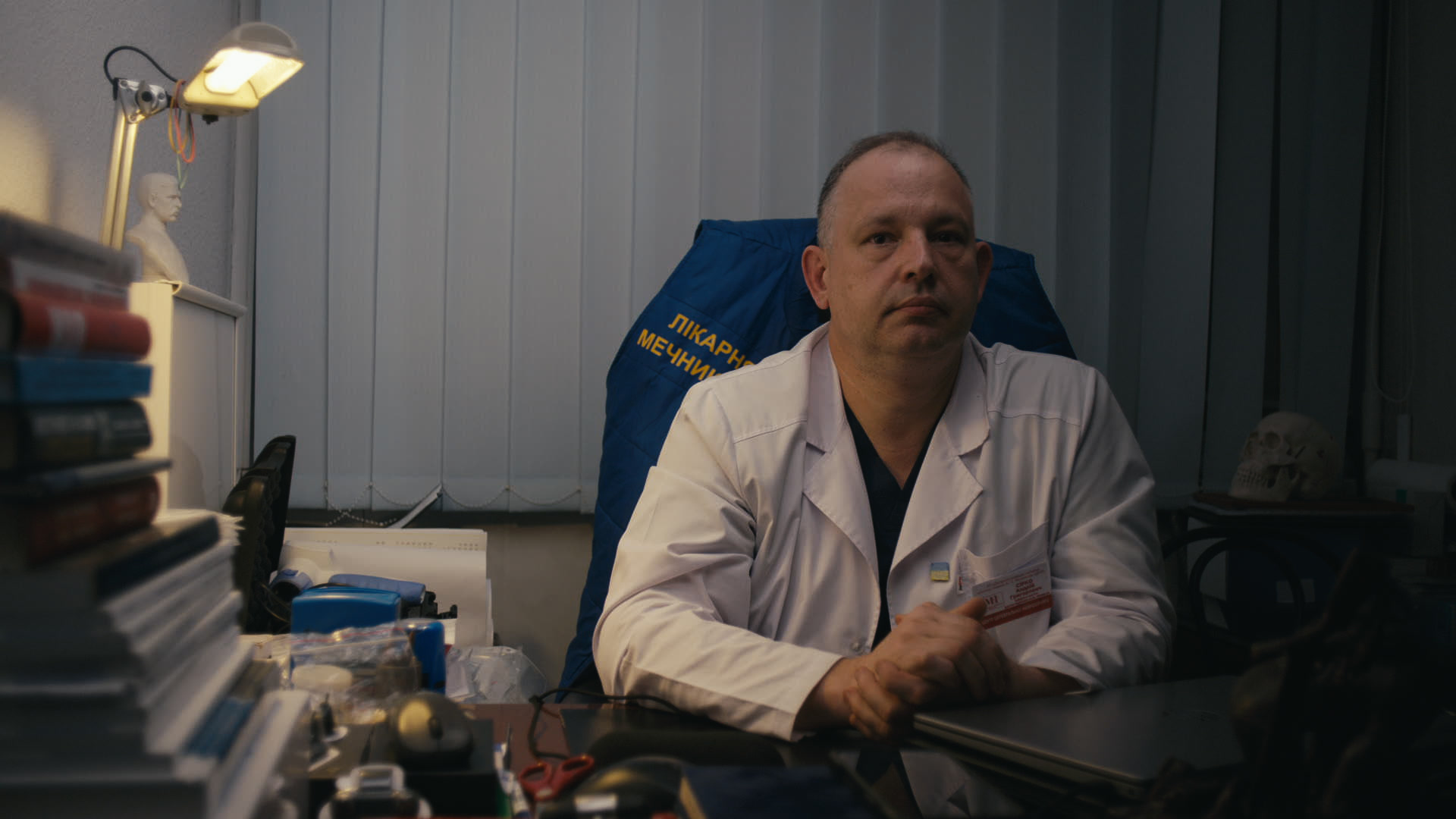
Andrii
00:00:00 Sorry about that. Sorry about that. Okay, so I wrote you a long note of what I wanted to have and make sure we got most of Can you do part of it on Friday? Sure. Sure, yeah. Because he talked a lot about your... Because he talked a lot about your... Yeah, I was wondering, like, never mind. I don't know if we... Yes, we can do it Friday there. I was just writing things that I wanted to make sure he might have talked about while you were going.
00:00:54 So it's... Thank you. We should get back to where we were and just do, you know, one or two more questions, okay? I will ask some of the last questions. Maybe, as a rest of the weekend, ask some of the time. Because part of this is covered for sure. Okay, great. I thought so. I wasn't just...
00:01:40 Let's return. What does it mean to you as a person from Ukraine? Right now, especially when a person who carries such an honorable mission and calls themselves Ukrainian, in a terrorist country, the Russia Federation, this evokes a desire to destroy that person. Simply destroy, kill, wipe off the face of the earth. [VO CANDIDATE] You understand even more how important it is to preserve this, to preserve your identity, and so that your children are Ukrainian, and most importantly, live in a free, independent, sovereign state. [VO CANDIDATE]
00:02:29 This is very important. And I feel this especially when I went to the Congress together with my team, with General Director Serhiy Vyzhenko to Vienna. We all took pride in the fact that, first of all, I always try to wear something, that shows that I am Ukrainian. It's either the shirt color of my tie, or a tie where there are flags of Ukraine, or it says "I am Ukrainian," or a Cossack is drawn. When people see me, they immediately start looking to see where it says Ukraine. I am proud, I show even more that I am from Ukraine. That's first. Second, we talk about Ukraine, we show maps of Ukraine,
Andrii
00:00:00 Sorry about that. Sorry about that. Okay, so I wrote you a long note of what I wanted to have and make sure we got most of Can you do part of it on Friday? Sure. Sure, yeah. Because he talked a lot about your... Because he talked a lot about your... Yeah, I was wondering, like, never mind. I don't know if we... Yes, we can do it Friday there. I was just writing things that I wanted to make sure he might have talked about while you were going.
00:00:54 So it's... Thank you. We should get back to where we were and just do, you know, one or two more questions, okay? I will ask some of the last questions. Maybe, as a rest of the weekend, ask some of the time. Because part of this is covered for sure. Okay, great. I thought so. I wasn't just...
00:01:40 Let's return. What does it mean to you as a person from Ukraine? Right now, especially when a person who carries such an honorable mission and calls themselves Ukrainian, in a terrorist country, the Russia Federation, this evokes a desire to destroy that person. Simply destroy, kill, wipe off the face of the earth. [VO CANDIDATE] You understand even more how important it is to preserve this, to preserve your identity, and so that your children are Ukrainian, and most importantly, live in a free, independent, sovereign state. [VO CANDIDATE]
00:02:29 This is very important. And I feel this especially when I went to the Congress together with my team, with General Director Serhiy Vyzhenko to Vienna. We all took pride in the fact that, first of all, I always try to wear something, that shows that I am Ukrainian. It's either the shirt color of my tie, or a tie where there are flags of Ukraine, or it says "I am Ukrainian," or a Cossack is drawn. When people see me, they immediately start looking to see where it says Ukraine. I am proud, I show even more that I am from Ukraine. That's first. Second, we talk about Ukraine, we show maps of Ukraine,
00:03:19 here is Mechnikov Hospital, Dnipro, We show videos of the atrocities of the Russians, how they bombed the maternity hospital in Mariupol.
00:03:30 I remember now how Diana, 23 years old, died, and another girl, 27 years old, was brought to Mechnikov Hospital. We performed her angiography, I operated on her while she was pregnant with my team. I remember that conversation, the next day, the general director and I came to the polytrauma intensive care unit, And she says, thank you, thank you, you saved two lives, you saved my life and the life of my child. [VO CANDIDATE] This video I show to everyone. I show a video where a wounded fighter on the fifth day, his right side is paralyzed, he can't speak, but with his left hand on a tablet he writes "Glory to Ukraine!" [VO CANDIDATE] He misses the second letter "L," gets a little nervous, he realizes he missed a letter, but he writes "Glory to Ukraine!" [VO CANDIDATE]
00:04:18 And truly tears appear in my eyes. I show all of this. They give me 15 minutes for the presentation. For 5 minutes I talk about Ukraine, I show the atrocities of the Russians and I show the final slide with Churchill's words. [INAUDIBLE] And after these words people stand up and give a standing ovation. [VO CANDIDATE] This is what it means to be Ukrainian. [VO CANDIDATE] And I always carry with me, I even paid extra for a 50-kilogram suitcase,
00:05:00 in order to take flags with me, and also to take Petrykivka paintings. I speak from the stage at the end. This is a gift to the professor who invited me. And a plate, a large plate, about 40-50 cm, and there was a map of Ukraine painted on it. On this map of Ukraine there is Crimea, and Donetsk, and Luhansk regions, they are there. And the whole world sees that this is Ukraine, it is indivisible, in any case these borders will be preserved. [VO CANDIDATE] I give them a flag, a flag with the trident, and we unfold this flag. This was the first time at the Congress of European Neurosurgeons in Vienna, the flag unfolded and a photograph across the entire stage.
00:05:53 There is the same photo from the Congress of Neurological Surgeons in Los Angeles. Together with Alex Valadka, Rocco Armonda, Gregory Gavrylyuk, also a native Ukrainian, Randy Bell, we unfolded this flag and we showed it. And such pride fills me that we gave a flag to Rocco Armonda at one of my presentations. This was given to him by the Security Service of Ukraine, the special Alpha sector. These are the ones who created and implemented the operation "Pautina" - "Spider Web" And it is written on this "Spider Web" - life to the fatherland, honor to no one
00:06:44 And I translate for them "The life to motherland," "honor," "no one." This is what it means to be Ukrainian. [VO CANDIDATE] What could the world learn from Ukraine and why do people need to care about and think about Ukraine now? Learn, learn a lot. Being Ukrainian, I have been to Europe, I have been to the USA, I have never seen such respect, such attitude. I'll say this, that I was, for example, in Los Angeles, I was scared to walk the streets in the evening.
00:07:29 They warned me, the sun sets, stay in the hotel, it's really like that. In Ukraine, even during the war, a girl can calmly walk down the street at 9, 10, 11 at night, alone in the evening. We don't have such areas where you can go here but not there. There is risk, but Americans tell me, Andriy Grigoryevich, we come to you, our wives tell us, stay in the hotel, don't leave the hotel, you'll be killed, kidnapped, shot. We spent time with you? No, it's scarier for us. Our world is more frightening than yours, even during the war. [VO CANDIDATE] This is why we need to learn to respect each other. Yes, we have traffic violations and road accidents, but war brings out the best in a person.
00:08:19 the level of mortality decreases, that is, these violations of law and order, and from all this the best qualities of a person are forged. This is what we should learn. It is first of all to be human. And you ask, why should people care about Ukraine. For Ukraine, I think, you don't need to worry. Ukraine will endure. [VO CANDIDATE] Europeans and European countries need to learn to worry about themselves. Why? Because we are the dam that holds back the onslaught of water. The onslaught, in reality this is terror, sadism, genocide, of the Russians, a dam. [VO CANDIDATE]
00:09:05 And this is Ukraine. If Ukraine is broken through, next will be Europe. Europe will simply be washed away. They are not ready for war. [VO CANDIDATE] not completely ready, and the United States is not ready for war. And this is what Rocco Armonda says. In every one of his presentations he says, learn while there is time, we are not ready for war. This war could be with anyone, with China, with other countries. There could be a war, but if we have to fight, we are not ready, we must use this time to prepare. Therefore they need to fear not for Ukraine, but for themselves. [VO CANDIDATE] And understand that if they don't help Ukraine now, then no one will help them. [VO CANDIDATE] They will simply be washed away. [VO CANDIDATE] Washed away. [VO CANDIDATE] And therefore the hybrid war that has already begun, it is already happening. And Poland, Lithuania, Latvia, all these countries, drones are flying into them drones, they violate the airspace, they are simply testing. And what will the response be? If there is no response, next there will be escalation. We will do even worse, we will do even worse. Therefore, I think, that everything will be Ukraine, And what I wanted to say is that actually Rocco Armonda was the first who opened a window to Dnipro, to Mechnikov Hospital, specifically to our neurosurgery department.
00:10:23 A neurosurgeon who was not afraid, came here to us together with his assistant Ivan Bezkaravaynyy. He came with a walkie-talkie, they are military people, they tell us, we brought a walkie-talkie. For what? In order to communicate at the airport, so that we don't worry that we might get lost. When they came, they gave these walkie-talkies to my older and younger sons, and they play war outside the city. They run around and communicate with each other via walkie-talkie, and I want these walkie-talkies to only be needed in peacetime. [VO CANDIDATE] But they come, they help with a lot of consumables, instruments, technologies, but most importantly - their support. When they are present at our operational meetings, and my nurses and doctors see that the Americans are not afraid of shelling, not afraid of rockets, Shaheds, they came here, they are with us, they understand that the world has not abandoned them. [VO CANDIDATE]
00:11:22 People from far-away America, professors, neurosurgeons, one department head and another department head, they spend their vacation and their own money to spend this vacation, in quotes vacation, at Mechnikov Hospital, together with us in the operating rooms, in intensive care units, saving heroes. [VO CANDIDATE]
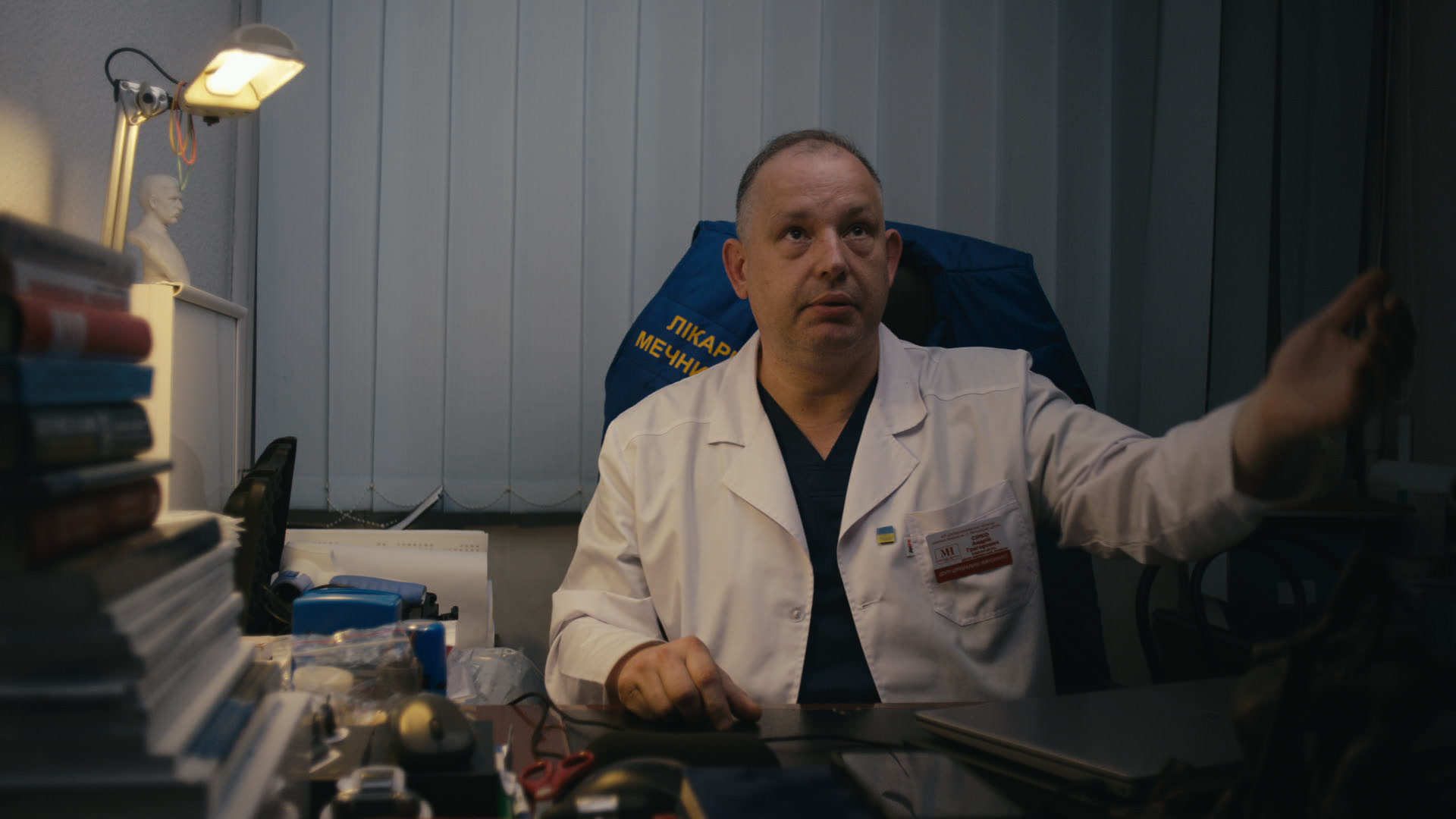
Andrii
00:00:00 We need to make this crossing happen, people come and they show by their example how to help properly
00:00:00 We need to make this crossing happen, people come and they show by their example how to help properly There are a whole million questions but we'll be wrapping up now and probably continue on Friday so that we Don't keep them waiting any longer, people are waiting for us there, and on Friday when are you planning, well not here Maybe at your home when you and Alex are already back home, I mean just on Friday Alex and I will still After the operation we leave immediately, we said, around 4-5 o'clock, we head home and there we can continue the interview, maybe Tadeusz will have questions for my wife too, she'll also be happy to share. And I have shrapnel lying there at home, just ask, I'll get it and tell you something. - Yes, I immediately want to ask you, please tell me about those shrapnel pieces and also about this statuette that's on your desk.
00:01:02 This is a gift from Professor Rock Romond. It's such a monument. You could say it's symbolic. This is possibly an illustration of one of the first cases when help is being given to a wounded person, providing assistance and establishing intravenous access for infusion. But he can't find a place to hang the bottle, so he sticks his rifle in the ground, and the bottle with saline solution is hung on the rifle, and this solution flows into the vein. Now I'll read what's written here. And it's truly a gift, it stands here with me, and it inspires me.
00:01:53 So here it says limited edition military collection combat medic memorial combat medic mirror 2001 year number 390 of 5000 original San Antonio there are such memorials. And I also have a smaller one. But here Benjamin Franklin said. Benjamin Franklin. I'll show you. Benjamin Franklin. And this is our team's motto. Our team is Rock, Alex and me, Andriy Sirko. It says here Is the right something worth reading? "Or, do something worth reading"
Andrii
00:00:00 We need to make this crossing happen, people come and they show by their example how to help properly
00:00:00 We need to make this crossing happen, people come and they show by their example how to help properly There are a whole million questions but we'll be wrapping up now and probably continue on Friday so that we Don't keep them waiting any longer, people are waiting for us there, and on Friday when are you planning, well not here Maybe at your home when you and Alex are already back home, I mean just on Friday Alex and I will still After the operation we leave immediately, we said, around 4-5 o'clock, we head home and there we can continue the interview, maybe Tadeusz will have questions for my wife too, she'll also be happy to share. And I have shrapnel lying there at home, just ask, I'll get it and tell you something. - Yes, I immediately want to ask you, please tell me about those shrapnel pieces and also about this statuette that's on your desk.
00:01:02 This is a gift from Professor Rock Romond. It's such a monument. You could say it's symbolic. This is possibly an illustration of one of the first cases when help is being given to a wounded person, providing assistance and establishing intravenous access for infusion. But he can't find a place to hang the bottle, so he sticks his rifle in the ground, and the bottle with saline solution is hung on the rifle, and this solution flows into the vein. Now I'll read what's written here. And it's truly a gift, it stands here with me, and it inspires me.
00:01:53 So here it says limited edition military collection combat medic memorial combat medic mirror 2001 year number 390 of 5000 original San Antonio there are such memorials. And I also have a smaller one. But here Benjamin Franklin said. Benjamin Franklin. I'll show you. Benjamin Franklin. And this is our team's motto. Our team is Rock, Alex and me, Andriy Sirko. It says here Is the right something worth reading? "Or, do something worth reading"
00:02:46 That is, either write something worth reading, or do something worth writing about. This is our motto, we follow it, this motto, I repeat, once again, I like it: "Azere, write something worth reading, or do something worth reading" Benjamin Franklin. This is such a pen, so that I write and continue writing the article.
00:03:41 Yes. this is also from Rocco Armonde, Walter Reed, Andrey Sirko, magnificent doctor from Rocco Armonde I would like to show you this Russian fragment, metallic fragment, metallic splinter. You can see different types of metals. Of course, fragment. And if Ukrainian, these are metal shrapnel removed from the brains of our heroes. Removed metal shrapnel, such shrapnel, here are such shrapnel and bullets.
00:04:33 Out of 100 wounded, 4 are gunshot wounds, and 96 are shrapnel wounds. And the paradox is that the people who were wounded by such shrapnel, they survived. But there are wounds from such a small fragment, but it ruptures an important vessel, and the person will die. So this is a collection that my doctors and I removed over three months. These are shrapnel from the racists. And even parts of their shells that flew into the head.
00:05:19 That's all, all for that. Do you think you got it with that? Do you want like the close-up? No, I mean, wasn't there one where one patient didn't make it that there was a small one or something? Yes. You already got it? He said that? Yes, he said that. Okay. Do you want to get that one? Yes. All these are from... These are not from one person that we removed. The paradox is that such large ones, it happens, fly at low speed.
00:06:09 And you know that energy is MV squared divided by 2. Mass, velocity squared divided by 2. And there are shrapnel like this, its length is 7 centimeters, this one measures 7.5 centimeters, this one is about 7 centimeters, but with such shrapnel they are removed and people survive.
00:06:56 They survive. And on the other hand, such a small fragment can be fatal. Bullets are especially dangerous because they fly at very high speed. 500, 600, 700 meters per second, and these bullets are deadly, fatal. This is what was removed from the brain, and these are just gifts for me, gifts, from soldiers
00:07:47 it's a weapon, it's a bullet 5.42, 7.62 caliber it's from brain hour soldiers and this from gift from soldiers We also operate not only our soldiers, we also operate Russian soldiers. I was gonna ask you about that. Maybe tomorrow, yeah. I have one question, Andre, if you didn't already answer when you were explaining this. Why do you keep these? Why do you keep these? Why I keep them, because it's sometimes easier for me to tell people about the mechanism of injury, when I'm explaining to the patient's relatives, I show you that such a small bullet is large 1600-1700 meters per second,
00:08:54 And behind it follows a cavitation wave, which creates an additional expanding cavity and leads to injury of the surrounding vessels, brain structures. I have a skull, and I take this skull, from this skull I take out the brain, and then I tell people, to visually show, to explain where which structures are located, important brain structures, less important structures. And a person who doesn't even understand anatomy, physiology, they can imagine, they ask, what structure of the brain is damaged.
00:09:30 I say: "This one, and what is it responsible for? I explain what it's responsible for." So this is very useful in everyday work. And I also test my interns for speed, so they can quickly assemble this model. If they can't assemble it, I say: "Go study anatomy." - I say: "With a real brain, the real thing, it's easier." - But this is also emotional memory, right? - Of course, yes. And this is emotional memory. I remember all the patients, their wounds, the CT scans.
00:10:18 If you remind me, I'll show you a drone tomorrow. Teddy, if you remember me, today I'm showing my FPV drone, and I remember that I mean 3 minutes after President Zelensky gave me my award. It's music, very musical, and it's like you, the screenwriter, producer, are making this video. Oh, yes. Or Nastya will remind me. Yes. When people come, they trust: "Andriy Grigorievich, you will do everything right, all of this." I say: "I can't do it any other way, that's it." Because I'm a national legend. How can a national legend do something wrong? It's a responsibility. When I show the video, they sit like this, I say: "And this is my wife, and this is my son in the video."
00:11:09 They're sitting in the Mariinsky Palace, in the audience. Svyatoslav is sitting in a vyshyvanka. This is worth seeing. I will write it. I have a lot of people in my head that I have to write. What did you tell me? If you haven't filmed yet or if now is a good time, please film these icons in the section and also in this corner. But I think we should probably do that with the Ronin, right? Or you should do like a B-roll pass? Yeah, like I think, you know, all the Deboar, then like every little thing. You know, macrolins? Yeah, I don't know if you have any macrolins. I do, I brought some diopters. Yeah.
00:12:01 Look, look, look. Here, I will trade out your mic.
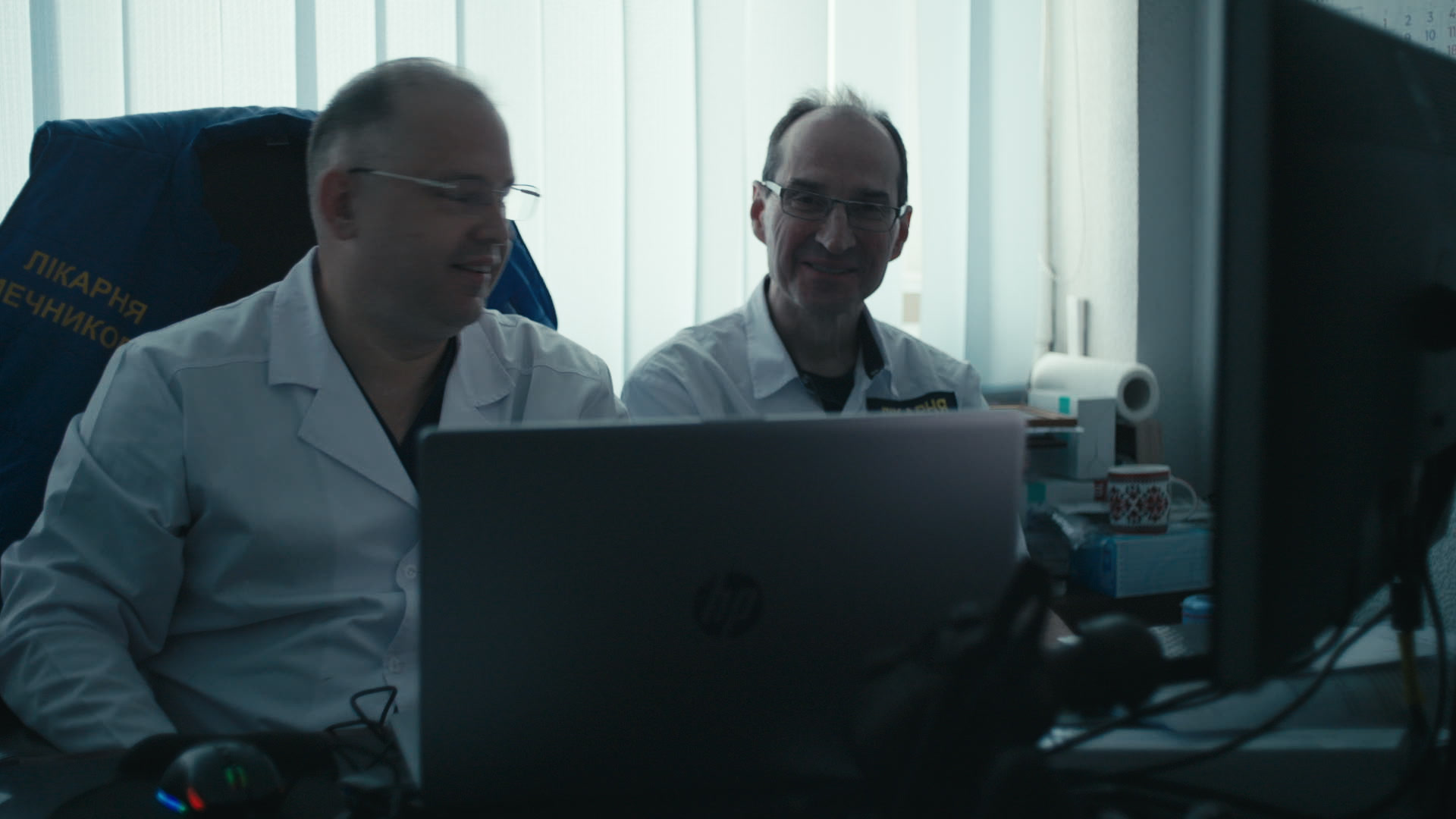
Speaker 2
00:00:00 You really get go back to sleep
Speaker 3
00:00:21 Yeah, I didn't take any I was thinking I probably should have records yes, I'm gonna take them back down No, you need to check out on the 2nd. You need to check out and then check back in. Potentially there's a good shot of the sunrise from my loft. Because you could hear the trolley and see the park. Yeah.
00:01:19 Or would you rather be in a room like the 9-minute where it's all on one floor?
00:01:30 Yeah, I like that, I saw the way you had everything organized out here. Yeah, and by a type of item. When we begin talk, I ask you silence complete at least 30 minutes, okay?
Speaker 2
00:00:00 You really get go back to sleep
Speaker 3
00:00:21 Yeah, I didn't take any I was thinking I probably should have records yes, I'm gonna take them back down No, you need to check out on the 2nd. You need to check out and then check back in. Potentially there's a good shot of the sunrise from my loft. Because you could hear the trolley and see the park. Yeah.
00:01:19 Or would you rather be in a room like the 9-minute where it's all on one floor?
00:01:30 Yeah, I like that, I saw the way you had everything organized out here. Yeah, and by a type of item. When we begin talk, I ask you silence complete at least 30 minutes, okay?
Speaker 4
00:01:50 Yeah, no, we're actually gonna set this and get out of here and close the door.
Speaker 3
00:01:54 Yeah, yeah. So we won't be here. Well, actually, that's right, that's how I apply it. No, no, so this has a shot of both of you. Yeah. And if we can get a copy of the zoom, then like we have this and that and we'll be good. So we'll get out of your way. Oh, I'm not like moving around and stuff while you guys are trying to... that way i'm not like moving around trying to shoot the screen while you guys are trying to present it's going to be kind of annoying for you guys yeah this one all right do you want me uh we're not going to come back in until you're done
00:02:41 it's maybe open. In corridor will be a lot of different voices, crowd.
Speaker 7
00:02:48 We're not, we're gonna go change. I said it so you can close the door. Yeah, good luck. Thank you. Looks good. Thank you. - Sure, sir.
Speaker 4
00:03:32 Okay. Sit down, please.
00:04:56 Welcome Andreas, we will quickly, fast, that's why he has an interval between our section. It's almost done.
00:05:45 It's a honor for me to have the first presentation in this meeting. This meeting will continue two days, today and tomorrow. That's why it's a very important talk.
Speaker 5
00:06:03 I am proud to keep this talk to Gazerysio.
00:06:49 I'll get the third of the subcruciating tower.
Speaker 8
00:07:31 exactly on time before 25 seconds
00:08:09 [UKR] Dear colleagues, we continue our congress and for the first presentation I invite with great pleasure [UKR] and we begin the section "Combat Neurosurgical Trauma" esteemed Serhiy Hryhorovych [UKR] with a group of authors from Mechnikov Hospital, Dnipro city, Ryzhenko Serhiy Anatoliyovych, Tolubayev [UKR] Yuriy Yuriyovych, topic of the presentation: new frontiers in neurosurgical treatment of severe penetrating craniocerebral injuries in wartime, effectiveness of military-civilian cooperation. [UKR] Esteemed Konstantyn Vitaliyovych, dear colleagues, can you hear me well?
00:23:56 [UKR] Together to victory, Glory to Ukraine and thank you for your attention. [VO CANDIDATE] [UKR] Andrey Hryhorovych, thank you very much for a very substantive professional presentation.
00:39:23 [UKR] Patients arrive already with working arterial pressure invasive monitoring access. Thank you, I thank Konstantyn Vitaliyovych, all your colleagues, the military medical leadership, as well as our American colleagues and other foreign colleagues who support us in this difficult time. Glory to Ukraine and together to victory! [VO CANDIDATE] [UKR] Glory to the Heroes. Dear Andrey Hryhorovych, thank you very much for your many years of such difficult work saving our wounded. [UKR] And pass sincere greetings to Alex Valadka next to you, pass greetings to Rocco Armonda, to leader Serhiy Anatoliyovych Ryzhenko and Oleksandr Mykolayovych Tolubayev. [UKR] Thank you! [UKR] Dear colleagues, we continue our session and for the next presentation I invite Bihlychenko Serhiy Ivanovych with the presentation topic gunshot injury of the spine and spinal cord. Current issues. National Military Medical Clinical Center, Kyiv.
Speaker 9
00:40:26 [UKR] Good day. Thank you all for the opportunity to speak at this conference. Andrey Hryhorovych, very interesting, interesting in your presentation, truly emphasizes the relevance of gunshot wounds in neurosurgery. [UKR] And in my presentation this is gunshot injuries of the spine and spinal cord, current issues.
00:41:00 [UKR] According to foreign statistics, during combat operations in Iraq and Afghanistan between 2003 and 2008, [UKR] Spinal injuries were in 56% from explosives, 15% from secondary projectiles,
Speaker 4
00:41:20 [UKR] and 20% caused by motor vehicle accidents.
Speaker 9
00:41:26 [UKR] In the mechanism of spine injury, which was explosive,
Speaker 4
00:41:31 [UKR] [INAUDIBLE]
00:41:38 I'll go find them. I'll recover my grades. A is the best. A, B, C, U, A+
Speaker 8
00:42:05 [RUS] Yes, now we can have coffee. [RUS] - Did it switch?
00:42:21 [UKR] - Yes, Serhii Ivanovych, it came through.
Speaker 9
00:42:30 [RUS] Did it switch? [RUS] It switched, just continue.
00:42:35 [UKR] So, penetrating wounds were 30%, blind wounds were 80%, and tangential wounds were 20%. [UKR] What I should note is that in 78% these were combined injuries. [UKR] By departments: thoracic section 38%, lumbar-sacral section 41%, and cervical section 21%. [UKR] Without neurological disorders only 15%. [UKR] By the nature of spinal sections, these are injuries to the cervical, thoracic, lumbar, sacral sections and combinations of several spinal sections. [UKR] Under gunshot damage development from gunshot wounds - types of gunshot weapons.
00:43:24 [UKR] These can be bullet, shot, and shrapnel wounds. [UKR] Under the characteristics of gunshot injuries, first of all is the direct damaging effect of bullets and primary fragments. [UKR] Also after the action of the primary projectile, spinal cord trauma is supplemented by secondary trauma, bone fragments, and hydrodynamic shock. [UKR] From the classification, penetrating, non-penetrating, and paravertebral injuries are distinguished, [UKR] by mechanism of injury: through-and-through, blind, tangential, [UKR] and depending on neurological symptoms,
00:44:00 [UKR] with complete conduction disruption, partial disruption, and without neurological symptoms. [UKR] I distinguish four types - this is rupture and complete transection of the spinal cord, [UKR] spinal cord contusion, development of lesions and ischemic infarction, and spinal cord concussion. [UKR] And here's a clinical example of a penetrating wound, where we see projectile located inside the spinal canal. [UKR] And an example of a non-penetrating paravertebral injury, where the metal fragment stopped paravertebrally. [UKR] The degree of bone structure damage can range from minimal to significant with defects of vertebral bodies.
00:44:57 [UKR] Diagnosis of spinal injuries. During visual examination, considering that in most cases these are combined injuries, where full evaluation is impossible due to concomitant injuries. [UKR] So, first is visual assessment, with suspicion based on wound projection, suspected spinal injury.
00:45:30 [UKR] It's determined additionally, if neurological assessment is possible, the level can be determined using the scale. [UKR] It's also possible to perform X-ray, but this will not be sufficiently informative. [UKR] The most informative is computed tomography, which allows determining the adequate level of injury, [UKR] the wound channel passage and the degree of bone structure damage. [UKR] Indications for surgical treatment of spinal injuries - penetrating injuries of the spine and spinal cord, [UKR] accompanied by CSF leakage and spinal injuries with spinal cord compression,
00:46:17 [UKR] bone fragments, blind injuries of spine and spinal cord, [UKR] unstable spinal injuries, presence of foreign body with compression of nerve and spinal structures. [UKR] In what cases should surgical intervention be delayed? [UKR] This is severe general condition of the patient, traumatic shock, severe combined spinal injury, spinal cord, internal organs, [UKR] trophic-paralytic and uroseptic disorders, sepsis, pneumonia, severe intoxication. [UKR] Surgical interventions for combined injuries should be performed after partial compensation of the patient's general condition, [UKR] after surgical interventions aimed at maintaining vital functions, [UKR] stopping bleeding, drainage, cavity closure and others, but do not delay surgical intervention
00:47:04 [UKR] until full compensation due to rapid development of septic and trophic disorders. [UKR] So, what are the main objectives in treatment? [UKR] Here we see on the slide two cases who received injuries, [UKR] and patients were not evacuated in time, were delayed up to two days,
Speaker 4
00:47:29 [UKR] and in this condition patients arrived, we see already packed wounds,
Speaker 9
00:47:37 [UKR] wounds, and there was no, I don't know what to do with it. [UKR] Therefore, the place and scope of care provision.
00:47:48 [RUS] The faster, first of all, they should be evacuated to the stage of specialized care. [RUS] September 3rd. [RUS] If you can't evacuate, that is, you can't evacuate. [RUS] Good.
00:48:05 [UKR] Good, Vitaliy. I wrote everything down. We will.
00:48:07 [RUS] Three hours with adequate therapy require stabilization of the condition.
00:48:17 [UKR] Mandatory is adequate surgical debridement of the gunshot wound with removal of all non-viable tissues and foreign bodies, [UKR] performing decompression of the spinal canal, removal of bone fragments, foreign bodies, necrotic tissues. [UKR] Most importantly is eliminating CSF leakage. [UKR] and performing spinal stabilization. [UKR] In our cases, observation only in 13% [UKR] where there were indications and possibility of performing spinal stabilization. [UKR] So, what methods of eliminating CSF leakage? [UKR] Suturing of ruptures and damage to the dura mater,
00:49:06 [UKR] defect closure with grafting material. [UKR] And on this slide we see small penetrating neck injuries at the level of, [UKR] this is the sixth vertebra, with presence of a small metal fragment, [UKR] adjacent to the spinal canal, decompression, [UKR] and the metal fragment was removed, [UKR] and using the "Hemopatch" preparation, wound closure was performed, [UKR] and additionally sealing was done with such preparation as "Hemopatch". [UKR] Suturing of the dura mater, and suturing of the proximal ends of the dural sac, [UKR] when there's complete rupture, nothing can be restored,
00:49:54 [UKR] and for sealing, for CSF leak prevention, suturing to the stump.
00:50:00 [RUS] Further on slides presented.
00:50:02 [UKR] And here are some of our clinical examples. [UKR] We see a through-and-through penetrating wound at the level of C6-7 [UKR] with rupture of the dura mater, [UKR] with severe damage to the spinal cord, [UKR] with significant damage to the posterior bone structures, [UKR] Decompression performed, removal of all bone fragments, revision of the spinal canal, removal of all non-viable tissue, washing of debris, [UKR] and restoration of integrity to prevent CSF leakage, hermetic suturing of the dural sac. [UKR] Next clinical example - this is penetrating wounds with hermetic suturing.
00:50:52 [RUS] This is entry and exit wound, small metal fragment, [RUS] passed through the foramen, and in the foraminal opening [RUS] stopped with point damage to the dura mater. [RUS] Through use of the operating microscope, through the small opening [RUS] with primary debridement of the gunshot wound, excision of damaged tissue
00:51:16 [UKR] We reached the foraminal area according to the report by Natalia Roz Horodovych,
Speaker 4
00:51:23 [UKR] And [INAUDIBLE]
Speaker 9
00:51:53 [UKR] Thank you [INAUDIBLE]
00:52:23 [RUS] In this case, fascia was taken and plasty of the dura mater was performed with fascia.
00:52:42 [UKR] - Anatomical example of gunshot wound with tangential thoracic injury, non-penetrating wound with gunshot fracture at level TH12, [UKR] with anatomical integrity disruption, spinal canal at level TH12, [UKR] the bullet passed through the spinal canal at level TH12,
00:53:01 [RUS] Filled with anatomical integrity restoration in places, [RUS] defect in him,
00:53:08 [UKR] vertebral damage, [UKR] intraoperative revision,
00:53:18 [RUS] all damaged tissue removed, [RUS] decompression. [RUS] In this case, there was no point in restoring,
00:53:26 [UKR] Spine under the dural sac - dural herniation before hermetic suturing [UKR] of the procedural section of the dural sac and transpedicular stabilization of the damaged spinal segment. [UKR] Another clinical example - gunshot through-and-through penetrating wound at level L4 [UKR] This is damage to the dura mater, cauda equina elements, in this case decompression, [UKR] laminectomy, removal of all bone fragments, transpedicular fixation and hermetic suturing of the dural sac.
00:54:16 [RUS] Next clinical conclusion - [INAUDIBLE]
00:54:41 [UKR] Decompression performed, i.e. removal of all bone fragments, hermetic suturing of the dural sac, [UKR] considering the nature of the wound, which may be contaminated with infectious complications, [UKR] in this case, at the first stage, transpedicular fixation is not performed. [UKR] This shows that it never passed through your areas. [UKR] Neither your selection passed, nor mine in the list. [UKR] In the middle of the sacrum with dural sac damage with presence of minimal accordingly.
Speaker 4
00:55:27 [UKR] The treacherous nature of this wound is that attention can be drawn to a small wound,
00:55:34 [RUS] in the first week Aleksandr Ihor Aleksandrovna comes [RUS] to her place, that is, there are still single rooms. [RUS] We have two rooms occupied now by American neurosurgeons. [RUS] Two rooms. [RUS] In those rooms where other patients are staying, we cannot [RUS] move them out. [RUS] In the general ward we can give a spot. [RUS] We can say, today they stay in the general ward
00:56:00 [RUS] cerebral center and events, and tomorrow we'll transfer to a single
Speaker 9
00:56:04 [RUS] vascular neurology room. [RUS] We want to establish the patient's position to give
Speaker 4
00:56:12 [RUS] opportunity in full society. [RUS] Well, we'll put them in a general ward. [RUS] Yes, but first of all, that you won't then [RUS] transfer us, to a single room transfer with Tatiana [RUS] Aleksandrovna.
00:56:27 [UKR] Can you hear? [UKR] Can you hear? [UKR] Can you hear, she's not forgiving, stick to the schedule. [UKR] Ah, yes, processing of the surgical field, [UKR] all of them can be adequately processed when contaminated.
Speaker 9
00:56:40 [UKR] Minimization of complications from excessive decompression [UKR] don't do without necessity. [UKR] During operations this is prevention of damage [UKR] drainage during spinal operations, drainage of the surgical wound for prevention of early treatment, [UKR] when managing wounds on the back and neck. [UKR] Surgical interventions should be performed only in specialized facilities, [UKR] surgical treatment, as conditionally shorter term, surgical treatment should be differentiated [UKR] and depends on the severity, form and type of wound. [UKR] Main objectives in spinal cord injuries - eliminating CSF leakage, removal of foreign bodies and necrotic tissue.
Speaker 8
00:57:25 [UKR] Thank you for your attention. [UKR] Serhii Ivanovych, thank you also for your professional report.
00:57:30 [UKR] And before we proceed to our next session "Combat Surgical Trauma" of the maxillofacial region, [UKR] I want to emphasize for all speakers, please stick to the determined schedule.
Speaker 10
00:57:42 [UKR] And I want to invite to the next presentation on the topic of specialized treatment of modern combat trauma in the maxillofacial region Kozlovskyi Serhii Mykolayovych and a group of authors from the National Military Medical Clinical Center of Kyiv and the Ukrainian Military Medical Academy. [UKR] Good day, dear colleagues. Can you hear me well? [UKR] Yes, all heard. [UKR] Good day, dear colleagues! From our team we want to greet the beginning of our congress, wish productive work, [UKR] further professional development, we wish health, goodness and our earliest victory. [UKR] For your attention, we present ready experience of maxillofacial surgery of the National Military Medical Clinical Center,
00:58:31 [UKR] where we will show our work, including the difficulties we encounter during this. [UKR] First, some statistical data. [UKR] In the general structure of medical losses, maxillofacial injuries we expect at the level of 4-4.5%. [UKR] What needs to be noted, that in the realities of full-scale war considering the nature of combat operations, [UKR] we have a significant increase in the percentage of severe combined blast injuries with maxillofacial component.
00:59:16 [UKR] According to our data, according to our clinic data, by cause of injury our statistical data is as follows, [UKR] Blast trauma is 60%, shrapnel wounds - 31%, bullet wounds - 8.5%, and non-gunshot combat trauma - 2.5%. [UKR] Of these, combined maxillofacial injuries - 84%, bullet - 11% and combined - 5%. [UKR] The structure of combat trauma, this is according to our clinic data, [UKR] The structure of combat trauma, this is according to our clinic data, [UKR] The structure of combat trauma, this is according to our clinic data, [UKR] The structure of combat trauma, this is according to our clinic data, [UKR] The structure of combat trauma, this is according to our clinic data, [UKR] The structure of combat trauma, this is according to our clinic data, [UKR] The structure of combat trauma, this is according to our clinic data, [UKR] The structure of combat trauma, this is according to our clinic data, [UKR] The structure of combat trauma, this is according to our clinic data, [UKR] The structure of combat trauma, this is according to our clinic data, [UKR] The structure of combat trauma, this is according to our clinic data, [UKR] The structure of combat trauma, this is according to our clinic data, [UKR] The structure of combat trauma, this is according to our clinic data, [UKR] The structure of combat trauma, this is according to our clinic data, [UKR] The structure of combat trauma, this is according to our clinic data, [UKR] The structure of combat trauma, this is according to our clinic data, [UKR] The structure of combat trauma, this is according to our clinic data, [UKR] The structure of combat trauma, this is according to our clinic data, [UKR] The structure of combat trauma, this is according to our clinic data, [UKR] The structure of combat trauma, this is according to our clinic data, [UKR] The structure of combat trauma, this is according to our clinic data, [UKR] The structure of combat trauma, this is according to our clinic data, [UKR] The structure of combat trauma, this is according to our clinic data, [UKR] The structure of combat trauma, this is according to our clinic data, [UKR] The structure of combat trauma, this is according to our clinic data, [UKR] The structure of combat trauma, this is according to our clinic data, [UKR] The structure of combat trauma, this is according to our clinic data, [UKR] The structure of combat trauma, this is according to our clinic data, [UKR] The structure of combat trauma, this is according to our clinic data, [UKR] The structure of combat trauma, this is according to our clinic data, [UKR] The structure of combat trauma, this is according to our clinic data, [UKR] The structure of combat trauma, this is according to our clinic data, [UKR] The structure of combat trauma, this is according to our clinic data, [UKR] The structure of combat trauma, this is according to our clinic data, [UKR] The structure of combat trauma, this is according to our clinic data, [UKR] The structure of combat trauma, this is according to our clinic data, [UKR] The structure of combat trauma, this is according to our clinic data, [UKR] The structure of combat trauma, this is according to our clinic data, [UKR] The structure of combat trauma, this is according to our clinic data, [UKR] The structure of combat trauma, this is according to our clinic data, [UKR] The structure of combat trauma, this is according to our clinic data, [UKR] The structure of combat trauma, this is according to our clinic data, [UKR] The structure of combat trauma, this is according to our clinic data, [UKR] The structure of combat trauma, this is according to our clinic data, [UKR] The structure of combat trauma, this is according to our clinic data, [UKR] The structure of combat trauma, this is according to our clinic data, [UKR] The structure of combat trauma, this is according to our clinic data, [UKR] The structure of combat trauma, this is according to our clinic data, [UKR] The structure of combat trauma, this is according to our clinic data, [UKR] The structure of combat trauma, this is according to our clinic data, [UKR] The structure of combat trauma, this is according to our clinic data, [UKR] The structure of combat trauma, this is according to our clinic data, [UKR] The structure of combat trauma, this is according to our clinic data, [UKR] The structure of combat trauma, this is according to our clinic data, [UKR] The structure of combat trauma, this is according to our clinic data, [UKR] The structure of combat trauma, this is according to our clinic data, [UKR] The structure of combat trauma, this is according to our clinic data, [UKR] The structure of combat trauma, this is according to our clinic data, [UKR] The structure of combat trauma, this is according to our clinic data, [UKR] The structure of combat trauma, this is according to our clinic data, [UKR] The structure of combat trauma, this is according to our clinic data, [UKR] The structure of combat trauma, this is according to our clinic data,
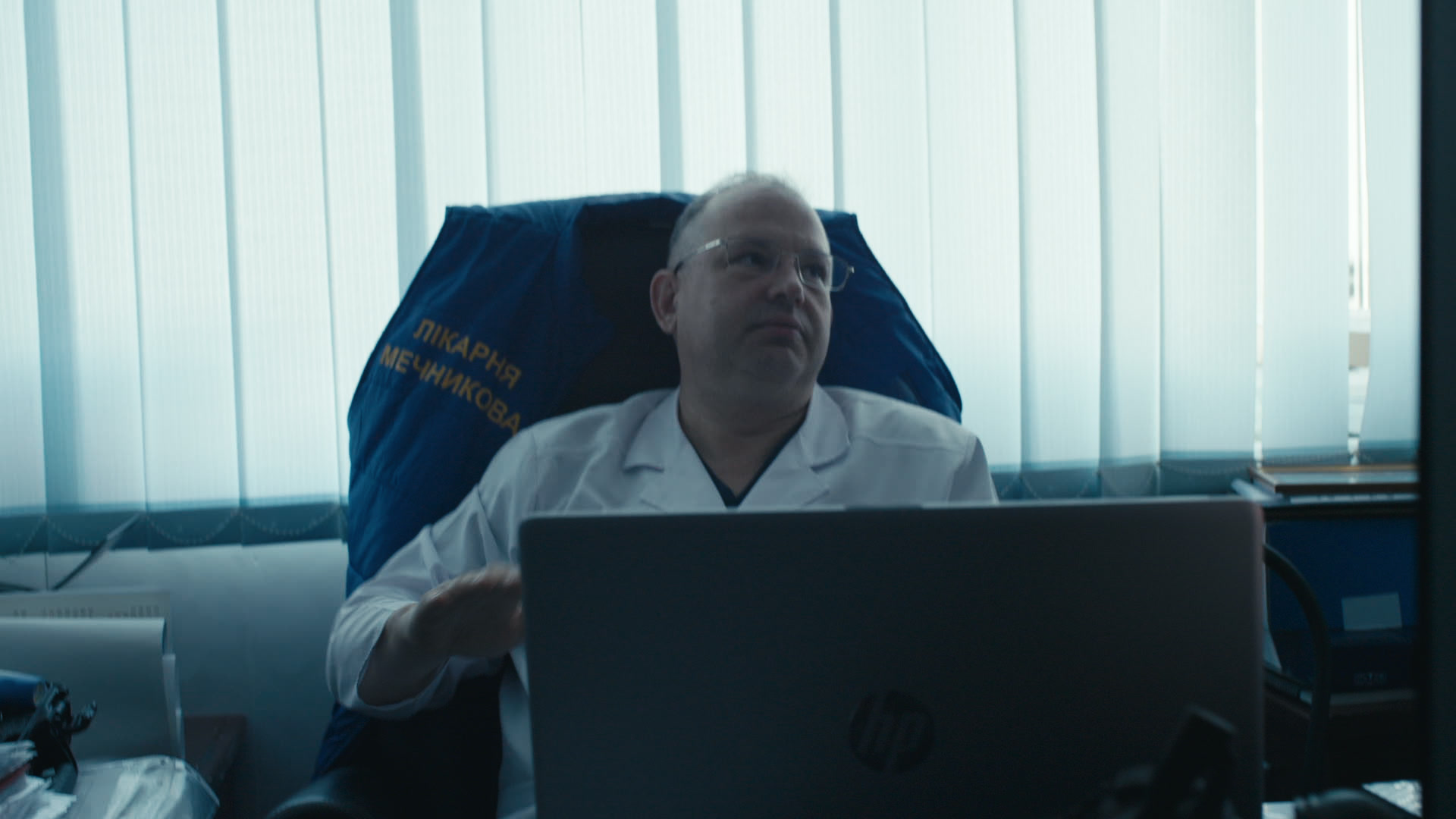
Speaker 1
00:00:00 [RUS] This is a huge problem. I'm happy that now he was spending his time in Kazakhstan.
00:00:00 [RUS] This is a huge problem. I'm happy that now he was spending his time in Kazakhstan. [RUS] Because if he was with me, he was not trained,
00:00:20 - Scared. Scared. Scared. Scared. Worry about and afraid the death is the youngest.
Speaker 2
00:00:29 And we know the attack is finished and I wake up and go to work. - You have to get some sleep. I'm impressed that you can sleep there.
Speaker 1
00:00:00 [RUS] This is a huge problem. I'm happy that now he was spending his time in Kazakhstan.
00:00:00 [RUS] This is a huge problem. I'm happy that now he was spending his time in Kazakhstan. [RUS] Because if he was with me, he was not trained,
00:00:20 - Scared. Scared. Scared. Scared. Worry about and afraid the death is the youngest.
Speaker 2
00:00:29 And we know the attack is finished and I wake up and go to work. - You have to get some sleep. I'm impressed that you can sleep there.
Speaker 1
00:00:45 Oh, you sent that? Yeah, I sent information about our Congress to RUKO and translate to English. I see, okay. I am happy, I am very happy, that's why you can see it.
Speaker 2
00:01:08 We see the front of the Pantolimono.
Speaker 3
00:01:22 It's a craniofascial injury.
Speaker 2
00:01:29 Is you already down there in the Univascular Center?
00:01:34 [UKR] - So, here's a combined injury and they gave this orbital complex.
Speaker
00:00:00 I think about this, what a cluster it was.
Speaker
00:00:00 (Transcript content available)
Speaker
00:00:00 - I mean, the man's been married 36 years
Speaker
00:00:00 (Transcript content available)
Speaker
00:00:00 (Transcript content available)
Speaker
00:00:00 Yeah.
Speaker
00:00:00 Does it look weird because obviously usually, like when I
Speaker 1
00:00:00 that Alexander the Great and Jesus Christ both died.
00:00:00 that Alexander the Great and Jesus Christ both died. So you've got to get past 33. Well, that's also like... I don't know. What have I accomplished? All right, can I give her a call? Yeah, go for it. Can I get on speaker? Hey, how are you? I'm doing alright, how's it going? Good. Hold on, the southwest is going above my head.
Speaker 3
00:00:46 Um, alright, there we go.
Speaker 1
00:00:50 What's going on? Yeah, it's been really busy. Sorry to haven't called much. What time is it there? It is 4:39 in the afternoon and they changed their clocks last weekend so it's really getting pretty dark out there.
Speaker 1
00:00:00 that Alexander the Great and Jesus Christ both died.
00:00:00 that Alexander the Great and Jesus Christ both died. So you've got to get past 33. Well, that's also like... I don't know. What have I accomplished? All right, can I give her a call? Yeah, go for it. Can I get on speaker? Hey, how are you? I'm doing alright, how's it going? Good. Hold on, the southwest is going above my head.
Speaker 3
00:00:46 Um, alright, there we go.
Speaker 1
00:00:50 What's going on? Yeah, it's been really busy. Sorry to haven't called much. What time is it there? It is 4:39 in the afternoon and they changed their clocks last weekend so it's really getting pretty dark out there.
Speaker 3
00:01:09 Oh, okay. How cold is it? You know, I want to know about the weather. Well, we're not low about 40. The first couple of days the highs were in the high 50s and I thought crap, I brought too many layers, but it's been in the low 50s, so the usual weather.
Speaker 1
00:01:26 That's not bad. It rained a lot though in Warsaw on the first day here, that pretty much sucked, but it's fine now. Okay, how was your train ride? It was fine, no events. Oh, the big news by the way, last night we had dinner at Andre and Tatiana's
Speaker 3
00:01:44 Tatiana says hi.
Speaker 1
00:01:48 Go ahead. Yeah, Tatiana said hi. She says hello. Okay, good. Yeah, and I'll be back there tomorrow night, so I'll give her the gifts you got for her, and I'll give Andre his gifts then. Okay, okay. Yeah, so tonight we have sort of a little departmental, kind of my last night in town kind of thing, and then tomorrow, basically, Andre's killing time they take me to the train station late tomorrow night. Okay. All right. How's your guy doing? The guy, the amputee guy. He's doing okay. Anade did a nice reconstruction of his cranial injuries.
Speaker 3
00:02:32 He's, he had a lot of other bad injuries. His head CT didn't look that bad, so that's very
Speaker 1
00:02:38 encouraging. What was amputated? One of his arms, one of his legs. He got blown up pretty badly. I think the right was an AKA. Yes, they're both pretty high. So we did another, Andre had another lady yesterday, a woman in her 70s was very nice, so he did her first surgery 21 years ago for a meningioma right along the Falks in the midline. And after a couple of decades it recurred, and she was pretty nervous about having surgery again.
00:03:30 And so I actually spoke up, and I had done this once before with a patient of Andre's. They said, "Look, he is like the best skull-based surgeon I've ever seen. And if I needed something done, I would have him do it." So that other patient, she was young. She graduated from college and he did her surgery. She did fine. And she even mentioned that, she says, "If you see Dr. Volatka, tell him thanks." So I told the same thing about this lady. This lady surgery went pretty well. It was a technically difficult tumor, but Andre is very good, so he got to it pretty easily. She's doing great today. I saw the video of the other one at post-op and she's moving her arms and everything.
00:04:16 So that was... Oh yeah, that was for my last gig, yeah. Yeah, that was the other. So everybody, I haven't really told too many people that you're calling, but as usual, everybody
Speaker 3
00:04:28 is equal in equal measure impressed and horrified I'm like oh come on you know we send people
Speaker 1
00:04:38 off to war all the time it's not you know so well well before you before you go before you go too far down that road I know you're just waking up over there back home did you hear about all the attacks
Speaker 3
00:04:53 in Ukraine, I say? No, because I'm not. So, listen. It is so, what we see here, it is such, you only get like the major, it's kind of hard to get the day-to-day stuff. I don't even, you know, I'm like, okay, you know, bombs here, bombs to the other side, back and forth. The only thing I saw was that Kiev had their electric taken out.
Speaker 1
00:05:21 No, I just, it's hard to follow, A, and, I mean, it doesn't really bother me, but it's just hard to follow. Yeah, I was sitting by Andre and I pulled up Fox News and BBC and CNN and we scrolled through the top five or ten stories. None of them had anything to do with Ukraine. So let me be the first to tell you before you hear from someone else. I didn't get bombs last night. No, but Ukraine got hit with 650 or more drones and 50 or more cruise missiles. It's funny, we've been so busy running around and are falling way behind on emails and the usual crap. So I got up at 4 o'clock, I got up and I was stepping into the shower and I heard this huge explosion out there.
00:06:08 I said, oh crap, here it comes. And then right away, Andrei sends a text saying there's a bunch of missiles on their way from someplace in Russia. They should be there in 30 minutes. I said, "Perfect. I got 30 minutes for a quick shower." And then he said, "You should probably get down to the shelter." So it was the first time in all my visits here at the same hotel.
Speaker 3
00:06:30 The first time I ever went down to their bound shelter. How long does it take to sprint down there? I'm sure you were... hopefully you weren't like,
Speaker 1
00:06:40 usually strolling down there. You were legging it down there. It was fairly leisurely. Yeah, I see. I figure. Well, I hope it's a nice robust shelter. Well, it's a relative term. I mean, these things are not designed to be nice, but it was good. They had a separate Wi-Fi network down there, so I was able to log in and keep up with what's going on. They had tons of water. Also, by the way, the whole neighborhood around the hotel was black because electricity had gone out. but they have these gigantic generators that were in there making all sorts of
Speaker 3
00:07:16 god-on-ful noise. Yeah, that's good. That's good. But the weird thing is that this is going on at 4:00, 4:35 in the morning, and then a couple hours later I'm back in the hospital and it's just another day. Yeah, so what I, we've been hearing about the, or maybe I just haven't been looking closely really, but yeah I've heard about the drones but I wasn't, you know, the missiles. the long range, whatever the heck they're doing. Yeah, it's just, like I said, it's a little hard to follow. And we're not getting that much information. It's not like they're covering every move everybody's making. See, so basically you've got to admit that you've missed being in, walking around the house, playing Ukraine the latest on speaker on my phone, right?
00:08:04 You love the guys with the British accents. Yeah, exactly, exactly. Well, yeah, I'd like to, yeah, I'd really like to have somebody give me the Reader's Digest version of what the heck's going on, as opposed to trying to like, that's why I don't do it, because you really can't get a good feel for, it's not like I have that app that you, that they have on the phone that's telling exactly, you know, what's going on by moment.
Speaker 1
00:08:32 Oh yeah, speaking of apps by the way, so actually for the first time downloaded one of those that gives you the alarms and it was going off all the time and you're walking on the street and like nobody cares and you know the alarms are saying get to a shoulder. Matter of fact, I went to the usual church I go to on Sunday morning and I'm walking, actually I went up and talked to the priest afterwards and you know he doesn't speak much English. Yeah, I went to confession and kept in there all day. No, and then he introduced me to some doctor there, gastroenterology guy, who speaks English pretty well, and he and I were standing outside the front steps talking, and all the air raid sirens started going off. And he kept on talking, you know, and looking around, nobody seemed flustered at all. Yeah, that's all well and good,
Speaker 3
00:09:22 that can possibly one day be your demise you know right well that's why when andre said get to a
00:09:30 shelter i figure i better i better take this one seriously that's good that's good all right well
Speaker 1
00:09:36 hopefully you'll get out of there okay and um get that 24-hour train ride back to poland okay so i I have a home decorating question for you. Did you hear that? I have a home decorating question for you. Oh, God. The answer is no. So it was kind of strange. That poor soldier I was telling you about, he got blown up. We went in Sunday night to see him, Andre and I, and a couple of his comrades were there, and Andre gave him... He was really good at explaining to them nature of his injuries and the plan and he always introduces me as a big professor from america right
00:10:21 so then we went and did the surgery and um yeah no so we did the surgery everything went fine and
00:10:30 you know i did talk to them afterwards so the next day i think it was they kind of burst into his office with one of the senior hospital administrators and thanking andre and they gave me this I don't know how to describe it it's like a like a sculpture well no it's not the painting it's cast iron it's made out of Russian missile fragments and it shows this classic Cossack scene about a character sitting playing a banjo and there's a horse it's all very symbolic
00:11:00 and he's standing at a bunch of skulls and there's a big tree in the background it's kind of morbid It weighs about 40 pounds. It's about three feet tall and two feet wide and maybe four or five inches thick. It's complicated. So my thought was, look, you know what, I didn't really do anything to deserve that. I'd like to give it back to the hospital. But then other people said, you know, the problem is that would be rude to kind of refuse their gift.
Speaker 3
00:11:27 So I'm trying to figure out a way to get it shipped back. It will look great on the mantelpiece in the living room.
Speaker 1
00:11:33 Yeah, not a chance.
Speaker 3
00:11:38 I'll send you a picture of it. You don't have to compete with that hammer thing. Oh, hey, that's amazing. I got another mace out of the deal, too. Oh, great. Perfect. Perfect. We went back to that Kasek place that Andrzej took on the first day,
Speaker 1
00:11:54 and he got to talking to the guy. The Ukrainians are such nice people. Just out of the blue, this guy gives me this wooden mace. Oh, that's fantastic. It'll look nice in your office. It looks wonderful in your office.
Speaker 3
00:12:10 No, they are wonderful people. Appreciate all the gifts. Send me a picture of, yeah, talk to Andre about the other. It sounds really cool. Send me a picture of it, but you're going to have, I mean, it would be a nightmare to bring home, right?
Speaker 1
00:12:27 Yeah, I can't do it now. I mean, I have to buy a whole separate suitcase.
00:12:30 Leave it there, maybe leave it with him, and then we'll figure it out later.
Speaker 3
00:12:34 Yeah, that's kind of what I'm thinking. All right, sounds like, yeah, I mean, it's so, I'd like to have it.
Speaker 1
00:12:41 Yeah, I'll send you a picture of it so you can see what I'm talking about. Yeah, I'll send you a picture of it so you can see what I'm talking about. All right. Then you can Google the Cossack symbolism. Yeah. Yeah, I know about the Cossacks. Yeah, but the whole symbolism of the characters in this thing. Okay, yeah, I will. I'm joking. Are you able to pick me up Sunday afternoon, by the way?
00:13:00 Yes. Yeah, I'll send you the flight information again. So, yeah, I will.
Speaker 3
00:13:09 I'm not doing much here. It would be a little bit earlier than usual because I'm trying to connect through Frankfurt so hopefully there won't be any delay making a tight connection. Where are you? Are you going into Warsaw? Yeah, going from Warsaw, a quick flight to Frankfurt and then back to the FW.
Speaker 1
00:13:31 Straight through home? Okay. Warsaw, Frankfurt, Dallas. Okay, I want to go to Poland. You should. The Polish people are great. I know, I know. It's very, yeah, it's very civilized and very clean and, you know, all these other countries are, like, starting to be no-go zone, so. Well, Poland's getting ahead one of the biggest armies. And fortunately for you, there's a really nice hotel right by the train station, so it's
Speaker 3
00:14:01 very convenient. All right. Well, really quickly, I would say, so... Wait, hang on, hang on. You're being fed a question. Could you mention the blackout at Andre's house?
Speaker 2
00:14:15 Yeah. Eating dinner. When you showed up. When you showed up. Oh, yeah, did I... When I told you I saw Tatiana, I forgot to tell you that there was a blackout there.
Speaker 1
00:14:28 So they didn't have electricity. No food for you. No, actually just the opposite. Tatiana's amazing. She had all these vegetables from their farm, their little country house, as Andrew calls it. And they have this thing called the power bank, which generates enough juice to power their refrigerator. So yeah, with these little kind of small little electric lights, it was, I mean, she wasn't
Speaker 3
00:14:55 flustered at all by having an entertaining guest with no electricity.
00:15:00 Well, she made a comment before how they've integrated all of this into their daily lives and how, you know, it shouldn't be like that. However, you know, when she sees her neighbor, she goes about her business, it's, you know, war talk. And it's just, you know, having to adapt to all of that. But it seems like they do an amazing job.
00:15:30 I know that I saw pictures of the farm, and I think it's kind of a nice place for them to get away for the family. you know from being right in the middle of all the action so that's good though yeah Svankoslav is still at Kossack camp and he's having a great time Andre was showing me pictures of it yeah it's good for him to get away too that's good yeah she's
00:16:00 amazing but I can't imagine you know she's living it day to day three and a half years I guess you do kind of get all the um everything you need to kind of make stuff work right yeah when you don't have electric
Speaker 1
00:16:18 or anything like that that's uh it's a roughly lift yeah well it's funny this you know this is
Speaker 3
00:16:26 the first time i had to go to a shelter andre said yeah pretty much once maybe twice a week you everybody in ukraine's tired because that's uh the new reality unfortunately yeah it's it's amazing to me that, you know, for you guys that go in and operate and then come home, you know
Speaker 1
00:00:00 of your visit, but you also know that at some point you're going to get on a train and you're
00:00:00 of your visit, but you also know that at some point you're going to get on a train and you're going back to, you know, at home, which is not a war-born area.
Speaker 2
00:00:13 They're living at 24-7, 365 for three and a half years now.
Speaker 1
00:00:19 Yeah, more than that. It's just inconceivable for, you know, it's just unbelievable to have to, you don't know whatever you wake up and you don't know what any given day is gonna bring that's that's to me
Speaker 1
00:00:00 of your visit, but you also know that at some point you're going to get on a train and you're
00:00:00 of your visit, but you also know that at some point you're going to get on a train and you're going back to, you know, at home, which is not a war-born area.
Speaker 2
00:00:13 They're living at 24-7, 365 for three and a half years now.
Speaker 1
00:00:19 Yeah, more than that. It's just inconceivable for, you know, it's just unbelievable to have to, you don't know whatever you wake up and you don't know what any given day is gonna bring that's that's to me
Speaker 2
00:00:37 you know what the most difficult part especially for her yeah well that's why you know i always uh yeah i always breathe a sigh of relief whenever i cross the border back into poland you know you're
Speaker 1
00:00:50 back in NATO territory. Yeah, for her as a mother, right? Especially with husband and children, you know, doing that every single day. I just, they're, you have to give it to them. They, you know, they're, it's all about survival, I guess, at this point. But hopefully things will turn around and get better.
Speaker 2
00:01:20 Right? Yeah. Alright. We got everything we need? Uh, yeah. This is great. This is great. What's your first name?
Speaker 3
00:01:30 Patty. Patty. You see pictures. You see pictures. This is Laura and Logan. Hey Patty, it's nice to speak with you again. You were awesome. Yes, you were perfect. This is great. You're gonna be a star. Alright. I said you're gonna be a star. Oh, God. No, they said you were perfect. This is exactly what they were hoping for. Well, that's good. Tell... My name is Alex. I'm your husband. I know who you are. I've been trying to pretend for like 35 years. No. Tell Tatiana I said hello, please. I will. I will. and tell her we're thinking of them and that until we meet again.
Speaker 4
00:02:25 Sounds great. All right, thanks. Talk to you later.
Speaker
00:00:00 (Transcript content available)
Speaker 1
00:00:00 rank has his privileges
00:00:00 rank has his privileges Somebody's calling me Laura, what's up? Hey, are you guys still here? Yes So, we're heading to the parking lot right now If Logan could give me the FX6 card that's full
Speaker 3
00:00:26 That way I could dump it - Okay, okay. - While I'm...
Speaker 1
00:00:00 - What need to?
00:00:00 - What need to? - Oh, is someone coming to you? - Yeah. - Yeah. - Oh, you know. - If you strike, like damage you might. - If you strike, like damage you might. - Okay, I'm sorry. - Let's go. - Let's go.
Speaker 2
00:00:53 I think one thing that's tough about this camera is because it's lighter it gets beaten up more. Like when you're like driving like the heavier camera you kind of just can anger it. It's a lot harder to take the blow noise out. It's kind of like shooting you know like women or people who aren't dead strong say they want a smaller caliber gun because it doesn't kick as much. But actually some people say it's the opposite. But actually some people say it's the opposite. The heavier one because of the weight. Yeah, I think the heavier camera is much easier to hold still.
Speaker 3
00:01:25 Mm-hmm.
Speaker 1
00:00:00 - What need to?
00:00:00 - What need to? - Oh, is someone coming to you? - Yeah. - Yeah. - Oh, you know. - If you strike, like damage you might. - If you strike, like damage you might. - Okay, I'm sorry. - Let's go. - Let's go.
Speaker 2
00:00:53 I think one thing that's tough about this camera is because it's lighter it gets beaten up more. Like when you're like driving like the heavier camera you kind of just can anger it. It's a lot harder to take the blow noise out. It's kind of like shooting you know like women or people who aren't dead strong say they want a smaller caliber gun because it doesn't kick as much. But actually some people say it's the opposite. But actually some people say it's the opposite. The heavier one because of the weight. Yeah, I think the heavier camera is much easier to hold still.
Speaker 3
00:01:25 Mm-hmm.
00:01:30 That was kind of the point of building out those little kits I did for the smaller cameras on. All the spotlight. Give them some weight so they wouldn't whip around as quickly. Yeah, definitely. Ideally we would have had like eight. All the spotlight. All Venises. Oh, what's that?
00:02:16 Yeah, I think Javier would lose his mind, but as for that, I had to talk to him about my final payment for Revolution's Daughter. I told him that you were coming with me, and he didn't want to know what you were costing this time. I told him that. I was like, "You don't want to know." You wouldn't believe it. - What? - Okay? - Yeah. - Oh, man.
00:03:03 I'm going to go. So Alex, we'll have to ask Anastasia about the answer, or Andre himself can tell us. But I did have her bring up your Michael DeBakey kind of thought and comment. Yeah. Yeah. And I don't know Michael DeBakey, but a friend of mine who's a, I guess he's a, he works at
00:03:50 a children's hospital in Dallas for uh he's a doctor uh and does they do like you know um children with uh amputations and whatnot and uh anyway but he's also like a part-time documentarian and he did a documentary on debaiki so i've i've i've followed uh
Speaker 2
00:04:13 I followed him a little closer than some just by coming in. So my first faculty spot was fresh out of residency at Baylor College of Medicine where DeBakey was. Uh-huh. And our chairman of neurosurgery had this happen.
00:04:30 Whenever he'd go out of town, he would ask one of the younger attendings to cover his patients. And he had his own chief resident and his own nurse, so things pretty much ran on autopilot. Right. there just in case. And so one evening, you know, some weeknight Wednesday or Thursday, I get a page. It is from the answering service. They say they have a new consult for the doctor who is my chair, Dr. Grossman. It's a consult from Dr. DeBakey. I want his patients. They don't want it that night has to be in the morning. I said, okay. So I call the chief resident and you know let him know. So the next day comes and the chief resident goes by. Turns out this guy is a prince from Saudi Arabia and what they do is you know the
00:05:20 hospitals have these like luxury floors. Have you ever been there? So it's a basic hospital but then they have a suite that looks like the suite a whole floor that looks like the Four Seasons or or something. Patients pay extra for that obviously, so many hundred dollars per day. So it's still a functional hospital room, but very, very upper class. So this Prince, they apparently bought out like the whole floor. And I was told that what they do is these guys from the Middle East would tell their families they're going to have tests by the famous Dr. DeBakey. And then they check into these luxury rooms, which is like a hotel. Then they go out
00:06:00 and drinking and going to strip clubs and stuff you couldn't do in the Middle East. So when my chief resident went by to wake him up, he said, "No, the prince isn't seen
Speaker 3
00:06:09 doctors yet. He was up late last night. He's sleeping it off." So Logan DeBakey was, he either performed, did the first heart replacement or first open
Speaker 2
00:06:22 No, he was, he actually got beaten out by the first heart transplant. He was just a No, he was, he actually got beaten out by the first heart transplant. He was just a He was a big pioneering vascular surgeon.
00:06:30 You know, a hardworking guy, technically very, very good, no question. - It was Bernard, you can say. - Yeah, Bernard, South Africa. - From South Africa. - Yeah. And the big, you know, kind of had a big ego and worked hard. He had a publicist. So he saw a member of the royal family, like in the 1960s or '70s, who flew out to him. And after the collapse of the Soviet Union, who was it? Was it Boris Yeltsin who they thought he was too sick to undergo some major surgery?
00:07:00 So Beke flew over there and said no the Russian president is fine, he's healthy. He actually did a lot. He was a military veteran so he helped the army a lot. So the VA hospital in Houston, so Michael Beke. And yet he would live in a nice house but not elaborate. Apparently he drove some Volkswagen Rabbit or something like that.
Speaker 3
00:07:29 A very modest car. Well that way sounds like you. But another way is the ego. Yeah. If you have a huge ego, Alex, you somehow managed to really hide it very well.
Speaker 2
00:07:53 I wish I was so surprised I told you some medical student once asked me how I keep so calm.
Speaker 3
00:07:58 I've never thought of myself as calm.
00:08:00 Well, we have thought of you as such. But inside is a raging furnace. Your emotions are roiling? That's right. I just wish the voices would stop torturing me. What do they say, you're not good enough or you're too good, you're making other people look bad?
Speaker 1
00:08:35 How did you get over your biggest fears, Alex? You can see Alex, you can talk about Minora.
Speaker 2
00:08:43 Oh yeah, right here. Minora Center. That's a good question, Darius. I think a lot of it comes with time and age and wisdom. Somewhere along the way, I became one of those guys where even associate professor level people in other departments still call me Sir and Dr. Velodka, which is kind of funny.
Speaker 3
00:09:03 When we were going to some function with the residents once at some evening dinner, and I went with my wife, and the residents referred to me as Sir, she burst out laughing. What was the hardest fear to get over? And then have you fully gotten over it? Oh, oh, all right.
Speaker 2
00:09:29 That's such a big question. That's such a big question. I mean, when you're training as a surgeon, and Andre knows this too, you're training and you always have someone kind of standing over your shoulder, right? Or telling you to cut here or sew here. And then the first time you're left alone in a case where you're like the most senior person in a room maybe an intern to help. That's terrifying. You know, in operations you've sort of assisted on hundreds of times, suddenly you're the one doing it. That still comes up sometimes when you're trying to... When you have a big case or, you know, a really sick patient, or
Speaker 3
00:10:04 an emergency case and the guy's really sick, you know, you get kind of scared, but just for Janet. Do you like if you have a similar case to one that went poorly the last time does that
Speaker 2
00:10:18 cause fear when you go in or does that is that like I'm gonna do it better this or is there resolve? No it's more just an extra bit of wisdom. The whole point, well that's not the right thing. The only good thing about mistakes in surgeries what can you learn from them and that's why every hospital has a weekly or monthly M&M conference, morbidity and mortality, where you present all the neurosurgeons, all the orthopedic surgeons, all the vascular surgeons get together and talk about the complications and misses and mistakes and what can you learn from them or what can you do differently. So if something bad happens on a case, you try to learn from this so you don't repeat that mistake. But you can't run away from doing that case again.
Speaker 1
00:11:09 Is a little bit of fear still a good thing? You can see right ahead the menorah center is a cultural business and spiritual complex. It's the largest Jewish center in the world or Jewish building. Yeah. Yeah. It's one of the largest Jewish centers in the world. It's the history of modern life. And Draco Armando was in the roof of this menorah center.
Speaker 3
00:11:36 Oh, okay. Yeah, who took them? Like, they went to the Holocaust Museum too, right? Yes, yes. Attendance or what? Yeah, it was like the chief rabbi or something like that?
Speaker 2
00:11:50 The head rabbi. The head rabbi. No, but Loden, not Loden, bad. A little bit of fear, absolutely, is a very powerful motivator.
Speaker 3
00:12:03 Yeah, I mean, I find that, like, if you let fear rule you, that's not good. But if you can figure out how to just, like, keep it, you know, no farther than the front seat.
Speaker 2
00:12:15 You know, you can't touch the radio, can't take the wheel. So, you know, I'm Catholic, and there's a part of every Mass where the priest is saying the prayers, and there's a line that says, he's talking to God, says, protect us from all anxiety. And I knew one parish of priests, when he would get to that part of the Mass, he'd always say, protect us from all needless anxiety. And I thought that was really a good way to look at it. Yeah.
Speaker 3
00:12:46 Logan, were you raised going to any Catholic schools with Catholicism at all, or was LMU just a complete... Um, no, no, I mean, you know, let me just add what I was looking for. Yeah.
00:13:00 Yeah.
Speaker 2
00:13:04 I don't have to say it again, but I enjoy the Jesuits approach to education.
Speaker 1
00:13:15 Yeah, I'm a product of a Dominican grade school, a Dominican high school.
00:13:21 [RUS] They don't cook? [RUS] Whoever drinks alcohol should give you the money right away.
00:13:30 [RUS] Because the food is free, but you have to pay for alcohol. [RUS] I understand, but I can hear from your voice that you're well prepared, so let's have you be responsible for the alcohol.
Speaker 2
00:13:45 [RUS] Now we'll park, and you know how fast they get together.
00:13:51 Yes, so there's a to get back to minimize my time away from the work at home. But I've always thought that at some point, you know, when the war is over or something, it would be great to see other parts of the country or even just other parts of Nipro.
00:14:36 So I don't know if that's a strength or a weakness or both, if I can kind of focus in and exclude other things. Which makes you very productive in some ways, but you probably are losing out on a lot of things too. Which makes you very productive in some ways, but you probably are losing out on a lot of things too.
Speaker 3
00:14:49 You guys had a not completely positive outcome in any of the cases you guys have worked together
Speaker 2
00:15:00 here? That's a good question. I can't remember cases that went bad. Or maybe, you know, they had very difficult, or maybe the patient was a little bit weak on on one side but for a couple of days transiently. But I do remember some really sick people in the ICU that didn't make it, despite a lot of work. You know, one of those nights I was spending in the hospital was in Atlanta. We had a patient with bad COVID pneumonia and kept fiddling around with his ventilator and his blood pressure. I thought he was in pretty good shape. And I went to get a couple hours of sleep. He came back in the morning and the guy passed away. Wow, I didn't see that coming. - Wait, wait, like you had operated on? - No, this is just doing ICU work, which is not a surgical patient. The guy's main problem was pneumonia. - I told it.
00:16:01 - Yeah, it's 'cause you know. - Smashburgers is here, that's good to know. - Wow. - Yeah.
Speaker 3
00:16:12 - It's big time. In my research again, and so much of it is about Marsh because of the connection to Ukraine, you know, he had a patient that was, you know, the tumor was found much later than it would
00:16:30 have been in the West, especially then it was, you know, close to the very post Soviet and he still tried to operate even though it was too late. It's not like the patient immediately died, but he did not provide relief.
Speaker 2
00:16:58 And the last couple of years of the young girl's life was not pleasant. It's always the tough decision, right? I mean, try a big risky operation because there is no alternative. But the, you know, surgery may make her worse than she was before.
Speaker 3
00:17:18 Yeah, it's always a difficult choice. How do you tell a patient, you know, when it's on the edge, but you know it's like, this is not, we shouldn't operate on this. I mean, like, I'm sure it's always difficult to tell them that it's, But like that moment of we really can't do anything.
Speaker 2
00:17:42 Well the hardest part is families so often want something, we'll try anything, that kind of thing. And that's, they have to give informed consent and you wonder is that really informed? If they're so desperate to try something. I mean it's like someone's family member suffered a stroke or traumatic brain injury, spinal cord injury. There's a million snake oil salesmen out there who will tout these treatments that don't help. Just because they read about it on Google or know their next-door neighbor's cousin had a similar problem that had surgery and was fine. You can't apply that to their own problem. And, yeah, it is sometimes hard saying no, but, boy, you don't want to be on the other end of that.
Speaker 3
00:18:28 Agreeing to do something that you were a little plus-minus about and have it go bad, that's terrible. Well, let's put the shoe on the other foot. How would you like, would you want someone to try anything or do you think you'd be able to understand the numbers and be okay with it?
Speaker 2
00:18:51 Accepting is a hard thing. So the thing is that it's funny, we talk a lot about, oh, well this patient is 60 years You know, somehow you don't get quite as upset when they have a bad problem. You know, somehow you don't get quite as upset when they have a bad problem. like a 30 year old you know the theory being that the younger person has more to live for but when you talk to people there's always something else to live for right you know when
Speaker 3
00:19:10 you're young you want to see your daughter get married or you know i think you can go away and i try to yes okay where's the restaurant i i show you i can hear okay you guys ready to get out yep
Speaker 1
00:00:00 All right, hey, hey, there you go. All right, hey, hey, there you go. Good to see you. Good to see you. Hey. Hey.
Speaker 2
00:00:22 Good way to follow that thought. I mean, yeah, you want to see your first grandchild, you want to see your kid graduate from eighth
00:00:30 grade or high school. So just because someone may be older doesn't mean they don't have anything to look forward
Speaker 1
00:00:36 to also. So I stopped taking that way a long time ago. The older I get, the more I feel like I'm ageless. Let's go.
Speaker
00:00:00 (Transcript content available)
Speaker 1
00:00:00 I can put it here. I can put it here.
Speaker 2
00:00:15 Thank you.
Speaker
00:00:00 (Transcript content available)
Speaker
00:00:00 (Transcript content available)
Speaker
00:00:00 [RUS] I think I can make a video about what he wants.
Speaker
00:00:00 (Transcript content available)
Speaker
00:00:00 (Transcript content available)
Speaker 1
00:00:00 [RUS] Two Nikitas.
00:00:00 [RUS] Two Nikitas.
00:00:30 So, you have about an hour away from here? It takes you one hour to get to work? One walk. Does it take you one hour to go home to work? You don't have to go home to work. So, after tonight, you have to go home for one hour? Maybe. Not so much. Yeah. It's a long way.
Speaker 2
00:00:57 Not much cars.
Speaker 1
00:00:00 [RUS] Two Nikitas.
00:00:00 [RUS] Two Nikitas.
00:00:30 So, you have about an hour away from here? It takes you one hour to get to work? One walk. Does it take you one hour to go home to work? You don't have to go home to work. So, after tonight, you have to go home for one hour? Maybe. Not so much. Yeah. It's a long way.
Speaker 2
00:00:57 Not much cars.
00:01:00 [inaudible] I have a great day for the metro station 20 days in the Vallejo That's impressive Thank you for doing all that And finally, all of you gathered here I love my book
00:01:48 [RUS] - He says that after you came to us, you get younger every day. [RUS] - He says that after you came to us, you get younger every day. [RUS] I say, of course, if you're young, then among your plush ones, of course, Ulya envi...
00:02:00 [RUS] [inaudible], guys. [RUS] Artem, when are your teeth? [RUS] - Do you hear what teeth?
00:02:12 [UKR] - He grabbed on, he grabbed on, and tore apart. [UKR] So, the bread crust.
00:02:20 [RUS] First, I would like to say... [RUS] ...a few words about what happened... [RUS] ...and 9 days ago.
00:02:41 This strong man was born.
00:03:06 [RUS-NEEDS] Не волнуйся, я не говорю о этих событиях, ты не волнуйся.
Speaker 3
00:03:28 [RUS] Don't worry, I'm not talking about these events, don't worry. [RUS] Nikita, do you have light beer? [RUS] Look, our guests don't have plates. [RUS] Two plates and utensils. They have nowhere to put this.
Speaker 1
00:03:52 - Two minutes, yes. Man's man, wait it, man's man, start a game.
Speaker 1
00:00:48 [RUS-NEEDS] Гришин, я берусь, я искаю третий за женщину, я знаю, он готовится.
00:01:00 [UKR] Hryshyn, I'll take it, I'm looking for the third toast to women, I know, he's preparing.
00:01:04 [RUS] They've got food. [RUS] Don't take the Zubrovka this last time. [RUS] Never says he doesn't have any. [RUS] Well, where are you going? [RUS] With Coca-Cola? [RUS] And I'm with him. [RUS] And I'm with him. [RUS] You're with him. [RUS] I filmed it. [RUS] That's him. [RUS] He's definitely from the medical account, Slav, for sure. [RUS] Doesn't watch by episodes, right?
00:01:28 Yes.
Speaker 1
00:00:48 [RUS-NEEDS] Гришин, я берусь, я искаю третий за женщину, я знаю, он готовится.
00:01:00 [UKR] Hryshyn, I'll take it, I'm looking for the third toast to women, I know, he's preparing.
00:01:04 [RUS] They've got food. [RUS] Don't take the Zubrovka this last time. [RUS] Never says he doesn't have any. [RUS] Well, where are you going? [RUS] With Coca-Cola? [RUS] And I'm with him. [RUS] And I'm with him. [RUS] You're with him. [RUS] I filmed it. [RUS] That's him. [RUS] He's definitely from the medical account, Slav, for sure. [RUS] Doesn't watch by episodes, right?
00:01:28 Yes.
00:01:29 [UKR] And such shows are being rewatched. [UKR] You things.
00:01:32 [RUS] - We need to share everything there now! [RUS] - Ha-ha-ha! [RUS] - A little attention! [RUS] Viacheslav Lichnev, please, make this toast! [RUS] Come on, Slava!
00:01:45 [UKR] - We see, like Sauchtik, Vice, thank you, Alik!
00:01:47 [RUS] - Go! [RUS] - I want that I'm not sleeping, I want that you...
00:01:55 [UKR] - So learning English, I don't feel it yet.
00:01:57 [RUS] - This is the first one today.
00:02:11 I appreciate you for your help and everybody who supports us.
00:02:35 [RUS] Let's go!
Speaker 2
00:02:52 - It's water, it's not a source. - It's dissolved. - It's my, uh, - You're using a store. - If I were drinking, I would have that. - Oh. - But not anymore. - Not good.
Speaker
00:00:00 just like yeah um and i see no i was
Speaker
00:00:00 I'm gonna get some shots of the vodka without that.
Speaker 1
00:00:00 This is the good stuff. This is the good stuff. Just act natural. That's like the hardest thing to say. Just kind of frame for that. Just kind of frame for that. I'm not sure. I'm not sure. You said that it was probably right. I said that. I said that. I think it's more of a good thing. More wine. Yes. Keep it. What? What? It's not going to be so cool.
Speaker 1
00:00:00 [RUS-NEEDS] Украинская цена очень специальной цены.
00:00:01 [RUS] Ukrainian toast is a very special toast. [RUS] Okay.
00:00:07 [UKR] Viktorovych, your toast.
00:00:11 [RUS] Dear friends, I really want the war in Ukraine to end. [RUS] And help to everyone. [RUS] Everyone. - Thank you.
Speaker 1
00:00:00 [RUS-NEEDS] Украинская цена очень специальной цены.
00:00:01 [RUS] Ukrainian toast is a very special toast. [RUS] Okay.
00:00:07 [UKR] Viktorovych, your toast.
00:00:11 [RUS] Dear friends, I really want the war in Ukraine to end. [RUS] And help to everyone. [RUS] Everyone. - Thank you.
Speaker 2
00:00:30 [RUS] And my third toast: to women
00:01:00 This is the toast about women. It's also women. For wife, mother, daughter. Yes, she is the girl, young girl.
Speaker 1
00:01:15 Yes? This is toast number three. For women.
Speaker 1
00:00:00 Uh oh, he's getting up for it.
Speaker 2
00:00:07 Uh oh, he's getting up for it.
Speaker 1
00:00:16 I didn't know it was going to be at one of those kind of parties. Thank you so much for your efforts to help our country, help ourselves, and also to show the world, real situation in our city, in our hospital, and real situation in our specialization. So thanks to you, thanks to your project, also thanks to you.
00:01:01 Happy birthday, thank you. It's like very cool for everybody of our community to see you face to face like the god of neurosurgery, like American neurosurgery. Before the war, it's like to think about American neurosurgeon, it's like somewhere and we like, like, whoop on the stars. And one of the stars came to us. So, thank you so much. Thank you very much for your help, like, by the war, by the star, by everything. It's a show that other war, together with us, and we together will fight for freedom, for everyone's freedom.
Speaker 1
00:00:00 Uh oh, he's getting up for it.
Speaker 2
00:00:07 Uh oh, he's getting up for it.
Speaker 1
00:00:16 I didn't know it was going to be at one of those kind of parties. Thank you so much for your efforts to help our country, help ourselves, and also to show the world, real situation in our city, in our hospital, and real situation in our specialization. So thanks to you, thanks to your project, also thanks to you.
00:01:01 Happy birthday, thank you. It's like very cool for everybody of our community to see you face to face like the god of neurosurgery, like American neurosurgery. Before the war, it's like to think about American neurosurgeon, it's like somewhere and we like, like, whoop on the stars. And one of the stars came to us. So, thank you so much. Thank you very much for your help, like, by the war, by the star, by everything. It's a show that other war, together with us, and we together will fight for freedom, for everyone's freedom.
00:01:40 [RUS] Ukraine, Europe, Ukraine. [RUS] Thank you very much. [RUS] Thank you. [RUS] Thank you. [RUS] Thank you. [RUS] Thank you. [RUS] Thank you. [RUS] Thank you.
Speaker
00:00:00 Yeah, I don't know if there's any...
Speaker 1
00:00:00 I think it was too.
00:00:00 I think it was too. He might be a little bit interesting. His English is also really good. Oh.
00:00:11 [UKR] Good.
00:00:38 [RUS] [inaudible]
Speaker 1
00:00:00 I think it was too.
00:00:00 I think it was too. He might be a little bit interesting. His English is also really good. Oh.
00:00:11 [UKR] Good.
00:00:38 [RUS] [inaudible]
00:01:11 [UKR] Solid Vadym Ivanovych. That was back in '70. [UKR] Fifth, quarter. It was very pleasant to watch how our spectators developed. [UKR] Volodymyr Hryhorovych, Sesos. [UKR] Antoniy Dmytriy, there were many. And Holubytskyy Anton Ivanovych. [UKR] Our reception, today's neurosurgery, it's developing. [UKR] Very pleasant to see at what level we've preserved things. [UKR] Very pleasant to see Alex, that you see us as hosts. [UKR] Very pleasant for our young ones. This is our future.
00:02:00 [UKR] I really want that next time, next year, accordingly, that we will be hosting. [UKR] So they're not put to the cemetery, so you spend a pleasant time, so that happens, [UKR] exchanged experience, so everyone was honest. [UKR] Glory to Ukraine! [UKR] I now asked Nastasia to briefly translate.
00:02:59 I have a great friend of
Speaker
00:00:00 (Transcript content available)
Speaker
00:00:00 [RUS] The first day I saw you in Dnipro, it was on Sunday in Dnipro, and it was a surprise to me.
Speaker 1
00:00:00 I think it's recording. I think it's recording. Yeah, I just hit the phone. I have an astuce. Yeah? You need a hedgehog. You need a hedgehog. Okay, I'll stand here. I just wanted to say thank you for letting me know.
Speaker 2
00:00:27 I want to capture you and then... The best is the best! All right, I'll do one too. I mean, I was going to do one earlier, but once we got Nick filming, I might as well do one now. So, uh... Let me... Uh... Here we go. I got one. I got it. I got it. I just wanted to say, uh, thank you so much for inviting us into your lives and allowing us to, uh, show your, uh, the excellent work that you do.
00:01:24 to witness your bravery, your pride in your country, and the continued, unconquerable spirit that each of you show us. It is a true gift and an honor to be here with you, and I'll mess up saying it, but Slava Ukraine.
Speaker 1
00:00:00 What do you think about companies? What do you think about companies? Crazy companies Lost control I'm not making the challenge I'm not making the challenge Alona, Alona, where's me? I need a drink I need a drink So I've only recently met Alex a few days ago, but it's just been an incredible journey to come here with him and to meet all of you guys.
Speaker 2
00:00:44 I think the work that you guys are doing is so incredible and it's just such an honor to be able to sit here and drink and eat food with you guys. And your country is just so brave and it's not an easy thing to let a film crew come in and have cameras in your face. Now I'm feeling what I do to you guys all the time. So I want to thank you guys so much for just being so kind and so just incredibly supportive to the project that we're trying to do.
00:01:13 [RUS] I think this is a very incredible reason. [RUS] Thank you. [RUS] Thank you.
Speaker 1
00:01:20 [UKR] Excuse me!
Speaker 1
00:00:00 What do you think about companies? What do you think about companies? Crazy companies Lost control I'm not making the challenge I'm not making the challenge Alona, Alona, where's me? I need a drink I need a drink So I've only recently met Alex a few days ago, but it's just been an incredible journey to come here with him and to meet all of you guys.
Speaker 2
00:00:44 I think the work that you guys are doing is so incredible and it's just such an honor to be able to sit here and drink and eat food with you guys. And your country is just so brave and it's not an easy thing to let a film crew come in and have cameras in your face. Now I'm feeling what I do to you guys all the time. So I want to thank you guys so much for just being so kind and so just incredibly supportive to the project that we're trying to do.
00:01:13 [RUS] I think this is a very incredible reason. [RUS] Thank you. [RUS] Thank you.
Speaker 1
00:01:20 [UKR] Excuse me!
Speaker 2
00:01:25 [RUS] What do you think about Ukraine?
Speaker 1
00:01:30 [RUS] Ukrainian people?
Speaker 2
00:01:31 Yes.
Speaker 1
00:01:33 [RUS] Ukrainian people are very kind and very sweet.
Speaker 2
00:01:37 [RUS] I think that Ukrainian people...
Speaker
00:00:00 (Transcript content available)
Speaker 1
00:00:00 [RUS-NEEDS] Я очень рада заходить сегодня, как в нашей компании.
Speaker 2
00:00:14 [RUS] I'm very glad to visit today, like in our company.
Speaker 1
00:00:31 [RUS] University in Kurdistan, Zolevod. [RUS] I'm very glad that your friends from America came.
Speaker 2
00:00:38 [RUS] Come more often. [RUS] I'm very glad that our friends from the USA. [RUS] I would like you to spend more time here.
Speaker 1
00:00:00 [RUS-NEEDS] Я очень рада заходить сегодня, как в нашей компании.
Speaker 2
00:00:14 [RUS] I'm very glad to visit today, like in our company.
Speaker 1
00:00:31 [RUS] University in Kurdistan, Zolevod. [RUS] I'm very glad that your friends from America came.
Speaker 2
00:00:38 [RUS] Come more often. [RUS] I'm very glad that our friends from the USA. [RUS] I would like you to spend more time here.
Speaker 1
00:00:46 [RUS] And I would like you to be in Crimea. [RUS] Thank you for your support, for your kindness.
Speaker 3
00:00:55 [RUS] Thank you for your support.
Speaker 1
00:00:57 They are on the right side.
Speaker 2
00:01:06 We are going to go to France and look at it.
Speaker 1
00:01:11 We are going to do it. We are always good.
00:01:25 [RUS] Give me your tent!
Speaker
00:00:00 [RUS] Is this good?
Speaker
00:00:00 [RUS] This is a very good person, this is very important, and for me especially, like you.
Speaker
00:00:00 (Transcript content available)
Speaker
00:00:00 [UKR] Dear colleagues, I support peace in the world.
Speaker 1
00:00:28 Pay attention. Pay attention. Pay attention. Alex would like to say a couple of words. Just quickly, I'll say you all are some of the best doctors and nurses in the world.
Speaker 2
00:00:41 And I say that because I have seen how sick the patients are that you're trying to take care of. Not only the terrible war injury, but also the tumor, the enders, the spine, things like that. And you have so many patients because of the war. You all just do a great job of taking care of them. You all just do a great job of taking care of them. That is very inspiring. I'm honored to be part of this team. I'd also like to thank you all for welcoming new members of the team, Thaddeus, Laura, Logan, and Anastasia. I know they've been working very hard because this all came together very quickly because they believe in what you all are doing. and especially Thaddeus leading them, said, yeah, we definitely want to go to Ukraine and get the story out.
00:01:28 They will probably be back in February when Morocco comes back, so hopefully you'll get to see them again. And finally, aside from being some of the best doctors and nurses I've ever worked with, I'd also like to thank you for what you're doing for the rest of the world, which is defending freedom when many other countries won't help you. Your people really are incredibly brave, resilient. and they're not going to quit. And I will keep coming back and working with you through the war and through the reconstruction. Thank you. Thank you. Opa! Good work. Glory to Ukraine. Glory to USA. Glory to Alex.
Speaker 3
00:02:13 Here you go, Alex. Cheers.
Speaker 2
00:00:38 So, we're going to be swimming in the river water.
Speaker 3
00:01:00 So, we're going to be swimming in the river water. I'm not getting you. You're going to be the river water. So, yeah, we should ask you about the water. Actually, okay, Laura.
00:01:30 Alex and Jess, we ask Sasha to come with us to do this. We're going to talk on. I think it could be... He has plans that are there.
Speaker 1
00:01:57 Oh! Yeah, I just wanted to come and hang out with you there a little bit. Yeah, you guys are just honest a little bit. No, no, no, it's all good. We just kind of wanted to get through what we were trying to do this. Yeah, I'm already in the chat. I mean, I'm going to be in a lot of the 7:15.
Speaker 2
00:00:38 So, we're going to be swimming in the river water.
Speaker 3
00:01:00 So, we're going to be swimming in the river water. I'm not getting you. You're going to be the river water. So, yeah, we should ask you about the water. Actually, okay, Laura.
00:01:30 Alex and Jess, we ask Sasha to come with us to do this. We're going to talk on. I think it could be... He has plans that are there.
Speaker 1
00:01:57 Oh! Yeah, I just wanted to come and hang out with you there a little bit. Yeah, you guys are just honest a little bit. No, no, no, it's all good. We just kind of wanted to get through what we were trying to do this. Yeah, I'm already in the chat. I mean, I'm going to be in a lot of the 7:15.
00:02:44 So you can get out of the elevator and check out and under a quick spanner? Yeah, because I guess what looks like the status is if you want us to film, if that's like important.
Speaker 2
00:02:53 Because I guess we're just seeing that, like, if we're sort of going to work out probably like a lab there, we might want to come in and see it. That would be fine.
00:03:00 Maybe the main thing is we want to be on the train. Yeah, because we want to be like, there are a few people. It's not like he's just picking up the cookies, the tracers, but he's going to be popping. Yeah, that's a good point. I'm sorry, I don't have a challenge with us. The other thing is, if you're going to go back in to swim every Sunday on the next day, we are like, yeah, we have to probably use many of our computers to be smart,
00:03:30 but it's interesting too, So in the last two days you guys have been meeting many people at those three meetings. So you guys actually caught the interview out there. *laughter*
Speaker 1
00:03:48 So I'm just going to the ICU. I've been just training them presentations. I still don't know what the answer is about me. Then you go to the OR and train them.
00:04:00 So you're doing surgery tomorrow? Yeah, there's a big post-pocytosis. Do you know what time that is? Before he won. Before he won. Is that early? So finish. He'll probably do it. We'll talk to dad if we want to film that or...
00:04:30 We also keep up filming some other doctors' interviews. That would be great. Yeah, because I'm even going to go off with this, wouldn't you? Yeah, it's good. No. We don't choose any other. Is that just like a brain surgery unit? No, no, we do it a way... But it's not a common... No, it's not every case. Like for epilepsy surgery, when you have to pay for the baby, I am using the squeaky bar.
00:05:26 After the ride, they couldn't do it in the bathroom. That was Brad Nehy. I don't know if I could do bathroom. I don't know if she'd run in this case of late, but she couldn't do it. She didn't do it. The guy's awake is the late, but I couldn't try to open a spot in the bathroom, thinking about the other way to do this. That was awesome. We use the local... The fantasy counter is great. And the guy gets great. After that, I learned I wasn't supposed to do that. I feel like better to get the taste.
00:06:15 Because you guys are also going to go to the retail store. Maybe. I heard that, but I think you guys did. Oh, okay. So that would just be... We would just go there. Yeah. Yeah, I think it'd be good for you guys. There's really cool machines. There's a lot of people. I don't know how you think it would be. I think it would be like a hero kind of thing. Where you just like a little dog. Where you just like a little dog. So, when you just come back to the conversation, I don't know how this works at all, but is it just going to be the same team or would it be other people who are going to do it? I think it would depend on how much money you're going to do it.
00:07:02 I was talking about that earlier, I said, if you have this good conclusion for the same thing, it certainly has something to do. Yeah, we're pretty much easier to raise money once we have something... We've been there, we know the people, we have the... We've got to get to the footage, we've got together a 3 minute trailer for this that looks exciting and gets a lot of support for buying money. That's pretty good at finding money. We talked about some of the romantic story, like these wounded soldiers in the Wynka. What about some things like Yuri Trenchenko? He's gonna be hanging out with Rocco. Where does some guy come in with a big end or something, and they wind up oil, and he's gonna go weld and die, and rupture, he can die. But that's gonna be... Rocco is going to be like an in and out game real quick. I mean, I don't think he's doing well, and he's trying to get it.
00:07:59 Well, it's like, that's up there,
00:08:00 and get stretched out, you know, and you know, and... It's good, I guess, in that case, where it's like, you know, I'm not sure if you're Well we do have to get on the train. How early do the trains let you go? So their train Monday night leaves at 22:46.
00:08:50 Is there a train on the way to go now? Yes. I haven't stopped a lot of the way. How long is that? I think last night I got on the way.
Speaker 3
00:09:03 Well you're getting on the same train just a different night. We do. Yeah, you guys should come on the train, it's not like an airplane. But you gotta get on before you leave. Well, you know, what we can do is get on the train and get just a quick thought with you.
Speaker 1
00:09:24 Before you leave, and then we then come around and get the shot from outside the train car and pull away. I just made you emotional, wasn't it? I just lost that thought. Whenever I think, I get lost. Just don't think. Don't think. You're hurting the team. The funny thing is, the main thing is, the most true, is meeting all of you guys.
Speaker 3
00:09:53 It's hard to have other Americans and other non-Eurosurge people on the show. Die Musik
00:10:43 I'm so glad. Did you know that I used to be a smoker? I didn't actually know that. I didn't think I would ever be a smoker. Then I started drinking. Yeah. Sorry. No, no, no, I can do it. We're talking with these guys.
Speaker 1
00:10:59 Do you have any needs of part of this? No. The board thing is getting out of time. So, we'll probably come in at like 10 or something, right? Like 11? Yeah, that'd be much more. We talked to you about, well, we need to talk to Andre about this too.
Speaker 3
00:11:18 But like we, so drama is built on stage. You know, I would say stories like an arrow flying through the sky, and as storytellers you have to pull the ball as a moment as possible. So something to do with that. Here, Andre drove us past the temporary war. If you and him could walk past and talk about the evil, he goes there because he wants to remember us. Well, no, but he took us there because we wanted to remember.
Speaker 1
00:12:03 It's important to remind us. We're thinking around sunset. [background noise] - Look, what do you see back to the theater? - It's... The thing is, is that I'm like... - The door, come on! - Oh, my God, you have your languages, you're good. - You're good. - You're good. I mean, I guess... - It's good, you're not a problem, you're not a problem, but we're all tough. - What are you doing? - Yeah, like what we talked about in British Columbia. - Richard comes on check. - Can I keep the... - Yeah.
Speaker 3
00:13:21 I'm grateful that our path takes us from the hotel house. That everyone who reminds me that we're here for something.
Speaker 1
00:13:29 That is profound. And they're going to pay for their lives. I would agree that pretty much everybody in the country knows somebody who has been injured by everybody. A lot of a good life knows. That's a good idea. That's a good idea. A lot. I mean, just think about, if this one hospital, I see 46,000... So the numbers are 50,000 a pound, that's 25,000...
00:14:14 ...and the number is 25,000...
Speaker 1
00:00:00 That siren is usually delayed from yours, Laura. That siren is usually delayed from yours, Laura. Yep. Just a little bit though.
Speaker 2
00:00:16 One of these days, Alex. One of these days. I like this. That's good.
Speaker 3
00:00:26 Good reminder. with the sound and view Explosion. One more.
Speaker 1
00:00:57 I'm hearing him. One more. That's close. This is how we do. My daughter has a PhD in clinical psychology.
Speaker 1
00:00:00 That siren is usually delayed from yours, Laura. That siren is usually delayed from yours, Laura. Yep. Just a little bit though.
Speaker 2
00:00:16 One of these days, Alex. One of these days. I like this. That's good.
Speaker 3
00:00:26 Good reminder. with the sound and view Explosion. One more.
Speaker 1
00:00:57 I'm hearing him. One more. That's close. This is how we do. My daughter has a PhD in clinical psychology.
00:01:43 She's hypervigilant. I mean the toll that takes, it makes us hypervigilant all the time. You start hearing a low pitch sound. You don't know if it's a siren about the start or not. Have you heard a trolley outside your window? You notice when it starts out, just kind of a low pitch hum? To me it sounds just like these sirens starting. I always got a paw or something. Is it just the trolley or is it going to be a real siren?
00:02:30 What's it? The hotel that I had there. Oh, yeah.
Speaker 3
00:02:42 It's very symbolic. You can see also from my department, from room with special,
Speaker 1
00:00:00 for tomorrow or yeah i think so here let me let me take some of the stuff stuff so you're not uh well
00:00:00 for tomorrow or yeah i think so here let me let me take some of the stuff stuff so you're not uh well i need to go up and get the keys no but i meant like so he's filming oh oh oh okay that's right
Speaker 2
00:00:10 yeah let me get your uh let me take it one in a time actually this is my this is holy shopping
Speaker 1
00:00:18 i actually have one those are my gray scrubs i'll take them back all right and here i'll take your Come on, backpack. Come on, backpack. Oh. You're not walking around as thaddy as press.
Speaker 1
00:00:00 for tomorrow or yeah i think so here let me let me take some of the stuff stuff so you're not uh well
00:00:00 for tomorrow or yeah i think so here let me let me take some of the stuff stuff so you're not uh well i need to go up and get the keys no but i meant like so he's filming oh oh oh okay that's right
Speaker 2
00:00:10 yeah let me get your uh let me take it one in a time actually this is my this is holy shopping
Speaker 1
00:00:18 i actually have one those are my gray scrubs i'll take them back all right and here i'll take your Come on, backpack. Come on, backpack. Oh. You're not walking around as thaddy as press.
Speaker 2
00:00:34 Ready? Ready? Yep. Yep. Oh, where do you think that was? It was a missile that exploded. The question is, did it strike something or did the air defenses take it out? We heard a couple of them. And it is about 8:00 or 9:00 or so at night. So who knows what's going to happen the rest of the night. Cool. Inside we go. We have a breakfast to go.
Speaker 1
00:00:27 *scoffs*
Speaker 2
00:02:13 I'm just going to take a shower a little bit. Yeah. Alright. Maybe just like, let's take our phone into the bathroom in case...
Speaker 1
00:02:22 Let's just take our phone into the bathroom in case we get... Let's just take our phone into the bathroom in case we get... Okay.
Speaker 2
00:02:34 I feel like usually the missile hits by now. From what we saw earlier today.
Speaker 1
00:00:27 *scoffs*
Speaker 2
00:02:13 I'm just going to take a shower a little bit. Yeah. Alright. Maybe just like, let's take our phone into the bathroom in case...
Speaker 1
00:02:22 Let's just take our phone into the bathroom in case we get... Let's just take our phone into the bathroom in case we get... Okay.
Speaker 2
00:02:34 I feel like usually the missile hits by now. From what we saw earlier today.
Speaker 3
00:02:45 Thank you.
00:05:21 Thank you.
Speaker 1
00:07:32 Thank you.
Speaker 3
00:07:42 I'm always sick. O que é o que é o que é?
00:08:51 I don't understand. The mom's down there.
00:10:12 right
00:11:12 How many combat planes? Alright. Well, I guess this is not just anything recorded today. So it's not happening now. No. But that's 7. Yeah.
00:12:00 When you're getting there. Alright, let's do this up here.
Speaker 2
00:12:12 You got a little bit of a gala though? Yeah, we probably should... We'll call, I'll call Dad. Well, no one's answering to this chat now. What? No one's answering this chat now. I feel like everyone was speaking except for us because we were walking around in the house though. Thank you.
00:13:15 Hey, sorry I woke you up. Hey, how was that? I don't know if you saw Andre's message. He said that they were going to their shelter. Oh, Andre's? Yeah. I'm wondering if that means we should as well. Or if you feel good. I don't know what I've seen. I don't know what I've seen. Yeah, I was just like, why is it happening? I just got a 10 minutes. I just got a 10 minutes. You can look at the group chat. There was like the alarm was going off, and then there's... It looks like there's K. I'm not sure what that is. Let me check the messages here. Can you hear me still? Yeah, I got you.
Speaker 3
00:14:00 Oh, yeah. I see. I think that's just fine. Okay, now I'm visiting a cemetery. Terry, Terry, and Bob's here.
Speaker 2
00:14:31 Okay.
Speaker 3
00:14:54 Yeah, you'll have to like, scroll way down if you haven't opened it all day. I'm sorry, there's uh... Yeah, I'm scrolling and scrolling and there's a ton of messages. Yeah.
Speaker 2
00:15:29 Wait, am I going backwards in time? You might be going backwards in time. Yeah, maybe that's... ... It would be the bottom, so you'd swipe your finger up to scroll it down. Is it Negros cinematography? Yeah, Negros cinematography.
00:16:42 I mean the assessment says there are no current indications of imminent large-scale missile strikes by strategic aviation overnight, however the situation may change.
Speaker 1
00:16:52 And then the next thing he sends is we go to shelter.
Speaker 2
00:17:01 I mean... You see there's that really long message with all the different types of like, it says report on enemy activity. At the very end of that message, there's like an assessment paragraph. But that's different than the message he sent immediately before. that which it says that KAB is from the south. What is a KAB? Is that the drone?
Speaker 3
00:17:41 Yeah, I don't know.
Speaker 2
00:17:50 Yeah, I don't know. I was over yesterday. We had a building under the shelter.
Speaker 3
00:17:55 Yeah, that's kind of why I'm on here. I mean, timing is important. I mean, this is just 23.19.
Speaker 2
00:18:06 That was, yeah. Okay, that's a precision-guided bomb.
Speaker 3
00:18:13 A glide bomb. A glide bomb, okay, yeah. The glide bombs are not good, right? I mean, they're like worse than the drones, but they're not as bad as a cruise missile. Yeah, they're basically actually the love bomb, but you, instead of dropping a straight-up bomb,
00:18:30 or a plane, like, you know, you see one where two movies, it's kind of like you put fins on it, and it drops, and it kind of goes, you know, travels, horse-out-of-the-as-and-falls. Yeah, you can guide them pretty accurately there. Yeah, I think you're right, I think you're not as bad as just as a little, but generally, worse than drugs.
Speaker 2
00:18:54 Yeah, you're right, there's just some kind of picture information here.
00:19:00 I could say the same way, I'm like, we're the only people there, last night. But then he gets like, Andre's like, "Oh, we're going to our shop there."
Speaker 1
00:19:09 He's the guy who lives here. Yeah, we have some beds in there, shelter. That's true. So it's like, you just stay here to sleep there.
Speaker 3
00:19:20 I thought he told me yesterday, when I first got his, he went out and he slept in a shelter, four to six.
00:19:30 He was up by their siblings. He just hangs out and he slept in a piece. He slept in there.
Speaker 1
00:19:44 Yeah, I don't know if I can tell you how. How about this guys, what if we go down to the lobby and just ask them to go to the shelter and if they say no, then we're good.
Speaker 3
00:19:57 If they say yes, then we'll go. Yeah, I'll just call them now.
Speaker 2
00:20:05 I'll just call them on the phone. The group phone. Yeah, he can try to, you know, the language program might be an issue, but they may not speak English really well, but that's what I did yesterday, but I, you know, I got out of the shower, got arrested, couldn't reach you guys by phone, and I went down there, and I asked them, you know, where are any other Americans, they said that they hadn't seen it, it's just weird, so.
Speaker 3
00:20:39 Alright, well I'll put my shoes on right now. I'll go down there for you.
Speaker 2
00:20:46 Was there a shit move on side? Yeah, there was. I didn't hear it. What did you hear about? I felt the vibration.
Speaker 1
00:20:57 I feel like something got the stairs moving. I don't know, I feel very anxious. I don't think I could go to sleep right now in bed. To be honest, like in this room. That's where you can hear me. Maybe I'll just go downstairs and try to just get some more space.
Speaker 2
00:21:25 Okay, well, yeah, we'll go downstairs and... uh we'll check out what's going on. But, yeah,
Speaker 3
00:21:36 alright, bye. Alright, bye.
Speaker 2
00:21:50 Maybe we just call that. Well, yeah, let's go down and we'll report back. - I don't know if I'm gonna come back here. - Okay, well let's take everything that we think we need. - I have to put that in the door.
Speaker 1
00:00:00 The fucking big one. The fucking big one. Away from the window. We've not had that anymore. I don't know where that is. I haven't seen mine in a while. Take the one that's doing the power. Alright, we'll get new keys then. on my wallet. Hey. That was a big one. We should probably get out of the shelter. Yeah,
Speaker 2
00:00:38 yeah, we're moving now. We're waking up to that. We'll meet you there. Yeah, I thought there was a lot going on, so I'll, uh, yeah, let me get a couple minutes to do that. Yeah,
Speaker 3
00:00:48 - All right, thanks. - All right, thanks. - All right, I'll meet you in the lobby. - That was loud. We went the wrong way. Oh, no, we didn't. I didn't talk.
Speaker
00:00:00 (Transcript content available)
Speaker 1
00:00:00 Yeah. Yeah. - Yeah. - I don't know. - This way we can intercept him. - Oh, this is messages. - Is that better, actually? Is that just bad filmmaking? - We just post up here. - We just post up here.
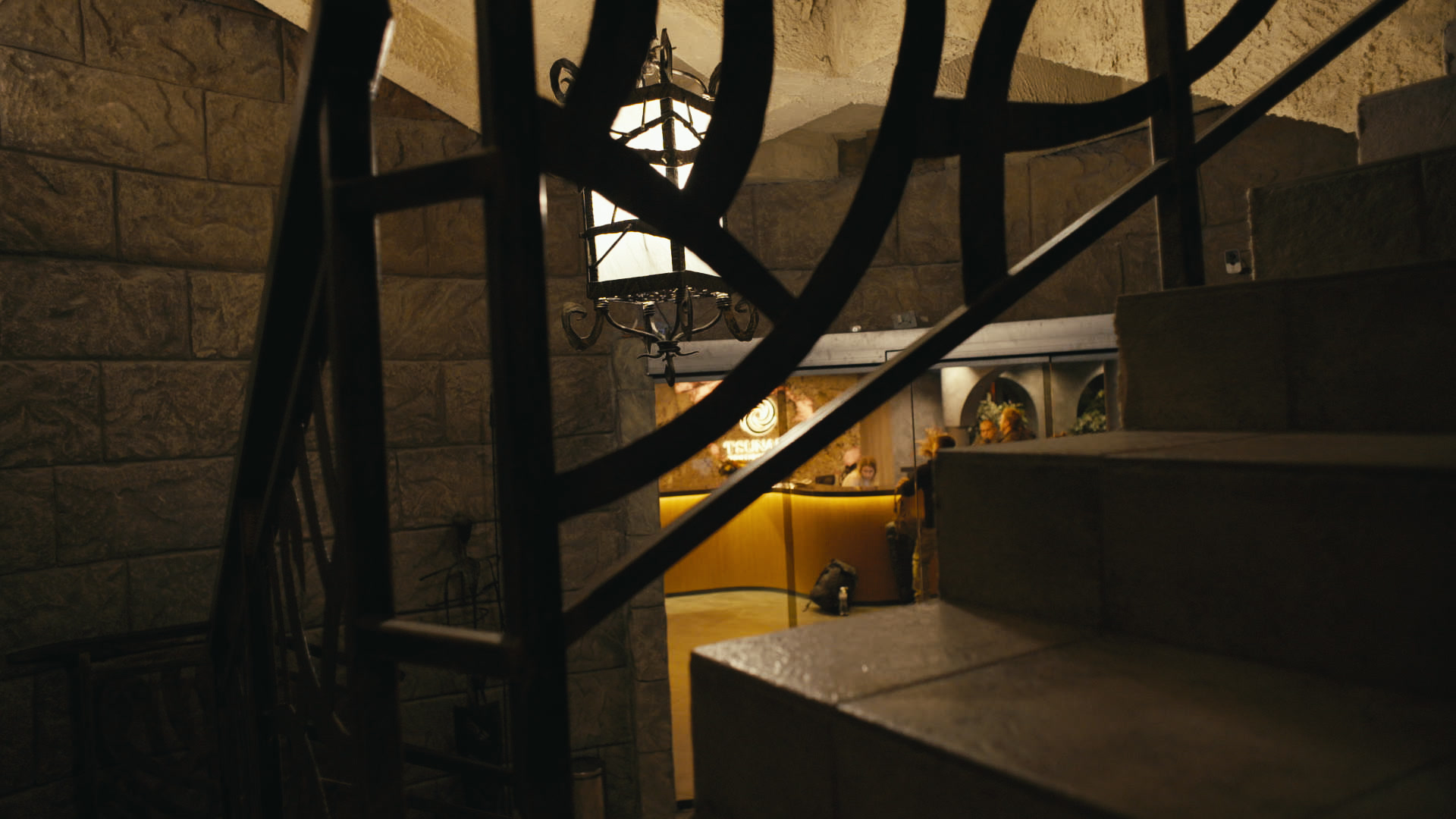
Speaker
00:00:00 (Transcript content available)
Speaker 1
00:00:00 something like this was friday of my first week so my fifth night and it was like almost
00:00:00 something like this was friday of my first week so my fifth night and it was like almost five in the morning and then now and i was just hearing i was packing earlier listening to uh
Speaker 2
00:00:12 ukraine the latest you guys do you forget this is a podcast telegraph and um they were saying i guess there's this window are you cold is she cold
Speaker 1
00:00:24 you should hold them and close the window anyway there was this report i guess the u.s u.s intelligence just released the report uh recently that uh basically says they're allegedly their assessment is putin has no desire at all to uh
Speaker 1
00:00:00 something like this was friday of my first week so my fifth night and it was like almost
00:00:00 something like this was friday of my first week so my fifth night and it was like almost five in the morning and then now and i was just hearing i was packing earlier listening to uh
Speaker 2
00:00:12 ukraine the latest you guys do you forget this is a podcast telegraph and um they were saying i guess there's this window are you cold is she cold
Speaker 1
00:00:24 you should hold them and close the window anyway there was this report i guess the u.s u.s intelligence just released the report uh recently that uh basically says they're allegedly their assessment is putin has no desire at all to uh
Speaker 3
00:00:40 stop the fight i did see that he's all in for more land he thinks the cost they pay so far is worth it
Speaker 1
00:00:47 yes i saw that i i didn't see like too much detail on i just saw that yeah i was kind of kind of half-list thing while I was trying to make sure I didn't leave anything.
00:01:00 The other thing is that you go to the shelter, when do you know when it's safe to come back up? Well, so the guy in the lobby, the security guard or like the doorman... Yeah, there's always a guy sitting there. Yeah, so he showed up, like his phone, he's like, the reason's yellow, he's like, you don't
Speaker 4
00:01:14 need to go to the shelter. Yeah, we also looked like idiots because we left our key again. And we ran out to the shelter and then had to ask our key.
Speaker 1
00:01:29 And then also there was a bunch of soldiers checking in. So I was at three, and I actually rode the elevators up the two floors because I'm lazy. And there was a guy getting out with a big military dress dude. Why is he prowling around at the... Yeah, there's probably like 10 soldiers in the lobby. They're trying to cover... One of them, his rifle doesn't have a bag, so he was just covering it with a sweatshirt, but it kept falling over. Did you get any film of it?
00:02:00 I did. I was like, I'm not going to film this. Yeah, you better... Don't point your gut at that, dude. What does your app say, Laura? I'm trying to log in. Okay, so actually this is the best we've seen it so far. Only a third of the country.
Speaker 2
00:02:23 Good times. Yeah, I mean, that last explosion was pretty loud.
Speaker 1
00:02:29 Yeah, that was definitely the loudest one we've heard. Logan, you asked a great question. Are these actual missile impacts or are these just the missiles being taken out by anti-aer defenses. I just feel like we don't have any telegram channels that like Andre and other people have that seem to like know. Oh okay, Andre just said something. Okay, TV video. Let's see what this shows. All right. Okay. Didn't really show much. Eight seconds of video. He'll follow up and see where that's coming from.
00:03:15 What? Can you see anything? Yeah, there's... Vaguely it's obviously night time. So it looks like something hit there? Sounds like it.
Speaker 3
00:03:30 I mean that was definitely the blast we heard. That's exactly what it sounded like. It was close. It was close. Oh, okay, here's how the alert has been lifted. We've returned home. We should get away on a peaceful night. He just sends that. All right, chill. So let's see. The plan is we'll meet here in two hours. Yeah. So we're getting wigged out because we're here for a few days. Can you imagine living like this? I was just asking Dad. I wonder what on us to see us do it right now.
Speaker 2
00:04:00 Sleeping? Yeah, I hope. Yeah, I mean, there's such a great analogy to alarm fatigue in the ICU.
Speaker 1
00:04:08 I mean, nurses can't respond to every alarm, and they turn them off, but boy,
Speaker 2
00:04:13 if we ignore all these, the one that comes through that window over there is... Yeah. I was saying to Alex, I was recording the sound of the air raid siren, I was saying to Alex, I was recording the sound of the air raid siren, and then I stopped recording the camera. I did the exact same thing, like 10 seconds before the impact. I did the exact same shit and I was pissed at myself. I couldn't. I was like, I'm going to copy this over the computer. No. And then I'm like, I can't believe I'm lamenting.
Speaker 1
00:04:44 Well, Dad, you know, I hate to say this, but you're in a horrible place. There's something that explodes right out there. I know. All the glass everywhere. Yeah. Well, do you think the alarm fatigue, like, because obviously Andre's aware of that, right?
Speaker 3
00:04:59 that kind of mindset or that phenomenon. Do you think that's why he's so careful? Were you guys around when somebody, one of the docs said, okay this is in Sumi, that's pretty far north.
Speaker 1
00:05:17 They said that, we talked about how these alarms are so hypersensitive right, they go off all the time, but they said you don't go to the shelter until you hear the first explosion. Something like that. Well, this is our second night in a row dealing with that.
Speaker 4
00:05:33 I mean, I guess my question is, because you're saying, like, do you think it's getting worse?
Speaker 1
00:05:39 Do you think it's getting worse, or do you think this trip where you're just unlocking? Well, overall, I know the big picture, I remember saying that a month or two ago, if you look at the number of attacks per week or per month, it's a lot higher since Trump's inauguration in January. But that's the pattern over now. What is it? It's ten months or nine months he was sworn to January 21st. So it's like a baseball player's batting average, right?
Speaker 4
00:06:11 That doesn't tell you whether he's going to strike out or hit a grand slam.
Speaker 1
00:06:16 Yeah. Well, okay, let's all go back to bed.
Speaker 4
00:06:23 Go back to bed at least for a few minutes. Yeah, I don't know. I'm like all amped up. I'm exhausted, but I'm also like amped up.
Speaker 1
00:06:30 Welcome to life in Ukraine. That's what I'm saying. I mean, granted, you guys are working incredibly long days, but still dealing with this. I mean, after I talked to Logan and said, we better get down there. I'm in my room and every little sound you hear, you start listening.
Speaker 2
00:06:45 Wait, is that going to lead to something? I told you my daughter had that great fresh hyper visual. That just wears you down. Yeah. Oh, shall we? Yeah.
00:07:00 Wow, this is fun. Welcome to my room. Yeah, this is a nice room. Too much glass for my liking. Too first class for your liking? No, too much glass. Too much glass. And the funny thing is, I'm actually, I remember before my first trip, this guy who's a four-star
Speaker 1
00:07:23 Air Force General and was a space shuttle pilot, you know, pretty smart guy. He's a great guy to talk to. When I was going to Ukraine, he said, "Don't get a hotel room that faces east." And I looked that up. Actually, where I am now, I'm facing east. You guys are not, but I don't know if that's such a
Speaker 4
00:07:41 veil of piece of advice now. Because the missiles could land anywhere, right? Any of the four directions on the map.
Speaker 1
00:07:47 Well, east because... Good that's where Russia is so the missiles come from there and land here missiles and drones
00:08:00 And the other catch-22 when I catch 22, but you guys know it gets really warm in these rooms at night
Speaker 3
00:08:04 So you gotta sleep with the windows open Yeah, then you can't close it with the blackout. Yeah
Speaker 2
00:08:14 I've got like One more card to go then I've got this all copied off for you. So this is all of your, this footage you've taken?
Speaker 4
00:08:25 Yeah. Hard drive. Yeah, all the footage I've taken the whole trip. Do you know how big it is? Let's see here.
Speaker 2
00:08:36 I'll know in one second, let me see here. Pro, SuperFail, get info. 672 gigs plus. That's pretty big. I was going to say it's not that big. That's like one card. No, it's not. Plus, hang up, there's just a little bit more. Get info. 672 plus another 280 gigs So it's like a little less than a terabyte. Yeah, yeah. okay that's fine yep and it's i mean it's from the whole everything yeah it's not uh nothing yeah because right now i think we have like eight or eight terabytes left on those big drives
Speaker 5
00:09:29 and i yeah i mean i've got um a stack of these you know
Speaker 2
00:09:36 Yeah, exactly. I'm not that worried about it, but I was just curious. And I've got some of these. These are each 4 terabytes each. So we'll be able to... Actually, I can't help you guys. This is amazing. Actually, I can't help you guys. This is amazing. Yeah, you're shut up.
Speaker 1
00:00:00 For the most part, the Mic 3s have like 52 hours.
00:00:00 For the most part, the Mic 3s have like 52 hours. The air alert is over. May the force be with you. Yeah. And the Mic 2s, even though they're slow, they have a lot less time.
Speaker 2
00:00:19 But I mainly use the Mic 3s because they're better in every way.

Speaker
00:00:00 Dank u wel.

Speaker 1
00:00:00 [RUS-NEEDS] Дякую вам за витальне слово.
00:00:27 [UKR] Speaker 1: Thank you for your welcoming words.
Speaker 2
00:00:30 [UKR] Speaker 1: And for the next welcoming speech I invite the head of the Military Medical Clinical Center of the Western Region, Knight of the Order of Bohdan Khmelnytsky and Cavalier of the Order of Danylo Halytsky, Colonel of the Medical Service Vylan Yaroslav Mykhailovych.
Speaker 3
00:00:48 [UKR] Speaker 2: Good morning, glory to Ukraine! [UKR] Speaker 3: Honorable Commander, guests, colleagues. I greet everyone with the beginning of an extraordinary event in the life of military medics, the 19th Congress of Surgeons and Anesthesiologists of the Armed Forces of Ukraine. [UKR] Speaker 3: I am extremely pleased that this event is taking place in the city of Lviv, a city famous not only for its cultural heritage, but also for its centuries-old medical traditions. [UKR] Speaker 3: The Military Medical Clinical Centers of the Western Region, like other military hospitals, are living through a difficult time, the years of war. [UKR] Speaker 3: Successfully fulfilling assigned tasks both in the rear and at forward levels of medical care provision. [UKR] Speaker 3: At the same time, it is worth noting a significant breakthrough in the development of military medical science and the gaining of invaluable experience by our doctors.
Speaker 1
00:00:00 [RUS-NEEDS] Дякую вам за витальне слово.
00:00:27 [UKR] Speaker 1: Thank you for your welcoming words.
Speaker 2
00:00:30 [UKR] Speaker 1: And for the next welcoming speech I invite the head of the Military Medical Clinical Center of the Western Region, Knight of the Order of Bohdan Khmelnytsky and Cavalier of the Order of Danylo Halytsky, Colonel of the Medical Service Vylan Yaroslav Mykhailovych.
Speaker 3
00:00:48 [UKR] Speaker 2: Good morning, glory to Ukraine! [UKR] Speaker 3: Honorable Commander, guests, colleagues. I greet everyone with the beginning of an extraordinary event in the life of military medics, the 19th Congress of Surgeons and Anesthesiologists of the Armed Forces of Ukraine. [UKR] Speaker 3: I am extremely pleased that this event is taking place in the city of Lviv, a city famous not only for its cultural heritage, but also for its centuries-old medical traditions. [UKR] Speaker 3: The Military Medical Clinical Centers of the Western Region, like other military hospitals, are living through a difficult time, the years of war. [UKR] Speaker 3: Successfully fulfilling assigned tasks both in the rear and at forward levels of medical care provision. [UKR] Speaker 3: At the same time, it is worth noting a significant breakthrough in the development of military medical science and the gaining of invaluable experience by our doctors.
00:01:41 [UKR] Speaker 3: surgeons, anesthesiologists, who are rightfully considered experts in the treatment of combat trauma. [UKR] Speaker 3: Representatives of all civilized countries wish to communicate and exchange experience with Ukrainian military medics. [UKR] Speaker 3: Effective communication with various organizations that truly transmit this invaluable experience. [UKR] Speaker 3: At the congress, the experience of treating combat trauma will be presented by both young colleagues and experienced specialists from different regions of our country. [UKR] Speaker 3: The materials of this conference will undoubtedly become a significant scientific contribution and a driving force for the further development of medical science and practice. [UKR] Speaker 3: May this conference become a platform for fruitful exchange of knowledge, creation of new partnerships and generation of innovative ideas.
Speaker 2
00:02:27 [UKR] Speaker 3: I wish everyone successful work, inspiration and significant results.
00:02:30 [UKR] Speaker 2: I'll say two words, and then I'll return to you
Speaker 1
00:02:35 [UKR] Speaker 2: We then continue with military surgeons and anesthesiologists. [UKR] Speaker 1: And tell me please, technically is the first presentation ready? [UKR] Speaker 1: Dear colleagues, we'll now have a technical break for 10 minutes,
00:03:00 [UKR] Speaker 1: and in 10 minutes at 10 o'clock we will then begin our session. [UKR] Speaker 1: Thank you.
00:03:18 Speaker 1: Grazie.
Speaker 4
00:03:52 Speaker 1: Thank you.
00:04:40 Speaker 4: Are you seeing this also? Speaker 4: I can't.
Speaker 5
00:04:53 Speaker 4: I can. Speaker 5: Do you guys see it? Speaker 5: Do you guys see it? Speaker 5: Yeah, we can see it.
00:05:00 Speaker 5: Oh, so you can locate this. Speaker 5: Yeah.
Speaker 4
00:05:12 Speaker 4: Okay, does that look a little weird? Speaker 4: A little weird.
Speaker 5
00:05:19 Speaker 5: Is that how you're thinking? Speaker 5: Is someone recording this at all?
Speaker 4
00:05:25 Speaker 4: Is someone recording this? Speaker 4: Is this whole session being recorded?
00:05:30 Speaker 4: Maybe, maybe. Speaker 4: Maybe we don't...
Speaker 2
00:05:37 Speaker 4: I mean, we don't have to. That's gonna look too weird.
Speaker 4
00:05:44 Speaker 2: You can also, if you see this, for you... Speaker 4: Yeah, this is good, yeah. It's gonna look too strange.
00:06:00 Speaker 4: Yeah, we'll just go with this. Speaker 4: Do I need to move this? Speaker 4: Is this cutting into your field?
Speaker 2
00:06:18 Speaker 4: Thank you.
Speaker 4
00:06:40 Speaker 2: We wait at night, I mean at night, I ate seven, six, five, and pshhh.
Speaker 6
00:06:47 Speaker 4: Are you able to go back to sleep?
Speaker 4
00:06:51 Speaker 6: We actually shot for like another 30 minutes, we just shot like the sunrise.
Speaker 6
00:06:56 Speaker 4: Oh, you know it's funny, I was thinking about that because it was beautiful, and I said you guys need to sleep.
Speaker 4
00:07:01 Speaker 6: But then we did eventually go back to sleep. Speaker 4: Hey Ted, do you have any stills of the shelter? Speaker 6: Um, you know, but I could pull them today. Speaker 4: Yeah, I didn't take any. I was thinking I probably should have. Speaker 4: Or I could just, yes, I'm going to take them back down. Speaker 7: Yeah, I can get some stills. Speaker 7: But by the way, is tomorrow morning, the last morning, we have the my room? Speaker 4: What's the other one? Speaker 4: No, you need to check out on the 2nd. Speaker 7: Okay. Speaker 4: Tomorrow's the 31st, so that's Sunday morning.
Speaker 7
00:07:31 Speaker 4: You need to check out and then check back in. Speaker 7: Potentially there's a good shot of the sunrise from my loft.
Speaker 4
00:07:39 Speaker 7: But especially from my loft you can see the flag. Speaker 4: That's why I wanted to put you guys in those rooms. Speaker 4: Because you could hear the trolley and see the park. Speaker 7: Yeah. Speaker 7: The sunrise was from the edge of my view. Speaker 4: So, something to talk about for your next trip. Speaker 4: Do you want to be back in the same room? Speaker 4: but it's not very functional because you have to run up and down the stairs a lot.
Speaker 7
00:08:06 Speaker 4: Or would you rather be in a room like when I'm in, where it's all on one floor?
Speaker 4
00:08:10 Speaker 7: I mean, like, for me, I only go up and down stairs when I'm going to bed and I have everything else.
Speaker 7
00:08:17 Speaker 4: Yeah, I saw the way you had everything organized, all your camera.
Speaker 2
00:08:21 Speaker 7: And by the type of item.
Speaker 7
00:08:30 Speaker 2: When we begin talk, I ask you silence complete at least 30 minutes, okay? Speaker 7: Yeah, no, we're actually going to set this and get out of here, close the door. Speaker 7: Yeah, yeah, yeah. Speaker 7: So we won't be here. Speaker 8: You can also, if you'd like, maybe sit here.
Speaker 4
00:08:48 Speaker 4: No, no, don't, if you have to get up, you... Speaker 4: No, actually, that's right, that's out of the fire. Speaker 7: No, no, so this has a shot of both of you. Speaker 7: And if we can get a copy of the Zoom, then, like, we have this and that, and we'll be good. Speaker 7: And if we can get a copy of the Zoom, then, like, we have this and that, and we'll be good.
Speaker 5
00:09:00 Speaker 7: So we'll get out of your way. Speaker 5: I'm not moving around and stuff. Speaker 5: You are? Speaker 5: I'm not moving around, trying to shoot the screen while you guys are trying to present.
Speaker 2
00:09:09 Speaker 5: It's going to be kind of annoying for you guys. Speaker 2: Yeah, a bit closer to me. Speaker 2: Oh, okay. Speaker 2: This one. Speaker 7: Alright. Speaker 7: We're not going to come back in until you're done. Speaker 7: Do you want to just close this? Speaker 7: Yeah. Speaker 8: If science will be in the corridor, it's maybe open. Speaker 8: If in corridor will be a lot of different voices, crowd, it's maybe better to...
Speaker 8
00:09:36 Speaker 5: We're not, we're gonna go change... Speaker 8: I said it so... Speaker 5: Just close it. Speaker 5: Just close it. Speaker 5: Good luck, guys. Speaker 5: Good luck, guys. Speaker 5: Thank you. Speaker 5: Looks good. Speaker 8: Thank you. Speaker 4: Thank you. Speaker 4: Thank you. Speaker 4: Thank you. Speaker 4: Thank you. Speaker 4: Thank you.
Speaker 4
00:09:58 Speaker 4: Thank you. Speaker 4: Thank you.
Speaker 2
00:10:20 Speaker 2: Okay.
Speaker 4
00:10:25 Speaker 2: Sit down with this.
Speaker 2
00:11:26 Speaker 4: Oh, sweetie. Speaker 2: Welcome, Andreas. Speaker 2: You quickly, fast. Speaker 2: That's why he has an interval between our section. Speaker 2: It's almost.
00:12:32 Speaker 2: It's a honor for me to have the first presentation in this meeting. Speaker 2: This meeting will continue two days, today and tomorrow. Speaker 2: That's why it's a very important talk.
Speaker 9
00:12:50 Speaker 2: I am proud to have this talk together with you.
Speaker 4
00:13:36 [RUS] Speaker 9: Oops, turned on at 9:30, and you.
00:14:22 Speaker 4: ...
Speaker 1
00:14:32 Speaker 4: Thank you.
00:15:00 [UKR] Speaker 1: Thank you.
Speaker 8
00:15:24 [UKR] Speaker 1: Severe penetrating craniocerebral injuries in wartime, effectiveness of military-civilian cooperation. Honorable Andriy Hryhorovych, we invite you.
Speaker 1
00:15:34 [UKR] Speaker 8: Honorable Konstantin Vitaliyovych, dear colleagues, can you hear me well?
Speaker 8
00:15:40 [UKR] Speaker 1: Yes, everything's good. [UKR] Speaker 8: Thank you. First of all, I want to thank you for the honor and trust to speak at such a respected conference. [UKR] Speaker 8: And I want to say that together with me is a neurosurgeon, neurotraumatologist, world-renowned Professor Alix Valadka from Texas, from Dallas. [UKR] Speaker 8: This is his fourth visit to Mechnikov Hospital. And this week we have already operated together precisely on wounded military personnel, with severe brain injuries. [UKR] Speaker 8: Good morning! Glory to Ukraine! Glory to the heroes! [UKR] Speaker 8: What I wanted to say. The Ministry of Defense has developed an updated military medical doctrine, as you well know. [UKR] Speaker 8: And in this doctrine, which was recently presented at the "Person in the Army" conference, it is highlighted in red.
00:16:32 [UKR] Speaker 8: military medicine will continue to develop on the principles of a unified medical space and close cooperation with the civilian healthcare system. [UKR] Speaker 8: This is truly the case and has been so since 2014. Here I wanted to present both our hospital leadership team, and Konstantin Vitaliyovych, Serhiy Ivanovych, [UKR] Speaker 8: Oleksandr Mykhaylovych, Konstantin Yuriyovych, Mykola Mykolayovych - these are the ones with whom Mechnikov Hospital most closely cooperates precisely in matters of providing care to those wounded in the head, with craniocerebral injuries. [UKR] Speaker 8: What are the features of these injuries? High proportion of fragmentation mine-explosive injuries was 87, now it's 97%. The percentage of bullet wounds is decreasing from 13 to 3.5%.
00:17:23 [UKR] Speaker 8: High proportion of injuries with bone fragments - these are so-called secondary wound projectiles - 77%. [UKR] Speaker 8: High proportion of combined injuries - this accounts for about 67%. [UKR] Speaker 8: And it should be noted that there is a high percentage of combined injuries - where there are burns. [UKR] Speaker 8: What I wanted to say about military-civilian cooperation, about providing neurosurgical care [UKR] Speaker 8: in military mobile hospitals, damage control neurosurgery, [UKR] Speaker 8: about providing neurosurgical care at Mechnikov Hospital, [UKR] Speaker 8: and also to consider ways to improve treatment outcomes for this difficult category of wounded. [UKR] Speaker 8: Since 2014, 24/7 telemedicine consultations have been implemented [UKR] Speaker 8: together with military hospitals, military neurosurgeons. [UKR] Speaker 8: We never refuse, 24/7 on weekends, weekdays, and holidays.
00:18:15 [UKR] Speaker 8: We decide whom to operate on immediately in damage control mode, if to operate what is the optimal volume of intervention, and mandatory feedback, and then control, treatment results, all of this is discussed. [UKR] Speaker 8: When we know about the arrival of a wounded person, we prepare our forces, personnel, technical equipment, especially for combined injuries. [UKR] Speaker 8: In addition, on the initiative of Konstantin Vitaliyovych, training of military neurosurgeons in the workplace was organized. They lived and were on duty around the clock with us for one, two, three weeks. [UKR] Speaker 8: And we understand each other without unnecessary words. I'll say more, military neurosurgeons who went on rotations before this time, who are now, they have a very high level of providing neurosurgical care.
00:19:06 [UKR] Speaker 8: The results of their operations exceed what we see, unfortunately, in some civilian hospitals. [UKR] Speaker 8: Telemedicine is working. A 24/7 telemedicine consultation system, a closed group, you see 9 participants, which already includes more than a thousand photos, more than two thousand videos. [UKR] Speaker 8: Patient A, on the left, penetrating injury to the posterior cranial fossa, damage to suspected transverse sinus, a decision was made for immediate evacuation to Mechnikov Hospital for angiography and reconstruction. [UKR] Speaker 8: On the right, acute epidural hematoma related to combat actions, such a patient cannot wait for transportation, [UKR] Speaker 8: is immediately operated on in a mobile hospital. These issues are resolved immediately. [UKR] Speaker 8: We tried to implement smart glasses, but for this good Wi-Fi connection is needed,
00:19:58 [UKR] Speaker 8: although we transferred, thanks to Konstantin Kostyuk, these devices, and, perhaps, there were a couple of operations, [UKR] Speaker 8: which were conducted in telemedicine mode using smart glasses in military hospital operating rooms. [UKR] Speaker 8: When it is very important precisely to operate on site, there are such situations as, for example, shown on this slide, [UKR] Speaker 8: that CT shows that the patient has active bleeding, which even at the stage of performing CT is continuing, and you can see the swirling of blood precisely in this hematoma. [UKR] Speaker 8: And here is a clinical case. Very recently, October 17, you see a patient with such an acute hematoma, [UKR] Speaker 8: Inside there is swirling. This says that the hematoma arterial bleeding is continuing, and this patient needs to be operated on as soon as possible.
00:20:50 [UKR] Speaker 8: And the patient immediately underwent surgical intervention. Makhotin Serhiy Oleksiyovych operated, and after this, after stabilization, the patient was redirected to Mechnikov Hospital. [UKR] Speaker 8: You see good CT control after the operation, removal of this hematoma, as of 26-10 restoration of consciousness to the level of SOPR 9-10 points on the Glasgow Coma Scale and evacuation was carried out for further treatment by evacuation train to the city of Vinnytsia. [UKR] Speaker 8: Next. This is a graph of wounded arrivals at Mechnikov Hospital. You all know it well. At foreign conferences I say that this graph is written in blood, written in blood of both our military defenders and civilian wounded.
00:21:37 [UKR] Speaker 8: Currently the experience consists of more than 50 thousand wounded and injured. You see, 2014-2022 about 4.5 thousand severely wounded. This is over 8 years of the first stage of the war. And currently the figure is already more than 46 thousand severely wounded. [UKR] Speaker 8: And you see that every day on average Mechnikov Hospital receives 35 wounded patients. [UKR] Speaker 8: Regarding penetrating craniocerebral trauma, Mechnikov Hospital currently has the largest experience in Ukraine precisely in treating with penetrating craniocerebral injuries. [UKR] Speaker 8: This is more than 2.5 thousand who were primarily operated on at Mechnikov Hospital, plus more than 550 who were operated on in mobile hospitals.
00:22:23 [UKR] Speaker 8: That is, every sixth is operated on in mobile hospitals, and five out of six are operated on at Mechnikov Hospital. [UKR] Speaker 8: You see the dynamics of arrivals of these wounded by years. [UKR] Speaker 8: This is my neurosurgical team. Despite the average young age of neurosurgeons present in the photo, [UKR] Speaker 8: most of them have already performed hundreds of surgical interventions for penetrating craniocerebral trauma. [UKR] Speaker 8: performed 24/7. At the Congress in Vienna they told us that trauma in top European clinics was not performed, [UKR] Speaker 8: surgical intervention, because it was Saturday or Sunday, or it was night. We don't have that, operations are performed daily. [UKR] Speaker 8: We implemented such a cycle of improving treatment results, plan, do, check and act.
00:23:14 [UKR] Speaker 8: This is a comprehensive quality management improvement system. [UKR] Speaker 8: Constantly improving operation results, reducing the time of the operation itself, and the results are getting better. [UKR] Speaker 8: It works. [UKR] Speaker 8: At Mechnikov Hospital there is also its own closed Facebook Messenger group, 49 participants, [UKR] Speaker 8: surgeons, neurologists, anesthesiologists. [UKR] Speaker 8: In this group there is all information about the patient, you can find the operation plan, [UKR] Speaker 8: CT, before and after the operation, dynamics of condition. [UKR] Speaker 8: And you see, the database is already more than 10 thousand photographs and more than 22 thousand videos. [UKR] Speaker 8: We learn every day so that these results are as good as possible. [UKR] Speaker 8: From 1 to 8 operations are performed for penetrating trauma.
00:24:00 [UKR] Speaker 8: You see in this photo the busiest day, when in one day 8 surgical interventions were performed. [UKR] Speaker 8: Here are injuries to the anterior cranial fossa, and posterior cranial fossa, and lateral skull base, that is the pyramid of the temporal bone, and such injuries, severe injuries. [UKR] Speaker 8: As an example, I would like to show just one case of a wounded person who simultaneously had three locations that required intervention.
00:24:30 [UKR] Speaker 8: First - this is injury to the paranasal sinuses, these are frontal sinuses. Second - this is injury to the pyramid of the temporal bone. And third - this is convexity injury. [UKR] Speaker 8: That is, this wounded person needed to be operated on. And the video shows precisely this wounded person's stages of care provision at Mechnikov Hospital. [UKR] Speaker 8: It should be said that the average time from arrival of a wounded person to performing computed tomography is 22 minutes.
00:25:00 [UKR] Speaker 8: Alix Valadka, who is present with me, says it's rare in the USA to be able to do a computed tomography scan within 22 minutes from the beginning of arrival. [UKR] Speaker 8: and after this the patient is immediately submitted to the urgent neurosurgical operating room. [UKR] Speaker 8: Two neurosurgeons are on duty daily, and these operations are performed immediately. [UKR] Speaker 8: This is called early and comprehensive in volume neurosurgical intervention. [UKR] Speaker 8: Precisely this approach allows us to obtain results that speak for themselves. [UKR] Speaker 8: This is reduction of mortality, reduction of complications and improvement of quality of life of patients who are operated on. [UKR] Speaker 8: This is control of the same patient who I presented in this photograph.
00:25:49 [UKR] Speaker 8: I cannot not mention our friendship with American colleagues. [UKR] Speaker 8: Already more than 10 professors have worked at Mechnikov Hospital, both in open and endovascular operations. [UKR] Speaker 8: And have performed already more than 130 joint surgical interventions. [UKR] Speaker 8: What lessons do we exchange with the USA? First of all, that penetrating craniocerebral trauma is a complex scheme of neurovascular injuries and skull base injuries. [UKR] Speaker 8: And precisely microsurgery and neurovascular methods play a crucial role. [UKR] Speaker 8: Coagulopathy is discussed, the need for early decompression, wound treatment in this photo is Rocco Armonda from Washington D.C., who led forward surgical teams in Iraq-Afghanistan for 10 years, awarded the Bronze Star of the USA, a real legend of Ukraine and the USA.
00:26:42 [UKR] Speaker 8: Together with professors from America we have published many of our publications and in each publication we mention Ukraine, Dnipro. [UKR] Speaker 8: For example, this article is called "Stand up," so that the whole world knows. [UKR] Speaker 8: Ways of improvement. First of all, non-invasive possibility of diagnosing hematomas - this is the application of Infrascanner, as well as pupillometer for determining intracranial hypertension. [UKR] Speaker 8: Another analysis of causes of mortality of the wounded at the hospital stage and search for solutions. And analysis of causes of mortality and unfavorable treatment outcomes of the wounded, with penetrating injuries at the hospital stage.
00:27:28 [UKR] Speaker 8: You see the Infrascanner, we have it and we are now conducting research jointly with the team of Konstantin VitaliyovychOmunyk, [UKR] Speaker 8: in order to evaluate the effectiveness of this device in field conditions, use for diagnosing intracranial hematomas. [UKR] Speaker 8: Example, you see on the left red circles, we do CT and exactly corresponding to this we see brain contusions in the left hemisphere. [UKR] Speaker 8: Another case, one circle and corresponding to it on CT we see a focus of brain contusion. [UKR] Speaker 8: Results. Sensitivity 60%, specificity almost 80%, positive predictive value 25%, negative predictive value 95%. [UKR] Speaker 8: This allows conducting triage issues, determining which patient needs to be referred first to computed tomography.
00:28:19 [UKR] Speaker 8: Pupillometry - non-invasive method of assessing intracranial hypertension. This is much more effective, not ultrasound measurement of optic nerve diameter. Again, thanks to American colleagues, we have the opportunity to work with a pupillometer for non-invasive determination of intracranial pressure. [UKR] Speaker 8: Shows maximum pupil diameter, neurological index of pupillary reflex. I'll stop if needed, I can continue more. [UKR] Speaker 8: And this is real use of the pupillometer. On the right you see a bullet wound, diametrical wound. [UKR] Speaker 8: We operated together with Professor Rocco Armonda, entry hole, located bullet. [UKR] Speaker 8: And we check intracranial pressure the next day after the operation using the pupillometer.
00:29:05 [UKR] Speaker 8: intracranial pressure, in this case, is normal, the patient survived. [UKR] Speaker 8: We examined more than 170 patients, you see, on this slide. [UKR] Speaker 8: And our mortality data, you see, from anterior cranial fossa 6%, [UKR] Speaker 8: ending with posterior most severe injuries 21%. [UKR] Speaker 8: Here is presented the frequency of purulent-septic complications and quality of life. [UKR] Speaker 8: You see that good recovery, moderate disability even 84-76%. [UKR] Speaker 8: If we talk about injuries precisely operated in mobile hospitals, then the highest mortality, of course, is with injuries to the posterior cranial fossa and diametrical injuries. [UKR] Speaker 8: But what interests us, 27% - this is acute subdural hematomas, mortality with acute subdural hematomas.
00:29:57 [UKR] Speaker 8: And we are working on these issues, because despite the removal of subdural hematomas, [UKR] Speaker 8: we see such results in secondary ischemia. [UKR] Speaker 8: What is this related to? Many things. [UKR] Speaker 8: Mechanism of injury, polytrauma, coagulopathy, infectious complications. [UKR] Speaker 8: One thing, that data from military cohorts indicate that the closer the neurosurgeon, [UKR] Speaker 8: although it's dangerous, near the battlefield, the better the treatment results, [UKR] Speaker 8: if the patient is operated on in the first 5 hours. [UKR] Speaker 8: We published lessons of war, they can be found on the website of the Ukrainian Neurosurgical Association. [UKR] Speaker 8: In addition, on the YouTube channel of the Ukrainian Neurosurgical Association there are our lectures, more than 5 thousand views. [UKR] Speaker 8: Never give up, this photo is from Rocco Armonda, never give up.

Speaker 1
00:04:12 [DELETED: "Thank you" - matches deletion rule]
00:07:13 [RUS] Speaker 1: To be continued...
00:08:16 [RUS] Speaker 1: To be continued...
Speaker 2
00:09:24 [RUS] Speaker 1: To be continued...
Speaker 1
00:04:12 [DELETED: "Thank you" - matches deletion rule]
00:07:13 [RUS] Speaker 1: To be continued...
00:08:16 [RUS] Speaker 1: To be continued...
Speaker 2
00:09:24 [RUS] Speaker 1: To be continued...
Speaker 3
00:12:35 Speaker 2: Okay. Speaker 3: What's up? Speaker 2: Everything good? Speaker 2: Is there anything I can do? Speaker 3: I gotta move this. Speaker 3: Can you go on the other side of this? Speaker 3: That's my candy to white. Speaker 3: You're gonna hold it with this one. Speaker 3: Got it? Speaker 2: Yeah. Speaker 2: I'm gonna hand you the white.
Speaker 2
00:13:00 Speaker 2: Okay. Speaker 2: This is big. Speaker 3: Oh, you gotta hold it. Speaker 2: Hold it up, so you like this?
Speaker 3
00:13:14 Speaker 3: No, it'll like take the weight, like, I gotta move the stand. Speaker 3: You're like leaning it against the stand. Speaker 3: Okay, so you wanna hold it like this? Speaker 3: Yeah, yeah, exactly.
00:14:06 Speaker 3: Okay. Speaker 3: Okay. Speaker 2: What do you want me to do now? Speaker 3: Oh, just give me a second. Speaker 2: Okay.
Speaker 2
00:14:23 Speaker 2: I mean, like, this is crazy that he just has someone's, like, scans up while we've been Speaker 2: in his office. Speaker 2: What's that?
00:14:30 Speaker 2: That wouldn't happen in America. Speaker 2: He just has, like, someone's scans up more in his office on a computer. Speaker 2: He just has, like, someone's scans up more in his office on a computer.
Speaker 3
00:14:38 Speaker 2: It's a HIPAA violation. Speaker 3: Sorry, what are you saying? Speaker 2: Just forget it. Speaker 2: I'm saying that it's crazy that we're seeing this person's personal information. Speaker 2: Like in America, this would be highly illegal. Speaker 3: Like on the screen right now? Speaker 2: Yeah.
Speaker 2
00:15:03 Speaker 2: Even the fact that we filmed that surgery without that guy's permission. Speaker 2: I mean, you couldn't give permission.
Speaker 3
00:15:12 Speaker 2: Yeah. Speaker 3: I mean, hopefully he like, moves forward and doesn't like...
Speaker 2
00:15:25 Speaker 3: I'm trying to think how he usually sits. Speaker 2: I mean, wait, I'm sure we could tell him that one.
Speaker 3
00:15:30 Speaker 2: Yeah. Speaker 3: I thought it would look best if his like, hands are like, on his desk.
Speaker 2
00:15:37 Speaker 2: Like if he... push the chair in? Speaker 2: Yeah. Speaker 3: Where is the camera? Speaker 3: Some of the times it feels like very far away but also you can't see anything.
Speaker 3
00:15:56 Speaker 2: Can't see like the office, you know?
Speaker 2
00:16:05 Speaker 3: This chair is like massive.
Speaker 3
00:16:09 Speaker 2: Well, I'm small.
Speaker 2
00:16:28 Speaker 3: I feel like I'm too exhausted to like light. Speaker 2: Yeah, I'm just going to go. Speaker 2: I feel like almost high a little bit.
Speaker 3
00:16:43 Speaker 3: I think it needs to be plugged in. Speaker 3: It doesn't have a control switch.
Speaker 2
00:16:50 Speaker 3: Let's turn it on.
Speaker 3
00:17:10 Speaker 2: I mean, I'm not going to be able to see. Speaker 3: I mean, I rolled on it so you can see.
Speaker 2
00:17:26 Speaker 3: I mean, that's also a huge problem. Speaker 2: Yeah. Speaker 3: I don't really know what to do about that.
00:17:30 Speaker 2: I mean, you're going to have to reposition it. Speaker 2: I mean, we're going to have to take it out. Speaker 3: I know, which just, like, kind of defeats the purpose of setting up.
Speaker 3
00:17:41 Speaker 2: Sorry, I just look so unhappy. Speaker 3: I mean, that's literally how you look. Speaker 2: No, I think that looks good. Speaker 2: I mean, I mean... Speaker 3: Where it feels like small in the frame. Speaker 3: Where it feels like small in the frame. Speaker 2: What ones are you on? Speaker 3: This is a 32. Speaker 3: But you do want to see like... Speaker 3: All the stuff. Speaker 3: Oh, this is kind of good.
Speaker 1
00:18:19 Speaker 3: Thank you very much. Speaker 1: Oops.
00:20:13 Speaker 1: ...
Speaker 2
00:26:30 Speaker 1: ...
Speaker 3
00:28:02 Speaker 2: That shot was like a little too contrasty. Speaker 3: Yeah. Speaker 3: There's not really an easy way of doing that. Speaker 3: Walls will bounce. Speaker 3: His wall is a bouncer. Speaker 1: Walls will bounce.
Speaker 1
00:28:20 Speaker 3: I think I just need to wrap this little more.
Speaker 3
00:28:27 Speaker 1: I'm tired.
00:28:30 Speaker 3: Use it real quick while I refine the frame. Speaker 3: Just going to get the packaging outside for it.
Speaker 2
00:29:16 Speaker 3: ...
Speaker 3
00:30:12 Speaker 2: Can you try it with the 50? Speaker 2: Can you try it with the 50? Speaker 2: Can you try it with the 50? Speaker 3: Not yet. Speaker 3: Just thinking about it. Speaker 3: It's like the composition is like favoring like an eyeline looking this way, but it just doesn't really work. Speaker 3: For everything else. Speaker 3: It's like the lights on the other side.

Speaker 1
00:00:00 Oh, this is actually really sweet.
Speaker 2
00:00:17 Speaker 1: Oh, this is actually really sweet. Speaker 2: What is this? Speaker 1: It's like, I guess, Facebook. Speaker 1: It's like a picture from when the bomb went off at the hospital.
Speaker 1
00:00:28 Speaker 1: And it's like him FaceTiming his son in the operating room. Speaker 1: He said, thank God you're alive. Speaker 1: I'm proud of you, my son. Speaker 2: Huh. Speaker 2: Like you mean your arms. Speaker 2: Okay. Speaker 2: Okay. Speaker 2: What? Speaker 2: Sorry. Speaker 2: Sorry. Speaker 2: I'm working here. Speaker 2: I'm working here. Speaker 3: Okay. Speaker 2: That is nice, though.
00:01:53 Speaker 4: Oh, he's not here.
Speaker 1
00:00:00 Oh, this is actually really sweet.
Speaker 2
00:00:17 Speaker 1: Oh, this is actually really sweet. Speaker 2: What is this? Speaker 1: It's like, I guess, Facebook. Speaker 1: It's like a picture from when the bomb went off at the hospital.
Speaker 1
00:00:28 Speaker 1: And it's like him FaceTiming his son in the operating room. Speaker 1: He said, thank God you're alive. Speaker 1: I'm proud of you, my son. Speaker 2: Huh. Speaker 2: Like you mean your arms. Speaker 2: Okay. Speaker 2: Okay. Speaker 2: What? Speaker 2: Sorry. Speaker 2: Sorry. Speaker 2: I'm working here. Speaker 2: I'm working here. Speaker 3: Okay. Speaker 2: That is nice, though.
00:01:53 Speaker 4: Oh, he's not here.
Speaker 4
00:02:13 Speaker 1: You need water? Speaker 4: I'm gonna bring it in all day. Speaker 4: I'm gonna bring it in all day.
Speaker 1
00:02:34 Speaker 2: I'll Speaker 1: The computer screen.
Speaker 4
00:03:08 Speaker 1: That's not what I want to do. Speaker 4: I'm going to move the camera. Speaker 4: More centered.
00:03:59 Speaker 4: You look here.
00:04:00 Speaker 4: You look here, like you're looking for that. Speaker 4: It just doesn't work.
Speaker 2
00:04:07 Speaker 1: What if we got some of those small light strips?
Speaker 1
00:04:14 Speaker 2: The problem is that they don't really work like reliably. Speaker 1: Cuz they're not like charged. Speaker 1: Yeah. Speaker 1: I mean, I don't even know where those are right now. Speaker 4: Man. Speaker 4: I just can't hold this here. Speaker 4: I don't know. Speaker 4: I could do this and just bounce it against this wall.
Speaker 4
00:04:33 Speaker 4: I might try that. Speaker 4: Can you grab this stand? Speaker 4: Right here. Speaker 4: Okay. Speaker 4: Everything feels so heavy right now. Speaker 4: His light is like, the light is light. Speaker 4: It feels like 30 pounds on my arms right now.
Speaker 2
00:05:23 Speaker 4: Oh, man.
Speaker 1
00:06:01 Speaker 2: I think my body's just done. Speaker 1: Mm-hmm.
Speaker 4
00:06:07 Speaker 1: What do you need? Speaker 4: I just need it. Speaker 4: I just need to get it. Speaker 4: Get the right spot. Speaker 1: Looks like the pin's maybe not in all the way. Speaker 1: Jesus. Speaker 4: I got the pin is stripped too. Speaker 4: It's like also causing problems here. Speaker 4: I'm going to go back here.
Speaker 1
00:07:12 Speaker 2: enough light. Um, which I should have known that. What the fuck am I doing?
Speaker 4
00:07:18 Speaker 1: Well can you, um, yeah.
Speaker 2
00:07:22 Speaker 4: This is a hundred. Can you stand the mark? Speaker 2: This is a work. It's just his eye line can't be this way. It's like there's no, like that's not
Speaker 1
00:07:42 Speaker 2: It's gonna be confusing. Speaker 1: Can't dad sit there? Speaker 2: Where? Speaker 1: In the chair? Speaker 3: No. Speaker 1: You have to sit there? Speaker 2: No, you're missing- like, no, 'cause it needs to be camera left, is what I'm saying. Speaker 2: The eye line needs to be camera left. Speaker 1: Does it look good if I look here?
Speaker 2
00:08:01 Speaker 2: I mean, he looks fine, but I'm just saying he's- like, I see this being a problem.
Speaker 1
00:08:07 Speaker 2: That he's not gonna be looking at someone, you know what I'm saying? Speaker 1: Can he look at the camera? Speaker 2: Well, none of the other interviews have. Speaker 1: My phone's broken.
Speaker 4
00:08:29 Speaker 1: Could we? Speaker 4: I'm gonna try to like free up like a little.
Speaker 1
00:08:43 Speaker 4: I just don't think this is gonna be enough. Speaker 1: Alright, bad idea. Speaker 1: What if Dad sat in a chair in front of the camera? Speaker 2: You can't see him. Speaker 2: Because it's a 32.
Speaker 2
00:09:00 Speaker 1: His shoulder? Speaker 2: Yeah. Speaker 2: There's no way you don't see him. Speaker 2: Like think about it. Speaker 2: You saw some of them. Speaker 2: You were here. Speaker 2: earlier and you were on a longer lens than this.
00:09:54 Speaker 2: That's better. Speaker 2: Your scooter is far this way, so the chair will let you go, right?
Speaker 1
00:10:06 Speaker 2: I mean to your right.
Speaker 2
00:10:37 Speaker 1: Okay, so it's 2 o'clock.
Speaker 1
00:10:44 Speaker 2: 2 o'clock? Speaker 1: So it's an hour? Speaker 2: Let's feel like we're not going to get this.
Speaker 4
00:10:52 Speaker 2: You know, even if I start rolling now.
Speaker 3
00:11:10 Speaker 4: Sorry, he keep looking.
Speaker 4
00:11:15 Speaker 3: He's a bit taller than me.
Speaker 1
00:11:26 Speaker 4: I can't move you.
Speaker 4
00:11:51 Speaker 1: I feel like dad could poke his head in there. Speaker 4: Yeah. Speaker 1: Should I call dad and tell me?
00:12:00 Speaker 4: Yeah, to come over. Speaker 4: I think that would be wise. Speaker 1: Alright, I'm gonna tell him we're ready. Speaker 1: So, um, but also we kinda need to start the interview.
Speaker 1
00:12:18 Speaker 1: Hello? Speaker 1: Yeah, we're ready. Speaker 1: Yes, we're ready. Speaker 1: Okay. Speaker 1: Sounds good. Speaker 1: No, we don't have them yet. Speaker 1: Um, yeah. Speaker 1: Alright. Speaker 1: Bye.
Speaker 2
00:12:48 Speaker 2: I mean, once you see, then we could also, like, ask him to, like, move some things around Speaker 2: on the desk. Speaker 2: Yeah. Speaker 2: Like, move, if the skull moves, like, here. Speaker 4: Yeah.
Speaker 1
00:13:06 Speaker 4: I think that feels better. Speaker 1: Okay. Speaker 1: Are we ready for him? Speaker 4: Yeah, I guess so. Speaker 4: I mean, kind of out of time.
00:13:30 Speaker 4: Did you get that answer? Speaker 1: Yeah, he said he's coming over with me. Speaker 1: He's going to be here in like 20 minutes. Speaker 4: Okay, I'm going to get it. Speaker 1: I'm going to tell Andre that we're opening. Speaker 1: Yeah.
Speaker 5
00:14:00 Speaker 1: Oh, there we are. Speaker 5: Can I ask you your consultation for me? Speaker 5: How much does it cost? Speaker 5: How much does it cost?
Speaker 1
00:14:09 Speaker 1: It's pretty expensive. Speaker 5: One million dollars, maybe two million. Speaker 5: One million dollars, maybe two million.
Speaker 2
00:14:18 Speaker 1: Do we want him to sit in, Logan? Speaker 2: Yeah, you can come back in. Speaker 2: Oh, we'll wait for that, yes. Speaker 5: Maybe first, Laura, can you give it to me? Speaker 2: Laura, you want to give the interview?
Speaker 5
00:14:30 Speaker 5: Do I want to... Speaker 5: I like the chief of neurosurgery department.
Speaker 1
00:14:36 Speaker 5: Yeah? Speaker 1: Yeah. Speaker 5: It's true or not? Speaker 1: Sure, you can take a photo. Speaker 1: This would be me if my grandpa didn't leave Ukraine. Speaker 1: I could be here instead. Speaker 1: Yeah. Speaker 1: Chief of neurosurgery department at 29. Speaker 2: Very accomplished. Speaker 1: Yeah.
Speaker 5
00:15:06 [RUS] Speaker 5: Vasilina [RUS] Speaker 5: Vasilina [RUS] Speaker 5: Tell her that if consultations [RUS] Speaker 5: Then somewhere after half past three [RUS] Speaker 5: Until half past four maximum they'll be [RUS] Speaker 5: Or better tomorrow morning [RUS] Speaker 5: I already consulted three people.
00:15:30 [RUS] Speaker 5: Or tomorrow morning.
Speaker 1
00:15:44 Speaker 5: We have 50 minutes, because in 3 p.m. we will talk with Alex, with our international colleague from Israel.
Speaker 5
00:16:00 Speaker 5: In 3 p.m., that's why 53 minutes.
Speaker 1
00:16:00 Speaker 5: In 3 p.m., that's why 53 minutes. Speaker 1: It's Zoom, right? So you're going to take that here? Speaker 5: Yeah. Speaker 1: Okay. Speaker 2: Yeah, see if we can find that.
Speaker 5
00:16:30 [UKR] Speaker 5: Like this.
00:16:39 Speaker 5: Yeah, exactly. Speaker 5: Maybe a lot of different... Speaker 2: Yeah, we'll probably remove a few things. Speaker 5: What things need to remove? Speaker 5: Can you explain to me?
00:17:00 Speaker 5: Maybe... Speaker 5: I think only the laptop, really. Speaker 5: Maybe a closed laptop.
Speaker 6
00:17:08 Speaker 5: Will that be enough? Speaker 6: Yeah, you can close it. Speaker 6: I think it's connected to things. Speaker 6: Yeah, you can close it, but you don't need to fully remove it. Speaker 6: Uh, okay. Closer, yeah? Speaker 5: It's better. Yeah. Speaker 6: Okay. Do you want to see it move the skull somewhere else? Speaker 6: Out of the way, or... Speaker 6: I think we can move it behind.
00:17:30 Speaker 6: Yeah, we can move the skull. Speaker 6: To the background? Speaker 3: Remove? Remove? Speaker 6: No, no. Speaker 2: Click up on. Speaker 2: Press down there. Speaker 6: Should we move this? Speaker 6: Should we move this? Speaker 6: Can I just capture just a little bit so it's in shot, or is it going to be... Speaker 6: Yeah, we'll move it. Speaker 6: Let's see. Speaker 6: There it is. Speaker 6: Maybe let's get that cable a little... Speaker 2: Is it this cable you're saying? Speaker 2: Yeah. Speaker 6: Right, there you go. Speaker 6: Right, there you go. Speaker 6: I think I... Speaker 6: I think it's a lot less comfortable positions. Speaker 6: Yeah, it's a tough one. Speaker 6: Well, I mean, but this one's... Speaker 6: And then we need to see it in here because we're not doing it in the green.
Speaker 2
00:18:19 Speaker 4: Okay, so should he be sitting there? Speaker 2: Probably. Speaker 2: Would you want Andre to put his hands on the desk? Speaker 6: So we're gonna have you sit and lean forward in this so you're not quite as we don't want you quite as relaxed
Speaker 6
00:18:38 Speaker 6: You're just gonna be Speaker 6: No, no lean forward Speaker 2: Oh, yeah, like like hands on the desk. Yeah, more conversational right there you go
Speaker 5
00:18:50 [UKR] Speaker 5: Vasilina, Lyudmila Vasilina, they're about to do the interview now,
00:19:01 [RUS] Speaker 5: quietly, and close the doors too, because everyone will be [RUS] Speaker 5: open.
Speaker 2
00:19:16 Speaker 5: One more question. With glasses, maybe without?
Speaker 5
00:19:21 Speaker 2: Yeah, without. Speaker 5: What is my hair?
Speaker 6
00:19:31 Speaker 6: It looks like Anastasia should have the Speaker 6: the monitors. Speaker 6: and uh
Speaker 4
00:19:48 Speaker 5: Looks better. Speaker 4: Looks good. Speaker 5: Yeah.
Speaker 6
00:19:55 Speaker 5: Is this? Speaker 6: Yeah, yeah, that's good. Speaker 6: Also, in one of your, in one of the news pieces you showed sort of shrapnel that you pulled from the brain.
Speaker 5
00:20:08 Speaker 6: the brain, do you have that handy to show during this or? Speaker 5: - Yeah. Speaker 5: And explain about this, yeah? Speaker 6: - Yeah, yeah. Speaker 5: - Yes, it's better if you want to in Ukraine. Speaker 5: - Yeah, yes, and we're gonna have-- Speaker 5: - Because I explain the more details, more, more.
Speaker 6
00:20:29 Speaker 5: It's after this you can-- Speaker 6: - And we're gonna have Anastasia sit here, Speaker 6: so you should ask the question. Speaker 6: - Yeah. Speaker 6: Okay. Speaker 6: Maybe I could get a chair from here, right here. Speaker 6: I'll figure it out. Speaker 5: I can now show, and maybe a bit later you ask me to show the metallic fragment
Speaker 5
00:20:52 Speaker 5: which was removed from the human brain during the last 2-3 months only. Speaker 5: Yes, I can take this, for example. Speaker 5: Yeah, yeah. Speaker 5: So you're saying we do that at the end? Speaker 6: Yeah, we'll do that at the end.
Speaker 6
00:21:11 Speaker 6: And he'll pull off the camera so you can get over your shoulder. Speaker 6: Yes, I... Speaker 6: Yeah, yes. Speaker 6: Yeah, um, let me go, uh, see if I can get inside. Speaker 6: Here.
Speaker 5
00:21:48 Speaker 6: Thank you.
00:22:34 [RUS] Speaker 5: Hi Nikita [RUS] Speaker 5: Did you win the GIA competition yesterday?
Speaker 4
00:22:38 Speaker 4: No
Speaker 5
00:22:39 [RUS] Speaker 4: We didn't have a serious organization [RUS] Speaker 5: Tell me [RUS] Speaker 4: I'm just of age [RUS] Speaker 5: You look good [RUS] Speaker 4: Thanks, on vacation [RUS] Speaker 5: I know, I'm telling you [RUS] Speaker 5: Yulia, you with the dog, not outside the window [RUS] Speaker 5: Watch and film Nikita [RUS] Speaker 5: Because, I'm telling you, nurse Katya will steal him away. [RUS] Speaker 5: She'll trade him for old Dima. [RUS] Speaker 5: Dima can't do squats and lift weights like you.
00:23:03 [UKR] Speaker 5: I'll tell you, Dmitry Yuryevich is giving it there.
00:23:05 Speaker 5: Yes. Speaker 5: Yes.
00:23:06 [UKR] Speaker 5: Well, I'm glad to see you.
00:23:08 [RUS] Speaker 5: Thank you. [RUS] Speaker 5: So, rest up, gather your strength. [RUS] Speaker 5: Thank you, trying to.
Speaker 2
00:23:15 Speaker 5: I remember, Tadeusz told me, Logan is master of light. Speaker 2: We haven't had much time to do any lighting on this.
Speaker 5
00:23:26 Speaker 2: Too much moving. Speaker 5: Yeah.
Speaker 2
00:23:36 Speaker 2: Yeah, this is like no light at all. Speaker 2: Usually way worse. Speaker 2: It's like 10 stands. Speaker 5: Okay. Speaker 2: Everywhere. Speaker 5: Is this normal? Yes? Speaker 5: around me. Speaker 2: Yeah. Speaker 2: I think it looks normal. Speaker 2: I think it looks normal. Speaker 5: But if you Speaker 5: perform empty Speaker 5: table, it will be, it's not
00:24:00 Speaker 5: really... Speaker 2: No, it needs to feel like Speaker 2: your table, you know, your Speaker 2: office. Speaker 2: I want to say this, this Speaker 2: I want to say this, this Speaker 2: cord looks weird. Speaker 2: What is this powering? Speaker 2: Oh, it's your charger. Speaker 2: You can remove it. Speaker 2: Yeah, I can do that. Speaker 2: Yeah, I can do that. Speaker 2: That's just your mouse. Speaker 2: That's just your mouse. Speaker 2: Okay. Speaker 2: How's it going?
Speaker 6
00:24:45 Speaker 2: yep
Speaker 2
00:24:52 Speaker 6: it's normal those these yeah yeah that looks normal can you uh hand him this and have him trade out Speaker 2: his mic switch your hedgehog uh do you want to trade the one that he's wearing right yeah Speaker 2: thank you and he's got one on his desk here that do you want this too um sure is it is it rolling
Speaker 6
00:25:12 Speaker 2: now it's red um yeah it's still rolling right it's rolling yeah just have it hidden wherever Speaker 6: it was behind the uh the soldiers is that where it was yeah something like that i had it facing the Speaker 6: um i had it facing the the microphone earlier or not the mic the speakers from his uh Speaker 6: from his uh
Speaker 5
00:25:36 [RUS] Speaker 6: laptop [RUS] Speaker 5: Vasilina. [RUS] Speaker 5: Vasilina.
Speaker 6
00:25:58 Speaker 6: - So, do you have a question? Speaker 6: - Yeah, obviously right here. Speaker 6: You sit there and you're gonna scoot in Speaker 6: to the left of the camera. Speaker 6: Anastasia, you're gonna scoot in to the left of the camera. Speaker 2: - He's gonna look like here. Speaker 6: - Yeah. Speaker 1: - So, left to the camera? Speaker 1: - Yes, so here, you're gonna sit here. Speaker 1: You wanna do him to look this way.
Speaker 1
00:26:23 Speaker 1: And then he's looking at you. Speaker 1: - Okay.
Speaker 5
00:26:27 [RUS] Speaker 5: Lock us from outside, because people are breaking through. [RUS] Speaker 5: Just close the doors, I'll open them later.
Speaker 3
00:26:58 [RUS] Speaker 5: You look like pilots of a spaceship.
00:27:12 Speaker 3: And so just through the beginning, Speaker 3: what should we start with? Speaker 3: What are the best in his career? Speaker 3: What's in your country? Speaker 6: We started to talk about it yesterday. Speaker 6: I haven't talked about growing up near here.
Speaker 6
00:27:26 Speaker 6: He grew up, I think, on a farm, Speaker 6: and then he won a gold medal in school, Speaker 6: and eventually came here for Memphis.
Speaker 3
00:27:37 Speaker 6: So just ask him to talk about his growing up and also the life on the farm.
Speaker 6
00:27:47 Speaker 3: Hello. Speaker 6: Hello. Speaker 3: Hello. Speaker 3: Can you figure out the same boxes?
Speaker 5
00:27:56 Speaker 2: You can go figure out the same boxes.
Speaker 3
00:28:05 [UKR] Speaker 5: My hedgehog went out.
Speaker 5
00:28:29 [UKR] Speaker 3: - She can come back at some point, but not very soon. [UKR] Speaker 5: - I specifically asked to have us locked in. [UKR] Speaker 5: - Does she have keys? [UKR] Speaker 3: - Yes, she does. [UKR] Speaker 5: - Does she know which keys locked us: the lower or upper?
Speaker 3
00:28:41 Speaker 3: We need to try 2 keys and figure out which one will work because you don't know about the lock. Speaker 3: And we need to lock us so people don't interrupt.
Speaker 5
00:29:01 Speaker 3: Try the one below, the other lock.
00:29:09 [UKR] Speaker 5: Now we'll lock ourselves in and won't get out. [UKR] Speaker 5: Quiet, quiet, don't apply the village. [UKR] Speaker 5: Yes, and close, close, close, let her call you later or text you,
Speaker 2
00:29:48 [RUS] Speaker 5: Then the show.
Speaker 6
00:30:22 Speaker 2: If it's not close, don't worry about it.
Speaker 4
00:30:30 Speaker 6: We're good. Speaker 4: Okay. Speaker 4: Second? Speaker 6: And Andre,

Speaker 1
00:00:00 Speaker 1: Not that we've been doing this before, but can you do a clap in prayer face?
00:00:00 Speaker 1: Not that we've been doing this before, but can you do a clap in prayer face? Speaker 1: - Can you clap in prayer face? - Yes. Speaker 1: - So, if your microphone can record all the sound at the beginning. Speaker 1: - Here you go. Speaker 1: - We ask you for the beginning, how you were growing, what was your childhood?
Speaker 2
00:00:18 Speaker 2: - I was born in the city of Dnepr-Petershk. Speaker 2: It's D-Petersk, it's 90 km from Dnepr, where I work and live with my family. Speaker 2: - I'm living with my family.
00:00:30 [UKR] Speaker 2: My father Hryhoriy was a zootechnician and managed a large poultry farm. [UKR] Speaker 2: My mother, unfortunately, she's been gone for many years. [UKR] Speaker 2: She was a librarian. [UKR] Speaker 2: My father's name is Hryhoriy, my mother Tetiana. [UKR] Speaker 2: What did this give me? [UKR] Speaker 2: My mother worked as a librarian, I never had a shortage of books.
Speaker 1
00:00:00 Speaker 1: Not that we've been doing this before, but can you do a clap in prayer face?
00:00:00 Speaker 1: Not that we've been doing this before, but can you do a clap in prayer face? Speaker 1: - Can you clap in prayer face? - Yes. Speaker 1: - So, if your microphone can record all the sound at the beginning. Speaker 1: - Here you go. Speaker 1: - We ask you for the beginning, how you were growing, what was your childhood?
Speaker 2
00:00:18 Speaker 2: - I was born in the city of Dnepr-Petershk. Speaker 2: It's D-Petersk, it's 90 km from Dnepr, where I work and live with my family. Speaker 2: - I'm living with my family.
00:00:30 [UKR] Speaker 2: My father Hryhoriy was a zootechnician and managed a large poultry farm. [UKR] Speaker 2: My mother, unfortunately, she's been gone for many years. [UKR] Speaker 2: She was a librarian. [UKR] Speaker 2: My father's name is Hryhoriy, my mother Tetiana. [UKR] Speaker 2: What did this give me? [UKR] Speaker 2: My mother worked as a librarian, I never had a shortage of books.
00:01:00 [RUS] Speaker 2: I always had a lot of books, I read a lot.
00:01:04 [UKR] Speaker 2: Now there's the internet, now you can find anything on the internet, very quickly. [UKR] Speaker 2: But at the time when I was born, it was very important for me to get information. [UKR] Speaker 2: At the same time, my father, who constantly communicated with living, you could say, yes, birds, both at work, [UKR] Speaker 2: and at home loved to raise many different types of animals. [UKR] Speaker 2: These were cows, and sheep, and even pigs, and chickens, and geese, and ducks. [UKR] Speaker 2: This instilled in me a love for all living things. [UKR] Speaker 2: That is, I understood how a living organism functions. [UKR] Speaker 2: On one hand, my mother gave me the opportunity to gain knowledge the best way at that time, and my father instilled a love for living things.
00:01:52 [UKR] Speaker 2: I'll say that I performed my first operation while still being a schoolboy. [UKR] Speaker 2: We were raising rabbits, and one rabbit, a weasel, it's such a predatory animal, it wanted to get it out of the cage, [UKR] Speaker 2: and with its claw tore open its side, and its skin from the upper legs, lower ones, split on both sides, [UKR] Speaker 2: and you could see its body, I then took a needle with thread, stitched it up, well and it survived and lived longer than all the others, [UKR] Speaker 2: because we kept it as such a talisman, so that's the situation. [UKR] Speaker 2: Unfortunately, my mother's been gone for 14 years, but my father is alive, everything's good, he's active and continues to work on the farm.
Speaker 3
00:02:43 [UKR] Speaker 2: I believe that this is his secret to longevity, because he works from 5 in the morning until late evening, but he, as they say, is a live wire and he infects everyone around with his energy.
Speaker 2
00:02:56 [UKR] Speaker 3: You probably got this work ethic from him, these times of yours?
00:03:00 [UKR] Speaker 2: Yes, first of all, it's really genes on one hand from parents, and on the other - it's upbringing.
Speaker 1
00:03:08 [UKR] Speaker 2: And they instilled such a respectful, good attitude towards people, first of all, respect for elders and love for all living things.
Speaker 2
00:03:19 [UKR] Speaker 1: Tell us about the time when you came to study. [UKR] Speaker 2: When I was studying at school, at the secondary school of the city of Verkhniy Dniprovsk, what I liked more were subjects, first of all biology, first botany, then biology, geography, I liked physics, I participated in school olympiads, [UKR] Speaker 2: I even competed in all-Ukrainian olympiads in biology, traveled around Ukraine, participated. [UKR] Speaker 2: And when I finished school, I finished school with a gold medal, the question arose, where will I go next, what will I become.
00:04:05 [UKR] Speaker 2: The easiest thing was, we went to Dnipro University, considering that I had a gold medal, and also had victories in regional biology olympiads, [UKR] Speaker 2: they tell me, you can enter the ecological faculty of Dnipropetrovsk Medical University without exams. [UKR] Speaker 2: My father says, I've already arranged everything, we submit the documents, they'll enroll you after lunch, and you'll study here. [UKR] Speaker 2: And I say, no, I'll still, probably, be a doctor. [UKR] Speaker 2: So let's go, there was still Dnipropetrovsk Medical Institute then, we submit the documents, and I prepare to take exams. [UKR] Speaker 2: The exams, as I remember now, Ukrainian language, there was biology and physics.
00:04:54 [UKR] Speaker 2: What I loved in school, just what I needed. [UKR] Speaker 2: And I entered the first year of the medical faculty. [UKR] Speaker 2: This was 1992, it was just the first year after Ukraine gained independence, [UKR] Speaker 2: the act of independence and I entered the first group, the first subgroup, and this subgroup was Ukrainian.

Speaker 1
00:00:00 [RUS-NEEDS] Сейчас я наберу его.
Speaker 2
00:00:03 [RUS] Speaker 1: I'll dial him now.
00:00:55 Speaker 2: but it's not going in there.
Speaker 3
00:01:00 Speaker 2: It's recording inside.

Speaker 1
00:00:26 [RUS] I want to [RUS] Speaker 1: No, wait.
00:00:36 [UKR] Speaker 1: Now Sergey Petrovich will give a toast, then Vyacheslav Ivanovich, and then my take.
00:00:43 [RUS] Speaker 1: Okay.
00:00:44 [UKR] Speaker 1: Grishin will speak, Sergey Petrovich will speak, third for the women. [UKR] Speaker 1: I know, he's prepared. [UKR] Speaker 1: Vyacheslav Ivanovich.
Speaker 1
00:00:26 [RUS] I want to [RUS] Speaker 1: No, wait.
00:00:36 [UKR] Speaker 1: Now Sergey Petrovich will give a toast, then Vyacheslav Ivanovich, and then my take.
00:00:43 [RUS] Speaker 1: Okay.
00:00:44 [UKR] Speaker 1: Grishin will speak, Sergey Petrovich will speak, third for the women. [UKR] Speaker 1: I know, he's prepared. [UKR] Speaker 1: Vyacheslav Ivanovich.
00:00:54 [RUS] Speaker 1: Next time don't bring Dibrova. [RUS] Speaker 1: When he says he's not here, where does he go? [RUS] Speaker 1: And he sits there.
00:01:03 [UKR] Speaker 1: And take off your hat.
00:01:06 [RUS] Speaker 1: Report on the little bear there, [RUS] Speaker 1: Vyacheslav, probably fell asleep. [RUS] Speaker 1: While mama doesn't see, [RUS] Speaker 1: while mama doesn't see, [RUS] Speaker 1: watching it again. [RUS] Speaker 1: Khalin Kuvaev. [RUS] Speaker 1: Vyacheslav Grishin, [RUS] Speaker 1: do you know what this is?
00:01:25 Speaker 1: A toast.
00:01:28 [RUS] Speaker 1: Come on, Slava.
00:01:29 [UKR] Speaker 1: Give it for the line. [UKR] Speaker 1: No. [UKR] Speaker 1: I haven't heard such English yet. [UKR] Speaker 1: This is the first. [UKR] Speaker 1: Can you say, well what?
Speaker 2
00:01:51 [UKR] Speaker 1: And did you say that for Lora, right?
00:01:56 [RUS] Speaker 2: Ukrainian language. [RUS] Speaker 2: I thank you for your help. [RUS] Speaker 2: And everyone. [RUS] Speaker 2: May you. [RUS] Speaker 1: Cheers! [RUS] Speaker 2: Glory to the heroes!
Speaker 1
00:02:28 [RUS] Speaker 3: - You don't like
Speaker 4
00:02:55 [RUS] Speaker 1: - I want what he will say.
Speaker 3
00:03:32 [RUS] Speaker 4: Good afternoon. [RUS] Speaker 3: Let's try [RUS] Speaker 3: Will you be Andryusha? [RUS] Speaker 3: Yes, for me and Alexey. [RUS] Speaker 2: Yes, for me and Alexey. [RUS] Speaker 3: And also for Alexey. [RUS] Speaker 3: Alexey.
Speaker 2
00:04:06 [RUS] Speaker 3: Alexey. [RUS] Speaker 2: Alexey, I'll replace. [RUS] Speaker 2: Thank you. [RUS] Speaker 2: Lora, there are two seasons here.
Speaker 1
00:04:27 [RUS] Speaker 1: Can you replace the plates there? [RUS] Speaker 1: People left. [RUS] Speaker 1: Two months.
Speaker 2
00:05:06 Speaker 2: - My wife says this is the good stuff. Speaker 2: - Sergi said this picture. Speaker 2: - He picked all these mushrooms. Speaker 2: - My wife loves mushrooms. Speaker 3: - I take more picture for you. Speaker 3: - I take more picture for you and for wife. Speaker 3: - I take more picture for you and for wife. Speaker 2: - Yes. Speaker 2: - Yeah? Speaker 2: - Keep the wife happy.
00:05:28 [RUS] Speaker 3: And my food is also for you. I'll take photos.
Speaker 3
00:05:35 [RUS] Speaker 2: Good? [RUS] Speaker 3: I want to go to Texas, Dallas.
Speaker 2
00:05:41 [UKR] Speaker 3: I have a visa to America.
Speaker 3
00:05:43 Speaker 2: Where? Speaker 3: Yes?
Speaker 2
00:05:48 [RUS] Speaker 2: Sometimes! [RUS] Speaker 2: Yes, it's an interesting place right now. [RUS] Speaker 2: Andrey and I were talking about how we were looking at... [RUS] Speaker 2: Are you going to Dallas?
Speaker 1
00:06:02 [RUS] Speaker 1: We're going to Washington now.
Speaker 3
00:06:06 [RUS] Speaker 1: Armon's road to the Neurosurgical Congress in October.
Speaker 1
00:06:10 [RUS] Speaker 3: I just wanted to come to the clinic, see how things are, what's there.
Speaker 3
00:06:14 [RUS] Speaker 1: We're going with a serious team, Sergey Petrovich. [RUS] Speaker 3: Oh, Andryukha, Andryukha, my time is ending.
00:06:24 [UKR] Speaker 1: So that's exactly when it's time to travel, Sergey Petrovich.
00:06:27 [RUS] Speaker 3: I really appreciated what's happening.
00:06:31 [UKR] Speaker 3: But still, you need to fly, Petrovich.
00:06:34 [RUS] Speaker 3: Well, I flew more than Pliushch or all the others. [RUS] Speaker 3: And reported, and so on. [RUS] Speaker 3: And there are people like Cherednichenko, they grew out of us, but they don't realize it. [RUS] Speaker 3: That's very bad. [RUS] Speaker 3: Very bad. [RUS] Speaker 3: They think that they're just, they were like that.
00:06:51 [UKR] Speaker 1: That they were born that way.
00:06:52 [RUS] Speaker 3: That's wrong. [RUS] Speaker 3: That's so wrong. [RUS] Speaker 3: And that's very wrong.
Speaker 1
00:07:28 [RUS] Speaker 1: Tell Nikita, Nikita can sit somewhere near Misa, and then Nastya will sit next. [RUS] Speaker 1: Vadim. [RUS] Speaker 1: No, Nastya is standing. [RUS] Speaker 1: Should we let him out? Otherwise we wanted to send him to the moon already. [RUS] Speaker 1: To the moon. [RUS] Speaker 1: And Karina says outside.
Speaker 4
00:08:03 [RUS] Speaker 4: Logan, you won't film if Petrovich is about to give [RUS] Speaker 4: Oh, okay. [RUS] Speaker 4: Oh, okay. [RUS] Speaker 4: You want to film now? [RUS] Speaker 4: Film now. [RUS] Speaker 4: Logan, we have one more toast. [RUS] Speaker 1: Wait, don't rush.
00:08:19 [UKR] Speaker 4: Now he'll prepare.
Speaker 1
00:08:23 Speaker 4: They might have the same definition of one more as I do. Speaker 1: Yes, it's Ukraine, Alex, it's Ukraine's 100 toasts. Speaker 1: It's very specific toast. Speaker 1: Okay. Speaker 1: Petrovich, your talk.
Speaker 3
00:08:40 [RUS] Speaker 3: Dear friends, I really want to work in Ukraine to finish. [RUS] Speaker 3: And help everyone. [RUS] Speaker 3: Everyone. [RUS] Speaker 3: And my toast number three. [RUS] Speaker 3: a woman can be better
00:09:14 [UKR] Speaker 3: half of our community
Speaker 1
00:09:21 [RUS] Speaker 3: maybe a mistake [RUS] Speaker 1: no, that's not it [RUS] Speaker 1: woman, it's not just woman
00:09:32 Speaker 1: It's neurosurgery. It's also a woman neurosurgery.
Speaker 3
00:09:36 Speaker 1: For wife, mother, daughter, sister, young girl, baby.
Speaker 1
00:09:49 Speaker 3: This is my toast number three. Speaker 1: For women.
00:09:57 [RUS] Speaker 1: - Another version - "For the Life".
Speaker 5
00:10:00 Speaker 1: - "For the life".
00:10:09 [RUS] Speaker 5: - You have a critical. [RUS] Speaker 5: Desserts and coffee earned or can we?
Speaker 2
00:10:16 [RUS] Speaker 1: - For alcohol we don't collect money from Russia, we pay for alcohol, and everything else can be ordered. [RUS] Speaker 2: - Can we have dessert? - Yes.
Speaker 3
00:10:42 [RUS] Speaker 2: Good afternoon, Alex. [RUS] Speaker 3: Very good food.
00:11:01 Speaker 4: - What is this salad? Speaker 3: - Salad from Speaker 3: Buryak. Speaker 4: - Ah.
Speaker 4
00:11:09 Speaker 3: - I don't know. Speaker 4: - Savage, red cabbage.
Speaker 2
00:11:15 [RUS] Speaker 3: - No cabbage
00:11:44 Speaker 2: All right, okay. Speaker 2: Beet. Speaker 2: Ah, beet. Speaker 2: Yeah, yeah. Speaker 4: I've had beet before.
Speaker 4
00:11:52 Speaker 4: Oh yeah, yeah. Speaker 4: The beet salad. Speaker 4: Beet, I guess it is for man. Speaker 4: Yes, beet.
00:12:00 Speaker 4: Beetroot, beans. Speaker 4: Yeah. Speaker 4: Delicious. Speaker 2: Very delicious. Speaker 2: Yeah.
Speaker 1
00:12:27 [RUS] Speaker 1: Vadim, you handled the first task, you sat them down. [RUS] Speaker 1: Come over, order something for us. [RUS] Speaker 1: Well done. [RUS] Speaker 2: Who wants beer? [RUS] Speaker 1: - Anat
Speaker 2
00:13:10 [RUS] Speaker 1: - Good bid for victory. [RUS] Speaker 2: - I already noticed that he won't. [RUS] Speaker 1: - Now we'll blow a refusal. [RUS] Speaker 2: - Here, and here's the anthill, look it's standing.
00:13:38 [UKR] Speaker 2: Did you see an ant?
00:14:07 [RUS] Speaker 2: Thank you.
00:14:08 Speaker 2: Here, I'll put that on. Speaker 2: - Me, video. Speaker 2: - Put that on. Speaker 2: - Me, video. Speaker 2: - I need to do it like a filmmaker. Speaker 2: Okay. Speaker 2: Thank you.
Speaker 4
00:14:28 Speaker 2: - Thank you. Speaker 4: - I see, yeah. Speaker 4: - You gotta get one with this, and you can pass that button, and you can just pull it down. Speaker 2: - One, first.
Speaker 2
00:14:56 Speaker 4: - Can you fit Bohdan in here?
00:14:59 [RUS] Speaker 2: - And for now she [RUS] Speaker 2: - And the bird will go.
Speaker 1
00:15:30 [RUS] Speaker 2: - Here we are. [RUS] Speaker 1: - Thank you. [RUS] Speaker 1: - Photograph from there, Nikita. [RUS] Speaker 1: - Yes, come on. [RUS] Speaker 1: - Normal. [RUS] Speaker 1: - Check, check, please.
Speaker 2
00:15:43 [RUS] Speaker 3: - Normal. [RUS] Speaker 2: - Normal. [RUS] Speaker 2: - Hold.
Speaker 4
00:15:53 [RUS] Speaker 2: - That's my call.
Speaker 1
00:16:02 [RUS] Speaker 4: Bad?
00:16:03 [UKR] Speaker 1: No, he's adjusting, he'll fix the light settings now.
Speaker 4
00:16:08 [RUS] Speaker 1: You clicked well, but they're so swampy. [RUS] Speaker 4: That's why we were late.
00:16:20 Speaker 4: Yeah, no, it was my fault. Speaker 4: It was my fault. Speaker 1: Hold on. Speaker 1: Nikita, again. Speaker 1: Alex, repeat.
Speaker 2
00:16:33 Speaker 2: I'll show you. Speaker 2: Oh, my goodness. Speaker 1: It says on/off, okay. Speaker 1: All right. Speaker 1: Come on, no, no. Speaker 1: You can just press it. Speaker 1: You can just press it. Speaker 2: Come on, come on.
00:16:50 [RUS] Speaker 2: - Come on, there,
00:17:19 Speaker 2: I'm listening to what? Speaker 2: Laura makes sense. Speaker 2: Alena, Logan. Speaker 2: Logan.
Speaker 1
00:17:29 Speaker 2: Logan and... Speaker 1: No, no, no, no. Picture. Speaker 1: Your picture. Speaker 1: We're looking at Gibraltar. Speaker 4: Yeah. Speaker 4: Do you want me to set it so it can get us all in focus? Speaker 4: Of course. Speaker 2: Let me. Speaker 4: Okay. Speaker 2: Oh, focus on Alex, sorry. Speaker 5: I can't understand you.
Speaker 2
00:18:18 [RUS] Speaker 2: Come on, this salad here. [RUS] Speaker 2: Will you have salad? [RUS] Speaker 2: What? [RUS] Speaker 2: Come on. [RUS] Speaker 2: I'll take this. [RUS] Speaker 2: Come on. [RUS] Speaker 3: Come on, I'll take this. [RUS] Speaker 3: Take this one.
Speaker 1
00:18:56 Speaker 3: You have very tasty salad.
Speaker 4
00:19:01 Speaker 1: I'm sorry, I'm not going to Speaker 4: I've got a camera over there. Speaker 4: Maybe here. Speaker 4: I know, I've got this bag, but... Speaker 4: Yes, yes, there you go. Speaker 4: Alright. Speaker 4: Alright. Speaker 4: Alright.
Speaker 2
00:19:56 Speaker 2: Salad with. Speaker 2: Excellent.
Speaker 3
00:20:28 [RUS] Speaker 3: - My Lenka adds, you know, lemon zest,
Speaker 2
00:20:32 [UKR] Speaker 3: he has such a member collection, if you get it polar now,
00:20:35 [RUS] Speaker 2: or he adds vinegar. [RUS] Speaker 2: - That's a bomb altogether. [RUS] Speaker 2: - What are you saying, Andrey?
Speaker 1
00:20:43 [UKR] Speaker 2: - Lenka adds zest or vinegar, while I don't see.
00:20:48 [RUS] Speaker 1: - Why? [RUS] Speaker 1: - Yes, there is, so what. [RUS] Speaker 1: After this video with the little bear, you can draw two conclusions. [RUS] Speaker 1: First, he has normal sexual orientation. [RUS] Speaker 1: - That's right. [RUS] Speaker 3: - But Sveta doesn't give it to him. [RUS] Speaker 1: - Normal sexual orientation, but problems with surrender. [RUS] Speaker 1: - Alena, hit the spleen one more time for canning.
Speaker 3
00:21:17 Speaker 1: - Logan, Lora, one more, one more.
00:21:22 [RUS] Speaker 3: - How are they going? [RUS] Speaker 3: - Are they leaving today? [RUS] Speaker 3: - Leaving straight from here? [RUS] Speaker 1: - No, tomorrow Alex is leaving, they'll arrive already. [RUS] Speaker 3: - Where will they be now?
00:21:33 [UKR] Speaker 3: - Tomorrow they'll still work with us?
00:21:34 [RUS] Speaker 3: - They'll come.
00:21:35 Speaker 3: - Ah, yes?
00:21:36 [RUS] Speaker 3: I thought they would leave right now. [RUS] Speaker 3: - No, it's a preference. [RUS] Speaker 2: - In my opinion. [RUS] Speaker 2: - No, well I just think.
Speaker 1
00:21:53 [RUS] Speaker 1: Nikita, sit down.
Speaker 2
00:22:01 Speaker 1: Alex, one more.
00:22:03 [UKR] Speaker 2: Sergey Petrovich.
Speaker 1
00:22:05 [RUS] Speaker 2: Smile. [RUS] Speaker 1: Are you filming Olya or Sergey Petrovich? [RUS] Speaker 1: I can't understand.
Speaker 2
00:22:12 [UKR] Speaker 2: Sergey Petrovich.
Speaker 3
00:22:15 [RUS] Speaker 2: Thank you, Olya. [RUS] Speaker 3: My dear. [RUS] Speaker 3: Coming for long. [RUS] Speaker 3: I won't get up anymore.
Speaker 2
00:22:33 [RUS] Speaker 2: - Sonya, can we have some more regular water? [RUS] Speaker 2: - Ice there? - Without gas. [RUS] Speaker 3: - That's dangerous. [RUS] Speaker 2: - Ice, ice? - Yes, please. [RUS] Speaker 2: - Sonya, more ice, can we? - Yes, yes. [RUS] Speaker 2: - Artem, did you understand how to order in English?
Speaker 1
00:22:52 [RUS] Speaker 2: Ice there, this, well, whiskey, ice and this, Sriracha and beer, right? [RUS] Speaker 1: Are you about to escape already? [RUS] Speaker 1: Well then come here, you'll speak on behalf of the youth movement. [RUS] Speaker 1: Well then come here, you'll speak on behalf of the youth movement.
Speaker 2
00:23:24 Speaker 2: There you go.
Speaker 4
00:23:29 Speaker 2: So, this one is going to make the cheese start with
00:23:54 [RUS] Speaker 4: - Alik
00:24:27 Speaker 4: Look at how many cameras I've got. Speaker 4: I do not ride a horse.
00:24:30 Speaker 4: I've ridden a horse, but I do not ride one. Speaker 4: I do. Speaker 4: I get around better in the car. Speaker 4: Am I out with battery on this one? Speaker 4: I am. Speaker 4: I bet. Speaker 4: Oh yeah, there's no way we're all going to be in focus. Speaker 4: You have to stop it down. Speaker 4: Yeah. Speaker 4: Only Andre. Speaker 4: Okay. Speaker 4: So, and then if you want to share, all you have to do is manipulate this thing. Speaker 4: Yeah, it's darker, but more is in focus.
Speaker 2
00:25:17 [RUS] Speaker 4: I can show what you're doing [RUS] Speaker 2: Yes, I'll do it later [RUS] Speaker 2: Of course.
00:25:54 [UKR] Speaker 2: to send away, huh? For the bonus. [UKR] Speaker 2: For the bonus.
00:26:24 [RUS] Speaker 2: -Well done.
00:26:25 Speaker 2: -Well done. Speaker 2: -I think I'm fine. Speaker 2: -That sounds good. Speaker 2: -I think we're going to...
Speaker 4
00:26:41 Speaker 4: -Logan, we ask you one more film of toast. Speaker 4: -Here we go. Speaker 4: -Yeah, second one.
00:26:51 [UKR] Speaker 4: Grisha Petrovich. [UKR] Speaker 4: Grisha Petrovich.
00:26:55 [RUS] Speaker 4: I gave. [RUS] Speaker 4: Did you give? [RUS] Speaker 4: Artem? [RUS] Speaker 1: Gave two toasts already. [RUS] Speaker 4: Gave two toasts?
00:27:05 Speaker 3: Yes.
Speaker 2
00:27:08 [RUS] Speaker 4: I think you should come here already, right? [RUS] Speaker 2: What circus? [RUS] Speaker 2: Another circus, you can on the hook or on...
Speaker 4
00:27:18 [RUS] Speaker 2: ...on the shoulders.
00:27:28 Speaker 4: Uh oh, he's getting up for it. Speaker 4: Oh, oh, what's up? Speaker 4: It's one of those, didn't know it was gonna be the one of those kind of parties.
Speaker 1
00:27:47 Speaker 1: Wait, we already got this dog. Speaker 1: Let's go and eat some food. Speaker 1: You prepared? Speaker 1: Yes. Speaker 5: Okay, I want to say thank you so much for your efforts to help our country, help ourselves,
Speaker 5
00:28:07 Speaker 5: and also to show the world real situation in our city, in our hospitals, and real situation in our specialization. Speaker 5: So thanks to you, thanks to your project, also thanks to you, thank you for your birthday, thank you. Speaker 5: It's very cool for everybody of our community to see you face to face, Speaker 5: like the part of neurosurgery, American neurosurgery. Speaker 5: Before the war, to think about American neurosurgery is somewhere, Speaker 5: and we look on the stars, and one of the stars came to us. Speaker 5: So thank you so much, thank you very much for your help, Speaker 5: by the war, by the stuff, by everything.
00:28:52 [RUS] Speaker 5: This shows that another country is together with us, we fight together for freedom, for everyone's freedom. [RUS] Speaker 5: Ukraine, Europe, Ukraine. Thank you very much. [RUS] Speaker 5: Have a good day. Thank you for subtitles. [RUS] Speaker 2: Thank you. [RUS] Speaker 2: Thank you. [RUS] Speaker 2: Thank you. [RUS] Speaker 2: Have a good day. [RUS] Speaker 1: And in English I'll ask from this, whatever his language is, for Natalia Sergeevna.
Speaker 1
00:29:19 [RUS] Speaker 1: Yeah, I can't hear you.
Speaker 4
00:29:26 Speaker 1: I like it. Speaker 4: Yeah, Logan, I don't know if there's any sitting down anymore.
Speaker 2
00:29:56 Speaker 4: Yeah, that battery seems to be dead. Speaker 2: Yeah.
00:30:00 Speaker 1: Yeah. Speaker 2: Yeah.
00:30:46 Speaker 2: you

Speaker 1
00:00:00 Speaker 1: yeah
Speaker 2
00:00:00 Speaker 1: yeah
00:00:57 Speaker 2: whatever went on. Speaker 2: The, um, I can...
Speaker 3
00:01:04 Speaker 3: Alex, Alex, Vadym would like to chat with you. Speaker 3: What? Speaker 3: Vadym would like to chat. Speaker 1: Okay. Speaker 1: Oh, nice. Speaker 1: Alright. Speaker 1: Do you mind me going to order it? Speaker 2: Alright, yeah. Speaker 2: I will order one. Speaker 2: What was that? Speaker 2: What was that?
Speaker 1
00:00:00 Speaker 1: yeah
Speaker 2
00:00:00 Speaker 1: yeah
00:00:57 Speaker 2: whatever went on. Speaker 2: The, um, I can...
Speaker 3
00:01:04 Speaker 3: Alex, Alex, Vadym would like to chat with you. Speaker 3: What? Speaker 3: Vadym would like to chat. Speaker 1: Okay. Speaker 1: Oh, nice. Speaker 1: Alright. Speaker 1: Do you mind me going to order it? Speaker 2: Alright, yeah. Speaker 2: I will order one. Speaker 2: What was that? Speaker 2: What was that?
Speaker 2
00:01:34 Speaker 1: So what's the plan for tomorrow? Speaker 2: Well I was going to give it a toast, and you were going to give it a toast, and then Andre Speaker 2: was going to give it a toast. Speaker 1: Oh, okay. Speaker 1: We can toast tomorrow. Speaker 2: Yes, yes. Speaker 2: The plan for tomorrow. Speaker 2: What do you have for surgery? Speaker 2: You mentioned there's a whole surgery.
Speaker 1
00:01:52 Speaker 1: I saw the rehabilitation center and maybe you want to...
Speaker 4
00:02:08 Speaker 1: Yeah, he rocks him out. Speaker 4: If he would like to...
Speaker 1
00:02:16 Speaker 4: ... Speaker 1: Would this be the same kind of dessert your wife made last night? Speaker 1: What? Speaker 1: Tatiana, what was the dessert she made last night?
Speaker 3
00:02:37 Speaker 3: It's... Speaker 3: I couldn't repeat this. Speaker 1: I know, I know. Speaker 1: I just want it was the same kind. Speaker 1: The same kind? Speaker 1: Maybe I check. Speaker 1: Because it was yours and your wife was so good that I know it wouldn't be close.
Speaker 1
00:02:59 Speaker 3: It's from this restaurant here. Speaker 1: Yeah, these are from this restaurant. Speaker 1: I'm looking to see what I want to order. Speaker 1: I'm sorry, you want an Indian Ukrainian? Speaker 1: I said, I would say that if I can be doing it, I will get 250 of them. Speaker 1: I'll see you tomorrow.
Speaker 2
00:03:30 [RUS] Speaker 1: Yes, of course, we can chat. [RUS] Speaker 2: Ah, do you want another one? [RUS] Speaker 2: I don't see what's being balanced.
Speaker 1
00:03:39 [RUS] Speaker 1: Yes, yes, yes. [RUS] Speaker 1: That's very little. [RUS] Speaker 1: That's the thing, because, [RUS] Speaker 1: Every day, in trouble, and in the car, [RUS] Speaker 1: and in the car, and in the car. [RUS] Speaker 1: Well, I don't know what I don't know. [RUS] Speaker 1: Well, naturally, it's not necessary, [RUS] Speaker 1: I don't know what I don't know. [RUS] Speaker 1: One from Venice, one from Amsterdam, one our girl from each. [RUS] Speaker 1: I'll show this at A2 level. [RUS] Speaker 1: Passed 80%. [RUS] Speaker 1: Need to say 20%, because that's approximately. [RUS] Speaker 1: You me? [RUS] Speaker 1: I'm all. [RUS] Speaker 1: I'm all. [RUS] Speaker 1: Well come on, here. [RUS] Speaker 1: Well come on, here. [RUS] Speaker 1: Come on.
00:04:39 [RUS] Speaker 1: You'll send it to me, and I...
Speaker 3
00:04:51 [RUS] Speaker 1: Now this will be forever.
Speaker 4
00:04:58 [UKR] Speaker 3: He'll draw it and imagine.
Speaker 1
00:05:05 [RUS] Speaker 4: That's this nonsense that came on Facebook. [RUS] Speaker 1: He was asking what he ate yesterday, but it looks like Napoleon. [RUS] Speaker 1: I want to say that anyone can be. [RUS] Speaker 1: For this you need on foot, the city and passed. [RUS] Speaker 1: Just don't need to leave this. [RUS] Speaker 1: This is, let's say, a flash drive, but this is probably looking at a flash drive.
Speaker 4
00:05:45 [RUS] Speaker 3: Very tasty. [RUS] Speaker 4: Well thank God, I have a compact disc.
Speaker 1
00:05:51 [RUS] Speaker 1: Here I am from morning till evening going to work, going from work. [RUS] Speaker 1: I have this test on paper, I don't catch up. [RUS] Speaker 1: Looked, translated, into personal messages. [RUS] Speaker 1: I think this will be somehow. [RUS] Speaker 1: At first I was a complete dunce, complete. [RUS] Speaker 1: It's very tasty. [RUS] Speaker 1: But I think this.
00:06:12 Speaker 1: We'll ask you that one. Speaker 1: Yeah, it's like Kia. Speaker 1: It's like it's a... Speaker 1: It's a... Speaker 1: Yeah, yeah, yeah.
Speaker 4
00:06:24 Speaker 4: But, the most important thing, Speaker 4: is that,
Speaker 1
00:06:42 [RUS] Speaker 1: You can speak Ukrainian. [RUS] Speaker 1: You can speak Ukrainian. [RUS] Speaker 1: You can take
Speaker 2
00:07:20 Speaker 4: She was wearing a mic back. Speaker 2: She did not work out with it, okay? Speaker 2: Yeah, no, it's fine. Speaker 2: But he wants to, who's doing the toast? Speaker 2: Him? Speaker 2: Okay, yeah, so he'll take it. Speaker 2: Yeah, please. Speaker 2: I even have a much bigger one.
Speaker 1
00:07:57 [RUS] Speaker 1: Look at how I have it.
Speaker 3
00:08:14 [RUS] Speaker 1: Bon appetit! [RUS] Speaker 3: Nastya, you'll translate, I'll ask to translate,
00:08:18 [UKR] Speaker 3: now Anatoliy will speak, because we already today [UKR] Speaker 3: were on the tongue, this rarely happens, [UKR] Speaker 3: okay.
00:08:26 [RUS] Speaker 3: 3 years hasn't sung.
Speaker 4
00:08:57 [UKR] Speaker 3: The answer is that it started with father Saviudy Petrovych,
Speaker 3
00:09:07 [UKR] Speaker 4: father Markovych, Solionyi Vadym Ivanovych.
Speaker 4
00:09:13 [UKR] Speaker 3: This was still the 70th year.
00:09:17 Speaker 4: 64th, 5th.
Speaker 3
00:09:20 [RUS] Speaker 4: It all began.
00:09:22 [UKR] Speaker 3: It was very pleasant to observe how our neurosurgery developed. [UKR] Speaker 3: To Naikom Oleksandr Zoryn, Volodymyr Hryhorovych, [UKR] Speaker 3: and there was also Hlysin, that Nikolai Dmytriy, there were many, and Holubytsky, Anton Ivanovych.
00:09:37 Speaker 3: Yes.
00:09:38 [UKR] Speaker 3: Or write this down. [UKR] Speaker 3: Today neurosurgery is developing. [UKR] Speaker 3: It's very pleasant to see at what level we are now. [UKR] Speaker 3: It's very pleasant to see Alex, who comes to us. [UKR] Speaker 3: Very pleasant for our young guys, for our fighters. [UKR] Speaker 3: I really want that next time, next year, [UKR] Speaker 3: Alex comes to us in a free, independent, peaceful Ukraine. [UKR] Speaker 3: So that no one hides in bomb shelters, so that we spend pleasant time, [UKR] Speaker 3: communicate, learn from each other, so that everyone is healthy. [UKR] Speaker 3: Glory to Ukraine!
00:10:23 [RUS] Speaker 3: Glory to the heroes!
00:10:26 [UKR] Speaker 3: I asked Nastya to briefly translate.
00:10:32 [RUS] Speaker 3: Oleksandr Kosofol, this toast,
00:10:36 Speaker 3: about Dnipropetrovsk region Speaker 3: neurosurgery, Speaker 3: about a founder
00:10:43 [RUS] Speaker 3: of Serhiy Hryho phase, [RUS] Speaker 3: Oleksandr phase,
00:10:49 Speaker 3: a lot of very famous Speaker 3: neurosurgery and professional,
00:10:54 [RUS] Speaker 3: like Solionyi Vadym Ivanovych,
00:10:56 [UKR] Speaker 3: Lysenko Nikolai Dmytryevych,
00:10:58 [RUS] Speaker 3: which was created by Maseichuk Nikolai Markovych [RUS] Speaker 3: in 1964-1965, and now it's 2025, 60 years ago.
Speaker 4
00:11:18 Speaker 3: And now, Dnipropetrovsk, Dnipro. Speaker 4: There were two neurosurgery in 1967.
Speaker 2
00:11:32 Speaker 4: Only two neurosurgery in all Dnipropetrovsk regions, only two neurosurgery. Speaker 2: don't have sugar they have that corn syrup right so like but like when in america you find Speaker 2: a coconut
00:12:00 Speaker 2: yes exactly Speaker 2: definitely you can find it
Speaker 1
00:12:10 [RUS] Speaker 2: I always... [RUS] Speaker 1: Oleksandr, come on, toast. [RUS] Speaker 4: Here you based on this and that.
Speaker 3
00:12:19 [RUS] Speaker 4: And sometimes... [RUS] Speaker 3: Come on, so Teddy gets in too. [RUS] Speaker 4: I'm in a different row and can't... [RUS] Speaker 3: Everyone getting in?
Speaker 1
00:12:25 Speaker 1: Yes.
Speaker 3
00:12:26 [RUS] Speaker 1: Didn't even frame with one shoulder. [RUS] Speaker 3: With an eye.
Speaker 1
00:12:30 [RUS] Speaker 1: Now it's your turn, come on.
Speaker 3
00:12:34 [RUS] Speaker 1: There's someone. [RUS] Speaker 3: Well done.
Speaker 1
00:12:47 [RUS] Speaker 1: I think, is Rostyslav ready? [RUS] Speaker 1: Who will speak? [RUS] Speaker 1: Who will speak? [RUS] Speaker 1: You're saying who will speak?
Speaker 3
00:13:02 [RUS] Speaker 1: He, by the way, will speak well. [RUS] Speaker 3: After Rostyslav will speak. [RUS] Speaker 3: He's growing fast. [RUS] Speaker 3: Last time he was appointed in charge over Rostyslav. [RUS] Speaker 3: Whom? [RUS] Speaker 3: Nikita. [RUS] Speaker 3: On duty with Anatoly.
Speaker 1
00:13:19 [UKR] Speaker 1: I have such a position.
Speaker 2
00:13:20 [RUS] Speaker 1: Anatoly said: "Can I appoint once?
Speaker 3
00:13:24 [RUS] Speaker 2: Possible, with Anatoly?"
Speaker 1
00:13:29 [RUS] Speaker 3: I came to check so there wouldn't be, you know, like physical violence, well, like in the army.
Speaker 4
00:13:40 [RUS] Speaker 1: If you think I don't see, don't evaluate, Nikita, you're wrong. [RUS] Speaker 4: Akhmed Tuhaevych, you know, you know why I'm sitting here in this film. [RUS] Speaker 4: Of course, I know.
Speaker 2
00:14:21 Speaker 2:
Speaker 4
00:14:23 [RUS] Speaker 2: I was very glad that I was serious [RUS] Speaker 4: in Russian God forbid [RUS] Speaker 4: one on the number we'll see him [RUS] Speaker 4: in some cloud
00:15:09 [RUS] Speaker 4: this in America they're going [RUS] Speaker 4: to launch it for the general public [RUS] Speaker 4: for the general public of the American people
Speaker 3
00:15:21 [RUS] Speaker 4: this is great [RUS] Speaker 3: This is that young woman's trace, yes? [RUS] Speaker 3: They, like him, these Emmy award laureates.
Speaker 4
00:15:31 [RUS] Speaker 3: It's him, those. They too. [RUS] Speaker 4: This is a bomb, this is just a bomb, a bomb. [RUS] Speaker 3: Laura is now finishing a film about this Normandy landing, May 8th.
Speaker 3
00:15:44 [RUS] Speaker 3: Documentary film, she's releasing it soon. [RUS] Speaker 3: And he was filming about a football team in Dallas, Texas, [RUS] Speaker 3: and he's number one on their channel by the number [RUS] Speaker 3: of views. [RUS] Speaker 3: He's a peculiar person. [RUS] Speaker 3: He constantly loses his phone, bank cards, but his [RUS] Speaker 3: brain works. [RUS] Speaker 3: He looks, he has completely different thinking. [RUS] Speaker 3: He looks at what he's doing, and he understands how it [RUS] Speaker 3: can be shown in films, whether it's worth it or not worth [RUS] Speaker 4: doing. Very interesting when they release this film, so we can see it. Very interesting.
00:16:24 [UKR] Speaker 4: And how many people in America will see it?
00:16:38 [RUS] Speaker 3: Soli, look this way. If you understand something, then you're great. [RUS] Speaker 3: This isn't a film, just scroll through photos. [RUS] Speaker 3: They took a short interview there somewhere, they were setting up the light now. [RUS] Speaker 3: This is in the office.
00:17:02 [UKR] Speaker 3: They have such a lamp that inflates.
00:17:05 [RUS] Speaker 3: The lamp inflates, and there's a button, if you need to diffuse the light, they press it,
Speaker 4
00:17:09 [RUS] Speaker 3: This lamp becomes thicker, smaller. [RUS] Speaker 4: What, are they already eating sweets?
Speaker 3
00:17:48 [RUS] Speaker 4: Pisces? [RUS] Speaker 3: Wait, now I won't throw it, and, Rusik didn't say?
00:18:00 [RUS] Speaker 3: What are you pulling? [RUS] Speaker 3: Serhiy Petrovych, I thought they wouldn't destroy the car. [RUS] Speaker 3: Look how much different stuff they stuck there. [RUS] Speaker 3: We drove around the city. [RUS] Speaker 3: Were they at your home?
Speaker 2
00:18:15 Speaker 3: Yes.
00:18:17 [RUS] Speaker 2: Everyone?
Speaker 3
00:18:18 Speaker 2: 7:00.
00:18:19 [RUS] Speaker 3: But they were filming. [RUS] Speaker 3: Yesterday just as they came and there's no light. [RUS] Speaker 3: And there's no light at Serhiy Petrovych's. [RUS] Speaker 3: Don't you have a generator?
00:18:27 [UKR] Speaker 3: And they put a candle.
00:18:30 [RUS] Speaker 3: Didn't set up a generator at home?
00:18:31 [UKR] Speaker 3: There is one, but it won't last like that.
Speaker 4
00:18:33 [RUS] Speaker 3: But we specially then led... [RUS] Speaker 4: Set up a generator at home? There is.
00:18:38 [UKR] Speaker 4: I put a wire in the garage, ran it and we take turns,
Speaker 3
00:18:43 [RUS] Speaker 4: me or Larysa, will turn it on. [RUS] Speaker 3: We showed them the shelter, they went home, then the alarm [RUS] Speaker 3: started, 4 hours I called, and they felt what it was like. [RUS] Speaker 3: Is your generator diesel? Yes. [RUS] Speaker 3: I have such a station that charges for the military.
Speaker 2
00:19:01 [RUS] Speaker 4: I also have an electric one.
Speaker 1
00:19:03 Speaker 2: Logan, for both of you, what time for the two of them at the thing I don't want to say Speaker 1: loudly?
00:19:24 [RUS] Speaker 1: Did he already order this?
00:19:30 [RUS] Speaker 1: What does he have?
Speaker 3
00:19:37 [RUS] Speaker 1: What did you eat?
Speaker 1
00:19:41 [RUS] Speaker 3: Did you have delicious porridge suzirya? [RUS] Speaker 1: Now more. [RUS] Speaker 1: What are you saying, to try? [RUS] Speaker 1: Try suzirya. [RUS] Speaker 1: Suzirya. [RUS] Speaker 1: Well yes. [RUS] Speaker 1: Rosyslava, smile, side, toasts, everyone. [RUS] Speaker 1: Ah, he's better plus 4, better plus 5. [RUS] Speaker 3: Ah, Tolich, did you give away your hedgehog?
Speaker 3
00:20:41 Speaker 1:
00:20:50 [RUS] Speaker 3: Where do you have the generator on the roof?
Speaker 4
00:20:55 [RUS] Speaker 3: No, I have a garage. [RUS] Speaker 4: You've never been.
00:21:00 [RUS] Speaker 4: I'll decide to invite. [RUS] Speaker 4: Listen, I have... [RUS] Speaker 3: Olya, don't leave. [RUS] Speaker 4: I have... [RUS] Speaker 4: My balcony faces the courtyard. [RUS] Speaker 4: I have 10 meters from the balcony to the garage. [RUS] Speaker 4: I put the generator there and ran a wire through [RUS] Speaker 4: the grate, through the balcony into the house. [RUS] Speaker 4: That is, outlets, switches. [RUS] Speaker 3: Didn't you have one at home? [RUS] Speaker 3: Already at your home. [RUS] Speaker 3: Was there, yes?
Speaker 1
00:21:27 [UKR] Speaker 3: Together with Ukrainian.
Speaker 4
00:21:32 [RUS] Speaker 1: Well, I did it poorly. [RUS] Speaker 4: It's better at my dacha.
00:21:37 [UKR] Speaker 4: I installed 20 Chinese batteries.
00:21:40 [RUS] Speaker 4: As soon as the power goes out, everything runs on my inverter.
Speaker 1
00:21:44 [RUS] Speaker 4: But here I have to walk, turn it off here, turn it on there, and start the diesel generator. [RUS] Speaker 1: Do you live in a house? [RUS] Speaker 1: Or now there's a cycle? [RUS] Speaker 3: And then how do you know that the power appeared, that you need to go turn it off? [RUS] Speaker 4: I put one dummy there. [RUS] Speaker 4: It's visible from the balcony, that the power appeared, need to go turn it off. [RUS] Speaker 4: Well again hassle, walking back and forth. [RUS] Speaker 1: Do you live in a house? [RUS] Speaker 1: In a private one or... [RUS] Speaker 4: Well, at the dacha in a private one, and here in an apartment.
Speaker 4
00:22:16 Speaker 4: I live in flat. Speaker 4: Second floor.
Speaker 1
00:22:23 [UKR] Speaker 1: I just have such a small, like...
00:22:24 [RUS] Speaker 1: Vadym, what's your girlfriend's name, Vadym? [RUS] Speaker 1: Vadym, what do the girls call?
Speaker 3
00:22:30 [RUS] Speaker 1: And the refrigerator, most important. [RUS] Speaker 3: Do you have this, yes, [RUS] Speaker 3: This is your signature suzirya. [RUS] Speaker 3: Cake? Suzirya cake. [RUS] Speaker 3: Can I have suzirya cake and latte? [RUS] Speaker 1: On regular milk it's like this, but...
Speaker 1
00:22:44 [RUS] Speaker 3: Valiana cappuccino on regular latte. [RUS] Speaker 1: When I heard, when he came in, [RUS] Speaker 1: you can argue, [RUS] Speaker 1: And he's regular,
00:23:09 Speaker 1: I know. Speaker 1: Yeah. Speaker 1: Yeah. Speaker 2: Now, Alex, don't tell Logan he has to film Rostyslav.
Speaker 2
00:23:19 Speaker 2: I mean he does.
Speaker 3
00:23:23 Speaker 2: All right, all right, all right.
00:23:26 [RUS] Speaker 3: Wait, don't rush. [RUS] Speaker 3: Wait, don't rush.
Speaker 5
00:23:38 [RUS] Speaker 5: I want to say that Alex and all our friends from U.S.
00:23:46 Speaker 5: that we don't have Tomahawks from US government, but we have you and you and you here and this
Speaker 1
00:24:21 Speaker 5: Thank you.
Speaker 2
00:24:40 Speaker 1: Thank you. Speaker 2: Thank you. Speaker 2: We're honored to be here.
00:25:03 [RUS] Speaker 1: Everyone will speak.
00:25:27 Speaker 2: No, they can come back. Speaker 2: Sounds good, right? Speaker 2: Good to hear you. Speaker 2: Tell Sasha we say hello. Speaker 3: Okay? Speaker 3: Yep. Speaker 3: I never say Olga. Speaker 3: I say Olya. Speaker 3: Olga is very official.
Speaker 1
00:25:49 Speaker 1: Okay.
Speaker 3
00:26:06 [RUS] Speaker 1: Thank you. [RUS] Speaker 3: Come on, Nikita. [RUS] Speaker 3: Come on, Nikita. [RUS] Speaker 3: Wait, don't rush. [RUS] Speaker 3: Poor Logan.
Speaker 1
00:26:33 Speaker 1: I saw you during this visit in Dnipro.
Speaker 3
00:26:39 Speaker 1: It was on Sunday in the ICU. Speaker 3: And it was a surprise for me. Speaker 3: And my thought was like, "Oh, superstar is here." Speaker 3: And this is, as Rostyslav said, really inspiring. Speaker 3: I am 100% sure that your visit inspires everybody here to do better, to be stronger.
Speaker 1
00:27:06 Speaker 3: Thank you so much for your visit. Speaker 1: And thank you for a wonderful reason to come here today to laugh together. Speaker 1: Several hours ago there was a missile attack.
Speaker 3
00:27:23 [RUS] Speaker 1: Now we're here, we're laughing, we're drinking, and all this is for you [RUS] Speaker 3: Wait, wait. [RUS] Speaker 3: I already know. [RUS] Speaker 3: Wait, now you'll put on him, this hedgehog. [RUS] Speaker 3: Wait. [RUS] Speaker 3: Wait, Artem. [RUS] Speaker 3: Aliona Yurivna, you're next. [RUS] Speaker 3: Good, we raise.
00:28:14 Speaker 3: Short toast like flash. Speaker 3: Thank you. Speaker 3: God bless you.
00:28:38 [RUS] Speaker 1: Can you [RUS] Speaker 3: Ice, here it goes, it goes.
Speaker 4
00:29:00 Speaker 3: Give me this bill. Speaker 4: Give me this bill.
Speaker 1
00:29:16 Speaker 1: You can choose a Speaker 1: You can choose a Speaker 1: This is amazing Speaker 1: She's very important Speaker 2: She bosses us around too Speaker 2: She bosses us around too Speaker 2: She's like Speaker 2: She's like Speaker 2: You need to monitor this Speaker 2: And then we're top Speaker 2: Thanks boss
Speaker 4
00:29:42 Speaker 1: You will stay with bags
00:29:49 [RUS] Speaker 4: I'm also an underwater hunter, so you know.
Speaker 1
00:29:53 [RUS] Speaker 4: And above water, and in water.
Speaker 4
00:29:59 [RUS] Speaker 1: Hunting for mermaids like this? [RUS] Speaker 4: You didn't know, I have all the suits, all the guns. [RUS] Speaker 4: Three underwater guns. [RUS] Speaker 4: Andriy Hryhorovych knows, I have all the hunter guns. [RUS] Speaker 3: Yes, there was a time, Petrovych and I... [RUS] Speaker 4: We're lying in the landing and saying that...
Speaker 3
00:30:21 [RUS] Speaker 3: No, but first we went out when there was dew,
Speaker 4
00:30:24 [UKR] Speaker 3: and now the sun was setting, around 4-5.
00:30:27 [RUS] Speaker 4: We're lying with Andriy Hryhorovych, we say: [RUS] Speaker 4: "Everyone's assholes, and we're class, handsome." [RUS] Speaker 4: What to do? [RUS] Speaker 4: Petrovych is getting ready to blow up the church... [RUS] Speaker 4: And two ducks fly by, we kill them both. [RUS] Speaker 4: Yes, that was it. [RUS] Speaker 4: Of course. [RUS] Speaker 3: At the opening of hunting season, when we went.
00:30:47 [UKR] Speaker 3: Volodymyr Oleksiyovych.

Speaker 1
00:00:00 [RUS] Speaker 1: We arrive, and Borya Pavlenko, God rest his soul, was still alive.
Speaker 2
00:00:00 [RUS] Speaker 1: We arrive, and Borya Pavlenko, God rest his soul, was still alive.
Speaker 1
00:00:04 [RUS] Speaker 2: Oh, Lord, what a good person. [RUS] Speaker 1: Yes, with his dogs. [RUS] Speaker 1: They set up such spreads there. [RUS] Speaker 1: Back then they still brought diesel generators, refrigerators, whiskey in the refrigerators.
Speaker 2
00:00:15 [RUS] Speaker 1: This will be later, I'll say who it comes to.
Speaker 1
00:00:00 [RUS] Speaker 1: We arrive, and Borya Pavlenko, God rest his soul, was still alive.
Speaker 2
00:00:00 [RUS] Speaker 1: We arrive, and Borya Pavlenko, God rest his soul, was still alive.
Speaker 1
00:00:04 [RUS] Speaker 2: Oh, Lord, what a good person. [RUS] Speaker 1: Yes, with his dogs. [RUS] Speaker 1: They set up such spreads there. [RUS] Speaker 1: Back then they still brought diesel generators, refrigerators, whiskey in the refrigerators.
Speaker 2
00:00:15 [RUS] Speaker 1: This will be later, I'll say who it comes to.
00:00:17 Speaker 2: My dear friend, do you know this?
Speaker 3
00:00:24 Speaker 2: I know what it is. Speaker 3: How do you say hedgehog in Ukrainian?
Speaker 4
00:00:36 Speaker 2: I'm in English. Speaker 4: Hedgehog and then Hedgehog. Speaker 4: *Skills
00:01:40 Speaker 4: I can't film it with this? Speaker 4: Stand over here. Speaker 4: Oh wow, I love it.
00:02:05 [RUS] Speaker 4: - Wait, and this one... [RUS] Speaker 4: - Hedgehog. [RUS] Speaker 4: - Hedgehog. [RUS] Speaker 1: - Hedgehog. [RUS] Speaker 1: - Hedgehog. [RUS] Speaker 4: - And where is this one? [RUS] Speaker 4: - Morin, do you understand what this is?
00:02:15 Speaker 4: - Uh-huh. Speaker 4: - Uh-huh. Speaker 4: - Uh-huh. Speaker 4: I just wanted to say thank you for letting us be alive. Speaker 1: Is this one? No, no, no. Speaker 4: We're not going to do that.
00:02:30 Speaker 4: Thanks for letting us be alive. Speaker 4: We really want to be alive. Speaker 4: We really want to see what we like here. Speaker 4: Thank you. Speaker 4: Thank you. Speaker 4: Thank you.
Speaker 3
00:02:51 Speaker 3: All right, I'll do one too. Speaker 3: I mean, I was going to do one earlier, but once we got Nick filming, I might as well do one now. Speaker 3: Let me, uh, here we go. Speaker 3: I got one. I got it. I got it. Speaker 3: I just wanted to say thank you so much for inviting us into your lives Speaker 3: and allowing us to show the excellent work that you do to witness your bravery, your pride in your country, Speaker 3: and the continued, unconquerable spirit that each of you show us.
00:03:42 Speaker 3: It is a true gift and an honor to be here with you and I'll mess up saying it, but Slava Ukraini. Speaker 3: Very well done.
00:04:00 Speaker 3: Thank you. I learned it from the best. Speaker 3: He's got a new profession coming.
Speaker 4
00:04:37 Speaker 4: -
Speaker 3
00:05:10 Speaker 4: Oh, look at that. Speaker 3: You guys ordered the restaurant's namesake. Speaker 3: I want this cake for me.
Speaker 4
00:05:20 Speaker 3: That exact one. Speaker 4: I want for cake.
Speaker 3
00:05:47 Speaker 3: Let's see if I can get everyone down this way. Speaker 3: I'll send this to everybody down there.
Speaker 4
00:05:53 Speaker 3: Okay, am I in there? Speaker 4: I want more
Speaker 3
00:06:00 Speaker 4: Here we go Speaker 3: Okay, and then this way. I got the happy... Speaker 3: Everyone over here, I got the... Speaker 3: I got that part of the table just a second ago.
00:06:30 Speaker 3: Let me go here. Speaker 3: All right. Speaker 3: Oh, wait. Uh-oh. Speaker 3: Uh-oh. Speaker 3: Logan's coming for a toast. Speaker 3: This is... Speaker 2: This is momentous here. Speaker 2: Alex, what do you think about companies?
Speaker 2
00:06:47 Speaker 2: All right. Speaker 2: We're going to hear this. Speaker 2: Crazy, crazy company. Speaker 4: We've lost control. Speaker 4: Here, here, here.
Speaker 4
00:06:58 Speaker 2: They are very, they are very hardy work. Speaker 4: You are now. Speaker 2: Yeah, yeah, you're up, you're standing.
Speaker 2
00:07:06 Speaker 2: Alex, Alex, Alex. Speaker 2: They are very hardy work and very funny.
Speaker 1
00:07:12 Speaker 1: Yeah? Speaker 1: Uh-oh. Speaker 4: I think the work that you guys are doing is so incredible.
Speaker 4
00:07:30 Speaker 4: It's just such an honor to be able to sit here and drink and eat food with you guys. Speaker 4: And your country is just so brave. Speaker 4: And it's not an easy thing to let a film crew come in and you don't have cameras in your face. Speaker 4: now i'm feeling what i do to you guys all the time so i want to thank you guys so much for just Speaker 4: getting so kind and so uh just incredibly supportive to the project that we're going to do Speaker 4: and uh i think it's an incredible applause Speaker 4: That's not me
00:08:25 Speaker 4: Yes, please
Speaker 3
00:08:31 Speaker 4: Logan excellent. I was beautiful and beautiful. Please. Thank you Speaker 3: I'm not asking you to, you're not getting up, but thank you Anastasia. Speaker 3: Thank you for being with us and helping our crew, you know, fit in. Speaker 3: Thank you. Speaker 3: Anastasia, best of the best.
Speaker 4
00:09:35 [RUS] Speaker 4: - Hahahahaha [RUS] Speaker 4: Come on, come on, go, go. [RUS] Speaker 1: Further. [RUS] Speaker 4: Come on, come on.
00:09:40 Speaker 4: Tell her to speak like Bani. Speaker 4: I love it. Speaker 4: Four words. Speaker 4: I love it. Speaker 4: I love it. Speaker 4: I love it.
Speaker 2
00:09:58 [RUS] Speaker 1: - Hold it in one hand.
Speaker 1
00:10:00 [RUS] Speaker 2: - Should I say yes or no?
Speaker 4
00:10:03 Speaker 1: - Quiet, attention, please, attention, please.
00:10:08 [RUS] Speaker 4: - Need to repeat, quiet. [RUS] Speaker 4: - Like, you speak, they'll translate for you. [RUS] Speaker 4: - We'll translate for you. [RUS] Speaker 2: - Everyone across from me.
Speaker 1
00:10:23 [RUS] Speaker 1: I am very happy to be in Kyiv, in our company. [RUS] Speaker 1: Universal Studios in Hollywood. [RUS] Speaker 1: I am very happy that our friends from the USA. [RUS] Speaker 1: I would like you to spend more time here.
Speaker 2
00:10:49 [UKR] Speaker 2: - Well, ask for whose address is Miner. [UKR] Speaker 2: Come to Miner. [UKR] Speaker 2: - I don't know Miner's address.
00:10:59 [RUS] Speaker 2: - Thank you for your help and support.
00:11:00 [RUS] Speaker 2: - Mirror, opposite the entrance to Central Miner. [RUS] Speaker 2: When you come, I'll pick you up. [RUS] Speaker 2: - I don't know.
Speaker 4
00:11:22 [RUS] Speaker 4: Alenka, I'll punish you at home. [RUS] Speaker 4: Well done. [RUS] Speaker 4: 11:12, tomorrow there will be a great hangover.
00:11:35 [UKR] Speaker 4: Thank you, thank you. [UKR] Speaker 4: Thank you, you wrote them off. [UKR] Speaker 4: Thank you, you wrote them off. [UKR] Speaker 4: I didn't write them off for you. [UKR] Speaker 1: Thank you. [UKR] Speaker 1: Mary, keeper, were you scared? [UKR] Speaker 4: Thank you to our friends from the USA.
Speaker 2
00:12:02 [RUS] Speaker 4: Cool, cool, well done.
Speaker 1
00:12:21 [RUS] Speaker 2: This is classic. [RUS] Speaker 1: Where's Yuzhik? [RUS] Speaker 1: Where's Yuzhik? [RUS] Speaker 1: Let's go again.
00:12:30 [RUS] Speaker 1: Olya with Kalyna said: [RUS] Speaker 1: "Until this, oh, until this". [RUS] Speaker 1: Everyone.
Speaker 2
00:12:39 [RUS] Speaker 2: Where are our pies? [RUS] Speaker 2: A slip of the tongue by Fry. [RUS] Speaker 2: Which one? [RUS] Speaker 1: Buy eggs, squid, [RUS] Speaker 1: later on don't say. [RUS] Speaker 1: Who's going to count the money for the booze? [RUS] Speaker 4: I'm participating.
Speaker 3
00:13:25 [RUS] Speaker 1: This will be the Oscar, best female role.
00:14:13 Speaker 3: Where's Nick? Where's Nick in the camera? Speaker 3: He's over there. Look at him. He's got it. Speaker 4: He's got it.
Speaker 4
00:14:22 Speaker 4: Action! Speaker 4: Oh wow.
00:14:29 [UKR] Speaker 4: Very, very grateful to you. I, honestly speaking, am very glad to have come, very glad that you made such... [UKR] Speaker 4: ...a visit, so that we ourselves... [UKR] Speaker 4: ...sister. [UKR] Speaker 4: You've already met our people, our humanity, what is happening with us...
Speaker 1
00:14:55 Speaker 1: I would like to thank you about your crazy step.
00:15:00 Speaker 1: Your step. Speaker 1: Your step. Speaker 1: From your point. Speaker 1: We are here in this time, with this thing, who is highlighted our life. Speaker 1: And would like to show all people around the world about how we live, what we are.
Speaker 2
00:15:20 Speaker 1: say Logan, brave and in this time, kind people, motivated.
Speaker 1
00:15:29 Speaker 2: - Under rocket attacks. - Yes. Speaker 1: But you never give up, never give in. Speaker 1: - Very appreciated for your work and support, especially in operation.
00:15:50 [RUS] Speaker 1: Olya, I love you. [RUS] Speaker 1: Turin operation. [RUS] Speaker 1: And I would like to see how you work in the operating room.
Speaker 4
00:15:58 [UKR] Speaker 1: Under the microscope.
00:16:11 [RUS] Speaker 4: Ukrainian moon.
Speaker 1
00:16:15 [RUS] Speaker 4: Ukrainian moon. [RUS] Speaker 1: I want to welcome you again, greet you.
Speaker 4
00:16:23 [RUS] Speaker 1: I want to welcome you again. [RUS] Speaker 4: Thank you for your help. [RUS] Speaker 4: Thank you very much.
Speaker 1
00:16:32 [RUS] Speaker 4: I want to wait for the film, what will be in a few minutes.
Speaker 4
00:16:37 [RUS] Speaker 1: I'm waiting for the documentary to see. [RUS] Speaker 4: We are waiting for peace, so that we can come to you. [RUS] Speaker 4: We wanted to share how you work.
Speaker 3
00:16:54 [RUS] Speaker 4: This is for us. [RUS] Speaker 3: Are you dedicated?
Speaker 4
00:17:00 [RUS] Speaker 3: Do you have America? [RUS] Speaker 4: What visa? [RUS] Speaker 4: American. [RUS] Speaker 4: American.
Speaker 1
00:17:09 [UKR] Speaker 2: I want a visa [UKR] Speaker 1: Nikita, there's Mykyta.
00:17:41 [RUS] Speaker 1: You know, the dyed lynx Mykyta.
00:17:43 Speaker 1: - Cargo 300.
Speaker 2
00:17:45 [RUS] Speaker 1: - Even...
Speaker 4
00:18:09 Speaker 4: - Oh, oh, oh, oh, he's... Speaker 4: - Oh, oh, oh, oh, he's...
Speaker 1
00:18:50 Speaker 4: *Music* Speaker 1: yeah Speaker 1: as always
Speaker 4
00:19:38 Speaker 4: Right, I know. Speaker 4: Is he working though overnight? Speaker 4: No. Speaker 4: Oh.
Speaker 3
00:20:00 Speaker 4: Yeah. Speaker 3: I, every... Speaker 3: Logan, unfortunately, the people we want to... Speaker 3: The people we want to film are all on Monday, it sounds like. Speaker 3: Yeah. Speaker 3: Too bad. Speaker 3: Yeah. Speaker 3: Nick? Speaker 3: Thank you. See you.
Speaker 4
00:21:13 Speaker 1: -
Speaker 1
00:21:14 [RUS] Speaker 4: Ah, one night? [RUS] Speaker 1: Oh, I get it. [RUS] Speaker 1: I want, and here, one night.
Speaker 4
00:21:21 [RUS] Speaker 1: Ah, okay, we'll now... [RUS] Speaker 4: Well done. [RUS] Speaker 4: Let's continue. [RUS] Speaker 4: What was in here, one night? [RUS] Speaker 4: One night - he's an assistant 2 professor. [RUS] Speaker 4: Here's 1 professor. [RUS] Speaker 4: Here's 1 professor excellent.
00:21:40 Speaker 4: not second Speaker 4: the second
Speaker 1
00:22:22 Speaker 4: we will have meeting together again
00:22:53 [RUS] Speaker 1: Mikhalych, you're doing great. [RUS] Speaker 1: Our school. [RUS] Speaker 1: What a Dzhambul. [RUS] Speaker 1: Should we try you? [RUS] Speaker 1: Before I forget.
Speaker 4
00:23:04 Speaker 4: Yes.
Speaker 2
00:23:06 [RUS] Speaker 4: Before I forget.
Speaker 1
00:23:08 [UKR] Speaker 2: I'm catching my own question.
00:23:13 [RUS] Speaker 1: Vadim, you'll say how he's on the parachute.
00:23:18 Speaker 1: Yes.
00:23:23 [UKR] Speaker 1: So, Artem, get ready.
00:23:27 Speaker 1: No. Speaker 1: Sonia.
00:23:30 Speaker 1: I think it's not worse than a teacher. Speaker 1: Karina, it's already said tos, then I'm gonna go. Speaker 1: Take a bottle. Speaker 1: What kind of taxidermy?
Speaker 4
00:23:51 Speaker 1: I don't know. Speaker 4: uh-oh one final is this the last one no i'm the last one i know you're the last one okay all right
Speaker 1
00:24:21 Speaker 1: Hello. See you again in the near future. See you soon. Yeah.
Speaker 4
00:24:28 Speaker 1: Okay. Speaker 4: Thank you. Speaker 4: Empty. I need water. Speaker 4: Here. Speaker 1: Uh-oh. Speaker 4: Yeah, why not. All right, for Alex's toast, I'll get some compote.
00:25:50 Speaker 4: - Speaker 4: You have so many patients. Speaker 4: I'd also like to thank you all for welcoming new members of the team. Speaker 4: I know they've been working very hard because this all came together very quickly because Speaker 4: they believe in what you all are doing. Speaker 4: And especially Thaddeus leading them, Speaker 4: said, yeah, we definitely want to go through training Speaker 4: and get the story out. Speaker 4: They will probably be back in February Speaker 4: when Rocco comes back. Speaker 4: So hopefully you'll get to see them again. Speaker 4: And finally, aside from being some of the best doctors Speaker 4: and nurses I've ever worked with, Speaker 4: I'd also like to thank you for what you're Speaker 4: doing for the rest of the world, which Speaker 4: is defending freedom when many other countries won't help.
00:26:48 Speaker 4: We really are incredibly brave, resilient, and are not going to quit. [VO CANDIDATE] Speaker 4: And I will keep coming back and working with you through the war and the reconstruction. [VO CANDIDATE] Speaker 4: That's it. Speaker 4: Boom. Speaker 1: Good work. Speaker 1: Glory to Ukraine. Speaker 1: Glory to USA. Speaker 1: Glory to Alex. Speaker 1: Cheers. Speaker 1: Thank you.
00:28:15 Speaker 4: - Speaker 4: idea is that you need a good climax to the statue. Speaker 3: Oh yeah, I mean it's, you know, we are going to have Bakkan go to the cemetery with us,
Speaker 3
00:28:28 Speaker 3: so that's going to be pretty emotional, I think. Speaker 3: We're going to the one with all the flags, you know, and I think he knows people who are Speaker 3: buried there you know classmates I don't know Sasha is we should ask maybe yeah I
Speaker 4
00:28:52 Speaker 3: mean we're we're gonna film him swimming in the river first I'm not kidding he's
Speaker 3
00:28:57 Speaker 4: gonna swim in the river so yeah we should ask Sasha can join us because that would Speaker 3: be a little uh I mean that's a good Logan Laura Alex suggests we ask Sasha to Speaker 3: come with us to to the cemetery with with Bohdan I think it could be um because
Speaker 4
00:29:28 Speaker 3: he has he has friends that are there
Speaker 1
00:29:35 [RUS] Speaker 4: Have you settled the bill? [RUS] Speaker 1: We're already leaving. [RUS] Speaker 1: Or you'll settle with Rostik, tomorrow say what's there?
Speaker 4
00:29:43 Speaker 4: Oh!
00:29:44 [UKR] Speaker 4: Well, you can set, and I...
Speaker 1
00:29:46 [RUS] Speaker 4: Tell us tomorrow. [RUS] Speaker 1: How much did you party? [RUS] Speaker 1: You only have to pay for alcohol. [RUS] Speaker 1: Don't have to pay for food.
00:29:58 Speaker 1: Show?
00:30:13 [RUS] [To be continued...]

Speaker 1
00:01:26 [RUS] To be continued...
00:01:46 [RUS] [Subtitles by DimaTorzok]
00:02:10 Yeah.
00:03:30 Speaker 1: Yeah. Speaker 1: Yeah. Speaker 1: Yeah. Speaker 1: Yeah. Speaker 1: I'm going to, I'll head over there. Speaker 1: Yeah. Speaker 1: I'm missing some mics, so. Speaker 2: Okay, cool. Speaker 2: All right. Speaker 1: One of the little ones? Speaker 2: Okay, yeah. Speaker 1: All right.
Speaker 1
00:01:26 [RUS] To be continued...
00:01:46 [RUS] [Subtitles by DimaTorzok]
00:02:10 Yeah.
00:03:30 Speaker 1: Yeah. Speaker 1: Yeah. Speaker 1: Yeah. Speaker 1: Yeah. Speaker 1: I'm going to, I'll head over there. Speaker 1: Yeah. Speaker 1: I'm missing some mics, so. Speaker 2: Okay, cool. Speaker 2: All right. Speaker 1: One of the little ones? Speaker 2: Okay, yeah. Speaker 1: All right.
Speaker 2
00:04:12 Speaker 2: Hold on. Speaker 2: All right. Speaker 2: All right. Speaker 2: I'm heading over there. Speaker 2: I'm heading over there. Speaker 2: I'm heading over there.
Speaker 1
00:05:11 [RUS] Speaker 2: To be continued...
00:05:59 [RUS] Speaker 1: Future apartments and minuses there will pay for...
00:06:39 Speaker 1: E aí
00:08:11 [RUS] Speaker 1: To be continued... [RUS] Speaker 1: To be continued...
00:09:15 Speaker 1: ah Speaker 1: uh Speaker 1: ah Speaker 1: ah Speaker 1: and
Speaker 3
00:09:32 Speaker 3: ah Speaker 3: ah Speaker 3: and
Speaker 1
00:09:42 [RUS] Speaker 3: Petro, get up!
Speaker 3
00:10:08 Speaker 1: E aí
00:10:43 [RUS] Speaker 3: To be continued...
00:11:47 [RUS] [To be continued...]
Speaker 1
00:12:32 [RUS] Speaker 3: To be continued...
Speaker 3
00:12:38 Speaker 1: Obrigado.
00:13:19 [RUS] Speaker 3: To be continued...
00:14:37 [RUS-NEEDS] А давайте выкину.
00:15:14 [RUS] Speaker 3: Let me throw it out.
00:16:04 [UKR] Speaker 3: Answer on the screen!
Speaker 2
00:16:21 [RUS] Speaker 3: To be continued...
Speaker 1
00:17:16 Speaker 2: We had both of you in surgery here in film, so we might want to talk with you tomorrow. Speaker 1: Okay, we'll clear it with your boss though. Speaker 1: I'm sorry.
00:18:49 [RUS] Speaker 1: To be continued...
00:21:21 [RUS] [Subtitles by DimaTorzok]
00:22:08 I used to have a jacket. Speaker 1: I used to have a jacket. Speaker 1: What happened to my jacket? Speaker 1: yeah
Speaker 3
00:23:04 Speaker 2: oh yes they hung up somebody hung up
00:23:17 [RUS] Speaker 3: Thank you.
00:24:41 [RUS] Speaker 3: To be continued...
Speaker 2
00:24:56 Speaker 3: Thank you.
Speaker 1
00:25:18 Speaker 2: I already got it.
Speaker 2
00:25:22 Speaker 1: No. Speaker 2: No. Speaker 2: Forevermore. Speaker 2: I'm going to hurry. Speaker 2: It was my luck. I would just change all the batteries back to what they were.
00:26:07 Speaker 2: And...
Speaker 1
00:26:11 Speaker 2: Can't forget my money. Speaker 1: You will.
Speaker 2
00:26:34 Speaker 1: forever Speaker 2: I'll put it all at home. Speaker 2: We've got it. Speaker 2: We've got it. Speaker 2: We've got it. Speaker 2: Here we go. Speaker 2: Here we go. Speaker 2: Whoops.
Speaker 4
00:27:10 Speaker 2: Okay. Speaker 4: Okay, what can I carry? Speaker 4: Uh, uh oh.
Speaker 2
00:27:20 Speaker 2: Want any cell phones?
Speaker 1
00:27:26 Speaker 2: Ha ha ha! Speaker 1: Cell phone?
Speaker 2
00:27:30 Speaker 1: Yeah, cell phone. Speaker 2: I know, I know, right? Speaker 2: Well, it's funny because he couldn't get his business website to work. Speaker 2: You know what? This is my fault. You take it. Speaker 2: I'll, uh, I'll, uh,
Speaker 1
00:28:02 Speaker 1: who's backpacking that there, is it? Speaker 1: I don't know. Speaker 1: I think it was one of the most funny roadways.
Speaker 3
00:28:10 Speaker 1: Yes, yes, this is good. Speaker 3: Yes, it's the, like, this is long. You need a backpack. Speaker 3: You need a backpack. Speaker 3: Yeah.
Speaker 1
00:28:26 Speaker 1: Let's go.
00:29:31 Speaker 3: - Speaker 1: I'm impressed by it. Speaker 1: I'm very, very bad.
Speaker 4
00:29:55 Speaker 4: Do you have pain in your head? Speaker 4: It's a very common question on your surgery round. Speaker 4: I just feel racist in LA. Speaker 4: Spanish? Speaker 4: Really? Speaker 1: Yeah, I don't know. Speaker 4: I forgot. Speaker 4: No, I mean, it's so funny because in our private, not private, but the big university hospital, Speaker 4: I'm warning rounds, most people speak English, but in Parkland, in the ICU, it's the opposite. Speaker 4: And there's also some really weird obscure languages. Speaker 4: Like, there's a little colony of people somewhere, like Guatemala, Speaker 4: who speak some language that's a variant of ancient Mayan dialect,

Speaker 1
00:19:59 [RUS] To be continued...
00:20:00 Speaker 1: Let's go. Speaker 1: One more. Speaker 1: Wow. Speaker 1: So we're in. Speaker 1: Yeah.
Speaker 2
00:21:27 Speaker 1: Thank you.

Speaker
00:00:00 (Transcript content available)
Speaker
00:00:00 [RUS] [NEEDS_TRANSLATION] А вы там вряд ли входите?
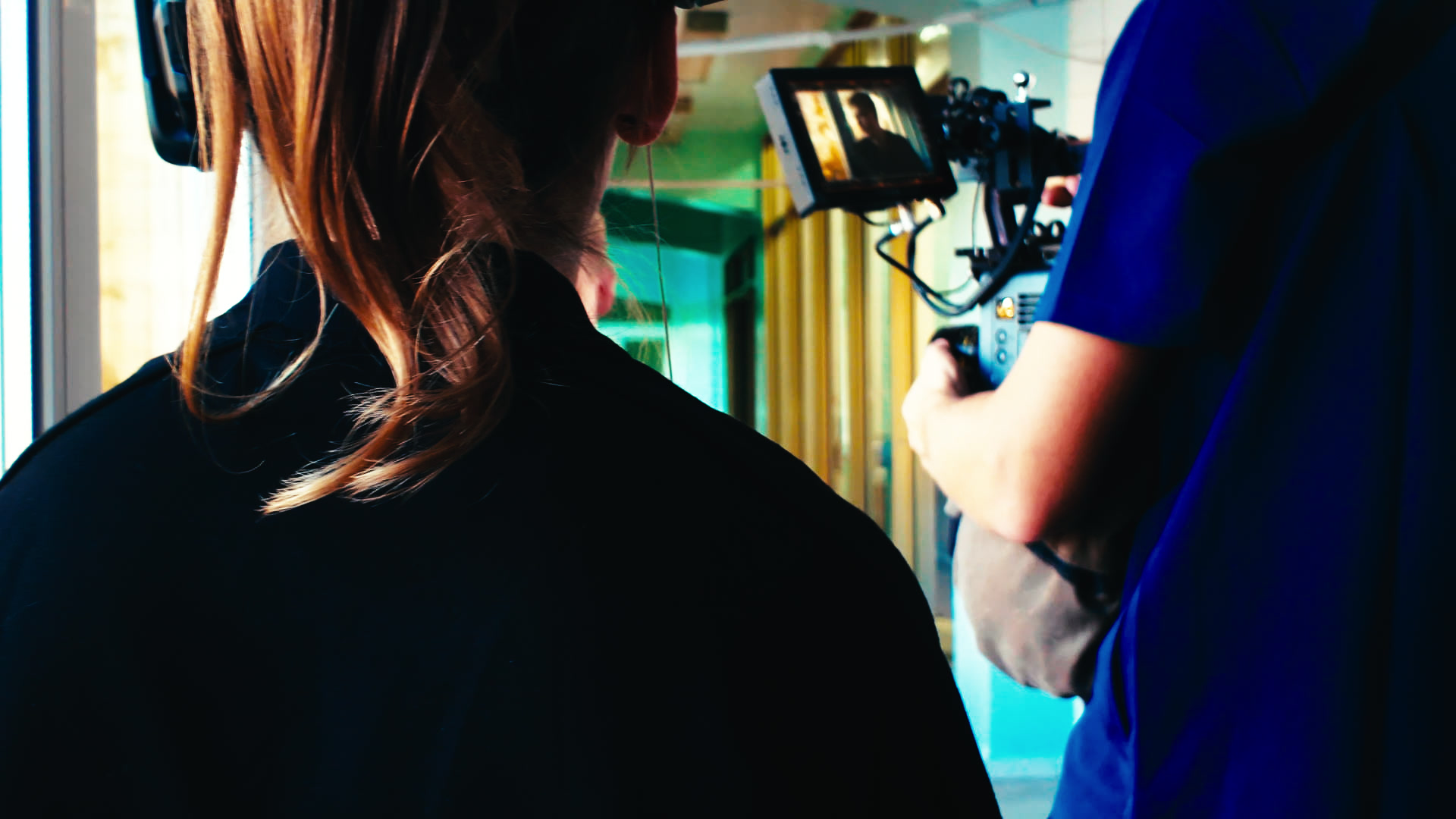
Speaker
00:00:00 (Transcript content available)
Speaker
00:00:00 (Transcript content available)
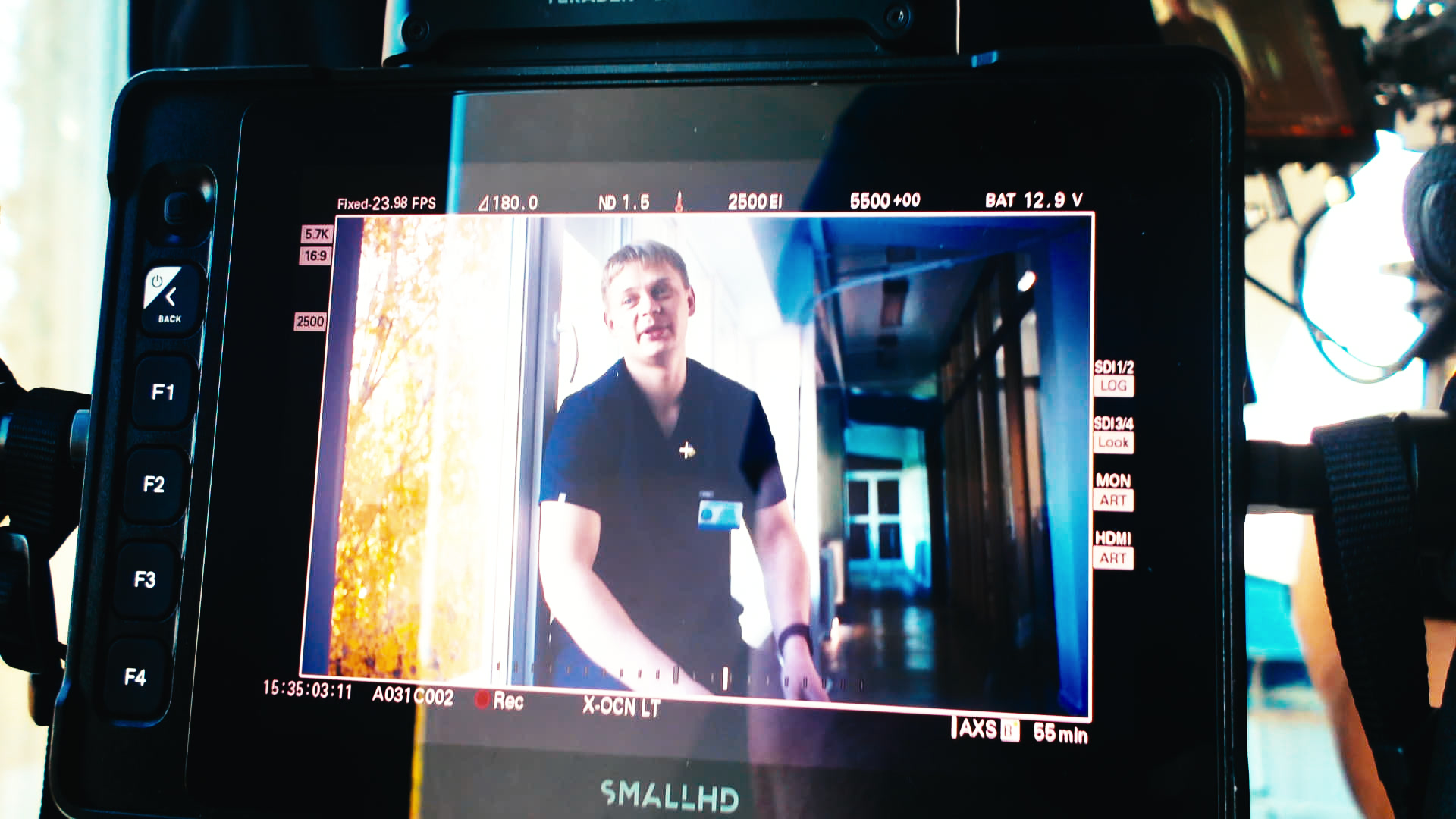
Speaker
00:00:00 [UKR] [NEEDS_TRANSLATION] Допустимо, через багато років, а зараз такі праців вже не треба вийшити.

Speaker
00:00:00 Well, maybe it was many years ago.
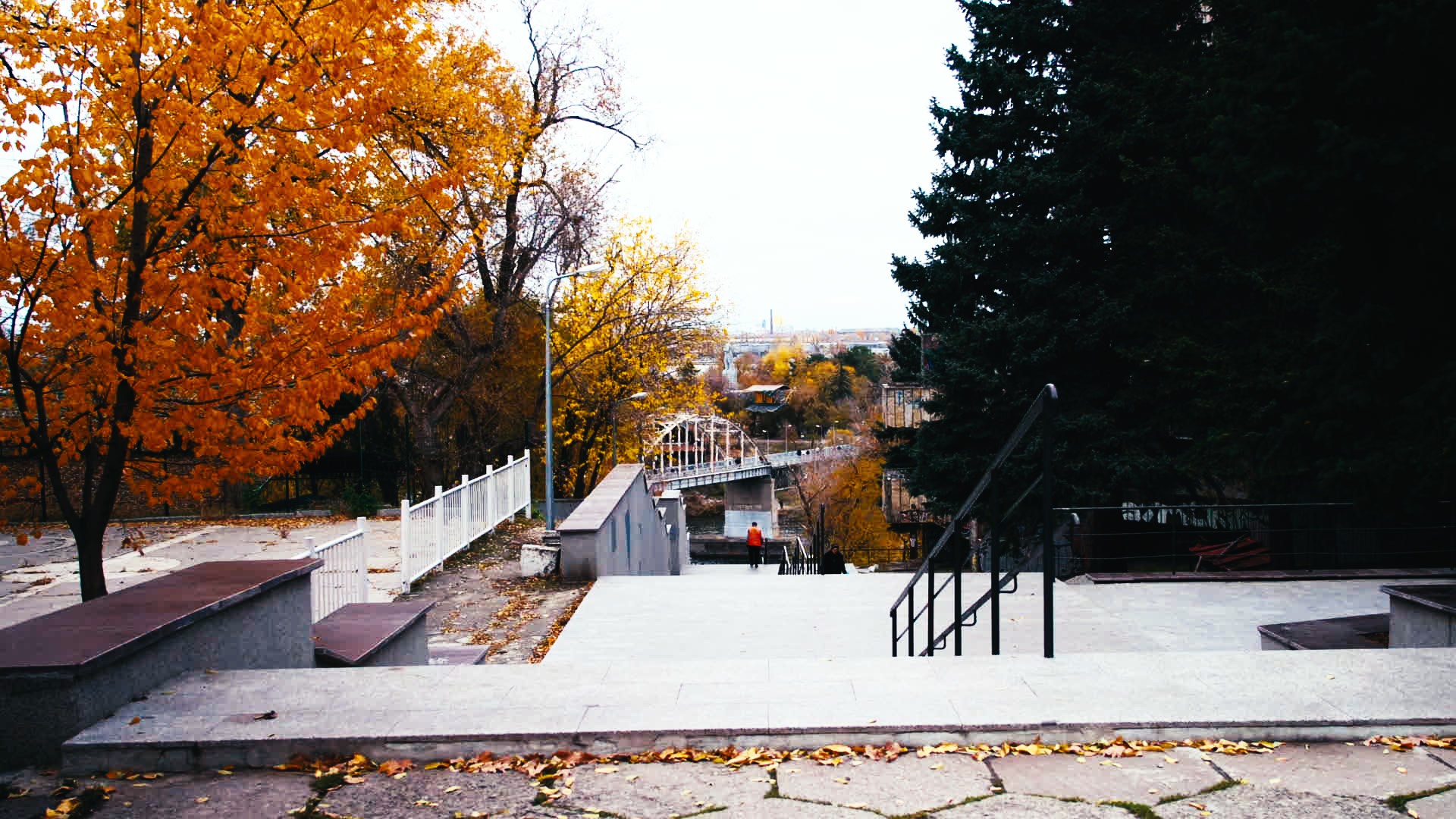
Speaker
00:00:00 (Transcript content available)

Speaker
00:00:00 (Transcript content available)

Speaker
00:00:00 [UKR] I want to thank all military surgeons and military anesthesiologists.

Speaker 1
00:00:00 [UKR-NEEDS] Враховуючи те, що спеціальна асоціяна повернення військовослужбовців до строю є основним завданням
00:00:01 [UKR] Speaker 1: Considering that the specialized association for the return of servicemen to duty is the primary task [UKR] Speaker 1: of surgical and anesthesiological support of the Armed Forces of Ukraine. [UKR] Speaker 1: Therefore, I wish us all a good, productive conference and peace to all of us soon. [UKR] Speaker 1: Thank you. [UKR] Speaker 1: And for the next speech I invite the president of the public organization,
Speaker 2
00:00:24 [UKR] Speaker 1: Ukrainian Association of Medicine and Defense Forces, Doctor of Medical Sciences, [UKR] Speaker 2: Colonel of Medical Service Roska Vasyl Romanovych.
Speaker 3
00:00:33 [UKR] Speaker 2: Thank you, Volodymyr, esteemed Kostyantyn Vitaliyovych. [UKR] Speaker 3: Journalists will come in, and then we'll close. [UKR] Speaker 2: I congratulate everyone on the beginning of the 19th Congress of Military Surgeons-Anesthesiologists.
Speaker 1
00:00:00 [UKR-NEEDS] Враховуючи те, що спеціальна асоціяна повернення військовослужбовців до строю є основним завданням
00:00:01 [UKR] Speaker 1: Considering that the specialized association for the return of servicemen to duty is the primary task [UKR] Speaker 1: of surgical and anesthesiological support of the Armed Forces of Ukraine. [UKR] Speaker 1: Therefore, I wish us all a good, productive conference and peace to all of us soon. [UKR] Speaker 1: Thank you. [UKR] Speaker 1: And for the next speech I invite the president of the public organization,
Speaker 2
00:00:24 [UKR] Speaker 1: Ukrainian Association of Medicine and Defense Forces, Doctor of Medical Sciences, [UKR] Speaker 2: Colonel of Medical Service Roska Vasyl Romanovych.
Speaker 3
00:00:33 [UKR] Speaker 2: Thank you, Volodymyr, esteemed Kostyantyn Vitaliyovych. [UKR] Speaker 3: Journalists will come in, and then we'll close. [UKR] Speaker 2: I congratulate everyone on the beginning of the 19th Congress of Military Surgeons-Anesthesiologists.
Speaker 2
00:00:43 [UKR] Speaker 2: This is one of the most relevant, most powerful conferences that takes place every year. [UKR] Speaker 2: This year, first with the support of the Commander of Medical Forces, was created [UKR] Speaker 2: Ukrainian Association of Medicine of Defense Forces. [UKR] Speaker 2: In fact, this is the first congress conducted under the auspices of our association. [UKR] Speaker 2: The association is planned to unite and create such a scientific platform [UKR] Speaker 2: so that all military medics, of all security forces, can even more demonstrate their skills, their knowledge, their professional achievements with one goal,
00:01:28 [UKR] Speaker 2: to improve the treatment of even more of our warriors and wounded. [UKR] Speaker 2: I congratulate everyone on the opening of our congress, wish everyone strong health and new achievements. Thank you.
Speaker 3
00:02:04 [RUS] Speaker 2: Good morning.
Speaker 4
00:02:07 [UKR] Speaker 3: Good morning. Glory to Ukraine! [UKR] Speaker 4: Esteemed Mr. Commander, dear colleagues, I congratulate everyone on the beginning of an extraordinary event in the life of military medics, the 19th Congress of Surgeons and Anesthesiologists of the Armed Forces of Ukraine.
Speaker 3
00:02:21 [UKR] Speaker 4: I am extremely glad that this event takes place in the city of Lviv, a city that is famous not only for its cultural heritage, but also for centuries-old medical traditions.
Speaker 4
00:02:35 [RUS] Speaker 3: We'll resume at 10:00.
00:03:04 [UKR] Speaker 4: combat trauma. Ukrainian military medics want to [UKR] Speaker 4: cooperate and exchange experience with representatives [UKR] Speaker 4: of all civilized countries. Effective communication with various [UKR] Speaker 4: organizations that truly provide this advanced experience. [UKR] Speaker 4: At the congress will be presented experience of combat trauma treatment [UKR] Speaker 4: by both young colleagues and experienced specialists [UKR] Speaker 4: from different regions of our country. The materials of this conference
Speaker 3
00:03:48 [UKR] Speaker 3: I'll say two words, then I'll return to you. [UKR] Speaker 3: I'll say two words, then I'll return to you.
Speaker 1
00:03:54 [UKR] Speaker 3: And after that, I look at you and you speak. [UKR] Speaker 1: The congress of surgeons and anesthesiologists begins.
00:04:00 [UKR] Speaker 1: And tell me, please, about technical issues. [UKR] Speaker 1: Is the first presentation ready? [UKR] Speaker 1: Dear colleagues, then now a technical break for 10 minutes. [UKR] Speaker 1: And in 10 minutes, at 10 o'clock, we'll begin our session.
00:04:24 Speaker 1: Gracias. Speaker 1: Gracias.
Speaker 5
00:05:08 Speaker 1: Thank you.
00:05:59 Speaker 5: Are you seeing this also? Speaker 5: I can't.
Speaker 6
00:06:16 Speaker 6: Do you see it? Speaker 6: Do you guys see it? Speaker 6: Yeah, I can see it. Speaker 6: Oh, so you can rotate this one. Speaker 6: Yeah.
Speaker 5
00:06:31 Speaker 5: Okay, does that look a little weird? Speaker 5: Is this whole session being recorded? Speaker 5: Maybe, maybe.
Speaker 3
00:06:56 Speaker 5: I mean, we don't have to, that's going to look too weird.
Speaker 5
00:07:03 Speaker 3: You can also, if you see this, for you, you know, this. Speaker 5: Yeah, this is good, yeah. It's going to look too strange. Speaker 5: Okay, maybe. Speaker 5: Yeah, we'll just go with this. Speaker 5: Do I need to move this? Speaker 5: Is it cutting in your field?
Speaker 3
00:07:35 Speaker 5: Thank you.
Speaker 5
00:07:59 Speaker 3: We wait nine, minute, nine, eight, seven, six, five.
Speaker 7
00:08:06 Speaker 5: Do you ever get, go back to sleep? Speaker 7: We, well, we actually shot for like another 30 minutes.
Speaker 5
00:08:13 Speaker 7: We just shot with the sunrise. Speaker 5: Oh, yeah, it's funny. Speaker 5: I was thinking about that because it was beautiful. Speaker 5: I was thinking you guys need to sleep. Speaker 7: But then we did eventually go back to sleep. Speaker 5: But, Dad, do you have any stills of the shelter? Speaker 7: No, but I could pull them today. Speaker 5: Yeah, I didn't take any. Speaker 5: I was thinking I probably should have. Speaker 5: Or I could just take them back down. Speaker 6: Yeah, I can get them still. Speaker 6: But by the way, is tomorrow morning, the last morning, we have the-- Speaker 6: my room? Speaker 5: What's it on there? Speaker 5: No, you need to check out on the 2nd. Speaker 5: Okay. Speaker 5: Tomorrow's the 31st, so that's Sunday morning.
Speaker 6
00:08:50 Speaker 5: You need to check out and then check back in. Speaker 6: potentially there's a good shot of the sunrise from my loft, but especially from my loft you can see the flag, the Speaker 5: all Ukrainian flag. That's why I wanted to put you guys in those rooms, because you can hear the trolley and see the park.
Speaker 5
00:09:07 Speaker 6: Yeah, the sunrise was on the edge of my view. Speaker 5: So, something to talk about for your next trip, do you want to be back in the same room, Speaker 5: but it's not very functional because you have to run up and down the stairs a lot, or would Speaker 5: you rather be in a room like what I'm in where it's all on one floor?
Speaker 6
00:09:29 Speaker 6: Either way, I mean like, for me, I only go up and down the stairs when I go into bed and
Speaker 5
00:09:35 Speaker 6: I have everything else done. Speaker 5: Yeah, I saw that you had everything organized, all your camera. Speaker 6: and by a type of item.
Speaker 6
00:09:49 Speaker 3: When we begin talk, I ask you silence, complete at least 30 minutes, okay?
Speaker 3
00:09:56 Speaker 6: Yeah, no, we're actually gonna set this and get out of here, close the door.
00:10:00 Speaker 3: Yeah, yeah, yeah. So we're gonna be here. Speaker 3: You can also, if you would like, maybe sit here.
Speaker 6
00:10:07 Speaker 5: oh you have to get up to you no actually that's right that's out of wire Speaker 6: no no so this has a shot of both of you yeah and if we can get a copy of the zoom Speaker 6: then like we have this and that and we'll be good so we'll get out of your way
Speaker 3
00:10:24 Speaker 6: no one's not like moving around
Speaker 6
00:10:30 Speaker 3: a bit closer to me a bit oh okay this this one
Speaker 3
00:10:37 Speaker 6: do you want me uh we're not going to come back in until you're done let's close this or do you
Speaker 5
00:10:42 Speaker 3: want to yeah if science will be in corridor it's maybe open if in corridor will be a lot of different Speaker 5: voices crowd it's maybe better we're not we're going to go change i said just close it yes
Speaker 3
00:10:59 Speaker 5: good luck guys thank you looks good thank you all right Speaker 3: Okay.
00:11:44 Speaker 3: Sit down, please. Speaker 3: I'm going to go.
00:13:02 Speaker 3: - Welcome, Andreas. Speaker 3: We'll quickly, fast. Speaker 3: That's why he has an interval between our section. Speaker 5: A ver cómo está.
00:13:51 Speaker 3: It's a honor for me to have the first presentation in this meeting. Speaker 3: This meeting will continue two days, today and tomorrow. Speaker 3: That's why it's a very important talk. Speaker 3: I am proud to keep this tool together with you.
00:15:08 Speaker 3: *Klucht
Speaker 5
00:15:24 Speaker 3: .
Speaker 1
00:15:39 Speaker 5: before 25 seconds
00:16:15 [UKR] Speaker 1: Dear colleagues, we continue our congress and for the first presentation I invite with great pleasure and we begin the section "Combat Neurosurgical Trauma" [UKR] Speaker 1: Dear Serhiy Andriy Hryhorovych, with a group of authors from Mechnikov Hospital, city of Dnipro, Ryzhenko Serhiy Anatoliyovych, Tolubayev, Oleksandr Mykolayovych and Skrybets Yuriy Yuriyovych. [UKR] Speaker 1: The topic of the presentation is new frontiers in neurosurgical treatment of severe penetrating craniocerebral injuries of wartime, effectiveness of military-civilian interaction.
Speaker 3
00:16:51 [UKR] Speaker 1: Dear Andriy Hryhorovych, I invite you. [UKR] Speaker 3: Dear Kostyantyn Vitaliyovych, dear colleagues, can you hear me well? [UKR] Speaker 3: Yes, everything is fine.
00:17:00 [UKR] Speaker 3: Thank you. First of all, I want to thank you for the honor and trust to speak at such a respected conference. [VO CANDIDATE] [UKR] Speaker 3: And I want to say that with me is neurosurgeon, neurotraumatologist, [UKR] Speaker 3: world-renowned Professor Alex Valadka from Texas, from Dallas. [UKR] Speaker 3: This is his fourth visit to Mechnikov Hospital.
Speaker 5
00:17:19 [UKR] Speaker 3: And this week we've already operated together on military wounded with severe brain injuries.
Speaker 3
00:17:26 [UKR] Speaker 5: Alex Valadka. Good morning. Glory to Ukraine. Glory to the Heroes. Glory to the Heroes. [UKR] Speaker 3: What I wanted to say. The Ministry of Defense developed an updated military medical doctrine, you know well. [UKR] Speaker 3: And in this doctrine it was presented recently at the conference "Person in the Army" and highlighted in red. [UKR] Speaker 3: Military medicine will continue to develop on the principles of a unified medical space and close interaction with the civilian healthcare system. [VO CANDIDATE] [UKR] Speaker 3: Indeed it is so and indeed it has been since 2014. [UKR] Speaker 3: Here I wanted to present our hospital leadership team, and Kostyantyn Vitaliyovych, Serhiy Ivanovych, Oleksandra Mykhaylivna, Kostyantyn Yuriyovych, Mykola Mykolayovych.
00:18:18 [UKR] Speaker 3: These are those with whom Mechnikov Hospital cooperates most closely specifically in matters of providing help to the head-wounded, craniocerebral wounded. [UKR] Speaker 3: What are the peculiarities of these wounds? High proportion of shrapnel mine-explosive wounds was 87, now it's 97%. [UKR] Speaker 3: percentage of bullet wounds is decreasing from 13 to 3.5%. [UKR] Speaker 3: High proportion of bone fragment wounds - these are so-called secondary wounding projectiles - 77%. [UKR] Speaker 3: High proportion of combined injuries - this comprises about 67%. [UKR] Speaker 3: And it should be noted that a high percentage of combined injuries - where there are burns. [UKR] Speaker 3: What I wanted to say about military-civilian interaction,
00:19:05 [UKR] Speaker 3: about providing neurosurgical care in military mobile hospitals, damage control neurosurgery, [UKR] Speaker 3: about providing neurosurgical care at Mechnikov Hospital, and also to consider ways to improve treatment results of this difficult category of wounded. [UKR] Speaker 3: Since 2014, round-the-clock telemedicine consultation was introduced together with military hospitals, military neurosurgeons. [UKR] Speaker 3: We never refuse, round the clock, on weekends, on weekdays, on holidays. [UKR] Speaker 3: We decide who to operate immediately in damage control mode, if to operate - the optimal volume of intervention, and mandatory feedback CT control, treatment results, all this is discussed. [UKR] Speaker 3: When we know about the arrival of a wounded person, we prepare our forces, personnel, technical equipment, especially for combined injuries.
00:19:58 [UKR] Speaker 3: In addition, on the initiative of Kostyantyn Vitaliyovych, internship of military neurosurgeons at the workplace was organized. They lived and were on duty round the clock with us for one, two, three weeks. [UKR] Speaker 3: And we understand each other without extra words, and I'll say more, military neurosurgeons who went on rotations before, who are now, they have a very high level of providing neurosurgical care. [VO CANDIDATE] [UKR] Speaker 3: The results of their operations exceed the result that we see, unfortunately, in some civilian hospitals. [UKR] Speaker 3: Telemedicine is operational. Round-the-clock telemedicine consultation system, closed group, you see 9 participants, which already includes more than a thousand photos, more than two thousand videos.
00:20:43 [UKR] Speaker 3: Patient A, on the left, penetrating wound of the posterior cranial fossa, damage suspicion of transverse sinus, [UKR] Speaker 3: decision made for immediate evacuation to Mechnikov Hospital for angiography and reconstruction. [UKR] Speaker 3: On the right - acute epidural hematoma related to combat operations, such a patient cannot wait for transportation, is immediately operated in a mobile hospital. These issues are resolved immediately. [UKR] Speaker 3: We tried to introduce smart glasses, but for this you need good Wi-Fi Connection, although we transferred, thanks to Kostyantyn Kostyuk, these devices, and possibly there were a couple of operations that were conducted in telemedicine mode using smart glasses in military hospital operating rooms.
00:21:32 [UKR] Speaker 3: When it's very important to operate on site. There are such situations, as, for example, shown on this slide, that CT shows that the patient has active bleeding, which even during the CT scan continues, and you see the swirling of blood in this hematoma. [UKR] Speaker 3: And here's a clinical case. Very recently, October 17th, you see a patient with such an acute hematoma,
00:22:00 [UKR] Speaker 3: inside there is swirling, this says that the hematoma arterial bleeding is continuing, and this patient needs to be operated as soon as possible. [UKR] Speaker 3: And the patient immediately underwent surgical intervention, Makhotin Serhiy Oleksiyovych operated, [UKR] Speaker 3: and after this, after stabilization, the patient was redirected to Mechnikov Hospital. [UKR] Speaker 3: You see a good CT control after the operation, removal of this hematoma, as of 26-10 restoration of consciousness to the level of SOPOR 9-10 points on the coma Glasgow scale [UKR] Speaker 3: and evacuation was conducted for further treatment by medical train to the city of Vinnytsia. [UKR] Speaker 3: Next. This is a graph of wounded arrivals to Mechnikov Hospital. You all know it well.
00:22:45 [UKR] Speaker 3: At foreign conferences I say that this graph is written in blood, written in blood of both our military defenders and civilian wounded. [VO CANDIDATE] [UKR] Speaker 3: Currently the experience comprises more than 50 thousand wounded and injured.
00:23:00 [UKR] Speaker 3: You see, in 2013-2022 about 4.5 thousand severely wounded. This is over 8 years of the first stage of the war. [UKR] Speaker 3: And currently the number is more than 46 thousand severely wounded. And you see that daily on average Mechnikov Hospital receives 35 wounded patients. [UKR] Speaker 3: Regarding penetrating craniocerebral trauma, Mechnikov Hospital currently has the largest experience in Ukraine specifically in treatment of penetrating craniocerebral wounds. [UKR] Speaker 3: This is more than 2.5 thousand who were primarily operated at Mechnikov Hospital, plus more than 550 who were operated in mobile hospitals. [UKR] Speaker 3: That is, every sixth is operated in mobile hospitals, and five out of six are operated at Mechnikov Hospital.
00:23:48 [UKR] Speaker 3: You see the dynamics of these wounded arriving by years. [UKR] Speaker 3: This is my neurosurgical team. Despite the average young age of neurosurgeons present in the photo, most of them have already performed hundreds of surgical interventions for penetrating craniocerebral trauma. [VO CANDIDATE] [UKR] Speaker 3: Performed round the clock. At the congress in Vienna we were told that trauma in top European clinics was not operated, surgical intervention, because it was Saturday or Sunday, or it was night. We don't have that, operations are performed daily. [UKR] Speaker 3: We introduced such a cycle of treatment results improvement - plan, do, check and act. This is a comprehensive quality management improvement system.
00:24:37 [UKR] Speaker 3: Operation results are constantly improving, operation time is decreasing, and results are becoming better. This works. [UKR] Speaker 3: Mechnikov Hospital also has its own closed Facebook messenger group, 49 participants, neurosurgeons, neurologists, anesthesiologists. In this group there is all information on the patient, you can find the operation plan, CT, before after operation, condition dynamics. [UKR] Speaker 3: And you see, the database already has more than 10 thousand photographs and more than 22 thousand videos. We learn every day so that these results will be as good as possible. [UKR] Speaker 3: From 1 to 8 operations are performed for penetrating trauma. You see in this photo the busiest day when in one day 8 surgical interventions were performed.
00:25:27 [UKR] Speaker 3: Here are wounds of the anterior cranial fossa, and posterior cranial fossa, and lateral skull base, that is the pyramid of the temporal bone, and such wounds, severe wounds. [UKR] Speaker 3: As an example, I would like to show just one case of a wounded person who simultaneously had three locations that required intervention. [UKR] Speaker 3: First - this is a wound of paranasal sinuses, these are frontal sinuses. Second - this is a wound of the temporal bone pyramid. [UKR] Speaker 3: And third - this is a convexity wound. That is, this wounded person needed to be operated. [UKR] Speaker 3: And on video specifically this wounded person stages of care provision at Mechnikov Hospital. It should be said that the average time from the arrival of a wounded person to Mechnikov Hospital to conducting computed tomography is 22 minutes.
00:26:19 [UKR] Speaker 3: Alex Valadka, who is present with me, he says, rarely in the USA can you in 22 minutes from the beginning of arrival do a computed tomography, and after that the patient is immediately submitted to urgent neurosurgical operation. [UKR] Speaker 3: Daily two neurosurgeons are on duty, and these operations are performed immediately. This is called early and comprehensive in volume neurosurgical intervention. [UKR] Speaker 3: Specifically this approach allows us to obtain results that speak for themselves. This is reduction of mortality, reduction of complications and improvement of quality of life of patients who are operated. [VO CANDIDATE] [UKR] Speaker 3: This is the control of the same patient who is presented in this photograph. I cannot not mention our friendship with American colleagues.
00:27:12 [UKR] Speaker 3: Already more than ten professors have worked at Mechnikov Hospital, both open and endovascular operations, and have already performed more than 130 joint surgical interventions. [UKR] Speaker 3: What lessons are we exchanging with the USA? First of all, that penetrating craniocerebral trauma is a complex scheme of neurovascular injuries and skull base injuries. [UKR] Speaker 3: And specifically microsurgery and neuroendovascular methods play a decisive role. [UKR] Speaker 3: Coagulopathy is discussed, the need for early decompression, wound treatment. [UKR] Speaker 3: In this photo is Rocco Armonda from Washington D.C., who led the forward surgical group in Iraq-Afghanistan [UKR] Speaker 3: for 10 years awarded the Bronze Star USA, a real legend of Ukraine and the USA.
00:28:01 [UKR] Speaker 3: Together with professors from America we have published many of our publications, and in each publication we mention Ukraine, Dnipro. For example, this article is called "Stop-the-bleed," so the whole world knows. [UKR] Speaker 3: Ways of improvement. First of all, non-invasive possibility of conducting hematoma diagnostics - this is the application of infrascanner, and also pupillometer for determining intracranial hypertension. [UKR] Speaker 3: Other analysis of causes of mortality of wounded at the hospital stage and search for solutions. And analysis of causes of mortality and unfavorable treatment results of wounded with penetrating cranial wounds at the hospital stage.
00:28:47 [UKR] Speaker 3: You see the infrascanner, we have it and we are now conducting research jointly with Kostyantyn Vitaliyovych Homunyk's team to evaluate the effectiveness of this device in field conditions, use for diagnostics of intracranial hematomas. [UKR] Speaker 3: Example. You see, on the left red circles, we do CT, and just corresponding to this we see brain contusions in the left hemisphere. [UKR] Speaker 3: Another case, one circle, and corresponding to it on CT we see foci of brain contusion. [UKR] Speaker 3: Results. Sensitivity 60%, specificity almost 80%, positive predictive value 25%, negative predictive value 95%. [UKR] Speaker 3: This allows conducting triage therapy, determining which patient needs first
00:29:37 [UKR] Speaker 3: to be directed to computed tomography. Pupillometry is a non-invasive method of assessing intracranial hypertension. [UKR] Speaker 3: This is much more effective than ultrasound measurement of optic nerve diameter. Again, [UKR] Speaker 3: thanks to American colleagues, we have the opportunity to work with pupillometer for

Speaker 1
00:00:00 [UKR] Speaker 1: pupils, neurological index of pupillary reflex. I won't stop, if needed, I'll conduct more. And this is real use
00:00:00 [UKR] Speaker 1: pupils, neurological index of pupillary reflex. I won't stop, if needed, I'll conduct more. And this is real use [UKR] Speaker 1: of the pupilometer. Indeed you see, gunshot wound, diametrical wound, operated together with professor [UKR] Speaker 1: Rocco Armonda, entry hole, bullet located. And we check intracranial pressure on the next day [UKR] Speaker 1: after surgery using the pupilometer. Intracranial pressure, in this case, is normal, patient survived. [UKR] Speaker 1: More than 170 patients we examined, you see, on this slide. And our mortality data, you see, from anterior cranial fossa 6%, ending with posterior most severe wounds 21%. [UKR] Speaker 1: Here frequency is presented of purulent-septic complications and quality of life. You see, that good recovery, moderate disability even 84-76%.
00:00:54 [UKR] Speaker 1: If we talk about wounds specifically in operated mobile hospitals, then the highest mortality, of course, is with wounds of posterior cranial fossa and diametrical wounds. [UKR] Speaker 1: But what interests us, 27% - this is acute subdural hematoma. [VO CANDIDATE] [UKR] Speaker 1: Mortality with acute subdural hematoma. [UKR] Speaker 1: And on these questions we work. [UKR] Speaker 1: Because, despite removal of subdural hematomas, [UKR] Speaker 1: we see such results in brain ischemia. [UKR] Speaker 1: What is this connected with? Many things. [UKR] Speaker 1: Mechanism of injury, polytrauma, coagulopathy, infectious complications. [UKR] Speaker 1: Data from military cohorts show that the closer the neurosurgeon, [UKR] Speaker 1: although it's dangerous, near the battlefield, the better the treatment results, if patient is operated in first 5 hours. [VO CANDIDATE]
00:01:45 [UKR] Speaker 1: We published lessons of war, they can be found on the website of Ukrainian Neurosurgical Association, [UKR] Speaker 1: besides that, on the YouTube channel of Ukrainian Neurosurgical Association there are our lectures, [UKR] Speaker 1: more than 5 thousand views, no bragging, this photo from Rocco Armonda, never give up.
Speaker 1
00:00:00 [UKR] Speaker 1: pupils, neurological index of pupillary reflex. I won't stop, if needed, I'll conduct more. And this is real use
00:00:00 [UKR] Speaker 1: pupils, neurological index of pupillary reflex. I won't stop, if needed, I'll conduct more. And this is real use [UKR] Speaker 1: of the pupilometer. Indeed you see, gunshot wound, diametrical wound, operated together with professor [UKR] Speaker 1: Rocco Armonda, entry hole, bullet located. And we check intracranial pressure on the next day [UKR] Speaker 1: after surgery using the pupilometer. Intracranial pressure, in this case, is normal, patient survived. [UKR] Speaker 1: More than 170 patients we examined, you see, on this slide. And our mortality data, you see, from anterior cranial fossa 6%, ending with posterior most severe wounds 21%. [UKR] Speaker 1: Here frequency is presented of purulent-septic complications and quality of life. You see, that good recovery, moderate disability even 84-76%.
00:00:54 [UKR] Speaker 1: If we talk about wounds specifically in operated mobile hospitals, then the highest mortality, of course, is with wounds of posterior cranial fossa and diametrical wounds. [UKR] Speaker 1: But what interests us, 27% - this is acute subdural hematoma. [VO CANDIDATE] [UKR] Speaker 1: Mortality with acute subdural hematoma. [UKR] Speaker 1: And on these questions we work. [UKR] Speaker 1: Because, despite removal of subdural hematomas, [UKR] Speaker 1: we see such results in brain ischemia. [UKR] Speaker 1: What is this connected with? Many things. [UKR] Speaker 1: Mechanism of injury, polytrauma, coagulopathy, infectious complications. [UKR] Speaker 1: Data from military cohorts show that the closer the neurosurgeon, [UKR] Speaker 1: although it's dangerous, near the battlefield, the better the treatment results, if patient is operated in first 5 hours. [VO CANDIDATE]
00:01:45 [UKR] Speaker 1: We published lessons of war, they can be found on the website of Ukrainian Neurosurgical Association, [UKR] Speaker 1: besides that, on the YouTube channel of Ukrainian Neurosurgical Association there are our lectures, [UKR] Speaker 1: more than 5 thousand views, no bragging, this photo from Rocco Armonda, never give up.
Speaker 2
00:02:02 [UKR] Speaker 1: Together to victory, glory to Ukraine and thank you for attention. [VO CANDIDATE]
Speaker 1
00:02:09 [UKR] Speaker 2: Andriy Lvovich, thank you very much for a very meaningful professional report. I understand that the next report is also yours. [UKR] Speaker 1: Yes, Konstantin Vitaliyovich, I will present with your permission. [UKR] Speaker 1: Yes, please. [UKR] Speaker 1: As I already said, penetrating traumatic brain injury - this is first of all injury of skull base and injury of intracranial vessels. [UKR] Speaker 1: I would like to focus on this today. Large author collective, because these doctors participate in providing aid to wounded, both open and endovascular interventions. [UKR] Speaker 1: Want to say, that in December will come out second update, from Brain Trauma Foundation, recommendations for treatment of penetrating traumatic brain injury. [UKR] Speaker 1: The first was in 2001. What's very important, that our experience, our publications were involved in compiling these guidelines,
00:03:03 [UKR] Speaker 1: and our publications helped finish these guidelines, and very pleasant, that about us they spoke at Congress of Neurological Surgeons in Los Angeles, [UKR] Speaker 1: which was in October, together we were with Ice Valatka, Rocco Armonda. [UKR] Speaker 1: Besides that, we managed for first time in history to conduct such joint symposium, which is called "Traumatic brain injury in military and civilian wartime. [UKR] Speaker 1: Joint section of European Association of Neurosurgeons, and also Ukrainian Neurosurgical Association, where I am president of this association". [UKR] Speaker 1: You see, two hours of lectures were dedicated to these questions. Sergiy Anatoliyovich spoke and entire team of neurosurgeon doctors. [UKR] Speaker 1: We for first time, after beginning of full-scale invasion, had opportunity to go abroad and represent Ukraine with large delegation. Hall stood, applauding long and thanked all of us, there were more than ten of our reports.
00:04:00 [UKR] Speaker 1: What I wanted to say? New, what Mechnikov Hospital proposed, is minimally invasive technologies. Minimally invasive technologies, what does it mean? These are not aggressive technologies, but technologies that allow removal of hematoma, removal of bone fragments, detritus, and elimination of intracranial hypertension, and elimination at same time of hydrocephalus. [UKR] Speaker 1: Therefore abroad they discuss, what sanitation to do, radical or aggressive. Our answer of any neurosurgeon who operates penetrating TBI, learn to operate brain carefully using minimally invasive and low-trauma method. [VO CANDIDATE] [UKR] Speaker 1: I asked at congress in Los Angeles, what needs to be done with this patient. Decompression, place ventricular drain or simultaneously do decompression and place ventricular drain. They thought. I said, at Mechnikov Hospital such patient needs to be operated immediately after admission and preferably operated under microscope.
00:05:02 [UKR] Speaker 1: But before this preferably do angiography. We did angiography, didn't find vascular damage, aneurysms, AV fistulas, and therefore found only manifestations of angiospasm, as you see here, and went to operating room, stages of operation. [UKR] Speaker 1: And I detailed told at previous conference, how we take bone flap, perform radical closure, plastic of dura mater. [UKR] Speaker 1: But the main thing we do this operation under microscope. Under microscope all Mechnikov Hospital, in my department, they well operate brain tumors. [UKR] Speaker 1: Therefore operation for removing hematomas, you see, hematoma from left lateral ventricle is removed, [UKR] Speaker 1: even in this case hematoma is removed through foramen of Monro of third ventricle.
00:05:49 [UKR] Speaker 1: This is, possibly, first experience of combat trauma in world, when even from lateral ventricle, [UKR] Speaker 1: of third ventricle completely removed hematoma.
00:06:00 [UKR] Speaker 1: You see CT control after intervention, and this is video of patient on fifth day after surgical intervention. [UKR] Speaker 1: Right side still he has, hemiplegia, there are motor disorders, but we had tears in our eyes, when he tried to write "Glory to Ukraine", [UKR] Speaker 1: he couldn't do it quite, he was a bit nervous, but we knew, that everything will be fine, because such interventions they allow removal of hematomas [UKR] Speaker 1: Totally no need to perform ventricular shunting and you see MRI control exactly 40 days after surgical intervention. [UKR] Speaker 1: And was also pleasant to receive visit from patient himself on 40th day after brain wound. Hemiparesis, he completely lost it, strength in arms and legs, 5 points, small motor disorders, but he completely communicates.
00:06:57 [UKR] Speaker 1: When is it necessary to do angiography? When there is massive SAH, intraventricular hemorrhage, when trajectory of wound projectile passes through pterion or sylvian fissure, circle of Willis, interhemispheric fissure, penetrating fronto-orbital traumas, bihemispheric damage. [UKR] Speaker 1: There is active leakage of arterial blood from entry or exit opening. And also to all patients who have such suspicion, should maximally quickly perform invasive angiography, which by its diagnostic value is much higher, than CT angiography.
00:07:30 [UKR] Speaker 1: Here example of such injuries, you see wound in area of sphenoid wing, massive SAH in cisterns, you see here aneurysm. Further other wound, massive SAH, sylvian fissure, and you see in this case arrows show both damage of anterior cerebral artery, and middle cerebral artery, as visible on these two slides. [UKR] Speaker 1: These interventions, majority of them, became possible thanks to support of our colleague from Washington, professor Rocco Armonda. [UKR] Speaker 1: He delivers humanitarian cargo, which allows performing closure of these aneurysms, delivers stents. [UKR] Speaker 1: And it's no secret, that many patients, Cherednichenko Yuriy Vitaliyovich, who is presented on slide, operates,
00:08:20 [UKR] Speaker 1: We take from other hospitals and military hospitals, and civilian hospitals, if we know, that this is military, he needs help, and thanks to support of our colleagues we have what to do these interventions with. [UKR] Speaker 1: You see statistics, only in 2 years 1300 angiographies, on average 655 per year. If compare Iraq-Afghanistan, there there were on average 37 angiographies, and total for all time 64 neurovascular injuries, with us only in 2 years there were 253 injuries. [UKR] Speaker 1: Majority - these are extracranial, vertebral, carotid, intracranial, comprised at that moment 37%. [UKR] Speaker 1: And if in world were published 11 cases, then now Mechnikov Hospital has experience of treating more than 100 cases of wounds,
00:09:11 [UKR] Speaker 1: in this case vertebral arteries. You see publication on this issue, which was joint with our American colleagues. [UKR] Speaker 1: Today 56 intracranial arterial injuries, among them 37 were treated by endovascular route. [UKR] Speaker 1: You see 27 traumatic pseudoaneurysms, one of largest, possibly, largest experience in world, [VO CANDIDATE] [UKR] Speaker 1: 8 direct carotid-cavernous fistulas, 5 dural arteriovenous fistulas and 16 arterial occlusions. [UKR] Speaker 1: These are examples, how distributed these patients. Further, at that moment 10 patients underwent endovascular treatment, 7 first endovascular, then open surgery, 3 open surgery endovascular, closed aneurysms in 8 cases with coils, in 2 cases using onyx, 1 reconstructive, 9 reconstructive interventions.
00:10:07 [UKR] Speaker 1: Clinical case participant in combat operations 47 years during artillery shelling. You see, Glasgow Coma Scale 12 points. [UKR] Speaker 1: On CT diametrical wound from left to right, here where fragment is located, through interhemispheric fissure, massive subarachnoid hemorrhage in basal cisterns, patient performed angiography. [UKR] Speaker 1: immediately Cherednichenko Yuriy Tarich performed, was identified aneurysm of right anterior cerebral artery [UKR] Speaker 1: and conducted its closure, performed embolization of this aneurysm. [UKR] Speaker 1: Open operation next stage. [UKR] Speaker 1: In this case you see reconstructive exclusion of aneurysm of right internal carotid artery. [UKR] Speaker 1: You see fragment, see aneurysm, and using embolization with coils with system support was performed embolization of this aneurysm. And this is first case, when we operated in 2023, in May, together with professor Rocco Armonda.
00:11:12 [UKR] Speaker 1: He for first time saw level of providing aid in Ukraine to wounded. Severe wound, bilateral subdural hematomas, skull base fracture, bone fragments flew into lateral ventricle, flew into third ventricle. [UKR] Speaker 1: Severe wound he asks, what will you do. Answer is this. First angiography. On angiography found aneurysm of anterior cerebral artery and closed this aneurysm. [UKR] Speaker 1: Next stage went for surgical intervention, performed removal of subdural hematomas. Under microscope removed bone fragments from lateral ventricles, third ventricle. [UKR] Speaker 1: Here you see shadow of coil after embolization. After this performed plastic of skull base of this patient, and after this reconstruction of convexity defect was performed.
00:12:03 [UKR] Speaker 1: And he says, I thought, that I came to teach you in Ukraine, but those lessons, which I learn here, we will use in USA. [VO CANDIDATE] [UKR] Speaker 1: And when he returned, he sent several photos of civilian penetrating trauma after car accident, fall from height, [UKR] Speaker 1: where they used our approaches, hypervascularized, pericranial flaps, our accesses and our developments. [UKR] Speaker 1: In this case shown anterograde-retrograde embolization of direct carotid-cavernous fistula performed Yuriy Cherednichenko with team Andriy Mirashlichenko and Vadym Perepelytsia. [UKR] Speaker 1: And here traumatic dural arteriovenous fistulas, which were treated surgically. [UKR] Speaker 1: You see trajectory, where metal fragment stops, intracerebral hematoma and fistulas.
00:12:52 [UKR] Speaker 1: Results. Mortality comprised 5.3%. In 17 patients survived, one woman died. Unfortunately, this is civilian wounded. You see, what large metal fragment flew into center of brain, multiple bone fragments, performed angiography. [UKR] Speaker 1: Yes, we identified aneurysm of middle cerebral artery, but in acute period, if to perform stenting, then need flow diverter to insert, need to prescribe double antiplatelet therapy, which cannot be done. [UKR] Speaker 1: Patient performed decompressive craniectomy, unfortunately, she died not from repeat rupture of aneurysm, but due to progression of secondary brain ischemia, brain swelling.
00:13:39 [UKR] Speaker 1: Early invasive cerebral angiography implementation gives its results. And this new concept of early multimodal surgical intervention for penetrating traumatic brain injuries truly improves results of treatment of penetrating trauma. [VO CANDIDATE] [UKR] Speaker 1: What I wanted to say, not everything is so good, there are many more questions, which need to be solved, but they are connected not so much with our capabilities, capabilities of military hospitals, but so much connected with trauma itself. And this problem exists not only in Ukraine, but in such developed countries, as Germany, Switzerland, United States of America. [UKR] Speaker 1: You see CT of patient, and this fragment flies diametrically, and on its path we see, that it reaches brainstem, and occurs vascular damage, which leads to intracerebral hematoma, intraventricular hemorrhage.
00:14:31 [UKR] Speaker 1: We talked with military neurosurgeon, we understand, if not to operate, he will arrive at Mechnikov Hospital in Coma-3, if to operate, there is threat that there will be hemorrhage. [UKR] Speaker 1: In any case should thank neurosurgeon, he went, was not afraid, stopped partial hemorrhage, did decompression, saved life to this patient. [VO CANDIDATE] [UKR] Speaker 1: And you see, operation was 16th, 10th. Patient alive, delivered to Mechnikov Hospital. [UKR] Speaker 1: At Mechnikov Hospital performed immediately angiography, and you see shrapnel, and you see pseudoaneurysm, traumatic aneurysm. [UKR] Speaker 1: Again decision made to perform endovascular intervention in delayed period, because in acute need to occlude posterior cerebral artery.
00:15:23 [UKR] Speaker 1: And today, in half hour this patient, already passed two weeks, goes to endovascular operating room Chernichenko Yuriy Vitalich with team perform angiography. [UKR] Speaker 1: We will look at state of aneurysm and today already possible using endovascular method to place stent, for this to preserve patency of artery and after this prescribe double antiplatelet therapy. [UKR] Speaker 1: This is what in first lectures I said. Military-civilian cooperation. We think, we work as one whole. We don't distinguish military civilian doctors, military civilian wounds. We work for result, and results speak for themselves. [VO CANDIDATE] [UKR] Speaker 1: You see these photos. And these cases of wounds, unfortunately, they happen, when fragments fly into area of internal carotid artery, such hemorrhages. What to do? Need vascular neurosurgeon, need access on neck, need blood reserve, possibility to perform intervention.
00:16:26 [UKR] Speaker 1: In future, when this will be, such patients need to be operated in hybrid operating room, when there is simultaneously possibility to perform angiography, endovascular intervention and immediately perform open surgical intervention. [UKR] Speaker 1: These monographs we maximally distributed from beginning of war using internet, so that everyone could familiarize with them. [UKR] Speaker 1: And I'll finish my report with words of professor Rocco Armonda. We hope, that these efforts will improve care for patients with TBI, and will lead to further progress in care for victims of senseless violence, which has struck our streets and our world. [UKR] Speaker 1: I wanted once more to thank all our military doctors, all those, who save wounded. We see high level of providing aid at prehospital stage. [VO CANDIDATE]
00:17:18 [UKR] Speaker 1: At first stages stabilization points, forward surgical groups, mobile hospitals, patients arrive operated carotid arteries, sutured end-to-end, artery works.
Speaker 2
00:17:29 [UKR] Speaker 1: Patients arrive already with working access for invasive measurement of arterial pressure. Thank you, I thank Konstantin Vitaliyovich, your all colleagues, leadership of military-medical forces, and also our American colleagues and other foreign colleagues, who support us in this difficult time. Glory to Ukraine and together to victory! [VO CANDIDATE] [UKR] Speaker 2: Glory to heroes, dear Andriy Hryhorovych, thank you very much for your longstanding such hard work on rescue of our wounded. [UKR] Speaker 2: And pass sincere greetings near you, Alex Valadka, pass greetings to Rocco Armonda, to director Sergiy Anatoliyovich Ryzhenko and Oleksandr Mykolayovych Tolubayev. [UKR] Speaker 2: Thank you. [UKR] Speaker 2: Thank you. [UKR] Speaker 2: Dear colleagues, we continue our session and for next report I invite Bigichenko Sergiy Ivanovych with theme of report "Gunshot injury of spine and spinal cord. Actual issues. National Military-Medical Clinical Center of Kyiv city".
Speaker 3
00:18:32 [UKR] Speaker 3: Good afternoon. Thank everyone for opportunity to speak at this conference. [UKR] Speaker 3: Andriy Hryhorovych, very interesting, interesting your reports, truly emphasize relevance of gunshot wounds in wartime. [UKR] Speaker 3: And in my presentation this is gunshot injury of spine and spinal cord, actual issues.
00:19:21 Speaker 3: a lot of information you gave there.
Speaker 1
00:19:25 Speaker 3: We have incredible experience. Speaker 1: Maybe a cup of coffee and go to the endovascular center, I think.
Speaker 4
00:19:40 Speaker 1: I need coffee in order to recover my brain.
00:19:52 [RUS] Speaker 4: And plus, this means, that in Americas. [RUS] Speaker 4: Again, and we have on one first slide. [RUS] Speaker 4: Again, and we have on one first slide. [RUS] Speaker 4: A-plus. [RUS] Speaker 4: Yes, now can drink coffee.
Speaker 1
00:20:27 Speaker 4: Thank you.
00:20:54 [RUS] Speaker 1: Good
Speaker 4
00:21:00 [RUS] Speaker 1: Maybe, sleep? [RUS] Speaker 4: Maybe
Speaker 1
00:21:25 [RUS] Speaker 1: I think, we are boiling coffee [RUS] Speaker 1: I think, we are boiling coffee
00:21:30 [RUS] Speaker 1: Hello, Artem [RUS] Speaker 1: Alex, we are preparing coffee
Speaker 4
00:21:47 Speaker 1: coffee go to endovascular center after that go to our patient we operate
Speaker 1
00:21:54 Speaker 4: Monday and go to patients we operate tomorrow or yesterday yeah after that
Speaker 4
00:22:01 Speaker 1: maybe I think we it's a great mission yeah yeah yeah yes like I said so much
Speaker 1
00:22:14 Speaker 4: so much information yeah that's why you're the world's expert
Speaker 4
00:22:23 Speaker 1: and they told about the patients which perform on geography today yes yes
Speaker 1
00:22:29 Speaker 4: yeah
00:22:49 [RUS] Speaker 1: Normal. [RUS] Speaker 1: no this food before was I wore this jacket [RUS] Speaker 1: was was was espresso okay drink coffee and wait for your team
Speaker 3
00:23:16 [RUS] Speaker 1: Valeriy Kuras
00:23:36 [UKR] Speaker 3: Determined possibility neurological, [UKR] Speaker 3: by such scale level can be determined. [UKR] Speaker 3: Also determined can perform radiography, [UKR] Speaker 3: but this will not be sufficiently informative. [UKR] Speaker 3: Most informative will be computed tomography, [UKR] Speaker 3: which gives possibility to determine adequate level of wound, [UKR] Speaker 3: passage of wound channel, degree of damage of bone structures. [UKR] Speaker 3: Indications for operative treatment of spine wounds - these are penetrating injuries of spine to spinal cord, [UKR] Speaker 3: which is accompanied by CSF leak, spine injury with indirect compression of spinal cord,
00:24:23 [UKR] Speaker 3: bone fragment, instability of spine wound to spinal cord, [UKR] Speaker 3: unstable spine injuries, [UKR] Speaker 3: paravertebral injuries, [UKR] Speaker 3: presence of foreign body [UKR] Speaker 3: by sign of compression of nerve and vascular structures. [UKR] Speaker 3: In which cases delay? [UKR] Speaker 3: Performed delayed surgical interventions. [UKR] Speaker 3: This is general severe condition of wounded,
00:24:44 [RUS] Speaker 3: traumatic shock,
00:24:46 [UKR] Speaker 3: severe combined wounds of spine, [UKR] Speaker 3: spinal cord, internal organs, [UKR] Speaker 3: trophic paralytic and uroseptic disorders, [UKR] Speaker 3: sepsis, pneumonia, severe intoxication. [UKR] Speaker 3: Operative interventions for gunshot spinal injuries should be performed after partial compensation of general condition of patient, after surgical interventions, aimed at maintaining vital functions, stopping bleeding, drainage of cavities, too, but not to delay surgical interventions until full compensation in connection with rapid development of septic and trophic paralytic disorders. [UKR] Speaker 3: So, what are main tasks in treatment. [UKR] Speaker 3: Here we see unfortunately two cases, which received wounds, [UKR] Speaker 3: and in time patients were not evacuated, with delay remained up to two days,
00:25:36 [UKR] Speaker 3: and in such state patients arrived, where we see already infection,
Speaker 1
00:25:42 [RUS] Speaker 3: Hello?
00:25:46 [UKR] Speaker 1: Good afternoon. [UKR] Speaker 1: Say only quickly, Vitaliy. [UKR] Speaker 3: Therefore, place of providing and volume of aid, the faster, first of all, they must be evacuated to stage of providing specialized aid. [UKR] Speaker 1: Third January? [UKR] Speaker 1: If... [UKR] Speaker 1: Okay, okay. [UKR] Speaker 1: You, so if impossible to hold... [UKR] Speaker 3: Okay, I wrote down, everything, we will.
Speaker 3
00:26:14 [UKR] Speaker 1: Agreed.
00:26:16 [RUS] Speaker 3: Yes, let's-let's.
00:26:19 [UKR] Speaker 3: Wait until stabilization of condition of wounded. [UKR] Speaker 3: Mandatory adequate performance of primary surgical treatment of wound with removal of all non-viable tissues and foreign bodies. [UKR] Speaker 3: Performance of decompression of spinal canal, removal of bone fragments, foreign bodies, necrotic tissues. [UKR] Speaker 3: Most important this is elimination of CSF leak and performance of stabilization of spine. [UKR] Speaker 3: In our cases observations only in 13% what were indications and possibility of performing stabilization of spine. [UKR] Speaker 3: So, what methods of eliminating CSF leak? [UKR] Speaker 3: Suturing, tears and damage of dura mater.
00:27:06 Speaker 3: from my books yes i know that
00:27:36 [UKR] Speaker 3: Using preparation "Hemopatch", performed on wound suture, [UKR] Speaker 3: and additionally sealing, performed with such preparation, as "Hemopatch". [UKR] Speaker 3: Suturing of hard-soft shell and suturing maximally close to dural sac. [UKR] Speaker 3: When complete rupture, nothing to restore is impossible,
00:28:00 [UKR] Speaker 3: and for sealing, for elimination of CSF leak, suturing close to dural sac. [UKR] Speaker 3: Further in recent months. [UKR] Speaker 3: And here are some our clinical examples. [UKR] Speaker 3: We see through-and-through penetrating wound at level C6C7 [UKR] Speaker 3: with rupture of dura mater, [UKR] Speaker 3: damage, partial damage of spinal cord, [UKR] Speaker 3: significant damage of posterior parts of bone structures. [UKR] Speaker 3: Performed decompression, [UKR] Speaker 3: removal of all bone fragments, revision of spinal canal, [UKR] Speaker 3: removal of all non-viable washing of detritus [UKR] Speaker 3: and restoration of integrity prevention of CSF leak,
00:28:45 [UKR] Speaker 3: hermetic suturing of dural sac. [UKR] Speaker 3: Next clinical example - this is penetrating gunshot wound [UKR] Speaker 3: at level TH11, TH12. [UKR] Speaker 3: As you you have?
Speaker 1
00:29:24 [RUS] Speaker 1: We with Alex did
00:29:27 [UKR] Speaker 1: Two reports 15 minutes each, everything went well. [UKR] Speaker 1: Very good. [UKR] Speaker 1: We first they put us, this is honor such, that this conference goes two days,
Speaker 5
00:29:41 [UKR] Speaker 1: and us first they put. [UKR] Speaker 5: These are military surgeons, military anesthesiologists in Ukraine. [UKR] Speaker 5: - Intraoperatively after decompression, laminectomy we see presence...

Speaker 1
00:00:00 [UKR-NEEDS] Віталій Казович запрошував на день народження,
00:00:04 [UKR] Speaker 1: Vitaliy Kazovych invited me to his birthday, [UKR] Speaker 1: he says: remember that on January 3rd you came to me for my 50th, so don't plan anything. [UKR] Speaker 1: - Now what, I'll show, I noticed. [UKR] Speaker 1: Nothing, he's alive there, the old man with the crossbow. [UKR] Speaker 1: He was holding on, I can already have some coffee, already relaxed a bit.
Speaker 2
00:00:46 [UKR] Speaker 1: The main thing is there's no operation. [UKR] Speaker 2: Gunshot wound, sacral cross fracture, abdomino-spinal injury with gunshot fracture at the level of TH12. [UKR] Speaker 2: Meanwhile.
00:01:02 [RUS] Speaker 2: Good, baby.
Speaker 1
00:00:00 [UKR-NEEDS] Віталій Казович запрошував на день народження,
00:00:04 [UKR] Speaker 1: Vitaliy Kazovych invited me to his birthday, [UKR] Speaker 1: he says: remember that on January 3rd you came to me for my 50th, so don't plan anything. [UKR] Speaker 1: - Now what, I'll show, I noticed. [UKR] Speaker 1: Nothing, he's alive there, the old man with the crossbow. [UKR] Speaker 1: He was holding on, I can already have some coffee, already relaxed a bit.
Speaker 2
00:00:46 [UKR] Speaker 1: The main thing is there's no operation. [UKR] Speaker 2: Gunshot wound, sacral cross fracture, abdomino-spinal injury with gunshot fracture at the level of TH12. [UKR] Speaker 2: Meanwhile.
00:01:02 [RUS] Speaker 2: Good, baby.
Speaker 1
00:01:06 [RUS] Speaker 2: this is also thank you for the food bye bye
Speaker 2
00:01:16 [RUS] Speaker 1: gritin sfon at tatyana
00:01:19 [UKR] Speaker 2: Intraoperative procedure, removal of all dural compressions. [UKR] Speaker 2: In this case, since there was no point in restoring, [UKR] Speaker 2: the spine of the dural sac, so the dural case, [UKR] Speaker 2: case, hermetic suturing, principally the production of the dural sac [UKR] Speaker 2: and stabilization and radicular damage to the spine production. [UKR] Speaker 2: Another clinical example - gunshot bullet wound penetrating paravertebral at the level of [UKR] Speaker 2: L4 with damage to the meningeal sheath, elements of the cauda equina, decompression,
Speaker 1
00:02:04 [UKR] Speaker 2: zamionect
00:02:34 [RUS] Speaker 1: Where are you located now? Because I can barely hear you.
00:02:41 [UKR] Speaker 1: Maybe closer to the exit? [UKR] Speaker 1: Oh, now I can hear, yes.
Speaker 2
00:02:48 [UKR] Speaker 2: ...decompression was performed, removal of all tissue fragments, hermetic suturing of the dural sac. [UKR] Speaker 2: Considering the nature of the wound, which may be contaminated, development of purulent infectious complications,
Speaker 1
00:03:02 [UKR] Speaker 2: In this case, in the first stage, performing transportation republicational accidental expressions is not performed. [UKR] Speaker 1: Oh, Dasha, why do I always solve questions that I'll never get through in your places. [UKR] Speaker 1: And I won't get through at Grigoruk's, and I won't get through at Volcherinka.
00:03:37 [RUS] Speaker 1: These are just the entrances already to this. [RUS] Speaker 1: Every week Tetyana Aleksandrovna comes and asks for a place for him, [RUS] Speaker 1: and even in a single room. [RUS] Speaker 1: We have two rooms occupied now by American neurosurgeons. [RUS] Speaker 1: In those rooms, where in others the patients are lying, we can't evict them. [RUS] Speaker 1: In the common room we can give a place. [RUS] Speaker 1: You can say, today he'll stay in the common room in the Center of Cerebral Neurosurgery, [RUS] Speaker 1: and tomorrow we'll transfer him to a single room in vascular neurology.
00:04:12 [UKR] Speaker 1: On such conditions...
00:04:19 [RUS] Speaker 1: In the common room we'll put him in the GAD block. [RUS] Speaker 1: Yes, but on the condition that you won't terrorize us later, [RUS] Speaker 1: terrorize Tatyana Aleksandrovna with the single room.
Speaker 2
00:04:31 [RUS] Speaker 2: Okay, I won't, what are you, what are you, what are you, what are you, what are you, what are you, what are you, what are you, what are you, what are you, what are you, what are you
00:04:52 [UKR] Speaker 2: not to do. During the operation this is prevention of damage [UKR] Speaker 2: to the dura mater, in drainage during operations on the spine, [UKR] Speaker 2: drainage of the operative wound for prevention of wound healing, [UKR] Speaker 2: during suturing of wounds on the back and suture. Therefore, operative interventions [UKR] Speaker 2: should be performed only in specialized hospitals, [UKR] Speaker 2: operative treatment, as soon as possible in the shortest term, [UKR] Speaker 2: urgent treatment should be differential and depend [UKR] Speaker 2: on the severity, of the patient and type of wound. [UKR] Speaker 2: The main task with injuries
00:05:25 [RUS] Speaker 2: of the spine and spinal cord
00:05:27 [UKR] Speaker 2: is elimination of CSF leak, removal of foreign bodies
00:05:29 [RUS] Speaker 2: and necrotic tissues.
Speaker 3
00:05:31 [UKR] Speaker 2: Thank you for your attention. [UKR] Speaker 3: Sergiy Ivanovych, thank you [UKR] Speaker 3: for the professional report. [UKR] Speaker 3: And before proceeding to the next [UKR] Speaker 3: our session "Combat Surgical Trauma" [UKR] Speaker 3: of the maxillofacial area, [UKR] Speaker 3: I want to emphasize for all speakers, [UKR] Speaker 3: please, adhere to the designated regulations. [UKR] Speaker 3: And I want to invite [UKR] Speaker 3: to the next report [UKR] Speaker 3: On the topic of features of specialized treatment of modern combat trauma of the maxillofacial area Kozlovskyi Serhiy Mykolayovych and a group of authors from the National Military Medical Clinical Center of Kyiv city and the Ukrainian Military Medical Academy.
Speaker 4
00:06:09 [UKR] Speaker 4: Good day, dear colleagues. Can you hear me well? [UKR] Speaker 4: Yes, everything is audible. [UKR] Speaker 4: Good day, dear colleagues. On behalf of our collective, we want to congratulate you on the beginning of our congress, wish fruitful work, [UKR] Speaker 4: further professional development, wish you health, goodness and our soonest victory.
00:06:30 [UKR] Speaker 4: To your attention, is presented, I'll look at the prepared experience of the clinic's work regarding maxillofacial surgery of the National Military Medical Clinical Center, [UKR] Speaker 4: about which we will show our work, and including we'll show those difficulties which we encounter during this. [UKR] Speaker 4: First some small statistical data. [UKR] Speaker 4: In the general structure of sanitary casualties, maxillofacial injuries we expect at the level of 4-4.5%. [UKR] Speaker 4: What needs to be noted, that in the realities of full-scale war taking into account the nature of combat operations, [UKR] Speaker 4: we have a significant increase in the percentage of severe combined blast trauma with a maxillofacial component.
00:07:22 [UKR] Speaker 4: According to our data, according to the data of our clinic, so by cause of injury we have such statistical data, [UKR] Speaker 4: Blast trauma comprises 60%, fragmentation injuries 31%, bullet 8.5% and non-gunshot combat trauma 2.5%. [UKR] Speaker 4: Of them combined injuries of the maxillofacial area - this is 84%, bullet - 11% and combined - 5%. [UKR] Speaker 4: Structure of combat trauma, this is according to our clinic's data, of course, the data will be corrected after the end of the war, when we will approach this.
00:08:14 [UKR] Speaker 4: Maxilla orbital complex 36%, injuries of the lower jaw 14%, multiple, that is upper and lower jaws 11.5%, soft tissues 31%. [UKR] Speaker 4: Briefly we'll stop on the features of this area. [UKR] Speaker 4: First, this is a branched vascular network. [UKR] Speaker 4: As a plus, this gives us quite high good regeneration. [UKR] Speaker 4: As a minus, this is of course, that in the beginning bleeding. [UKR] Speaker 4: Presence of posterior sections of upper respiratory tract - this is the threat of asphyxiation.
00:09:05 [UKR] Speaker 4: Considering the modern course, combat and nature, [UKR] Speaker 4: this impossibility of timely provision of help in the consequences at The Zero Line. [UKR] Speaker 4: This leads to the fact that, unfortunately, these wounded, with corresponding trauma, [UKR] Speaker 4: reach the stage of medical aid. [UKR] Speaker 4: Close location of important organs - brain spinal cord, main vascular organs, eyes. [UKR] Speaker 4: This leads to the fact that in most cases maxillofacial injury is combined, [UKR] Speaker 4: further complicates the course of treatment and requires involvement of related specialists in the treatment. [UKR] Speaker 4: Presence of powerful masticatory musculature - this leads to displacement of fragments, imitation of defects.
00:09:56 [UKR] Speaker 4: A considerable number of soft tissue defects we can cover at the expense of local tissues, which during correct surgical treatment. [UKR] Speaker 4: Next - these are teeth and dental prostheses. [UKR] Speaker 4: In our opinion, performing only osteosynthesis with multi-fragmented gunshot fractures of the jaws is insufficient for fixation and stabilization of fragments, therefore if possible we necessarily perform fixation with the help of interdental splints. [UKR] Speaker 4: But here it's necessary to take into account the general unsatisfactory level of sanitation of the population of Ukraine, sanitation of the oral cavity, hence the infection of wounds with diseased teeth, which get into touching tissues during the injury.
00:10:44 [UKR] Speaker 4: And a significant number of our injuries, they have communication with the oral cavity, which leads to prolonged wound healing, [UKR] Speaker 4: well and requires reliable isolation of the oral cavity from wounds during surgical work. [UKR] Speaker 4: Features of specialized treatment - this is a comprehensive approach to treatment with involvement of specialists of related specialties, [UKR] Speaker 4: This is otolaryngologist, ophthalmologist, neurosurgeon, vascular surgeon, thoracic surgeon. [UKR] Speaker 4: This, what needs to be done at the stages of conducting diagnostics and laying out the surgical intervention plan. [UKR] Speaker 4: Next, very important, this is thorough early surgical intervention of the wound with primary plastic, [UKR] Speaker 4: of soft tissues and surgical fixation of bone fragments, adequate drainage of wounds to surrounding spaces.
00:11:35 [UKR] Speaker 4: In our opinion, the optimal term for conducting civilized treatment, namely thorough early, this is the first to fifth day after receiving the injury. [UKR] Speaker 4: Intensive therapy, comprehensive treatment and, what is even more important, this is ensuring full nutrition, civilized support, civilized injury. [UKR] Speaker 4: On the following slides we will show examples of injuries of the maxillofacial area, which were operated on by us. [UKR] Speaker 4: Patient's appearance on admission, here blast trauma, fragmentation injury of the lower zone and middle zone of the face
00:12:21 [UKR] Speaker 4: with multi-fragmented fracture of the department of the lower jaw [UKR] Speaker 4: and remaining of a large fragment, [UKR] Speaker 4: zone of the zygomatic arch,
00:12:30 [UKR] Speaker 4: with completely destroyed execution.
00:12:34 [RUS] Speaker 4: Removal was performed,
00:12:37 [UKR] Speaker 4: careful treatment of the wound and fixation [UKR] Speaker 4: at once with the help of reconstructive plates [UKR] Speaker 4: and the appearance on the pillows. [UKR] Speaker 4: Here is an injury of the lower jaw - this is a blast injury, fragmentation injury with comminuted fracture of the lower jaw, with the presence of massive defects of soft tissues, external nose, lips, cheeks and skin. [UKR] Speaker 4: Surgical treatment was performed, fixed with metal plates, which allowed to achieve stabilization of the fragments, isolation from the oral cavity was performed with reliable suturing, esophagus. [UKR] Speaker 4: And the patient was subsequently transferred to the next stage of treatment for conducting of fragments, in part of the further.
Speaker 1
00:13:26 [UKR] Speaker 4: This patient, who this patient has a blast injury, with comminuted fracture of the body of the lower jaw, on both sides, with 12-ordered department.
Speaker 5
00:14:09 Speaker 1: We are going to go off. Speaker 5: yeah you can how are you good i heard it went well yes it's a it's a usual situation it's at
Speaker 1
00:14:22 Speaker 1: least one two times per week we are going to underground shelter i even sleep today from
00:14:30 Speaker 1: 4 to 6 a.m but i am ready to work oh you can see photo from kosa camp it's happy i am
00:14:41 [RUS] Speaker 1: I am very glad, because Sviatoslav is now in Kozak. [RUS] Speaker 1: Because this is the most difficult for him. [RUS] Speaker 1: He was a child, he's afraid, afraid of death. [RUS] Speaker 1: This is a huge problem. [RUS] Speaker 1: I am glad, that now he is spending his time in Kozak.
00:15:09 Speaker 1: Because if he was together with me, he would be... not exhausted, scarified, scared, yeah? Speaker 1: - Scared. Speaker 1: - Scared, scared, worried about and afraid the death, he is the youngest than we.
00:15:29 [RUS] Speaker 1: We know, that the artillery has ended, and I got up and [RUS] Speaker 1: I am very glad, therefore... [RUS] Speaker 1: You can see, Sviatoslav
00:16:22 [RUS] Speaker 1: This is craniofascial injury
Speaker 5
00:16:27 Speaker 1: Yes. Speaker 5: Is he right down there in the end of the S-
00:17:17 Speaker 4: So, for some reason, it's bad, yes, I see it thought it would take you longer, so they
Speaker 1
00:17:22 Speaker 5: I went back to the hotel. Speaker 1: Yes? You can hold? Speaker 1: Please. Speaker 1: Please. Speaker 5: Yeah, let's go to the room to see if they're safe. Speaker 1: Yes.
00:17:38 [RUS] Speaker 1: Smart, I can't.
00:18:23 Speaker 1: Hello, how are you? Speaker 1: I am sure after this night you would like escape to home as fast as possible, yeah? Speaker 1: or escape maybe maybe maybe tomorrow together with Alex if you don't have Speaker 1: key ticket yes Alex maybe it's your large suitcase and yeah I need help you
Speaker 5
00:18:53 Speaker 1: You need my help. Speaker 5: She never lets anyone take that. Speaker 5: Because that's all their... Speaker 5: I mean... Speaker 5: She is very strong. Speaker 1: Very strong. Speaker 5: She's like a Cossack. Speaker 1: I think it's a parachute. Speaker 1: It's need to jump from the plane.
Speaker 1
00:19:12 Speaker 1: She always has a parachute. Speaker 1: The paracupers, that's what they're called. Speaker 1: Yes. Speaker 1: That's on D-Day. Speaker 5: Oh, that's right. Speaker 5: I remember I'm reading you worked on a documentary.
Speaker 5
00:19:33 Speaker 5: You were still working on it. Speaker 5: But yeah. Speaker 5: I know that was D-Day, but did you ever hear about the Battle of the Bulge? Speaker 5: with General Anthony McCullough. Speaker 5: Oh, nuts? Speaker 5: Oh, we did. Speaker 5: Oh, we did. Speaker 5: Yeah, we did. Speaker 6: We did a veteran tell us that story. Speaker 5: I actually, that's in my canned talk I give, because people always ask me, Speaker 5: "Where do the Ukrainian people think about the war and the fighting?" Speaker 5: And I say, "Well, let me tell you a story from 80 years ago when the Americans were surrounded by the Germans Speaker 5: as it wasn't looking good. Speaker 5: I'll tell them that, Speaker 5: and then I'll tell them the story about Snake Island.
Speaker 1
00:20:18 Speaker 1: - Uh, no. Speaker 1: - Uh, no. Speaker 1: - Hi. Speaker 5: - Did we get another mic? Speaker 5: - We need that as I'm so. Speaker 1: - Maybe your hair need to remove from your case? Speaker 5: - Oh, yeah. Speaker 1: - Okay.
Speaker 5
00:20:47 Speaker 1: Yes, we... Speaker 5: We're just going to say hi to him briefly. Speaker 5: You can always come back and interview him later. Speaker 5: I obviously just not going to walk around with you. Speaker 5: I obviously just not going to walk around with you.
Speaker 1
00:21:05 [RUS] Speaker 5: - Yes, we'll do this and then two patients.
Speaker 5
00:21:13 [RUS] Speaker 1: After this I have time for inter
Speaker 7
00:21:40 [RUS] Speaker 5: I'm saying that he can
Speaker 1
00:22:10 [RUS] Speaker 7: Look, CT control this is some vessel.
Speaker 7
00:22:17 [RUS] Speaker 1: And where was the bleeding from? [RUS] Speaker 7: Parasagittal, temporoparietal, bridging. [RUS] Speaker 1: Bridging. [RUS] Speaker 7: Bridging. [RUS] Speaker 7: Bridging. [RUS] Speaker 7: Inflow outflow, but...
00:22:30 [RUS] Speaker 7: Contralateral site. [RUS] Speaker 7: Posterior cranial fossa. [RUS] Speaker 7: Posterior cranial fossa. [RUS] Speaker 1: And what condition was he in? [RUS] Speaker 7: In psychomotor agitation he scored 14 points, he was really not bad. [RUS] Speaker 7: My opinion, wait until at least the contusion forms. [RUS] Speaker 7: And the level of consciousness? [RUS] Speaker 7: Now I don't know, in the morning he was kizik. [RUS] Speaker 7: What? [RUS] Speaker 7: Bad, I'll go look now. [RUS] Speaker 1: Drip mannitol, remove sedation and evaluate in an hour. [RUS] Speaker 1: Good. Let the inflow outflow stay, is it working?
Speaker 1
00:23:07 [RUS] Speaker 7: I'll go now. [RUS] Speaker 1: Inflow outflow allows, sometimes, even to liquidate [RUS] Speaker 1: in the subarachnoid space also therapeutic such, this... [RUS] Speaker 1: Yes, you're speaking correctly. [RUS] Speaker 1: The vein bleeds, while it bleeds, it's still functioning, it happens,
Speaker 7
00:23:24 [RUS] Speaker 1: they pressed or coagulated, and immediately...
Speaker 1
00:23:28 [RUS] Speaker 7: - Look, [RUS] Speaker 1: We just went into airplane mode for an hour, because we were giving a report at the Congress of Military Surgeons and Anesthesiologists of Ukraine. [RUS] Speaker 1: They put us first with two reports. [RUS] Speaker 1: By the way, you are also among the presenters.
00:24:11 [UKR] Speaker 1: Did you see?
00:24:12 [RUS] Speaker 1: Artem, well how did you not see? [RUS] Speaker 1: Well how did you not see? [RUS] Speaker 1: I'll show you now.
00:24:30 [RUS] Speaker 1: you see roka armonda alex volodka cherednichenko botikov malyi guligin
Speaker 5
00:24:37 [RUS] Speaker 1: Sirko, Perepelitsa, Lombroza, Starik. [RUS] Speaker 5: - Standing Logan.
Speaker 1
00:24:42 Speaker 1: - Yes.
Speaker 5
00:24:47 [RUS] Speaker 1: - This is Kosar, our report, Nikita Lombroza.
Speaker 1
00:24:55 [RUS] Speaker 5: - I understand that he's new. [RUS] Speaker 1: - I understand, yes.
00:25:01 Speaker 1: I always tell about my team.
Speaker 5
00:25:05 Speaker 1: That's why all the results are sent to teamwork.
Speaker 1
00:25:09 Speaker 5: - Oh yeah, it's all about, exactly. Speaker 1: - Yes, yes. Speaker 1: For my glory, it's not need anything.
Speaker 5
00:25:18 Speaker 1: For my glory. Speaker 5: - Yeah, your glory is your team. Speaker 5: - How well your department does. Speaker 5: - How well your department does. Speaker 1: - My team and the results of work my team. Speaker 5: - Here comes our team right here. Speaker 5: - Here comes our team right here. Speaker 1: - Oh. Speaker 5: There. Speaker 5: Yeah. Speaker 5: No, no, I thought you were rolling. Speaker 5: No, no, I thought you were rolling. Speaker 5: Just trying to get out of the way. Speaker 5: How are you? Speaker 5: I'm well. Speaker 5: Wait, don't go ahead. Speaker 5: Anastasia's changing in there. Speaker 5: Oh, she? Speaker 5: Okay. Speaker 5: Anastasia's made it before Eddie? Speaker 5: Oh, wow. Speaker 5: Oh, wow. Speaker 5: Hello. Speaker 5: Hello. Speaker 5: Did you get sleep last time? Speaker 5: Yeah, we went to the shelter in the middle of the night. Speaker 5: Yeah, we went to the shelter in the middle of the night. Speaker 6: I didn't hear it. Speaker 6: I was so... Speaker 6: Where are we going?
Speaker 6
00:26:00 Speaker 6: We're in the vascular center. Speaker 6: It's clean. Speaker 6: But I didn't hear. Speaker 5: Well, I was already awake. Speaker 5: I was getting up early. Speaker 5: I was getting a shower and stuff. Speaker 5: And I kept trying to call them. Speaker 5: And they were like you. Speaker 5: They were so exhausted. Speaker 5: We were looking up the phone call. Speaker 6: Well, my dog was asleep, so it wasn't bad. Speaker 6: She would have woke me up. Speaker 6: Your what? Speaker 6: Oh, yeah. Speaker 6: Oh, yeah. Speaker 6: She was asleep. Speaker 6: She would have woke me up because it was too bad. Speaker 5: so we just slept did you show andre a picture of your dog
Speaker 1
00:26:35 Speaker 1: uh early in the morning i realized we have electricity but we didn't have water water yes Speaker 1: without water but we always have some bottles bottle with water from my countryside house Speaker 1: we get possibility to reach this water underground maybe 20-30 meters Speaker 1: at your house yes it's very clean clean water is even better than from our general system Speaker 1: it's better that's why we take this water in order to have possibility to drink it's for drinking Speaker 1: for prepare food from our countryside every weekend or maybe for two weeks we gave yes yes
00:27:32 Speaker 1: uh 40 50 liters for week for week that's very heavy for week no but in this uh but still that's Speaker 1: many containers many containers here it's true i four containers for five liters in each two two it's Speaker 1: a 10 and 10 20 yeah so the slow also one one and maybe funny this is why it's in my home
00:28:05 [UKR] Speaker 1: Very hot
00:29:01 [UKR] Speaker 1: You can refer to me in the sense that we [UKR] Speaker 1: Came to Mechnikov Hospital together with an American neurosurgeon who is now working with Professor Sirko. [UKR] Speaker 1: This is already the fourth visit. [UKR] Speaker 1: To the military it's sweet, that you're not just from the street, that you work at Mechnikov Hospital [UKR] Speaker 1: and you receive permission from the military-civil administration for filming at Mechnikov. [UKR] Speaker 1: They were filming those containers, yes, that I was talking about. [UKR] Speaker 1: It's true, electricity goes to them, because there are refrigeration units there.

Speaker 1
00:00:00 Speaker 1: you need
Speaker 2
00:00:00 Speaker 1: you need
Speaker 3
00:00:15 Speaker 2: today we also have permission from bird yeah yes Speaker 3: - I was joking that he said he got permission Speaker 3: from the bird for the picture.
Speaker 2
00:00:32 Speaker 2: - And do you start the fly? Speaker 2: It's also a...
Speaker 1
00:00:00 Speaker 1: you need
Speaker 2
00:00:00 Speaker 1: you need
Speaker 3
00:00:15 Speaker 2: today we also have permission from bird yeah yes Speaker 3: - I was joking that he said he got permission Speaker 3: from the bird for the picture.
Speaker 2
00:00:32 Speaker 2: - And do you start the fly? Speaker 2: It's also a...
Speaker 3
00:00:39 Speaker 3: - Yeah, I tried a hummingbird like that Speaker 3: when I was in San Francisco, we were walking. Speaker 3: It was like a perfect, right in the middle, Speaker 3: with light cell phone. Speaker 3: My daughter-in-law dabbles at the photographer. Speaker 4: How did you do that?
Speaker 2
00:01:09 Speaker 2: We go to the endovascular center for two reasons.
00:01:13 [RUS] Speaker 2: The first reason - Alex would like to give a gift to Yuri Denysenko the neurosurgeon here. [RUS] Speaker 2: And after that we would like to see the patient, whom we see every day in our military block, in the ICU unit.
00:01:33 Speaker 2: today they will perform angiography and decided what need to do maybe implantation of the stand Speaker 2: yes it's patient we saw on monday tuesday wednesday and even today and this two weeks after Speaker 2: injury it's a time we can to perform angiography and treat this traumatic intracerebral aneurysm
00:02:15 [UKR] Speaker 2: And is there anything to change? [UKR] Speaker 2: Yes, if there is, we need to change. [UKR] Speaker 2: Because the endovascular center we can go without, but when we go to the ICU, [UKR] Speaker 2: Let them be in your pocket. [UKR] Speaker 2: They'll be there in the ICU. [UKR] Speaker 2: Say that I'll take it. [UKR] Speaker 2: Just let him take it off for sure, so there won't be any questions, don't even forget.
Speaker 1
00:02:39 [UKR] Speaker 2: Especially since it's very hard for him to put on and take off with that thing of his.
Speaker 2
00:03:12 [RUS] Speaker 1: Thank you. [RUS] Speaker 2: Well, not farewell, but pre-farewell. [RUS] Speaker 2: Now.
00:03:26 [UKR] Speaker 2: Yes, on Magdeburg Street, law 4.
00:03:30 [RUS] Speaker 2: And this is called? [RUS] Speaker 2: Suziriya, now I'll share with you.
00:03:33 [UKR] Speaker 2: Yes, yes, yes, Suziriya station.
00:03:37 [RUS] Speaker 2: Yes, share with this location.
00:03:45 [UKR] Speaker 2: I've never been there. [UKR] Speaker 2: I'm saying, across from Minora. [UKR] Speaker 2: It's very close. [UKR] Speaker 2: We go down there, the main thing is to be careful not to get re-parked. [UKR] Speaker 2: I wanted not to take the car today, couldn't call a taxi. [UKR] Speaker 2: I took the car, thinking if anything, I'll pick up someone, for example Alex, we'll go and park.
Speaker 1
00:04:13 [UKR] Speaker 2: Here we have Intermezzo, and this is from the other side.
Speaker 2
00:04:17 [RUS] Speaker 1: I see, I see.
00:04:22 [UKR] Speaker 2: So, roughly speaking, we can try to turn here. [UKR] Speaker 2: And here somewhere try to park. [UKR] Speaker 2: There used to be flowers here earlier, remember, a big store. [UKR] Speaker 1: Yes, yes, yes. [UKR] Speaker 1: - We'll be looking for something. - Yes. [UKR] Speaker 2: It's just that earlier we went to this avocado bar, I said yesterday that they love avocado so much, [UKR] Speaker 2: that when we come there on the last day, no one can look at their food, [UKR] Speaker 2: because they shove avocado everywhere possible, all salads, all those. [UKR] Speaker 2: And this is also Ukrainian cuisine. Well, we tried at this Intermezzo. [UKR] Speaker 2: Of course, they're worse than what my wife cooks, but in any case the atmosphere there. [UKR] Speaker 2: It's called "Intermezzo" - it's a poem by Kotsiubynsky.
Speaker 1
00:05:13 [UKR] Speaker 2: Oh, 8 minutes, 2.5 kilometers. [UKR] Speaker 1: My mom works in a restaurant, and there, you know, at the turn, Porichchya, supposedly Termezzo,
Speaker 2
00:05:23 [RUS] Speaker 1: - I asked what you told me about the avocado bar
00:05:52 [UKR] Speaker 2: It's not just words, this is the real situation. [UKR] Speaker 2: I wouldn't have called, when I heard the explosion, [UKR] Speaker 2: and it was written that in the next 30 minutes [UKR] Speaker 2: there might be ballistic missiles, so I wrote. [UKR] Speaker 2: Well, Alex woke them up. [UKR] Speaker 2: Because he says: "I'm calling, they're not picking up, [UKR] Speaker 2: I went to knock on his door". [UKR] Speaker 1: I went to his door, until they got up.
00:06:17 [RUS] Speaker 2: I say, Alex is our old crisis bomb.
00:06:21 [UKR] Speaker 2: He's so active.
00:06:26 Speaker 2: 64.
00:06:29 [UKR] Speaker 2: He just had a birthday, October 21st. [UKR] Speaker 2: I'm saying between us today, that I brought up here. [UKR] Speaker 2: It's a secret, when we gather. [UKR] Speaker 2: Velogan wants to turn on the fire alarm for us.
00:06:50 [RUS] Speaker 2: Fire alarm, water will run. [RUS] Speaker 2: Check that everything is closed.
Speaker 5
00:06:56 Speaker 2: - Yeah. Speaker 5: - Do you want it in the bag? Speaker 5: You can grab that bag. Speaker 5: You can put it in my hand. Speaker 5: - Okay, good. Speaker 1: - I'm gonna go get back back if you want. Speaker 5: - Either one. Speaker 5: - Either one. Speaker 5: - Back back. Speaker 5: - It's easier.
Speaker 2
00:07:52 Speaker 3: Thank you. Speaker 2: so Speaker 2: Second report, I say thank you to military personnel, military surgeon, anesthesiologist who save life from frontline to advanced medical center to stabilization point, points to military hospitals.
00:08:45 Speaker 2: and also thank you our American and other international colleagues for their support, Speaker 2: continued support. Speaker 2: Thank you. Speaker 2: I also said we never make a difference between military or civilian neurosurgeon. Speaker 2: We never make difference between military and civilian wounded people.
00:09:12 [RUS] Speaker 2: We also work together to save lives. [RUS] Speaker 2: To be continued...
00:10:12 Speaker 2: Good morning. Speaker 2: Good morning. Speaker 2: Please.
Speaker 3
00:10:24 Speaker 2: Oh. Speaker 3: Yeah. Speaker 2: I would like to show a lot of boxes from Roca Armanda, Washington DC.
Speaker 2
00:10:34 Speaker 2: This is shipment from Washington DC. Speaker 2: health hospital donation destination I ask I mean I may I may be maybe later
Speaker 5
00:11:09 Speaker 2: about it maybe later I ask Alex is showing us Alex use the light to show us
Speaker 2
00:11:18 Speaker 5: there we go
00:11:30 Speaker 2: Alex oh maybe Speaker 2: I show you Speaker 2: It's Speaker 2: From Speaker 2: Roka Armanda Speaker 2: Medical doctor Speaker 2: To Razum for Ukraine Speaker 2: Razum Health Speaker 2: Hospital donation Speaker 2: Destination
00:12:00 Speaker 2: Mechnikov Hospital
Speaker 5
00:12:00 Speaker 2: Mechnikov Hospital Speaker 5: - All right, you guys walk off, turn back off the light, Speaker 5: and then we'll catch up to you, okay? Speaker 5: Did you get that?
Speaker 2
00:12:12 Speaker 2: - Okay, super. Speaker 2: - Yeah. Speaker 2: - Best of the best. Speaker 2: Okay, let's go. Speaker 3: - All right, turn back off the light. Speaker 3: - You got the lights up? Speaker 2: - No, no. Speaker 3: - Yeah, no. Speaker 3: - Okay, I think you can't wait to stop.
00:12:30 [RUS] Speaker 2: You save lives?
Speaker 3
00:12:35 [RUS] Speaker 2: I think, this.
Speaker 2
00:12:42 [RUS] Speaker 3: American flag?
00:12:43 Speaker 2: Yes.
00:12:45 [RUS] Speaker 2: This is what I wanted to show. [RUS] Speaker 2: Good afternoon! [RUS] Speaker 2: Vadim, where's the flag? [RUS] Speaker 2: Good afternoon!
00:12:58 [UKR] Speaker 2: Where is the flag of the United States of America? [UKR] Speaker 2: Greetings. [UKR] Speaker 2: Who is this with us? [UKR] Speaker 2: No, seriously, where? [UKR] Speaker 2: No, seriously, where? [UKR] Speaker 2: Well so let's hang it. [UKR] Speaker 2: I'll hang it. [UKR] Speaker 2: I told Andriy Yuriyovych that the Americans would come.
00:13:26 [RUS] Speaker 2: I even know where it hangs.
00:13:30 [UKR] Speaker 2: Yes, Valery Alexandrovich, help.
00:13:33 [RUS] Speaker 2: Valery.
00:13:35 Speaker 2: Oh!
00:13:38 [RUS] Speaker 2: It's here. [RUS] Speaker 2: It's usually here. [RUS] Speaker 2: This is for...
00:13:45 Speaker 2: Oh! Speaker 2: Oh!
00:13:52 [RUS] Speaker 2: It's here.
00:13:53 Speaker 2: Oh! Speaker 2: is this place yeah just yeah no okay oh we find alex volatka yeah right here oh alex volatka is
Speaker 3
00:14:11 Speaker 3: all can read this you do incredible work your heroes receive outstanding care you are leading
Speaker 2
00:14:20 [RUS] Speaker 3: the return to peaceful and combat
00:14:50 Speaker 2: Four times at least. Speaker 2: See, Rocco has much better hand right now. Speaker 2: Yes, I find. Speaker 2: Oh, Rocco. Speaker 2: To Andrei, Yuri, and all of Mechnikov, Ukraine, I will forever support you. Speaker 2: Shoulder to shoulder, we will stand. Speaker 2: I shall return together to victory, Razum, we will win.
Speaker 3
00:15:09 Speaker 2: Rocco Armando, colonel, retired USA. Speaker 3: Medical Corps. Speaker 2: Medical? Speaker 3: MC, Medical Corps. Speaker 2: Medical Corps. Speaker 2: sort of february 24 and again february 20 20 25 rather for ukraine also you can see alex domoratsky
Speaker 2
00:15:31 Speaker 2: from a razon for ukraine luke tomich inspired by your resilience slava ukraine yeah and this Speaker 2: from New York: Peter Kim Nielsen, Maxim Shapiro, Razum Copilot Neuro Team, Heroes of Medicine and Humanity. Speaker 2: Humanity, we are with you always.
00:16:00 Speaker 2: Slava Ukraini! Speaker 2: To our friends and colleagues in Dnipro Mechnikov, visit 2, visit 3:
Speaker 3
00:16:07 Speaker 2: nelson kim nelson maxim shapiro september 2023 april 2024 june 2025. alex also will have all
Speaker 2
00:16:18 Speaker 3: but it's neat small because it's a lot yeah we can we can add all the other things yes yes oh jeff Speaker 2: collie do you remember jeff holly it's made by 38 government of kansas it's the kansas governor yeah Speaker 2: yes plastic surgeon and the burn surgeon jeff collie Speaker 2: russell andrews you are saving ukraine and the world Speaker 2: alex malikawa the man kufler from from Speaker 2: Puerto Rico, yes, the professor is the best serving the bravest.
00:17:00 Speaker 2: Maybe, maybe, maybe, maybe soon.
Speaker 5
00:17:04 Speaker 5: We're just changing lenses. Speaker 5: We're just changing lenses. Speaker 5: Yeah. Speaker 5: Quick second here. Speaker 5: That was great. Speaker 5: Thank you.
Speaker 2
00:17:21 Speaker 2: Alex. Speaker 2: Sit down, please.
00:17:54 [RUS] Speaker 2: but you on the femoral transfer transfer doing away
Speaker 3
00:18:14 [RUS] Speaker 2: now I'll ask and my you light here turn off the light here yes now still
Speaker 2
00:18:22 Speaker 3: here oh okay so he's threaded a catheter through the radial artery up into the brain and he's Speaker 2: injecting dye and trying to occlude yeah i would like to show you you can see this stand yes and Speaker 2: And this metallic fragment located here, and this traumatic intracranial aneurysm.
Speaker 3
00:18:58 Speaker 2: It's soldiers, two weeks after injury.
Speaker 2
00:19:06 Speaker 3: So this person was initially injured and you said had surgery at a military hospital? Speaker 2: Had surgery, removed intracerebral hematoma and performed a decompressive craniotomy.
00:19:17 [RUS] Speaker 2: transfer to Mechnikov hospital Yuri and the team perform angiography find this aneurysm
Speaker 3
00:19:27 [RUS] Speaker 2: now
Speaker 5
00:19:36 [RUS] Speaker 3: who said and any more haven't done now I will dial type the words
Speaker 3
00:19:51 Speaker 5: It seems like I'm looking at a lot of this. Speaker 3: This is pretty high-tech equipment that Rocco helped him get. Speaker 3: He wrote a letter to the government and talked about the need for this type of technology. Speaker 3: It's pretty impressive. Speaker 3: What is that machine?
00:20:14 [RUS] Speaker 3: This is biplane angiography, in order to look not only from the right and from the left and from the right. [RUS] Speaker 3: And get a three-dimensional structure.
Speaker 2
00:20:27 [RUS] Speaker 3: And also the image quality is much better, not combined. [RUS] Speaker 2: I asked, are you now providing him with a head and mask? [RUS] Speaker 2: Rostyslav, have you already finished? [RUS] Speaker 2: So, did you get it? - Yes. - Yes. - Yes. - I already. - Yes. - I already finished. - Yes. - Yes. - Yes. - Yes. - I already [RUS] Speaker 2: the fragment yes and when will you do the puncture this [RUS] Speaker 2: then call either Rostyslav that already the script must be that everything has been done yes yes [RUS] Speaker 2: come on come on now let's go Vadim Andreyevich what do you think if we [RUS] Speaker 2: If we lift this mask, can he come in?
00:21:13 Speaker 2: Yes?
00:21:15 [RUS] Speaker 2: No need? [RUS] Speaker 2: No need? [RUS] Speaker 2: If you go to the room, then it can be done.
Speaker 5
00:21:23 [RUS] Speaker 5: No need to insert something into something, then don't. [RUS] Speaker 5: But if he...
00:21:29 [UKR] Speaker 5: He just like that?
00:21:30 [RUS] Speaker 5: If he needs a mask, then the mask will be fine. [RUS] Speaker 5: But we don't need him everything in order.
Speaker 2
00:21:36 [RUS] Speaker 5: What-what?
00:21:37 Speaker 2: - Yes, and you think who? - You Speaker 2: - I?
Speaker 3
00:21:43 Speaker 2: - No, I don't think he's going to go to the... Speaker 3: - Can he go to the mask? Speaker 3: - Just with the mask, we think about it, one moment. Speaker 2: - Now.
Speaker 2
00:22:07 [RUS] Speaker 6: 1 second [RUS] Speaker 2: but we specially flew from America so he needs to put on yes probably this
Speaker 3
00:22:25 [RUS] Speaker 3: yes now that moment which one can take this here some here this blue but [RUS] Speaker 3: - That's not it. [RUS] Speaker 3: - That's not what you need if you're on the floor.
Speaker 2
00:22:55 [RUS] Speaker 2: now they'll come to you and there you'll tell yes come in this already the coat of the gift is gone [RUS] Speaker 2: come on come on come on come on come on come on Vadim this I'm telling you half the day stand next to
00:23:06 [UKR] Speaker 2: Vitali then
00:23:15 [RUS] Speaker 2: Yura Yura stand and stand near the patient near the patient and tell about the patient
Speaker 5
00:23:54 Speaker 2: -
Speaker 2
00:24:20 Speaker 5: Is this Yuri or? Speaker 2: Yuri. Speaker 2: This is Yuri.
Speaker 3
00:24:38 [RUS] Speaker 2: Yura, show on the screen with your finger, and then you'll go into the office, sit by the screen here, show.
00:24:53 Speaker 3: Is it okay? Speaker 3: The view is better. Speaker 3: The view is better. Speaker 3: Yes, it's very good.
Speaker 5
00:25:00 Speaker 5: It wasn't very good. Speaker 5: It wasn't so long. Speaker 5: Let's continue. Speaker 5: Ok.
Speaker 6
00:25:29 [RUS] Speaker 2: is this a flow diverter stent or not stand tick this is no probably and in this coils were placed to and what on like this looks [RUS] Speaker 6: and here this what is this here this and this just contrast got there and the flow diverter it just exits later
Speaker 2
00:25:51 [RUS] Speaker 6: therefore in the artery itself passed the phase of contrasting and there the contrast was delayed that is you just [RUS] Speaker 2: flow diverter what is it called just flow diverter stent not the name there Fred and there Fred [RUS] Speaker 2: Baby, something Baby others. [RUS] Speaker 2: Yuri, show what's on the screen here. [RUS] Speaker 2: Yuri, Vadim, come here.
00:26:30 [RUS] Speaker 2: I spoke about you today at the conference of military neurosurgeons. [RUS] Speaker 2: now I'll show firstly about this case I spoke that you will now be doing [RUS] Speaker 2: now I'll show look Yuri [RUS] Speaker 2: Vadim, now, attack, attack, attack, attack, attack, attack, attack, where did you run?
00:26:59 [UKR] Speaker 2: Yuri, look, the microphone will hang on you now, will clip on.
00:27:09 [RUS] Speaker 2: One was an effective northern northern co-author, this is Ryzhenko Tovbaievsky Skrebets, [RUS] Speaker 2: and new approaches to surgical treatment of penetrating parameters. [RUS] Speaker 2: The main part of this intracranial injury. [RUS] Speaker 2: Rocco Armando, Alex Volodko, Cherednychenko. [RUS] Speaker 2: Where is Perepelytsia? [RUS] Speaker 2: Oh, Perepelytsia. [RUS] Speaker 2: And we were just talking about this case. [RUS] Speaker 2: And they put us as the first report, they have two days going on. [RUS] Speaker 2: And today first, and after the opening. [RUS] Speaker 3: Now to add, because this is unique.
Speaker 3
00:27:34 Speaker 3: okay
Speaker 2
00:27:48 Speaker 3: there Speaker 2: you can see this patient in the film tomorrow in ICU unit maybe
00:28:02 [RUS] Speaker 2: sit down tell Alex here where is Vadim Vadim come here sit down [RUS] Speaker 2: sit down at the table Alex sit down sit down Vadim sit down and Yuri will show us
00:28:23 Speaker 2: oh
00:28:29 [RUS] Speaker 2: everything everything there is [RUS] Speaker 2: before this there wasn't such there wasn't that we would place [RUS] Speaker 2: This is the first time in Yuri's practice and maybe several, [RUS] Speaker 2: maybe, one or two cases in the world for combat wounds.
Speaker 3
00:28:58 [RUS] Speaker 2: Maybe.
Speaker 2
00:29:04 [RUS] Speaker 3: I see that the aneurysm... [RUS] Speaker 2: - This is three... - Yes, wood.
Speaker 3
00:29:12 [RUS] Speaker 3: - Yes, this is wood. - Yes. [RUS] Speaker 3: - This is wood. - So what, it's becoming bigger, and only two weeks?
Speaker 2
00:29:17 [RUS] Speaker 2: Yes, Yuri wants to show you the first angiography. [RUS] Speaker 2: This is a small aneurysm.
Speaker 3
00:29:27 [RUS] Speaker 2: And we decided that we need to do it.
00:29:30 [RUS] Speaker 3: In such a case we use the following algorithm.
Speaker 2
00:29:38 [RUS] Speaker 3: We do angiography after 2-3 weeks.
Speaker 4
00:29:46 [RUS] Speaker 2: We spoke on rounds, to improve the possibility [RUS] Speaker 4: to undertake dual antiplatelet therapy. [RUS] Speaker 4: If we see that we are getting.

Speaker 1
00:00:00 Speaker 1: and
00:00:00 Speaker 1: and Speaker 1: how
Speaker 3
00:00:25 Speaker 2: volume and the size. Speaker 3: Do you have a stand? Speaker 3: Where do you have a stand? Speaker 2: Fredix stand. Speaker 2: From Rokar Mondadonation, yeah?
Speaker 2
00:00:49 Speaker 1: - 8mm are working segment?
Speaker 1
00:00:00 Speaker 1: and
00:00:00 Speaker 1: and Speaker 1: how
Speaker 3
00:00:25 Speaker 2: volume and the size. Speaker 3: Do you have a stand? Speaker 3: Where do you have a stand? Speaker 2: Fredix stand. Speaker 2: From Rokar Mondadonation, yeah?
Speaker 2
00:00:49 Speaker 1: - 8mm are working segment?
Speaker 1
00:00:55 Speaker 2: - The diameter, yeah? Speaker 1: - Yeah, the decreasing of the risk of the...
Speaker 2
00:01:02 Speaker 2: - Mateus, Mateus, Teddius, yeah.
Speaker 4
00:01:08 Speaker 2: I showed in Facebook Teddius is better than Teddi.
Speaker 2
00:01:12 Speaker 4: - Teddius is better than Teddi. Speaker 2: - Than Teddi. Speaker 2: - Yeah, yeah, yeah, no
Speaker 1
00:01:25 Speaker 2: Fredix, Yuri, who is today sent to Rocco Armando a donation
Speaker 3
00:01:32 Speaker 1: - donated devices from Washington DC
Speaker 2
00:01:38 Speaker 3: - Yeah, the device they put in front of Fred Speaker 2: - Send this donation, we have a possibility to save lives
Speaker 1
00:01:45 Speaker 2: this wounded personnel, wounded soldier
00:01:49 [RUS] Speaker 1: This is a very, very small device, this is the width length. [RUS] Speaker 1: Only 8 mm. [RUS] Speaker 1: To minimize the risk of thrombosis, this is the length. [RUS] Speaker 1: So are you ready for this procedure?
00:02:16 Speaker 1: and after that we see stagnation, contrast, aneurysm. Speaker 1: So you're done? Speaker 1: It's all finished? Speaker 1: Now we see.
Speaker 3
00:02:30 Speaker 1: Yeah. Speaker 3: It went well? Speaker 1: Very well. Speaker 1: Very nice result. Speaker 1: It's funny. Speaker 1: but we use an anti-plastolate now
Speaker 1
00:02:42 Speaker 1: this is Speaker 1: this is Speaker 1: donated with professor
Speaker 2
00:02:55 Speaker 2: shapiro maxim shapiro new york yeah kim nelson we read
Speaker 3
00:03:30 Speaker 2: uh Speaker 3: So here is an article with your name on it. Speaker 3: Thank you so much. Speaker 3: Early, multimodal, neuro-interventional, that's you, Speaker 3: adeniosurgical management of penetrating craniosc cerebral injuries, wartime experience from Ukraine.
Speaker 1
00:03:51 Speaker 3: Andrey Sirko, Yuri Cherenchenko. Speaker 1: We need the next article. Speaker 3: Oh, did you ask about the next article? Speaker 3: Funny you should ask.
Speaker 2
00:04:00 [RUS] Speaker 3: This is one from Anat, but the next one is from Andrey. [RUS] Speaker 2: This is Alex Valadka. [RUS] Speaker 2: Stop.Vo. [RUS] Speaker 2: New classification system for penetra. [RUS] Speaker 3: Here's a publication for you. [RUS] Speaker 3: Thank you. [RUS] Speaker 3: Thank you. [RUS] Speaker 2: Thank you. [RUS] Speaker 2: So... [RUS] Speaker 2: Well done! [RUS] Speaker 2: Thank you. [RUS] Speaker 2: Well, God willing, that he recovers... [RUS] Speaker 2: with these medications or now and we'll need to about now we left for three hours we'll switch [RUS] Speaker 1: gave Brilinta in two hours we will add give aspirin 300 and until leaving for Brilinta this Vadim
Speaker 1
00:04:42 [RUS] Speaker 2: or whoever to this Denis Dudin will tell will tell that is and a short segment and there give big
Speaker 2
00:04:48 [RUS] Speaker 1: Fred more likely it will close then we'll have to switch to monotherapy what can
00:04:56 Speaker 2: well done thank you let's go photo photo photo together with yuri with alex near this Speaker 2: nikita's doing photo for memory all team teddy's uh tadeusz team and the yuri team
00:05:26 [RUS] Speaker 2: I just photos Alex this is not surgical team and after that all together Aleksandr
Speaker 4
00:05:36 [RUS] Speaker 2: this is with Aleksandr this Valeriy Aleksandrovich Valeriy Aleksandr come here well don't be shy but
Speaker 2
00:05:49 [RUS] Speaker 4: look at Tadeusz Tadeusz [RUS] Speaker 2: now Nikita give take not take camera [RUS] Speaker 2: tadeusz logan lora anastasia come closer here old old team oh just right and men
Speaker 1
00:06:39 [RUS] Speaker 2: squat squat Vadim well done and Andrey Yurievich asked [RUS] Speaker 1: He says: "He said to serve in the morning, I say: "No". [RUS] Speaker 1: - I was waiting for my hour this flow diverter.
Speaker 2
00:06:56 [UKR] Speaker 1: - Such operations?
00:06:57 [RUS] Speaker 2: - Such an operation, yes, and just we came. [RUS] Speaker 2: So... [RUS] Speaker 1: - We had an accident yesterday. [RUS] Speaker 1: - You got flooded? [RUS] Speaker 1: - Yes, I came at night, looking at the patient, I walk in and here...
Speaker 1
00:07:11 [RUS] Speaker 1: Well, literally before my eyes it burst, and it reached here.
Speaker 2
00:07:15 [RUS] Speaker 1: - And almost... [RUS] Speaker 2: Two words say, that there where the boxes are standing, say in these boxes arrived this
Speaker 4
00:07:22 [RUS] Speaker 4: flow diverter, let's go. [RUS] Speaker 4: - Show it, Logan, Nik showed,
Speaker 1
00:07:43 [RUS] Speaker 3: - 700 drone
Speaker 2
00:08:13 [RUS] Speaker 1: I never know [RUS] Speaker 2: I say, where's the flag? [RUS] Speaker 2: He doesn't know [RUS] Speaker 1: There was such a rush today. [RUS] Speaker 1: Okay, let's go [RUS] Speaker 2: Yuri, I'll be the producer [RUS] Speaker 2: Now Yuri, opened the box and said:
Speaker 4
00:08:35 [RUS] Speaker 2: "In this box there's a Freddy that saves the life of this patient"
Speaker 2
00:08:40 [RUS] Speaker 4: - How where we worked? - Yes, it's true. [RUS] Speaker 2: here Yura no [RUS] Speaker 2: good
Speaker 1
00:09:36 [RUS] Speaker 2: but don't be shy from the side come here stretch out come on and relax Vadim and here you'll help don't run away
Speaker 2
00:09:56 Speaker 1: - You're going to change the box?
Speaker 3
00:10:15 Speaker 2: - I'm changing the
Speaker 2
00:10:23 Speaker 3: Oh, oh, oh.
Speaker 3
00:10:29 [RUS] Speaker 2: Don't run away. [RUS] Speaker 3: So, tell me, tell me about what's in this box?
Speaker 1
00:10:40 [RUS] Speaker 1: This box, for saving lives,
Speaker 2
00:10:44 [UKR] Speaker 1: I went to your
Speaker 1
00:11:15 [RUS] Speaker 2: These are destroyed people and and civilians, yes, with narcotics.
Speaker 2
00:11:20 [RUS] Speaker 1: - You use for Donetsk? [RUS] Speaker 2: - These are many patients from the forces.
00:11:29 [UKR] Speaker 2: - From the forces, from the forces, from Donetsk, Luhansk, Zaporizhzhia, Mykolaiv, Kherson. [UKR] Speaker 2: - From the forces, from the forces, from Donetsk, Luhansk, Zaporizhzhia, Mykolaiv, Kherson.
00:11:36 [RUS] Speaker 2: - From Kharkiv, maybe. [RUS] Speaker 2: - From Kharkiv, maybe. [RUS] Speaker 2: And from Kyiv, if you have the opportunity, you have this device. [RUS] Speaker 2: But from Rocarmonda, you have this device.
Speaker 4
00:11:49 [RUS] Speaker 2: - This is critically important for us. - It's true.
Speaker 2
00:11:55 [RUS] Speaker 4: - What is this? What is this device?
Speaker 3
00:12:00 [RUS] Speaker 2: - This device...
00:12:08 Speaker 3: wall of the artery so it's like a little kind of a stent that goes across it and Speaker 3: wall of the artery so it's like a little kind of a stent that goes across it and Speaker 3: includes the, isolates the anderson from the circulation.
Speaker 1
00:12:17 Speaker 3: - Excellent. - The arterial, we use Speaker 1: - Trans radial? - Trans radial approach as rule. Speaker 1: This approach is most Speaker 1: a dramatic and most safe for and and we go this way through the aortic arch and then we use Speaker 1: telescopic technique bigger cassette smaller access smaller cassette then micro cassette and then Speaker 1: and through the micro cassiter we perform the implantation of the device to the wounded segment
Speaker 2
00:13:09 Speaker 1: on the level of the neck of this pseudonym and exclude it. Speaker 2: Yeah. Yuri and his team have the largest experience in the world. Treatment of these Speaker 2: technique. Usually when Rokka Armata came to us, the half time spent together with me in Speaker 2: open neurosurgical operation room under microscope and half time together with Uri team in endovascular Speaker 2: cath lab. That's why we work together with Alex Rokka many times. It's very useful, helpful
00:13:50 [RUS] Speaker 2: for our patients. [RUS] Speaker 2: Young, this is my first Ph.D. in medicine, [RUS] Speaker 2: no, second Ph.D. in medicine. [RUS] Speaker 2: And now Yuri paid a lot of money [RUS] Speaker 2: for me, to give the opportunity [RUS] Speaker 2: to work with Vadim. [RUS] Speaker 2: It's a pity, but it's true. [RUS] Speaker 3: - Roka, I remember, that you [RUS] Speaker 3: when you were doing your dissertation, [RUS] Speaker 2: Vadim one day defended the dissertation, and the next day his daughter was born. [RUS] Speaker 2: Maybe it's 2-3 days. We asked Vadim about this situation.
Speaker 3
00:14:35 [RUS] Speaker 2: Vadim not only operated, but also defended the dissertation. [RUS] Speaker 3: - But he was defending when with air raid sirens were, yes? [RUS] Speaker 3: You sent me that picture
Speaker 2
00:15:12 [RUS] Speaker 2: Defend dissertation. [RUS] Speaker 2: English. [RUS] Speaker 2: Defend.
00:15:18 Speaker 2: Defender my dissertation work.
Speaker 1
00:15:20 [RUS] Speaker 2: What date was it? [RUS] Speaker 1: 14 February. [RUS] Speaker 2: 11 February. [RUS] Speaker 2: 11 February. [RUS] Speaker 2: 11 February.
00:15:30 [RUS] Speaker 2: Daughter. [RUS] Speaker 1: 17 February right.
Speaker 3
00:15:36 [RUS] Speaker 2: Right what? [RUS] Speaker 3: Right what?
Speaker 2
00:15:42 [RUS] Speaker 2: -Certificate, yes? -Yes. [RUS] Speaker 2: -19 February, I celebrate 50 years.
00:15:48 Speaker 3: -49. Speaker 2: -49? -50? Speaker 2: -Let's get it.
00:15:58 [RUS] Speaker 2: Okay, well done. [RUS] Speaker 2: Andrey Yurievich met, says: "I told Vadim to serve". [RUS] Speaker 2: Alex and I now at the conference will tell about this case, about you, and then come to you to film.
Speaker 1
00:16:10 [RUS] Speaker 2: I'm my own director. [RUS] Speaker 1: -Then before this the elevator broke there, and Dmitrievna from the construction department needs to fix it urgently. [RUS] Speaker 1: Ukrlift, not Ukrlift, but someone else. [RUS] Speaker 1: But reported to me that we didn't give 7000, and therefore the elevator isn't being fixed. [RUS] Speaker 1: And the main thing, got very angry.
Speaker 4
00:16:34 [UKR] Speaker 1: Well, finally found who's doing it, I say: "Found urgently".
00:16:37 [RUS] Speaker 4: Ah, well, urgently, urgently on Monday. Or even Tuesday, on Monday.
Speaker 3
00:16:42 [RUS] Speaker 4: Well, report, I already reported.
Speaker 2
00:16:47 [RUS] Speaker 3: In general, take us. [RUS] Speaker 2: Yes, Yura, thank you. Thank you, well done.
Speaker 3
00:16:53 [RUS] Speaker 3: We need to go to the patient, and they want to sit on interview.
Speaker 2
00:16:58 [RUS] Speaker 3: They want you not to have in mind time.
00:17:02 Speaker 2: we have enough time Speaker 2: no we have time Speaker 2: but this is excellent
00:17:31 [RUS] Speaker 2: story, yes? [RUS] Speaker 2: story - this is excellent example for filming [RUS] Speaker 3: yes, angiography
Speaker 3
00:17:39 Speaker 2: yes
00:17:40 [RUS] Speaker 3: I don't know, for this, I don't know, if this is too much detail [RUS] Speaker 3: or if this takes a photograph [RUS] Speaker 3: they want a bit of medical, but it's not just about you and about the people and Ukraine
Speaker 2
00:17:51 [RUS] Speaker 2: no, in any case they will have enough material [RUS] Speaker 2: Good [RUS] Speaker 2: And we want [RUS] Speaker 2: To cut
00:18:06 Speaker 2: Thread
00:18:07 [RUS] Speaker 2: And detach
00:18:08 Speaker 2: Thread
00:18:10 [RUS] Speaker 2: Now we [RUS] Speaker 2: Will go to CT [RUS] Speaker 2: And look
00:18:15 Speaker 2: CT
00:18:16 [RUS] Speaker 2: We operated [RUS] Speaker 2: We operated [RUS] Speaker 2: Or rather [RUS] Speaker 2: It's quick [RUS] Speaker 2: Good day [RUS] Speaker 2: Very quick [RUS] Speaker 2: Let's go [RUS] Speaker 2: And you had a swelling? [RUS] Speaker 2: And you had a swelling? [RUS] Speaker 2: After the operation, yes?
00:18:55 Speaker 2: Yes. Speaker 2: air alarm alex you can sit yeah
00:19:11 [RUS] Speaker 2: and where are you running
00:19:14 Speaker 2: okay, sit down please
00:19:17 [RUS] Speaker 2: air alarm and we'll continue working
Speaker 5
00:19:21 [RUS] Speaker 2: Oksana, you speak English? [RUS] Speaker 5: Yes, I understand that my language is not good now, because I don't have in mind much practice.
Speaker 3
00:19:29 [RUS] Speaker 2: Oh, this is better than Ukrainian language that from Alex.
Speaker 2
00:19:35 [RUS] Speaker 3: Yes, good, who's here? [RUS] Speaker 2: First, this is our patient, we operated tumor yesterday.
Speaker 6
00:19:57 [RUS] Speaker 2: what do they write in the channels, that target three, shaheds, drones or missiles? [RUS] Speaker 6: today everything will be flying, yes? [RUS] Speaker 6: well they write, yes, that 30-31st
Speaker 2
00:20:11 [RUS] Speaker 6: ballistics
00:20:41 Speaker 2: yes
Speaker 6
00:20:42 [RUS] Speaker 2: So I'll call the wife, I'll ask.
Speaker 2
00:20:54 [RUS] Speaker 6: Far away. [RUS] Speaker 2: Far away? [RUS] Speaker 2: Well, by the shock wave you can feel that it's somewhere nearby. [RUS] Speaker 2: Tanyush, alive? [RUS] Speaker 2: Everything good with you?
00:21:22 Speaker 2: alex alex come here from door from windows
Speaker 6
00:21:51 [UKR] Speaker 2: And who, you say, said that 30-35 will be hitting?
00:21:58 [RUS] Speaker 6: They're going and calling, that you don't celebrate, don't dress up.
Speaker 2
00:22:03 [RUS] Speaker 6: In the news they just reminded. [RUS] Speaker 2: - Halloween? [RUS] Speaker 6: - Yes, tomorrow, so you don't dress up, and so, like, something will fly out, [RUS] Speaker 6: and, in short, carefully, like, 30-31, so that all over Ukraine
Speaker 6
00:22:13 [RUS] Speaker 6: there will be, like, massive strikes. [RUS] Speaker 6: Don't ignore this. [RUS] Speaker 6: Yes everywhere it will be, somewhere they caught, somewhere a lot. [RUS] Speaker 6: Already a week, probably, they've been writing. [RUS] Speaker 6: I just have a birthday that's why. [RUS] Speaker 6: Well, again, it exploded. [RUS] Speaker 6: what they're preparing, generally said that November will be very tough. [RUS] Speaker 6: Here more than 650 drones. [RUS] Speaker 6: 50 km euros including. [RUS] Speaker 6: Today they shot down a lot. [RUS] Speaker 6: This is some kind, well really clearly hit.
Speaker 3
00:22:52 [RUS] Speaker 2: Nikita Dibrova, more than 650 drones and more than 60 ballistics.
Speaker 2
00:23:03 [RUS] Speaker 3: - This was already not like that? - Yes, yes.
Speaker 6
00:23:07 [UKR] Speaker 2: - And more than 50 missiles.
00:23:11 [RUS] Speaker 6: - What's happening now? [RUS] Speaker 6: - She's been writing for a week already, that pack your things. [RUS] Speaker 6: Well, the most necessary documents, because fires, well, in short, there.
00:23:21 [UKR] Speaker 6: Well, really, on Shevchenko clearly 4 o'clock, she says: "I see 16".
00:23:27 [RUS] Speaker 6: In short, a bunch of hits that don't hit.
00:23:30 [RUS] Speaker 6: I didn't believe at first. [RUS] Speaker 6: She just releases them.
00:23:32 Speaker 6: What?
00:23:33 [RUS] Speaker 6: She releases them, gives guidance.
00:23:35 Speaker 6: Yes?
Speaker 2
00:23:40 [UKR] Speaker 6: I, of course, was so afraid to go by train, and now I generally say: "I won't go".
00:23:45 [RUS] Speaker 2: And now there's no internet, yes? [RUS] Speaker 2: Something works poorly or not? [RUS] Speaker 2: And here in general we have... [RUS] Speaker 2: Doesn't work, yes?
00:23:52 Speaker 4: Yeah.
00:23:56 [RUS] Speaker 2: Once more, uh... [RUS] Speaker 2: And you don't mind that you're being filmed [RUS] Speaker 2: by American friends [RUS] Speaker 2: in a year or two they'll show you in a documentary film? [RUS] Speaker 2: Don't mind? [RUS] Speaker 2: No, are you ready [RUS] Speaker 2: so that... [RUS] Speaker 2: film? [RUS] Speaker 4: - Write
00:24:42 [UKR] Speaker 2: I, Oksana Anatolyivna, don't mind that you're filming me? [UKR] Speaker 2: Say it! [UKR] Speaker 2: Say it! [UKR] Speaker 2: Logan, film, please. [UKR] Speaker 2: We're changing the battery. [UKR] Speaker 2: They're worried that these are your enemies. [UKR] Speaker 2: And now we'll go further. [UKR] Speaker 2: Say, I don't mind? [UKR] Speaker 5: I don't mind that they're filming. [UKR] Speaker 2: And then they'll show. [UKR] Speaker 2: And now you. [UKR] Speaker 6: I'm Ekaterina Fedorovna, also don't mind that they're filming. [UKR] Speaker 2: And will show. [UKR] Speaker 2: Tadeusz is on Facebook, you can ask him as a friend.
00:25:27 [UKR] Speaker 2: This is a legendary person.
00:25:29 [RUS] Speaker 2: I added him yesterday as friend.
00:25:31 [UKR] Speaker 2: Let's go, Alex. [UKR] Speaker 2: Check CT scan very good. [UKR] Speaker 2: I can, if you don't show, I'll record on video.
00:26:10 Speaker 2: I saved this video and sent in our group.
Speaker 3
00:26:14 Speaker 2: In this group, all my team. Speaker 3: There's a little bit of a... Speaker 3: There's a tumor cavity. Speaker 3: It's empty. Speaker 3: Search for gel foam in there, but that'll... Speaker 3: Don't like my tumor. Speaker 2: Yes, for these complex cases, it's very good CT.
Speaker 2
00:26:27 Speaker 2: I'm lucky. [VO CANDIDATE] Speaker 2: I'm happy. [VO CANDIDATE] Speaker 2: Let's go. Speaker 2: So, thank you. after surgery Speaker 3: after surgery
00:27:35 [RUS] Speaker 2: - Yes, yes [RUS] Speaker 2: - Simultaneously
00:27:48 Speaker 2: - Yes
00:27:50 [RUS] Speaker 2: - Good [RUS] Speaker 2: - Ask, Nastya
00:28:03 Speaker 2: - Yes
Speaker 4
00:28:04 [RUS] Speaker 2: Can you hear him?
Speaker 2
00:28:09 Speaker 4: Yes
00:28:11 [RUS] Speaker 2: I'm not on purpose, but I'm the producer [RUS] Speaker 2: Let's go [RUS] Speaker 2: Good day [RUS] Speaker 2: All good, girls
00:28:30 [RUS] Speaker 2: You don't mind that you're getting into history and being filmed?
00:28:33 [UKR] Speaker 2: How you work? Aren't you afraid of these explosions that are happening? [UKR] Speaker 2: Or are you already used to it? [UKR] Speaker 2: Already used to it? [UKR] Speaker 2: It exploded well. I was sitting at the CT scanner, back to the window, so heard it well. [VO CANDIDATE] [UKR] Speaker 2: Well done. [UKR] Speaker 2: On you rests the emergency department of Mechnikov Hospital. [VO CANDIDATE] [UKR] Speaker 2: Thank you
00:29:07 [RUS] Speaker 2: Let's go?
00:29:08 Speaker 2: Alex, let's go Speaker 2: Thank you.

Speaker 1
00:00:00 [UKR] Speaker 1: We had to run, to participate.
00:00:00 [UKR] Speaker 1: We had to run, to participate. [UKR] Speaker 1: Professor Maliks and I will go to the operating room and we won't rush.
00:00:07 [RUS] Speaker 1: It will take 2-3-4-6 hours.
00:00:11 [UKR] Speaker 1: We were lucky, the main stage of the operation is 80 minutes. [UKR] Speaker 1: So we'll hope.
Speaker 1
00:00:00 [UKR] Speaker 1: We had to run, to participate.
00:00:00 [UKR] Speaker 1: We had to run, to participate. [UKR] Speaker 1: Professor Maliks and I will go to the operating room and we won't rush.
00:00:07 [RUS] Speaker 1: It will take 2-3-4-6 hours.
00:00:11 [UKR] Speaker 1: We were lucky, the main stage of the operation is 80 minutes. [UKR] Speaker 1: So we'll hope.
00:00:19 [RUS] Speaker 1: Thank God!
00:00:21 [UKR] Speaker 1: Superstitiously!
00:00:30 Speaker 1: That's it.
Speaker 2
00:00:31 [RUS] Speaker 1: Thank you.
Speaker 1
00:00:38 Speaker 2: yes
Speaker 3
00:01:01 Speaker 1: Grazie. Speaker 3: a lot coming in, but I don't know if we can get anything like that later. Speaker 3: What is this church? Speaker 3: Oh, yeah. Speaker 3: That one is. Speaker 3: That one is. Speaker 3: Yeah. Speaker 3: I tried to, like, recover it off. Speaker 3: You saw that very briefly. Speaker 3: Yeah. Speaker 3: Yeah, nothing. Speaker 3: Let's go. Speaker 3: Let's go. Speaker 3: Yeah, let's do it.
Speaker 1
00:01:39 [RUS] Speaker 1: Now, Logan. [RUS] Speaker 1: Now, she's weaker, a little bit weaker.
Speaker 2
00:01:47 [UKR] Speaker 2: Well, nothing, at least the fingers are working.
00:01:49 [RUS] Speaker 2: And what should we crush? [RUS] Speaker 1: I want to show you, Alex. [RUS] Speaker 1: I want to show you, Alex.
Speaker 1
00:01:59 [RUS] Speaker 1: First, Alex, you can see our Ukrainian flag.

Speaker 1
00:00:00 Speaker 2: Bipolar is the blue.
Speaker 2
00:00:00 Speaker 2: Bipolar is the blue.
Speaker 3
00:00:00 Speaker 2: Bipolar is the blue.
Speaker 2
00:00:12 Speaker 3: Yeah. Speaker 2: Here we go.
Speaker 1
00:00:00 Speaker 2: Bipolar is the blue.
Speaker 2
00:00:00 Speaker 2: Bipolar is the blue.
Speaker 3
00:00:00 Speaker 2: Bipolar is the blue.
Speaker 2
00:00:12 Speaker 3: Yeah. Speaker 2: Here we go.
Speaker 3
00:00:52 [RUS] Speaker 2: Surgical cell, give me half a surgical cell. [RUS] Speaker 3: Danil. [RUS] Speaker 3: And I can't.
Speaker 2
00:01:00 [UKR] Speaker 2: Like this, and then a cotton patty on top.
Speaker 3
00:01:03 [RUS] Speaker 2: Okay.
Speaker 2
00:01:04 [UKR] Speaker 3: Half.
00:01:15 Speaker 2: You can also calculate some Duramater.
Speaker 1
00:01:21 Speaker 2: Yes, Duramater is a margin.
Speaker 2
00:01:29 Speaker 1: Watch your eyes. Speaker 2: Yes. Speaker 2: I can't do it
Speaker 3
00:02:01 Speaker 2: Thank you, honor. Speaker 3: Action.
Speaker 1
00:02:16 Speaker 1: You're a gate up here. Speaker 1: Okay, watch your eyes.
Speaker 2
00:02:38 Speaker 1: Okay, up here. Speaker 2: You can still Speaker 2: You can still Speaker 2: You can still Speaker 2: It's like Speaker 2: The record? Speaker 2: It's like Speaker 2: You can keep here Speaker 2: I'll do the rack focus Speaker 3: Yeah, I know Speaker 3: I know Speaker 1: You put some Speaker 3: You put some Speaker 3: You search yourself?
Speaker 3
00:03:10 [RUS] Speaker 3: Thank you. [RUS] Speaker 3: Thank you. [RUS] Speaker 3: Everything is working? [RUS] Speaker 3: Thank you. [RUS] Speaker 3: Thank you.
00:03:20 [UKR] Speaker 3: You just finish up, colleague. [UKR] Speaker 3: Are you giving up? Sit down. [UKR] Speaker 3: What's wrong with you?
Speaker 1
00:03:53 Speaker 3: This is really cool. Speaker 1: You up? Speaker 1: Yeah. Speaker 1: Yeah. Speaker 1: Can you hear me a little bit?
Speaker 2
00:04:45 Speaker 1: Yeah, yeah, so it'll be better. Speaker 2: You have surgery cell.
Speaker 3
00:05:25 Speaker 1: Stop irrigating, no irrigation. Speaker 3: Maybe, sorry to say, no.
00:05:30 Speaker 1: Yeah, wait, stop irrigation.
Speaker 1
00:05:34 Speaker 3: Okay. Speaker 1: No irrigation, yeah. Speaker 3: Okay, no blood, and then there's water.
Speaker 3
00:05:44 Speaker 1: Yeah, no irrigation. Speaker 3: Okay. Speaker 1: No, it's still oozing. Speaker 1: Okay, irrigate. Speaker 1: Irrigate now.
Speaker 2
00:05:54 [RUS] Speaker 2: Can we close up?
00:05:56 Speaker 2: Yes
00:05:57 [RUS] Speaker 2: Give me more [RUS] Speaker 2: This is for me
00:06:00 [RUS] Speaker 2: Tidy [RUS] Speaker 2: Tidy [RUS] Speaker 3: Three, five [RUS] Speaker 3: Professional [RUS] Speaker 3: Professional [RUS] Speaker 3: I think this is for you [RUS] Speaker 3: Professional
Speaker 3
00:06:20 Speaker 3: Maybe I don't know this because it's... Speaker 3: ...the... Speaker 3: ...of the scene.
Speaker 2
00:06:36 Speaker 3: The Press: Speaker 2: So?
00:07:00 Speaker 2: 80 minutes Speaker 2: perform eyes and one person perform eyes.
Speaker 1
00:07:32 Speaker 2: And he's going to get the big smart. Speaker 1: In the true spirit of academics, I will take full credit.
Speaker 2
00:07:47 [RUS] Speaker 2: We can slowly call Rostislav. [RUS] Speaker 2: Natalie.
Speaker 3
00:07:55 [RUS] Speaker 2: Yes, I'm saying we can slowly call Rostislav. [RUS] Speaker 3: Yeah, well, okay.
Speaker 2
00:08:28 [RUS] Speaker 2: hook
Speaker 3
00:08:36 [RUS] Speaker 2: she's looking, removed the surgicel [RUS] Speaker 3: no, no surgicel [RUS] Speaker 2: need to remove it while it's not too settled on the shelf
Speaker 2
00:09:01 [RUS] Speaker 3: Got it. [RUS] Speaker 2: Misha is participating there, right? [RUS] Speaker 2: Misha, come on
00:09:23 Speaker 2: More
00:09:30 [RUS] Speaker 2: Give me more [RUS] Speaker 2: Enough, hold [RUS] Speaker 2: To suture [RUS] Speaker 3: no spatula needed [RUS] Speaker 2: I need to lift this a little bit
00:09:47 [UKR] Speaker 2: like this [UKR] Speaker 2: forceps
00:09:58 [RUS] Speaker 2: let me tie it [RUS] Speaker 2: hold [RUS] Speaker 2: Next.
00:11:05 Speaker 2: Okay?
00:11:42 [UKR] Speaker 2: Misha, take the membrane, help me lift it with the forceps.
00:11:50 [RUS] Speaker 2: Good? [RUS] Speaker 2: I'll pull this up, and you just hold it. [RUS] Speaker 2: Can I let go now? [RUS] Speaker 2: Cut
00:12:48 Speaker 2: -
00:12:49 [RUS] Speaker 2: Now.
00:13:00 [RUS] Speaker 2: Let me think, well show me how you tie. [RUS] Speaker 2: Show Alex how we taught you. [RUS] Speaker 2: Misha, are you tying well?
00:13:06 [UKR] Speaker 3: Come on, Misha, show us. [UKR] Speaker 2: Come on, Misha, show us.
Speaker 3
00:13:14 [RUS] Speaker 3: Good. [RUS] Speaker 3: At first, of course, you were tying badly.
00:13:21 Speaker 2: Oh!
00:13:22 [RUS] Speaker 3: But maybe it's there, where? [RUS] Speaker 3: And go away. [RUS] Speaker 2: Yes, yes.
00:13:34 Speaker 2: so, and give me the suction Speaker 3: Yes.
Speaker 1
00:14:07 Speaker 2: Alex is flesh, quickly. Speaker 1: Olga tied a very good knot the other day. Speaker 1: It was good.
Speaker 3
00:14:34 Speaker 1: Did you pick up the other microphone from where you put your shrubs on? Speaker 3: Yeah, I think. Speaker 3: Yes. Speaker 3: I've seen it in the end. Speaker 3: I think.
Speaker 1
00:14:54 Speaker 1: I said Olga tied or not the other day. Speaker 1: I've never seen a nurse tie a knot before. Speaker 1: That was perfect. Speaker 1: When Olga tied? Speaker 1: Yesterday Monday.
Speaker 2
00:15:52 [RUS-NEEDS] Ростислава позвали?
00:16:23 [RUS] Speaker 2: Did they call Rostislav?
Speaker 3
00:16:24 Speaker 2: Yes. Speaker 3: Yes. Speaker 3: What?
Speaker 2
00:16:31 [RUS] Speaker 3: Good job. [RUS] Speaker 2: Good job. [RUS] Speaker 2: - Come on, cut it
00:16:39 [UKR] Speaker 2: - So, now, Misha, look what we have under the membrane
00:16:44 [RUS] Speaker 2: - Remove this clamp more [RUS] Speaker 2: - Look, and here where, everything, suture it [RUS] Speaker 2: Suction. [RUS] Speaker 2: Come on, Misha, tie.
00:17:20 Speaker 2: More.
00:17:23 [RUS] Speaker 2: Got it. [RUS] Speaker 2: Good. [RUS] Speaker 2: When Rostislav comes, let him make the helicopter patches. [RUS] Speaker 2: to cover especially there where the forehead is, yes, on the forehead so she doesn't have those dents, Anastasia
00:17:58 [UKR] Speaker 2: Our plans. I will go now, if the daughter is sick, always after surgery we talk with relatives, tell them how the operation went. [UKR] Speaker 2: If she is there, we will do it with Alex, if they want journalists, they will join. [UKR] Speaker 2: After that I print, as a rule, the operation protocol, and here I print the operation protocol, in principle, I'm free.
00:18:48 [RUS] Speaker 2: Remove the air
00:18:54 Speaker 2: Another 100
00:19:14 [RUS] Speaker 2: Why is this because of
00:20:05 [RUS] Speaker 2: Dry [RUS] Speaker 2: suture [RUS] Speaker 2: suture [RUS] Speaker 2: we'll ask you to make helicopter patches first [RUS] Speaker 2: definitely cover the forehead [RUS] Speaker 2: we'll look at the CT control [RUS] Speaker 2: the main stage of the operation was 80 minutes
00:20:42 Speaker 2: 1:20
00:20:44 [RUS] Speaker 2: [VO CANDIDATE] The most interesting thing is that the tumor did half the work for us, it destroyed the falx, [RUS] Speaker 2: so I didn't have to cut everything out, and we removed the tumor from the left hemisphere through the right approach.
Speaker 3
00:20:59 [RUS] Speaker 2: Understand? [RUS] Speaker 3: And what is this?
Speaker 2
00:21:03 Speaker 2: No, we saw me this time I thought I was not a couple of people Speaker 2: I don't know the block cool it's on podcast. It's a pretty good
Speaker 1
00:21:11 Speaker 2: I don't
00:21:56 Speaker 1: Yeah, Andre, hold that up for the camera.
00:22:00 Speaker 1: Do you see that? Speaker 1: Yeah, Rostislav, hold that up for the camera. Speaker 1: They want to see the bone. Speaker 1: Yep, that's what's going back in. Speaker 1: He's going to put screws in there now, in the back table. Speaker 1: You can film that. Speaker 1: Yeah. Speaker 1: Okay. Speaker 1: Thank you.
Speaker 2
00:22:45 [RUS] Speaker 2: syringe of water
00:22:56 Speaker 2: Thank you.
00:23:35 [RUS] Speaker 2: Nastya, tell them, I'll speak quickly, I'll intervene, so as not to get lost. [RUS] Speaker 2: Usually, when they make feature films, directors and producers save pennies on neurosurgeon consultants. [RUS] Speaker 2: And we, as neurosurgeons, see a bunch of mistakes in these films. [RUS] Speaker 2: And you have a consultant, an international-level professor, Alex Volodko.
Speaker 3
00:24:27 Speaker 2: -
Speaker 2
00:24:28 [RUS] Speaker 3: Real doctors and real blood. [RUS] Speaker 2: So far.
00:25:28 [RUS] Speaker 2: - Device, yes, visible.
00:25:30 [RUS] Speaker 2: - Device. [RUS] Speaker 2: - Device. [RUS] Speaker 2: - Device. [RUS] Speaker 2: - Minus, yes. [RUS] Speaker 3: - Can you, like, freeze, I'll...
Speaker 3
00:25:41 [RUS] Speaker 3: - I think you'll do all these for us.
Speaker 2
00:25:45 [RUS] Speaker 3: - Well yes, okay.
Speaker 3
00:25:46 Speaker 2: - What?
00:25:47 [RUS] Speaker 3: - I already wrote to this Alexander Besuanov. [RUS] Speaker 3: - I'm saying, can you do the church light thing for me? [RUS] Speaker 3: - We'll take what we get.
Speaker 2
00:26:01 [RUS] Speaker 2: - Or he thinks that my screws weren't bought. [RUS] Speaker 2: Although we requested it. [RUS] Speaker 2: Come on, like a cotton patty. [RUS] Speaker 2: Tahacun, yes.
00:26:52 Speaker 2: Now we cover it with Dura, put the bone flap and we are free. Speaker 2: My team, Rostislava and Michael, close the wound.
Speaker 1
00:27:09 Speaker 2: Okay? Speaker 1: Rostislava and Michael are movie stars now. Speaker 2: Yeah, movie stars, yeah. Speaker 2: how will rising growing growth rice rice movie star stars yeah rice grows
Speaker 2
00:27:28 [RUS] Speaker 2: yeah alex plays yes
Speaker 3
00:27:34 Speaker 2: youngest cool and twice smart smart star match of stars
00:27:48 [RUS] Speaker 3: Rostik
Speaker 2
00:27:54 [RUS] Speaker 3: Wash
Speaker 3
00:28:01 [RUS] Speaker 2: Sing little bird, sing
Speaker 2
00:28:05 [RUS] Speaker 3: - You'll slip and won't throw out.
Speaker 3
00:28:11 [RUS] Speaker 2: - Tell me, Michael, bright ones, right? [RUS] Speaker 3: - Yes, of course. [RUS] Speaker 2: - We first thought he slipped, but his phone just wasn't working then. [RUS] Speaker 3: - He's just, that you didn't tilt once? [RUS] Speaker 3: Can't you think that I'm washed? [RUS] Speaker 3: - No, it's not even necessary. [RUS] Speaker 2: - So, give me another one like that, so about a piece is enough. [RUS] Speaker 3: - We don't have everything on duty yet. [RUS] Speaker 3: - No, no, there's a piece, I don't know. [RUS] Speaker 3: - But, if you, you'll lift Olya, [RUS] Speaker 3: you thought that you, I thought that... [RUS] Speaker 3: - Ah, tried it. [RUS] Speaker 2: - Actually, you were needed for him. [RUS] Speaker 2: Why was Olya needed for him? [RUS] Speaker 3: - Got it. - Tell me, Michael. [RUS] Speaker 2: Let him open the sponge again. [RUS] Speaker 3: - Nina! - Nina.
Speaker 2
00:29:05 [RUS] Speaker 2: Give me a big retractor. [RUS] Speaker 2: Another big retractor.
Speaker 3
00:29:28 [RUS] Speaker 2: besides so that for the sake of the card it was in principle behaving well on its own
Speaker 2
00:29:35 [RUS] Speaker 3: cotton patty
Speaker 3
00:29:43 [RUS] Speaker 2: make some like cotton patties so that [RUS] Speaker 3: now we check our cavity

Speaker 1
00:00:00 It's your zone responsibility.
Speaker 2
00:00:07 Speaker 1: It's your zone responsibility. Speaker 2: So there's a joke in America when you have residents and the attending always says I WDWIL, Speaker 2: which means it was dry when I left. Speaker 2: So if this patient has a postoperative hemorrhage, you can blame Rostislav. Speaker 2: You can say IWDWIL. Speaker 1: Say to Rostislav this. Speaker 2: So in America, when the attending leaves the surgery and the residence closed, we use an Speaker 2: abbreviation IWDWIL, which means it was dry when I left.
Speaker 3
00:00:56 Speaker 2: It was your fault the patient had a bleed. Speaker 3: When we use neuromonitoring in schwannomas, if we have a good function of facial nerve
00:01:44 Speaker 3: after surgery, Andre said that it's a good operation and the operation technique. Speaker 3: When it does not work, we say that it's bad neuromonitoring.
Speaker 1
00:00:00 It's your zone responsibility.
Speaker 2
00:00:07 Speaker 1: It's your zone responsibility. Speaker 2: So there's a joke in America when you have residents and the attending always says I WDWIL, Speaker 2: which means it was dry when I left. Speaker 2: So if this patient has a postoperative hemorrhage, you can blame Rostislav. Speaker 2: You can say IWDWIL. Speaker 1: Say to Rostislav this. Speaker 2: So in America, when the attending leaves the surgery and the residence closed, we use an Speaker 2: abbreviation IWDWIL, which means it was dry when I left.
Speaker 3
00:00:56 Speaker 2: It was your fault the patient had a bleed. Speaker 3: When we use neuromonitoring in schwannomas, if we have a good function of facial nerve
00:01:44 Speaker 3: after surgery, Andre said that it's a good operation and the operation technique. Speaker 3: When it does not work, we say that it's bad neuromonitoring.
Speaker 1
00:01:59 Speaker 3: Of course. Speaker 1: If neuromonitoring works, Andrej will done. Speaker 1: If the neuromons don't work, Rostislav is full.
Speaker 2
00:02:12 Speaker 1: He's full. Speaker 2: So what you're seeing there is the two halves of the brain. Speaker 2: It's covered in the white material, there's a left hemisphere, and that's the big space Speaker 2: in the middle where the tumor was, right between the two, where he's working now. Speaker 2: And then to the right of that is the right hemisphere.
Speaker 4
00:02:45 Speaker 4: What did he just put in? Speaker 4: What was that in that one? Speaker 2: That's Surgicel and gel foam. Speaker 2: They're things to help stop the bleeding. Speaker 4: Do they stay in there or do they come out? Speaker 2: You can leave them in. Speaker 2: A lot of people leave Surgicel in tumor beds or gel foam,
Speaker 2
00:03:02 Speaker 2: but I think he usually has to take the gel foam out. Speaker 2: It's all black because he's coagulating a lot because this is where all the bleeding was and all the abnormal tumor vessels. Speaker 2: So you got to make sure it's bone dry.
Speaker 5
00:04:07 Speaker 2: Logan, if you stand right here, can you get a shot and kind of see the two halves of the
Speaker 2
00:04:13 Speaker 5: Probably.
Speaker 5
00:04:18 Speaker 2: Let's see if that... Speaker 5: It might need to be higher. Speaker 5: It might need to be higher and on a different one.
Speaker 2
00:04:38 Speaker 2: No, there's too much light. Speaker 2: Yeah, you can't zoom in on that at all?
Speaker 5
00:04:47 Speaker 2: I don't know if that's too much gore for this.
00:05:12 [UKR] Speaker 5: Call me, I'm with the chicken, where I left it.
Speaker 1
00:05:17 [RUS] Speaker 5: Why open it? [RUS] Speaker 1: I know. [RUS] Speaker 1: Which groins.
00:05:22 Speaker 1: Yeah.
00:05:35 [RUS] Speaker 1: Give me the sponge, like a cotton pad.
00:05:38 Speaker 1: I'm going to pull it up to stay in there. Speaker 1: It's
Speaker 2
00:06:10 Speaker 2: It's a little better. Speaker 2: That's okay. Speaker 2: Well, Andre, when you're done, can Logan get a picture from right here so you can show Speaker 2: the right and left halves of the brain? Speaker 2: Yeah, whenever you're done. Speaker 2: Don't get too close to Serena's table.
00:07:01 Speaker 1: - Speaker 2: ¿Y si el problema?
Speaker 1
00:07:47 Speaker 2: I hit two non-dominant hemispheres.
Speaker 2
00:09:16 Speaker 2: - Speaker 5: Yes. Speaker 5: Yes. Speaker 5: There. Speaker 2: Where's the bone? Speaker 5: Yeah. Speaker 2: Let's see. Speaker 2: Beautiful.
00:09:30 Speaker 2: I don't really see it in my eyes. Speaker 2: I don't really see it in my eyes. Speaker 2: .
Speaker 1
00:09:54 Speaker 2: . Speaker 1: I want to show you, so Logan, oh.
Speaker 5
00:10:14 Speaker 5: - We need to change lenses. Speaker 5: - We need to change lenses. Speaker 2: - Yeah, okay, one sec. Speaker 2: - Oh, let's go back.
Speaker 4
00:10:22 Speaker 2: Changing lenses.
Speaker 1
00:10:29 Speaker 4: - We'll be right there. Speaker 1: Oh my goodness. Speaker 1: He's holding it up for a second. Speaker 5: That's okay.
Speaker 2
00:11:05 Speaker 2: Okay, so put this down for a second, Andre. Speaker 2: Lower this. Speaker 2: So, so, Logan, again, here's the two halves of the brain and this...
Speaker 5
00:11:18 Speaker 5: Sorry, would you guys be able to move the light off of it? Speaker 5: Oh, yeah. Speaker 5: Yeah. Speaker 5: If you move the light off, I can actually see it. Speaker 5: Yeah. Speaker 5: Oh, there you go. Speaker 2: Okay. So here's the left hemisphere, here's the right hemisphere, this is the area in the middle.
Speaker 2
00:11:33 Speaker 2: The tumor destroyed a lot of the dura, so Andre is an expert at taking this, which is the pericranium, Speaker 2: which is the tissue that covers the bone. And most neurosurgeons just think this gets in the way, Speaker 2: but Andre is a master at using it to reconstruct the dura, Speaker 2: to cover the titanium mesh that we use to put the bone back and to repair the inside of the scalp when the scalp is injured. Speaker 2: It's always an educational experience for me to come and watch him do this. [VO CANDIDATE] Speaker 2: Thank you.
00:12:35 Speaker 2: All right. Speaker 2: Did I do that? Speaker 2: I'm sorry. Speaker 2: You're not bleeding, are you? Speaker 2: No. Speaker 2: Okay.
Speaker 5
00:12:53 [RUS] Speaker 5: Let's wait now. [RUS] Speaker 5: Nina!
00:13:00 [RUS] Speaker 5: Can you hear me? [RUS] Speaker 5: Or not?
Speaker 1
00:13:06 [RUS] Speaker 5: Cool, now bending the bag.
00:13:43 Speaker 1: That's just that.
00:14:16 [RUS] Speaker 1: Thank you.
00:14:47 Speaker 1: *shrie* Speaker 1: Straight.
Speaker 2
00:14:58 Speaker 1: I think I can feel it right now. Speaker 2: So can I make a brief editorial comment in front of the camera and look away if I look Speaker 2: Can you get somebody else? Speaker 2: Is that the best way to do it? Speaker 2: Say it again?
00:15:30 Speaker 2: If I just want to make a brief editorial comment Speaker 2: now to explain something, should I just look
Speaker 4
00:15:36 Speaker 2: the other camera or look off a little bit? Speaker 4: You look directly at the camera unless I'm there, right? Speaker 4: Unless I what? Speaker 4: Unless somebody's there, you can look directly. Speaker 4: OK.
Speaker 2
00:15:51 Speaker 2: So an interesting editorial comment Speaker 2: is that you feel right at home in the OR, Speaker 2: and you know how things work around here and you're part of the teeth. Speaker 2: And then I break scrub, I go to the scrub sink to wash my hands Speaker 2: and I realize you can't read the little signs above the sink Speaker 2: because they're completely foreign language. Speaker 2: Is that good? Speaker 2: Oh, yeah, yeah. Speaker 2: Like that kind of cutting room floor is used to say. Speaker 2: Oh, yeah, exactly. Speaker 2: You're working so hard to get just a few minutes to film. Speaker 5: You don't know what the best piece of talent is going to be until you put it all together. Speaker 2: Also, you guys are all tainted now because you've been here and you sort of understand what the site.
Speaker 5
00:16:33 Speaker 2: You need someone who has no idea what there's on here. Speaker 5: Which I mean, hopefully that's what the viewer will experience.
Speaker 4
00:16:44 Speaker 4: Either way, whether it's off camera or directly into camera, we as the person next to the camera or in the lens are the audience that you're taking along with on the ride. Speaker 4: So it's actually, you can actually make editorial choices in person, like if this is something Speaker 4: super important that you want to make eye contact with, then you do that. Speaker 4: But the interesting thing is one of my techniques in a lot of my documentaries is that I use Speaker 4: I use a system for interviews that allows my face to be projected right where the lens is
00:17:30 Speaker 4: so that people are talking directly to me. Speaker 4: That's cool. Speaker 4: It makes everybody more comfortable. Speaker 2: Also, by the way, I was thinking, in case I forget to say this, you know, you and I both
Speaker 2
00:17:40 Speaker 2: live at NALIS, so if you have questions that come up during the editing, you know, I'm always
Speaker 4
00:17:44 Speaker 2: available for you. Speaker 4: Well, you can come and take a look at the edit. Speaker 2: Yeah, sure, you know, you're just going to fire holly right now, and you're going to have a lot of questions coming up, I'm sure.
Speaker 2
00:17:53 Speaker 2: Sure. Speaker 2: Yeah.
Speaker 6
00:18:47 Speaker 6: Thank you very much. Speaker 6: You can see it from this. Speaker 6: Behind the trees. Speaker 6: Do your thing. Speaker 5: Yeah, tiny little boats.
00:19:30 Speaker 6: We are planning to rebuild our operation. Speaker 6: I don't know this word in English. Speaker 6: You know, like new walls, new windows. Speaker 2: Yeah, yeah. Speaker 6: Remaking. Speaker 6: And they said that we will not have this windows. Speaker 6: This will be war. Speaker 6: This will be war. Speaker 4: And I said the same.
Speaker 4
00:19:55 Speaker 4: I have to get a photo from here and then grab that mic. Speaker 4: Can I do that? Speaker 4: Yeah, yeah, yeah. Speaker 6: I thought you want to take a picture of me. Speaker 5: Oh yeah. Take a picture.
Speaker 2
00:20:15 Speaker 2: You should be a model. You're beautiful. Speaker 2: It is very cool.
00:21:08 Speaker 2: When you guys were out, Speaker 2: I was mentioning to you about we will come after surgery and talk to the patient's daughter.
Speaker 4
00:21:15 Speaker 2: We got to make sure you guys come along. Speaker 4: No, no, we didn't. Speaker 4: We wanted to see them. Speaker 4: We wanted to potentially see the patient wake up. Speaker 4: I heard about you guys seeing the daughter.
Speaker 2
00:21:28 Speaker 4: So we're definitely going to be there.
00:21:30 Speaker 2: Yeah, so Natalia was saying that they don't extubate here Speaker 2: because they don't have a recovery room. Speaker 2: So they take the patient to the ICU, extubate there, Speaker 2: maybe an hour or two. Speaker 2: So I don't know how they'll overlap with Andre's going to his place tonight. Speaker 5: Yeah, well, what's happening? Speaker 2: We're just saying that Natalia says that they take the patient to the ICU, but then they
Speaker 5
00:21:57 Speaker 2: actually wait over there, but then it takes maybe a couple hours to wake up.
Speaker 2
00:22:01 Speaker 5: A couple hours? Speaker 2: Yeah, so that, you know, you have to wait on these, it may or may not work.
Speaker 5
00:22:06 Speaker 5: Is Andre going to be there for that? Speaker 5: Okay, a different doctor will... Speaker 5: Okay, a different doctor will... Speaker 5: Yeah, that's the ICU. Speaker 2: Okay.
Speaker 4
00:22:19 Speaker 2: Yeah, we're coming through if you have a catcher tomorrow. Speaker 4: Right. Speaker 4: You need to have Alex with a chat. Speaker 4: Yeah, chat tomorrow. Speaker 4: Yeah, because Alex will.
Speaker 2
00:22:32 Speaker 5: You'll go and see her tomorrow, right, on the rounds? Speaker 2: Yeah, with the team. Speaker 2: So, normally, like I've been in the past, I get him before.
Speaker 5
00:22:40 Speaker 2: I'm not really sure if you have a catcher here myself. Speaker 5: Right, but after what happened? Speaker 2: I am totally straight and narrow here. Speaker 5: But this patient will be in the rounds with Andre. Speaker 5: Will Andre do any sort of personal follow up with her?
Speaker 2
00:22:58 Speaker 5: Beyond that? Speaker 2: Probably not. Speaker 2: That's one of the things that strikes me. Speaker 2: Even in clinic, you're just never going to be honest. Speaker 2: Which is kind of weird. Speaker 2: One patient is kind of two actually. Speaker 5: I'm like, oh, I jump up in the chair and I'm checking in.
Speaker 5
00:23:13 Speaker 5: Because I noticed you sometimes come and you touch the patients Speaker 5: like look at little things. Speaker 2: - Yeah, and that's why I actually Speaker 2: get there early and do that. Speaker 2: In Italian, you can say she likes me more than the other Speaker 2: doctors, so I don't care about the whole patient. Speaker 2: I'm just a technician, but for this week, [VO CANDIDATE]
Speaker 4
00:23:30 Speaker 2: I'm not gonna do that. Speaker 4: - Walter said he's gonna speak with Speaker 4: this patient's family after this. Speaker 2: - Yeah, the daughter.
Speaker 5
00:23:47 Speaker 2: This is the hardest part is drying up, especially after a bloody case. [VO CANDIDATE] Speaker 5: This is like the kind of the riskiest part of it. Speaker 2: Yeah, you don't have to come back in overnight, you don't want to get a post-op CT, and the patient's not waking up and you get a big blood clot in there. [VO CANDIDATE]
Speaker 2
00:24:01 Speaker 2: That always is horrible. Central drill attack ups.
00:25:30 Speaker 2: Central drill attack ups.
Speaker 5
00:26:14 [RUS] Speaker 2: To be continued...
Speaker 2
00:26:57 Speaker 5: . Speaker 2: I see him screwing it in.
Speaker 6
00:27:09 Speaker 2: What is Andre doing tomorrow? Do you know? Speaker 6: Andre tomorrow is doing nothing. Speaker 6: He won't operate. Speaker 6: Tomorrow, he's very interested in operation. Speaker 6: The metal piece of the warrior.
00:27:30 Speaker 6: and this metal piece is on orbit. Speaker 6: Oh! Speaker 6: Yes, and it... Alex, I will stand because I feel embarrassed when you... Speaker 6: Yeah, no, no, no. Speaker 6: ...and this piece of metal pushed to optic nerves, and he becomes blind. Speaker 5: Oh, that's terrible.
Speaker 2
00:27:53 [RUS] Speaker 6: And he will do this in the morning, not in the morning, but in the morning.
Speaker 6
00:28:04 [RUS] Speaker 2: In the early morning. [RUS] Speaker 6: And he will... [RUS] Speaker 5: What time?
Speaker 5
00:28:11 Speaker 5: Yes.
Speaker 1
00:28:13 [RUS] Speaker 5: We're showing the papers. [RUS] Speaker 1: The time... [RUS] Speaker 1: On the other hand, I once again didn't write in big letters
Speaker 6
00:28:23 [RUS] Speaker 1: Muratsky jacket. [RUS] Speaker 6: Shall I write jacket? [RUS] Speaker 1: Muratsky jacket. [RUS] Speaker 1: Muratsky jacket. [RUS] Speaker 1: Muratsky jacket. [RUS] Speaker 1: Muratsky jacket
Speaker 2
00:28:45 Speaker 6: He will operate this oral surgeon and they will try to take out this piece of metal to bring him back a vision. [VO CANDIDATE] Speaker 2: I hope it works. Speaker 2: Come tomorrow.
00:29:00 Speaker 6: It would be interesting. Speaker 2: I would like to, but I think he keeps us on a short leash. Speaker 2: He holds us very tight. Speaker 2: Plus, he has some virtual meetings he's presenting things at tomorrow.
Speaker 5
00:29:13 Speaker 6: He jealous you. He thinks Alex is only mine. Only mine friend.
Speaker 6
00:29:19 Speaker 5: Keep you tight.
Speaker 2
00:29:23 Speaker 6: Keep you tight. Speaker 2: Is there a dinner tomorrow night or Friday night? Like a farewell dinner? Speaker 2: Tomorrow. Tomorrow night, yeah. Speaker 2: We should sit next to each other and talk. Where's Svetlana? Speaker 6: Svetlana is ill.
Speaker 6
00:29:40 Speaker 6: She's had a difficult situation.
Speaker 2
00:29:44 Speaker 6: I don't know, maybe she will come tomorrow. Speaker 2: I hope she's okay. Speaker 2: She will be okay.

Speaker 1
00:00:00 Can you go to room 16 and in the back there's a brown paper bag with five copies of journal Speaker 1: Can you go to room 16 and in the back there's a brown paper bag with five copies of journal Speaker 1: near surgery in it? I'm going to give it to Andre the articles he's written so if you can we can Speaker 1: do it right now okay in room the room at the end where there's two paper shopping bags in the back
00:00:30 Speaker 1: There's one with five copies of journal neurosurgery in the back. Speaker 1: Just bring notes. Speaker 1: So I can hear it right now. Speaker 1: We can film that.
Speaker 2
00:00:41 Speaker 2: - One more question. Speaker 2: We have a consultation and go home. Speaker 1: - Yeah.
Speaker 1
00:01:02 Speaker 1: How much recording time does he have left? Speaker 1: Do you know? Speaker 3: I don't know. Speaker 3: I think that, um, some files, some memory parts, to the cloud, some of them continue to have
Speaker 1
00:00:00 Can you go to room 16 and in the back there's a brown paper bag with five copies of journal Speaker 1: Can you go to room 16 and in the back there's a brown paper bag with five copies of journal Speaker 1: near surgery in it? I'm going to give it to Andre the articles he's written so if you can we can Speaker 1: do it right now okay in room the room at the end where there's two paper shopping bags in the back
00:00:30 Speaker 1: There's one with five copies of journal neurosurgery in the back. Speaker 1: Just bring notes. Speaker 1: So I can hear it right now. Speaker 1: We can film that.
Speaker 2
00:00:41 Speaker 2: - One more question. Speaker 2: We have a consultation and go home. Speaker 1: - Yeah.
Speaker 1
00:01:02 Speaker 1: How much recording time does he have left? Speaker 1: Do you know? Speaker 3: I don't know. Speaker 3: I think that, um, some files, some memory parts, to the cloud, some of them continue to have
Speaker 3
00:01:15 Speaker 3: more. Speaker 3: Okay.
Speaker 1
00:01:30 Speaker 1: How can I get that thing home? Speaker 1: Have you looked at that? Speaker 1: I mean, try to try to list it. Speaker 1: How much recording time do you have left? Speaker 1: 40 minutes.
00:02:00 Speaker 1: Okay. Speaker 1: So I just want to, I have five copies of journal near surgery for Andre that I want to present
Speaker 2
00:02:06 Speaker 1: to him and you can film that after this. Speaker 2: Sit down please. Speaker 2: Thank you. Speaker 2: Sit down please. Speaker 1: Hey. Speaker 1: Good morning. Speaker 2: I even remember, his name is Miss Gouravie.
Speaker 3
00:02:20 Speaker 2: - Twice operated due to large meningioma lateral ventricle.
Speaker 2
00:02:27 Speaker 3: - Okay. Speaker 2: - Wichia operatio, first time. Speaker 3: - 15, 15. Speaker 2: - 2015 the first time. Speaker 3: - And the second time. Speaker 2: - 2020. Speaker 2: - You can give us a chance to film and show you on BBC, CNN and Fox News.
Speaker 3
00:02:49 [RUS] Speaker 2: Have you met Alex? He's almost registered here, lives here and this is his fourth visit.
Speaker 2
00:02:55 [RUS] Speaker 3: - We only saw your posts, you were glad, you recently started. [RUS] Speaker 2: - You were in Vienna together with Rocco Armonda, in Washington, and then I flew to Los Angeles,
Speaker 1
00:03:10 [RUS] Speaker 2: for the first time in America, and there I already met with Rocco Armonda and with Alex, and we performed very worthily there. [VO CANDIDATE]
Speaker 3
00:03:18 Speaker 1: Three musketeers. Speaker 3: We were in the same room. Speaker 3: I'll bring you back. Speaker 2: You can get it from the city.
Speaker 2
00:03:57 Speaker 2: It's from the city. Speaker 2: Logan. Speaker 2: It's present for me, for my hand.
Speaker 1
00:04:13 Speaker 2: After operation, I need to... Speaker 1: And they will smell pretty too. Speaker 1: Smells very nice. Speaker 1: *Glubber*
Speaker 3
00:04:50 Speaker 2: Yes Speaker 3: Yes, very good
Speaker 2
00:05:10 Speaker 3: you know, be so peace out.
Speaker 3
00:05:57 [RUS] Speaker 2: Nastya, do you need to wash your hands? [RUS] Speaker 3: Didn't they operate?
Speaker 2
00:06:01 [UKR] Speaker 2: Not today?
00:06:03 Speaker 2: No?
00:06:04 [RUS] Speaker 2: Logan? [RUS] Speaker 2: Logan?
Speaker 3
00:06:07 [UKR] Speaker 2: If needed.
Speaker 1
00:06:13 Speaker 3: Yeah, you only need a little bit though.
Speaker 2
00:06:19 Speaker 1: A little goes a long way. Speaker 2: I would like to share. Speaker 1: Just a little bit. Speaker 2: It's for hand.
00:06:30 Speaker 1: That's too much. Speaker 2: Not too much. Speaker 1: Yeah. Speaker 1: Yeah. Speaker 1: We're going to need some paper towels or something.
Speaker 1
00:06:42 Speaker 1: Yeah. Speaker 1: uh Speaker 2: what the lateral ventricle we used
Speaker 4
00:07:10 Speaker 1: So first surgery 10 years ago and second surgery 5.
Speaker 2
00:07:40 [RUS] Speaker 4: - I already a little
Speaker 1
00:08:15 Speaker 2: Excellent result. Speaker 1: Ander Cierco is the best. Speaker 2: Thank you. Speaker 1: Here we go Logan, whenever you get a free hand.
Speaker 2
00:08:39 Speaker 1: Yeah.
Speaker 3
00:08:44 Speaker 2: He's trying to try.
Speaker 1
00:08:49 Speaker 3: Okay, Jackie, go for it again.
Speaker 3
00:08:59 Speaker 1: Alright, Logan.
00:09:00 Speaker 3: Yeah? Speaker 3: What is it you're trying to present? Speaker 1: Yeah, just... Speaker 1: Ah, this thing, right there.
Speaker 1
00:09:15 Speaker 1: Yeah. Speaker 1: I'll get it right over there. Whoops. Speaker 1: All right, so Andre, I asked some of my faculty if they had any extra copies of the Journal Speaker 1: of Neurosurgery. Speaker 1: Okay. Speaker 1: This is the one from March 2025. Speaker 1: This is your article on the cover. Speaker 2: Yes, thank you. Speaker 1: You and Rocco and others wrote it. Speaker 2: Here's it together with Connor Berlin. Speaker 2: Here's it together with Connor Berlin. Speaker 1: With Connor Berlin, yes, who was important for today's surgery. Speaker 1: And then this is from August 2025.
Speaker 3
00:09:46 Speaker 1: They have a section here on trauma, and the first two articles are yours.
Speaker 1
00:09:50 Speaker 3: Yes. Speaker 1: One on early multimodal neurointerventional neurosurgical management of penetrating injuries,
Speaker 2
00:09:56 Speaker 1: the wartime experience from Ukraine with Rako and Yuri Trenchenko and Nisandar Ladi. Speaker 2: I think tomorrow after our meeting with the military surgeon, we are going to the CAT lab
Speaker 1
00:10:17 Speaker 2: and present one of these journal, Yuri Chernychenko. Speaker 1: Oh, to Yuri, that would be great. Speaker 1: Yeah, we'll go to the CAT lab. Speaker 1: Yeah, he would love that. Speaker 1: the other one is your new treatment classification scheme surgical treatment of penetrating wounds
Speaker 2
00:10:36 Speaker 1: after resuscitation that stop war a new classification system for penetrating injuries
Speaker 1
00:10:41 Speaker 2: to the posterior fossa with rocco andri and me yes it was my idea but since to alex and his team Speaker 1: that was created beautiful statistical analysis one is still in the wrapper yes thank you i it's i Speaker 1: I love working and publishing with you and thank you for all you're doing to try to teach Speaker 1: the world about the lessons you've learned. [VO CANDIDATE] Speaker 1: We are continuing. Speaker 1: I have suffered more on my computer I need to get to. Speaker 1: The ones you're working on. Speaker 2: And the other, the high ICT one. Speaker 2: When I will go to Dnepro, I spend time for two reasons.
Speaker 2
00:11:18 Speaker 2: First of all, I need to finish an error trauma, yeah? Speaker 2: An error trauma article according to intracranial hypertension. Speaker 2: And the second, you promise to check and give some marks, some suggestions. Speaker 2: For the lateral skull base. Speaker 2: And Alexander Lattie promised after that your suggestion, your addition, your corrects, he'll
Speaker 1
00:11:44 Speaker 2: prepare for final submission. Speaker 1: Exactly. Speaker 1: I will work on that on the train. Speaker 1: I will work on that on the train. Speaker 2: Beautiful. Speaker 2: Beautiful. Speaker 2: Yeah. Speaker 1: - Yeah, do you wanna get a close up of the cover there?
Speaker 2
00:12:01 Speaker 2: - It's like the patient we operate on Monday. Speaker 2: - On Monday, yes. Speaker 2: - We don't use titanium mesh, Speaker 2: but this is a scheme, Speaker 2: it's bilateral skull base, Speaker 2: anterior skull base injury. Speaker 2: It's the same. Speaker 2: - Yeah. - Yes. Speaker 2: - The same because it's the right side, Speaker 3: website will also damage that's why it's like our perfect yeah yeah just as if you guys are reading
Speaker 1
00:12:32 Speaker 1: it okay we go back here there's always oh i would like to show oh there's our friend
Speaker 2
00:12:42 Speaker 1: and this is uh yeah on the cover is always a brief description and that's going to be page 829 Speaker 2: reproducer from circle battling Speaker 2: traumatic brain injury of the onteriors called base Speaker 2: involving the paranoid sinuses center first year experience from dnipro ukraine
Speaker 5
00:13:05 Speaker 5: and then open it too it's 829 point around point out the names of the
Speaker 1
00:13:13 Speaker 5: - Maybe we can get the name of the article. Speaker 1: - Here's 829.
Speaker 5
00:13:21 Speaker 1: Almost, almost. Speaker 5: - Oh, is it the other journal you were looking at? Speaker 5: Is that what you were saying earlier? Speaker 1: - There it is. Speaker 1: Andrei Sirko, Department of Surgery,
Speaker 1
00:13:33 Speaker 1: Nitopetrovsk Regional Clinical, Speaker 2: - Hospital Dnepro, Ukraine. Speaker 2: - Hospital Dnepro, Ukraine. Speaker 2: - Yeah. Speaker 2: - Is that with the three of you, this one? Speaker 1: No, I was not on this one. Speaker 5: Well, let's see when you're on. Speaker 1: So that was, this was March 25, so a while ago. Speaker 1: And this was two months ago. Speaker 1: I was saving some of my faculty gave me their copies. Speaker 1: I told them I'd like them. Speaker 2: In this article 2, in this journal 2 article, first and second. Speaker 1: Yeah, 431 and 443. Speaker 1: Oops, too far.
Speaker 2
00:14:17 Speaker 1: . Speaker 2: I'm going to do a multimodal intervention of neurosurgical management of penetrating Speaker 2: cranial cerebral injuries. Speaker 2: What I'm experienced from Ukraine. Speaker 2: Andrei Sirko, Yuri Cherenichenko, I will introduce him tomorrow.
Speaker 1
00:14:33 Speaker 2: except the lucky it's a doctor from Washington DC work to work together with Speaker 1: Rok Armanda so the point of this article is that very early after injury
Speaker 2
00:14:47 Speaker 1: get an angiogram if you think there's vascular injury because there are a lot Speaker 2: of very interesting illustration wartime injury brain vessels Speaker 2: painting Elizabeth Waisbrodt. It's my painting. I show this bullet and type of Speaker 2: injury, direct cronophysis fistula, dural awe fistula and traumatic Speaker 2: intracranial aneurysm. And a lot of cases. Our cases in this journal. One, two, three,
Speaker 1
00:15:27 Speaker 2: four and a lot of supplementary. So the point of this article is that instead of Speaker 1: going straight to the operating room you may want to go to the cath lab so URI can Speaker 1: treat vascular diseases and the vascular disease so they don't blow up in your
Speaker 2
00:15:43 Speaker 1: face during open surgery. Yeah they pioneered that. Also a very important part is Speaker 2: acknowledgments we acknowledge the military personnel in our study who gave their lives and the sounds Speaker 2: of other soldiers and volunteers who died defending the freedom of ukraine and their families for their Speaker 2: sacrifice and suffering we acknowledge all the military doctors who provided medical assistance Speaker 2: to the wounded on the battlefield in field hospitals and during evacuations we acknowledge Speaker 2: all the neurosurgeons of the center of cerebral neurosurgery of the matchnikov-nipropetrov's Speaker 2: regional clinical hospital to perform surgeries and all anesthesiologists and resuscitations who
00:16:33 Speaker 2: provided care in the intensive care unit we sent razzum for ukraine for ukraine together charity Speaker 2: organization rather for co-coach project whose support was gave to most of our endovascular Speaker 2: interventions allow allowing us to save many ukrainian lives we acknowledge elizabeth with [VO CANDIDATE]
Speaker 5
00:17:00 Speaker 2: broad for her graphical contribution to this study and the next and the next go back to that page and Speaker 5: open the page says reveal so there you go
Speaker 2
00:17:15 Speaker 5: all right now you can go and the next page say it the next the next Speaker 2: surgical treatment of penetrating wound after a situation study
Speaker 1
00:17:25 Speaker 2: it's if you use only the first letter it will be
Speaker 2
00:17:31 Speaker 1: yeah s-t-o-p-w-a-r yes i i need to Speaker 2: Here, yeah. Speaker 2: This, "Stop War." Speaker 2: I created this article, yes, name of this study. Speaker 2: "Stop War." Speaker 2: "Stop War," and the new classification system for penetrating injuries to the posterior fossa,
Speaker 1
00:17:53 Speaker 2: and Alex Walatka was the man with his team, and also I and Rokka Armando.
00:18:00 Speaker 1: And here's the classification scheme. Speaker 1: basically unilateral bilateral it gets more complicated and this is the types of Speaker 1: injuries if it's completely below the tentorium going below to above above to Speaker 1: below or combined and people here tend to do pretty well people here don't and Speaker 1: statistical analysis for that out Speaker 1: people up here with relatively minimal injuries tend to do pretty well these Speaker 1: These that go through the brainstem and multifocal don't do well.
Speaker 5
00:18:32 Speaker 1: So outcomes improve as you go from down here to up here. Speaker 5: And then go back one page and just point out Alex Volatka's name as you did before. Speaker 5: Just point and then you can go to the page after. Speaker 5: I have to have Andre do it. Speaker 2: Yes, the main work performed by Alex Volatka.
Speaker 2
00:18:54 Speaker 1: The main work was Andre Sirka. Speaker 2: This is my material, my idea, but to create, perform statistical analysis in the modern update approach, it's needed to help your team. Speaker 2: It's true. That's why a lot of statistical analysis. Speaker 2: and I remember Alex check two three four times each this number because it's your character
Speaker 1
00:19:26 Speaker 2: your character yeah this behavior you need to be precise precise you know oh and also Speaker 1: I would like to and also if we do the contributions for that one as well that's important Speaker 1: So the acknowledgments here. Speaker 1: We acknowledge the courageous Ukrainian warfighters, healthcare workers, and civilians who died or Speaker 1: sustained serious injury for the freedom of their country, and also those who continue Speaker 1: to confront danger as the war rages on. [VO CANDIDATE] Speaker 1: We also thank Mr. Corbin Beach for creating Figure One. Speaker 1: He is in my department in Texas.
Speaker 2
00:20:12 Speaker 2: And a very important article was published on October 2025. Speaker 2: This month. Speaker 2: This month, October 2025. Speaker 2: Very important article. Speaker 2: It's the first in the old history and history of Ukraine. Speaker 2: this article. It's also Alex helped us to perform editing this article and Speaker 2: submission this article: "History of Tumor, Spine and Trauminary Surgery in Ukraine: Growth and Resilience."
00:20:58 Speaker 2: rose and resilience it's very important article about history in Ukraine you can see our old Speaker 2: friends Alexander Strelka Alex Volatka Luke Tomic Rokar Monda Jonathan Forbes Gregory Speaker 2: James Rutka and
00:21:43 Speaker 2: - Senior Speaker 2: It's my teacher, my good friend, he's the director of Neurosurgeical Institute, Professor Speaker 2: Ted Dachinko, who was leading this institute from 2017 to 2023.
00:22:00 Speaker 2: He's also a neurotraumatologist. Speaker 2: He's the vice president of the World Association of Neurosurgery, World Academy of Neurosurgery, Speaker 2: is vice president also very important this picture because you can see the map of Ukraine Speaker 2: include Crimea include Donetsk Lugansk region we published this in October 2025 that's all around Speaker 2: the wall so that it's really ukraine map include crimea this this it's temporarily occupied but we
00:22:49 Speaker 2: believe it will be ukraine as was before yes and the next you can see i told a lot about [VO CANDIDATE] Speaker 2: missile strike in october 24 25 20 24. you can see this i show you this window this window it's Speaker 2: to the urgent operation room where bogdan performed surgery it's photo from this his team and patient Speaker 2: lay in the table and windows totally destroyed, fragment of glasses covered everything of the Speaker 2: operating room and the doors were broken, saline was destroyed.
00:23:40 Speaker 2: But Bohdan continued to perform the operation craniotomy for patients with acute traumatic Speaker 2: of dual gematoma and this beautiful picture i operate together with alex volatka roko armando [VO CANDIDATE] Speaker 2: operate together with yuri chrydnichenko it's our team matchniko team the first time
Speaker 5
00:24:04 Speaker 2: when roko was together with iwan beskaravani roko brought the flag of usa and we Speaker 5: give him our Ukrainian flag with Ukrainian trident. And then do the circle around each,
Speaker 2
00:24:25 Speaker 5: just circle around each one with your finger? Yeah. The first photo is in our operation room. Speaker 2: I operated together with Alex Volatka. We operated severe wounded soldiers. The next photo is Roko Speaker 2: Armanda operated together with Yuri Shrednichenko and the endovascular center Speaker 2: we name is Sviatoslav and this is big photo machinical team doctors together Speaker 2: with Rok Armanda and Ivan Beskaravani the first visit in 2023 Speaker 2: year on May as far as remember from 1st to 5th May of 2023 they brought the American flag and we
Speaker 5
00:25:18 Speaker 2: as gift our Ukrainian flag with the Trident. You can see here. How do you feel that these guys Speaker 5: all they've said to me about you has just been incredibly they really admire you how does that Speaker 5: you know and your your colleagues and and you guys have published together and
Speaker 2
00:25:52 Speaker 5: We've done surgeries together. Speaker 2: I feel that we are strong.
00:26:00 Speaker 2: All times we never give up. Speaker 2: We will stand as much as possible, as much as needed. Speaker 2: In order we will win this terrorist state, name it Russian Federation. Speaker 2: Thanks to our guys, my colleagues, friends, professors from USA, Alex Volatka, Rokha, Aramonda, they help us in different ways. [VO CANDIDATE] Speaker 2: tools, instruments, technologies, published this article in the world famous Journal of Neurosurgery.
00:26:45 Speaker 2: There are only two neurosurgery journals, Journal of Neurosurgery and Journal only one word: Neurosurgery. Speaker 2: A lot of people read this journal and now about our cooperation, our collaboration and how we try to treat Speaker 2: our people we try to use all modern technologies in order to save this life [VO CANDIDATE] Speaker 2: one more I notice it's Alex Speaker 2: that's uh it's a present was uh was gift from alex volatka at least eight or maybe ten ten books
00:27:39 Speaker 2: six books alex sent for me and for my for my team for neurosurgeon and anesthesiologist and you can Speaker 2: see editors Alex Volatka that's why I was a lot of I Speaker 2: vote very now on the world to famous Speaker 2: neurotransmitologist around the world and we are happy to work together with him
Speaker 5
00:28:02 Speaker 2: shoulder to shoulder [VO CANDIDATE] Speaker 5: like you're leaning out of the way Alex I didn't want you to lean out of the way Speaker 5: oh I'm sorry I'm just trying to get out of the shot I wanted you to be in the Speaker 5: shot because it makes it a scene. Speaker 5: If you could just tell me. Speaker 5: If you could just tell me. Speaker 5: Okay, all right. Speaker 5: We're good. Speaker 5: All right, we're good. Speaker 5: Anything else in there that you want to show? Speaker 1: That's plenty. Speaker 5: That's plenty, yeah. Speaker 5: Good stuff. Speaker 1: All right. Speaker 1: Let me give you my mic before I lose it. Speaker 1: My hedgehog. Speaker 1: Oh, oh, hey, I need that back. Speaker 1: Yeah, that's where the journals came from.

Speaker 1
00:00:00 Alright, yes. Speaker 1: Alright, yes. Speaker 1: Here we go. Speaker 1: And then I can hold this. Speaker 1: Here we go. Speaker 1: Hang on.
Speaker 2
00:00:16 Speaker 1: Does Alex still have his on? Speaker 2: No. Speaker 1: So why do I have two going? Speaker 1: So why do I have two going? Speaker 1: Okay. Speaker 1: Okay. Speaker 1: Gotcha. Speaker 1: Oh. Speaker 1: Good work. Speaker 1: She knows what she's doing.
Speaker 3
00:00:35 [UKR] Speaker 3: I'll also take, there's already a big length in the trunk and a backpack, then.
00:00:41 [RUS] Speaker 3: - Let's go. - Let's go. [RUS] Speaker 3: I have even more. [RUS] Speaker 3: This is my...
Speaker 1
00:00:00 Alright, yes. Speaker 1: Alright, yes. Speaker 1: Here we go. Speaker 1: And then I can hold this. Speaker 1: Here we go. Speaker 1: Hang on.
Speaker 2
00:00:16 Speaker 1: Does Alex still have his on? Speaker 2: No. Speaker 1: So why do I have two going? Speaker 1: So why do I have two going? Speaker 1: Okay. Speaker 1: Okay. Speaker 1: Gotcha. Speaker 1: Oh. Speaker 1: Good work. Speaker 1: She knows what she's doing.
Speaker 3
00:00:35 [UKR] Speaker 3: I'll also take, there's already a big length in the trunk and a backpack, then.
00:00:41 [RUS] Speaker 3: - Let's go. - Let's go. [RUS] Speaker 3: I have even more. [RUS] Speaker 3: This is my...
00:01:00 Speaker 3: 1, 2, 3, 4.
00:01:03 [RUS] Speaker 3: Do you see, Alex? [RUS] Speaker 3: Yes, it's chitin.
Speaker 2
00:01:09 Speaker 3: because you can see without light, without light, without electricity. Speaker 2: Your magnet is upside down. Speaker 2: Okay. Speaker 2: Can I just have a black one? Speaker 2: No flag? Speaker 2: No flag?
Speaker 4
00:01:57 Speaker 4: Yeah.
00:02:00 Speaker 4: So, can I get them walking up through here? Speaker 4: Yes. Speaker 4: Oh, yeah. Speaker 4: Let's make sure they have no gear then. Speaker 4: Yeah. Speaker 4: Right.
Speaker 3
00:02:10 [RUS] Speaker 3: now I'll set it so she doesn't get dirty
00:02:15 [UKR] Speaker 3: like this
00:02:20 [RUS] Speaker 3: and come from there yes [RUS] Speaker 3: with Alex okay Alex let's go
00:02:55 Speaker 3: Yeah.
00:03:00 Speaker 3: let's go let's go i show you is white you can see white maybe pink for pink pink color is
00:03:13 [RUS] Speaker 3: It's warm, to keep...
00:03:16 Speaker 3: Yes?
00:03:20 [RUS] Speaker 3: I think there's no light, electricity in my house. [RUS] Speaker 3: Okay, this is a nice solution.
Speaker 2
00:03:30 [RUS] Speaker 3: I think we should go to the next second.
Speaker 4
00:03:39 [RUS] Speaker 2: Do you just want to go like this? [RUS] Speaker 4: Yeah, is that how we should go, really?
00:03:44 Speaker 4: Yeah. Speaker 4: Wait, wait, wait, one second. Speaker 1: I forgot to lock my, uh, the recording device.
Speaker 5
00:03:50 Speaker 1: So I gotta make sure... Speaker 5: Documentary, but not like movies, so... Speaker 5: It was long, but it won't. Speaker 4: It's tough because if there's no electricity, I can't see anything.
Speaker 4
00:04:02 Speaker 2: Yeah, but will they be able to pick that up in the post-processing? Speaker 4: If it's not here, you know? Speaker 4: Like, if it's black on here, then there's no information on the cover. Speaker 4: That's why I was asking you guys to pull out your phone, Speaker 4: so at least I can tell that you guys are, like... Speaker 4: Let's go. Speaker 3: Yeah. Speaker 4: Let's go. Speaker 4: Let's go.
Speaker 3
00:04:23 Speaker 3: Oh, yeah. Speaker 3: Without key, because it's no electricity, Alex. Speaker 3: Let's go. Speaker 3: It's our, Alex, I would like to show you our underground shelter. Speaker 3: I show you a bit later where we say start this hope to save our life during the Speaker 3: missile attacks from Russian Federation okay let's go
00:05:04 [RUS] Speaker 3: Wired fleet. [RUS] Speaker 3: - Yes, but there's no sound here.
00:05:54 Speaker 3: the third floor. Speaker 3: And the next is ours.
00:06:27 [RUS] Speaker 3: I hope my wife should be home here?
00:06:32 Speaker 3: Yes. Speaker 3: - Ja. Speaker 3: - Hold on. Speaker 3: Oops
00:07:05 [RUS] Speaker 3: Is anyone home? [RUS] Speaker 3: Now. [RUS] Speaker 3: Our own.
Speaker 2
00:07:34 [RUS] Speaker 3: Light, but very beautiful and cold.
Speaker 3
00:07:39 [RUS] Speaker 2: - Yes, beautiful house.
00:07:41 Speaker 3: - Yes?
00:07:45 [RUS] Speaker 3: So, can you... [RUS] Speaker 3: Where are you? [RUS] Speaker 2: - My bag over there. [RUS] Speaker 3: - Oh, bag over there?
00:07:52 Speaker 3: - Yes.
00:07:54 [RUS] Speaker 3: - Okay. [RUS] Speaker 3: - We should... [RUS] Speaker 2: - Can we help them so they come up? [RUS] Speaker 3: - Yes, they're right here.
00:08:00 [RUS] Speaker 3: - I think we should help.
00:08:13 Speaker 3: You know Teddy? Speaker 3: Yeah? Speaker 3: Yeah.
00:08:24 [RUS] Speaker 3: Laura, Laura and Anastasia, our assistant. [RUS] Speaker 3: Laura, Laura and Anastasia, our assistant. [RUS] Speaker 3: Good evening. [RUS] Speaker 3: That's it, come in.
00:08:42 Speaker 3: Now, now, one moment, my wife take a lighting.
00:08:50 [UKR] Speaker 3: This is a typical situation, normally we have only 1 hour per day with electricity, and other time without electricity. [UKR] Speaker 3: Come on, I'll go change quickly and help. [UKR] Speaker 3: What suitcase is standing there? [UKR] Speaker 3: Ah, Alex's.
00:09:43 [RUS] Speaker 3: So, Alex, let me [RUS] Speaker 3: Help you here.
00:10:00 [RUS] Speaker 3: code in kitchen kitchen room [RUS] Speaker 3: too early [RUS] Speaker 3: and what else do we have if we can turn on the light
Speaker 6
00:10:30 [RUS] Speaker 3: Sit down. [RUS] Speaker 6: I think my Wi-Fi will find another one.
Speaker 3
00:10:45 Speaker 3: power power bank Speaker 3: then you propose of
Speaker 2
00:10:56 [RUS] Speaker 3: I can even turn this off.
00:11:00 [RUS] Speaker 2: Ah, is there anything cold, tasty? [RUS] Speaker 2: Thank you. [RUS] Speaker 3: As usual, my wife loves to cook. [RUS] Speaker 3: Do you remember? [RUS] Speaker 3: I remember, I remember you remember.
Speaker 3
00:11:16 [RUS] Speaker 3: I remember. [RUS] Speaker 3: Sit down, Tanesh.
00:11:22 [UKR] Speaker 3: Sit down, we'll warm up a bit now and we'll...
00:11:43 [RUS] Speaker 3: Did you take everything? [RUS] Speaker 3: Did you take everything? [RUS] Speaker 3: It's possible. [RUS] Speaker 3: It's possible.
00:12:02 [UKR] Speaker 7: Wash hands. [UKR] Speaker 3: We were going to be earlier, but Logan tells us, children, children, children, upstairs. [UKR] Speaker 3: And where's that portable one, such a small one? [UKR] Speaker 3: Ah, you turned it all on, maybe I'll put it here so it shines here.
00:12:48 [UKR] Speaker 3: Like this. [UKR] Speaker 3: Just right, we'll put all the things there.
00:13:01 Speaker 3: Oh, hey, hey. Speaker 3: We watched it. Speaker 3: Or someone
Speaker 2
00:13:47 Speaker 3: *sad music*
Speaker 1
00:14:35 Speaker 2: - I came here on my last night and we just went to farewell. Speaker 1: - But I mean, like, was there no power? Speaker 1: - Yes, he was. - Alex, was there no power? Speaker 1: - No, we have power at that. Speaker 1: - That's what I'm saying, if you'd come over here and there was no power, would you go elsewhere? Would you stay here?
Speaker 5
00:14:49 Speaker 2: - Yeah. That's asking me. Speaker 5: - If there's no electricity, would you leave home if Alex would come to the guest or would you go somewhere without him?
Speaker 1
00:15:01 Speaker 5: - Home, home, home, home. Speaker 1: They would stay home. Speaker 1: Yeah, okay, with Alex. Speaker 1: Yeah, yeah. Speaker 3: We expect maybe at 7:00 PM, maybe, maybe. Speaker 3: Hey, hey, hey, hey, hey, hey, hey, hey, hey. Speaker 1: I have an F1.2 with me. Speaker 3: This is probably the Chessy. Speaker 3: This is probably the Chessy. Speaker 4: I can't have enough light. Speaker 4: Okay, cool. Speaker 1: Sorry about that, Andrea, just when he was changing lenses.
Speaker 3
00:15:30 Speaker 1: Yeah, yeah. Speaker 3: I think we will have one hour with the outlet, and after that we expect to switch on.
Speaker 1
00:15:42 Speaker 2: Can you explain to her that it's going to be strange because you, four of you, are going to be watching us eat. Speaker 1: Right. Speaker 1: So, what we're going to do is we want to film the three of them, and then we'll eat two. Speaker 1: We want to enjoy her hospitality and all that kind of good stuff, but not to interrupt the scene. Speaker 1: So then we'll all talk and have dinner together. Speaker 1: We'll all talk and have dinner together. Speaker 5: We'll talk about it.
Speaker 5
00:16:13 Speaker 5: We'll talk about it. Speaker 5: We'll talk about it. Speaker 5: We'll talk about it.
Speaker 1
00:16:27 [UKR] Speaker 6: Yes, good.
Speaker 3
00:16:29 [RUS] Speaker 1: Satisfied
Speaker 1
00:16:57 [UKR] Speaker 3: And at the very end we'll go down to the basement and look.
00:17:27 [RUS] Speaker 1: light oh vis light bye bye now we bye now we're making plans making a plan
Speaker 5
00:17:57 [UKR] Speaker 1: I'll go to the bass.
Speaker 6
00:18:28 Speaker 5: - Improvisation. Speaker 6: - Improvisation.
Speaker 2
00:18:30 Speaker 2: - Well, it's more than that. Speaker 2: These are professionals. Speaker 2: I mean, very impressive the work that all of you are doing, Speaker 5: -
Speaker 5
00:18:57 [UKR] Speaker 5: We have a thing with improvisation. [UKR] Speaker 5: We have a thing with improvisation.
Speaker 3
00:19:04 [RUS] Speaker 3: So what? [RUS] Speaker 3: We can move the water here. [RUS] Speaker 3: Also, maybe my wife will set the table for us, we'll start eating,
00:19:23 [UKR] Speaker 3: When we see that you're salivating, we'll invite you to the table. [UKR] Speaker 3: Okay? [UKR] Speaker 3: That's it, we'll forget you're here.
Speaker 5
00:19:37 [UKR] Speaker 3: My wife planned to set the table for everyone at once. [UKR] Speaker 5: Tech says it will be a bit strange, and we definitely need the emotions too,
00:19:45 [RUS] Speaker 5: I think we won't interrupt the scene while you're having dinner, [RUS] Speaker 5: just Alex came to the guests.
Speaker 3
00:19:53 [RUS] Speaker 5: But we will be too. [RUS] Speaker 3: Yes, I understand. Tetyana just says that my wife planned to set the whole table.
Speaker 2
00:19:59 [RUS] Speaker 3: But for now set it for three.
00:20:04 Speaker 2: So. Speaker 2: So.
00:20:06 [RUS] Speaker 2: So that we can... [RUS] Speaker 2: So that we can... [RUS] Speaker 2: Can we see the dinner?
00:20:10 Speaker 2: Yes. Speaker 2: Yes.
Speaker 3
00:20:11 [RUS] Speaker 2: I think we're not here.
00:20:12 Speaker 3: Alex, I think we can talk about a couple of words about today's operation, yes? Speaker 3: When Tatiana will prepare a table for dinner, we will discuss maybe your impression, Speaker 3: When Tatiana will prepare a table for dinner, we will discuss maybe your impression,
00:20:30 Speaker 3: my impression for today's day and plan for tomorrow. And after that, we will Speaker 3: catch the tachana in our dialogue yeah yeah okay okay all right oh i i need to i need my help Speaker 3: oh it's my phone i think yeah alex please take
Speaker 2
00:21:10 Speaker 3: From 4:00 PM, there are no light from 4:00 PM. Speaker 2: Was that planned? Speaker 2: Did you know? Speaker 3: Yeah, planned for the turn.
Speaker 3
00:21:24 Speaker 3: We don't expect this light of this time. Speaker 3: Usually we have a schedule for switch on. Speaker 3: I sent you, remember? Speaker 3: yeah i have a side of that yeah you use this slide in some of conference yeah yeah so how Speaker 3: long are the lights off for usually uh last time five days five five five five days when was the Speaker 3: damage near our home electricity station, big electricity station. Speaker 3: But like our power bank, we have the possibility, first of all, for fridge,
Speaker 2
00:22:15 Speaker 3: refrigerator to save our products, yes, to save our food.
Speaker 3
00:22:23 Speaker 2: What if electricity is off for five days again this time? Speaker 3: But thanks to our power station, power station have a big volume.
Speaker 2
00:22:32 Speaker 3: Yeah, it's a safe electricity for us. Speaker 2: Okay, so your computer is not working, right? There's no power? Speaker 3: Computers not working, but from this make, we can use computer, my laptop, but without Wi-Fi. Speaker 2: - Okay, I know you do a lot of work at home. Speaker 2: - Yeah, yeah. Speaker 3: I told you previously, Speaker 3: if I have a serious, important event,
Speaker 3
00:23:04 Speaker 3: conference, yeah, webinar, Speaker 3: I need go to my office. Speaker 3: - In the hospital. Speaker 3: - In hospital, because in hospital, Speaker 3: we have all time electricity Speaker 3: and stable internet connection. [VO CANDIDATE] Speaker 3: Do you remember last time when you were at home, we see the...
Speaker 2
00:23:26 Speaker 3: We watch TV film? Speaker 2: - Yeah, yeah. Speaker 3: - What is your name?
00:23:30 Speaker 2: - The Nick. Speaker 2: - Nick. Speaker 2: - Your favorite show. Speaker 3: - Nick. Speaker 3: Nickerbocker, yeah? Speaker 3: - Yeah. Speaker 3: - Hospital Nickerbocker from 1907, yeah? Speaker 2: - I've seen two episodes of that in my life. Speaker 2: Both were right here. Speaker 3: - Yeah. Speaker 2: - One year apart, I think. Speaker 3: - Yes, it's very interesting, interesting film
Speaker 3
00:23:50 Speaker 3: Because it's a very reality, yeah, reality events. Speaker 3: And they, I think, will include many people who Speaker 3: help to create this very reality situation in the Speaker 3: Yeah? Speaker 3: Yeah? Speaker 2: I was wondering if you would watch that tonight. Speaker 3: Tonight, maybe. Speaker 3: Maybe. Speaker 3: Maybe. Speaker 3: See if you have power back. Speaker 3: Yes. Speaker 3: I remember one situation when they would like to perform surgery. Speaker 3: But I couldn't know what is the best way to perform this surgery. Speaker 3: One surgeon, he was Afro-American, said, "I can't help you.
00:24:36 Speaker 3: I can't describe it because I was in Great Britain and I studied in a great surgeon and I know what kind of surgery need to perform." Speaker 3: No, we don't need your help. Speaker 3: We find information about this operation without you. Speaker 3: And they go to the library at the night
00:25:00 Speaker 3: and find the journal in French, Speaker 3: in French, and ask one woman, a young girl, Speaker 3: to translate this journal. Speaker 3: And this journal read how perform operation Speaker 3: and try to perform operation, reality situation. Speaker 3: but people died. Speaker 3: That's why I remember it's how difficult was Speaker 3: in one century ago to get new knowledge,
Speaker 2
00:25:31 Speaker 3: new experience. Speaker 2: - Not even one century ago. Speaker 2: - Yeah. - Even just before the internet. Speaker 3: - Yeah, one century ago, you need to, Speaker 3: it's, there are no internet. Speaker 2: only need to print it article well now we have a chat gpt yeah all these ai things so i read that Speaker 2: right now the internet is based on advertising right you know google and all those things are Speaker 2: kind of advertising well people will stop searching in that because they can just get an ai answer Speaker 2: that's it they don't have to click yeah and therefore people don't get money yeah it's true Speaker 2: Yeah, I gave a talk at a Congress meeting, two talks a couple weeks ago.
00:26:16 Speaker 2: It actually used the ChatGPT to draw me two pictures. Speaker 2: And one was a graph, because I was talking about how in the last 50 years, CT scanning has become so fast. Speaker 2: And I remember when I was a resident, we would take a patient from the emergency department to the CT scanner. Speaker 2: And I remember when I was a resident, we would take a patient from the emergency department to the CT scanner. Speaker 2: And you would sit there for 15 minutes, half an hour. Speaker 2: It took forever. Speaker 2: Yeah. Speaker 2: And now you just do the whole body in only a few seconds. Speaker 3: - It's true. Speaker 2: - Yeah, so very nice graph from ChatGPT. Speaker 2: And the other, I just have to draw a picture Speaker 2: of another talking ad they gave. Speaker 2: It was okay. Speaker 3: - I remember compared to two articles prepared by scientists
Speaker 3
00:26:57 Speaker 3: and two articles prepared by artificial intelligence. Speaker 3: And then this article mixed and asked a scientist, Speaker 3: decided what article was written by artificial intelligence, by scientists, and also ChatGPT Speaker 3: asked to find what article was prepared by scientists and ChatGPT. Both, Article and ChatGPT
Speaker 2
00:27:23 Speaker 3: very quickly find what was prepared by scientists and what was prepared by artificial intelligence.
Speaker 3
00:27:32 [RUS] Speaker 2: - And now they're submitting that to literature? [RUS] Speaker 3: - Yes, yes. [RUS] Speaker 2: - That's a big problem. [RUS] Speaker 3: - Existing article, [RUS] Speaker 3: they should prepare, [RUS] Speaker 3: ask researchers and ChatGPT. [RUS] Speaker 3: - Yes, they prepared, and after that, [RUS] Speaker 3: - Yes, they prepared, and after that, [RUS] Speaker 3: mixed, and other people... [RUS] Speaker 3: What do I have tonight? [RUS] Speaker 3: - I also have on the table.
Speaker 6
00:28:01 Speaker 3: - Uh-huh.
Speaker 3
00:28:02 [RUS] Speaker 6: Now I'll place
Speaker 2
00:28:32 [UKR] Speaker 3: I love having many people in the house, and children of course
00:29:02 Speaker 2: ICU. It's the kind of patient we saw Monday night. I'm sorry, we saw the patient Sunday Speaker 2: night and operated on Monday. Yeah, very curious to see how he is doing.
Speaker 3
00:29:12 Speaker 2: Yeah, he should wake up. Speaker 3: Yes, yes, we perform all which you need to perform, but I expect our anesthesiologist, Speaker 3: our intensivist also will do all which necessary to him but i understand now is maybe fifth day
Speaker 7
00:29:42 Speaker 3: the peak of ad my intracranial hypertension in the third day is usually but i think it's first of all

Speaker 1
00:00:00 Speaker 1: - Yeah, any complication, if he will be without complication,
00:00:00 Speaker 1: - Yeah, any complication, if he will be without complication,
Speaker 2
00:00:06 Speaker 1: I expect he will slowly recover. Speaker 2: - I hope so, yeah. Speaker 2: Yeah, the CT scan did not look too bad. Speaker 1: - Yeah. Speaker 2: - We'll see. Speaker 1: - It's true. Speaker 2: - And yeah, so the lady we operated on today, Speaker 2: do you think, will she be extubated today Speaker 2: or she still have a breathing tube in tomorrow? Speaker 1: I think if you wake up, fast wake up, extubate in the evening, this evening.
Speaker 1
00:00:39 Speaker 1: It's usually it's usually.
Speaker 1
00:00:00 Speaker 1: - Yeah, any complication, if he will be without complication,
00:00:00 Speaker 1: - Yeah, any complication, if he will be without complication,
Speaker 2
00:00:06 Speaker 1: I expect he will slowly recover. Speaker 2: - I hope so, yeah. Speaker 2: Yeah, the CT scan did not look too bad. Speaker 1: - Yeah. Speaker 2: - We'll see. Speaker 1: - It's true. Speaker 2: - And yeah, so the lady we operated on today, Speaker 2: do you think, will she be extubated today Speaker 2: or she still have a breathing tube in tomorrow? Speaker 1: I think if you wake up, fast wake up, extubate in the evening, this evening.
Speaker 1
00:00:39 Speaker 1: It's usually it's usually.
00:00:42 [UKR] Speaker 1: I can work with Natalia and hope for a long time.
00:01:24 [RUS] Speaker 1: And do you see that turbo I wanted to ask who is on duty in the ICU?
00:01:43 [UKR] Speaker 1: So okay, of course, what kind of car accident did you manage to get into? [UKR] Speaker 1: Nothing, I scratched my car, while parking. [UKR] Speaker 1: Well nothing, the main thing is that everyone is alive, everything else can be fixed. [UKR] Speaker 1: Okay, okay, it's nothing, just if there's a possibility, either you or Dima Starozhenko will call, he says. [UKR] Speaker 1: I'll call, I looked at something, I'll call. [UKR] Speaker 1: Okay, thank you, thank you, thank you.
00:02:12 Speaker 1: Natalia now in the ICU and then saved me and maybe 20 minutes a bit later she called me and Speaker 1: and tell about today, women we operate together. Speaker 1: Oops. Speaker 1: It's like one century ago. Speaker 1: Yes, without this, people only.
Speaker 2
00:02:42 Speaker 1: - In the LA. - Yeah. Speaker 2: - So is this blackout caused by a Russian attack
Speaker 1
00:02:50 Speaker 2: on electricity systems? Speaker 1: - Yes, yes, because a lot of energy station Speaker 1: was damaged. This, in order to give all patients the possibility to continue daily routine work, Speaker 1: it's a schedule. But in some situation, it may be happened suddenly without a... we don't
Speaker 2
00:03:21 Speaker 1: expect this situation. Speaker 2: - Yeah, because you and I have talked about how Ukraine doesn't make the most commonly Speaker 2: discussed news stories in the United States, but I've listened to those podcasts, and I
Speaker 1
00:03:35 Speaker 2: know that Russians have been attacking the United States. Speaker 1: - Yeah, it was very impressive when we showed me today all big news, channel BBC, CNN, Fox
Speaker 2
00:03:49 Speaker 1: news yeah and scroll this and any information any news from ukraine nothing nothing
Speaker 1
00:04:01 Speaker 2: what's what we're trying to change right slowly yes every every every day every day i check one Speaker 1: channel name it uh deep state map yes deep state deep state channel and unfortunately the situation Speaker 1: is not well it's very very bad i try to find for deep state deep state
Speaker 2
00:04:53 Speaker 1: I also show you a video from German journalist here on the Russian attack.
00:05:00 Speaker 2: Yes, yes, the one who got taken out by a drone. He was at the stabilization point, right?
Speaker 1
00:05:06 Speaker 2: Or the front line. Speaker 1: Yes sir. Pokroos is the hottest topic today. There is active enemy infiltration into the city, Speaker 1: infantry presence within the settlement itself problems and weak points in the defense what the Speaker 1: capture of the city could lead to and what should be paid attention to all of this is covered in our Speaker 1: video follow the link watch give it a like leave your comments Speaker 1: it's yes it's a hottest topic today is uh pokrovsk
Speaker 2
00:05:57 Speaker 1: we consulted today's uh chief of medical uh service now here this is kiev independent ukraine Speaker 2: war latest, Putin more committed than ever to continuing war, U.S. intelligence report Speaker 2: says. Speaker 2: That's not a surprise. Speaker 2: Everyone knows that. Speaker 1: Marina called me when we go home.
00:06:54 Speaker 2: I didn't hear about this. Speaker 2: Russian artillery strike hits the children's hospital in Hirsan. Speaker 2: Nine injured.
Speaker 1
00:07:00 Speaker 2: That was just today. Speaker 1: Alex, would you like some drink, for example, white wine?
Speaker 2
00:07:15 Speaker 1: Alex? Speaker 2: I'm okay. Speaker 1: White wine? Speaker 2: No, no. Speaker 1: Only water? Speaker 2: Yeah, water is fine. Speaker 1: Wine? Speaker 2: No, water is good. Speaker 1: Water is good? Speaker 2: Yeah, but you can have wine if you want. Speaker 1: More than on Friday?
Speaker 1
00:07:30 Speaker 1: Huh? Speaker 1: Maybe on Friday? Speaker 1: Last day before you departure, you drink a small white wine, then we'll sleep at the train.
Speaker 2
00:07:42 Speaker 1: I'll sleep at the train anyway. Speaker 2: - I've been very, very long days working here. Speaker 2: And I got up early this morning to do some other work Speaker 2: when you texted me. Speaker 1: - I think it may be next time, Speaker 1: the next time.
Speaker 1
00:08:14 Speaker 1: -
00:08:16 [UKR] Speaker 1: What do you need, Marina? [UKR] Speaker 1: Okay, agreed.
00:08:30 [UKR] Speaker 1: No, not in the operating room, we have a conference in the morning, about an hour and a half we'll be busy. [UKR] Speaker 1: And then we'll have things to do, we'll be around the hospital. Here and there. [UKR] Speaker 1: In the ICU, in the endovascular center. And then another meeting, we'll have three hours. [UKR] Speaker 1: And then in the evening we're meeting with Nikita, with Alex, with our team, as always the day before his departure.
00:09:07 [RUS] Speaker 1: Good night, good night Marina, see you tomorrow, good night. [RUS] Speaker 1: Goodbye.
00:09:17 Speaker 1: i think you need to wash our hands yeah before the start to eat let's go
00:09:28 [RUS] Speaker 1: Alex, I'll take this. [RUS] Speaker 1: Okay. [RUS] Speaker 1: We're going to wash our hands. [RUS] Speaker 1: Please, please, please. [RUS] Speaker 1: Please.
00:10:26 Speaker 1: Oh, thank you.
Speaker 3
00:10:30 [UKR] Speaker 1: I even, yes, I have
Speaker 1
00:11:00 [UKR] Speaker 3: Lora says that if there can be problems, then we won't connect it. [UKR] Speaker 1: Yes, connect it. [UKR] Speaker 1: It's designed for us to work at the front line. [UKR] Speaker 1: In conditions from plus forty to minus forty degrees. [UKR] Speaker 1: And with any loads that might be there. [UKR] Speaker 4: Andriy, if we turn on this kettle and refrigerator, it will shut off. [UKR] Speaker 1: Will shut off?
00:11:32 [RUS] Speaker 1: Well, we'll see. [RUS] Speaker 1: Well, we'll see.
Speaker 4
00:11:34 [UKR] Speaker 4: If it doesn't shut off now, it will be fine. [UKR] Speaker 4: It shuts off immediately. [UKR] Speaker 4: Yes, it does. [UKR] Speaker 3: Andriy said that this is a station for the front line,
Speaker 3
00:11:46 [UKR] Speaker 3: that can be used at minus forty degrees, [UKR] Speaker 3: as well as very hot temperatures. [UKR] Speaker 3: Tetyana is worried that when they use it for the kettle [UKR] Speaker 3: and kettle,
Speaker 4
00:12:16 [UKR] Speaker 1: There's no start, no high voltage that needs to be applied immediately.
00:12:40 [RUS] Speaker 4: Our whole district is dark.
00:12:45 [UKR] Speaker 4: Every day there are some new schedules. [UKR] Speaker 4: I think that...
Speaker 2
00:13:01 Speaker 4: .
Speaker 5
00:13:16 Speaker 2: But that is, you know, we have about 100 minutes and we used 20 of it so far. Speaker 5: Yeah, we're okay. Speaker 5: And we also have another camera if something really crazy happens.
Speaker 2
00:13:27 Speaker 2: So can you explain to Tatiana that this is the train station in Warsaw? Speaker 2: This is all the luggage from the cinematographers. Speaker 2: They have many, many, many cameras.
Speaker 3
00:13:39 [RUS] Speaker 3: - This is all the things at the station in Warsaw.
Speaker 4
00:13:44 [RUS] Speaker 3: These are cases of cameras and everything else. [RUS] Speaker 4: - How did you keep track of everything? [RUS] Speaker 4: - It's not in the house, it's only in the room.
Speaker 1
00:13:56 [RUS] Speaker 1: - And what did you lose? [RUS] Speaker 1: - Doesn't matter. [RUS] Speaker 3: - Tetya forgot some things. [RUS] Speaker 1: - At the airport? [RUS] Speaker 3: No, in a store in Poland some little thing for the camera, something else fell out here. [RUS] Speaker 3: Well, it happens. [RUS] Speaker 1: Well, that will be an additional reason to come back. [RUS] Speaker 1: Alex, please sit down. [RUS] Speaker 1: Okay, Tanya, you wait for us, I'll be the director, and we'll go wash up and start sitting down.
Speaker 2
00:14:42 [RUS] Speaker 1: Alex, you go to the bathroom.
Speaker 1
00:14:47 [RUS] Speaker 2: Alex, you go to the bathroom. [RUS] Speaker 1: Another bathroom closer to the table, right? [RUS] Speaker 1: Another bathroom closer to the table, right?
00:14:53 Speaker 5: Yes. Speaker 1: So.
00:15:00 [RUS] Speaker 1: - Action. - Yes, action. [RUS] Speaker 1: Alex, please wait. [RUS] Speaker 1: We had hard days, hard operations. [RUS] Speaker 1: So we should count this... [RUS] Speaker 2: - Excellent food. - Excellent food. [RUS] Speaker 1: I know, because my wife - the best kitchen in the world. [RUS] Speaker 1: This is my idea, it's a lamp.
Speaker 2
00:15:41 [RUS] Speaker 1: Warm light. [RUS] Speaker 2: Alex, thank you very much. [RUS] Speaker 1: - This is uzvar. [RUS] Speaker 4: - Alex, let's try it. [RUS] Speaker 1: - This is prepared with wood.
Speaker 1
00:15:56 [RUS] Speaker 1: With wood from our countryside house. [RUS] Speaker 1: - From our house?
Speaker 2
00:16:00 Speaker 2: - Yes.
Speaker 1
00:16:02 [RUS] Speaker 2: - Does your countryside house not run out of electricity? [RUS] Speaker 1: - Sometimes there's no electricity, we have electricity.
00:16:15 Speaker 1: It's a Ukrainian drink, traditional Ukrainian drink, prepared from dried fruit. Speaker 1: It's a small concentration of sugar.
00:16:30 Speaker 1: There's no? Speaker 1: Without sugar. Speaker 1: Without sugar. Speaker 4: Thank you very much. Speaker 4: You're a wonderful hostess. Speaker 4: Please, come on. Speaker 1: Try it.
Speaker 2
00:16:45 [RUS] Speaker 2: This is good! [RUS] Speaker 2: Really? [RUS] Speaker 1: There might be apples.
Speaker 1
00:16:52 [RUS] Speaker 2: Apples. [RUS] Speaker 1: Pears, berries [RUS] Speaker 1: - And pear? [RUS] Speaker 1: - Guys,
Speaker 2
00:17:43 [RUS] Speaker 1: Strawberries. [RUS] Speaker 2: Yes, I just... [RUS] Speaker 5: What's the biggest number in Ukrainian?
Speaker 5
00:17:50 [RUS] Speaker 5: Billion, trillion? [RUS] Speaker 5: How do you say it?
Speaker 2
00:17:54 [UKR] Speaker 3: Million or trillion. [UKR] Speaker 2: Million or trillion.
00:17:57 [RUS] Speaker 2: That's what the reporters cost.
Speaker 1
00:18:00 [RUS] Speaker 2: Lucky in the work. [RUS] Speaker 1: This is salt. [RUS] Speaker 1: This is salt, if needed. [RUS] Speaker 1: This is cucumber. [RUS] Speaker 1: This is tomato. [RUS] Speaker 1: This is from our garden. [RUS] Speaker 4: This is from our garden
Speaker 4
00:18:44 [RUS] Speaker 1: Can I put it there? [RUS] Speaker 4: Yes-yes-yes. [RUS] Speaker 1: And what is that there? [RUS] Speaker 4: Oh that's buckwheat. [RUS] Speaker 1: Buckwheat?
00:18:51 [UKR] Speaker 1: I don't really like it.
Speaker 1
00:18:52 [RUS] Speaker 4: Well nothing. [RUS] Speaker 1: Oh, Alex. [RUS] Speaker 1: Not there.
00:18:57 Speaker 4: So.
Speaker 4
00:18:58 [RUS] Speaker 1: You, you, you. [RUS] Speaker 4: There. [RUS] Speaker 4: There's sauce. [RUS] Speaker 4: Mustard and ketchup.
Speaker 1
00:19:10 Speaker 1: Do we need some sauce? Speaker 1: Alex, do you need some sauce? Speaker 1: Okay? Speaker 1: Okay? Speaker 2: It works for me. Speaker 1: Enjoy. Speaker 1: That's very good. Speaker 1: Bon appetit. Speaker 5: We're gonna keep filming you guys until 7 o'clock.
Speaker 5
00:19:27 Speaker 5: And if the power doesn't come on at 7, we'll join you to enjoy the hospitality so we don't make you feel we're not alright.
Speaker 3
00:19:37 Speaker 5: right? So if the power comes on, we'll figure it out from there, otherwise we'll… Speaker 3: : Speaker 3: : Speaker 3: : Speaker 3: : Speaker 3: : Speaker 3: :
Speaker 5
00:20:05 Speaker 5: film for a little bit just because they're built Speaker 5: and then we'll film for like 15 minutes and then enjoy dinner okay Speaker 5: Thank you. Speaker 5: All right. Speaker 5: We're back to-- Speaker 5: We're back, yeah. Speaker 2: We're back to-- you're not here? Speaker 2: Yes. Speaker 2: Good. Speaker 5: Good.
Speaker 4
00:20:43 Speaker 5: .
Speaker 2
00:20:57 Speaker 4: I do have one more worth thing to ask you about. Speaker 2: The people from University of Chicago asked me to follow up on this email. Speaker 2: Let me do something. Speaker 2: Right. Speaker 2: Here. Speaker 2: So they sent this email a couple of weeks ago. Speaker 2: This is from Hugh Flynn. Speaker 1: Mm-hmm. Speaker 2: Blood collection kits, you know, that they can send for the biomarker study. Speaker 2: They can send everything you need. Speaker 2: They can send everything you need. Speaker 2: I mean, I thought you might need a tourniquet, Speaker 2: alcohol wipes, you know, needles, syringes, dressing,
Speaker 1
00:21:36 Speaker 2: anything else you can think of? Speaker 1: - We need this supply, but we have a lot of problem with Speaker 1: - Hach, Hach, Hach, it's a lot of problem Speaker 1: because we couldn't find a solution Speaker 1: how is best way to resolve this problem. Speaker 1: For example, he said, we need to send us information Speaker 1: from our economic department, hospital, Speaker 1: In order to include your hospital in payment workers system,
00:22:27 Speaker 1: Svetlana Dudukina prepared, sent one time, then refused. Speaker 1: Reject. Speaker 1: We change, sent, reject. Speaker 1: We sent, reject. Speaker 1: I asked you, you need to give for us one person who can to help us to fill all this Speaker 1: in this large document in order to our hospital receive, Speaker 1: get this number in your system, payment worker system, Speaker 1: because without this registration we couldn't create contract.
00:23:12 Speaker 1: It's the same situation was they promised me to pay it about my Speaker 1: I have a ticket which I buy myself to Warsaw and again, I said I have a credit card, you
00:23:30 Speaker 1: can send no, you need to be in our payment worker system and I also prepare one example, Speaker 1: send, reject. Speaker 1: I spent a lot of time. Speaker 2: I know what you mean, because I have problems with their system also and it should be much Speaker 2: - It's easier. Speaker 2: - I will get back to him and explain what's going on. Speaker 1: - Yes, but I ask you, you need to give for us one,
Speaker 2
00:23:55 Speaker 1: people who help us. Speaker 2: - Yeah, okay. Speaker 2: You know, there's always at least three sides of your story, Speaker 2: My side, your side, and the real truth. Speaker 2: My side, your side, and the real truth. Speaker 2: So I'll try to respond if I have time tomorrow.
Speaker 1
00:24:09 Speaker 2: You keep me too busy, I'm falling behind on email. Speaker 1: - Yeah. Speaker 1: - That's why? Speaker 1: We are ready to work with them, but this problem in our infrascanner study, Lina Belay and Barov Bendor, Speaker 1: resolve all problem fast this day. Speaker 1: But, Hugh, we spent two or three weeks after that, he sent me answer, and again, again... Speaker 1: I even also added an email to Susan Roel.
00:24:55 Speaker 1: The last time when I had communication with Hugh, you need to help us to finish these documents. Speaker 1: First of all, and we decided many things without our discussion. Speaker 1: They decided we will pay for our hospital one time a year. Speaker 1: No, usually we perform some work and after two or three months after that we receive money. Speaker 1: We don't have to receive money one time per year because our administration, our general Speaker 1: medical director couldn't understand how much this money you would like to receive.
00:25:43 Speaker 1: But I understand we need to a lot of time take biomarkers of blood. Speaker 1: It's a people need to earn some money because it's a lot of work. Speaker 1: Blood supply, put all documentation that are common and it's need to full. Speaker 1: And the CT, safe and sent a lot of it. Speaker 1: People need to work, but our people is busy without this work. Speaker 1: And for this extra work, we need to additional payment. Speaker 1: That's why I sent all these questions to Susan and all to Hugh and say you can discuss inside your team.
00:26:33 Speaker 1: And after you decided this problem, you can organize an online meeting together with me, together with Svetlana.
Speaker 2
00:26:41 Speaker 1: Okay? Speaker 2: Makes sense to me. Speaker 2: Yeah. Speaker 2: Thank you. Speaker 5: How was the... Speaker 5: Okay, so we're going to break for a second to eat before we do that, while the power is definitely off.
Speaker 5
00:26:57 Speaker 5: This will be a later moment. Speaker 5: Alex, if you could just be here and looking out and ask how they decide where the rolling blackout starts and ends and how it's moving.
Speaker 2
00:27:11 Speaker 2: But this wasn't a rolling blackout. Speaker 2: This was unplanned. Speaker 2: This was unplanned. Speaker 2: Yeah, this blackout was not scheduled. Speaker 2: The Russians attacked the power. Speaker 2: The Russians attacked the power. Speaker 2: Not scheduled. Speaker 1: That's not scheduled. Speaker 1: In this time, not scheduled. Speaker 1: Well, okay. Speaker 1: But my wife, Nicole, and asked when we expect to light the answer in 7 p.m., yeah?
Speaker 5
00:27:36 Speaker 5: So, what I'm trying to say is we've already got what we need out of this, you know. Speaker 5: Yes, but eat. Speaker 5: Yes. Speaker 5: But also like while the power is out, at least if you could just look out the window. Speaker 1: Look at that window. Speaker 5: I am an actor. Speaker 5: Right. Speaker 5: I am a actor. Speaker 5: It would be nice to have a power over that way.
Speaker 4
00:28:01 Speaker 4: Are you walking over the window? Speaker 4: Are you walking over the window? Speaker 4: Yep, we got it.
Speaker 1
00:28:08 Speaker 1: Right side, right side, right side. Speaker 1: One more, one more, one more. Speaker 1: Alex, it's one more, okay. Speaker 5: Can you do it? Speaker 1: What? Speaker 2: It is black out there. Speaker 1: What do you see? Speaker 2: Nothing? Speaker 2: Nothing? Speaker 2: It's all black. Speaker 2: Far, far away there are lights, but nothing here. [VO CANDIDATE]
Speaker 2
00:28:33 Speaker 2: So you hope this will stop soon? Speaker 2: You hope electricity will come back soon? Speaker 1: - Yeah, we can go and see this watch in the
Speaker 1
00:28:45 Speaker 1: Bohdan room. Speaker 1: - No? Speaker 1: - No? Speaker 1: - No. Speaker 1: - No. Speaker 5: - You can tell him again at like 7 o'clock.
Speaker 5
00:28:56 Speaker 5: I like that. Speaker 5: I like that. Speaker 1: - We expect it maybe at 7 o'clock switch on
Speaker 2
00:29:02 Speaker 1: and we will have electricity, maybe. Speaker 2: - Maybe, yeah. Speaker 2: - In the meantime, this is wonderful. Speaker 2: - In the meantime, this is wonderful. Speaker 1: - Yes, wonderful, but it's a bad situation during the winter,
Speaker 1
00:29:17 Speaker 1: because many of people try to use their home with electricity. Speaker 1: That's why it can be in cold condition,
Speaker 2
00:29:34 Speaker 1: cold environment maybe.
Speaker 1
00:29:38 Speaker 2: - Yeah, it gets very cold. Speaker 1: - But now it's not so cold outside, but. Speaker 1: - Not now, not today. Speaker 1: - Not today, but we even have own system
Speaker 2
00:29:51 Speaker 1: for heating this, own system heating this house. Speaker 2: - Oh, okay, that's why it's so warm in here?

Speaker 1
00:00:00 [RUS] Speaker 1: The second plate,
00:00:00 [RUS] Speaker 1: The second plate,
00:00:30 Speaker 1: called yes small heaters use yes people use small heaters but without electricity this don't
Speaker 2
00:00:42 Speaker 1: work yeah I had some of those I was in it may be temperature 16 maybe 18 degrees celsius maybe maybe
Speaker 1
00:00:00 [RUS] Speaker 1: The second plate,
00:00:00 [RUS] Speaker 1: The second plate,
00:00:30 Speaker 1: called yes small heaters use yes people use small heaters but without electricity this don't
Speaker 2
00:00:42 Speaker 1: work yeah I had some of those I was in it may be temperature 16 maybe 18 degrees celsius maybe maybe
Speaker 1
00:00:54 [RUS] Speaker 2: I have a special
Speaker 2
00:01:24 [RUS] Speaker 1: I spent a lot of time on the street, even though someone has problems with her side.
Speaker 3
00:01:35 [RUS] Speaker 2: Maybe he likes Los Angeles? [RUS] Speaker 3: Did you like Los Angeles? [RUS] Speaker 3: Yes, yes. [RUS] Speaker 3: I probably would... [RUS] Speaker 3: If I was born in Los Angeles, [RUS] Speaker 3: I would probably love it.
Speaker 1
00:01:55 [RUS] Speaker 1: Tatiana said, [RUS] Speaker 1: if I was in L.A.
Speaker 3
00:02:00 [RUS] Speaker 1: maybe I would love L.A.
00:02:02 [UKR] Speaker 3: Yes, yes.
00:02:03 [RUS] Speaker 3: That's it, that's the idea.
Speaker 1
00:02:06 [UKR] Speaker 3: Yes, the guy.
00:02:10 [RUS] Speaker 1: What are they doing?
Speaker 3
00:02:12 [UKR] Speaker 1: Show me, show me, zoom in a little, just so we can see Aliyah and Logan, and look.
Speaker 1
00:02:26 [UKR] Speaker 3: I want to send this to myself, you know. The children are enjoying life, because they don't have this right now. [VO CANDIDATE]
00:02:57 [RUS] Speaker 1: He's completely undressed
00:02:59 Speaker 1: without
00:03:00 [RUS] Speaker 1: Show again. [RUS] Speaker 1: Show again.
00:03:04 [UKR] Speaker 1: Slow down, don't rush, let him film.
00:03:06 [RUS] Speaker 1: Slow down.
Speaker 3
00:03:07 [UKR] Speaker 1: Oh, like that.
00:03:11 [RUS] Speaker 3: Yes, I'll show you, because at home it's impossible. [RUS] Speaker 3: It's impossible to relax. [RUS] Speaker 3: It's impossible to sleep peacefully. [VO CANDIDATE]
Speaker 1
00:03:24 [RUS] Speaker 1: Yes, it's very.
Speaker 3
00:03:26 Speaker 1: enjoy because in home they could in possibility
Speaker 1
00:03:31 [RUS] Speaker 3: and show me where they were chopping that
Speaker 2
00:03:49 [RUS] Speaker 1: walking yes once more don't rush
Speaker 3
00:03:53 Speaker 2: It's a beautiful forest. Speaker 3: It's very nice. Speaker 1: I showed you a lot of deer.
Speaker 2
00:04:00 Speaker 2: Yeah, you sent me the deer. Speaker 2: A lot of... Speaker 3: Oh, how many? Speaker 3: They did some of these things.
Speaker 3
00:04:10 Speaker 3: These are cool. Speaker 3: All the kids did. Speaker 3: Then...
Speaker 1
00:04:22 Speaker 3: Then...
00:04:29 [RUS] Speaker 1: Horse [RUS] Speaker 1: Find
Speaker 2
00:04:38 [RUS] Speaker 1: Show
00:04:39 Speaker 2: I'm so glad he has a chance to do things like this. Speaker 2: It's perfect for a teenage boy. Speaker 2: Oh, look at that. Speaker 3: He's showing a horse. Speaker 2: Logan, come here. Speaker 4: Alex, ask Andre here in a second if he went to the same camp.
Speaker 1
00:05:01 Speaker 2: Did you go to the same camp when you were a boy?
00:05:05 [UKR] Speaker 1: Bohdan went 4-5 times to this place. [UKR] Speaker 1: First of all, he was a student, and after that, he was a counselor with friends.
Speaker 3
00:05:20 [UKR] Speaker 1: Sviatoslav, is this his third time there?
Speaker 1
00:05:24 [UKR] Speaker 3: I don't know anymore, very many.
Speaker 3
00:05:28 [RUS] Speaker 1: Sviatoslav? [RUS] Speaker 3: They don't like watermelons. [RUS] Speaker 1: Yes, yes. Watermelon, yes? Kavun, watermelon?
Speaker 1
00:05:36 [RUS] Speaker 3: Yes, yes, yes. Chop it.
00:05:39 [UKR] Speaker 1: Blindfolded, you don't need to rock the watermelon.
Speaker 3
00:05:45 [RUS] Speaker 1: Yes. Immediately, maybe, this is his first time in this Cossack camp. [RUS] Speaker 3: Yes. They shoot with rifles, with muskets.
00:05:59 Speaker 3: I'll show you the Sviatoslav. Speaker 3: Oh, thank you. Speaker 3: Oh. Speaker 4: Andrei, can you tell Alex that in the Soviet Union times
Speaker 4
00:06:13 Speaker 4: that they were trying to suppress local groups Speaker 4: and pride in one's part of the country? Speaker 4: And so when Ukraine became a country again, Speaker 4: they started these camps and all these things Speaker 4: to reclaim their heritage and whatnot.
Speaker 1
00:06:40 Speaker 2: Can you explain that? Speaker 1: Yeah, yeah, yeah, yeah, yeah, yeah, yeah. Speaker 1: I understand, I understand what you would like here, Teddy. Speaker 1: Just Natalia.
00:07:06 [RUS] Speaker 1: so they extubated yes and in clear consciousness and arms-legs working you guys are very good
Speaker 2
00:07:17 [RUS] Speaker 1: not just thank you thank you until tomorrow goodbye let's until tomorrow goodbye yes thank you
Speaker 1
00:07:26 Speaker 2: What is her report? Speaker 1: Natalia said our patient is extubated. Speaker 1: Good. Speaker 1: Clear consciousness. Speaker 1: Excellent. Speaker 1: Moving everything. Speaker 1: Moving reserve and the legs also. Speaker 2: Good. Speaker 1: Yes, I expect. Speaker 2: Another successful mission. Speaker 2: Another successful mission. Speaker 1: Yeah. Speaker 1: I tried to explain one situation.
00:07:55 [UKR] Speaker 1: since 1993, Tanya, as far as I remember, independence in 1993.
00:08:05 [RUS] Speaker 1: In '91. In '91? Exactly? [RUS] Speaker 1: Exactly. You can Google it. Google it.
00:08:14 Speaker 1: Time. Speaker 1: 24 August 1991 it's a Ukraine style Speaker 1: a sovereign independent country and escape from the Soviet Union. Speaker 1: USSR, yes. Speaker 1: USSR, yes.
00:08:56 [UKR] Speaker 1: "Many times, Russia, would like to keep gain to the..."
00:09:07 [RUS] Speaker 1: first it was called Commonwealth of Independent States, CIS.
00:09:13 [UKR] Speaker 1: No, first was Soviet Union. [UKR] Speaker 1: No, no, I'm talking about after that. [UKR] Speaker 1: And we weren't in CIS.
00:09:18 [RUS] Speaker 1: We weren't? [RUS] Speaker 1: We weren't. [RUS] Speaker 1: We weren't.
00:09:22 [UKR] Speaker 1: To explain it so accurately with all the political terms, let me think now how... [UKR] Speaker 1: What are you explaining? [UKR] Speaker 1: Teddy asked, discuss with Alex, that first there was the Soviet Union, everyone was together, supposedly everything was good, and then Ukraine became sovereign,
Speaker 3
00:09:44 [UKR] Speaker 1: Ukraine began to revive its identity. [UKR] Speaker 3: First, Ukraine was generally an independent country, and then it was conquered by Tsarist Russia. [UKR] Speaker 3: And, sort of, our warriors concluded an agreement on cooperation, [UKR] Speaker 3: and cooperation turned into Moscow's hegemony. [UKR] Speaker 3: And they decided that they have the right to decide our agreement. [UKR] Speaker 3: But in fact, our history is much deeper, much earlier.
Speaker 1
00:10:30 [UKR] Speaker 3: We have a language, we have writing, and it was created much earlier than Moscow's.
00:11:00 [UKR] Speaker 1: If we have faces, then I'll show you that I have history of Ukraine, a very big book, like you made the opposite thing.
Speaker 3
00:11:15 Speaker 1: history it's from ancient to now that's why ukraine was before the russia created
00:11:45 [UKR] Speaker 3: fertile lands and people who are not warlike, people who are farmers, work the land, [UKR] Speaker 3: and they come either to make slaves of us, or to take our land. [VO CANDIDATE]
00:12:00 [UKR] Speaker 3: One of the two. [UKR] Speaker 3: We don't want to be slaves, because in our code,
Speaker 1
00:12:08 [UKR] Speaker 3: in our, generally, in the code of our nation, we cannot be slaves. [VO CANDIDATE]
Speaker 5
00:12:16 [UKR] Speaker 1: I can't tell this in English. Anastasia, translate briefly. [UKR] Speaker 5: and destroy Ukrainian people's glory, or, as you said, either slaves, or what?
Speaker 6
00:12:53 [UKR] Speaker 5: Either slaves, or you know, so there wouldn't be any at all.
Speaker 5
00:12:56 [RUS] Speaker 6: Well, destroy.
00:12:57 [UKR] Speaker 5: They want Ukrainian people to be slaves or be obedient.
Speaker 3
00:13:02 [UKR] Speaker 5: And if Ukrainians don't decide to decide to be slaves, then we see what's happening now. [UKR] Speaker 3: They inflicted endless famines on our nation, the Holodomors. This is when they took away...
00:13:16 [RUS] Speaker 3: Yes, you...
00:13:17 [UKR] Speaker 3: My great-grandmother told me about how she was able to survive with her family. [UKR] Speaker 3: Soldiers of the Russian army would come and rake out from the house, from the barn, from everything, they'd rake out grain to the last grain. [UKR] Speaker 3: And they survived only because their relative threw a digging at the end of the gardens, there were such small ponds, he threw a sack with corn into that pond. [UKR] Speaker 3: And that's how they survived. They pulled it out, dried it and ate it, and were able to survive. Everyone else died. [UKR] Speaker 3: Because they forcibly took away bread, took away grain, and people died of hunger. [VO CANDIDATE]
Speaker 1
00:13:59 [UKR] Speaker 3: That's how they treated us, tried to uproot our land.
Speaker 3
00:14:05 [UKR] Speaker 1: Yes, the Holodomor and plus also deportation to Siberia.
Speaker 1
00:14:13 [UKR] Speaker 3: Donetsk, Luhansk, completely deported to Siberia. [UKR] Speaker 1: And Western Ukraine too. [UKR] Speaker 1: What will Holodomor be?
00:14:24 [RUS] Speaker 1: Holodomor. [RUS] Speaker 1: Yes, this is a decision. [RUS] Speaker 1: Of the Ukrainian nation. [RUS] Speaker 1: And also many people from the Luhansk region and in northern Ukraine [RUS] Speaker 1: You would like to say,
00:15:00 [RUS] Speaker 1: me again [RUS] Speaker 1: In Kazakhstan, Siberia, many died there.
Speaker 2
00:15:39 Speaker 1: In 1904. Speaker 2: Yes.
Speaker 4
00:15:43 [RUS] Speaker 2: Try, guys. [RUS] Speaker 4: The last one, tell them that we don't have in Kazakhstan,
00:15:50 Speaker 4: Was it forbidden to try and teach the history of the Ukrainian people? Speaker 4: And that's why it's so important that Bohdan and now Sviatoslav, Speaker 4: I mean, that's what you're fighting for, to hold on to that. Speaker 4: And so that's why, I mean, to me it's meaningful that your son is there right now.
Speaker 1
00:16:11 Speaker 4: Like, you know, that's a very cool thing personally.
00:16:14 [RUS] Speaker 1: It's very important when my son, first, Bohdan, and now Sviatoslav, [RUS] Speaker 1: he spent time in this Cossack camp. [RUS] Speaker 1: Because the people who work there, [RUS] Speaker 1: they love and show the children all Ukrainian traditions.
00:16:40 [UKR] Speaker 1: Ukrainian traditions, first, their
00:17:10 Speaker 1: in the summer only the possibly ground is there Speaker 1: without without without without without Russian language is forbidden if they one
00:17:30 Speaker 1: child say the Russian word they all group of people will be punished you need gym Speaker 1: for example, and sit down many, many times. Speaker 1: And a lot of activities which was where in a Cossack camp, Speaker 1: for example, horses riding, riding and biting to the sabers. Speaker 1: And also kayaking, and then jumping and hiking,
00:18:08 [UKR] Speaker 1: And also they like
00:18:38 [RUS] Speaker 1: They prepare medicine and take care of themselves without official medicine. [RUS] Speaker 1: So they live in conditions equipped like their old ancestors.
00:19:26 [RUS] Speaker 1: Alexander [RUS] Speaker 1: That's why in any... [RUS] Speaker 1: Good.
00:20:13 [RUS] Speaker 1: You can hold it.
00:20:16 [UKR] Speaker 1: What will state be? [UKR] Speaker 1: Ukraine is a Cossack state.
00:20:48 [RUS] Speaker 1: I want to show you, this is the history of Ukraine. [RUS] Speaker 1: Russia never had this history. [RUS] Speaker 2: Oh, it's heavy! [RUS] Speaker 1: Ukraine is a Cossack state. [RUS] Speaker 1: Ukraine is a Cossack state. [RUS] Speaker 1: You see, Cossack. [RUS] Speaker 1: That's why I'm proud to have his name "Sirko".
Speaker 2
00:21:12 [RUS] Speaker 1: And I'm proud to have his name.
Speaker 1
00:21:21 [UKR] Speaker 2: Turn off.
00:21:57 Speaker 1: I need my glasses.
00:22:00 Speaker 1: I can find information about my... Speaker 1: This... Speaker 1: Wow. Speaker 1: Predict. Speaker 2: Ancestor. Speaker 1: Ancestor. Speaker 2: It's gonna be 25 pounds.
00:22:15 [RUS] Speaker 1: Now I'll find, I'll find, I'll find, this is 1,214 pages. [RUS] Speaker 1: Big
00:22:47 [UKR] Speaker 1: Bibliography, bibliography, that's not it, conclusion history, that's not it.
00:22:54 [RUS] Speaker 1: The beginning?
Speaker 2
00:22:57 [UKR] Speaker 1: Ukraine, land, Cossack.
Speaker 1
00:23:01 [UKR] Speaker 2: Is this the directory of Cossacks? Yes.
00:23:03 Speaker 1: Yes.
00:23:10 [UKR] Speaker 1: Now list of abbreviations.
00:23:14 [RUS] Speaker 1: Oh, now need to find.
00:23:17 [UKR] Speaker 1: Take the glasses and help me. [UKR] Speaker 1: I found Ivan Mazepa.
Speaker 3
00:23:24 [UKR] Speaker 3: Yes, Rejestr register Riviska.
00:23:27 [RUS] Speaker 3: Wait.
Speaker 1
00:23:28 [UKR] Speaker 3: Ivan Sirko.
00:23:30 Speaker 1: Oh!
00:23:32 [UKR] Speaker 1: It says here: legendary Koshovy Ataman Ivan Sirko.
00:23:38 Speaker 1: 136. Speaker 1: 136. Speaker 1: Or 100? Speaker 1: No, 154. Speaker 3: 156.
00:23:49 [RUS] Speaker 1: Four. [RUS] Speaker 1: We'll find it now.
00:24:03 [UKR] Speaker 1: Exactly, what a price.
00:24:17 Speaker 1: 134 Speaker 1: 133 Speaker 1: Oh, I find.
Speaker 2
00:24:34 Speaker 1: This. Speaker 2: Is that Ivan Sirko? Speaker 1: Yeah, yeah. Speaker 1: It's a portrait, sculpture. Speaker 1: Ivan Dmitriy Sirko. Speaker 1: "Koshovy Ataman, Zaporizhzhian Sich." Speaker 1: And his ammunition. Speaker 2: In the saddle? Speaker 1: No, it's "Weaponry of Crimean Tatars", it's not. Speaker 1: It's this. Speaker 2: It's ours, okay.
Speaker 1
00:25:13 [RUS] Speaker 1: We also have this. [RUS] Speaker 1: I'll show you. [RUS] Speaker 1: I'll show you.
00:25:30 [RUS] Speaker 1: He was born around 1610
00:25:34 Speaker 1: 1610 Speaker 1: I perform photo and send to GPT chat and translate all in English and send you. Speaker 1: Okay, that'll be great. Speaker 1: Because it's a small... Speaker 2: Or you could add it to our group chat. Speaker 1: Yes. Speaker 4: Alex, ask him about why he has so much pride in the name circle. Speaker 4: Alex, ask him about why he has so much pride in the name circle. Speaker 2: So you're very proud of the name "Sirko". Why is that? Speaker 1: Because it's... So name is true Ukrainian who was a defender many years ago for our
00:26:27 [RUS] Speaker 1: Ukraine, for the holy [RUS] Speaker 1: Maybe more than 60 big battles, he won together with his Cossacks. [VO CANDIDATE] [RUS] Speaker 1: It's like this. [RUS] Speaker 1: You can also do this one, this one, this one.
00:27:18 [RUS] Speaker 1: Right? Yes.
00:27:19 Speaker 1: And...
00:27:23 [RUS] Speaker 1: Please, this is very heavy.
00:27:30 [RUS] Speaker 1: You need to be bigger.
00:27:30 [RUS] Speaker 1: You need to be bigger. [RUS] Speaker 1: This has more power. [RUS] Speaker 1: I can't myself. [RUS] Speaker 1: Yes, yes, yes. [RUS] Speaker 1: Alex?
Speaker 2
00:27:42 Speaker 1: Yes.
Speaker 1
00:27:45 [RUS] Speaker 2: This is you. [RUS] Speaker 1: There's a gun here. [RUS] Speaker 1: Where? [RUS] Speaker 3: It's not a gun, it's an engraving. [RUS] Speaker 1: You see, it's like this. [RUS] Speaker 1: Even like this, like this, like this, like this, like this, like this.
00:28:09 [UKR] Speaker 1: Like that.
00:28:10 [RUS] Speaker 1: It's the same. [RUS] Speaker 1: I'm afraid, I'm afraid.
Speaker 2
00:28:15 Speaker 1: It's not a surgical knife, it's a... Speaker 2: It's an orthopedic knife. Speaker 2: It's a very interesting niche. Speaker 2: All right, here, let's put it back. Speaker 1: Yeah. Speaker 2: Before we hurt ourselves. Speaker 1: I don't know if you would like to cut my leg.
00:28:30 Speaker 2: I'll take a foot off you right now, my God. Speaker 2: Ivan Sirko. Speaker 3: Yeah, seriously.
Speaker 1
00:28:39 Speaker 2: I can't get him to go back.
00:28:42 [RUS] Speaker 1: I said, you need to push a little more. [RUS] Speaker 1: Push.
Speaker 4
00:28:53 [RUS] Speaker 1: You need to have power, so that you have strength [RUS] Speaker 4: I hope we got one of these. [RUS] Speaker 4: We're ready, that was great. [RUS] Speaker 2: Thank you, Andrei. [RUS] Speaker 1: Okay, sit down, please. [RUS] Speaker 4: Can you tell them that's everything we wanted from the scene?
Speaker 1
00:29:28 Speaker 4: Like...
Speaker 4
00:29:35 [RUS] Speaker 1: Usatik, yeah lie down. [RUS] Speaker 4: And then understand, what is, what is, what is, and all this.
Speaker 5
00:29:40 Speaker 4: and this coming out. Speaker 5: So you got everything? Speaker 4: Yeah, I mean, we got everything we need from the dinner. Speaker 4: I mean, we might get him leaving, Speaker 4: but we'll get Andre preparing for the surgery.
Speaker 6
00:29:52 Speaker 6: But we're gonna eat now, and for the dinner scene, Speaker 6: that was amazing.

Speaker 1
00:00:00 [UKR-NEEDS] Зараз ми поїмо, а потім ще можливо, вони піднімуть вас, як ви готуєтеся, наприклад, до операції, і далі подивимось.
Speaker 2
00:00:01 [UKR] Speaker 1: Now we'll go eat, and then maybe they'll lift you up to show how you prepare for surgery, for example, and then we'll see.
Speaker 1
00:00:10 [RUS] Speaker 2: We definitely need to go to the basement.
00:00:12 [UKR] Speaker 1: Yes, yes. [UKR] Speaker 1: And the shelter.
Speaker 1
00:00:00 [UKR-NEEDS] Зараз ми поїмо, а потім ще можливо, вони піднімуть вас, як ви готуєтеся, наприклад, до операції, і далі подивимось.
Speaker 2
00:00:01 [UKR] Speaker 1: Now we'll go eat, and then maybe they'll lift you up to show how you prepare for surgery, for example, and then we'll see.
Speaker 1
00:00:10 [RUS] Speaker 2: We definitely need to go to the basement.
00:00:12 [UKR] Speaker 1: Yes, yes. [UKR] Speaker 1: And the shelter.
Speaker 2
00:00:17 [UKR] Speaker 2: Should I move another chair? [UKR] Speaker 2: One more, right?
00:00:24 [RUS] Speaker 2: But on the chairs, one, two, three, five, six, seven, three people will sit on the couch, I'll bring another one now. [RUS] Speaker 2: One more. [RUS] Speaker 2: Please come here.
00:01:02 [UKR] Speaker 2: Cappuccino for sure, and the other one is Tanya, and one guinea pig is called Cap.
00:01:14 [RUS] Speaker 2: What's called Cap?
Speaker 1
00:01:45 [RUS] Speaker 2: Logan. [RUS] Speaker 1: Logan, do you want to take the guinea pig? [RUS] Speaker 2: Nastya said she loves... [RUS] Speaker 1: I love animals.
00:02:00 [RUS] Speaker 1: Cappuccino. [RUS] Speaker 1: What is his name? [RUS] Speaker 2: I don't remember. [RUS] Speaker 2: This is Cappuccino. [RUS] Speaker 2: There. Cappuccino. [RUS] Speaker 2: Cappuccino. [RUS] Speaker 3: He doesn't have a name.
Speaker 4
00:02:17 [RUS] Speaker 2: Yes, Svetlana knows his name, but you can see him.
Speaker 1
00:02:24 [RUS] Speaker 4: Funny legs.
Speaker 2
00:02:28 [RUS] Speaker 1: Yes, my parents had a lot of animals when they lived like monkeys.
Speaker 1
00:02:34 [RUS] Speaker 2: Yes. Monkeys?
Speaker 2
00:02:36 Speaker 1: Yes.
00:02:42 [RUS] Speaker 2: Parrot, yes? [RUS] Speaker 2: Parrot. [RUS] Speaker 3: Parrot, yes? [RUS] Speaker 3: You should have taken him. [RUS] Speaker 2: You need to wash your hands and go. [RUS] Speaker 2: So where are you? [RUS] Speaker 2: Thank you, thank you.
Speaker 3
00:03:26 Speaker 2: *knock*
00:04:54 [RUS] Speaker 3: Tanya, do we need small plates? [RUS] Speaker 3: Ah, I just...
Speaker 2
00:05:13 [RUS] Speaker 2: Seven.
00:05:48 Speaker 2: You can test this. Speaker 2: It's prepared from a dry fruit.
00:06:00 Speaker 3: Yeah.
00:06:04 [RUS] Speaker 2: Now I'll offer some.
Speaker 5
00:06:09 [RUS] Speaker 2: Oh, you were here. [RUS] Speaker 5: It's like they don't want to work. [RUS] Speaker 5: They work like this, working in the garden. [RUS] Speaker 5: It's amazing. They come to visit and wait for treats.
Speaker 2
00:06:24 [RUS] Speaker 5: They are very professional.
Speaker 5
00:06:33 [RUS] Speaker 2: I won't tell you, even if it thunders and flashes because of us, then I understand that it will be...
00:07:02 Speaker 5: This is Andris' car. They put a camera on there.
Speaker 2
00:07:19 Speaker 4: -
00:08:08 [RUS] Speaker 2: All good, baby.
00:08:09 Speaker 2: Yes.
00:08:11 [RUS] Speaker 2: No, all good.
Speaker 4
00:08:21 [RUS] Speaker 2: We need to herd them.
00:08:22 Speaker 4: Yes.
00:08:23 [RUS] Speaker 4: We're at the editorial meeting. [RUS] Speaker 4: Work.
Speaker 1
00:08:32 [RUS] Speaker 1: Tomorrow evening at 5. [RUS] Speaker 3: The interview will be most of the evening. [RUS] Speaker 3: The interview will be most of the evening. [RUS] Speaker 2: Let's go! [RUS] Speaker 3: Let's go! [RUS] Speaker 2: Let's eat, and after that - work! [RUS] Speaker 2: Even the boss will die from the work.
00:09:13 Speaker 1: I just have to set this up. Speaker 1: I'm almost done, I promise. Speaker 1: This way we can keep shooting all night.
Speaker 2
00:09:27 Speaker 2: You need to save some video recording
Speaker 1
00:09:30 Speaker 2: to get free space for another. Speaker 1: Yeah, exactly, these are the camera cards, Speaker 1: so we have to dump them to the hard drives. Speaker 2: Okay, okay.
Speaker 3
00:09:43 Speaker 2: I understand. Speaker 3: Sit down, slide. Speaker 3: I'm very happy to be here, Speaker 3: and I know I may have only met Speaker 3: people who are driven and maybe that's not Speaker 3: that's a particular apocations. Speaker 3: But the spirit of the people that I, Speaker 3: we have found and we've talked to Speaker 3: and we've been invited into their lives Speaker 3: is really something incredible. Speaker 3: And it's, I think. Speaker 3: Alex, Alex. Speaker 3: I know this will show the world. Speaker 3: I know this will show the world that this is. Speaker 2: Maybe some part of white wine?
00:10:31 Speaker 3: bit not me i know this is i'm okay thank you i know this is hang on i will finish this Speaker 3: no i know this will show the world that this is a place for fighting for for Speaker 3: supporting in any way that we can as the rest of the world
Speaker 2
00:10:59 Speaker 3: here
Speaker 4
00:11:38 [RUS] Speaker 2: Yes, it's completely homegrown and natural.
Speaker 5
00:11:47 [RUS] Speaker 4: Mushroom. [RUS] Speaker 5: Yes, they are very tasty.
Speaker 3
00:11:58 Speaker 3: Thank you so much for making this.
Speaker 4
00:12:00 Speaker 4: Thank you very much, I hope you have to have this delicious food.
00:12:00 Speaker 4: Thank you very much, I hope you have to have this delicious food. Speaker 4: Please, please. Speaker 4: This is always a Ukrainian food. Speaker 2: It's my favorite food. Speaker 4: To build people who are going to the house. Speaker 1: It's just a Ukrainian hospitality to feed people who came to your house.
Speaker 3
00:12:32 Speaker 3: It's a great custom wherever it's practiced. Speaker 3: I appreciate being here. Speaker 1: It's very valuable to be here and it's amazing that this is the rule.
Speaker 1
00:12:46 Speaker 5: And we are impressed that even with no electricity, she was happy to welcome us into her home.
Speaker 4
00:12:52 Speaker 1: And Alex says that they are very happy because even without light and electricity, they are always happy to bring us to home.
Speaker 3
00:13:02 Speaker 4: It's not even a question, of course. Speaker 3: For me, thank you for letting us do that scene first, because it really informed what the Speaker 3: life is here.
00:13:30 Speaker 3: And yeah, an ending with the history was great. Speaker 3: So.
Speaker 5
00:13:53 Speaker 5: And thank you for the food. Speaker 5: Yeah, tell her that for the last three nights we've been eating in a room service or restaurant. Speaker 5: So this is wonderful to have real food. Speaker 5: Mm-hmm. Speaker 5: Well, no, it's more than three nights, because it was also Thursday night?
Speaker 3
00:14:18 Speaker 5: Yeah. Speaker 3: It's the best meal we've had on the trip by far. Speaker 3: Yeah, tell her that. Speaker 3: The best meal on the trip so far. Speaker 3: By far.
Speaker 2
00:14:57 Speaker 2: - Speaker 2: It's especially very important that the tomatoes was growing in our countryside house. Speaker 3: It's a very... Speaker 2: Oh, I need to take the mushrooms too. Speaker 2: Without nitrates, without any chemicals, my wife likes this. Speaker 2: I said, "I have enough money in order to buy this, paid for this tomatoes."
00:15:27 [RUS] Speaker 2: Yes, I want you to eat healthy food.
Speaker 1
00:15:57 [RUS] Speaker 2: For 30-40 years, he was chief incubator.
Speaker 2
00:16:06 [RUS] Speaker 1: Like on a chicken farm? [RUS] Speaker 2: He was chief of department, after that he started to work
00:16:19 Speaker 2: He worked in a gas station, maybe a gas station. Speaker 2: After that he retired, he continued to work as we can do better of others.
00:16:38 [RUS] Speaker 2: He grows a lot of plants, a lot of vegetables and
00:16:47 Speaker 2: Cucumbers?
00:16:51 [RUS] Speaker 2: Cucumbers, and a lot of these,
Speaker 3
00:17:21 Speaker 2: He is very active. He wakes up at 5 o'clock and starts work a lot of... Speaker 3: Wow, my father is about to be 88. Speaker 3: Wow. Speaker 3: And while I'm overseas, you know, in early... Speaker 3: 88? Speaker 3: 88. Speaker 3: I'm the youngest of my siblings, a lot. Nine and ten years younger.
Speaker 5
00:17:56 Speaker 5: So Darius, do you want to talk to Andreia what we were talking about before? Speaker 5: Your vision for this documentary, and especially we need some kind of drama.
Speaker 3
00:18:11 Speaker 3: So, drama is driven by conflict, right? Speaker 3: you know that's so you need a something as a story obviously there's um the whole country has a has a Speaker 3: drama has a challenge but for a story arc we need to have something in it for the audience to be
Speaker 2
00:18:34 Speaker 3: rooting for whether it's for a patient to um make it through their surgery and uh not only drama it's
Speaker 5
00:18:44 Speaker 2: be more it's like growth and the resilience yeah well it's a challenge Speaker 5: like bad you want to get the audience interested in someone concerned about Speaker 5: them hoping they do well so for example that patient daddy says that the sooner Speaker 5: you picked us up from the train station you're getting calls about that patient Speaker 5: who's injured Saturday the one we saw Sunday night yeah yeah surgery well be Speaker 5: wonderful if he starts waking up. You'll be here for a few more days.
Speaker 2
00:19:17 Speaker 5: That's why they are so interested in seeing a patient before surgery so the Speaker 2: audience will get to know them. Yes, not only wounded people, we also
Speaker 3
00:19:27 Speaker 2: continue in this difficult situation, continue to treat civilian people with Speaker 3: complex cases it's a so here yeah and here if um if if we're just doing a film about alex visiting Speaker 3: nepro to work with you guys as a surgeon and there wasn't war there wasn't uh it was just Speaker 3: one surgeon visiting another um and this works even for right now you might let's say the patient Speaker 3: you operated on today. Speaker 3: We would have gone to her home before this, Speaker 3: where we would get to know her and her daughter,
00:20:13 Speaker 3: and then they would come in, Speaker 3: and you would tell them that these are the stakes, right? Speaker 3: And they would, yes, I want to operate. Speaker 3: Let's try this, okay? Speaker 3: And then in that, we'll have seen Alex arrive, Speaker 3: we'll see the other things that happened, Speaker 3: And then, you know, you have rooting interest in the characters. Speaker 3: You want them, you want her to wake up okay, right? Speaker 3: You know, and you want the surgery to go well. Speaker 3: And so the thing is that the surgery has gone well. Speaker 3: We've met her a little bit, but, like, it's all about creating stakes, you know? Speaker 3: And so, like, understanding who is, I mean, you want the audience to root for something.
00:21:02 Speaker 3: Like, so with Alex coming here, the big problem, the big challenge is that it's not like he came here for one specific case to say, I'm here to help you with this. Speaker 3: He just is here to help. Speaker 3: So once he got here, once the first day at Metchnikov and you guys started, like that was the arc of his story.
Speaker 2
00:21:31 Speaker 3: So do you understand all this? Speaker 2: Yeah, yeah, yeah. Speaker 3: It's just the challenge right now is to make a full film because, you know, again, if we're fortunate, we can see the soldier wake up or, you know, however he wakes up.
Speaker 3
00:21:53 Speaker 3: So that's what I was explaining to Alex. Speaker 3: And I was also telling him that, you know, during the days when we're shooting at the hospital, you know, Speaker 3: one thing that would be a help, and tomorrow's going to be different, Speaker 3: but a help for us is knowing where we would need to be next. Speaker 3: So like that we can, you know, we can be shooting while the gear is being moved to the next location. Speaker 3: so we can be much quicker about things. Speaker 3: So I don't have an answer for this, Speaker 3: but Alex wanted me to bring it up Speaker 3: because I was talking about Speaker 3: that now our biggest challenge is, Speaker 3: you know, what's the big thing
Speaker 5
00:22:37 Speaker 3: that we're bringing the audience? Speaker 5: You know, the perfect one would be Speaker 5: if this poor soldier starts getting better, right? Speaker 3: I mean, the way the Crip has gone, Speaker 3: you know, that's... Speaker 3: I wouldn't be surprised Speaker 5: if that's what we got like on our last day you know that would be great yeah better best of all for him
Speaker 3
00:22:57 Speaker 3: yeah um do you want to add anything to that did that is that no yeah yeah
Speaker 2
00:23:06 Speaker 3: spoke well um yeah well said yeah i i couldn't imagine what uh how uh brain Speaker 2: Teddy work because he's uh yes he's very different than you and me it's different from me Speaker 2: my brain work in one direction but i think it's a need alex also think uh logan you need to film Speaker 2: this this this this from this direction in this way but it's our neurosurgical view but Speaker 2: there, imagine it's a need to a big audience, how big audience all people around the world, what
00:23:58 Speaker 2: what to think in this moment, how you think and how impression will for this, but I today think I go Speaker 2: through the center of the brain yes central is the brain between the right hemisphere Speaker 2: left hemisphere and deeper maybe seven eight centimeter in the center of the brain and i think Speaker 2: i need perform such my surgery in order to these people not only wake up and without any Speaker 2: neurological deficit and first of all he she need to be a live first of all and first of all any
Speaker 3
00:24:45 Speaker 2: fatal complication yeah without mortality after that without neurological deficit with a
Speaker 5
00:24:54 Speaker 3: high quality of life yes it's true exactly i'm listening i was just encouraging him to try
Speaker 2
00:25:01 Speaker 5: Yeah, so do you think tomorrow would there be possibility to talk to the family of the injured soldier and get their consent to be in this documentary?
00:25:13 [RUS] Speaker 2: Today the general director said that for all journalists, we couldn't film this patient and show him on our national channel,
00:25:26 [UKR] Speaker 2: because his relatives don't know about his condition yet. [UKR] Speaker 2: It's allowed with permission, and they say that if you see this patient, then he's very...
Speaker 1
00:25:50 [UKR] Speaker 2: It's not presentable.
00:26:08 Speaker 1: not let uh like local ukrainian journalists to film because they will publish this material very uh Speaker 1: fast maybe even tonight and the soldiers family they don't know yet about his condition Speaker 1: because it would be very bad if they just see it on tv but it's not for us because we are like
Speaker 5
00:26:37 [UKR] Speaker 1: Yes, we will have to sign, that we won't do it.
Speaker 2
00:26:43 [UKR] Speaker 5: But we would need to get permission, no? [UKR] Speaker 2: Yes, yes, I'll talk to the people who came to my office.
00:26:55 [RUS] Speaker 2: And who is his brother-in-arms?
00:26:57 [UKR] Speaker 2: One brother-in-arms, who is very active, and then his relatives, maybe second cousins, third cousins. [UKR] Speaker 2: So the one who brought the picture, his brother-in-arms is very worried about him. [UKR] Speaker 2: Yesterday he turned red, I thought he was going to have a stroke. [UKR] Speaker 2: Did you see him, yes?
00:27:19 [RUS] Speaker 2: On the side.
Speaker 1
00:27:20 [UKR] Speaker 2: I saw him like this.
00:27:22 Speaker 1: so this man that came yesterday with like a gift for them one is a comrade of the soldier Speaker 1: and other two probably one is like a distant relative or something and andre said that the Speaker 1: comrade one he is like the most active of all of them and is very worried about Speaker 1: and he became so red when they like talked about what was happening and the soldier's condition
Speaker 5
00:27:57 Speaker 1: that and he was afraid that man is going to have a stroke i saw he like almost like cried was he
Speaker 3
00:28:03 Speaker 5: the one closest to andre sitting down yeah he was the most upset yeah he couldn't get away fast enough
Speaker 2
00:28:09 Speaker 3: you know like because he was clearly having emotions you know so i have a question for you
Speaker 1
00:28:34 [RUS] Speaker 2: I told him that Nastya should buy him a big suitcase so he can fit in there.
Speaker 5
00:28:45 Speaker 1: He told you to ask me to buy you a big suitcase for this. Speaker 5: Well, the other astro-shyness I just donated to the hospital.
Speaker 1
00:28:54 Speaker 5: Because I did very little for this guy's surgery. Speaker 1: It's not a reality. Speaker 1: To tell us that the reality with such work, Speaker 1: To tell us that the reality with such work, Speaker 1: he says that he's very little. Speaker 1: You can't hear it. Speaker 2: No, I hear it. Speaker 2: He says, "I can't leave the hospital.
Speaker 2
00:29:13 [UKR] Speaker 2: So I suggested finding a suitcase and taking them, he hesitated, [UKR] Speaker 2: I said: "Maybe it will be in your office standing? [UKR] Speaker 2: You shouldn't take skulls home, of course, [UKR] Speaker 2: but in the office, at the workplace, that would be very good."
Speaker 1
00:29:26 [UKR] Speaker 1: Maybe, maybe you can keep them with you and store them in your office,
00:29:30 [UKR] Speaker 1: maybe not store them anywhere, but in your office... [UKR] Speaker 1: No one else will have this. [UKR] Speaker 1: Yes, you will be stored with such...
Speaker 5
00:29:40 Speaker 1: But how do I get it home? Speaker 5: I mean, I already have two roller bags in my computer case.
Speaker 1
00:29:47 Speaker 5: You can send it on post. Speaker 1: There is a missed or missed post that delivers to the US and from the US. Speaker 1: Okay, how much does that cost?

Speaker 1
00:00:00 [UKR] Speaker 1: And there we can continue the interview, maybe Taddeus will have questions for my wife too, she'll gladly talk.
00:00:00 [UKR] Speaker 1: And there we can continue the interview, maybe Taddeus will have questions for my wife too, she'll gladly talk.
Speaker 2
00:00:09 [UKR] Speaker 1: And I have fragments lying there, if you ask, I'll get them out for you, tell you something. [UKR] Speaker 2: Yes, I wanted to ask you, please tell us about these fragments and also about this statuette that you have.
Speaker 3
00:00:23 [UKR] Speaker 3: Yes, is Logan ready? No? [UKR] Speaker 3: So then we can go, and we can tell more about it.
Speaker 1
00:00:00 [UKR] Speaker 1: And there we can continue the interview, maybe Taddeus will have questions for my wife too, she'll gladly talk.
00:00:00 [UKR] Speaker 1: And there we can continue the interview, maybe Taddeus will have questions for my wife too, she'll gladly talk.
Speaker 2
00:00:09 [UKR] Speaker 1: And I have fragments lying there, if you ask, I'll get them out for you, tell you something. [UKR] Speaker 2: Yes, I wanted to ask you, please tell us about these fragments and also about this statuette that you have.
Speaker 3
00:00:23 [UKR] Speaker 3: Yes, is Logan ready? No? [UKR] Speaker 3: So then we can go, and we can tell more about it.
Speaker 1
00:00:56 [UKR] Speaker 1: He can't find where to attach it, he sticks his rifle, and a flask of saline solution is attached to the rifle, and this solution runs into the vein. [UKR] Speaker 1: Now I'll read what's written here. And this is really a gift, it stands with me, and it inspires me. [UKR] Speaker 1: So here it says:
00:01:22 Speaker 1: "Limited Edition Military Collection Combat Medic Memorial" Speaker 1: "Combat Medic Memorial 2001 Year Number 390 of 5000" Speaker 1: "Original San Antonio"
00:01:41 [UKR] Speaker 1: This is such a memorial. [UKR] Speaker 1: And I also have a smaller one, but here Benjamin Franklin said, and this is the motto of our team. Our team is Rocco, Alex and I, Andriy Sirko.
00:02:02 Speaker 1: It says: "Either write something worth reading" - "Or do something worth reading".
00:02:13 [UKR] Speaker 1: That is, either write something worth reading, or do something worth writing about. [UKR] Speaker 1: This is our motto. We follow it.
00:02:23 [RUS] Speaker 1: I'll repeat it again.
00:02:25 Speaker 1: I like: "Either write something worth reading" Speaker 1: or "do something worth reading" Speaker 1: Benjamin Franklin
00:02:33 [RUS] Speaker 1: This is such a pen, so I write and continue to write articles.
Speaker 3
00:02:39 [RUS] Speaker 1: I always show... [RUS] Speaker 3: We can go to dinner, and you can show us this today or this week, if you want.
Speaker 1
00:02:45 [RUS] Speaker 3: I don't want... [RUS] Speaker 1: Just one more, and we'll go. [RUS] Speaker 3: Logan will come here to set up the camera and come to you. [RUS] Speaker 1: This is also from Rocco Armando.
00:03:15 Speaker 1: Walter Reed to Andrey Sirko, medical doctor from Rocco Armando. Speaker 1: I would like to show its collection of this Russian fragment, Speaker 1: metallic fragment, metallic splinter. Speaker 1: You can see different types of metal, different kinds of metal.
00:03:41 [UKR] Speaker 1: Of course, if Ukrainian, these are metal fragments removed from the brains of our heroes. [UKR] Speaker 1: Removed metal fragments, such fragments, these fragments and bullets. [UKR] Speaker 1: Out of 100 wounded, 4 are bullet wounds, and 96 are shrapnel wounds. [UKR] Speaker 1: And the paradox is that people who were wounded by such fragments survived. [UKR] Speaker 1: But there can be wounds from such a small fragment, but it breaks an important vessel, and the person dies.
00:04:28 [UKR] Speaker 1: These are collections that I and my doctors removed over three months. [UKR] Speaker 1: These are fragments from Russians. [UKR] Speaker 1: These are parts of their shells that flew into the head.
Speaker 3
00:04:46 [RUS] Speaker 1: Everything, everything for the child.
00:04:50 Speaker 3: Do you think you got it with that? Speaker 3: Do you want like the close-ups? Speaker 3: No, I mean, wasn't there one where you, Speaker 3: where one patient didn't make it, Speaker 3: that there was a small one or something? Speaker 3: You already got it? He said that? Speaker 2: Yes, he said it. Speaker 2: Okay. Speaker 2: I mean, do you want to get that one? Speaker 3: Yeah, yeah. Speaker 2: All these are from...
Speaker 1
00:05:20 [UKR] Speaker 1: We removed them from different people. [UKR] Speaker 1: The paradox is that such large ones can be at low velocity, and you know that energy is MV2 divided by 2. [UKR] Speaker 1: MV squared divided by 2. Mass, velocity squared divided by 2. And there can be such a fragment. [UKR] Speaker 1: Its length is 7 centimeters. This one is also 7.5 centimeters.
00:06:09 [UKR] Speaker 1: This one is about 7 centimeters, but with such fragments removed, people survive. [UKR] Speaker 1: They survive. But on the other hand, such a fragment, a small one, can be fatal. [UKR] Speaker 1: Especially dangerous are bullets, because they fly at very high speed. [UKR] Speaker 1: 500, 600, 700 meters per second, and these bullets can be fatal. [UKR] Speaker 1: This is what was removed from the brain, and these are just gifts from soldiers.
00:07:13 Speaker 1: It's a weapon. It's a bullet. Speaker 1: 5.42, 7.62 caliber. Speaker 1: It's from our soldiers. Speaker 1: And this is from the gift from soldiers.
Speaker 3
00:07:34 [UKR] Speaker 1: We don't only save our soldiers, we save Russian soldiers too.
Speaker 1
00:07:39 [UKR] Speaker 3: I was hoping you would say that. [UKR] Speaker 1: Maybe tomorrow.
Speaker 3
00:07:43 Speaker 3: Yes.
Speaker 2
00:07:44 [UKR] Speaker 3: I have one question, Andriy, if you haven't already answered when you tell this.
Speaker 1
00:07:48 [UKR] Speaker 2: Why do you keep these gifts? [UKR] Speaker 1: Why I keep them, because it's easier for me to tell people about the mechanism of injury when I tell patients' relatives, [UKR] Speaker 1: I show them, like I'm showing you, that such a small bullet travels at 1600-1700 meters per second, [UKR] Speaker 1: and behind it goes a cavitation wave that creates an additional expanding cavity [UKR] Speaker 1: and leads to injury of surrounding vessels and brain structures. [UKR] Speaker 1: I have a skull, and I take this skull, take out the brain from this skull,
00:08:38 [UKR] Speaker 1: and then I tell people, show them visually, tell them, [UKR] Speaker 1: where important brain structures are located, unimportant structures, [UKR] Speaker 1: And a person who doesn't even understand anatomy, physiology, imagines, they ask: "What brain structure was damaged?" [UKR] Speaker 1: I say: "This one, and what is it responsible for?" I tell them what it's responsible for.
00:09:00 [UKR] Speaker 1: So this is very useful in everyday work. [UKR] Speaker 1: And I also ask my interns to race to assemble this model quickly.
Speaker 3
00:09:15 [UKR] Speaker 1: They can't assemble it, I tell them to study anatomy.
Speaker 1
00:09:21 [UKR] Speaker 3: They say it's easier to work with the brain, with an actual brain, with a real brain.
Speaker 2
00:09:25 [UKR] Speaker 1: Yes, with a brain. [UKR] Speaker 2: But there's also emotional, right?
Speaker 1
00:09:32 [UKR] Speaker 1: Of course, yes. [UKR] Speaker 1: This is emotional memory, I remember all patients, their wounds,
00:09:41 [RUS] Speaker 1: CT scans. [RUS] Speaker 1: If you remind me, I'll show you the FPV drone. [RUS] Speaker 1: Teddy, if you remember, [RUS] Speaker 1: today I'll show you the FPV drone, [RUS] Speaker 1: my gifts, [RUS] Speaker 1: and I remember, I have in 3 minutes, [RUS] Speaker 1: how President Zelensky [RUS] Speaker 1: gave me my award. [RUS] Speaker 1: It's music, very music,
00:10:08 Speaker 1: "It's like you" - screenwriter, producer, "performs this video"
00:10:14 [UKR] Speaker 1: Or Nastya reminds. [UKR] Speaker 1: When people come, they doubt: "Andriy Grigorovych, you'll do everything right, all this".
00:10:21 [RUS] Speaker 1: I say: "I can't do it differently." Why?
00:10:23 [UKR] Speaker 1: Because I'm a national legend. Can a national legend do something wrong? [UKR] Speaker 1: This is responsibility.
00:10:30 [UKR] Speaker 1: When I show the video, they sit like this, I say: "And this is my wife, and this is my son in the video". [UKR] Speaker 1: They are sitting in Mariinsky Palace, in the audience. Svyatoslav is sitting in vyshyvanka. Well, you have to see it. [UKR] Speaker 1: I'll show you. I'll write it down for myself, because I have all thoughts in my head that I should write down. What did I tell you?
Speaker 3
00:10:51 Speaker 1: FPV drone
00:11:21 [RUS] Speaker 3: I'll be filming.
00:11:51 Speaker 3: Is this? Speaker 3: Yeah. Speaker 3: For evening. Speaker 3: Yeah, for evening. Speaker 3: Yeah, you can keep it with you.

Speaker 1
00:00:00 Speaker 1: when I was 12 younger than Sviata's love.
00:00:00 Speaker 1: when I was 12 younger than Sviata's love.
Speaker 2
00:00:07 came all this way and he was there yeah to be there while our yeah i don't want to be rude and refuse their gift.
Speaker 1
00:00:21 Right. So it's just like… Speaker 2: when he was 12 years old, and he was on the same time. I think Anastasia helped you to send this gift to… To ship it somewhere?
Speaker 1
00:00:00 Speaker 1: when I was 12 younger than Sviata's love.
00:00:00 Speaker 1: when I was 12 younger than Sviata's love.
Speaker 2
00:00:07 came all this way and he was there yeah to be there while our yeah i don't want to be rude and refuse their gift.
Speaker 1
00:00:21 Right. So it's just like… Speaker 2: when he was 12 years old, and he was on the same time. I think Anastasia helped you to send this gift to… To ship it somewhere?
Speaker 2
00:00:31 Yeah. Yeah. Do we have time to do that Thursday or Friday? Speaker 1: I agree. I agree.
Speaker 4
00:00:38 We just need to find the post office. In the United States, it's a post office.
Speaker 2
00:00:43 Yeah, we need to find the packing material also. You can pack it at the post office.
00:00:47 [RUS-NEEDS] Да, в США у нас есть все эти магазины, как Федекс. [RUS-NEEDS] Университетов. [RUS-NEEDS] Вы не нужны, потому что мы можем отправить
Speaker 4
00:00:54 - Ja jestem 3 minut
Speaker 3
00:01:19 [RUS-NEEDS] Та, кофе и куку. [RUS-NEEDS] Я буду кукурить кофе. [RUS] No сейчас. [RUS] No.
00:01:58 Speaker 3: It's customary for us that people who cross the threshold of our home,
Speaker 4
00:02:09 [UKR-NEEDS] Андрій сказав, що треба мати десерт, а потім повернути. [UKR-NEEDS] Так, і потім повернути.
Speaker 3
00:02:16 [UKR-NEEDS] Ви сподіваєш? [UKR-NEEDS] Другий план – починати десерт, а потім піляти до десерт.
Speaker 1
00:02:20 Yeah, let's do dessert tea and then finish work.
Speaker 2
00:02:27 Yeah. So, Andre, what time do you think they should go to the hospital tomorrow? I'm good, thank you. I mean, you guys... Black tea, more herbal tea, whatever, I'll take tea. I will be at 7:45. Yeah, I'll be there also, but no tea, thank you. - They will watch and read information about our Congress Speaker 2: We have a proper rule that everyone who comes to the home or houses needs to feed them, give them a place to rest, and do as much as we have to make them better, to make their life better and help them.
Speaker 1
00:03:01 - How important is it for us to film this presentation or film the introduction? I'm just trying to-- our days have been very long each day here. And so we'll have another long day tomorrow. And just wanting to start as late as we could. I mean, obviously, the conference, you don't get on until 10:00 AM. So--
Speaker 2
00:03:51 conference is there an opening session so it starts at 9:30 Ukraine time but then Andrei is from 10:00 to 10:30 yeah I think the first two presentations one 10:00 one at 10:15 so I mean if you guys theoretically could get there as late as
Speaker 3
00:04:03 Speaker 1: I want to say one more thing.
00:04:08 [RUS-NEEDS] Потому что это наша миссия для сегодняшнего дня. [RUS-NEEDS] Мы не только обеспечиваем и оперировать пациента, [RUS-NEEDS] мы изучаем все университетов в Украине, [RUS-NEEDS] как нужно обеспечить эту пациенту. [RUS-NEEDS] Мы научимся всем пациентам в Украине [RUS-NEEDS] как нужно обеспечить эту пациенту.
00:04:40 And we will talk together with Alex We together teach all doctors in Ukraine It's the main mission It's from 10:30 to 9:30 to 10:30 Speaker 4: We are like a squirrel. Speaker 5: Faster and faster. Speaker 3: In two weeks, a week and a half, all our relatives come to us. They usually come to our country house, because there we can put the children to bed. Or go to... What's it called? Waste
00:05:13 [RUS-NEEDS] да прикладывать о о юз зисы материал о юз кэсэ ввэйс
Speaker 5
00:05:14 *cough*
Speaker 2
00:05:59 We're talking about tomorrow after this Congress. I agree. Yeah. Are we interviewing you tomorrow either? Do you have an interview with them tomorrow? Yeah. What time is that? Sometime after 10:30. Sometime during the day after 10:30. Yes, yes, yes. It would be good for you to visit the rehab unit also, to talk to the doc.
00:06:54 I'm not sure how directly relevant that is to the theme of this, but you never know what ideas that might generate. Yeah, I...
00:07:00 Can he maybe meet the director of rehabilitation on the third floor?
Speaker 3
00:07:00 They would like to go to rehabilitation center?
Speaker 2
00:07:06 No, he's just... Speaker 2: If they decide to film the beginning of the conference, what time should they be there? Going to the rehab center, there's lots of great visuals there. They have a lot of high-tech equipment. You can show-- Speaker 2: Around 9:15. You can have an interview with me tomorrow after 10:30, and I can show a lot of other places in our hospital.
Speaker 3
00:07:26 Speaker 2: When we leave, we'll film the basement. Yurich Rednichenko work with a lot of equipment with Rocco Armando Center. Speaker 6: Right here.
Speaker 2
00:07:44 Yeah, but you come back in February, you'll spend a lot of time there. Because like you said, Rocco's endo-master. You can't do your job. Speaker 4: It will sound like... What maybe it's in your brain will be grow some new idea, maybe. When, while I was skipping ahead, yes, you can grow ideas.
Speaker 1
00:08:01 Speaker 4: Here... Speaker 4: This is my favorite place. do we have, like, do we just talk to her or do we have Alex meet her or some such? I mean, I don't, what would your motivation be?
Speaker 2
00:08:32 Who is this again? This woman who lost her husband? We went to the Embankment Apartments. Remember, we went to where the Embankment Apartments were. Speaker 4: I feel like maybe we should film a little bit of it. Speaker 1: Maybe. Yeah, and we found out there that a... What did we find out she was?
Speaker 1
00:08:50 Speaker 5: Is it at the dollar bar? Speaker 4: Okay. In the Embankment Apartments. In the incident. And then... Antidoctors. Speaker 4: You can start a film, maybe 10-15 minutes and after that, participate. Speaker 4: You can start a film, maybe 10-15 minutes and after that, participate. - Antidoctors, I can ask her if she would like to give an interview. - Yes, but also the question is, do we just want to interview her or do we want to have a character within the documentary approach her?
Speaker 2
00:09:19 - So, have me interview her on camera?
Speaker 1
00:09:30 I mean just not and you don't even like talk like you know like just just I think like the idea is you know we could it's a little late in the game but you know you've been talking about wanting to write you and Rocco wanting to write an article about sorry about Andre I'm your leadership yeah and so like if we were to have you go to me here, it could be about like you want to make sure that like you're understanding the stakes yourself and how all this intertwines and all that kind Speaker 1: However, your point is well taken, but here you are together teaching the doctors of, the
00:10:16 But I don't know. I mean, I'm grasping a little, but it obviously makes it compelling. like stand-alone thing like the tractor person sure yeah but I think there's a
Speaker 2
00:10:23 precedent I'd be happy to do that but you are actually really good at interviewing
Speaker 1
00:10:30 so you I would still interview no no yeah you have to give me I'd be like the
Speaker 2
00:10:34 Speaker 6: Start and get there at... some props in front of me but like so for in my mind I would if she agrees I would love to have her in an interview or whatever else and whatever else we do
Speaker 1
00:10:48 But, like, I would love to go back to, like, the embankment apartments or something or whatnot, where she, you know, if we filled it out a little bit. Speaker 2: Well, but I think, if we leave the lobby at 8:15 and then, it took us about 30 minutes to get over here, get all the stuff, get over here to work. Anyway, these are just things that are going through my head and trying to form a—but yes, you're right, the president. I'm sorry. I'm confusing. I'm just letting my brain go. This is why Andre spends a few hours each night looking at the case. Sounds like you're voting for just a...
Speaker 3
00:11:37 Speaker 1: are happening, he can shoot the screen Speaker 1: and then we're I never imagined that this book will be very useful, helpful to start a full-scale military invasion. And this one, Logan, this one, and this...
Speaker 1
00:12:05 Speaker 1: No, no, no, we've got a plan. Yeah, we can't leave, but it's all gone. Yeah. Oh, and this book, name it Lessons of War.
Speaker 3
00:12:24 Lessons of War, it's... - No Crimea. - It's like lessons of war. And you can see this author, general director, and also Rocco Armando.
Speaker 1
00:12:38 - I love, I love, look at you. I mean, I've seen that picture before. - Yeah, and this, you can, or you can read it in English. - What happened to Springer about the book?
Speaker 3
00:13:01 - Now she has a vacation, three weeks editor, which we have a talk in Vienna. And after that, she promised us to send our email with his proposition.
00:13:16 [RUS-NEEDS] Мы с ним поговорили
Speaker 1
00:13:25 Speaker 5: Yeah, these were not here
Speaker 3
00:13:55 Speaker 5: Yeah.
Speaker 1
00:14:24 So how, when do the bees wake up again after winter? No, I mean it. When are the bees?
Speaker 3
00:14:38 Wake up?
Speaker 1
00:14:43 Come out of hibernation. March maybe. Speaker 4: 2008. Speaker 1: From, okay, so. Speaker 4: No, this is 27 years. that from here, um, but like, uh, I let my brain go on different connections, and we don't, connect all the dots.
Speaker 2
00:15:20 I told you I'm tentative planning on coming back at the end of March. The bees might be out by then.
Speaker 3
00:15:27 Bees send walks directly to operation room, yes? Speaker 1: one can be motivated.
Speaker 2
00:15:37 Speaker 4: Bohdan, I think also will be tomorrow, Bohdan, with our meeting. I have a fascination with bees.
Speaker 1
00:15:42 [RUS-NEEDS] Я никогда не буду бейбейбер или ничего подобного.
Speaker 4
00:15:47 [RUS-NEEDS] - Может, после выставить саду...
Speaker 1
00:15:51 [RUS] Yes. [RUS-NEEDS] - Нет, я думал, это... [RUS] Base... [RUS-NEEDS] - Так, кто будет? Выберите чай. [RUS] Yes. [RUS-NEEDS] - Смотрите, все эти бейси. [RUS] Yes. [RUS-NEEDS] - Как они это стерилизируют? [RUS-NEEDS] - Не слезает?
Speaker 3
00:16:03 Speaker 2: Bohdan will come to the party.
Speaker 2
00:16:05 [RUS] Yes, I don't... [RUS] Yes, yes.
00:16:07 Speaker 2: If you want, you can ask about...
Speaker 3
00:16:09 [RUS-NEEDS] - Это секрет, Алекс. [RUS-NEEDS] - Только Оля и Корея знают о секретах. [RUS-NEEDS] - Только бейси.
Speaker 2
00:16:17 That little is bees wax. See we use bone wax, like I told you. So, uh... Uncouth American. This is just so cool. I know, that was great. Like, well, so for me it was like, like the fact that it's from his father's farm, his bees... Speaker 6: Cemetery.
Speaker 1
00:16:36 I know, but, and it's just like, it's really amazing how... And I love that you use a jeweler's chair. Thank you for explaining what your chair was. That like, it was not a general surgical kind of, oh my goodness. - So what time do you guys start tomorrow? Let's pick that one down. - That's what we're trying to figure out. That's where we started. - It's a necessity, it depends on how we finish today. Speaker 4: Yes, now let's go and go, show him to you. Speaker 5: So yeah, okay, I'll say 7:30. - Yeah. - We're done, we have more to go. Speaker 5: Yeah, we're afraid that if we-- - Yeah, let's start with what do you want to achieve for the rest of the evening, Thaddeus? So, - So, Alex, would you like tea? - No, thank you.
Speaker 3
00:17:25 - Maybe, - So, let me just throw this out there. Okay, I'll start so that other people can feel comfortable
Speaker 1
00:17:31 jumping in. But, you know, I feel like we're all really at the end of our energy ropes, and I'm not the one holding a camera or carrying gear here and there. Thank you. So, I feel like we're here. Maybe that means we definitely get one more thing, but I feel like what we got with the dinner was great. And instead of making it a super late night, we can hopefully come back when you're gone and we can get Andre.
Speaker 2
00:18:18 What are the plans for Friday night?
Speaker 1
00:18:24 We'll be back here for Friday night, right? Yeah, so that might be kind of a late night because we're waiting. What time is it now?
Speaker 2
00:18:33 Speaker 1: Yeah, gotcha. Speaker 1: So, yes, we're going to need a little time in your office to set up for the interview. Is that part of it? Of course, yeah. Yeah. Well, if we're going to be here in the evening, then we can maybe talk to Tatiana and, you know, film the shelter. And I didn't ask you. We can watch the next. I'll take another thing. Yeah, we're going to repeat. I repeat this evening on Friday. Yeah? Yeah, with that saying, instead of interviewing Tatiana tonight, let's just go home. I mean, and getting your preparation, that kind of thing.
Speaker 1
00:19:08 Yeah, we'll be here for a while on Friday. Speaker 4: Yeah, yeah. Yeah.
Speaker 3
00:19:22 Speaker 4: Okay.
00:19:37 [RUS-NEEDS] Я добавлю немного молока.
Speaker 2
00:19:43 Speaker 1: Excellent.
00:19:51 [RUS-NEEDS] Что время мы начнем? [RUS-NEEDS] Я думаю, что около 5 до 9 до 9.
Speaker 3
00:19:55 O que é isso?
Speaker 1
00:20:02 I was going to suggest Andre getting ready. Oh, that's a good one, too. Yeah, and I want to do that. I mean, let's probably, we can get a little of that. I wish we just had, I wish we had the patient from Monday. And we had his, the hard drive that he has for that patient.
00:20:47 So, it could, it could double for, I mean, he still can. Nobody's going to see the screen too well.
Speaker 4
00:20:59 This cake is amazing.
Speaker 2
00:21:04 - It's very delicious. - Did you bake this yourself? Speaker 3: We had dogs, and we arrived, and on the third floor - Yeah. - I think it's very good. - It's very delicious.
Speaker 1
00:21:16 Speaker 3: A dog was sitting there, just in such a state, That's amazing. It's so good. - I feel like if we shoot him, getting ready. No, it's wonderful. Maybe we don't shut up the line. I feel like what you were saying we can What do you mean by him getting ready? Do you mean him prepping? Yeah, I mean or do you mean him like getting ready today? No, I mean sorry. What he does at night before the surgery looks over things and looks out like the longest battery recording somewhere?
Speaker 4
00:21:57 Are we recording this then?
Speaker 1
00:22:00 I think, oh, they must be still rolling. They record internally.
Speaker 2
00:22:09 Speaker 3: Yeah. I must have it flipped the wrong way because the other side of the magnet repels it. Watch. It just went flying off. Look at that, it just turned around. Yeah, this is fun. Fun with man, it's just like being a kid in school. Yeah, of course.
Speaker 4
00:22:30 Tell us, when you get to know how you met, because I'm interested in you. Oh, I am too.
Speaker 2
00:22:41 Oh, okay. About you. We studied in one group, in the academy.
Speaker 4
00:22:46 [RUS-NEEDS] Мы учились в медицинской академии.
Speaker 3
00:22:50 [RUS-NEEDS] В одной группе, украинской группе. [RUS-NEEDS] Это было только один групп, 15 людей.
00:22:57 Speaker 2: You haven't been, he already put on that thing of his, I already see that...
Speaker 6
00:23:05 400.
Speaker 3
00:23:10 [RUS-NEEDS] С 400 учеников были только один групп, 50 людей, которые учили в Украинском группе. [RUS-NEEDS] Это было в 1992, мы учились в Украинском группе.
Speaker 5
00:23:22 [RUS] Yes.
Speaker 1
00:23:29 Speaker 4: Okay.
00:23:31 [RUS-NEEDS] Это был только группа людей, которые учились в Украине. [RUS-NEEDS] Это был 1992, это первый год после Украины превратились. [RUS] Yes, yes. [RUS-NEEDS] Убилки, которые мы говорили в Украине, мы можем просто обучать. [RUS-NEEDS] Да, есть обстатрик.
Speaker 6
00:23:51 [RUS-NEEDS] Но сейчас я не работаю, потому что стали с расписанием. [RUS-NEEDS] А в зале я занималась кушать, чем гинекология.
Speaker 1
00:24:03 [RUS-NEEDS] Это его размер, я бы не знаю, как ты, а кушать? [RUS-NEEDS] Об обстатке. [RUS] Yes.
Speaker 4
00:25:16 Very interesting. So, I missed part of that after the... Has it been since the... Since 2022 that she's focused on another thing? - I'm asking if you were to turn on another one. Or earlier, or earlier.
Speaker 6
00:25:34 - I started to do it after the beginning of the war. - In the beginning of the war?
Speaker 4
00:25:41 - In the 22nd. She worked as obstetrics and then the coronavirus disease happened.
Speaker 3
00:25:47 He also worked in the department where we treated patients with coronavirus disease and sometimes she will be like head of this department for treatment coronavirus disease.
00:26:02 [RUS-NEEDS] Светаслав был очень молод и мы решили, что они получили самую сумму, когда мы сняли
Speaker 2
00:26:09 [RUS-NEEDS] Стрепос
Speaker 6
00:26:49 [UKR-NEEDS] Він у нас розмазовуючну музичну школу, він вже четвертий рік ходить, [UKR-NEEDS] спортивну секцію обов'язково, плюс допоміжні заняття обов'язково. [UKR-NEEDS] І пройшлося, що ми з ним розвиваємось. [UKR-NEEDS] Коли він був малий, мені сказали, що він не обучаємий. [UKR-NEEDS] І мені довелося прикласти дуже багато зусиль, щоб він був такий, як і зараз він.
Speaker 3
00:27:12 Speaker 4: Do you want to
Speaker 1
00:27:18 Go on. You can tell her that my relationship with my mother is very special to me. And it was because when we would, I had a lot of one-on-one time with her. And especially coming over here to Europe, my father would come here to work. And I was much younger than my older brother and sister, so they were already off in college. And I would go to museums and castles with my mother. So you taking the time with your son when you have the time, it's going to be very meaningful for him later in life. And I know it's meaningful for you right now.
Speaker 4
00:27:57 [UKR-NEEDS] Каже, що в нього дуже особливі і хороші відносини з його мамою,
00:28:00 [UKR-NEEDS] через те, що в нього було дуже багато часу, який він проводив із нею, [UKR-NEEDS] саме особливо, коли був маленький, там вони приїжджали в Європу сюди, [UKR-NEEDS] і його тато по роботі, а він ходив з мамою в різні музеї, [UKR-NEEDS] і дуже багато проводив з нею часу, і каже, що для нього це дуже важливо було, [RUS-NEEDS] Так будет для Святослава и для вас он исполнен это тоже.
Speaker 3
00:28:28 with Svatoslav even went to the Santa Monica beach and Svatoslav even swimming a lot of time this was very expressed and the last day we have a half of day and go to the two museum a modern
Speaker 1
00:29:11 museum of art in LA and that's why the first day and last day but and when you came to the hotel oh yeah
Speaker 3
00:29:19 it's true.
Speaker 5
00:29:28 first time I had gone to Santa Monica.

Speaker 1
00:00:00 Speaker 1: when I was 12 younger than Sviatoslav.
00:00:00 Speaker 1: when I was 12 younger than Sviatoslav. Speaker 1: But I was like, I have been in that position. Speaker 2: When I saw you in Los Angeles, he had a impression that he remembered himself,
Speaker 2
00:00:12 Speaker 2: because when he was young and was the youngest child in the family, Speaker 2: his parents often brought some jobs, trips, and he was with his dad
Speaker 1
00:00:23 Speaker 2: when he was 12 years old, and he was on the same time. Speaker 1: I agree. I agree. Speaker 1: Thank you so much for inviting us into your home. Speaker 1: And thank you for inviting us into your lives. Speaker 1: This is a true honor for us to be able to be of service to your country, Speaker 1: your your all of your passions and such amazing people and we're going to be Speaker 1: doing our best to to live up to the greatness that we've been exposed to in
Speaker 1
00:00:00 Speaker 1: when I was 12 younger than Sviatoslav.
00:00:00 Speaker 1: when I was 12 younger than Sviatoslav. Speaker 1: But I was like, I have been in that position. Speaker 2: When I saw you in Los Angeles, he had a impression that he remembered himself,
Speaker 2
00:00:12 Speaker 2: because when he was young and was the youngest child in the family, Speaker 2: his parents often brought some jobs, trips, and he was with his dad
Speaker 1
00:00:23 Speaker 2: when he was 12 years old, and he was on the same time. Speaker 1: I agree. I agree. Speaker 1: Thank you so much for inviting us into your home. Speaker 1: And thank you for inviting us into your lives. Speaker 1: This is a true honor for us to be able to be of service to your country, Speaker 1: your your all of your passions and such amazing people and we're going to be Speaker 1: doing our best to to live up to the greatness that we've been exposed to in
Speaker 2
00:01:15 Speaker 1: this and thank you
00:01:18 [UKR] Speaker 2: Thank you very much for accepting, letting us into your life, [UKR] Speaker 2: That they will only try to show everything as best as possible [UKR] Speaker 2: And serve with their work, so that something better happens first of all for all of us and Ukraine. [UKR] Speaker 2: And they only dream and want to be able to reach the level of
Speaker 3
00:01:41 [UKR] Speaker 2: How people live here and what people are here. [UKR] Speaker 3: We are always such a nation, which is very generous, very hospitable. [UKR] Speaker 3: It's customary for us that people who cross the threshold of our home, [UKR] Speaker 3: We must feed them, let them rest and give what we can give them, [UKR] Speaker 3: In order to improve their life. [UKR] Speaker 3: My grandfather and grandmother were like that, my parents are like that, and we are like that, and our children will be like that. [UKR] Speaker 3: That's why they don't like us, that's why they destroy us, because we are like that, because we are not like those people in Russia.
00:02:31 [UKR] Speaker 3: There they drink, there they curse, and they have no values, values are absent.
Speaker 2
00:02:39 [UKR] Speaker 3: But we have them, and they can't stand that these values exist.
00:02:44 [RUS] Speaker 2: We are very welcoming people, who are always very pleasant when people come to the home, for example. [RUS] Speaker 2: We have a proper rule that everyone who comes to the home or houses needs to feed them, give them a place to rest, and do as much as we have to make them better, to make their life better and help them. [RUS] Speaker 2: That's how we are. [RUS] Speaker 2: That's also why we are not and not and not
Speaker 4
00:03:45 Speaker 4: First is what we mean.
Speaker 1
00:03:54 Speaker 4: What we need to do the next, maybe go to shelter. Speaker 1: Yeah, we love both.
00:04:00 Speaker 1: I think we do that, and that's our last. Speaker 1: We shoot that. Speaker 1: I want to say one more thing. Speaker 5: Can you also thank Tatiana, because the five of us have been working very long days,
Speaker 2
00:04:13 Speaker 5: But this is the first time we ever sat together, all together as a group in a social setting.
Speaker 5
00:04:39 Speaker 2: I'm happy it happened in my home. Speaker 5: Yes, also, we too.
Speaker 4
00:04:45 Speaker 1: You have provided a wonderful port in the storm that has been our last few days.
Speaker 5
00:04:57 Speaker 4: We are like a squirrel.
00:05:00 Speaker 5: Yeah. Speaker 5: Faster and faster.
Speaker 3
00:05:02 [UKR] Speaker 3: In two weeks, a week and a half, all our relatives come to us. They usually come to our country house, because there we can put the children to bed.
Speaker 4
00:05:12 [UKR] Speaker 3: And there we have 11 people. I cook for all these 11 people. We welcome everyone, love everyone. That's our custom. [UKR] Speaker 4: Such a tradition. They're waiting, can't wait. They already wanted to come in September, and we say: [UKR] Speaker 4: We have a trip to Vienna, we have a trip to Los Angeles, then Americans are coming to us.
Speaker 2
00:05:33 [UKR] Speaker 4: Wait a bit, please. [UKR] Speaker 2: In a week or two, many relatives will come to their house, where they have more space for people,
Speaker 3
00:05:48 [UKR] Speaker 2: My father-in-law, her father-in-law, and father-in-law.
Speaker 4
00:05:55 [UKR] Speaker 3: All relatives, all: mom, dad, mine and Andrey's father, Andriy's brother. [UKR] Speaker 4: My father-in-law, my father-in-law, my father-in-law, and mother-in-law and mother-in-law,
Speaker 1
00:06:12 [RUS] Speaker 4: Svyatoslav and Bohdan together we spend time.
00:06:42 Speaker 1: So, well, as we leave, we'll shoot the shelter. Speaker 1: And then I think tomorrow, if it's important to the story to get the introductions, Speaker 1: because we need to be in that office area before 930 for that. Speaker 1: Is that the idea? Speaker 1: Or can we?
Speaker 4
00:07:09 [UKR] Speaker 2: If they decide to film the beginning of the conference, what time should they be there?
Speaker 2
00:07:16 [RUS] Speaker 4: Around 9:15. [RUS] Speaker 2: Around 9:15.
Speaker 4
00:07:19 [UKR] Speaker 2: We'll get there around 9:15.
Speaker 2
00:07:23 [UKR] Speaker 4: And today what are we doing? [UKR] Speaker 2: When we leave, we'll film the basement. [UKR] Speaker 2: And now they want you to show at least the place where you usually prepare for surgery.
Speaker 6
00:07:35 [RUS] Speaker 2: Well, there is a difference. [RUS] Speaker 6: Right here.
Speaker 4
00:07:43 [RUS] Speaker 4: No, no, no. [RUS] Speaker 4: I can there, where now...
00:07:48 Speaker 4: This...
00:07:49 [RUS] Speaker 4: It will sound like... [RUS] Speaker 4: It will sound like... [RUS] Speaker 4: An empirical table, and this is my laptop, [RUS] Speaker 4: And this is my coffee, [RUS] Speaker 4: And this...
00:08:01 Speaker 4: Here...
00:08:07 [RUS] Speaker 4: This is my favorite place. [RUS] Speaker 4: This is my favorite place.
Speaker 1
00:08:40 Speaker 4: I feel like maybe we should film a little bit of it. Speaker 1: Maybe. Speaker 1: Yeah, okay, we get a little bit, but then we're done. Speaker 1: So we can... Speaker 1: So we can... Speaker 6: Where is it? Speaker 5: Is it at the dollar bar? Speaker 4: Okay. Speaker 4: Okay. Speaker 4: We change this place because every day we eat a lot of avocado from a one dollar bar.
Speaker 4
00:09:00 Speaker 4: That's why I think it's enough. Speaker 4: You can start a film, maybe 10-15 minutes and after that, participate.
Speaker 5
00:09:09 Speaker 5: Yeah, and at the end though, that's a good idea. Speaker 5: Maybe, so Logan, I don't know, after you do a lot of work for just a few minutes of footage, but that's the game. Speaker 5: Yeah, so you know, people kind of be drifting in from work, you know, when the crowd's already just film a little bit of us chatting, Speaker 5: I think you could call in May the last, for sure. Speaker 5: Yeah, because that would be the gist of it. The whole point is, you know, last day in town kind of thing. Speaker 5: Right. Yeah, last day. Speaker 5: For you. Speaker 2: And how long will that last? Roughly, like, 7:00, 8:00?
Speaker 4
00:09:44 Speaker 5: Maybe 8:00, I think. It starts at 5:00 p.m. Speaker 4: At 5:00, it's 7:30, 8:00. It's enough, I think.
Speaker 1
00:09:54 Speaker 1: So, um, there is, on the one hand, there's, it's not, it's not that interesting to shoot Speaker 1: So, um, there is, on the one hand, there's, it's not, it's not that interesting to shoot Speaker 1: two people on a Zoom. Speaker 1: However, your point is well taken, but here you are together teaching the doctors of, the Speaker 1: surgeons of Ukraine your techniques and why you're together.
Speaker 6
00:10:22 Speaker 1: So, well, what do you, I'm... Speaker 6: I mean, if we're only going to shoot until, like, let's say, 6 tomorrow, I feel like it's reasonable to... Speaker 6: Start and get there at... Speaker 6: I mean, if we're going to start shooting at 9:15, I feel like we can get there, maybe reach the hotel at 8:15.
Speaker 5
00:10:46 Speaker 2: That gives us 30 minutes, we get, you know...
Speaker 2
00:10:50 Speaker 5: 8:45 a minute or 8:15? Speaker 2: Well, but I think, if we leave the lobby at 8:15 and then, it took us about 30 minutes to get over here, get all the stuff, get over here to work.
Speaker 1
00:11:03 Speaker 5: Oh, I see what you mean. Speaker 1: Yeah, I would say setting up in the office, though, like really, setting up maybe for the interview later. Speaker 1: The way you shot the opposite. Speaker 1: But in terms of shooting tomorrow. Speaker 1: Like once the Zoom's done, Speaker 1: it's probably going to be like 30 minutes or so. Speaker 1: Yeah, that's what I'm doing. Speaker 5: But also, the way it's going to be kind of weird, though, Speaker 5: because, yeah, you're going to be sitting Speaker 5: in the back of the computer Speaker 5: and looking at us. You're going to have to walk Speaker 5: around a lot and kind of shoot the front of the screen. Speaker 5: I think all it's going to be Speaker 1: is it's going to be like when the introductions Speaker 1: are happening, he can shoot the screen Speaker 1: and then we're Speaker 1: down until he does. Speaker 1: And then when you get a couple of talks for the presentation,
00:11:48 Speaker 1: that's it. Speaker 1: And then when the presentation is over, Speaker 1: then we set up for the interviews. Speaker 5: And what else do you want to see tomorrow?
Speaker 4
00:12:00 Speaker 1: Fed. Speaker 4: We can take it. Speaker 4: I'm just kidding. Speaker 1: We have some downtime in the afternoon. Speaker 1: No, no, no, we've got a plan. Speaker 1: We've got a couple of people we want to talk to.
Speaker 1
00:12:13 [RUS] Speaker 4: So, are they going to film, yes? Am I preparing for surgery or not?
Speaker 4
00:12:42 Speaker 4: Okay. Speaker 4: Okay. Speaker 4: Yes. Speaker 4: Yes.
Speaker 5
00:12:58 Speaker 1: Oh, boy. Speaker 5: Yeah, this is Speaker 5: Svyatoslav's room. Speaker 5: Yeah, these were not here Speaker 5: in my first visit. Speaker 2: Oh, yeah, they're new? Speaker 2: There's pictures I have of Andre holding them. Speaker 5: Well, they're not new. Speaker 5: They were here. Speaker 5: My second visit or third visit. Speaker 2: It's good that you have two because they're like social creatures.
Speaker 2
00:13:40 Speaker 2: Yeah. Speaker 2: They get really sad when they're alone. Speaker 5: Yeah, like elephants. Speaker 5: Actually, I don't think this is a little bit of elephants. Speaker 5: I think we're going way, way back. Speaker 5: I think we're going way, way back. Speaker 5: No, these guys are rodents, I'm sorry. Speaker 5: I think everything's related to how far is it. Speaker 5: Far enough back. Speaker 5: Yeah. Speaker 5: Okay, it's okay.
Speaker 1
00:14:04 Speaker 1: What kind of animals are those? Speaker 1: Guinea pigs. Speaker 5: Guinea pigs, cavies if you want to be a rodent.
Speaker 4
00:14:16 Speaker 4: It's also present from Rocco Armando. Speaker 4: You can see? Speaker 1: Yeah. Speaker 1: So how long have you guys lived here?
00:14:40 [UKR] Speaker 2: How long have you lived here? [UKR] Speaker 4: Tanya, what year have we been living in this apartment since 2000?
Speaker 1
00:14:48 Speaker 4: 2008. Speaker 1: From 2008. Speaker 1: From, okay, so. Speaker 4: 17. Speaker 1: So, so, Bohdan spent some time living here too then.
Speaker 4
00:14:58 Speaker 1: Is that right? Speaker 4: No, this is 27 years. Speaker 2: Bohdan is 27 now. Speaker 4: When he was 10 years old. Speaker 4: When he was 10 years old. Speaker 1: Yeah, yeah, that's when I was 17 years old. Speaker 4: Yes, he was, it's first. Speaker 1: Oh, wait, wait, oh, yeah, no, no, no. Speaker 1: He'll keep his arm because we're seeing the shelter. Speaker 1: Okay. Speaker 1: He's showing us the shelter. Speaker 1: Should we have, actually, should we have him show you the shelter? Speaker 1: Because you've come over for dinner. Speaker 1: Yeah. Speaker 1: I think that, I think it's fine that Bohdan and Sasha weren't showing anybody, but this
Speaker 1
00:15:32 Speaker 1: one can be motivated. Speaker 1: Yes. Speaker 4: Bohdan, I think also will be tomorrow, Bohdan, with our meeting. Speaker 4: meeting and we will I think possibility to have discussion with him according to if you
Speaker 4
00:15:49 Speaker 1: would like to go to the the cemetery.
Speaker 2
00:16:00 [RUS] Speaker 4: You can talk to him directly. [RUS] Speaker 2: Bohdan will come to the party.
Speaker 6
00:16:07 [RUS] Speaker 2: If you want, you can ask about...
Speaker 4
00:16:29 [RUS] Speaker 6: Cemetery. [RUS] Speaker 4: I'll just sit there and catch them later.
00:16:35 Speaker 4: Yes.
00:17:00 [RUS] Speaker 4: We'll go together, you and I, and Alex, we'll show him this.
Speaker 5
00:17:04 [RUS] Speaker 4: Yes, now let's go and go, show him to you.
00:17:08 Speaker 5: So yeah, okay, I'll say 7:30. Speaker 5: Yeah, we're afraid that if we-- Speaker 5: It says station hotel starts serving right here. Speaker 5: Yeah.
Speaker 6
00:17:41 is all better than that is .
Speaker 4
00:18:24 [UKR-NEEDS] Після того, як вони повертаються в готель, вони мають багато роботи, щоб збережити, перекинуть, очистити карти пам'яті на ноутбуки. [RUS-NEEDS] У них журские диски это великое. [RUS-NEEDS] Тадья, я думаю, что мы также, после нашей презентации,
00:18:59 Speaker 1: So like, what's your preference? Speaker 1: And then once the office is set, take the... Speaker 1: We should go and see the patients and then set up the...
00:19:14 [RUS-NEEDS] И сегодня мы будем говорить с ним.
00:19:20 Speaker 1: So, you know. Speaker 4: For me, tomorrow, only one event.
Speaker 1
00:19:32 Yes. Yeah, gotcha. So, yes, we're going to need a little time in your office to set up for the interview. So we can, whatever makes sense in terms of going to see those two patients. Speaker 4: Yeah. So after the conference, they're going around and they're going to see the two patients that we've had surgeries on. So like, what's your preference? Would you prefer to do that and then us come back and set the office or set the office? And then once the office is set, take the... We should go and see the patients and then set up the... Okay. Go to a patient and after that... Yeah, yeah. And we're going to... Schedule them. I think that's fine. We're going to need time to set your office. So, you know. Okay. Yeah. Okay. All right. For me, tomorrow, only one event. I need to give my two presentation.
Speaker 4
00:20:29 After that, I always, in your, what would you like, would we do? Yeah.
Speaker 1
00:20:41 Yeah. So, right now, thank you. Excellent. Thank you. Right now, we're going to go down with you to film. She's going to keep working here. As soon as we're done, we'll come up and get the rest of our stuff and go down. Okay? Yeah. All right.
Speaker 3
00:20:57 [UKR-NEEDS] Він сидить, я бачила, коли бояться собаки. [UKR-NEEDS] У нас собаки були, і ми прийшли, а на третьому полосі
00:21:09 [UKR] Speaker 3: We had dogs, and we arrived, and on the third floor [UKR] Speaker 3: A dog was sitting there, just in such a state,
Speaker 5
00:21:20 [UKR] Speaker 3: And she was so scared, just with her tail down.
00:21:52 - Probably, right? Speaker 5: Probably, right? Speaker 5: That feels like, yeah. Speaker 5: So, Andre, what time will you pick me up on Friday morning? Speaker 4: 7:20, 7:30. Speaker 5: Okay. So, yeah. Speaker 5: So, we'll be up early that day? Speaker 3: Yeah. Speaker 3: Do that.
Speaker 2
00:22:12 [UKR] Speaker 3: She is such a white one and has stripes. [UKR] Speaker 2: You're there in [UKR] Speaker 2: Yes, it's not very cold, but still you need to dress warmly. [UKR] Speaker 2: Yes, it's cold there, you need to dress warmly. [UKR] Speaker 2: You haven't been, he already put on that thing of his, I already see that...
Speaker 5
00:23:03 [UKR] Speaker 4: He has not a very warm thing, so I think he won't freeze.
Speaker 4
00:23:07 Speaker 5: Yes?
00:23:11 [RUS] Speaker 4: I took. [RUS] Speaker 4: And this is from the basement.
Speaker 2
00:23:29 Speaker 4: Okay.
Speaker 4
00:24:16 [UKR] Speaker 2: Tanya, stay here, I'll reload. [UKR] Speaker 4: Now you stay here, and Tanya come here.
00:24:24 [RUS] Speaker 4: I'm my own director, Alex. [RUS] Speaker 4: Okay, start. Tanya, step forward.
00:24:32 [UKR] Speaker 4: And don't rush. Alex? [UKR] Speaker 4: Let's sign.
00:24:36 Speaker 4: I would like to show you our underground shelter where we spent a lot of nights during this year.
00:24:51 [UKR] Speaker 4: You started at 1:00. [UKR] Speaker 4: This is air alarm, for drones, shaheds. [UKR] Speaker 4: And after that we...
00:25:23 [RUS] Speaker 4: Is one flashlight enough or not? [RUS] Speaker 4: One more time, yes? [RUS] Speaker 4: Tanya, go up. [RUS] Speaker 4: Come here.
00:26:19 [RUS] Speaker 4: Let me move over. I won't shine the flashlight. Or you with the flashlight. Wait, wait, Alex. [RUS] Speaker 4: Oh, okay. [RUS] Speaker 4: This is our. [RUS] Speaker 4: Okay, then we'll go out, and then we'll go out. [RUS] Speaker 5: But you want us to go out, and then go out. [RUS] Speaker 5: So we should come here. [RUS] Speaker 4: Why? [RUS] Speaker 2: They're asking why we want them to go out. [RUS] Speaker 5: Because they can film us going out.
00:26:50 [UKR] Speaker 4: Go out. [UKR] Speaker 4: Go out.
00:26:53 [RUS] Speaker 4: Okay. [RUS] Speaker 4: Don't breathe, don't rest.
00:27:02 [UKR] Speaker 4: Can you give me the phone, standing near my daughter?
00:27:09 [RUS] Speaker 4: No, no need. [RUS] Speaker 4: Do you want to [RUS] Speaker 4: But at night we don't have time to find the phone. [RUS] Speaker 4: We run very quickly to the first landing and to the count
00:28:12 [RUS] Speaker 4: That's true. [RUS] Speaker 4: One of the last times Svyatoslav was near the yard, [RUS] Speaker 4: And an explosion happened, and that door was closed, [RUS] Speaker 4: It's not very loud.
00:28:39 Speaker 4: Yes.
00:28:42 [RUS] Speaker 4: That door. [RUS] Speaker 4: It's closed. [RUS] Speaker 5: Look. [RUS] Speaker 4: Good. [RUS] Speaker 4: Take the phone.
00:29:08 Speaker 4: this is always a lamp is working okay
Speaker 5
00:29:27 Speaker 4: Use this. Speaker 5: This is not very big though. Speaker 5: I'm big, I'm small. Speaker 4: I would like to show you the place
Speaker 4
00:29:52 Speaker 4: where I usually sleep. Speaker 4: It's this place.

Speaker 1
00:00:00 sleep, Tanya answer no.
00:00:00 sleep, Tanya answer no. Sato Slav, no. And I lay here and sleep here. Because I understand I need to have power in the morning - Over on that. - Over on that. Turn your light. - Just-- - Is this the only shelter for the entire building?
Speaker 2
00:00:22 - It's our form of this. - This big-- - Oh, OK. - Ooh. - That's fine. Okay, so just for this block, that's it.
Speaker 1
00:00:38 First of all, I start to sit this and this poor Wi-Fi connection. But we check information about how many shaheats, how many ballistics and the direction how this ballistics rocket goes. and you can see this is the way to from inside to the outside if the damage of entrance we couldn't possibility go to the entrance we can go this and in the entrance
Speaker 1
00:00:00 sleep, Tanya answer no.
00:00:00 sleep, Tanya answer no. Sato Slav, no. And I lay here and sleep here. Because I understand I need to have power in the morning - Over on that. - Over on that. Turn your light. - Just-- - Is this the only shelter for the entire building?
Speaker 2
00:00:22 - It's our form of this. - This big-- - Oh, OK. - Ooh. - That's fine. Okay, so just for this block, that's it.
Speaker 1
00:00:38 First of all, I start to sit this and this poor Wi-Fi connection. But we check information about how many shaheats, how many ballistics and the direction how this ballistics rocket goes. and you can see this is the way to from inside to the outside if the damage of entrance we couldn't possibility go to the entrance we can go this and in the entrance
00:01:25 in the nearest our house maybe 30 meters away and usually tanius give me air and and leave and maybe sometimes sleep because it's a fresh air because i understand in the morning i I need to go in my work and continue to treat patients.
Speaker 2
00:02:00 Oh, okay, I'm still here. You're going to fall asleep right now. Yeah, I'm still here and we'll be asleep. Sleep.
Speaker 1
00:02:14 Oh Alex would like also to Oh wake up okay attack attack is finished and I am going to my home I need to wash my head wash my body and prepare some tea and go to the work.
Speaker 2
00:02:44 Let's go. When is the longest time you've ever spent down here?
Speaker 1
00:02:51 No, from 1:00 a.m. to 7:00 a.m. It's six hours. Wow. Six hours we spent here. Be attentive because it's... we can damage. Yeah. let's go
Speaker 3
00:03:19 I I think in a bug dog Now we've got -- unless you want to keep going. All right, we're done.
Speaker 1
00:03:56 Thank you.
00:04:04 [RUS] [NEEDS_TRANSLATION] Я в Богдана краще, да? [RUS] [NEEDS_TRANSLATION] Сховыще. [RUS] [NEEDS_TRANSLATION] Там надо будет стоянка, да?
00:04:10 Não. Não.
00:04:45 [RUS] [NEEDS_TRANSLATION] Алекс, Вадим тоже мне информацию, потому что это про нашу любовь, [RUS] [NEEDS_TRANSLATION] любовь в очевидении, и все хорошо. [RUS] [NEEDS_TRANSLATION] Вадим Ботиков, он на дути, сегодня, [RUS] [NEEDS_TRANSLATION] мне сообщение в телеграм-канале, [RUS] [NEEDS_TRANSLATION] Это правило, кто на службе. [RUS] [NEEDS_TRANSLATION] Они отправили информацию о пациентах, которые были оперированы на сегодняшний день. [RUS] [NEEDS_TRANSLATION] Это почему я знаю, что наши пациенты под продолжительным контролем.
Speaker 4
00:05:24 [RUS] [NEEDS_TRANSLATION] Не только анестезиология, но и просто.
Speaker 1
00:05:46 Okay, now we're done.
00:05:59 [UKR] [NEEDS_TRANSLATION] Лора вважається тут.
00:06:11 [RUS] [NEEDS_TRANSLATION] Я думаю, буде потихеньку.
Speaker 2
00:06:22 [RUS] [NEEDS_TRANSLATION] не выключай лора как раз три бога мы по ней ты в шелтер вы мастгоут вы мастгоуту
Speaker 3
00:06:28 shelter oh okay now you want the lights right yeah yeah microphone thank you Sonic 38 you know their sound Did I get yours, Andre? If not, did I? Yeah, I got yours. What about Tatiana? Tatiana. Okay, so it's only Alex's that I don't have. Okay, so it's only Alex's that I don't have. No, no, no. Yeah, okay, then it's only Alex's. Yeah, okay, then it's only Alex's. Yo. Yo. I don't have yours, right? What? I just can't give you one. Okay, so I only have two. That? Do you still have one? I? No, it's in the case. No, it's in the case. but there were three of them oh Tatiana didn't wear one oh okay I didn't
00:07:32 realize I had so no I thought okay I'm sorry I didn't mean to not have you might but we still heard you so all right
Speaker 1
00:07:50 yeah
00:09:09 [RUS] [NEEDS_TRANSLATION] Время, когда вы
Speaker 4
00:09:24 Thank you so much.
Speaker 1
00:09:29 Thank you. We'll be back.
Speaker 3
00:09:40 I'll see you in two days. No, one day. No, I'm not. I won't get pregnant. Can you hold these things while I put my shoe in? Yes, sir. Here, I'll put the water in my pocket. That is a good idea. Yeah, there you go.
Speaker 4
00:10:00 That way I can… Thank you.
Speaker 3
00:10:14 Thank you so much. Thank you again.
00:11:39 *Loud noise* Okay, let's go. Can I carry your, uh, yeah, carry it. Thank you.
00:13:32 *Loud noise*
Speaker 2
00:14:02 *Squeak*
Speaker 3
00:14:14 I will never read those credits the same way. I care so much. No, you won't.
Speaker 2
00:14:30 I'm just going. Oh, that makes me sad.
Speaker 4
00:14:38 I'm already happy. I'm just going to go to bed. Oh. Oh. Oh. Oh. I don't know how to fold it down. Did you guys-- did he beat you? Yeah. Pulled really hard. Oh, look at you. Oh, look at you. Look at you. Go, go, go. Oh, look at that. Oh, wow. Stronger than we are. You're trying to go home for that. Strength of 10 men. Yes. All this.
Speaker 3
00:15:08 Yeah. Yeah. Yeah. Yeah. I don't think you're watching. So, do you understand correctly about age 15 tomorrow morning?
Speaker 2
00:15:18 Yeah. Poor us. Poor us. I know. I told her when you guys come back with Rocco in February and you ask her to come help, would she say yes or would she run away and say no? You ask her to say yes. You ask her to say yes. But I told Laura earlier, when I work as a journalist, I am usually exhausted emotionally
Speaker 5
00:15:40 I work on hard topics and this interview on people very little information emotionally but I work less hours, but I'm very drained emotionally
Speaker 3
00:15:52 and now I'm not drained emotionally, but I am drained physically
Speaker 5
00:15:57 completely, completely I think that you are even more exhausted because of the change of the time zone
Speaker 3
00:16:04 and travel and etc. etc.
Speaker 5
00:16:06 [RUS] [NEEDS_TRANSLATION] Я получил меньшее.
Speaker 3
00:16:10 [RUS] [NEEDS_TRANSLATION] Это почему ты нужна? [RUS] [NEEDS_TRANSLATION] Вы должны быть в сауна. [RUS] [NEEDS_TRANSLATION] Ты не можешь быть в сaуна? [RUS] [NEEDS_TRANSLATION] Я не знаю, я не знаю. [RUS] [NEEDS_TRANSLATION] Это почему я нужна все ровная буль. [RUS] [NEEDS_TRANSLATION] У тебя есть еще? [RUS] [NEEDS_TRANSLATION] Я поставлю в бутылку, поэтому я его в отеле [RUS] [NEEDS_TRANSLATION] в отеле, в отеле. [RUS] [NEEDS_TRANSLATION] Андрей, спасибо большое. [RUS] [NEEDS_TRANSLATION] Кстати, [RUS] [NEEDS_TRANSLATION] Логан и Лора
00:16:33 So any kind of thank you will go a long way. I really like, Logan really tries not to lose his temper with me, but he was done. I really like, Logan really tries not to lose his temper with me, but he was done.
Speaker 2
00:16:49 It's okay, I'm just saying just like, thank you. The problem is Friday is going to be a really long day. If you guys want to be there both for when Andre picks me up and when Andre puts me on
Speaker 1
00:16:59 train that's yeah you know 7 30 a.m to 10 30 p.m oh that's very cute yeah she's upset because i'm not
Speaker 3
00:17:10 what's her name maya yeah she sent you for this my mom is with her now thank you mom yeah
Speaker 2
00:17:20 uh thank you laura thank you yeah you uh no you've done a lot no yeah it really was fun for us all to sit down it was for a few minutes anyway i love the guy who fights his job you can tell logan that's what he does
Speaker 5
00:17:45 I know I
Speaker 3
00:17:50 Yeah I love you Exhausted and morally bankrupt Yeah He doesn't normally
00:18:00 Do I mean As long of a day as we've had Him still getting stuff It's only a
Speaker 2
00:18:14 It's good, it's hit his blood. It's good, it's hit his blood. Of course, I am.
Speaker 1
00:18:22 You're gonna what? You're gonna call bullshit on this?
Speaker 2
00:18:31 It's funny, we all, we're all guilty of different things, you know, that, like, some people talk too much, some people talk too much time. cinematographer yeah yeah yeah you gotta have him a little break this week i i i i would um yeah we'll see i know what you said about planning on finishing it all
Speaker 4
00:19:00 yeah i know i'm not gonna All right, let's go. Okay, Logan.
Speaker 3
00:19:16 See you tomorrow. See you tomorrow. I'll see you tomorrow.
Speaker 4
00:19:24 Yes, thank Tatiana so much.
Speaker 3
00:19:28 Thank you, but if you want to...
00:19:30 Can I...
Speaker 4
00:19:30 Can I... Alright. -Repeat boot rest? -Yes. -Yes. -One more time, thank you. -Yeah. -Yeah. Whoa-ho-ho!
Speaker 2
00:20:19 *Sigh* I like the action of getting a distance for 10 or 15 minutes. That's all you need. Instead you have to pay off if you want to go get some sleep or something.
Speaker 3
00:21:03 Yeah. That's your fault. Or if you're... I think I was just putting it in. I mean like there's not a... Yeah of course, of course. Um... Do you know the restaurant? Do you know the restaurant? No. I know the name but I don't think it's the interest. Maybe it's something...
Speaker 5
00:21:30 Is it someplace close to the hospital? I don't know. I would say... I would say we're at least gonna take food with us if we don't have it there.
Speaker 3
00:21:40 We'll take our figure out. Yeah. It's called Spiriria. It's like a star and a constellation.
Speaker 5
00:21:51 I don't know how they say it. Yeah. No, it's like literally a constellation of stars. Yeah. Yeah. Oh, hell. Oh, boy.
Speaker 3
00:22:11 So on Friday, you don't walk to the office. Oh yeah, because Andre picks you up so you have all your bags, right?
Speaker 2
00:22:18 Yeah, copy, check out, and wait for me to get the idea to come up. Hmm. Yeah, what I used to do before is get the late check out on Friday, Yeah, what I used to do before is get the late check out on Friday, and we can pay for a half day break, so we'll provide the, uh, and then, you know, Andre would kind of finish up his work, and leave the office on board, and we'd go to the hotel, and do that stuff, and, you know, why not just keep doing it? Good night.
Speaker 5
00:23:16 Don't get me wrong, don't get me wrong, I'm not glad for the situation you are in.
Speaker 3
00:23:24 I'm fine, don't worry about me, I'm more than bad. You're more than bad?
00:23:30 I'm more than better. I'm glad that we got the blackout. I'm glad that the power was out while we did that because that is a reality. What time is it? It's 9:30.
Speaker 2
00:24:04 I'm going to go to the restaurant and get a couple of coca-pola lights. I think it could go. I can't have breakfast. I can't have breakfast. There we go. Do you remember the orange juice commercial a long time ago? Orange juice is not just a breakfast pizza. Yeah, yeah I remember that. I was talking about Daiko and Daiko.
Speaker 3
00:24:26 I also remember I learned it from watching you.
00:24:30 That commercial. I don't remember that one. It was a partnership for a drug free America commercial. Like the dad finds the kid's drug stack and it's like, "Where did you get this? I've learned this stuff." It was from the similar era. That was also, uh, well, then later was the Sunny. But those were only during, uh, like, kids' shows. Sunny Delight. That was after your time. I remember, uh, one of the ads for Sunny Delight was, like, someone was drinking regular orange juice.
00:25:16 I was like, you're just drinking regular orange juice? But this is junior high! And we learned driving over that Andre has been the head of... The air alert is over. Okay. May the force be with you. Thank you. We learned that Andre's been the head of neurosurgery there since like 2005. Was it 2007? 2005. So it's interesting, I don't know the politics of this at all, but he is the mothership.
Speaker 2
00:26:05 Of course. If you live in England, London, you're big city, Paris, France, and all that. Negro is kind of on the outskirts. But I remember reading something on time ago about Michael DeBakey, But I remember reading something on time ago about Michael DeBakey, one reason why he was able to do so much is that he was not part of the East Coast, Harvard, the John Hopkins stuff. He was able to go out in the middle of nowhere and do something. Was he in Houston? Yeah, yeah, Methodist House. So, I'm, it was away from all the academic backstanding stuff from there. Yeah, Logan, you were shooting that too. Those maps in the article about the history of the Yeah, Logan, you were shooting that too. Those maps in the article about the history of the Ukraine, those maps were kind of by, I think by, the percentage of the number of neurosurgeons per capita. And the key is huge.
00:26:55 I don't know if I'm speaking, like five or six, or other places, a quarter of that. So, yeah, getting away from that, you was out here, where there was less
Speaker 3
00:27:03 political interference. Yeah, I mean, from out here. He told us he got like a gold medal in school. And he went in here and he worked with his father on the farm. I'm not even right here I'm not even right here Like while you're still
Speaker 2
00:27:33 That's something you know What's the Ukrainian equivalent for the American country boy?
Speaker 5
00:27:40 God, you have something you've grown up on the farm Oh, I don t think it's her Because many people in Ukraine families or families who live in the new and so I don't know if you're a close
Speaker 2
00:28:00 One of our chief residents just got a job, and he'll be starting in the summer. One of the partners in the group that hired him called me. We just met friends on top and said, "Hey, is this resident any good?" I said, "Oh, yeah, he's a wonderful, great guy, works hard. He reads a lot of books. He's very well-educated. But he grew up on a small farm. I said if you make a country boy with an intellectual, this is what you'd get.
00:28:30 Who are you describing? The president.
Speaker 3
00:28:37 Yeah. Yeah, you actually wouldn't mind if you'd use him. Alright, there you go.
Speaker 2
00:28:50 So, I think you heard me say this a few times, how my first trip here was just kind of getting to know people. My second trip, you know, trying to raise the bar, I spent time in the ICU. My third trip, I took a few nights on call. Now the fourth trip, I'm bringing a film crew with me. It's hard to top that. Well, I realized, actually after the third one, I realized, you know, Natalia, an anesthesiologist, Just when I was leaving last time, we had the farewell dinner, and we were saying, please don't worry about us. And it breaks my heart every time I think about dinner. And I realized, I don't need to keep raising the bar. Just like coming here and showing up, and just taking a shower around. That's true. But now I've raised the bar so high on the road.
Speaker 5
00:29:38 Nah, they're just going to be even more happy to see you. But I can see that Andri is very happy to participate in this because I don't know,
Speaker 4
00:29:48 he is very natural and very open. You can see this and he'll be very happy to see this movie.

Speaker 1
00:00:00 Yeah, and he does it when it's also raising the risk on himself. Yeah, and he does it when it's also raising the risk on himself. I was talking about that the other night. Because Bogdan is so... He's tuned, like, you know, not wanting people to be able to identify him or identify where he lives. And here, you know, is his father showing us where he lives and seeing this face and, you know, having been awarded the National Hero Center.
Speaker 2
00:00:37 And, uh, and yes, and he does it, um, uh, with gusto. It is interesting that I think the last time I was here, just by coincidence, a half dozen doctors in Lithuania were also busy in Mexico. So at one of those morning meetings that we had, I was surprised that they walked in.
00:01:00 They had to tell me they were Lithuanians here. But he told me, I can't tell anyone who disembarkled until Thursday or Friday or something. Because they were so worried about security. They were traveling in, you know, black bourbon and that type of thing.
Speaker 1
00:01:15 Wow.
Speaker 1
00:00:00 Yeah, and he does it when it's also raising the risk on himself. Yeah, and he does it when it's also raising the risk on himself. I was talking about that the other night. Because Bogdan is so... He's tuned, like, you know, not wanting people to be able to identify him or identify where he lives. And here, you know, is his father showing us where he lives and seeing this face and, you know, having been awarded the National Hero Center.
Speaker 2
00:00:37 And, uh, and yes, and he does it, um, uh, with gusto. It is interesting that I think the last time I was here, just by coincidence, a half dozen doctors in Lithuania were also busy in Mexico. So at one of those morning meetings that we had, I was surprised that they walked in.
00:01:00 They had to tell me they were Lithuanians here. But he told me, I can't tell anyone who disembarkled until Thursday or Friday or something. Because they were so worried about security. They were traveling in, you know, black bourbon and that type of thing.
Speaker 1
00:01:15 Wow.
Speaker 2
00:01:38 Scoreboard. The Russians have never forgotten. Yeah, there you go. Man. No, man, Lithuania was the biggest thing in Europe. I'm going to try to draw the way into the ball. That's your Lithuanian pride. The other great thing is it was the last hit in the country in Europe. So if I ever can't make it to that, I'm going to get it.
Speaker 1
00:02:04 I can't do it if I have to. There you go. I'm sure the Pantheon would... I have a different kind of faith. in the sense that, like, for me, it's just everything that is greater, that I am grateful to, and that I, I, you know, Alex, you, uh, you, uh, quit drinking, you have to quit drinking, because it's a problem, you, uh, there are medicines, of course, which don't work,
00:03:06 as I say, it might work a little. But like, the 12-step program is basically find God or die. And when I had to go there, I was so angry at God, I didn't really resist it, but I couldn't even say the word God. And I didn't get sober the first time. But the second time, I redefined the definition of the word God. was from Hanselm of Canterbury. His definition was that in which nothing greater can possibly be imagined. And I was like, I can believe that exists. And ever since, I've just felt the everything. Yeah. And I haven't had a need to find.
00:03:56 I've gone to mass more often than any other service
00:04:00 because that's what my family does, right? But I also feel like if you're... Oh, boy. You're... Oh, you're okay. We survived. So far. You're worshipping... You're worshipping...
00:04:30 God is worth worshipping. God's not gonna call you false.
Speaker 2
00:04:40 For your good works. I remember something that happened to you. Was it the Pope?
Speaker 1
00:04:54 Was the Archive of Canterbury? Yes, yes, he does. Yeah, for a time, it was 400-500 years. Well, and I will say that when Anselm of Canterbury said that, it was poor, it was still the Catholic poet. The Roman Catholic poet. Just so you're aware. Um, yeah, that like, but yes, yes, that is the, uh, that is the, the, the, the quote of hope of the, uh, the English, the English.
00:05:30 What? The car? Yeah. Yep. Not quite as crazy as that truck that just barrowed through. I didn't see one turn on the navigation because it's a stop-watch,
Speaker 3
00:06:09 and get the fact that, and you will not see how you move,
Speaker 2
00:06:18 and this is why I need my turn, so I can build it up.
Speaker 3
00:06:22 Except for the air rays that they turn around. Oh wow. Oh wow. The signal is blocked completely, so it's a fact that,
Speaker 2
00:06:32 what you see. Why is it blocking the signal? Do the missiles use?
Speaker 3
00:06:38 I will just need one second to try to navigate
00:07:34 *doorbell* *pick* I don't know.
00:09:00 I don't know. I definitely saw it in the flag. Maybe you left it. You just have the arms on. You don't wish you had the flag when you come along with it. The End
00:10:02 I'm going to go.
Speaker 2
00:10:35 *Sigh* So, one morning he got a text of Rocco, I got a picture of something, we threw it away, it was 6am, and I did look at the picture, like from miles away, Rocco is a triathlete, so he would get up early, and as soon as the clock had popped in, he'd run out the door, and they had the longest river walking here, so he would go down there, just start running,
Speaker 1
00:11:13 and uh
00:11:58 You know, if it weren't for the Cowboys, all Dallas would have was the Kennedy assassination. Oh, that's still all they have. I know. It's amazing. It's amazing. I know. You still keep trying to advertise you. I mean, there's an X on the road. Like, who does that? This is... For a while there, we had J.R. Ewing, but that was a few generations ago.
Speaker 2
00:12:25 See, that's right when I was growing up in Chicago, one of five kids who all went to the Arizona. And one day, that high school, we go to high school camp three, the college club was there for the University of Dallas, and I got to talk to that. Dallas is a really cool place to live. I'm the black people of my family. And when you went to Dallas, Texas Stadium was right there, right? Yeah, we actually got freshman year, we managed to get every home game. Literally, running across the freeway. Yeah, because there's always people leaving at halftime. Right?
Speaker 1
00:13:03 That's where we saw the rolling stones and counter.
Speaker 2
00:13:07 Not bad. That was a full life. I'll miss that stadium. Or at least the shadows on the field. That wasn't too far after the whole Roger Sabah's top line. Right. Yeah, of course. Yeah, of course. Seeing Andre perform surgeries in the Cowboys, Pat, he's definitely putting up the best wins this season I've seen from anyone in a Cowboys uniform.
Speaker 1
00:13:52 I love the fact that Rostovsky is also wearing the bear and throwback. I've corrupted this department more often. I mean like I'm sorry I even checked in on the store on Sunday and the Cowboys were demolished. So Alex heard this thing when the Cowboys lose I post on social media. We're not good. And so, no matter where I am, I just have to check. If I watch, that's a bit too easy. But people have now come to expect the "We're not good."
00:14:39 Which is a play off of the Caddyshack line since you brought up Caddyshack the other day. Don't be so hard on yourself. You're not. You're not. You're not good. You stink. Oh, that was definitely Caddyshack, right? Yes, yep, that's what I'm saying. It's helping your heart, you're not good. Yeah, exactly. You're not good. Yeah. But yeah, like, so being the younger brother, my older brother, like, uh, you know, I couldn't make a basketball shot Or anything, like, you know, Or anything, like, you know, anything sporting that we would do together, and of course he's twice in my year, He would always say, "You're not good."
00:15:26 And there you go. I kept it close to my heart. I did not put #Ukraine Edition. I'm deciding, I've decided that I'm not posting anything from Ukraine until we're beyond. Because, uh, listening to people, I was to see you, I talked about people being a target. I decided it would be better if I waited until I was gone.
Speaker 3
00:16:10 Very smart.
Speaker 2
00:16:14 Very smart. Very smart. How do the Russians target people? They have their ways. They want drones out? Yeah, or you know, they use those phones to see where people are somehow.
Speaker 3
00:16:34 I mean, if they really want to find a way how to catch a storm or something, I mean, the question is how important are we, right? But from another side, it's kind of important, right? Yes. All the work we do, like, the same slides of Ukraine and so forth.
Speaker 2
00:17:01 I mean, it's funny you mention that because I just don't have the time ready to come to the other camera. Right? I think I'll open it. Do I suppose he's a little more than a guy? He's uh... He's right here. He's right here, guys. He's from 305. Right, yeah. I'll circle the map. *laughs* Oh my god
00:18:17 *Sounds of I think we're screwed. Yeah, we're going to do that. Okay, we're going to do that. What else can we do? Uh, the stand and the light. Backpack out and the telekin case. What do you call this thing? Easy rig.
00:19:00 Okay, is that going on in the car? Yeah, it's gonna go. Alright, I'm sorry, I just didn't...
Speaker 1
00:19:17 I think it's very nice. Okay, come on. Just trying to, uh... *Sie schreitzt* Danke, Honestes. Schreit gut. Ja. Ja.
Speaker 2
00:19:48 Thank you. Dove the petra. Yes, we will. 8:15. 8:15, yep.
Speaker 1
00:20:04 Have you read the street card? I don't know. I feel like I want to write it to be honest.
Speaker 2
00:20:21 I'm not seeing anything chilly tonight. You got it. Good morning. That was funny.
00:21:08 You gotta hit the button. Sorry. I mean he was like, "Good morning!" "Good afternoon!" "Good afternoon!" He's already living in the future.
Speaker 1
00:21:21 That's what I love about editing. Looking at the time stamp on photos, like when your computer's in the run,
Speaker 3
00:21:29 it's like, all these pictures are from tomorrow. Yeah. Today. come on
Speaker 1
00:22:13 I never lose my feet, but it does lose the open door quickly. Alright, I hope you can see it. Yeah. Good night. Good night. I appreciate you guys. I think, does Alex have something to do? Does Alex have something to do here? Does Alex have something to do here? No.
00:22:30 Okay.

Speaker
00:00:00 Right, right. Not originally, but yes, I've said it now, so it goes on when it comes out.

Speaker 1
00:00:00 [RUS-NEEDS] не она насколько проросла за 20
00:00:02 [RUS] Speaker 1: She didn't grow much in 20 years
00:00:19 Speaker 1: ok
00:00:25 [RUS] Speaker 1: so suck from below [RUS] Speaker 1: hold it [RUS] Speaker 1: yes I'll check [RUS] Speaker 1: normal, normal
Speaker 1
00:00:00 [RUS-NEEDS] не она насколько проросла за 20
00:00:02 [RUS] Speaker 1: She didn't grow much in 20 years
00:00:19 Speaker 1: ok
00:00:25 [RUS] Speaker 1: so suck from below [RUS] Speaker 1: hold it [RUS] Speaker 1: yes I'll check [RUS] Speaker 1: normal, normal
00:01:00 [UKR] Speaker 1: who all, I'm not in blood yet
00:01:10 [RUS] Speaker 1: so look, Misha, this needs to move away so you wipe because I'll smear blood now all over this [RUS] Speaker 1: give it here [RUS] Speaker 1: hotel serine [RUS] Speaker 1: pedal so they yes didn't spread blood, everything's good, showing from top to bottom
00:02:16 [UKR] Speaker 1: Can cut the whole thing, or half. [UKR] Speaker 1: wait Misha
00:02:58 [RUS] Speaker 1: let it all run into the middle
00:03:00 Speaker 1: - Uh-huh.
00:03:00 Speaker 1: - Uh-huh. Speaker 1: So, let's go.
00:04:02 Speaker 1: Olya?
00:04:04 [RUS] Speaker 1: Well, I'll call back, I'll call.
00:04:06 Speaker 1: Olya!
00:04:10 [RUS] Speaker 1: Blood pressure cuff.
00:04:18 [UKR] Speaker 1: And where would I come, where would I bring it.
Speaker 2
00:04:22 [UKR] Speaker 1: Find it, please. [UKR] Speaker 2: Well, wait, what... [UKR] Speaker 2: What's happening?
Speaker 1
00:04:32 [RUS] Speaker 1: and give me here you know what yes big [RUS] Speaker 1: big big cotton pad, not even cotton pad but dry better, so now we'll clean it [RUS] Speaker 1: yes yes it'll be needed anyway to wash [RUS] Speaker 1: and need to find us artificial membrane
00:05:22 [RUS] Speaker 1: he feels [RUS] Speaker 1: show, show where from [RUS] Speaker 1: now
00:06:07 [RUS] Speaker 1: membrane, membrane, Cowle ram, here with us everything's normal, it hid, here it is what we [RUS] Speaker 1: opened without major blood loss, well maybe 200 milliliters lost maximum, Michael, it's not like it happens at meningiomas, we can lose 3 liters [RUS] Speaker 1: and so on.
00:06:55 [RUS] Speaker 1: dry, I think probably let's, let the girls do a little [RUS] Speaker 1: and Bovie [RUS] Speaker 1: Karina hook, this hook
00:07:54 [RUS] Speaker 1: higher [RUS] Speaker 1: here good, here a napkin on this side [RUS] Speaker 1: suction for both air and smoke too
Speaker 3
00:08:33 [RUS] Speaker 1: okay, there too, and we'll do the bone later
Speaker 1
00:08:44 Speaker 3: Okay, redo. Speaker 1: Michael is a general surgeon. Speaker 1: He's a residency in general surgery, Speaker 1: but he would like to be a neurosurgeon. Speaker 1: that's why in war, took Pericles, Pericles yeah like um also Speaker 1: now since to them we have assistant helper
00:09:40 [RUS] Speaker 1: That's enough for today. I'll go home. [RUS] Speaker 1: Michael continues. [RUS] Speaker 1: Yes, Michael? [RUS] Speaker 1: If you forgot, that is, Karina, remember? [RUS] Speaker 1: This will be telemedicine. [RUS] Speaker 1: but one thing I already saw, Natalya Sergey's tumor circle, it's as I assumed, it's a young
00:10:29 [RUS] Speaker 1: meningioma, and no, it started growing recently and it's not fibrous density, it's soft, that's [RUS] Speaker 1: good because there the anterior cerebral arteries pass on both sides, and in the center
00:10:45 [UKR] Speaker 1: probably the tumor that remained after Alexey Petrovich
00:10:59 [RUS] Speaker 1: Alexey Petrovich, now can take off gloves, all Misha, I'm going, yes you stay with the youth team [RUS] Speaker 1: our Karina, Olya and Danil [RUS] Speaker 1: but we
Speaker 4
00:11:30 Speaker 1: yeah yeah yeah yeah it's your time to start wash hand and prepare for surgery Speaker 4: so tell them that you you're changing gloves before you open their uh yeah yeah yeah
Speaker 1
00:11:47 [RUS] Speaker 4: - Say, tell the camera this. [RUS] Speaker 1: that you can do this so well, you should go to a volleyball club so you can show how good you are at it
00:12:38 [RUS] Speaker 1: but tomorrow we'll go to Zuzire Damish and take Korinu with us, right [RUS] Speaker 1: what do you mean, well yes, she's like, of course she'll faint in English without without food
00:12:54 Speaker 1: great idea, there is the best of the best idea
00:12:59 [RUS] Speaker 1: Look how Natalya Sergeevna's legs like ropes, like this, she can wrap one leg around the other five times. [RUS] Speaker 1: You can't do that, Misha. [RUS] Speaker 1: How does Karina know they're short and flexible? [RUS] Speaker 1: Did you tell her yourself? [RUS] Speaker 1: you Mina checking, I forgot if it's wet there then put a napkin to [RUS] Speaker 1: dry it so it sticks well a little
00:13:45 [RUS] Speaker 1: because on Monday this operation was done about 50 times [RUS] Speaker 1: yes, Monada, turn off the trepan [RUS] Speaker 1: Michael, you'll stand on the left, and Alex on the right under the microscope, good [RUS] Speaker 1: No, we're not in a hurry. [RUS] Speaker 1: When Alex gets tired, we'll call Rostislav Ruslanovich. [RUS] Speaker 1: Very good that we have periosteum.
00:14:30 [RUS] Speaker 1: Maybe we won't even need artificial dura mater.
00:14:43 [UKR] Speaker 1: will need, Mike, Michael [UKR] Speaker 1: like this
00:14:54 [RUS] Speaker 1: no, I stepped away, now Alex will be getting dressed
00:15:00 [RUS] Speaker 1: and wait to sit, I'll sit on my chair [RUS] Speaker 1: yes, I have a horse, see what kind [RUS] Speaker 1: be careful, you haven't standardized, you have a pony, mini pony
Speaker 5
00:15:20 [RUS] Speaker 1: no, Alex, go away Friday, he even has a jealous wife, and he doesn't let him near young girls, so
Speaker 1
00:15:27 [RUS] Speaker 5: for a long time, of course, now this empty one still, I'll sit now, we'll go from the right and then from the left, why [RUS] Speaker 1: because it's growing more on the right, one, and second, the left hemisphere is dominant, responsible for speech and [RUS] Speaker 1: movement of the right limbs, so we need to try to touch it as little as possible, and so it [RUS] Speaker 1: has a serious risk of lower para paralysis, dysfunction of pelvic organs
Speaker 2
00:16:28 [RUS-NEEDS] Она хочет самоход, и шахар, но не беж
00:16:34 [RUS] Speaker 2: She wants to go on her own, and sugar, but not to run
00:17:04 Speaker 2: The body is like the anterior and the body is the end of the body.
Speaker 1
00:17:09 Speaker 2: The body is explosive. Speaker 1: We are working. Speaker 4: *Glug* Speaker 1: At least 1 meter, 50 centimeters from Alex.
00:17:32 [RUS] Speaker 1: Where's my gun?
00:17:37 Speaker 1: Yes?
00:17:40 [RUS] Speaker 1: Remember we turned on this? [RUS] Speaker 1: Rocco was passing by, he had these
00:17:43 Speaker 1: Country, Country Music
00:17:50 [RUS] Speaker 1: Let's glue it, first dry
00:18:56 Speaker 1: - Speaker 1: - Alex, very attentive to... Speaker 3: - Oh, yeah. Speaker 1: - It's a line. Speaker 1: You can walk here, but this is forbidden.
Speaker 3
00:19:09 Speaker 1: Okay? Speaker 1: - Because Olya and Karina become very angry when we... Speaker 1: - Because Olya and Karina become very angry when we...
Speaker 1
00:19:17 Speaker 3: - I tell people they become like a mama grizzly. Speaker 1: - Yeah, yeah, yeah.
00:19:22 [RUS] Speaker 1: mama grizzly, worse than that, for now not needed because now there will be 2, here near Michael
00:19:35 [UKR] Speaker 1: call Olya, let her dress, but then sit and watch Alex
00:19:51 Speaker 1: One moment.
00:20:09 [RUS] Speaker 1: So, what's needed?
00:20:12 [UKR] Speaker 1: Spatula for Misha. [UKR] Speaker 1: Misha needs a spatula.
00:20:18 [RUS] Speaker 1: And for me to stitch.
00:20:20 [UKR] Speaker 1: - Please? [UKR] Speaker 1: - So, so.
Speaker 5
00:20:23 Speaker 1: - Now.
00:20:28 [RUS] Speaker 5: - Scissors? [RUS] Speaker 5: - Scissors?
Speaker 1
00:20:30 [UKR] Speaker 5: - No, no, no. [UKR] Speaker 1: - Come in, Misha.
Speaker 2
00:20:33 [RUS] Speaker 1: Under the membrane. You don't see? [RUS] Speaker 2: - Just cover with hand. [RUS] Speaker 1: - Cover what?
00:20:40 [UKR] Speaker 2: - This place. - Which?
Speaker 1
00:20:42 [RUS] Speaker 2: - Where they're inserting. [RUS] Speaker 1: - Cover with what? [RUS] Speaker 2: - With your hand. [RUS] Speaker 1: closed if I don't see where, Alex wait, it unraveled, no good, pulling out
00:20:57 Speaker 1: remove please remove because it's our Speaker 1: again try again
Speaker 5
00:21:11 [RUS] Speaker 1: Now... Alex will be pulling
Speaker 1
00:21:42 [RUS] Speaker 5: - 17 on coagulation.
00:21:47 [UKR] Speaker 1: so coagulate, suction, 2, 2 big cotton pads with saline
00:22:01 [RUS] Speaker 1: need brain protectors, come on [RUS] Speaker 1: Big cotton pad. [RUS] Speaker 1: you know what I need, while now suctioning, scissors
00:22:50 [UKR] Speaker 1: then I'll put a stand on cotton pad and suction, my forceps
00:22:54 Speaker 1: yes
00:23:05 [RUS] Speaker 1: coagulate [RUS] Speaker 1: or you know what, take Misha
00:23:12 Speaker 1: yes
00:23:13 [RUS] Speaker 1: I need you with forceps to pull that membrane there away
Speaker 6
00:23:21 [RUS] Speaker 1: yes, slowly pull, don't be afraid
Speaker 1
00:23:55 Speaker 6: Come on, hey, guys. Speaker 1: - Don't need my forceps today.
00:24:41 [RUS] Speaker 1: Come on.
00:24:48 [UKR] Speaker 1: What to lie down? Bipolar. [UKR] Speaker 1: Prepare, you know, for me? [UKR] Speaker 1: Larger napkin with hemostatic sponge. I'll cover,
00:25:07 [RUS] Speaker 1: while it'll be easier for me to stop bleeding. [RUS] Speaker 1: Good, come on. [RUS] Speaker 1: And what Misha was holding, give here now... [RUS] Speaker 1: No, needed dry. [RUS] Speaker 1: Why? [RUS] Speaker 1: No, I didn't say. [RUS] Speaker 1: For me a napkin. [RUS] Speaker 1: I said, just napkin.
00:25:24 [UKR] Speaker 1: So, we'll do video recording.
00:25:26 [RUS] Speaker 1: I'll film and dry. [RUS] Speaker 1: Good, give to stitch. [RUS] Speaker 1: Stitch this. [RUS] Speaker 1: Misha, pull, I'm stitching and there on the holder. [RUS] Speaker 1: Pull, don't be afraid. [RUS] Speaker 1: like this, like this, here this clip, open there, I'll say how much you can pull, good, let's go
00:26:00 [RUS] Speaker 1: a little more, good, bipolar
00:26:58 [UKR-NEEDS] Найбільші ватніки.
00:27:26 [UKR] Speaker 1: Biggest cotton pads.
00:27:36 [RUS] Speaker 1: Now we'll bake this. [RUS] Speaker 1: Come on.
00:27:43 Speaker 1: So Speaker 1: okay
00:29:01 [UKR] Speaker 1: Half a cotton pad.
00:29:23 Speaker 1: Tumor destroyed, damaged, falx. Speaker 1: You can see this lower part of the falx is here. Speaker 1: I think it will be cut this part, but I realize, understand that tumor performs this cutting Speaker 1: before me. Speaker 1: Okay. Speaker 4: Can you tell what the falx is? Speaker 4: Explain. Speaker 6: Falx here, falx here.

Speaker
00:00:00 I'll just go ahead and drop this in there.

Speaker
00:00:00 You can charge it.

Speaker 1
00:00:00 [RUS-NEEDS] Можно я на вас микрофон причеплю?
Speaker 2
00:00:21 [UKR] Speaker 1: Can I attach a microphone to you?
00:00:41 [RUS] Speaker 2: Good morning, well done.
00:01:01 [UKR] Speaker 2: I can put it here too, already in Russian, already in Western.
Speaker 1
00:00:00 [RUS-NEEDS] Можно я на вас микрофон причеплю?
Speaker 2
00:00:21 [UKR] Speaker 1: Can I attach a microphone to you?
00:00:41 [RUS] Speaker 2: Good morning, well done.
00:01:01 [UKR] Speaker 2: I can put it here too, already in Russian, already in Western.
Speaker 3
00:01:06 [RUS] Speaker 2: Come on, this is the prettiest.
00:01:30 [RUS] Speaker 3: And you, I want to say that with you, I wanted to sleep, and who else took you to the ICU? [RUS] Speaker 3: Yes, good of course, what did you forget?
Speaker 4
00:02:02 [UKR] Speaker 3: Thank you.
Speaker 3
00:02:22 Speaker 4: and maybe 20 minutes later, she called me and told about the women we are married together. Speaker 3: Oops. Speaker 3: It's like one century ago. Speaker 3: Yes.
00:02:44 [RUS] Speaker 3: Give water.
00:03:39 Speaker 3: So, let's go.
00:04:14 [RUS] Speaker 3: This is the main one
Speaker 5
00:04:58 Speaker 3: I also show you a video from German journalist, yeah, on the Russian attack.
Speaker 4
00:05:06 Speaker 5: Yes, yes, the one who got taken out by a drone. He was at the stabilization point.
Speaker 3
00:05:11 Speaker 4: Do I just want to lie?
Speaker 4
00:05:43 Speaker 3: Now a video, follow the video, watch it, if you like, leave your comments. Speaker 4: This is the protest topic today, is the coast.
00:06:00 Speaker 4: Russia is planning to touch for a long time. Speaker 4: The consultator today is the chief of medical service.
Speaker 5
00:06:08 [RUS] Speaker 4: Is it not true that Kyiv Independent, and Ukraine is more harmful? [RUS] Speaker 5: Much more harmful than ever, [RUS] Speaker 5: continuing to join our position.
Speaker 2
00:06:18 [RUS] Speaker 5: This is not a surprise. Everyone knows this. [RUS] Speaker 2: Now I'll bring compote.
Speaker 3
00:06:37 Speaker 2: Thank you.
Speaker 4
00:07:13 Speaker 3: Alex would you like some drink for example white wine? Speaker 4: No, no, only water. Yeah, water is fine. Speaker 4: Wine? No, water is good. Speaker 4: Water is good? Yeah, but you can have wine if you want. Speaker 4: On Friday? Huh?
Speaker 3
00:07:37 Speaker 3: Maybe on Friday? Speaker 3: Last day, before your departure, you drink a small white wine, then you will sleep in the train.
Speaker 5
00:07:48 Speaker 5: I'll say I'm betrayed anyway. Speaker 5: These are very, very long days working here. Speaker 5: I got up early this morning to do some other work Speaker 5: when you texted me. Speaker 3: I think maybe next time.
Speaker 3
00:08:01 Speaker 3: You can have some. Speaker 3: I like the Kauai thing.
00:08:04 [RUS] Speaker 4: Come on, let's have a snack together.
00:08:35 [UKR] Speaker 3: No, we'll have a conference in the morning, we'll be busy for 3-4 hours, and then we'll have things to do around the hospital, to and from the ICU, to the endovascular center, and then another meeting for 3 hours.
Speaker 1
00:08:59 [UKR] Speaker 3: And then in the evening we'll meet with Nikita, with Alihks, with our team, as always, the day before his departure. [UKR] Speaker 1: Could I try to connect him there too? [UKR] Speaker 1: Please. [UKR] Speaker 3: Okay, Marina, please.
Speaker 2
00:09:42 [RUS] Speaker 3: Come on. [RUS] Speaker 2: Please, please.
Speaker 1
00:09:51 [UKR] Speaker 2: Found it, figured it out? [UKR] Speaker 1: Yes, but we probably need to disconnect this white one, [UKR] Speaker 1: reconnect it at the tap, because we can't...
Speaker 2
00:10:00 [UKR] Speaker 2: The white one is this lantern.
00:10:01 Speaker 2: Yes.
00:10:02 [UKR] Speaker 2: Look, aha, aha. [UKR] Speaker 2: Let me turn it on now... [UKR] Speaker 1: Can you just turn it the other way? [UKR] Speaker 2: I'll turn it on for you... [UKR] Speaker 2: As it shows... [UKR] Speaker 1: Just one thing, just turn it the other way. [UKR] Speaker 2: And I'll do it like this now. [UKR] Speaker 2: And this is the refrigerator. [UKR] Speaker 2: And this is the refrigerator. [UKR] Speaker 2: Oh, yes. [UKR] Speaker 2: Oh, yes. [UKR] Speaker 2: Oh, yes. [UKR] Speaker 2: Please. [UKR] Speaker 2: Please. [UKR] Speaker 1: Thank you. [UKR] Speaker 1: Do you want to start with a 1-2 battery?
Speaker 1
00:10:31 [UKR] Speaker 1: If you haven't used it up?
Speaker 2
00:10:33 Speaker 1: Yes.
Speaker 1
00:10:35 [UKR] Speaker 2: It should soon. [UKR] Speaker 1: If this energy runs out, [UKR] Speaker 1: excuse me, with one charger. [UKR] Speaker 2: Okay. [UKR] Speaker 2: In half an hour the light should turn off.
Speaker 3
00:11:18 [UKR] Speaker 3: It's designed to work on the front. [UKR] Speaker 3: In conditions from plus 40 to minus 40. [UKR] Speaker 3: And loads can be whatever they are. [UKR] Speaker 2: Andriy, if we turn on this kettle and refrigerator, it shuts off.
00:11:37 Speaker 3: Yes. Speaker 3: Yes.
Speaker 2
00:11:38 [RUS] Speaker 3: Well, we'll see.
00:11:39 [UKR] Speaker 2: No, if it didn't shut off now, it'll be fine. [UKR] Speaker 2: It shuts off right away, everything goes out. [UKR] Speaker 3: because when the kettle draws up to 3 kW, the kettle is very powerful, and maybe yours is working,
Speaker 3
00:12:21 [UKR] Speaker 2: there's no high start. [UKR] Speaker 3: Yes, there's no start, no high voltage that needs to be applied immediately.
Speaker 1
00:12:29 [UKR] Speaker 1: Yes, that's it.
Speaker 2
00:12:30 [UKR] Speaker 1: If this works, then if something like that, then [UKR] Speaker 2: I'll probably put these things away so they don't get in the way.
Speaker 5
00:13:08 [UKR] Speaker 2: Yes, unwound, can be put away.
Speaker 6
00:13:23 Speaker 5: Yeah, we have about 100 minutes and we used 20 of it so far. Speaker 6: Yeah, we're okay and we also have another camera if something really crazy happens.
Speaker 5
00:13:32 Speaker 5: So can you explain to Tatiana that this is the train station in Warsaw? Speaker 5: This is all the luggage from the cinematographers.
Speaker 3
00:14:01 Speaker 5: - Speaker 3: Things that play, yeah. Speaker 3: Not important. Speaker 3: Not important. Speaker 1: Teddy, I forgot about the things. Speaker 3: In a airport or at home? Speaker 1: No, in a store in Pologne. Speaker 1: I have a little piece of camera, something that has happened. Speaker 2: Well, it happens. Speaker 3: This will be the other one.
Speaker 5
00:14:21 Speaker 2: Yes. Speaker 5: This is their hotel room. Speaker 2: There are cameras everywhere.
Speaker 3
00:14:32 [UKR] Speaker 2: Yes, please.
00:14:34 [RUS] Speaker 3: Alex, sit down, please. [RUS] Speaker 3: Sit down, please. [RUS] Speaker 3: Okay, Tanya, you wait for us here, I'll be the director. [RUS] Speaker 3: And we'll go with this bathroom and start sitting.
Speaker 4
00:14:48 [RUS] Speaker 3: Alex, what do you need to skip?
Speaker 2
00:14:52 [RUS] Speaker 4: Take two.
00:15:08 [UKR] Speaker 2: Please, you're welcome.
Speaker 3
00:15:12 [RUS] Speaker 2: Please. [RUS] Speaker 3: Bon appetit. [RUS] Speaker 3: We were very heavy
Speaker 2
00:15:48 [UKR] Speaker 2: Yes, first.
00:15:50 [RUS] Speaker 2: Thank you very much. [RUS] Speaker 2: Congratulations. [RUS] Speaker 2: Yes, now, now. [RUS] Speaker 2: Oh, Alex, let's try it.
Speaker 4
00:15:59 [RUS] Speaker 2: I'll give you a cup now.
Speaker 2
00:16:02 [UKR] Speaker 4: Just a moment. [UKR] Speaker 2: This is uzvar. This is our Ukrainian drink that is prepared.
Speaker 3
00:16:24 [UKR] Speaker 2: Yes, prepared from dried fruits.
Speaker 2
00:16:33 [UKR] Speaker 3: It's very healthy. [UKR] Speaker 2: It has no concentration. [UKR] Speaker 2: No, without sugar.
00:16:39 [RUS] Speaker 2: Without sugar, without sugar.
Speaker 5
00:16:43 [UKR] Speaker 2: Please, come in.
Speaker 3
00:16:51 [UKR] Speaker 5: It's good. [UKR] Speaker 3: This could be...
Speaker 2
00:16:55 [RUS] Speaker 3: Maybe apple?
00:16:59 [UKR] Speaker 2: Pears, apples, cherries, peach.
Speaker 3
00:17:03 [UKR] Speaker 2: Well, pears, apples, cherries. [UKR] Speaker 3: Cherry, apple, pear, apple.
00:17:11 [RUS] Speaker 2: I don't know.
00:17:13 [UKR] Speaker 3: Don't remember, maybe. [UKR] Speaker 3: What else did you say so exotic? [UKR] Speaker 2: Cherry, peach. [UKR] Speaker 3: Peach, and pear?
Speaker 5
00:17:25 [RUS] Speaker 3: Peach, peaches, cherry, and apple.
Speaker 3
00:17:33 [RUS] Speaker 5: How is it Ukrainian variant for raspberry?
Speaker 7
00:17:38 [RUS] Speaker 3: Raspberry. [RUS] Speaker 7: Raspberry, well... [RUS] Speaker 3: Strawberry will be... [RUS] Speaker 3: Strawberry. [RUS] Speaker 3: Raspberry and strawberry. [RUS] Speaker 3: And what about raspberry? [RUS] Speaker 3: Strawberry. [RUS] Speaker 3: Yes, I just... [RUS] Speaker 6: What is the biggest berry in Ukraine?
Speaker 3
00:18:04 [UKR] Speaker 2: Yes, this is salt. [UKR] Speaker 3: We're getting to work, you should be here. [UKR] Speaker 3: This is salt. [UKR] Speaker 3: If needed. [UKR] Speaker 3: This is from the dacha, from our garden. [UKR] Speaker 2: These are really grown by us with Andriy.
Speaker 2
00:18:26 [RUS] Speaker 3: My wife prepared
Speaker 3
00:18:56 [UKR] Speaker 2: I don't like that. Well, nothing. You can eat alone.
Speaker 2
00:19:02 [UKR] Speaker 3: Ah, Alex, not that one. Yes.
00:19:08 [RUS] Speaker 2: Bon appetit.
Speaker 3
00:19:12 [UKR] Speaker 2: There's sauce, mustard and horseradish.
Speaker 6
00:19:16 [UKR] Speaker 3: Alex, do you need some sauce? I went out.
00:19:25 [RUS] Speaker 6: Bon appetit. Bon appetit.
00:19:27 Speaker 6: We're going to keep filming you guys until 7 o'clock and if the power doesn't come on at 7, we'll join you to enjoy the hospitality so we don't make you feel we're not alright.
Speaker 1
00:19:43 Speaker 6: So if the power comes on, we'll figure it out from there, otherwise we'll...
Speaker 2
00:19:47 [UKR] Speaker 1: We will film until seven. If the electricity doesn't return, then we'll sit with you to eat, to join you. [UKR] Speaker 2: And if it returns, then probably, we'll be with you.
Speaker 1
00:20:00 [UKR] Speaker 2: And if it returns, then what? [UKR] Speaker 1: We'll see Pavlo Ryukberg. [UKR] Speaker 6: Then we understand. [UKR] Speaker 1: If the electricity returns, we'll look at the situation.
Speaker 6
00:20:09 [UKR] Speaker 2: Maybe I don't understand. [UKR] Speaker 6: Then somehow it's wrong.
00:20:14 Speaker 6: hours on and then we'll film for like 15 minutes and then enjoy dinner, okay?
Speaker 1
00:20:19 Speaker 6: . Speaker 1: . Speaker 1: .
Speaker 5
00:20:35 Speaker 1: I'm not worried. Speaker 5: All right. Speaker 5: Thank you. All right. Speaker 5: We're back to – we're back, yes. Speaker 5: We're back to – you're not here? Speaker 5: Yes.
Speaker 2
00:20:49 [UKR] Speaker 2: Anastasia, translate, please.
00:20:52 [RUS] Speaker 2: What they said, Alex. [RUS] Speaker 2: What they were just saying.
Speaker 5
00:21:02 Speaker 5: Oh, I do have one more thing to ask you about. Speaker 5: Oh, I do have one more thing to ask you about. Speaker 5: The people from University of Chicago asked me to call up on this email. Speaker 5: So they sent this email a couple of weeks ago. Speaker 5: This is from Hugh Flynn. Speaker 5: of blood collection kits, you know, that they can set for the, that Speaker 5: fire marker study. They can set everything you need. I mean, I thought you might need a
Speaker 3
00:21:36 Speaker 5: tourniquet, alcohol wipes, you have needles, syringes, dressing, anything else you can think of? Speaker 3: We need this supply, but we have a lot of problems with
00:22:00 Speaker 3: is a lot of problem because we couldn't find a solution how is best way to resolve this Speaker 3: problem for example he said we need to send us information from our economic Speaker 3: department hospital in order to include your hospital in payment payment
00:22:30 Speaker 3: workers system. Svetlana De Dukina prepare, send one time, then refused. Speaker 3: Reject. We change, send, reject. We send, reject. I asked you, you need to give for us one person who can Speaker 3: to help us to fill all this draft field in this large document in order to our Speaker 3: hospital receive get this number in your system payment worker system because Speaker 3: without this registration we couldn't do create contract
00:23:17 Speaker 3: Yeah, the same situation was, they promised me to pay Speaker 3: about my tickets, which I buy myself to Warsaw. Speaker 3: And again, I said, I have credit card, you can send, Speaker 3: no, you need to be in our payment broker system. Speaker 3: And I also prepare one example, send, reject.
Speaker 5
00:23:47 Speaker 3: I spent a lot of time. Speaker 5: I know what you mean, because I had problems with their system also, and it should be much Speaker 3: easier for me. Speaker 5: So I will get back to him and explain what's going on. Speaker 3: Yes, but I ask you, you need to give for us one, people who help us. Speaker 5: Yeah, okay. Speaker 5: There's always at least three times to every story, right? Speaker 5: My side, your side, and the real truth. Speaker 5: So I'll try to respond if I have time tomorrow.
Speaker 3
00:24:15 Speaker 5: You keep me too busy, I'm falling behind on email. Speaker 3: Yeah. Speaker 3: That's why we are ready to work with them, but this problem in our infrascanner study,
00:24:30 Speaker 3: Lina Bollet and Barov-Bendorf, resolve all problems fast. Speaker 3: Yeah, Lina is wonderful. Speaker 3: But, um, who spent two or three weeks after that, he sent me answer. Speaker 3: And again, again... Speaker 3: Okay. Speaker 3: I even... Speaker 3: Also, add an email to Susan Royal.
00:25:00 Speaker 3: Yes. Speaker 3: when i have communication with um you you need to help us to finish these documents first of all Speaker 3: and we decided many things without our discussion they decided we will pay for our hospital one Speaker 3: times a year no usually we perform some work and after two three months after that we receive money Speaker 3: we don't have receive money one time per year because because our administration our general Speaker 3: medical director couldn't understand how much this money you would like to receive but i understand
00:25:50 Speaker 3: we need to a lot of time take a biomarkers of blood uh it's a people need to earn some money Speaker 3: because it's a lot of work blood supply uh put all the documentation data common Speaker 3: and the city is safe and sent a lot of it's in the people need to work but our people is busy Speaker 3: without this work and for this extra work we need to additional payment that's why i sent Speaker 3: all this equation to susan and all to you and say you can to have discussed inside your
00:26:38 Speaker 3: team and after you decided this problem you can to organize the
Speaker 5
00:26:43 Speaker 3: online meeting together with me together with svetlana okay
Speaker 6
00:26:49 Speaker 5: makes sense to me yeah thank you how was them okay so we're gonna we're gonna break for a second to Speaker 6: eat before we we do that while the power is definitely off um this will be a later moment Speaker 6: alex if you could just be here and looking out and ask uh you know how they decide you know where
Speaker 5
00:27:13 Speaker 6: the rolling blackout starts and ends and and then how it's moving because we can but this wasn't a Speaker 5: rolling blackout this was unplanned yeah this blackout was not scheduled yeah
Speaker 3
00:27:24 Speaker 5: the Russians attacked the power not scheduled that's good that's good
Speaker 6
00:27:28 Speaker 3: okay well okay and ask when we expect to Speaker 6: So what I'm trying to say is we've already got what we need out of this. Speaker 6: Yes. Speaker 6: But also like while the power is out, at least if you can just look out the window.
Speaker 5
00:27:55 Speaker 6: Okay. Speaker 5: I am an actor. Speaker 5: Alex.
00:28:00 Speaker 5: Alex actor. Speaker 5: Yeah, I'm actor. Speaker 4: A little bit. Speaker 6: Okay, you're filming me walking over the cockpit now? Speaker 5: Yep, we got you.
Speaker 3
00:28:14 Speaker 4: Right side. Speaker 3: Right side, right side. Speaker 3: One more, one more, one more. Speaker 3: Alex, it's, one more, okay. Speaker 3: Can you do it? Speaker 4: What are, Speaker 4: It is black out there. Speaker 3: Nothing. Speaker 3: Nothing.
Speaker 5
00:28:30 Speaker 3: Nothing? Speaker 5: black far far away there are lights but nothing here so you hope this will stop soon
Speaker 3
00:29:16 Speaker 3: - Speaker 3: It's a bad situation during the winter because many people try to use their home with electricity
Speaker 7
00:29:35 Speaker 3: That's why it can be in cold condition, cold environment maybe Speaker 7: yeah it's very but now it's not so cold outside yeah not today not not today but

Speaker 1
00:00:00 house. Okay that's why it's so warm in here? Yeah. That's why. Another flat is temperature is lower, much lower than this. Okay, I see.
00:00:12 [RUS-NEEDS] не включил еще
00:00:15 general system is don't work now general system of heating don't know ... they use
00:00:30 system small heaters small heaters Speaker 2: Now I... this don't work mm-hmm yeah I had some of those housing I got a temperature 16 maybe 18 degrees and so maybe maybe yeah it's
Speaker 1
00:00:00 house. Okay that's why it's so warm in here? Yeah. That's why. Another flat is temperature is lower, much lower than this. Okay, I see.
00:00:12 [RUS-NEEDS] не включил еще
00:00:15 general system is don't work now general system of heating don't know ... they use
00:00:30 system small heaters small heaters Speaker 2: Now I... this don't work mm-hmm yeah I had some of those housing I got a temperature 16 maybe 18 degrees and so maybe maybe yeah it's
Speaker 3
00:00:51 base heaters I'm at the medical school in Chicago the winters are very cold so
Speaker 4
00:01:00 [UKR-NEEDS] Сова віде [UKR-NEEDS] – Ви має
00:01:44 Speaker 2: I don't know. Speaker 3: on Monday night and he echoed along in the OR.
00:02:12 [RUS-NEEDS] Гра.
00:02:15 Speaker 1: Yeah, it was great.
Speaker 1
00:02:16 [RUS-NEEDS] А что он не робит? [RUS-NEEDS] Да, это я тебе. [RUS-NEEDS] Гра, гра такая. [RUS-NEEDS] Покажи, блин, чуть-чуть.
Speaker 4
00:02:20 Speaker 3: I told my wife before I left this,
Speaker 1
00:02:23 [RUS-NEEDS] Так, чтобы было видно и Алису, и… [RUS-NEEDS] Зараз, почекай, вот тут. [RUS] Yes.
Speaker 4
00:02:30 Speaker 2: The city, I think, has the first meeting, you know, the annual meeting,
00:02:32 [UKR-NEEDS] Діти радуються життю, тому що в них зараз цього немає.
00:02:36 Speaker 3: like 16-hour days, 16-hour days, you know.
00:02:45 [RUS-NEEDS] Так, ось це фото.
Speaker 3
00:02:51 [UKR-NEEDS] Так, це він роздітей.
Speaker 1
00:02:57 [UKR-NEEDS] Оце ж він роздітей.
Speaker 4
00:03:05 [UKR-NEEDS] Радується життю, тому що вдома неможливо. [RUS-NEEDS] Розслабиться – неможливо. [UKR-NEEDS] Спокійно спати неможливо. [RUS-NEEDS] Зараз я…
00:03:30 [RUS-NEEDS] Та тут вони граються. [RUS-NEEDS] Це така як указка, балуються.
00:03:41 Speaker 3: So the main thing, I don't think that's operating, but the main thing is that the Congress is presenting.
00:03:44 [RUS-NEEDS] Зараз, зараз, я ж хочу дойти. [UKR-NEEDS] Це вони в похід ходили, ось Святослав, на природі. [RUS-NEEDS] Такий. [RUS-NEEDS] Так, так, там дуже гарно, дуже гарно. [UKR-NEEDS] Ось, Асьо, вони робили на Хеллоуин, самі робили з гарбузів такі от штуки класні.
00:04:07 Speaker 1: of your presentation and just walk in and get a shot of you talking and then that covers us?
00:04:18 [UKR-NEEDS] Потім, потім, потім, потім, [RUS-NEEDS] з луки стреляли. [RUS-NEEDS] Ось, зараз загорят эти штуки. [RUS-NEEDS] Вона коня, хоть вони.
00:04:33 Speaker 4: Oh yeah, the outer.
Speaker 1
00:04:35 [RUS-NEEDS] Хорс. [RUS] Yes хорс.
Speaker 4
00:04:37 Speaker 4: And we're going to open it the whole time. Speaker 4: Right. Speaker 4: We need to be in there.
Speaker 1
00:04:42 [RUS-NEEDS] Ну, покажи.
Speaker 4
00:04:43 Speaker 4: Or maybe the nurses will figure it out, I'm so glad he has a chance to do things like this.
Speaker 3
00:04:48 - It's perfect for a teenage boy. - Oh, look at that. - Logan, come here. - Let's ask Andre here in a second if he went to the same camp. - Did you go to the same camp when you were a boy?
Speaker 1
00:05:06 - No, I don't. Speaker 1: Come on, here's a plate.
00:05:11 [UKR-NEEDS] І, першого, він був учнений, а після того, він був учнений групи дітей.
00:05:18 Speaker 2: Well, that's it.
Speaker 4
00:05:26 [RUS-NEEDS] Це я вже не знаю, дуже багато.
00:05:30 [RUS-NEEDS] Ось, вони рубають кавуни. [RUS] Yes.
Speaker 1
00:05:37 [RUS-NEEDS] Вотермелон? [RUS] Yes.
Speaker 4
00:05:42 [UKR-NEEDS] Розрубає... [RUS-NEEDS] Закритими очима, [UKR-NEEDS] чи розрубає кавуна. [UKR-NEEDS] І тукати зі вотермелон. [RUS] Yes. [UKR-NEEDS] Це розламове біля зі козак-кемпом. [UKR-NEEDS] Вони з мушкетів стріляють. [RUS-NEEDS] Я покажу вам все это слава. Осень.
Speaker 5
00:06:05 started these camps and all these things to reclaim their heritage and whatnot.
Speaker 1
00:06:35 Can you explain that? Yeah, I understand. I understand what you would like to tell you. - Just... - Yeah, What is the report?
00:07:33 Good. And clear consciousness. Excellent. Moving everything. Speaker 3: Yeah, that's just unfortunate unusual pictures. Good. Yes, I have another successful mission. Speaker 3: I don't know if I can find them. Speaker 3: Of Thaddeus in the camera.
Speaker 4
00:07:55 [RUS-NEEDS] Що, що, що? [UKR-NEEDS] Ні, 91-му. [RUS] Yes. [RUS-NEEDS] Точно.
00:08:14 Speaker 2: The main thing is that you like it.
00:08:16 [UKR-NEEDS] 25 років було, чи скільки джди?
00:08:30 [UKR-NEEDS] 24 було роки незалежності. [RUS-NEEDS] 91-го року.
Speaker 1
00:08:37 24 August 1991, Ukraine started in Surin, a independent country, and escaped from the
Speaker 4
00:08:38 [UKR-NEEDS] Ні, спочатку Радянський Союз. [RUS-NEEDS] А ми в СНГ не були? [RUS-NEEDS] Не були?
00:09:24 Speaker 2: Sit down, please.
Speaker 1
00:09:25 [UKR-NEEDS] Так точно об'яснить всіма термінами. [RUS-NEEDS] Так, а що ти хочеш пояснить? [UKR-NEEDS] Ну, Теді запитав, обсудить з Алисом, що в початку був Радянський Союз, всі були разом, все, тіба, хорошо, а потім Україна стала суверенною, [UKR-NEEDS] І Україна почала відстоювати, відроджувати свою ідентичність. [UKR-NEEDS] Понимаєш?
Speaker 4
00:09:57 [UKR-NEEDS] Спочатку була Україна взагалі ідентична країна, а потім вона була підкорена ще царською Росією.
00:09:58 Speaker 1: I'm very glad to be here.
00:10:09 [UKR-NEEDS] А ця співпраця переросла в гегемонію Московії. [UKR-NEEDS] І вони вирішили, що вони мають право вирішувати нашу долю. [UKR-NEEDS] А насправді у нас історія набагато глибша, набагато раніше.
00:10:30 [UKR-NEEDS] У нас є мова, є писемність, і вона створена набагато раніше, чим московська. [RUS-NEEDS] в Косковском.
00:11:40 [UKR-NEEDS] Відпочагаю [UKR-NEEDS] В нашому коді нашої нації ми не можемо бути рабами. [UKR-NEEDS] Ми вільні люди.
Speaker 1
00:12:20 Speaker 2: To feed people who come into the house.
Speaker 4
00:12:21 [UKR-NEEDS] Або рабами, або знаш, щоб не було взагалі на цій землі.
00:12:58 Speaker 4: And Alex says that they are very impressed that even without light and electricity you're still happy to welcome us into your home.
00:13:15 [UKR-NEEDS] Це коли забирали... Моя бабуся мені розповідала про те, як вона змогла вижити своєю сім'єю. [UKR-NEEDS] Приходили солдати російської армії і вигрібали з хату, з хліву, з усього, вигрібали з зерно до останньої зернини. [UKR-NEEDS] А вони вижили тільки тому, що їхній родич вкинув копанку, в кінці городів були такі ставочки маленькі, [UKR-NEEDS] він в той ставочок вкинув мішочок із кукурузою. І так вони вижили. [UKR-NEEDS] Вони витягли, висушили і їли, і змогли вижити. Всі інші померли.
00:13:54 Speaker 2: Please.
00:13:58 [UKR-NEEDS] Так відносились до нас, намагалися викоринить з нашої землі.
Speaker 1
00:14:05 [UKR-NEEDS] — Голодомор, плюс ще переселення в Сибір.
Speaker 4
00:14:10 [UKR-NEEDS] — Донецьку область, Луганську область повністю переселили в Сибір і Західну Україну. [RUS] — Yes
Speaker 1
00:14:25 [RUS-NEEDS] — Геноцид.
00:15:04 family which was transferred.
Speaker 3
00:15:09 Well, when I was getting the paperwork together a few years ago to become a citizen of Lithuania, my sister found this family history that goes back to the mid-late 1800s about my great-grandparents. And all their siblings would happen.
Speaker 5
00:16:01 so important that Bogdan and now Sviatoslav. Speaker 5: At least a certain, maybe 40 years, And so that's why it's-- I mean, to me, it's meaningful that your son is there right now. Speaker 5: he was head of his department, after that he started to work as a It's very important now when my son, first of all,
Speaker 1
00:16:20 [RUS-NEEDS] И теперь Сятослава провел время в этом Козаке. [RUS-NEEDS] Потому что люди, которые работают там, [RUS-NEEDS] это же и показывают детей [RUS-NEEDS] все украинские традиции.
00:16:44 Speaker 5: He grows many plants, many plants.
00:16:46 [RUS-NEEDS] Прежде всего, украинские шаровары, как называется это? [RUS-NEEDS] Шотч. [RUS-NEEDS] Вышеванка. [RUS-NEEDS] Вышиванка, она также есть, вышиванка, шаровары, [RUS-NEEDS] и они идут без шуц в саду.
00:17:10 Speaker 2: Chicken, many.
00:17:18 [RUS-NEEDS] без шуц. [RUS-NEEDS] Русская языка не обеспечена. Если один ребенок говорит русский язык, то все группы людей будут обрабатывать.
00:17:31 You need gym, for example, and sit down many, many times. And a lot of activities which was in the Cossack camp. For example, horses riding and biting to the sabers.
00:17:55 [RUS-NEEDS] И также каяки, и прыгать, и очень много. [RUS-NEEDS] И также ученики учат [RUS-NEEDS] препятствуют медицинские с природными деревьях, [UKR] Alex, do you understand?
00:19:06 [UKR-NEEDS] України може розповідати українською до інгізи. [UKR-NEEDS] Ви живе багато років тому.
00:19:16 Speaker 3: surgery well it would be wonderful if he starts waking up you know you'll be here
Speaker 4
00:19:19 [RUS-NEEDS] - О, ну все.
Speaker 1
00:19:21 Speaker 3: for a few more days or yeah yeah that's why they are so interested in seeing a Speaker 3: patient before surgery so the audience will get to know them
Speaker 4
00:19:25 [RUS] That's all. [UKR-NEEDS] - Ось 80 мінітів.
00:19:30 [UKR-NEEDS] Так, зараз відмінемо.
Speaker 1
00:19:36 Speaker 5: civilian people with complex cases it's a so here yeah and here if um if
00:19:38 [UKR-NEEDS] на цьому шоу, і я буду їм їм. [RUS-NEEDS] - Так, так.
00:19:46 Speaker 1: We're just doing a film about Alex visiting Nipro to work with you as a surgeon, and there wasn't war.
00:19:50 [UKR] Look, I'll show the book 'History' and we'll eat it. [RUS-NEEDS] Ага, сейчас я тут...
Speaker 5
00:20:00 [RUS-NEEDS] Анастасия, он выходит, что он ожидает, что Алекс... [RUS-NEEDS] Так, так, что там, Алекс? Что случилось? Все доброе?
Speaker 4
00:20:08 [RUS-NEEDS] Да, все хорошо.
Speaker 5
00:20:12 So then we'll continue, but that was...
Speaker 3
00:20:28 How many of us are there? Speaker 1: We'll see the other things that happen, Six. Five. So we have five, yes. Speaker 1: You want them, you want her to wake up okay, right? Four and five. So seven. I'm going to see you. Okay. Speaker 1: And so the thing is the surgery has gone well.
Speaker 1
00:20:52 - Oh wow, it is heavy.
00:21:00 Ukraine is a Kossak state. That's why I'm proud to have the name Sirko. And I'm proud to have my children.
Speaker 3
00:21:22 - This is amazing.
00:21:30 - One more. Speaker 1: Yeah. Speaker 1: It's just the challenge right now is to make a full film because, you know, again, if we're fortunate, we can see the soldier wake up or, you know, however he wakes up. - This is a huge book.
00:22:00 This is amazing. Speaker 1: And I was also telling him that, you know, during the days when we're shooting at the hospital, you know, I can find information on my-- - Wow.
Speaker 1
00:22:15 Speaker 1: but a help for us is knowing where we would need to be next. Speaker 1: but a help for us is knowing where we would need to be next. - This can be 25 dollars.
00:22:18 [RUS-NEEDS] ты просерка
00:22:20 Speaker 1: So, like, that we can, you know, we can be shooting while the gear is being moved to the next location.
Speaker 4
00:22:28 2
00:22:49 [UKR] Hide it. [UKR-NEEDS] Бібліографія, бібліографія, Сен-Дсоу, Дістов, Історія, Сен-Дсоу. [UKR-NEEDS] Може на спочатку, Андрій?
Speaker 1
00:22:58 Speaker 1: ...
Speaker 4
00:22:59 [UKR-NEEDS] Якщо нема в кінці, то…
Speaker 1
00:23:00 [UKR-NEEDS] Україна, терак, козакору. [UKR-NEEDS] Земля козаків, так. [RUS] Yes.
Speaker 4
00:23:09 Speaker 3: No, yeah, that spoke well.
Speaker 1
00:23:17 Speaker 5: Well said.
00:23:18 [RUS-NEEDS] ось ось так реестр виска за чекай так иван сирко иван сирко ось
00:23:19 Speaker 5: I couldn't imagine how brain teddy works. 136 154
Speaker 4
00:23:49 156
00:23:53 [RUS-NEEDS] Открывай
00:23:55 Speaker 5: we need to big audience how big audience all people around the world what need what
Speaker 1
00:24:00 [RUS-NEEDS] Точно не козы
Speaker 4
00:24:08 [RUS-NEEDS] Ты что не можешь подивиться? [RUS-NEEDS] Ты же в очках [RUS-NEEDS] что такое ну 154 но что-то нужно и [RUS-NEEDS] андрей [RUS-NEEDS] давай я знаю о
Speaker 1
00:24:31 [RUS-NEEDS] О, я нашел.
00:24:33 Speaker 5: such my surgery in order to these people not only work up and without any neurological deficit
00:24:42 [RUS] Yes, yes. [RUS-NEEDS] Это портрет скульптура Иван Дмитриевич Сирков. [RUS-NEEDS] Шавель Атаман, Заполиска Сич. [RUS-NEEDS] И его амонишин. [RUS-NEEDS] Серо. [UKR-NEEDS] Збрує на хирських татарець, а зі зсидерна.
Speaker 4
00:25:00 [RUS-NEEDS] Пригорная сторинка там уже. [RUS-NEEDS] Тут сбруя.
Speaker 1
00:25:14 [RUS-NEEDS] У нас тоже есть, там, шприц, покажи мне. [RUS] Yes.
00:25:20 *door opens*
00:26:15 so
00:26:25 [RUS-NEEDS] Это как вот.
00:27:13 [RUS-NEEDS] Це таке, це таке, таке таке. [RUS] Yes. [UKR-NEEDS] Дай, Алекс ви витягне. Він хоче. [RUS-NEEDS] Будь ласка. [RUS-NEEDS] Обережно, обережно. [RUS-NEEDS] Це шар. [RUS] Uh-huh. [UKR-NEEDS] Треба їсти більше. [RUS-NEEDS] Треба витягне. [RUS-NEEDS] Так, так, так, так, так. [RUS-NEEDS] Обережно, ага.
Speaker 2
00:27:45 [RUS-NEEDS] Алекс? [RUS] Yes. [RUS-NEEDS] Так, там ще написано.
Speaker 4
00:27:52 [RUS-NEEDS] Нема? [UKR-NEEDS] Це на інші, мабуть. [UKR-NEEDS] Це не підпис, а це гравіровка просто.
Speaker 1
00:27:59 Speaker 4: happening and the soldier's condition that andre was afraid that man is going to have a stroke Speaker 3: Was he the one closest to Andrei sitting down? Speaker 1: Because he was clearly having emotions, you know? Speaker 3: So I have a question for you guys to help me decide.
Speaker 4
00:28:20 [RUS-NEEDS] Дай ножни.
Speaker 1
00:28:30 Speaker 3: This was...
00:28:32 [RUS-NEEDS] Я вважаю вкатте з тимового ряду. [UKR-NEEDS] Так, серйозна ситуація.
Speaker 4
00:28:39 Speaker 2: Are you taking it home, Alex?
00:28:43 [UKR-NEEDS] Андрій, допоможи.
Speaker 1
00:28:46 Speaker 4: Teddy asked if you'll take it home, Andriy said he said I asked you to buy you a big suitcase.
Speaker 4
00:28:56 Speaker 3: Well, I was thinking I would just donate it to the hospital, because I did very little for this.
Speaker 5
00:29:05 Speaker 4: Tatiana, this is reality without Sanchborg. That was fantastic. Thank you, Anna. Can you say that that's everything that we would have wanted from the scene? It's like, um, um, seeing there, the scene, the meaning of the history and all that, and just coming out. Yeah, I mean, we've got everything we need for dinner.
Speaker 2
00:29:48 I mean, we might get him leaving, but we'll get Andre preparing for surgery. But we're going to eat now and...

Speaker 1
00:00:00 ...
Speaker 2
00:00:27 Speaker 1: ...
00:00:34 [UKR] Speaker 2: Maybe two? I just thought they'd sit on the couch.
00:00:39 [RUS] Speaker 2: Now I...
Speaker 1
00:00:00 ...
Speaker 2
00:00:27 Speaker 1: ...
00:00:34 [UKR] Speaker 2: Maybe two? I just thought they'd sit on the couch.
00:00:39 [RUS] Speaker 2: Now I...
Speaker 3
00:00:43 [UKR] Speaker 2: Bring the yellow one, Andriy.
00:00:52 Speaker 3: Thank you. Speaker 3: This is wonderful. Speaker 1: Thank you. Speaker 1: I'll be... Speaker 1: I'll be...
Speaker 2
00:01:11 Speaker 2: Yeah!
00:01:16 [UKR] Speaker 2: Andriusha, just the candle. [UKR] Speaker 2: And the other just the candle. [UKR] Speaker 2: This is the one that's light.
00:01:28 Speaker 2: Now, that was, that was certainly great.
00:01:30 Speaker 2: So, I wanted to talk like, showing up in the dark. Speaker 2: You know, just keep that continuing to have your dinner. Speaker 2: How did you have a conversation? Speaker 2: I think it's a great dinner. Speaker 2: I don t know what you're doing. Speaker 2: I don't know. Speaker 2: Yeah, I'll say, if you're, yeah, seven guests, six guests, one of the dinner.
Speaker 1
00:01:49 Speaker 2: But, like, also, I think you also have to show up with that.
Speaker 3
00:01:54 Speaker 1: An uncomfortable spirit as the rocket's. Speaker 3: Oh, by the way, Mark Roberts says hi. Speaker 3: Yeah, he's at the event. Speaker 3: He asked how it's going. Speaker 3: So I sent in a picture of the five of us, Speaker 3: on Monday night and he echoed along in the OR. Speaker 3: So I, you and me, and Laura, and I was together. Speaker 1: Yeah, it was great. Speaker 3: And, yeah, I mean, it's good. Speaker 3: I told my wife before I left this, Speaker 3: and usually it's kind of free in the evening, Speaker 3: so maybe the fitness center a little bit and then go to the park and put it up.
Speaker 2
00:02:29 Speaker 3: Maybe.
Speaker 3
00:02:30 Speaker 2: The city, I think, has the first meeting, you know, the annual meeting, Speaker 3: like 16-hour days, 16-hour days, you know. Speaker 3: Yeah. Speaker 3: That's great. Speaker 3: That's what you said. Speaker 1: We have an opening act, but we need...
Speaker 1
00:03:01 [RUS] Speaker 2: Yes, candles - they are very kind!
00:03:07 Speaker 1: Please, please. Speaker 1: Should I sit over here? Speaker 1: We've got a few people coming. Speaker 2: Just sit here. Speaker 2: Sit down.
Speaker 3
00:03:37 Speaker 3: Is that a better question? Speaker 3: Is that a better question? Speaker 3: When we start tomorrow? Speaker 3: So the main thing, I don't think that's operating, but the main thing is that the Congress is presenting.
Speaker 1
00:03:47 Speaker 3: He put it out in our. Speaker 1: But like, that's just, that's on Zoom. Speaker 1: That's the two of you. Speaker 1: We're going to be at his desk, right? Speaker 1: Yeah. Speaker 1: I don't know how strong, do we, is it something where we can come like near the end?
Speaker 3
00:04:07 Speaker 1: of your presentation and just walk in and get a shot of you talking and then that covers us?
Speaker 1
00:04:14 Speaker 3: Or maybe more at the beginning. Okay. Because we're going to be doing the introductions. Speaker 1: You know, I'm just trying to like, I'm just trying to start us as late as possible tomorrow.
Speaker 4
00:04:25 Speaker 1: Oh, I see what you mean. Well, this thing doesn't start until 10:00. Speaker 4: Andre said that they'll close the door at some point. Speaker 4: Oh yeah, the outer. Speaker 4: And we're going to open it the whole time. Speaker 4: Right. Speaker 4: So we need to figure it out. Speaker 4: We need to be in there. Speaker 4: Or maybe the nurses will figure it out, Speaker 4: Or maybe the nurses will figure it out, Speaker 4: but we'll need to be super quiet. Speaker 4: We're presenting. Speaker 1: But we can-- when Logan and Laura are in,
Speaker 1
00:04:56 Speaker 1: let's all talk about when we're starting tomorrow
00:05:01 [UKR] Speaker 1: Well so it stands.
00:05:05 Speaker 1: I.
00:05:09 [RUS] Speaker 1: Come on, put the plate here.
Speaker 2
00:05:12 [UKR] Speaker 1: Like this.
00:05:15 [RUS] Speaker 2: How many are here? [RUS] Speaker 2: One, two, three, four, five, six, seven. [RUS] Speaker 2: Well, that's all. [RUS] Speaker 2: Seven, we need.
00:05:21 Speaker 2: So. Speaker 2: Here it is, please.
00:05:28 [RUS] Speaker 2: Please. [RUS] Speaker 2: I don't know what this is.
00:06:07 [UKR] Speaker 2: so maybe [UKR] Speaker 2: Very good wine. [UKR] Speaker 1: What shall we offer. [UKR] Speaker 3: Someone will sit with the girls. [UKR] Speaker 2: Come on, then this flashlight. [UKR] Speaker 2: Where did they all go?
Speaker 3
00:06:57 [UKR] Speaker 2: Where did they all go? [UKR] Speaker 3: It's Andrizhka.
00:07:12 Speaker 3: They put camera on there. Speaker 3: They put camera on there.
Speaker 2
00:07:16 [UKR] Speaker 2: Yeah, he said there are left-handed ones and right-handed ones.
Speaker 3
00:07:21 [UKR] Speaker 2: Yes, this is our car. [UKR] Speaker 3: Yes, nobody said anything about you being with a camera, Andryshka.
Speaker 2
00:07:28 [UKR] Speaker 2: Yeah, he sees from the side, yeah. [UKR] Speaker 2: And what a nice club. [UKR] Speaker 2: And what a nice club. [UKR] Speaker 3: Oh, what, he said,
Speaker 3
00:07:37 Speaker 2: Yeah, this is Andri's office. They're doing their camera thing. Speaker 3: Yeah, that's just unfortunate unusual pictures. Speaker 3: But there's...Andri sent me a few other pictures. Let's see. Speaker 3: I don't know if I can find them. Speaker 3: Of Thaddeus in the camera. Speaker 3: That's not it.
Speaker 2
00:08:00 Speaker 3: I will find it.
Speaker 5
00:08:14 [UKR] Speaker 2: The main thing is that you like it. [UKR] Speaker 5: Yes, everything is good.
Speaker 2
00:08:40 [RUS] Speaker 3: Where, they
00:08:47 [UKR] Speaker 2: There's a nice view there.
00:08:52 [RUS] Speaker 2: Well, that's clear. [RUS] Speaker 2: Sasha, Oleksandra.
00:09:06 [UKR] Speaker 2: Horses die from work?
Speaker 5
00:09:08 [RUS] Speaker 2: Well, I'm already translating.
Speaker 2
00:09:10 [UKR] Speaker 5: This is my version of my translation. [UKR] Speaker 2: I understood, maybe it's not very professional.
Speaker 3
00:09:17 [UKR] Speaker 3: Yes, this is Andrius's car.
Speaker 2
00:09:21 [UKR] Speaker 3: Logan and those. [UKR] Speaker 2: Sit down, please. [UKR] Speaker 1: Thank you. [UKR] Speaker 1: Oh God, we're just trying to save ourselves save ourselves.
Speaker 4
00:09:32 [UKR] Speaker 4: We're trying to talk more about what we're doing tomorrow, because we start very early every day, at 6:00, at 7:00. [UKR] Speaker 4: So we're trying to understand what we have planned for tomorrow, [UKR] Speaker 4: maybe we'll start a little later, because we... [UKR] Speaker 2: Rest. [UKR] Speaker 3: Very tired. [UKR] Speaker 2: How do you like Ukraine? What are your impressions of Ukraine?
Speaker 1
00:09:54 [UKR] Speaker 1: I'm very glad to be here. [UKR] Speaker 1: I'm very glad to be here.
00:10:00 [UKR] Speaker 1: And I know that you can only be...
00:10:08 [RUS] Speaker 1: We have people who embody
00:10:37 Speaker 1: not me. Speaker 1: I know this is... Speaker 1: I will finish this. Speaker 1: I know this Speaker 1: will show the world Speaker 1: that this is a place worth fighting for, Speaker 1: worth Speaker 1: supporting in any way Speaker 1: that we can Speaker 1: as the rest of the world.
Speaker 4
00:11:01 Speaker 4: It was very long. Speaker 4: I know. Speaker 1: Here it is.
Speaker 1
00:11:05 [RUS] Speaker 4: Hey bot.
Speaker 4
00:11:06 [UKR] Speaker 1: He says he really likes it, everything is very cool. [UKR] Speaker 4: He understands that, of course, he's spending these days only with people, [UKR] Speaker 4: who have very active positions and work very hard for this country. [UKR] Speaker 4: But he believes that what they're filming will show the world,
Speaker 2
00:11:29 [UKR] Speaker 4: people who will watch, that Ukraine is a place worth fighting for. [UKR] Speaker 2: yes thank you [UKR] Speaker 2: Please, try it, it's delicious. [UKR] Speaker 2: British potatoes. Yes.
Speaker 4
00:11:56 [UKR] Speaker 2: Yes, yes, yes.
Speaker 2
00:12:05 [UKR] Speaker 4: Thank you so much for making us so much delicious food. [UKR] Speaker 2: Eat, please. This is always the Ukrainian custom.
Speaker 4
00:12:20 [UKR] Speaker 2: To feed people who come into the house. [UKR] Speaker 4: It's just a Ukrainian specialty, so they can eat.
Speaker 1
00:12:35 Speaker 1: Well, it's a great custom wherever it's practiced.
Speaker 4
00:12:41 Speaker 1: I appreciate being here. Speaker 4: It's very valuable to be here and it's wonderful to be here. Speaker 3: We are impressed that even with no electricity, she was happy to welcome us into her home.
Speaker 2
00:12:58 [UKR] Speaker 4: And Alex says that they are very impressed that even without light and electricity you are still happy to receive us to your home.
Speaker 4
00:13:08 [UKR] Speaker 2: Literally, this is not even discussed.
Speaker 1
00:13:13 [UKR] Speaker 4: She says it's not even being discussed.
00:13:23 Speaker 1: For me, thank you for letting us do that scene first,
00:13:30 Speaker 1: because it really informed what the life is here.
Speaker 4
00:13:35 Speaker 1: And yeah, an ending with the history was great. Speaker 4: I say that I would like to thank you for allowing me to come and take this scene at home because it is very informative and many things can show you.
Speaker 3
00:13:54 Speaker 2: Please. Speaker 3: It's good food.
00:14:00 Speaker 3: Yeah, tell her that for the last three nights we've been eating, you know, room service, the restaurant. Speaker 3: So this is wonderful to have real food. Speaker 3: Yeah, tell her that. Speaker 3: Yeah, tell her that. Speaker 3: The best meal on a trip so far. Speaker 3: By far. Speaker 3: . Speaker 3: .
Speaker 4
00:14:41 Speaker 4: And Tatiana said that she also made a pie, Speaker 4: so we need to save some space for that. Speaker 1: Oh, oh. Speaker 1: I'm sorry, Andre. Speaker 1: The meal you took us to was also--
Speaker 1
00:14:53 Speaker 1: That was the second best. Speaker 1: Yeah, yeah. Speaker 1: But other than that--
Speaker 5
00:15:11 [UKR] Speaker 2: This was grown by us.
00:15:15 Speaker 5: I need to take on the mushrooms too. Speaker 5: Without nitrates, without any chemicals, my wife likes this. Speaker 5: I say, I have enough money in order to buy this, pay for this tomatoes. Speaker 5: They say, I would like you eat healthy food.
Speaker 1
00:15:38 Speaker 5: Yep, my wife says the same thing. Speaker 1: Yep. Speaker 1: So you helped your father on the farm. Speaker 1: Is your father a farmer by trade?
Speaker 5
00:16:00 Speaker 5: - Speaker 5: At least a certain, maybe 40 years, Speaker 5: he was head of the incubator. Speaker 4: like a farm for birds? Speaker 5: he was head of his department, after that he started to work as a Speaker 5: gas station
00:16:30 Speaker 5: maybe a post-gaze station, after that he retired
00:16:36 [RUS] Speaker 5: We continue to work, how we can make it better. [RUS] Speaker 5: He grows many planes, many plants.
Speaker 2
00:16:52 Speaker 5: And he...
Speaker 5
00:16:54 [RUS] Speaker 2: Does he have cows? Yes.
00:16:56 Speaker 5: Cows. Speaker 5: Cows.
00:16:59 [RUS] Speaker 5: There are many of these... [RUS] Speaker 5: Rabbit. [RUS] Speaker 5: Yes, many geese, what are they called, chickens.
Speaker 2
00:17:09 [RUS] Speaker 2: Chicken. [RUS] Speaker 2: Chicken, many. [RUS] Speaker 5: And he will celebrate, I hope, in February, after my birthday,
Speaker 5
00:17:22 [RUS] Speaker 5: his birthday, 75 years, next year, but he is very active.
Speaker 1
00:17:28 Speaker 5: He wake up at 5 o'clock and starts work. Speaker 1: Wow. My father is about to be 88. Speaker 1: Wow. Speaker 1: And while I'm overseas, in early-night-88. Speaker 1: I'm the youngest of most siblings.
Speaker 2
00:17:50 Speaker 1: I'm the youngest of my siblings. Speaker 2: 88 years old. Speaker 4: He's the youngest, his dad will be the oldest 80.
Speaker 4
00:17:56 Speaker 4: I understand. Speaker 4: I don't think I'm going to say the winner. Speaker 4: I don't think I'm going to say the winner.
Speaker 3
00:18:02 Speaker 3: Daddy, do you want to talk to Andre Speaker 3: what we were talking about before, Speaker 3: your vision for this documentary, Speaker 1: and especially we need some kind of drama? Speaker 1: I mean, it's not.
Speaker 1
00:18:16 Speaker 1: So, drama is driven by conflict, right? Speaker 1: You know, that's, so you need something, Speaker 1: As a story, obviously there's, the whole country has a drama, has a challenge, but for a story arc, we need to have something in it for the audience to be rooting for.
Speaker 5
00:18:41 Speaker 1: Whether it's for a patient to make it through their surgery and... Speaker 5: Not only drama, it's maybe more growth and resilience.
Speaker 3
00:18:53 Speaker 5: Yeah? Speaker 3: Well, it's a challenge. Speaker 3: Like Thaddeus says, you want to get the audience interested in someone, Speaker 3: concerned about them, hoping they do well. Speaker 3: So, for example, Thaddeus says that the sooner you pick this up from the train station, Speaker 3: you're getting calls about that patient who's injured Saturday, Speaker 3: the one we saw Sunday night. Speaker 3: surgery well it would be wonderful if he starts waking up you know you'll be here Speaker 3: for a few more days or yeah yeah that's why they are so interested in seeing a Speaker 3: patient before surgery so the audience will get to know them
Speaker 5
00:19:29 Speaker 5: not only wounded people we also continue in this difficult situation continue to treat
Speaker 1
00:19:36 Speaker 5: civilian people with complex cases it's a so here yeah and here if um if Speaker 1: We're just doing a film about Alex visiting Nipro to work with you as a surgeon, and there wasn't war. Speaker 1: It was just one surgeon visiting another, and this works even for right now. Speaker 1: You might, let's say the patient you operated on today. Speaker 1: we would have gone to her home before this, Speaker 1: where we would get to know her and her daughter, Speaker 1: and then they would come in, Speaker 1: and you would tell them that these are the stakes, right? Speaker 1: And they would, yes, I want to operate. Speaker 1: Let's try this, okay? Speaker 1: And then in that, we'll have seen Alex arrive. Speaker 1: We'll see the other things that happen, Speaker 1: and then you have rooting interest in the characters.
00:20:39 Speaker 1: You want them, you want her to wake up okay, right? Speaker 1: You know, and you want the surgery to go well. Speaker 1: And so the thing is the surgery has gone well. Speaker 1: We've met her a little bit, but, like, it's all about creating stakes, you know? Speaker 1: And so, like, understanding who is, I mean, you want the audience to root for something. Speaker 1: So with Alex coming here, the big problem, the big challenge is that it's not like he came here for one specific case to say, I'm here to help you with this.
00:21:25 Speaker 1: He just is here to help. Speaker 1: So once he got here, once the first day at Mechnikov and you guys started, that was the arc of his story. Speaker 1: So do you understand all this? Speaker 1: Yeah. Speaker 1: It's just the challenge right now is to make a full film because, you know, again, if we're fortunate, we can see the soldier wake up or, you know, however he wakes up. Speaker 1: So that's what I was explaining to Alex. Speaker 1: And I was also telling him that, you know, during the days when we're shooting at the hospital, you know, Speaker 1: one thing that would be a help, and I know tomorrow's going to be different,
00:22:15 Speaker 1: but a help for us is knowing where we would need to be next. Speaker 1: So, like, that we can, you know, we can be shooting while the gear is being moved to the next location. Speaker 1: so we can be much quicker about things.
00:22:30 Speaker 1: So I don't have any answers to this, Speaker 1: but I was going to put out one Speaker 1: and you can bring it up. Speaker 1: ...
Speaker 3
00:23:06 Speaker 1: Logan, do you want to add anything to that? Speaker 3: No, yeah, that spoke well. Speaker 1: Thank you. Speaker 3: Yeah. Speaker 5: Well said. Speaker 5: I couldn't imagine how brain teddy works.
Speaker 5
00:23:27 Speaker 5: Well, you can open it up and then pick a look. Speaker 5: He's very different from me. Speaker 5: my brain work in one direction but i think it's a need i also think uh you need to film this yeah Speaker 5: from this direction in this way but it's our neurosurgical view but the year imagine it's a Speaker 5: we need to big audience how big audience all people around the world what need what Speaker 5: sink in this moment how you think and how impression will for this but i today think i go
00:24:16 Speaker 5: through the center of the brain yes yes central is the brain between the right hemisphere Speaker 5: and deeper maybe seven eight centimeter in the center of the brain and i think i need perform Speaker 5: such my surgery in order to these people not only work up and without any neurological deficit Speaker 5: and to so he she needs to be a little first of all first of all any fatal complication Speaker 5: yeah without mortality after that without neurological deficit with a high quality of life
Speaker 3
00:25:01 Speaker 5: yes yes Speaker 3: i'm listening i'm just encouraging him to try
Speaker 5
00:25:09 [RUS] Speaker 3: Yes, so do you think that again there will be an opportunity to talk with family and with patients?
00:25:38 Speaker 5: They don't know about his condition. Speaker 5: It's father, mother, they don't know about his condition and say: Speaker 5: If you see this patient this evening, he was very... Speaker 5: It's not about your shooting group, it's about the Ukrainian channels,
00:26:00 Speaker 5: that they didn't want to show his face, because the parents didn't tell him how difficult.
Speaker 3
00:26:05 [RUS] Speaker 5: Examples, please, my battery is dying.
Speaker 5
00:26:49 Speaker 3: But we still need to get family to get consent, right? Speaker 5: Yes, yes. I will talk with people who came in my office yesterday. Speaker 5: And who was his brother? Speaker 5: One brother, who was the most active, and his parents, Speaker 5: maybe two-year-old, three-year-old, and I'll say. Speaker 5: Because the one who brought the picture,
Speaker 4
00:27:16 Speaker 5: he was a brother and he was very worried about Speaker 4: relative or something and andre said that the comrade one he is the most active of all of them Speaker 4: and is very worried about that patient and he became so red when they like talked about what was Speaker 4: happening and the soldier's condition that andre was afraid that man is going to have a stroke
Speaker 3
00:28:07 Speaker 4: I saw him like almost crying. Speaker 3: Was he the one closest to Andrei sitting down? Speaker 3: Yeah, he was the most upset. Speaker 1: He couldn't get away fast enough, you know, like... Speaker 1: Because he was clearly having emotions, you know? Speaker 3: So I have a question for you guys to help me decide. Speaker 3: Andrei and I were talking about this. Speaker 3: They gave me that beautiful plaque. Speaker 3: So, Tatiana, a picture, explain.
Speaker 2
00:28:30 Speaker 3: This was... Speaker 2: I watched.
00:28:34 [RUS] Speaker 2: I was in shock.
Speaker 5
00:28:39 [RUS] Speaker 2: Are you taking it home, Alex? [RUS] Speaker 5: I said that Nastya bought him such a suitcase so he could put it there.
Speaker 3
00:28:46 [RUS] Speaker 4: Thaddeus asked if you're taking it home, Andrey said that he said that I asked you to buy you a big suitcase.
Speaker 2
00:28:56 [RUS] Speaker 3: Well, I was thinking I'd just donate it to the hospital, because I did very little for this.
Speaker 4
00:29:02 [UKR] Speaker 2: This is our reality, this is our reality. [UKR] Speaker 4: Tatiana, this is reality without Sanchburg.
Speaker 5
00:29:10 [UKR] Speaker 4: He says that he did very little, you understand. [UKR] Speaker 5: No, this I hear, he says, maybe I'll leave it to the doctor, although I offered him the biggest suitcase and to take it, he thought, maybe it will be in your office, at home turtles, you don't need to pick up, and in the office, at the workplace, it would be very good.

Speaker 1
00:00:00 Speaker 1: Okay, how much does that cost?
Speaker 2
00:00:00 Speaker 1: Okay, how much does that cost? Speaker 2: But probably not too much. Speaker 1: yeah we can do that so here's the here's the thing i i appreciate where you're coming from
Speaker 1
00:00:11 Speaker 1: with this idea of uh the hospital did it but like they gave it to you because they feel like oh this
Speaker 3
00:00:19 Speaker 1: american doctor came all this way and he was there yeah to be there while our god yeah i don't want
Speaker 1
00:00:00 Speaker 1: Okay, how much does that cost?
Speaker 2
00:00:00 Speaker 1: Okay, how much does that cost? Speaker 2: But probably not too much. Speaker 1: yeah we can do that so here's the here's the thing i i appreciate where you're coming from
Speaker 1
00:00:11 Speaker 1: with this idea of uh the hospital did it but like they gave it to you because they feel like oh this
Speaker 3
00:00:19 Speaker 1: american doctor came all this way and he was there yeah to be there while our god yeah i don't want
Speaker 4
00:00:25 Speaker 3: to be rude and refuse their gift right so it's just like best idea i think anastasia helped you Speaker 4: send this gift to ship it somewhere yeah yeah yeah do we have time to do that Speaker 4: Thursday or Friday Speaker 4: the United States is supposed to be a reason by the packing material also yeah Speaker 4: in the United States they have all these stores like FedEx stores and you
Speaker 2
00:00:59 Speaker 4: You have a personal service.
00:01:00 Speaker 2: You don't need to do it. Speaker 2: Thank you. Speaker 2: Thank you. Speaker 2: I know one post office with a post near my home. Speaker 2: Oh, good, thank you. Speaker 2: We'll put this in the post office. Speaker 5: No, but I will. Speaker 4: Yeah, well, but you guys need her, though. Speaker 4: If I try to take her somewhere Thursday or Friday, yeah.
Speaker 1
00:01:24 Speaker 2: I'm three minutes away, you're already in a different part of the music and I can't find you. Speaker 1: Laura, how has it been for you to visit here? Speaker 1: I'm putting you on the spot. Speaker 1: We're at someone's house for dinner and I've been wanting to know what you felt about being here.
Speaker 5
00:02:20 [UKR] Speaker 5: Because we didn't finish milking. [UKR] Speaker 5: Maybe we didn't finish milking. [UKR] Speaker 3: Good? [UKR] Speaker 3: Second plan - start acting and after that,
Speaker 2
00:02:30 [UKR] Speaker 3: after tea with desserts. [UKR] Speaker 2: You can decide.
Speaker 4
00:02:36 [RUS] Speaker 2: Let's try desserts.
00:02:38 [UKR] Speaker 4: Let's try desserts on this action. [UKR] Speaker 4: Then tea.
00:02:42 Speaker 4: Tea.
00:02:43 [UKR] Speaker 4: Tramadol wooden herb.
Speaker 2
00:02:45 [RUS] Speaker 4: Tramadol to hospital always. [RUS] Speaker 2: Logan, tea?
Speaker 6
00:02:49 Speaker 4: I mean, you guys... Speaker 6: Black tea, more herbal tea, whatever, I'll take tea.
Speaker 4
00:02:55 Speaker 6: I will be in 7:45. Speaker 4: Yeah, I'll be there also, but not tea, thank you.
Speaker 3
00:03:00 Speaker 3: They will watch and read information about our...
Speaker 6
00:03:07 Speaker 3: and decide at all time we will be... Speaker 6: How important is it for us to film the presentation? Speaker 6: I'm just saying, our days have been very long each day.
Speaker 1
00:03:35 Speaker 6: So, we'll have another long day to walk. Speaker 1: And this morning we started to do some food.
Speaker 6
00:03:46 Speaker 1: The conference doesn't, you don't get on until 10 a.m.
00:04:17 [RUS] Speaker 6: Yeah, good, good.
00:05:19 [RUS] Speaker 6: Adding chicken.
00:05:38 Speaker 6: 2 eggs Speaker 6: Making chocolate
00:06:27 Speaker 6: Making chocolate Speaker 6: Making chocolate
Speaker 1
00:07:59 Speaker 6: Thank you.
Speaker 5
00:08:20 Speaker 1: the story together in my head like
Speaker 6
00:08:55 [UKR] Speaker 5: Could have put another one, but I don't want to put dirty dishes on the citizens.
00:09:00 [UKR] Speaker 6: And you don't think that we'll deal with it? [UKR] Speaker 6: Yes, yes.
Speaker 5
00:09:09 [UKR] Speaker 6: Thank you very much again from me that you're hosting us. [UKR] Speaker 5: You're welcome. And there can be no other way.
Speaker 1
00:09:25 [RUS] Speaker 6: There can be no other way.
Speaker 5
00:09:46 [UKR] Speaker 1: The idea is, that we can, it's a bit watery, but you talked about how you and Roko want to make an article.
Speaker 4
00:10:35 Speaker 5: - Speaker 4: you are actually really good at interviewing. Speaker 4: Well, I would still intervene. Speaker 4: Yeah, you have to give me, I mean, like, Speaker 4: Yeah, you have to give me, I mean, like, Speaker 4: you have to have TV and the reporter's got the list of questions, Speaker 1: so I'd have to have some props. Speaker 1: But, like, so, in my mind, I would, if she agrees,
Speaker 1
00:10:53 Speaker 1: I would love to have her in an interview or whatever else, Speaker 1: and whatever else we do, but, like, Speaker 1: I would love to go back to, like, the exact department or something, Speaker 1: or whatnot, where she, you know, Speaker 1: If we filled it out a little bit. Speaker 1: But we'd have to talk to her first because she may not want to do anything. Speaker 1: Anyway, these are just things that are going through my head and trying to perform. Speaker 1: But yes, you might depress it. Speaker 1: I'm sorry. Speaker 1: I'm confused. Speaker 1: I'm just letting my brain go.
Speaker 5
00:11:33 Speaker 1: This is why Andre's friends.
Speaker 3
00:11:38 [UKR] Speaker 5: Yes, bringing the cake, we'll cut the cake now.
00:12:06 Speaker 3: very detailed and helpful planning
Speaker 2
00:12:11 Speaker 3: This is
Speaker 6
00:12:28 Speaker 2: Maybe I have some cup? Wait, wait I'll bring a cup for... Speaker 6: Don't look. This is everything. Speaker 6: All right.
Speaker 1
00:13:10 Speaker 6: Now she has a vacation.
Speaker 3
00:13:14 Speaker 1: In three weeks, we have a talk in Vienna.
Speaker 5
00:13:22 Speaker 3: And after that, she promised us to send our mail with this.
Speaker 6
00:13:43 [RUS] Speaker 5: Put it down. I'm looking who. [RUS] Speaker 6: Andryusha, herbal tea.
Speaker 5
00:13:59 [UKR] Speaker 6: Alex, also maybe tea?
00:14:06 [RUS] Speaker 5: Herbal tea. [RUS] Speaker 5: Alex, herbal tea?
Speaker 6
00:14:09 Speaker 6: Oh, no, thank you.
Speaker 1
00:15:06 Speaker 6: *crash*
00:15:18 [RUS] Speaker 1: Now I'll make you coffee.
00:16:33 Speaker 1: I know that was great. Speaker 1: So for me it was like the fact that it's from his father's farm, his bees. Speaker 1: It's like, I know, but it's just like, it's really amazing how... Speaker 1: I love that you use a jeweler's chair. Speaker 1: Thank you for explaining what your chair was. Speaker 1: It was not a general surgical kind of... Speaker 1: Oh my goodness. Speaker 1: So what time are you guys starting tomorrow? Speaker 1: That's what we're trying to figure out. Speaker 1: That's where we started. Speaker 3: It depends on how we finish today.
Speaker 4
00:17:15 Speaker 4: Everyone's very tired. Speaker 4: We're done. Speaker 1: We're done. We have more to go. Speaker 1: Let's start with what do you want to achieve for the rest of the evening, Thadde?
Speaker 6
00:17:30 Speaker 6: No thank you.
Speaker 1
00:17:30 Speaker 6: No thank you. Speaker 1: I feel like, maybe that means we definitely get more pink. Speaker 1: I think the dinner was great, right?
00:18:19 Speaker 1: And instead of making it a super late night, we can hopefully come back when you're gone and we can get on to... Speaker 1: So, are we, what are the times of Friday? Speaker 1: We'll be back here for Friday night, right? Speaker 4: Yeah, so, that might be kind of a late night, because we're waiting.
Speaker 4
00:18:39 Speaker 4: What was coming from that? Speaker 4: We have to wait until, oh my gosh, we're getting to the train station, but, yeah, you guys, Speaker 4: well, you, do you want to watch me getting on the train? Speaker 4: Of course, yeah. Speaker 4: Of course, yeah. Speaker 4: Yeah, so that's, well, if we're going to be here in the evening, then we can maybe talk Speaker 4: Tatiana and film the shelter.
Speaker 6
00:18:58 Speaker 4: And I didn't ask you. Speaker 6: I'll take another. Speaker 6: I'll take another.
Speaker 4
00:19:08 Speaker 4: Yeah. Speaker 4: Yeah, with that thing, instead of interviewing Tatiana to the shelter.
Speaker 1
00:19:13 Speaker 1: Or just go home. Speaker 1: I mean, and getting your preparation, that kind of thing. Speaker 6: We'll be here for a while.
00:19:42 [RUS] Speaker 1: What are you gasping at?
Speaker 6
00:19:52 Speaker 1: How many hours are we going to be here on Friday? Speaker 6: We have no plan. Speaker 6: Yeah, Andre, what time will we be here on Friday?
Speaker 3
00:20:00 Speaker 6: What time do we start? Speaker 3: I think we're near from 5 to 9.
Speaker 4
00:20:09 Speaker 2: So it's just what hours? Speaker 4: Well, four hours, but. Speaker 4: You are the train station. Speaker 4: You're trying to meet the 22, 23, 24.
Speaker 6
00:20:19 Speaker 4: So that's another couple hours. Speaker 6: I mean, maybe we could do one more thing tonight. Speaker 6: Should we do the shelter, maybe? Speaker 6: Sure. Speaker 6: Well, I can't help you.
Speaker 5
00:21:18 [RUS] Speaker 5: I don't know what you'll say.
00:21:22 Speaker 5: So. Speaker 5: So. Speaker 5: So. Speaker 5: So.
Speaker 6
00:21:25 [RUS] Speaker 6: Oh, wow. [RUS] Speaker 6: It's so good. [RUS] Speaker 6: It's so delicious.
Speaker 2
00:21:30 [RUS] Speaker 2: Laura wanted to say something. [RUS] Speaker 6: I feel like we're squeezing it. [RUS] Speaker 6: I feel like we're squeezing it.
Speaker 6
00:21:37 [RUS] Speaker 6: No, it's... [RUS] Speaker 6: Oh, it's wonderful. [RUS] Speaker 1: Maybe we're not squeezing. [RUS] Speaker 1: But I feel like you're saying... [RUS] Speaker 1: Oh, you see, he's from here.
00:21:48 [UKR] Speaker 6: I see.
00:21:50 [RUS] Speaker 6: No, I just...
00:21:54 Speaker 6: Wow! Speaker 6: Wow!
Speaker 4
00:22:08 Speaker 1: I think oh they must be still rolling yeah yeah they record internally so I mean I know look at
00:22:20 [UKR] Speaker 4: I have this.
Speaker 5
00:22:22 [RUS] Speaker 4: You're not afraid
Speaker 2
00:22:52 [UKR] Speaker 5: And we studied in the same group at the medical academy. [UKR] Speaker 2: This Stadi also from the medical academy.
Speaker 3
00:23:00 [UKR] Speaker 3: In one group. Ukrainian group. [UKR] Speaker 3: There was only one subgroup. [UKR] Speaker 3: Only people from...
Speaker 5
00:23:12 [UKR] Speaker 3: How many studied there? 360?
Speaker 6
00:23:15 [RUS] Speaker 5: Well, almost 400. [RUS] Speaker 6: Ukrainian group.
Speaker 5
00:23:47 [UKR] Speaker 6: Yes, yes, obstetrician.
00:24:00 [UKR] Speaker 5: But now I'm not working, because circumstances worked out that way. [UKR] Speaker 5: In general, I dealt more with obstetrics than gynecology. [UKR] Speaker 5: And now me... I'm now developing spiritually, because of the war and I can't leave the child.
Speaker 6
00:24:35 [UKR] Speaker 5: I'm now engaged in astrology, craniosacral therapy.
Speaker 5
00:24:40 [UKR] Speaker 6: Yes, I'm constantly studying. [UKR] Speaker 5: I called Sviatoslav today, and he says to me: "Mom, are you studying?"
Speaker 2
00:24:49 [RUS] Speaker 5: I say: "Yes".
00:24:50 Speaker 2: I agree.
00:25:20 [UKR] Speaker 2: Very interesting. [UKR] Speaker 2: Very interesting.
Speaker 5
00:25:34 [UKR] Speaker 2: I'm asking, is it from 2022 that you switched to a different occupation, or earlier, or later?
Speaker 2
00:25:42 [UKR] Speaker 5: I started doing it after the war started.
Speaker 3
00:25:48 [RUS] Speaker 2: In 2022.
Speaker 5
00:26:18 [UKR] Speaker 3: and decided that they would work out over time, when we would work out on nannies. [UKR] Speaker 5: On nannies we spent what I earned. [UKR] Speaker 5: And Sviatoslav was in a nursery with a nanny. [UKR] Speaker 2: Sviatoslav spent a lot of time with the nanny,
00:26:54 [RUS] Speaker 5: So mom took care of the child.
00:26:57 [UKR] Speaker 5: He's been going to music school for the fourth year now. [UKR] Speaker 5: Sports section mandatory, plus additional sciences, classes mandatory. [UKR] Speaker 5: And plus we're still developing with him. [UKR] Speaker 5: When he was little, they told me that he was unteachable.
Speaker 1
00:27:18 [UKR] Speaker 5: And I had to put in a lot of effort so that he would be the way he is now.
00:27:27 [RUS] Speaker 1: You can say that my relationship with my mom is very special for me. [RUS] Speaker 1: And that's because I had a lot of one-on-one time with her, [RUS] Speaker 1: and especially when I came here to Europe, [RUS] Speaker 1: my father came here to work, and I was much younger, [RUS] Speaker 1: than my older son, and they were already in school. [RUS] Speaker 1: And I went to museums and castles with my mom.
00:27:53 Speaker 1: So you taking the time with your son when you have the time, it's going to be very meaningful for him later in life.
Speaker 2
00:28:03 Speaker 1: And I know it's meaningful for you right now.
00:28:06 [UKR] Speaker 2: He says that he has a very special and good relationship with his mom, [UKR] Speaker 2: because he had a lot of time that he spent with her, [UKR] Speaker 2: especially when he was small, they came here to Europe, [UKR] Speaker 2: and his dad for work, and he went with his mom to various museums. [UKR] Speaker 2: Yes, he spent a lot of time with her, and says that for him it was very important, [UKR] Speaker 2: Yes, he spent a lot of time with her, and says that for him it was very important,
Speaker 3
00:28:34 [UKR] Speaker 2: And that it will be so too for Sviatoslav, and for you he is sure this is also true. [UKR] Speaker 3: When we were in L.A. [UKR] Speaker 3: When we were in L.A. [UKR] Speaker 3: The next time I hoped with my wife there the first day. [UKR] Speaker 3: We came to Universal Studios, [UKR] Speaker 3: in Hollywood, and hoped for a wonderful time.
Speaker 6
00:28:57 Speaker 3: After that I was all time in conference, congress, but Tanev-Sviatoslav even went to the Santa Monica,
Speaker 3
00:29:09 Speaker 6: Santa Monica, Sviatoslav even swimming a lot of time, this was very expressed. Speaker 3: And the last day we had a half of day and go to the museum, the modern museum of art in L.A.
Speaker 1
00:29:27 Speaker 3: and the first day and last day but... Speaker 1: Oh and when you came to the hotel. Speaker 1: Oh yeah, it's true. Speaker 1: When you guys came and you had Sviatoslav with you, I saw myself as a younger person Speaker 1: person because that's I was the because I was the much younger son I was taken to

Speaker 1
00:00:00 Speaker 1: went we had a week-long meeting in los angeles and that was the first time i had gone to santa
00:00:00 Speaker 1: went we had a week-long meeting in los angeles and that was the first time i had gone to santa
Speaker 2
00:00:05 Speaker 1: monica when i was 12 younger than sviatoslav but i was like i have been in that position
00:00:11 [UKR] Speaker 2: He says that when he saw you then in Los Angeles, in that hotel, he had such an impression that he remembered himself, [UKR] Speaker 2: because he too, when he was little, was the youngest child in the family, his parents often took him to various work meetings, [UKR] Speaker 2: trips, and that he also visited Los Angeles with his dad when he was 12 on business, and that... [UKR] Speaker 2: It's fate. [UKR] Speaker 2: It's fate.
Speaker 1
00:00:00 Speaker 1: went we had a week-long meeting in los angeles and that was the first time i had gone to santa
00:00:00 Speaker 1: went we had a week-long meeting in los angeles and that was the first time i had gone to santa
Speaker 2
00:00:05 Speaker 1: monica when i was 12 younger than sviatoslav but i was like i have been in that position
00:00:11 [UKR] Speaker 2: He says that when he saw you then in Los Angeles, in that hotel, he had such an impression that he remembered himself, [UKR] Speaker 2: because he too, when he was little, was the youngest child in the family, his parents often took him to various work meetings, [UKR] Speaker 2: trips, and that he also visited Los Angeles with his dad when he was 12 on business, and that... [UKR] Speaker 2: It's fate. [UKR] Speaker 2: It's fate.
00:00:36 [RUS] Speaker 1: Tatiana said: "It's space". [RUS] Speaker 2: I agree. [RUS] Speaker 1: I agree. [RUS] Speaker 1: Thank you very much for inviting us into your home. [RUS] Speaker 1: Thank you for inviting us into your lives.
Speaker 1
00:00:52 [RUS] Speaker 1: This is a real honor, [RUS] Speaker 1: to be in service to your country,
00:01:01 Speaker 1: your all of your passions and such amazing people and we're going to be
Speaker 2
00:01:12 Speaker 1: doing our best to live up to the greatness that we've been exposed to
00:01:23 [UKR] Speaker 2: Thank you very much for accepting us, letting us into your life, [UKR] Speaker 2: that they will only try to show everything as best as possible, [UKR] Speaker 2: and serve with their work so that something better happens first of all for all of us and Ukraine. [UKR] Speaker 2: And they only dream and want them to be able to reach the level of,
Speaker 3
00:01:47 [UKR] Speaker 2: how people live here and what kind of people are here? [UKR] Speaker 3: We always... [UKR] Speaker 3: We are such a nation, [UKR] Speaker 3: that is very generous, [UKR] Speaker 3: very hospitable.
00:02:04 [RUS] Speaker 3: We have a custom,
00:02:06 [UKR] Speaker 3: that we must, [UKR] Speaker 3: people who cross the threshold of our home, [UKR] Speaker 3: we must feed them, [UKR] Speaker 3: let them rest [UKR] Speaker 3: and give what we can give them, [UKR] Speaker 3: in order to improve their lives. [UKR] Speaker 3: We always, here, [UKR] Speaker 3: I had such a grandfather, grandmother, [UKR] Speaker 3: I have such parents, [UKR] Speaker 3: and we are like that, and our children will be like that. [UKR] Speaker 3: You understand? That's why they don't like us. [UKR] Speaker 3: You understand? They [UKR] Speaker 3: we are like this, because we are not like [UKR] Speaker 3: we are like this, because we are not like [UKR] Speaker 3: those people who are in Russia.
00:02:36 [RUS] Speaker 3: There they drink,
00:02:39 Speaker 3: there
00:02:41 [UKR] Speaker 3: they curse, and values [UKR] Speaker 3: they don't have, values are absent. [UKR] Speaker 3: but we have them, and they can't stand that we have these values.
Speaker 2
00:03:15 Speaker 2: life a bit better and help them as much as we can and that is just how we are and Speaker 2: that is also why we are not liked and attacked by Russia for example because Speaker 2: we are very different people there they think a lot and live very different life Speaker 2: and it's hard for them to live with the fact that we are different and that's why
Speaker 4
00:03:37 Speaker 2: they want to destroy us because we are not like them
Speaker 5
00:03:43 [UKR] Speaker 4: They kill our values, for our will and freedom.
00:04:13 Speaker 5: The five of us have been working very long days,
Speaker 2
00:04:19 Speaker 5: but this is the first time we've sat together all together as a group in a social setting. Speaker 2: I'll say, I'd like to thank you for the fact that we work a lot of hours a day, Speaker 2: every day we met, but it's the first time that we all came together to sit and not working,
Speaker 3
00:04:40 [UKR] Speaker 2: or sit a little, thanks to you this happened. [UKR] Speaker 3: I'm glad it happened in my home.
00:04:45 Speaker 2: I'm happy it happened in my home. Speaker 3: Yes, also, we do. Speaker 1: You've provided a wonderful port in the storm, Speaker 1: that has been our last few days.
Speaker 2
00:04:56 [UKR] Speaker 2: He says that you gave us this cozy haven
Speaker 4
00:05:00 [UKR] Speaker 2: in this storm, which we've been in the last days.
Speaker 3
00:05:03 Speaker 4: We like a squirrel.
00:05:07 [UKR] Speaker 3: In two weeks, a week and a half, [UKR] Speaker 3: All our relatives come to us. They usually come to us to the country house, because there's room to put them to sleep. [UKR] Speaker 3: And there we have 11 people. I cook for all these 11 people. We welcome everyone, we love everyone. That's how we do it.
Speaker 4
00:05:28 [UKR] Speaker 3: It's a tradition.
00:05:29 [RUS] Speaker 4: They wait, they wait.
00:05:30 [UKR] Speaker 4: They already... We only say... [UKR] Speaker 4: They wanted to come in September, but we say, we have a trip to Vienna, we have a trip to Los Angeles, then Americans are coming to us.
Speaker 2
00:05:39 [RUS] Speaker 4: Wait a little.
Speaker 4
00:05:41 [UKR] Speaker 2: In a week and a half, many from the family come to their country house
00:06:12 [RUS] Speaker 4: brother [RUS] Speaker 4: I didn't bring the bride [RUS] Speaker 4: washed [RUS] Speaker 4: dance [RUS] Speaker 4: phase [RUS] Speaker 4: hair [RUS] Speaker 4: hair [RUS] Speaker 4: cart
00:06:20 Speaker 4: everything Speaker 4: everything Speaker 4: everything
00:06:22 [RUS] Speaker 4: sleep
Speaker 2
00:06:27 [RUS] Speaker 2: thank you [RUS] Speaker 2: thank you [RUS] Speaker 3: please
Speaker 1
00:06:38 [RUS] Speaker 1: thank you
00:06:39 Speaker 1: We'd love to at least see where you do your preparations so we can figure out how we'll film it later. Speaker 1: And yeah, then we'll go, as we leave, we'll shoot the shelter. Speaker 1: And then I think tomorrow, if it's important to, the story, to get the introductions.
Speaker 2
00:07:06 Speaker 1: um because we need to be in that office area before 9 30 for for that is that the idea or can we
Speaker 4
00:07:16 [UKR] Speaker 2: If they decided to film the beginning of the conference, if they needed to be?
Speaker 2
00:07:21 [RUS] Speaker 4: Around 9:15
00:07:23 Speaker 2: 9:15 Speaker 2: So you need to decide if you want that title
00:07:29 [UKR] Speaker 4: And what are we doing today? [UKR] Speaker 2: As soon as we leave, we'll film the basement
Speaker 1
00:07:35 [UKR] Speaker 2: And now they want you to show at least the place where you usually prepare for surgery
Speaker 4
00:07:44 [UKR] Speaker 1: He doesn't want to go anywhere, he's here.
Speaker 2
00:07:50 [RUS] Speaker 4: I can there, where we're currently located...
Speaker 4
00:07:54 [RUS] Speaker 2: Where you usually work.
Speaker 3
00:07:57 [UKR] Speaker 4: Usually, it's an iPad, and this is my laptop, and this is my cup of coffee, and this is me...
00:08:11 [RUS] Speaker 3: maybe this is also in the office
Speaker 4
00:08:14 Speaker 4: I think a big thing about when we start tomorrow is, is this thing at 5 o'clock? Speaker 4: I think a big thing about when we start tomorrow is, is this thing at 5 o'clock?
Speaker 1
00:08:29 Speaker 1: Are we filming it? Speaker 1: Or are we going at 5 o'clock? Speaker 1: The dinner with all the… Speaker 1: The dinner with all the… Speaker 1: Yeah. Speaker 1: Are we filming it or are we, you know, participating?
Speaker 2
00:08:40 Speaker 1: Participants.
Speaker 4
00:08:46 Speaker 2: I feel like maybe we should film a little bit of it. Speaker 4: Because we want to get some of the toast. Speaker 4: Yeah, okay. We got a little bit, but then we're done. Speaker 6: So I think we can get it. Speaker 6: Do we have to dollar a dollar? Speaker 4: No. We change this place because every day we eat a lot of avocado from a one dollar bar. Speaker 4: That's why I think it's enough.
Speaker 6
00:09:09 [UKR] Speaker 4: He maybe
00:10:09 Speaker 6: On the one hand, it's not that interesting to keep water going. Speaker 6: However, your point is well taken. Speaker 6: Here you are together, choosing the doctors, Speaker 6: and the surgeons are praying. Speaker 6: You're not happy to find your things together. Speaker 6: So, well, please, I need...
Speaker 3
00:10:44 [UKR] Speaker 3: Aha, now I'll put it in place. [UKR] Speaker 3: If possible, please, I'll be grateful. [UKR] Speaker 3: And do you work here in Dnipro somewhere?
00:11:23 Speaker 3: Aha.
00:11:38 [UKR] Speaker 3: As they're comfortable. [UKR] Speaker 3: Yes, yes, we were also shocked a bit, nothing. [UKR] Speaker 3: I saw in the packaging somewhere, I didn't see with you that they were leaking,
Speaker 2
00:12:01 [UKR] Speaker 3: and I came to see that they were leaking, that they were leaking. [UKR] Speaker 2: I saw that they were leaking, that they were leaking,
Speaker 4
00:12:21 Speaker 4: Do you want to make it a bit? Speaker 4: No. Speaker 4: No.
Speaker 3
00:12:29 Speaker 6: I really like to know if you can see the
00:13:09 [UKR] Speaker 3: What district of Dnipro do you live in? [UKR] Speaker 3: I live on the shore, where Kalynova is. [UKR] Speaker 3: I understand. [UKR] Speaker 2: I live in the direction of Dmytro House of Culture. [UKR] Speaker 3: Please! [UKR] Speaker 3: Thank you. [UKR] Speaker 3: Please. [UKR] Speaker 3: I don't mind at all, I want to do something nice for those people, [UKR] Speaker 3: who do such great work for us.
Speaker 2
00:13:36 [UKR] Speaker 3: You understand? [UKR] Speaker 2: It's not even such for me, I'm very glad,
Speaker 1
00:13:41 [UKR] Speaker 2: and I want to do something good for people who do such great work for us.
Speaker 3
00:13:47 [UKR] Speaker 3: From all Ukrainians I am grateful to you. [UKR] Speaker 3: From all Ukrainians I am grateful to you. [UKR] Speaker 2: I'm grateful to you from all Ukrainians.
Speaker 2
00:13:54 Speaker 1: You're welcome. Thank you. Speaker 2: Thank you. Speaker 1: Alright, I'm gonna help them.
00:14:00 Speaker 2: So, I'll try to see what I'm doing. Speaker 2: If I don't need to, I'll help you. Speaker 3: Okay, thank you. Speaker 2: I'll take it here. Speaker 2: Here we are.
Speaker 4
00:14:50 [UKR] Speaker 3: Two thousand what? [UKR] Speaker 4: In this apartment. [UKR] Speaker 3: Two thousand eight.
00:14:54 Speaker 3: one Speaker 4: yeah
00:15:57 Speaker 4: 1 minute
Speaker 2
00:16:13 Speaker 4: Okay.

Speaker 1
00:00:00 [RUS] Speaker 1: One was effective civil cervical ammunition,
00:00:00 [RUS] Speaker 1: One was effective civil cervical ammunition, [RUS] Speaker 1: this is citizen Tauba Skribets. [RUS] Speaker 1: New approaches to river lepany penetrating [RUS] Speaker 1: festive at the beginning of training vessels. [RUS] Speaker 1: Rock Armando, Alex Volodko, Cherednichenko. [RUS] Speaker 1: Where's the quail? [RUS] Speaker 1: Oh, the quail. [RUS] Speaker 1: And we were just talking about this case. [RUS] Speaker 1: We have the first report, they have two days going. [RUS] Speaker 1: And today is the first, and after opening. [RUS] Speaker 2: Now add it, because this is unique. [RUS] Speaker 2: Unique case.
Speaker 3
00:00:35 Speaker 3:
Speaker 1
00:00:56 Speaker 1:
Speaker 1
00:00:00 [RUS] Speaker 1: One was effective civil cervical ammunition,
00:00:00 [RUS] Speaker 1: One was effective civil cervical ammunition, [RUS] Speaker 1: this is citizen Tauba Skribets. [RUS] Speaker 1: New approaches to river lepany penetrating [RUS] Speaker 1: festive at the beginning of training vessels. [RUS] Speaker 1: Rock Armando, Alex Volodko, Cherednichenko. [RUS] Speaker 1: Where's the quail? [RUS] Speaker 1: Oh, the quail. [RUS] Speaker 1: And we were just talking about this case. [RUS] Speaker 1: We have the first report, they have two days going. [RUS] Speaker 1: And today is the first, and after opening. [RUS] Speaker 2: Now add it, because this is unique. [RUS] Speaker 2: Unique case.
Speaker 3
00:00:35 Speaker 3:
Speaker 1
00:00:56 Speaker 1:
00:00:57 [RUS] Speaker 1: to display. So, this is October 30th.
Speaker 2
00:01:11 [RUS] Speaker 1: Yuri will show us. [RUS] Speaker 2: This is a unique operation for Yuri's international practice. [RUS] Speaker 2: There was nothing like this?
00:01:30 [RUS] Speaker 2: There wasn't. [RUS] Speaker 2: There wasn't anything to put. [RUS] Speaker 1: in the acute period. This is the first time in Yuri's practice and maybe [RUS] Speaker 1: several, maybe one or two cases in the world for combat [RUS] Speaker 2: Maybe, but maybe not. [RUS] Speaker 2: We see that the aneurysm is growing. [RUS] Speaker 2: Yes, this is the first cerebral.
Speaker 1
00:02:07 [RUS] Speaker 2: It's getting bigger, only 2 months. [RUS] Speaker 1: Yuri wanted to show you the first angiography. [RUS] Speaker 1: This is a small aneurysm.
Speaker 2
00:02:18 [RUS] Speaker 1: And we decided that we need to do it. [RUS] Speaker 2: In such a case, we use the following algorithm.
Speaker 1
00:02:29 [RUS] Speaker 2: We do angio in 2-3 weeks. [RUS] Speaker 1: 2-3 weeks. [RUS] Speaker 1: We talked about it on rounds, to have the opportunity
Speaker 3
00:02:42 Speaker 2: to prescribe double antiplatelet therapy. If we see such an aneurysm, we will evaluate its segment. Speaker 3:
Speaker 2
00:03:04 Speaker 3: And today we see maybe three times. Speaker 2: Yes, this is another. Speaker 2: significantly increasing in volume and very very Speaker 2: yeah yeah only eight millimeters are working segment for for decreasing of the risk of the
Speaker 1
00:03:51 [RUS] Speaker 2: thrombosis
00:03:52 Speaker 1: Matheus
00:03:57 [RUS] Speaker 1: Teddes [RUS] Speaker 1: I was filming on Facebook [RUS] Speaker 1: Teddes better than Teddes [RUS] Speaker 4: Teddes [RUS] Speaker 1: Teddes [RUS] Speaker 4: Yes, I love Teddes [RUS] Speaker 1: Teddes [RUS] Speaker 1: Teddes, need to say [RUS] Speaker 1: I want to repeat
Speaker 2
00:04:16 [RUS] Speaker 1: Freddix [RUS] Speaker 2: Yuri [RUS] Speaker 2: We use this donated device from USA, from Washington.
Speaker 1
00:04:32 [RUS] Speaker 2: Yes, Professor Rocco Armondo.
Speaker 2
00:04:36 [RUS] Speaker 1: We can save the life of destruction, destruction, destruction.
00:04:42 Speaker 2: It's very, very, very tiny device with short working segment, only 8 mm for minimization of the risk of the thrombosis.
Speaker 3
00:05:00 Speaker 2: Longing device is... Speaker 3: So are you done now with the procedure? Speaker 2: Big, bigger risk. Speaker 2: And after that we see,
Speaker 2
00:05:11 Speaker 2: we see stagnation contrast in the aneurysm. Speaker 2: So you're done? Speaker 2: And now we see. Speaker 3: Yeah. Speaker 3: You know, went well? Speaker 2: Very well, very nice result for me.
Speaker 1
00:05:29 [RUS] Speaker 2: But we use antiplatelet, and this Eptifibatide was donated by Professor Shapiro Maxim and Kim Nelson.
00:05:50 Speaker 1: Thank you Nelson. Speaker 1: We read there.
Speaker 2
00:05:56 Speaker 2: It's critically important for results, Speaker 2: blockade of the GP2B3A receptor.
Speaker 1
00:06:07 Speaker 2: I don't know what the... Speaker 1: Alex, donation from USA. Speaker 1: I have it. Speaker 1: Especially for you.
00:06:16 [RUS] Speaker 3: This came out two months ago.
Speaker 3
00:06:21 [RUS] Speaker 1: Two months, August 2025.
Speaker 2
00:06:29 [UKR] Speaker 3: So, here's an article with your name.
Speaker 3
00:06:31 [RUS] Speaker 2: Thank you very much.
00:06:34 Speaker 3: "Early, multimodal, neurointerventional", that's you, Speaker 3: "And neurosurgical management of penetrating craniocerebral injuries
00:06:41 [RUS] Speaker 3: Wartime experience from Ukraine". [RUS] Speaker 3: Andrei Sirko, Yuri Cherednichenko. [RUS] Speaker 2: A little.
00:06:47 Speaker 2: Oh, did you ask about the next article? Funny you should ask.
Speaker 1
00:06:52 Speaker 3: This one, your name's not on it, but the next one is another one from Andre. Speaker 1: Two in the same edition. Speaker 1: This is Alex Volatka, Stop War, Newcastle Strykation System.
Speaker 2
00:07:04 Speaker 3: So here's a paper hard copy for you. Speaker 2: Thank you. Speaker 3: Thank you. Speaker 1: Alright, take care.
00:07:13 [RUS] Speaker 1: It turned out beautifully, God willing he'll recover, God willing, yes, but we did everything [RUS] Speaker 2: Now we left for three hours, switched to Brilinta, in two hours we'll add
Speaker 1
00:07:28 [RUS] Speaker 2: we'll add aspirin 300 and then switch to Brilinta with aspirin [RUS] Speaker 1: Tell this to Vadim or someone, Denis Dudin, that is, a short segment
Speaker 2
00:07:38 [RUS] Speaker 1: and then the bigger, the more likely it will close, suddenly we
Speaker 1
00:07:44 [RUS] Speaker 2: will have to switch to monotherapy, such things can happen, God forbid
00:07:54 [UKR] Speaker 1: Photo, photo, photo, so and for everyone, Yuri [UKR] Speaker 1: Vadim Andreevich, Valery Alexandrovich, Valery Alexandrovich.
00:08:26 Speaker 1: Alexander. Speaker 1: It's gonna be a phone phone. Speaker 1: It's Valery Alexander. Speaker 1: Valery Alexander, come here, don't be afraid. Speaker 2: He's going to throw it in the box. Speaker 1: Yes. Speaker 2: He's scared. Speaker 1: Let's look at Tadeus. Speaker 4: I think it is, but we'll get it on both. Speaker 1: Tadeus. Speaker 4: Hang on, hang on. Speaker 4: There you go. Speaker 4: And now...
Speaker 4
00:08:54 Speaker 4: And one more. Speaker 4: One super wide. There we go. Speaker 4: There you go.
Speaker 1
00:09:00 Speaker 1: Alright. Speaker 1: Now Nikita, take it. Speaker 1: Take the camera. Speaker 1: Take the camera. Speaker 4: Just hold it down. Speaker 1: Logan, Laura, Anastasia. Speaker 1: Look at all the other. Speaker 1: Here. Speaker 1: Get in here. Speaker 1: Get in here. Speaker 1: Oh, just as you can't sit. Speaker 4: And then you can zoom that a little too. Speaker 4: Yeah.
Speaker 2
00:09:25 [RUS] Speaker 1: so fast
Speaker 1
00:09:43 [RUS] Speaker 2: was waiting for its moment, this flow diverter, just such an operation we came
Speaker 2
00:09:50 [RUS] Speaker 1: So what? [RUS] Speaker 2: Yes, everything on time. [RUS] Speaker 2: We had an accident yesterday.
00:09:55 Speaker 2: Oh, yes.
00:09:56 [RUS] Speaker 2: Yes, I came at night to check on the patient. [RUS] Speaker 2: Yes, I came at night to check on the patient. [RUS] Speaker 2: I come in and then literally before my eyes. [RUS] Speaker 2: It burst, but caught it here. [RUS] Speaker 2: Well, a little more and it would have gotten. [RUS] Speaker 2: In two words say, that there where the boxes stand. [RUS] Speaker 4: Say, in these boxes arrived this flow diverter.
Speaker 4
00:10:14 Speaker 2: Yeah.
00:10:15 [RUS] Speaker 4: Let's go.
00:10:16 Speaker 4: Hang on, Logan, Nick was showing Alex something Speaker 4: on what happened last night, so if you could just Speaker 4: get a brief picture of that and then we'll go. Speaker 3: First, you can pretend you're telling me again, Nick.
Speaker 3
00:10:34 Speaker 3: So 700 drones and rockets last night?
Speaker 1
00:10:38 Speaker 3: And most of them in Zepharagia? Speaker 1: You would like Alex escape today?
Speaker 2
00:11:12 Speaker 2:
Speaker 1
00:11:13 [RUS] Speaker 2: Today there was such a flow. [RUS] Speaker 1: They want to make a documentary film.
Speaker 2
00:11:49 [RUS] Speaker 1: Where is it signed? [RUS] Speaker 2: Probably everything is signed. [RUS] Speaker 2: But we already unloaded it. [RUS] Speaker 2: Yes, here it's already empty.
00:11:59 [UKR] Speaker 2: And I'll show it like this.
00:12:01 [RUS] Speaker 2: There's something here, just not quite right. [RUS] Speaker 2: Here. [RUS] Speaker 2: Yes, not that, not that. [RUS] Speaker 2: Here it's fine. Yes, here it's signed.
Speaker 3
00:12:37 Speaker 2: The water for saving life of this patient was sent.
Speaker 2
00:12:44 Speaker 3: So this is all stuff Rocco said? Speaker 2: Yeah, was sent in this box by Professor Rocco Armando.
Speaker 4
00:12:52 Speaker 4: Okay, we're gonna stage this, let's move the box farther down into that, like, no, no, no, that one.
Speaker 2
00:12:58 Speaker 4: That one, into the... Speaker 2: Over here. Speaker 2: Okay.
00:13:09 [UKR] Speaker 2: You can put it like this. [UKR] Speaker 2: It's visible here.
00:13:17 Speaker 2: Uh-huh. Speaker 2: Here, maybe. Speaker 3: Talk to me, don't talk to me. Speaker 2: And this device... Speaker 3: Talk to me. Speaker 3: So what's in this box?
00:13:30 Speaker 2: Yeah. Speaker 2: This device for saving life of this patient
Speaker 1
00:13:36 Speaker 2: was sent in such boxes
Speaker 2
00:13:42 Speaker 1: from Washington DC
00:13:46 [RUS] Speaker 2: Professor Rocco Armondo. [RUS] Speaker 2: And this one, and this one.
Speaker 1
00:13:57 [RUS] Speaker 1: This works every day, right? Yes, every day. [RUS] Speaker 1: Two-three cases. [RUS] Speaker 1: For the wounded and for the wounded and for the wounded.
Speaker 2
00:14:10 [RUS] Speaker 1: Yes, this is urgent. Yes,
Speaker 1
00:14:40 Speaker 2: critically important for us. Speaker 1: Critically important. Speaker 2: It's true. Speaker 1: What is it? Speaker 1: What's the device? Speaker 1: What does it do? Speaker 1: It's a device. Speaker 1: You can tell.
Speaker 2
00:14:57 Speaker 2: The ender is about protruding from the wall of the artery, Speaker 2: The ender is about protruding from the wall of the artery,
Speaker 3
00:15:01 Speaker 3: so it's like a little kind of a stem that goes across it Speaker 3: and isolates the ender is from circulation.
Speaker 2
00:15:08 Speaker 3: Excellent. Speaker 2: We say patency of the arterial. We use a trans-radial approach as a rule. Speaker 2: This approach is most traumatic and most safe for such patient. Speaker 2: go to the aortic arch and then we use telescopic technique bigger cassettes and Speaker 2: distal access smaller cassette then micro cassette and then through the micro cassette we Speaker 2: perform implantation of this device to the wounded segment on the level of the neck of this
Speaker 1
00:16:03 Speaker 2: pseudo-anivrysme and exclude it the saving patterns of the artery. Yuri and his team have Speaker 1: a largest experience in the world treatment these severe wounded people by using endovascular technique Speaker 1: usually when roca armata came to us the half time spent together with me in open Speaker 1: neurosurgical operation room under microscope and half time together with yuri team in endovascular Speaker 1: cut lab that's why we work together with alex roca many times it's very useful helpful for our patient Speaker 1: young generation young it's my first phd in medicine yeah second second phd in benson now
Speaker 3
00:16:53 Speaker 1: yuri paid a lot of money for me and in order to give possibility work with uh
00:17:00 Speaker 3: what you know it's joke but it's true well i remember raka i remember you said the
Speaker 1
00:17:06 Speaker 3: when you defending your dissertation there was a missile attack going on Speaker 1: Yeah, one day defending the dissertation, Speaker 1: the next day his daughter was born. Speaker 1: Oh, that's right. Speaker 1: Maybe, it's two, three days. Speaker 1: We asked Vadim about the situation.
Speaker 2
00:17:27 Speaker 1: Vadim not only operate, also prepare dissertation work.
Speaker 1
00:17:30 Speaker 2: But his dissertation was being defended Speaker 1: while the air raids aren't going, right? Speaker 1: You sent me that footage. Speaker 1: Yes. Speaker 1: Yes. Speaker 1: Yes.
00:17:38 [RUS] Speaker 1: I asked Vadim, what's his... what's it called?
00:17:42 Speaker 1: Led.
00:17:43 [RUS] Speaker 1: For protection from X-rays. [RUS] Speaker 1: For protection from X-rays. [RUS] Speaker 1: This is Armondo Rocco. [RUS] Speaker 1: Yes, not like that. [RUS] Speaker 1: Yes, not like that. [RUS] Speaker 1: Library. [RUS] Speaker 1: Yes, yes, yes. [RUS] Speaker 2: Wait, tell us. [RUS] Speaker 2: He has led. [RUS] Speaker 2: We're saying, what did you manage then... [RUS] Speaker 1: What did you manage? [RUS] Speaker 1: Defend the dissertation.
00:18:09 Speaker 1: Defend, Defender, my dissertation work.
00:18:12 [RUS] Speaker 1: What date was it?
00:18:14 Speaker 1: 14 February. Speaker 1: 14 February. Speaker 1: 11 February. Speaker 1: 11 February, your DOTA was born. Speaker 1: DOTA. Speaker 1: And 17 February, what rights?
Speaker 2
00:18:27 [RUS] Speaker 1: What rights? [RUS] Speaker 2: Obsession. [RUS] Speaker 1: Car Driver rules, this is a certificate, right? [RUS] Speaker 1: And 19 February I poured 50 [RUS] Speaker 2: Before that the elevator broke there, Alla Dmitrievna from the construction department, [RUS] Speaker 2: needs to be fixed urgently. [RUS] Speaker 2: First, Ukrlift, not Ukrlift, but someone else. [RUS] Speaker 2: But reported, the main thing is that we didn't give 7 thousand something.
00:19:20 [RUS] Speaker 2: And therefore the elevator isn't being fixed. [RUS] Speaker 2: And the chief got really angry.
00:19:25 [UKR] Speaker 2: So our elevator, in the end, who's doing it, I say, well, we found urgently.
00:19:29 [RUS] Speaker 2: Ah, well, urgently, well, urgently, on Monday. [RUS] Speaker 2: Or maybe Tuesday, I say, no, on Monday. [RUS] Speaker 2: Well, already reported, as reported. [RUS] Speaker 2: And this, and scripting. [RUS] Speaker 1: In general, take us... [RUS] Speaker 1: Well, okay, yes. [RUS] Speaker 1: Thank you, well done.
00:19:46 [UKR] Speaker 2: Thank you. [UKR] Speaker 2: Oh, I'm walking with a microphone.
Speaker 4
00:19:52 [RUS] Speaker 4: Goodbye.

Speaker 1
00:00:00 Yes, he checked it. Speaker 1: Yes, he checked it. Speaker 1: Show Andre. Speaker 1: Show Andre. Speaker 1: Show Andre.
Speaker 2
00:00:29 [UKR] Speaker 2: I thank you for the productive, good and very important work. [UKR] Speaker 2: Considering that saving lives and returning military personnel [UKR] Speaker 2: is the main task in these historical times. [UKR] Speaker 2: Therefore, I wish us all a good and productive conference and thank you all. [UKR] Speaker 2: And for the next speech I invite the president of the public organization
Speaker 3
00:00:56 [UKR] Speaker 2: Ukrainian Association of Defense Forces Medicine, Doctor of Medical Sciences, Colonel of Medical Service Horozhka Vasyl Romanovych.
Speaker 4
00:01:06 [UKR] Speaker 3: Thank you very much, honorable Kostiantyn Vitaliiovych. [UKR] Speaker 4: Journalists will come in, and then we'll close. [UKR] Speaker 3: I open the 19th Congress of Military Surgeons-Anesthesiologists.
Speaker 1
00:00:00 Yes, he checked it. Speaker 1: Yes, he checked it. Speaker 1: Show Andre. Speaker 1: Show Andre. Speaker 1: Show Andre.
Speaker 2
00:00:29 [UKR] Speaker 2: I thank you for the productive, good and very important work. [UKR] Speaker 2: Considering that saving lives and returning military personnel [UKR] Speaker 2: is the main task in these historical times. [UKR] Speaker 2: Therefore, I wish us all a good and productive conference and thank you all. [UKR] Speaker 2: And for the next speech I invite the president of the public organization
Speaker 3
00:00:56 [UKR] Speaker 2: Ukrainian Association of Defense Forces Medicine, Doctor of Medical Sciences, Colonel of Medical Service Horozhka Vasyl Romanovych.
Speaker 4
00:01:06 [UKR] Speaker 3: Thank you very much, honorable Kostiantyn Vitaliiovych. [UKR] Speaker 4: Journalists will come in, and then we'll close. [UKR] Speaker 3: I open the 19th Congress of Military Surgeons-Anesthesiologists.
Speaker 3
00:01:15 [UKR] Speaker 3: This is one of the most relevant and powerful conferences that takes place annually. [UKR] Speaker 3: This year, for the first time, with the support of the Commander of Medical Forces, the Ukrainian Association of Defense Forces Medicine was created. [UKR] Speaker 3: In fact, this is the first congress held under the aegis of our association. The association is designed to unite and create such a scientific platform, [UKR] Speaker 3: so that all military medics of all law enforcement agencies can demonstrate their skills even more, [UKR] Speaker 3: their knowledge, their professional achievements with one goal, to improve the treatment of even more of our warriors and wounded.
Speaker 1
00:02:08 [UKR] Speaker 3: I congratulate everyone on the opening of our congress, wish everyone good health and new achievements.
Speaker 5
00:02:31 Speaker 1: so if you introduce me should i say something like good morning
00:02:46 [RUS] Speaker 5: We have everything
00:03:17 [UKR] Speaker 5: Performing assigned tasks both in the rear and at the front lines of medical care. [UKR] Speaker 5: At the same time, it should be noted that there is a significant breakthrough in the development of military medical science [UKR] Speaker 5: and the acquisition of invaluable experience by our doctors, surgeons, anesthesiologists, [UKR] Speaker 5: who are rightfully considered experts in the treatment of combat trauma. [UKR] Speaker 5: Representatives of all civilized countries want to communicate and exchange experience [UKR] Speaker 5: with Ukrainian military medics, [UKR] Speaker 5: real communication with various organizations, [UKR] Speaker 5: which truly provide this invaluable experience. [UKR] Speaker 5: At the congress, experience in the treatment of combat trauma will be presented [UKR] Speaker 5: by both young colleagues and experienced specialists [UKR] Speaker 5: from different regions of our country. [UKR] Speaker 5: The materials of this conference, of course, [UKR] Speaker 5: will become a significant scientific step forward and a driving force [UKR] Speaker 5: for the further development of medical science and practice. [UKR] Speaker 5: May this conference become a platform for fruitful exchange of knowledge, creation of new partnerships and generation of innovative ideas.
Speaker 4
00:04:19 [UKR] Speaker 5: I wish everyone successful work, inspiration and important results. [UKR] Speaker 4: I'll say a few words, then come back to you. [UKR] Speaker 4: I'll say a few words about you, and after that, I'll look at you, and after that, I'll look at you.
Speaker 2
00:04:29 [UKR] Speaker 4: Good morning, a little in Ukrainian. [UKR] Speaker 2: Good morning, anesthesiologists. [UKR] Speaker 2: Please tell me, regarding technical issues, is the first report ready? [UKR] Speaker 2: dear colleagues then now a technical break of 10 minutes and in 10 minutes at 10 o'clock we will start [UKR] Speaker 2: our session already
Speaker 1
00:04:57 Speaker 2: and then we will proceed with the presentation.
00:06:31 Speaker 1: Logan, are you seeing us also? Speaker 1: I can't.
Speaker 6
00:06:46 Speaker 1: I can... Speaker 6: Can you see it? Speaker 6: Yeah, can you see it here? Speaker 6: Can you rotate us? Speaker 6: Yeah.
Speaker 1
00:07:04 Speaker 1: Okay, does that look a little weird or something? Speaker 1: Yeah. Speaker 1: Is somebody recording this, Andre? Speaker 1: Is this whole session being recorded? Speaker 1: Maybe. Speaker 1: Maybe. Speaker 1: No. Speaker 1: No. Speaker 1: No. Speaker 1: No. Speaker 1: Yeah. Speaker 1: I mean, we don't have to. Speaker 1: That's going to look too weird. Speaker 4: You can also do, if you see this, for you, you know. Speaker 1: Yeah, this is good. Speaker 1: It's going to look too strange otherwise. Speaker 1: It's going to look too strange otherwise. Speaker 1: It's going to look too strange otherwise. Speaker 1: Maybe. Speaker 1: Yeah.
00:07:52 Speaker 1: Yeah, we'll just go with this so you can... Speaker 1: Do I need to move this? Is it cutting in your field?
Speaker 7
00:08:01 Speaker 1: That's true.
Speaker 4
00:08:31 Speaker 7: - Do you have to present? Speaker 4: - We wait tonight, I mean at night, Speaker 4: I ate seven, it was fine. Speaker 4: - Phew! Speaker 1: - Do you even go back to sleep?
Speaker 7
00:08:43 Speaker 7: - Well, we actually shot for another 30 minutes. Speaker 7: We just shot like the sunrise. Speaker 1: - Oh, it's funny, I was thinking about that Speaker 1: because it was beautiful, Speaker 1: and I said you guys need to sleep. Speaker 7: - But then we did eventually go back to sleep. Speaker 1: - Hey, Ted, do you have any stills of the shelter? Speaker 7: - No, but I could pull them today.
Speaker 1
00:09:00 Speaker 1: Yeah, I didn't take any. I was thinking I probably should have. Speaker 1: I can just ask them to take them back down there. Speaker 8: Yeah, I can get some stills. Speaker 8: But by the way, is tomorrow morning, the last morning, we have the my room? Speaker 8: My cinema. Speaker 1: No, you need to check out on the 2nd. Speaker 1: Okay. Speaker 1: Tomorrow's the 31st, so that's Sunday morning.
Speaker 8
00:09:23 Speaker 1: You need to check out and then check back in. Speaker 8: Potentially, there's a good shot of the sunrise from my loft.
Speaker 1
00:09:30 Speaker 8: But especially from my loft, you can see the flag.
Speaker 8
00:09:35 Speaker 1: That's why I wanted to put you guys in those rooms, because you could hear the trolley and see the park.
Speaker 1
00:09:40 Speaker 8: Yeah. The sunrise was on the edge of my view. Speaker 1: So, something to talk about for your next trip. Speaker 1: Do you want to be back in the same room? Speaker 1: But it's not very functional because you have to run up and down the stairs a lot. Speaker 1: Or would you rather be in a room like when I'm in where it's all on one floor? Speaker 8: I mean, like, for me, I only go up and down stairs when I go into bed and I have everything else in.
Speaker 8
00:10:09 Speaker 1: Yeah, I saw the way you had everything organized, all your cameras.
Speaker 4
00:10:14 Speaker 8: By a type of item.
Speaker 8
00:10:22 Speaker 4: When we begin talk, I ask you silence complete at least 30 minutes, okay?
Speaker 4
00:10:29 Speaker 8: Yeah, no, we're actually going to set this and get out of here and close the door.
Speaker 8
00:10:33 Speaker 4: Yeah, yeah. Speaker 8: So we won't be here. Speaker 4: You can also, if you like, maybe sit here.
Speaker 1
00:10:40 Speaker 1: No, no, don't, you have to get up there, you... Speaker 1: Actually, that's right, that's out of the way. Speaker 8: This has a shot of both of you. Speaker 1: Yeah, yeah. Speaker 8: get a copy of the zoom and like we have this and that and we'll be good so we'll get out of your
Speaker 8
00:10:54 Speaker 8: way I'm not like moving around and stuff wait you what no I'm not like moving around trying to
Speaker 4
00:10:58 Speaker 8: shoot the screen while you guys are trying to present it's gonna be kind of annoying for you
Speaker 8
00:11:02 Speaker 4: guys yeah a bit closer to me a bit okay this one okay all right do you want me uh we're not
Speaker 9
00:11:11 Speaker 8: gonna come back in until you're done let's close this or do you want yeah
Speaker 8
00:11:18 Speaker 9: science will be in corridor it's maybe open in corridor will be a lot of Speaker 8: different voices crowd it's maybe we're not we're gonna go change yeah just close
Speaker 1
00:11:31 Speaker 8: it just close it yeah good look good thank you
00:11:36 [RUS] Speaker 1: Thank you.
00:12:32 Speaker 1: *sad*
Speaker 6
00:13:00 Speaker 1: Thank you.
Speaker 4
00:13:18 Speaker 6: Too squeaky.
Speaker 1
00:13:35 Speaker 4: Welcome Andreas, quickly, fast. That's why he has an interval between our section.
Speaker 4
00:13:44 Speaker 1: It's almost time. Speaker 4: It's a good honor for me to have the first presentation in this meeting.
00:14:32 Speaker 4: This meeting will continue two days, today and tomorrow. Speaker 4: That's why this is a very important tool.
Speaker 1
00:14:42 Speaker 4: I am proud to keep this tool together with you.
00:16:10 Speaker 1: They were exactly on time before. Speaker 1: So you have 25 seconds.
Speaker 2
00:16:31 Speaker 1: Gracias.
00:16:48 [UKR] Speaker 2: Dear colleagues, we continue our congress and for the first report I invite with great pleasure and we begin the section "Combat Neurosurgical Trauma".
00:17:00 [UKR] Speaker 2: Honorable Serhii Andrii Hryhorovych with a group of authors from Mechnikov Hospital, Dnipro city, Ryzhenko Serhii Anatoliiovych, Tolubaiev, Oleksandr Mykolaiovych and Skrybets Yurii Yuriiovych. [UKR] Speaker 2: Topic of the report - new frontiers in neurosurgical treatment of severe penetrating craniocerebral injuries of wartime, effectiveness of military-civilian cooperation.
Speaker 9
00:17:24 [UKR] Speaker 2: Honorable Andrii Hryhorovych, please proceed. [UKR] Speaker 9: Honorable Kostiantyn Vitaliiovych, dear colleagues, can you hear me well? [UKR] Speaker 2: Yes, everything is good. [UKR] Speaker 9: Thank you. First of all, I want to thank you for the honor and trust to speak at such an important conference. [UKR] Speaker 9: And I want to say that with me is a neurosurgeon, neurotraumatologist, world-renowned Professor Alex Valadka from Texas, from Dallas. [UKR] Speaker 9: This is his fourth visit to Mechnikov Hospital. [UKR] Speaker 9: And this week we have already operated together on military wounded, [UKR] Speaker 9: with severe brain injuries. [UKR] Speaker 9: Alex Valadka. [UKR] Speaker 1: Good morning. Glory to Ukraine.
00:18:03 [RUS] Speaker 9: Glory to the heroes. [RUS] Speaker 9: Glory to the heroes.
00:18:08 [UKR] Speaker 9: What I wanted to say. [UKR] Speaker 9: The Ministry of Defense has developed an updated military medical doctrine. [UKR] Speaker 9: You know well, and this doctrine was recently presented at the "Man in the Army" conference. [UKR] Speaker 9: And what is highlighted? Military medicine will continue to develop on the principles of a single medical space [UKR] Speaker 9: and close cooperation with the civilian healthcare system. This is indeed the case, and this has been since 2014.
00:18:40 Speaker 9: Here I wanted to present our hospital leadership team, and Kostiantyn Vitaliiovych, Serhii Ivanovych, Oleksandra Mykhailivna, Kostiantyn Yuriiovych, Mykola Mykolaiovych - these are those with whom Mechnikov Hospital cooperates most closely in matters of providing care to head wounded, craniocerebral wounded.
00:19:00 [UKR] Speaker 9: What are the features of these injuries? High proportion of fragmentation mine-explosive injuries was 87, now it's 97%. [UKR] Speaker 9: The percentage of bullet wounds is decreasing from 13 to 3.5%. High proportion of injuries from bone fragments - these are so-called secondary projectiles - 77%. [UKR] Speaker 9: High proportion of combined injuries is about 67%. [UKR] Speaker 9: And it should be noted that there is a high percentage of combined injuries where there are burns. [UKR] Speaker 9: What I wanted to say about military-civilian cooperation, about providing neurosurgical care in military mobile hospitals, [UKR] Speaker 9: damage control neurosurgery, about providing neurosurgical care at Mechnikov Hospital,
00:19:46 [UKR] Speaker 9: and also to consider ways to improve the treatment results of this difficult category of wounded. [UKR] Speaker 9: Since 2014, a 24-hour telemedicine consultation has been implemented [UKR] Speaker 9: together with military hospitals, military neurosurgeons. [UKR] Speaker 9: We never refuse, around the clock, on weekends, weekdays and holidays. [UKR] Speaker 9: We decide who to operate on immediately in damage control mode, if to operate - the optimal volume of intervention and mandatory feedback - CT control, treatment results, all this is discussed. [UKR] Speaker 9: When we know about the arrival of a wounded person, we prepare our forces, personnel, technical equipment, especially with combined injuries.
00:20:31 [UKR] Speaker 9: In addition, at the initiative of Kostiantyn Vitaliiovych, an internship for military neurosurgeons in the workplace was organized. They lived and were on duty around the clock with us for one, two, three weeks. [UKR] Speaker 9: And we understand each other without unnecessary words. And I will say, moreover, military neurosurgeons who until now have gone on rotations, who are now there, they have a very high level of providing neurosurgical care. [UKR] Speaker 9: The results of their operations exceed what we see, unfortunately, in some civilian hospitals. [UKR] Speaker 9: Telemedicine is in effect. A 24-hour telemedicine consultation system, a closed group, you see 9 participants, which already includes more than a thousand photos and more than two thousand videos.
00:21:16 [UKR] Speaker 9: Patient A on the left. Penetrating wound of the posterior cranial fossa, damage - suspicion of transverse sinus, a decision was made for immediate evacuation to Mechnikov Hospital for angiography and reconstruction. [UKR] Speaker 9: On the right, acute epidural hematoma related to combat operations, such a patient cannot wait for transportation, [UKR] Speaker 9: he is immediately operated on in a mobile hospital. These issues are resolved immediately. [UKR] Speaker 9: We tried to introduce smart glasses, but this requires a good Wi-Fi connection, [UKR] Speaker 9: although we transferred, thanks to Kostiantyn Kostiuk, these devices, and there were possibly a couple of operations that were conducted in telemedicine mode using smart glasses in operating rooms of military hospitals.
00:22:05 [UKR] Speaker 9: When it is very important to operate on site. There are situations, for example, as shown on this slide, that CT shows that the patient has active bleeding, which continues even during the CT scan, and you see swirling of blood in this hematoma. [UKR] Speaker 9: And here is a clinical case. Quite recently, October 17, you see a patient with such an acute hematoma, [UKR] Speaker 9: inside there is swirling, this says that the hematoma - arterial bleeding continues, and this patient needs to be operated on as soon as possible. [UKR] Speaker 9: And the patient was immediately performed surgical intervention, Makhotin Serhii Oleksiiovych operated, [UKR] Speaker 9: and after that, after stabilization, the patient was redirected to Mechnikov Hospital.
00:22:55 [UKR] Speaker 9: You see good CT control after surgery, removal of this hematoma,
00:23:00 [UKR] Speaker 9: as of 26-10 consciousness recovery to the level of sopor 9-10 points on the Glasgow coma scale [UKR] Speaker 9: and evacuation for further treatment by medical train to Vinnytsia city. [UKR] Speaker 9: Next. This is a graph of the admission of wounded to Mechnikov Hospital. [UKR] Speaker 9: You all know it well. [UKR] Speaker 9: At foreign conferences, I say that this graph is written in blood, [UKR] Speaker 9: written in the blood of both our military defenders and civilian wounded. [UKR] Speaker 9: Currently, the experience amounts to more than 50 thousand wounded and injured. [UKR] Speaker 9: You see, in 2014-2022, about 4.5 thousand severely wounded. [UKR] Speaker 9: This is for 8 years of the first stage of the war. [UKR] Speaker 9: And now the number is more than 46 thousand severely wounded.
00:23:48 [UKR] Speaker 9: And you see that every day on average Mechnikov Hospital receives 35 wounded patients. [UKR] Speaker 9: Regarding penetrating craniocerebral trauma, Mechnikov Hospital currently has the largest experience in Ukraine in treating penetrating craniocerebral injuries. [UKR] Speaker 9: This is more than 2.5 thousand who were initially operated on at Mechnikov Hospital, plus more than 550 who were operated on in mobile hospitals. [UKR] Speaker 9: That is, every sixth is operated on in mobile hospitals, and five out of six are operated on at Mechnikov Hospital. [UKR] Speaker 9: You see the dynamics of admission of these wounded by years. [UKR] Speaker 9: This is my neurosurgical team. Despite the average young age of neurosurgeons present in the photo,
00:24:35 [UKR] Speaker 9: most of them have already performed hundreds of surgical interventions for penetrating craniocerebral trauma. [UKR] Speaker 9: It is performed around the clock. At the Congress in Vienna, we were told that trauma in top European clinics did not perform surgical intervention, [UKR] Speaker 9: because it was Saturday or Sunday, or it was at night. We don't have that, operations are performed every day. [UKR] Speaker 9: We have implemented such a cycle of improving treatment results. Plan, do, check and act. [UKR] Speaker 9: This is a comprehensive quality management system. [UKR] Speaker 9: The results of operations are constantly improving, the time of the operation itself is decreasing, and the results are getting better. [UKR] Speaker 9: It works. [UKR] Speaker 9: Mechnikov Hospital also has its own closed group in messenger, 49 participants,
00:25:25 [UKR] Speaker 9: surgeons, neurologists, anesthesiologists. [UKR] Speaker 9: In this group there is all information about the patient, you can find the surgery plan, [UKR] Speaker 9: CT, before and after surgery, condition dynamics. [UKR] Speaker 9: And you see, the database is already more than 10 thousand photos and more than 22 thousand videos. [UKR] Speaker 9: We learn every day so that these results are as good as possible. [UKR] Speaker 9: From 1 to 8 operations for penetrating trauma are performed. [UKR] Speaker 9: You see in this photo the biggest day when 8 surgical interventions were performed in one day.
00:26:00 [UKR] Speaker 9: Here are injuries to the anterior cranial fossa, and posterior cranial fossa, and lateral skull base, that is, the pyramid of the temporal bone, and such injuries, severe injuries. [UKR] Speaker 9: As an example, I would like to show just one case of a wounded person who simultaneously had three locations that required intervention. [UKR] Speaker 9: First - injury to the paranasal sinuses, these are the frontal sinuses. Second - injury to the pyramid of the temporal bone. And third - convexital injury. [UKR] Speaker 9: That is, this wounded person needed to be operated on. And on the video, this very wounded person - stages of providing care at Mechnikov Hospital. [UKR] Speaker 9: It should be said that the average time from the arrival of a wounded person to conducting computed tomography is 22 minutes.
00:26:52 [UKR] Speaker 9: Alex Valadka, who is present with me, he says, rarely in the USA can a CT scan be done 22 minutes from the time of arrival, and after that the patient is immediately submitted for urgent neurosurgical operation. [UKR] Speaker 9: Two neurosurgeons are on duty every day and these operations are performed immediately. This is called early and comprehensive in volume neurosurgical intervention. It is this approach that allows us to obtain results that speak for themselves. [UKR] Speaker 9: This is a reduction in mortality, reduction in complications and improvement in the quality of life of patients who have been operated on. [UKR] Speaker 9: This is the control of the same patient who was presented in this photo.
00:27:41 [UKR] Speaker 9: I must mention our friendship with American colleagues. [UKR] Speaker 9: More than 10 professors have already worked at Mechnikov Hospital, both open and endovascular, operations. [UKR] Speaker 9: And have already performed more than 130 joint surgical interventions. [UKR] Speaker 9: What lessons do we exchange with the USA? First of all, that penetrating craniocerebral trauma is a complex scheme of neurovascular trauma and skull base trauma. [UKR] Speaker 9: And it is microsurgery and neurovascular methods that play a decisive role. [UKR] Speaker 9: Coagulopathy is discussed, the need for early decompression, wound treatment. [UKR] Speaker 9: In this photo is Rocco Armonda from Washington DC, who led a forward surgical team in Iraq-Afghanistan
00:28:28 [UKR] Speaker 9: for 10 years and was awarded the Bronze Star of the USA, a real legend of Ukraine and the USA. [UKR] Speaker 9: Together with professors from America, we have published many of our publications and in each publication we mention Ukraine, Dnipro. For example, this article is called "Stop the bleeding", so that the whole world knows. [UKR] Speaker 9: Ways of improvement. First of all, non-invasive possibility of diagnosing hematomas - this is the use of an infrascanner, as well as a pupillometer to determine intracranial hypertension. [UKR] Speaker 9: Another analysis of the causes of mortality of the wounded at the hospital stage and search for solutions. And analysis of the causes of mortality and unfavorable treatment results of the wounded, penetrating the skull at the hospital stage.
00:29:20 [UKR] Speaker 9: You see the infrascanner, we have it and we are now conducting research jointly with the team of Kostiantyn Vitaliiovych Homunik, [UKR] Speaker 9: in order to assess the effectiveness of this device in field conditions, use for diagnosing intracranial hematomas.
Speaker 10
00:29:36 [UKR] Speaker 9: Example, you see on the left red circles, we do CT and exactly accordingly we see brain contusion in the left hemisphere. [UKR] Speaker 10: Another case, one circle and accordingly on CT we see a focus of brain contusion.

Speaker 1
00:00:00 [UKR] [NEEDS_TRANSLATION] цінність 25, негнативна прогностична цінність 95.
00:00:00 [UKR] [NEEDS_TRANSLATION] цінність 25, негнативна прогностична цінність 95. [UKR] [NEEDS_TRANSLATION] Це дозволяє проводити питання 3H-терапії, визначати якого пацієнта потрібно в першу чергу скерувати на комп'ютерний таморов. [UKR] [NEEDS_TRANSLATION] Пупілометрія – неінвазивний метод оцінки внутрішньочерепної гіпертензії. [UKR] [NEEDS_TRANSLATION] Це набагато ефективніше ультразвукове вимірювання діаметра зорового нерву. [UKR] [NEEDS_TRANSLATION] Знову ж, завдяки американським колегам, в нас є можливість працювати з пупілометром для неінвазивного визначення внутричерепного тиску. [UKR] [NEEDS_TRANSLATION] Показує максимальний діаметр зениці, неврологічний індекс зеничного рефлексу. [UKR] [NEEDS_TRANSLATION] Буду зупинятися, якщо потрібно, я проведу більше. [UKR] [NEEDS_TRANSLATION] І це реальне використання пупілометру. [UKR] [NEEDS_TRANSLATION] Справи ви бачите кульове поранення, діаметральне поранення. [UKR] [NEEDS_TRANSLATION] Оперували разом з професором Рока Армонда, вхідний отвір, розташована куля.
00:00:51 [UKR] [NEEDS_TRANSLATION] І ми провіряємо внутрішньочерепний тиск на наступний день після операції за допомогою пупілометра. [UKR] [NEEDS_TRANSLATION] Внутрішньочерепний тиск в даному випадку в нормі пацієнт вижив. [UKR] [NEEDS_TRANSLATION] Більше 170 пацієнтів ми обстежили, ви бачите, на даному слайді. [UKR] [NEEDS_TRANSLATION] І наші дані по летальності, ви бачите, від передньої черепної ямки 6%, закінчуючи задні найбільш важкі поранення 21%. [UKR] [NEEDS_TRANSLATION] Тут частота представлена гіносептичних ускладень і якість життя. Ви бачите, що добре відновлення, помірна імолідізація навіть 84-76%. [UKR] [NEEDS_TRANSLATION] Якщо ми будемо говорити про пораненням саме в оперованих мобільних шпиталях, то найбільша летальність, звісно, є при пораненнях задньої черепної ямки і діаметральних пораненнях.
00:01:40 [UKR] [NEEDS_TRANSLATION] Але що в нас цікавить, 27% – це гостість субдуральних гематоми, летальність при гостих субдуральних гематомах, і над цими питаннями працюємо. [UKR] [NEEDS_TRANSLATION] Тому що, незважаючи на видалення субдуральних гематом, ми бачимо такі результати вторинної шемії. [UKR] [NEEDS_TRANSLATION] З чим це пов'язано? Багато. Механізм ушкодження, політравма, коголопатія, інфекційне ускладнення. [UKR] [NEEDS_TRANSLATION] Одне, що дані військових когорт свідчать, що чим ближче нейрохірург, хоча це небезпечно, біля поля бою, тим кращі результати лікування, якщо хворого оперувати перші 5 годин. [UKR] [NEEDS_TRANSLATION] Ми видали уроки війни, їх можна знайти на сайті Української нейрохірургічної асоціації, крім того, на YouTube-каналі Української нейрохірургічної асоціації є наші лекції, більше 5 тисяч переглядів.
Speaker 1
00:00:00 [UKR] [NEEDS_TRANSLATION] цінність 25, негнативна прогностична цінність 95.
00:00:00 [UKR] [NEEDS_TRANSLATION] цінність 25, негнативна прогностична цінність 95. [UKR] [NEEDS_TRANSLATION] Це дозволяє проводити питання 3H-терапії, визначати якого пацієнта потрібно в першу чергу скерувати на комп'ютерний таморов. [UKR] [NEEDS_TRANSLATION] Пупілометрія – неінвазивний метод оцінки внутрішньочерепної гіпертензії. [UKR] [NEEDS_TRANSLATION] Це набагато ефективніше ультразвукове вимірювання діаметра зорового нерву. [UKR] [NEEDS_TRANSLATION] Знову ж, завдяки американським колегам, в нас є можливість працювати з пупілометром для неінвазивного визначення внутричерепного тиску. [UKR] [NEEDS_TRANSLATION] Показує максимальний діаметр зениці, неврологічний індекс зеничного рефлексу. [UKR] [NEEDS_TRANSLATION] Буду зупинятися, якщо потрібно, я проведу більше. [UKR] [NEEDS_TRANSLATION] І це реальне використання пупілометру. [UKR] [NEEDS_TRANSLATION] Справи ви бачите кульове поранення, діаметральне поранення. [UKR] [NEEDS_TRANSLATION] Оперували разом з професором Рока Армонда, вхідний отвір, розташована куля.
00:00:51 [UKR] [NEEDS_TRANSLATION] І ми провіряємо внутрішньочерепний тиск на наступний день після операції за допомогою пупілометра. [UKR] [NEEDS_TRANSLATION] Внутрішньочерепний тиск в даному випадку в нормі пацієнт вижив. [UKR] [NEEDS_TRANSLATION] Більше 170 пацієнтів ми обстежили, ви бачите, на даному слайді. [UKR] [NEEDS_TRANSLATION] І наші дані по летальності, ви бачите, від передньої черепної ямки 6%, закінчуючи задні найбільш важкі поранення 21%. [UKR] [NEEDS_TRANSLATION] Тут частота представлена гіносептичних ускладень і якість життя. Ви бачите, що добре відновлення, помірна імолідізація навіть 84-76%. [UKR] [NEEDS_TRANSLATION] Якщо ми будемо говорити про пораненням саме в оперованих мобільних шпиталях, то найбільша летальність, звісно, є при пораненнях задньої черепної ямки і діаметральних пораненнях.
00:01:40 [UKR] [NEEDS_TRANSLATION] Але що в нас цікавить, 27% – це гостість субдуральних гематоми, летальність при гостих субдуральних гематомах, і над цими питаннями працюємо. [UKR] [NEEDS_TRANSLATION] Тому що, незважаючи на видалення субдуральних гематом, ми бачимо такі результати вторинної шемії. [UKR] [NEEDS_TRANSLATION] З чим це пов'язано? Багато. Механізм ушкодження, політравма, коголопатія, інфекційне ускладнення. [UKR] [NEEDS_TRANSLATION] Одне, що дані військових когорт свідчать, що чим ближче нейрохірург, хоча це небезпечно, біля поля бою, тим кращі результати лікування, якщо хворого оперувати перші 5 годин. [UKR] [NEEDS_TRANSLATION] Ми видали уроки війни, їх можна знайти на сайті Української нейрохірургічної асоціації, крім того, на YouTube-каналі Української нейрохірургічної асоціації є наші лекції, більше 5 тисяч переглядів.
00:02:31 [UKR] [NEEDS_TRANSLATION] Не вигівав. Це фото від Рока Армонди. Ніколи не здавайтесь.
Speaker 2
00:02:35 [UKR] [NEEDS_TRANSLATION] Разом до перемоги, слава Україні і дякую за увагу. [UKR] [NEEDS_TRANSLATION] Андрій Львович, дякую дуже вам за дуже змістовну професійну доповідь.
Speaker 1
00:02:47 [UKR] [NEEDS_TRANSLATION] Я так розумію, наступна також ваша доповідь.
Speaker 2
00:02:51 [UKR] [NEEDS_TRANSLATION] Так, Константин Віталійович, я буду доповідати з вашого дозу.
Speaker 1
00:02:55 [UKR] [NEEDS_TRANSLATION] Так, будь ласка. [UKR] [NEEDS_TRANSLATION] Як я вже сказав, що проникаюча черепно-мозкова травма – це перш за все поранення основи черепа і поранення інтракараніальних судин. [UKR] [NEEDS_TRANSLATION] Я хотів би сьогодні зупинитися саме на цьому. Великий авторський колектив, тому що саме ці лікарі беруть участь на дані допомоги пораненим, [UKR] [NEEDS_TRANSLATION] як відкриті, так і ендовоскулярні втручання. Хочу сказати, що в грудні вийде друге оновлення, саме брейн-травма фундешн, [UKR] [NEEDS_TRANSLATION] рекомендації з лікування проникаючої черепно-мозкової травми перше було в 2001 році. [UKR] [NEEDS_TRANSLATION] Що дуже важливо, що саме наш досвід, наші публікації були залучені до складання цього гайдлансу, [UKR] [NEEDS_TRANSLATION] і саме наші публікації допомогли закінчити цей гайдланс,
00:03:41 [UKR] [NEEDS_TRANSLATION] і дуже приємно, що про нас говорили на Конгресі нейрологічних хірургів в Лос-Анджелесі, [UKR] [NEEDS_TRANSLATION] який ось був в жовтні, разом ми були з Айсом Валапи і Рока Армонда. [UKR] [NEEDS_TRANSLATION] Крім того, нам вдалося вперше в історії провести такий сумісний симпозіум, який називається «Травматична черепно-мозкова травма у військових і цивільних військового часу.
00:04:00 [UKR] [NEEDS_TRANSLATION] Об'єднана секція Європейської асоціації нейрохірургів, а також Української нейрохірургічної асоціації, де я є президентом цієї асоціації». [UKR] [NEEDS_TRANSLATION] Ви бачите, дві години лекцій були присвячені саме цим питанням. [UKR] [NEEDS_TRANSLATION] Виступав Сергій Анатольович і вся команда лікарів-не-рекірургів. Ми вперше після початку полномштабного вторгнення мали змогу виїхати за кордон і представити так Україну великою делегацією. [UKR] [NEEDS_TRANSLATION] Зал стояв, аплодуючи довго і дякого всім нам, було більше десяти наших доповідей. [UKR] [NEEDS_TRANSLATION] Що я хотів сказати? Нове, що запропонувала лікарня Мечникова, це міні-інвазивні технології. [UKR] [NEEDS_TRANSLATION] Міні-анимозивні технології, що вона означає? Це не агресивні технології, але технології, які дозволяють видалити гематому, видалити діскові уламки, дитрит, і ліквідувати внутрішню черепну гіпертензію, і ліквідувати в той же час гідроцефалію.
00:04:58 [UKR] [NEEDS_TRANSLATION] Тому закордоном обговорять, яку санацію робити, радикально чи агресивно. Наша відповідь, будь-якого нейрохірує, яку перерекаючим те, навчитися оперувати мозок потерпіло малоінвазивним та малотравматичним способом. [UKR] [NEEDS_TRANSLATION] Я задавав на конгресі в Лос-Анджелесі, що потрібно робити у цього хворого. Декомпресію, ставити вентрикулярний дренаж або одночасно робити декомпресію і ставити вентрикулярний дренаж. Вони думали. Я сказав, в лікарні Мечникова такого пацієнта потрібно оперувати відразу після надходження і бажано оперувати під мікроскопом. [UKR] [NEEDS_TRANSLATION] Але перед цим бажано зробити ангіографію. Ми зробили ангіографію, не знайшли ушкоджень, судин, аневризм, АВФістул.
00:05:43 [UKR] [NEEDS_TRANSLATION] І тому знайшли тільки прояви ангіоспазму, як ви бачите, тут поїхав в операційну етапу операції. [UKR] [NEEDS_TRANSLATION] Я детально розповідав на попередній конференцій, як ми забираємо клапотя кістя, виконуємо радикальне закриття пластику твердої оболонки головного мозку. [UKR] [NEEDS_TRANSLATION] Але ми робимо цю операцію під микроскопом. Під микроскопом всі лікарні Мечникова, в моєму відділенні, вони добре оперують пухлини головного мозку. [UKR] [NEEDS_TRANSLATION] Тому операція по видаленню гематом, ви бачите, видаляється гематома з лівого бокового шлунечка, навіть в даному випадку видаляється гематома через отвір Монрос третього шлунечку. [UKR] [NEEDS_TRANSLATION] Це, можливо, перший досвід бойової травми у світі, коли навіть з бокового шлуночку, третєго шлуночку, повністю видалена гематома.
00:06:33 [UKR] [NEEDS_TRANSLATION] Ви бачите контроль після втручання, а це відео пацієнта на п'яту добу після хірургічного втручання. [UKR] [NEEDS_TRANSLATION] Справа ще в нього геміплігія, є моторні розролади, але в нас були сльози на очах, коли він намагався написати «Слава Україні», [UKR] [NEEDS_TRANSLATION] В нього трохи це не виходило, він трохи нервував, але ми знали, що все буде добре, тому що такі втручання вони дозволяють видаляти гематоми тотально, не потрібно проводити шунтування шлуночків. [UKR] [NEEDS_TRANSLATION] Ви бачите, МРТ-контроль рівно через 40 діб після хірургічного втручання. [UKR] [NEEDS_TRANSLATION] Було також приємно отримати від самого пацієнта на 40-й день після черепно-мозкового поранення.
00:07:18 [UKR] [NEEDS_TRANSLATION] Гіммеперез у нього повністю зник, сила в руках і ногах. [UKR] [NEEDS_TRANSLATION] 5 балів, невеличкі моторні розлади, але він повністю спілкується.
00:07:30 [UKR] [NEEDS_TRANSLATION] Коли потрібно робити ангіографію? [UKR] [NEEDS_TRANSLATION] Коли є масивний сак, внутрішньошлунокового теча, коли траєкторія раннього снаряду проходить через ктеріон або сільову щілену, влізове коло, міжпівкульну щілену, проникаючи лубно-орбітальні травми, двопівкульне ушкодження. [UKR] [NEEDS_TRANSLATION] Є активне витікання артеріальної крови з відного або вихідного отверу. А також усіх пацієнтів, яких є така підроза, свід максимально швидко провести інвазивну ангіографію, яка за своєю діагностичною цінністю набагато вища, ніж КТ ангіографія. [UKR] [NEEDS_TRANSLATION] От приклад таких ушкоджень, ви бачите поранення в ділянці крила основної кісти, масивний сак в цистернах, ви бачите тут аневризму. [UKR] [NEEDS_TRANSLATION] Далі інше поранення, масивний сак в сільве щілина, і ви бачите в даному випадку стрілочками покажено і ушкодження і передньої мозкової артерії, і середньої мозкової артерії, як видно на цих двох слайдах.
00:08:30 [UKR] [NEEDS_TRANSLATION] Ці втручання, більшість з них, стали можливими завдяки підтримки нашого колеги з Вашингтону, професора Рока Армонда. [UKR] [NEEDS_TRANSLATION] Він доставляє гуманітарний вантаж, який дозволяє проводити закриття цих аневризм, доставляє стенти. [UKR] [NEEDS_TRANSLATION] І не секрет, що багато пацієнтів, Чередніченко Юрій Віталійович, який представлений на слайді, оперує, [UKR] [NEEDS_TRANSLATION] ми беремо з інших шпиталів і військових шпиталів, і цивільних лікарень. [UKR] [NEEDS_TRANSLATION] Якщо ми знаємо, що це військовий, йому потрібна допомога, і завдяки підтримки наших колег у нас є чим робити ці втручання. [UKR] [NEEDS_TRANSLATION] Ви бачите статистику, лише за два роки 1300 ангіографій, в середньому 655 за рік. [UKR] [NEEDS_TRANSLATION] Якщо порівняти Ірак-Афганістан, то там було в середньому 37 ангіографій, і всього за весь час 64 нейроваскулярних ушкодження.
00:09:22 [RUS] [NEEDS_TRANSLATION] В нас же лише за два роки було 253 ушкодження.
00:09:26 [UKR] [NEEDS_TRANSLATION] Більшість – це екстракраніальні, вертебральні, каратидні, інтракраніальні, склали на той момент 37%. [UKR] [NEEDS_TRANSLATION] І якщо в світі було опубліковано 11 випадків, то наразі лікарня Мечникова має досвід лікування [UKR] [NEEDS_TRANSLATION] більше 100 випадків поранень, в даному випадку хребтових артерій. [UKR] [NEEDS_TRANSLATION] Ви бачите публікацію з цього питання, яка була сумісно з нашими американськими колегами. [UKR] [NEEDS_TRANSLATION] На сьогодні 56 інтрахраніальних ушкоджень артерій, серед них 37 були проліковані ендоваскулярним шляхом. [UKR] [NEEDS_TRANSLATION] Ви бачите 27 травматичних псевдоаневризм, один з найбільших, можливо, найбільший досвід у світі, [UKR] [NEEDS_TRANSLATION] 8 прямих каратидно-карвернозних фістул, 5 дуральних артеріовинозних фістул і 16 артеріальних оклюзій.
00:10:16 [UKR] [NEEDS_TRANSLATION] Це приклади, як розподілені ці хворі. [UKR] [NEEDS_TRANSLATION] Далі, на той момент 10 пацієнтам пройшли ендоваскулярне лікування, 7 спочатку ендоваскулярне, потім відкрита хірургія, 3 відкрита хірургія ендоваскулярно, [UKR] [NEEDS_TRANSLATION] закривали анервізмість в 8 випадках спіралями, в 2 випадках за допомогою онікса, 1 реконструктивна, 9 реконструктивних тручань. [UKR] [NEEDS_TRANSLATION] Клінічний випадок учасник бойових дій 47 років під час артериологістського обстрілу. Ви бачите, шкалаком глазу 12 балів. На катет діаметральне поранення зліва направо, ось знаходиться осколок, через міжпівкульну щілену, масивний субархнеїдальний крововилив в базальних цистернах пацієнту.
00:11:00 [UKR] [NEEDS_TRANSLATION] Виконана ангіографія відразу Чередниченко Юрий Талич виконав. [UKR] [NEEDS_TRANSLATION] Була ідентифікована аневризма правої передньої мозкової артерії і проведена її закриття, проведена емболізація цієї аневризми. [UKR] [NEEDS_TRANSLATION] Відкрита операція наступним етапом. [UKR] [NEEDS_TRANSLATION] В даному випадку ви бачите реконструктивне виключення аневризми правої внутрішньосонної артерії. [UKR] [NEEDS_TRANSLATION] Ви бачите осколок, бачите аневризму, і за допомогою емболізації спиралями з систем підтримкою [UKR] [NEEDS_TRANSLATION] було проведено емболізацію цієї аневризми. [UKR] [NEEDS_TRANSLATION] А це перший випадок, коли ми оперували у 2023 році, в травні місяці, [UKR] [NEEDS_TRANSLATION] разом з професором Рокко Армонда, він перший побачив рівень надання допомоги в Україні саме пораненим.
00:11:50 [UKR] [NEEDS_TRANSLATION] Важке поранення, двусторонні субдуральні гематоми, перелом основи черепа, кіскові уламки залетіли в боковий шлуночок, залетіли в третій шлуночок. Важке поранення питає, що ви будете робити. [UKR] [NEEDS_TRANSLATION] Відповідь така. Спочатку ангіографію, на ангіографії знайшли аневризму передньої мозкової артерії і закрили цю аневризму. [UKR] [NEEDS_TRANSLATION] Наступним етапом пішли на хірургічне обтручання, виконали видалення субдуральних гематом. [UKR] [NEEDS_TRANSLATION] Під мікроскопом видалили кискові уламки з бокових шклуночков, третього шклуночка. [UKR] [NEEDS_TRANSLATION] Тут ви бачите кінь спірали після амболізації. [UKR] [NEEDS_TRANSLATION] Після цього виконали пластику основи черепа цього пацієнта, і після цього реконструкція саме конвекситального дефекту була виконана.
00:12:36 [UKR] [NEEDS_TRANSLATION] І він каже, я думав, що я приїхав вчити вас в Україну, але ті уроки, які я тут засвоюю, ми будемо використовувати саме в США. [UKR] [NEEDS_TRANSLATION] Він прислав декілька фотографій цивільної, поникаючої травми після ДТП, падіння з висоти, де вони використовували наші підходи, гіпербискалізовані, перекраніальні клапки, наші доступи і наші розробки.
00:13:00 [UKR] [NEEDS_TRANSLATION] В даному випадку показана антиретроградна емболізація прямого каратидно-ковернозного співустя виконав Юрій Чередниченко з разом з його командою Андрій Мірашніченко і Вадим Перепелиця. [UKR] [NEEDS_TRANSLATION] А тут травматичні дуральні артеріові венозні фістули, які були проліковані хірургічним шляхом. [UKR] [NEEDS_TRANSLATION] Ви бачите траєкторію, де зупиняється металевий осколок, внутрішньо-мозкова гематома і фістули. [UKR] [NEEDS_TRANSLATION] Результати. Смерті склала 5,3%. В 17 пацієнт вижили, одна жіночка померла. На жаль, це цивільна поранена. Ви бачите, який великий металевий фрагмент залетів до центру мозку, множинні кіскові уламки, виконала ангіографія.
00:13:45 [UKR] [NEEDS_TRANSLATION] Ми ідентифікували аневризми середньої мозкової артерії, але в основному періоді, якщо проводити стентування, то потрібно призначати подвійну антиграгантну терапію, чого не можна робити. [UKR] [NEEDS_TRANSLATION] Пацієнті виконана декомпресивна окрайня октомія, на жаль вона померла не від повторного розриву аневризм, а через наростання авторини ішемії головного мозку, наприклад головного мозку. [UKR] [NEEDS_TRANSLATION] Рання інвазивна цереброгіографія впровадження дає свої результати. І оця нова концепція раннього мультимодального хірургічного втручання при проникаючих черепно-мозкових травмах дійсно покращує результати лікування проникаючої травми. [UKR] [NEEDS_TRANSLATION] Що я хотів сказати, не все так добре, є багато ще питань, які потрібно вирішувати, але вони пов'язані не стільки з нашими можливостями, можливостями військових шпиталів, а стільки пов'язані з самою травмою.
00:14:37 [UKR] [NEEDS_TRANSLATION] І ця проблема існує не лише в Україні, а в таких розвинених країнах, як і Германія, Швейцарія, Сполучені Штати Америки. [UKR] [NEEDS_TRANSLATION] Ви бачите КТ хворого, і цей осколок пролітає діаметрально, і на своєму шляху ми бачимо, що він долітає до стовбура мозку, і виникає ушкодження судин, яке призводить до внутрішньо-мозкової гематоми, внутрішньо-шлуночкового крововилову. [UKR] [NEEDS_TRANSLATION] Ми розмовляли з військовим нейрохірургом, розуміємо, якщо не оперувати, він приїде в лікарню мешчика в кома 3, якщо оперувати, є загроза того, що буде кровотече. [UKR] [NEEDS_TRANSLATION] В будь-якому випадку слід подякувати нейрохірургу. Він пішов, не побоявся, зупинив частково кровотечію, зробив декомпресію, врятував життя цьому пацієнту.
00:15:31 [UKR] [NEEDS_TRANSLATION] І ви бачите, операція була 16-го, 10-го. Пацієнт живий, доставлений до лікарні Мечникова. [UKR] [NEEDS_TRANSLATION] В лікарні Мечникова виконали відразу ангіографію, і ви бачите шрапнель, і ви бачите псевдоаневризму, травматичну аневризму. [UKR] [NEEDS_TRANSLATION] Знову ж прийнято рішення виконати ендовоскулярне втрачання в відсроченому періоді, [UKR] [NEEDS_TRANSLATION] тому що в гострому потрібно перекрити задню мозкову артерію. [UKR] [NEEDS_TRANSLATION] І саме сьогодні, через пів години цей пацієнт, вже пройшло два тижні, [UKR] [NEEDS_TRANSLATION] подається в ендовоскулярну операційну Чередніченко Юрій Віталійович з командою виконавть ангіографію. [UKR] [NEEDS_TRANSLATION] Ми подивимося станції аневризми, і сьогодні вже можна за допомогою ендовоскулярного методу [UKR] [NEEDS_TRANSLATION] ставити стенд, зберегти прохідність артерії і після цього призначити подвійну антиагрегантну терапію.
00:16:22 [UKR] [NEEDS_TRANSLATION] Це те, що в першій лекції я казав. Військово-цивільна взаємодія. Ми думаємо, ми працюємо як одне ціле. [UKR] [NEEDS_TRANSLATION] Ми не розрізняємо військові цивільні лікарі, військові цивільні поранення. Ми працюємо на результат, і результати кажуть саме про себе. [UKR] [NEEDS_TRANSLATION] Ви бачите ці фото. І ці випадки поранень, на жаль, вони трапляються, коли осколки залітають в ділянку внутрішньої сонної артерії, такі ось крововилові. [UKR] [NEEDS_TRANSLATION] Що робити? Потрібен судинний нейрохірург, потрібен доступ на шиї, потрібен запас крові, можливість виконати втручання. [UKR] [NEEDS_TRANSLATION] У майбутньому, коли це буде, таких пацієнтів потрібно оперувати в гіберидній операційній, коли є одночасно можливість виконати ангіографію, андиваскулярне втручання і відразу виконати відкрите хірургічне втручання.
00:17:13 [UKR] [NEEDS_TRANSLATION] Ці монографії ми максимально поширили від початку війни за допомогою інтернету, щоб всі могли з ними ознайомитися. [UKR] [NEEDS_TRANSLATION] І закінчу свою доповідь словами професора Рока Армонди. [UKR] [NEEDS_TRANSLATION] Ми сподіваємося, що ці зусилля покажуть догляд за пацієнтами, щемте, і призведуть до подальшого прогресу в догляді за жертвами безгустого насильства, яке вразило наші вулиці та наш світ. [UKR] [NEEDS_TRANSLATION] Я хотів ще раз сподякувати всім військовим нашим лікарям, всім тим, хто рятує поранених. Ми бачимо високий рівень надання допомоги на догоспітальному етапі. [UKR] [NEEDS_TRANSLATION] На перших етапах стабілізаційні пункти, передові хірургічні групи, мобільні шпиталі. Хворі приїжджають прооперовані сонні артерії, зашитий кінець-кінець, артерія працює.
00:18:02 [UKR] [NEEDS_TRANSLATION] Хворі приїжджають вже з працюючим доступом інвазивного вимірювання артеріального тиска. [UKR] [NEEDS_TRANSLATION] Дякуємо вам, я дякую Константин Віталійовичу, вашим всім колегам, керівництву військових медичних сил, [UKR] [NEEDS_TRANSLATION] а також нашим американським колегам і іншим закордонним колегам, які нас підтримують в цей нелегкий час.
Speaker 2
00:18:23 [UKR] [NEEDS_TRANSLATION] Слава Україні і разом до перемоги! [UKR] [NEEDS_TRANSLATION] Героям слава. Шановний Андрій Григорьевич, дякую дуже вам за вашу багаторічну таку важку працю по порятунку наших поранених. [UKR] [NEEDS_TRANSLATION] І передавайте щире вітання поруч біля вас Алекс Валатка, передавайте вітання Року Армонда, керівнику Сергія Атолійовича Риженка і Олександру Миколаївичу Толубаєву.
Speaker 1
00:18:46 [UKR] [NEEDS_TRANSLATION] Дякуємо. [UKR] [NEEDS_TRANSLATION] Дякуємо. [UKR] [NEEDS_TRANSLATION] Шановні колеги, ми продовжуємо нашу сесію і до наступної доповіді я запрошую Біб'иченка Сергія Івановича з темою доповіді вагнепальне ушкодження хребта та спинного мозку.
Speaker 3
00:19:00 [UKR] [NEEDS_TRANSLATION] Актуальні питання. Національний військово-медичний клінічний центр міста Київ. [UKR] [NEEDS_TRANSLATION] Доброго дня. Всім дякую за можливість виступити на даній конференції. [UKR] [NEEDS_TRANSLATION] Андрій Григорович, дуже цікаві, інтересні ваші доповіді, дійсно підкреслюють актуальність вогнепальних поранень головного мозку. [UKR] [NEEDS_TRANSLATION] І в своїй презентації це вогнепальний шкодження керівника з головного мозку, актуальний перспектив.
00:19:54 That's a lot of information you gave there.
Speaker 1
00:20:03 - Maybe a cup of coffee and go to the hospital center. - Maybe a cup of coffee and go to the hospital center. - Oh, yeah, let's find the journalists, yeah.
Speaker 4
00:20:14 - I need some coffee. - I think Laura probably. - Recovery. - Yeah, I'll go find them, see if they want coffee. - Recovery my brain. - Yeah, you're done. You've got them. A plus, do you know what that means? - Grades in America, A plus. A plus, that's the grades we give in school. A is the best, A, B, C, you got A plus. The best of the best. I'll go find the journalists. Bueno.
00:21:30 Not here. Are we getting coffee? Maybe. I can't.
Speaker 1
00:21:58 Uh oh!
Speaker 4
00:22:16 [RUS] [NEEDS_TRANSLATION] Я не могу
00:22:30 Yeah, okay. Yeah, I think they wanted to do an interview with you too. - After that. - Yeah, yeah, after that, okay. - I think it's a great mission, yes? - Yeah, that was a very good talk. Yes, like I said, so much information. There's 30 minutes. That's why you're the world's expert.
Speaker 1
00:22:56 - And I told about the patients which perform angiography today.
Speaker 4
00:23:00 - Yes, that's perfect. - I wish they'd done that at the military hospital. - I wish they'd done that at the military hospital.
Speaker 1
00:23:22 Oh, somebody's, Laura's typing. - Yeah, she's typing.
Speaker 4
00:23:27 - Yeah, she's typing.
00:23:30 Oh, B-roll outside the hospital. Okay.
Speaker 5
00:23:33 [RUS] [NEEDS_TRANSLATION] Вы напишите на бирин кухе и ждите.
Speaker 3
00:24:33 [RUS] [NEEDS_TRANSLATION] А где, Алина? Чего она убежала?
00:25:10 [UKR] [NEEDS_TRANSLATION] В яких випадках відсурочення, проводиться відсурочені терорічні втручання? [UKR] [NEEDS_TRANSLATION] Це загальний тежкий стан ворога, травматичний шок, тежкий комбінований паральний хректант, спинного мозку, внутрішніх уроганів, [UKR] [NEEDS_TRANSLATION] трофопаралатичні та уросептичні порушення, сепсіст, неймонія, тежка антоксикація. [UKR] [NEEDS_TRANSLATION] Оперативні втручання при виробних парних уркоженях сили виконати післячасткової компенсації загальних встановлений ускороку, післяхіологічних втручань направлення на підтримання вітрихних функцій зупинки, кровотечі, дронування, приворони порожнини та річ, але не затягувати хіологічні втручання до повної компенсації у зв'язку з швидким розвитком септичних та трохопаревтичних порушень. [UKR] [NEEDS_TRANSLATION] Отже, які задання основні при лікуванні?
00:25:56 [UKR] [NEEDS_TRANSLATION] От ми бачимо на слайді два випадка, які отримали поранення, [UKR] [NEEDS_TRANSLATION] і вчасно пацієнти не були евакуювані, [UKR] [NEEDS_TRANSLATION] з затримкою знаходилися до двох дів,
00:26:09 [RUS] [NEEDS_TRANSLATION] і в такому стані вже пацієнти прибыли,
00:26:12 [UKR] [NEEDS_TRANSLATION] і ми бачимо вже тампановано, [UKR] [NEEDS_TRANSLATION] рани, і не було ні,
00:26:19 [RUS] [NEEDS_TRANSLATION] Добрый день. [RUS] [NEEDS_TRANSLATION] Откажите, пожалуйста, Даня, Компель. [RUS] [NEEDS_TRANSLATION] Тому, место надания [RUS] [NEEDS_TRANSLATION] и объем дадать допомоги, [RUS] [NEEDS_TRANSLATION] чем быстрее, в первую очередь, [RUS] [NEEDS_TRANSLATION] они должны быть эвакуированы [RUS] [NEEDS_TRANSLATION] на этап надания специализированной [RUS] [NEEDS_TRANSLATION] допомоги. [RUS] [NEEDS_TRANSLATION] Это параллельно операции. [RUS] [NEEDS_TRANSLATION] Если, в случае, [RUS] [NEEDS_TRANSLATION] когда не можно говорить, [RUS] [NEEDS_TRANSLATION] что это участие, [RUS] [NEEDS_TRANSLATION] я записал, все, будем.
00:26:46 [UKR] [NEEDS_TRANSLATION] 3-4 години при адекватній терапії зачекати до стабілізації стану вороги. [UKR] [NEEDS_TRANSLATION] Обов'язково адекватно було додковане виконання утипрофилологі непарної рани [UKR] [NEEDS_TRANSLATION] з видаленням всіх нежезонтатних тканин і сторонніх тіл, [UKR] [NEEDS_TRANSLATION] виконання декомпресії хребетного каналу, [UKR] [NEEDS_TRANSLATION] видалення кісткових ламків сторонних тіл некротичних тканин.
Speaker 6
00:27:37 From my book. Yes, I know that yes
Speaker 3
00:28:08 [UKR] [NEEDS_TRANSLATION] За допомогою препарату гемопатч, випинені на швина рани і додатково герметизація проведена таким препаратом як гемопатч. [UKR] [NEEDS_TRANSLATION] Ушивання цвадораміської обладки і ушивання максимальних кутів пирального мішка, коли повний розрит, нічого відновити не можливо. [UKR] [NEEDS_TRANSLATION] а для герметизації, для ліквідації ліпореї,
00:28:36 [RUS] [NEEDS_TRANSLATION] для пушування культуреного кишка,
00:28:39 [UKR] [NEEDS_TRANSLATION] по нашому посадках відставок. [UKR] [NEEDS_TRANSLATION] І от деякі наші клінічні приплати. [UKR] [NEEDS_TRANSLATION] Ми бачимо наскрізне проникаючий паран, [UKR] [NEEDS_TRANSLATION] на нерві на рівні ці 6,7, [UKR] [NEEDS_TRANSLATION] з розривом тодомоскової оболонки,
00:28:54 [RUS] [NEEDS_TRANSLATION] частковим пошкодженням спинного мозку,
00:28:57 [UKR] [NEEDS_TRANSLATION] значним пошкодженням задніх відділих [UKR] [NEEDS_TRANSLATION] кіскових структур, виконана декомпресія, видалення всіх кіскових уловків, ревізія спинно-мозгового каналу, [UKR] [NEEDS_TRANSLATION] видалення всіх віжезрятків, відмивання дитриту і відновлення цілісності закобігання гликвареї, герметичне ушивання дурального мешка. [UKR] [NEEDS_TRANSLATION] Наскучний клінічний приклад – це проникаються ферамінальних поранення на рівні ТН11, ТН12.
00:29:30 [UKR] [NEEDS_TRANSLATION] Ми бачимо, що з фіндхідерів, воно невеликих розміщів, металевий розколок прийшов до ферамінальну, [UKR] [NEEDS_TRANSLATION] і у ферамінальному отворі зупинився з точковим пошкодженням твотово-мозкової влобно.
Speaker 6
00:29:47 [UKR] [NEEDS_TRANSLATION] через застосування коротинного микроскопу, через хідний отвер з хіроїчною броккою вогнепальною рамою,

Speaker 1
00:00:00 [UKR] [NEEDS_TRANSLATION] Відповідь, що це добре пройшло.
00:00:00 [UKR] [NEEDS_TRANSLATION] Відповідь, що це добре пройшло. [UKR] [NEEDS_TRANSLATION] Наступний приклад – це осколка осколка на ринію Т6 хребця. [UKR] [NEEDS_TRANSLATION] Ми бачимо наявність металевого осколку, дизначні кискові ушкоження, [UKR] [NEEDS_TRANSLATION] Інтеропераційно після декомпресії, а на нейканії ми бачимо наявність металового скупу з пошкодженням твердой мозкової оболонки. [UKR] [NEEDS_TRANSLATION] В даному випадку герметичне ушивання твердой мозкової оболонки. [UKR] [NEEDS_TRANSLATION] Наступний приклад, кінчий, це огнепальне кульове, приникаючи поранення на рівні ТВ-8.
00:00:50 [UKR] [NEEDS_TRANSLATION] І препаратійна куля знаходиться всередині хребетного каналу з пошкодженням і без частковим пошкодженням спинного мозку, [UKR] [NEEDS_TRANSLATION] з дефектом додоймозкової оболонки, не можливо відновити її ціл зі слухомушивання.
Speaker 2
00:01:08 [UKR] [NEEDS_TRANSLATION] У даному випадку власна фастія взялася і виконана пластика додоймозкової оболонки фастією.
Speaker 1
00:00:00 [UKR] [NEEDS_TRANSLATION] Відповідь, що це добре пройшло.
00:00:00 [UKR] [NEEDS_TRANSLATION] Відповідь, що це добре пройшло. [UKR] [NEEDS_TRANSLATION] Наступний приклад – це осколка осколка на ринію Т6 хребця. [UKR] [NEEDS_TRANSLATION] Ми бачимо наявність металевого осколку, дизначні кискові ушкоження, [UKR] [NEEDS_TRANSLATION] Інтеропераційно після декомпресії, а на нейканії ми бачимо наявність металового скупу з пошкодженням твердой мозкової оболонки. [UKR] [NEEDS_TRANSLATION] В даному випадку герметичне ушивання твердой мозкової оболонки. [UKR] [NEEDS_TRANSLATION] Наступний приклад, кінчий, це огнепальне кульове, приникаючи поранення на рівні ТВ-8.
00:00:50 [UKR] [NEEDS_TRANSLATION] І препаратійна куля знаходиться всередині хребетного каналу з пошкодженням і без частковим пошкодженням спинного мозку, [UKR] [NEEDS_TRANSLATION] з дефектом додоймозкової оболонки, не можливо відновити її ціл зі слухомушивання.
Speaker 2
00:01:08 [UKR] [NEEDS_TRANSLATION] У даному випадку власна фастія взялася і виконана пластика додоймозкової оболонки фастією.
Speaker 1
00:02:15 [UKR-NEEDS] пошкодженого відділу хректа.
00:02:17 [UKR] [NEEDS_TRANSLATION] пошкодженого відділу хректа. [UKR] [NEEDS_TRANSLATION] Інший клінічний приклад [UKR] [NEEDS_TRANSLATION] вогнепальне пульове наскрізне проникаюче [UKR] [NEEDS_TRANSLATION] поранено на рівні L4
00:02:29 [RUS] [NEEDS_TRANSLATION] з пошкодженням
00:02:31 [UKR] [NEEDS_TRANSLATION] подору мозкової оболонки [UKR] [NEEDS_TRANSLATION] елементів кістського хвоста [UKR] [NEEDS_TRANSLATION] до даного випадку декомпресія [UKR] [NEEDS_TRANSLATION] ламінектомія [UKR] [NEEDS_TRANSLATION] видування всіх [UKR] [NEEDS_TRANSLATION] кісткових уламків [UKR] [NEEDS_TRANSLATION] трансподикулярна фіксація [UKR] [NEEDS_TRANSLATION] і герметичне ушивання дурального мішка. [UKR] [NEEDS_TRANSLATION] Наступний пічний випадок – [UKR] [NEEDS_TRANSLATION] поглепальна кульована скрізне проникаюче поранення [UKR] [NEEDS_TRANSLATION] на рівні L5, S1. [UKR] [NEEDS_TRANSLATION] Тобто дуже погано чуємо. [UKR] [NEEDS_TRANSLATION] Де ти знаходишся зараз? [UKR] [NEEDS_TRANSLATION] Де ти зараз знаходишся? [UKR] [NEEDS_TRANSLATION] Погнепальна, повне пошкодження мішка, виконана декомпресія, видалення всіх кісткових уламків, герметичне ушивання дурального мішка, [UKR] [NEEDS_TRANSLATION] Погнепальна, повне пошкодження мішка, виконана декомпресія, видалення всіх кісткових уламків, герметичне ушивання дурального мішка,
00:03:30 [UKR] [NEEDS_TRANSLATION] Враховуючи характер рани, що може бути забруднений розвиток вторинні інфекційних ускадок, в даному випадку в нашому етапі виконання трансляційного рецептин.
Speaker 2
00:03:44 [RUS] [NEEDS_TRANSLATION] Не згадуюся, не використовую.
Speaker 1
00:04:14 [RUS] [NEEDS_TRANSLATION] В первую очередь, мы можем дать [RUS] [NEEDS_TRANSLATION] В общем, мы не будем
Speaker 3
00:05:35 That's a huge one. Okay, that's fine.
00:06:39 Obrigado. I'll be here. I'll be here. Let's go some time.
Speaker 4
00:07:16 Thank you.
Speaker 3
00:07:54 How was the presentation? You know, he had me propped up there at the beginning. He introduced me and I said, "Dobre ronku, Slava, Ukrania, Ukrania." I just sat there and was nodding off, trying, the camera was on, I was sitting there, so I was trying not to make it obvious that I was losing it, but he did, you know, he, he packed a lot of data into that talk and he was talking, like, even I thought he was talking
Speaker 5
00:08:21 fast and I talk fast myself, so, but he's just got so much data to show, you know.
Speaker 3
00:08:27 So, he's been a long-term? I think, yeah, I mean, unfortunately, he is the world's expert in this stuff, you know,
Speaker 5
00:08:32 and it's not something he ever wanted to be. Sure. So I talked about this endovascular thing a little bit.
Speaker 3
00:08:40 That's one of the big revolutions that's come out of this institution. That's changed the way these patients are managed around the world. Usually if a guy came with a big bunch of blood in his head after penetrating brain injury, you just go straight to the OR. And then sometimes they just bleed out. Because you get bleeding, you couldn't control. So now they do an angiogram first.
00:09:00 It's like, holy shit, there's a pseudoaneurysm or something there. You try to treat that to make the surgery safer. Then you go and do the cleaning up, you know. And Yuri, so Andre, I mean, Rocco actually initially got involved through the interventional person. His name is Yuri. Yuri Chirinchenko, who does, you know, one of the best treatments for acute stroke, like if your grandfather suddenly, you know, can't talk or stops moving, he's probably got a big blood clot in his carotid artery. So you go try to fish that out. And Yuri, apparently, there's like 21% of them in the whole country. Oh, wow. And he and Rocco started talking about cases, because that's a great, highly visual thing. You can see the arteries and where they're blocked, and you can do it virtually. And then Rocco finally realized, I've got to get here in person. So that was one of the things that motivated him to come. So that's kind of an important part of the story.
00:09:52 We're going to meet with this doctor. Yeah, well, so he tends to come in February. It is funny. Oh, not Rocco. Yuri. Yuri.
00:10:00 Yeah, he should be.
00:10:00 Yeah, he should be. I hope he's there now. It's funny, Andre jokes that he's kind of disappointed in Yuri because Andre is all about the presentations and the academic lifestyle and the glory and all that. Yuri just wants to do his work. But he's a solid, solid guy. Yeah, so I was telling you, Rocco tends to come in February.
00:10:30 And I thought he wanted to time it on the anniversary of the invasion, which is, full-scale invasion, which is February 24th. He said, no, Andre's birthday is February 17th. You know, he throws a big party. I think birthdays are a big deal around here. Because, was it Monday or Tuesday, one of the guys announced it was his birthday. They all stood up and clapped. I make sure nobody at work knows my birthday. And if they ask, I tell them it's February 30th. What was your birthday?
Speaker 4
00:11:00 February 30th? Well, my birthday's over 18th, so right after.
Speaker 3
00:11:07 Yeah, you definitely got to come in February. Yeah, you definitely got to come in February. A two-day throwdown. He's an Aquarius, which kind of makes sense. Yeah, I was checking in at the airport, and the other lady noticed my... For some reason, the American Airlines lady and said, oh, you and I are the same side. Okay. Good to know. Yeah. Well, look at Rodney Dangerfield I made that joke about yesterday. No, you didn't hear me. When I was talking to Anna Cecilia about next to me walking in, I said, the old Rodney Dangerfield joke. My girlfriend, she's a bit afraid of the dark. Then she saw me naked. Now she's afraid of the light.
00:12:05 He said, yeah. She's a water side. I'm a earth side. Together, we make mud. If you've ever seen the movie Caddyshack, he's the guy in Caddyshack. He was kind of having a middling career until he did that skit net movie. I think he became a household name. What time were you guys trying to go down to the... Like right now, Andre is so chill now that he's had a big talk. He was pretty amped up beforehand. Now life is good. He's just sitting there watching it and making some phone calls. So it's kind of waiting on you guys to go wander down there. So yeah, start getting your camera ready, I guess. Stan and Anastasia are not here. They went back to the hotel. We thought that Anastasia told us that the thing was going to be like 90 minutes. We thought that Anastasia told us that the thing was going to be like 90 minutes.
00:12:53 So we thought we had time to go and shoot the B-roll. That's fine. But I mean, I guess, because we were originally thinking...
Speaker 5
00:13:00 Well, are there other mics still on? Yeah.
Speaker 4
00:13:07 In there? I can go do that now. I think, well, really quick, Logan, I think what we were initially thinking was that it would be better to the interview first.
Speaker 3
00:13:18 I don't know if that's even, like, possible. Andre likes these kind of things mapped out. I mean, I think he wants to kind of go see these patients. Would it work better for you guys to interview them first?
00:13:30 Because the interview with him could take forever. Yeah. Well, up to you. If he sat on doing the patients first, then I think we should just do that. Yeah. Because he kind of does this frequently whenever I'm here. We do this. We do this. He has to boom, boom, boom. He likes to know what's going on. I hope he's asking for you. Huh? Andre says it. Oh, okay. Okay.
Speaker 6
00:14:20 Okay. Okay, thank you.
Speaker 3
00:14:36 Yeah, you can just knock it and go in. Hey. We are going to go in? Yeah, I told her the plan. - How are you? - Good. - I heard it went well. - I heard it went well. - Yes. - Yeah. - It's a usual situation. - It's a usual situation. It's at least one, two times per week. We are going to underground shelter.
Speaker 2
00:15:00 I sleep today from 4:00 to 6:00 a.m. but I am ready to go. Or you can see a photo from the camp. It's happy. I am very happy because Satoslav now is in Kazakh camp. Because it's most difficult for him to go to shelter. He is a child. He is worried about it, afraid of the death. It's a huge problem. I am happy that now he spent his time in Kazakh camp. because if he was together with me he was be um not exhausted uh
00:15:50 scarified scared scared yeah yeah scared worry about and afraid the death is
Speaker 3
00:16:02 and we know the attack is finished and I wake up and go to work.
Speaker 7
00:16:13 After you got some sleep, that's that I'm impressed that you can sleep there. Oh, Rocco just sent us something. Oh, oh you sent that. Oh, you sent, yeah, okay. I see, okay. I am happy, I am very happy. Oh, are you shooting this? Look, you can see. Look, you can see.
Speaker 3
00:16:54 Look at some of this. Yikes. It's a craniophacial injury. Yeah, yeah, those are horrible injuries.
Speaker 7
00:17:02 Is Yuri down there in the endovascular sensor? Yes. Yes.
Speaker 5
00:17:19 Can we go without Thad? Let me see if we have another mic for Yuri. Okay. It seems like we might need you. Okay. Can I help you with that? Can I help you with that? Watch the doors. Okay.
Speaker 3
00:17:49 So, for some reason Thaddeus and Anastasia thought it would take you longer, so they went to the hotel, but I think Logan and Laura, we can go to the vascular center, okay.
Speaker 2
00:18:05 You can go. You can go. Please. Please. Yeah, let's go to the rooms and see what they say.
Speaker 3
00:18:38 Gracias.
Speaker 2
00:18:54 Hello, how are you? I am sure after this night you would like to escape to home as fast as possible. Maybe tomorrow, together with Alex, if you don't have a ticket, Alex, maybe it's your suitcase. Yeah. I need help.
Speaker 3
00:19:26 No, no, she never lets anyone take that, because that's all their...
00:19:30 I don't even know. She is very strong. She's like a Cossack. I think it's a parachute here. It's need to jump from the plane.
Speaker 4
00:19:45 She always has a parachute. The paratroopers, that's what they're called. Yes. It's on eBay. Oh, that's right. I saw that. I remember reading you worked on a documentary. Yeah, we're still working on it. But, yeah. So, I know that was the day, but did you ever hear the story about the Battle of the Bulge
Speaker 5
00:20:20 with General Anthony McAuliffe? Oh, nuts? Oh, we did hear that. Oh, we did hear that. Let me let a veteran tell us that story. I actually, that's in my canned talk I give,
Speaker 3
00:20:30 because people always ask me, what do the Ukrainian people think about the war and the fighting? And I say, "Well, let me tell you a story from 80 years ago when the Americans were surrounded by the Germans, it wasn't looking good." I tell them that, and then I tell them a story about Snake Island.
Speaker 5
00:20:54 Do we get another mic? We think that has them, so... Maybe your hair need to remove from your case?
Speaker 3
00:21:05 Oh, yeah. Do you have the keys? We do have the... Yes, I do. Combs.
Speaker 4
00:21:19 Yes, we... We have the microphone on the camera. - Okay, we're not gonna get any. - That's fine. Yeah, 'cause otherwise,
Speaker 3
00:21:30 we're just gonna say hi to him briefly. You can always come back and interview him later. - Okay, I already just not gonna walk around with you. - Yeah. So we'll do this and then the two patients.
Speaker 2
00:21:45 You are the key master. - After that, I have time to interview. - Yeah. - And the Wastler Center, one patient, two patients?
Speaker 3
00:21:56 Perfect, yeah. The ideas will be here by then. The Nikita is interesting. I don't know if you heard Andre tell this story. He had an epidectomy done. Bad positioning in the OR. He could have moved parts of his left arm, but he's a surgeon. So show them how your arm is doing now. And this is... Elbow is okay? Yeah, that's great.
Speaker 2
00:22:25 [RUS] [NEEDS_TRANSLATION] я прошу вас контроль посмотреть он плохой больного с удуральной гематомы
Speaker 7
00:22:32 [RUS] [NEEDS_TRANSLATION] он попал зала из-за чая и ушиб я думаю что вообще венозное заболачивание
Speaker 2
00:22:40 [RUS] [NEEDS_TRANSLATION] я вам как раз таки смс-ку пишу вот смотрите [RUS] [NEEDS_TRANSLATION] CT-Control это який суддурал [RUS] [NEEDS_TRANSLATION] А кровотечие откуда было? [RUS] [NEEDS_TRANSLATION] Парасагитал, темпералок, бриджин, вейнс [RUS] [NEEDS_TRANSLATION] Приток отток, но контролатерал сайт, пастерер кронил фоса [RUS] [NEEDS_TRANSLATION] А в каком он был в этом состоянии? [RUS] [NEEDS_TRANSLATION] В психомоторном возбуждении баллов 14 он набирал, было реально неплохо [RUS] [NEEDS_TRANSLATION] Я думаю, что это не так
Speaker 3
00:23:44 You can also go out and go out What's the exam like? Do you have a neurological exam? No, we need to stop analgesicidation.
Speaker 2
00:24:35 Can you tell her a little schedule for the day? Anesthesiologist of Ukraine who has first placed a report.
00:24:41 [RUS] [NEEDS_TRANSLATION] Кстати, ты тоже есть, когда был чек. [RUS] Нет. [RUS] Нет. [RUS] [NEEDS_TRANSLATION] Ну как ты не видел? [RUS] [NEEDS_TRANSLATION] Ну как ты не видел. [RUS] [NEEDS_TRANSLATION] Сейчас покажу. [RUS] [NEEDS_TRANSLATION] Бери его, он просто. [RUS] [NEEDS_TRANSLATION] Видишь? [RUS] Да. [RUS] [NEEDS_TRANSLATION] Рока Армандо, Алекс Володко, Чередничев, Капотиков, Булетин, Серко.
Speaker 3
00:25:13 - Show Logan. - Yes.
Speaker 2
00:25:19 - It's our reporter also.
Speaker 3
00:25:23 Nikita Lambrosa.
Speaker 2
00:25:29 - I just see his back. - I understand. - Yeah, yeah. - I always tell about my team, that's why all the results have said, "Curlore, Peripelica", - I always tell about my team, that's why all the results have said, "Curlore, Peripelica",
Speaker 3
00:25:40 to teamwork. - Oh yeah, oh yeah, it's all about, exactly, it's teamwork, not about one person. - For my glory, it's not need anything. - That's because you're a chairman, yeah, your glory is your team, how well your department does. - My team and the results of my team. - Here comes our team right here.
Speaker 5
00:26:05 - That. - No, no, I thought you were rolling. I'm trying to get out of the way. How are you? Wait, don't go. Wait, don't go. Anastasis is changing in there, I think. Okay. Anastasis made it before I did? Oh, wow. Oh, wow. Hello. Hello. Did you get to sleep last night? Yeah, we went to the shelter in the middle of the night. Yeah, we went to the shelter in the middle of the night. I didn't.
Speaker 3
00:26:30 I didn't see it. I'm so... Where are we going? To the end of the vascular center. I didn't sleep. I didn't see it. I was already awake. I was getting up early to take a shower and stuff. And I kept trying to call them. And they were like, ew, they were so exhausted. They weren't waking up for phone calls. Well, my dog was asleep, so it wasn't bad. She would have looked me up. You're what? Oh, yeah. Oh, yeah. She was asleep. She would have looked me up if it was too bad. So we just slept.
00:27:00 Did you show Andre a picture of your dog? Yes, yes. I think. Yeah. But I did much more.
Speaker 2
00:27:09 I realized we have electricity but we didn't have water. Yes, without water but we always have some bottles with water from my countryside house.
Speaker 3
00:27:26 We have the possibility to reach this water underground maybe 20-30 meters.
Speaker 2
00:27:32 At your house and in the country house. Yeah It's very clean water is even better than from our general system. It's better. That's why we take this water in order to have possibility to drink. It's for drinking and for prepared food. From our countryside. Every weekend or maybe for two weeks we give... The big water jugs. Yes. Yeah, yeah. It's smart.
Speaker 3
00:28:06 40, 50 liters. That's a lot. That's very heavy. 40, no, but in this... But still, that's many containers. Many containers, yeah. It's true. I have four containers for five liters in each.
Speaker 2
00:28:25 Two, it's 10 and 10, 20. Yeah. So the slow also one one and maybe tiny. That's why it's in my home.
Speaker 7
00:28:38 Healthy food, healthy water. The food is delicious. But it's very dangerous because we're very close to our factory.
Speaker 3
00:28:52 Okay. You're like a rhinoceros or something with a horn. You always got to watch it. It's like people wearing backpacks on airplanes or walking by. They didn't realize how big the backpack is and they turn and kill you.
Speaker 7
00:29:46 I didn't hear that. - Who? - We were walking around filming like, you know, like exterior hospital. - Yeah. - And we're shooting the morgue shipping containers. "I need special permission."

Speaker 1
00:00:00 to film these separate from their hospital permission.
Speaker 2
00:00:00 to film these separate from their hospital permission. They probably just register the military, I guess. Probably. Probably. I mean, it's possible that I put them on. You could just wear mine. The pants are large enough. I mean, I had a large, so...
Speaker 3
00:00:21 I think everyone has a large. Yeah, everyone has a large. What's the reason? Dad's pants. Don't throw it. His scrubs. I have more We have one more set
Speaker 2
00:00:36 Are you good? Oh, you do? No, that's fine It's okay, we're good The wasteband was just tied That's why I couldn't fit into them We are not good Today we also Have permission - And Sanjay was joking that he said he got permission - And Sanjay was joking that he said he got permission from the bird for the picture.
Speaker 1
00:00:00 to film these separate from their hospital permission.
Speaker 2
00:00:00 to film these separate from their hospital permission. They probably just register the military, I guess. Probably. Probably. I mean, it's possible that I put them on. You could just wear mine. The pants are large enough. I mean, I had a large, so...
Speaker 3
00:00:21 I think everyone has a large. Yeah, everyone has a large. What's the reason? Dad's pants. Don't throw it. His scrubs. I have more We have one more set
Speaker 2
00:00:36 Are you good? Oh, you do? No, that's fine It's okay, we're good The wasteband was just tied That's why I couldn't fit into them We are not good Today we also Have permission - And Sanjay was joking that he said he got permission - And Sanjay was joking that he said he got permission from the bird for the picture.
Speaker 4
00:01:06 - Does it stop, does it fly? It's also a--
Speaker 2
00:01:12 - Yeah, I caught a hummingbird like that once in San Francisco, we were walking, and it was just like a perfect right in the middle with my cell phone. My daughter-in-law babbles in photography. She said, "How did you do that?" She's been trying to do that for years. So better lucky than good. So we will go to the endovascular center first
Speaker 4
00:01:40 and then visit the two patients. We go to the endovascular center for two reasons. First reason, Alex would like to give the gift with Eurich Nishan Prokawasser here. And after that we would like to see the patient, which we watch every day in our military block, in ICU units. And today we'll perform angiography. Oh yes, yeah, okay. And decided what we need to do, maybe implantation of the stent. The stent, yeah. Yes, it's patient we saw on Monday, Tuesday, Wednesday, and even today.
00:02:55 [RUS] Thank you.
Speaker 2
00:03:51 [RUS] [NEEDS_TRANSLATION] Спасибо.
00:04:02 No go. You can just put your own shoes on. You can just put your own shoes on. Yeah, you could be walking a lot. That's why I'd rather wear my shoes.
Speaker 1
00:04:14 Now you're styling big time. These ones, we'll give me blisters. They will or won't? They will. Yeah, well exactly my toes are always cramped with these things. I have to be very careful when I walk down the steps
Speaker 2
00:04:31 This is this is the senior position uniform they gave me Oh, so the shoes are part of it. Oh, yeah, oh you think I'd buy something like this? Well, why does the note give you stood like These are real wood. They're pretty heavy too. So I throw in a separate bag Do you eat Larabars? Have you ever heard of them? I got a couple in here if you're hungry. I actually have a huge bag in a hotel for my food on eternal flight. Or eternal train ride, rather. You want lemon, chocolate, or peanut butter?
00:05:19 Yeah, these are tiny but they're filling Yeah, let's tell that he's ready to go
Speaker 5
00:05:36 Okay There's that Did you guys grab the sound?
Speaker 2
00:05:53 That's a good thing, Andre had this kind of pretty clear today, because yeah, normally
Speaker 5
00:05:57 you just would be driving him crazy. I tried to put everything in my backpack.
Speaker 1
00:06:03 That's timing for us, because like what that was saying yesterday, it was like, I don't even know where we're going to be next. We were 90 minutes. Oh, yeah. It's like, you know, like we've got other things to do besides just you guys. Oh, I understand. So it's like we wouldn't have left. Known that it was only 30 minutes. Known that it was only 30 minutes. So, I mean, so really the InnoVascular Center, there's a, I don't know, there's
Speaker 2
00:06:22 just that much time with the patients, you know, which is a little different than the U.S. InnoVascular Center, I don't know how long we'll talk to Yuri and then interview him as
Speaker 1
00:06:30 long as you guys want. Well, he's at 3 p.m. No, no, no, 3, no, no, 3 p.m. He and I have a meeting. But I'm saying we'd have to be done with the interview by three. You probably should, yeah.
Speaker 2
00:06:44 What time is it now? Probably 11. 11.30. 11.20. Yeah, it'll be good. We can talk through this. We just got to get Dad going. Yeah. All right, what's going on, Dad? Let's go.
00:07:00 We're burning daylight. All right, Laura, are you mobile? Yeah, dad's ready to go. Oh, right there. Oh. Those fluorescent lights, man, their days are numbered.
Speaker 5
00:07:31 Okay. Let's
Speaker 2
00:07:59 Thank you. Here, hold this. This is room 15.
Speaker 4
00:08:20 Okay. Let's go. At the end of my second report, I sent you to military personnel, military surgeon, anesthesiologist, At the end of my second report, I sent you to military personnel, military surgeon, anesthesiologist,
00:09:07 who say lab from frontline to advanced medical center to stabilization point, points to military hospitals and also thank you our american and other international police for their support continuing support yes thank you jacques i also say we never make a difference between military or civilian neurosurgeon we never make difference between military and civilian wounded
Speaker 2
00:09:44 exactly yeah absolutely thank you
Speaker 4
00:10:14 Grazie. *Slow's voice
Speaker 2
00:11:02 Oh, Rocco. Yeah, these are all supplies that Rocco said.
Speaker 4
00:11:13 From Washington, D.C.
Speaker 2
00:11:17 Yeah, here. Right here. from rock or bone guy oh So, uh, can we turn it?
Speaker 4
00:11:36 Do you want the light? Yeah, yeah, yeah. No, that's the bathroom. Don't worry about it. We're fine. He's good. He's good. He's good. Alex is showing us. Alex, use the light to show us. Alex, use the light to show us.
Speaker 2
00:11:57 Okay Okay Yeah, you know you guys
Speaker 4
00:12:21 Yeah Medical doctor to rossum for Ukraine rossum health hospital donation destination dr. Andrisi
Speaker 5
00:12:33 Comission of hospital Dnepro Ukraine
Speaker 2
00:12:37 All right, you guys walk off turn back off the light and then we'll catch up to you. Okay? Okay, super. Yeah big back to this Let's go You want the lights off? No, no. Yeah, no, I think Ted wants the lights off. There you go. You say what? I see this. Yeah, is this the room with the American flag? The room with the American flag, Ukrainian flag? Is that in here? That's why I would like to show you. Perfect. Perfect. Do-bree-y. Do-bree.
00:13:26 [RUS] [NEEDS_TRANSLATION] доброе
Speaker 4
00:14:19 Yeah, we can leave the clock off. - Oh, this one, oh. Is this place, yeah?
Speaker 2
00:14:33 - Yeah, bring it down a little bit more. - Yeah, bring it down a little bit more. - Okay. Oh, we find Alex Volatka, yeah? - Right here. - Oh, Alex Volatka is old.
Speaker 4
00:14:46 Can, - Yes. You do incredible work. Your heroes receive outstanding care. You are leading the world in combat casualty care. Thank you for making me part of your team. Glory to Ukraine. I will always support you. And I will be back many times. Alex Lodka, Dallas, Texas. March 22nd-- The first-- No, I'm sorry. March 22nd, 2024. That's right. 22, 3, 24. 22, 3, 24. Yeah. Yeah. Yes. Yes. You promise and you do. Many times. Many times. Four times at least. See, Rocco has much better handwriting. I know. Rocco. To Andrei, Yuri, and all of Mechniko, Ukraine, I will forever support you. To Andrei, Yuri, and all of Mechniko, Ukraine, I will forever support you.
00:15:34 Shoulder to shoulder, we will stand. I shall return to Gaza to victory, Razov, Pobachimov, Rocco Armando, Colomer, retired USA. Medical for her. medical MC medical Corps medical or 20 February 24 and again February 2020 25 rather for Ukraine also you can see Alex Domoratsky oh yeah she's great yeah from a rather for Ukraine look to a mech inspired by your resilience Slava ukraine yeah and this from new york petr t-milson maxim shapira razon copilot narrow team heroes of
00:16:28 medicine and humanity humanity we are with you always slava ukraine to our friends and colleagues in Dnepro-Machnikov, visit two, visit three. Nelson, Kim Nelson, Maxim Shapiro, September 2023, April 2024, June 2025. Alex also will have all. - Yeah. - But it's small because it's not-- - Yeah, we can add all the other visits. - Yes, yes. Oh, Jeff Koli. Do you remember Jeff Koli?
Speaker 2
00:17:00 It's made by 38th government of Kansas.
Speaker 4
00:17:04 - Oh, the Kansas governor, yeah. Jeff Collier. Plastic surgeon and burn surgeon, Jeff Collier. Russell Andrews, USA, Ukraine and the world. Alex Malikawa, Damian Koufler from Puerto Rico.
Speaker 5
00:17:26 Puerto Rico yes the professor is the best serving the bravest We're just changing lenses yeah, that's fine
Speaker 2
00:17:43 That was great That's Yuri in there actually in the middle of a procedure We'll get a little of him when we change lenses. So what he's doing in there, he's got a catheter going up through someone's femoral artery.
00:18:28 Oh, he's doing radial? Okay. Can you come here? Can you talk to him that way? I just see myself in a reflection. Can I turn the light off in here? Yeah, sure.
Speaker 4
00:18:45 Is there a light switch out there? Now I ask him, can I turn the light here? The light there, yes. Now. Another one. No, no.
Speaker 2
00:19:03 Okay. So he's threading a capacitor through
Speaker 4
00:19:17 You can see this stand, yes? And this metallic fragment, what metallic fragment located here, here, and this traumatic
00:19:30 intracranial aneurysm. It's soldiers, two weeks after injury. So this person was initially injured and you said had surgery at a military hospital outside? remove intracerebral hematoma and perform decompressive cronectomy. After that transfer to Mechnikov Hospital, Yuri and his team perform angiography. Find this aneurysm. Hello.
Speaker 2
00:20:06 And the problem is that when you put these stents in there, they need to be on what we call dual anti-platelet agent. So aspirin is something stronger than aspirin. You can't do that too soon though because they might bleed into their brain so it's a balancing act about the timing of all this.
Speaker 5
00:20:31 This is pretty high tech equipment that Rocco helped them get. He wrote a letter to the government and talked about the need for this type of technology. It's pretty impressive. What is that machine? It's a biplane C-arm, so you can look not only right to left but front to back, you know,
Speaker 2
00:20:57 and get a full three-dimensional reconstruction.
00:21:00 And also the quality of the imaging is so much better, too. It's not grainy or seedy or anything like that. ask permission in order you cover it with head and mask and maybe...
Speaker 5
00:21:25 You should be fine if Yuri has a habit of wearing his surgical mask below his nose. I don't think you do need to go in there. I think you got it, right? I think you're fine. Audrey? Audrey? We don't need to...
Speaker 2
00:21:43 Is it a lot of work to get cleaned up to go in there?
Speaker 5
00:21:48 Well, it's supposed to be like an OR, but it's really not. If you go in the room, you can perform... not needed to put something on or is he like yes to put something on it's not worth it but can he just go like this if you need the mask then the mask is fine but like i know we don't
Speaker 4
00:22:06 need him to get all geared up if that yeah need to go to the or not need uh well can he go in just with the mask on yeah - One moment. - Good. - You can put him a little left. - Come on, let me see you.
Speaker 5
00:22:32 It's just gonna take too long for him to get all dressed on. He's down for a shot that we already have, basically. He's down for a shot that we already have, basically. Huh? One second. One second. Yeah, just put a mask on you and you'll be good to go. You can just get some shots. In that case, yes. In that case, worth it. I'll stay up.
Speaker 2
00:23:00 - Oh, yeah. Oh, yeah. - Oh, yeah. Oh, yeah. You should have... Okay, that's the problem. Yeah, that might be too much. You should wear lead. Can you just put that on front, or is that gonna... Is that gonna mess this up? Just what you need, a few extra pounds. Yuri.
Speaker 7
00:23:41 You're-- whoa. Nice to meet you. These are people who are shooting a documentary about--
Speaker 4
00:23:50 Like journalists. . .
Speaker 7
00:23:56 Oh, we have a deemed-- yeah.
Speaker 2
00:24:10 So it always looks like the camera is kind of too low, So it always looks like the camera is kind of too low, cause I'm used to eye level contact. But is that how we do things nowadays? It looks like I'm standing down here talking to you.
Speaker 3
00:24:37 Maybe you're not. I don't know how it makes you look taller.
Speaker 2
00:24:45 It's more interesting to see a little bit of the ceiling than it is to see just the... Andrew's taking over Can't see much
Speaker 5
00:25:29 Yeah, you're right the view is almost better from in here
Speaker 2
00:25:35 Yeah, okay
00:26:27 Yeah, Yuri, I think-- Yeah, Yuri, I think-- . I think when Rocco comes in February, I think they may come back also. So you'll be spending a lot more time with them. Are you going to come tonight to the dinner? Enough. Is there some reception tonight or no? Maybe. Maybe. All right. All right. Thank you, Yuri. Thank you. Okay, let's lose your lead.
Speaker 4
00:27:12 All right, good to see you again. - Nice to meet you. - Thanks so much. - Yeah. - Vadim. - Oh. - Just a bit later. - Yeah.
Speaker 2
00:27:27 [RUS] [NEEDS_TRANSLATION] - Анастасия, Майкарин.
00:28:08 We're going to put a microphone on you very quickly. No, no, I don't think so. Oh, actually, the patient's right there. Yeah, yeah. We'll get him later. - There's this patient in the room tomorrow, an ICU unit maybe.
00:28:30 - Here's the patient from yesterday. - This is the one from Monday, the military guy.
Speaker 4
00:28:37 - How was he? - Alex. - He hasn't woken up yet. - Where's Vadym? - Vadym, come here. - Alex, sit down please. - Sit down please. - Vadym, sit down please.
00:28:53 [RUS] [NEEDS_TRANSLATION] Юрий нам покажет. [RUS] [NEEDS_TRANSLATION] Окей? Алекс. [RUS] [NEEDS_TRANSLATION] Окей. [RUS] [NEEDS_TRANSLATION] Все, все здесь.
Speaker 7
00:29:10 [RUS] [NEEDS_TRANSLATION] До цього не было таких? [RUS] [NEEDS_TRANSLATION] Не было. [RUS] [NEEDS_TRANSLATION] Не было, чтобы вы ставили. [RUS] [NEEDS_TRANSLATION] В остром околе, где я не могу.
Speaker 4
00:29:18 first time first time in Yuri practice and maybe a few maybe one two cases in the
Speaker 7
00:29:27 world for combat injuries when we maybe maybe
Speaker 6
00:29:40 So it's getting bigger in just two weeks? Yes, I would like to show you the first angiography.

Speaker 1
00:00:00 and we decided to gather what we need to do in such case we use next
00:00:00 and we decided to gather what we need to do in such case we use next
Speaker 2
00:00:10 we perform NGO through two or three weeks two weeks three weeks
Speaker 1
00:00:22 in order to have possibility to prescribe double anti-platelet therapy
Speaker 1
00:00:00 and we decided to gather what we need to do in such case we use next
00:00:00 and we decided to gather what we need to do in such case we use next
Speaker 2
00:00:10 we perform NGO through two or three weeks two weeks three weeks
Speaker 1
00:00:22 in order to have possibility to prescribe double anti-platelet therapy
Speaker 3
00:00:27 if we see such a new reason we will
Speaker 1
00:00:35 and how big was it today? it's segments and show the one from today and today, we see Maybe...
Speaker 3
00:01:02 Oh, it's a lot bigger.
Speaker 2
00:01:12 Do you have the stent across it already? - Fredix. - Fredix. From Rokar Mondadonation, yeah? Yeah, only 8mm are working segment. the diameter yeah yeah for decreasing of the risk of the thrombosis Mateos Mateos Teddius yeah I shot him in Facebook Teddius is better than Teddy that Teddius is better than Teddi than Teddi yeah yeah you like Teddius yeah yeah I like Teddius that yes you need to say i would like to repeat this um uh freddix uh
Speaker 1
00:01:59 uri armando donation donated devices from from washington
Speaker 2
00:02:11 yeah the device they put us called the fred act since this donation we have a possibility
Speaker 1
00:02:17 to save lives this wounded personnel wounded soldier it's like to experience very very tiny device this short uh working segment only eight millimeters for minimization of the risk of the thrombosis.
Speaker 3
00:02:41 Longing device. So are you done now with the procedure?
Speaker 1
00:02:47 Bigger risk. And after that we see stagnation. Contrasting the aneurysm. Contrasting the aneurysm. So you're done? It's all finished? Now we see. Yeah. And it went well? good nice result but we use an anti-placelet now, this is, this was donated with Professor Shapiro. - Maxim. - Maxim. - Maxim Shapiro, New York. - Kim Nelson. - Kim Nelson. - We read there.
00:03:37 - Yes, critically important for results. Like I told the GP to be a receptor.
Speaker 2
00:03:49 I don't know what the-- - Alex, donation from USA. - I have a gift for you. - Especially for you. Yeah, this is this this came out two months ago
Speaker 3
00:04:09 So here is an article with your name on it Early multimodal neuro interventional that's you add neurosurgical management of penetrating craniocerebral injuries wartime experience from Ukraine Andrei Sirko, Yuri Chodnichenko. We need next. And Rocco. Oh, did you ask about the next article? Funny you should ask. This is one, your name's not on it, but the next one is another one from Andrei.
Speaker 2
00:04:40 Two in the same edition. Alex Wolodka, "Stop War," New Classification System. Yeah, and Rocco. So here's a paper hard copy for you. All right, thank you. All right. here
Speaker 4
00:05:09 where's andrew want to go next yeah andrew must have read my facebook post about coming here what do you mean well you just commented on my name. He told me. Oh, oh, oh, okay. Yeah, I did a pickup.
Speaker 2
00:05:33 Okay, let's go. I'll get your mic. Photo together with Yuri. Thanks. Yuri. Here, let me grab... - Hey, what do you do there?
Speaker 3
00:05:51 - So we're gonna stand over here and get a photo.
Speaker 2
00:06:01 - First of all, Alex, to is, - First of all, Alex, to is,
Speaker 1
00:06:17 [RUS-NEEDS] Стесняюсь.
Speaker 2
00:06:18 [RUS] [NEEDS_TRANSLATION] Стесняюсь.
Speaker 4
00:06:22 [RUS] [NEEDS_TRANSLATION] Смотрим на Тадеуса.
Speaker 2
00:06:27 [RUS] [NEEDS_TRANSLATION] Тадеус. [RUS] [NEEDS_TRANSLATION] Теперь Никита, дайте. [RUS] [NEEDS_TRANSLATION] возьми не возьми фотоаппарат [RUS] [NEEDS_TRANSLATION] тогда у с логан лора она стесняйте все ближе сюда он олтим как раз можно
Speaker 1
00:06:58 [RUS] [NEEDS_TRANSLATION] приседать
00:07:23 - It's like a light, right? - Oh, Nick, you have my phone? - Yes, I have your phone.
Speaker 6
00:07:30 - All right, thank you. - I sent you a picture of the map with the rockets.
Speaker 3
00:07:37 - Oh yeah, yeah.
Speaker 6
00:07:43 Oh yeah, yeah, I saw that, that's crazy.
Speaker 5
00:07:47 - More than 700 drones and rockets. - 705, wow. 705 Let's go
Speaker 4
00:08:01 Nick was showing Alex something on what what happened last night so if you just get it just yeah
Speaker 3
00:08:09 Rehearsely and pretend you're telling me again, Nick So 700 drones and rockets last night and most of them is that parisia most of them
Speaker 2
00:08:22 - Everywhere. - Alex escaped today? - Here, here. - Nikita. - Escape today? - Escape today? - Right now, right now. - Right now. - So, where are we? - So, where are we? We are here. Yeah, there's Nibiru right there. That's crazy. How many people got killed? - I don't know. - I don't know. - I don't know. - Right. - Do you guys see that? - Wow. - Take a picture. Okay, let's go. Yuri, I will be a producer. Now, Yuri, open the box and say,
00:09:08 in this box, there are Freddix, which will save a lot of this patient.
Speaker 3
00:09:13 Like where we just were? Yeah, the Freddix is the name of that device they put in. Okay, let's grab one. I'll grab one last time.
Speaker 4
00:09:32 Kind of a fine line between catching things spontaneously and staging them, huh?
Speaker 3
00:09:36 Well, if we had our choice, we'd be set a little bit more on everything. Yeah.
Speaker 4
00:09:50 Well, ultimately we're going to go to the ICU. We just saw a second go. Yeah, because it's just like, Yuri's going to show us what they're going to use.
Speaker 2
00:10:05 Is there any way we can do this a little...
Speaker 4
00:10:09 You can't get that. farther down into that light. No, not that one. Yeah, we're on the one. Yeah, we're on the one. You guys can do that. In the light over here. OK, let's do it over here, Yuri. So we can see what's going on. Oh, but we're coming in from the start. There you go. OK, here. Let me-- let me put this one back in there.
Speaker 3
00:11:00 OK, we'll just get out of the picture. OK, so talk to me. Don't talk to the camera. No, talk to me. No, okay. So what's in this box? - Yeah. This device is saving the light of this. - Oh, the stent. This is Rocco's box.
Speaker 1
00:11:28 - Yeah, there's a lot of them in here.
00:11:30 - Yeah. - This box, this box. - Oh yeah. From Rocco Ramone to two rounds of this great. This way.
Speaker 2
00:12:06 region nicolay region here from party of maybe even from key from here if you have possibility to this have this device but since to rock armada we have this you have this device critically important it's true what is it what's the device what what does it do
Speaker 3
00:12:33 It's a device in the ureth. There's an aneurysm is protruding from the wall of the artery, so it's like a little kind of a stent that goes across it and isolates the aneurysm from the circulation.
Speaker 1
00:12:50 Excellent. All right, give me your hands now. of the arterial, we use a trans-radial approach as rule.
00:13:00 This approach is most atraumatic and most safe for such patients. this over to the aortic arch and then we use telescopic technique, bigger cassettes, - We still access smaller cassata than micro cassata,
00:13:30 and then through the micro cassata, we perform implantation of this device to the wounded segment, on the level of the neck of this pseudony wrist,
Speaker 2
00:13:46 and exclude. - Yuri and his team, Uri and his team have the largest experience in the world. Treatments of severe wounded people by using endovascular technique. Usually when Rokka Armata came to us, they're half time spent together with me in a surgical operation room under microscope and half time together with Uri and Tim in endovascular cut lab. That's why we worked together with Alex, Rokka many times, It's very useful, helpful for our patients. Young generation. It's my first PhD in medicine. It's my first PhD in medicine. Yeah, second PhD in medicine. And now Yuri paid a lot of money for me in order to give possibility to work with Vadim now.
Speaker 3
00:14:43 It's young, but it's true. Well, I remember, Raka, I remember you sent me... When you were defending your dissertation, there was a missile attack going on.
Speaker 2
00:14:52 One day defending the dissertations, and the next day his daughter was born. Oh, that's great. It's two, three days. We asked Vadim about the situation. Vadim not only operate, also prepared dissertation work.
Speaker 3
00:15:12 But his dissertation was being defended while the air raid sirens were going, right?
Speaker 2
00:15:16 You sent me that footage. That's amazing. That's amazing. Yes. Now I ask Vadim, how do you call it? Lead to protection from X-rays.
Speaker 3
00:15:29 It's Armando Rocco gift. Yeah, it's worth seeing. There might be a shot in here. Ah, yeah, yeah. Oh, no, it's not. His lead protection, his rack has got Rocco's name.
Speaker 2
00:15:40 [RUS] [NEEDS_TRANSLATION] Мы говорим, что ты успел тогда защитить диссертацию английского. [RUS] Защитить, defender. [RUS] [NEEDS_TRANSLATION] Диссертацию. [RUS] [NEEDS_TRANSLATION] Какого числа было? [RUS] [NEEDS_TRANSLATION] 14 феврари. [RUS] [NEEDS_TRANSLATION] 14 феврари. [RUS] [NEEDS_TRANSLATION] 11 феврари.
00:16:00 [RUS] [NEEDS_TRANSLATION] 11 феврари, твоя дочь была в Борбан.
Speaker 5
00:16:05 - And 17 October.
Speaker 2
00:16:10 - Right. Let's go. - The car driver rules. This is a certificate. And 19 February, celebrate my 50 year sold.
Speaker 3
00:16:21 - Yeah. - 49. - 49 or 50. - 49. - Let's go. - All right. - Thanks. - Thanks, thank you.
Speaker 4
00:17:00 - We're gonna need to be done with whatever we're doing by one so we have ¿We have enough time to set up? I think we're going to the interview. Yeah, we're going to the patient,
00:17:11 [RUS] then мы're going to interview a hundred.
Speaker 3
00:17:13 Yeah, but we're going need to set up for the interview. Yeah, I think this will get quick We have a lot of time. They need a lot of time to set up.
Speaker 2
00:17:41 They need a lot of time to set up, as you know. No, we have time. Excellent. Sujet, yeah? The what? Sujet is event. Excellent event for filming. Yeah, the angiography? Yeah. Yeah, I don't know if that's, for this purposes though, I don't know if that's too much detail
Speaker 3
00:18:17 or if it's a good enough picture. You know, because they want a little bit of medicine in this, but it's mostly about you
Speaker 2
00:18:23 and the people of Ukraine and all that. In any case, they will repair enough material.
Speaker 3
00:18:36 And would like cut what you need and remove what not need.
Speaker 2
00:18:42 Yes, that's what takes so much money. Now we quickly go to the CT, and watch CT, questions we operate okay yesterday it's quickly yeah very fast let's go
00:19:37 Alex, you can sit. Alex, you can sit. Yes, I can sit. Please. I can sit.
Speaker 7
00:19:50 I will alarm and we continue to work.
Speaker 3
00:19:56 Yes, I understand why my speech is not good now because I don't have enough practice.
Speaker 2
00:20:03 You're fine. It's better than Ukrainian language from Alex. It's better than Ukrainian language from Alex. It's better than Ukrainian language from Alex.
Speaker 3
00:20:08 Yes. So who's first here? So who's first here? First it's our patient. Oh, the tumor. We operated tumor yesterday. Yeah, it looks like a tumor.
Speaker 2
00:20:24 That looks great.
Speaker 8
00:20:33 - Yeah.
00:21:09 [RUS-NEEDS] Далеко.
00:21:27 [RUS] [NEEDS_TRANSLATION] Далеко. [RUS] [NEEDS_TRANSLATION] Далеко? [RUS] [NEEDS_TRANSLATION] Далеко, мне кажется, да?
Speaker 2
00:21:30 [RUS] [NEEDS_TRANSLATION] Да, по взрывной волне чувствуется, что где-то рядом. [RUS] [NEEDS_TRANSLATION] Танюш. [RUS] [NEEDS_TRANSLATION] - Аликс, аликс, ты пришел сюда, от двери, от windows.
Speaker 3
00:22:08 Very quickly, air alarm and after that maybe 10:15 is explosion.
Speaker 2
00:22:18 They're trying to pull up the air.
Speaker 3
00:22:25 [UKR] [NEEDS_TRANSLATION] А хто, ви кажете, казав, що буде 30-31-й тік?
00:23:06 Okay, here's the new way.
Speaker 2
00:23:16 So it's the eastern half of the country.
Speaker 3
00:23:22 Yes, this is where we are now. That was overnight. Yeah, 650 drones, 50 ballistic missiles.
Speaker 8
00:23:44 What's happening now?
00:23:46 [RUS] [NEEDS_TRANSLATION] я напишу, она уже, наверное, пишет, что соберите вещи, [RUS] [NEEDS_TRANSLATION] самые необходимые документы, потому что пожары, ну, короче, [RUS] [NEEDS_TRANSLATION] она, на шевченко четко, 4 часа, она, я вижу, 16, и вот,
00:24:00 [RUS] [NEEDS_TRANSLATION] короче, куча прилеток, они попадают. [RUS] [NEEDS_TRANSLATION] Я не верила сначала. [RUS] [NEEDS_TRANSLATION] Она их допускает, но она допускает, дает нам отрыв. [RUS] Да?
Speaker 2
00:24:13 [RUS] [NEEDS_TRANSLATION] Я его начинал, так боялась киньевик поездом, а теперь уже сказал, что не поеду. [RUS] [NEEDS_TRANSLATION] А сейчас интернета не мать, да? [RUS] [NEEDS_TRANSLATION] Ну, может быть. [RUS] [NEEDS_TRANSLATION] А тут вообще у нас киньевс-тар. [RUS] [NEEDS_TRANSLATION] А подночь, Риген Куч, что не мастер, а майнд, бей, он камер? [RUS] [NEEDS_TRANSLATION] А подночь, Риген Куч, что не мастер, а майнд, бей, он камер?
Speaker 4
00:24:30 [RUS] Еще раз, permission? [RUS] [NEEDS_TRANSLATION] А вы не против, что вас снимают американские друзья через год-два покажут вас документальные фильмы? [RUS] [NEEDS_TRANSLATION] А вы не против, что вас снимают американские друзья через год-два покажут вас документальные фильмы?
00:24:38 Are you ready to film? Yes, so tell us, have each of them on camera say that they're going to agree.
Speaker 2
00:24:50 What to say? How do we live? How do we live in such situations?
Speaker 4
00:24:59 What do you want, Tadeus? - We're changing batteries.
00:25:30 - Oh, with battery, yeah.
Speaker 3
00:25:35 - Okay. - If we check, Andrej can we check? should we check the ct scan on uh check ct scan very well okay yeah that's right okay yes no no that's yeah yeah no that's fine i was getting the patience makes it up
00:26:25 Is that a problem with my first reaction to her in the room was "Oh shit" is that a no-no?
00:26:30 The first thing I said on my desk, I said "Oh shit" Yeah, right now. Yeah, he's scrolling through it. Okay, I think...
Speaker 2
00:26:43 I saved this video and sent in our group.
Speaker 3
00:26:47 And this group, all my team. There's a little bit of blood. There's a tumor cavity. It's some gel foam in there, but no blood, no tumor.
Speaker 2
00:26:56 This is very good.
00:27:00 I am lucky. I am happy. Let's go. Logan.
Speaker 3
00:27:25 This... Hang on. Okay. Okay. This is what it looked like before surgery. This is what it looked like before surgery.
Speaker 2
00:27:36 The big tumor right there and it's gone now. After the surgery. That's what you just saw. After surgery, I... - Oh, side by side, yeah.
Speaker 3
00:27:48 Can you freeze that? Oh no. - We need to get back.
Speaker 8
00:27:58 Step this way.
Speaker 3
00:28:00 Get out of that glare of that light. Yeah, okay. So he's scrolling through, I'm just static. And that's where the tumor was. Okay alright, let's go.
Speaker 2
00:28:50 You are producer, you are director, you are star. I'm sitting on the computer and I'm sitting in the window. I hear you. You're good. Now, you have to take care of the patient's patient. Thank you. Thank you.

Speaker
00:00:00 (Transcript content available)

Speaker 1
00:00:00 to neurosurgeon unit for preparing to
00:00:00 to neurosurgeon unit for preparing to to mix, not mix, you know, to connect. To type and cross? Yeah, yeah, yeah. To type and cross prevention before the operation.
Speaker 2
00:00:16 Yeah, we do the same thing.
Speaker 1
00:00:20 If we think there might be bleeding, we order some blood. Not to be in a hurry and not know what it is after.
Speaker 1
00:00:00 to neurosurgeon unit for preparing to
00:00:00 to neurosurgeon unit for preparing to to mix, not mix, you know, to connect. To type and cross? Yeah, yeah, yeah. To type and cross prevention before the operation.
Speaker 2
00:00:16 Yeah, we do the same thing.
Speaker 1
00:00:20 If we think there might be bleeding, we order some blood. Not to be in a hurry and not know what it is after.
Speaker 3
00:00:33 If everything will be okay, it's the best way, but we have done it. I'll move out of here. Alright, I'm going to step back in here because you can get a shot from over there. I'm going to hide. You're good to stay because you're in the scene, so don't worry about that.
Speaker 2
00:00:52 How long is this going to be like a four hour? We'll know pretty soon. Once we open the dura and kind of start playing around with the tumor. So that's the next step. So you take off the... So once you get that, then it's going to be four hours? Hard to say. I mean, it may be less or maybe more. Okay. Well, I'm in. Well, I'm in. Good question. Just can't answer it yet. I need that all right now.
Speaker 4
00:01:54 [RUS] Оля!
Speaker 5
00:02:29 [RUS] [NEEDS_TRANSLATION] Возьмите.
Speaker 4
00:02:58 [RUS] [NEEDS_TRANSLATION] И надо будет найти нам искусственную оболочку.
Speaker 2
00:03:09 [RUS] [NEEDS_TRANSLATION] - Он чувствует.
00:03:34 The shoes.
00:04:52 Tell Logan that there's a little bit of bleeding, so some drama here. So focus on Andre right now and see how he handles it.
Speaker 5
00:05:13 おやすみなさい。
Speaker 2
00:05:47 おやすみなさい。 Some bleeding during the opening because of the scar tissue from the midline. I think they got it under control though.
00:06:32 Messy case. Redo.
00:06:34 [RUS] [NEEDS_TRANSLATION] Я готова.
Speaker 5
00:07:07 He should be a neurosurgeon.
Speaker 4
00:07:45 Do you guys be able to get rid of some of that glare in post production? Do you guys be able to get rid of some of that glare in post production?
Speaker 3
00:08:20 No, the right with the scalp and the skull? Yeah, the problem is that it's just so much brighter than the rest of the skin.
Speaker 2
00:08:29 Yeah, yeah. Also, I don't know if you understood how many blood and guts I talked about. All right, so film that, Logan. Logan, film that. They're changing gloves now before they open the Dura.
00:09:19 And they wash their hands with cotton balls. Yeah, tell Logan what you're doing. Okay, all right. So tell them that you're changing gloves before you open Dura,
Speaker 5
00:09:32 and then you clean your hands with cotton and alcohol. Tell the camera that.
Speaker 2
00:09:42 I change my closes. Can I leave these here? Thank you.
00:10:29 Okay.
00:10:30 There you go.
00:11:48 So, let's go. Thank you.
00:12:52 Sorry, I made a mess. I'm sorry. Huh?
00:13:43 ...
Speaker 4
00:14:03 Thank you.
Speaker 5
00:14:32 Thank you. at least one meter, 50 centimeter from Alex.
Speaker 2
00:15:21 I'm going to
Speaker 5
00:15:51 Oh, excuse me, yeah.
Speaker 4
00:16:38 [RUS] О, да.
Speaker 5
00:16:50 Yes. It's a line. You can walk here, but this is for women.
Speaker 2
00:16:58 Oh, yes. Oh, yes. Because Ola and Karina become very angry.
Speaker 4
00:17:05 Do you know, I tell people they become like a mama grizzly.
Speaker 5
00:17:09 Yeah, yeah, yeah. Mama grizzly. Mama grizzly, yeah.
00:17:15 [RUS] [NEEDS_TRANSLATION] А ты там пока не нужна, потому что сейчас будет... [RUS] [NEEDS_TRANSLATION] Возьмем Майкла.
Speaker 6
00:17:23 [RUS] [NEEDS_TRANSLATION] Олю позови, пусть Оля садится и смотрит за Алик там пусть. [RUS] [NEEDS_TRANSLATION] Майби, мэби, мэби но.
Speaker 5
00:17:36 [RUS] [NEEDS_TRANSLATION] Маши показания знаешь? [RUS] [NEEDS_TRANSLATION] Сейчас, вон, мэм. [RUS] [NEEDS_TRANSLATION] так что нужно
Speaker 4
00:18:03 [RUS] [NEEDS_TRANSLATION] Миша нужен шпательок. [RUS] [NEEDS_TRANSLATION] - Ну, все место. - Яке? [RUS] [NEEDS_TRANSLATION] - Входи, вставляю. [RUS] [NEEDS_TRANSLATION] - Чем прикрыти? - Ну, вашей рукой был. [RUS] [NEEDS_TRANSLATION] - А, было закрыто, если не бачу, куда...
Speaker 5
00:18:41 [RUS] [NEEDS_TRANSLATION] Алекс... [RUS] [NEEDS_TRANSLATION] Подожди, разволокнилась, не годится, вытягиваем. [RUS] Remove, плюс remove, because it's...
00:18:52 Again...
Speaker 6
00:18:57 Try again...
Speaker 5
00:19:29 [RUS] [NEEDS_TRANSLATION] - Не надо попросить, засилуйтесь на прогуляции. [RUS] [NEEDS_TRANSLATION] 2 ваттника больших с физераспором.
00:20:20 [RUS] [NEEDS_TRANSLATION] ватник большой
Speaker 4
00:20:30 [RUS] [NEEDS_TRANSLATION] - Знаешь, мне надо... Миша пока отсасывай нодницы.
Speaker 5
00:20:35 [RUS] - Да. [RUS] [NEEDS_TRANSLATION] - Миша, отсасывай, извини. [RUS] [NEEDS_TRANSLATION] Потом я сыру, поставлю на ватник и отсасываю. [RUS] [NEEDS_TRANSLATION] Мне мой пинцетик.
Speaker 4
00:21:12 - Yeah, I put it for you too. - Yeah, I put it for you too.
Speaker 5
00:21:21 Very nice.
00:22:30 [RUS] [NEEDS_TRANSLATION] Давай. [RUS] [NEEDS_TRANSLATION] Бай поляр [RUS] [NEEDS_TRANSLATION] Приготовь знаешь, что мне [RUS] [NEEDS_TRANSLATION] Большую салфетку [RUS] [NEEDS_TRANSLATION] Я накрою, она [RUS] [NEEDS_TRANSLATION] По камень будет лучше останавливать [RUS] [NEEDS_TRANSLATION] Кровоочищение [RUS] [NEEDS_TRANSLATION] хорошо давай [RUS] [NEEDS_TRANSLATION] Сухую надо было. [RUS] [NEEDS_TRANSLATION] Зачем? [RUS] [NEEDS_TRANSLATION] Не, я не сказал. [RUS] [NEEDS_TRANSLATION] Солсетку. [RUS] [NEEDS_TRANSLATION] Я сказал, просто салфетку. [RUS] [NEEDS_TRANSLATION] Так, сейчас камеру будем запустить. [RUS] [NEEDS_TRANSLATION] Я снимаю. [RUS] [NEEDS_TRANSLATION] Хорошо, давай подшить. [RUS] [NEEDS_TRANSLATION] Подшить вот это. [RUS] [NEEDS_TRANSLATION] Миша, натягивай, я подшиваю и туда на держалку. [RUS] [NEEDS_TRANSLATION] Натягивай, не бойся.
00:23:26 [UKR] [NEEDS_TRANSLATION] Вот так. [UKR] [NEEDS_TRANSLATION] Вот так и туда на зажим.
00:23:33 [RUS] [NEEDS_TRANSLATION] открывай туда я скажу на сколько можно тянуть хорошо полетели [RUS] [NEEDS_TRANSLATION] еще чуть-чуть хорошую байполя
Speaker 4
00:24:12 [RUS] [Subtitles by DimaTorzok]
Speaker 3
00:24:32 [RUS] and холодильник
Speaker 5
00:25:00 [RUS] [NEEDS_TRANSLATION] и холодильник
00:25:14 [UKR] [NEEDS_TRANSLATION] так, тут мне надо
00:25:15 [RUS] [NEEDS_TRANSLATION] большой ватник [RUS] [NEEDS_TRANSLATION] Сейчас мы это пописаем.
Speaker 6
00:25:28 [RUS] [NEEDS_TRANSLATION] Давай.
Speaker 5
00:25:56 Vamos lá. Okay.
00:26:49 [RUS] [NEEDS_TRANSLATION] Половинка ватника.
00:27:11 Tumor destroyed damage You can see this lower part of the pulse is here.
Speaker 2
00:27:24 I think it will be cut this pulse, but I realize and understand that the tumor performs this cutting before me.
Speaker 5
00:27:35 Can you tell what the fulce is? Explain. - Falks here, but it's tumor damage. Invasion the falks and now I don't see the falks in this, below the superior sedital sinus.
Speaker 2
00:27:54 - Yeah, yeah, the falk separates - Yeah, yeah, the falk separates the right and left hemispheres.
Speaker 5
00:28:28 bo to była podlinkowańczka bo to była podlinkowańczka
00:29:16 So, let's go.

Speaker 1
00:00:00 [RUS-NEEDS] Дай мне облесководить.
00:00:16 [RUS] [NEEDS_TRANSLATION] Дай мне облесководить.
Speaker 2
00:00:27 [RUS] [NEEDS_TRANSLATION] Теперь можешь между мной и Алексом стать.
Speaker 1
00:00:36 [RUS] [NEEDS_TRANSLATION] Нина! [RUS] [NEEDS_TRANSLATION] Сейчас подожди. Кого ты хочешь показать? [RUS] [NEEDS_TRANSLATION] Ага. Только надо вытереть нас. [RUS] [NEEDS_TRANSLATION] Сначала вытереть, потом покажешь. [RUS] [NEEDS_TRANSLATION] Ага. Надо пикбол вытереть. [RUS] [NEEDS_TRANSLATION] А как можно? [RUS] [NEEDS_TRANSLATION] Давай сухую сначала положить сюда.
Speaker 1
00:00:00 [RUS-NEEDS] Дай мне облесководить.
00:00:16 [RUS] [NEEDS_TRANSLATION] Дай мне облесководить.
Speaker 2
00:00:27 [RUS] [NEEDS_TRANSLATION] Теперь можешь между мной и Алексом стать.
Speaker 1
00:00:36 [RUS] [NEEDS_TRANSLATION] Нина! [RUS] [NEEDS_TRANSLATION] Сейчас подожди. Кого ты хочешь показать? [RUS] [NEEDS_TRANSLATION] Ага. Только надо вытереть нас. [RUS] [NEEDS_TRANSLATION] Сначала вытереть, потом покажешь. [RUS] [NEEDS_TRANSLATION] Ага. Надо пикбол вытереть. [RUS] [NEEDS_TRANSLATION] А как можно? [RUS] [NEEDS_TRANSLATION] Давай сухую сначала положить сюда.
Speaker 2
00:00:53 [RUS] [NEEDS_TRANSLATION] Мы потом поставим тазик туда. [RUS] [NEEDS_TRANSLATION] Или тазик или пеленку можно подстелить. [RUS] [NEEDS_TRANSLATION] Просто, что мы не заметили этот момент, когда начало затечь туда.
Speaker 1
00:01:31 [RUS] [NEEDS_TRANSLATION] и поставь сверху тазик допустим
00:01:35 [UKR] [NEEDS_TRANSLATION] так все
Speaker 2
00:01:38 [RUS] [NEEDS_TRANSLATION] Подойди с этой стороны, там пройдёт. [RUS] [NEEDS_TRANSLATION] Как вам себя чувствует? [RUS] [NEEDS_TRANSLATION] Такой вяненький, так тяжело его, для меня.
Speaker 1
00:01:59 [RUS] [NEEDS_TRANSLATION] Давайте откроем, как именно [RUS] [NEEDS_TRANSLATION] то среднее медитинфор, сейчас и то, что было раньше. [RUS] [NEEDS_TRANSLATION] Ну, дать спуск. [RUS] [NEEDS_TRANSLATION] Ну, решите. [RUS] [NEEDS_TRANSLATION] Я думаю, что среднее между тем, что было. [RUS] [NEEDS_TRANSLATION] И тем, что мы сделали. [RUS] [NEEDS_TRANSLATION] Хорошо? [RUS] [NEEDS_TRANSLATION] Ну, мы пока справляемся. [RUS] [NEEDS_TRANSLATION] Если кто-то устанет, Миша или Алекс, мы тебя позовем. [RUS] [NEEDS_TRANSLATION] Хорошо? [RUS] [NEEDS_TRANSLATION] Ты пока можешь поработать, работу поделать. [RUS] [NEEDS_TRANSLATION] Спасибо большое.
00:02:59 Oh yeah. I told about
Speaker 3
00:03:09 Colossal marginal arteries There it is
Speaker 1
00:03:31 *sounds of
00:03:44 [RUS] [NEEDS_TRANSLATION] Сюда не полный полотенчик. [RUS] [NEEDS_TRANSLATION] большого 1
Speaker 2
00:05:03 [RUS] [NEEDS_TRANSLATION] еще большого
Speaker 1
00:05:13 [RUS] - Что? [RUS] [NEEDS_TRANSLATION] - Не понял.
Speaker 2
00:05:31 [RUS] [NEEDS_TRANSLATION] - Как называется этот этап? [RUS] [NEEDS_TRANSLATION] - Дебалки, правильно. [RUS] [NEEDS_TRANSLATION] - Дебалки, правильно. [RUS] [NEEDS_TRANSLATION] А какие ты знаешь этапы операции? [RUS] [NEEDS_TRANSLATION] - Ну, это та, это, наверное... [RUS] [NEEDS_TRANSLATION] Ну, первое, все. Девоскаляризация.
Speaker 1
00:05:47 [RUS] [NEEDS_TRANSLATION] Ваще Карина тебе подсказывает. [RUS] [NEEDS_TRANSLATION] Девоскаляризация, потом что? Дебалкинг. [RUS] [NEEDS_TRANSLATION] Страшно, идеальная десекция. 3D, да? [RUS] [NEEDS_TRANSLATION] Дебалкинг, дебалкинг, десекция. [RUS] [NEEDS_TRANSLATION] Молодец.
00:06:02 You pass exam.
00:06:04 [RUS] Аня. [RUS] [NEEDS_TRANSLATION] И Карина тоже.
Speaker 3
00:06:07 You get an international diploma from Alex.
Speaker 1
00:06:14 So Andre, it looks like when it was bleeding more it made you work even faster. Yeah. The time is brain. And the time is blood. Patient blood. I know many neurosurgeons would actually stop and get scared by the bleeding and work even slower. No, I realize time is blood. If you walk slowly, you lost a lot of blood.
Speaker 3
00:06:44 You will have a lot of problems. Did you guys get that? That's key. Yeah, it was bleeding more, so we were hurrying through to get the tuber out with minimal blood loss. Some people would stop and slow down and make this a 12-hour case and send you to the blood. That's not how you do it. Andrei is a good enough surgeon to know what to do.
Speaker 1
00:07:07 Andrei is the best.
00:07:13 [UKR] [NEEDS_TRANSLATION] І, зуповжюю, блат без батві одереть, еритроцити, плазма. [UKR] [NEEDS_TRANSLATION] Так, Наталя?
00:07:30 [UKR] [NEEDS_TRANSLATION] Ну, ми поки ми нормально намагаємося працювати,
00:07:33 [RUS] [NEEDS_TRANSLATION] плане что это кровать она хорошо останавливается [RUS] [NEEDS_TRANSLATION] этим тампан обыватничка
Speaker 2
00:07:48 [RUS] [NEEDS_TRANSLATION] там должен быть не под рукой должен быть умеешься мне пока не надо [RUS] [NEEDS_TRANSLATION] - Да, да, да.
Speaker 1
00:08:23 [UKR] [NEEDS_TRANSLATION] - Тепер пекай, ви маєш подисти. [UKR] [NEEDS_TRANSLATION] Михайло, достатньо років, щоб бути мірохірургом,
Speaker 2
00:08:42 [UKR] [NEEDS_TRANSLATION] і ще рано, щоб жениться, так?
Speaker 1
00:08:46 [UKR] [NEEDS_TRANSLATION] Це так.
Speaker 2
00:08:47 [RUS] [NEEDS_TRANSLATION] Дай половинкуватись.
Speaker 3
00:08:51 [RUS] [NEEDS_TRANSLATION] Половинкуватись.
00:09:36 Get that sheet of paper that is folded in half there. Those are Andre's notes. Yeah, open it up so Logan can shoot it. I texted it to you earlier. Right there. Yeah, I texted you guys that earlier. Yeah, I texted you guys that earlier. That's -- we talked about like image analysis earlier, and image guidance, how some neurosurgeons in the U.S.
Speaker 2
00:10:00 have like $100,000 worth of equipment. Unfortunately, this is our piece chair. But the point is, these are Andre's measurements. But the point is, these are Andre's measurements. This is how he does it, the old fashioned way. He always brings these into the OR. I've never seen him as to use it, because it's all up here. So that's key. Alex, I'm staying away from you, but how much longer is the full tumor? Oh, that's a good question. Obviously, his mind is dead, so if there's ever a time that there's a break,
Speaker 3
00:10:32 you can change it when you're just done. He's not going to take a break. There will be no break. Yeah, but, yeah. So, Andre, can you guess how much longer the surgery will take for the journalists? How much longer do you think it will take just for the journalist? Until the tumor is out? No, just until the tumor is out.
Speaker 1
00:11:01 Difficult question.
00:11:05 [UKR] [NEEDS_TRANSLATION] Настя, переклади, тому що є Настя. [UKR] Що?
Speaker 3
00:11:17 [UKR] [NEEDS_TRANSLATION] Ну так я ж розумію, я ж так і сказав, що я думаю, ще півтори-дві години.
00:11:29 Yeah. So if you guys need to take a break or take a nap or something, now's a good time to get some more lunch. Okay, you think it's better to go now than to wait? Yeah, yeah, yeah, because it may go a lot quicker, you never know.
Speaker 2
00:11:44 Use the opportunity now while ya can. Okay.
Speaker 1
00:11:50 [UKR] [NEEDS_TRANSLATION] В час вони можуть піти покушати і потім прийти ще раз. [UKR] [NEEDS_TRANSLATION] Наташа, скажи Настя, якщо він мені чує.
00:12:00 [UKR] [NEEDS_TRANSLATION] Настя, в час там ланч, ви можете піти покушати, а потім повернутися.
00:12:07 [RUS] [NEEDS_TRANSLATION] Ми ще будемо працювати.
00:12:18 [RUS] Look.
Speaker 3
00:12:51 [RUS] [NEEDS_TRANSLATION] Смотрите.
00:13:23 Focus on the blue instrument that I'd be holding, because those are disposable in the US, but
00:13:30 they wash and recycle them here. That's why there's all that white crap on the surface.
Speaker 1
00:13:37 Yeah, we're gonna go.

Speaker 1
00:00:00 [RUS-NEEDS] сейчас выкористая не халатывать
00:00:06 [RUS] Speaker 1: now use not to be sloppy
Speaker 2
00:00:29 [UKR] Speaker 1: What did they feed you today? Salad always, right? [UKR] Speaker 2: Salad and bread with avocado, on top was a choice of shrimp, or tuna, or just tomatoes.
Speaker 1
00:00:40 [RUS] Speaker 2: There's still a lot left.
Speaker 1
00:00:00 [RUS-NEEDS] сейчас выкористая не халатывать
00:00:06 [RUS] Speaker 1: now use not to be sloppy
Speaker 2
00:00:29 [UKR] Speaker 1: What did they feed you today? Salad always, right? [UKR] Speaker 2: Salad and bread with avocado, on top was a choice of shrimp, or tuna, or just tomatoes.
Speaker 1
00:00:40 [RUS] Speaker 2: There's still a lot left.
Speaker 2
00:00:46 [UKR] Speaker 1: How are you? Normal, normal. Shrimp, tuna or tomatoes?
Speaker 1
00:00:52 [UKR] Speaker 2: Yes. Well, like such a sandwich. [UKR] Speaker 1: Good, you take them to the office, I'm here, I'll look, can throw in shrimp and tuna. [UKR] Speaker 1: Yes, it's 5-7 minutes. Just time while you walk away.
00:01:32 Speaker 1: Thanks.
00:01:50 [RUS] Speaker 1: You don't sit, well unlikely I'll be seeing you, especially know that on your MRI everything's good.
Speaker 3
00:02:03 [RUS] Speaker 1: I know that everything's good on your MRI.
Speaker 1
00:02:17 [RUS] Speaker 3: and here's this girl what's her surname was, and her daughter you saw left didn't wait for us
00:02:30 [RUS] Speaker 1: well good [RUS] Speaker 1: wait, wait 5 minutes maybe and we'll check [RUS] Speaker 1: I'll throw something now, and what's here? [RUS] Speaker 1: I'll throw something now, and what's here? [RUS] Speaker 1: - Yes there are shrimp, today - Ordinary day, I understood. [RUS] Speaker 1: - What? - Today ordinary day, and why is there so much [RUS] Speaker 1: - Such, like from airplane? - He has a small one coming too. [RUS] Speaker 1: - Well, small one, Fedya. - Yes. [RUS] Speaker 1: - And what about the on-duty guy, Botik? [RUS] Speaker 3: - Here, everything, everything. This, I think, with cheese, Andrey Grigoryevich.
Speaker 3
00:03:25 [RUS] Speaker 3: - Salads. [RUS] Speaker 3: - This is shrimp.
Speaker 1
00:03:33 [RUS] Speaker 1: I think Botikov is on duty, this [RUS] Speaker 1: also tomorrow [RUS] Speaker 1: We'll figure it out tomorrow
00:05:20 [UKR] Speaker 1: are you on duty today? [UKR] Speaker 1: are you on duty today?
00:05:23 Speaker 1: yes
00:05:25 [UKR] Speaker 1: look, small one will come out to eat with Mikhail [UKR] Speaker 1: and the rest so you eat
Speaker 4
00:05:30 [UKR] Speaker 1: salad and all this, good? [UKR] Speaker 4: good, Andrey Grigoryevich, good [UKR] Speaker 1: there's a lot brought today [UKR] Speaker 4: yes, they were supposed to eat [UKR] Speaker 4: there, these operators [UKR] Speaker 1: there already ate [UKR] Speaker 4: well, good, good [UKR] Speaker 4: so, they ate, yes
00:06:44 이 시각 세계는
Speaker 1
00:07:11 [RUS-NEEDS] Алло, добрый.
00:07:28 [RUS] Speaker 1: Hello, good. [RUS] Speaker 1: okay I'll do it myself with the film [RUS] Speaker 1: good
00:08:32 Speaker 1: *Sound of car* Speaker 1: Just ask where...
Speaker 5
00:08:50 Speaker 1: Sit down please.
Speaker 1
00:08:54 Speaker 5: That was a beautiful operation. Speaker 1: Usually, relatives wait after surgery, you know, to know all the information about operation.
00:09:31 [RUS] Speaker 1: Yana, tell me again, is there a daughter or not?
Speaker 6
00:09:40 [RUS] Speaker 1: And bring me the phone number and I'll call her.
00:09:48 Speaker 6: That's what this neurology team is here. Speaker 6: The 90s Chicago Bulls. Speaker 6: They're a surgery team. Speaker 6: They're a surgery. Speaker 6: They're a surgery. Speaker 5: Yeah. Speaker 5: Yeah, he's Michael Jordan.
Speaker 1
00:10:05 Speaker 1: Yeah. Speaker 1: - The daughter, this patient, I think, Speaker 1: go away due to some problems in her work. Speaker 1: But I now will have the telephone number, Speaker 1: and I call and say a couple of words about operation.
Speaker 5
00:10:28 Speaker 1: but there's more long speak will be tomorrow I think. Speaker 5: That's funny, so in United States, if you do an emergency operation at night, Speaker 5: and you tell the family to wait by the operating room or by the ICU, Speaker 5: you could never find them after surgery. Speaker 5: You spent half an hour trying to find them.
Speaker 1
00:10:54 Speaker 1: Yes, yes.
00:10:59 [RUS] Speaker 1: I think her daughter believes in our success. [RUS] Speaker 1: I think it will be good. [RUS] Speaker 1: Now.
00:11:19 Speaker 1: 340
00:11:35 [UKR] Speaker 1: Good afternoon. Why didn't you wait for us? [UKR] Speaker 1: Work, work. You're so confident in our success, successful operation, that...
00:11:52 [RUS] Speaker 1: You're not confident, I see you.
00:11:56 [UKR] Speaker 1: I understand. [UKR] Speaker 1: We just came out of the operating room, together with Professor Alex Valadka. [UKR] Speaker 1: What can I say? On one hand, a very bloody tumor. [UKR] Speaker 1: Very bloody. [UKR] Speaker 1: When we started removing it, it bled very very much, so we had to quickly take it out because there was major blood loss. [UKR] Speaker 1: In any case, had to transfuse blood and plasma, but what was lucky, it wasn't so dense, wasn't fibrous density, [UKR] Speaker 1: and it was well removed with the help of suction and curette dissector.
00:12:50 [UKR] Speaker 1: So we managed to remove it completely and managed to preserve all the vessels that need to be preserved. [UKR] Speaker 1: During the operation there were some problems with pulse, bradycardia, arrhythmia, pulse - sometimes 55, sometimes 60. [UKR] Speaker 1: But in any case blood pressure was stable. [UKR] Speaker 1: Blood pressure stable and by the end of operation the pulse pressure evened out. [UKR] Speaker 1: So we stood on hemostasis, waited for there to be no bleeding.
00:13:30 [UKR] Speaker 1: After that closed the wound. [UKR] Speaker 1: We hope everything will be good. [UKR] Speaker 1: Most important is that there's no hemorrhage in the bed of the removed tumor. [UKR] Speaker 1: Because hundreds, two hundreds, three hundreds of small vessels that fed the tumor were blocked, [UKR] Speaker 1: and so there's no hemorrhage, so she'll be under constant supervision of our anesthesiologists. [UKR] Speaker 1: The on-duty shift will look at how she wakes up, they'll call me in the evening, tell me: [UKR] Speaker 1: Tomorrow before nine we'll look at her together with Professor Alex Volodky. [UKR] Speaker 1: if she pleases us, meaning she's conscious, arms legs work, breathing independently, pressure normal, blood pressure, she goes to tomograph.
Speaker 7
00:14:16 [UKR] Speaker 1: If the tomograph pleases, the condition pleases, then we remove it and someone needs to be with her at least 3-4 days.
Speaker 1
00:14:24 [UKR] Speaker 7: - Yes, I already arranged the ward, moved, paid for the ward, and we'll stay overnight, we'll be with her.
Speaker 7
00:14:32 [UKR] Speaker 1: - Good, good. [UKR] Speaker 7: You know, they say, glory to God, I won't say about this, this is about myself, but I'll say glory to Sirko and glory to the doctors.
Speaker 1
00:14:44 [UKR] Speaker 1: Yes, on our team, so what we could we did, now hope is that her body is strong, that she won't have problems with breathing or heart, and the brain normally responds to our operation.
00:15:00 [UKR] Speaker 1: Thank you. [UKR] Speaker 1: Good. [UKR] Speaker 1: So, thank you. [UKR] Speaker 1: So, then nothing to wish, keeping the situation under control, the on-duty shift will call me, or I'll call them, they'll tell how she woke up in the evening, and until morning she'll be, of course, in ICU. Good? [UKR] Speaker 6: Good, good.
Speaker 6
00:15:26 [RUS] Speaker 1: Goodbye. [RUS] Speaker 6: Goodbye.
Speaker 1
00:15:30 Speaker 1: watching hello Speaker 1: one more patient quickly consultation and go home yeah Speaker 1: Yes.
00:15:59 [RUS] Speaker 1: Well, nothing terrible. [RUS] Speaker 1: I think that... [RUS] Speaker 1: No, don't rush. [RUS] Speaker 1: Yes, yes, yes.
00:16:18 [UKR] Speaker 1: Good. [UKR] Speaker 1: Good, everything's right what you're saying, agreed. [UKR] Speaker 1: Okay, thank you. [UKR] Speaker 1: Nastya, let them come for consultation. [UKR] Speaker 1: We'll consult quickly and we'll move.
00:17:09 [RUS] Speaker 1: Sit, please.
00:17:15 [UKR] Speaker 1: I even remember that with Nyzgurov, twice operated, in different years, meningioma lateral ventricle. [UKR] Speaker 1: Twice surgery was, right? First time in what year?
00:17:34 [RUS] Speaker 1: 2015 the first time. [RUS] Speaker 1: And the second - 20.
00:17:37 [UKR] Speaker 1: 2020, you give consent to be filmed and shown on BBC, CNN and Fox News? [UKR] Speaker 1: Met with Alex? He's already almost registered here, lives and already came the fourth time. [UKR] Speaker 1: - We were in Vienna together with Rocco Armondo, with your chief. [UKR] Speaker 1: And then I flew to Los Angeles, first was in America, [UKR] Speaker 1: and there already met with Rocco Armondo, with Alex, [UKR] Speaker 1: and we performed there very worthily.
Speaker 8
00:18:25 [UKR] Speaker 1: Alex, of course, a week after I returned from Los Angeles, he also came.
Speaker 1
00:18:34 [RUS] Speaker 8: I always keep my paws crossed.
00:18:41 [UKR] Speaker 1: Mom or aunt remember that I brought from the Dead Sea hand cream.
Speaker 6
00:18:49 [RUS] Speaker 1: Brought?
Speaker 1
00:18:50 [UKR] Speaker 6: We were in this thing, they brought us and you we gave. [UKR] Speaker 1: Let's right away, so you don't forget, take home.
00:18:58 [RUS] Speaker 1: This is from...
00:19:01 Speaker 1: This... Speaker 1: This... Speaker 1: This...
00:19:12 [RUS] Speaker 1: - Hand. - Hand. [RUS] Speaker 1: - After operation I need... [RUS] Speaker 1: - How are they different? [RUS] Speaker 5: - They're different aromas, [RUS] Speaker 6: just everything's packaged. [RUS] Speaker 1: We're not there to sell, but we won't sell it. [RUS] Speaker 1: We'll try it now with Alex.
00:19:30 [RUS] Speaker 1: Alex was also with me in the operation, so he earned it. [RUS] Speaker 1: - Different aromas, different countries. [RUS] Speaker 1: - This is specially for... [RUS] Speaker 1: Very good. [RUS] Speaker 5: Very good. [RUS] Speaker 1: Very wonderful. [RUS] Speaker 6: Andrey Grigoryevich, she's also beautiful. [RUS] Speaker 1: Hand sanitizer, there is hand antiseptic.
00:19:54 [UKR] Speaker 1: Here, see?
Speaker 6
00:19:57 [RUS] Speaker 1: I felt that I shouldn't send you for consultation another day.
Speaker 1
00:20:06 [RUS] Speaker 6: I remember glory glory glory to god good memory [RUS] Speaker 1: ten times by rocket I'm already in Ukrainian came
00:20:18 Speaker 1: first time operated 10 years ago and second was a local residue five years ago Speaker 1: but i'm sure today will be okay now we'll check
00:20:40 [RUS] Speaker 1: Beautiful. [RUS] Speaker 1: Nastya, you need to moisturize your hands.
00:21:01 [UKR] Speaker 1: Didn't operate? Not today? [UKR] Speaker 1: No? And Laura? Logan? [UKR] Speaker 1: If needed... [UKR] Speaker 1: I don't mind.
00:21:19 [RUS] Speaker 1: Laura? [RUS] Speaker 1: I want to give neck too. [RUS] Speaker 1: come in, don't be afraid [RUS] Speaker 1: this is for arms
00:21:30 [RUS] Speaker 5: this is too much [RUS] Speaker 1: not too much
00:21:54 [UKR] Speaker 1: so, looking
Speaker 5
00:22:05 Speaker 1: lateral ventricle we used the transoccipital approach the first surgery 10 years ago and
Speaker 1
00:22:12 Speaker 5: second surgery? Speaker 1: 5, 5, 5, yes.
Speaker 8
00:22:31 [RUS] Speaker 1: What complaints?
Speaker 1
00:22:35 [RUS] Speaker 8: - I'm still on Philippines, I already started sauna with wife.
Speaker 8
00:22:47 [RUS] Speaker 1: - Well, with wife - that's right. [RUS] Speaker 8: - Well, she really was sick. [RUS] Speaker 6: - I called before, when Andrey Grigoryevich doesn't say everything's good?
Speaker 1
00:22:54 [RUS] Speaker 1: - No, with wife you can, if there's a seizure, she'll immediately do mouth to mouth, mouth to nose. [RUS] Speaker 1: hope and right, everything's super, super, yes yes, I think we'll use this [RUS] Speaker 1: kit on the right, x-ray will be, and resident thanks Alex
00:23:41 [RUS] Speaker 1: I think it's time, only time [RUS] Speaker 1: he's trying, Alex [RUS] Speaker 1: he's trying, good
Speaker 5
00:23:55 [RUS] Speaker 1: Yes, with good result.
Speaker 1
00:24:22 Speaker 5: I asked some of my faculty if they had any extra copies of the journal of neurosurgery.
Speaker 5
00:24:27 Speaker 1: Okay. Speaker 5: This is the one from March 2025.
Speaker 1
00:24:30 Speaker 5: This is your article on the cover. Speaker 1: Yeah, thank you. Speaker 5: You and Rocco and others wrote it. Speaker 1: Yes, it's a together with Connor Berlin. Speaker 1: With Connor Berlin. Speaker 5: Yes, it was important for today's surgery. Speaker 5: And then this is from August 2025.
Speaker 5
00:24:47 Speaker 5: They have a section here on trauma, and the first two articles are yours. Speaker 5: Yes. Speaker 5: One on early multimodal neurointerventional neurosurgical management of penetrating injuries, Speaker 5: the wartime experience from Ukraine with Rocco and Yuri Trenchenko and Alexander Ladi.
Speaker 1
00:25:04 Speaker 5: So that's -- Speaker 1: And tomorrow, after our meeting with the military surgeon and the sociologist, we are going to
Speaker 5
00:25:15 Speaker 1: cath lab, go to cath lab and present this, one of these journals, Yuri Chernychenko. Speaker 5: Yeah, oh, to Yuri, that would be great. Speaker 5: Yeah, Yuri. Speaker 5: We'll go to the cath lab, yeah, he would love that. Speaker 5: Then the other one is your new classification scheme, Speaker 5: surgical treatment of penetrating wounds Speaker 5: after resuscitation, that's stop war. Speaker 5: - Stop war, yeah. Speaker 5: - A new classification system for penetrating injuries Speaker 5: to the posterior fossa. Speaker 5: - With Rocco, Andrey and me. Speaker 5: - With Rocco, Andrey and me. Speaker 1: - Yes, it was my idea, but thanks to Alex and his team Speaker 1: that create a beautiful statistical analysis. Speaker 5: - One is still in the wrapper. Speaker 1: - Yeah, thank you. Speaker 5: I love working and publishing with you. Speaker 5: - And thank you for all you're doing Speaker 5: - And thank you for all you're doing Speaker 5: to try to teach the world. Speaker 1: - We will continue. Speaker 1: This only is the beginning. Speaker 1: - We are continuing. Speaker 5: I have stuff from more of my computer, I can take. Speaker 1: - Yeah? Speaker 5: - The ones you're working on. Speaker 5: - The ones you're working on. Speaker 1: - I remember you tell me, Speaker 1: when I will go to Dnipro, Speaker 1: I spend time for two reasons. Speaker 1: First of all, I need to finish an neurotrauma.
Speaker 1
00:26:23 Speaker 1: An neurotraumatic, according to intracranial hypertension. Speaker 1: An neurotraumatic, according to intracranial hypertension. Speaker 1: - Yes, yeah. Speaker 1: And the second, you promise to check and give some marks, Speaker 1: some suggestion for lateral skull base. Speaker 1: And Alexander Lachey promised after that, Speaker 1: your suggestion, your addition, your corrects, Speaker 1: he'll prepare for final submission. Speaker 1: - Exactly, yeah. Speaker 5: So I will work on that on the train home. Speaker 1: - It's beautiful, beautiful.
Speaker 5
00:26:55 Speaker 1: Yeah. Speaker 5: - Yeah, do you want to get a close up of the cover there?
Speaker 1
00:27:02 Speaker 1: - It's like the patient we operate on Monday. Speaker 1: We don't use titanium mesh, Speaker 1: but this is a scheme, Speaker 1: it's bilateral skull base, Speaker 1: anterior skull base injury. Speaker 1: It's the same, yeah? Speaker 1: - Yes. Speaker 1: - The same because it's a right side, Speaker 1: left side will also damage. Speaker 1: That's why it's like our... Speaker 1: - Perfect, yeah. Speaker 1: - Yeah.
Speaker 6
00:27:30 Speaker 6: - Can you guys open it up one more time? Speaker 6: As if, yeah, just as if you guys are reading it.
Speaker 1
00:27:35 Speaker 6: - We go back here, there's always... Speaker 1: - Oh, first of all, I would like to show our friend,
Speaker 5
00:27:40 Speaker 1: Rocco Arbonda, our friend. Speaker 5: - And this is, yeah, on the cover, Speaker 5: is always a brief description. Speaker 5: - And that's gonna be page 829. Speaker 5: - And that's gonna be page 829.
Speaker 1
00:27:50 Speaker 1: - Reproduced from Sirko, Berlin, Speaker 1: Young at all, wartime penetrating traumatic brain injury Speaker 1: of the anterior skull base involving the Speaker 1: paranasal sinuses and single center, Speaker 1: first year experience from Dnipro, Ukraine.
Speaker 9
00:28:06 Speaker 9: - And then open it to, so you can point out your name, Speaker 9: so Alex can point out the names of the,
Speaker 5
00:28:14 Speaker 9: you can get the name of the article. Speaker 5: - Yeah, here's 829. Speaker 5: Eight.
Speaker 9
00:28:23 Speaker 5: Almost. Speaker 9: Oh, is it the other journal you were looking at? Speaker 9: Is that what you were seeing earlier? Speaker 5: There it is.
Speaker 1
00:28:30 Speaker 5: Andrei Sirko, Department of Surgery, Dnipropetrovsk Regional Clinical. Speaker 1: Hospital Dnipro, Ukraine. Speaker 1: Hospital Dnipro, Ukraine. Speaker 1: Yeah. Speaker 9: Is that with the three of you, this one? Speaker 5: No, I was not on this one. Speaker 9: Well, let's see one where you're on. Speaker 5: Yeah, I show. Speaker 5: - So that was, this was March 25, so a while ago.
Speaker 5
00:28:53 Speaker 5: - And this was August. Speaker 5: - And this was two months ago. Speaker 5: I was saving, some of my faculty gave me their copies. Speaker 5: I told them I'd like to.
Speaker 1
00:29:00 Speaker 1: - In this article two, this is journal two article,
Speaker 5
00:29:07 Speaker 1: first and second. Speaker 5: - Yeah, 4:31 and 4:43. Speaker 1: - Yeah.
Speaker 1
00:29:15 Speaker 5: - Oops, too far. Speaker 1: I will introduce him tomorrow. Speaker 1: He's a doctor from Washington, D.C.
Speaker 5
00:29:40 Speaker 1: works together with Rocco Armondo. Speaker 5: - So the point of this article is that very early Speaker 5: after injury, get an angiogram if you think there's Speaker 1: a vascular-- - Yes, there are a lot of very

Speaker 1
00:00:00 it's a painting Elizabeth was brought, it's my painting, it's my, I show this bullet and type of injury, direct carousal fistula, it's a painting Elizabeth was brought, it's my painting, it's my, I show this bullet and type of injury, direct carousal fistula,
Speaker 2
00:00:18 and a lot of cases, our cases in this journal, one, two, three, four, and a lot of supplementary. The point of this article is that instead of going straight to the operating room, you may want to go to the cath lab,
Speaker 1
00:00:39 So URI can treat vascular diseases and the vascular diseases so they don't blow up in your face during open surgery. And also a very important part is acknowledgments. We acknowledge the military personnel in our study who gave their lives and the sounds of other soldiers and volunteers who died defending the freedom of Ukraine. and their families for their sacrifice and suffering. We acknowledge all the military doctors who provided medical assistance to the wounded on the battlefield in field hospitals and during evacuations. We acknowledge all the neurosurgeons of the Center of Cerebral Neurosurgery of the Mechnikov-Nepropetrovs Regional Clinical Hospital who performed surgeries, and all anesthesiologists and resuscitators who provided care in the intensive care unit.
00:01:37 We thank RASM for Ukraine together, charity organization, RASM for Copilot project, whose support was key to most of our endovascular interventions, allowing us to save many Ukrainian lives. We acknowledge Elizabeth Wiesbroad for her graphical contribution to this study.
Speaker 1
00:00:00 it's a painting Elizabeth was brought, it's my painting, it's my, I show this bullet and type of injury, direct carousal fistula, it's a painting Elizabeth was brought, it's my painting, it's my, I show this bullet and type of injury, direct carousal fistula,
Speaker 2
00:00:18 and a lot of cases, our cases in this journal, one, two, three, four, and a lot of supplementary. The point of this article is that instead of going straight to the operating room, you may want to go to the cath lab,
Speaker 1
00:00:39 So URI can treat vascular diseases and the vascular diseases so they don't blow up in your face during open surgery. And also a very important part is acknowledgments. We acknowledge the military personnel in our study who gave their lives and the sounds of other soldiers and volunteers who died defending the freedom of Ukraine. and their families for their sacrifice and suffering. We acknowledge all the military doctors who provided medical assistance to the wounded on the battlefield in field hospitals and during evacuations. We acknowledge all the neurosurgeons of the Center of Cerebral Neurosurgery of the Mechnikov-Nepropetrovs Regional Clinical Hospital who performed surgeries, and all anesthesiologists and resuscitators who provided care in the intensive care unit.
00:01:37 We thank RASM for Ukraine together, charity organization, RASM for Copilot project, whose support was key to most of our endovascular interventions, allowing us to save many Ukrainian lives. We acknowledge Elizabeth Wiesbroad for her graphical contribution to this study.
Speaker 3
00:02:06 And the next... Go back to that page and open the page that says "reveal". So, here you go. All right, now you can go. And the next page, save. The next is the surgical treatment of penetrating wound after the situation study.
Speaker 2
00:02:26 If you use only the first letter, it will be...
Speaker 1
00:02:31 - Yeah, STOPWAR. - Yes, I need to find... This, STOPWAR. I created this article, yes? The name of this study. STOPWAR. "New classification system for penetrating injuries to the posterior fossa."
Speaker 2
00:02:53 fossa and alex volatka was the man with his team and also i and roc armando and here's the classification scheme it's basically unilateral bilateral it's more complicated and this is um the types of injuries if it's completely below the tentorium going below to above above to below
Speaker 3
00:03:13 or combined and people here tend to do pretty well people here don't and uh statistical analysis yes
Speaker 2
00:03:21 Can you just do the hand again? People up here? People up here with relatively minimal injuries tend to do pretty well. These that go through the brainstem and multifocal don't do well.
Speaker 3
00:03:33 So outcomes improve as you go from down here to up here. And then go back one page and just point out Alex Veloc's name as he did before, just written a point, and then you can go to the page after. Have Andre do it. Yes, the main work performed by Alex Volatka.
Speaker 2
00:03:54 First of all, and... The main work was Andre Sir. It was my material, my idea, but to create, perform statistical analysis in the modern update approach,
Speaker 1
00:04:07 it's need your help and help your team. It's true. That's why a lot of statistical analysis. And I remember Alex check 2, 3, 4 times each this number because it's your character. Your character, yeah. It's a behavior. You need to be precise.
Speaker 2
00:04:35 Oh, and also I would like to show... You also, you need the contributions for that one as well. That's important. So the acknowledgments here. We acknowledge the courageous Ukrainian warfighters, healthcare workers, and civilians who died or sustained serious injury for the freedom of their country, and also those who continue to confront danger as the war rages on. We also thank Mr. Corbin Beach for creating Figure 1. He is in my department in Texas.
Speaker 1
00:05:12 And a very important article was published on October 2025. This month. This month, October 2025. A very important article. It's the first in the world history and history of Ukraine. This article, it's also Alex helped us to perform editing this article and submission this article. History of Tumor, Spine and Trauma Neurosurgery in Ukraine: Growth and Resilience.
00:05:58 Growth and Resilience is a very important article about history in Ukraine. You can see our old friends: Alexander Strelka, Alex Volatka, Luk Tomic, Rokar Monda, Jonathan Forbes, Gregory Gavriluk, James Rutka and Andre Sirko. Yeah, yeah. First of all, told about Neurosurgical Institute, about Neurosurgical Institute, Yeah, yeah. First of all, told about Neurosurgical Institute, about Neurosurgical Institute, tell about neurosurgical institute about directors of this institute it's my
00:06:49 teacher my good friend it's a director neurosurgical institute to professor pedacinco who was leading this institute from 2017 to 2023 it's also neurotraumatologist he is a vice president of the world association neurological neurosurgery world academy world academy neurosurgery is vice president it's also very important this picture because you can see the map of ukraine include Crimea include Donetsk, Lugansk region we published this in October 2025 that's all around the world
00:07:40 so that it's really Ukraine map include Crimea this is this it's temporarily occupied but we believe It will be Ukraine as it was before. Yes. And the next, you can see I told a lot about missile strike in October 25, 2024. You can see this. I show you this window. This window is to the urgent operation room where Bogdan performed surgery. It's a photo from his team, and the patient lay in the table, and the windows were totally destroyed.
00:08:30 A fragment of glasses covered everything of the operating room, and the doors were broken. The saline was destroyed, but Bogdan continued to perform the operation craniotomy for patients with acute traumatic subdural gematoma. This beautiful picture. I operate together with Alex Volatka, Rokko Armando, I operate together with Yuri Cherenichenko. This is our team, the Mechnikov team, the first time when Roko was together with Ivan Beskaravani.
Speaker 3
00:09:10 Roko brought his flag to the USA and we gave him our Ukrainian flag with the Ukrainian trident.
Speaker 1
00:09:23 And then do the circle around each one with your finger?
00:09:30 The first photo is in our operation room. I operated together with Alex Volatka. We operated with severe wounded soldiers. The next photo is Roko Armando operated together with Yuri Shrednichenko. And the endovascular center, the name is CATLAB. And this is a big photo of the Mechnikov team, the doctors, together with Rocco Armando and
00:10:00 Ivan Beskara-Vayny. The first visit in 2023, on May, as far as I remember, from 1st to 5th May of 2023, they brought his american flag and we as gift our ukrainian flag with uh trisop in the trident
Speaker 3
00:10:24 trident it's you can see here how do you how do you feel that these that these guys uh all they've said to me about you it's just been incredibly uh they they really admire you how does
Speaker 1
00:10:42 that you know and your colleagues and you guys have published together and done surgeries together I feel that we are strong all times we never give up we We will stand as much as possible, as much as needed in order we will win this terrorist state, name it Russian Federation. Thanks to our guys, my colleagues, friends, professors from USA, Alex Volatka, Rokka Armanda.
00:11:33 They help us in different ways. Consumers, tools, instruments, technologies published this article in the world famous Journal of Neurosurgery. There are only two neurosurgery journals, Journal of Neurosurgery and Journal only one word, neurosurgery. A lot of people read this journal and now about our cooperation, our collaboration and how we try to treat our people. We try to use all modern technologies in order to save this life. One more. I noticed it's Alex Walatka.
00:12:26 Alex. It was a gift from Alex Volatka. At least eight or maybe ten books, six books Alex sent for me and for my team, for neurosurgeon and anesthesiologist. And you can see editors, Alex Walatka. That's why Alex Walatka is a world-renowned, world-famous neurotraumatologist around the world.
Speaker 3
00:13:00 And we are happy to work together with him shoulder to shoulder. - It looks like you were leaning out of the way, Alex. I didn't want you to lean out of the way. I wanted you to be in the shot. - Oh, I'm sorry. I'm trying to get out of the shot. - No, no, I wanted you to be in the shot because it makes it a scene. If you could just tell me. If you could just tell me. I can just... Okay, alright. We're good. Alright, we're good. Anything else in there that you want to try? Let's play. Let's play, yeah. Good stuff. Alright. Um, let me give you my mic. Before I lose it. My head's on. Oh, oh. Yeah, I need that back.
Speaker 2
00:13:43 I need that.
Speaker 1
00:13:53 Zobaczcie.
Speaker 4
00:14:14 [RUS] [NEEDS_TRANSLATION] Я думаю, что я могу взять кого-то с собой, и речи можно взять в машину.
Speaker 1
00:14:20 [RUS] [NEEDS_TRANSLATION] И вы же со мной будете? [RUS] [NEEDS_TRANSLATION] И вы же со мной будете? [RUS] [NEEDS_TRANSLATION] Да, да, да, известно. [RUS] [NEEDS_TRANSLATION] Мы пакуемся. Лора уже начала в 15 минут, но так, потому что я думаю, это будет не очень долго.
Speaker 4
00:14:30 [RUS] [NEEDS_TRANSLATION] Мы будем говорить о том, что мы будем делать. [RUS] [NEEDS_TRANSLATION] Мы будем делать это. [RUS] [NEEDS_TRANSLATION] Мы будем делать это. [RUS] [NEEDS_TRANSLATION] Пак, готовы. [RUS] Пак. [RUS] Пак. [RUS] Пак. [RUS] Пак. [RUS] Пак.

Speaker
00:00:00 Alright, yes, here we go.

Speaker 1
00:00:00 I have more cases in my... Speaker 1: I have more cases in my...
Speaker 2
00:00:08 Speaker 1: Okay. Speaker 2: We have hedgehogs.
Speaker 1
00:00:19 Speaker 1: This is my... Speaker 1: One, two, three, fourth floor. Speaker 1: Okay. Speaker 1: Yes, yes. Speaker 1: Yes, yes.
Speaker 2
00:00:33 Speaker 1: Yes, the blackout.
Speaker 1
00:00:00 I have more cases in my... Speaker 1: I have more cases in my...
Speaker 2
00:00:08 Speaker 1: Okay. Speaker 2: We have hedgehogs.
Speaker 1
00:00:19 Speaker 1: This is my... Speaker 1: One, two, three, fourth floor. Speaker 1: Okay. Speaker 1: Yes, yes. Speaker 1: Yes, yes.
Speaker 2
00:00:33 Speaker 1: Yes, the blackout.
Speaker 3
00:00:37 Speaker 2: It's okay. Speaker 3: I'll put this on so that you can walk with Alex. Speaker 3: Or with Andre, rather. Speaker 3: Oh, okay. Speaker 3: Got it. Speaker 3: One sec.
Speaker 2
00:01:02 Speaker 2: Okay, Andre, your magnet is upside down. Speaker 2: Okay. Speaker 2: And I just have a black one? Speaker 2: Yeah, no flag? Speaker 2: Oh. Speaker 2: Yeah. Speaker 2: Can I get the wall here? Speaker 4: Yes. Speaker 3: Oh yeah, let's make sure they have no gear then. Speaker 3: Right. Speaker 3: I'm not going to pull it. Speaker 1: I'll just go for it so I can't be able to pull it.
Speaker 3
00:01:35 Speaker 3: Alex, would you guys be able to pull out your phone with flashlights like other people Speaker 3: have just so I can see you guys while you're walking? Speaker 3: You just light the ground normally in front of you. Speaker 3: Yeah, like that would be perfect. Speaker 3: Alex, let's go.
Speaker 4
00:01:50 Speaker 2: Okay, we all set? Speaker 4: Yeah, you're gonna walk away Speaker 4: and then walk through here. Speaker 4: Staying back here by the car. Speaker 4: Staying back here by the car. Speaker 2: Okay, we're walking away? Speaker 4: Yeah, but you're walking back in.
Speaker 1
00:02:00 Speaker 2: Wait, walking, okay. Speaker 1: Okay, let's go.
Speaker 2
00:02:26 Speaker 1: I'll show you, it's white, you can see it?
Speaker 1
00:02:30 Speaker 2: One, two, three, four, yeah. Speaker 1: The pink color is fitting to save, yes? Speaker 2: Yes, yes, very nice. Speaker 1: I think there are no light, electricity at my home.
Speaker 4
00:02:47 Speaker 1: Oh, okay, it's a beautiful decision. Speaker 4: I have, but yes, they're both, they're both, that's what took us an extra second.
Speaker 2
00:02:56 Speaker 4: They both got mic'd up.
Speaker 3
00:03:00 Speaker 2: Okay, do you want us to walk this way? Speaker 3: Actually, is this the way we're supposed to go, actually? Speaker 2: Yeah. Speaker 3: One second, I forgot to lock my... Speaker 2: Actually, this would be great to get the fact there's no electricity. Speaker 2: That's what I'm trying to get, yeah. Speaker 2: That's huge. Speaker 3: That's why I'm trying to show that, clearly.
Speaker 2
00:03:19 Speaker 3: It's just tough because if there's no electricity, I can't see anything.
Speaker 3
00:03:23 Speaker 2: Yeah, but will they be able to pick that up in the post-processing? Speaker 3: No, if it's not here, you know, like if it's black on here, then there's no information Speaker 3: to recover. Speaker 3: That's why I was asking you guys to call out your phone, so at least I can tell that you Speaker 3: guys are like, you know, down. Speaker 2: Okay, let's go.
Speaker 1
00:03:48 Speaker 1: without key because there's no electricity Speaker 1: so it's over i would like to show you our underground shelter i i show you a bit later Speaker 1: okay where we say start this um hope to save our life during the
Speaker 3
00:04:12 Speaker 1: attacks from russian federation okay okay let's go
Speaker 2
00:04:45 Speaker 3: ... Speaker 2: Yeah, just hold it out front. Speaker 5: That's good, yeah, yeah. Speaker 2: Just a point of forward, yeah. Speaker 5: You just use it normally. Speaker 4: Yeah. Speaker 4: We'll hold here so there's no sound. Speaker 4: Next time.
Speaker 1
00:05:15 Speaker 1: In the sock tool.
Speaker 2
00:05:24 Speaker 1: And the next is our...
Speaker 1
00:05:48 Speaker 1: I expect my wife must be at home here? Speaker 1: I expect my wife must be at home here? Speaker 2: Yes, it must be okay. Speaker 1: Hold on. Speaker 1: Oops. Speaker 1: Oops.
Speaker 2
00:06:26 [RUS] Speaker 1: No one's home.
00:06:46 Speaker 2: Hello. Speaker 2: We're sorry, there's no electricity.
Speaker 1
00:06:54 Speaker 2: yeah i'm sorry okay let me oh yes it's a beautiful home yes
Speaker 2
00:07:06 Speaker 1: okay you can yeah take where is your uh my bag is right there right here yeah okay okay so um Speaker 2: So can we interrupt the shooting? Can we help them carry stuff up? Speaker 2: Yeah, they're right here. Speaker 2: Yeah, okay. Speaker 2: They have a lot of luggage. Speaker 2: Uh, baggage? Speaker 2: Baggage? Speaker 2: Baggage, yes. Speaker 2: Okay, you guys need some help with it? You guys did it all? Speaker 2: You are amazing. Speaker 2: Stop, put it down. I'll take it. Speaker 2: I'll take all your stuff here. Speaker 6: It's fine. Speaker 2: i think i need to be filmed right yeah but let's get your stuff inside first
Speaker 1
00:08:03 Speaker 2: so we'll take our shoes off too as soon as we get in there Speaker 1: it's a real situation it's usually we have only one hour during the day with electricity another
Speaker 2
00:08:20 Speaker 1: time without electricity
Speaker 1
00:08:39 Speaker 2: Well actually, do you want to get me taking my shoes off? Speaker 1: Yeah, yeah. Speaker 2: Okay. Speaker 2: Good, thank you.
Speaker 2
00:09:13 Speaker 1: okay Speaker 2: kitchen room oh this way Speaker 2: oh it smells wonderful in here this is great very nice
Speaker 1
00:09:53 Speaker 2: can i help you with anything okay okay i think my wife finds one more
Speaker 2
00:10:06 Speaker 1: the power power bank
Speaker 1
00:10:22 Speaker 2: ah nice and warm it here smells good thank you again Speaker 1: usually is usually my wife like to cook yeah yeah oh she's a wonderful cook yes thank you
Speaker 2
00:10:34 Speaker 1: I remember your gift. Speaker 2: The knife, yeah, for my son's idea. Speaker 2: Yeah, that's great. Speaker 2: . Speaker 2: Can you see this black thing? Speaker 2: Should I just make it the Ukraine flag or does it stick out? Speaker 3: I think it's so dark. Speaker 3: It just blends into nothing. Speaker 3: It just blends into nothing. Speaker 2: As far as she put it on with the flag facing in. Speaker 2: As far as she put it on with the flag facing in. Speaker 2: She would blend in with this colored shirt. Speaker 3: Yeah. Speaker 3: I can barely even see it. Speaker 3: I thought it was actually good for the scene. Speaker 2: Yeah. Speaker 2: This is actually. Speaker 2: I couldn't have scripted it better. Speaker 3: No.
00:11:32 Speaker 2: Yeah, this is going to be weird though. Speaker 2: If we're going to be sitting eating, Speaker 2: you guys will be watching. Speaker 3: I feel like a king. Speaker 2: You know, the king eats Speaker 2: and all the serves after. Speaker 3: Yeah, we always eat the scraps. Speaker 2: Yeah. Speaker 2: Yeah.
Speaker 6
00:12:09 Speaker 2: Okay, the door is closed.
Speaker 4
00:12:36 Speaker 6: I mean, I would need to plug in a lot of stuff. Speaker 4: Oh, right. Speaker 4: They have a power bag. Speaker 4: How much memory do we have?
Speaker 6
00:12:47 Speaker 3: 73 minutes on one card and then 30 on another.
Speaker 3
00:12:51 Speaker 6: So about 100 minutes. Speaker 3: Yeah. Speaker 3: Well, so here's the upside.
Speaker 4
00:12:57 Speaker 4: It's good for the film that we've shown.
00:13:00 Speaker 4: Yeah.
00:13:00 Speaker 4: Yeah.
Speaker 6
00:13:04 Speaker 4: Bad for filming it. Speaker 6: Yeah. Speaker 6: I mean.
Speaker 4
00:13:12 Speaker 4: I think we can survive on 100 minutes and if we get power back we can, but he said it's
Speaker 3
00:13:19 Speaker 4: like only an hour and when they lose power they only have power for an hour each day. Speaker 3: It was being a little judicious on how much we shoot.
Speaker 2
00:13:30 Speaker 3: Well, I think that we have the FX6, but I don't know how FX6 is going to do it in this Speaker 2: So how do you see this playing out tonight? Speaker 2: Just like we're having dinner? Speaker 2: Just normal conversation? Speaker 4: Well, I mean, yeah, I mean, like, I would imagine if this were a normal situation Speaker 4: and the film crew weren't here, you guys might go somewhere? Speaker 2: No, no, a couple times I've been, so what? Speaker 2: This is my fourth trip. Speaker 2: So twice I came here my last night, and then the third time we just had the farewell thing. Speaker 4: But I mean, like, was there no power? Speaker 2: Huh? Speaker 4: Alex, is there no power? Speaker 2: No, we have power then. Speaker 4: If you come over here and there was no power, Speaker 4: If you come over here and there was no power, Speaker 4: would you go elsewhere? Speaker 4: Would you stay here? Speaker 2: Yeah. Speaker 2: Dad's asking.
Speaker 4
00:14:26 Speaker 4: With Alex? Speaker 4: With Alex? Speaker 4: Yeah. Speaker 4: Yeah. Speaker 4: Okay. Speaker 1: at 7:00 PM, maybe. Speaker 4: Hey, Logan, I have an F1.2 with me. Speaker 4: Hey, Logan, I have an F1.2 with me. Speaker 4: Gotcha. Speaker 4: I have enough light. Speaker 4: Okay, cool. Speaker 4: Sorry about that, Andrea. Speaker 4: I just wondered, he was changing-- Speaker 2: Logan, there is a power bank. Speaker 2: I don't know if that's-- Speaker 5: I don't know if that's gonna be enough. Speaker 1: I could have her take a look. Speaker 1: You'll see one. Speaker 2: So, can you explain to her that it's going to be strange because you, four of you, are Speaker 2: going to be watching us eat. Speaker 4: Right. Speaker 4: So, what we're going to do is we want to film the three of them and then we'll eat
00:15:19 Speaker 4: two. Speaker 4: We want to enjoy her hospitality and all that kind of good stuff, but not to interrupt the Speaker 4: scene. Speaker 4: will all talk and have dinner together
Speaker 1
00:15:57 Speaker 1: talk yes yes yes yes yeah then we can all chat for a bit yes yes um
Speaker 6
00:16:22 Speaker 1: laura they have some kind of power so once the power is back we will be able to have interview
Speaker 1
00:16:30 Speaker 6: with uh and also show some scenes how andre gets ready for repairs for operations and then we can Speaker 1: also go and look at the basement shelter okay basement shelter what the best variant without
Speaker 4
00:16:49 Speaker 1: Not light or this light. Speaker 4: What's that? Speaker 4: What's that? Speaker 4: Do we want to wait for light for the basement shelter? Speaker 4: I'm sure what does it look like without light. Speaker 4: I don't know. Speaker 5: I think it could be dark. Speaker 5: We'll probably be there. Speaker 5: We'll be there.
Speaker 6
00:17:14 Speaker 6: So you need a couple more minutes to figure something out?
Speaker 4
00:17:18 Speaker 6: No. Speaker 4: I'm going to go to the bathroom first. Speaker 4: Show me the show.
Speaker 2
00:17:27 Speaker 2: I'm sorry, explain to Tatiana that this whole idea didn't even exist six weeks ago.
Speaker 6
00:17:34 Speaker 2: So we put it together very quickly. Speaker 6: I would say that this whole idea of this film Speaker 6: even existed six weeks ago. Speaker 6: Because it's all done in the last few minutes Speaker 6: and it's all done in the way. Speaker 7: Yes, yes. Speaker 7: Improvisation. Speaker 2: Well, it's more than that. Speaker 2: These are professionals. Speaker 2: I mean, very impressive the work that all of you are doing, Speaker 2: including Anastasia. Speaker 2: So what happened is I gave a talk about... Speaker 6: That's how we live the last couple of years. Speaker 6: We like improvise a lot. Speaker 6: We improvise all the time.
Speaker 2
00:18:27 Speaker 2: Should we get some of these glasses off the table? Speaker 2: So there's not too many people.
Speaker 1
00:19:26 Speaker 2: So what's the plan? Should we proceed with dinner now? Is that dinner for us? Speaker 1: Yeah, I think we're not here. Speaker 1: Alex, I think we can talk about a couple of words about today's operation, yes? Speaker 1: When Tatiana will prepare the table for dinner, we will discuss maybe your impression, Speaker 1: When Tatiana will prepare the table for dinner, we will discuss maybe your impression, Speaker 1: my impression for today day and plan for tomorrow and after that we will Speaker 1: catch the can i in our dialogue yeah okay okay all right i need to i need my help
00:20:11 Speaker 1: oh it's my phone i think yeah please take Speaker 1: Thank you.
Speaker 2
00:20:29 Speaker 1: Beautiful. Speaker 2: Was that planned?
Speaker 1
00:21:09 Speaker 1: Five days. Speaker 1: Five days. Speaker 1: Five days when it was damaged Speaker 1: in our home electricity station. Speaker 1: Okay. Speaker 1: Big electricity station, Speaker 1: but like our power bank,
Speaker 2
00:21:31 Speaker 1: we have a possibility first of all for fridge.
Speaker 1
00:21:35 Speaker 2: The power bank over there. Speaker 1: Yeah. Speaker 1: refrigerator to save our products, yes, to save our foods. Speaker 2: So what if electricity is off for five days again this time? Speaker 1: But thanks to our power station, power station have a big volume. Speaker 1: Yeah, it's a safe electricity for us. Speaker 1: Yeah, it's a safe electricity for us. Speaker 2: Okay. Speaker 2: So your computer is not working, correct? Speaker 2: There's no power? Speaker 1: Computer is not working, but from this make, we can use computer, my laptop, but without Wi-Fi. Speaker 2: Okay, I know you do a lot of work at home when you come home at night. Speaker 1: I told you previously, if I have a serious, important event, conference, webinar, I need to go to my office.
00:22:31 Speaker 1: in the hospital because you have all time electricity and Speaker 1: Stable internet connection Speaker 1: Do you remember last time when you were at home we see the
Speaker 2
00:22:47 Speaker 1: We watch TV. Yeah, yeah, yeah
Speaker 1
00:22:52 Speaker 2: The Nick Nick your favorite show. Yeah
Speaker 2
00:22:56 Speaker 1: Yeah, I've seen two episodes of that in my life both are right here. Yeah
Speaker 1
00:23:04 Speaker 2: One year apart I think you still watch that. Yes. It's very interesting interesting film because it's Speaker 1: very reality Speaker 1: reality Speaker 1: events and Speaker 1: they I think in wall include many
Speaker 2
00:23:22 Speaker 1: people who have to create this very reality situation in the surgeon life. Speaker 2: Yeah, I thought we would watch that tonight. Speaker 2: Tonight, maybe. Speaker 2: Yeah, well, maybe. Speaker 2: We'll see if we get power back. Speaker 2: We'll see if we get power back. Speaker 1: Yes. Speaker 1: Now, what about-- Speaker 1: I remember one situation when they would like to perform surgery, but I couldn't know
Speaker 1
00:23:48 Speaker 1: what is the best way to perform this surgery. Speaker 1: One surgeon, he was Afro-American, said, Speaker 1: I can't help you, I can't describe, Speaker 1: because I was in Great Britain, Speaker 1: and I studied in Great Surgeon, Speaker 1: and I know what kind of surgery need to perform. Speaker 1: No, we don't need your help. Speaker 1: We find information about this operation without you. Speaker 1: And they go to the library, Speaker 1: at the night and find journal in French, Speaker 1: and ask one woman, a young girl, Speaker 1: to translate this journal. Speaker 1: And this journal read how perform operation Speaker 1: and try to perform operation, Speaker 1: reality situation, but people died.
00:24:41 Speaker 1: That's why I remember how difficult was
Speaker 2
00:24:46 Speaker 1: in one century ago to get new knowledge, new experience.
Speaker 1
00:24:53 Speaker 2: Oh, yeah, not even one century ago. Speaker 2: Even just before the internet. Speaker 2: Even just before the internet. Speaker 1: One century ago, you need to -- there are no internet. Speaker 1: One century ago, you need to -- there are no internet. Speaker 2: Yeah. Speaker 1: Only you need to print it.
Speaker 2
00:25:08 Speaker 2: Well, now we have a chat GPT and, you know, all these AI things. Speaker 2: Well, now we have a chat GPT and, you know, all these AI things. Speaker 2: I read that right now the internet is based on advertising, right? Speaker 2: Google and all those things are trying to sell advertising. Speaker 2: Well, people will stop searching in that because they can just get an AI answer. Speaker 2: That's it. Speaker 2: They don't have to click. Speaker 2: Yeah. Speaker 2: And therefore people don't get money. Speaker 1: Yeah.
00:25:30 Speaker 1: Yeah. Speaker 2: I gave a talk at a Congress meeting, two talks a couple weeks ago. Speaker 2: It actually used the ChatGPT to draw me two pictures. Speaker 2: And one was a graph, because I was talking about how in the last 50 years, CT scanning has become so fast. Speaker 2: And I remember when I was a resident, we would take a patient from the emergency department to the CT scanner, Speaker 2: and you would sit there for 15 minutes, half an hour. It took forever.
00:26:00 Speaker 2: And now you just do the whole body in only a few seconds. Speaker 2: Yeah, so that very nice graph from ChatGPT. Speaker 2: And the other, I just had to draw a picture of another talking I think.
Speaker 1
00:26:12 Speaker 2: It was okay. Speaker 1: I remember compared to two articles prepared by scientists and two articles prepared by artificial intelligence. Speaker 1: And then this article mixed and asked scientists, Speaker 1: they decided what article was written by artificial intelligence by scientists. Speaker 1: Also, ChatGPT asked, find what article was prepared by scientists and ChatGPT.
Speaker 2
00:26:42 Speaker 1: Both, Article and ChatGPT very quickly find what was prepared by scientists and what was prepared by artificial intelligence. Speaker 2: Now, did they do that by searching the literature? Speaker 2: Yeah. Speaker 2: Yeah. Speaker 2: Yeah. Speaker 2: Well, that's a big problem. Speaker 1: scientific scientific surgical article you need to prepare ask to scientist and to charge pt
Speaker 1
00:27:09 Speaker 1: yeah yeah they prepare and after that mixed and yeah that's very interesting
Speaker 2
00:27:38 Speaker 1: okay Speaker 2: Tatiana, can I help you with anything?
Speaker 7
00:27:43 Speaker 1: Thank you very much. Speaker 7: Thank you very much. Speaker 2: She reminds me of my mother. Speaker 2: My mother came from Lithuania. Speaker 2: She was always food at a table, Speaker 2: I liked having lots of people in the house Speaker 2: and children running around. Speaker 1: Alex said that my mother was from Lithuania, when she came, she always prepared and asked a lot of people.
Speaker 2
00:28:08 Speaker 1: It was also a pleasure. Speaker 2: So on rounds tomorrow, we also need to go down to the polytrauma ICU and check on the patient. Speaker 2: we saw Monday night and I'm sorry we saw the patient Sunday night and operated on Monday
Speaker 1
00:28:31 Speaker 2: yeah very curious to see how he is doing yeah he should wake up I hope yes we perform all Speaker 1: which you need to perform but we I expect our anesthesiologist our intensivist also Speaker 1: will do all which is necessary to him but I understand now is by the fifth day the peak of Speaker 1: of AD, my intracranial hypertension, Speaker 1: in the third day, is usually. Speaker 1: I think it's, first of all,
00:29:17 Speaker 1: the patient will be without any complication. Speaker 1: Yeah? Speaker 1: Yeah. Speaker 1: If he will be without complication,
Speaker 2
00:29:28 Speaker 1: I expect he will slowly recover. Speaker 2: I hope so, yeah. Speaker 2: Yeah, CT scan did not look too bad. Speaker 1: Yeah. Speaker 2: We'll see. Speaker 1: It's true. Speaker 2: Yeah. Speaker 2: And yeah, so the lady we operated on today, Speaker 2: do you think, will she be extubated today
Speaker 5
00:29:48 Speaker 2: or will she still have a breathing tube in tomorrow? Speaker 5: I think if you wake up, fast wake up,

Speaker 1
00:00:00 Yeah, I had some of those when I was in med school.
Speaker 2
00:00:04 Yeah, I had some of those when I was in med school. Maybe the temperature, 16, maybe 18 degrees Celsius, maybe.
Speaker 1
00:00:15 Yeah, I had space heaters. I went to medical school in Chicago, and the winters are very cold, so I have a little
Speaker 2
00:00:20 space heater in my room. Yeah. Where is, or how is Svetoslav doing? Is he at camp?
Speaker 1
00:00:00 Yeah, I had some of those when I was in med school.
Speaker 2
00:00:04 Yeah, I had some of those when I was in med school. Maybe the temperature, 16, maybe 18 degrees Celsius, maybe.
Speaker 1
00:00:15 Yeah, I had space heaters. I went to medical school in Chicago, and the winters are very cold, so I have a little
Speaker 2
00:00:20 space heater in my room. Yeah. Where is, or how is Svetoslav doing? Is he at camp?
Speaker 3
00:00:27 [RUS] [NEEDS_TRANSLATION] Святослав в таборе, ему очень хорошо, он немного похудел,
Speaker 2
00:00:32 [RUS] [NEEDS_TRANSLATION] потому что дети бегают. Я сейчас покажу вам фото. [RUS] [NEEDS_TRANSLATION] Светлана очень хорошо,
00:00:46 spent a lot of time outside, side and even have some problem with her shoe.
Speaker 1
00:00:56 Oh, okay, yeah.
Speaker 3
00:01:01 Did he like Los Angeles? Like. To be spodoboste Los Angeles. To be spodoboste Los Angeles. Yes. I think if I was born in Los Angeles, I would love him. - He was born in LA, maybe I like LA. - Oh, that looks like so much fun.
Speaker 2
00:01:33 - So this is the...
Speaker 3
00:01:37 - The cacic.
Speaker 2
00:01:38 [RUS] [NEEDS_TRANSLATION] Сейчас, минутку, Андрей. [RUS] [NEEDS_TRANSLATION] Только так, чтобы было видно Алексу и... [RUS] [NEEDS_TRANSLATION] Сейчас, подожди. [RUS] [NEEDS_TRANSLATION] Вот тут... [RUS] [NEEDS_TRANSLATION] Логан, подися. [RUS] [NEEDS_TRANSLATION] Сейчас, я хочу Святослава найти.
Speaker 3
00:01:52 [RUS] [NEEDS_TRANSLATION] Дети радуются жизни, [RUS] [NEEDS_TRANSLATION] потому что у них сейчас этого нет.
Speaker 1
00:01:59 [RUS] [NEEDS_TRANSLATION] Вот, они вот... [RUS] [NEEDS_TRANSLATION] играются...
00:02:13 yeah that's it right there right yeah there is having fun big smile
Speaker 3
00:02:19 [RUS] [NEEDS_TRANSLATION] Это он, он очень сильно.
00:02:54 That's funny.
Speaker 1
00:03:07 That's a good picture.
Speaker 3
00:03:14 It's a beautiful forest. It's very nice. I showed you a lot of deer. Yeah, you sent me the deer. Oh, Halloween. They did this with these things. These are cool. All the kids did. Then, then, then, then, then... They shot. Oh, horse. Horse. Horse.
Speaker 1
00:04:00 I'm so glad he has a chance to do things like this. This is perfect for a teenage boy. Oh, look at that.
Speaker 4
00:04:12 Logan, come here. Alex, ask Andre here in a second if he went to the same camp.
Speaker 2
00:04:22 Did you go to the same camp when you were a boy? No, I don't. Bogdan spent maybe four, five times in this camp. And first of all, he was a student. And first of all, he was a student. After that, he was in the chief of group of children.
Speaker 3
00:04:41 [RUS] [NEEDS_TRANSLATION] Сятослав, это третий чековный мандрит? [RUS] [NEEDS_TRANSLATION] Я уже не знаю, очень много.
Speaker 2
00:04:50 [RUS] [NEEDS_TRANSLATION] Они рубят колуны. [RUS] [NEEDS_TRANSLATION] Вотермелон? [RUS] [NEEDS_TRANSLATION] Да, да, да.
Speaker 4
00:05:33 that they were trying to suppress local groups and pride in one's part of the country. that they were trying to suppress local groups and pride in one's part of the country. And so when Ukraine became a country again, they started these camps and all these things
Speaker 1
00:05:53 to reclaim their heritage and whatnot.
00:06:00 Can you explain that? Yeah. - Okay. - Okay. - I understand what you like. He, Teddy.
Speaker 2
00:06:16 - Oh, Natalia. - Hello?
Speaker 5
00:06:21 - So how much more time do you have?
Speaker 2
00:06:22 [RUS] [NEEDS_TRANSLATION] что ногами шевелит и руками шевелит движение есть [RUS] [NEEDS_TRANSLATION] то есть экстюбировали да и она в ясном сознании и руки ноги работают [RUS] [NEEDS_TRANSLATION] вы большие молодцы [RUS] [NEEDS_TRANSLATION] да вы молодцы шума не просто дякую дякую до завтра до побачення
Speaker 1
00:06:43 [RUS] [NEEDS_TRANSLATION] давайте до завтра до побачення
Speaker 2
00:06:48 What is her report? Natalia said our patient is extubated. In clear consciousness. In clear consciousness. Excellent. Moving everything?
Speaker 1
00:07:00 Moving the preserve and the legs also.
Speaker 2
00:07:05 Good. Yes, I expect. Another successful mission. Another successful mission. Yeah. That's great. I tried to explain one situation.
00:07:16 [RUS] [NEEDS_TRANSLATION] От 1993 года.
00:07:53 24 August 1991, it's a Ukraine-style sovereign independent country and
00:08:08 [RUS] [NEEDS_TRANSLATION] избежать от Советского Союза. [RUS] [NEEDS_TRANSLATION] Но после этого Россия хочет продолжать снова
Speaker 3
00:08:28 [RUS] [NEEDS_TRANSLATION] спочатку називалося СНГ.
Speaker 2
00:08:34 [RUS] [NEEDS_TRANSLATION] - Спочатку Радянський Союз?
Speaker 3
00:08:36 [UKR] [NEEDS_TRANSLATION] - Ні, я вже після того.
Speaker 2
00:08:37 [RUS] [NEEDS_TRANSLATION] - А ми в СНГ не були? [RUS] [NEEDS_TRANSLATION] - Не були?
00:08:43 [UKR] [NEEDS_TRANSLATION] Щоб так точно об'яснити цими всіма термінами політичними,
Speaker 3
00:08:48 [RUS] [NEEDS_TRANSLATION] щось я подумаю як.
Speaker 2
00:08:49 [UKR] [NEEDS_TRANSLATION] - А що ти подивив? [UKR] [NEEDS_TRANSLATION] Теді запитав обсудити з Олексом, що спочатку був Радянський Союз, всі були разом, все таки добре, а потім Україна стала сувереннаю і Україна почала відроджувати свою ідентичність.
00:09:13 [RUS] [NEEDS_TRANSLATION] Понимаешь?
00:09:57 Russia Federation Russia said that Ukraine have been never before the 1991 years but which is not true history says that's because our our history ukrainian history is more than russia history and i even if we will have a light i show you i have history of ukraine large book like like your present yesterday this size oh yeah yeah history it's from ancient
Speaker 3
00:10:40 [RUS] [NEEDS_TRANSLATION] Это почему Украина была раньше, когда Россия создала.
00:11:10 [UKR] [NEEDS_TRANSLATION] Люди, які хлібороби, працюють на землі, а їм підходить або зробити з нас рабів, або забрать нашу землю.
00:11:22 [RUS] [NEEDS_TRANSLATION] Щось одне з двох.
00:11:23 [UKR] [NEEDS_TRANSLATION] Так як рабами ми не хочемо бути, тому що в нашому коді, в нашому, взагалі, в коді нашої нації ми не можемо бути рабами.
Speaker 2
00:11:35 [UKR] [NEEDS_TRANSLATION] Ми вільні люди. [UKR] [NEEDS_TRANSLATION] Це я англійською мовою не розкажу.
Speaker 3
00:11:40 [RUS] [NEEDS_TRANSLATION] Настя, переведи кратце.
00:12:14 [UKR] [NEEDS_TRANSLATION] Або рабами, або знаш, щоб не було взагалі.
00:12:30 [UKR] [NEEDS_TRANSLATION] Вони влаштовували нам голодомори нашої нації нескінчені.
00:12:36 [RUS] [NEEDS_TRANSLATION] Це коли забирали...
00:12:38 [UKR] [NEEDS_TRANSLATION] Моя Буся мені розповідала про те, як вона змогла вижити своєю сім'єю. [UKR] [NEEDS_TRANSLATION] Приходили солдати російської армії і виглібали з хату, з хліву, з усього, виглібали зерно до останньої зернини. [UKR] [NEEDS_TRANSLATION] А вони вижили тільки тому, що їхній родич вкинув копанку в кінці городів, були такі ставочки маленькі, він той ставочок вкинув мішочок із кукурузою. [UKR] [NEEDS_TRANSLATION] І так вони вижили, вони витягли, висушили, їли і змогли вижити. Всі інші померли, тому що насильно забирали хліб, забирали зерно і люди вмирали від голоду.
Speaker 2
00:13:20 [UKR] [NEEDS_TRANSLATION] Так відносились до нас, намагалися викорнити нашої землі.
Speaker 3
00:13:27 [UKR] [NEEDS_TRANSLATION] Голодомор і переселення в Сибір.
Speaker 2
00:13:34 [UKR] [NEEDS_TRANSLATION] Донецьку область Луганську область повністю переселили в Сибір. [UKR] [NEEDS_TRANSLATION] І Західну Україну теж.
Speaker 6
00:13:43 [RUS] [NEEDS_TRANSLATION] Як буде Голодомор? [RUS] [NEEDS_TRANSLATION] Голодомор.
Speaker 2
00:13:48 Yeah, it's a decision to genocide our Ukrainian nation. The genocide. The genocide. And plus a lot of people from the new Lugansk region from western Ukraine were transferred And plus a lot of people from the new Lugansk region from western Ukraine were transferred to the Siberia. Yeah, yeah. Yeah, yeah. Yeah, a lot of. Yeah, just like some of my ancestors. Yeah, tell me. Yeah, tell me.
Speaker 1
00:14:20 Would you like to tell me again about your family, which was transferred? Well, when I was getting the paperwork together a few years ago to become a citizen of Lithuania, My sister found this family history that goes back to the mid to late 1800s about my great-grandparents and all their siblings and what happened. And so many of them were arrested by the Russians and sent to prison.
Speaker 2
00:14:52 Some sent to Kazakhstan, Siberia, other places, and some died there. Time to eat. Time to eat. Yeah. Time to eat, guys. So last thing, just say, tell them, so we didn't have the Cossack camps.
Speaker 4
00:15:11 And was it forbidden to try and teach the history of the Ukrainian people even? and that's why it's so important that Bogdan and now Sviatoslav, I mean, that's what you're fighting for, and to survive, to hold on to that. And so that's why, I mean, to me it's meaningful that your son is there right now.
Speaker 2
00:15:32 Like, you know, that's a very cool thing personally. It's very important now when my son, first of all, So Bogdan and now is Svetoslav spent time in this Kozak camp. Because people who worked there, it's like and show children all Ukrainian traditions.
00:16:02 [RUS] [NEEDS_TRANSLATION] Украинские традиции, первое, украинские шаровары, [RUS] [NEEDS_TRANSLATION] Вышиванка, шаровары, и они идут без шуц, только по земле,
00:17:01 - Yeah, yeah. - Many times. And a lot of activities which was in a Cossack camp. For example, horses riding, - Yes. - Riding and biting to the sabers. - Swords, yeah, sabers. - Sabers, yes. And also kayaking, kayaking, and then jumping and hiking,
00:17:30 And also their teacher learned them to live in an austere condition, without it, without water, without light, without heat. And they told how to prepare some medicine from nature, - Berries prepare some medicine and treat themselves
00:18:00 - Berries prepare some medicine and treat themselves without official medicine. That's why they live in a condition, environment, that their ancient, how would it, predkiem? - Ancestors. You understand? You understand? - And then Ukrainian, you maybe help translate from Ukrainian to English. Live many, many years ago. That's why it's, yeah. - Whoa. - Hey, hey. - Hey, hey. - Hey, hey. - Let there be light. - It's only 80 minutes we wait. - Yeah. - That's why in any. - All right. Well, why don't you guys still sit and eat? First of all, I would like to show you the book of history Ukraine, only show.
00:19:00 And we continue to eat, yeah? Yeah, let's go. You know, I said four words. So let him show it and then we're going to stop and eat, okay?
Speaker 4
00:19:12 You're going to bring it over here. Yep. I think so.
Speaker 1
00:19:19 Oh, here it is. So we have five, yes. Four and five with Anastasia.
Speaker 2
00:20:04 Okay. I would like to show you its history of Ukraine. Russia never has this history. Oh wow, that is heavy. Yeah. Ukraine is a Cossack state. Ukraine is a Cossack state. That's excellent. That's why I'm proud to have the name Sirko.
Speaker 1
00:20:33 I'm proud to have my children. Wow, this is amazing.
Speaker 2
00:20:46 Here, Logan, did you get this? This is one more. Sorry. One second. Do you want to shoot this? I was going to shoot your face first. Okay.
Speaker 4
00:21:00 Ukraine is a state.
Speaker 1
00:21:06 I'm going to let him look for a second.
Speaker 2
00:21:16 This is a huge book. This is amazing. How many pages is this? I need my glasses. I can find information about my...
Speaker 1
00:21:30 Wow. This has got to be 25 pounds.
Speaker 2
00:21:37 I find it quickly.
00:21:43 [RUS] [NEEDS_TRANSLATION] Это 1,214 пайки. [RUS] [NEEDS_TRANSLATION] Большие пайки. [RUS] [NEEDS_TRANSLATION] Большие пайки.
00:22:03 [UKR] [NEEDS_TRANSLATION] Я подивлюся, чи немає тут оглавлення.
Speaker 3
00:22:09 [UKR] [NEEDS_TRANSLATION] Бібліографія, бібліографія, це не то, вісно роки історія, це не то.
Speaker 2
00:22:13 [UKR] [NEEDS_TRANSLATION] Уже спочатку, Андрій.
Speaker 3
00:22:15 [RUS] [NEEDS_TRANSLATION] Спочатку?
Speaker 2
00:22:16 [UKR] [NEEDS_TRANSLATION] А ще немає консіторів.
00:22:18 Ukraine there because a corn that's what is the land of the cossacks yes
00:22:32 [UKR] [NEEDS_TRANSLATION] Ось перерік скорочень. О, тепер треба знайти. Бери окуляр і допомагай мені.
Speaker 3
00:22:41 [UKR] [NEEDS_TRANSLATION] Іван Мазепа нашов. Іван Сирко. О, тут написано: легендарний кошовий атаман Іван Сирко.
Speaker 2
00:23:00 136.
00:23:04 [RUS] [NEEDS_TRANSLATION] Или 100? Нет.
Speaker 3
00:23:06 154. 154.
Speaker 2
00:23:12 [RUS] [NEEDS_TRANSLATION] Сейчас мы найдем. [RUS] [NEEDS_TRANSLATION] Спасибо.
00:23:45 oh
Speaker 1
00:23:49 are you fine
Speaker 2
00:23:57 is that Ivan Serko yeah yeah This portrait sculpture, Ivan Dmitriy Sirko, Koshow, Ataman, Zapolishka siege.
Speaker 1
00:24:12 and his ammunition. - The saddle. - No, it's. - Oh, this is ours, okay. Let me go back one more and see the bridle.
Speaker 2
00:24:34 We also have this. We also have this. - Yes. - Yes, I'll show you. I'll show you. He was born near 1610 years. 1610 years. I perform photo and send to GPT chat and translate all in English. and send you. Okay, that'll be great. Because it's a small. Or you could add it to our group chat. Yes. Yeah. Alex, ask him about why he has so much pride in the name Circo.
Speaker 1
00:25:24 You know, they have Ivan and then just, yeah. So, you're very proud of the name Circo.
Speaker 2
00:25:33 Why is that? Because his surname is true, Ukrainian, who was defender many years ago for our independence, maybe Ukraine, for our sovereign. It's maybe, it was, he was born 16, 10 years. It's maybe 400 years ago, 400 years ago. And he was one of the, from other, who never lost any battle, never lost. maybe more than 60 big battles,
00:26:22 he won together with his Kazakhs.
00:26:30 It's like this. - Yeah, yeah. - You can also, this one, this one, like this, yes? - Yeah, yeah.
Speaker 7
00:26:44 - Please, it's very heavy. It's very heavy.
Speaker 1
00:26:52 You need to eat more. I'm trying to be careful and not hurt myself.
Speaker 2
00:27:06 Ah, there you go. You can see it's like this. Like this. Like this. It's even this. Yeah, even the handle here. This, this, and this.
00:27:30 Like this. It's the same. Yeah. Yeah. I'm afraid, I'm afraid. It's not a surgical knife. It's a-- It's an orthopedic knife. It's a. All right, here, let's put it back before we hurt ourselves.
Speaker 1
00:27:47 I don't know if you would like to cut my leg. I'll take it off your right arm like Ivan Sirko. Yeah, seriously.
Speaker 2
00:28:00 I can't get it to go back in. I told you you need to eat a bit more. Oh, oh, oh, don't rip all that. Yeah. It's need to be power, have a strong man.
Speaker 3
00:28:19 Strong man. Okay. Okay. Yes, it's...
Speaker 4
00:28:30 Oh, all right. Yeah. I hope we got one of those points. But we're good to eat. That was fantastic. All right, please. Thank you, Andre. Okay, sit down please. We'll get out an ordering program for surgery, but we're going to eat now and before the dinner scene.
00:29:17 That's exactly what we did. That's exactly what we did. We're going to have a conversation with you. We're going to have a conversation with you. We're going to have a conversation with you.
Speaker 2
00:29:34 We're going to have a
Speaker 6
00:29:42 - You could dump a car. - At least over an hour, right? - Yeah, yeah, 'cause we're in here. And then we're gonna film with-- - With Tatiana?

Speaker 1
00:00:00 Speaker 1: ¿Puedes decir que se puede hacer un poco de agua?
Speaker 2
00:00:00 Speaker 1: ¿Puedes decir que se puede hacer un poco de agua?
Speaker 3
00:00:30 Speaker 2: You guys are staying up later than I am, but I lost it at Bog Gardens yesterday.
Speaker 2
00:00:39 Speaker 3: I love that. Speaker 2: Walk around the house with my Cossack sword. Speaker 2: The other thing is, Tatiana wasn't fazed at all. Speaker 2: I mean, can you imagine most hostesses would just decompensate if you're having seven guests, six guests over for dinner? Speaker 1: But like also, it shows the uncomfortable spirit, as Rocco said. Speaker 2: Absolutely. Speaker 2: Oh, by the way, Mark Roberts says hi. Speaker 2: Yeah, he just emailed me, asked how it's going. Speaker 2: So I sent him that picture of the five of us Monday night after that long thing in the OR.
Speaker 1
00:00:00 Speaker 1: ¿Puedes decir que se puede hacer un poco de agua?
Speaker 2
00:00:00 Speaker 1: ¿Puedes decir que se puede hacer un poco de agua?
Speaker 3
00:00:30 Speaker 2: You guys are staying up later than I am, but I lost it at Bog Gardens yesterday.
Speaker 2
00:00:39 Speaker 3: I love that. Speaker 2: Walk around the house with my Cossack sword. Speaker 2: The other thing is, Tatiana wasn't fazed at all. Speaker 2: I mean, can you imagine most hostesses would just decompensate if you're having seven guests, six guests over for dinner? Speaker 1: But like also, it shows the uncomfortable spirit, as Rocco said. Speaker 2: Absolutely. Speaker 2: Oh, by the way, Mark Roberts says hi. Speaker 2: Yeah, he just emailed me, asked how it's going. Speaker 2: So I sent him that picture of the five of us Monday night after that long thing in the OR.
00:01:27 Speaker 2: You know what, you, me, Luke, Laura, and I'm just as he,
00:01:30 Speaker 2: I said, yeah, it was great. Speaker 2: And, yeah. Speaker 2: I mean, these have been, I told my wife before I left, Speaker 2: I said, yeah, usually these things, I'm kind of free in evenings, Speaker 2: and maybe hit the fitness center a little bit, Speaker 2: then go to work and go to bed. Speaker 2: I said, this is going to be different. Speaker 2: I said, this is going to be like the week when I was president at the AANS, Speaker 2: that she was like the first lady, you know, at the annual meeting. Speaker 2: For like 16-hour days, 17-hour days, you know. Speaker 2: Yeah, but this is great.
00:02:00 Speaker 2: Let's remember to ask Andre about what you said. Speaker 2: Sort of, we have a good opening act, but we need...
Speaker 1
00:02:08 Speaker 1: I mean, this stuff is, you know, second act stuff, Speaker 1: but like, you know, living the life, right? Speaker 2: Yeah. Speaker 2: Turn out the candles. Speaker 1: Thank you, thank you, thank you.
Speaker 4
00:02:26 Speaker 1: We've got a few people coming. Speaker 4: Yes, yes, yes. Speaker 2: No, you can sit there. Speaker 2: All right, all right.
Speaker 2
00:02:30 Speaker 4: Sit down. Speaker 2: Yeah, we need, like you said, kind of some drama. Speaker 2: Sit down, please. Speaker 1: I want to ask my question. Speaker 5: Do you know when are we going to finish today, approximately? Speaker 5: Do you know when are we going to finish today, approximately?
Speaker 5
00:02:45 Speaker 5: Or no, better question, when are we starting today? Speaker 5: When are we starting tomorrow? Speaker 5: Yeah. Speaker 5: Or tomorrow. Speaker 1: Better question, when are we starting tomorrow? Speaker 1: What do we have tomorrow? Speaker 2: So the main, I don't think Andy's operating, but the main thing is he's got that, the Congress,
Speaker 1
00:03:02 Speaker 2: he's presenting, he put it on our Nipro Stenotography Group chat, the schedule. Speaker 1: That's just, that's on Zoom. Speaker 1: That's the two of you. Speaker 1: It's a virtual thing. Speaker 1: Yeah, we're going to be. Speaker 1: At his desk, right? Speaker 1: Yeah. Speaker 1: I don't know how strong do we, is it something where we can come like near the end of your
Speaker 2
00:03:23 Speaker 1: presentation and just walk in and get a shot of you talking and then that covers us?
Speaker 1
00:03:30 Speaker 2: Or maybe more at the beginning. Speaker 1: Okay. Speaker 2: Because that's not going to be doing the introductions. Speaker 2: Although, you know. Speaker 1: I'm just trying to like, I'm just trying to start us as late as possible tomorrow.
Speaker 2
00:03:41 Speaker 2: Oh, I see what you mean. Speaker 2: Well, this thing doesn't start until 10, I don't think. Speaker 5: And he said that they'll close the door at some point. Speaker 5: Like not to his office, but the hallway.
Speaker 1
00:03:52 Speaker 5: And they're not going to open it the whole time. Speaker 1: Right. Speaker 5: So we need to figure it out. Speaker 5: Or maybe the nurse will help us to get out, Speaker 5: but we'll need to be super quiet because we'll be presenting. Speaker 1: But we can, yeah, when Logan and Laura are in, Speaker 1: let's all talk about, you know, when we're starting tomorrow Speaker 1: and what else we need from the film. Speaker 1: It would be great for Andre to know as well. Speaker 1: I. Speaker 1: I.
Speaker 2
00:04:53 Speaker 1: Yeah, it's-- Speaker 2: Oh, yeah, I'm sorry, this is--
Speaker 3
00:04:59 Speaker 2: Yes, so the schedule for tomorrow.
Speaker 2
00:05:09 Speaker 3: You can test this. Speaker 2: Yeah, so it's at 10 o'clock. Speaker 3: It's food prepared from dried fruit.
Speaker 1
00:05:17 Speaker 1: Oh, yeah, that's good. Speaker 1: Let me go wash my hands. Speaker 1: Surgeon's orders. Speaker 1: Yeah.
Speaker 2
00:05:32 Speaker 3: See, this is what they're like. Speaker 2: They don't want to eat. Speaker 2: They're so busy working and doing the cinematography. Speaker 2: Yeah, it's amazing because they go back to the hotel Speaker 2: and stay up late every night. Speaker 2: No, they're very professional. Speaker 2: Oh, did I? Speaker 2: Yeah, did you show Tatiana what they did to your car?
00:06:24 Speaker 2: This is
Speaker 4
00:06:39 Speaker 2: Hollywood. Speaker 4: So. Speaker 4: Nobody told me that you're on camera. Speaker 4: Andriy said, "Bassie, what is
Speaker 2
00:07:09 Speaker 2: in the camera. Speaker 2: That's not it. Speaker 2: I will find it.
00:07:29 [RUS] Speaker 3: All the best, Madonna.
00:07:54 Speaker 2: This was Bohdan's apartment. Speaker 2: Yesterday, we went to see Bohdan. Speaker 2: Just cameras everywhere. Speaker 4: Yeah. Speaker 2: Oh, that's-- Speaker 2: Sasha is very nice. Speaker 2: Yeah. Speaker 3: Even a horse died. Speaker 3: Yes. Speaker 3: From a lot of work, even a horse can be died.
Speaker 4
00:08:22 Speaker 3: . Speaker 4: .
Speaker 2
00:08:31 Speaker 4: Oh, yeah, here. Speaker 2: Yeah, this is Andre's car again.
Speaker 4
00:08:36 Speaker 2: Logan is there. Speaker 4: Sit down, please. Speaker 1: Thank you. Speaker 1: Oh, boy. We're just trying to discuss also tomorrow.
Speaker 2
00:09:01 Speaker 1: Long days. Speaker 2: Very long days. And nights. Speaker 4: What do you think about Ukraine?
Speaker 1
00:09:35 Speaker 1: talk to and we've been invited into their lives is really something incredible. Speaker 1: And I think I know this will show the world that this is a place. Speaker 1: Maybe some part of white wine? Speaker 1: Not me. Speaker 1: You got to have some wine? Speaker 1: You got to have some wine? Speaker 1: Yeah, thank you. Speaker 1: I know this is... Speaker 1: I will finish it. Speaker 1: I will finish it. Speaker 1: First of all. Speaker 1: First of all.
00:10:00 Speaker 1: Sorry. Speaker 1: I know this will show the world that this is a place worth fighting for, Speaker 1: worth supporting in any way that we can as the rest of the world. Speaker 1: So here it is. Speaker 1: My idea, my idea.
Speaker 5
00:10:25 [UKR] Speaker 5: He says that he really likes everything, it's very cool, he understands that, of course, he spends these days only with people who have very active positions, work very hard for this country, but he believes that what they are filming will show the world in the film that will come out, that Ukraine is a place worth fighting for.
Speaker 1
00:10:54 Speaker 5: Das ist gut.
00:11:21 [RUS] Speaker 1: Thank you.
00:11:51 Speaker 1: Well, it's a great custom wherever it's practiced.
Speaker 2
00:11:56 Speaker 1: And I appreciate being here. Speaker 2: And so that we are impressed that even with no electricity,
Speaker 5
00:12:11 Speaker 2: she was happy to welcome us into her home. Speaker 5: And you say that they are very pleased with the light and the light of light,
Speaker 1
00:12:43 Speaker 1: us do that scene first because it really informed what the life is here.
Speaker 5
00:12:52 Speaker 1: And yeah, an ending with the history was great. Speaker 5: I would like to say that I would like to thank you
Speaker 2
00:13:24 Speaker 2: real food. Speaker 2: Well, no, it's more than three nights because it was also, what, Thursday night? Speaker 2: Yeah, with the airplane. Speaker 2: Yeah, tell her that. Speaker 2: The best meal on a trip so far. Speaker 1: Anywhere. Speaker 1: .
Speaker 1
00:13:59 Speaker 1: Oh, yeah. Speaker 1: I'm sorry, Andre. Speaker 1: The meal you took us to was also close. Speaker 1: That was a second mess. Speaker 1: other than that
Speaker 3
00:14:21 Speaker 3: especially very important that tomatoes was uh grows in our countryside house Speaker 3: Without nitrates, without any chemicals, my wife likes this. Speaker 3: I say, I have enough money in order to buy this, pay for this tomatoes.
Speaker 2
00:14:48 Speaker 3: They say, I would like you eat healthy food. Speaker 2: Yep, my wife says the same thing. Speaker 2: Yeah. Speaker 2: Yeah. Speaker 1: So, you helped your father on the farm. Speaker 1: Is your father a farmer by trade or what did he do if he's retired?
Speaker 3
00:15:15 [RUS] Speaker 3: Now I'll tell you. [RUS] Speaker 3: At 30-40 years old he was head...
Speaker 5
00:15:24 [RUS] Speaker 3: ...incubator... [RUS] Speaker 5: - Like on a farm for birds?
Speaker 3
00:15:30 [RUS] Speaker 3: - He was head of the department.
00:15:33 Speaker 3: After that he started to work as a Speaker 3: other farm nation, work in a gas station, maybe Speaker 3: Petrol gas station. After that he retired, he continued to work as we can do Speaker 3: He grows a lot of plant, a lot of vegetables. Speaker 3: And he has a lot of rabbits.
00:16:20 Speaker 3: of the chicken a lot of and that he is um will celebrate i hope on february after my Speaker 3: birthday he's busy 75 years old in the next year but he is very active he wake up at five o'clock Speaker 3: and start work.
Speaker 1
00:16:50 Speaker 3: Wow. Speaker 1: My father's about to be 88. Speaker 1: My father's about to be 88. Speaker 1: Whoa. Speaker 1: And while I'm overseas, Speaker 1: in early 90s, 88. Speaker 1: I'm the youngest of my siblings, Speaker 1: but I'm a lot of 9 and 10 years younger.
Speaker 2
00:17:18 Speaker 2: So, Thaddeus, do you want to talk to Andrej what we were talking about before, Speaker 2: your vision for this documentary, and especially we need some kind of drama.
Speaker 1
00:17:26 Speaker 1: I mean, so, drama is driven by conflict, right? Speaker 1: Or, you know, that's, so you need something, as a story, obviously, there's, the whole country Speaker 1: has a drama, has a challenge, but for a story arc, we need to have something in it for the
Speaker 3
00:17:55 Speaker 1: audience to be rooting for, whether it's for a patient to make it through their surgery.
Speaker 2
00:18:03 Speaker 3: Not only drama, it's maybe more growth and resilience. Speaker 2: Well, it's a challenge. Speaker 2: Like Thaddeus says, you want to get the audience interested in someone, concerned about them, Speaker 2: hoping they do well. Speaker 2: So for example, the patient, Daddy says that as soon as you pick this up from the train Speaker 2: station, you're getting calls about that patient who was injured Saturday, the one we saw Sunday
00:18:30 Speaker 2: night. Speaker 2: The surgery went well. Speaker 2: The surgery went well. Speaker 2: It would be wonderful if he starts waking up. Speaker 2: You know, you'll be here for a few more days. Speaker 2: That's why they are so interested in seeing a patient before surgery so the audience will Speaker 2: That's why they are so interested in seeing a patient before surgery so the audience will
Speaker 3
00:18:42 Speaker 3: get to know them, hoping surgery goes well. Speaker 3: - With wounded people, we also continue Speaker 3: in this difficult situation, continue to treat Speaker 3: civilian people with complex cases.
Speaker 1
00:18:57 Speaker 1: - So here, yeah, and here, if we're just doing a film Speaker 1: about Alex visiting Nipro to work with you as a surgeon Speaker 1: and there wasn't war, there wasn't, Speaker 1: It was just one surgeon visiting another, and this works even for right now. Speaker 1: You might, let's say the patient you operated on today. Speaker 1: We would have gone to her home before this, where we would get to know her and her daughter, Speaker 1: and then they would come in, and you would tell them that these are the states, right? Speaker 1: And they would, yes, I want to operate. Speaker 1: Let's try this, okay? Speaker 1: And then in that, we'll have seen Alex arrive.
00:19:48 Speaker 1: We'll see the other things that happen. Speaker 1: And then, you know, you have rooting interest in the characters. Speaker 1: You want them, you want her to wake up okay, right? Speaker 1: You know, and you want the surgery to go well. Speaker 1: And so the thing is that the surgery has gone well. Speaker 1: We've met her a little bit, but like, it's all about creating stakes, you know? Speaker 1: And so like understanding who is, I mean, you want the audience to root for something. Speaker 1: So with Alex coming here, the big problem, the big challenge is that it's not like he came here for one specific case to say, I'm here to help you with this.
00:20:40 Speaker 1: He just is here to help. Speaker 1: So once he got here, once the first day at Metchnikov and you guys started, that was the arc of his story. Speaker 1: Do you understand all this? Speaker 1: Yeah. Speaker 1: It's just the challenge right now is to make a full film because, you know, again, if we're fortunate, we can see the soldier wake up or, you know, however he wakes up. Speaker 1: So that's what I was explaining to Alex. And I was also telling him that, you know, during the days when we're shooting at the hospital, you know, one thing that would be a help, and I don't know, tomorrow's going to be different, but a help for us is knowing where we would need to be next.
00:21:36 Speaker 1: so that we can be shooting while the gear is being moved to the next location, Speaker 1: so we can be much quicker about things. Speaker 1: So I don't have an answer for this, but Alex wanted me to bring it up Speaker 1: because I was talking about that now our biggest challenge is
Speaker 2
00:21:57 Speaker 1: what's the big thing that we're bringing the audience.
Speaker 1
00:22:00 Speaker 2: Well, the perfect one would be if this poor soldier starts getting better, right?
Speaker 2
00:22:05 Speaker 1: I mean, the way the Crip is on, you know, that's, I wouldn't be surprised if that's what we got like on our last day, you know. Speaker 2: That would be great. Speaker 2: Yeah. Speaker 2: Better, best of all for him. Speaker 1: Yeah. Speaker 1: Logan, do you want to add anything to that? Speaker 1: Did I, did that? Speaker 2: No, yeah, I said, spoke well. Speaker 2: Yeah. Speaker 2: Well said. Speaker 3: Yeah, I couldn't imagine how brain and Teddy work, because he's...
Speaker 3
00:22:44 Speaker 3: He's very different than you and me. Speaker 3: It's different from me. My brain work in one direction, but I think it's... Speaker 3: Alex also said, "Lohan, you need to film this from this direction in this way." Speaker 3: But it's our neurosurgical view. Speaker 3: But the year, imagine, it's a big audience. Speaker 3: how big audience, all people around the world, what you think in this moment, how you think Speaker 3: and how impression will for this. But I today think I go through the center of the brain. Yes?
00:23:34 Speaker 3: Yes. Speaker 3: The center of the brain between the right hemisphere, left hemisphere and deeper, maybe Speaker 3: seven, eight centimeter in the center of the brain and I think I need to perform Speaker 3: such my surgery in order to these people not only wake up and without any Speaker 3: neurological deficit and first of all she need to be alive first of all Speaker 3: first of all any uh fatal complication yeah yeah without mortality after that
Speaker 2
00:24:12 Speaker 3: without neurological deficit with a high quality of life yes yes exactly Speaker 2: yeah so we should so do you think tomorrow would there be possibility to talk to the family of the
Speaker 3
00:24:29 Speaker 2: injured soldier and get their consent to be in this documentary? Speaker 3: Today, General Director said for all journalists, now we couldn't film this patient and show for Speaker 3: our national channel because his relatives now don't know about his condition.
Speaker 5
00:25:34 Speaker 5: - Speaker 5: - About his condition, how bad his condition, yes. Speaker 5: - Yes, how bad his condition is. Speaker 5: - So they ask not to let anyone film Speaker 5: because it would be very bad if they just see it on TV
Speaker 3
00:25:56 Speaker 5: but it's not for us because they're like not publishing it anytime soon.
Speaker 2
00:26:01 Speaker 3: It's just now. It's prepared.
Speaker 3
00:26:05 Speaker 2: But we still need to get family to give consent though, right? Speaker 3: Yes, yes. I will talk with people who came in my office yesterday.
00:26:17 [RUS] Speaker 5: - And who is his brother? [RUS] Speaker 3: - One brother, who is the most active, and those are his parents, maybe, second cousins, third cousins. [RUS] Speaker 3: I'll clarify. [RUS] Speaker 3: Because the most active one, who brought the picture, is his brother, and he's very worried about him. [RUS] Speaker 3: Yesterday he turned red, I think he'll be in the ICU now.
Speaker 5
00:26:39 [UKR] Speaker 3: Did you see him?
Speaker 3
00:26:40 [RUS] Speaker 5: - Well, from the side.
Speaker 5
00:26:41 [UKR] Speaker 3: - From the side, and I saw him like this.
00:26:45 Speaker 5: - There's a man that came yesterday with a gift for them. Speaker 5: One is a comrade of the soldier, Speaker 5: and other probably one is like a distant relative Speaker 5: or something.
00:27:00 Speaker 5: And he said that the comrade one,
Speaker 1
00:27:04 Speaker 5: he is the most active of all of them Speaker 1: and he's very worried about the patient. Speaker 5: And he became so red when they talked about
Speaker 2
00:27:15 Speaker 1: Yeah. Speaker 2: Yeah. Speaker 2: Was he the one closest to Andre sitting down? Speaker 2: Yeah, he was the most upset, yeah. Speaker 1: He couldn't get away fast enough, you know, Speaker 1: like because he was clearly having emotions, you know. Speaker 2: So, I have a question for you guys to help me decide. Speaker 2: Andre and I are talking about this. Speaker 2: They gave me that beautiful plaque. Speaker 2: So, show Tatiana a picture and explain. Speaker 2: This was-- Speaker 4: Yeah, I watch. Speaker 2: Yeah, this was-- it weighs about 12, 14 kilos.
Speaker 3
00:27:53 Speaker 2: Very heavy. Speaker 3: And so I'm wondering--
Speaker 2
00:28:04 Speaker 5: - Speaker 2: - Well, the other option, Speaker 2: I just donate that to the hospital. Speaker 2: Because I did very little for this guy's surgery.
Speaker 3
00:28:32 [UKR] Speaker 3: Maybe I'll leave it at the hospital, although I suggested taking it in that suitcase, he thought about it, maybe it will stand in your office. [UKR] Speaker 3: Maybe I'll leave it at the hospital, although I suggested taking it in that suitcase, he thought about it, maybe it will stand in your office.
Speaker 5
00:28:41 [UKR] Speaker 3: Of course, you don't need to take the tortoise home, but in the office, at the workplace, it would be very good. [UKR] Speaker 5: No one will have anything like that.
Speaker 2
00:28:59 Speaker 5: Yes, you'll be the only one with such... Speaker 2: But how do I get it home? Speaker 2: I mean, I already have two roller bags in my computer case.
Speaker 5
00:29:09 Speaker 2: You can ship it. Speaker 5: There is a mist or mist post that delivers to the US and from the US. Speaker 5: Okay, how much does that cost? Speaker 5: I don't know, but probably not too much. Speaker 2: Yeah, we can do that. Speaker 1: So here's the thing, Alex. Speaker 1: I appreciate where you're coming from with this idea of the hospital did it, but like
Speaker 1
00:29:31 Speaker 1: they gave it to you because they feel like, "Oh, this American doctor came all this way
Speaker 2
00:29:36 Speaker 1: and he was there to be there while our guy..."
Speaker 1
00:29:40 Speaker 2: Yeah, I don't want to be rude and refuse their gift. Speaker 1: So it's just like... Speaker 1: So it's just like... Speaker 3: Best idea. Speaker 3: I think Anastasia helped you to send this gift to...
Speaker 3
00:29:53 Speaker 3: - Yeah. Speaker 3: - Yeah.

Speaker 1
00:00:00 Are you familiar in the United States? Speaker 1: Are you familiar in the United States? Speaker 1: We need to buy the packing material also.
Speaker 2
00:00:10 Speaker 1: Yeah, in the United States they have all these stores like FedEx stores and United Parcel Service. Speaker 2: - You don't really need to. Speaker 2: - I'm sure, yeah. Speaker 3: - I think it's a post office. Speaker 2: - Okay. Speaker 2: - I know one post office like with that post Speaker 2: near my home, but-- Speaker 2: - We'll have to post our method, Speaker 4: - It's every day. Speaker 4: - It's every day.
Speaker 1
00:00:30 Speaker 4: - Any office post to-- Speaker 1: - Yeah, it doesn't, yeah. Speaker 1: Well, but you guys need her though. Speaker 1: If I try to take her somewhere Thursday or Friday, you know.
Speaker 2
00:00:40 Speaker 2: - I'm three minutes away, Speaker 2: I have a different part of the music. Speaker 2: I can't find you. Speaker 5: Laura, how has it been for you to visit here?
Speaker 1
00:00:00 Are you familiar in the United States? Speaker 1: Are you familiar in the United States? Speaker 1: We need to buy the packing material also.
Speaker 2
00:00:10 Speaker 1: Yeah, in the United States they have all these stores like FedEx stores and United Parcel Service. Speaker 2: - You don't really need to. Speaker 2: - I'm sure, yeah. Speaker 3: - I think it's a post office. Speaker 2: - Okay. Speaker 2: - I know one post office like with that post Speaker 2: near my home, but-- Speaker 2: - We'll have to post our method, Speaker 4: - It's every day. Speaker 4: - It's every day.
Speaker 1
00:00:30 Speaker 4: - Any office post to-- Speaker 1: - Yeah, it doesn't, yeah. Speaker 1: Well, but you guys need her though. Speaker 1: If I try to take her somewhere Thursday or Friday, you know.
Speaker 2
00:00:40 Speaker 2: - I'm three minutes away, Speaker 2: I have a different part of the music. Speaker 2: I can't find you. Speaker 5: Laura, how has it been for you to visit here?
Speaker 5
00:00:54 Speaker 5: I'm putting you on the spot. Speaker 5: We're at someone's house for dinner.
Speaker 6
00:01:00 Speaker 5: I've been finding out what you felt about being here.
Speaker 2
00:01:05 Speaker 6: Quick question. Speaker 2: Tea, anyone?
Speaker 6
00:01:10 [RUS] Speaker 4: - No, I want coffee
00:01:39 Speaker 6: - Yeah. Speaker 6: - Yeah. Speaker 6: - You agree? Speaker 6: - And as I plan, we start to walk and after that, Speaker 6: - And as I plan, we start to walk and after that, Speaker 6: have a tea with dessert. Speaker 6: Yeah? Speaker 3: - You can choose. Speaker 3: - Let's do, let's get it out of the way. Speaker 1: - Yeah, let's do dessert and tea and then finish work. Speaker 1: - Yeah. Speaker 1: - So, Andre, what time, what time do you think
Speaker 2
00:02:00 Speaker 1: they should go to the hospital tomorrow? Speaker 2: - It's nice. Speaker 1: - I'm good, thank you. Speaker 1: - I mean, you guys.
Speaker 6
00:02:10 Speaker 1: I will be there also, but no tea, thank you. Speaker 6: They will watch and read information about our Congress and decide at all time we will
Speaker 3
00:02:24 Speaker 6: be present with us or we will. Speaker 3: how important is it for us to film this presentation or film the introduction? Speaker 3: I'm just trying to, our days have been very long each day here, you know, Speaker 3: and so we'll have another long day tomorrow. Speaker 3: And just wanting to start as late as we could.
Speaker 5
00:03:00 Speaker 3: I mean, obviously the conference, you don't get on until 10:00 AM.
Speaker 1
00:03:09 Speaker 1: Well, I think the introduction is at 9:30 for the conference. Speaker 1: Well, I think the introduction is at 9:30 for the conference. Speaker 1: Is there an opening session? Speaker 1: Yeah. Speaker 1: So it starts at 9:30 Ukraine time. Speaker 1: But then Andrei is-- Speaker 1: From 10:00 to-- Speaker 1: Yeah. Speaker 1: Yeah, I think it's the first two presentations, Speaker 1: Yeah, I think it's the first two presentations, Speaker 1: 1:10, 1:10:15. Speaker 1: So, I mean, if you guys theoretically could get there as late as...
Speaker 6
00:03:30 Speaker 6: Maybe it will be useful in the... Speaker 6: ...when we start to create this film because it's our mission for tomorrow. Speaker 6: ...when we start to create this film because it's our mission for tomorrow. Speaker 6: We not only to treat or operate this patient, we study all surgeons, neurosurgeons... Speaker 6: You're sitting very straight. Speaker 6: I'm impressed. Speaker 6: in Ukraine how we need to treat this patient. We will teach all patients around Ukraine how Speaker 6: we need to treat this patient. And we will talk together with Alex, we together teach all Speaker 6: doctors in ukraine is my mission from 10 to 9 to 10 it's one hour it's an hour
Speaker 2
00:04:38 Speaker 6: or use this material or use it as a waste. Speaker 2: - Yeah, so then you can film if you want Speaker 2: and then you decide if you're gonna use it Speaker 2: or you will just... Speaker 1: - What else is going on tomorrow? Speaker 2: - Would you like to take some of this food? Speaker 2: Are you done? Speaker 1: - Yeah, that's it, yeah. Speaker 2: - More food for you?
Speaker 3
00:05:00 Speaker 3: - No, I mean, you know, we can take something,
00:05:00 Speaker 3: - No, I mean, you know, we can take something, Speaker 3: but I'm good. Speaker 3: - Okay. Speaker 3: I think we were trying to interview Laura was saying potentially some other doctors.
Speaker 1
00:05:12 Speaker 1: Yeah, if we can get them. Speaker 1: Yeah, I don't know. Speaker 1: Would it be worthwhile to interview some of the younger people? Speaker 1: You know, Rostislav is the blonde hair blue-eyed. Speaker 1: He's wearing the bars. Speaker 1: He's wearing the bars. Speaker 1: I don't, I can't figure it out. Speaker 1: I think it was greatly bumped into Olina, the blonde hair surgeon, the lady. Speaker 1: The guys you've seen a lot have been Vadim, who's going to be on call Sunday. Speaker 1: Vadim or Vadim? Speaker 1: Vadim. Speaker 1: And Alexander, who's the guy sitting next to me every morning.
Speaker 3
00:05:47 Speaker 1: We're talking about tomorrow after this Congress. Speaker 3: It's going to be exciting. Speaker 3: I agree. Speaker 1: Yeah. Speaker 1: Are we interviewing you tomorrow either? Speaker 1: Are they interviewing you tomorrow?
Speaker 1
00:06:00 Speaker 1: Do you have an interview with them tomorrow? Speaker 1: What time is that? Speaker 1: What time is that? Speaker 5: Sometime after 10:30. Speaker 3: Sometime during the day after 10:30 is always explained. Speaker 1: It would be good for you to visit the rehab unit also and talk to the doc. Speaker 1: I'm not sure how directly relevant that is to the theme of this, Speaker 1: but you never know what ideas that might generate. Speaker 1: Yeah, can he maybe meet the director of rehabilitation on the third floor? Speaker 6: They would like to go to rehabilitation center. Speaker 1: Actually, going to the rehab center, there's lots of great visuals there. Speaker 1: They have a lot of high-tech equipment. Speaker 1: You can decide if you think that's relevant or not. Speaker 6: You can have an interview with me tomorrow after 10.30,
Speaker 6
00:06:48 Speaker 6: and I can show a lot of other places in our hospital. Speaker 6: For example, Endovascular Center, Speaker 6: where Yuri Chirinichenko worked.
Speaker 1
00:07:01 Speaker 6: with a lot of equipment with Rocco Armando Center. Speaker 1: Yeah, when you come back in February, Speaker 1: you'll spend a lot of time there. Speaker 1: Because like you said, Rocco's an endovascular catheter jockey. Speaker 6: I'm sure you can see rehabilitation center,
Speaker 5
00:07:15 Speaker 6: but maybe it's in your brain will grow some new idea, maybe. Speaker 5: Well, I was skipping ahead. Speaker 5: Yes, it can grow ideas. Speaker 5: For Logan and Laura, would it make sense for, I mean, I'm trying to put the story together in my head, Speaker 5: but, like, if we get consent from this woman who lost her husband, Speaker 5: do we have, like, do we just talk to her, or do we have Alex meet her, or some such?
Speaker 1
00:07:53 Speaker 5: I mean, I don't, what would your motivation be? Speaker 1: Yeah, who is this again, this woman who lost her husband? Speaker 5: We went to-- Speaker 1: Yeah, did you tell Andre about this? Speaker 5: Remember, we went to where the embankment apartments were.
Speaker 5
00:08:05 Speaker 1: Oh, yeah, on Sunday afternoon. Speaker 5: Yeah, and we found out there that a-- Speaker 5: what did we find out she was? Speaker 5: Not a nurse, but something-- Speaker 3: Well, somebody who works in the hospital's husband Speaker 3: was killed in the embankment incident.
Speaker 6
00:08:22 Speaker 6: And he was talking to her. Speaker 6: And he was talking to her. Speaker 3: And I guess what that is asking-- Speaker 3: The ENT doctor. Speaker 3: - Thank you, Doctor. Speaker 3: I can-- Speaker 6: - It makes more sense that you talk to her. Speaker 6: - I can ask you if she would like to give an interview.
Speaker 5
00:08:41 Speaker 5: - Yes, but also the question is, do we just want to interview her, or do we want to have
Speaker 1
00:08:47 Speaker 5: a character within the documentary approach?
Speaker 5
00:08:51 Speaker 1: - So have me interview her on camera? Speaker 5: I mean just not you don't even like talk like you know like just just I think Speaker 5: but the idea is you know we could it's a little late in the game but you know Speaker 5: you've been talking about wanting to write you and Rocco wanting to write an Speaker 5: article about sorry about Andre I there's leadership yeah and so like if Speaker 5: If we were to have you go to me here, Speaker 5: it could be about like, you wanna make sure Speaker 5: that you're understanding the stakes yourself Speaker 5: and how all this intertwines and all that kind of stuff. Speaker 5: But I don't know, I'm grasping a little,
Speaker 3
00:09:42 Speaker 3: but it obviously makes it compelling. Speaker 3: - You could also be someone like, Speaker 3: stand alone thing, like the tractor person. Speaker 3: - Sure. Speaker 1: - Yeah, yeah. Speaker 5: - But I think we could get the precedent for that. Speaker 1: - I'd be happy to do that, Speaker 1: but you are actually really good at interviewing. Speaker 5: So you have-- - Well, I would still interview. Speaker 1: Don't-- - Yeah, you have to give me,
Speaker 1
00:10:00 Speaker 1: I'd be like the interviews on TV, Speaker 1: the reporters got their list of questions, Speaker 1: so I'd have to have some props in front of me. Speaker 5: - But like, so in my mind, if she agrees,
Speaker 5
00:10:09 Speaker 5: I would love to have her in an interview, Speaker 5: or whatever else, and whatever else we do, Speaker 5: but like, I would love to go back to like, Speaker 5: in bank rent apartments or something or whatnot where she, you know, if we filled it out a Speaker 5: little bit. But we'd have to talk to her first because she may not want to do anything. Anyway,
00:10:30 Speaker 5: these are just things that are going through my head and trying to form a, but yes, you're right,
Speaker 3
00:10:36 Speaker 5: the president. I'm sorry. I'm confusing things because I'm just letting my brain go.
Speaker 5
00:10:49 Speaker 3: Stream of consciousness. Speaker 5: This is why Andre spends a few hours each night looking at the case. Speaker 5: Sounds like you're voting. Speaker 5: So, okay.
Speaker 6
00:11:00 Speaker 3: You can watch. Speaker 6: I prepared to analyze the first period of the war. Speaker 6: It was published in 2017. Speaker 6: I never imagined-- Speaker 1: So you guys understand the first period of the war? Speaker 1: The war started in 2014. Speaker 6: I never imagined that this book will be a very useful help Speaker 6: for the start of full-scale military invasion. Speaker 6: Oh, wow. Speaker 6: And this was-- Speaker 6: That was not the second.
00:11:30 Speaker 3: What was that? Speaker 6: This one. Speaker 6: Thank you.
Speaker 1
00:11:36 Speaker 3: I'm going to have more than a little. Speaker 1: Yeah, we can't leave, so it's all gone. Speaker 6: Yeah.
Speaker 6
00:11:45 Speaker 6: Oh, and this book named Lessons of War. Speaker 6: Lessons of War is... Speaker 6: This is all Crimea. Speaker 6: No, Crimea. Speaker 6: like lessons of war and you can see this also Speaker 6: like lessons of war and you can see this also
Speaker 5
00:12:05 Speaker 6: general director yeah there you go and also a rock oh yeah i love i love
Speaker 1
00:12:11 Speaker 5: i mean i've seen that picture before yeah and this you can
Speaker 6
00:12:19 Speaker 1: oh you can read it english hey what happened to springer with about the book you met with a Speaker 6: Now she has a vacation.
00:12:30 Speaker 6: Three weeks, we have a talk in Vienna. Speaker 6: Yeah. Speaker 6: And after that, she promised us to send our email with his proposition. Speaker 6: We have maybe one hour talk with her and they noticed all our answer for your question. Speaker 6: We have maybe one hour talk with her and they noticed all our answer for your question.
Speaker 5
00:12:57 Speaker 3: -
Speaker 1
00:13:00 Speaker 5: - Good. Speaker 1: Yeah, so we have to, that's good, Speaker 1: 'cause we have, I have to finish up that article
Speaker 5
00:13:16 Speaker 5: - Speaker 5: -
Speaker 3
00:13:26 Speaker 3: That's beautiful. Speaker 3: That's beautiful.
Speaker 6
00:13:36 Speaker 6: I finished. Speaker 6: And now we translate these books in English. Speaker 6: And Alex our main editor.
Speaker 5
00:13:48 Speaker 6: And prepared to publish in Springer. Speaker 5: - How, when do the bees wake up again after winter?
00:14:00 Speaker 5: No, I mean it, when do the bees, Speaker 5: when are the bees? Speaker 5: - Yeah, but. Speaker 5: - Yeah, but. Speaker 1: - Come out of hibernation. Speaker 6: - March, maybe. Speaker 5: - March, okay. Speaker 5: Because like, I, we, Speaker 5: as soon as you started talking about Speaker 5: where it was on the train trip, Speaker 5: If they're still awake now, but we can't do it. Speaker 5: But I just see the bees and the train going by Speaker 5: as part of the beginning. Speaker 5: Since you're saying it's near. Speaker 5: But like, I let my brain go on different connections
Speaker 1
00:14:41 Speaker 5: and we don't connect all the dots. Speaker 1: Well, you know, I told you, Speaker 1: I'm tentatively planning on coming back Speaker 1: at the end of March. Speaker 1: So the bees might be out by then. Speaker 1: So the bees might be out by then. Speaker 3: The bees might be out. Speaker 1: Beeswax, yeah. Speaker 1: You guys saw that, right? Speaker 5: I have a fascination with bees. Speaker 5: I've never been at beeskeeper or anything like that. Speaker 1: Look at all that beeswax. Speaker 1: So how do they sterilize that? Doesn't it melt?
00:15:29 Speaker 1: Yeah. Oh, so it melts and then you just let it... Speaker 1: It's secret, Alex. Speaker 1: Look at that. It looks like peanut butter or something. Speaker 1: Bees wax. Speaker 1: Bees wax. Speaker 1: See, we use bone wax, like I told you.
Speaker 5
00:15:47 Speaker 1: This is just so cool. Speaker 5: I know. That was great. Speaker 5: So for me, it was like the fact that it's from his father's farm, his bees. Speaker 5: And now it's going in this guy's head. Speaker 5: I know, and it's just like, it's really amazing how he's doing it. Speaker 5: I love that you use a jeweler's chair. Speaker 5: Thank you for explaining what your chair was. Speaker 5: It was not a general surgical kind of, oh my goodness.
Speaker 1
00:16:17 Speaker 1: Hey, so what time do you guys start tomorrow? Speaker 1: Let's pin that one down. Speaker 5: That's what we're trying to figure out. Speaker 5: That's where we started. Speaker 6: It depends on how we finish today.
00:16:30 Speaker 1: Oh, everyone's very tired. Speaker 1: We're done. Speaker 3: We're done. Speaker 3: We're done. Speaker 3: We have more to go. Speaker 3: Yeah. Speaker 3: Let's start with what do you want to achieve for the rest of the Speaker 3: you can do, Sadie? Speaker 3: So, um, Speaker 6: Alex, would you like tea?
Speaker 6
00:16:46 Speaker 6: Maybe. Speaker 6: Maybe. Speaker 6: Well, let me just throw this out there.
Speaker 5
00:16:53 Speaker 5: Okay, I'll start so that other people can feel comfortable jumping in. Speaker 5: But, you know, I feel like we're all really at the end of our energy ropes, Speaker 5: and I'm not the one holding a camera or carrying gear here and there. Speaker 5: Thank you. Speaker 5: So, I feel like we're here, maybe that means we definitely get one more thing, but I feel Speaker 5: like what we got with the dinner was great, right? Speaker 5: And instead of making it a super late night, we can hopefully come back when you're gone
Speaker 1
00:17:42 Speaker 5: and we can get on there. Speaker 1: So, are we, what are the plans for Friday night? Speaker 5: We'll be back here for Friday night, right? Speaker 1: Yeah, so that might be kind of a late night because we're waiting. Speaker 1: Well, what time is it now? Speaker 1: I mean, we have to wait until Andi can take me to the train station. Speaker 1: But, yeah, you guys, well, do you want to watch me getting on the train? Speaker 1: Is that part of this? Speaker 1: Yeah, so that's, well, if we're going to be here in the evening, Speaker 1: Yeah, so that's, well, if we're going to be here in the evening, Speaker 1: Then we can maybe talk to Tatiana and film the shelter.
Speaker 3
00:18:14 Speaker 1: And we can watch the next. Speaker 3: - I'll take another. Speaker 6: - We can repeat. Speaker 6: It repeats this evening on Friday.
Speaker 1
00:18:24 Speaker 1: - Yeah, but that thing, Speaker 1: instead of interviewing Tatiana tonight in shelter, Speaker 1: let's just go home.
Speaker 3
00:18:30 Speaker 3: - I mean, and getting your preparation, Speaker 3: that kind of thing. Speaker 1: Yeah, we'll be here for a while on Friday. Speaker 3: And we'll also be here beyond Friday. Speaker 3: Yeah. Speaker 3: So, for the three of you, but you two specifically,
Speaker 5
00:18:56 Speaker 5: how do we want to balance the idea that we're already here and we have the gear here,
Speaker 2
00:19:00 Speaker 5: which we really should go home and go to bed? Speaker 2: We are coming back on Friday, right? Speaker 2: And possibly on Saturday. Speaker 2: And possibly on Saturday. Speaker 2: How many hours are we going to be here on Friday? Speaker 2: Do we have-- Speaker 2: We have no plan. Speaker 1: Yeah, Andre, what time will we be here on Friday? Speaker 1: What time do we start? Speaker 6: I think near from 5:00 PM to 9:00 PM.
Speaker 1
00:19:24 Speaker 6: So, it's four hours. Speaker 1: Well, four hours, but you go to the train station, Speaker 1: the train leaves at 22:46 or something.
Speaker 2
00:19:35 Speaker 1: So that's another couple hours at the station. Speaker 2: Yeah. Speaker 1: That'll be very late night. Speaker 2: I mean, maybe we shoot one more thing tonight. Speaker 3: Should we do the shelter maybe? Speaker 3: Yeah, that'll be quick. Speaker 3: Yeah, that'll be quick. Speaker 3: Well, I mean, I think somebody can vote our junior out. Speaker 3: We'll do that maybe too. Speaker 3: What else is, or what? Speaker 2: I was gonna suggest Andre getting ready. Speaker 1: Oh, that's a good one too. Speaker 5: Yeah, and I want to do that.
Speaker 5
00:20:00 Speaker 5: I mean, that's probably, we can get a little of that. Speaker 5: I wish we had the patient from Monday and had the hard drive that he has for that patient.
Speaker 3
00:20:15 Speaker 3: So, it could double. Speaker 3: I mean, it's still tan. Speaker 3: Nobody's going to see the screen too well. Speaker 2: This cake is amazing. Speaker 3: Yes.
Speaker 2
00:20:31 Speaker 1: Did you bake this yourself? Speaker 2: How do you say "do" again? Speaker 2: I do very good. Speaker 2: I do very good. Speaker 2: I think I've worked with him so
Speaker 3
00:21:02 Speaker 3: Yeah, I mean, is this thing still working? Speaker 3: Sorry. Speaker 3: I don't know. Speaker 3: I mean, we're not recording right now, so-- Speaker 1: OK, it's like the longest battery.
Speaker 1
00:21:16 Speaker 1: Yeah. Speaker 1: We're still recording. Speaker 1: We're recording somewhere? Speaker 1: We sort of-- Speaker 1: Yeah, are we recording this then?
Speaker 3
00:21:25 Speaker 3: I think-- oh, they must be still rolling. Speaker 3: Yeah. Speaker 3: Yeah.
00:21:30 Speaker 3: They record internally, so...
Speaker 1
00:21:35 Speaker 3: Oh, look at that. Speaker 1: I must have it flipped the wrong way Speaker 1: because the other side of the magnet repels it. Speaker 1: Watch. Speaker 1: It's just one flying off. Speaker 1: It just turned around. Speaker 1: It just turned around. Speaker 1: Wow, this is fun. Speaker 1: Fun with magnets, just like being a kid in school.
Speaker 6
00:22:01 Speaker 1: Oh, okay.
Speaker 3
00:22:21 [RUS] Speaker 6: Subgroup, 15 people,
00:22:51 Speaker 3: What were the other groups?
Speaker 6
00:22:55 Speaker 3: Oh. Speaker 6: It was 1992. Speaker 6: It's the first year after the...
Speaker 3
00:23:07 Speaker 3: Independent, yeah. Speaker 3: Independent, yeah. Speaker 3: Both cases that we covered, we can bring them both, so we can just shoot two different...
Speaker 4
00:23:13 Speaker 4: Yes, obstetrics. Speaker 4: Okay. Speaker 4: I don't work now because it's a problem. Speaker 3: I actually did a lot of
Speaker 3
00:23:46 Speaker 4: I'm talking about it because
Speaker 2
00:24:16 Speaker 3: She studies all the time and develops her skills in this area. Speaker 2: She said that because of the work, she feels that she can't be her child alone.
00:24:30 Speaker 2: So now she's focused on different things.
Speaker 3
00:24:37 Speaker 2: Very interesting.
Speaker 2
00:24:41 Speaker 3: So I missed part of that after the, which has been since 2022, that she's focused on other things.
Speaker 4
00:24:50 Speaker 2: I was wondering if you were to turn on another day from 2022, or earlier or later? Speaker 4: I started to work on it after the beginning of the war.
Speaker 6
00:25:03 Speaker 4: In 2022? Speaker 4: Yes. Speaker 4: Yes. Speaker 6: She worked as obstetrics and then coronavirus disease happened. Speaker 6: He also worked in a department where treated patients with coronavirus disease. Speaker 6: And sometimes she will be like head of this department for treatment coronavirus disease.
Speaker 4
00:25:31 [RUS] Speaker 6: Svetoslav was very young and they decided that they earned the same amount of money, when we spent. [RUS] Speaker 4: I didn't spend, I earned. [RUS] Speaker 4: Yes, we're very sure. [RUS] Speaker 4: Svetoslav was after money.
Speaker 2
00:25:55 Speaker 2: time with like a nanny so they decided that since the dana on the same amount of money they pay
Speaker 1
00:26:03 Speaker 2: for the nanny that she will just stay with that's great that's much better for
Speaker 4
00:26:09 [RUS] Speaker 1: Mom took care of the child.
00:26:13 [UKR] Speaker 4: He's been going to music school for the fourth year now. [UKR] Speaker 4: Sports section mandatory, plus additional classes mandatory. [UKR] Speaker 4: And plus we're developing with him. [UKR] Speaker 4: When he was small, they told me he was unteachable.
Speaker 6
00:26:33 Speaker 4: Yes. And I had to bring a lot of resources to be such as the king of Russia.
Speaker 5
00:26:40 Speaker 6: I'll tell you a little bit about it. Speaker 5: You can tell her that my relationship with my mother is very special to me. Speaker 5: And it was because when we would, I had a lot of one-on-one time with her, Speaker 5: and especially coming over here to Europe, my father would come here to work, Speaker 5: and I was much younger than my older brother and sister, so they were already off in college. Speaker 5: And I would go to museums and castles with my mother. Speaker 5: So you taking the time with your son when you have the time, it's going to be very meaningful for him later in life.
Speaker 2
00:27:19 Speaker 5: And I know it's meaningful for you right now.
00:27:21 [UKR] Speaker 2: He says that he has very special and good relations with his mother, [UKR] Speaker 2: because he had a lot of time that he spent with her, [UKR] Speaker 2: especially when he was little, there they came to Europe here, [UKR] Speaker 2: and his dad for work, and he went again to different museums, [UKR] Speaker 2: and spent a lot of time with her, and says that for him it was very important,
Speaker 6
00:27:50 [RUS] Speaker 2: And it will be the same for Sviatoslav, and for you, and it's also true.
00:28:21 Speaker 6: even went to the Santa Monica. Speaker 6: Santa Monica beach. Speaker 6: Yeah, even swimming a lot of times. Speaker 6: This is very express. Speaker 6: And the last day we have a half a day and go to the museum, Speaker 6: a modern museum of art in LA.
Speaker 5
00:28:43 Speaker 6: And that's why the first day and last day. Speaker 5: Oh, and when you came to the hotel. Speaker 5: Oh, yeah. Speaker 5: When you guys came and you had Světoslav with you, I saw myself as a younger person because Speaker 5: When you guys came and you had Světoslav with you, I saw myself as a younger person because
00:29:00 Speaker 5: that's, I was the, because I was the much younger son, I was taken to those meetings and Speaker 5: And I remember I lived in Europe when I was 13, 12 and 13, but right before we went, we had Speaker 5: And I remember I lived in Europe when I was 13, 12 and 13, but right before we went, we had Speaker 5: a week-long meeting in Los Angeles and that was the first time I had gone to Santa Monica when I was 12, younger than Sviatoslav.
Speaker 6
00:29:24 Speaker 5: But I was like, I have been in that position.

Speaker 1
00:00:00 Speaker 1: I find that Bohdan and Sasha weren't showing anybody, but this one can be motivated.
00:00:00 Speaker 1: I find that Bohdan and Sasha weren't showing anybody, but this one can be motivated. And thank you for inviting us into your lives. This is a true honor for us to be able to be of service to your country, all of your passions, and such amazing people and we're going to be doing our best to live up to the greatness that we've been exposed to in this and thank you.
Speaker 2
00:00:33 [UKR-NEEDS] Дуже сильно дякую за те, що приймаєте, впускаєте в своє життя, що вони тільки будуть старатися показати все як можна краще [UKR-NEEDS] і послужити своєю роботою, щоб краще щось сталося в першу чергу для всіх нас і України. [UKR-NEEDS] І вони тільки і мріють, і хочуть, щоб вони могли досягнути рівня того, як люди живуть тут і які люди тут є.
Speaker 3
00:00:57 [UKR-NEEDS] Ми завжди, ми така нація, яка дуже щедра, дуже хлібосольна.
Speaker 1
00:00:00 Speaker 1: I find that Bohdan and Sasha weren't showing anybody, but this one can be motivated.
00:00:00 Speaker 1: I find that Bohdan and Sasha weren't showing anybody, but this one can be motivated. And thank you for inviting us into your lives. This is a true honor for us to be able to be of service to your country, all of your passions, and such amazing people and we're going to be doing our best to live up to the greatness that we've been exposed to in this and thank you.
Speaker 2
00:00:33 [UKR-NEEDS] Дуже сильно дякую за те, що приймаєте, впускаєте в своє життя, що вони тільки будуть старатися показати все як можна краще [UKR-NEEDS] і послужити своєю роботою, щоб краще щось сталося в першу чергу для всіх нас і України. [UKR-NEEDS] І вони тільки і мріють, і хочуть, щоб вони могли досягнути рівня того, як люди живуть тут і які люди тут є.
Speaker 3
00:00:57 [UKR-NEEDS] Ми завжди, ми така нація, яка дуже щедра, дуже хлібосольна.
00:01:08 Speaker 4: Yeah
00:01:19 [UKR-NEEDS] ми повинні нагодувати, покласти відпочить і дати те, що ми можемо їм дати,
00:01:25 Speaker 4: and it just sits there for a half hour
00:01:32 [UKR-NEEDS] В мене такі були дідусь з бабусею, в мене такі батьки, і ми такі, і діти наші такі будуть. [UKR-NEEDS] От за те нас не люблять, за те нас знищують, за те, що ми не схожі на тих людей, які в Росії.
00:01:42 Speaker 3: So yeah, okay, I'll say 7.30.
Speaker 2
00:01:52 [RUS-NEEDS] Мы очень благодарны люди, которые очень благодарны и очень приятны. [RUS-NEEDS] Когда люди приезжают к нашим домам, мы имеем правильность, которые приходят в доме или домашних домах, мы должны им помочь, дать им место, дать им как можно, чтобы [RUS-NEEDS] Это как мы и так мы и так
Speaker 3
00:02:35 variables is the first first is what we need to do the next maybe go to shelter yeah we'd love
Speaker 1
00:03:05 both i think we do that and that's our last that's actually let me say one more thing can you also
Speaker 4
00:03:20 So thanks Tatiana, because the five of us have been working very long days, but this is the first time we've sat together all together as a group in a social setting. Yes, so we also we too.
Speaker 1
00:04:02 You have provided a wonderful port in the storm that has been armed by last few days. We are like a squirrel.
Speaker 4
00:04:18 Faster and faster.
Speaker 3
00:04:22 Speaker 1: What's this? Speaker 1: So after the conference, they're going around and they're going to see the two patients with the biblopad surgery.
00:04:28 [RUS-NEEDS] И там у нас 11 человек. Я готовлю на всех этих 11 человек.
00:04:33 Speaker 1: So like, what's your preference?
00:04:38 [RUS-NEEDS] Традиция.
Speaker 5
00:04:44 [RUS-NEEDS] Они ждут, не ждут. [RUS-NEEDS] Они хотят еще в вересне приезжать, а мы говорим: у нас поездка в Вильдень, у нас поездка в Лос-Анджелес. [UKR-NEEDS] а потім до нас приїжджають американці, почекайте трохи.
Speaker 2
00:04:52 [UKR-NEEDS] В південь з половиною, багато їхніх родів прийшли до їхній кількості,
00:04:56 Speaker 1: Okay. Speaker 2: After that, I always, in your presentation, Speaker 2: what would you like, would we do.
Speaker 5
00:05:14 [RUS-NEEDS] - Мы все род
Speaker 1
00:05:16 So let's decide what you want to film.
Speaker 4
00:05:46 And what time tomorrow morning?
Speaker 1
00:05:50 Well, yes, yes. I would love to, we'd love to at least see where you do your preparation so we can figure out how we'll film it later. And, yeah, then we'll go, well, as we leave, we'll shoot the shelter. And then I think tomorrow, if it's important to the story to get the introductions, because we need to be in that office area before 9:30 for that. Is that the idea? Speaker 3: I will check out of my room and I'm just gonna put my luggage in his car.
Speaker 2
00:06:30 If they decided to take the beginning of the conference, which should we be? Speaker 3: Yeah, so that's... 9:15 Speaker 3: So, yeah, that's some extra... And what do we do? We will be able to get out of it Speaker 6: She watched the video, like... Speaker 6: What did we do? Speaker 6: What is this, mom?
Speaker 1
00:06:57 Speaker 5: You know, you're growing up. You're looking at it on this Right
Speaker 5
00:07:06 Speaker 5: such a garbage system, you're growing up. - No, where is the room? Speaker 5: You know, you're growing up. I want to walk this. - Right here. - This is your cabinet. - They say, "You're on the same place where you work."
00:07:30 It's my best favorite place. So I think a big thing about when we start tomorrow is, is this thing at 5 o'clock tomorrow,
Speaker 1
00:07:37 are we filming it or are we going to... 5 o'clock? Yeah. Like dinner with all the people. Are we filming it or are we, you know, participants in it? Participants.
Speaker 5
00:07:56 I think participants. I think participants.
Speaker 6
00:08:01 film a little bit of it because we want to get some of the toasts yeah okay we get a little bit but then we're done yeah so it'll be where is it is it at the dollar bar no okay we change this
Speaker 5
00:08:08 Speaker 3: We'll come back for it? enough yeah you can start a film maybe 10 15 minutes and after that participate yeah and at
Speaker 4
00:08:23 At the end, though, well, yeah.
00:08:30 That's a good idea. Speaker 2: Hold on, hold on, hold on, one moment. asked you to do a lot of work for just a few minutes of footage, but... Speaker 2: Tanya, wait, we'll go together now. Yeah, so kind of, you know, Speaker 2: I'll just lock the door. Speaker 2: The lights are decided. Speaker 2: Well, I'll close the door. then you could call it a day and relax. Speaker 2: So it doesn't get stolen. Yeah, because that'll be the gist of it. The whole point is, you know, Speaker 2: Now, you're staying, Tanya, you're finishing. Yeah, last evening. Yeah, for me. Speaker 2: Okay.
Speaker 6
00:09:00 Speaker 2: Okay. Speaker 2: Time is the first. It starts at five PM. - Five, it's seven, 38, it's enough, I think. Speaker 2: Okay.
Speaker 1
00:09:15 - There is, on the one hand, It's not that interesting to shoot two people on a Zoom. However, your point is well taken. Here you are together teaching the doctors, the surgeons of Ukraine, your techniques and why you're together. Speaker 1: Yeah, this is the only... Speaker 1: Yeah. Speaker 1: That's just like, it's flat. I feel like it's reasonable to... Start and get there. I mean, if we're going to start shooting at 9:15, I feel like we can get there. Maybe we can leave the hotel at 8:15.
Speaker 6
00:10:03 Speaker 3: What happened then? We get, you know. 8:45, you mean, or 8:15? Speaker 1: Are you going to follow or do you want to go down? then it takes about 30 minutes to, like, get over here, get up from working, Speaker 4: Sorry guys.
Speaker 4
00:10:22 Oh, I see what you mean. Yeah, yeah. I don't know. Speaker 4: Do you want to get them coming out the door again? Speaker 4: Do you want to get them coming out the door again?
Speaker 1
00:10:30 Speaker 5: Yeah. Speaker 1: Or is that this one? Speaker 1: Is that the right floor? Speaker 1: Yeah. it's probably going to be like 30 minutes or so. Speaker 2: You can see that. But also, the way it's going to be kind of weird, though, because, yeah, you're going to be sitting, Speaker 3: No, is it? Speaker 3: Yeah. you have to walk around a lot and kind of shoot the front of the screen. I think all it's going to be is it's going to be like when the introductions are happening, he can shoot the screen, and then we're down. And then Andre's going to be talking. And then when you get a couple topics for the presentation, that's it. And then when the presentation's over, then we set up for the interview.
Speaker 4
00:11:12 And what else do you want to see tomorrow? No, because you'll have some downtime in the afternoon. I mean, we've got a plan. We've got many things on our... Well, I shouldn't say downtime.
Speaker 1
00:11:30 We've got a couple people we want to talk to. I think this interview is going to take a long time. With Andre. Speaker 2: Can you give me my phone located near my seat? Because the show on Bogum is like almost two hours, wasn't it? Yeah, that's true. If I just got nothing else on this plate, yeah. Like, I could see it going at least two and a half, three hours. And do you like to know if you're going to shoot something with him? You what? Speaker 2: No, not last, I have phone here. - We're using the skin today, so if you can, please decide if you want to be on camera. Speaker 2: Yes, it's not Alexa, it's one. Speaker 6: So, it's not.
Speaker 4
00:12:00 Speaker 2: Okay. Yeah. - Okay. - Shelter here? Speaker 2: I will now hold on, I will now hold one more moment. Speaker 2: I will now hold on a few more times. Oh, boy.
Speaker 7
00:12:20 17 minutes. We'll start packing everything else. Yeah, this is Vyacheslav's room. Yeah, these were not here in my first visit.
Speaker 4
00:12:47 - Oh yeah, they're new. - There's pictures I have of Andre and me holding them. Well, they're not new, they were here. My second visit or third visit. - It's good that you have two Speaker 2: One of the last time, the Shatoslav was near the entrance door and the explosion was happened. - That's right. - They get really sad when they're alone. - Like elephants. Actually, aren't they distant and related to elephants? Speaker 2: And this door was closed by a voice sounding... - I think we're going way, way back. No, these guys are rodents, I'm sorry. I think I think capybaras or something like that. Speaker 2: Yes.
Speaker 1
00:13:17 What kind of animals are those? Guinea pigs. Cavies, if you want to be a rodent snob. It's also present from Rocco Armando. You can see? Speaker 2: This is always a lamp So how long have you guys lived here? Um... In this space? Speaker 2: Okay. How long? Yeah. Not really, I mean... When did you, when did you, when did you, when did you, when did you, when did you, when did Oh, yeah, no, no, no.
00:14:28 He'll keep his on because we're seeing the shelter.

Speaker 1
00:00:00 Speaker 1: I find that Bohdan and Sasha weren't showing anybody, but this one can be motivated.
00:00:00 Speaker 1: I find that Bohdan and Sasha weren't showing anybody, but this one can be motivated.
Speaker 2
00:00:09 Speaker 1: Yes. Speaker 2: Bohdan, I think also will be tomorrow, Bohdan, with our meeting. Speaker 2: And we will have some possibility to have discussion with him, according to if you would like to go to the... Speaker 2: And we will have some possibility to have discussion with him, according to if you would like to go to the...
00:00:30 Speaker 2: Cemetery? Speaker 2: We will
Speaker 1
00:00:00 Speaker 1: I find that Bohdan and Sasha weren't showing anybody, but this one can be motivated.
00:00:00 Speaker 1: I find that Bohdan and Sasha weren't showing anybody, but this one can be motivated.
Speaker 2
00:00:09 Speaker 1: Yes. Speaker 2: Bohdan, I think also will be tomorrow, Bohdan, with our meeting. Speaker 2: And we will have some possibility to have discussion with him, according to if you would like to go to the... Speaker 2: And we will have some possibility to have discussion with him, according to if you would like to go to the...
00:00:30 Speaker 2: Cemetery? Speaker 2: We will
Speaker 3
00:01:00 Speaker 3: 730? Speaker 3: Because the problem is if it's Speaker 3: the hotel starts serving breakfast at 730 Speaker 4: I mean we could just sit there and we can grab it later Speaker 4: I mean we could just sit there and we can grab it later Speaker 4: Yeah Speaker 4: We could also just go to the hotel breakfast Speaker 5: That means we should Speaker 3: Yeah, that's always Speaker 5: I would say, yeah Speaker 3: I could ask him if he could do like Speaker 3: 8 o'clock Speaker 3: See what they say Speaker 4: I mean even if you say 730 Speaker 4: and it just sits there for a half hour Speaker 4: it sits there at the hotel for a half hour Speaker 4: or sits at the office for a half hour. Speaker 4: It's not like we eat it right away anyways. Speaker 4: It's not like we eat it right away anyways. Speaker 4: Assuming they all just like throw it out. Speaker 3: They won't. Speaker 3: They won't. Speaker 3: It does seem like a reasonably high-end hotel. Speaker 3: It does seem like a reasonably high-end hotel.
Speaker 1
00:01:42 Speaker 3: So yeah, okay, I'll say 7.30. Speaker 1: For the breakfast. Speaker 3: Yeah, we're afraid that if we, Speaker 3: since these hotels start serving breakfast at 7.30, Speaker 3: if we still pick it up at 7.45 or 8, Speaker 3: they'll say just go. Speaker 3: Yeah, just go 8. Speaker 3: Yeah. Speaker 1: Yeah, it's fine.
Speaker 3
00:02:00 Speaker 5: So do we know what time I need to be at your place tomorrow? Speaker 3: You want to leave the hotel at 8:15? Speaker 5: I was saying 8:15 or if you really think we have extra time or we don't need that much Speaker 5: I was saying 8:15 or if you really think we have extra time or we don't need that much
Speaker 1
00:02:13 Speaker 5: time, we need to be 30. Speaker 1: I mean, like, Logan, I felt like the way you shot the office today is almost better than Speaker 1: like what we've done before just sort of just sort of getting what you can get um but like if you Speaker 1: have any desire to do something different for the like i just don't i don't know how much we're
Speaker 5
00:02:38 Speaker 1: going to need of the of the meeting other than like just a couple of bites right so what's what Speaker 5: do you feel i mean i'm going to die of physical exhaustion very soon yeah if not tomorrow then
Speaker 3
00:02:54 Speaker 5: Okay, let's get there in the early days. Speaker 6: Speaker 3: Because after we leave, after Andrei and I leave,
Speaker 2
00:03:17 Speaker 3: they have a lot of work to do in a hotel room at night. Speaker 2: After the time, they will return to the computer, they will have more work, and to save and Speaker 2: After the time, they will return to the computer, they will have more work, and to save and Speaker 2: clean and clean the memory card on the notebook and on the hard disk.
Speaker 6
00:03:32 Speaker 2: So, in a... Speaker 6: change of time, the work is not easy, it's very difficult.
Speaker 3
00:03:40 Speaker 5: Traveling, change of time zone, a lot of job, it's very hard. Speaker 3: So they're talking about coming back in February when Rocco comes so you could see how he works.
Speaker 5
00:03:51 Speaker 3: So if they ask you to help, are you going to say yes or are you going to run away and say no? Speaker 5: If they ask, I'll say yes, but I feel very exhausted physically.
Speaker 2
00:04:01 Speaker 5: Oh, so am I. Speaker 2: Maybe if you say, "Doctor, you'll be there." Speaker 2: Gotcha. Speaker 5: I think, yeah. Speaker 5: We're going to need a little time in your office to set up for the interview.
Speaker 1
00:04:15 Speaker 1: So we can, whatever makes sense in terms of going to see those two patients. Speaker 1: What's this? Speaker 1: So after the conference, they're going around and they're going to see the two patients with the operated surgery. Speaker 1: So like, what's your preference? Speaker 1: Would you prefer to do that and then us come back and set the office or set the office and then once the office is set, take the... Speaker 1: We should go and see the patients and then set up the... Speaker 1: Okay. Speaker 1: Go to the patient and after that... Speaker 1: Yeah, yeah. Speaker 1: And we're going to need time to set your office. Speaker 1: So, you know. Speaker 1: Okay. Speaker 1: Yeah. Speaker 1: All right. Speaker 1: All right. Speaker 2: For me, tomorrow, only one event.
Speaker 2
00:05:03 Speaker 2: I need to give my two presentations. Speaker 2: After that, I always, in your presentation,
Speaker 1
00:05:11 Speaker 2: what would you like, would we do. Speaker 1: Yeah, and so right now, thank you, excellent. Speaker 1: Right now, we're gonna go down with you to film. Speaker 1: Right now, we're gonna go down with you to film. Speaker 1: She's gonna keep working here, which is, we're done. Speaker 1: We'll come up and get the rest of our stuff.
Speaker 6
00:05:30 [UKR] Speaker 6: I can't imagine. The last time there was shelling, Sviatoslav and I went down, and he sits, for example, the first time I saw when a dog is afraid.
00:05:30 [UKR] Speaker 6: I can't imagine. The last time there was shelling, Sviatoslav and I went down, and he sits, for example, the first time I saw when a dog is afraid.
Speaker 3
00:05:58 Speaker 6: Speaker 3: Logan, so just thinking Friday morning, Speaker 3: Andrei will pick me up at the hotel, Speaker 3: I will check out of my room and I'm just gonna put my luggage in his car.
Speaker 4
00:06:27 Speaker 3: Is that something you're gonna want to film? Speaker 4: Probably, right? Speaker 3: Yeah, so that's... Speaker 3: Andre, what time will you pick me up on Friday morning? Speaker 2: On 7.30, 7.30. Speaker 3: So, yeah, that's some extra... Speaker 2: We'll be up early that day. Speaker 3: Yeah. Speaker 3: Did you hear that? Speaker 3: What's up?
Speaker 6
00:06:47 [UKR] Speaker 6: She sent such a video, like... [UKR] Speaker 6: Mom, what are we getting shelled for? [UKR] Speaker 6: What did we do? [UKR] Speaker 6: What is this, mom? [UKR] Speaker 6: It's just... [UKR] Speaker 5: You know, you're growing up.
Speaker 5
00:07:00 [UKR] Speaker 5: It's hard for us, I see, that maybe without some greater there production in the brain, [UKR] Speaker 5: such a garbage system, you're growing up. [UKR] Speaker 5: You know, you're growing up.
Speaker 3
00:07:13 [RUS] Speaker 5: We also collect jackets.
Speaker 5
00:07:24 Speaker 3: That is that, yes.
Speaker 3
00:07:34 Speaker 5: Yes, you remember. Speaker 3: Okay, are we taking all the stuff down now? Speaker 3: Okay, are we taking all the stuff down now? Speaker 3: No. Speaker 3: We'll come back for it? Speaker 3: Yeah. Speaker 1: We're leaving Laura to finish. Speaker 1: We're leaving Laura to finish. Speaker 5: Laura made them. Speaker 3: Okay, that's good, yeah.
00:08:20 Speaker 3: Okay, let's go.
Speaker 2
00:08:25 Speaker 3: Thank you.
Speaker 6
00:08:27 [UKR] Speaker 6: You, I have the keys. [UKR] Speaker 6: You, I have the keys.
Speaker 2
00:08:31 Speaker 2: Wait.
00:08:33 [RUS] Speaker 2: Wait, wait, wait, one moment.
00:08:38 [UKR] Speaker 2: Tanya, wait, we'll go down together now. [UKR] Speaker 2: I'll just close the door. [UKR] Speaker 2: So the lights will be decided there. [UKR] Speaker 2: Well, I'll cover the door. [UKR] Speaker 2: Well, so they won't steal it. [UKR] Speaker 5: That is, it remains we'll remount. [UKR] Speaker 2: Now, you're staying, Tanya, you're finishing up.
00:08:59 Speaker 2: Okay.
00:09:00 Speaker 2: Okay. Speaker 2: Start to go. Speaker 2: Time is the first. Speaker 2: In this position. Speaker 2: Okay. Speaker 2: Okay. Speaker 2: Let's go. Speaker 2: I would like to show you that our underground shelter where we spent a lot of nights during Speaker 2: this year, it's usually start one, it's air alarm,
Speaker 1
00:09:33 Speaker 2: due to drones and rockets, and after that we... Speaker 1: Hold on. Speaker 1: Yeah, this is the only... Speaker 1: Yeah. Speaker 1: We're more like, we just can't see anything. Speaker 1: That's just like, it's flat.
Speaker 3
00:09:53 Speaker 5: So...
Speaker 1
00:10:03 Speaker 3: What happened then? Speaker 1: Just holding a flashlight as you go down. Speaker 1: Okay. Speaker 1: Are you going to follow or do you want to go down? Speaker 4: Then come down the stairs and then I'll follow. Speaker 4: Then come down the stairs and then I'll follow. Speaker 4: Okay. Speaker 4: Sorry guys. Speaker 4: Sorry guys. Speaker 3: Not a problem.
Speaker 4
00:10:27 Speaker 4: Do you want to get them coming out the door again? Speaker 5: Yeah. Speaker 5: Yeah.
Speaker 1
00:10:30 Speaker 5: Yeah. Speaker 1: Well, that's one floor up. Speaker 1: Or is that this one? Speaker 1: Is that the right floor? Speaker 1: Yeah. Speaker 1: That's the right. Speaker 3: Okay. Speaker 2: You can see that. Speaker 3: Yes, they want to get us coming out of the door.
Speaker 3
00:10:46 Speaker 3: No, is it? Speaker 3: Yeah. Speaker 3: You are now in a... Speaker 3: No, they want us coming out of the door. Speaker 3: Oh.
Speaker 1
00:11:01 Speaker 1: Is that your place? Speaker 1: It's all in.
Speaker 3
00:11:08 Speaker 3: But you want us to go in and then come out the door. Speaker 3: So we need to go in here. Speaker 3: Because they can film us coming out. Speaker 3: This is Hollywood.
Speaker 2
00:11:35 Speaker 3: Oh, sorry. Speaker 2: Can you give me my phone located near my seat? Speaker 2: No, not last, I have phone here.
Speaker 6
00:11:52 Speaker 2: Only phone. Speaker 6: Ah, it's Alex's? Speaker 2: Yes, it's not Alex's, it's one. Speaker 6: So, it's not. Speaker 2: Okay. Speaker 2: Okay.
Speaker 2
00:12:00 Speaker 2: Okay. Speaker 2: I'll close now already, I'll close now another moment. Speaker 2: I'll close now another few times. Speaker 2: I'll close now once more.
Speaker 3
00:12:11 Speaker 2: I can't get far away from myself now.
Speaker 2
00:12:17 Speaker 3: I'll close now once more away. Speaker 2: But after the night, Speaker 2: we don't have time, Speaker 2: to find time, Speaker 2: we have very quickly. Speaker 2: We have very quickly, Speaker 2: We have very quickly, Speaker 3: Yeah, I can tell whenever I get an email from you at, say, 10 o'clock in the morning in Texas, I know that you're in a shelter. Speaker 2: Yeah, it's true. Speaker 2: One of the last time, Sviatoslav was near the entrance door and the explosion was happened.
00:13:07 Speaker 2: And this door was closed by a wave sounding... Speaker 2: Yes. Speaker 2: Yes. Speaker 2: This door is closed.
Speaker 3
00:13:22 Speaker 3: Here. Speaker 3: Okay. Speaker 3: Okay.
Speaker 2
00:13:41 Speaker 2: This is always a lamp Speaker 2: is working. Speaker 2: Okay.
Speaker 3
00:13:58 Speaker 3: Wow. Speaker 3: Wow. Speaker 3: Oh, here we are. Speaker 3: This is not very big though.
Speaker 2
00:14:19 Speaker 3: But is this for all the people? Speaker 2: I want to show you the place. Speaker 3: Okay. Speaker 2: Where I usually sleep.
00:14:30 Speaker 2: In this place.
00:14:30 Speaker 2: In this place. Speaker 2: I asked Tanya, would you like to sleep? Speaker 2: Tanya answered no. Speaker 2: No, and I lay here and sleep here. Speaker 6: But is this, is this-- Speaker 2: Because I understand I need to have power Speaker 2: in the morning to-- Speaker 2: Turn your light over on that. Speaker 2: Turn your light to shine. Speaker 3: Yeah, to operate. Speaker 3: Is this the only shelter for the entire building? Speaker 2: Is our home, this. Speaker 2: This entrance. Speaker 3: Oh, okay.
Speaker 4
00:15:00 Speaker 4: Ooh! Speaker 4: It's fine, it's fine. Speaker 3: Oh, okay, so just for this block, I see.
Speaker 2
00:15:12 Speaker 2: First of all, I start to see this Speaker 2: and this is a Wi-Fi connection, Speaker 2: but we check information about how many Speaker 2: Shaheds, how many ballistic, and the direction
00:15:30 Speaker 2: how this ballistic rocket goes.
Speaker 5
00:15:35 Speaker 2: And you can see this was the way to,
Speaker 2
00:15:42 Speaker 5: from inside to the outside. Speaker 2: If the damage of entrance, Speaker 2: we couldn't possibly go to the entrance. Speaker 2: You can go this, Speaker 2: You can go this, Speaker 2: and in the entrance in the nearest our house Speaker 2: maybe 30 meters away. Speaker 2: And usually Tanya gives me air. Speaker 2: And I leave and maybe sometimes sleep Speaker 2: because it's fresh air, Speaker 2: because I understand in the morning Speaker 2: I need to go in my room and continue to treat patients.
Speaker 3
00:16:34 Speaker 2: Oh, okay, I'm still here. Speaker 3: You're gonna fall asleep right now. Speaker 3: Yeah, you had a very long day. Speaker 3: Sleep. Speaker 3: Sleep. Speaker 3: Sleep. Speaker 3: Oh, yeah, yeah. Speaker 2: My back up, Andre, you want-- Speaker 2: I'm in the back. Speaker 2: I'm in the back. Speaker 2: You'll get up in one second. Speaker 2: I would like also to--
Speaker 1
00:16:58 Speaker 1: Okay. Speaker 1: Okay. Speaker 2: Oh, wake up. Speaker 2: Rocket attack is finished. Speaker 2: And I am going to my home. Speaker 2: I need to wash my head, wash my body, and prepare some teeth and go to the work.
Speaker 3
00:17:18 Speaker 3: Yep. Speaker 3: Alright. Speaker 3: Oh, what is the longest time you've ever spent down here?
Speaker 2
00:17:26 Speaker 2: No, from 1:00 AM to 7:00 AM. Speaker 2: It's six hours.
00:17:30 Speaker 2: Wow. Speaker 2: Six hours we spent here. Speaker 2: Be attentive because it's, Speaker 2: you can damage. Speaker 3: Yeah, watch this. Speaker 3: Wow. Speaker 6: You ever get your seat?
Speaker 5
00:17:46 Speaker 6: No.
Speaker 1
00:17:53 Speaker 5: I assume can-- Speaker 1: Now we cut. Speaker 1: Now we cut. Speaker 1: Now we cut. Speaker 1: Unless you want to keep going. Speaker 1: I hear you. Speaker 1: Yeah. Speaker 1: Alright, we're done. Speaker 1: Whew. Speaker 3: Alright, thank you. Speaker 3: Uh huh. Speaker 3: Alright, so you think I'll get our gear? Speaker 1: Yes. Speaker 3: Time for-- Speaker 3: the team. It's our gear now. It's not your gear.
Speaker 3
00:18:27 Speaker 3: Is that like the Stockholm syndrome? Speaker 3: All right. Thank you. Speaker 3: Oh, yeah.
Speaker 2
00:19:19 Speaker 3: Yes, sir. Speaker 2: Vadym also sent me information because about our patient, Speaker 2: patient and clear consciousness is all OK. Speaker 2: Vadym, he's on duty. Speaker 2: OK. Speaker 2: He sent me a message in the telegram channel. Speaker 2: It's a rule of our who is on duty. Speaker 2: They sent information about operations which was operated in this day.
Speaker 3
00:19:51 Speaker 2: That's why I know operations under continuous control. Speaker 3: Of course. Speaker 3: Okay. Speaker 3: Okay, now we're done Speaker 3: Be careful though, yeah
00:20:37 Speaker 3: Yeah, yeah, take that thing off for you Speaker 3: Oh, okay. Speaker 3: Now you want the mic, right? Speaker 2: Yeah. Speaker 2: Yeah. Speaker 2: Microphone. Speaker 2: Yeah. Speaker 3: Yeah. Speaker 1: Thank you. Speaker 1: Thank you. Speaker 1: Sonic. Speaker 1: You know, they're sound. Speaker 1: They're sound. Speaker 1: Yeah. Speaker 1: They're sound.
Speaker 1
00:21:27 Speaker 1: Did I get yours, Andre? Speaker 1: If not, did I? Speaker 1: What about Tatiana? Speaker 1: What about Tatiana? Speaker 1: Good job. Speaker 1: So it's only Alex's that I don't have? Speaker 1: So it's only Alex's that I don't have? Speaker 1: No, no, no. Speaker 1: Yeah, okay, then it's only Alex's. Speaker 1: Alex? Speaker 1: I don't have yours, right? Speaker 1: I don't have yours, right? Speaker 1: What? Speaker 3: I just gave you one. Speaker 1: Okay, so I only have two. Speaker 1: Um... Speaker 1: Do you still have one? Speaker 1: Five? Speaker 1: No, it's in the case. Speaker 1: No, it's in the case. Speaker 1: But there were three of them. Speaker 5: Tatiana's in the case. Speaker 1: Oh, Tatiana didn't wear one. Speaker 5: No, you told me to take it off before we left. Speaker 1: Oh, okay. Speaker 1: I didn't realize I had. Speaker 1: So, no, I thought, okay. Speaker 1: I'm sorry. Speaker 1: I didn't mean to not have you mic, but we still heard you.
00:22:15 Speaker 1: So, all right. Speaker 1: Yeah. Speaker 1: Sure. Speaker 1: Oh boy.
Speaker 2
00:23:02 [RUS] Speaker 1: Thank you.
00:23:26 Speaker 2: Just look at the camera. Speaker 2: If you see the camera, you can see the camera. Speaker 2: Yes. Speaker 2: You can see the camera.
Speaker 6
00:23:44 Speaker 2: I can see the camera.
Speaker 2
00:23:51 Speaker 6: Thank you. Speaker 2: Thank you so much.
Speaker 1
00:24:14 Speaker 2: I'll see you in two days. Speaker 1: One day. Speaker 1: No, it's Friday. Speaker 1: Yeah. Speaker 1: Can you hold these things while I put my shoe on? Speaker 1: Yes, sir.
00:24:30 Speaker 1: I'll put the water in my pocket. Speaker 1: That is a good idea. Speaker 1: Yeah. Speaker 1: There you go. Speaker 2: Thank you. Speaker 2: Thank you. Speaker 2: Thank you.
Speaker 5
00:24:49 Speaker 5: Thank you.
Speaker 1
00:24:55 Speaker 5: Thank you. Speaker 1: Thank you again. Speaker 1: Thanks.
00:26:22 Speaker 1: Speaker 1: Okay. Speaker 1: Okay, let's go!
00:27:54 Speaker 1: Speaker 1:
00:29:02 Speaker 1: Speaker 1: I don't know how to pull it down. Did he teach you? Speaker 1: Yeah, yeah. Speaker 1: Pulled really hard. Speaker 1: Look at you. Look at you. Go, go, go. Speaker 5: Yes! Yes! Speaker 1: Oh, wow. Speaker 1: Strength of 10 men. Speaker 1: Yeah.

Speaker 1
00:00:00 Speaker 1: Did she say yes or she'd run away and say no?
Speaker 2
00:00:00 Speaker 1: Did she say yes or she'd run away and say no? Speaker 2: You asked her to say yes. Speaker 2: You asked her to say yes. Speaker 2: But I told Laura earlier, when I work as a journalist, I am usually exhausted emotionally Speaker 2: because I work on hard topics, on the internet, people, just very difficult information, like emotionally. Speaker 2: But I work less hours. Speaker 2: I'm very drained emotionally and now I'm not drained emotionally but I am drained physically. Speaker 3: Completely, completely. Speaker 2: And I think that you are even more exhausted because of the change of the time zone and travel and etc.
Speaker 3
00:00:40 Speaker 3: I've gotten less fish than all of them. Speaker 3: That's why you need... Speaker 3: The coping is in the sauna. Speaker 3: The coping is in the sauna. Speaker 3: That's why I need all the red balls. Speaker 2: Do you have any left? Speaker 3: I do. I'm putting it in my fridge so I have it at the hotel before I... Speaker 3: at least one of them will have a hotel beforehand. Speaker 3: Andri, thank you so much. Speaker 3: By the way, Logan and Laura are at their inn, so any kind of thank you will go a long way. Speaker 3: Yeah, I can tell. Speaker 3: Logan really tries not to lose his...
Speaker 4
00:01:17 Speaker 3: I'm not going to Speaker 4: Yeah. Speaker 4: She sent you a photo. Speaker 2: My mom is miscarred now. Speaker 3: Oh, okay. Speaker 3: Thank you, Mom. Speaker 3: Thank you, Laura. Speaker 3: Yeah. Speaker 3: Yeah. Speaker 3: You, uh, you know, you've done a lot. Speaker 1: No, it really was fun for us all to sit down. Speaker 1: For a few minutes, anyway. Speaker 1: For a few minutes, anyway.
Speaker 1
00:00:00 Speaker 1: Did she say yes or she'd run away and say no?
Speaker 2
00:00:00 Speaker 1: Did she say yes or she'd run away and say no? Speaker 2: You asked her to say yes. Speaker 2: You asked her to say yes. Speaker 2: But I told Laura earlier, when I work as a journalist, I am usually exhausted emotionally Speaker 2: because I work on hard topics, on the internet, people, just very difficult information, like emotionally. Speaker 2: But I work less hours. Speaker 2: I'm very drained emotionally and now I'm not drained emotionally but I am drained physically. Speaker 3: Completely, completely. Speaker 2: And I think that you are even more exhausted because of the change of the time zone and travel and etc.
Speaker 3
00:00:40 Speaker 3: I've gotten less fish than all of them. Speaker 3: That's why you need... Speaker 3: The coping is in the sauna. Speaker 3: The coping is in the sauna. Speaker 3: That's why I need all the red balls. Speaker 2: Do you have any left? Speaker 3: I do. I'm putting it in my fridge so I have it at the hotel before I... Speaker 3: at least one of them will have a hotel beforehand. Speaker 3: Andri, thank you so much. Speaker 3: By the way, Logan and Laura are at their inn, so any kind of thank you will go a long way. Speaker 3: Yeah, I can tell. Speaker 3: Logan really tries not to lose his...
Speaker 4
00:01:17 Speaker 3: I'm not going to Speaker 4: Yeah. Speaker 4: She sent you a photo. Speaker 2: My mom is miscarred now. Speaker 3: Oh, okay. Speaker 3: Thank you, Mom. Speaker 3: Thank you, Laura. Speaker 3: Yeah. Speaker 3: Yeah. Speaker 3: You, uh, you know, you've done a lot. Speaker 1: No, it really was fun for us all to sit down. Speaker 1: For a few minutes, anyway. Speaker 1: For a few minutes, anyway.
Speaker 1
00:02:13 Speaker 1: I love the guy who likes his job. Speaker 1: You can tell Logan what he does. Speaker 1: Seriously, it's a good thing to say. Speaker 1: I know, I... I'm... Speaker 1: Yeah, we're all going on. Speaker 1: Yeah, we're all going on. Speaker 1: What's the idea of the old thing? Speaker 1: Physically exhausted and morally bankrupt.
Speaker 3
00:02:30 Speaker 1: That's us. Speaker 3: Yeah, well, he doesn't normally have to do this stuff. Speaker 3: I mean, like, as long of a day as we've had, Speaker 3: I'm still getting stuff. Speaker 3: It's not, it's only a certain circumstance. Speaker 3: It's common, but like. Speaker 3: That's good. It's in his blood. Speaker 1: Of course.
Speaker 4
00:02:56 Speaker 4: You're gonna what? Speaker 4: You're gonna call bullshit on this?
Speaker 1
00:03:05 Speaker 4: It's funny, we all, we're all. Speaker 1: I'm guilty of different things you know that
Speaker 3
00:03:14 Speaker 1: Some people talk to us some people from
Speaker 1
00:03:18 Speaker 3: Yeah Speaker 1: I Speaker 1: Would Speaker 1: Yeah, we'll see I always said about planning and finishing it all heavy right now. I know I know
Speaker 4
00:03:40 Speaker 4: All right, let's go.
Speaker 3
00:03:46 Speaker 4: Okay, Logan. Speaker 3: See you tomorrow. Speaker 3: I'll see you tomorrow. Speaker 3: I'll see you tomorrow. Speaker 3: All right. Speaker 3: Yes. Speaker 3: Thanks, Matiana, so much.
Speaker 4
00:04:04 Speaker 3: Thanks. Speaker 4: One more time. Speaker 4: One more time. Speaker 4: - Yeah. Speaker 4: - Yeah. Speaker 4: - Whoa!
Speaker 1
00:04:46 Speaker 1: I'll be right back. Speaker 1: *Sigh* Speaker 1: for tomorrow thinking about this dinner thing. Speaker 1: Yeah, I like the option of getting 50, 50, 50, 50 minutes. Speaker 1: Yeah, I like the option of getting 50, 50, 50, 50 minutes.
00:05:31 Speaker 1: That's all you need. Speaker 1: And Ted, you got some bail. Speaker 1: You want to go get some sleep or something? Speaker 1: Yeah. Speaker 1: Yeah. Speaker 3: I, I, I, I, I, I, I, I, I, I, I, I
Speaker 3
00:05:53 Speaker 3: The food will probably be good. Speaker 3: Do you know the restaurant? Speaker 3: No.
Speaker 2
00:06:00 Speaker 2: I know the name, but I don't think of the interest. Speaker 2: Maybe it's something... Speaker 3: Is it someplace close to the hospital? Speaker 2: I don't know. Speaker 3: I would say we're at least gonna take food with us if we don't have it there.
Speaker 3
00:06:14 Speaker 3: We'll take ours to go. Speaker 3: Yeah. Speaker 2: It's called "Skulls" media. It's like a star constellation or a constellation. Speaker 2: No, it's like literally a constellation of stars. Speaker 3: Yeah. Speaker 3: Yeah. Speaker 3: Oh boy. Speaker 3: On Friday you don't walk to the office, oh yeah, because Andre picks you up so you have all your bags, right?
Speaker 1
00:06:52 Speaker 3: Yeah, copy, check out, and wait until we get the idea to come up. Speaker 1: Copy? Yeah, what I used to do before is get the late check out on Friday, you know, you pay for a half day's rate,
Speaker 3
00:07:21 Speaker 1:
Speaker 2
00:07:50 Speaker 3: Don't get me wrong, don't get me wrong, I'm not glad for the situation you were in.
Speaker 3
00:07:58 Speaker 2: I'm worried about me, um, more than bad.
Speaker 2
00:08:02 Speaker 3: More than bad? Speaker 2: Bad, I... Speaker 3: More than better. No, I just, but like, I, I am...
Speaker 3
00:08:08 Speaker 3: I understand. Speaker 3: I'm glad that the, that we got the blackout. Speaker 3: I'm glad that the power was out while we did that, because that is a reality, and... Speaker 3: What time is it?
Speaker 1
00:08:30 Speaker 3: It's 9:30 Speaker 1: I think it's a good go Speaker 1: Put it in a second of a minute Speaker 1: Good go Speaker 1: Do you remember the orange juice commercial a long time ago? Speaker 1: Orange juice is not just a breakfast anyone Speaker 3: Yeah, yeah I remember that Speaker 3: I was talking about Dico and Dico. Speaker 3: I also remember, I learned it from watching you, that commercial.
Speaker 3
00:09:05 Speaker 3: I don't remember that one. Speaker 3: It was a partnership for a Drug Free America commercial. Speaker 3: Like, the dad finds the kid's drug stack. Speaker 3: Like, where did you get this? Speaker 3: How did you learn this stuff? Speaker 3: It was from the similar era. Speaker 3: That was also... Speaker 3: Well, then later was the Sonny.
00:09:30 Speaker 3: But those were only Speaker 3: during kids' shows. Speaker 3: That was after your time. Speaker 3: I remember Speaker 3: one of the ads for Sonny the Light Speaker 3: was like, someone was drinking regular orange juice. Speaker 3: You're just drinking regular orange juice? But this is junior high! Speaker 3: *laughter* Speaker 3: *laughter* Speaker 3: Oh man.
00:10:00 Speaker 3: *sad music* Speaker 3: *sad music* Speaker 3: *sad music* Speaker 3: The air alert is over. Speaker 3: Okay. Speaker 3: May the force be with you. Speaker 3: Thank you. Speaker 3: We learned that Andre's been the head of neurosurgery there since like 2005. Speaker 3: Was it 2007? Speaker 3: 2005. Speaker 1: So it's interesting. Speaker 1: I don't know the politics of this at all, but Keyes is the mothership.
Speaker 1
00:10:39 Speaker 1: Of course. Speaker 1: If you live in England, London, you're big city, Paris, France, and all that. Speaker 1: Negro is kind of on the outskirts. Speaker 1: Right. Speaker 1: But I remember reading something a while ago about Michael Bebeke, one reason why he was Speaker 1: able to do so much is that he was not part of the East Coast, the Harvard, the John Hopkins Speaker 1: He was able to go out in the middle of nowhere and do something. Speaker 1: He was able to go out in the middle of nowhere and do something. Speaker 3: Did he even use things? Speaker 1: Yeah, yeah, Methodist House. Speaker 1: So Andre was away from all the academic backstabbing stuff from there. Speaker 1: So Andre was away from all the academic backstabbing stuff from there. Speaker 1: He was showing you briefly, yeah, Logan, you were shooting that too, those maps and articles Speaker 1: about the history of the country in Ukraine. Speaker 1: It was matched by, I think by Oglas,
00:11:24 Speaker 1: the percentage of the number of nurses per capita. Speaker 1: And Akiv is huge. Speaker 1: I don't know if I'm speaking, like five or six, Speaker 1: or a quarter of that. Speaker 1: Wow. Speaker 1: So, getting away from that, he was out here, Speaker 1: where there was less political interference. Speaker 3: Yeah, I mean, he's from out here, Speaker 3: so he told us he got like a... Speaker 3: He was gold medal in school.
Speaker 3
00:11:49 Speaker 3: He went in there and he was a surgeon. Speaker 3: He worked with his father on the farm.
00:12:00 Speaker 3: He was a kid. Speaker 3: While he was still a kid.
Speaker 1
00:12:08 Speaker 1: What's the Ukrainian equivalent for the American country boy?
Speaker 2
00:12:14 Speaker 1: So I think you know something goes up like a farmer. Speaker 2: Well, I don't think it's hard. Speaker 2: Because many people in Ukraine, like some families or parents,
Speaker 1
00:12:27 Speaker 2: who live in the village, so I don't know if you're a poor person who's back home. Speaker 1: One of our chief residents just got a job, Speaker 1: and he'll be starting in the summer when he finishes. Speaker 1: and put one of the partners in a group to hire him, Speaker 1: called me, you know, Speaker 1: he just read his breath on top and said, Speaker 1: "Hey, is this resident any good?" Speaker 1: I said, "Oh, yes, he's a wonderful, great guy, Speaker 1: works hard. Speaker 1: He reads a lot of books, he's very well-educated, Speaker 1: but he grew up on a small farm." Speaker 1: But then if you wish a country boy with an intellectual, Speaker 1: this is what you'd get. Speaker 1: Who were you describing? Speaker 1: Sergeant, Sergeant, Chief President.
Speaker 3
00:13:11 Speaker 3: Yeah. Speaker 3: Yeah. Speaker 3: Yeah, you actually wouldn't mind if you do. Speaker 3: Right, right there you go.
Speaker 1
00:13:24 Speaker 1: So, I think you heard me say this a few times, how Speaker 1: my first trip here was just kind of getting to know people Speaker 1: and figure out what's going on. My second trip, Speaker 1: you know, trying to raise the bar, I spent time in the ICU. Speaker 1: my third trip I took a few nights on call. Speaker 1: Now the fourth trip, I'm bringing a film crew with me. Speaker 1: It's hard to top that. Speaker 1: Well, I realized, actually after the hurdle, I realized, Speaker 1: you know, Natalia, our anesthesiologist, when I was leaving last time, Speaker 1: at the farewell dinner, and we were saying to Tashi, Speaker 1: "Please don't forget about us." Speaker 1: And it breaks my heart every time I think about that. Speaker 1: And I realized, I don't need to keep racing tomorrow. Speaker 1: They're just like coming in and showing up and seeing the pictures from around. Speaker 2: That's true. Speaker 1: But now I've raised the bar so high on the road.
Speaker 2
00:14:12 Speaker 3: Nah, they're just going to be even more happy to see it. Speaker 2: But I can see that Andrew is very happy to participate in this because I don't know, he is very natural and very open.
Speaker 3
00:14:26 Speaker 2: You can see that he enjoys it and he'll be very happy to see this movie. Speaker 3: Yes, and he does it when it's also raising the risk on himself. Speaker 3: I was talking about that the other night. Speaker 3: Being bugged on and so... Speaker 3: and he's tuned to like, you know, not wanting people to be able to identify him or identify where he lives Speaker 3: and here, you know, is his father showing us where he lives and seeing this space and, you know, having been awarded the National Hero Center
Speaker 1
00:15:12 Speaker 3: And yes, and he does it with gusto. Speaker 1: Well, this is interesting. I think the last time I was here, just by coincidence, Speaker 1: that half a dozen doctors in Lithuania were also visiting Mexico. Speaker 1: So, at one of those morning meetings that we had, Andre surprised me. Speaker 1: They walked in. Andre had told me that Lithuania is here. Speaker 1: but he told me I can't tell anyone who disembarkled until Thursday or Friday or something Speaker 1: because they were so worried about security Speaker 1: they were traveling against black bourbon and that type of thing Speaker 1: um, I was like, yeah, I don't think any precautions at all Speaker 1: I'm in America, the Russians probably aren't going to come after me Speaker 1: I'm going to
00:16:28 Speaker 1: The other great thing is it was the last ticket in Europe. Speaker 1: So if I ever can't make it in that, I don't think I can't make it in that.
Speaker 3
00:16:39 Speaker 1: I can't choose if I have that. Speaker 3: There you go. Speaker 3: I'm sure the Pantheon would... Speaker 3: I have a different kind of faith in the sense of like for me it's just everything that is Speaker 3: greater. I'm grateful too in that I, I, you know, Alex, you, uh, you, uh, quit drinking,
00:17:33 Speaker 3: you have to quit drinking because it's a problem. You, uh, there are medicines of course which Speaker 3: don't work, as I say, might work a little, but like the 12-step program, you basically Speaker 3: find God or die. And when I had to go there, I was so angry at that God, I didn't really Speaker 3: resist it, but I couldn't even say the word God. And I didn't get sober the first time. Speaker 3: But the second time, I redefined the definition of the word God. And it was from Anselm of Speaker 3: Canterbury. His definition was that, that in which nothing greater can possibly be imagined. Speaker 3: And I was like, I can believe that exists. Speaker 3: And I, and ever since, I've just felt the everything.
00:18:21 Speaker 3: That's all. Speaker 3: Yeah. Speaker 3: And I haven't had a, I haven't had a need to, to find.
00:18:30 Speaker 3: I've gone to mass more often than any other service, just because that's what my family does, right? Speaker 3: But I also feel like, um, if you're... Speaker 3: Oh boy. Speaker 3: I'm okay. Speaker 3: You're... Speaker 3: I'm okay. Speaker 3: No, you're okay. Speaker 3: We survived. Speaker 3: So far. Speaker 3: If you're worshipping, uh... Speaker 3: You're worshipping... Speaker 3: worshiping that God's not gonna call you false.
Speaker 1
00:19:14 Speaker 3: But your good works and good things. Speaker 1: And I remember something that had in the end of the year ago, was it the Pope?
Speaker 3
00:19:28 Speaker 1: The Archive of Canterbury?
00:19:30 Speaker 3: Yes, yes, he does. Speaker 3: Yeah, for a time in 400-500 years. Speaker 3: Well, and I will say that when Anselm of Canterbury said that, Speaker 3: it was poor, and it was still Catholic. Speaker 3: Roman Catholic. Speaker 3: Just so you're aware. Speaker 3: But yes, that is the quote from the church. Speaker 3: What? Speaker 3: That car in the back. Speaker 3: Yep. Speaker 3: It's not quite as crazy as that truck that just barrel through.
Speaker 1
00:20:17 Speaker 1: I didn't see one turn on the bus and the bus is stopped working. Speaker 1: So, there is a bit of a difference. Speaker 1: I can't see it. Speaker 1: - Is that because the air rays are the turbo?
00:22:24 Speaker 1: *Scoffs* Speaker 1: I'm going to go.
00:24:06 Speaker 1: I'm going to go.
00:25:11 Speaker 1: *Bestime* Speaker 1: I think Rocco
Speaker 3
00:25:57 Speaker 1: 23, 23. Speaker 3: You know, if it weren't for the Cowboys, all Dallas would have was the Kennedy assassination. Speaker 3: Oh, that's still all they have. You live there. It's amazing. Speaker 3: I know. There's an X on the road. Like, who does that?
Speaker 1
00:26:52 Speaker 1: For a while there we had JR Ewing, but that was a few generations ago. Speaker 1: See that's right when I was growing up in Chicago, one of five kids who all went to the Speaker 1: University of Illinois, and one day that high school, you know, high school chemistry, Speaker 1: college, up in the district of Dallas, and I got to talk to them.
Speaker 3
00:27:12 Speaker 1: Dallas is a really cool place to live. Speaker 3: So I'm a black teacher, I'm a family. Speaker 3: And when you went to Dallas, Texas Stadium was right there, right?
Speaker 1
00:27:23 Speaker 3: Yeah, we actually, in our freshman year, we managed to get every home game. Speaker 1: Literally, right across the freeway. Speaker 1: Because there's always people leaving at halftime, right after their ticket stuff. Speaker 1: Right?
Speaker 3
00:27:37 Speaker 1: That's where we saw the rolling stones and costumes.
Speaker 1
00:27:41 Speaker 3: Not bad. Speaker 1: That was a full life. Speaker 3: I missed that stadium, or at least the shadows on the field. Speaker 1: Yeah, wasn't it too far after the whole Roderys-Savak, Conway, and the era?
Speaker 3
00:28:04 Speaker 1: Right. Speaker 3: Yeah, of course. Speaker 3: Yeah, seeing Andre perform surgeries in the Cowboys, Pat, he's definitely putting up the best wins this season I've seen from anyone in a Cowboys uniform. Speaker 1: I love the fact that Robson Brown's also wear a bear in the throwback. I've corrupted this department more. Speaker 3: I don't know. Speaker 3: I mean like, I'm sorry I even checked in on the score on Sunday. Speaker 3: The Cowboys were smiling.
00:28:49 Speaker 3: Yeah. Speaker 3: So, Alex said this thing, when the Cowboys lose, I post on social media. Speaker 3: We're not good.
00:29:00 Speaker 3: and so no matter where I am, I just have to check if I've watched this big video. Speaker 3: But people have now come to expect the "we're not good" which is a play off of the Caddyshack line Speaker 3: since you brought up Caddyshack together. Speaker 3: Don't be so hard on yourself, you're not good. Speaker 3: You stink. Speaker 3: Oh that was from Caddyshack right? Speaker 3: That's why I said something to hurt you. Speaker 3: Yeah.
00:29:30 Speaker 3: That's it.
00:29:30 Speaker 3: That's it. Speaker 3: You're not good. Speaker 3: You're not good. Speaker 3: Yeah. Speaker 3: But, yeah, like, so being the younger brother, my older brother, like, you know, I couldn't make a basketball shot to save my life. Speaker 3: thing like you know anything sporting that we would do together Speaker 3: of course he's twice the way he would always say

Speaker
00:00:00 My hedgehog is vibrating.

Speaker
00:00:00 I see it.
Speaker 1
00:03:08 Thank you.
00:05:24 yeah i heard the big explosion they not
Speaker 2
00:05:50 yeah i mean that that big explosion was seen like the end of it you heard that right yeah yeah pretty pretty crazy help
Speaker 1
00:06:13 I mean, what was the sound of the image? I know. You know. It's, uh... Us dudes seem to not take it seriously.
Speaker 1
00:03:08 Thank you.
00:05:24 yeah i heard the big explosion they not
Speaker 2
00:05:50 yeah i mean that that big explosion was seen like the end of it you heard that right yeah yeah pretty pretty crazy help
Speaker 1
00:06:13 I mean, what was the sound of the image? I know. You know. It's, uh... Us dudes seem to not take it seriously.
00:06:30 Enough, maybe? Oh yeah, it's just that... You know? I mean, I wonder what someone had to see that. She was here. Right. Right... There's no escape, huh? I just, uh, I think that I got it. I had just stopped recording the sound. I don't have my sound devices anymore because I can get it all over. Laura, so I was using a camera for the sound of the camera.
00:07:18 So, this is the air raid siren going. And then, you know, there's some smaller ones. And then, I stopped it to copy it off over here. The big one.
Speaker 2
00:07:38 Which is what then, moments later, Laura's scene would be. I mean, I think, well, we're going to ask the question. Are these actually missile impacts? Are these missiles being loaded with your kind of thing? I mean, either one. Who knows? Who knows? It's, um, this has to be more than you've experienced.
Speaker 1
00:08:10 I was thinking that this is... You haven't been in here before? I know, I mean, like, I'm all sport. I'm all sport right now. Unfortunately, two of the laws are out of class. yeah
00:08:30 i will say though that the um from the law i think i'd like it's good view and you get
Speaker 2
00:08:37 flying over there you see this i stayed in this room i think yeah that's why i thought it would be great so yeah this is my um I'm not sure
00:09:35 - I did see that. - I did see that. - I did see that. - Yeah, like you said, I was kind of listening to the.
Speaker 1
00:09:51 Thank you.
Speaker 2
00:10:18 and tweet it. just covering like a sweatshirt. It's like falling. - Oh my gosh. Did you get any film of it? - I did, I did. - Yeah, I know. - Yeah, I know. - I know. - What did you get? - I don't know.
00:11:00 - That's. - What is your answer? - Sure. - Okay, so, this is actually the best we've seen it so far.
Speaker 1
00:11:19 yeah I mean that
Speaker 2
00:11:44 that's ... yeah yeah yeah yeah yeah oh okay
00:12:37 all right chill So let's see, the plan is we'll be here in two hours. So we're getting way back to three or two days.
Speaker 1
00:12:51 I was just asking, I wonder what I was just seeing.
Speaker 2
00:12:56 Yeah, I hope. I hope, there's such a great analogy to a lot of the food.
Speaker 1
00:13:13 I was saying that I was recording the sound of the air raid siren and then I stopped recording the camera. I did the exact same thing. I was like, I'm going to copy this over the computer.
Speaker 2
00:13:33 and then I'm like I can't believe I'm lamenting I know you can go I was not really aware of that mindset or that phenomenon. Do you think that's why he's so careful? Do you think so when someone... No. Okay, this is assuming this. They said that...
00:14:39 . .
00:15:30 I mean, after I talked a little bit, it's just a little bit. They're gonna sound you here. You start to go away at that. Right. That would get my fire.
Speaker 1
00:15:50 Yeah. Yeah. Welcome. Welcome to my room. I'm too much class for my own issues. Too first class for your liking? Too much class. Too much class. And the funny thing is I remember before my first trip,
Speaker 2
00:16:15 I was a Air Force general, a space shuttle pilot, I'm a smart guy. What do you think I'm supposed to go get a hotel with the faces of the issues? Yeah, I'm actually, where I am now, I'm basically eating, you guys. I don't know if that's what you're dealing with. Is the Mrs. Quinn anywhere? Any idea? Or Russia? We're not this or Russia. No.
Speaker 1
00:17:14 um Yeah, yeah, all the photos I've taken the whole trip. I'll know in one second. 672 gigs plus... It's
00:18:13 I think. Yeah, I mean, I've got a stack of these. Yeah, exactly. And I've got some of these. These are each 4 terabytes. So, we'll be able to. Yeah.
Speaker 2
00:18:45 What? Like I said, you're a wall. What's up, so this should be amazing. Well, yeah, we didn't get a chance to the sound since this happened.
Speaker 1
00:18:58 No problem.
Speaker 2
00:19:00 But yeah, just remember I haven't copied any of it. Yeah, I'll do that tomorrow. and then 40s off of like,
Speaker 1
00:19:09 Okay. Okay. Yeah. Sounds good. Just to note, the larger mics, the mic 2s, they take forever like it's very slow. It's not forever. It just feels like it should be
Speaker 2
00:19:32 Yeah. I can't really download my phone. Do I have to have you done tomorrow? No, I mean, well, yeah. You mean tomorrow's stuff down the line? Or today's stuff? No, I'm saying I'm not going to download it. Oh, yeah, yeah. I'm going to say I can't download it while we're doing it. I'm going to say I can't download it while we're doing it. Right. So for the most part, for the most part, the mic 3 is at the end.
Speaker 1
00:20:08 Yeah. And the mic tubes, even though they're slow, they have a lot less time. But I mainly use the mic 3s because they're better, except for the small.
00:21:03 - I don't remember that. - I don't remember that. - Yeah. - All right, good night, good night folks. - Yeah. - Cheers. Oh.
00:28:05 [RUS] [NEEDS_TRANSLATION] КОНЕЦ
00:28:14 So
00:29:31 Thank you.
00:33:21 Thank you. Thank you.
00:35:21 Thank you.
00:40:52 Thank you.
00:42:21 Thank you. Thank you.
Speaker
00:00:00 (Transcript content available)
Speaker 1
00:00:00 Any
00:00:57 Any Should we get a little of the parking attendant just standing? We can ask him if he's okay with it or we can get it from here. I don't know if it's... This is shit light. Yeah, let's not do it. I mean, he's in the shack. One of them is in the shack and one of them is around. We can do that later. It's just the shack is a little interesting. おやす
00:02:01 If the light isn't doing it, we can just get out of here.
Speaker 2
00:02:07 What was that? Yeah, the laundry film. Okay.
Speaker 1
00:00:00 Any
00:00:57 Any Should we get a little of the parking attendant just standing? We can ask him if he's okay with it or we can get it from here. I don't know if it's... This is shit light. Yeah, let's not do it. I mean, he's in the shack. One of them is in the shack and one of them is around. We can do that later. It's just the shack is a little interesting. おやす
00:02:01 If the light isn't doing it, we can just get out of here.
Speaker 2
00:02:07 What was that? Yeah, the laundry film. Okay.
Speaker 1
00:02:18 What else?
Speaker 2
00:02:29 Yeah, that's a problem.
Speaker 1
00:02:43 Move the cone in? Yeah, I'll stay out. Okay. Maybe just go there. Or I don't know, just stay close to the sky. Right. Here, I'll put my bags in first.
00:03:32 All right.
Speaker 2
00:04:01 [UKR] [NEEDS_TRANSLATION] Возьмите.
Speaker 1
00:04:10 Is there a bit more space behind me? Yeah, you've got a way, way a lot of space.
Speaker 2
00:04:18 A lot of space.
Speaker 1
00:04:34 Thank you very much. You're welcome. Happy to be of service. It's a hotel, right? Hotel. Now, I think unless the lighting is totally working against us, I definitely think some shots of those I mean they're not intrinsically interesting but the morgue coolers but we can get those later on a day
00:05:00 that's not blasting. What do you think Logan? I don't know what it looks like. But yeah, they are white so we'll see how it goes. It seems like later in the day it typically is cloudy right here.
Speaker 3
00:05:20 Yeah. Between like 2 and sunset always seem to be like really nice weather.
Speaker 1
00:05:29 For sure. おやす

Speaker
00:00:00 (Transcript content available)
Speaker 1
00:00:26 *Painful music* *pain*
Speaker 2
00:01:39 [RUS] Thank you.
00:02:07 На 9.
Speaker 1
00:02:09 [RUS] [NEEDS_TRANSLATION] Только 9. [RUS] [NEEDS_TRANSLATION] - Копать! - Ау!
Speaker 1
00:00:26 *Painful music* *pain*
Speaker 2
00:01:39 [RUS] Thank you.
00:02:07 На 9.
Speaker 1
00:02:09 [RUS] [NEEDS_TRANSLATION] Только 9. [RUS] [NEEDS_TRANSLATION] - Копать! - Ау!
Speaker 3
00:02:54 [RUS] [NEEDS_TRANSLATION] - Я сюда под [RUS] [NEEDS_TRANSLATION] Мне как раз выписали. [RUS] [NEEDS_TRANSLATION] - А эти, а это что? - Не, Галина Гленов, пятый.
Speaker 4
00:03:23 [RUS] [NEEDS_TRANSLATION] А, это че-то.
00:03:50 The phone is on. Hello. Come here to the cabinet.
Speaker 5
00:04:05 Good to see you. Where are you? I'm at the end of the hallway. I'm at the end of the hallway. I'm that way. Oh, am I, are they filming? Are they rolling?
00:04:30 Okay. Okay. Yeah. Okay. No, no, I thought you were rolling. I'm just trying to get out of the way there. How are you? I'm well, and you... Oh, she, is she? Okay. And it's just made it before I did? Oh, wow. Oh, wow. Hello. Hello. Hello.
Speaker 1
00:00:00 Yeah, I'm sure it was my best friend.
00:00:00 Yeah, I'm sure it was my best friend.
00:00:50 Thank you. Thank you.
Speaker 3
00:01:05 This time he has no film bags. This feels like, technically this is my vacation.
Speaker 1
00:00:00 Yeah, I'm sure it was my best friend.
00:00:00 Yeah, I'm sure it was my best friend.
00:00:50 Thank you. Thank you.
Speaker 3
00:01:05 This time he has no film bags. This feels like, technically this is my vacation.
Speaker 2
00:01:29 One of the vacations you way over schedule, way too many things to do. Well, that's what it is.
Speaker 4
00:01:42 Just imagine carrying that easy rig on your back. This is only my umbrella. Okay. Let's see what we have here. Let's see what we have here. Logan, you want the front seat or do you want to... I'll sit in the back. Okay. You sure you don't want to shoot out of me? If I see something, I'll shoot both of you guys. Do you want to let Alex be up front? Yeah, that'll be better. Yeah, that'll be better. Yeah.
Speaker 2
00:02:15 Do you have an overhead light?
Speaker 6
00:02:45 I hope the team isn't too put out at us being late. Yeah, he's the boss. You know what RHIP stands for, don't you? You know what RHIP stands for, don't you? RHIP?
00:03:00 Rank has his privileges. Ah.
Speaker
00:00:00 Thank you for the wonderful reason to come here.
Speaker
00:00:00 (Transcript content available)

Speaker
00:00:00 (Transcript content available)

Speaker 1
00:00:00 [RUS] [NEEDS_TRANSLATION] Ну а сказать?
00:00:00 [RUS] [NEEDS_TRANSLATION] Ну а сказать? [RUS] [NEEDS_TRANSLATION] Не каждый.
Speaker 2
00:00:03 Yes.
00:00:05 [RUS] [NEEDS_TRANSLATION] Артём, учись.
Speaker 1
00:00:00 [RUS] [NEEDS_TRANSLATION] Ну а сказать?
00:00:00 [RUS] [NEEDS_TRANSLATION] Ну а сказать? [RUS] [NEEDS_TRANSLATION] Не каждый.
Speaker 2
00:00:03 Yes.
00:00:05 [RUS] [NEEDS_TRANSLATION] Артём, учись.
Speaker 1
00:00:09 [RUS] [NEEDS_TRANSLATION] Скинь, это ты, как же учил. [RUS] Nice, here we go, we're rolling. [RUS] [NEEDS_TRANSLATION] Иди, мы поиспеем. [RUS] [NEEDS_TRANSLATION] Иди, мы поиспеем.
Speaker 2
00:00:27 [RUS] Like this, right?
00:00:28 There is a lot of beer, there is vodka, there is
Speaker 1
00:00:58 [RUS] Thanks, boss. [RUS] [NEEDS_TRANSLATION] Ты будешь вставить [RUS] [NEEDS_TRANSLATION] - Да, было время, мы с Петровичем... [RUS] [NEEDS_TRANSLATION] - Лежим в посадке и говорим... [RUS] [NEEDS_TRANSLATION] - Нет, ну сначала выходили, когда роса была, [RUS] [NEEDS_TRANSLATION] тогда только солнце сходило, там 4-5. [RUS] [NEEDS_TRANSLATION] - Мы лежим с Андреем Григорьевичем, [RUS] [NEEDS_TRANSLATION] мы говорим: "Все петрацы, а мы класс красавцы".
00:01:53 [RUS] Why not? [RUS] [NEEDS_TRANSLATION] - Петрович, а мы сейчас в петра, [RUS] [NEEDS_TRANSLATION] и в раз, и пролетали две усни, [RUS] [NEEDS_TRANSLATION] мы и ходим убиваем. [RUS] [NEEDS_TRANSLATION] Да, да.
00:02:04 Был
Speaker 2
00:02:31 *Cro
Speaker 1
00:00:00 [RUS-NEEDS] Подожди, а этот...
00:00:14 [RUS] [NEEDS_TRANSLATION] Подожди, а этот... [RUS] [NEEDS_TRANSLATION] Игачок. [RUS] [NEEDS_TRANSLATION] Игачок. [RUS] [NEEDS_TRANSLATION] Игачок. [RUS] [NEEDS_TRANSLATION] Хичкок. [RUS] Where is this...
Speaker 2
00:00:23 All right, do you understand the metal? Yes, we put it on. We put it on. I just wanted to say, thank you for letting us see your lives.
Speaker 1
00:00:35 This is a little bit. We're not gonna stand this for you. It's a little bit. I wanted to see your lives because it's really wonderful.
Speaker 1
00:00:00 [RUS-NEEDS] Подожди, а этот...
00:00:14 [RUS] [NEEDS_TRANSLATION] Подожди, а этот... [RUS] [NEEDS_TRANSLATION] Игачок. [RUS] [NEEDS_TRANSLATION] Игачок. [RUS] [NEEDS_TRANSLATION] Игачок. [RUS] [NEEDS_TRANSLATION] Хичкок. [RUS] Where is this...
Speaker 2
00:00:23 All right, do you understand the metal? Yes, we put it on. We put it on. I just wanted to say, thank you for letting us see your lives.
Speaker 1
00:00:35 This is a little bit. We're not gonna stand this for you. It's a little bit. I wanted to see your lives because it's really wonderful.
Speaker 3
00:00:44 I think the... I think you've got to see what you like here,
Speaker 2
00:00:55 Thank you. This is the best. All right. I'll do one, too. I mean, I was going to do one earlier, but once we got Nick filming, I might as well do one now. So, uh, let me, uh, I got one. I got one. I just wanted to say thank you so much for inviting us into your lives and allowing us to show the excellent work that you do, to witness your bravery, your pride in the country,
00:01:40 and the continued... Unconfortable spirit that you show us. It is a gift and an honor to be here with you. I'll mess up saying it, but stop me training. very well done thank you i learned it from the best
00:02:34 [RUS] [NEEDS_TRANSLATION] У него есть новая профессия. [RUS] [NEEDS_TRANSLATION] - Это красная
00:03:56 Let's see if i can get everyone down this way. I'll send this to everybody down there, alright. Get that line there. A bit more. Okay, and then this way, I got the hat. Everyone over here, I got that part of the table just a second ago.
00:04:43 Oh wait, uh oh, uh oh. Logan's coming for a toast.
Speaker 4
00:04:50 This is momentous here.
Speaker 2
00:04:52 [RUS] [NEEDS_TRANSLATION] Что вы думаете о компании? [RUS] [NEEDS_TRANSLATION] Классная компания! [RUS] [NEEDS_TRANSLATION] Я передаю это Логану! [RUS] [NEEDS_TRANSLATION] Они очень трудно ходят. [RUS] [NEEDS_TRANSLATION] Ты уже упал! [RUS] [NEEDS_TRANSLATION] Они очень трудно ходят и очень трудно ходят.
00:05:21 Yeah, they were very nice. I don't have a finish. I've only recently met Alex a few days ago, but it's just been an incredible journey to come here with him and to meet all of you guys.
Speaker 6
00:05:35 I think the work that you guys are doing is so incredible.
Speaker 5
00:05:39 It's just such an honor to be able to sit here and drink and eat food with you guys. and your country is just so brave and it's not an easy thing to let a film crew come in and you know have cameras in your face. Now I'm feeling what I do to you guys all the time. So I want to thank you guys so much for just being so kind and so just incredibly supportive to the project that we're trying to do. And I think it's an incredible cause. Cheers.
Speaker 2
00:06:08 Cheers!
00:06:14 [RUS] [NEEDS_TRANSLATION] Я не знаю, я не знаю. [RUS] [NEEDS_TRANSLATION] - Что делать? - Сестришка. [RUS] [NEEDS_TRANSLATION] - Что делать? - Сестришка. [RUS] [NEEDS_TRANSLATION] Это не я. [RUS] I don't know. [RUS] Ukraine.
00:06:30 [RUS] I don't know. [RUS] [NEEDS_TRANSLATION] - Один, пожалуйста? [RUS] Yes, please.
00:06:41 -Lobin, excellent. That was beautiful. And Laura, beautiful. Please, thank you. Thank you. Nice to see you. This was the best.
00:07:26 Monster about the beer. This is the last beer.
00:07:51 [RUS] I love you!
Speaker 1
00:08:06 [RUS] [NEEDS_TRANSLATION] Держи. [RUS] [NEEDS_TRANSLATION] Я очень рада, чтобы вы приехали в Киеве, в Киеве, в Киеве. [RUS] [NEEDS_TRANSLATION] Сюда.
Speaker 4
00:08:44 [RUS] [NEEDS_TRANSLATION] Сюда
00:09:04 [UKR] [NEEDS_TRANSLATION] Я не знаю адрес Ленович.
00:09:07 [RUS] [NEEDS_TRANSLATION] - Кстати, что он был? - Зерковый. [RUS] [NEEDS_TRANSLATION] - Зерковый, напротив меня отход от Семьёна. [RUS] [NEEDS_TRANSLATION] - Ты когда приедешь, я тебя иду. [RUS] [NEEDS_TRANSLATION] - А, я же не наш. [RUS] [NEEDS_TRANSLATION] - Как я сказал, Ленович, [RUS] [NEEDS_TRANSLATION] - Как я сказал, Ленович, [RUS] [NEEDS_TRANSLATION] - Мы как-то венгранцы, мы с парами сходимся.
Speaker 3
00:09:25 [RUS] [NEEDS_TRANSLATION] - Их моревые, вы дужи. [RUS] [NEEDS_TRANSLATION] - Да, на их нехватные. [RUS] [NEEDS_TRANSLATION] - Сосеты разлетаются. [RUS] [NEEDS_TRANSLATION] - Ай, зайкачай, зайкачай, и рапюшки. [RUS] [NEEDS_TRANSLATION] Аленка, я вам дома накажу. [RUS] [NEEDS_TRANSLATION] Я еще не могу спим працать, Владимир, всегда забираю вас в пиани. [RUS] [NEEDS_TRANSLATION] Великолепно. [RUS] [NEEDS_TRANSLATION] Ты на цинкубала. [RUS] [NEEDS_TRANSLATION] С нами проводят маленькие кормоты. [RUS] [NEEDS_TRANSLATION] Спасибо, Владимир. [RUS] [NEEDS_TRANSLATION] Спасибо, Владимир. [RUS] [NEEDS_TRANSLATION] Спасибо, Владимир. [RUS] [NEEDS_TRANSLATION] Спасибо, Владимир. [RUS] Thank you. [RUS] [NEEDS_TRANSLATION] Владимир, как ты
Speaker 2
00:10:01 [RUS] [NEEDS_TRANSLATION] Я не знаю, это не так. [RUS] [NEEDS_TRANSLATION] Это классик.
Speaker 1
00:11:14 [RUS-NEEDS] Сосед.
Speaker 3
00:11:31 [RUS] [NEEDS_TRANSLATION] Сосед.
Speaker 2
00:12:01 What's the last one?
Speaker 1
00:12:23 Where's Nick and the camera? Oh, he's over there. Look at him. He's got it. He's on it.
Speaker 3
00:12:36 Oh, wow.
00:12:38 [UKR] [NEEDS_TRANSLATION] Дуже вдячні вам, я чесно кажу, дуже злимована, приємна, на салону, що ви побачилися.
Speaker 2
00:12:46 [UKR] [NEEDS_TRANSLATION] Це все, це все, це все. [UKR] [NEEDS_TRANSLATION] Це все, це все, це все.
Speaker 4
00:12:52 [UKR] [NEEDS_TRANSLATION] Це все, це все. [UKR] [NEEDS_TRANSLATION] Це все, це все. [UKR] [NEEDS_TRANSLATION] Це все, це все.
Speaker 1
00:13:07 [RUS] [NEEDS_TRANSLATION] Устеб. [RUS] [NEEDS_TRANSLATION] Мы здесь в этом году, [RUS] [NEEDS_TRANSLATION] Но мы никогда не дали. [RUS] [NEEDS_TRANSLATION] Молодец, Оля.
00:13:52 [RUS] [NEEDS_TRANSLATION] Очень благодарна ваша работа и поддержка, особенно в операции.
00:14:00 [RUS] [NEEDS_TRANSLATION] Оля, я тебя люблю. [RUS] [NEEDS_TRANSLATION] И вы хотите увидеть, как вы работаете в операции, под микроскопом.
Speaker 2
00:14:19 [RUS] [NEEDS_TRANSLATION] Украинский молотый. [RUS] [NEEDS_TRANSLATION] Украинский молотый.
Speaker 3
00:14:22 [UKR] [NEEDS_TRANSLATION] Я хочу вас познакомиться.
Speaker 1
00:14:35 [RUS] [NEEDS_TRANSLATION] Спасибо за вашу голос. [RUS] [NEEDS_TRANSLATION] Спасибо большое.
Speaker 2
00:14:41 [RUS] [NEEDS_TRANSLATION] Мы ждем
00:15:07 You're invited. You're all invited. American visa. American boy.
Speaker 4
00:15:20 I have visa to... ... ...
Speaker 1
00:15:29 ... ...
00:15:37 [RUS] [NEEDS_TRANSLATION] - Ты перевел уже просто, говори. [RUS] [NEEDS_TRANSLATION] - Я вот? [RUS] [NEEDS_TRANSLATION] - Ну ты с Никитой. [RUS] [NEEDS_TRANSLATION] - Ну ты с Никитой. [RUS] Nikita, we had three. [RUS] [NEEDS_TRANSLATION] - Я не кита, а есть макита. [RUS] [NEEDS_TRANSLATION] - Макита, знаешь, сфарбованный маки там. [RUS] Who's in ward 3? [RUS] Tell me. [RUS] Who's in ward 3?
00:16:00 [RUS] [NEEDS_TRANSLATION] - Да, это.
Speaker 1
00:00:00 Is there a lot of time that you are inspired so much to be more dedicated to their own,
00:00:00 Is there a lot of time that you are inspired so much to be more dedicated to their own, because of your dedication to the science and to the general adults? So, thank you for being as big person as you are, as inspired as you are being It's good. It's good.
00:00:30 You are very good.
00:00:30 You are very good. I love exploring your time when you come here talking about something new. Something very interesting. It's opening your different slides. Thank you. Thankyou. Happy birthday, Alex. Happy birthday.
Speaker 1
00:00:00 Is there a lot of time that you are inspired so much to be more dedicated to their own,
00:00:00 Is there a lot of time that you are inspired so much to be more dedicated to their own, because of your dedication to the science and to the general adults? So, thank you for being as big person as you are, as inspired as you are being It's good. It's good.
00:00:30 You are very good.
00:00:30 You are very good. I love exploring your time when you come here talking about something new. Something very interesting. It's opening your different slides. Thank you. Thankyou. Happy birthday, Alex. Happy birthday.
Speaker 2
00:00:56 There, there you go. Yeah.
Speaker 1
00:00:00 [RUS] [NEEDS_TRANSLATION] Веденье
00:00:00 [RUS] [NEEDS_TRANSLATION] Веденье [RUS] [NEEDS_TRANSLATION] Я хочу, чтобы у нас был праздником.
00:00:04 А какой Wednesday?
00:00:06 [RUS] [NEEDS_TRANSLATION] Сидица, санеда. [RUS] [NEEDS_TRANSLATION] Сидисер [RUS] [NEEDS_TRANSLATION] Я сказал профессор, первый профессор, а не второй
Speaker 1
00:00:00 [RUS] [NEEDS_TRANSLATION] Веденье
00:00:00 [RUS] [NEEDS_TRANSLATION] Веденье [RUS] [NEEDS_TRANSLATION] Я хочу, чтобы у нас был праздником.
00:00:04 А какой Wednesday?
00:00:06 [RUS] [NEEDS_TRANSLATION] Сидица, санеда. [RUS] [NEEDS_TRANSLATION] Сидисер [RUS] [NEEDS_TRANSLATION] Я сказал профессор, первый профессор, а не второй
Speaker 2
00:01:07 the second, fifth, not fifth
Speaker 1
00:01:24 we will have a meeting together again
00:01:28 [RUS] [NEEDS_TRANSLATION] Я думаю, что я не могу. [RUS] [NEEDS_TRANSLATION] Я не могу.
Speaker 2
00:01:40 [RUS] [NEEDS_TRANSLATION] Я не могу сказать, [RUS] [NEEDS_TRANSLATION] Наша школа.
00:01:59 Я, я, я.
00:02:02 [RUS] [NEEDS_TRANSLATION] А вот, подруга. [RUS] [NEEDS_TRANSLATION] Вадя, как ты сказал, пока я не забыл?
00:02:05 Yes.
00:02:07 [RUS] [NEEDS_TRANSLATION] Пока я не забыл.
00:02:09 Ух!
00:02:16 [RUS] [NEEDS_TRANSLATION] Скажем на паракуле. [RUS] Here it is.
00:02:25 [UKR] [NEEDS_TRANSLATION] Так, Артём, готово все.
00:02:26 [RUS] [NEEDS_TRANSLATION] Украинский.
Speaker 3
00:03:55 Can you help me by the black bag on the other side of that one? Can you help me by the black bag on the other side of that one? Not that one. No, no. Rossum. Rossum. Rossum. No, no. Rossum. Rossoslav. Yeah, hold on.
Speaker 2
00:04:30 He's handing me something. Pay attention. Yeah, yeah, yeah. Pay attention. Alex would like to say a couple more. Just quickly, I'll say you all are some of the best.
Speaker 1
00:04:42 And I say that because I have seen how sick the patients are that you're trying to take care of.
00:04:51 [RUS] [NEEDS_TRANSLATION] - Али, Тораня, привет! [RUS] [NEEDS_TRANSLATION] - Ты кто-то говоришь? [RUS] Hello.
00:04:59 [UKR] [NEEDS_TRANSLATION] - Такси 8, 3,8.
00:05:04 [RUS] All done, he's ready. [RUS] [NEEDS_TRANSLATION] Ехать туда все. [RUS] [NEEDS_TRANSLATION] - Спасибо за субтятствами нового члена.
00:05:11 You know, Thaddeus, Laura, Logan, and Tom and I know they've been working very hard because you know, this all came together very quickly because they believe in what we all are doing. And especially Thaddeus leading us and yeah, we definitely want to be trained. They will probably be back in February when Rocco was back, so hopefully you'll get to see them. And finally, aside from being some of the best doctors and nurses I've ever worked with, I'd also like to thank you for what you're doing for the rest of the world, which is defending freedom when many other countries won. Your people really are incredibly brave and resilient, and are not going to quit.
Speaker 2
00:05:56 And I will keep coming back and working with you through the war and the Reconstruction. Good work. Glory to Ukraine. Glory to USA. Glory to Alex. Here you go Alex. Cheers. Thank you.
Speaker 1
00:06:18 [RUS] Thank you.
00:06:47 Thank you.
00:07:24 [RUS] [NEEDS_TRANSLATION] Мы будем делать новые пу
00:08:14 I would suggest we ask for your persona.
00:08:17 [RUS] [NEEDS_TRANSLATION] У нас забрали, они нас, забрали себе.
00:08:25 [UKR] [NEEDS_TRANSLATION] Видишь, не Федор Прот.
00:08:27 [RUS] [NEEDS_TRANSLATION] Я уже не знаю.
00:08:30 [RUS] [NEEDS_TRANSLATION] Я уже не знаю. [RUS] [NEEDS_TRANSLATION] Там же он. [RUS] [NEEDS_TRANSLATION] Вы не рассчитались? [RUS] [NEEDS_TRANSLATION] Вы не рассчитались? [RUS] [NEEDS_TRANSLATION] Вы не рассчитались? [RUS] [NEEDS_TRANSLATION] Вы не рассчитались? [RUS] Something
00:09:26 [RUS] [NEEDS_TRANSLATION] Куда бедный?
00:09:51 - Thank you. - Thank you. - Thank you. - Come here.
Speaker 2
00:10:00 - We'll be here. - We'll still be around for a few more days.
Speaker 1
00:10:08 - We'll be here next day. - My guys, the boys. - You should have, you should have.
00:10:13 [RUS] [NEEDS_TRANSLATION] Пока-пока-пока-пока. [RUS] [NEEDS_TRANSLATION] Салатичка.
Speaker 2
00:10:16 [UKR] [NEEDS_TRANSLATION] Я могу его поцеловать.
00:10:33 [RUS] [NEEDS_TRANSLATION] Только пусть он вспомнит. [RUS] [NEEDS_TRANSLATION] Знаешь анекдот?
Speaker 1
00:10:36 [UKR] [NEEDS_TRANSLATION] Обцепал башки.
00:10:39 [RUS] [NEEDS_TRANSLATION] Слышишь? [RUS] [NEEDS_TRANSLATION] Открывайся. [RUS] [NEEDS_TRANSLATION] Открывайся.
00:10:42 [UKR] [NEEDS_TRANSLATION] Обцепал башки. [UKR] [NEEDS_TRANSLATION] Обцепал башки.
00:10:43 [RUS] [NEEDS_TRANSLATION] Гетчарк [RUS] [NEEDS_TRANSLATION] Гетчарк
Speaker 1
00:00:00 Explosion. Explosion. One more. Wow. I'm hearing him. One more.
00:00:22 [RUS] [NEEDS_TRANSLATION] Сейчас пауз. [RUS] [NEEDS_TRANSLATION] Сейчас пауз.
Speaker 1
00:00:00 I mean they told that they, so they start hyper-pitched all the time, you start hearing a low-pitched sound, you don't know if it's a siren about the start or not.
00:00:00 I mean they told that they, so they start hyper-pitched all the time, you start hearing a low-pitched sound, you don't know if it's a siren about the start or not. Have you guys noticed, have you heard a trolley outside your window? You notice when it starts out, there's kind of a low-pitched tone? And to me it sounds just like these sirens starting. I always get a pause and think, is that just a trolley or is it going to be a real siren?
00:00:46 What was that? Which I'll just go ahead there.
Speaker 2
00:00:58 It's quite a symbolic. You can see also from my department from room with patients. All times when we go around you see this thread. I'm going to go.
Speaker 1
00:00:00 I mean they told that they, so they start hyper-pitched all the time, you start hearing a low-pitched sound, you don't know if it's a siren about the start or not.
00:00:00 I mean they told that they, so they start hyper-pitched all the time, you start hearing a low-pitched sound, you don't know if it's a siren about the start or not. Have you guys noticed, have you heard a trolley outside your window? You notice when it starts out, there's kind of a low-pitched tone? And to me it sounds just like these sirens starting. I always get a pause and think, is that just a trolley or is it going to be a real siren?
00:00:46 What was that? Which I'll just go ahead there.
Speaker 2
00:00:58 It's quite a symbolic. You can see also from my department from room with patients. All times when we go around you see this thread. I'm going to go.
00:01:51 大きなパーツ Thank you.
Speaker 3
00:02:44 See you tomorrow. Thank you. Take care. Be safe. Be safe. You too. You too. Okay. Are these all your things? It's all mine. All that is yours? Yeah. Okay. Thank you. Thank you. Get some rest. Get some rest. Yes.
Speaker 1
00:03:03 Be safe. - Oh, okay.
Speaker 3
00:03:29 Okay, should we just cancel breakfast for tomorrow? Yeah, I think so. Here, let me take some of the stuff so you're not... I need to go up and get the keys. No, but I meant like so keys filming. Oh, okay, that's right. Yeah, let me get your...
Speaker 1
00:03:45 Let me take it one at a time. Actually, this is my... This is totally shocking, actually. Those are my gray scrubs. I take it in the back. All right, and here, I'll take your backpack, my backpack. So you're not walking around as thaddy as press. Okay. Ready? Yep. Where do you think that was? It was a missile that exploded. Did it strike something or did the air defenses take it out? We heard a couple of them. It is about 8:00 or 9:00 or so at night. Who knows what's going to happen the rest of the time.
00:04:38 Do we have breakfast to go? We can cancel. Lunch, no. No breakfast. No breakfast. Okay, okay. Okay, okay. No lunch. Lunch, no lunch. Lunch, no lunch. No lunchbox. No lunchbox. Okay. Right, just do you want to breakfast in the restaurant? Yes.
Speaker 3
00:05:00 Thank you. What time are we getting together tomorrow? Did we get to the side? 10? Well, I think Andre was saying 10 at the house.
Speaker 4
00:05:10 Okay. Yeah, we should leave at 9.5. Yeah, we're on a tight schedule tomorrow morning. Yeah, just let Anastasia know. Yeah, we'll let her know. Because we just got to get up, running, and then shoot the rehab before they have to leave for surgery at 11. Yeah, and even at 11. So what?
Speaker 3
00:05:30 I mean, I think that's kind of late. It's so hard to say. But the rehab is just B-roll? Yeah. I mean, is it worth, like, with the Ronin and the slow motion?
Speaker 1
00:05:43 I don't even know what's... There are going to be some guys in there. I don't want to talk to them and get their stories. So I'll go back later. Yeah.
Speaker 4
00:05:59 Yeah. Yeah.
00:06:00 I mean, we think it's interesting for sure that you could go back and, you know, like, more Ronan b-roll. Because I think at some point I do want to shoot some Ronan b-roll. Oh, Laura, I'll take my scrubs. Yeah. And I will show you the smoking room. And I will show you the smoking room. It's right down here. We were there, we set the camera up there this morning. Looking at the sunrise over the rail. Over here is a stairwell up to the spot in the center.
Speaker 1
00:06:31 It's looking over in English. Is it still bad in there? A little bit.
Speaker 4
00:06:40 I don't think you want to be here to read a missile attack. No, I was just thinking that this is like the last room you probably want to be in.
Speaker 1
00:06:46 - It's literally a glass trunk. - An outer wall made of glass. - Mm-hmm. - Lots. - Lots. - So, you know, I tried to pull the, I told you to have you dressed up in the clothes in case they're shattered glass,
00:07:00 and maybe it'll help some, but it gets so friggin' warm in there. - I mean, the way the old dress, - I mean, the way the old dress, I guess I'll just die. - Yeah. - I mean, I think last night, I thought, like, tonight I'm gonna keep, like, clothes, clothes, or clothes. I do explain it a little bit more. Like, we should keep guarding our cameras if we have to go down to the shelf. You know, be like, the only response time is one of those atrocious. Well, especially if you, you know, you heard us go down tonight. Is that all we're going to get tonight, or is it going to get worse?
00:07:30 I'm just looking around to think, so you guys do have a lot of... Would it be better for them to stay in this room or to go to a room like I have, where there's kind of more surface area on the floor? I think this room's good for us. You guys have that staging area up there, too. I mean, we're pretty disorganized right now. I mean, we're pretty disorganized right now. Yeah, I'm good with my room as well. Okay. I like that we can go up there and the work stuff is separate. Yes. Because otherwise, the stuff's going to be on the floor next to the bed. That's a stress-wise. It is.
Speaker 4
00:08:00 Oh, you got your robes back up there. Yeah. I like that. What did you do with the robes? It is pretty unused, by the way.
Speaker 3
00:08:09 Ah. Ha. Is that another? No. - See, I do the same thing. - See, I do the same thing. I catch myself doing that. Like when I was about to walk into the hotel just now I heard that there was a bus or something.
Speaker 4
00:08:32 - Yeah, well. - It's a little interesting. - Every time today the air raid sirens going off there's been a hit. - Yeah. - Which, I mean that's never happened because we've been here. - What do you mean there's a-- - What do you mean there's a-- We've never heard a boom. We've never heard a boom. But every single time today, the sirens got off. Because this morning... But now you're hearing it, don't you? No, what he's saying is that, like, before now, there's just been warnings. Laura's alarm had been going off, like, all the time. And we've heard the siren several times.
Speaker 1
00:09:00 But every single time we've heard it since last night, there's been an explosion that's coming. I don't know the detail, but the way it works is that those alarms are very, like, hypersensitive. Right, yeah. So anything in a whole piece of part of the country. What you do with the app is you look, you open the app, and you look if your area is red. And if your area is red, that means it's a problem. And you can set the app for specific regions. Right. Yes. And I have it set for, I just don't have it. I have it silenced. Yeah, so I don't have it. But when we were in the shelter this morning, you showed on her app.
Speaker 3
00:09:35 The entire country. Yeah, the entire country was red. So that was, you know. We're lucky about you to get the keys. I'm sorry. Please find me. Please find me. The keys to... Yeah. Room 15 and 16. Oh, boy. Are they locked? Okay, good. Okay, good. It was just that I was in such a... It was just that I was in such a... Because I was, like, in a rush to, like, move here that I just kind of, like, run... All right, guys. Take care. Take care. Thanks. Thanks. Good night. Do we have anything to go over?
Speaker 4
00:10:17 I mean, I can drop my bags and come right back. I think we're pretty clear on the schedule. I guess we just need to get Andre on board with what we need to do.
Speaker 3
00:10:28 Can he agree for sure to go to the warm-up? No, I haven't talked to him. Let me drop this. I'll be right back.
00:11:34 おやす
Speaker
00:00:00 (Transcript content available)

Speaker 1
00:00:00 What's in front of you?
Speaker 2
00:00:32 Thank you.
00:01:51 Thank you.
00:02:00 [RUS] [NEEDS_TRANSLATION] Я думаю, что он просто сказал, что не снимай.
Speaker 1
00:00:00 What's in front of you?
Speaker 2
00:00:32 Thank you.
00:01:51 Thank you.
00:02:00 [RUS] [NEEDS_TRANSLATION] Я думаю, что он просто сказал, что не снимай.
Speaker 3
00:02:31 - Great, and did you get the mic back? - I don't get it. - Okay, good work. - I think it looks very...
Speaker 4
00:02:42 - Hold on, do we want to change before we walk? - I mean, it's good at getting screens, but it just seems to be important, but it's just not getting a good coverage. - I don't know why lots of the little focusing. - I don't know why lots of the little focusing. - Yeah. - Oh, is it a focus by wire or whatever it is?
00:03:00 It's a much more narrow throw than the first view. Right. And also the electric aperture doesn't seem to be breeding.
Speaker 2
00:03:15 So it's like I can't make a quick exposure adjustment here, which is kind of annoying. That's extremely annoying. Is it more usable on the FX6 or is it the same problems?
Speaker 4
00:03:30 I don't know actually.
Speaker 2
00:03:36 I think the FX6, the 11th amateur, yeah. Would it be worth carrying the FX6 just to hand you at times with that on it?
Speaker 4
00:03:52 I'm just saying no. I mean, like, I kind of agree. It's like, because we do so much stuff about, look at this screen, look at this phone, look at this book, and I'm like, I can't see this.
Speaker 2
00:04:07 I'd say yes, but also, stop the word of hearing.
Speaker 4
00:04:15 I think maybe it would be better than just that, like, I don't know, just a hand-in-hand. Yeah, just someone would have to carry it. Well, I feel like they... We'll ask. Let's see if she can carry it.
Speaker 2
00:05:02 . carrying an additional camera on it, as if it's on it, if we can, the Logan at times, so that we're not as, uh, - Oh, I see. - Yeah. - Anastasia? - We might start, - We might start, I think we're gonna start carrying a second camera, the FX6. Do you mind carrying that? We can also empty out some of the backpacks so we can go in there, but hand him when we'll start showing things,
00:06:00 so we can't have to, I mean, we can do it. We can do this now. We're back.
Speaker 1
00:06:37 a lot of questions. Yeah. And we share a lot of documentation in our history. And after that, we need to send this information to our medical service of Ukraine. In order to our hospital receive, get a lot of money. That's responsible.
00:07:00 This information will be sent on time and all information. Very important.
00:07:04 [RUS] [NEEDS_TRANSLATION] Очень важно. [RUS] [NEEDS_TRANSLATION] Но мы можем делать много работы, но мы можем получить все. [RUS] Да. [RUS] Да. [RUS] Да? [RUS] [NEEDS_TRANSLATION] Ты не против, что я снимаю? [RUS] [NEEDS_TRANSLATION] Ты не против, что я снимаю? [RUS] Да. [RUS] Да. [RUS] [NEEDS_TRANSLATION] На американском тренинге пока я. [RUS] [NEEDS_TRANSLATION] Будет первое, это тренинг я, за лучшую женскую роль. [RUS] [NEEDS_TRANSLATION] Яна, ты тоже не против?
00:07:31 [UKR] [NEEDS_TRANSLATION] Я навіть у Голубе Міра спрашивав: «І не проти, що я оператив?» [UKR] [NEEDS_TRANSLATION] «Ні, не проти». [UKR] [NEEDS_TRANSLATION] «І відео». [UKR] [NEEDS_TRANSLATION] «На оперативку я прийшов, спрашив Голубе Міра: «Ти не проти?» [UKR] [NEEDS_TRANSLATION] «Ні, не проти?» [UKR] [NEEDS_TRANSLATION] «І я віде».
Speaker 3
00:07:53 [UKR] [NEEDS_TRANSLATION] «І, що ви не проти».
00:07:55 [RUS] [NEEDS_TRANSLATION] «На, чи?»
Speaker 1
00:07:59 [RUS] [NEEDS_TRANSLATION] Вышел куда-то?
Speaker 3
00:08:29 [RUS] [NEEDS_TRANSLATION] Сначала. [RUS] [NEEDS_TRANSLATION] На истории что на КТ, Андрей. [RUS] [NEEDS_TRANSLATION] Сторож еще не забрал. [RUS] [NEEDS_TRANSLATION] Аликс, аликс. [RUS] [NEEDS_TRANSLATION] Есть? [RUS] [NEEDS_TRANSLATION] Да, аликс, аликс. [RUS] [NEEDS_TRANSLATION] Аликс, аликс.
Speaker 2
00:08:44 [RUS] [NEEDS_TRANSLATION] Аликс, алик
Speaker 1
00:08:59 okay The old heritage of the United States
00:10:59 Dziękuję. We'll put it in.
00:12:51 [UKR] [NEEDS_TRANSLATION] Дякую.
00:13:00 [UKR] [NEEDS_TRANSLATION] І сьогодні подивилися її камограф на першому поясі, якраз коли почалися вибухи.
Speaker 3
00:13:09 [UKR] [NEEDS_TRANSLATION] Компіонка для такої операції, він гарний, є ще надрик.
Speaker 1
00:13:14 [RUS] [NEEDS_TRANSLATION] А можна я задам питання?
Speaker 3
00:13:16 [UKR] [NEEDS_TRANSLATION] А ми зараз подивимося, а потім видимо і ви завистачаєте питання. [UKR] [NEEDS_TRANSLATION] Я просто кідеології трошки розуміємо цього. [UKR] [NEEDS_TRANSLATION] Задам питання, тому що у першій операції я була в той час,
00:13:28 [RUS] [NEEDS_TRANSLATION] Був гуготь в ногах.
00:13:30 [UKR] [NEEDS_TRANSLATION] Це був третій сут. [UKR] [NEEDS_TRANSLATION] І я ви зараз просто...
Speaker 4
00:13:34 [RUS] [NEEDS_TRANSLATION] Ну, як би...
Speaker 3
00:13:36 [UKR] [NEEDS_TRANSLATION] Боїтесь. [UKR] [NEEDS_TRANSLATION] Тож боюсь. Я просто згадую той період, [UKR] [NEEDS_TRANSLATION] це було 20 років тому, [UKR] [NEEDS_TRANSLATION] коли голова була як повнішка розміра, [UKR] [NEEDS_TRANSLATION] і були судини, [UKR] [NEEDS_TRANSLATION] судори були больші. [UKR] [NEEDS_TRANSLATION] Та не є. [UKR] [NEEDS_TRANSLATION] Та не си біда. [UKR] [NEEDS_TRANSLATION] Слідночна комп'ютері. [UKR] [NEEDS_TRANSLATION] Слідночна комп'ютері.
Speaker 1
00:13:55 [RUS] [NEEDS_TRANSLATION] Ще вважаю.
00:13:57 [UKR] [NEEDS_TRANSLATION] - Так. - Ну там дексаметазон по сьогодні назначено? 8 мл грамм два рази?
00:14:02 [RUS] [NEEDS_TRANSLATION] - Ага, 7, 4 рази. - 4. - Два рази?
Speaker 3
00:14:05 [UKR] [NEEDS_TRANSLATION] - Так, можна 3, 5. [UKR] [NEEDS_TRANSLATION] - Я вас перешла, як себе ввести, просто ви вдруг повторюєте.
Speaker 1
00:14:13 [UKR] [NEEDS_TRANSLATION] - Ну дивіться, ви знаходитеся у відділенні, де постійно є медсестра, [UKR] [NEEDS_TRANSLATION] і чергує 2 млн. [UKR] [NEEDS_TRANSLATION] Дякую.
Speaker 3
00:14:50 [UKR] [NEEDS_TRANSLATION] Це гіперосмолярний речі, які потім збирають.
Speaker 1
00:14:55 [UKR] [NEEDS_TRANSLATION] Водичку мені давать, два літери, ви сказали, водичку. [UKR] [NEEDS_TRANSLATION] Два, два з половиною літери.
00:15:01 [RUS] [NEEDS_TRANSLATION] Не обмежуйте.
00:15:02 [UKR] [NEEDS_TRANSLATION] Ці, які хочуть, ці, які є лишні, і лишня ретина вийде відсвічення.
00:15:08 [RUS] [NEEDS_TRANSLATION] Тобто ваша задача.
00:15:11 [UKR] [NEEDS_TRANSLATION] Перша, контролюємо тиск хоча б раз в 4 часи на височині записи. [UKR] [NEEDS_TRANSLATION] Контролюємо температуру на височині записи. [UKR] [NEEDS_TRANSLATION] Відповідь, чим можна більше. [UKR] [NEEDS_TRANSLATION] І побачить, щоб вона працювала на гамах. [UKR] [NEEDS_TRANSLATION] - Тобто лежить і пай працювати. [UKR] [NEEDS_TRANSLATION] - Так, як я кажу, газ, тормоз, газ, тормоз, газ, тормоз. [UKR] [NEEDS_TRANSLATION] Або, коли люди пам'ятають, машинка члени була, зіндер. [UKR] [NEEDS_TRANSLATION] Бо добре запомнено.
00:15:40 [RUS] [NEEDS_TRANSLATION] 30 хвилин пройшло, 30 раз зробили. [RUS] [NEEDS_TRANSLATION] 30 хвилин пройшло, 30 раз зробили. [RUS] [NEEDS_TRANSLATION] Для чого це?
00:15:46 [UKR] [NEEDS_TRANSLATION] профилактику утворення тромби в ногах, тому що це дуже гардерина, щоб можуть отримувати побільше води.
00:16:15 [RUS] [NEEDS_TRANSLATION] Завтра п'ятниця. Ростислав Русланович Майдан.
00:16:17 [UKR] [NEEDS_TRANSLATION] Добре, я після роботи на сутки. [UKR] [NEEDS_TRANSLATION] Він буде чергувати з 8-го ранку
Speaker 3
00:16:22 [RUS] [NEEDS_TRANSLATION] п'ятницю до 8-го ранку субота.
00:16:27 [UKR] [NEEDS_TRANSLATION] Ці питання можна буде, да?
Speaker 1
00:16:32 [UKR] [NEEDS_TRANSLATION] Добре. [UKR] [NEEDS_TRANSLATION] Добре.
00:16:40 [RUS] [NEEDS_TRANSLATION] Ми не проти, щоб у вас на камеру збирають.
00:16:43 [UKR] [NEEDS_TRANSLATION] Для наших фотоноків не против?
00:16:46 [RUS] [NEEDS_TRANSLATION] Як вас звати? [RUS] [NEEDS_TRANSLATION] Виктория. [RUS] [NEEDS_TRANSLATION] А побачки? [RUS] [NEEDS_TRANSLATION] Виктория.
00:16:53 [UKR] [NEEDS_TRANSLATION] А сіка вам років?
00:16:55 [RUS] [NEEDS_TRANSLATION] Семьдесят один. [RUS] [NEEDS_TRANSLATION] Ну ви ще молода.
Speaker 3
00:16:59 [UKR] [NEEDS_TRANSLATION] Я думаю, років там 90-95 можна прожить.
Speaker 1
00:17:05 [RUS] [NEEDS_TRANSLATION] У мене два правнука. [RUS] [NEEDS_TRANSLATION] Два правнука?
Speaker 3
00:17:08 [UKR] [NEEDS_TRANSLATION] Так, давайте почнемо рахувати сіки дітей.
Speaker 1
00:17:13 [RUS] [NEEDS_TRANSLATION] Дочка одна. [RUS] [NEEDS_TRANSLATION] Одна дочка. [RUS] [NEEDS_TRANSLATION] Сиких внуков? [RUS] [NEEDS_TRANSLATION] Двоем. [RUS] [NEEDS_TRANSLATION] Двоем. [RUS] [NEEDS_TRANSLATION] Сколько? [RUS] [NEEDS_TRANSLATION] Трое. [RUS] [NEEDS_TRANSLATION] А каких звать? [RUS] [NEEDS_TRANSLATION] А каких звать? [RUS] [NEEDS_TRANSLATION] Антон, Кирилл и Наташа. [RUS] [NEEDS_TRANSLATION] Маша. [RUS] [NEEDS_TRANSLATION] И Маша. [RUS] [NEEDS_TRANSLATION] Антон, Кирилл и Маша. [RUS] [NEEDS_TRANSLATION] Хорошо.
00:17:30 [RUS] [NEEDS_TRANSLATION] Два правных. [RUS] [NEEDS_TRANSLATION] Она уже началась с правных. [RUS] [NEEDS_TRANSLATION] Я сказал, что 71 год, доживая до 90, как минимум. [RUS] [NEEDS_TRANSLATION] Она говорит, что у нее уже два правных есть. [RUS] [NEEDS_TRANSLATION] А как правных есть? [RUS] [NEEDS_TRANSLATION] А как правных есть? [RUS] [NEEDS_TRANSLATION] У нее есть. [RUS] [NEEDS_TRANSLATION] У нее есть. [RUS] [NEEDS_TRANSLATION] Вже школа ходить?
00:17:49 [UKR] [NEEDS_TRANSLATION] Я бажаю, щоб ви дочекалися правоправників.
00:17:59 [RUS-NEEDS] Поднимите левую руку.
00:18:34 [RUS] [NEEDS_TRANSLATION] Поднимите левую руку. [RUS] [NEEDS_TRANSLATION] Поднимите левую руку. [RUS] [NEEDS_TRANSLATION] Поднимите. [RUS] [NEEDS_TRANSLATION] Поднимите руку. [RUS] [NEEDS_TRANSLATION] Как вы почувствуете силу в руках? [RUS] [NEEDS_TRANSLATION] Нормально? [RUS] [NEEDS_TRANSLATION] Сильнейшую. [RUS] [NEEDS_TRANSLATION] Ох, можно пальцы поломать. [RUS] [NEEDS_TRANSLATION] Сильно, сильно.
00:18:56 [UKR] [NEEDS_TRANSLATION] Так, а ну, де ця ручка? Ох, так, а ну, вжимає мені сильно-сильно. Ну, окей. [UKR] [NEEDS_TRANSLATION] А як ви можете посміхатися? А ну, відкашляйте, посміхатися, можете? [UKR] [NEEDS_TRANSLATION] Посмішку. Ось так, ось, красавица. Можна губи накрасить, можна брови накрасить.
00:19:21 [RUS] [NEEDS_TRANSLATION] Она женщина, но она попадает в историю мирового кинематографа. [RUS] [NEEDS_TRANSLATION] Ей надо, чтобы сажать пока еще рано.
Speaker 3
00:19:33 [RUS] [NEEDS_TRANSLATION] Сажать мы дозволяем где-то на третью дубу.
Speaker 1
00:19:37 [RUS] [NEEDS_TRANSLATION] Сажать, а мы это на дневнике? [RUS] [NEEDS_TRANSLATION] Вообще, можно вообще сажать здесь не раньше, а не на третью дубу. [RUS] [NEEDS_TRANSLATION] Я уверен, что вы не в Украине. [RUS] [NEEDS_TRANSLATION] Здесь електрик-берек. [RUS] [NEEDS_TRANSLATION] Здесь електрик-берек. [RUS] [NEEDS_TRANSLATION] Здесь електрик-берек.
00:20:05 [UKR] [NEEDS_TRANSLATION] Електрик-берек, так? [UKR] Є? [UKR] [NEEDS_TRANSLATION] А, з'їжджи ще мені розкажіть, чи це?
00:20:10 [RUS] [NEEDS_TRANSLATION] Ви кушать хочете?
00:20:15 [UKR] [NEEDS_TRANSLATION] Вона буде встроєна. [UKR] [NEEDS_TRANSLATION] Тобто не хоче, а організму не треба. [UKR] [NEEDS_TRANSLATION] Тобто не хоче, а організму не треба.
00:20:19 [RUS] [NEEDS_TRANSLATION] Не заставляйте. [RUS] [NEEDS_TRANSLATION] Головне, щоб вона пила водичкою.
Speaker 3
00:20:23 [UKR] [NEEDS_TRANSLATION] Добре. [UKR] [NEEDS_TRANSLATION] Добре. [UKR] [NEEDS_TRANSLATION] П'ємо водичку.
Speaker 1
00:20:27 [RUS] [NEEDS_TRANSLATION] Отак, можливо, ви можете пороботити? [RUS] [NEEDS_TRANSLATION] Верх, низь, низь, низь, о, отак роботи.
Speaker 3
00:20:36 [UKR] [NEEDS_TRANSLATION] Чулки дуже класна штука, я вам скажу. [UKR] [NEEDS_TRANSLATION] - Що давлять? Вони не чого зверху не передавали? [UKR] [NEEDS_TRANSLATION] Дівчата трохи зберігали, треба?
Speaker 1
00:20:47 [UKR] [NEEDS_TRANSLATION] Тобто не переживайте, вони нічого.
00:20:49 [RUS] [NEEDS_TRANSLATION] - Щоб складок не було, розправляють.
00:20:53 [UKR] [NEEDS_TRANSLATION] - Я вам скажу, що я недавно літав в Америку.
00:21:00 [UKR] [NEEDS_TRANSLATION] 12 годин туди, 13 годин назад перильот, то я собі купив отакі до коліна чулочки. [UKR] [NEEDS_TRANSLATION] Зняв, як нічого не бувало. [UKR] [NEEDS_TRANSLATION] Бо тому що до цього я літав в Індію, і в Індію в мене були ноги, як колотки, червоні, болісні. [UKR] [NEEDS_TRANSLATION] А оці чулочки, ця класна штука, і потихеньку пальчиками потрошки поработили, водички випили і хай спить.
Speaker 3
00:21:28 [UKR] [NEEDS_TRANSLATION] Тобто її не нагружають, мозок пусті відпочиває.
Speaker 1
00:21:31 [RUS] [NEEDS_TRANSLATION] А вам вже показатися.
00:21:38 [UKR] [NEEDS_TRANSLATION] Алекс, чі аскіт міг.
00:21:41 [RUS] Did you watch my CT-контрол? [RUS] Did you watch CT-контрол?
00:21:47 Yes.
00:21:49 [RUS] [NEEDS_TRANSLATION] Я бачив ваш контроль разом з Алексом.
00:21:52 [UKR] [NEEDS_TRANSLATION] Ми були на першому поверсі, якраз коли вибухи були,
00:21:55 [RUS] [NEEDS_TRANSLATION] ми дивилися ваш тамором.
00:21:57 [UKR] [NEEDS_TRANSLATION] Поколину видалили повністю.
00:21:59 [RUS] [NEEDS_TRANSLATION] Ви дотали йому
00:22:02 [UKR] [NEEDS_TRANSLATION] його тюмори.
Speaker 3
00:22:05 [RUS] [NEEDS_TRANSLATION] Вчора Вагнитивча мав бул молебень за вас. [RUS] [NEEDS_TRANSLATION] благодарстви не подати. [RUS] [NEEDS_TRANSLATION] благодарстви не подати.
Speaker 1
00:22:10 [UKR] [NEEDS_TRANSLATION] Я, диріча людина, дружина. [UKR] [NEEDS_TRANSLATION] Віддивча синий Дніпро.
Speaker 3
00:22:14 [RUS] [NEEDS_TRANSLATION] Зай однайд. [RUS] [NEEDS_TRANSLATION] В соборах були молебне заказаною. [RUS] [NEEDS_TRANSLATION] Як буде молитва?
Speaker 1
00:22:19 [UKR] [NEEDS_TRANSLATION] А, але, я буду благодарстви.
Speaker 3
00:22:21 [RUS] [NEEDS_TRANSLATION] Прей, прей. [RUS] [NEEDS_TRANSLATION] - Была молитва вчера за вашу работу, а сегодня подойдут
Speaker 1
00:22:26 [RUS] [NEEDS_TRANSLATION] благодарственные молитвы из храма. [RUS] [NEEDS_TRANSLATION] - Ротов Пипл, Прей, О... [RUS] [NEEDS_TRANSLATION] - Алекс зовут Алекс. [RUS] [NEEDS_TRANSLATION] - Алекс Валах, они литвус не принимают. [RUS] [NEEDS_TRANSLATION] Ротов Прей, Дипл, Дипл, Дипл... [RUS] [NEEDS_TRANSLATION] - Божья помощь, как говорится, знаете, [RUS] [NEEDS_TRANSLATION] очень важная, мы очень довольны.
Speaker 3
00:22:46 [RUS] [NEEDS_TRANSLATION] - Сынство, вот, а вот... [RUS] [NEEDS_TRANSLATION] Врачи это послание сборщика.
00:23:00 [RUS] [NEEDS_TRANSLATION] Потому что врачи это послание сборщика. [RUS] [NEEDS_TRANSLATION] Это вот божье помощь. [RUS] [NEEDS_TRANSLATION] Год, год, мы можем сделать хорошие вещи. [RUS] [NEEDS_TRANSLATION] Блют к нашим.
Speaker 1
00:23:11 [UKR] [NEEDS_TRANSLATION] І все робити руками.
00:24:14 [RUS] [NEEDS_TRANSLATION] Потролием давление, температуру, воду, работаем потому, что ногами сильно не заставлять. [RUS] [NEEDS_TRANSLATION] И спать. [RUS] [NEEDS_TRANSLATION] Юлия запишет, чтобы мы с этой кабели 24 часика мерили давление, и он на височке писал, [RUS] [NEEDS_TRANSLATION] 10:00, температура такая.
Speaker 3
00:24:37 [RUS] [NEEDS_TRANSLATION] А еще колоночка, пишет и выпало там 200-300-400. [RUS] [NEEDS_TRANSLATION] А, ну как, да, контролируете? [RUS] [NEEDS_TRANSLATION] Сейчас мы уже практически граем с листочек. [RUS] [NEEDS_TRANSLATION] Ну вот мы завтра утром, Юля, покажет такой листочек, [RUS] [NEEDS_TRANSLATION] Утром приходим и делимся напротив добы. [RUS] [NEEDS_TRANSLATION] Утром приходим и делимся напротив добы.
Speaker 1
00:24:52 [RUS] [NEEDS_TRANSLATION] Вот такие буфты есть. [RUS] [NEEDS_TRANSLATION] Такая была температура, и мы выпали там, прибираем [RUS] [NEEDS_TRANSLATION] черту 2-2-200. [RUS] [NEEDS_TRANSLATION] Доброе утро. [RUS] [NEEDS_TRANSLATION] Будем. [RUS] [NEEDS_TRANSLATION] Доброе утро. [RUS] [NEEDS_TRANSLATION] Доброе утро. [RUS] [NEEDS_TRANSLATION] Доброе утро. [RUS] [NEEDS_TRANSLATION] Сейчас, дожди, тяпи.
00:25:07 [UKR] [NEEDS_TRANSLATION] Ми довго вирішували за вашу операцію. [UKR] [NEEDS_TRANSLATION] Знаєте, 7 рази відміг, один раз відріш. [UKR] [NEEDS_TRANSLATION] І МРТ робили з контрастом, і ангіографії робили з контрастом. [UKR] [NEEDS_TRANSLATION] І вчора я навіть у генерального директора нашого відпросився, щоб акція була по інсульту. [UKR] [NEEDS_TRANSLATION] Відні були бігати, учасни. [UKR] [NEEDS_TRANSLATION] Ми з професором Маріксом підемо в операційну і не будемо поспішати. [UKR] [NEEDS_TRANSLATION] Нарадо буде 2 години, 3 години, 4 години, 6 годин буває. [UKR] [NEEDS_TRANSLATION] Нам повезло основний етап операції 80-х годин.
Speaker 3
00:25:43 [UKR] [NEEDS_TRANSLATION] Будем сподіватися.
Speaker 4
00:25:47 [RUS] [NEEDS_TRANSLATION] Слава Богу!
00:26:47 Yeah. Yeah, nothing.
Speaker 2
00:27:52 Do you want to turn around and get this?
00:28:00 Do you want to turn around and get this? They pointed up to it? Yeah. I don t know
Speaker 1
00:28:30 [RUS] [NEEDS_TRANSLATION] Як звати вашу дочку? [RUS] [NEEDS_TRANSLATION] Наташа. [RUS] [NEEDS_TRANSLATION] Наташа, Наташа.
Speaker 4
00:28:39 [UKR] [NEEDS_TRANSLATION] Наташа, за ногу зразу відповідаю.
Speaker 1
00:28:43 [UKR] [NEEDS_TRANSLATION] Зразу відповідаю. [UKR] [NEEDS_TRANSLATION] Мозок цілий, крововиною немає. [UKR] [NEEDS_TRANSLATION] Я повторююся, наприк, є наприк, це, кажись на те, що трохи гірше може працювати сьогодні, завтра, після завтра, перві 3-4 дні. [UKR] [NEEDS_TRANSLATION] Для нас саме головне рівень свідомості.
00:29:00 [UKR] [NEEDS_TRANSLATION] Тобто вона фізичою акубатію називає, знає, де ми знаходиться, знає, як звуть її дочку, внуків, правнуків.
Speaker 3
00:29:07 [UKR] [NEEDS_TRANSLATION] Рівень свідомості. Сила в руках, ногах – це другорядне. Головне, рівень свідомості – це каже про те, що вона є внутрішній чередний тиск норби.
Speaker 1
00:29:16 [UKR] [NEEDS_TRANSLATION] Наташа казала, що кровопотеря була, так? [UKR] [NEEDS_TRANSLATION] Так, кров перевеливали.
00:29:20 [RUS] [NEEDS_TRANSLATION] Якщо все прийдало, ми все справи, то ми все скажемо.
00:29:25 [UKR] [NEEDS_TRANSLATION] Ми очікували, ми зарезервували кров. [UKR] [NEEDS_TRANSLATION] На завтра потрібно було зробити резерв крові та плазм, [UKR] [NEEDS_TRANSLATION] коли ми не при медикації 10 минулів. [UKR] [NEEDS_TRANSLATION] Я очікував, що буде крововка.
00:29:50 I talked about blood transfusion, plasma transfusion, because it's very hyper-responsive, but since we go very fast, we say a couple of blood. Very fast and very fast.
00:30:06 [UKR] [NEEDS_TRANSLATION] Дуже швидко, але дуже безпечно. [UKR] [NEEDS_TRANSLATION] Під мікроскопом, під великий, [UKR] [NEEDS_TRANSLATION] висок передвігаль, тому що він, кажучи, [UKR] [NEEDS_TRANSLATION] в USA, він підпирає [UKR] [NEEDS_TRANSLATION] ті слова, відповідно, [UKR] [NEEDS_TRANSLATION] дуже багато хворих, [UKR] [NEEDS_TRANSLATION] вирішується. [UKR] [NEEDS_TRANSLATION] Так, так, так, так,

Speaker 1
00:00:00 When we start to prepare for interview, maybe the patients will come to consultate.
00:00:00 When we start to prepare for interview, maybe the patients will come to consultate.
00:00:30 It's pretty aggressive here. You're putting air
Speaker 2
00:01:11 E aí Go ahead and keep them on unless, I mean, if we end up not shooting yes, you can go ahead
Speaker 1
00:00:00 When we start to prepare for interview, maybe the patients will come to consultate.
00:00:00 When we start to prepare for interview, maybe the patients will come to consultate.
00:00:30 It's pretty aggressive here. You're putting air
Speaker 2
00:01:11 E aí Go ahead and keep them on unless, I mean, if we end up not shooting yes, you can go ahead
Speaker 3
00:01:39 and take them, but be ready to give them back if we go into film.
Speaker 1
00:01:43 So the three-to-clock meeting is kind of the correct answer. What was that? The correct answer is when you guys take lunch, you're all set up in the office. Right. Okay, yeah, if we have to, we can finish up after this meeting. Okay, yeah, if we have to, we can finish up after this meeting. So this meeting is, this research study we're doing, 30 second version, it's a handheld interred device that can detect intracranial blood, not invasive, not complicated, but that's great for the PAR4, that's what we're doing. So we got preliminary results. I don't know how long it's going to go. And then it's five o'clock for dinner? Yes. I guess what's that going to look like? A lot of change back in the street goes if they just go straight to the restaurant. Yeah. Then you actually get a few minutes of footage of them to eat. Yeah, I mean, like, I'm going to encourage them to stay and eat because, like, I don't know why we wouldn't stay and eat. Can somebody have other stuff for us in the morning? Yeah. Well, yeah, no, but I meant, like, dinner. Yes, dinner. I know, okay. For lunch. Yeah, no, no, at the place we have dinner. Yeah.
Speaker 2
00:02:57 Was Andre wanting you in there?
Speaker 1
00:03:01 Oh, okay. Gotcha. Yeah, I'm going to try to disappear today. You don't affect him? Yeah, that's part of it. But like you... What else is... Oh, yeah, yeah. I mean, you can either go elsewhere or you can be out in the hallway or whatever you want. Yeah. Can we put the microphone? Yeah. No, it can be another one.
Speaker 3
00:03:41 Obrigado.
Speaker 1
00:04:14 Obrigado.
00:04:33 [RUS] [NEEDS_TRANSLATION] А вот это, что-то не печет, вот это мы можем затопить третий этаж, и будет всем мало неба и земли. [RUS] [NEEDS_TRANSLATION] Знаете, что мне сегодня сказано? [RUS] [NEEDS_TRANSLATION] Утопление, ничего. [RUS] [NEEDS_TRANSLATION] Подождите, два минуточка. [RUS] [NEEDS_TRANSLATION] Я звоню на дню Сибири. [RUS] [NEEDS_TRANSLATION] Вчера сказала, что сегодня она сказала, что она была на Сибири, там с плаком, когда она сказала.
Speaker 3
00:04:57 No, I don't think it's...

Speaker 1
00:00:00 One might be easier.
Speaker 2
00:00:00 One might be easier. I'm just going to set this one down again. Right here. Just to have his backup. There we go. A backup hedgehog. Where did Alex go? Alex, he's just sitting out there. Okay. - I have water somewhere. - We will work as much as need. - Yes. - Because it's our,
Speaker 3
00:00:39 our dinner is not like operation, we can to move a bit later. - Okay. - That's why don't worry. - Okay, okay. Yeah, 'cause we, I don't, like, I, we have a good amount still to talk about. Okay, I was waiting for Laura's gonna have her card back, but I didn't wait until she... Logan, check maybe some change after we have our talk with... no? Close. Looks pretty close. Close. Phone here maybe.
00:01:21 [RUS] [NEEDS_TRANSLATION] Не засыпай нас це, я це бачу.
Speaker 1
00:00:00 One might be easier.
Speaker 2
00:00:00 One might be easier. I'm just going to set this one down again. Right here. Just to have his backup. There we go. A backup hedgehog. Where did Alex go? Alex, he's just sitting out there. Okay. - I have water somewhere. - We will work as much as need. - Yes. - Because it's our,
Speaker 3
00:00:39 our dinner is not like operation, we can to move a bit later. - Okay. - That's why don't worry. - Okay, okay. Yeah, 'cause we, I don't, like, I, we have a good amount still to talk about. Okay, I was waiting for Laura's gonna have her card back, but I didn't wait until she... Logan, check maybe some change after we have our talk with... no? Close. Looks pretty close. Close. Phone here maybe.
00:01:21 [RUS] [NEEDS_TRANSLATION] Не засыпай нас це, я це бачу.
00:01:49 - Zranáty, dvoje děty.
Speaker 4
00:01:56 - Nezatěřali kričí, bych měli to... - Zraně tu, dve, dvek.
Speaker 3
00:02:00 - Všelce srůděn.
Speaker 4
00:02:07 - Takže bych měli sami pokoncentruovat lidé.
Speaker 1
00:02:14 - Takže, děmu překlodály, že školy pokoncentuvaly, I can't be scared. It's gonna make a noise. It's gonna shift.
Speaker 4
00:03:07 I gave it to you. Yeah. Yeah. A while ago. All right. All right. put that in the whatsapp i will it's so weird to see where you smile
Speaker 1
00:03:50 why are you talking about andre's smile no he smiled for like one second i'm not looking so good
Speaker 4
00:04:13 I thought you were taking a photo of Andre. Why? I'm taking a photo of me. I'm taking a photo of me. Well, I'm trying to show you, you know, he's seeing your happiness. Yeah. What is Dad doing? Uh, I'm talking to Alex. Can I think about this? This is our work that we're doing. Gotcha. Probably.
Speaker 2
00:04:45 I don't know. It was on the floor.
Speaker 4
00:04:51 So, how about you tell me what you want to learn?
Speaker 2
00:04:55 What do you want to learn from what you want to learn from? Well, I mean, like, um, stuff that we started to get into yesterday. When Andre and I met the first time in Los Angeles, we had this long conversation, and one of the things that we could do, we got into was a lot of the neurosurgeons that left the country. and half of the nurses left the country and the workload is crippled that.
Speaker 4
00:05:23 And the idea of like, um, um, so, um,
Speaker 2
00:05:30 Why did you do this this way? Yes, and also it really, like, um, the subtext I read is him telling us in Los Angeles about his last name was, you know,
Speaker 4
00:05:47 I don't know how we get to that. Well, I have a question relating to that. Anything else?
Speaker 2
00:05:57 Then I started to ask him last night about the famous heart surgeon Michael DeBake in the United States. talked about how he felt simply by not being in New York or LA, that he had the ability to carve his own way in medicine and do things that were outside the norm, because he wasn't the established sort of like capitals of medicine.
00:06:45 And we talked about a little in the car, but it is sort of like from talking to Alex, there's so many things that he does that's revolutionary, right? And then also, I hope you know the politics of this place, of Mexico. you know, within his team, he's the boss, it's all, it's this, this. But like, other people here have their own turf, right? Their own space.
00:07:32 But like, and also like, tell me, tell us about Nipro. I mean, like, it was, it is, it was a center for space firms, correct? Aerospace? And just, when we talked to Bodan, and Bodan said that Bodan called himself, he said that
00:08:18 Svyataslav would feel the pressure because the Kodan felt that he was not the good son.
Speaker 4
00:08:27 And it might be a translation thing, but that was an interesting thing.
Speaker 2
00:08:32 So what is the question?
Speaker 4
00:08:36 That's a good question. It's more the...
Speaker 2
00:08:44 I have one question related to working with Baghdad, but maybe I don't know if you have a specific... Well, I just like, like, no, I think that just like, you know, he sent us that message, translating the Facebook memory of like, I'm proud of you. And like, that was something that I said to Bhagwan, I feel your pride in your son, Bhagwan. And I would like him to speak to that, but also, you know, the... I don't know what it was with Bogdan, but I feel like he...
00:09:30 I don't know, I feel like he doesn't... There's something he's not allowing himself to see within himself that is strongly admirable. That's probably part of the humility.
Speaker 4
00:09:48 Anyway, so we can go and ask your questions. I can tell you the questions I have. I wanted to ask a bit about when we started working in this hospital. how this work changed during his years here and especially from the 2014 and from 2022. And then I thought about asking about Bahdan, how is it for him to work with his son. And here I can ask also this question that you just asked about what Bahdan told us in his interview. And then I wanted to ask about the fact that they have many young doctors.
00:10:37 I wanted to ask if that is something that always used to happen or is it related to the work? And then I have a question: what is the most difficult part in this work during these last years? He's a very active work, how it changed. And then I wanted to ask him, he usually has a line of people making a projective consultation and he is on call almost like 20 to 17 from his phone rings all the time. And he operates also regularly.
Speaker 2
00:11:16 And I just wanted to learn how he manages all this.
Speaker 4
00:11:21 Yeah, and then you had the idea of knowing the right words. Yes, and that is my next question. And then I wanted to ask this question related to many people living, many doctors living, like Cynthia used to say, while being very well known specialist and knowing many people abroad,
Speaker 2
00:11:41 who would happily work with him elsewhere, but Cynthia used to say, "Slow wife." So I will say about that and why I want to talk about Ivan Sirko again, that there's a thought in my mind of naming the film Sirko not because of Andre but because of what the
Speaker 4
00:12:04 name means. And I can mention this Michael Debelkin.
Speaker 2
00:12:12 DeBakey. He's a pioneer in heart surgery. And it was something that Andre and I were talking about last night on our drive. So you weren't there obviously because you were driving in the car. And I didn't bring up DeBakey, but it was actually Alex who brought up that thought. and then um i forget who said it alex actually knows uh he can go off the cuff on the on it but there's this saying in english or saying of a famous writer um that evil triumphs when when good people do nothing and uh um and why is it so easy for good people to do nothing because like when uh
00:12:59 when it's not your problem you know or or even when you have some sort of passion about it like you know like i'm just thinking about the the rest of the world and coming here and how how people can find their fortune and what's right you know but like just sort of a question of like why is it easier at times to not get involved and then you know that's the standard that i've been asking most people like what is it going to be praying and what is it going to be him and i know it's a part and parcel to lots that we talk about
00:13:48 i'll just um and those yes and at the end he's going to go through those um um ask him
00:14:00 ask him define define passion you know like
Speaker 4
00:14:15 Okay, we're rolling, I think so. Oh no, we're not rolling. You cut.
Speaker 2
00:14:24 Okay. And are you going to stick near or when we're ready to go handheld and do the thing?
Speaker 1
00:14:41 Yeah, how long do you think that's gonna be? I might actually be rolling up at 6:00 or something. Yeah, I think you should. Do you want to give me a time when you think you want to return for that?
Speaker 2
00:14:52 At least 30 minutes, right? Yeah, I think more. Yeah, maybe an hour. Yeah, 45 an hour.
00:15:00 We're supposed to have dinner at 5:00.
Speaker 1
00:15:04 You get to clap again, yes. And then, Andre, can I have you shift so you're facing your shoulders kind of like they're looking...
Speaker 2
00:15:11 - Yeah, there you go. Yeah, that's how you were before. - Thank you, good. - Thank you, good. - And you've rolled, okay.
Speaker 4
00:15:31 - There you go, you got it.
Speaker 3
00:15:35 [UKR] [NEEDS_TRANSLATION] Я хочу ще повернутися до моменту, коли ви в лікарні почали працювати. Коли це було? [UKR] [NEEDS_TRANSLATION] В лікарні почали працювати у 2000 році. Тоді було дуже багато нейрохірургів в лікарні, і потрапити в лікарню було неможливо. [UKR] [NEEDS_TRANSLATION] Я попросив свого тестя, тобто батька моєї дружини, щоб він знайшов можливість влаштувати мене на роботу. [UKR] [NEEDS_TRANSLATION] І влаштували мене всього-навсім на четверть ставки. [UKR] [NEEDS_TRANSLATION] На цілих 25 ставки я почав працювати. [UKR] [NEEDS_TRANSLATION] Із цього потихеньку ріс. [UKR] [NEEDS_TRANSLATION] 0,25 ставки у відділення, 0,25 ставки у приймально-диагностичному відділенні, [UKR] [NEEDS_TRANSLATION] потім 0,5 ставки у відділенні, потім з 2001 року я ще почав працювати за сумісництвом,
00:16:22 [UKR] [NEEDS_TRANSLATION] асистентом на кафедрі нервових хвороб та нейрохірургії. Тобто поряд з практичною роботою я ще займався науковою роботою і педагогічною роботою. [UKR] [NEEDS_TRANSLATION] Спочатку це були студенти, потім інтерни, потім вже лікарі-курсанти. Тобто я різ як по практичній драбині, спочатку лікар-нейрохірург, [UKR] [NEEDS_TRANSLATION] потім завідувач відділення нейротравматології, [UKR] [NEEDS_TRANSLATION] завідувач відділення церебральної нейрохірургії, [UKR] [NEEDS_TRANSLATION] так і в інституті спочатку асистент, [UKR] [NEEDS_TRANSLATION] потім доцент, потім професор.
Speaker 4
00:16:59 [UKR] [NEEDS_TRANSLATION] Тобто це був 2000-й рік і до 2005-го року я працював лікарем-нейрохірургом. [UKR] [NEEDS_TRANSLATION] Як і вона вона власть власть з останні 20-х років лікарній?
Speaker 3
00:17:11 [RUS] [NEEDS_TRANSLATION] особливо з 2013-2014 та 2022 року?
00:17:17 [UKR] [NEEDS_TRANSLATION] Скажу таким чином, що у 2005 році я захистив кандидатську диссертацію [UKR] [NEEDS_TRANSLATION] в Інституті нейрохірургії Ромоданова міста Київ, [UKR] [NEEDS_TRANSLATION] став кандидатом медичних наук, у мене була вже вища категорія з нейрохірургією, [UKR] [NEEDS_TRANSLATION] і тоді директор головної лікарні Володимир Олексійович Павлов [UKR] [NEEDS_TRANSLATION] призначив мене завідувачем відділення нейротравматології. [UKR] [NEEDS_TRANSLATION] Тобто нейротравматологія, з чого я починав, я став завідувачем цього відділення. [UKR] [NEEDS_TRANSLATION] Це дало можливість, як сказати, свободу у своїх діях. [UKR] [NEEDS_TRANSLATION] Я подивився, що робилось до мене і що можливо змінити. [UKR] [NEEDS_TRANSLATION] І багато було впроваджень, практику. [UKR] [NEEDS_TRANSLATION] Це були впроваджені декомпресивні краніоктомії,
00:18:02 [UKR] [NEEDS_TRANSLATION] і моніторинг внутрішньо-черівного тиску, і цистернографія в діагностіки назальної ліквареї, травматичної, спонтанної, [UKR] [NEEDS_TRANSLATION] і пластики дефектів черепа титановими імплантами. Тобто це дало мені свободу впроваджувати нові технології. [UKR] [NEEDS_TRANSLATION] І багато цих технологій було впроваджено в першій саме в лікарні Мечникова не лише в Німпропетровській області, а й в Україні. [UKR] [NEEDS_TRANSLATION] У 2009 році головний лікар Володимир Алексійович Павлов теж вирішив об'єднати два відділення, [UKR] [NEEDS_TRANSLATION] нерохірургії, два і нейротравматології. [UKR] [NEEDS_TRANSLATION] Я став завідувачем об'єднаного відділення вже на 60 ліжок. [UKR] [NEEDS_TRANSLATION] Якщо до цього було 30 ліжок, то стало 60 ліжок. [UKR] [NEEDS_TRANSLATION] І я почав проваджувати нові технології не лише в нейротрравматологію, а й в нейроонкологію.
00:18:55 [UKR] [NEEDS_TRANSLATION] Це технології, які називаються застосування стереотаксису, нейронавігації в нейроонкології, [UKR] [NEEDS_TRANSLATION] застосування інтеропераційного нейрофізіологічного моніторинга для видалення паростовборових пухлин, [UKR] [NEEDS_TRANSLATION] розташованих біля стовборового мозку. Це п'ята категорія складності, і ми тут досягли значних успіхів, [UKR] [NEEDS_TRANSLATION] і є поряд з інститутом нейрохіруї Рамадана лідерами в цьому напрямку в Україні. [UKR] [NEEDS_TRANSLATION] Тому саме можливість бути завідувачем також науковий рівень теж зростав, тому що у 2012 році я захистив уже докторську диссертацію, [UKR] [NEEDS_TRANSLATION] став доктором медичних наук і в 2012 році поступово отримав, як то кажуть, всі нагороди, всі звання, тобто заслужений лікарю України,
00:19:50 [UKR] [NEEDS_TRANSLATION] лікарний рахірух вищої категорії, доктор медичних наук, професор, [UKR] [NEEDS_TRANSLATION] і в 2023 році отримав, я вважаю, одну з найбільших моїх нагород, [UKR] [NEEDS_TRANSLATION] поряд з тим, що є орден за заслуги 3-го ступеня, [UKR] [NEEDS_TRANSLATION] це нагорода з руки президента України Володимира Зеленського, [UKR] [NEEDS_TRANSLATION] яка називається «Національна легенда України». [UKR] [NEEDS_TRANSLATION] Це дуже почесно, це не лише моя заслуга, [UKR] [NEEDS_TRANSLATION] це заслуга всього колективу, імов колективу лікарні Емечникова, [UKR] [NEEDS_TRANSLATION] на чолі з нашим генеральним директором Сергієм Анатолійовичем Риженко, [UKR] [NEEDS_TRANSLATION] тому що це дійсно заміщено така велика кількість поранених,
00:20:30 [UKR] [NEEDS_TRANSLATION] результати лікування, і мене обрали серед 10-12 чоловік, [UKR] [NEEDS_TRANSLATION] яких нагорожили цього року, теж достойних, дуже достойних людей, [UKR] [NEEDS_TRANSLATION] по різних напрямках, це і спортсмени, це і актори, це і волонтери, [UKR] [NEEDS_TRANSLATION] Це також і люди, які загинули на війні, героїв. [UKR] [NEEDS_TRANSLATION] Давінчук, якраз був нагороджений посмертно.
Speaker 4
00:20:56 [UKR] [NEEDS_TRANSLATION] Але це нагорода за важку працю, перш за все, колективу лікарні. [UKR] [NEEDS_TRANSLATION] - І отраз моє наступне питання. Це для ваших колег.
Speaker 3
00:21:07 [UKR] [NEEDS_TRANSLATION] Хто вони, ваші колеги, розповідь про свою команду.
00:21:17 [RUS] [NEEDS_TRANSLATION] Сейчас. [RUS] [NEEDS_TRANSLATION] Алло. [RUS] [NEEDS_TRANSLATION] Скажите, капитальный.
00:21:45 [UKR] [NEEDS_TRANSLATION] Ви самі відповідаєте на свої запитання. Повинна свіжа електроцефалограма і повинна свіжа бути МРТ? [UKR] [NEEDS_TRANSLATION] Так, так, так.
Speaker 4
00:22:00 [RUS] [NEEDS_TRANSLATION] Домовились, до побачення.
Speaker 3
00:22:15 [UKR] [NEEDS_TRANSLATION] Ваша команда, хто вони, розкази трошки про них. [UKR] [NEEDS_TRANSLATION] Ну, насправді, як ви вже побачили, і на фото, і серед моїх колег багато молоді. [UKR] [NEEDS_TRANSLATION] Багато молоді і молоді хлопці. [UKR] [NEEDS_TRANSLATION] По-перше, чому це так? [UKR] [NEEDS_TRANSLATION] Тому що, особливо з 2022 року, кількість лікарів зменшилась майже вдвічі. [UKR] [NEEDS_TRANSLATION] Зменшилась майже вдвічі, і причини цьому три лікаря виїхали за кордон. [UKR] [NEEDS_TRANSLATION] За кордон, хто має багатодітній сім'ї, тобто більше дітей, хто за інвалідністю, три людини виїхали лише за кордон.
00:23:03 [UKR] [NEEDS_TRANSLATION] І вони обрали те життя, яке вони вважають краще для них, для іншої родини. Я не вправі їх осуджати, це їхній вибір. [UKR] [NEEDS_TRANSLATION] Уїхали декілька лікарів, знову ж три лікаря працюють в Дніпрі, але працюють в міських лікарнях і переважно надають допомогу, планову нейрохірургічну допомогу. [UKR] [NEEDS_TRANSLATION] Ми кажемо, закордонно це називається elective cases, це обрані випадки, тобто самі пухлиний мозок, інші патології, але там немає такої кількості поранених, важко поранених, там немає таких складних чергувань, немає операцій вночі.
00:23:51 [UKR] [NEEDS_TRANSLATION] Так, це мої учні. Я їх свого часу навчив. Вони стали лікарями вищої категорії, вони стали кандидатами наук.
00:24:00 [UKR] [NEEDS_TRANSLATION] Прийшов той час, вони вирішили піти, як то кажуть, вже займатися тим, що їм подобається. [UKR] [NEEDS_TRANSLATION] Дійсно, не те, що зараз найбільше потрібно це оперувати пораном, а те, що подобається. Це теж їх вибір. [UKR] [NEEDS_TRANSLATION] Один лікар перейшов у відділення гендовоскулярної нейрохірургії. Вадим Перепелиця – це мій другий PhD, який я підготував, тоїсь доктор філософії. [UKR] [NEEDS_TRANSLATION] Він працює там, рятує поранених. Це його теж вибір. Йому сподобалася більше невідкритя операція, а саме операції гендовоскулярні через прокол судини. [UKR] [NEEDS_TRANSLATION] І один лікар був мобілізований до лав Збільних сил України, працює як лікар у військовому шпиталі. Тому кількість лікарів зменшилася вдвічі, але в той же час приходить молодь.
00:24:52 [UKR] [NEEDS_TRANSLATION] Вони знають, що я завжди радий ділитися своїми званнями, своїм досвідом. [UKR] [NEEDS_TRANSLATION] І навіть приходять інтерни хірурги.
00:25:00 [UKR] [NEEDS_TRANSLATION] От хірурги, вони кажуть, а ми хочемо бути нейрохірургом. [UKR] [NEEDS_TRANSLATION] Андрій Григорьевич, це ви бачили Артем. [UKR] [NEEDS_TRANSLATION] І Михайло, це унікальні люди. Чому? Тому що в них батьки теж військові. [UKR] [NEEDS_TRANSLATION] Вони служать на фронті. [UKR] [NEEDS_TRANSLATION] І у Михайло, батько сержант, зараз на Покровському напрямку Михайло рятує поранений в лікарні Мечникова, його батько в окопах захищає Україну. Тобто це люди, один з Вінниць, один з Черкас, у яких немає багатих батьків, у яких немає багато грошей, як ото у связі, це не мажори. [UKR] [NEEDS_TRANSLATION] Це самі прості люди, які прийшли кати: "Дерегі Григорьович, ми хочемо навчатись у вас, ми хочемо рятувати у вас, дійсно, і вони зі мною працюють, ви бачите, ми вдвох оперуємо з Михайлом, і він інтерн-хірург, але в нього вже підготовка нейрохірурга, яка може надавати допомогу при нейротраміні, тому ми будемо все робити для того, щоб він і пройшов резидентуру з нейрохірургії в Києві, і вони хочуть працювати в цьому відділенні.
00:26:05 [UKR] [NEEDS_TRANSLATION] Тобто молодь розумна, молодь патріотично налаштована, вони не бояться близькості лінії фронту, вибухів, снарядів. Вони бачать, що вони можуть навчитися. Вони можуть навчитися в мене і працювати руками, і можуть навчитися писати купу статей, стати науковцями. [UKR] [NEEDS_TRANSLATION] А можливо, коли вони вже стануть дорослими, навчаться робити все, потім сказати, що дякую, ви нас навчили, ми підемо завідувати своїми відділеннями. Це теж непогано. Чому? Тому що я дивлюся багато професіоналів, вони зробили самі себе, але вони не можуть підготувати команду, вони не можуть залишити після себе учнів. [UKR] [NEEDS_TRANSLATION] Я, як мої вчителі, професор Зорін і професор Мосичук, я не боюсь конкуренції. Чому? Тому що кожного року я зроблю все більш складні речі, я йду вгору і тяну за собою.
00:27:02 [UKR] [NEEDS_TRANSLATION] Ми покорили одну вершину, піднімайте сюди, поки ви піднімете сюди, я піднімаю ще вище. І це правда, тому вони приходять в інших відділеннях, і Мечникова, і по Україні, люди бояться конкуренції. [UKR] [NEEDS_TRANSLATION] Тому я сам навчився, ти залишайся на тому рівень. У мене такого немає. В мене ви бачили Ростислав Малий, Олександр Олегович такої ж віку як я, але менші Володимир Вадим Ботиков, Микита Гулідін. [UKR] [NEEDS_TRANSLATION] Вони вже оперують похлини, оперують їх дуже добре. Я кажу, я радий за вас, і якщо команда сильна, то наше відділення сильне. [UKR] [NEEDS_TRANSLATION] І те, що ви бачите в коридорі кожного дня біля моїх кабінету, по 10 чоловік сидять на блокі Г, на блокі Д візля ординаторських домик лікарів.
00:27:55 [UKR] [NEEDS_TRANSLATION] Я розумію, що ми топ відділення не тільки в Дніпропетровській, Дніпропетровській області, а на сході в Центральній Україні,
Speaker 4
00:28:03 [UKR] [NEEDS_TRANSLATION] де нас ідуть, тому що знають, що ми беремося за складні речі.
Speaker 3
00:28:07 [UKR] [NEEDS_TRANSLATION] Не буде казати, що, але з ваших колес, сказала, що ви як потяг, який тягне все і всіх ви собою.
Speaker 4
00:28:15 [UKR] [NEEDS_TRANSLATION] Це так є, але я цим пишаюся, тому що поки для цього є фізичні сили, це добре. [UKR] [NEEDS_TRANSLATION] Так, далі. Ви згадали про своїх молодих лікарів, якраз те, що я у вас хотіла запитати, і один з тих достатньо молодих лікарів теж ваш син.
Speaker 3
00:28:34 [UKR] [NEEDS_TRANSLATION] Можете згадати той момент, коли ви зрозуміли, що ваш син буде лікарем, як це було, коли це було і як вам з ним зараз працюється?
00:28:44 [RUS] [NEEDS_TRANSLATION] Ну, Богдан, він незвичайна людина, в нього є така наколка на шкіри, роздзённий дікін, так?
00:28:55 [UKR] [NEEDS_TRANSLATION] Борнвоз Вал, Валб, Борн. Тобто він ніколи в житті так не сильно підкорявся тому, що я йому кажу, він йшов своїм шляхом. [UKR] [NEEDS_TRANSLATION] Це добре для будь-якої людини, що він вибирає свій шлях, ставить перед собою труднощі і намагається їх долати. [UKR] [NEEDS_TRANSLATION] Він хотів і розводити рибок, він займався так, що в нас був цілий дім повний акваріумів, [UKR] [NEEDS_TRANSLATION] він проводив весь час, там в нас є ринок, озерка, він проводив там час, розводив рибок, навчився розводити тих рибок, [UKR] [NEEDS_TRANSLATION] які відкладають ікру, яких вдавалося мені розвести. [UKR] [NEEDS_TRANSLATION] А мені це вдавалося. [UKR] [NEEDS_TRANSLATION] Я буду займатися промишнином розводити цитрових там, сомгу, фарель, будь ласка.
00:29:46 [UKR] [NEEDS_TRANSLATION] Потім я буду журналістом, політиком. А коли вже закінчував школу, якось його більше в сторону медицини. [UKR] [NEEDS_TRANSLATION] В сторону медицини тянуло, потім вирішив поступити в медичний. [UKR] [NEEDS_TRANSLATION] В медичному навчався дуже добре, тянула його хірургія. [UKR] [NEEDS_TRANSLATION] Він постійно участвував в олімпіадах з хірургією, щось там знаходили лабораторії, робили ці розрізи, робили операції. [UKR] [NEEDS_TRANSLATION] створював свої власні хірургічні там канали, тобто він займався хірургією. [UKR] [NEEDS_TRANSLATION] Коли закінчив і стало питання, ким же ти будеш? [UKR] [NEEDS_TRANSLATION] Ну, мабуть, нейрохірургом. [UKR] [NEEDS_TRANSLATION] Прийшов в нейрохірургію, але коли навіть прийшов в нейрохірургію,
00:30:30 [UKR] [NEEDS_TRANSLATION] я ще не вирішив, чи буде я нейрохірургом, я хочу спробувати все. [UKR] [NEEDS_TRANSLATION] І він спробував себе і в ожоговому центрі працював, і в учився пластичній хірургії,

Speaker 1
00:00:00 [UKR] [NEEDS_TRANSLATION] Тільки він не був, я повинен це навчитися.
00:00:00 [UKR] [NEEDS_TRANSLATION] Тільки він не був, я повинен це навчитися. [UKR] [NEEDS_TRANSLATION] І я вже казав, в мобільних шпиталях провів багато часу, [UKR] [NEEDS_TRANSLATION] але це дало йому тому, що він універсальний. [UKR] [NEEDS_TRANSLATION] Універсальний лікар, йому більше подобається хірург травми. [UKR] [NEEDS_TRANSLATION] За кордоном нема там нерохірург, нема там хірург або щодо цей хірург, [UKR] [NEEDS_TRANSLATION] є таке поняття як травма-соджен. [UKR] [NEEDS_TRANSLATION] Хірург травми, він робить ці операції при травмі. [UKR] [NEEDS_TRANSLATION] І це його дійсно тяне і він досить добре оперує травму. [UKR] [NEEDS_TRANSLATION] Я чесно скажу, коли є дефекти м'яких тканин, розірвана шкіра, такі великі рани, [UKR] [NEEDS_TRANSLATION] навіть я, навіть досвідчені лікарі з мого відділення запрошують його: [UKR] [NEEDS_TRANSLATION] «Богдана, як зробити розріз, як повернути ці клапті шкірні, щоб їх можна було шити, щоб не було дефекту?»
00:00:55 [UKR] [NEEDS_TRANSLATION] коли він складає там із тих клаптиків дефекти, як вони потім загоюються. [UKR] [NEEDS_TRANSLATION] Він оперував Віктора Розова разом з Микитою Гулідіним, це з ХВН. [UKR] [NEEDS_TRANSLATION] Вони таку пластику зробили, що я думаю, що ніхто б в Україні в гострому періоді не зробив таку нейрохірурічну операцію, [UKR] [NEEDS_TRANSLATION] зробив Микита Гулідіна, і як Богдан склав ці клаптики, як воно потім загоююлося. [UKR] [NEEDS_TRANSLATION] Тому ніхто його не примушує: "Хочеш, пробуй". [UKR] [NEEDS_TRANSLATION] І от була можливість відпочити під час інтернатури. [UKR] [NEEDS_TRANSLATION] Він їхав в мобільній шпиталі. [UKR] [NEEDS_TRANSLATION] Їхав в мобільній шпиталі, доводі час не було зв'язку. [UKR] [NEEDS_TRANSLATION] Але дійсно він ніколи моїм прізвищем не прикривався.
00:01:41 [UKR] [NEEDS_TRANSLATION] Він приїжджав, домовлявся, починаючи з лікарів, [UKR] [NEEDS_TRANSLATION] а потім, коли начальники шпиталю, медичної служби шпиталю, [UKR] [NEEDS_TRANSLATION] Вони обзнавали його прізвище, вони дивувалися, як ти син професора їдеш сюди в шпиталь, це не вкладається в голові. Зазвичай сини професорі вони десь там, де тепле місце шукають. Ні, він їде туди, де він може себе випробувати. [UKR] [NEEDS_TRANSLATION] Випробувати це все в ньому, він їде в гори сам, випробує сам себе, як він може в горах жити без сторонньої допомоги, зустрічатись з тими ж медведями, з дикими собаками, які там або пасуть пасовища, але вони дики і вони можуть резервувати цю людину, він постійно себе випробує.
Speaker 1
00:00:00 [UKR] [NEEDS_TRANSLATION] Тільки він не був, я повинен це навчитися.
00:00:00 [UKR] [NEEDS_TRANSLATION] Тільки він не був, я повинен це навчитися. [UKR] [NEEDS_TRANSLATION] І я вже казав, в мобільних шпиталях провів багато часу, [UKR] [NEEDS_TRANSLATION] але це дало йому тому, що він універсальний. [UKR] [NEEDS_TRANSLATION] Універсальний лікар, йому більше подобається хірург травми. [UKR] [NEEDS_TRANSLATION] За кордоном нема там нерохірург, нема там хірург або щодо цей хірург, [UKR] [NEEDS_TRANSLATION] є таке поняття як травма-соджен. [UKR] [NEEDS_TRANSLATION] Хірург травми, він робить ці операції при травмі. [UKR] [NEEDS_TRANSLATION] І це його дійсно тяне і він досить добре оперує травму. [UKR] [NEEDS_TRANSLATION] Я чесно скажу, коли є дефекти м'яких тканин, розірвана шкіра, такі великі рани, [UKR] [NEEDS_TRANSLATION] навіть я, навіть досвідчені лікарі з мого відділення запрошують його: [UKR] [NEEDS_TRANSLATION] «Богдана, як зробити розріз, як повернути ці клапті шкірні, щоб їх можна було шити, щоб не було дефекту?»
00:00:55 [UKR] [NEEDS_TRANSLATION] коли він складає там із тих клаптиків дефекти, як вони потім загоюються. [UKR] [NEEDS_TRANSLATION] Він оперував Віктора Розова разом з Микитою Гулідіним, це з ХВН. [UKR] [NEEDS_TRANSLATION] Вони таку пластику зробили, що я думаю, що ніхто б в Україні в гострому періоді не зробив таку нейрохірурічну операцію, [UKR] [NEEDS_TRANSLATION] зробив Микита Гулідіна, і як Богдан склав ці клаптики, як воно потім загоююлося. [UKR] [NEEDS_TRANSLATION] Тому ніхто його не примушує: "Хочеш, пробуй". [UKR] [NEEDS_TRANSLATION] І от була можливість відпочити під час інтернатури. [UKR] [NEEDS_TRANSLATION] Він їхав в мобільній шпиталі. [UKR] [NEEDS_TRANSLATION] Їхав в мобільній шпиталі, доводі час не було зв'язку. [UKR] [NEEDS_TRANSLATION] Але дійсно він ніколи моїм прізвищем не прикривався.
00:01:41 [UKR] [NEEDS_TRANSLATION] Він приїжджав, домовлявся, починаючи з лікарів, [UKR] [NEEDS_TRANSLATION] а потім, коли начальники шпиталю, медичної служби шпиталю, [UKR] [NEEDS_TRANSLATION] Вони обзнавали його прізвище, вони дивувалися, як ти син професора їдеш сюди в шпиталь, це не вкладається в голові. Зазвичай сини професорі вони десь там, де тепле місце шукають. Ні, він їде туди, де він може себе випробувати. [UKR] [NEEDS_TRANSLATION] Випробувати це все в ньому, він їде в гори сам, випробує сам себе, як він може в горах жити без сторонньої допомоги, зустрічатись з тими ж медведями, з дикими собаками, які там або пасуть пасовища, але вони дики і вони можуть резервувати цю людину, він постійно себе випробує.
00:02:30 [UKR] [NEEDS_TRANSLATION] Він дійсно, як отакав дикий, але в хорошому місці цього слова, так як наші предки були, вони були такі, що вони починалися, у них була своя віра, навіть неправославна віра, ви пам'ятаєте ці моменти, але це каже про те, що людина вона вільна. [UKR] [NEEDS_TRANSLATION] Вона вільна в своєму мисленні, своєму виборі, своїй поведінці. [UKR] [NEEDS_TRANSLATION] Так, це не порушує кордони загально прийняті моралі, але це каже про те, що людина дійсно розвивається. [UKR] [NEEDS_TRANSLATION] І тому англійську мову він знає краще за мене, хоча ми разом ходили на ці курси, але йому це легше вдається, [UKR] [NEEDS_TRANSLATION] отримує від цього насолоду. Він раніше побував за мене, там на 20 років, ну не на 20, можливо менше, в США, тому що він якраз поїхав по цій програмі World and Travel
00:03:25 [UKR] [NEEDS_TRANSLATION] і був рятувником біля басейні, він рятував тих дітей, він здав всі ці курси [UKR] [NEEDS_TRANSLATION] по спасінню життя, він добре знає мову, він нічого не боїться, [UKR] [NEEDS_TRANSLATION] він там, наприклад, повертався назад, чи в Лондоні, чи де була пересадка, [UKR] [NEEDS_TRANSLATION] я, наприклад, побоявся, там було 12 годин, вирішив піти в місто, [UKR] [NEEDS_TRANSLATION] І він пішов в місто, повернувся. Так само він приїхав в Америку, і отель, куди він приїхав, той хостел був закритий, вже закрили.
00:04:00 [RUS] [NEEDS_TRANSLATION] Він знайшов спільну мову з афроамериканцем, і вони разом з ним на лавочці до п'ятий ранку, поки не открыли хостел, вони разом провели цей час.
00:04:13 [UKR] [NEEDS_TRANSLATION] Це каже про те, що людина дуже комунікабельна, вона може знайти мову із малим, із дорослим. [UKR] [NEEDS_TRANSLATION] Я пам'ятаю, ми було 3 чи 4 роки, ми поїхали тоді ще в Приморськ і ми йдемо там, як вони називаються, [UKR] [NEEDS_TRANSLATION] там спочатку невелика вода, а потім починається пляж, і ми переходимо через цей мосточок. [UKR] [NEEDS_TRANSLATION] і людина ловить рибу, а він підходить 3, можливо 3,5 роки і каже: "Ну що, риба ловиться?" [UKR] [NEEDS_TRANSLATION] А тут чоловік повертається і не може зрозуміти, хто до нього балакає, а потім дивиться, а там такий малий стоїть і каже: "Ну що, риба ловиться?" [UKR] [NEEDS_TRANSLATION] Тобто він комунікабельний, він може знайти мову з будь-ким, дійсно він хоче бути самим.
Speaker 2
00:05:01 [UKR] [NEEDS_TRANSLATION] Я повторюсь, він не хоче прийти до мене в відділення, він хоче зробити свою дорогу самостійно, свою кар'єру побудувати, але за те, що він береться, він робить дуже якісно, як і я, і він старається зробити якнайкраще. Це чесно.
Speaker 1
00:05:16 [UKR] [NEEDS_TRANSLATION] Так. І старшим спешаюся, і меншим. [UKR] [NEEDS_TRANSLATION] Так. І старшим спешаюся, і меншим. [UKR] [NEEDS_TRANSLATION] Як вам вдається розділяти роботу для ви колеги і те, що ви дайте і син? [UKR] [NEEDS_TRANSLATION] А тут дуже просто, максимально просто, тому що на роботі у нас відносини як з ним і з іншими лікарями, вони в мене однакові. [UKR] [NEEDS_TRANSLATION] Я намагаюся, щоб у мене не було таких, як і так, погано Любівчиков, не коханця, якось по-другому, якось виділяю або не виділяю. [UKR] [NEEDS_TRANSLATION] У нас є чат, де ми постійно обмінюємося результатами операції, обговорюємо випадки, і якщо ти прооперував погано, я так і кажу погано, це Богдан, чи мій лікар, чи інший лікар, оце зробив неправильно, ось так треба було зробити.
00:06:02 [UKR] [NEEDS_TRANSLATION] І коли таке відношення, воно рівне, і вони знають, що я буду судити не по родинним зв'язкам, не по тим, що хтось працює зі мною більше років, так як я, наприклад, Олександр Марченко, або менше років я якось буду виділяти, а іншого ні. [UKR] [NEEDS_TRANSLATION] І до мене саме об'єктивні критерії оцінки, не може бути такою панебрасною роботи, саме йде то, що ти повинен зробити. [UKR] [NEEDS_TRANSLATION] От є у нас вимоги, посадовая інструкція, ти повинен зробити то-то-то-то-то, це одне, по роботі прийти вчасно, [UKR] [NEEDS_TRANSLATION] раніше додому не уходити, ніхто не уходити, тому що роботи дуже багато, а інше, виконати ті етапи втручання і виконати їх якісно. [UKR] [NEEDS_TRANSLATION] От сьогодні лікар приходив, чергував, зробив КТ-контроль, після КТ-контроля внутрішнього складу, гематома утворилася.
00:06:52 [UKR] [NEEDS_TRANSLATION] Він прийшов, ми з ним обговорили всі ці моменти, і він переживає, я бачу, він переживає, тому що людина була майже в свідомості, там в приглушенні, [UKR] [NEEDS_TRANSLATION] а таке ускладнення, воно могло бути, тому що це травма, але він переживає, він думає, як зробити. [UKR] [NEEDS_TRANSLATION] зробив катаконтроль, після операції прислав мені катаконтроль, каже: "Я буду за ним дивитися, я зателефоную увечері в реанімацію, [UKR] [NEEDS_TRANSLATION] якщо буде потрібно його повторно оперувати, я приїду". [UKR] [NEEDS_TRANSLATION] Тому вдома ми спілкуємося або за межами лікарні, як батько і син, на роботі ми спілкуємося як завідувач центру
Speaker 2
00:07:29 [UKR] [NEEDS_TRANSLATION] і людина, яка працює в цьому відділенні. Так що тут проблем не було. [UKR] [NEEDS_TRANSLATION] Повертаючися ще до вашої роботи, ви вже знадили, що до вас завжди сидять тідачі, щоб проконсульсуватися з вами. [UKR] [NEEDS_TRANSLATION] Весь час на телефоні вам телефонують, або після операції кажуть, як це пройшло, або люди питають щось нове.
Speaker 1
00:07:52 [UKR] [NEEDS_TRANSLATION] І в той же час ви теж оперуєте регулярно. Як ви знаходите силу, як ви взагалістись таки дземпом роботи справляєтесь? [UKR] [NEEDS_TRANSLATION] Чесно сказати, я сам інколи дивуюся, чому, тому що 2022 року роботи стали набагато більші. Я вам сказав, що половина менше лікарів, а роботи в два, три інколи в чотири рази більше. Якщо помножити два, зменшилося, чотири зросло, то це колосальне навантаження. [UKR] [NEEDS_TRANSLATION] Що я хотів сказати, що найсильна у нас така ланка - це наші медичні сестри. [UKR] [NEEDS_TRANSLATION] Якщо вони йдуть, то вони йдуть тільки куди? [UKR] [NEEDS_TRANSLATION] У декретну відпустку. [UKR] [NEEDS_TRANSLATION] Народити дитину і потім повернутися у відділення. [UKR] [NEEDS_TRANSLATION] Це найсильна ланка на відміну від лікарів.
00:08:39 [UKR] [NEEDS_TRANSLATION] Медсестри, майже ніхто не звільнився по іншим причинам, [UKR] [NEEDS_TRANSLATION] лише йдуть у відпустку, потім вони всі повертаються. [UKR] [NEEDS_TRANSLATION] Багато її радіють. [UKR] [NEEDS_TRANSLATION] І сильні медсестри. [UKR] [NEEDS_TRANSLATION] У мене сейна старша медична сестра Людмила Васильівна Лазарєва. [UKR] [NEEDS_TRANSLATION] Вона готує теж команду, ви бачите, молоді медсестри. [UKR] [NEEDS_TRANSLATION] Свого часу, коли проводилися наші такі, Наталія Шульгіна, це головна медична сестра, [UKR] [NEEDS_TRANSLATION] проводила змагання на кращу медичну сестру, медсестри нашого відділення не лише отримали перемогу на рівні лікарні медичника. [UKR] [NEEDS_TRANSLATION] Вони були найкращими медичними сестрами Дніпропетровської області. [UKR] [NEEDS_TRANSLATION] найкращі медичні сестри, і вони брали участь в змаганнях «Найкраща медична сестра України». [UKR] [NEEDS_TRANSLATION] Тобто це говорить про те, що не лише я готовлю молодь, моя старша медична сестра теж готова молодь,
00:09:29 [UKR] [NEEDS_TRANSLATION] і ми дійсно на такому високому рівні представляємо відділення. [UKR] [NEEDS_TRANSLATION] І тому я відчуваю більше, можна сказати, драйву від того, що, незважаючи на те, що ми надаємо на самому високоврівній допомогу пораненим, [UKR] [NEEDS_TRANSLATION] ми не збавляємо оборотів, надаючи допомогу при пухлинах мозку. [UKR] [NEEDS_TRANSLATION] Ми з одного боку розуміємо, що якщо ми скажемо, ми поки оперуємо поранених, ви їдите в Київ, десь шукаєте собі лікарів, [UKR] [NEEDS_TRANSLATION] Дай Бог, закінчиться війна, до нас зараз стежка, тому що сказали, [UKR] [NEEDS_TRANSLATION] «Та ні, в Мечникова вони оперують, вони тільки оперують поранених, [UKR] [NEEDS_TRANSLATION] нема чого туди їхати, а це неправда». [UKR] [NEEDS_TRANSLATION] Тому ми намагаємося, якщо потрібно оперувати пораненого, [UKR] [NEEDS_TRANSLATION] ми оперуємо пораненого, всіх попередили, [UKR] [NEEDS_TRANSLATION] що ваша операція може бути здвинута по часу,
00:10:20 [UKR] [NEEDS_TRANSLATION] але якщо немає зараз пораненого, ми беремо планові випадки, [UKR] [NEEDS_TRANSLATION] тому їдуть з усіх. [UKR] [NEEDS_TRANSLATION] Навіть з Львова, Ужгорода, Києва приїжджають і випадки, де їм відмовили, вони приїжджають сюди і ми оперуємо. [UKR] [NEEDS_TRANSLATION] Дійсно це важко буває консультувати, ти розумієш, що людина прийшла показати КТ-контроль, МРТ-контроль після операції. [UKR] [NEEDS_TRANSLATION] Я знаю, що там все добре, але вона хоче прийти почути мою думку. [UKR] [NEEDS_TRANSLATION] Вони хочуть почути мою думку. Тому це не можна так казати, що йдіть, не потрібно показувати, тому що люди приходять, вони приходять як до Бога і показують результат, і ти кажеш, живіть довго і щасливо. [UKR] [NEEDS_TRANSLATION] Дійсно, це допомагає вчасно виявити, коли є рецидив, продовжений ріст пухлини. [UKR] [NEEDS_TRANSLATION] І от тільки на минулому тижні, на цьому тижні я оперував людей, які мій професор Мисичук оперував 40 років тому жиночку.
00:11:12 [UKR] [NEEDS_TRANSLATION] Вчора я оперував жиночку, яку до мене оперували 20 років тому. [UKR] [NEEDS_TRANSLATION] Тобто люди, вони приходять, коли є рецидив, ми вчасно його виявляємо, вчасно їм допомагаємо. [UKR] [NEEDS_TRANSLATION] Тому навіть буває, хочеться сказати, я вже замарився від консультації, але цього немає. Я думаю, такого не буде. Що дійсно з кожним днем стає місяцем, тижнем складніше, це коли, ну я звик вже з 14-го року постійно бути на телефоні. [UKR] [NEEDS_TRANSLATION] на телефоні з моєї командою лікарів, вони знають, що завжди можна зателефонувати, телефон лізить біля мене, [UKR] [NEEDS_TRANSLATION] військовий нейрохірург, 14 року телефонують, я вже звик, телефон, він такий на найниський звук, я бачу, телефонує,
00:11:59 [UKR] [NEEDS_TRANSLATION] Я беру телефон і йду на кухню, не включаючи світло, буває така, давайте відкриваю холодильник, щось знайшов холодильник і поки ти дивишся, тобі прислали КТ, ти аналізуєш, щось перекусив, щось з'їв. [UKR] [NEEDS_TRANSLATION] Бо такі траплялися моменти, що я з'їв і поставив пустий судочок в холодильник, а на ранок дружина це виявила, і вона каже, о, я зрозуміла, значить, ночі ти прокидався.
00:12:29 [RUS] [NEEDS_TRANSLATION] Це не важко, я вже звик прокинувся, проконсультував, прийшов через 5 хвилин, я вже сплю.
00:12:35 [UKR] [NEEDS_TRANSLATION] Дуже важко зараз, коли атаки цих шахедів, балістичні атаки, і доводиться разом з сином спускатися до підвалу. [UKR] [NEEDS_TRANSLATION] Дійсно це виснажує не стільки фізично, тому що мені достатньо 3-4 години на добу сну, буде все добре. [UKR] [NEEDS_TRANSLATION] А емоційно важко дивитися, як на це реагує Святослав.
00:13:00 [UKR] [NEEDS_TRANSLATION] Святославу дуже важко. І у 2022 році я пропонував і дружині, і меншому сину, давайте ви поїдете за кордон, там будь спокійніше, там краще для вас. [UKR] [NEEDS_TRANSLATION] Що дружина, що Святослав, ми його після цього ще декілька разів перепитували відповідь. [UKR] [NEEDS_TRANSLATION] Ні, ми хочемо залишатися тут, бути з тобою. Хоча дійсно, коли сильно вже нас бомблять, я насильно вивожу їх за міський будинок за 90 км від міста,
00:13:30 [UKR] [NEEDS_TRANSLATION] для того, щоб вони були в безпеці. [UKR] [NEEDS_TRANSLATION] Хоча чесно скажу, те місце, де ми проживаємо, якраз там проходять шляхи цих же шахедів. [UKR] [NEEDS_TRANSLATION] І ми буваємо, спостерігаємо увечері, як за ними полюють наші гелікоптери, два гелікоптери. [UKR] [NEEDS_TRANSLATION] вони світло піймали ці шахеди, вони його збивають, і ми бачимо, як ядерне світло, така спишка велика,
Speaker 2
00:14:03 [UKR] [NEEDS_TRANSLATION] і це ми теж спостерігаємо, хоча раніше ми думали, що це найбезпішній місці в нашій країні. [UKR] [NEEDS_TRANSLATION] Якраз, також хотілося запитати, у вас ви дуже успішний і відомий спеціаліст, витритель в Україні, а ще й за кордоном.
Speaker 1
00:14:18 [UKR] [NEEDS_TRANSLATION] Ви впевнена, що багато колег ваших за кордоном з радістю хотіли з вами попрацювати і забрати вас поближче до себе, але ви обираєте залишатися тут, в Дніпрі і працювати тут. Чому? [UKR] [NEEDS_TRANSLATION] Я скажу, що по-іншому я не можу. Я розумію, що саме тут, в Дніпрі, я найбільш потрібний. [UKR] [NEEDS_TRANSLATION] І зараз, коли вже більше 2,5 тисяч поранених ми прооперували, такими важкими проникаючими пораненими головами, [UKR] [NEEDS_TRANSLATION] я розумію, що завдяки роботі моєї команди, нерохірургов, завдяки роботі лікарні Мечникова, [UKR] [NEEDS_TRANSLATION] начали з нашим генеральним директором, нам дається їх рятувати.
00:15:07 [UKR] [NEEDS_TRANSLATION] І свого часу, я пам'ятаю, коли тільки починалася війна, [UKR] [NEEDS_TRANSLATION] генеральний директор нас зібрав у всіх завідувачів і сказав, [UKR] [NEEDS_TRANSLATION] що наша задача робить все для того, щоб люди виживали. [UKR] [NEEDS_TRANSLATION] Це дійсно була правда. [UKR] [NEEDS_TRANSLATION] Тоді ще не було такого навантаження, як зараз. [UKR] [NEEDS_TRANSLATION] Але тоді, це був 14 рік, я пам'ятаю навіть першого поранення, [UKR] [NEEDS_TRANSLATION] яку я оперував, я з ним дружу зараз на Фейсбуці. [UKR] [NEEDS_TRANSLATION] Край важке поранення мозку, обмотована кінцівка, [UKR] [NEEDS_TRANSLATION] в множенні поранення грудної клітки черівної поражнини Дмитро Крослянський. [UKR] [NEEDS_TRANSLATION] Він чудом вижив.
00:15:50 [RUS] [NEEDS_TRANSLATION] Це було 9 травня 2014 року. [RUS] [NEEDS_TRANSLATION] Це було 9 травня 2014 року.
00:15:54 [UKR] [NEEDS_TRANSLATION] Багато операцій, потім реабілітація в Німеччині.
00:16:00 [RUS] [NEEDS_TRANSLATION] Це таке поранення.
00:16:01 [UKR] [NEEDS_TRANSLATION] Я запам'ятав, що запам'ятав, потім фото, коли він додружився, [UKR] [NEEDS_TRANSLATION] він на протезі зі своєю дружиною танцював вальс. [UKR] [NEEDS_TRANSLATION] І в мене це відео збереглося. [UKR] [NEEDS_TRANSLATION] Я розумію, що заради таких випадків потрібно жити. [UKR] [NEEDS_TRANSLATION] І перші декілька тижнів, коли почалась війна, [UKR] [NEEDS_TRANSLATION] ми не знали, як лікувати ці поранення мозку. [UKR] [NEEDS_TRANSLATION] ми не знали. Я бистро підняв всю літературу, починаючи з 1917 року, перша світова війна, друга світова війна, В'єтнам, Ливан, Ірак, Афганістан, Північний Кавказ, перша, друга компанії Північного Кавказу. [UKR] [NEEDS_TRANSLATION] Биско прочитав, швидко прочитав і побачив, що багато моментів не розкриті.
00:16:47 [UKR] [NEEDS_TRANSLATION] Люди не знають, як це потрібно лікувати. [UKR] [NEEDS_TRANSLATION] У нас був досвід лікування важкої черепно-мозкової травми, але це ДТП, це падіння з висоти. [UKR] [NEEDS_TRANSLATION] І ми впровадили найбільший досвід в Україні з сучасних технологій, які зараз розвиваються. [UKR] [NEEDS_TRANSLATION] Це моніторизм черепного тиску, інший момент. [UKR] [NEEDS_TRANSLATION] Але поранень мозку, що кульових, що міновобухових, осколкових, поранень, то у нас досіду не було. [UKR] [NEEDS_TRANSLATION] І тому десь перші 40-50% поранених перших оперував я особисто. [UKR] [NEEDS_TRANSLATION] Як це було? Тоді ще літали гелікоптери. Тоді ще була така евакуація, самовіація гелікоптерами.
00:17:30 [UKR] [NEEDS_TRANSLATION] І я розумів, що кожного вечора закінчиться робота, я приїжджаю додому в 8-й годині вечора і лягаю відпочити, лягаю спати, бо я знаю, що десь в 10-11-й годині буде телефонний дзвінок, тому що або літак, або гелікоптер прийшов на наш аеропорт Дніпропетровський, тоді ще був Дніпропетровський, зараз Дніпро, прийшов літак і ці поранені швидкими везуть лікарню Мечникова. [UKR] [NEEDS_TRANSLATION] Тоді, що не було комендантської години, я знав, що 2-3 години в мене є поспати, тому що в 11-ї годині дзвінок і я приїжджав сюди. [UKR] [NEEDS_TRANSLATION] Там в сесійній кімнаті в мене був повністю набір білизни постільної, поголитись, почистити зуби, тому що я знав, що можна операція закінчитися о 5-6-й годині ранку,
00:18:17 [UKR] [NEEDS_TRANSLATION] і мені вже нема смисла повертатися додому, я залишався тут, голився, чистив зуби, приймав душ, [UKR] [NEEDS_TRANSLATION] і о 8-й годині розпочинався новий робочий день. [UKR] [NEEDS_TRANSLATION] Це дійсно таке було, це 14-ти рік, цього все починалося, [UKR] [NEEDS_TRANSLATION] І перші 40 операцій виконав самостійно я і в цей момент продовжував учити молодь. [UKR] [NEEDS_TRANSLATION] Потім я їм асистував, а коли я бачив, що вони самі оперують добре, я вже був радий, що вони роблять ці операції дуже добре.
00:19:02 [UKR] [NEEDS_TRANSLATION] І в нас є такий цикл, ми кажемо, роби, аналізуй, якщо щось не так, змінюй тактику, роби знову. [UKR] [NEEDS_TRANSLATION] Такий цикл постійно, це коли вже 2,5 тисячі цих операцій, ми відточили до того, що мої колеги роблять операції дуже швидко і з найкращим результатом. [UKR] [NEEDS_TRANSLATION] Вони оперують краще всіх у світі, це я можу вам точно сказати, краще всіх у світі оперують. [UKR] [NEEDS_TRANSLATION] І та молодь, вона вже сотні операцій виконала, тих, що навіть в великих клініках вони не можуть за 10 років зібрати таку кількість поранень. [UKR] [NEEDS_TRANSLATION] Але знову ж кажу, це складова з багатьох моментів. Перш за все це особливе таке лідерство, що потрібно показати власним прикладом, що ти береш складні випадки, як нейроонкологія, нейротрамотологія.
00:20:00 [UKR] [NEEDS_TRANSLATION] Власним прикладом, що ти не тільки оперуєш, ти ще проводиш наукову роботу, аналізуєш, пишеш статті, пишеш книги, береш участь в конференціях, з'їздах, симпозіумах, готуєш молодь, твоє відношення до пацієнтів, до їх родичів. Це теж дуже важливо, потрібно поважати людей. [UKR] [NEEDS_TRANSLATION] Це робота в команді лікарні Мечникова. Я поважаю, мене поважають ці завідувачі лікарі, центри, тому що 65% це поєднані поранені, коли не тільки голова. Це і кінцівки, це і тулуп, це і обличчя, це і очі. Ми працюємо разом. [UKR] [NEEDS_TRANSLATION] У нас дуже тісна взаємодія з нашими анестезіологами, дуже тісна взаємодія. Тобто ці характеристики, робота в команді, а також робота в лікарні Мечникова, це дуже дорого вартоє. Чому? Тому що, наприклад, я пам'ятаю, 2014 рік, коли в мене не було мікроскопа.
00:21:02 [UKR] [NEEDS_TRANSLATION] Зараз у нас стоїть три мікроскопи. Раніше не було жодного мікроскопа. [UKR] [NEEDS_TRANSLATION] І я кажу генеральному директору Сергію Анатольовичу, мені потрібен мікроскоп. [UKR] [NEEDS_TRANSLATION] Ми почали збирати кошти, але ми їх збираємо, ну, нас збирали 100 тисяч гривень. [UKR] [NEEDS_TRANSLATION] А нам сказали, що він коштує 150 тисяч євро. [UKR] [NEEDS_TRANSLATION] А Сергій Анатольович каже, у мене є знайомий, один з керівників мережі в Дніпрі. [UKR] [NEEDS_TRANSLATION] І він казав, що зробив мені гелікоптерну площадку на 9-му порці лікарні Німечника і купив мені власний гелікоптер. [UKR] [NEEDS_TRANSLATION] А Сергій Реженко каже: «А мені не потрібен гелікоптер, мені потрібен сучасний мікроскоп». [UKR] [NEEDS_TRANSLATION] І він згонується до мене: «Андрій Рович, як вам потрібний мікроскоп?» Я сказав.
00:21:50 [UKR] [NEEDS_TRANSLATION] І він сам поїхав в Німеччину, вибрав цей мікроскоп, він обійшовся, скажу, зразу два рази дешевше. [UKR] [NEEDS_TRANSLATION] Його потрібно було збирати там 3-4 місяці, він домовився, що через місяць він буде в лікарній Німеччинка. [UKR] [NEEDS_TRANSLATION] І цей мікроскоп, Opnivario 700, Карл Цейс, Віктор Карачун, це ATB Market, [UKR] [NEEDS_TRANSLATION] і йому ми оці 10 років майже працювали на ньому. [UKR] [NEEDS_TRANSLATION] Ми тільки за важний кошт купували лампочки, тому що вони розраховані на 500 годин, [UKR] [NEEDS_TRANSLATION] але завдяки цьому мікроскопу ми врятували всіх життів і цивільних, і військових поранених,
00:22:30 [UKR] [NEEDS_TRANSLATION] і з пухлинами. Потім з'явився мікроскоп, який Міністерство охорони здоров'я нам купила, [UKR] [NEEDS_TRANSLATION] дякуючи міністру Віктору Ляшку. [UKR] [NEEDS_TRANSLATION] І зараз в мікроскопі у нас є, що Мітака – це подарунок народу Японії. [UKR] [NEEDS_TRANSLATION] У нас три операційні, і всі ці мікроскопи вони задіяні. [UKR] [NEEDS_TRANSLATION] І то, що ми першим, можливо, в світі ввели в практику, [UKR] [NEEDS_TRANSLATION] ми не тільки пухлини оперуємо під мікроскопом, [UKR] [NEEDS_TRANSLATION] ми в складні випадки черепно-мозкових поранів [UKR] [NEEDS_TRANSLATION] оперуємо під мікроскопом. [UKR] [NEEDS_TRANSLATION] І лікарі запрошують, дійсно запрошують в закордонні клініки приїжджати, але я сказав, поки йде війна, я думаю, після війни буде ще краще.
00:23:16 [UKR] [NEEDS_TRANSLATION] Я залишаюся тут, залишаюся разом сім'єю, з дружиною, з старшим меншим сином. [UKR] [NEEDS_TRANSLATION] Це дійсно приклад, тому що медичні сестри, коли йде обстріл, ми всі ховаємося в коридор, буває вони біжать і плачуть. [UKR] [NEEDS_TRANSLATION] Їх отак трусе, вони злякалися, а я заспокою, кажу, там, наприклад, Таня або Юля. [UKR] [NEEDS_TRANSLATION] Ти бачиш, завідувач плаче, ні. Заспокуйся, все добре, зараз воно закінчиться, ми продовжуємо свою роботу. [UKR] [NEEDS_TRANSLATION] і воно дійсно працює. [UKR] [NEEDS_TRANSLATION] Коли вони бачать, що завідувачі нікуди не поїхали, [UKR] [NEEDS_TRANSLATION] він залишився на місці, [UKR] [NEEDS_TRANSLATION] що він працює, і робота йде. [UKR] [NEEDS_TRANSLATION] Ви бачили, які важкі пацієнти в нас, [UKR] [NEEDS_TRANSLATION] ніхто не плаче.
00:24:00 [UKR] [NEEDS_TRANSLATION] Ніхто не плаче, вони всі тримають, [UKR] [NEEDS_TRANSLATION] і дійсно я пишаюся [UKR] [NEEDS_TRANSLATION] командою своєї лікарі, медсестри, [UKR] [NEEDS_TRANSLATION] молодші медичні сестри, тому що я вважаю, [UKR] [NEEDS_TRANSLATION] що вони найкращі. [UKR] [NEEDS_TRANSLATION] Це такі.
Speaker 2
00:24:14 [UKR] [NEEDS_TRANSLATION] ви згадуєте, [UKR] [NEEDS_TRANSLATION] ви згадуєте, [UKR] [NEEDS_TRANSLATION] про серцевого хірурга з Нью-Йорку Майкла Дебейсі. [UKR] [NEEDS_TRANSLATION] Він знав, що він з вами про це ще вчора говорив і сьогодні під час обідув, [UKR] [NEEDS_TRANSLATION] що той хірург сказав, що коли він не був в Нью-Йорку, [UKR] [NEEDS_TRANSLATION] де ось цей весь головний центр серцевої хірургії, [UKR] [NEEDS_TRANSLATION] це йому дало більше якоїсь можливості трошки працювати не так, як інші. [UKR] [NEEDS_TRANSLATION] Ви якісь там свої методи знаходити. [UKR] [NEEDS_TRANSLATION] Ви тільки що сказали, що ви теж робите складні операції під мікроскопом, [UKR] [NEEDS_TRANSLATION] які зазвичай не роблять, так? [UKR] [NEEDS_TRANSLATION] І Тед хотів дізнатися, чи це щось таке тільки Ваше, що Ви робите, чи це якась загальна політика лікарні, тому що це, наприклад, Дніпро, а не Київ, і це дає більш можливості бути трошки більш винахідливими?
Speaker 1
00:25:05 [UKR] [NEEDS_TRANSLATION] Майкл Дебек, я знаю, читав про цього відомого судинного хірурга, дійсно я прочитав багато книжок по хірургії, як проводилися операції на серці, як проводилася трансплантація першого серця. [UKR] [NEEDS_TRANSLATION] І дійсно я захоплююсь історією медицини, коли хтось перші робив хірургічні втручання. [UKR] [NEEDS_TRANSLATION] І ми вчора розмовляли, коли не було світла у нас з Аликсом Володкою, згадували минулого року. [UKR] [NEEDS_TRANSLATION] У мене на англійській мові дивилися телесеріал «Нік», лікарня «Нікер Бокер». [UKR] [NEEDS_TRANSLATION] Це 1907 рік в Нью-Йорку, коли ти дивишся і ти бачиш себе в образі того лікаря, хірурга, який тоді робив ті хірургічні втручання.
00:25:50 [UKR] [NEEDS_TRANSLATION] І ми ще тоді сказали з Алексом, що зараз можна чат-жепіті або інтернет знайти будь-яку статтю і цю статтю прочитати. [UKR] [NEEDS_TRANSLATION] Раніше цього не було, треба лише було з Європи отримати цей журнал і прочитати. [UKR] [NEEDS_TRANSLATION] З одного боку, коли ти стикаєшся з проблемою, ти не знаєш, як її вирішити, ти подивився по літературі, а рішення цього питання немає. [UKR] [NEEDS_TRANSLATION] Перш за все, ти повинен вивчити всю літературу. [UKR] [NEEDS_TRANSLATION] Можливо, до тебе тут вже знайшов це рішення, і тобі не треба заново цей велосипед придумувати. [UKR] [NEEDS_TRANSLATION] Але багато таких рішень, особливо в лікуванні поранень мозку, вони вистикнулися вперше. [UKR] [NEEDS_TRANSLATION] Багато таких поранень раніше взагалі не були описані.
00:26:36 [UKR] [NEEDS_TRANSLATION] І коли ти стикаєшся з цим, у тебе вже є якийсь багаж знань доволі великий, [UKR] [NEEDS_TRANSLATION] ти вивчив цю літературу, у тебе досвід більше пяти, я рахував рік чи два тому, [UKR] [NEEDS_TRANSLATION] більше пяти тисяч операцій, ти вже можеш запропонувати щось своє. [UKR] [NEEDS_TRANSLATION] Для цього ти, по-перше, повинен мати рівень вища категорія доктор наук професор, [UKR] [NEEDS_TRANSLATION] А по-друге, ти повинен бути Head of Department, тобто ти приймаєш рішення, ти за нього відповідаєш. [UKR] [NEEDS_TRANSLATION] Ти приймаєш рішення, ти за нього відповідаєш. [UKR] [NEEDS_TRANSLATION] І ти сам повинен цю операцію виконати. [UKR] [NEEDS_TRANSLATION] Якщо ти виконав і людина там має ускладнення або померла, відповідаєш ти. [UKR] [NEEDS_TRANSLATION] Але це такий шлях всіх, як і також першопрохідців, які йдуть першими.
00:27:25 [UKR] [NEEDS_TRANSLATION] Коли вони цю операцію зробили, все вийшло, зробили другу, третю, четверту, п'яту, і потім починають робити колеги, потім ми розповідаємо, і ці операції починають робити в інших клініках. [UKR] [NEEDS_TRANSLATION] Це кажеться, що це вже давним було. І от сьогодні була конференція, на цій конференції я чую, там, запропонована методика ранньо-вичерпної хірургії, там, щелепно-лицевій хірургії, оптальмології. [UKR] [NEEDS_TRANSLATION] Хоча першими ми довели, що це методика працює. [UKR] [NEEDS_TRANSLATION] Коли ми бачимо фотографії з нашої книги, [UKR] [NEEDS_TRANSLATION] ту яку я, їх просто вставляю, [UKR] [NEEDS_TRANSLATION] у нас немає такої, як сказати, флагіати, [UKR] [NEEDS_TRANSLATION] я до цього відносюсь дуже спокійно, [UKR] [NEEDS_TRANSLATION] але бачу, що це допомогло людині вивчити ці ілюстрації,
00:28:13 [UKR] [NEEDS_TRANSLATION] етапи операції і зробити так, що людина вижила. [UKR] [NEEDS_TRANSLATION] Супер. Тому я ніколи не ганяюся за славою, вона сама доганяє, але дійсно буває перший раз дуже важко прийняти рішення. [UKR] [NEEDS_TRANSLATION] Ти не спиш, ти всю ніч думаєш, як зробити краще, коли є час. При пораненнях, як правило, цього часу не буває. [UKR] [NEEDS_TRANSLATION] Я хочу сказати, що мені пощастило, що працює разом з синдоваскулярною командою, з синдоваскулярним центром, куди ми сьогодні ходили, де лікарі оперують через судину. Тому що багато пацієнтів з пораненням голови потребують саме поєднаних операцій. І такої операції, і відкритої операції. В Україні цього немає. У світі там навіть на одній руці важко порахувати центри, де це можуть зробити.
00:29:04 [UKR] [NEEDS_TRANSLATION] І от команда Юрія Віталійовича Чередніченка, Вадим Перепеліця, Андрій Мірашниченко, і те, що ми з ними працюємо, це дозволяє нам робити унікальні речі. [UKR] [NEEDS_TRANSLATION] Плюс завдяки допомоги американських колег, Рока Армонда, Олекс Володка, вони і ми маємо чим працювати. [UKR] [NEEDS_TRANSLATION] От сьогодні вони закрили аневризму, там дороговартість цього стенда, там тисячі доларів. Якщо на гривні, там бувають сотні, 200-300 тисяч гривень, стоять ці девайси. Але завдяки цій допомогі ми можемо рятувати цих поранених. [UKR] [NEEDS_TRANSLATION] і поранених з усієї України, військових особливо, які не мають цих витратних матеріалів, їх спрямовують в лікарню Мечникова.
00:29:50 [UKR] [NEEDS_TRANSLATION] І наша така позиція, я б сказав, вже з 2014 року, і позиція нашого генерального директора, він каже, ми повинні допомогти всім. [UKR] [NEEDS_TRANSLATION] І тоді, коли треба було мікроскоп, я звернувся до генерального директора, він знайшов мікроскоп. [UKR] [NEEDS_TRANSLATION] Я кажу, Сергій Анатольович, нам потрібно ще один мікроскоп, він звернувся до міністра охорони здоров'я, в нас є мікроскоп. [UKR] [NEEDS_TRANSLATION] Сергій Анатольович, нам потрібен хороший апарат ЧВЛ, він його знайшов. А нам потрібен МРТ, півтора Тесла, будь ласка. [UKR] [NEEDS_TRANSLATION] А на сучасному рівні потрібно три Тесла. І він підключає всі свої знайомства, всі свої контакти, обласна рада, обласна цивільна адміністрація, [UKR] [NEEDS_TRANSLATION] Це Міністерство охорони здоров'я, волонтери і нам допомагають.
00:30:35 [UKR] [NEEDS_TRANSLATION] Тому що лікарня, я вже сьогодні доповідав, на Конгресі військових хірургів-анестезіологів прийняла більше 50 тисяч поранених, травмованих зі Сходу України.

Speaker 1
00:00:00 [UKR] [NEEDS_TRANSLATION] Більше 50 тисяч, а ці 50 тисяч потрібно оперувати.
00:00:00 [UKR] [NEEDS_TRANSLATION] Більше 50 тисяч, а ці 50 тисяч потрібно оперувати. [UKR] [NEEDS_TRANSLATION] І вчора був керівник медичної служби з пухлиною мозку, [UKR] [NEEDS_TRANSLATION] він мене запитує, Андрій Григорьович, а скільки це буде коштувати операція? [UKR] [NEEDS_TRANSLATION] Я кажу, повірте мені, не тільки ви, як керівник медичної служби, [UKR] [NEEDS_TRANSLATION] кожен військовослужбовець у нас отримує безкоштовне лікування.
00:00:26 [RUS] [NEEDS_TRANSLATION] Як ми це робимо? Це вже наше питання.
00:00:29 [UKR] [NEEDS_TRANSLATION] Тобто ми, наприклад, титанові пластини, щоб зробити пластику дефекта черепа, [UKR] [NEEDS_TRANSLATION] шукали волонтерів. [UKR] [NEEDS_TRANSLATION] Багато волонтерів, і Тетяна Губа, і всі купували нам титанові пластини, шурупи. [UKR] [NEEDS_TRANSLATION] Потім, як отакають, вони видихлися, тому що це дуже багато. [UKR] [NEEDS_TRANSLATION] Бували часи, що ми за власний кошт купували титанові пластини, титанові шурупи. [UKR] [NEEDS_TRANSLATION] Навіть сусіди в моєму будинку живуть. [UKR] [NEEDS_TRANSLATION] Вони кажуть, Андрій Григорьович, ми хочемо допомогти. [UKR] [NEEDS_TRANSLATION] Ми зібрали гроші. Одні купили памперси, я приніс відділення. [UKR] [NEEDS_TRANSLATION] Він чекає: "А ми хочемо допомогти, які ви операції робите? Групластинки. [UKR] [NEEDS_TRANSLATION] Якщо ми хочемо купити титанні шурупи, давайте ми вам дамо гроші, [UKR] [NEEDS_TRANSLATION] ні, гроші мені давати не треба, я закажу, прийде рахунок, [UKR] [NEEDS_TRANSLATION] ви його оплатите і ми титанові пластинні шурупи будемо ставити".
Speaker 1
00:00:00 [UKR] [NEEDS_TRANSLATION] Більше 50 тисяч, а ці 50 тисяч потрібно оперувати.
00:00:00 [UKR] [NEEDS_TRANSLATION] Більше 50 тисяч, а ці 50 тисяч потрібно оперувати. [UKR] [NEEDS_TRANSLATION] І вчора був керівник медичної служби з пухлиною мозку, [UKR] [NEEDS_TRANSLATION] він мене запитує, Андрій Григорьович, а скільки це буде коштувати операція? [UKR] [NEEDS_TRANSLATION] Я кажу, повірте мені, не тільки ви, як керівник медичної служби, [UKR] [NEEDS_TRANSLATION] кожен військовослужбовець у нас отримує безкоштовне лікування.
00:00:26 [RUS] [NEEDS_TRANSLATION] Як ми це робимо? Це вже наше питання.
00:00:29 [UKR] [NEEDS_TRANSLATION] Тобто ми, наприклад, титанові пластини, щоб зробити пластику дефекта черепа, [UKR] [NEEDS_TRANSLATION] шукали волонтерів. [UKR] [NEEDS_TRANSLATION] Багато волонтерів, і Тетяна Губа, і всі купували нам титанові пластини, шурупи. [UKR] [NEEDS_TRANSLATION] Потім, як отакають, вони видихлися, тому що це дуже багато. [UKR] [NEEDS_TRANSLATION] Бували часи, що ми за власний кошт купували титанові пластини, титанові шурупи. [UKR] [NEEDS_TRANSLATION] Навіть сусіди в моєму будинку живуть. [UKR] [NEEDS_TRANSLATION] Вони кажуть, Андрій Григорьович, ми хочемо допомогти. [UKR] [NEEDS_TRANSLATION] Ми зібрали гроші. Одні купили памперси, я приніс відділення. [UKR] [NEEDS_TRANSLATION] Він чекає: "А ми хочемо допомогти, які ви операції робите? Групластинки. [UKR] [NEEDS_TRANSLATION] Якщо ми хочемо купити титанні шурупи, давайте ми вам дамо гроші, [UKR] [NEEDS_TRANSLATION] ні, гроші мені давати не треба, я закажу, прийде рахунок, [UKR] [NEEDS_TRANSLATION] ви його оплатите і ми титанові пластинні шурупи будемо ставити".
00:01:15 [UKR] [NEEDS_TRANSLATION] Лише тиждень-два тому лікарня отримала ці титанові пластинні шурупи централізовано. [UKR] [NEEDS_TRANSLATION] Але до цього ми шукали шляхи для того, щоб люди військові, [UKR] [NEEDS_TRANSLATION] Це наші захисники, наші герої, щоб вони не платили гроші.
00:01:30 [UKR] [NEEDS_TRANSLATION] І це при пораненнях і при пухлинах мозку. [UKR] [NEEDS_TRANSLATION] Багато пухлин мозку у військовослужбовці, на жаль, виявляється. [UKR] [NEEDS_TRANSLATION] І ЗСУ, і Служба безпеки України, і Національна гвардія, вони приходять, [UKR] [NEEDS_TRANSLATION] і ми оперуємо пухлиним мозку. [UKR] [NEEDS_TRANSLATION] Оперуємо безкоштовно. [UKR] [NEEDS_TRANSLATION] Тому що ми знаємо, що це люди, наші герої. [UKR] [NEEDS_TRANSLATION] Максимум, що в мене є, гонорар, це гранатомети, це гільзи, це таке знаряддя. [UKR] [NEEDS_TRANSLATION] Вони вже відстреляні, але якби вони були не відстреляні, то мені прийшлося б робити декларацію, тому що кількість цього обладнання мені приносять збиті шахеди.
00:02:10 [RUS] [NEEDS_TRANSLATION] Я кажу, ну куди цей шахет? Богдан каже, можна я забираю? Забирай цей шахет, будеш вдома.
00:02:16 [UKR] [NEEDS_TRANSLATION] Мені приносять апівідрони, в сусідньому кабінеті є апівідрон робочий, апівідрон це подарунки, такий подарунок я візьмю. [UKR] [NEEDS_TRANSLATION] Дійсно, вони кажуть, з дорогою душою, це або самі пацієнти, або їх родичі. [UKR] [NEEDS_TRANSLATION] До війни це були подарунки ікони, ікони ви бачите в мене в кабінеті в шкафу, більшість з них вони або бісером вишиті, це хендмейд. [UKR] [NEEDS_TRANSLATION] Робили або самі пацієнти, або їхні родичі, потім йшли в церкву, посвячували і приносили до мене багато ікон і дома, багато ікон тут. [UKR] [NEEDS_TRANSLATION] Тому це більше, ніж подяка, тому що задяки цьому я відчуваю, що в мене є підтримка десь зверху. [UKR] [NEEDS_TRANSLATION] І це підтримує не лише мене, підтримує мою сім'ю, моїх дітей, дає нам сили, здоров'я працювати.
00:03:06 [UKR] [NEEDS_TRANSLATION] тому це більше, ніж просто як отака рукоділля, що ти робиш щось руками, ні, це більше, це твій посил. [UKR] [NEEDS_TRANSLATION] І як сьогодні сказав Алекс, на обході в палаті ми оперували чорожиночку, стартна поклина, [UKR] [NEEDS_TRANSLATION] І донька, вона вже троє внуків і двоє правників, і вона казала: "Дякую вам за ваші золоті руки".
Speaker 2
00:03:37 [UKR] [NEEDS_TRANSLATION] А Аликс каже: "Дяки тому, що, і жінка підтверджує його слова, Бог вашими руками дає людям життя, дає людям надію". [UKR] [NEEDS_TRANSLATION] Ще декілька питань, доконючі ми вже скоро закінчували. [UKR] [NEEDS_TRANSLATION] Що ви помітили, я особисто, бо я спихала ваші консультації активно.
00:04:00 [UKR] [NEEDS_TRANSLATION] Ви для кожної людини знаходите свій підхід, свої слова, свої жарти, свої пояснення. [UKR] [NEEDS_TRANSLATION] І цим самим людям пояснюється все дуже просто, їх може зіспокоїти навіть, коли потрібно. [UKR] [NEEDS_TRANSLATION] Як ви це робите? Як ви знаходите це щось професійне, що у вас з роками ви робили?
Speaker 1
00:04:20 [UKR] [NEEDS_TRANSLATION] Як це відбувається у вас і чому це важливо? [UKR] [NEEDS_TRANSLATION] Ну, по-перше, така кількість консультацій, як ви бачите, [UKR] [NEEDS_TRANSLATION] це вже там, якщо там більше 5 тисяч операцій, то консультацій там 20 тисяч. [UKR] [NEEDS_TRANSLATION] Ну, я рахував, що якщо в відділенні лікувалося тисячу 400 за рік пацієнтів, а зараз це 2-300, [UKR] [NEEDS_TRANSLATION] то навіть якщо взяти середні 2 тисячі, то за 25 років це вже 50 тисяч хворих пройшло. [UKR] [NEEDS_TRANSLATION] І на обході я кожного пацієнта бачу, і кожен пацієнт, його інформація попадає мені в голову. [UKR] [NEEDS_TRANSLATION] Я вже казав, що в мене в голові як Artificial Intelligence. [UKR] [NEEDS_TRANSLATION] Тобто якщо я бачу якусь картинку, вона аналізує і зразу дає мені відповідь, бо це я вже бачу. [UKR] [NEEDS_TRANSLATION] Тим паче, що в нас зараз є чати, і в цих чатах скидається вся інформація: КТ, МРТ, до операції, після операції.
00:05:09 [UKR] [NEEDS_TRANSLATION] Тому, коли заходить людина, я її сканую відразу, як отакаю, психолога, я розумію, в якому настрій вона прийшла, як вона відноситься до себе, до своєї хвороби, як вона відноситься до лікарів, як вона відноситься до мене. [UKR] [NEEDS_TRANSLATION] можливо, там вона чекала в черзі 2-3 години, і вона вже нервує, їй треба їхати додому, треба зразу відсканувати, зрозуміти, і після цього, ти знаєш, навіть не потрібно дуже багато говорити, буває 2-3 речення, і ти бачиш відповідну реакцію людини, ти починаєш з нею розмовляти, як вона відповідає на твоє перше питання, ти розумієш, у якому ключі треба йти далі.
00:05:55 [UKR] [NEEDS_TRANSLATION] Це приходить з досвідом, з роками, і буває мої колеги, я їх саджаю, кажу, вчиться, особливо вчиться розмовляти з пацієнтами, з їхніми родичами до операції. [UKR] [NEEDS_TRANSLATION] Чим більше часу ви витратите до операції з пацієнтом, тим буде краще, якщо операція закінчиться якесь ускладнення або, не дай Бог, летальний наслідок. [UKR] [NEEDS_TRANSLATION] Треба до операції не пожалукувати часу, все розповісти, сказати, задайте ще питання, а які у вас ще є родичі, хай вони приїдуть.
00:06:30 [UKR] [NEEDS_TRANSLATION] Тому що були такі ситуації, їх не часто, там, одиниці, але коли в мене такий йде поток кожен день операції, операції, операції, я оперую складно, похлину, п'яту категорію складності і питаю лікаря, лікуючих лікаря. [UKR] [NEEDS_TRANSLATION] "Ви розмовляли з родичами?" "Ні, ми думали, що ви поговорили". "Ну ви так впевнені в мені, що буде гарний результат операції, а ви ж знаєте, що можуть бути такі-такі-такі ускладнення. Давайте це зробимо за правило". [UKR] [NEEDS_TRANSLATION] це молодий лікар прийшов перед операцією за день, обов'язково, отут у мене сідає пацієнт, родич, я розказую їм план операції, ускладнення, все, [UKR] [NEEDS_TRANSLATION] і вони задають питання, тоді якщо навіть людина помирає після операції, питань буде набагато менше. Дійсно, люди помирають.
00:07:17 [UKR] [NEEDS_TRANSLATION] Якщо взяти, там, за рік я оперую тільки пухлин 180-186 пухлин мозку, ця кількость 1-2-3 кожний рік по-різному помирає. [UKR] [NEEDS_TRANSLATION] Не завжди це від нейрохірургічної операції. Буває це пневмонія, старий чоловік, буває це тромбоемболія легеневої артерії, буває навіть коронавірус. [UKR] [NEEDS_TRANSLATION] якщо людина помирає на протязі першого місяця після операції, це врахується післяопераційної літальність, [UKR] [NEEDS_TRANSLATION] це не обрізьково, щоб це був крововилов, виложевидаленої пухлини, або якісь іншимічні інсульти, або ушкодження якихось критичних структур, [UKR] [NEEDS_TRANSLATION] але ці випадки є, і це найскладніші випадки, тому мені з роками важко ходить в морг,
00:08:03 [UKR] [NEEDS_TRANSLATION] патанатомію. [UKR] [NEEDS_TRANSLATION] Хоча я розумію, що після операцій потрібно піти, якщо людина померла на Ростин, [UKR] [NEEDS_TRANSLATION] але з роками це стає складніше. [UKR] [NEEDS_TRANSLATION] І складніше ще стосується планових операцій.
00:08:16 [RUS] [NEEDS_TRANSLATION] Якщо ми говоримо про випадки поранень голову,
00:08:21 [UKR] [NEEDS_TRANSLATION] це дуже складно. Чому? Тому що кожен день, [UKR] [NEEDS_TRANSLATION] мій робочий день починається з обходу по реанімації, [UKR] [NEEDS_TRANSLATION] називається бойовий блок. [UKR] [NEEDS_TRANSLATION] Там, де лежать поранені герої, поранені бійці. [UKR] [NEEDS_TRANSLATION] Я кожен день бачу важко поранених дітей, [UKR] [NEEDS_TRANSLATION] більшість із них такого ж віку, як мій старший син. [UKR] [NEEDS_TRANSLATION] В частині випадків я розумію, що не зажаючи на те, що все ми зробили, [UKR] [NEEDS_TRANSLATION] людина помре і вона помирає. [UKR] [NEEDS_TRANSLATION] І дуже важко розмовляти з родичами, коли я знаю, що людина помре. [UKR] [NEEDS_TRANSLATION] Або тоді, коли людина померла, вони приходять до мене, як до завідувача. [UKR] [NEEDS_TRANSLATION] Це не передає словами, краще зробити 10 сладних операцій,
00:09:00 [UKR] [NEEDS_TRANSLATION] чим розмовляти з родичами. Тому я не люблю ходити на кладовище, на кладовище, яке усієння прапорами наших героїв, [UKR] [NEEDS_TRANSLATION] тому що це дуже, дуже, дуже, не лише коли відвозили Сятослава, заїхали там біля Холодного Яру, [UKR] [NEEDS_TRANSLATION] зробили поховання, гарні могили, 20-30 могил, дуже гарно, честь, пошана загиблим героям, [UKR] [NEEDS_TRANSLATION] але це так важко, душевно, що після цього 2-3 дня не можеш відійти. [UKR] [NEEDS_TRANSLATION] Можливо, тому хочеш зробити все, якщо людина має навіть один шанс із тисячі, щоб він вийшов.
00:09:45 [UKR] [NEEDS_TRANSLATION] Я кажу, що багато таких випадків, коли по всім канонам медицини людина повинна була загинути, [UKR] [NEEDS_TRANSLATION] але він молодий, і ми зробили все, що необхідно, і він виживає. [UKR] [NEEDS_TRANSLATION] І тому показники летальності у нас краще, ніж раніше, коли доповідалися в таких журналах, [UKR] [NEEDS_TRANSLATION] як у «Неросіджері», в «Джорналах» «Неросіджері».
Speaker 2
00:10:07 [UKR] [NEEDS_TRANSLATION] Тому, можливо, саме Господь Бог допомагає нашим захисникам виживати.
Speaker 1
00:10:14 [UKR] [NEEDS_TRANSLATION] Питання, яке я тебе любивши задавати, коли ми зараз з вами говоримо, що для вас означає бути українцем зараз, бути людинною в Україні?
00:10:35 [RUS] [NEEDS_TRANSLATION] Щас я трохи эмоушен.
00:10:51 [UKR] [NEEDS_TRANSLATION] Насправді це велика честь. [UKR] [NEEDS_TRANSLATION] Це велика честь бути українцем, бути тут, а ще більша честь бути за кордоном. [UKR] [NEEDS_TRANSLATION] От коли ми за кордоном були, я не то що там побоювався, я навпаки хотів показати. [UKR] [NEEDS_TRANSLATION] Можливо там щось закінчилось?
00:11:37 I'll put my drink.
Speaker 3
00:12:23 Thank you. Okay, we're back up here with your battery.
Speaker 4
00:12:57 I don't know.
Speaker 3
00:13:27 - I probably wanna, I mean, I'm supposed to put the audio in the way. - Right, probably just match that with the color and get the light in there. - Yeah, all right, - Yeah, all right, 'cause obviously with one light, there's not a ton of what we can do here. - That's okay. - I can kind of, I can kind of have a little bit of a 'cause that's it, it's just grabbing my face. - Okay. Okay. I hope people will get called. Alright, so let's get what we can and we'll get out of here. Sorry about that.
Speaker 2
00:14:25 Okay, so I wrote you a long note of what I wanted to have and make sure we got most of these.
Speaker 3
00:14:42 Can I? Because it's like English. Can you do about the little style of his poem?
Speaker 2
00:14:49 Yeah. Yeah. Because he talked a lot about... Yeah, I was wondering like... Never mind. I don't know if we... Yes, we can do it Friday there. I was just writing things that I wanted to make sure he might have talked about while you were going.
Speaker 3
00:15:30 - We should get back to where we were. - Do you want a few more questions?
Speaker 1
00:15:34 [RUS] [NEEDS_TRANSLATION] Я хочу спрашив
00:16:04 [UKR] [NEEDS_TRANSLATION] таке почесну місію, називає себе українцем в країні терорист Russia Federation, це викликає бажання людину знищити, просто знищити, вбити, ставити стрілиця з землі, ти ще більше розумієш, наскільки це важливо, зберегти це, зберегти ідентичність,
00:16:30 [UKR] [NEEDS_TRANSLATION] І щоб твої діти були українцями, саме головне, жили у вільній, незалежній, суверенній державі. Це дуже важливо. І це я відчуваю, особливо, коли я поїхав на Конгрес разом з моєю командою, з генеральним директором Сергією Виженко у Відень. [UKR] [NEEDS_TRANSLATION] Ми всі пишалися тим, що, по-перше, я намагаюся завжди одягнути щось з одягом, що показує, що я українець. [UKR] [NEEDS_TRANSLATION] Це або рубашки кольори мого галстука, або галстук, де прапори України, або написано я українець, або козак нармальований.
00:17:15 [UKR] [NEEDS_TRANSLATION] Люди, коли бачать мене, вони зразу починають дивитися, звідки там написано Україна. Я пишаюся, я ще більше показую, що я з України. Це по-перше. [UKR] [NEEDS_TRANSLATION] По-друге, ми розповідаємо про Україну, ми показуємо карти України, тут знаходиться лікарня Мечникова, Дніпро. [UKR] [NEEDS_TRANSLATION] Ми показуємо відео злодіянь-расистів, як вони бомлять пологовий будинок у Ком'янському. [UKR] [NEEDS_TRANSLATION] Я зараз пам'ятаю, як Діана 23 роки загинула, а інша дівчина 27 років була доставлена в лікарню Мечникова, [UKR] [NEEDS_TRANSLATION] і ми виконали її ангіографію, я з моєю командою оперував її вагітно. [UKR] [NEEDS_TRANSLATION] Я пам'ятаю той діалог, наступний день генеральний директор, ми прийшли в реанімацію політравми, [UKR] [NEEDS_TRANSLATION] І вона каже, дякую, дякую, ви врятували два життя, врятували моє життя і життя моєї дитини.
00:18:06 [UKR] [NEEDS_TRANSLATION] І це відео я показую всім. Я показую відео, де поранений боець на п'яту добу, у нього паралізована права половина, [UKR] [NEEDS_TRANSLATION] він не може розмовляти, але він лівою рукою на планшеті пише «Слава Україні!» [UKR] [NEEDS_TRANSLATION] Слози на очах з'являються. Я це все показую. Там дають мені 15 хвилин доповіді. 5 хвилин я розповідаю про Україну. Я показую про злодіяння расистів. [UKR] [NEEDS_TRANSLATION] І показую останній слайд слова Черчилля: "Не вагівав, не вагівін". І після цих слів люди встають і аплодують стоячі.
00:18:59 [UKR] [NEEDS_TRANSLATION] Це те, що означає бути українцем. І я завжди везу з собою навіть оплатив додатково чомодан 50 кг для того, щоб взяти з собою прапори, а ще взяти петриківський розпис. [UKR] [NEEDS_TRANSLATION] Я зі сцени в кінці розповідаю. Це подарок професору, який мене запросив. І тарілка, велика тарілка, така 40 чи 50 сантиметрів, і там карта України була намальована.
00:19:30 [UKR] [NEEDS_TRANSLATION] На цій карті України є і Крим, і Донецька, і Луганська область, вони є. Весь світ бачить, що це Україна, вона неподійна, вона в будь-якому разі ці кордони будуть збережені. [UKR] [NEEDS_TRANSLATION] Я дарую прапор, прапор з три зубом, і ми цей прапор розгортаємо. Це вперше було на Конгресі європейських нейрохіруйів у Відні, розгорнутий прапор і фотографія на всю сцену. [UKR] [NEEDS_TRANSLATION] Таке ж саме фото ЄС, Конгрес Неврологіка Соджин з Лос-Анджелесу. Разом Алєкс Володка, Рока Армонда, Грегорі Гаврилюк, теж корінний українець, Ренді Белл, ми розгонули цей прапор і ми показали.
00:20:19 [UKR] [NEEDS_TRANSLATION] А ще гордість мене таки переповнює, що ми подарили прапор Рока Армонди на одному із моїх доповідей. Це подарували йому Служба безпеки України, спеціальний сектор Альфа. Це ті, які створили і втілили в життя операцію Павутина, SpiderWeb. [UKR] [NEEDS_TRANSLATION] І там написано на цьому SpiderWeb: «Життя в батьківщині честь нікому». [UKR] І я перекладаю їм: «The life to Motherland, Honor, No One»
Speaker 2
00:21:04 [UKR] [NEEDS_TRANSLATION] Ось що означає бути українцем.
Speaker 1
00:21:08 [UKR] [NEEDS_TRANSLATION] Що Ви зміг навчитися від України і чому Ви зміг з України переживати?
00:21:18 [RUS] [NEEDS_TRANSLATION] Навчитися, багато чому навчитися.
00:21:22 [UKR] [NEEDS_TRANSLATION] Бути українцем я був в Європі, був в США, [UKR] [NEEDS_TRANSLATION] такого поваги, такого відношення я не бачив. [UKR] [NEEDS_TRANSLATION] Я скажу так, що от я був, наприклад, в Лос-Анджелесі, мені було страшно ввечері ходити вулиці. [UKR] [NEEDS_TRANSLATION] Мене попередили, сонце заходить, залишайтесь в отелі, і дійсно так. [UKR] [NEEDS_TRANSLATION] В Україні навіть під час війни дівчина може ввечері 9, 10, 11 вечора спокійно йти по вулиці. [UKR] [NEEDS_TRANSLATION] У нас немає таких районів, що сюди ходи, сюди не ходи, є ризик. [UKR] [NEEDS_TRANSLATION] Але мені американці кажуть, Андрій Григорьович, ми до вас приїжджаємо, нам дружина каже, сиди в отелі, не виходь з отелю, тебе вб'ють, вкрадуть, розстріляють. Ми побули у вас? Ні, у нас страшніший. У нас більш страшніший світ, ніж у вас, навіть під час війни.
00:22:16 [UKR] [NEEDS_TRANSLATION] Ось чому треба навчитися. Потрібно навчитися поважати один одного. Так, у нас порушують правила, дорожні, транспортні пригоди, але війна викарбовує в людини найкраще. [UKR] [NEEDS_TRANSLATION] Зменшується рівень смертності, то є цих порушень правопорядку і з цього іншого викорбовується найкращі риси людини. [UKR] [NEEDS_TRANSLATION] Ось чому слід навчитися. Це перш за все бути людиною. [UKR] [NEEDS_TRANSLATION] І ви питаєте, чому потрібно боятися за Україну. За Україну, я думаю, боятися не потрібно переживати. [UKR] [NEEDS_TRANSLATION] Україна вистоїть, їм потрібно європейцям і європейським країнам навчитися переживати самих за себе. Чому? Тому що ми показуємо плотина, яка стримує навалу води, навалу, насправді це терору, садизму, геноциду, расистів, плотина.
00:23:15 [UKR] [NEEDS_TRANSLATION] І це Україна. Якщо Україну прорве, далі буде Європа. Європу просто змиє. Вони не готові до війни. Не готові повністю. І Сполучені Штати не готові до війни. І це каже Рока Армонда. [UKR] [NEEDS_TRANSLATION] В кожній своїй доповіді він каже: "Учіться, поки є час, ми не готові до війни". [UKR] [NEEDS_TRANSLATION] Ця війна може бути з ким завгодно: з Китаєм, з іншими країнами. [UKR] [NEEDS_TRANSLATION] Це може бути війна, але якщо нам доведеться воювати, ми не готові, ми повинні цей час використати для підготовки. [UKR] [NEEDS_TRANSLATION] Тому їм потрібно боятися не за Україну, а за самих себе. [UKR] [NEEDS_TRANSLATION] І розуміти, що якщо вони зараз не поможуть Україні, їм уже ніхто не допоможе. [UKR] [NEEDS_TRANSLATION] Їх просто змиє. [UKR] [NEEDS_TRANSLATION] Змиє. [UKR] [NEEDS_TRANSLATION] Тому гібридна війна, яка вже почалася,
00:24:01 [RUS] [NEEDS_TRANSLATION] вона вже йде.
00:24:02 [UKR] [NEEDS_TRANSLATION] І Польща, Литва, Латвія, [UKR] [NEEDS_TRANSLATION] і всі країни, туди залітають [UKR] [NEEDS_TRANSLATION] дрони, вони порушують пространство, [UKR] [NEEDS_TRANSLATION] вони просто перевіряють. [UKR] [NEEDS_TRANSLATION] А яка буде відповідь? [UKR] [NEEDS_TRANSLATION] Якщо відповідь не буде, наступна буде екскалація. [UKR] [NEEDS_TRANSLATION] Ми зробимо ще гірше. [UKR] [NEEDS_TRANSLATION] Ми зробимо ще гірше. [UKR] [NEEDS_TRANSLATION] Тому, я думаю, що все буде Україна. [UKR] [NEEDS_TRANSLATION] І що я хотів сказати? [UKR] [NEEDS_TRANSLATION] що насправді Рок Армонда був перший, який відкрив вікно Дніпро в лікарню Мечникова, [UKR] [NEEDS_TRANSLATION] саме в нашій нейрохірургії. Нейрохірург, який не побоявся, приїхав сюди до нас, [UKR] [NEEDS_TRANSLATION] разом зі своїм помічником Іваном Безкаравайним, приїхав з рацією, вони військові люди, [UKR] [NEEDS_TRANSLATION] ми кажуть, ми взяли рацію, для чого? Для того, щоб спілкуватися в аеропорту,
00:24:48 [UKR] [NEEDS_TRANSLATION] щоб ми не переживали, що ми можемо загупитися. [UKR] [NEEDS_TRANSLATION] Коли вони приїхали, вони подарували ці рації моєму старшому меншому сину, і вони за містом воюють. [UKR] [NEEDS_TRANSLATION] Вони бігають і по рації друг другу передають, і мені хочеться, щоб ці рації надобилися лише в мирному житті. [UKR] [NEEDS_TRANSLATION] Але вони приїжджають, допомагають багато витратних матеріалів, інструментів, технологій, а саме головне – їх підтримка. [UKR] [NEEDS_TRANSLATION] Коли вони присутні на наших оперативних нарадах, і мої медсестри, лікарі бачать, що американці не бояться обстрілюв, не бояться ракет, шахеді, вони приїхали сюди, вони з нами, вони розуміють, що світ їх не залишив. [UKR] [NEEDS_TRANSLATION] Люди з далекої Америки, професора, нейрохірурги, і один завідувач відділення, і інший завідувач відділення, вони свою відпуску і свої власні кошти витрачають на те, щоб провести цю відпуску, в кавичках відпуску, в лікарні Мечникова, разом з нами, в операційних, в реанімаціях, рятуючи героїв.
00:25:52 [UKR] [NEEDS_TRANSLATION] Тому ми не залишилися дні, і найцікавіше, що допомога приходить не там, де близько Європа, а там, де далеко за трансаткотичний переліт,
Speaker 2
00:26:04 [UKR] [NEEDS_TRANSLATION] що люди приїжджають і вони показують своїм прикладом, як потрібно допомагати.
Speaker 1
00:26:12 [UKR] [NEEDS_TRANSLATION] - Підпи, тут цей міжнародний питання, ми вже будемо заправлятися і продовжимо, напевно, в п'ятницю, щоб ми більше ще не дотримувалися,
Speaker 2
00:26:20 [UKR] [NEEDS_TRANSLATION] В п'ятницю коли ви плануєте?
Speaker 1
00:26:23 [RUS] [NEEDS_TRANSLATION] Ну не тут, може у вас вдома, коли ви дали все.
00:26:28 [UKR] [NEEDS_TRANSLATION] Дома я за, просто в п'ятницю у нас з Олексом буде ще операція, і після операції ми тоді їдемо відразу, [UKR] [NEEDS_TRANSLATION] десь ми казали, годин 4-5, вирушаємо додому, і там можна буде продовжити інтерв'ю, можливо, у Тадеоса будуть питання [UKR] [NEEDS_TRANSLATION] і до моїй дружини, вона теж любить розповість.
Speaker 2
00:26:46 [UKR] [NEEDS_TRANSLATION] І там у мене лежать осколки, запитайте їх до стану. [UKR] [NEEDS_TRANSLATION] Я хочу запитати вас, розкажіть, будь ласка, про ці осколки і про цю статулетку, яка у вас виска.
Speaker 1
00:27:07 [RUS] [NEEDS_TRANSLATION] Це подарунок професора Рока Рамонда.
00:27:11 [UKR] [NEEDS_TRANSLATION] Це такий монумент, можна сказати, він символічний. [UKR] [NEEDS_TRANSLATION] Це, можливо, ілюстрація одного з перших випадків, коли надається допомога пораненому, надає допомогу і ставить внутрішньовений доступ для інфузії. [UKR] [NEEDS_TRANSLATION] але флакон не знаходить куди його причепити, він стромбляє свою гвинтівку, [UKR] [NEEDS_TRANSLATION] і до гвинтівки чіпляється флакон фізіологічним розчином, і цей розчин біжить у вену. [UKR] [NEEDS_TRANSLATION] Зараз я прочитаю, що тут написано. [UKR] [NEEDS_TRANSLATION] Це дійсно подарунок, він стоїть у мере, і він мене надихає.
00:27:54 [RUS] И тут написано: "Limited Edition Military Collection Combat Medic Memorial"
00:28:05 "Combat Medic Memorial 2001 Year Number 390 of 5000" "Original San Antonio"
00:28:18 [UKR] [NEEDS_TRANSLATION] Є такий меморіал. А ще у мене є більш-менший, але тут Бенджамін Франклін сказав, і це девіз нашої команди. Наші команди це Роко, Алекс і я, Андрій Сирко.
00:28:40 [RUS] Тут написано: "Is a right something worth reading?"
00:28:46 "Or do something worth reading?"
00:28:51 [UKR] [NEEDS_TRANSLATION] Тобто або напиши те, що варто прочитати, або зроби те, про що варто написати. [UKR] [NEEDS_TRANSLATION] Це наш девіз. Ми йому слідуємо.
00:29:00 [UKR] [NEEDS_TRANSLATION] Цьому девізу повторююся ще раз.
00:29:02 [RUS] Мне подобается: "Easy write something worth reading"
00:29:06 or "do something worth reading" Benjamin Franklin
Speaker 3
00:29:10 [RUS] [NEEDS_TRANSLATION] Это такая ручка, чтобы я писал и продолжал писать статьи. [RUS] [NEEDS_TRANSLATION] Зажди, показываю... [RUS] [NEEDS_TRANSLATION] Мы можем пойти на динер, и вы можете показать нам это в маше или на маше, если хотите.
Speaker 1
00:29:22 [RUS] [NEEDS_TRANSLATION] Я не хочу... [RUS] [NEEDS_TRANSLATION] У нас только еще и мы будем. [RUS] [NEEDS_TRANSLATION] - Ну, и Логан приходит в ка
00:29:56 medical doctor from rock armando it's i would like to show it's a collection this russian fragment metallic fragment metallic splinter you can see different type of metal different type of metal
00:30:18 [UKR] [NEEDS_TRANSLATION] зі сван фрагмент [UKR] [NEEDS_TRANSLATION] а якщо український, то це [UKR] [NEEDS_TRANSLATION] з мозку наших героїв [UKR] [NEEDS_TRANSLATION] з мозку наших героїв [UKR] [NEEDS_TRANSLATION] металеві осколки [UKR] [NEEDS_TRANSLATION] видалені металеві осколки [UKR] [NEEDS_TRANSLATION] такі осколки, такі осколки [UKR] [NEEDS_TRANSLATION] ось такі осколки [UKR] [NEEDS_TRANSLATION] і кулі
00:30:37 [RUS] [NEEDS_TRANSLATION] на 100 поранених
00:30:38 [UKR] [NEEDS_TRANSLATION] у 4 це кулеві поранення
00:30:40 [RUS] а 96 це
00:30:42 [UKR] [NEEDS_TRANSLATION] осколкові поранення [UKR] [NEEDS_TRANSLATION] і парадокс заключається в тому

Speaker 1
00:00:00 [UKR] [NEEDS_TRANSLATION] які отримали поранення от такими осколками, вони вижили.
00:00:00 [UKR] [NEEDS_TRANSLATION] які отримали поранення от такими осколками, вони вижили. [UKR] [NEEDS_TRANSLATION] А буває поранення ось таким маленьким осколочком, [UKR] [NEEDS_TRANSLATION] але воно розбиває важливу судину і людина загине. [UKR] [NEEDS_TRANSLATION] Тому це колекції, які видалили я і мої лікарі протягом трьох місяців. [UKR] [NEEDS_TRANSLATION] Це осколки расистів.
00:00:27 Even their weapons that were flying in the head.
00:01:06 [UKR] [NEEDS_TRANSLATION] - Діференті людини. Це не одного людини ми таки виділили. [UKR] [NEEDS_TRANSLATION] Парадок заключається в тому, що отакі великі вони буває летять з малою швидкістю, [UKR] [NEEDS_TRANSLATION] А ви знаєте, що енергія - це mv^2 поділене на 2. [UKR] [NEEDS_TRANSLATION] Маса, швидкість квадрата розділена на 2. [UKR] [NEEDS_TRANSLATION] І буває, от такий осколок, от його довжина становить 7 сантиметрів, цього складає 7,5 сантиметрів, цього складає близько 7 сантиметрів, але з такими осколками видаляють і люди виживають.
Speaker 1
00:00:00 [UKR] [NEEDS_TRANSLATION] які отримали поранення от такими осколками, вони вижили.
00:00:00 [UKR] [NEEDS_TRANSLATION] які отримали поранення от такими осколками, вони вижили. [UKR] [NEEDS_TRANSLATION] А буває поранення ось таким маленьким осколочком, [UKR] [NEEDS_TRANSLATION] але воно розбиває важливу судину і людина загине. [UKR] [NEEDS_TRANSLATION] Тому це колекції, які видалили я і мої лікарі протягом трьох місяців. [UKR] [NEEDS_TRANSLATION] Це осколки расистів.
00:00:27 Even their weapons that were flying in the head.
00:01:06 [UKR] [NEEDS_TRANSLATION] - Діференті людини. Це не одного людини ми таки виділили. [UKR] [NEEDS_TRANSLATION] Парадок заключається в тому, що отакі великі вони буває летять з малою швидкістю, [UKR] [NEEDS_TRANSLATION] А ви знаєте, що енергія - це mv^2 поділене на 2. [UKR] [NEEDS_TRANSLATION] Маса, швидкість квадрата розділена на 2. [UKR] [NEEDS_TRANSLATION] І буває, от такий осколок, от його довжина становить 7 сантиметрів, цього складає 7,5 сантиметрів, цього складає близько 7 сантиметрів, але з такими осколками видаляють і люди виживають.
00:02:11 [UKR] [NEEDS_TRANSLATION] Виживають. А з іншого боку, отакий осколок маленький, може бути смертельним. [UKR] [NEEDS_TRANSLATION] Особливо небезпечні кулі, тому що вони летять з дуже високою швидкістю кулі. [UKR] [NEEDS_TRANSLATION] 500, 600, 700 метрів за секунду, і ці кулі вбивають смертельними, фатальними. [UKR] [NEEDS_TRANSLATION] Це те, що видалили з мозку.
00:02:46 [RUS] [NEEDS_TRANSLATION] Це видалено з мозку, а це просто у мене подарунки.
00:02:52 Gifts from soldiers. It's a weapon. It's a bullet 5.42, 7.62 caliber. It's from brain, our soldiers. And this from
Speaker 2
00:03:18 gift from soldiers. We also operate not only our soldiers, we also operate Russian soldiers. i was gonna ask you about that maybe tomorrow yeah yeah i have one question
Speaker 1
00:03:33 under if you didn't already answer when you were explaining this uh but like why why do you keep these
00:03:43 [UKR] [NEEDS_TRANSLATION] Чого зберігаю? Тому що мені буває простіше розповісти людям про механізм поранення, коли я розповідаю родичам пацієнта, я показую вам,
00:04:00 [UKR] [NEEDS_TRANSLATION] і розповідаю, що така маленька куля вела 1600-1700 метрів на секунду, [UKR] [NEEDS_TRANSLATION] а за ній йде кавітаційна хвиля, яка утворює додатково розширюючу порожнину [UKR] [NEEDS_TRANSLATION] і призводить до травми навколишних судин. [UKR] [NEEDS_TRANSLATION] Структур мозку. В мене є череп, і я беру цей череп, [UKR] [NEEDS_TRANSLATION] Із цього черепа достаю мозок і потім розповідаю людям це наочно показати, розповісти, де знаходяться які структури, важливі структури мозку, неважливі структури. [UKR] [NEEDS_TRANSLATION] І людина, яка навіть не розуміє анатомії, фізіології, вона собі представляє, вона питає, яка структура мозку пошкоджена. [UKR] [NEEDS_TRANSLATION] Я кажу ця, а за що вона відповідає? Розказую, за що вона відповідає. [UKR] [NEEDS_TRANSLATION] Тому це дуже корисно у повсякданній роботі.
00:04:56 [UKR] [NEEDS_TRANSLATION] А це ще я питаю моїх інтернів на швидкість, щоб вони швидко склали цей макет.
Speaker 3
00:05:02 [UKR] [NEEDS_TRANSLATION] Якщо вони не можуть скласти, я кажу, учіть анатомнію.
Speaker 1
00:05:09 [UKR] [NEEDS_TRANSLATION] - Каже, вже реальним мозком справжній простіше. [UKR] [NEEDS_TRANSLATION] - Так, ничем все. [UKR] [NEEDS_TRANSLATION] - А це ще як емоційна пам'ять? [UKR] [NEEDS_TRANSLATION] - Звісно, це емоційна пам'ять. [UKR] [NEEDS_TRANSLATION] Я пам'ятаю всіх пацієнтів, їхні поранення, комп'ютерні томографії. [UKR] [NEEDS_TRANSLATION] Якщо нагадаєте, я фпв-дрон завтра покажу.
00:05:37 [RUS] [NEEDS_TRANSLATION] Тедди, если ты помнишь меня, tomorrow я показываю у ФПВ-дрон, мои даромы, и я помню, что я у меня в 3 минуты, как президент Зелинский мне дает мне мой award. [RUS] [NEEDS_TRANSLATION] Это музыка, очень музыка, и это как вы, сценарист, продюсер, делаете этот видео.
00:06:00 [RUS] О, да. [RUS] [NEEDS_TRANSLATION] Абонасия на пометая.
00:06:05 [UKR] [NEEDS_TRANSLATION] Я коли людям приходять, вони сумніваються, Андрій Григорьович, а ви зробите все правильно, все це. [UKR] [NEEDS_TRANSLATION] Я кажу, я не можу по-другому, вони чого, тому що я національна легенда. [UKR] [NEEDS_TRANSLATION] Хіба можна національна легенда щось зробити не так? [UKR] [NEEDS_TRANSLATION] Це відповідальність. [UKR] [NEEDS_TRANSLATION] Коли я показую відео, вони так сидять, кажуть, а це моя дружина, а це мій син на відео. [UKR] [NEEDS_TRANSLATION] Вони в Маріївському палаці сидять, ці аудиторії, Святослав сидить вишиванки, ну це треба подивитися.
00:06:30 I will write it. Because there are many people in the head. I should write it. What did I tell you? The "PV" drone. If you haven't seen it yet, or if now is the time, please see these icons in this section, and also this corner.
Speaker 2
00:06:52 Because we talked about these things. But I think we should probably do that with the "Ronen", right? I will trade out your mic. You keep the new mic for the rest of the evening, okay? Okay. Yeah. Yeah. And that's where you want. Okay. Here you go. Oh, it's cool. Yes, there you go. Uh-huh, uh-huh. Perfect. Is this? Yeah. For evening? Yeah, you can keep it with you. Yeah, you can keep it with you. Yeah, yes. Yep, yep, thank you. Yes, okay.
00:07:56 Good stuff. Thank you so much.

Speaker
00:00:00 (Transcript content available)