▌ Day 04
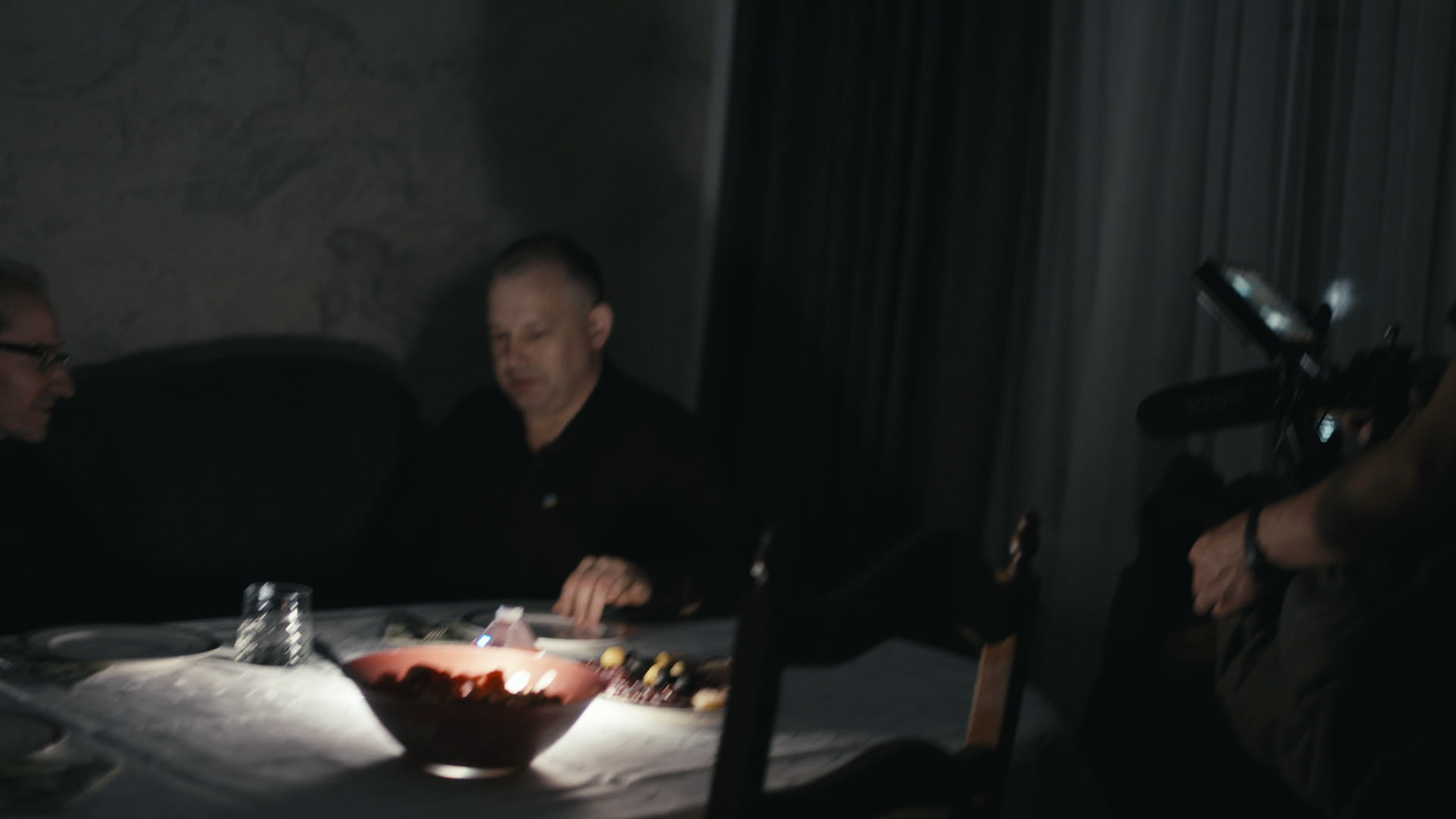
Speaker 1
00:00:00 But people died.
00:00:00 But people died. That's why I remember how difficult it was one century ago to get new knowledge, new experience. Not even one century ago, maybe just before the internet. One century ago, you need to... There are no internet. And only you need to print it.
Speaker 2
00:00:29 Well, now we have a chat GPT and all these AI things. Well, now we have a chat GPT and all these AI things.
Speaker
00:00:00 (Transcript content available)
Speaker
00:00:00 (Transcript content available)
Speaker
00:00:00 (Transcript content available)

Speaker
00:00:00 (Transcript content available)
Speaker
00:00:00 (Transcript content available)
Speaker
00:00:00 (Transcript content available)
Speaker
00:00:00 (Transcript content available)
Speaker
00:00:00 (Transcript content available)
Speaker
00:00:00 (Transcript content available)
Speaker
00:00:00 (Transcript content available)
Speaker
00:00:00 (Transcript content available)
Speaker
00:00:00 (Transcript content available)
Speaker
00:00:00 (Transcript content available)
Speaker
00:00:00 (Transcript content available)
Speaker
00:00:00 (Transcript content available)
Speaker
00:00:00 (Transcript content available)
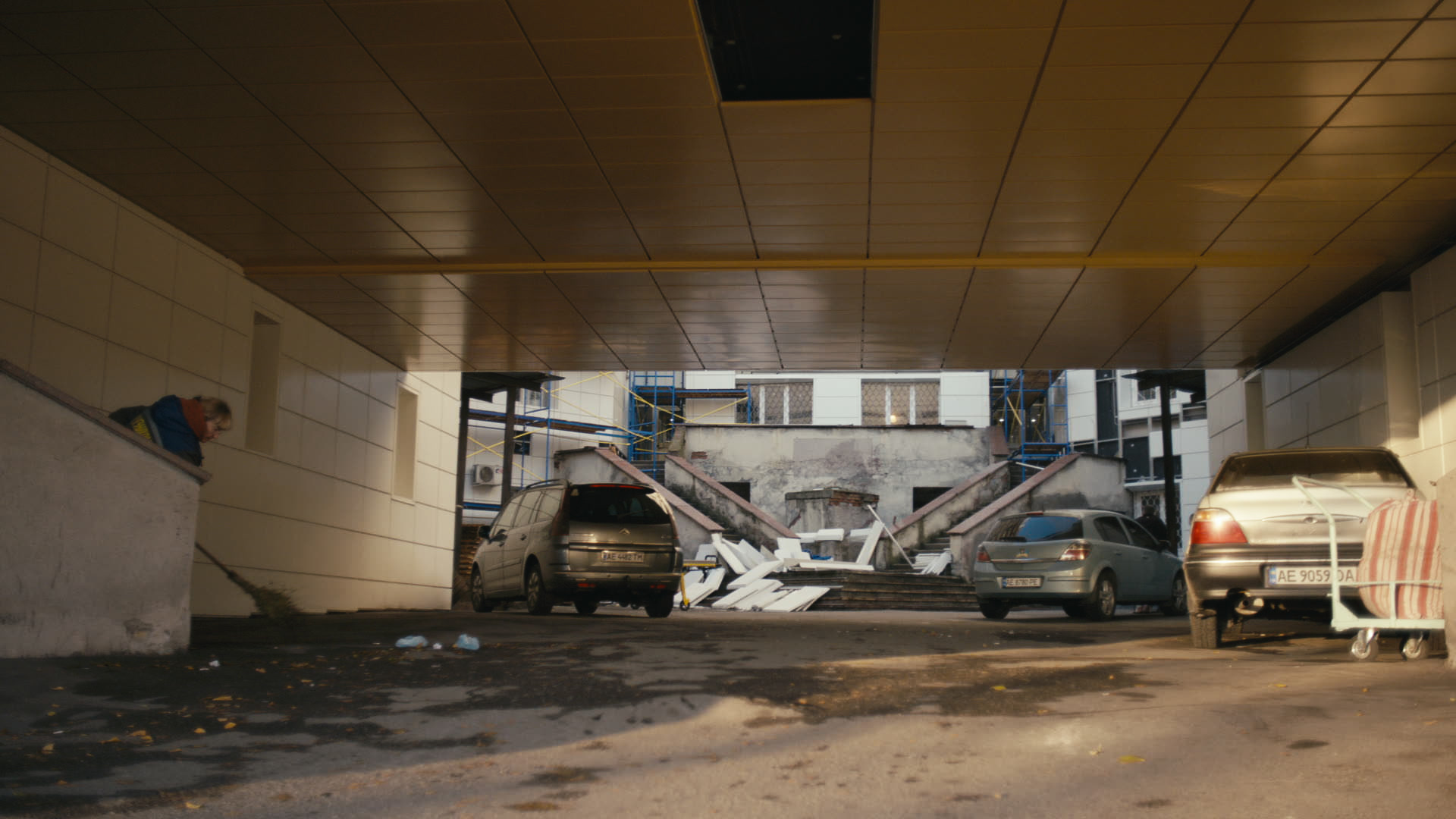
Speaker
00:00:00 Now.
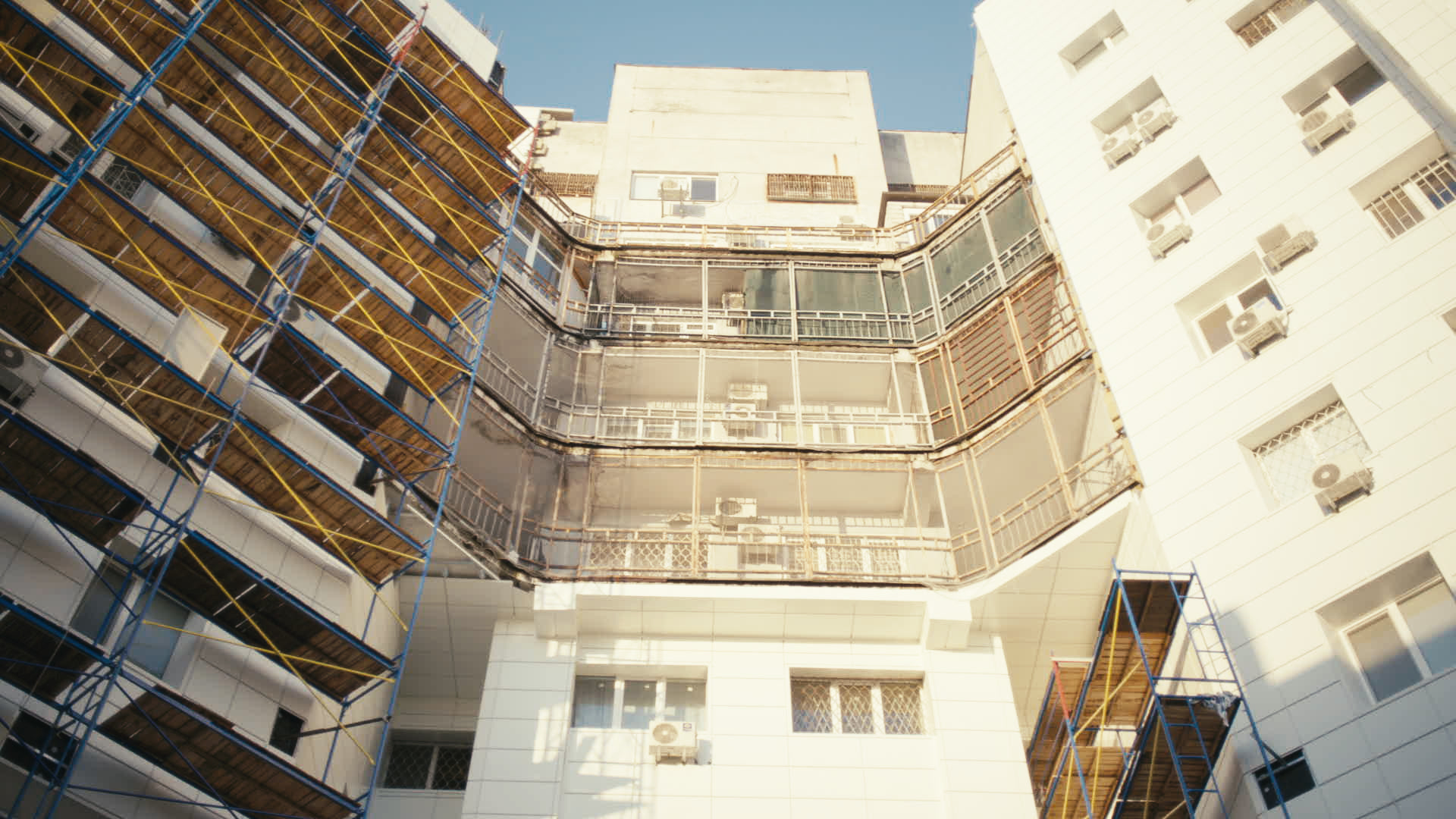
Speaker
00:00:00 (Transcript content available)
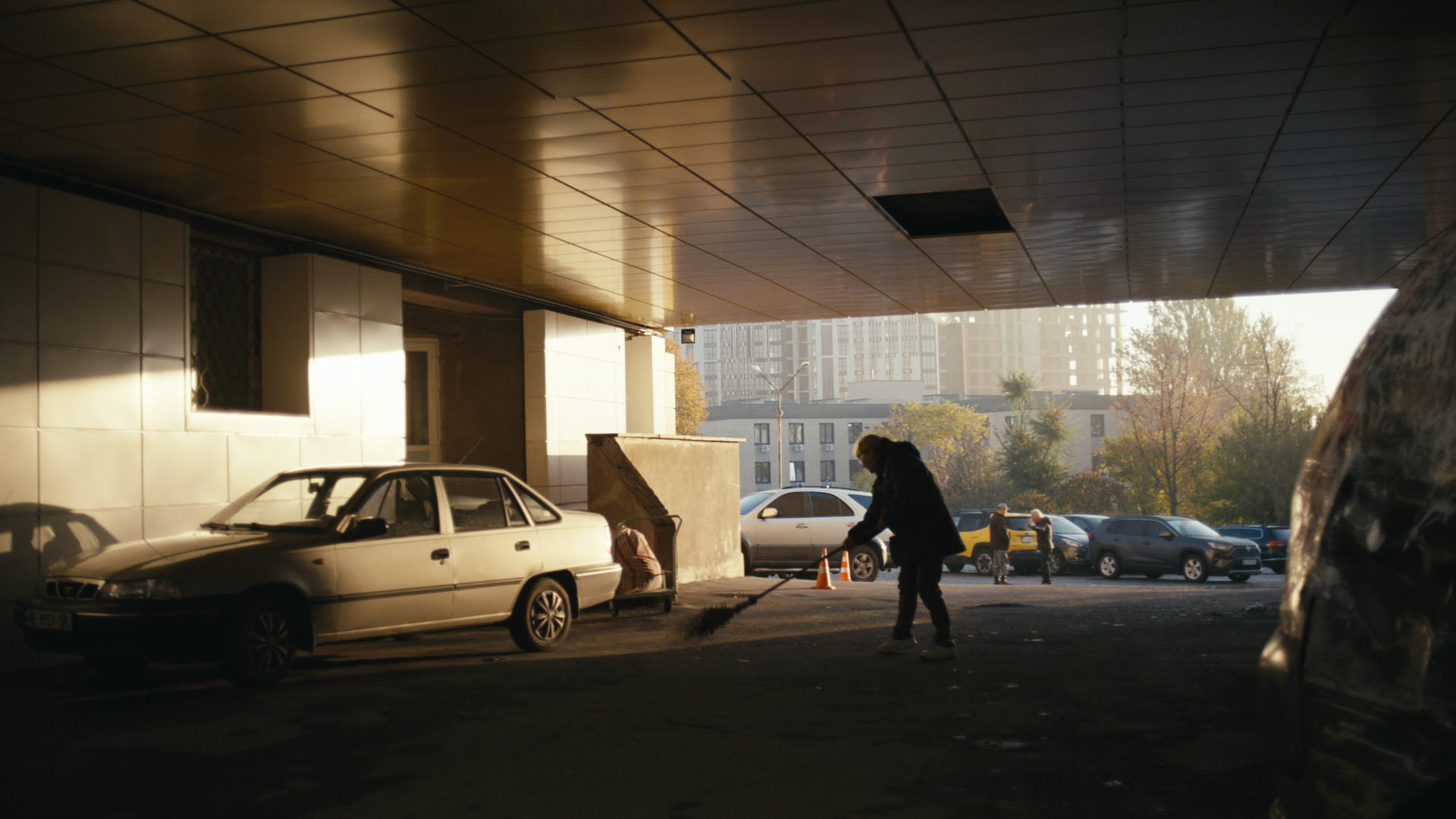
Speaker
00:00:00 (Transcript content available)
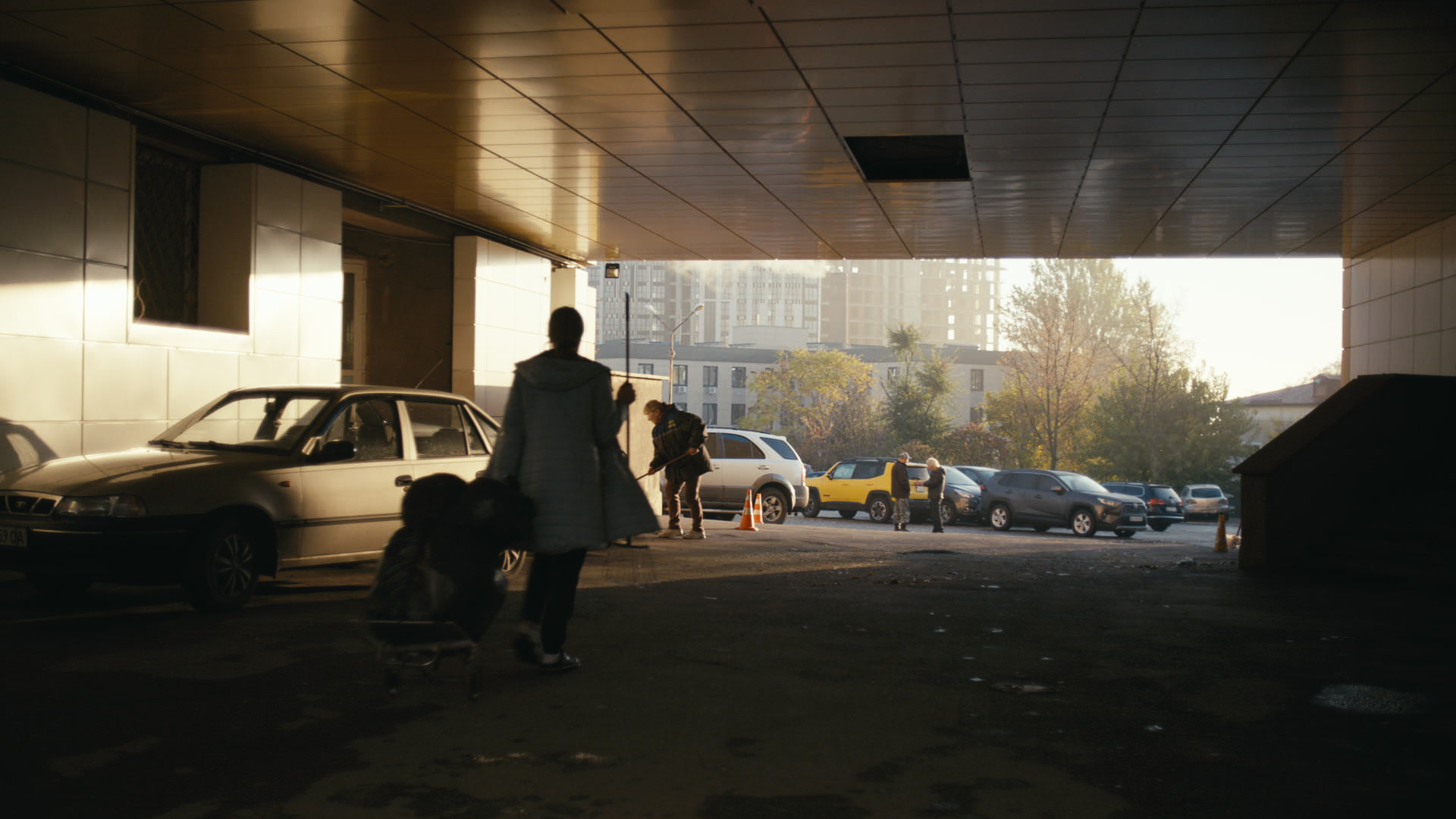
Speaker 1
00:00:00 Yeah, you can just come around the corner, Alex.
Speaker 2
00:00:05 Yeah, you can just come around the corner, Alex. Yeah, come around.
Speaker
00:00:00 (Transcript content available)
Speaker
00:00:00 - I can't go for it, Al.
Speaker 1
00:00:00 [RUS-NEEDS] Я думаю, что нам четвертий нужно в нейрохирургии.
00:00:02 [RUS] I think we need a fourth one in neurosurgery. [RUS] Already the fourth. [RUS] The fourth in neurosurgery. [RUS] Well, then. [RUS] We'll go down now. [RUS] Everything's calm. [RUS] He stirred.
00:00:15 No. No. I'll put that on first. I'll put that on first.
00:00:30 Do you have a bench floor? No, you can just hold.
Speaker 1
00:00:00 [RUS-NEEDS] Я думаю, что нам четвертий нужно в нейрохирургии.
00:00:02 [RUS] I think we need a fourth one in neurosurgery. [RUS] Already the fourth. [RUS] The fourth in neurosurgery. [RUS] Well, then. [RUS] We'll go down now. [RUS] Everything's calm. [RUS] He stirred.
00:00:15 No. No. I'll put that on first. I'll put that on first.
00:00:30 Do you have a bench floor? No, you can just hold.
Speaker 2
00:00:42 I'm going to say hello to Andre first. - He made a--
Speaker
00:00:00 (Transcript content available)
Speaker
00:00:00 (Transcript content available)
Speaker
00:00:00 (Transcript content available)
Speaker
00:00:00 (Transcript content available)
Speaker
00:00:00 (Transcript content available)
Speaker
00:00:00 (Transcript content available)
Speaker
00:00:00 They have the super strict busy hours.
Speaker 1
00:01:28 [RUS-NEEDS] Мы видим его на
00:01:54 [RUS] We see him on
00:02:00 Okay, okay.
00:02:00 Okay, okay. Yeah, we start waking him up. Stop sedation? Good. Good. I'm going to I remember every night I gave it that time zone. Yeah. I remember last time I was in the hospital and you guys asked me if I heard the explosions.
Speaker 1
00:01:28 [RUS-NEEDS] Мы видим его на
00:01:54 [RUS] We see him on
00:02:00 Okay, okay.
00:02:00 Okay, okay. Yeah, we start waking him up. Stop sedation? Good. Good. I'm going to I remember every night I gave it that time zone. Yeah. I remember last time I was in the hospital and you guys asked me if I heard the explosions.
00:02:47 Yes, this is a set of weekend. It's not cool this time, isn't it? It's beautiful. Oh, it's cool.
00:03:00 It's nice to see me go without the rain. It's not cool. It's not cool. It's too warm. I usually have to pack a lot of very cold water clothes here. Is it colder? No, it's in the sun. No, the galaxy is still hot. 25. It's a little cooler now. Thank you.
00:03:28 [RUS] Good afternoon!
00:03:55 - Ne? - Nije se to - That's fine. - That's fine. - That's fine. - She's a good one. - Okay. - Hey, I'm done. - Okay. - Was she on duty last night? - Yes. - Oh. - All right. - Can you ask, was she busy last night? - Well, how do you work? - Um, absolutely not. - No, so busy. - Not so busy last night. - That's good. - Yeah.
00:04:53 So, dad, do you want to ask Colina anything? She's here last time? She's a neurosurgeon. Yes. Where are you from originally?
Speaker 3
00:05:04 Are you from Nipro? Yeah. When did you decide you wanted to be a neurosurgeon? I was in the medical college.
Speaker 4
00:05:24 Did it find you or did you start discovering that you worked well with the nervous system?
Speaker 2
00:05:35 Look, now I stay just here.
Speaker 4
00:05:38 [UKR] - Did the profession find you or did you see during your studies that you worked well with it and chose this profession?
Speaker 2
00:05:50 [UKR] - Let's say, the opposite. I saw that I didn't really understand all of this, so I thought I needed to dive deeper and started studying it and I liked it.
Speaker 3
00:06:05 [UKR] This is not the mind
Speaker 4
00:06:35 How are the patients that we saw yesterday doing?
Speaker 1
00:08:03 Yeah, I heard your mention, dislocation syndrome. Yeah, I heard your mention, dislocation syndrome. Yeah, that's what we call herniation in America, which is, yeah. Is the patient doing well? Is the patient doing well?
Speaker 4
00:08:21 He's moving, he's trying to get to the tube and get to the tube. He's trying to get to the tube and get to the tube. He tries to move, he's tied up, but he tries to move on these tubes. He tries to move, he's tied up, but he tries to move on these tubes.
Speaker 1
00:08:39 Okay, that's good. Do you see it over? Yeah. Okay. Did you say she was wrong here? Yeah. Yeah. So is Anastasia. Anastasia. Yep. I've got nothing. but how, talk about continuing to do your job
Speaker 3
00:09:09 and staying here and doing it here through all of this. And you know, what, how is the hospital different now than it was 10 years ago in terms of the people?
Speaker 4
00:09:22 And you know, do you ever get used to it?
00:09:40 [UKR] The work is very interesting, I like that our neurosurgical team is very powerful. [UKR] Our guys are improving and we're keeping up with the youth.
00:10:00 [UKR] Now with the military, with the war, these are certainly difficult shifts. [UKR] This specific week was more or less normal, but usually there are very many wounded. [UKR] Before, even 10 years ago, we examined ischemic strokes, now the neurologists have taken over that and handle ischemic strokes.
Speaker 2
00:10:33 [UKR] Before we saw everyone, both comatose patients, and various pathology, and encephalitis, ischemic strokes. Well, something like that. Now the workload is less.
00:10:46 Dziękuję. before, for example, then we have to do some diseases, which now, for example, the neurologist,
00:11:32 Have you had to treat any Russian soldiers?
Speaker 3
00:12:27 But you would take care of them if you had to. But you would take care of them if you had to.
Speaker 4
00:12:32 If you had to, would you help them? I don't have a choice. I would help, but then...
Speaker 2
00:12:43 This is our common fund. If you have a choice, then I would say... they are prisoners of war and then you can use them to
Speaker 3
00:13:00 contain our man and being in common. What should the rest of the world know about what's it like here in Dnepro? Because I'll explain to you, in the US, it's almost, it's not in the news, like every day. Well, not in the sort of the major slay that comes up, but it feels like it's not as active as it was before, which is not the case.
Speaker 2
00:13:38 But anyway.
00:13:40 [UKR] What, in your opinion, should the world know about Dnipro now? [UKR] About Dnipro. In many places, information is no longer being spread as actively about Ukraine, including in the USA.
Speaker 4
00:13:54 [UKR] What, in your opinion, should you know now about the current situation? [UKR] [VO CANDIDATE] That it continues, that we provide assistance to our wounded. [UKR] [VO CANDIDATE] We work, we're also a front, but a medical one, and everything continues, and the shelling of Dnipro continues, and civilian wounded keep arriving.
Speaker 2
00:14:21 [UKR] [VO CANDIDATE] But we're holding on and trying to support our wounded, our loved ones.
Speaker 4
00:14:33 Thank you.
Speaker 2
00:15:09 I'm so proud of
Speaker 4
00:15:33 [UKR] What does it mean to you to be Ukrainian? [UKR] [VO CANDIDATE] I love my Ukraine, I love people, I love my profession, this is what I do, roughly speaking, this drives me.
Speaker 2
00:15:59 [UKR] [VO CANDIDATE] I want the country to return to peaceful life, for everything to be restored.
Speaker 4
00:16:07 [UKR] And what do you think it means now to be a Ukrainian, devoted in Ukraine? [UKR] [VO CANDIDATE] In my opinion, to be here, to support our guys and do your work that you do well.
00:16:30 [UKR] Yes, I think so. [UKR] Like a train that pulls everyone along.
Speaker 2
00:16:55 [UKR] Such a powerful train, let's say.
00:16:58 It's like a train that pulls everyone up the king.
Speaker 3
00:17:03 Very powerful train. What does it mean to you and to the staff that Alex comes, that Rocco comes, that other
Speaker 2
00:17:13 people come from their homes here to volunteer? I'm going to ask Alex to go for a team.
00:17:21 [UKR] Our people who come from abroad, can come here to help you.
Speaker 4
00:17:27 [UKR] What did this mean to you?
00:17:30 [UKR] This is also very powerful, because we feel that we're supported, [UKR] [VO CANDIDATE] that we're not alone in this fight after all, that we're open to the world,
Speaker 2
00:17:45 [UKR] that we will do good work.
00:17:49 It's very powerful. So, of course, we believe that we have support. We are not alone now. And we are open to the world.
Speaker 3
00:18:00 And it means that we are seeking to support them. I got one more. So, Andrei Sirko talked about something that made me feel like he has something to live up to to with his name being Sirko with Ivan Sirko. What can you have her to find who that is? And imagine thinking that you had to live up to something. And he didn't say those words. That's just what it felt like, OK?
Speaker 2
00:18:32 [UKR] The question is a bit abstract. He's asking about Andrii Sirko. He had the impression that Andrii is supported and motivated by the Sirko legacy. [UKR] The Cossack, right? He had impressions of the general. [UKR] And do you have something like that which perhaps gives you strength,
Speaker 4
00:19:00 [UKR] that supports you for us? [UKR] What gives me strength?
00:19:07 [RUS] Or someone?
00:19:10 [UKR] Probably our neurosurgical community, [UKR] specifically in my work. [UKR] Because our guys go to seminars abroad, and actively communicate, bring back something new. [UKR] And gradually following them, they don't let us, let's say, fall behind.
Speaker 3
00:19:40 But in life, maybe my daughter. I was just filling time until we were ready to go. So I didn't realize we were already ready. So I'm sorry. It was very good. It was very good.
Speaker 1
00:20:29 All right, we got to go. So then, what's the quickest way to get back up there? And how are we going to have time, Laura? I told Lord I need his honor's office. Okay. At 7:40. Awesome. So it's 7:40 over in. Exactly. Exactly. 7:42. Let's go. I like the train. It pulls us along. That was good. No, that was great. That was worth it. Yeah. You can do the AC thing in the other day. Come on up. You have? Come on up. I'm meaning Friday night, but this one. This Friday? I come twice a year but uh... Yeah, but that way I can come twice. Rocco only comes once but he stays longer so it all works. Yes, Rocco comes in January.
00:21:21 February. I'm just going to come to the United States. You can Yeah, he spends some time in New Orleans. He feels that way.
00:22:07 What is his role? He's an anesthesia resident. I think he's finishing this summer. And his mother is a... I think she's a neurologist.
Speaker 3
00:22:24 You might be... Good one to spend a little time with. Yeah.
Speaker 5
00:22:34 Good one. You'll be... I will have a big problem. If you will be... you will decide without my permission. Excuse us. If you would like to go to ICU, you need to say me two words.
Speaker 1
00:22:55 Andrei, I hear you. I would like to go to ICU.
Speaker 5
00:22:59 I've done that before, you know, my last visit. Just on my own. You go together with the filmmaker. General director said to me, Andrei, how Alex can go to ICU without me, without you, without...
Speaker 1
00:23:18 Yeah, it's very good if you would like to think about patients, but...
Speaker 5
00:23:24 Yeah, I'm sorry.
00:23:30 I would like to say, you're in the morning, today I will be kind man, kind man. I love you, but there are a lot of rules in our department, in our hospital.
Speaker 1
00:23:43 I need to follow this rule.
Speaker 5
00:23:47 I just thought that was on me. Yeah, my fault. Just at five minutes I go to your room and ask Laura, where is Alex? Alex, go. I see you.
00:24:00 I'm sorry. It's our Ukrainian reality. You need to understand this. Yes, I understand. I'm sorry. chief general director medical director administrator and general at the department I was in the 70s, 20s. Okay. Terry, how do you call it?
00:24:30 Perry, Terry Perry, right? There he is. Yes, there he is. Terry, no, no, no, no, no. I'll just tell you how to correct the name. It's very... about my location agreement. Terry? Oh Terry. I said to you, don't worry. I don't worry. I prepare in the right way because we don't have time. We are as a squirrel. together with Alex, together with filmmaker. Terry Perry, yeah? - Pinion, Terry Pinion. - Terry, uh, Pinion. - Pinion, Pinion, yeah. - The hedgehog, he...
00:25:24 - Oh, actually, there's, you know what he's farting. - A live, a live or not a live? - Let's see here.
Speaker 3
00:25:30 - Still a live or is died? - There should be a live. - Yeah. - Yeah.
Speaker 1
00:00:00 The other is these.
00:00:00 The other is these. They're sitting on the-- I can go get them. They're sitting-- They're actually making all of them. Sorry guys, we are rolling down here. Dad, so these are the things that Connor Berlund sent us from the University of Virginia.
Speaker 2
00:00:21 Oh, oh wait, look at this. This is the most important thing. Yes. What is it? This is... he is from University of Virginia. This is... he is from University of Virginia. Sending warm thoughts and encouragement from UVA to Ukraine. Megan, so this is all the residents and faculty in the University of Virginia, Department of Neurosurgery.
Speaker 3
00:00:53 I sent this to you. Cool, cool. Unfortunately, Conor Berlin couldn't have a possibility to reach Dnipro. No, but he will at some point. He's part of the team. He will prepare a long time. The Cavaliers is the name of the team. That is the university's name. Each university's team has a name. It's a sport? All sports, yeah. All sports. Football team with the Cavaliers. And these are the swords. Virginia is a very old state that goes back to the American Revolution.
Speaker 1
00:00:00 The other is these.
00:00:00 The other is these. They're sitting on the-- I can go get them. They're sitting-- They're actually making all of them. Sorry guys, we are rolling down here. Dad, so these are the things that Connor Berlund sent us from the University of Virginia.
Speaker 2
00:00:21 Oh, oh wait, look at this. This is the most important thing. Yes. What is it? This is... he is from University of Virginia. This is... he is from University of Virginia. Sending warm thoughts and encouragement from UVA to Ukraine. Megan, so this is all the residents and faculty in the University of Virginia, Department of Neurosurgery.
Speaker 3
00:00:53 I sent this to you. Cool, cool. Unfortunately, Conor Berlin couldn't have a possibility to reach Dnipro. No, but he will at some point. He's part of the team. He will prepare a long time. The Cavaliers is the name of the team. That is the university's name. Each university's team has a name. It's a sport? All sports, yeah. All sports. Football team with the Cavaliers. And these are the swords. Virginia is a very old state that goes back to the American Revolution.
Speaker 2
00:01:25 Yeah. Yeah. That's very nice. And all these medicals. Oh yeah, here's a... Yeah, Tachosil. This is what we used yesterday in the operating room. Very useful, helpful.
Speaker 3
00:01:41 Yesterday we used for soldiers. Yeah? It's very... We used yesterday for soldiers.
Speaker 2
00:01:56 Soldier, it's very useful, and we plan to use maybe tomorrow. So this is a very nice little card that he said. So, dear Andrei, the University of Virginia was founded in 1819 by Thomas Jefferson, the primary author of the Declaration of Independence, secretary of state under george washington vice president under john adams john adams was president when metronica hospital was created in the third president united states his rotunda which is this building pictured on the front here still stands tall as a bullmark of liberty religious freedom and education i know that jefferson would have championed ukraine's fight for freedom your friend
Speaker 3
00:02:40 counter berlin here's a quote from thomas jefferson i prefer dangerous freedom over quiet slavery that's the ukrainian people that's beautiful i sent you my best to corner thank you that's wonderful okay thank you Yeah, the foot plate. For a striker. A striker drill because we... A striker drill because we... Hold on one second. Let me come in here.
Speaker 1
00:03:21 There we go. Oops. I want to look at the mic showing.
Speaker 3
00:03:31 There we go. Yeah. For a striker here? Yes. Excellent. More tactics? It's an artificial Dura. Duragin, yes. Stuff you use everyday. Wow, look at all that. That's excellent. And then,
00:04:00 I'm going to put it in the previous way
Speaker 2
00:04:30 No, not all vitricolos, it's vitricolos, peritoneal shunt. Yeah. These are stuff cracks and valves. Yeah, we can close this part.
Speaker 3
00:04:42 Yeah, we saw several places yesterday here. Oh, it's for... Drainage banks. Yes.
00:05:00 Bags for CSF.
Speaker 2
00:05:05 Bags and this for lumbar drain. Yeah. Yeah, that's a needle goes in. Yeah. For external lumbar drainage. Excellent. Oh wow, oh we can't see this too. I think it's for our spinal surgery. I think it's for our spinal surgery. There are some punches. This is excellent equipment.
Speaker 3
00:05:46 We will be very happy.
00:06:00 We invite them.
Speaker 2
00:06:08 Yeah, these are all part of the retractor system. Yes. Excellent. So angle here, right. Yeah, this is incredible. We have to ask Connor how he did this. Yeah. Different type of ranges. Retractor blades here, smooth blades. And here's the
Speaker 3
00:06:45 Did you blaze the teeth on the edge? Yeah. Okay. Oh, and this.
00:07:44 Okay. Alright, time to do the morning with our... Kim?
Speaker
00:00:00 (Transcript content available)
Speaker
00:00:00 (Transcript content available)
Speaker 1
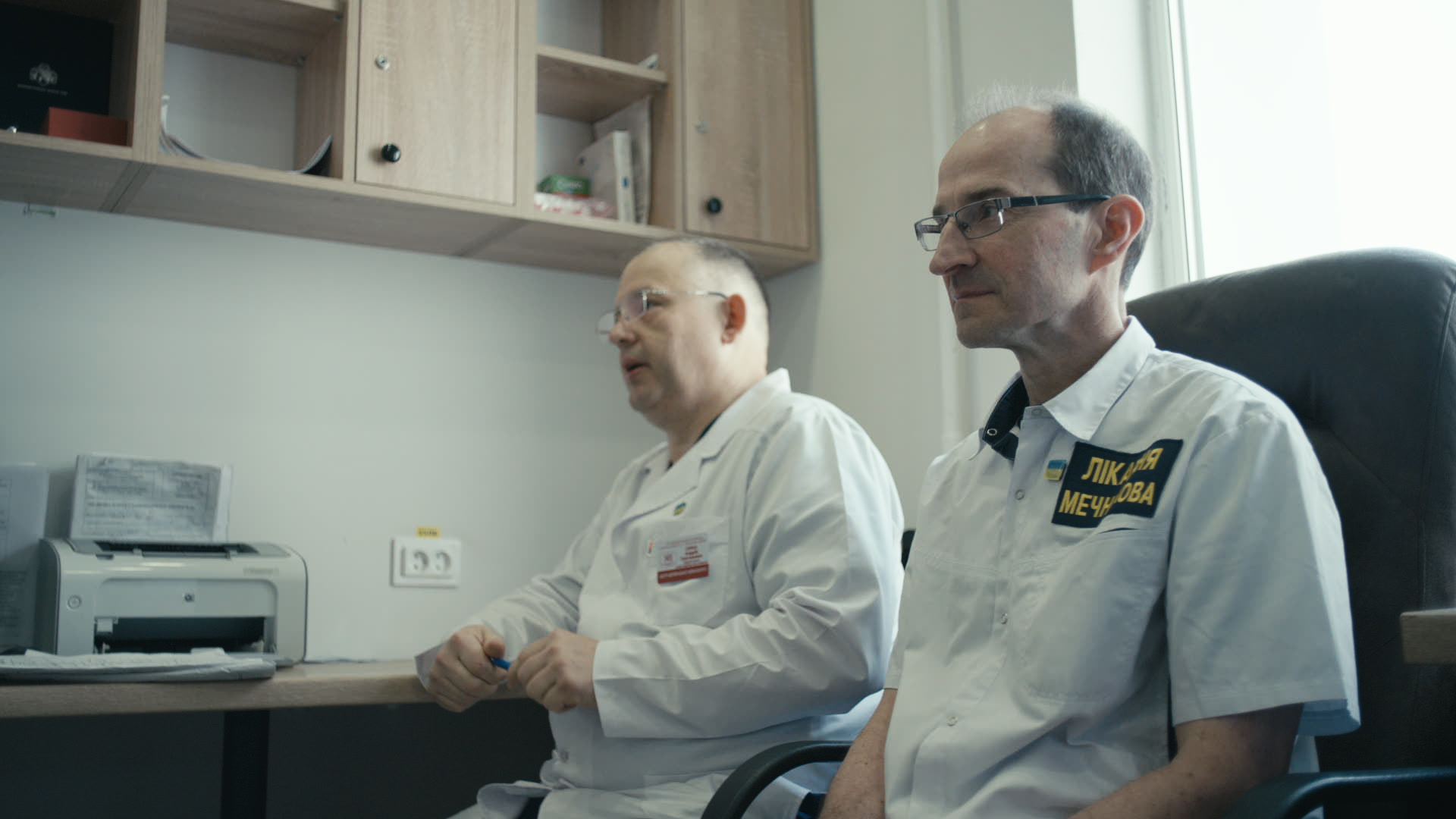
00:00:00 [UKR] Marianna says: "Can you hug Maryana, Vadim Volodymyrovych? I give permission."
00:00:00 [UKR] Marianna says: "Can you hug Maryana, Vadim Volodymyrovych? I give permission."
00:00:06 [RUS] Yes? - Yes. [RUS] - And Maryana gives permission. - Yes, Maryana. [RUS] - Andrey will be filming about a friend. [RUS] Documentary.
00:00:19 [UKR] Vadim Vladimirovich. [UKR] - Yes, Vadim Volodymyrovych. [UKR] - So, tell the others. [UKR] - Okay, Vadim Volodymyrovych.
Speaker 1
00:00:00 [UKR] Marianna says: "Can you hug Maryana, Vadim Volodymyrovych? I give permission."
00:00:00 [UKR] Marianna says: "Can you hug Maryana, Vadim Volodymyrovych? I give permission."
00:00:06 [RUS] Yes? - Yes. [RUS] - And Maryana gives permission. - Yes, Maryana. [RUS] - Andrey will be filming about a friend. [RUS] Documentary.
00:00:19 [UKR] Vadim Vladimirovich. [UKR] - Yes, Vadim Volodymyrovych. [UKR] - So, tell the others. [UKR] - Okay, Vadim Volodymyrovych.
00:00:26 [RUS] 61 people are on the roster, 15 military. [RUS] 61 people are in the department.
Speaker 2
00:00:35 [RUS] 61 people consist of 15 soldiers. [RUS] Temperature Pekhay, ward 10, 38.4.
Speaker 1
00:00:47 [RUS] And Sapko also 38. [RUS] Otherwise are you doing everything normally? [RUS] He's reading. [RUS] exit, canal-canal and then the bubble attached in this place, only already intradural.
00:01:34 [RUS] So we'll need to seal it well with wax, and then also there.
Speaker 2
00:01:41 [RUS] Next. [RUS] Petrov from ward 11.
Speaker 1
00:02:19 [RUS] On 14 beds. [RUS] Cherkasy. [RUS] Sunday.
00:02:56 And the 20th.
Speaker 3
00:03:25 [UKR] Tomorrow we have Vinnytsia-Lviv on evacuation, and what time?
Speaker 1
00:03:30 [UKR] 14 years old. [UKR] 10-20 years old.
00:03:39 [RUS] Then in the other direction we evacuate our patients in 10-20 minutes.
Speaker 3
00:03:51 [UKR] And to the clinic, to the clinic, we continue training and continue the training process.
Speaker 1
00:04:06 [RUS] we have a run for the event tomorrow at 14:30, are you not participating? [RUS] here they'll even pick the visit, everyone takes it, I don't know, I see the visit on the trip, I see it on Instagram, [RUS] On Facebook Yulia with a dog outside the gym window, and he was squatting in the gym. [RUS] Did you see the flyer?
00:04:36 [UKR] Can I get ready?
00:04:38 [RUS] Signed up. [RUS] Signed up? [RUS] I won't come. [RUS] Why? [RUS] Why? [RUS] Why? [RUS] We're getting ready at 2 o'clock.
Speaker 3
00:04:47 14:30.
Speaker 1
00:04:48 [RUS] We'll be in surgery. [RUS] We'll be in surgery.
Speaker 3
00:04:55 [UKR] Did you process their history?
Speaker 1
00:04:59 [UKR] Processed, but sort of. [UKR] Good.
00:05:05 [RUS] So in that block two temperatures, and in that block the eleventh ward.
00:05:13 [UKR] We're not doing badly either. [UKR] And end of pathology for everyone. [UKR] And end of pathology for everyone.
00:05:23 [RUS] Pitcher of the Month.
Speaker
00:00:00 - He's going to the general director.
Speaker
00:00:00 (Transcript content available)
Speaker
00:00:00 (Transcript content available)
Speaker 1
00:00:00 [RUS] [Subtitles by DimaTorzok]
00:00:10 - They're talking about... - They're talking about... - They're talking about... - They're talking about... -...a champion
00:01:00 [RUS] Neurosurgeon, this is Gr
Speaker 2
00:01:30 [UKR] What kind of operations? [UKR] Brain contusion, we pushed through with military materials, she recovered on her own and contusion. [UKR] And the timing after the injury? [UKR] It happened in the church area, I don't know exactly, but about 2 hours later they brought him to us.
Speaker 1
00:00:00 [RUS] [Subtitles by DimaTorzok]
00:00:10 - They're talking about... - They're talking about... - They're talking about... - They're talking about... -...a champion
00:01:00 [RUS] Neurosurgeon, this is Gr
Speaker 2
00:01:30 [UKR] What kind of operations? [UKR] Brain contusion, we pushed through with military materials, she recovered on her own and contusion. [UKR] And the timing after the injury? [UKR] It happened in the church area, I don't know exactly, but about 2 hours later they brought him to us.
Speaker 1
00:01:48 [UKR] We did another check here, there was a bit of pressure, I can send it, much, but more.
Speaker 2
00:01:57 [UKR] How many years old?
Speaker 1
00:01:58 [RUS] I'll tell you now, 77.
00:02:01 77. 77. Yes.
00:02:05 [RUS] And the level of consciousness, what was it? [RUS] Super. [RUS] Super. [RUS] From Pavlohrad, patient born in 1977,
00:02:20 in Glasgow home-scale score maybe 9, 9, with hematoma and acusubdural gematoma, perform
Speaker 3
00:02:32 cranioplastic preparation, and remove subdual and intracerebral gematoma. - This is a soldier Mil
Speaker 1
00:03:13 [RUS] Vertebra, subvertebra. [RUS] Compression fraction, right? - Yes, compression fraction. [RUS] What's the price? [RUS] - I don't remember. [RUS] Isn't it written there?
00:03:26 No.
00:03:27 [RUS] - Look, okay, the most extreme one, of those that you do everything.
Speaker 4
00:03:37 45,000, right? 45,000?
Speaker 1
00:03:39 [RUS] - I'll tell you now.
00:03:51 And if you have a plus, more than 4,500 from 2014 to 2022, And if you have a plus, more than 4,500 from 2014 to 2022, this number will be more than 50,000. 50,000. 50,000. Severe wounded people, both civilian and soldiers,
00:04:30 admitted to the war. Because of the war. Combat military. Wartime related. Wartime related. From eastern of Ukraine. From eastern of Ukraine.
Speaker 3
00:04:40 That's terrible.
00:04:45 [RUS] -Serviceman Sokolovsky, he has trauma from a car. [RUS] He was in a frontal collision, in a frontal collision.
00:05:05 and also he has fracture of transverses from lumbar bodies and also he has problem with his left leg in our department. Also performance CT control patient Alexiev, nothing special. Also we have patient Kavlenko, 72 years old. He had trauma five days ago and he came to us because yesterday he had some dysartia but nothing more. And when I saw him, it was not desertria, but his wife said it was.
00:05:56 And also he has big problem with heart. He had performed for him an operation, a vascular operation for her.
Speaker 1
00:06:11 He takes the exam, and we decided to get a new support, no break now, and give him time to perform this in a super cute period, and change anti-agrogant therapy. Previously, he took what did you mention?
00:06:39 [RUS] Not Flexan. [RUS] I think there's antiplatelet therapy? Warfarin? Warfarin, maybe. [RUS] Warfarin, maybe. Warfarin, maybe. [RUS] Warfarin, maybe. We decided to switch him to Plex
00:07:11 [UKR] They also forgot. There was no progression. And the depressed fracture, it can be treated with primary plasty. [UKR] We received titanium plates, titanium screws, you can come get them from the senior nurse, who earlier used to write them off,
00:07:33 [RUS] individually [RUS] we'll order attachments for the screwdriver [RUS] because it's more specific there [RUS] cross-shaped [RUS] we have 1-2, but so that each of you would have [RUS] yellow plates, good plates [RUS] 0.6, 0.8 millimeters and screws of 5 millimeters
00:08:02 [UKR] We'll just order, I'll ask Rostyslav to get titanium, let us know how much it will cost, so that each of you has one or two screwdrivers in reserve, and the screws and plates are there. [UKR] This is after how many years, we've been writing for 3-4 years, and I've signed many of these letters here. [UKR] Serhiy Chudovych, Cherednychenko, Zorin, we are experts in this Ministry of Health matter. [UKR] You finally received yours today. [UKR] That's very good.
00:09:02 [RUS] I'm telling my colleague that you have the titanium mesh.
00:09:10 from our Ministry of Health of Ukraine. It's the first time from our period. I know because previously we paid our own money to get this mesh and screws. So you pay your own money?
00:09:30 Yes. Yes. Yes, yes. Previously we found volunteers in humanitarian organizations, but from one year to another year, a number of people who can have a possibility of helping us decrease, decrease, decrease is level zero. That's why we pay our money to buy.
Speaker 3
00:09:57 We have tools to work. No one exactly. He had trauma one more time. Also he has temperature about 38-39. I tried to perform lumbar puncture. It was only blood on two levels.
Speaker 1
00:10:46 He also has subacute subdural gematoma from another side.
Speaker 3
00:10:55 It's about opposite, not opposite, counter side. Yeah, and I decided no operation for him because it's like 14 point GOSG, comma, scale. It's a main secondary. Repeat trauma, yeah? Yep, repeat trauma.
Speaker 1
00:11:17 [RUS] Yes, yes, yes, he was a few days ago, he had signs
00:11:46 Conor Bair
00:12:16 [RUS] SBU, Connor covered the nights, drove to Warsaw, [RUS] left it in a stash, [RUS] and a week later Alex picked it up from that stash and delivered it to Ukraine.
00:12:30 [RUS] It's called a hideout. [RUS] Oh, a hideout? Like UPA, and he's UPA. [RUS] This was the first time, Connor, he was giving, [RUS] he's my Jewish horse, [RUS] he was sharing the whole history from his family. [RUS] And there was this Baba Yaga, right, Rostyslav? [RUS] Well, meaning his relatives were there, [RUS] somehow you don't know, all our Ukrainian stories will be kind. [RUS] The main thing is that he was already going, [RUS] to bring and preserve. [RUS] Report, maybe German, maybe English. [RUS] In this case, it's a woman, [RUS] with sequestered hernia L4, L5 on the right side.
Speaker 4
00:13:09 [RUS] We plan to remove this hernia, [RUS] transligamentary, on the right side. [RUS] This is a military person with hemangioma L2.
Speaker 1
00:13:23 [RUS] We plan to do transcutaneous vertebroplasty.
Speaker 4
00:13:30 [RUS] What are the symptoms in this case? [RUS] It's local pain. [RUS] You see that it's more than half of the body. [RUS] - This is aggressive.
Speaker 6
00:13:45 [UKR] - Kalankovich, your case.
Speaker
00:00:00 of ventricle with acrobatus vestibule and this performed like not endoscopic and microscopic
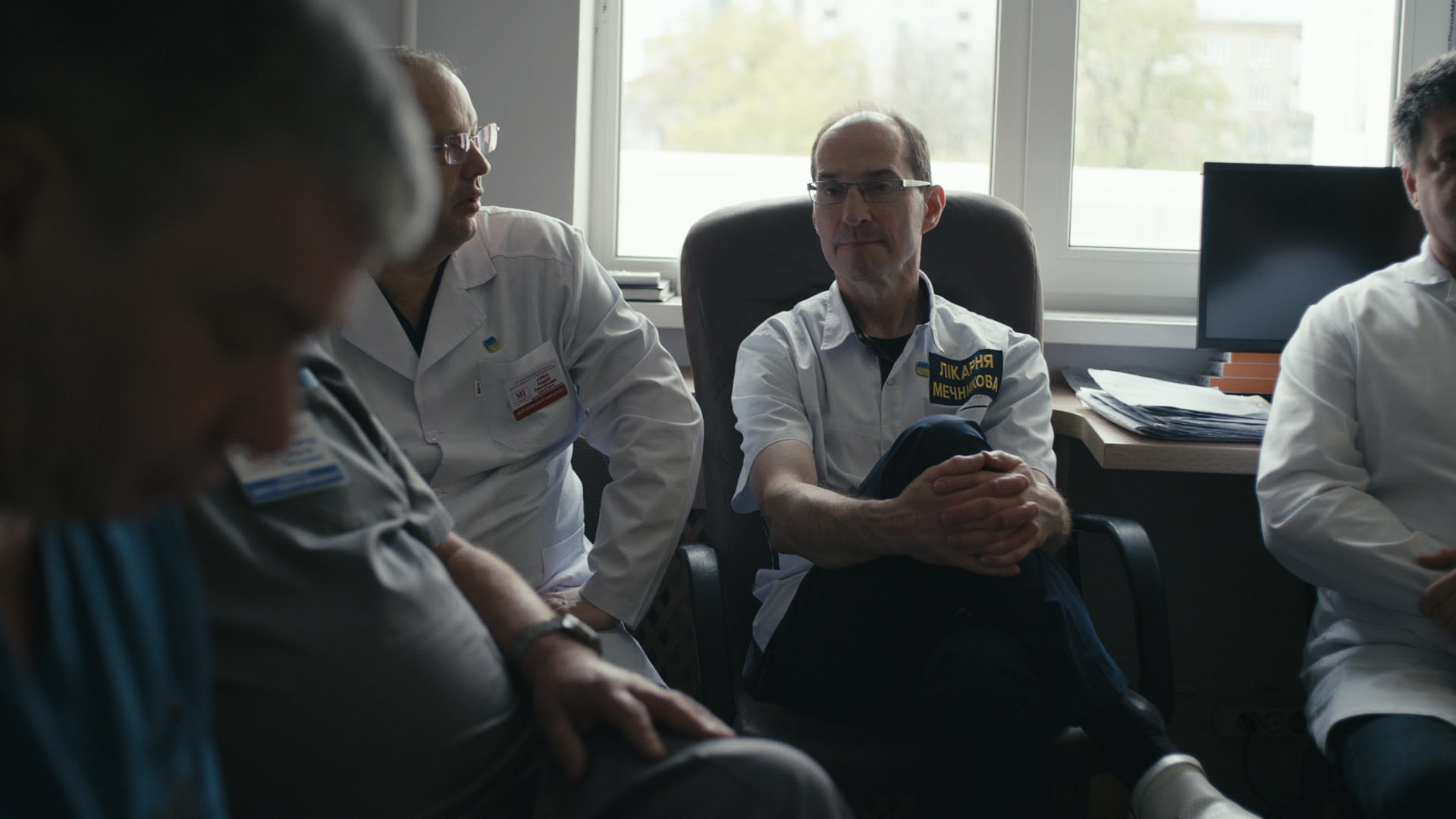
Speaker 1
00:00:00 [RUS-NEEDS] Возвращение в ухо и начало подтягивать через ухо из тахового трубок,
00:00:01 [RUS] Return to the ear and start pulling through the ear from the tube passages,
00:00:07 [UKR] into the half-open skull. So that's the situation.
Speaker 2
00:00:10 [RUS] Next, Petovych.
Speaker 1
00:00:00 [RUS-NEEDS] Возвращение в ухо и начало подтягивать через ухо из тахового трубок,
00:00:01 [RUS] Return to the ear and start pulling through the ear from the tube passages,
00:00:07 [UKR] into the half-open skull. So that's the situation.
Speaker 2
00:00:10 [RUS] Next, Petovych.
00:00:12 [UKR] We present to your attention in our department,
00:00:16 [RUS] in this case, a young woman with an aneurysm,
Speaker 1
00:00:23 [UKR] for microsurgical clipping.
00:00:28 [RUS] Show it in order. [RUS] Like, um, coils, right? [RUS] It looks like this.
00:00:35 [UKR] Will add more shifts.
00:00:37 [RUS] Nikita, right? [RUS] Looks like there already, um, the spine didn't fit.
00:00:41 [UKR] Micron.
Speaker 2
00:00:43 Yes.
00:00:44 [RUS] Understood? [RUS] Understood. [RUS] Got it. [RUS] Understood.
Speaker 1
00:00:49 Yes.
Speaker 2
00:00:50 [RUS] This is a good case.
00:00:55 What approach will you use? What better, microsurgical or endoscler surgery?
Speaker 1
00:01:04 You can go either way, but I think microsurgical is good for that, but that looks pretty wide. Looking difficult for the portal. Is there a new plan also for them? Yes. Alex, this is a micro surgical approach is better for quality of life, micro neurosurgeon. Endovascular approach is better quality of life, endovascular surgeon. Yeah. Yeah. That's a good case. Good case.
00:01:40 [RUS] Maybe trembling [RUS] In this situ [RUS] - These are two flow diverters. - What? There one will pull out. [RUS] - This is really a million. - One will pull out, how will it pull out? [RUS] - One closes the artery, and the other, then the deconstructive anterior descent.
00:02:19 [UKR] The artery and aneurysm. Maybe, also like that.
00:02:27 [RUS] We are being considered in production
00:02:55 But after he celebrated on Sunday, he needs to rest on Monday. That's why on Tuesday we can have possibility to save him with healthy wealth, a lot of money, a lot of children.
00:03:16 [RUS] Got it, no longer needed. [RUS] You wish, right? [RUS] And you, these little ones, not only in Novoizodhera,
00:03:25 [UKR] but together with family,
00:03:27 [RUS] you'll spend time in the Carpathian region [RUS] to find many of these mushrooms. [RUS] Marriott. [RUS] Marriott? [RUS] Marriott. [RUS] Marriott, this is Petrovsky. [RUS] Actually, greetings, I think today or tomorrow I'll deliver the gifts from Connor Merland.
00:03:59 Let's go!
00:04:00 Go!
00:04:10 [RUS] - Lenyn, can I, will I be able to [RUS] Uprising
00:05:09 [RUS] - I don't want to wait, wait.
00:05:41 - I'll just pretend I'm not here for a second. He'll take a moment. - Is that again? - If you need a champion, I'll take a moment.
Speaker 1
00:00:00 Did you see the patient in the department?
Speaker 2
00:01:01 Did you see the patient in the department? Did you see the patient? Did you see the patient? We were in the hallway and we saw Olina, the skydiver. We were in the hallway and we saw Olina, the skydiver. We started talking to her about surgery last night.
Speaker 1
00:01:16 I guess the guy is a question. You remember you said Anatoly is the chief of ICU department
Speaker 3
00:01:29 [RUS] Show on the patients.
Speaker 1
00:00:00 Did you see the patient in the department?
Speaker 2
00:01:01 Did you see the patient in the department? Did you see the patient? Did you see the patient? We were in the hallway and we saw Olina, the skydiver. We were in the hallway and we saw Olina, the skydiver. We started talking to her about surgery last night.
Speaker 1
00:01:16 I guess the guy is a question. You remember you said Anatoly is the chief of ICU department
Speaker 3
00:01:29 [RUS] Show on the patients.
Speaker 1
00:01:57 [UKR] Answer to the decision, and I don't
00:02:43 [RUS] Together
00:02:57 [UKR] Possibilities to be preserved for storage.
00:03:07 [RUS] Good day! [RUS] Good day!
Speaker 2
00:03:10 [UKR] People's Ukraine, very good, Ukrainian. [UKR] Thank you! [UKR] My wife? [UKR] My wife.
Speaker 4
00:03:25 [RUS] - Peter, Pete
00:04:01 [UKR] Alex, good temperature after the procedures?
Speaker 1
00:04:07 Yes, yes, very good. For this severe wound, yes? For this severe wound, it's, you know, For this severe wound, it's, you know, it's a third, fourth day after injury. It's a big for
00:04:26 [UKR] Inquiries on Smith [UKR] That's why we opened and revised the anterior cranial fossa from both sides and sealed it. [UKR] And then he also worked in the thorax. [UKR] Therefore, extremely severe wound, but we don't want to get ahead of ourselves yet. [UKR] Today stable condition, not worse, a little-little-little better.
Speaker 4
00:05:15 [UKR] So we're working on it.
00:05:21 [RUS] Be well
Speaker 2
00:05:25 [RUS] I think he will survive
Speaker 1
00:05:30 [RUS] Thank you
00:06:01 [UKR] - Yes? - Yes? [UKR] Apparently to the department, to pick you up from resuscitation.
00:06:08 [RUS] To the fourth floor. [RUS] To the surgery ward.
00:06:12 Yes.
00:06:29 [RUS] I see. [RUS] I see. [RUS] I'm sitting here. [RUS] - I'll just say.
00:07:11 [UKR] If we transfer you from here to the department, where patients are already recovering.
00:07:16 I hear. - I hear.
00:07:20 [RUS] - We can. [RUS] To the ends. [RUS] - We can. [RUS] - We can. [RUS] - We can. [RUS] - We can.
00:07:31 [UKR] - I understood. [UKR] Good.
00:07:41 [RUS] I'm from Kyiv. [RUS] I'm from Kyiv. [RUS] Volodya. [RUS] Volodya.
00:08:01 [UKR] You don't mind being filmed on camera?
00:08:05 No.
00:08:07 [RUS] You don't mind?
00:08:09 No.
Speaker
00:00:00 (Transcript content available)
Speaker
00:00:00 [RUS] I'll show you.
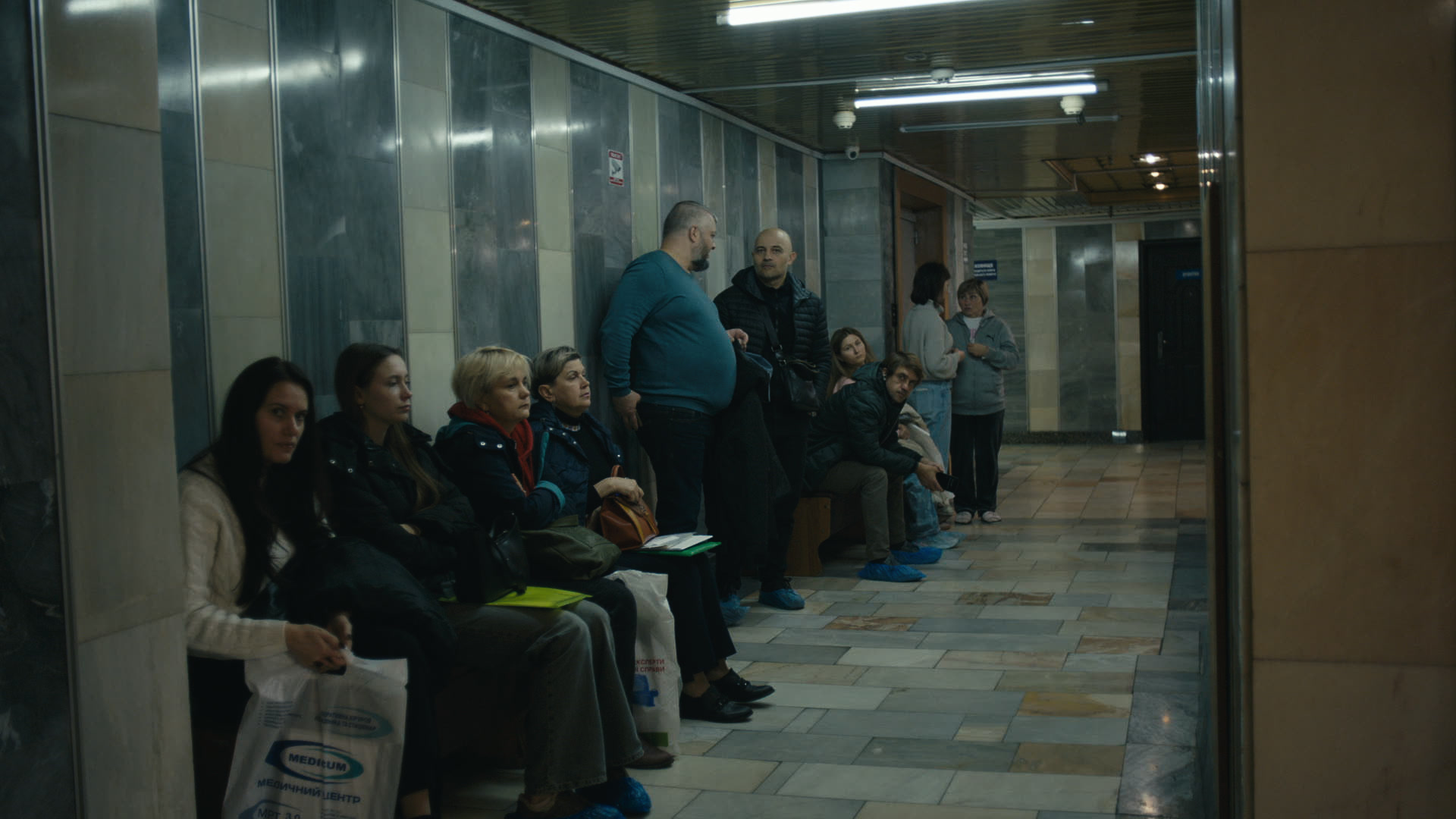
Speaker
00:00:00 (Transcript content available)
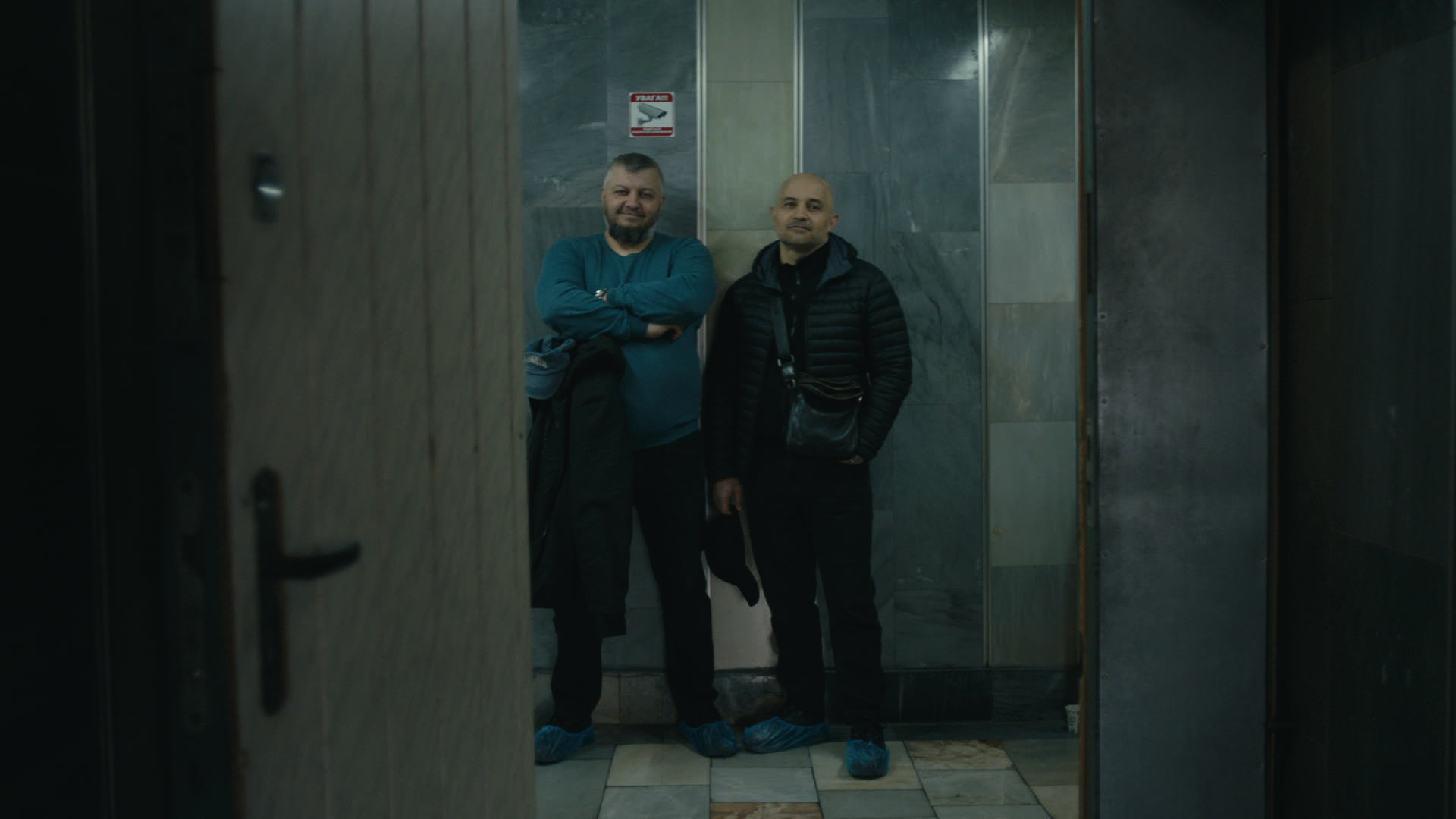
Speaker
00:00:00 (Transcript content available)
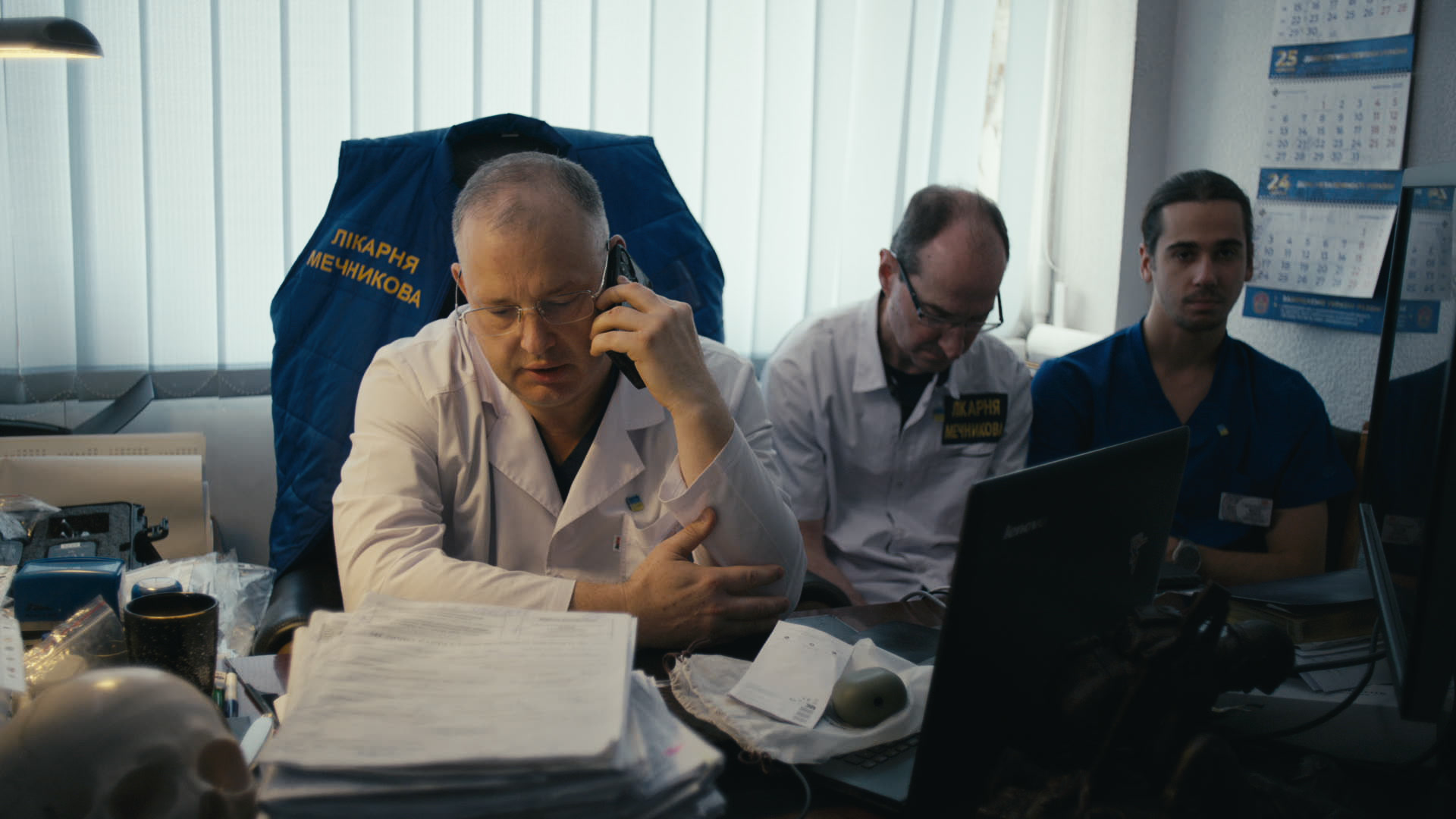
Speaker 1
00:00:00 [RUS] And we asked our ophthalmologist so that the ophthalmologist would perform this enucleation, clean it and suture it again.
00:00:00 [RUS] And we asked our ophthalmologist so that the ophthalmologist would perform this enucleation, clean it and suture it again.
00:00:13 [UKR] Today there will be a CT control, I'll send you the CT control now.
00:00:20 Yes, we did not operative it, because there was a thrombocytopemia of 64-56.
Speaker 1
00:00:00 [RUS] And we asked our ophthalmologist so that the ophthalmologist would perform this enucleation, clean it and suture it again.
00:00:00 [RUS] And we asked our ophthalmologist so that the ophthalmologist would perform this enucleation, clean it and suture it again.
00:00:13 [UKR] Today there will be a CT control, I'll send you the CT control now.
00:00:20 Yes, we did not operative it, because there was a thrombocytopemia of 64-56.
00:00:30 On the weekday we were able to transfer the thrombocytics to 121. Then they fell from 90 to 80. We were able to transfer the thrombo-concentrate. Then we took it in operation and were able to transfer it.
00:00:49 [UKR] Cardiac contusion also emerged there, because the troponin test exceeds the norm by 10 times. [UKR] Given his chest contusions, of course there will be cardiac contusion. [UKR] So it's a severe trauma, but they did a pretty good job stabilizing him at that stage. [UKR] And we already re-operated, because the CSF was leaking. [UKR] It's a matter of time when there would have been bacterial encephalitis through the nasal CSF leak.
00:01:17 [RUS] Good. Yes. At 9:00 he comes, raises his hand, that I'm military. [RUS] And then we have a professor from America, Alex Volodko, not recording, who's in the center. [RUS] We'll lift him together.
00:01:59 Thank you. lay in the chair
Speaker 2
00:02:32 [RUS] What's the callsign? [RUS] Velehura [RUS] Section days 50 injuries? [RUS] 16th day [RUS] 16th day [RUS] 16th day
Speaker 1
00:02:47 Car accident Car accident
00:02:49 [RUS] Passenger, flew out through the windshield
Speaker 2
00:02:54 [RUS] The panoramic window flew out? [RUS] Covered, they flipped 5 times and 4 [RUS] he flew out
00:03:00 [RUS] There were 4 people in the car, all the others weren't.
Speaker 3
00:03:05 [RUS] All the others are fine.
Speaker 1
00:03:29 [RUS] Knock-knock, did I miss it? [RUS] Yes, go ahead. [RUS] three signatures there [RUS] I'll put it now [RUS] rewriting the disc
Speaker 4
00:04:04 * Musik * * Musik * It's easier to use. Thank you.
Speaker 1
00:04:24 I guess they're ready now though.
Speaker 2
00:04:36 [RUS] I'm showing you what he can't show. [RUS] - Won't even hide it.
Speaker 1
00:05:01 [RUS] Did he tell you about the story with Olena Leonidovna?
Speaker 2
00:05:06 [RUS] No, okay. [RUS] We went in the morning to see Ivanov, at 7 in the morning. [RUS] Were fighting in the field from Olena Leonidovna's wound. [RUS] And they filmed Olena Leonidovna for 20 minutes, and we didn't get to Ivanov. [RUS] And went to you.
Speaker 1
00:05:23 [RUS] So with a new whole interview more.
Speaker 2
00:06:10 [UKR] Tell him that I, like him, am sometimes attracted to the brightness of a forensic expert.
00:06:25 Judge cases? Yeah, with legal. Pre-legal cases. Yes, yeah. That's it. That's it.
Speaker 3
00:06:38 . . Am I right? .
Speaker 2
00:06:52 Hello?
Speaker 1
00:06:55 [RUS] Hello, Lan Pavlov. [RUS] And I'll call the doctor now, your treating doctor will call and tell you more details. [RUS] Okay?
00:07:20 Yes.
00:07:22 [RUS] yes yes son and find out what ward Matchenko is in, who is treating Matchenko, the patient [RUS] was injured as a result of an explosion in Vasylkivka, who is treating, tell me the last name of just the treating doctor and the room [RUS] number
Speaker 4
00:07:43 Thank you. *laughs*
Speaker 1
00:09:05 Do you want me to place it?
00:09:24 [RUS] I signed the transfers, please.
Speaker 4
00:09:43 I am not going to sit right now. So Logan correct me if I'm wrong. It should be somewhere over here. Like on the desk. Can I ask you to go over? I'm sorry. I see pretty far over. You see the skull. I'm going to put the camera on the camera with the, just one of the other cameras.
Speaker 3
00:10:29 The one with the lens on it.
Speaker 1
00:11:04 Do they have SWI sequences? No, it's a localizer. Yeah, but I mean a whole thing. We see now it's flare. That's how we get, no more sequences. You can see the left hemisphere, multiple hypotensical signals located near the nucleus
Speaker 4
00:11:30 Yeah, it's a new internal yeah, this and this
Speaker 3
00:11:53 Me? Oh no, I'm getting out of here. I'm just trying to...
00:12:00 Did he come to Bechelkog after injury? Yes.
Speaker 1
00:12:18 [RUS] It's already visible that I'm not either. [RUS] Well, we need to say, who will record Grishin, need to record
00:12:49 [UKR] and the last computer, why to look, you can see here
Speaker 3
00:12:57 fracturing the anterior wall of the frontal. Yeah, but what is that? The right...yeah. The right...yeah. This? No, no, no. No, no, no. This? This? Okay, this is just normal. Clavate. Here's the demon that had with the clavate in my lab.
Speaker 1
00:13:20 - It's not like a diffuse axonal injury, it's more for - Contusions. - Contusions. - Yeah. - Yeah. - If you have GVI, it's maybe like a secondary. - Schemia. - Yeah, secondary ischemia. It's more, it's more for secondary ischemia than for Because the diffuse axonal injury is usually located in the
Speaker 3
00:13:53 corpus callosum, yeah, semi-oval center.
Speaker 1
00:13:57 And in the pines, also the brainstem.
00:14:00 Yes, and you can see subdural space right side, left side, maybe, maybe
Speaker 2
00:14:08 Like clothes. Small or sublore clothes. - I can explain to you. - Yeah, what example are you doing? - He's sedated. We've been trying to leave him from sedation for 24 hours. We cancelled all the sedation. And the only thing that he's doing is trying to move his head.
00:15:01 That's why. He was very agitated, very aggressive in the first days.
Speaker 1
00:15:06 [RUS] And we started titrating [RUS] Can this be brought up to my office, Viacheslavovych?
00:15:39 Yes.
00:15:41 [RUS] No-no, we loaded this on the big screen. [RUS] Yes, come over. [RUS] Do you have another headset? [RUS] Yes, I can give him mine. [RUS] Yes, because it's mine.
00:15:59 Since now we invite chief of ICU units, Nero ICU units, he asked us with Alex to see this patient yesterday. And now we will come here. Very difficult case, severe TBI injury patient with after car accident. It's severe TBI. Gotcha. So we got another person coming in. And after, when I go to the operation room, we can go together with Alex, with Alex and the chief of ICU units, write to patient.
00:16:49 [RUS] And Alex will be examining this patient with Viacheslav. [RUS] I think this is a good idea. [RUS] Now we'll check, analyze this patient. [RUS] After this...
Speaker 2
00:17:13 [RUS] I'm pressing the button.
Speaker 1
00:17:14 - No, no, no. - Does it work? - Yes, yes, it's working. - He can just put it in. - Okay, yeah. - Teddy, after consultation, I go to operation, and we go together with Alex in ICU.
Speaker 4
00:17:33 - Gotcha. Okay, yes, okay, after operation, go with Alex to ICU for this one.
Speaker 1
00:17:40 no no no it's another idea i go in operation room right uh you would go together with alex in icu unit gotcha in order to we use time more efficiently oh yes true tomorrow tomorrow we will go in
00:18:00 operation room together with alex tomorrow tomorrow yes but today we go together with slava
Speaker 3
00:18:06 Resolution with Alex in ICU after we finish our consultation patients, right? When I see this patient should I call surgery? The bar which I'm sure J. The neurosurgeon or the
Speaker 1
00:18:29 Sure, yeah, I'll call him okay.
00:18:36 [RUS] I think you'll say that after you examine the patient, after you see his analysis, you can invite Serhiy Hryhoruk and tell you everything about the patient. [RUS] Artem, I can't get through to Misha, he has problems with his phone. [RUS] Either you or Misha, I need you to record the CT control of the patient we operated on yesterday.
Speaker 2
00:19:05 [RUS] Ivanov, with polytrauma.
Speaker 1
00:19:11 [RUS] Better on a disc.
Speaker 5
00:19:15 [RUS] Or at least video. [RUS] Better on a disc.
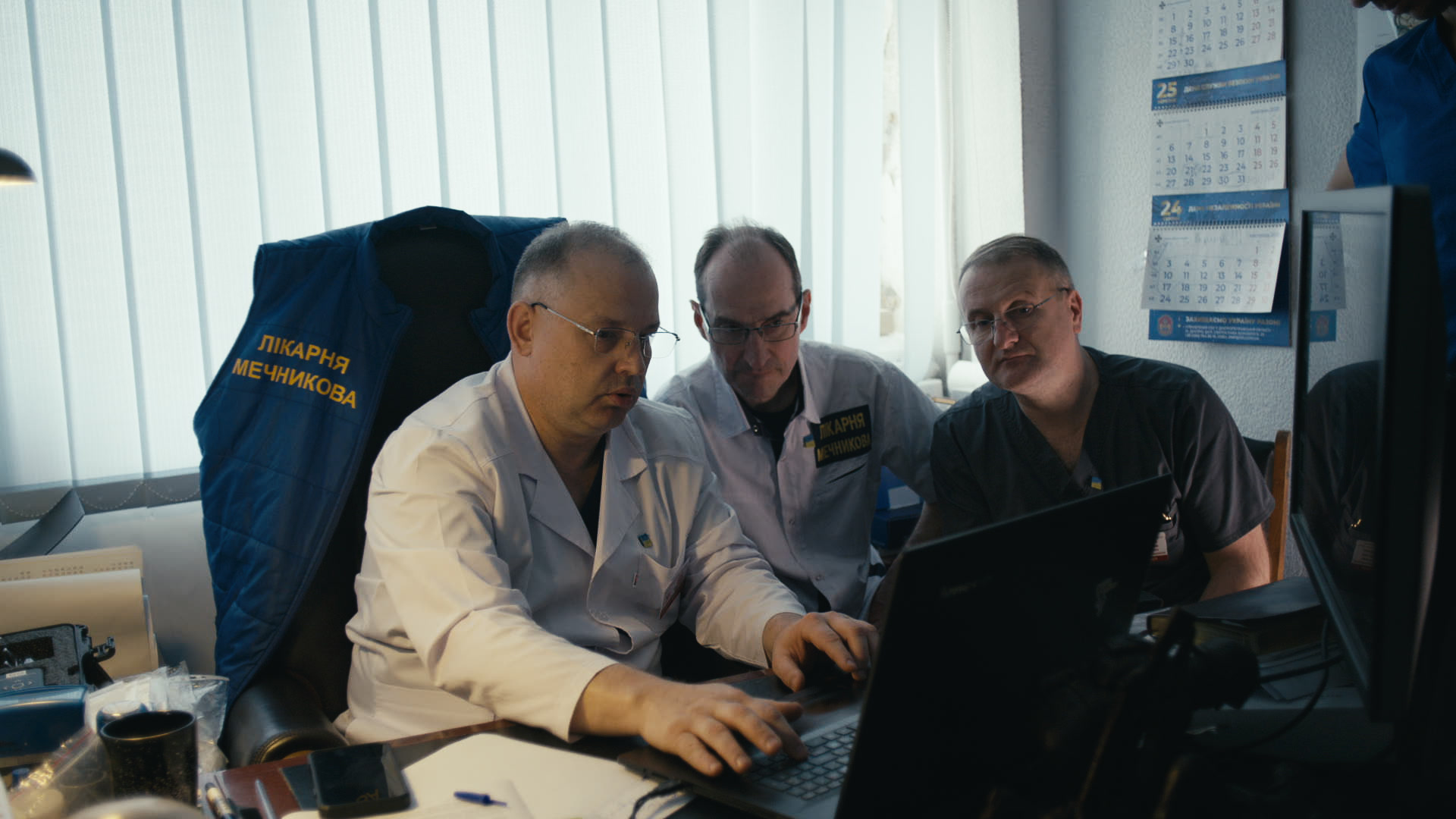
Speaker 1
00:00:00 [RUS-NEEDS] В первую очередь, что он меня спросил, когда я ему все это показал, он сказал, что у него не было гипоксии, давление не падало.
Speaker 2
00:00:05 [RUS] First of all, when I showed him all this, he asked me, he said he had no hypoxia, the pressure didn't drop.
Speaker 1
00:00:12 [RUS] Maybe he was lying there. [RUS] On the first CT I was still showing him, and he says he had hypoxia. [RUS] Maybe you were lying there drunk out of your mind. [RUS] I would say.
00:00:28 Plus both sides of the subdenial clots. Yeah, it's true.
Speaker 1
00:00:00 [RUS-NEEDS] В первую очередь, что он меня спросил, когда я ему все это показал, он сказал, что у него не было гипоксии, давление не падало.
Speaker 2
00:00:05 [RUS] First of all, when I showed him all this, he asked me, he said he had no hypoxia, the pressure didn't drop.
Speaker 1
00:00:12 [RUS] Maybe he was lying there. [RUS] On the first CT I was still showing him, and he says he had hypoxia. [RUS] Maybe you were lying there drunk out of your mind. [RUS] I would say.
00:00:28 Plus both sides of the subdenial clots. Yeah, it's true.
Speaker 2
00:00:35 - When he was already here, the episodes of hypoxia and hypertension were not guaranteed. - In the hospital there was no... - Pre-hospital, pre-hospital, maybe.
Speaker 1
00:00:47 Hypoxia, maybe, hypertension. And you can see hyperintensive signal
00:01:13 [RUS] Postyar [RUS] even on the MRI you can see a fracture of the anterior wall of the frontal sinus, we need to look at the posterior wall so that
Speaker 2
00:01:31 [RUS] there are no problems with hidden CSF leak, there could be hidden CSF leak because you see how it's
Speaker 1
00:01:40 [RUS] depressed, ENT looked twice, they puncture the sinuses, there's lysed blood there, and now [RUS] Look here, the anterior wall of the frontal sinus, how it's depressed. He may have problems with his left ear, because it looks like mastoiditis here. [RUS] Didn't they look at the left ear? [RUS] Well, they looked at everything, but if needed again, that is the ear, the left ear, because it lights up like mastoiditis.
00:02:14 Well, you know, they are very long, so it's all positional. I know, the dissertation of the Yitzv - You know it, both sides. You know it right and left side. - And you know, if also is there a mastoid too? - A mastoid? - Yeah. - Infection there. Yeah. - And the right side, there is, there are air, - And the right side, there is, there are air,
00:03:02 but left side, it's maybe totally, yeah? - Yes, it's sinusitis.
00:03:11 [RUS] Yes, that is we need to look at his frontal bone, how much
Speaker 2
00:03:15 [RUS] the anterior and posterior walls are depressed and all the sinuses.
Speaker 1
00:03:21 [RUS] Tomorrow morning we'll go up. [RUS] The maxillary sinus, bilateral ethmoid and sphenoid [RUS] bilaterally. [RUS] And who looked at ENT? [RUS] Do you have yesterday's pump? [RUS] We asked them twice, once they just examined. [RUS] asked to puncture, I think there's an infection. [RUS] And there's lysed blood there at the moment.
Speaker 2
00:03:51 [UKR] So that's the situation.
Speaker 1
00:03:53 [RUS] Okay, tomorrow we'll look at the CT. [RUS] Yes, we'll look at the CT for bones and sinuses, the latest CT.
Speaker 2
00:04:01 [UKR] So that's the situation.
00:04:04 [RUS] Tell me, what does Alex think about [RUS] how long to ventilate him, and he comes out with pronounced psychomotor agitation
Speaker 1
00:04:13 [RUS] we have difficulties, when Alex comes, we'll bring him to us now, now we'll consult the patients [RUS] anyway I'll come later for a small operation, Alex will come to you and together you'll look at the patient [RUS] the analysis and everything, that is he'll still be Alex, he pulls out about patients, but I said that you
00:04:30 will be a bit later in person, near the patient, together with Richislav, watch, analyze. And Richislav has two questions.
Speaker 2
00:04:42 First of all, how need to duration for artificial ventilation?
Speaker 1
00:04:49 Mechanical ventilation. Yes, mechanical ventilation. And after he decreased drugs for analgo sedation,
Speaker 2
00:04:58 [RUS] from this sanction, this is this, take this, did you look at him on the computer at all
Speaker 1
00:05:09 [RUS] well I'm not popular, they looked at this field for that is this [RUS] Svetlana Mykhailivna, because we're looking for Marchenko all over the hospital, we can't find him.
00:05:30 [RUS] What? Okay.
00:05:37 [UKR] Lyudmila Vasylivna?
00:05:44 [RUS] okay wait now
Speaker 2
00:05:49 [RUS] Ryabchenko Marina I think ward 21 [RUS] ward, even yesterday after you wrote to me and move over, the pressure was already 140
Speaker 1
00:06:00 [RUS] - He corrected it a bit and basically everything's fine. And in the morning?
Speaker 2
00:06:04 [RUS] - In the morning, what are you upsetting me about, that his pressure is 155, and he couldn't urinate. [RUS] - And did you look at this small invasive blue reading, on the yellow monitor?
Speaker 1
00:06:15 [RUS] - On the monitor. - No, it had to be blue. [RUS] - But anyway, Horyash, he's urinating a little. I think, why does he need this monitor. [RUS] - And how did you repeat? - Repeated, now Artem should bring the results.
Speaker 2
00:06:24 [RUS] - Well then... - I'll tell you first. [RUS] - Is there urine? Is there saturation? [RUS] - Yes, and he said the sedation is starting... [RUS] - You only with Ativan.
Speaker 1
00:06:38 [RUS] - Oh, yes, yes. [RUS] - My interns are bringing the CD disk, [RUS] and we see the CT control.
00:06:48 Yes?
00:06:49 [RUS] Until we meet again!
00:06:57 - Ots
00:07:01 [RUS] I'll bring it when I call you. [RUS] - Okay, yes. [RUS] - It's you, you can, I'm giving it to you here. [RUS] - I'll take it, I'll book the CT, tomorrow we'll see. [RUS] - And the chair.
00:07:13 [UKR] Andreyevych, we have a charity day tomorrow, there will be a run.
00:07:16 [RUS] - Maybe not there? [RUS] - No need. [RUS] - No need. [RUS] - We're going to the operating room, we're going to the operating room, [RUS] Add a patient, I'll transfer. [RUS] Add a patient, I'll transfer. [RUS] - The chair can be taken, I think. - The chair, yes, this one. [RUS] - Well, you're scared now, of course. - Ah, well, then they'll be clearing the equipment.
Speaker 4
00:07:32 [RUS] - Yes, after the equipment. - Okay, there. [RUS] - Ah, Hryho, how are you. - Speak. [RUS] - And there's this guy, what was his name. [RUS] Guy, I think I'm forgetting. Tella is his name. [RUS] Yesterday you said he came by. [RUS] - Tella? - Yes, yes, yes. [RUS] - Is he in the ICU? - Here he is lying. [RUS] He's sitting here. Everything went well. [RUS] ambulance consultation needed, arrow there, already normal, he's sitting, pulmonary artery thromboembolism
Speaker 1
00:08:00 [RUS] I can do it, no question, to consult, he's talking about that and so on, these are not stones, they're clots
Speaker 4
00:08:05 [RUS] and for whom is this pulmonary artery thromboembolism, this is Sergey Oleg Alexandrovich, and where is this, on the 5th floor [RUS] I understood, yes. [RUS] I treat tumors and TBI. [RUS] Yes I know you work with the head. [RUS] Something stood out, I talked to you yesterday, and you say, [RUS] let him come tomorrow.
Speaker 1
00:08:25 [UKR] Alright, I understood. Sergey Oleg Alexandrovich.
Speaker 2
00:08:28 [RUS] Well, are you very?
00:08:30 [UKR] Andrey Hryhorovych, march to ward 21.
Speaker 3
00:08:34 [RUS] Now.
Speaker 1
00:08:48 [RUS-NEEDS] А звонит Мороз Светлана Михайловна по поводу больной Рябченко.
00:09:05 [UKR] Moroz Svetlana Mykhailivna is calling about patient Ryabchenko.
00:09:12 [RUS] Can you call her? I'll give you the phone number now if you're not here. [RUS] I'll send you on Telegram now... [RUS] I'll send you on Telegram now, okay? [RUS] Yes, thank you.
Speaker 5
00:09:38 [UKR] Mikhail comes in, who's for consultation?
Speaker 1
00:09:40 [RUS] - For consultation, that about father Tyuchins, that's me right?
Speaker 5
00:09:44 [RUS] - For now these case histories can be returned.
Speaker 3
00:09:47 Uh-huh.
Speaker 1
00:00:00 - What kind of people?
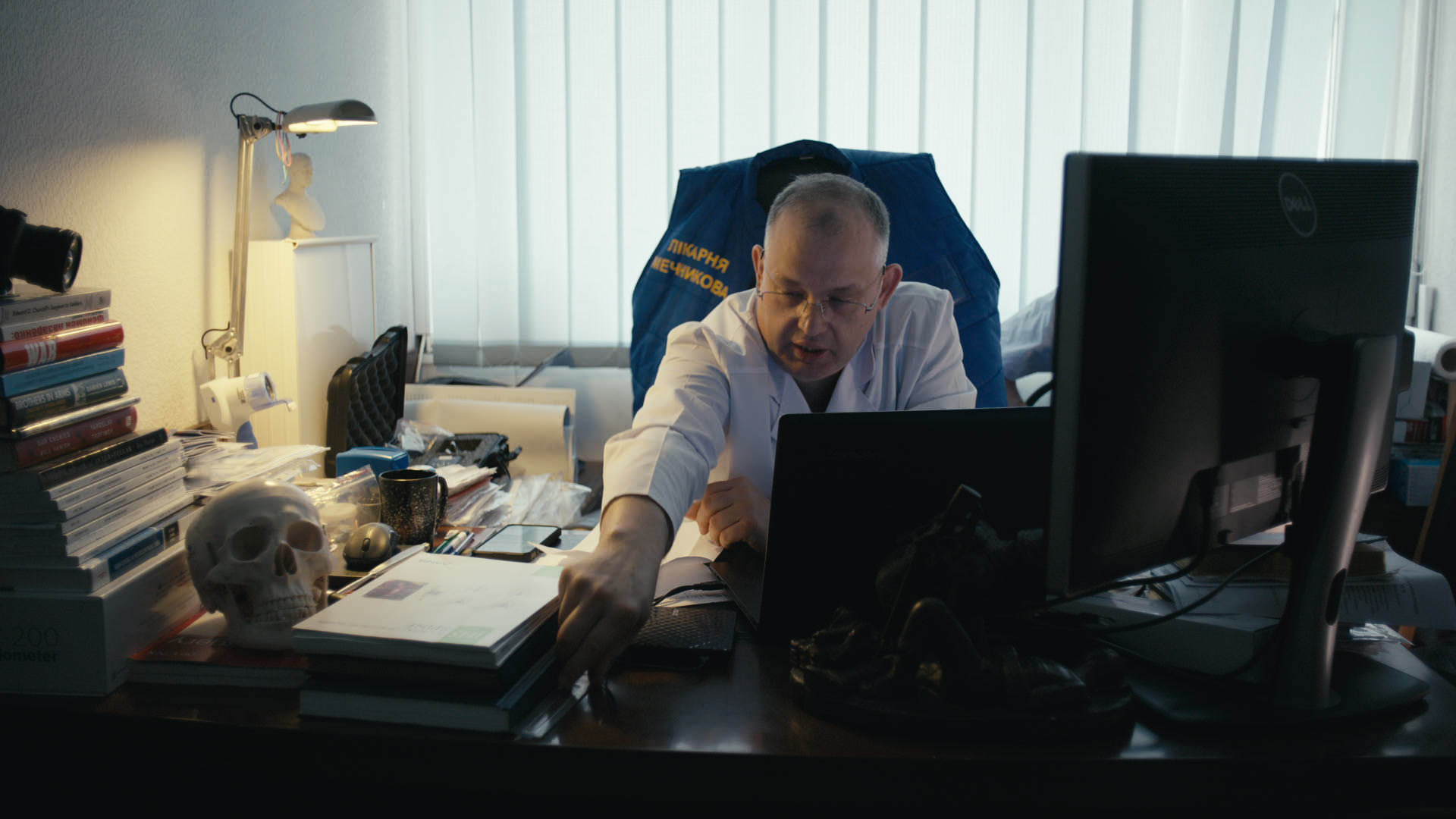
00:00:00 - What kind of people? - I will not get out, but please come here. - With your best-known statements of Ukraine. - Please don't move. - Two words. It's Chief of Medical Service. Our Department of Defense. - Oh, wow. - Glory you to Ukraine. I'm gonna say something. I will honor anyone and my
00:01:02 [RUS] Humaniuk Konstantin Vitaliyovych, we will have a conference on Thursday, [RUS] there will be a meeting of military surgeons and anesthesiologists of Ukraine, [RUS] and Alex and I will give two presentations here. [RUS] And yesterday with Alex we operated on Ivanov, the patient. [RUS] They say he's somehow connected to your structures too. [RUS] Son, Andrey Hryhorovych, thank you very much. [RUS] Yes, glad to see you.
Speaker 3
00:01:27 [UKR] This is information for tomorrow, are you requesting some meeting about Union 14 testament.
Speaker 1
00:00:00 - What kind of people?
00:00:00 - What kind of people? - I will not get out, but please come here. - With your best-known statements of Ukraine. - Please don't move. - Two words. It's Chief of Medical Service. Our Department of Defense. - Oh, wow. - Glory you to Ukraine. I'm gonna say something. I will honor anyone and my
00:01:02 [RUS] Humaniuk Konstantin Vitaliyovych, we will have a conference on Thursday, [RUS] there will be a meeting of military surgeons and anesthesiologists of Ukraine, [RUS] and Alex and I will give two presentations here. [RUS] And yesterday with Alex we operated on Ivanov, the patient. [RUS] They say he's somehow connected to your structures too. [RUS] Son, Andrey Hryhorovych, thank you very much. [RUS] Yes, glad to see you.
Speaker 3
00:01:27 [UKR] This is information for tomorrow, are you requesting some meeting about Union 14 testament.
Speaker 4
00:01:45 [UKR] I think so that you know in advance.
Speaker
00:00:00 (Transcript content available)
Speaker 1
00:00:00 - It's good CT scan, Andre. - It's good CT scan, Andre. Another successful mission.
Speaker 2
00:00:13 - We say what would you like, I will do in the best way. Okay? - And now I think we will talk with patient. - And now I think we will talk with patient. We are going to operate tomorrow. Logan, understand? And maybe a bit later, a bit later, yes, a bit later, we'll be friends, maybe relatives, patients.
Speaker 3
00:00:35 We operate yesterday and come here and also we will talk with them.
Speaker 2
00:00:42 Okay, great. You mean later in the week? Right. Okay. Okay. We say me, what would you like? I organize in the best way. I organize in the best way. Please. Yes. Yes.
Speaker 1
00:00:00 - It's good CT scan, Andre. - It's good CT scan, Andre. Another successful mission.
Speaker 2
00:00:13 - We say what would you like, I will do in the best way. Okay? - And now I think we will talk with patient. - And now I think we will talk with patient. We are going to operate tomorrow. Logan, understand? And maybe a bit later, a bit later, yes, a bit later, we'll be friends, maybe relatives, patients.
Speaker 3
00:00:35 We operate yesterday and come here and also we will talk with them.
Speaker 2
00:00:42 Okay, great. You mean later in the week? Right. Okay. Okay. We say me, what would you like? I organize in the best way. I organize in the best way. Please. Yes. Yes.
00:00:54 [RUS] If we need to do Bohdan, then we have to wait for them a bit. [RUS] Yes, that's why we solved many problems.
00:01:02 [UKR] We'll talk with the patients, we'll talk with the relatives.
00:01:05 [RUS] And after that, we'll go with Alex to the hospital. [RUS] After that, you can go to Bohdan. [RUS] Bohdan, yes. [RUS] Good. [RUS] - What's the surname? [RUS] You don't mind being filmed? [RUS] You'll be in history on American television and Teslenko. [RUS] We already operated, and call Teslenko.
00:01:57 [RUS] Don't be afraid, they won't take you to America. [RUS] If they take you, only with me. [RUS] Yes, they don't mind. [RUS] I give permission... [RUS] I would like to show you... [RUS] Alex Valadka from Dallas... [RUS] I'm hoping... [RUS] the head of neurosurgery department in Dallas, Texas. [RUS] This is already the fourth time we come together with him and operate and treat patients.
00:02:37 [UKR] I just want to show difficult cases. [UKR] He says: "After the war I will send my residents, that is interns, so they can learn to operate from you."
00:02:52 I told you say the last time when we were in hospital, after the war, I will send my resident here to me in a study not only in their trauma cases, skull base, skull base, and their oncology cases.
00:03:13 [RUS] You can see that these patients were difficult cases, because this is the confluence, occipital. [RUS] Yes, torcular. [RUS] Torcular, and occipital, transverse sinus, and also occipital, rectosigmoid sinus. [RUS] Okay? [RUS] But, nevertheless, we do the combination. [RUS] And tell us, how did you change before and after the surgery.
Speaker 1
00:03:43 [UKR] Tell the truth, purely the truth, coward. [UKR] Okay? - Super.
Speaker 2
00:03:50 [UKR] Thank you. [UKR] - Thank you, the third day after surgery I feel very good. [UKR] Thank you. - Thank you. [UKR] - There are no additional problems at all, nothing. [UKR] - No. - No. [UKR] - Well, smile, because you look so worried, as if you're not going for surgery.
Speaker 1
00:04:13 [RUS] What, did they call you? [RUS] No, no, we... [RUS] We're very careful, not rushing. [RUS] You're definitely doing the surgery, right? [RUS] I'm definitely doing it. [RUS] I came to surgery, I look, you had a bad haircut.
Speaker 2
00:04:28 [UKR] I called Vadim Vladimirovich, I say, Vadim Vladimirovich, do the shave. [UKR] And I made him do the shave.
00:04:35 [RUS] Because I was set for surgery, I wasn't set to do shaving, I'm no barber.
00:04:40 [UKR] And he did the haircut, came after doing the case history. Mykhail Maksymovych, Artem Tretyakov and I did the approach. [UKR] And for the main stage, when we did the surgery under microscope, I called Vadim Vladimirovich again, and he assisted me. [UKR] So I did the surgery. We have it on video. We even have video recordings of operations. [UKR] There's video, if you want, I'll show you later.
00:05:08 [RUS] Okay, ask questions.
Speaker 1
00:05:10 [UKR] We will remove the sutures on day 11 after surgery.
Speaker 2
00:05:14 [UKR] - On day 11. - Yes, maybe you can see here. [UKR] - And on day 12. - Yes. [UKR] - And on day 12 we'll be discharged. [UKR] Where is it published? [UKR] - I showed you some DSA angiography.
00:05:30 [RUS] Vein of Labbe started the year.
Speaker 1
00:06:02 [UKR] Come in, sit down. [UKR] Don't be afraid.
Speaker 2
00:06:16 [RUS] Good morning.
00:06:17 [UKR] Good morning. You don't mind being filmed by our American colleagues? [UKR] Maybe in a year, in two years there will be a documentary film. [UKR] It will help Ukraine.
00:06:30 [UKR] - I myself don't really like it. People expressed a desire to show how we treat military personnel. [UKR] Yesterday we operated on a severely wounded soldier. Usually on Monday we don't have surgeries. [UKR] We operated on a severely wounded soldier.
00:06:57 [RUS] We also have a complex tumor in a woman. [RUS] And they, despite the war, continue to save civilians as well. [RUS] I got caught in the rain, got a little sick, so yesterday I didn't have, today I already feel better, and I think tomorrow even better, because for your surgery I need to be a strongman.
00:07:49 [RUS] I asked about permissions. [RUS] - Yes, she with the pati...
00:08:24 [UKR] Serhiy Hryhoruk, he asked us to look at a patient with severe trauma, so the professor could give his opinion.
Speaker 1
00:08:43 [UKR] We say that Alex is Serhiy Hryhoruk's younger brother.
Speaker 2
00:08:47 [RUS] Yes, yes. [RUS] Brother of Serhiy Hryhoruk, now I'll load your disk, and we'll go up together with the professor, and we'll chat with you about him.
Speaker 1
00:09:05 [RUS] Is it hard for you to stand? [RUS] No, no.
Speaker 2
00:09:15 [UKR] The patient was already very worried.
Speaker 1
00:09:18 [RUS] Why?
00:09:19 [UKR] Today the stomach has already stopped there. [UKR] The worry has already started. [UKR] As soon as she said it's tomorrow.
Speaker 2
00:09:27 [RUS] Already, it all started.
Speaker 1
00:09:29 [UKR] Why worry? [UKR] That's what I'm saying, it's all in our heads. [UKR] Why worry? [UKR] I'm telling you, you're in reliable hands. [UKR] Everything's fine.
Speaker 2
00:09:48 [RUS] Now let's call our general director. [RUS] Serhiy Anatoliyovych, I'll be quick, three questions. [RUS] First, we did the CT scan of Ivanov from polytrauma. [RUS] It exists, right, Serhiy Anatoliyovych? [RUS] Everything's fine there. [RUS] Yes, everything's fine, Serhiy Anatoliyovych, they allocated scans, so everything's fine with the computer.
00:10:35 [UKR] Second question. Journalists are asking when they can interview you, tomorrow or Friday. [UKR] They wanted separately, Serhiy Anatoliyovych, to talk with you personally.
00:10:59 [RUS] They wanted with the general director, maybe then Friday in the morning. [RUS] What did you say? [RUS] No, no.
00:11:09 Uh-huh.
00:11:10 [RUS] And tomorrow at what time should I bring them? [RUS] I'm here. [RUS] At 9:30 at the reception, right? [RUS] Bring them there. [RUS] And at 9:30 tomorrow where then, Serhiy Anatoliyovych? [RUS] In polytrauma ICU. Oh, good. 9:30, tomorrow we are planning a complex surgery with Alex Valadka, possibly for 5-8 hours.
00:11:55 [RUS] How it goes? We'll try to finish by 2 o'clock, but if I don't finish, you won't scold me too much. [RUS] Alright, then at 9:30 tomorrow we with Alex Valadka will call Skrypets to say, right? [RUS] Yes, and call Skrypets to tell Yuriy Yuriyovych that... [RUS] Okay, okay, okay, and they'll come, yes, okay, okay, now. [RUS] Good, good, good. Alright, tomorrow at 9:30, near polytrauma, we meet.
00:12:36 [UKR] Thank you.
00:12:39 [RUS] You solved one issue, that tomorrow we with Serhiy Anatoliyovych meet with Alex, give an interview, and then he released us for the whole day, so we calmly, don't rush anywhere, because tomorrow there will be an event, stroke day, journalists at lunch, at 2 o'clock, then at 3 o'clock.
Speaker 1
00:12:58 [RUS] And we were relieved. And Teddy, is he here? Teddy, here?
Speaker 2
00:13:03 [RUS] Yes, yes.
Speaker 1
00:13:05 [UKR] Khaymin I'll stop by, I can say a word.
Speaker 2
00:13:06 [RUS] Who can, do you remember?
Speaker 3
00:13:11 [RUS] Teddy, I agreed with our director.
Speaker 2
00:13:15 [RUS] Interview time 9:30. [RUS] 9:30, close to the university at the first floor.
00:13:25 we will go together with alex with you we after that we can to speak alone with general director yeah i agree that's great yes and after that i receive permission we can go with alex in the
Speaker 4
00:13:42 with this patient in operation and operate how neat we will operate wow yes that's excellent yes
Speaker 2
00:13:49 Yes. Okay. All right. Yes. Okay. Okay. You're getting a producer credit too, it sounds like. Seriously. I am, uh, give, uh, take, uh, uh, Logan and Laura, Brett. Yeah. Brett and butter. Right. Yes. I like producer. Yes. Yes. Okay. Okay. Yeah. That's great. Thank you. Thank you. Yeah.
00:14:22 [RUS] - Two words. I spoke with Serhiy Anatoliyovych, he says that tomorrow at 9:15-9:30 on the 1st floor Serhiy Anatoliyovych will give an interview, connected with Alex Valadka. [RUS] I'm telling Yuriy Yuriyovych to have maximum attendance.
00:14:40 9:30.
00:14:43 [UKR] Ask Serhiy Anatoliyovych.
00:14:45 [RUS] Well, because we planned that these would be journalists, [RUS] And you clarify. [RUS] And you clarify.
00:14:51 [UKR] Maybe Serhiy Anatoliyovych wants to also...
00:14:53 [RUS] Yes, clarify, clarify, with the bosses. [RUS] I just know for sure that I'll be there, Alexey, [RUS] you'll be there as cinematographer.
00:15:00 [RUS] And he said to tell Yuriy Yuriyovych. [RUS] That's what I'm telling you. [RUS] Well, clarify, with Yuriy Illich. [RUS] Good. [RUS] Well, he just says: "Make sure to tell Yuriy Illich." [RUS] I'll call now.
00:15:12 [UKR] Alright. Thank you, Yuriy Illich.
Speaker 1
00:15:17 [RUS] What's your name?
Speaker 2
00:15:19 [UKR] Viktoria Alexandrovna.
Speaker 1
00:15:20 [RUS] And how old are you?
Speaker 2
00:15:22 71.
00:15:24 [RUS] Well, that's not much. [RUS] Not much. I operated on a patient, [RUS] who was... [RUS] what should I say?
00:15:33 90.
00:15:43 [UKR] I operated on a 91-year-old patient.
00:15:48 [RUS] And Rock Armonda asked: "What's the secret in your life?"
00:15:56 He answered, "Every day, a cup of wine, a cup of wine, a cup of wine, I like whiskey, but my relatives forgot me, it is forbidden to drink whiskey." - Wine. - Yeah. - Whiskey is good. What was that? What type of tumor was this? I think it's a meningioma.
00:16:30 Yeah. meningioma, uh, Fikes. meningioma, and both side grows, both side.
00:16:49 [UKR] so that's why I'm telling [UKR] tumor is big, tumor is complex, yes, but we have no other choice
00:17:09 [RUS] - I later understood that you were in surgery. Don't worry. [RUS] We have Artem, I asked Artem, and Artem recorded the CT control of Ivanov for me, whom we operated on yesterday with Alex.
00:17:21 [UKR] I said that Artem handled everything, he did well, and then I found out that you were in the operating room. [UKR] Okay, around 12, tell Rostyslav, we'll go to the operating room, a small operation with Chernenko. Okay? [UKR] Let's add more. - Yes, let's.
Speaker 1
00:17:40 [UKR] We have no other option, it will slowly grow, press until it finishes you off. [UKR] In a month it started to press very hard.
Speaker 2
00:17:57 [UKR] The leg isn't responding, movement coordination, turns. [UKR] The only guarantee is that we'll do it carefully, without rushing, under the microscope. [VO CANDIDATE] [UKR] - It's in your hands. - We do surgery under the microscope, under high magnification 12-14 times.
00:18:27 [RUS] We will see what density it is.
00:18:30 [UKR] If we're lucky, it won't be like that.
00:18:33 [RUS] Sometimes it's like cartilage - that's bad. [RUS] Sometimes it's cartilage, and fused with a vessel. [RUS] I'm showing this more to the daughters. [RUS] These vessels, you see? [RUS] You see here. [RUS] You see here. [RUS] Is this the superior sagittal sinus?
00:18:53 The superior system is here. I show the anterior cerebral artery.
00:19:00 It's good. This, this, this and this. If it's nice to be able to not be connected with the puchyna, then we will try to see the screen.
00:19:20 [RUS] If we see that they are heavily fused, then perhaps we'll leave part of the capsule. [RUS] Part of the capsule is 5-10, maximum 20% of the total volume. [RUS] But this can be a chance for your brain to breathe easier, that it's not pressing on it. [RUS] And for these pieces, if it's been growing for 20 years, we can monitor these pieces. [RUS] Even if they someday decide to grow, we can irradiate them. [RUS] Now there's already stereotactic radiosurgery, gamma knife, cyber knife, linear accelerator. [RUS] You don't need to worry about this.
00:20:00 [UKR] That is, we will, your life, your neurological condition, it's the priority, it's number one.
Speaker 1
00:20:12 [RUS] Ask questions.
Speaker 2
00:20:13 [UKR] What won't you ask?
Speaker 1
00:20:14 [RUS] Whatever you want, ask.
Speaker 2
00:20:17 [UKR] When will the anesthesiologist come? [UKR] Today. Today we have three small surgeries, after three surgeries she will definitely come to you. [UKR] In the evening, right?
00:20:25 [RUS] Well, after lunch it will be around three, three-four. [RUS] After 6 in the evening don't eat. [RUS] You know this, right? [RUS] And until ten you can drink water and drink as much as possible. [RUS] Until ten. [RUS] Until ten in the evening you can drink and drink up, because after ten you can't eat or drink at all. [RUS] And tomorrow you heard, around 9:30 you'll get an injection, it's called premedication, so you don't worry. [RUS] don't stress, and at 10 you'll go to surgery. [RUS] And before that time we'll go, give an interview, [RUS] and then calmly we'll have one plan for tomorrow - the surgery. [RUS] How many hours will it take?
Speaker 1
00:21:10 4-5-6-7.
Speaker 2
00:21:12 [RUS] - Shave everything. - Better all. [RUS] You know what? Because it will look like a cuckoo's nest. [RUS] If you cut like this, and here on the sides a little remains, it won't look good.
00:21:23 [UKR] The woman who just left, she had the tumor in the back. [UKR] We shaved here in the back, left everything here.
Speaker 1
00:21:30 [UKR] But for you it's the opposite, here I call it cuckoo's nest.
Speaker 2
00:21:35 [UKR] And that which I had, and that you'll have different work. [UKR] Look, your disks, I've already loaded the main one somewhere. [UKR] I have all your disks, I usually take them home. [UKR] In the evening, after I have dinner, I have such screens at home, I sit down and millimeter by millimeter make the markings.
00:22:00 [UKR] That is, I look at where the old surgery was and where the tumor is now, here, here, here, here, perhaps we'll need to use part of those previous craniotomies, perhaps additionally make another one. [UKR] Don't worry about this. [UKR] We'll do everything and all... [UKR] - Tell me, what do you think about this? [UKR] - Well, look, how can I tell you? [UKR] Sometimes patients, take a dictaphone and record. [UKR] The worrying you're doing, you're not helping yourself.
Speaker 1
00:22:36 [UKR] On the contrary, you'll be getting worse, your pressure will rise. [UKR] - Already. [UKR] - You'll either have constipation, or diarrhea. [UKR] Everything is ready. [UKR] All the checkpoints have been passed.
Speaker 1
00:00:00 [UKR] A question right away. This is our American colleague, a professor from Texas, head of the neurological department.
00:00:01 [UKR] - First, a question. This is our American colleague, a professor from Texas, head of the neurosurgical department. [UKR] The consultation costs 1 million dollars. [UKR] - Unfortunately, we don't have that kind of money. [UKR] You don't mind if it's filmed? This could be an American documentary.
00:00:19 [RUS] - No objections.
Speaker 2
00:00:20 [UKR] - In your city, village, district they probably won't show it? But if you want, I'll give you the most.
Speaker 1
00:00:00 [UKR] A question right away. This is our American colleague, a professor from Texas, head of the neurological department.
00:00:01 [UKR] - First, a question. This is our American colleague, a professor from Texas, head of the neurosurgical department. [UKR] The consultation costs 1 million dollars. [UKR] - Unfortunately, we don't have that kind of money. [UKR] You don't mind if it's filmed? This could be an American documentary.
00:00:19 [RUS] - No objections.
Speaker 2
00:00:20 [UKR] - In your city, village, district they probably won't show it? But if you want, I'll give you the most.
Speaker 1
00:00:27 [RUS] We have a referral...
00:00:28 [UKR] - Yes, the referral can allow that.
00:00:30 [UKR] - First show me the MRI conclusion, [UKR] because it might turn out that you came...
00:00:36 [RUS] - Here.
Speaker 2
00:00:38 [UKR] - It might turn out you have back problems, and I don't treat backs. [UKR] - Not the back, we've already been to Kirpa, and we came to you with hope, [UKR] because really... [UKR] If needed...
00:00:52 [RUS] The disc...
00:00:53 [UKR] If needed, there's a disc...
00:00:57 [RUS] Igor Kirpa's. [RUS] Igor, yes.
Speaker 1
00:01:00 [RUS] And what did he say? [RUS] What did he say? [RUS] Why didn't he operate? He's my student. [RUS] He told me to get tests done.
Speaker 2
00:01:10 [UKR] Kirpa Igor Yuriyovych.
00:01:11 [RUS] He said to get tests done, but we also want to consult with you. [RUS] That's why we came. [RUS] The discs are dead.
00:01:25 [UKR] Yes, also the white lanyard. [UKR] White lanyard, Andriy, yes.
00:01:30 [UKR] Can I take this?
00:01:31 Yes.
Speaker 1
00:01:33 [UKR] They also said there are some polyps in the nose, that it's a centimeter from the brain or something like that.
00:01:44 [RUS] Let me read it again.
Speaker 2
00:02:06 [UKR] [Victoria subtitle]
Speaker 1
00:02:40 [UKR] Two symptoms.
00:02:41 First of all, he had a complaint in the headache, two times per month, but sometimes he lost vision left eye.
Speaker 2
00:02:58 10-15 seconds. About 20 minutes. 20 minutes? 20 minutes.
Speaker 1
00:03:03 [RUS] - Completely? - No, partially, you know, it's visible from the side... [RUS] - Decrease, decrease... - Partially, like a grid over the eyes, you know, like...
00:03:22 Quality of vision of the left eye. 20 minutes, and how often?
00:03:29 [UKR] It was about twice a month. [UKR] Also which side of the head, right?
00:03:35 [RUS] At the same time as the head.
Speaker 2
00:03:38 [UKR] Where do you live?
Speaker 1
00:03:40 [RUS] The 12th district.
Speaker 2
00:03:46 [UKR] Yesterday a girl was hit and killed near hospital 15 there. [UKR] Yes, we passed by, yes. [UKR] There, yesterday evening, I was at the 16th, while I was standing at the bus stop, there,
Speaker 1
00:03:58 [RUS] they almost ran over several people on the ground.
Speaker 2
00:04:02 [RUS] Do you have that cleft lip? [RUS] Yes, but no cleft palate, by the way, well, so everything is fine.
Speaker 1
00:04:10 [RUS] I'm just saying that the chief of our cinematography group also had the same surgery. [RUS] Did you meet him in the corridor?
00:04:20 Yes. No?
Speaker 2
00:04:23 [RUS] ENT, various stages. [RUS] Bilateral. [RUS] So I want to show him.
00:04:28 Our side, yeah.
Speaker 1
00:04:30 Daddy, can you come inside? Did you understand the Ukrainian maybe? A little bit. A bit more than Alex. A bit more. Well, I also have Anastasia. Anastasia, yeah. Anastasia, there you go. But yes, I saw that. I've got a monitor out there. Yes. Is that what you want me coming for? I would like, especially when we consultate, we are going with brain tumor. It's neurocology cases, CVN-cology cases. Now when we upload CT MRI, I ask about anamnesis, about complaints.
Speaker 3
00:05:23 And now we wait, relatives maybe, and friends, patients, we operate yesterday.
Speaker 1
00:05:31 Yeah. Yeah. Yeah. All right. All right. Well, yes, definitely. Yeah. So, Logan, I don't know if this is a bit of interest, but see, this is what we're waiting for, is how long it takes to load up. So, four minutes, thirty seconds. day. Maybe in my life more than 50,000 patients. That's why I realized what this...
Speaker 3
00:05:56 Yeah, no, I mean, and we wanted to get this. You're seeing, you know, you're seeing everybody
Speaker 1
00:06:01 and everybody waiting to see you. Thank you. Thank you. Thank you. I upload this into a goal, into aim. First of all, I perform a scientific work. I need to analyze my cases, all cases. That's why I need to save all information about patient, first of all.
Speaker 2
00:06:41 [RUS] And once more. If this patient comes to me for surgery, I don't want to do this again.
Speaker 1
00:07:02 [RUS] Maybe they didn't come to you the next day?
Speaker 4
00:07:15 I deleted it from my phone.
Speaker 1
00:07:20 He also has the portable hard drive here.
Speaker 4
00:07:24 He keeps all his data. Because he was saying, he goes home and does a lot of research on this, so you need all
Speaker 1
00:07:32 [RUS] We just have a lot of work and it doesn't go without sacrifices, without delays. [RUS] Rounds in the ICU, rounds in the department. [RUS] So now we'll load it up and go up as soon as possible. Don't worry. [RUS] We even operate together with the professor. [RUS] Yesterday we operated on a wounded soldier, a severely wounded soldier who has no chance of survival. [RUS] Tomorrow we're planning a very complex surgery on a tumor as well. [RUS] So this is normal work. [RUS] Don't worry. [RUS] Do you have a runny nose, any discharge? [RUS] Well yes, there is, but we stood here, I took off my jacket,
Speaker 2
00:08:10 [UKR] and within 20 minutes without my jacket I started...
Speaker 5
00:08:14 [RUS] Is it because of those... [RUS] Is it because of those...
Speaker 2
00:08:18 [RUS] Polyps. [RUS] Because of polyps or not. [RUS] Everything was fine, I took off my jacket, stood 20 minutes without it, [RUS] my nose started running, I put the jacket back on, but it was already sweating.
Speaker 1
00:08:28 [RUS] - Same thing happened to me, only I got caught in the rain during the week. [RUS] Got caught in the rain during the week, I was meeting our American colleagues, [RUS] from 7:00 to 7:00 in the evening I spent an hour, it was hot, I took off my jacket, then put it on, [RUS] I sweated a bit, and then it also rained, and that's how it started. [RUS] It's okay, I'll manage, I specifically postponed a complex surgery to tomorrow, [RUS] I know that tomorrow I'll feel better. [RUS] Igor Yuriyovych worked with us for a long time, but then decided he needed to look for a more peaceful life.
Speaker 5
00:09:10 [RUS] There aren't as many wounded there as here.
Speaker 1
00:09:17 [RUS] - You can't do it hourly? - No. [RUS] Sometimes it shuts down. [RUS] But we have backup power for the ICU and operating rooms, there are large generators. [RUS] And every Friday at 9 o'clock they turn them on and check how they work. [RUS] So this was probably just a branch that came to me and turned it off. [RUS] These are gifts from patients I operate on, from their relatives. [RUS] And these are whole cartridges.
00:10:03 [RUS] So one day we operate on the wounded, [RUS] another day, if no wounded come in, [RUS] thank God, we operate on civilians. [RUS] Now 45 seconds left, we'll share. [RUS] And only 10 days after returning from Los Angeles, [RUS] there was a congress of American neurosurgeons, [RUS] a neuro-oncology congress, we just did
00:10:30 [RUS] additional ones, and now we met, yes,
Speaker 4
00:10:35 [RUS] AITOLI, congress, CNS and LA.
00:10:39 Yeah. Do I understand that you're the star?
Speaker 1
00:10:59 [UKR] Yes, that's a wrap.
Speaker 2
00:11:16 [RUS] 21 discs, right? [RUS] Okay [RUS] Opening up.
Speaker 1
00:11:37 [RUS] 15 pieces.
Speaker 2
00:11:47 [RUS] Do you have an MRI? [RUS] MRI, I had a CT done, I can't do an MRI because I have claustrophobia. [RUS] I even went there and... [RUS] ...the attack was... [RUS] from fear.
00:12:07 [UKR] A panic attack.
00:12:10 [RUS] And uncontrollable. [RUS] I think even once at the military registration office they diagnosed it, [RUS] but I've lost track of that now, I don't know.
Speaker 1
00:12:23 [UKR] I don't ride elevators, I don't take trains.
00:12:26 - I can compare with a patient I consulted yesterday. It's small, yeah? - Remember? - Remember? - So he only has. - David, you have a human, this is one of the year, and Levan, Nazir. - Can you stand over there, Logan?
00:13:00 [RUS] I would like to say that for me...
00:13:03 [UKR] Wait, one moment, Alexey.
Speaker 2
00:13:07 [RUS] Tell me! [RUS] In school I was also diagnosed with vascular dystonia. [RUS] And like I'm telling you, [RUS] since school, twice a month, a grid over my eye and everything's fine. [RUS] And I sought help because I needed it for the military medical commission
Speaker 1
00:13:23 [RUS] and that revealed everything... [RUS] And how's your sense of smell? [RUS] Smell? [RUS] Well, you know, obviously...
Speaker 2
00:13:32 [RUS] Oh, I have a deviated [RUS] and all the time [RUS] and all the time [RUS] one side is blocked. [RUS] Well, in school, those [RUS] school examinations, deviated septum, [RUS] I didn't have it fixed, [RUS] but one side is always [RUS] blocked. Well, smell, [RUS] everything's fine with the sense of smell.
Speaker 1
00:13:53 [RUS] Because it grows exactly where the olfactory tracts pass through. [RUS] Yesterday the professor and I consulted, we already scheduled the patient for surgery, he has a tumor. [RUS] If yours is 2 by 1, maybe yours is half a centimeter, then he has the same tumor, but it's pressing on the optic nerves.
Speaker 2
00:14:22 [RUS] It's pressing on the optic nerves. Your optic nerves are not involved at all.
Speaker 1
00:14:27 [RUS] So vision will be fine?
Speaker 2
00:14:30 [RUS] It doesn't affect vision. It doesn't affect vision because there's still 1.5 cm to the optic nerve.
Speaker 1
00:14:37 [RUS] But until it does affect it, right? [RUS] Until it does. [RUS] Let me look again. [RUS] If you hadn't been examined for headaches, you wouldn't even know you had this. [RUS] And would it get worse, or not?
Speaker 2
00:14:57 [RUS] I'll be honest, if I had such a tumor, I would first observe it for a while, not rush into surgery.
Speaker 1
00:15:05 [RUS] We came to you specifically for that reason, to get a second opinion from a good doctor.
Speaker 2
00:15:14 [RUS] I would find an open-type MRI. [RUS] Well, there's one in Zaporizhzhia, they say.
Speaker 1
00:15:21 [RUS] There's no urgency, it's been growing in you for 3-5 years already, at least, maybe more. [RUS] Go to Zaporizhzhia, get an MRI, then come to me with the MRI, and we'll review it together. [RUS] And based on the tumor characteristics on MRI, we can predict how fast it will grow.
Speaker 2
00:15:42 [RUS] Either we need to remove it now, or maybe do a follow-up MRI in six months, a year. [RUS] - So, your recommendation... - My recommendation is to get an MRI.
Speaker 1
00:15:56 [UKR] - And CT isn't enough, right? - Here's where it's located.
00:16:02 [RUS] Here, here, and here. [RUS] And here are the optic nerves. It doesn't reach the optic nerves. Your optic nerves are intact. [RUS] And if surgery is needed, we operate. [RUS] The old school, they go from the front, from the front they open the frontal sinuses, through the frontal sinuses,
00:16:30 [RUS] they do a large craniotomy. We've now learned to go from the side, here's a small craniotomy, [RUS] and we don't open these sinuses, and we go from the side here, and this allows in most cases
Speaker 2
00:16:51 [RUS] to preserve the patient's sense of smell, because right in these places, here on the right and left, are the olfactory bulbs,
Speaker 1
00:17:01 [RUS] so after the surgery I might lose my sense of smell? Yes, but not vision. No, smell. Completely? [RUS] There may be some difficulty sensing smells. [RUS] Risks. [RUS] There is a risk. [RUS] It's not certain that it will happen. [RUS] Because in one place your olfactory nerve is already gone. [RUS] It already crushed it. [RUS] And the left one, it pushed it aside. [RUS] And during surgery we preserve it. [RUS] We can see it, this nerve. [RUS] But it's not guaranteed that it will function as we'd like.
00:17:42 I told you about anasmia. Yes. Now he didn't have this problem, doesn't have this problem.
Speaker 4
00:17:51 But after the surgery, it's maybe... He may have it after surgery, yes. Because it's... I see a surgical view. Right here. And.
Speaker 1
00:18:34 hangs
00:18:38 [UKR] It extends into the middle of the skull, and at the top it looks like a hat put on a head. [UKR] Like a hat that's been put on. And the optic nerve is right here. [UKR] And the distance is here.
00:19:00 [RUS] - First, it doesn't affect vision, possibly problems with smell. [RUS] - Possibly. - Possibly, it's not 100%. [RUS] Well, there are complications, they occur in one-two cases per 100 people. [RUS] - What kind of complication? - Sometimes after surgery, the brain is lifted, lowered, [RUS] and where it grows, there's vessel damage
00:19:50 [RUS] CT scan, we did a CT scan, everything's good in the room, like on the first floor, if there's a large hematoma [RUS] possibly rarely but you'll need to go back for surgery, it's very rare, but just before you [RUS] a woman came in whom we'll operate on tomorrow, she's 71 years old, she has hypertensive disease [RUS] Recurrence of the disease, disease, pain
Speaker 2
00:20:43 [RUS] - What do you have? [RUS] - Igor Yuriyovych said that if it hadn't been found, nobody would have known.
Speaker 1
00:20:51 [RUS] - Yes, I say the same thing. [RUS] Left window, yesterday a patient came in, he has this tumor, here it's shown, I'll show you again, [RUS] his tumor is pressing on the optic nerve, and it's the same size as yours, but it's located... [RUS] it affects vision, it's right in the place where vision is [RUS] now I'll show you [RUS] I'll officially compile it for you [RUS] This one is dead. Your tumor is located here, and his tumor is located here.
00:21:42 [RUS] So it's that big, right? [RUS] Well, it's slightly bigger than yours, but it's exactly where the optic nerves are. [RUS] So your task is not to fall into depression, panic, find time and opportunity to go to Zaporizhzhia, get an MRI, definitely with contrast. [RUS] Any day, well basically Mondays, Monday is usually my non-surgery day if there are no wounded.
Speaker 2
00:22:09 [RUS] Otherwise it's first come, first served, arrive earlier, get seen earlier, we'll load the MRI and decide what to do next.
00:22:15 [UKR] Andriy Hryhorovych, maybe a referral, so I can give it to them, so they know what I need done.
Speaker 1
00:22:34 [UKR] In Zaporizhzhia it's open-type, right? [UKR] Yes. Such problems occur with that one.
Speaker 2
00:22:43 [RUS] I'll say, I don't control it, maybe not entirely accurate, my correct one.
Speaker 1
00:23:06 [RUS] And with this MRI come to you on Mondays, right?
Speaker 2
00:23:10 [RUS] Well, maybe any day. Just on Monday I'm not in surgery, I can consult longer. [RUS] And what time? From 7? [RUS] From 7, they said, and at 5 you can start getting in line. [RUS] So, if from 7, you'll be first in line. [RUS] Oh, so we come at 7, and you start seeing patients...
Speaker 1
00:23:26 At 9.
00:23:28 [RUS] You can come at 8, yes. [RUS] Well, in any case... [RUS] I don't give anyone special treatment. Today someone came, they said I want to be seen now. [RUS] I say: "Well, there's a queue. I can't take someone outside the queue [RUS] if that person isn't admitted to the department.
00:23:43 [UKR] If they're in the department, either post-op or preparing for surgery,
00:23:46 [RUS] they go without the queue. Everyone else is in order of the live queue. [RUS] Whoever made it before surgery got consulted. [RUS] Whoever didn't, after surgery. [RUS] And if I know I have a very complex surgery, [RUS] I'll come out alive, I say: "Better come another day." [RUS] But if you're from Dnipro, from the 12th district, then you can. [RUS] The tumor is benign, I'll say right away, it's not cancer, it's a benign tumor.
Speaker 2
00:24:21 [RUS] It's called a meningioma, this is a thousand percent certain, even without histology, I'll say. [RUS] But it grows slowly.
Speaker 1
00:24:36 [UKR] Or if it's benign, does it not grow?
00:24:40 [RUS] I'll give you an analogy with women. Women have fibroids, cysts, uterine, mammary glands. [RUS] They live with them, they don't always need surgery. [RUS] And usually, this is caused by hormonal imbalances. [RUS] In women it's even proven, they've even tried treating it with hormones. [RUS] And the polyps that are in the nose? [RUS] I'll write now, go up to the eighth floor. [RUS] Today? [RUS] ENT department. Not today, but now. [RUS] The somatic one. [RUS] If the doctor is not in surgery, they'll see you.
00:25:25 [RUS] And what office? [RUS] ENT somatic department.
00:25:28 [UKR] Ask for Sapronova Olena Viktorivna. [UKR] This is an ENT doctor with whom we operate on some tumors through the nose. [UKR] Your tumors can also be operated through the nose, but there are more complications with the nose after surgery. [UKR] If we go through the nose...
00:25:50 [RUS] You can call it trans-nasal approach, endoscopic, but I prefer the lateral supraorbital approach.
Speaker 2
00:26:00 [RUS] You'll say Professor Sirko referred you.
Speaker 1
00:26:05 [RUS] The disc. [RUS] Yes, you give them the disc. [RUS] Our disc, nothing else, and it has a white lanyard, that's all.
Speaker 2
00:26:11 [RUS] I'll say, so you don't get confused. [RUS] Okay, we... and with the MRI we'll come to you. [RUS] Yes, yes, then...
Speaker 4
00:26:20 [UKR] We agree with you, that's why we came. We're not questioning any diagnoses, but...
Speaker 1
00:26:28 [UKR] Thank you, good thank you. [UKR] - I even say, when people come, not your case, but when there are much more complex tumors, [UKR] you have the opportunity to consult with one, another, another, and I tell them who I know does this.
00:26:43 [RUS] You understand? Not like you ended up with someone who's never done it in their life.
Speaker 2
00:26:48 [RUS] And if a person went, sought a second opinion and chose where to have surgery, that's their right.
Speaker 1
00:26:53 [RUS] Because I don't need anything special. [RUS] No, it's right that you said we were there, we consulted.
Speaker 6
00:26:59 [RUS] You did everything right.
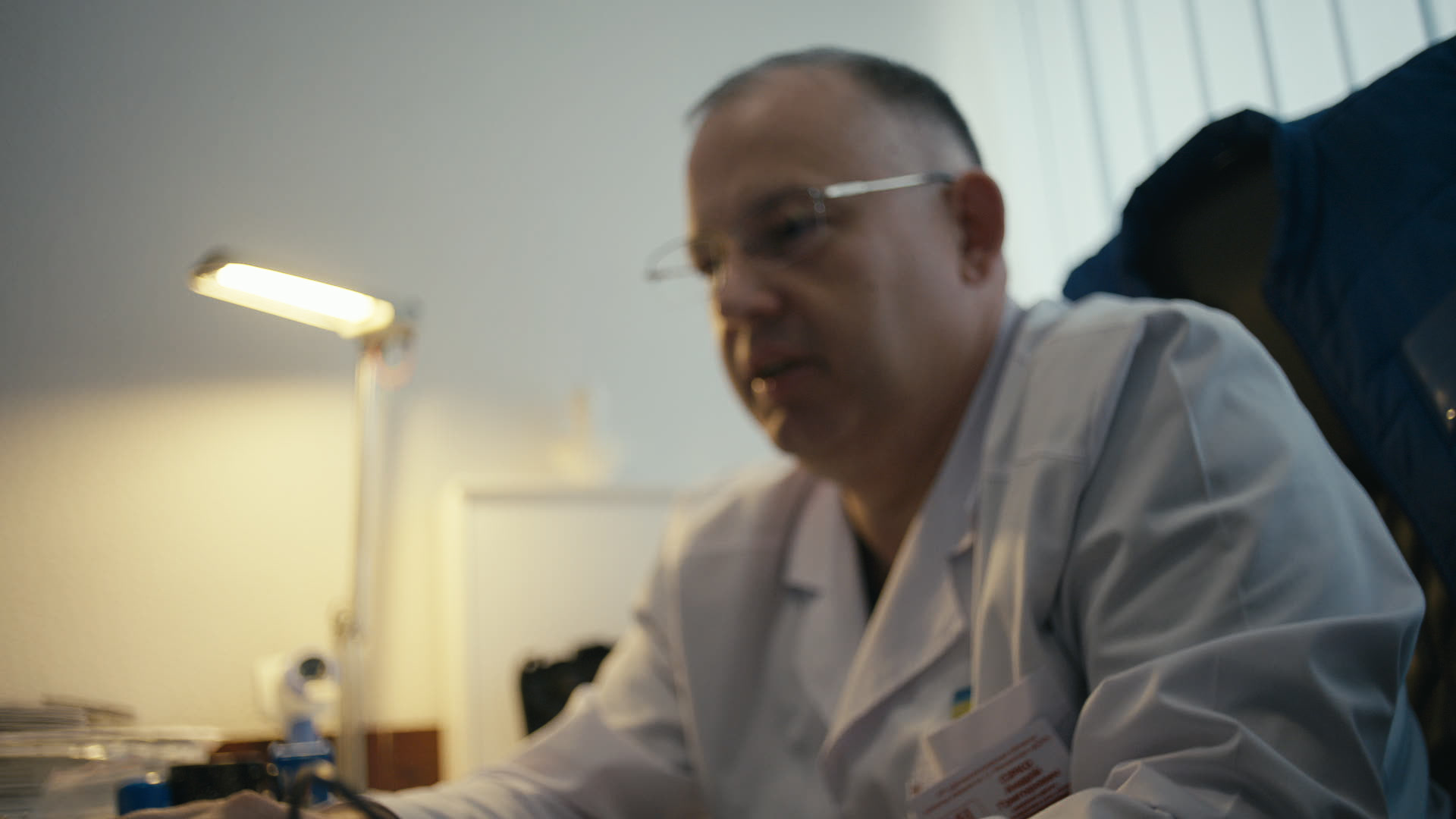
Speaker 1
00:00:00 [RUS] and then they'll choose what they like.
00:00:00 [RUS] and then they'll choose what they like. [RUS] This is not a neurosurgical case, but since you're already here, [RUS] we'll consult together with the American professor.
00:00:49 [RUS-NEEDS] Это огромная разница между США и Украиной.
00:01:06 [RUS] This is a huge difference between the USA and Ukraine. [RUS] If your patient wants to get a consultation,
Speaker 1
00:00:00 [RUS] and then they'll choose what they like.
00:00:00 [RUS] and then they'll choose what they like. [RUS] This is not a neurosurgical case, but since you're already here, [RUS] we'll consult together with the American professor.
00:00:49 [RUS-NEEDS] Это огромная разница между США и Украиной.
00:01:06 [RUS] This is a huge difference between the USA and Ukraine. [RUS] If your patient wants to get a consultation,
00:01:15 Yeah. We need to wait two, three, six months. Yeah, and there's a whole different building. Yes. Six months. Usually not six months, but sometimes you have to wait. Yeah, especially I know in European countries,
Speaker 2
00:01:35 all countries also need to wait several months. It's bad in Europe, yeah. In America, the wait is not so bad.
Speaker 1
00:01:44 [RUS] Not so good.
00:01:46 [UKR] But in other countries, European countries, I know Lithuania, Latvia, Yuriy Yuriyovych.
00:02:01 [RUS] - Wait while the disc loads.
Speaker 3
00:02:06 [RUS] Here we have a group coming.
Speaker 1
00:02:13 [RUS] - This is Ruslana. [RUS] - Ruslana, I already know. [RUS] You'll hurry. [RUS] - I understand that. [RUS] Alex, a gift from Ukraine, the soldiers sent it.
00:02:30 [RUS] - We need to show it. - Yes, we need to unpack it. [RUS] - Need to unpack it. [RUS] - And I'll show the CT control. [RUS] - Yes, we'll wait, where are you going. [RUS] - No, right away. [RUS] - I remember, wait for the picture, and we'll show you the CT control. [RUS] You know that Yuriy Yuriyovych didn't believe? [RUS] - In the past. - We've already met everyone. [RUS] Like in the past? [RUS] - I said it doesn't happen. [RUS] - There are no simple ones. [RUS] It happens. [RUS] - Don't leave, Ivan, come on, give it. [RUS] - There are no simple ones. [RUS] The Yuriyevskyis studied together at the institute, then did their internship, and then even worked in this facility.
00:03:15 [RUS] - And here, they hurried south.
00:03:48 [RUS-NEEDS] Он говорит, что это не было такой необходимостью, но он должен...
00:03:50 [RUS] He says it wasn't such a necessity, but he must... [RUS] No, but this is a gift, you'll be going home, it will be a memory. [RUS] This is incredible. [RUS] I've never seen this. [RUS] Oh, okay. [RUS] Thank you very much. [RUS] Thank you and thank you. [RUS] Thank you, Raia. [RUS] Thank you, and all your relatives, and your friends who are fighting for freedom. [RUS] This is your inspiration for the whole world. [RUS] - He says it's possible? [RUS] - No, this is very... [RUS] - Inspiration - this inspires freedom. [RUS] He's saying for freedom, for that...
00:04:30 [RUS] To our friendship. [RUS] Yes, to our friendship and to the freedom of Ukraine. [RUS] He's very precious. [RUS] I don't know.
00:04:40 Yes.
00:04:42 [RUS] - I'm very serious.
Speaker 3
00:04:44 Yes.
Speaker 1
00:04:55 [RUS] This image is made from metal from GRAD and other Russian missiles.
00:05:07 [UKR] Missiles, with weapons.
00:05:10 [RUS] This is made from Russian missiles?
00:05:12 Yes.
00:05:24 [UKR] - This is his computer. [UKR] Where it's black, that's air and material we used for skull reconstruction. [UKR] - I see.
00:05:41 [RUS] We removed the hematoma completely, but there's no blood there. [RUS] In 3D reconstruction it looks like this. [RUS] We did a craniotomy on both sides. [RUS] And when I was explaining, translating to Yuriy Yuriyovych, [RUS] I said, when we turned him, the left eye is gone, [RUS] the left eye is gone, the orbit is shattered, [RUS] all of this is shattered. [RUS] We first thought to approach from the left side here. [RUS] But when we turned him, we saw from the right nostril, [RUS] he had CSF leak. [RUS] So I had to open both sides, go in here,
00:06:41 [RUS] and we found that here, when there was this impact, [RUS] These bones, they bulged out like this and tore this membrane, there was a hole here. [RUS] And this hole is where the CSF leaked out. [RUS] So it leaks out, he breathes in, and this infection that's around, [RUS] it gets into the brain. [RUS] It gets into the brain, so we found this hole and closed it. [RUS] And then we added many layers, it's called many layers, one, two, three, four, [RUS] We even planned to put in, our American colleagues provide titanium plates, to do orbital reconstruction right away, but we didn't do it because his wound was very contaminated.
00:07:29 [UKR] Very contaminated wound.
00:07:54 [RUS] I showed you the best outcome after his first treatment. [RUS] So there's no need to put in artificial and foreign body, because there could be problems with healing. [RUS] God willing he survives, then we can do plastic surgery later. [RUS] - I'm not bringing the parents here. - No, no. [RUS] - They already arrived today in Koskana. - You need to understand that he could die anyway. [RUS] Well, we were saying today, 46,000 wounded have passed through, and we've done 2,500 brain surgeries, we can only say what happened over the past week, [RUS] better, better, better, or at the same level.
00:08:43 [RUS] We don't give any prognoses for the future. [RUS] Because since the operation, thank God, he's maintaining good blood pressure. [RUS] Blood pressure, it's even rising. [RUS] It was 130, 140, 150 blood pressure. [RUS] That's very good pressure, that's what it is. [RUS] - Does Yuriy Yuriyovych have 200 over 120, is that high blood pressure? [RUS] There were problems yesterday, why? [RUS] - I just have frequent blood pressure, but I'm quick. [RUS] - Yours is very high.
00:09:19 40 years old.
00:09:20 [RUS] - No, no, this isn't good, you need to take medication. [RUS] Because it will end with a heart attack or stroke. [RUS] His blood pressure was measured at 200 over 120, I said: [RUS] connect the arterial line at 130-150, his blood pressure is holding normally. [RUS] Today I said they did bronchoscopy on him, meaning his lungs were blocked, lots of mucus, and they cleaned his lungs. [RUS] His heart is damaged, I said on the first day, initially didn't make the diagnosis, but did the test, troponin test was 10 times higher. [RUS] So he has severe polytrauma, traumatic shock, hemorrhagic shock, platelet concentrate.
00:10:06 [RUS] Yesterday you also helped to bring him here, and we rightly waited, because during the week all his blood, even small wounds were bleeding.
00:10:17 [UKR] When we went to surgery, his blood was clotting very well. [UKR] I was talking about hemostasis, when we transfused platelets, this was good hemostasis. [UKR] This is a clot format. [UKR] We started working on this side, right?
00:10:41 [RUS] Yes, on the left side, after that we go to the right side, on the right side we close the defect, and when we return to the left side, this is a clot, this is a very good clot. [RUS] Yes, a clot. [RUS] Man, thank you so much.
00:11:00 [RUS] So all that's left is to pray to God. [RUS] This morning we spoke with the head of the ICU, [RUS] where he is now, and the head of the ICU came, [RUS] where he was before, and we coordinated the therapy. [RUS] So now the main thing is for his heart to function normally, [RUS] lungs, for coagulation to be normal, [RUS] we'll monitor these platelets, [RUS] if needed, they may add more platelets and antibiotics. [RUS] Why? Because there's high risk of infection here, meningitis, encephalitis, high risk. [RUS] We're planning to do a lumbar puncture on him tomorrow. [RUS] Today is still too early because there's brain swelling, but tomorrow we plan to do a lumbar puncture
00:11:45 [RUS] and send this fluid, CSF, for general analysis and culture,
Speaker 3
00:11:51 [RUS] to see if there are bacteria, and if so, what they're sensitive to. [RUS] As for the blood pressure, you don't need to worry about that, because first of all, it's not bad that it's high. For him it's not bad, firstly. [RUS] Secondly, we don't account for the fact that he has two amputations, his leg and arm are gone now. And that's a quarter of body mass, at minimum. [RUS] We fully replenished his circulating blood volume, but the leg and arm are gone. So the heart is working as it is.
Speaker 1
00:12:23 [UKR] And the distribution goes to the remaining parts, and he... [UKR] The other situation is when a person has lost blood, they're brought in, they have unstable hemodynamics, they need norepinephrine, vasotone, and when blood pressure doesn't hold, that's very bad.
Speaker 3
00:12:40 [UKR] So I knock on wood, I can only say what has passed.
Speaker 1
00:12:46 [UKR] You came out, what should we expect for recovery, how is he...
00:12:49 [RUS] At least 7-10 days. [RUS] Once 7-10 days pass... [RUS] No, no, I just... [RUS] The parents came, the parents brought his wife, they're here. [RUS] I'm not bringing them to the hospital then. [RUS] No need. [RUS] Believe me, anything can happen, but prognoses only for... [RUS] 7-10 days will pass. [RUS] Everything possible, right here, we closed for him. [RUS] I'll even show you, wait, what... [RUS] I'll even show you, wait, what... [RUS] What we cut open for him, this kind of incision.
00:13:17 [UKR] This kind of incision.
00:13:18 [RUS] What for? All this was folded back. [RUS] So we could take from here, [RUS] what's it called, the periosteum, these layers. [RUS] Tissue. [RUS] So this tissue could separate the brain from all these nasal sinuses. [RUS] So this tissue could separate the brain from all these nasal sinuses. [RUS] Plus we took a piece of this periosteum [RUS] and sutured it underneath the skin. [RUS] Because this skin is closed,
00:13:41 [UKR] but parts have necrosis.
00:13:43 [RUS] The upper layer of skin has died off, [RUS] but the inner layer is alive, just in case. [RUS] And it needs nourishment so there's no hole here. [RUS] So it heals. [RUS] So this process will be long. [RUS] First he needs to survive. [RUS] We heard, thank you so much again.
00:14:01 Yes.
00:14:02 [RUS] We'll stay in touch. [RUS] This is a gift. [RUS] I'll come by tomorrow. [RUS] Thank you so much. [RUS] Hang in there. [RUS] Thank you.
00:14:17 Thank you. Thank you.
Speaker 5
00:14:24 Thank you. Can you give me permission? I give permission maybe he will come back tomorrow.
Speaker 1
00:00:00 - Look at that. - Look at that. This is made from Russian missiles. Yeah. I mean, I know. A little talk, but how heavy is that? Really heavy.
00:00:14 [RUS] We made cancer
Speaker 1
00:00:00 [RUS] You should contact the university.
Speaker 2
00:00:00 [RUS] You should contact the university.
00:00:30 [RUS] [inaudible]
00:01:26 [RUS] [mediation]
Speaker 1
00:00:00 [RUS] You should contact the university.
Speaker 2
00:00:00 [RUS] You should contact the university.
00:00:30 [RUS] [inaudible]
00:01:26 [RUS] [mediation]
00:01:39 MRI conclusion is cystic change in the epiphys epiphys but I think it's
00:02:00 [RUS] You should understand that the pineal gland is an endocrine gland. [RUS] Melatonin is responsible for normalizing the sleep-wake cycle. [RUS] Like ovaries in women can have a solid structure or have cysts. [RUS] The dimensions are normal, there's a cyst in the middle, but it's not a tumor cyst. [RUS] No, it's not a tumor cyst.
Speaker 3
00:02:28 [RUS] And she will live long and happily. [RUS] - At first we just had it increasing in size, but now it's become a different matter,
Speaker 2
00:02:37 [RUS] this is observation. [RUS] Here in another mode. [RUS] Here's the small cyst.
00:02:45 Everyone.
00:02:47 [RUS] Another gland, another gland, [RUS] it's called the pituitary. [RUS] Pituitary, pituitary. [RUS] Anastasia, [RUS] is she cutting? [RUS] Ninth.
00:03:20 [UKR] Look, I'll go. Your task is to nod your head at me.
00:03:24 [RUS] You come to Lyudmila Vasylivna here and she will take you and you need to feed yourselves. [RUS] - From 12 to 1 you'll be in ICU 2, I'll call the intern doctor who came to us, Nikita, the tall one, and he'll pick you up and take you directly to the ICU, and then bring you back. [RUS] Okay? So you don't go by yourselves, because I got a note from the administration that with me or other doctors you can go anywhere, [RUS] but you shouldn't go by yourselves, because I'll have problems.
00:04:12 [RUS] Is there a head nurse?
00:04:14 [UKR] Lyudmila Osina, if I'm in the operating room, the guys will come at 1, seat them, feed them. Leave one portion for me. [UKR] Lyudmila Osina, if I'm in the operating room, the guys will come at 1, seat them, feed them. Leave one portion for me.
00:04:25 [RUS] I didn't get up today, I can't take that one portion for myself and we're feeding our interns Mikhail and Artem, they help us. [RUS] And then who do we have today, Yaroslava and Vadim. This is the team that needs to be fed, those who were in the operating rooms and our interns.
Speaker 4
00:04:47 [RUS] - They shouldn't eat. First of all, the film crew and Anastasia. [RUS] - They're so tiny that it's hard to feed them.
Speaker 2
00:04:59 [RUS] - So, so you don't wait, they'll be in the ICU from 12 to 1, and then they'll come. [RUS] - So, so you don't wait, they'll be in the ICU from 12 to 1, and then they'll come.
00:05:09 It's a posterior part of the hypophysis, neurohypophysis, it's more hyper-intensive than other, but it's normal. But why did she get the MRI? Was she having headaches or something? Was she having headaches or something? What was the reason to do the MRI? The possible damage of the menstrual cycle, right? Yes, it was so. In the childhood age...
00:05:30 ...hormonal disturbances. And the endocrinologist prescribed maybe prolactin,
00:05:36 [UKR] - Yes, there was a microadenoma and also this cystic dilation was found. [UKR] She will live long and happily, tell her everything is fine.
Speaker 3
00:05:50 [UKR] - I think once every two years you can do an MRI and even once every two years without contrast.
00:05:57 [RUS] - Without contrast, once every two years. And who should give the referral?
Speaker 2
00:06:00 [RUS] - First it was observed and surgeon, but then he left and the referral was given to wives.
Speaker 3
00:06:09 [RUS] - Let's do it anyway, you'll worry about it annually, but only without contrast.
Speaker 2
00:06:14 [RUS] Good morning. [RUS] - Today is the 28th.
00:06:16 Yes.
00:07:27 [RUS-NEEDS] Тихо, убьёшь человека, заходи Антонина.
Speaker 1
00:08:14 [RUS] Quiet, you'll kill someone, come in Antonina. [RUS] I have a patient in the ER, fell from 8.5 meters while repairing a roof. [RUS] Currently mild stupor. [RUS] I wanted to show you the image, this is an epidural hematoma, [RUS] skull vault involvement, [RUS] linear fractures of the anterior and posterior walls, [RUS] frontal sinus, pneumothorax, field and small swelling. [RUS] It's quiet, your area.
00:08:41 Yes.
00:08:42 [RUS] That's basically everything.
Speaker 2
00:08:43 Yes.
00:08:49 [RUS] - I tried, I tried.
Speaker 1
00:08:56 [RUS] - Why did he fall? [RUS] - They were repairing the roof. [RUS] He was helping someone, meaning it's not a work injury. [RUS] - Where is it, Petrova, where is it? [RUS] - On the right.
Speaker 2
00:09:13 [RUS] and now the doctor will come out and call [RUS] I think in any case put him in ICU and a control scan in 6 hours
Speaker 1
00:09:40 [RUS] do you agree with me? [RUS] good, yes, of course, I just without you
Speaker 2
00:09:45 [UKR] everything's correct
Speaker 1
00:09:47 [RUS] now once more [RUS] I think this is epidural, because exactly where the fracture is [RUS] it goes along the base on the first side
Speaker 2
00:10:22 [RUS] - Further down there's a sanitary status and 3D.
00:10:30 You can see fracture. Onterior wall, posterior wall, and roof of orbit. Yeah, you can see? - Yeah, the sinuses are not that bad. - Clearly visible. Clearly visible frontal sinuses, left side, right side is fracture. - But they're not that bad though, the sinus fractures. What about his? Do you have a face, a nose? A nasal or?
00:10:54 [RUS] I don't know, I don't know.
Speaker 1
00:11:00 [UKR] And hand grip? [UKR] Hand grip strength? [UKR] Yes, you suture it.
Speaker 2
00:11:09 [UKR] Stronger grip.
Speaker 1
00:11:15 [UKR] Hand grip strength? [UKR] No, I haven't done anything yet.
Speaker 2
00:11:20 [RUS] wash it well and suture [RUS] hours control of epidural hematoma [RUS] as for nasal CSF leak we'll see [RUS] if there's a leak we'll operate [RUS] maybe there's a linear fracture there [RUS] there isn't [RUS] no hemostasis there? [RUS] Thank you!
Speaker 6
00:11:40 [RUS] we can do it tomorrow [RUS] before the big surgery [RUS] schedule this for 8:30 to 9
00:11:46 at 20
00:11:48 [RUS] the soldier there ate something else otherwise I'll tomorrow and he won't take the train not this personalized [RUS] they haven't arrived yet there he has who wanted water who protest prosthetics [RUS] old ones and hit a nerve I'll look open it there no suturing needed and elbows well there
00:12:10 [UKR] - Well, about 20 minutes. - Natalya Sergeyevna doesn't mind?
Speaker 2
00:12:13 [RUS] - No. She says: "Let's submit it in the morning, we'll do everything in 20 minutes."
Speaker 5
00:12:18 [RUS] - Good. Then don't delay. - Okay, good.
Speaker 4
00:12:23 [RUS] - Word, this is a planet. - Hello? [RUS] - Good. - Hello.
Speaker 2
00:13:08 [RUS-NEEDS] Если не хотят, ждать-то завтра или к Ростиславу Малому.
00:13:10 [RUS] If they don't want, either wait until tomorrow or go to Rostyslav Maly. [RUS] Talk to them, because he already gave me the operating room. [RUS] Either they wait today, or tomorrow morning, or Rostyslav Maly. Three options.
Speaker 4
00:13:28 [RUS] I have the impression that I've known you for a long time. You probably don't come regularly?
Speaker 2
00:13:32 [RUS] No, not regularly. I just came to the basements three times for the first time.
Speaker 4
00:13:39 [RUS] also we decided here
Speaker 2
00:13:46 [RUS] March
Speaker 4
00:14:01 [RUS] March [RUS] watt disc but everything to
Speaker 2
00:14:15 [RUS] you know the American professor's consultation costs 1 million dollars
Speaker 4
00:14:22 [RUS] or 2 or you give consent that you'll be shown on American television in two years
Speaker 2
00:14:27 [RUS] Let them show it. [RUS] Yes? Agreed?
00:14:31 Everyone.
00:14:32 [RUS] You got permission, you can tell Anastasia and Ted:
00:14:36 "We have permission".
00:14:39 [RUS] I'm being honest, [RUS] you can pay 1 million dollars
00:14:44 or give permission.
00:14:48 [UKR] Now let's look,
00:14:49 [RUS] that was a joke, now seriously.
00:14:54 [UKR] so with that
00:14:57 [RUS] the nose [RUS] I said to do a fresh MRI [RUS] so we could share [RUS] that's it, let's review [RUS] the consultation
Speaker 5
00:15:22 [RUS] over here
Speaker 2
00:15:52 So the firm side is the vibration. First of all, first of all, we need to perform repeat CT after six hours. We never wait for deterioration. We perform after six hours. Yes, it's the first. And the second, we understand realize it is linear fracture don't to compression or diastasis between this we will expect it and to prevent csf leak if you have csf leak nasal csf leak first of all we put external
00:16:38 or if don't stop we perform surgery but we never perform surgery in this blast trauma with linear fracture in patients with gunshot wounds or
Speaker 5
00:16:48 mind blast penetrating the wounds we perform yearly as possible yeah we would do the same thing we
Speaker 2
00:16:55 would not operate on that
Speaker 4
00:17:00 [RUS] What complaints did we have? [RUS] so my meningioma doesn't affect this, but I'd like to consult with you about it. [RUS] And also, Andriy Hryhorovych, I did them on different machines, unfortunately, [RUS] but I hope you can compare these measurements, [RUS] because these dimensions have changed a little.
00:18:05 [RUS] Stay calm, everything's falling apart on you. [RUS] No, I always keep myself together.
Speaker 2
00:18:15 [RUS] I won't faint. [RUS] Alena? [RUS] Dima, I can't get through.
00:18:22 [UKR] Dibrova, you know Dibrova?
00:18:26 [RUS] Mykyta, if he's nearby, you have him nearby. [RUS] First, he needs to come and pick up Alex, [RUS] and to take him at one, no, to the MRI room, [RUS] to the MRI room and return him to the head nurse by one o'clock and hand him over [RUS] Let him go now, we'll finish the consultation and he'll come to you after, Vyacheslav Ivanovych, [RUS] I'll meet him, consult the other ward carefully and return him by one, [RUS] Okay? [RUS] Go, go
00:19:27 [UKR] You have this small one like this
00:19:30 [RUS] And tomorrow Alex and I will operate on one like this
00:19:35 It's the same localization but it's just a measurement very small.
Speaker 4
00:19:48 Look, we can do two centimeters and we can be quiet and wait.
Speaker 2
00:19:52 [RUS] - And once? - Every half year or every year? [RUS] - In a year, I think. - In a year, right? [RUS] - Do a follow-up in a year. [RUS] It doesn't affect those symptoms you have at all.
Speaker 4
00:20:06 [RUS] When did you have your first MRI? [RUS] - In February. Half a year passed. I did one after six months. [RUS] Please tell me, Andriy Hryhorovych, what medications can I use?
Speaker 2
00:20:19 [RUS] because I have some thyroid issues.
Speaker 4
00:20:24 [RUS] Any. [RUS] Any? There are no restrictions? [RUS] Well, first of all, all these tumors, meningiomas, they're hormonally sensitive,
Speaker 2
00:20:33 [RUS] and they arise as a result of hormonal imbalance, estrogen and progesterone disruption. [RUS] In women, this is the period before menopause or menopause itself. [RUS] Well, they tried treating with hormones, it didn't work.
00:20:48 [UKR] You just don't understand the origin. [UKR] The origin is that fibroids appear, uterine myomas, breast masses. [UKR] Meningiomas appear in the brain the same way. [UKR] After half a year we looked, if it changed 1-2 millimeters, that's nothing.
Speaker 7
00:21:00 [UKR] We can do it in a year, or if things worsen, do it in half a year.
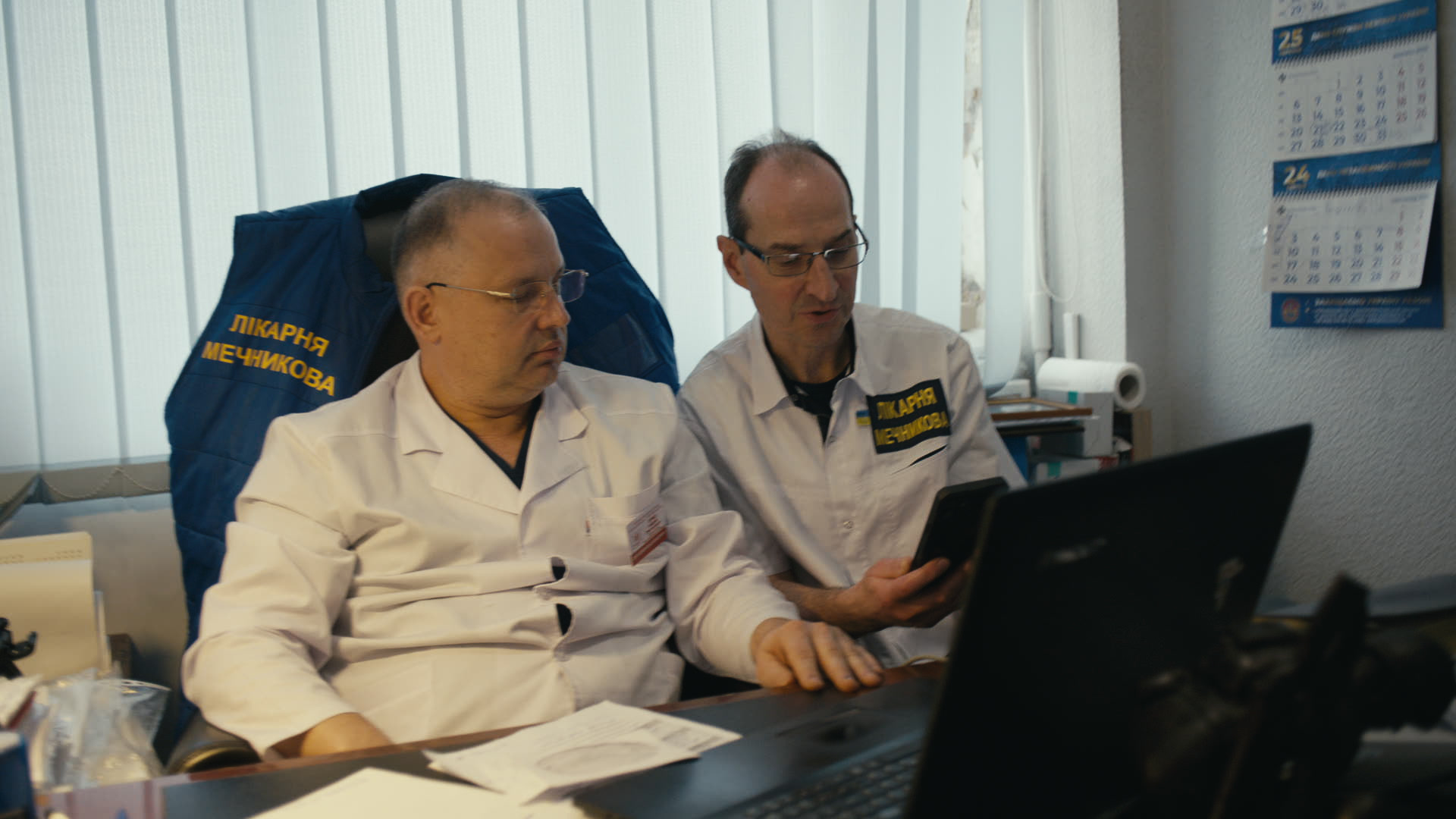
Speaker
00:00:00 the Ukrainian Cossacks were defending their freedom
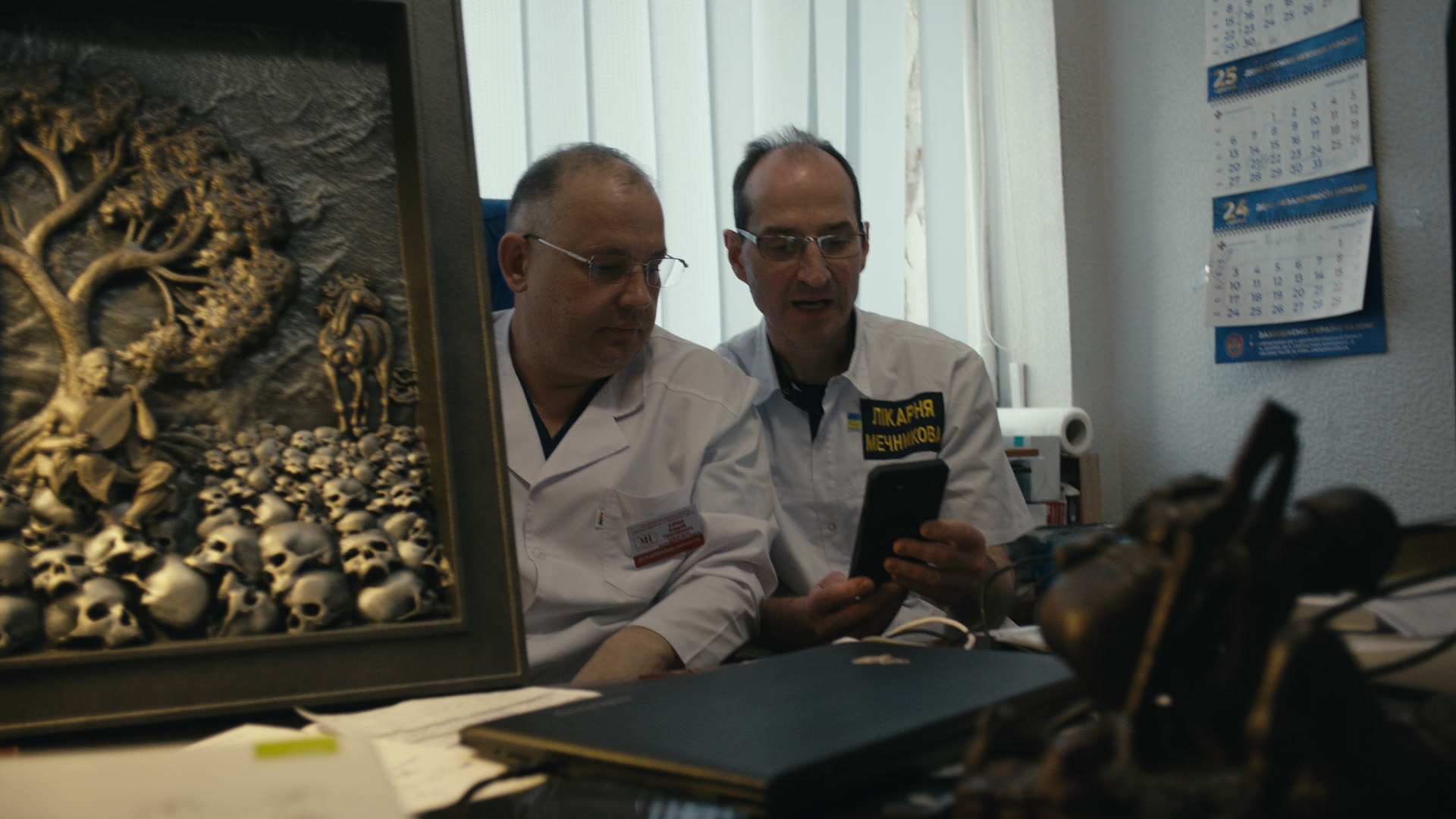
Speaker 1
00:00:00 Kossak Mamai is one of the most famous characters in Ukrainian folklore.
00:00:00 Kossak Mamai is one of the most famous characters in Ukrainian folklore. He symbolizes the spirit of freedom, heroism, and the independent soul of the Ukrainian people. In art, he is often depicted sitting cross-legged, playing a kobza, which is a traditional stringed instrument, with a horse standing nearby, and a weapon, such as a saber, musket, or spear, beside him. His image combines the ideals of a warrior and a philosopher, brave in battle yet peaceful and wise in times of rest. The legend likely arose during the 17th and 18th centuries when the Ukrainian Cossacks were defending their freedom against foreign powers. The image of Cossack Lamai appears in paintings, songs, and poems,
00:00:48 serving as a symbol of national identity and resistance. That's perfect for what Ukraine is going through today. It's a gift for Alex. It needs to be a gift for the hospital. We will talk. That's a tough one. Before you take it down, do you want to get a shot closer of it?
Speaker 3
00:01:18 I wouldn't want to have that weight with me.
Speaker 1
00:00:00 Kossak Mamai is one of the most famous characters in Ukrainian folklore.
00:00:00 Kossak Mamai is one of the most famous characters in Ukrainian folklore. He symbolizes the spirit of freedom, heroism, and the independent soul of the Ukrainian people. In art, he is often depicted sitting cross-legged, playing a kobza, which is a traditional stringed instrument, with a horse standing nearby, and a weapon, such as a saber, musket, or spear, beside him. His image combines the ideals of a warrior and a philosopher, brave in battle yet peaceful and wise in times of rest. The legend likely arose during the 17th and 18th centuries when the Ukrainian Cossacks were defending their freedom against foreign powers. The image of Cossack Lamai appears in paintings, songs, and poems,
00:00:48 serving as a symbol of national identity and resistance. That's perfect for what Ukraine is going through today. It's a gift for Alex. It needs to be a gift for the hospital. We will talk. That's a tough one. Before you take it down, do you want to get a shot closer of it?
Speaker 3
00:01:18 I wouldn't want to have that weight with me.
Speaker 1
00:01:22 Well, no, we have to ship it. Fortunately, we have Anastasia who can do anything.
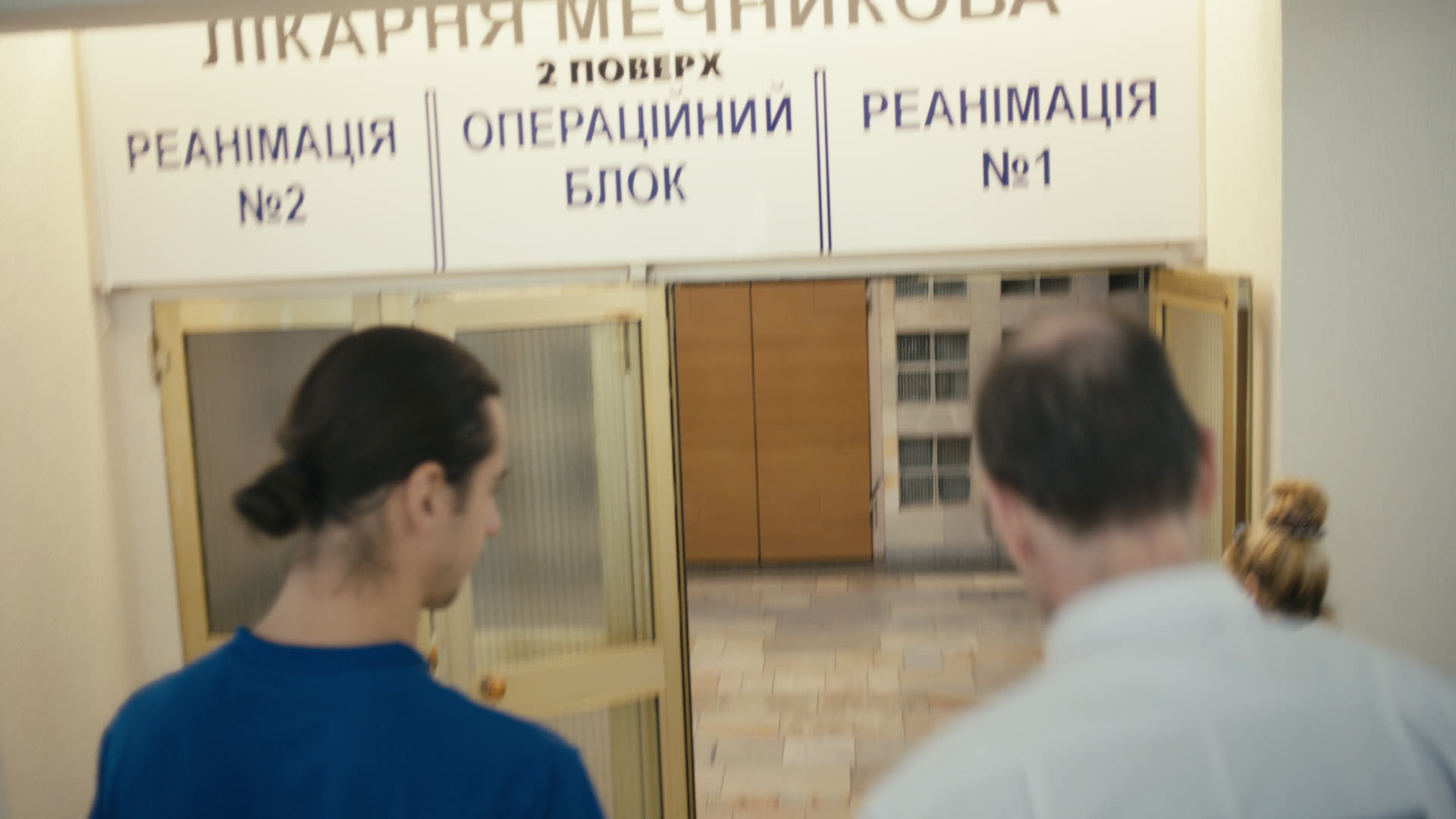
Speaker
00:00:00 So we can hear how I'm spending time.
Speaker 1
00:00:00 Awesome.
00:00:00 Awesome. This one. Oh. They saw me. What was it?
00:00:32 [RUS] - I can't. [RUS] - Does it fit? [RUS] - Don't touch it. [RUS] - I don't know what we have. [RUS] - I don't know what we have.
Speaker 2
00:00:54 [RUS] - I don't know what I have. [RUS] - I have this, I don't know what we have.
Speaker 1
00:00:00 Awesome.
00:00:00 Awesome. This one. Oh. They saw me. What was it?
00:00:32 [RUS] - I can't. [RUS] - Does it fit? [RUS] - Don't touch it. [RUS] - I don't know what we have. [RUS] - I don't know what we have.
Speaker 2
00:00:54 [RUS] - I don't know what I have. [RUS] - I have this, I don't know what we have.
Speaker 1
00:00:57 Yeah, this is an idea for my Ukrainian.
00:01:00 Oh, Ukrainian. Yeah, is he coming with us? Yes, yes, yes. Yeah. Hang on. Let's show you. Come on, come on, come on. We need to go to the mic now. Yeah, this is-- Well, I don't have a-- I don't have a-- Oh, no, thank you. Wait. National command of the. Do you mind if we put-- Do you mind if we put--
Speaker
00:00:00 (Transcript content available)
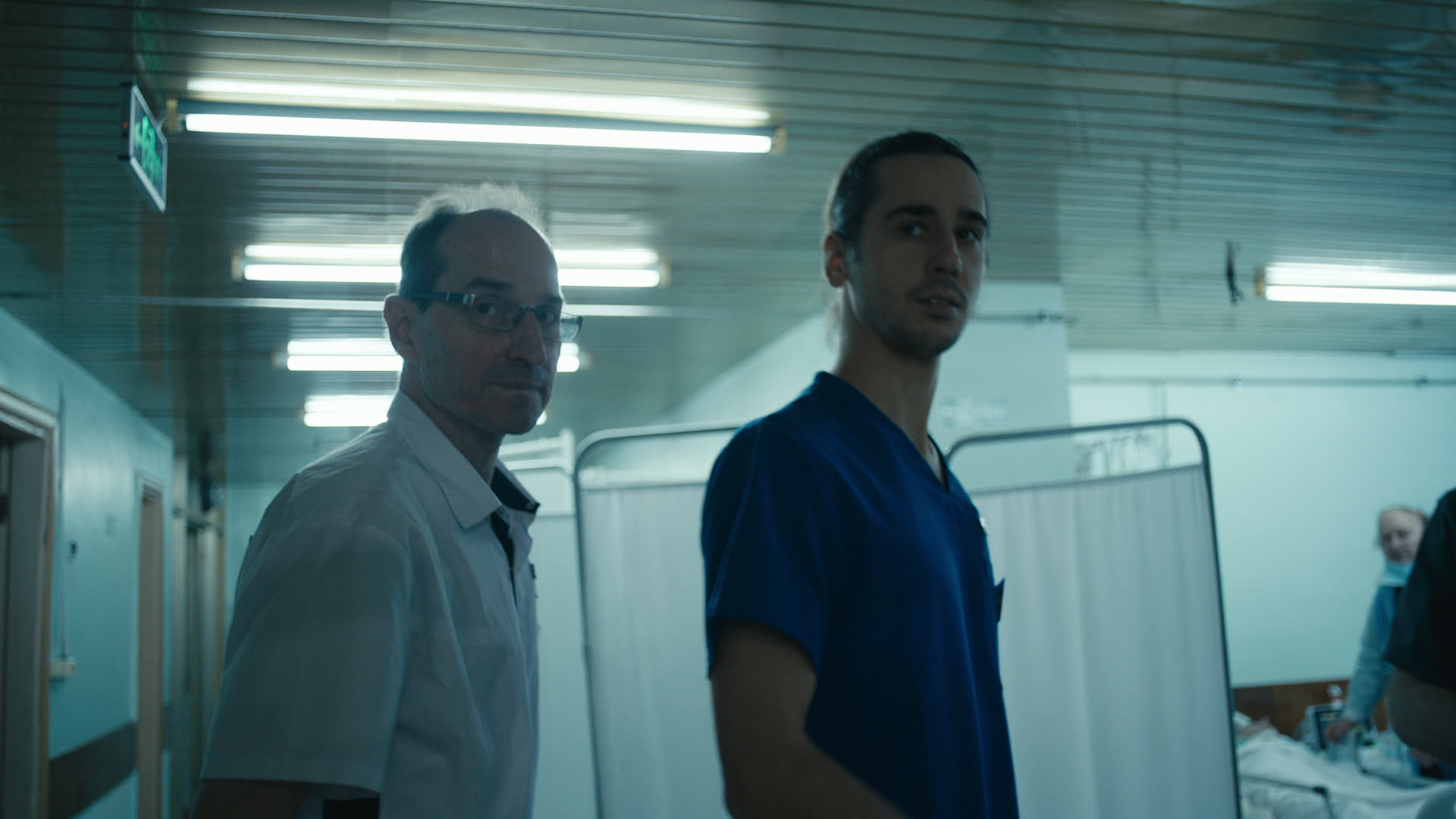
Speaker 1
00:00:00 point to bring the Lord God to the camera.
00:00:00 point to bring the Lord God to the camera.
Speaker 2
00:00:32 I'm going to find you. Mm-hmm.
Speaker 3
00:00:47 Okay. Now you're running them out of paper towels, Alex. Huh? Now you're running them out of paper towels. What are you doing? Thank you.
Speaker 1
00:00:00 point to bring the Lord God to the camera.
00:00:00 point to bring the Lord God to the camera.
Speaker 2
00:00:32 I'm going to find you. Mm-hmm.
Speaker 3
00:00:47 Okay. Now you're running them out of paper towels, Alex. Huh? Now you're running them out of paper towels. What are you doing? Thank you.
Speaker 4
00:01:30 So it's not 16. He is now getting remifentanil. How much? It's 2mg in the 50ml. And he is getting 4ml per hour. So it's like 160mg of remifentanil in an hour.
00:02:04 [RUS] Tell them propofol was given for 4 days, then liver enzymes went up.
Speaker 1
00:02:39 So, midazolam went off like 4 hours ago.
Speaker 4
00:02:45 Were you still getting the opiates? Yes, still opiates.
Speaker 1
00:03:05 [RUS] Watch, he'll be deeply sedated.
Speaker 4
00:03:19 How long ago did you get the tracheostomy? How long did you get the tracheostomy? I think we were just waiting for 7 or 8. I think it's like 8 or 9 days. 8 or 9 days. And we got bronchoscopy yesterday and changed the tracheostomy tube.
00:03:42 [RUS] We were checking the skin, if it would be okay.
Speaker 1
00:03:49 [RUS] - Is he storming? - Yes, same as before. [RUS] It looks like... [RUS] No, no, no. [RUS] Sympathetic storming, maybe
00:04:23 and we started with anaprylin and Clonidine so he's receiving Clonidine and Apriline
Speaker 4
00:04:29 So Clonidine and when he is already received...
Speaker 1
00:04:33 200mcg per day 200mcg per day What? Clonidine? Yeah, 200mg A naprylin...
Speaker 4
00:04:45 80mg per day Anaprylin...80mg per day And what? Anaprylin Does he seem to react at all when she talks? He reacted when he was in the same way? No.
Speaker 2
00:05:00 No. But yesterday he's been opened at night. Oh, he does? Oh, okay. And sometimes he's following commands with his arm, left arm.
Speaker 1
00:05:25 - Okay. Well, it's still very early in this process. - Okay. Well, it's still very early in this process. I mean, it's been 16 days, but recovery can take many, many months.
Speaker 4
00:05:42 [RUS] And there are many different articles coming out now discussing these topics at meetings. [RUS] About not giving up too early, sometimes just waiting, and possibly exceeding all expectations.
Speaker 1
00:06:09 because it seems like it's been a long time but if you look at recovery which can take years then 16 days is very short
Speaker 4
00:06:25 so I think the most important thing to try now is to get him off the ventilator
Speaker 1
00:06:31 for what? off the ventilator
Speaker 4
00:06:35 [RUS] So the most important thing now is to get him off the ventilator as soon as possible, so he starts breathing on his own. [RUS] And the sooner he gets off it, the sooner he can move from ICU to rehabilitation. [RUS] Do you understand? [RUS] Yes, thank you. [RUS] If you have questions, ask. [RUS] This is a unique opportunity you'll never have again.
Speaker 2
00:07:03 [RUS] I'm at a loss for what to ask. [RUS] Alex was president of the American Association of Neurosurgeons.
Speaker 3
00:07:10 [UKR] The leading specialist in the world for neurotrauma.
Speaker 4
00:07:14 [RUS] Okay, and the MRI showing his brain injuries, will they heal at all? [RUS] She's asking about his MRI. [RUS] Do you think his brain is getting better or not?
Speaker 1
00:07:29 It sounds like it's getting better. The most important thing, more than any MRI scan, is how he is doing. I mean his clinical exam. And if he is opening his eye, that's a very good sign.
Speaker 4
00:07:52 Yeah. It's important for us. The eye is important for us. The MRI does show some areas of the apocrylis.
Speaker 1
00:08:02 There are some areas of the apocrylis. But just on one side, the brainstem.
Speaker 4
00:08:39 [RUS] Let's go.
Speaker 3
00:08:46 [RUS] didn't match this picture, so it doesn't always correlate everything.
Speaker 1
00:08:51 [RUS] - So it still depends somewhat on his physical state? - On what we're seeing now.
Speaker 4
00:08:57 [RUS] - So the most important thing to do now, what are they doing?
Speaker 1
00:09:02 [RUS] - So the most important thing now is to continue what we're doing. [RUS] - So, keep monitoring him, maintain his blood pressure so it stays normal. [RUS] Blood, trachea, urine, and swelling will be in 6 days.
Speaker 4
00:09:51 [RUS] Yes, we saw this CT scan, he may need surgery when he's more stable.
00:10:00 [RUS] Is there anything to expect? [RUS] Yes, expect. He said the sinuses are all shattered, but later he'll need surgery.
Speaker 2
00:10:06 [RUS] He said they specifically looked at the ear. [RUS] He's saying they looked at the CT [RUS] that we did on Sunday, [RUS] and the fractured skull bones,
00:10:17 [UKR] where the sinuses are, above the eyebrows.
00:10:19 [RUS] And that this could be the cause [RUS] of fluid leaking from the skull cavity [RUS] and may require surgical intervention later,
00:10:26 [UKR] if that happens.
00:10:27 [RUS] This could be a source of infection.
00:10:30 [RUS] And they looked at this, [RUS] compared the MRI and CT, [RUS] and we asked him to look, [RUS] they literally just did it, [RUS] they just came from there. [RUS] So possibly, possibly more surgery may be needed.
Speaker 4
00:10:50 [RUS] He's asking: it's been 16 days, how long will these stitches be on his face?
Speaker 2
00:10:55 [RUS] Do you think they need to come out? [RUS] This is for me, Jimmy. [RUS] Yes, it's like a prolene, but it should dissolve.
00:11:05 Yeah, looks like they could all come out now. In the same way, we can shoot all of them. I'll ask you about the sedation. I need to take the sedation.
Speaker 4
00:11:20 Can you ask him, is he still going to stay for a long time? What do you think about the prolonging and the sedation for him?
Speaker 1
00:11:30 How long should he sedate him?
Speaker 4
00:11:33 [RUS] I'm trying to stop it as much as we can. [RUS] Maybe we need to... [RUS] He shouldn't resist. So he doesn't resist, we need to sedate. [RUS] We want to remove sedation entirely, but he won't ventilate properly if we don't sedate. [RUS] And it's like a balancing act. [RUS] At what minimum level do we get normal ventilation. [RUS] And hold at that level, and reduce, reduce, reduce as fast as possible, ideally not sedating at all.
Speaker 1
00:12:24 [RUS] As fast as possible so we don't keep reducing. [RUS] And slowly wean off. [RUS] - Can you ask this question?
Speaker 3
00:12:30 [RUS] - Well, tell us, maybe there's no, what are the [RUS] chances he'll live a normal life afterwards?
Speaker 4
00:12:36 - She's again asking about the chances for him to live the normal life
Speaker 1
00:12:40 without the serious world, I think. - That's a very difficult question.
Speaker 4
00:12:46 - Normal, probably not back to where he was.
Speaker 1
00:12:49 [RUS] - Because, well, exactly as he was before, you'll never see him again.
Speaker 4
00:12:52 - But he can still recover, you know,
00:12:54 [RUS] to some level that we can't determine today. [RUS] It's simply impossible to determine. [RUS] Reduce sedation as fast as possible, as early as possible. [RUS] What did paroxysm remind you of sympathetically? [RUS] Now he'll finish with the question. [RUS] Ma'am, I just answered your question.
Speaker 1
00:13:11 Yes.
00:13:13 [RUS] As you say, it's impossible to predict. [RUS] But the more time you give, the better they'll recover.
Speaker 4
00:13:20 [RUS] The more time we have, the better he'll be.
Speaker 3
00:13:26 [UKR] Don't demand too much from him this early.
Speaker 4
00:13:34 [RUS] Thank you, me too. [RUS] Thank you. [RUS] They asked me to have you confirm on camera that you don't mind being filmed. [RUS] I have a big problem with that. [RUS] No, just say on camera so it's recorded. [RUS] Good. [RUS] Wait, please. [RUS] You asked me to make sure she doesn't mind. [RUS] - You're not right
Speaker 2
00:14:20 [RUS] When? [RUS] When? [RUS] Okay, Thursday, 5 o'clock, got it.
Speaker 4
00:14:28 [RUS] Good, yes.
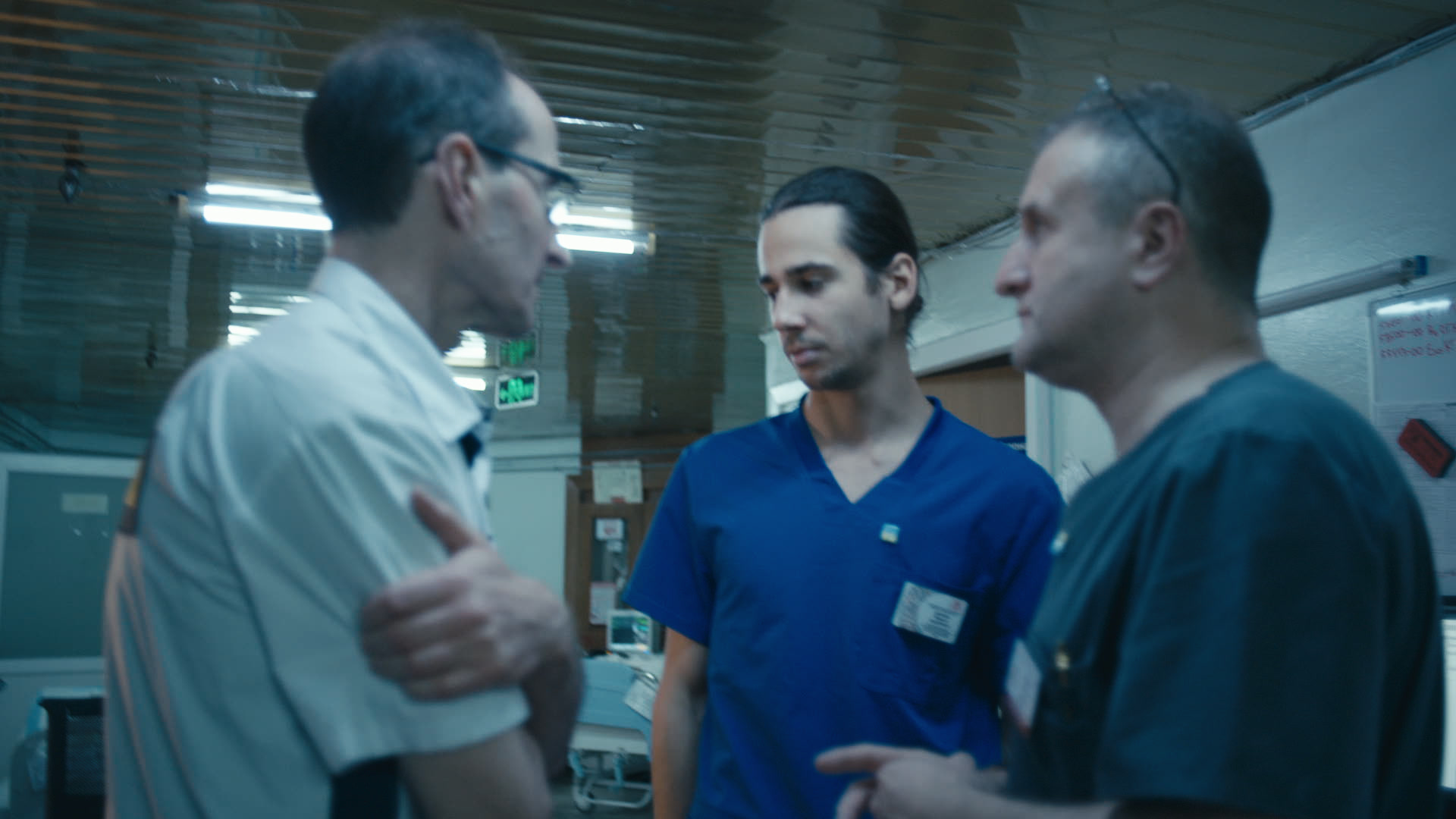
Speaker 1
00:00:00 Have you tried other kind of Seroquel or things like that? Have you tried other kind of Seroquel or things like that? Seroquel, okay, okay. Yeah, so try it. Yeah, Seroquel is way to start. Yeah, yeah, Ketai-P. Yeah, so do that and get them off the... And so, doses. Yeah, yeah, there you go. Perfect. I've been preparing for you. What do you think about the doses? I would start low. 100? Yeah. You start low and then gradually go up. So what do you usually start with here? 100 times. 100 times. Yeah, that's probably a good way to start and see if you can get off the road. I think I can see what's on the sympathetic terms. Next question about the sympathetic terms. Yeah, I like comedy. Yeah. I think I sent you an article about that a long time ago.
00:00:54 Your previous come here.
00:00:56 [RUS] Yes, you can use whatever you want, there's no good literature.
00:01:00 [RUS] Good that some scientific bases have proven how to treat this. [RUS] So whoever likes what, treats it that way. Alex also likes clonidine. [RUS] And propranolol. [RUS] Propranolol. [RUS] Propranolol. [RUS] We call it anaprilin here.
Speaker 1
00:00:00 Have you tried other kind of Seroquel or things like that? Have you tried other kind of Seroquel or things like that? Seroquel, okay, okay. Yeah, so try it. Yeah, Seroquel is way to start. Yeah, yeah, Ketai-P. Yeah, so do that and get them off the... And so, doses. Yeah, yeah, there you go. Perfect. I've been preparing for you. What do you think about the doses? I would start low. 100? Yeah. You start low and then gradually go up. So what do you usually start with here? 100 times. 100 times. Yeah, that's probably a good way to start and see if you can get off the road. I think I can see what's on the sympathetic terms. Next question about the sympathetic terms. Yeah, I like comedy. Yeah. I think I sent you an article about that a long time ago.
00:00:54 Your previous come here.
00:00:56 [RUS] Yes, you can use whatever you want, there's no good literature.
00:01:00 [RUS] Good that some scientific bases have proven how to treat this. [RUS] So whoever likes what, treats it that way. Alex also likes clonidine. [RUS] And propranolol. [RUS] Propranolol. [RUS] Propranolol. [RUS] We call it anaprilin here.
Speaker 2
00:01:14 Yes.
Speaker 1
00:01:16 [RUS] Anaprilin is propranolol. [RUS] Oh, okay. [RUS] Propranolol. [RUS] And how much is he getting?
00:01:21 80 mg/day. Okay, that's a pretty good deal. 4 times per 20. Yeah, you can increase that too.
00:01:30 Yes, up to 60 million grams for 4 days. 4 times, yeah. So you can go up on that, you can try some Cerepil.
Speaker 2
00:01:43 You also...
Speaker 1
00:01:48 What is your general opinion about? I think what I told you, it's so very early. Especially getting up here. More than I shall see the new push-ups.
Speaker 2
00:02:06 Okay, so we're going to try this. So we have three more days here. We're going to show him some results. I hope so. Make him better.
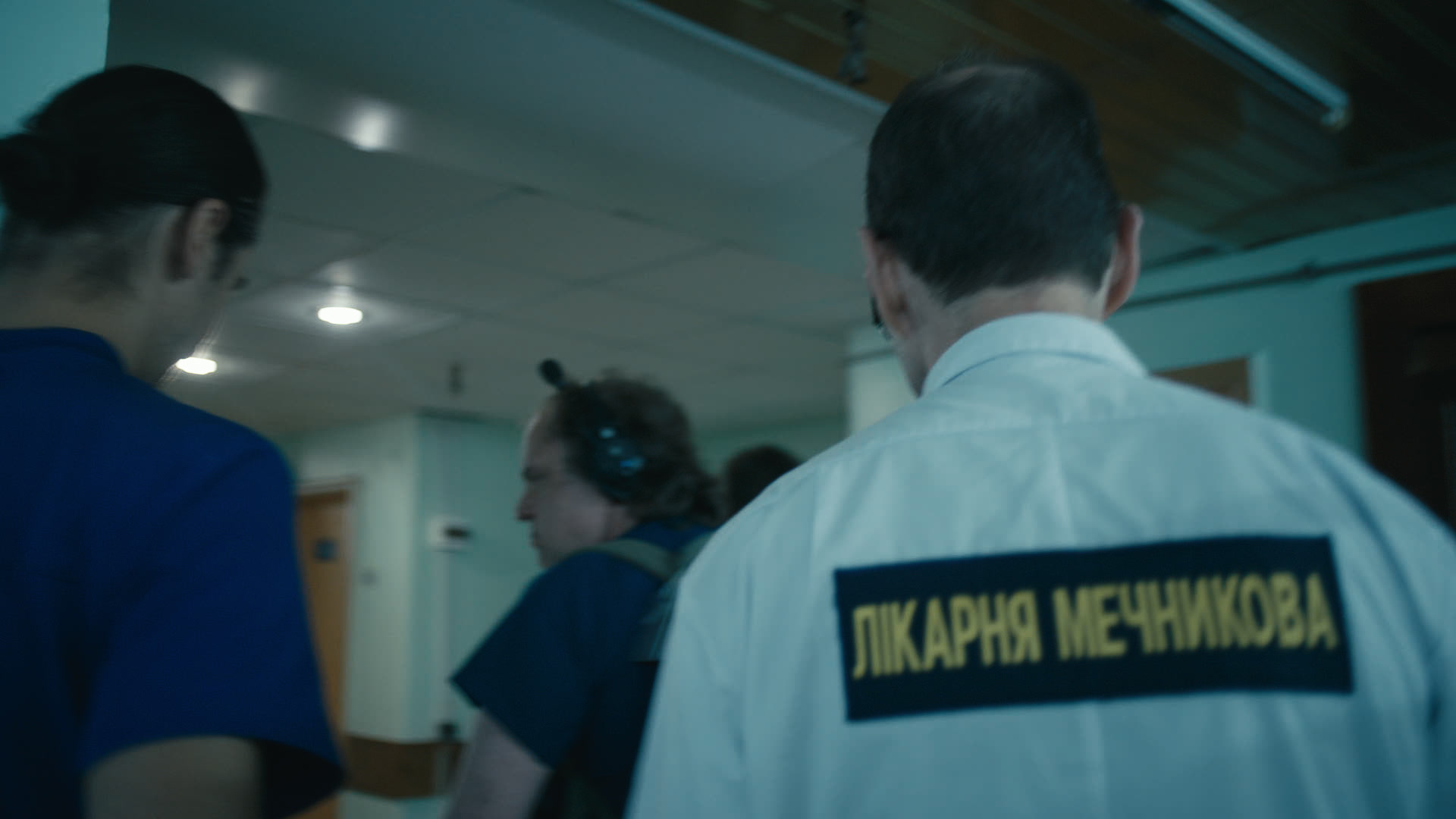
Speaker
00:00:00 The only problem is the availability of resources.
Speaker
00:00:00 (Transcript content available)
Speaker
00:00:00 (Transcript content available)
Speaker
00:00:00 (Transcript content available)
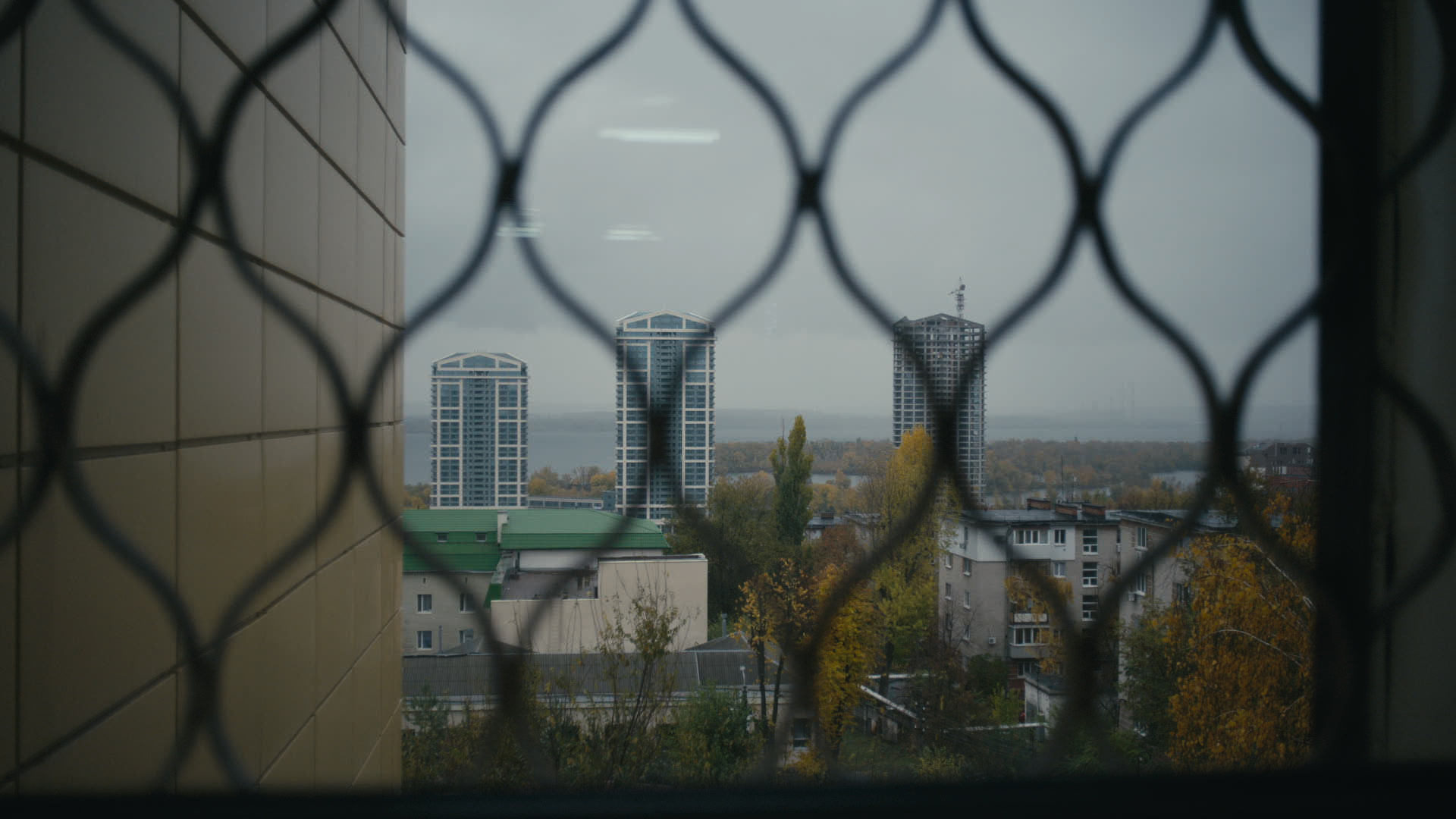
Speaker
00:00:00 Something like that.
Speaker
00:00:00 (Transcript content available)
Speaker
00:00:00 - Good.
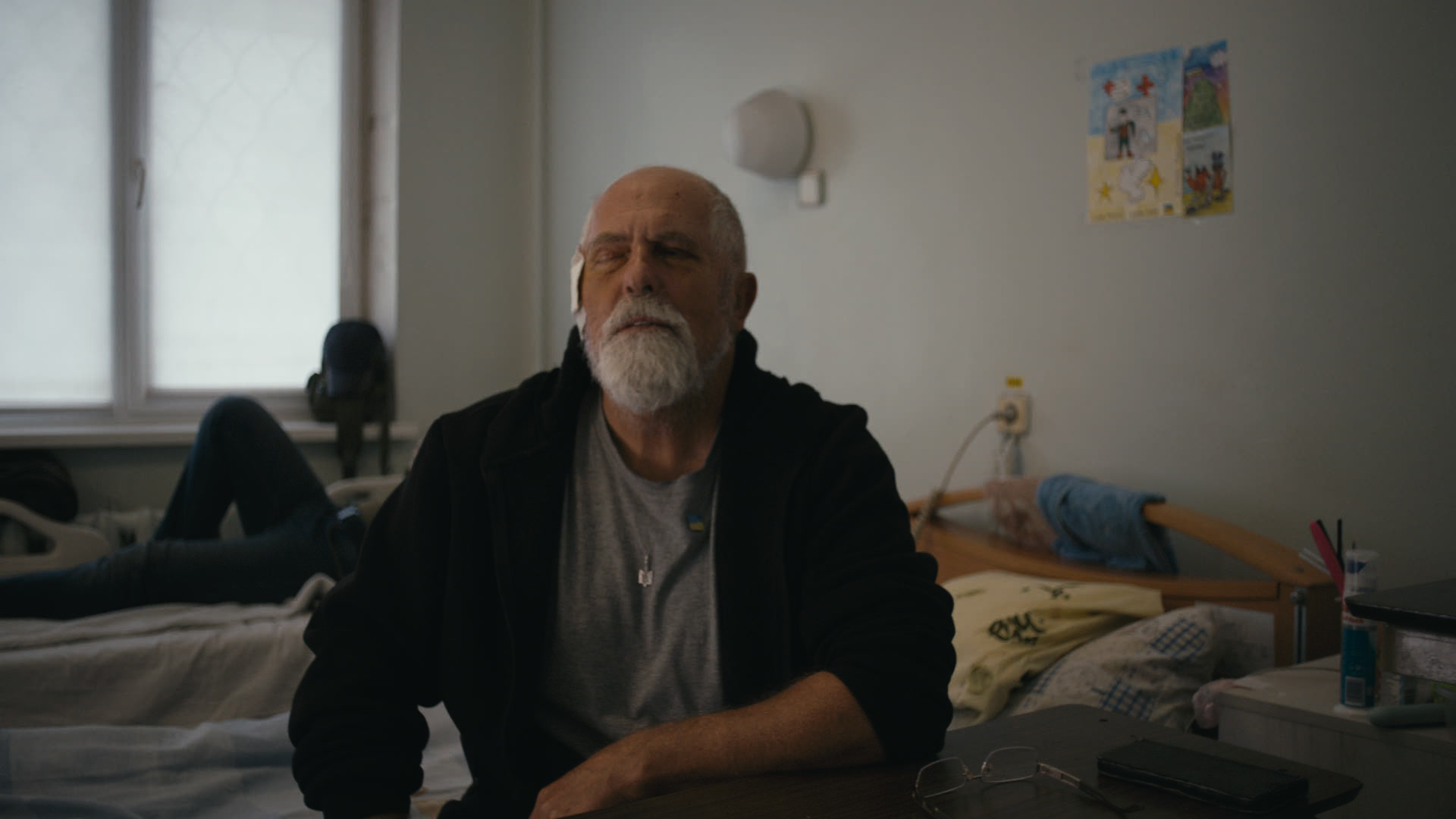
ANATOLIY CHUDNOVSKY (Patient, 66yo)
00:00:00 good stuff because they can feel the emotion.
Anatoliy
00:00:00 good stuff because they can feel the emotion. But can you at some point make sure you talk about growing up in the Soviet Union, dreaming of a country of exon and what it was like to finally achieve that and the threat, you know, he knows what it was like otherwise.
00:00:22 [UKR] The director's question asks, what was it like for you to live during the Soviet Union and possibly think about Ukraine becoming a separate country? [UKR] I understand your question. When the Soviet Union existed, that was almost 30 years ago, and our thinking was still Soviet Union. [UKR] Now everything is different. Now we live in Ukraine, and our Ukraine is the best country in the world for us, for Ukraine. [UKR] I'm only for having everyone in Ukraine speak only Ukrainian.
00:01:09 [UKR] Only Ukrainian. [UKR] In Russia they have their own. [UKR] That's it, no more. [UKR] That's how it is. [UKR] Something like that. [UKR] Thank you. [UKR] Thank you.
ANATOLIY CHUDNOVSKY (Patient, 66yo)
00:00:00 good stuff because they can feel the emotion.
Anatoliy
00:00:00 good stuff because they can feel the emotion. But can you at some point make sure you talk about growing up in the Soviet Union, dreaming of a country of exon and what it was like to finally achieve that and the threat, you know, he knows what it was like otherwise.
00:00:22 [UKR] The director's question asks, what was it like for you to live during the Soviet Union and possibly think about Ukraine becoming a separate country? [UKR] I understand your question. When the Soviet Union existed, that was almost 30 years ago, and our thinking was still Soviet Union. [UKR] Now everything is different. Now we live in Ukraine, and our Ukraine is the best country in the world for us, for Ukraine. [UKR] I'm only for having everyone in Ukraine speak only Ukrainian.
00:01:09 [UKR] Only Ukrainian. [UKR] In Russia they have their own. [UKR] That's it, no more. [UKR] That's how it is. [UKR] Something like that. [UKR] Thank you. [UKR] Thank you.
00:01:30 people go about their lives and when things are far away, things are far away, why should people that aren't here care and what can we learn about what does what's happening here in Ukraine and what's happening in Europe have to do with the rest of the world what can we learn from you guys, and I'm going off a little bit, but just, you know I understand
00:01:58 [UKR] Question from those who live very far away. They came from America and are asking: [UKR] What do you think, why should people who aren't in the context, not in Ukraine, what should they know about Ukraine, about the war now and why? [UKR] I can't answer this question so globally, but they should still know that Ukraine is still their homeland. [UKR] Wherever they live, wherever they are, they still won't be completely their own people there. [UKR] They still, if their children will be there, then the children will speak English or American there,
00:02:43 [UKR] But they still, they should be Ukrainians and carry their motivation as Ukrainians. [UKR] And foreigners? Those who are not Ukrainians, foreigners, he's asking more, why is it important for them to know? [UKR] that Ukraine won't surrender so easily. [UKR] They, maybe there they think that at first, at the beginning of the full-scale war, [UKR] everyone thought Ukraine would fall. [UKR] See how? In three days, that Russians would be in Kyiv, on Khreshchatyk,
00:03:27 [RUS] presents, there'd be a parade.
00:03:29 [UKR] [VO CANDIDATE] No, that will never happen.
00:03:32 The Ukrainians are the most important thing in the body. We can't win. If we win, we will not win. But we can't win. We can't win. That's it. Last thing, I remember what happened in Budapest in the 90s, obviously he does as well. To ask him if he feels betrayed by the world because Ukraine did a brave thing in exchange for a better world. And there were promises made, and it doesn't feel like they've been kept.
00:04:18 Does he feel betrayed by that?
00:04:23 [UKR] Danasenko, say that I don't quite understand. [UKR] You film us, and then, when you finish, I'll ask one last question and we'll wrap up. [UKR] Yes, well that's it, I'll send this to my daughter, let her see. [UKR] The next time, when you were here, I told her about it, she got so excited, you know, when she came. [UKR] I thought you were from Africa. [UKR] But you're from America. [UKR] You're from America. [UKR] Well, if you're in Miami, come visit my son. [UKR] He'll receive you like family. [UKR] We just set up in Miami, [UKR] so I'm here very often. [UKR] They're only there in Bay, [UKR] they finished filming some movie. [UKR] Well, good, good. [UKR] Last question. [UKR] Budapest?
00:05:23 [UKR] He says, do you remember what happened in Budapest, [UKR] the Budapest Memorandum, when it was signed.
00:05:30 [UKR] Yes, in '91. [UKR] He says you probably remember this too. [UKR] [VO CANDIDATE] Do you feel that then Ukraine gave up its weapons in exchange for some security? [UKR] Do you feel they betrayed us? [UKR] Americans betrayed? [UKR] No, everyone. [UKR] No, everyone. [UKR] The world. [UKR] [VO CANDIDATE] Yes, I believe they betrayed us. [UKR] Because they promised us security. [UKR] [VO CANDIDATE] And see how, those signatures, they weren't worth the paper they were signed on. [UKR] [VO CANDIDATE] If we had nuclear weapons, none of this would have happened.
00:06:25 [UKR] So, I think, is it not offensive to you that I say this? [UKR] You know that a person produces, whatever... [UKR] And my generation, a bit older, they remember this, and it was very painful that we were so betrayed.
00:07:12 [UKR] Russians. I believe it's all their fault. [UKR] We've finished with the interview, but I wanted to show you some video on the phone, and we have his additional answer, additional information, [UKR] but he showed a video with a tractor. [UKR] They finished the video with the tractor.
00:07:46 [RUS] So we can film this grandfather now, give me a moment, moment [RUS] now now [RUS] Now now...
00:08:00 [UKR] My videos...
00:08:04 [RUS] Now... [RUS] Now...
00:08:13 Yes... I'm Taddeus...
00:08:27 [RUS] Taddeus...
00:08:30 [RUS] Anatoliy.
00:08:30 [RUS] Anatoliy.
00:08:32 [UKR] And you?
00:08:35 [RUS] Chudnovsky. [RUS] And I said at the beginning of the interview what my name is. [RUS] Chudnovsky. [RUS] Chudnovsky. [RUS] Anatoliy. [RUS] 66 years old.
00:08:49 66.
00:08:51 [RUS] Oh, wow. [RUS] Come on, come on. [RUS] Come on, come on.
00:08:59 Are wrestling? Alright, I'm going to lose. You got it. You still got it. I got nothing. That's never happened. You don't want to win, do you?
00:09:30 No, you don't want to win. There's the snow. There's the snow. Oh, me? Oh, it's... You want to... You want to... If he beat you, he's going to beat me. Well, I think you're stronger than me. You've got to carry that thing all day. I feel like if you're going around challenging people to arm wrestle, you don't lose all... No, you... I don't think that's... What's that?
00:09:55 [UKR] This is the excavator, they've already loaded it...
00:09:59 [RUS] Wait, wait, wait...
00:10:02 [UKR] Loaded on the trailer.
00:10:04 [RUS] Oh, oh, oh, oh...
00:10:05 [UKR] Trailer for transport, evacuation. [UKR] Here they loaded it.
00:10:12 Here.
00:10:13 [UKR] This is what it looks like.
00:10:16 Here.
00:10:17 [UKR] And this excavator was helping. [UKR] These are our guys. [UKR] Let's see something more interesting, because this one is just standing. [UKR] I just can't see without glasses. [UKR] Yes, yes, yes, yes, yes, yes.
00:10:36 [RUS] Let me send it to you.
00:10:38 [UKR] I'll send it to you, give me.
00:10:40 [RUS] I'll send you a lot of all this.
00:10:48 Yes.
00:11:00 [RUS] everyone stop-stop machines [RUS] Stop, what?
00:11:06 [UKR] Oh, an accident.
00:11:08 This. 1, 2, 3, 4, 5, 6.
00:11:11 [UKR] There's a lot of them here. [UKR] If you want, Tarius, let me send it to you. [UKR] And did you do it?
00:11:19 - Oh, me.
00:11:20 [UKR] You did it.

Speaker
00:00:00 (Transcript content available)
Speaker
00:00:00 (Transcript content available)
Speaker
00:00:00 (Transcript content available)
Speaker
00:00:00 (Transcript content available)
Speaker
00:00:00 (Transcript content available)
Speaker
00:00:00 (Transcript content available)
Speaker
00:00:00 (Transcript content available)
Speaker
00:00:00 (Transcript content available)
Speaker
00:00:00 (Transcript content available)
Speaker
00:00:00 (Transcript content available)
Speaker 1
00:00:00 yeah yeah later but but right now we're just gonna get her just off the cup here yeah yeah later but but right now we're just gonna get her just off the cup here which you know okay just and for this so tell me again like how yeah tell me again like on for us
00:00:24 [RUS] That's what you're saying. [RUS] On the news you see, and it looks dangerous. [RUS] In English or in Ukrainian? [RUS] I'll do it in English. [RUS] But my English is not very good... [RUS] Just tell me, as you say.
Speaker 2
00:00:42 [RUS] I always want to check if it's dangerous or not. [RUS] Because maybe several months ago there were missiles here, in the street, near us.
00:01:00 And now I watch every time and when they write "Dnipro red" I go in the parking.
Speaker 1
00:00:00 yeah yeah later but but right now we're just gonna get her just off the cup here yeah yeah later but but right now we're just gonna get her just off the cup here which you know okay just and for this so tell me again like how yeah tell me again like on for us
00:00:24 [RUS] That's what you're saying. [RUS] On the news you see, and it looks dangerous. [RUS] In English or in Ukrainian? [RUS] I'll do it in English. [RUS] But my English is not very good... [RUS] Just tell me, as you say.
Speaker 2
00:00:42 [RUS] I always want to check if it's dangerous or not. [RUS] Because maybe several months ago there were missiles here, in the street, near us.
00:01:00 And now I watch every time and when they write "Dnipro red" I go in the parking.
Speaker 1
00:01:11 But now it's purple, now everything is okay. We can stay here.
Speaker 2
00:01:15 You're born in Crimea? Born, yeah, in Crimea. But your whole life here?
00:01:21 [RUS] Yes, I live in Dnipro, I think, thirty years.
Speaker 1
00:01:26 [RUS] I have a home here, and I want to be here, now.
Speaker 2
00:01:33 [RUS] Would you live somewhere else?
Speaker 1
00:01:37 [RUS] I want to live in another country, but I want to go there on my own terms. [RUS] Tell me about Dnipro, and tell me about what you've been doing the last 10 years.
Speaker 2
00:02:22 [RUS] Tell me about the city where you grew up. [RUS] I don't know what to say. [RUS] I love the city because all my family is here, and I know every street, and I know where I can
00:02:41 drink coffee or buy the good book or leave my friends so I know where is my school my university so every everything is here and here is very activity but since 2022 more I don't know how to say not so happy like it was before go ahead no I I don't know how to say it in English but we have where all the time the I don't know how to say it in English yeah yeah yeah and you can sleep
00:03:36 good because at night you can hear how it missiles or something else and it's
Speaker 1
00:03:45 different to build your life. Let's do this.
Speaker 2
00:03:52 How long have you done Bohdan?
Speaker 1
00:03:58 two years and a half I think. At a cafe you worked at? Yeah, yeah. Tell me about that. I worked in cafe and then one day came Bohdan and I saw him and I...
Speaker 2
00:04:16 Oh my god! So and then he started to came and we talked every day two or three hours And then we started to date and now we live together.
Speaker 1
00:04:32 But it's a short story. He told it a little bit longer. He talked about how you would go and you would talk and be talking, talking, talking, and just so much that shared, you know, those talks.
Speaker 2
00:04:53 So he said he came in after his night shifts or something. Yeah, and he was very funny because he didn't sleep all the night and he tried to be romantic
Speaker 1
00:05:09 or to joke and I'm like, okay, you should sleep.
Speaker 2
00:05:16 But he was still the guy it sounds like for you, you knew.
Speaker 1
00:05:22 Yeah, so and I really like him and then one month we didn't saw each other and when he returned in
Speaker 2
00:05:34 Dnipro we started to date and stayed together. Did he go off to work at the stabilization center? I don't know, maybe it's better when he tells you about this because I'm not sure that I can tell Don't worry about it. Yeah. Yeah. He feels safe. He feels strong. Just knowing him very briefly. Do you feel safer with him? Yeah. And at night it's for me it's safer when he is with me. Not in work.
00:06:19 [RUS] I feel safe with him. [RUS] Sorry, I need to check what happened.
Speaker 1
00:06:31 [RUS] Everything is fine. [RUS] Anastasia stayed because she's not afraid when she's here. [RUS] Because all her family is here, and she doesn't need to leave.
Speaker 2
00:06:45 [RUS] But, and this...
Speaker 1
00:07:16 me. And when you were just early in your dating time or maybe right when you moved in together
Speaker 2
00:07:24 whatever, rockets hit the hospital. Yeah, I was here and he was at work and I go to sleep and then I saw that Dnipro already
00:07:40 [RUS] I ran fast
00:08:09 near here and then he write me that everything is okay but all windows to him so but did you know
Speaker 1
00:08:21 that the hospital had been hit before you go before no i know it's uh here near but i don't know where
Speaker 2
00:08:30 i didn't know where exactly it was i mean it's probably better that you didn't know
Speaker 1
00:08:38 I don't think so because I can imagine something bad before he answered.
Speaker 2
00:08:46 Right. So it doesn't matter where it hit, just knowing that he wasn't here.
Speaker 1
00:08:52 Yeah, and he wasn't here and he didn't answer me, so it's the worst. What does your family mean to you?
Speaker 2
00:09:08 [RUS] - One more time? - Your family. Your family here. [RUS] My mom and sisters left, they're not here. [RUS] My father and grandfather are here. [RUS] - And do you see them? - Yes, I see them, but I miss my mother and sister,
00:09:30 [RUS] but I'm happy that they're safe.
Speaker 1
00:09:33 It's more important than to see them every day.
Speaker 2
00:09:41 Did they move after 20? Yeah, they moved in 2024. Where did they go? In Canada.
00:09:59 [RUS] They have a better level of English than I do now. [RUS] Because they live there. [RUS] - Have you visited? - No, no, I don't have a visa. [RUS] - Do you want to visit them? - I want to visit them, but I need to get a visa.
00:10:22 I do it right now. Like, so I need to go to Kiev to do, like, I don't know how to...
Speaker 1
00:10:31 Biometria. - Paperwork. - Yeah, paper work. And then maybe, I hope I can go and visit them. - Look, you know what, I've done this whole thing, we haven't had a mic on, so it's only been that mic.
Speaker 1
00:00:00 [RUS] I think that in Can...
Speaker 2
00:00:00 [RUS] I think that in Can...
00:00:31 Manitoba. Oh, it's out west. It's an even longer trip. Canada is a very big place. Bohdan, would you like to help her with this? So I'm not, you know... Maybe... Maybe there you go.
Speaker 1
00:00:00 Let's get out of here.
00:00:00 Let's get out of here. Yeah, let's get out of here. You might want to move from here over here too. Thank you. Alex, let's get out of here. This side. Grab a chair or something.
00:00:16 [RUS] Thank you.
00:00:47 Alarm. Alarm. it's like just simple talking after yeah yeah exactly and in ukraine yeah you might steal this it's like just simple talking after yeah yeah exactly and in ukraine yeah you might steal this chair even though it would normally be here yeah it's okay all right i'm gonna just because i'm
Speaker 1
00:00:00 Let's get out of here.
00:00:00 Let's get out of here. Yeah, let's get out of here. You might want to move from here over here too. Thank you. Alex, let's get out of here. This side. Grab a chair or something.
00:00:16 [RUS] Thank you.
00:00:47 Alarm. Alarm. it's like just simple talking after yeah yeah exactly and in ukraine yeah you might steal this it's like just simple talking after yeah yeah exactly and in ukraine yeah you might steal this chair even though it would normally be here yeah it's okay all right i'm gonna just because i'm
00:01:30 just in ukrainian yes and i'll see it in the can pay attention and let let me know if uh i'm missing something important. And you will say "I'm" No, I mean we're already rolling, you just go. Just, just... Okay, I'll do it, I'll do it. Action. Okay. Action. You just need to wear a little bit of clothes. You just need to wear a little bit of clothes. You should wear a little bit of clothes.
Speaker 3
00:02:07 [UKR] Just repeat to me what happened to you today.
Speaker 2
00:02:12 [UKR] Tell it just as emotionally as you told me. [UKR] How was today? [UKR] Just without swearing, probably, or with swearing? [UKR] Just without swearing. [UKR] Today was a not particularly difficult day and not a difficult shift, [UKR] but actually I slept about 3-4 hours. [UKR] Because in the middle of the night there were many soldiers, [UKR] we didn't have any surgeries, [UKR] but still, every hour we were called, [UKR] and that was very hard. [UKR] Soon, there was time to go, the gift was mixed up,
00:02:58 [RUS] now the wave would hit us,
00:03:00 [RUS] our contingent was there too.
00:03:04 [UKR] And when I came to work, I finished a surgery for a wound,
00:03:11 [RUS] a severe wound.
00:03:12 [UKR] And toward the end, to finish the surgery, I met with Oleksiy. [UKR] And we finished the surgery together. [UKR] Very severe patient, unfortunately. [UKR] [VO CANDIDATE] It's very sad that for years now people have been losing their health and lives, really. [UKR] [VO CANDIDATE] And when you see a person who lost their sight, lost their limbs,
Speaker 1
00:03:40 [UKR] it's very hard to understand that this is happening near you.
Speaker 2
00:03:45 [UKR] Was this a soldier? [UKR] Yes, this was a soldier and, unfortunately, he has very severe injuries [UKR] and a very serious head injury. [UKR] So yes, we finished the surgery, after that there were a few free hours, [UKR] where you could have dinner, and after that there were constant calls to the emergency diagnostic department.
Speaker 3
00:04:17 [UKR] That was the shift. [UKR] - You were working this morning. I wrote good night, did you sleep or did you go?
Speaker 2
00:04:23 [UKR] - No, when I wrote you good night, I was hoping I'd lie down and be asleep by 10.
00:04:29 My work life dance will work.
00:04:34 [UKR] That didn't happen for me.
Speaker 1
00:00:00 [UKR] They called me 30 minutes later, so until 4 in the morning I was guarding your sleep and watching the chat about rockets.
Speaker 2
00:00:00 [UKR] They called me 30 minutes later, so until 4 in the morning I was guarding your sleep and watching the chat about rockets. [UKR] You were lucky because you slept well the whole time. [UKR] Because I knew that if something happened, you'd come in and I would know.
Speaker 1
00:00:14 [UKR] Perfect. You see, while you think you're sleeping, I'm still protecting you. [UKR] So that's how we work. [UKR] And in the morning we met with the Americans who came.
Speaker 2
00:00:26 [UKR] They filmed our morning round.
Speaker 1
00:00:00 [UKR] They called me 30 minutes later, so until 4 in the morning I was guarding your sleep and watching the chat about rockets.
Speaker 2
00:00:00 [UKR] They called me 30 minutes later, so until 4 in the morning I was guarding your sleep and watching the chat about rockets. [UKR] You were lucky because you slept well the whole time. [UKR] Because I knew that if something happened, you'd come in and I would know.
Speaker 1
00:00:14 [UKR] Perfect. You see, while you think you're sleeping, I'm still protecting you. [UKR] So that's how we work. [UKR] And in the morning we met with the Americans who came.
Speaker 2
00:00:26 [UKR] They filmed our morning round.
Speaker 1
00:00:32 [UKR] What, everything? And the surgeries? [UKR] No, they only filmed the operative meeting, where they showed what happened overnight, [UKR] and what surgeries are planned for the day. [UKR] And after that we went through the ICUs, and they stayed behind.
Speaker 2
00:00:52 [UKR] So that's how things are. [UKR] Did they finish filming? [UKR] Yes, they had a full day of filming, so they're pretty exhausted.
Speaker 1
00:00:59 [UKR] But they didn't stay for my night shift yesterday, [UKR] so they didn't experience all the joy of working at night.
Speaker 2
00:01:09 [UKR] I think they would find it interesting to feel those feelings in the morning, when you're like, thank God it's over.
Speaker 1
00:01:16 [UKR] Meaning, soon the war sirens will start going off from their location. [UKR] Yeah, yeah, yeah. So after that I got ready and headed home. Stopped to buy us some sweets and came home to sleep.
Speaker 2
00:01:32 [UKR] And how was your day yesterday? [UKR] The breakfast was delicious.
Speaker 1
00:01:36 Breakfast was the best of the best. Eleven from ten.
Speaker 2
00:01:40 [UKR] I tried hard, because. [UKR] I laughed with you, went to sleep, you slept peacefully, because as you can see, I felt that you wouldn't be sleeping. [UKR] When I picked up the phone at night, something was coming in about the air raid alerts.
Speaker 1
00:01:53 [UKR] I saw that you were online 5 minutes ago, 8 minutes ago—Bohdanchyk isn't sleeping. [UKR] The sticker pack exchange went well, of course. [UKR] I felt that this is a new level of relationship, you know. [UKR] Just—who else can I spend time with? Stas, and now also with Oleksandra.
Speaker 2
00:02:14 [UKR] Oh, that's a new level, because you're there exchanging sticker packs for 10 minutes.
Speaker 1
00:02:20 [UKR] Well, that's what closeness is. [UKR] Well, yeah, I don't see it.
00:02:25 [RUS] I'll dig in here.
Speaker 2
00:02:27 [UKR] I'm here, I'm here right now, I feel very calm.
Speaker 1
00:02:35 [RUS] You see, I became a participant in the film 'Random'. [RUS] - What is "Random"? [RUS] - Well, if I knew, I'd be proud. [RUS] - Okay, great, I got it, I remembered, I was there. [RUS] - Well, anyway, I'll give it back. [RUS] You know, I was talking when they asked me how he got older there.
00:02:50 [UKR] My knowledge base is like this—tiny.
Speaker 2
00:02:53 [RUS] I said, when I came in and saw him, aaaaaaaaaaaaaaaaaahhhhhh
Speaker 1
00:03:03 [UKR] No, I said that you should tell this part.
Speaker 2
00:03:05 [RUS] Ah, well then.
Speaker 1
00:03:06 [UKR] It's your part of the story, why would I tell it. [UKR] Well, right. [UKR] Yeah, okay. [UKR] The shifts aren't long enough yet. [UKR] Because they were too short, probably, that's why. [UKR] So it just went by really fast somehow. [UKR] So there's nothing special to tell. [UKR] Relatively calm? [UKR] From one to ten, how tough was it?
00:03:30 [UKR] And considering the constant shelling overnight, it was probably a 6 out of 10, like a typical night shift. [UKR] It wasn't like I was completely exhausted, but still.
Speaker 2
00:03:44 [UKR] It's a 6 out of 10, and in the morning it was a bit tough. [UKR] And when the rocket hit, was that a 10 out of 10? [UKR] That was 100 out of 10. [UKR] Yeah, that's a 6 out of 5 from that.
Speaker 1
00:03:58 [UKR] Well, basically, next week is free for me. [UKR] Until next Monday.
00:04:03 [RUS] We'll be together.
00:04:04 [UKR] Yes, we'll be together picking out Halloween costumes.
Speaker 2
00:04:12 [UKR] Should we keep going when I wake up?
00:04:14 [RUS] I don't know. [RUS] I don't know, there's no one to ask. [RUS] Maybe they'll say: "Stop, camera."
00:04:23 [UKR] Okay. What are we doing tomorrow?
00:04:25 [RUS] Tomorrow?
00:04:27 [UKR] I don't know, sleeping for example.
Speaker 1
00:04:30 [RUS] Together.
00:04:31 [UKR] What do you mean? [UKR] Well, I don't think I'll go to training tomorrow morning. [UKR] I think if I go to training, it'll be in the evening.
Speaker 2
00:04:40 [UKR] Maybe I'll go to surgical training, if there's something.
Speaker 1
00:04:47 [UKR] Uh-huh, so what are you asking? [UKR] Yeah, if there's something, then overall nothing else much.
Speaker 2
00:04:55 [UKR] When they asked me about our relationship development and all that, I said that we were communicating, [UKR] because we didn't see each other for a month, and then when I came back, the spark was crazy. [UKR] But I didn't know if I could tell them, so I said that the last month, he'll tell himself if he wants to.
Speaker 1
00:05:16 [UKR] So I don't know, we didn't agree in advance what I can say and what not. [UKR] You think they'll want to and ask, and he'll tell them. [UKR] Yeah, so. [UKR] The most important thing to do this week is to change the clothes. [UKR] Find this, find... [UKR] A Halloween costume.
00:05:41 [RUS] That's it.
00:05:44 [UKR] Basic needs like that. [UKR] And write this thing of mine. [UKR] Did you sleep well, by the way? [UKR] Well, so-so. [UKR] Without yoga after sleep, it's not you. [UKR] No, I didn't even pour cold water on myself.
00:05:56 [RUS] You didn't?
Speaker 2
00:05:57 [UKR] No, well I took a very cold shower, but the water from the faucet. [UKR] That doesn't count, with your level of cold water pouring. [UKR] But now the water is much colder in the country than usual. [UKR] Well, yeah, but it still doesn't reach our bottle level, you know?
Speaker 1
00:06:10 [RUS] Well, they're getting close already.
00:06:12 [UKR] It'll take a few more days until you can see ice inside the bottle, and then it'll be just right.
Speaker 3
00:06:26 It's okay? It's good. It's good.
00:06:30 Great. That was beautiful. You can keep going or... We just like, finish all about this day. Um, honestly, what would be good for them to discuss or to talk about? Hey, there we go. That was good. I like that. Glad we're still rolling.
00:07:16 [RUS] [laughter]
Speaker 2
00:07:19 [UKR] And I was paying for it like that.
00:07:23 [RUS] Well, that's all going away. [RUS] So you were [RUS] Were you filming The Bachelorette or what?
Speaker 3
00:07:59 [RUS] No need to play just to become famous.
Speaker 2
00:08:03 [UKR] Well yeah, just become famous.
00:08:08 [RUS] No, well just, so it's not that. [RUS] - That's normal. [RUS] - I think you love me, and hold my leg and it's clear what you want in your jammies.
Speaker 1
00:08:23 [RUS] And that's all. [RUS] - You're a showman, is that allowed? [RUS] - I also just wanted to wear something casual. [RUS] - And what, am I casual? This is the most purebred outfit. [RUS] - Well, I'll just say this was the most purebred outfit. [RUS] - Well yeah, should have worn Jesus pants and a t-shirt. [RUS] - Egyptian. [RUS] You know, a girl is doing something, she's hugging, sitting on the balcony. [RUS] I'll show today that I don't know, that I don't know, that I don't know.
Speaker 2
00:08:51 Yes.
Speaker 1
00:08:52 [RUS] That's why I'll have an evening routine.
00:08:55 Phew. Phew.
00:08:58 [RUS] I want more chocolate.
Speaker 2
00:09:00 [RUS] Should I give you a piece of the pistachio one? [RUS] Yes. And what's the other one with? [RUS] Well, with walnut in general. [RUS] You probably want both. [RUS] And I'm somehow the most basic. [RUS] Well, their pistachio is more similar. [RUS] No, I want pistachio. [RUS] Well, let's bring this one here and try it. [RUS] What, you haven't tried it yet?
Speaker 1
00:09:19 [UKR] Well, look.
Speaker 2
00:09:24 [RUS] Should I give you a spoon? [RUS] No, the squirrel isn't kind. [RUS] Well, let's try. [RUS] Well, okay.
Speaker 1
00:09:35 [RUS] Do you want tea? [RUS] You know what I need to know about tea?
Speaker 3
00:09:42 - Welcome? - Yep. - Can you grab that plate and bring it back to her and just send it as you work?
Speaker 1
00:09:48 - Right. - There you go. - Chayoc? - Chayoc? - No. - No. - No. - No.
00:10:14 [UKR] I'm really worried that they calculated it wrong for me.
Speaker 2
00:10:22 [UKR] For some reason the receipt was only for one of them. [UKR] And so? Did you pay less or more than what there was?
Speaker 1
00:10:29 [UKR] The receipt was only on this packaging, and there was nothing on this packaging. [UKR] But they're different. [UKR] I had a thought that they're just trying different prices. [UKR] Although pistachio is more expensive, pistachio is more expensive than walnut. [UKR] - I'm forgetting which pistachio.
00:10:47 [RUS] - I'm mumbling.
Speaker 2
00:10:49 [UKR] - I'll do something. [UKR] Where are the stands? [UKR] - Well, on the dining table. [UKR] It should have little stands.
00:11:00 [UKR] That's why it's knocking on me and hanging.
00:11:00 [UKR] That's why it's knocking on me and hanging.
Speaker 1
00:11:06 [UKR] I want pizza. [UKR] What what? [UKR] I want pizza.
Speaker 2
00:11:10 And where?
Speaker 1
00:11:12 [UKR] Something with sausage, cheese, or something light? [UKR] Homemade? [UKR] Homemade? [UKR] My muscles from joints, don't you want? [UKR] My muscles from joints, don't you want?
00:11:20 No?
00:11:23 [UKR] No, I would too, but I want something delicious. [UKR] Because what was last? [UKR] Wait, should I tell you about a place?
Speaker 2
00:11:27 [RUS] Where to?
Speaker 1
00:11:28 [UKR] - Everyday Pizza. - Where?
Speaker 2
00:11:30 [UKR] - In Komi. - And where is Komi? [UKR] - It's where... [UKR] - Near the church. [UKR] - If I told you there that they're opening a restaurant patio, and they're making this sandwich.
Speaker 1
00:11:44 [UKR] - No, no. - Well anyway, but it has to be delicious when the restaurant patio. [UKR] - Because I had something, every time any pizza, it was obviously not delicious at all. [UKR] - Well, well, sorry
Speaker 2
00:12:28 [RUS] Well, and what about work? Normal. [RUS] No need to know.
00:12:30 [RUS] Can't we just go there and buy a ready-made set?
Speaker 1
00:12:34 [UKR] We won't have that.
Speaker 2
00:12:35 [RUS] Harry Potter. [RUS] We don't have that. [RUS] Harry Potter and nothing. [RUS] We need to invest minimal budget with my maximum creative idea.
Speaker 1
00:12:46 [RUS] Well, I put it in the camp because I took children's things to the trash, [RUS] and by cutting these out, I got a costume.
00:12:53 [UKR] Don't like it.
00:12:55 [RUS] No, well for us, there were just kids, forgot a thing, and that's it. [RUS] And they didn't forget. [RUS] And what, whose costume is this? [RUS] A costume, well, whoever you want. [RUS] Aha, forgot at the dorm. [RUS] Well, you'll figure out who you want to be. [RUS] I have information for you. [RUS] How am I? [RUS] Pour me some stuff and I'll tell you. [RUS] Okay. [RUS] - This is very tast...
00:13:57 [RUS] - That's not a nuclear bomb, is it?
00:14:00 [RUS] - Okay, good.
Speaker 2
00:14:00 [RUS] - Okay, good. [RUS] - Very beautiful.
Speaker 1
00:14:09 [RUS] - I'll go out on the balcony, just be in the back. [RUS] - Bite it, let her not be filmed. [RUS] In short.
00:14:17 I thought it would be very easy to use. Do you
00:14:46 [RUS] - That's flour
Speaker 2
00:15:16 [RUS] Light [RUS] - I want to say that
00:16:16 [UKR] I actually thought to myself that I'll go to the store once and give presents earlier, [UKR] meaning ours will be bad. [UKR] And then I realized that you won't even make it to Saturday.
Speaker 1
00:16:27 [UKR] No big deal, no problem. [UKR] After Saturday I'm planning we won't be together. [UKR] How so? [UKR] What if I give something new? [UKR] No, it's just that it won't work out symbolically, you know.
00:16:37 [RUS] I heard something scary.
Speaker 2
00:16:39 [UKR] Normal, no, there isn't. [UKR] Can I get a song, or not giving? [UKR] Saturday you're not giving anything?
00:16:44 [RUS] No, I'm giving, but just... [RUS] You're not thinking, I'm not honest. [RUS] Yours are unavailable. [RUS] Okay, let's go put things away.
00:17:00 [RUS] Oh, swift. [RUS] Well, wait.
00:17:16 [UKR] Thanks for watching!
00:17:36 [RUS] I just need to understand how they will be leaving. [RUS] If it's through pies I'll need to connect. [RUS] - Please. I think we'll finish the episode with eating during the hike.
Speaker 1
00:17:53 [RUS] - You don't want any? - It's fine.
Speaker 2
00:18:01 [RUS] - So what? - It's delicious. [RUS] - I'll try it. - Sugar bomb. [RUS] I don't know, [RUS] Oh, a secret.
00:18:48 [RUS] Yes, but that's it, [RUS] Okay.
Speaker 1
00:19:12 [RUS] So tomorrow morning you're just sleeping.
Speaker 2
00:19:16 [RUS] Something will join in.
Speaker 1
00:19:17 [UKR] Even at 6 in the morning you're not starting to run somewhere. [UKR] No. You just didn't watch. [UKR] We didn't decide this morning. [UKR] We can watch a show episode.
Speaker 2
00:19:28 [RUS] Oh, who's there?
00:19:29 [UKR] Watch an episode, find out who did what there.
00:19:35 Yes.
00:19:36 [RUS] - No need. - We can sleep like gold. [RUS] - Something, of course, like that. [RUS] - It's been a while since there was shelling. [RUS] - A drone hasn't hit in a while, you know, I'm saying this, thinking, damn. [RUS] - When you say it like that, then something happens later... [RUS] - I don't want to. - Uh-huh. [RUS] - Hitting at the park, but that's not fun for me anymore. [RUS] - Well, we'll sleep at the park, we'll set up a tent and sleep. [RUS] - Mmm, anyway, we once went down,
00:20:03 [UKR] Then we usually filmed the car, that I'm standing. [UKR] That was my point 119.
00:20:11 [RUS] I remembered.
Speaker 1
00:20:21 [UKR] Nothing. [UKR] Right at two everything's great.
Speaker 2
00:20:27 [UKR] This is hard for me. [UKR] You know that you'll be filmed anyway? [UKR] I didn't know, I thought I'd just sit and no one would film me.
Speaker 1
00:20:35 [UKR] It turns out I'm a participant here. [UKR] Sanya, you understand that you're incredibly talented, that you just hopped right in.
Speaker 2
00:20:44 [UKR] I just went to get stuff from the car, I come back, Sanya's already...
Speaker 1
00:20:50 [RUS] Well, I'm just, how do you say, adaptive.
Speaker 2
00:20:55 [RUS] You're ridiculously adaptive.
00:20:58 [UKR] I just, you understand, if they knew, I would have looked at what's more popular for me.
Speaker 1
00:21:05 [UKR] Now, it seems to me, I'm not very attractive. [UKR] Very beautiful. [UKR] Well, look, this will just be such a big list of everything.
Speaker 2
00:21:14 [UKR] We need Sri Lanka too, definitely, with turtles, and there'll be lentils. [UKR] If they paid there, then I need money. [UKR] Well, I really like traveling, but you need to earn somewhere.
Speaker 1
00:21:26 [UKR] Because for six months I feel how I'm gradually sliding into this minus, and living isn't getting cheaper. [UKR] No, well what, it's all experience, well, moving turtles, that's...
Speaker 2
00:21:40 [UKR] You can tell your kids about this later. [UKR] And for kids, it seems to me, there's already enough to tell. [UKR] Well, you were walking down the street in slippers, a rocket fell nearby. [UKR] That story seems enough, you understand? [UKR] [VO CANDIDATE] Some people have fun student years, and I in shock can distinguish by sound what's flying now.
Speaker 1
00:21:56 [UKR] This, it seems to me, is much more useful life skills than just walking around.
Speaker 2
00:22:07 [UKR] Student life. But you can learn. Oh, Shahed, Geran, also some others.
Speaker 1
00:22:13 [UKR] Geran I don't understand what that is. [UKR] It's also, like, such. Shahed? Is it regular?
Speaker 2
00:22:18 [UKR] It has approximately the same characteristics. [UKR] Ah, I saw something like that, I thought it was a scout drone.
Speaker 1
00:22:28 [UKR] You need to study this topic so you're anxious to the maximum. [UKR] I think consuming such information only adds anxious thoughts.
Speaker 2
00:22:39 [UKR] The more you read about it, the more you think about it. [UKR] I can imagine something much worse. [UKR] Either way, either way. [UKR] Show it, if so. [UKR] Ah, well yeah, well, it didn't show there, just a piece of metal, [UKR] you know, take it, go to the dump, piece of metal, [UKR] I'll say, this is a piece of Shahed, [UKR] No, well, it's honest, a piece of Shahed, [UKR] you understand? [UKR] That won't be bragging. [UKR] That won't be bragging.
Speaker 1
00:23:00 [RUS] You won't?
Speaker 2
00:23:01 No.
00:23:04 [UKR] If we had a cat, you'd have psychological support,
Speaker 1
00:23:09 [UKR] it would sit on you and would sit on everyone, [UKR] That's already some happy super hour from a commercial, [UKR] That's already some happy super hour from a commercial, [UKR] just sauerkraut or some six o'clock thing.
00:23:19 I can play... A cat? I wanted to say I can play a happy one.
Speaker 2
00:23:28 - Do you want to play? - No, don't you? - Please. - You know, I can, I can't. I know. I'm really quiet.
Speaker 3
00:23:40 - It was funny, I was just... I was just about to... I was just sending you a WhatsApp figuring you that you might hear the buzz. because I was gonna tell you you just end this however you can get up and take the plate over and then I mean we've got the scene this is you guys you guys are awesome this has been really amazing like I I think you said something about you were worried about being on camera or you didn't think you were gonna be on camera You're great in this place. Amazing. And that sky. Yeah. So I think just to end it, just like, you know, let me clear and then, you know, you take the plate over or something like that.
Speaker 1
00:24:24 And I know you've got a meeting, you've got an online meeting.
Speaker 2
00:24:28 Just like prepare for cooking here.
00:24:30 What was that? You can just clear the table. Yeah, just clear the table.
Speaker 1
00:24:36 [RUS] That's it, I can't anymore. [RUS] - Ukrainian material? [RUS] - Ukrainian material? [RUS] - No, just call it care for the partner.
Speaker 2
00:24:45 [UKR] - Yes, that's right.
00:24:52 [RUS] - Throw on another one, I'll fall asleep again.
Speaker 1
00:24:54 Yes?
Speaker 2
00:24:56 [UKR] - Same thing.
00:24:57 [RUS] - I need you not to bring the computer, [RUS] so I can't turn it on to film this. [RUS] Good morning, hospital. [RUS] - You're on the lane [RUS] Not thinking of filming with Kyra? [RUS] How beautiful.
Speaker 1
00:25:36 [UKR] Thank you.
Speaker 2
00:25:38 [RUS] Figure it out, I think, also for New Year.
Speaker 1
00:25:44 [RUS] How are you doing? [RUS] What options are there? Let me ask like this. [RUS] Batman.
Speaker 2
00:25:52 Yes.
Speaker 1
00:25:59 [RUS] I don't demand. [RUS] - That's all. - No, I'd also play Hobbit.
Speaker 2
00:26:05 [RUS] Can I? Hobbit. [RUS] - Mmm, you can. But you didn't follow the actors. [RUS] - Maybe everyone who played Hobbits was small?
Speaker 1
00:26:17 [RUS] - Well, yes. [RUS] - What, really small here? [RUS] - Well, don't squeeze in here. - No. [RUS] - And I think, yes, you can... [RUS] Well, let me say I would like to play. [RUS] Either in the new series [RUS] in Rings of Power, [RUS] or in Harry Potter,
00:26:37 or...
00:26:40 [RUS] So what? [RUS] More than that I'm not around. [RUS] No, or I would like [RUS] to play [RUS] a haircut
00:26:51 about
00:26:53 [RUS] Puhtik.
Speaker 2
00:26:54 - Excuse me, you know, you can...
Speaker 3
00:27:07 - Log on. As soon as you're done with that, - Log on. As soon as you're done with that, you keep doing what you're doing, finish it off, and then you're gonna walk out of the room, and then we're gonna hold on her reading the book. Okay? So just... - Okay. I just go, yep. - Yep, got it. - Yep, got it.
BOHDAN SIRKO (Neurosurgeon, Son)
00:00:00 I mean and your day, you have a schedule.
Bohdan
00:00:00 I mean and your day, you have a schedule. How I start my day today? No, I mean like you said go to sleep by 10, not by 6 am every day. Just tell me about that. About schedule of my day? Yeah, yeah, like what you do when you wake up. Okay, if I wake up at home, it's probably will be at 6 am, and after this I will go to do some fitness, yoga, exercise, something like this for 15-30 minutes. After this I take a cold shower, go to cooking my breakfast. Before breakfast I go to perform some meditation a little bit. I write the goals for day. And after this I perform breakfast, eat breakfast and go to the job.
00:00:50 After job I will go to the crossfit gym, perform crossfit, go to the home, reading. cooking, sleep at 10 p.m. Something like this. Why is that important for you? I think thanks to this you can find yourself normally. You can improve something in your life if you have a basic line. It's like normal sleep, normal eating, normal minds, your thoughts okay, your body okay and then you can improve yourself. You can help yourself to change something in your own world.
00:01:37 Something like this. If you don't sleep enough, if you don't eat good or something like this, it will be impossible to improve something in your life, to improve yourself, something like this. And you cannot live all the time in like depression. Because if you don't use these rules, I think it will be very worse for you. And when I have night shifts or something like this, I feel on myself how it looks like. When you don't have strict schedules, it's like you cannot do nothing. And you cannot do exercise, reading or something like this.
BOHDAN SIRKO (Neurosurgeon, Son)
00:00:00 I mean and your day, you have a schedule.
Bohdan
00:00:00 I mean and your day, you have a schedule. How I start my day today? No, I mean like you said go to sleep by 10, not by 6 am every day. Just tell me about that. About schedule of my day? Yeah, yeah, like what you do when you wake up. Okay, if I wake up at home, it's probably will be at 6 am, and after this I will go to do some fitness, yoga, exercise, something like this for 15-30 minutes. After this I take a cold shower, go to cooking my breakfast. Before breakfast I go to perform some meditation a little bit. I write the goals for day. And after this I perform breakfast, eat breakfast and go to the job.
00:00:50 After job I will go to the crossfit gym, perform crossfit, go to the home, reading. cooking, sleep at 10 p.m. Something like this. Why is that important for you? I think thanks to this you can find yourself normally. You can improve something in your life if you have a basic line. It's like normal sleep, normal eating, normal minds, your thoughts okay, your body okay and then you can improve yourself. You can help yourself to change something in your own world.
00:01:37 Something like this. If you don't sleep enough, if you don't eat good or something like this, it will be impossible to improve something in your life, to improve yourself, something like this. And you cannot live all the time in like depression. Because if you don't use these rules, I think it will be very worse for you. And when I have night shifts or something like this, I feel on myself how it looks like. When you don't have strict schedules, it's like you cannot do nothing. And you cannot do exercise, reading or something like this.
00:02:25 That's why for everyone who work in like some special conditions or something like this without normal sleep or something like this, I think it's very important when you have time, good eating, good sleeping and good mindset to live in these conditions. And it's not just a cold shower, it's you refrigerate it. Yeah, yeah, it's like two bottles of water in my refrigerator for every morning.
00:03:00 It's like to break your board, something like this. Did that get significantly brighter, Logan? Is that what you were looking at the light? What's that? Oh, I thought you were looking at the light. Two bottles of water is like the big jugs of water? Yeah, it's like about six liters, each one. That's a lot of cold water. Yeah, it's about 10-12 liters of cold water. also i like to swim in dnipro river dnipro but i don't like it to move to go there in the summer i perform swimming when it's cold autumn the beginning of the spring and winter i very like to swim in the river because it's very refresh your mindset it's very helpful to you and i very like
00:03:50 to do in the morning you know no one is there everybody sleeping now and you just came in the beach like sitting and you're hearing the songs of the world and after this you go to swim in the cold river like i don't know like wikin or something like this and after this swimming your body is hot like fire and you can just go by your day and it's very cool i very like it i very like cold water it's like my i i don't know how to say the amazing uh the coolest thing in life which you can
00:04:36 find everywhere just cold water and it will be something amazing you don't need any drugs or something like this, just cold water, swimming some minutes and you will be fine. Invigorating. Yeah. Where were you when the invasion started and then tell me about that night? Oh, I was living with my friend in other apartments and it was like we think, we thought that something will be because all news was about this like thousands of russian soldiers right now near border of ukraine something like this and everyone knows that something will be wrong
00:05:27 and it was about 5 or 4 a.m and my like the best friend called me and say bogdan it's start okay it's start and i what's going on i i just sleeping what what's good what's start big war i say it it will be so it started and i what's mean big war and my friend say the russians everywhere and i woke up with my friend his name ilia he's of termology surgeon he worked in the other hospital and he for all these four years treated the soldiers with problems with ice after injured eyes he performed operation in this i we live together and we just i take all my
00:06:19 stuff like all documents everything we perform photo i have this photo near our apartments because we really didn't know what's going on and i i realized that i understand it i probably will not come back to home because you you you didn't know what's going on so we just uh scraps together wrapped together i don't i don't know how to say exactly and uh go to the go to the job and it was like i very uh good in remember what's going on in those morning it was a lot of people who try to take money from uh the atm you know it was about 20 30 persons near
00:07:13 every atm it was first time i heard alarm you know first bombing first it was like firstly in my life i understand oh my god and i remember i first day only what i have of protection
00:07:30 of myself it's like the glasses from protection from armor you know and i really i don't know what i have to do and i just like put on my eyes and go to the job and i saw a lot of people near atm near gas stations and it's like something horrible begin it's uh you feel it everyone you see like eyes you understand it's fear something wrong a lot of a lot of cars go fast go so and we meet together in the job and everyone was in like cherry ground canals or like news or something like this and we all time reading what's going on and it it was awful because we really don't understand
00:08:21 what's going on something like this you said something about being with your professor that that night or the guy who's your teacher no this guy was my friend we live together yeah but but when we were outside you were talking about like or maybe it was just a conversation after the invasion It was after the first night of this invasion, I had a night shift as a resident of neurosurgery and his name Stanislav and we had this night shift together. He was as my mentor, as my chef of this night and after some operations it was first wounded people after full-scale invasion,
00:09:07 first civilians first soldiers with brain trauma related to the war and we performed the surgeries i never saw the soldiers before and he teach me and in the morning we we were like on the near the hospital outside and we have we had small talk and he said okay i was as a resident of neurosurgeon in 2013 when start war this is other because we think in uh we thought in 2013 it's horrible it's a lot of number of soldiers but and everyone say who was in hospital in this year
00:09:57 that was, oh, you don't know what's meant to be like neurosurgeon in the condition of war when I came to residency because it was like actually finished. But when it started one more time, it was like 10 more soldiers than in 2013. And he said to me, okay, I think time in 2013 was awful and it was like horrible times in my life but now i understand the horrible now the horrible times start now because it's more bigger more uh bigger number of casualties of soldiers it's like we never we never saw this before something like this and when when it started we
00:10:50 soldiers which came not like now by evacuation the soldiers which take uh some kind for from his platoon you know from the their command to our hospital and they uh come to our hospital in with weapons with everything you know just because someone of his uh command has injured and they like take off from from the hell and go with them in our hospital also i remember the civilians from mariupoli when it's be possible to civilians to go out from mariupoli and i never forget the
00:11:36 one guy it was like older guy about 50 years old with his young daughter or maybe something like this and they came from mario and they don't they didn't have like severe trauma just little some but in his car was his daughter dead and he just asked okay we just have a little little like And it's everything okay, but what I have to do with my daughter. And his car near our hospital and in his car his daughter is not alive. And also it was a situation when it will be possible evacuation from other stall by helicopters.
00:12:27 And it was like hundreds of soldiers in our hospital per one hour or something like this. It's everywhere where you can sit, there were soldiers, seated soldiers, wounded soldiers, it's like real heroes which protect Mariupol for these days, like without connections with our country you know and you see in in their eyes and the sense they came back from the hell because they come to our hospital in all stuff they had like weather like carry plate everything like for protection you know only without
00:13:17 weapon but how they look in azov style they was they were in our hospital something like this wow you were at the other hospital in in dnepro then right sorry you were at a different hospital in dnepro than not mechnikov right or were you already in mention you studied elsewhere is what I'm saying? I started in Menchniko Hospital. Oh you did? Yeah. Okay. All four years I am in Menchniko Hospital. Oh so then you did a year at the other one, is that what you're saying? No. No. You never? Okay. No. I just was like uh go in other hospitals for experience but actually all my study and job in
00:14:03 in this hospital. Did you grow up wanting to do this? Sorry? Did you grow up wanting to do neurosurgery? I don't understand. It's like very difficult question to answer. Because, you know, when you grow up with something, it becomes a part of your life. And if you see from the early years all this stuff, you understand this stuff, you become a part of this stuff. Something like this.
00:14:50 Now, you know, at the end of your day, near the beginning of ours today, you were in that staff meeting with your father. Do you, did you ever, like as a kid, do you remember going around those halls that you now work in, in those rooms? Did you have an experience as a child? Yes, of course. The biggest experience I had that I actually didn't see my father. Because he all time performed studying, working at his room.
00:15:30 So it doesn't matter which time is it, which day is it. He was all time in his work. So from my childhood, I remember that in the biggest part of my time, no father near me. That made you angry? Oh, it's not made me angry. It's made me sad. I don't have envy for them because he performed all of this to have possibility to live in our country. It's very hard to live in our country and to find place to become someone.
00:16:19 So he just performed his job. Tell me why it's hard to live in your country and become someone.
00:16:30 to what you just said. What do you mean by that? What do I not know? Okay, let's start. You have to understand that your country and my country have the biggest difference. We don't have institutions. Like, if you wanted to become someone in the United States, you understand strict way. Like, go to college, medical school, study hard, pass some exams,
00:17:00 go somewhere and after the finishing of some some like specialization you will have some experience knowledge and you will have normal salary or something like this and you can live for this salary it's like um you know the rules of this game previously you start just doesn't matter what you wanted to do if we say about ukraine it's not like very strict way and very understandable rules how is how it's going on and doesn't matter you wanted to become it's like not about only surgeries surgeons or something
00:17:51 something like this or you wanted to become maybe journalist or something like this and you okay i will go to university and study journalism or psychology or something but after this it will not be like okay you have degree of journalist you will have job and this job will give you money like to buy you foods i don't tell like uh buy a car or something like this and it's really impossible in in the biggest situation to find the job or to find the way it's all about
00:18:30 the rules you don't understand in the school or something like this you have to you have to find this experience does your father go ahead i i think it will be enough yeah yeah you know you got it Does your father inspire you? It's also a difficult question because I don't think it will be so hard. Of course, when you saw the guy who found own way and had achieved goals, had achieved reputation, different achievements which give him a lot of possibilities, you see and oh, it's cool, I want to perform the same.
00:19:30 I'm ready to study, I'm ready to do everything. I want to have the same. I want to just be the guy who has the same achievements. Something like this. It's not like the strict, like the same achievements. I just say it's very good example how to do, you know? Something like this. So my father was a college professor.
00:20:00 He's now retired. He's about to be 88. And he was always at work. And I felt like his grad students were almost more of his kids than we were. Did you experience anything like that with the people that worked under your father?
00:20:54 this film with my father yes of course because you know when you child it doesn't matter which this film with my father yes of course because you know when you child it doesn't matter which car your father have or which you like in which apartments you live first of all what do you want to have it's like the people who love you and near you it's like the first what what do you need And I think it doesn't matter where you're from. It's the same rules. And of course, if you understand that someone has more attention than you, it's like a little bit you. Something like this.
00:21:43 What's it like working with him now? For him? Working for him? Working with him? I think it's hard Because It's so It's so hard Interview It's like I'm in therapist Psychologist Psychologist I just say It's hard And It Not only about You have to perform good job It's like the two person in one. It's like chef of everybody and it's your father. And you have to redirection.
00:22:30 Like your father, your chef. And if you have chef and you don't like he say you something. Okay, I don't worry about this. But if it's your chef and after the job is your father, it's very hard to make cut of the job. When you go out from your hospital, cut the job and go to the family, it's very hard. Yeah, something like this.
00:23:00 Is more expected of you? I don't understand. i think yes but uh probably for my younger brother more because i i'm not very you know good guy like i don't i don't know how to say in english exactly how you say when you know the son of uh your your best uh friend of your mother you know that your mother say okay uh the son of my best friend like your mother has best friend you know other mother this other guy and he all time say you oh it's got this guy had degree it's a guy had
00:23:51 a very cool achievements and what about you so i'm not the guy of this mother you understand are you are you saying you and your brother have different mothers no no no it's like saying when you know your parents can compare you with the children of their friends and say that oh look my friend's kid achieved this and that and what about you so i'm trying to say that i'm not that kid who is like always an example that like all parents tell their kids but she got this lob is is that what you're saying yeah i think uh he probably will perform
00:24:40 this one this achievement no it's the right But like you're, I mean, now being at the hospital, though, you're at Mechnikov, your name is Sirko, you work for Sirko, who has a legendary, or, you know, he has, he's known what he does, right? and what i'm saying is like is it more pressure simply because he's your father also like do you do you um do you need to do you feel like you need to perform that much better um just because
00:25:30 people are are judging you or actually for myself i find that i don't want to perform more achievements because it's like not your life when you're thinking only about to become better than someone you know and for me sometime it was like a goal you know i i wanted to be the example i wanted to to perform something very well to be the good son but actually i need some experience i have to uh i have to have like my frontal frontal lobes is uh performative 25 years to understand a lot
00:26:16 of things you know so it's not about i wanted to become better i just wanted to become good of myself and it doesn't matter i have to become cool neurosurgeon or something like this it's about to find my own way and i think especially when it's like your life is like finished you understand that the best decision what you have to do is follow your way if your way it's just become better than someone it's not you like you you don't want to become the better of yourself you want to take
00:27:01 [RUS] I understand that this is not my goal. [RUS] I just understand that people have many expectations of me, how do you say it correctly.
00:27:13 Expectations. - Expectations about yourself.
00:27:17 [RUS] And sometimes I died.
00:27:21 expectations and It doesn't matter really our life is We'll finished my life your life everybody and it will be finished and what's what's cost of their things? nothing What's cost like expectation nothing? only what you have it's your life and It's you need time to understand this you need experience to understand this and And I hope that it will understand all my like, uh, realities, something like this.
00:28:00 So, I haven't known you guys that long. I met your father a couple of weeks ago, um, in person. We've had some exchanges on WhatsApp, but, uh, and I just met you a little over 24 hours ago. Yep. Do you know that your father is very proud of you? I think yes, in his way. I can tell. Thank you. So tell me about Metricon Hospital. And tell me about first the whole, like what it is and what it means to the region, but then what it means now with the war effort etc.
00:28:47 Okay, I wanted to start firstly because a lot of people just use words like medical front line or something like this. You know about like it's our front line, economic front line or something like this. Maybe you heard it before and sometimes say about like medical front line or something like this. And first of all, what I wanted to say, we have only one front line. It's where the people fight, where the soldiers were real heroes. Only one heroes we have, it's like our soldiers. And before our hospital, if we say about wounded people, we have a lot of steps, a lot of points.
00:29:30 When soldier has wound, firstly he has help from combat medic. It's a guy without medical degree. He helped this soldier. After this, they go to stabilization point. It's so near to the front line. All time bombing, everything. And there work real surgeon, real anesthesiologist, military, and this guy heroes. After this, this soldier go to the mobile hospital or frontline surgical group. There, real soldiers, real anesthesiologist, nurses, a lot of stuff which helps them.
00:30:18 They're heroes because they live in the war. And only after this, this soldier came to us. We are a level 3 hospital. It's very important to understand because I wanted to say when it's good education for surgeons to try to be in the skin of the combat medic, not like in the front line. Just try to pick someone 10 meters on yourself in your protection, like in your helmet, in your carriage in everything take someone and go with him with him 10 10 meters no more and you will do all your body sweating you cannot to breathe thanks to this you understand all steps
00:31:07 of jobs and i wanna to show this important type of important steps of america medical care for wounded civilian and soldiers from frontline by steps by step by steps to say them thank you and
00:31:30 our appreciated for this military guys military surgeons military combat medics everyone who is military now because they are real heroes for these four years and a lot of people who came in the army before 2022 and they still here now still still there now and it's so hard way and i sometimes try to describe these things about how many people have to help and perform some deals with one wounded soldier before he came in our hospital. Just imagine, it's like one or two combat medical, medical evacuation, tactical evacuation, mobile hospital.
00:32:20 After this, evacuation to our hospital, and only after these steps we have this soldier in our room, emergency room in Michinical hospital.
00:32:30 So I wanna firstly say the guys who worked previously to me, I very thanks to them. They are real heroes. This medical, this stuff, all who is in army or is volunteer work, they are real heroes. If about our hospital, we level 3 hospital and we perform definitive surgery in the biggest part, if we say about surgeries, like general surgery, acute trauma surgery. And if we say about neurosurgery, we perform about 80% of primary surgeries of cranial. Because before us, we have military neurosurgeons which work as me, but they live near the front line
00:33:17 for a lot of years and perform operation, doesn't matter where, and it's very horrible. It's like, and they perform operation to some wounded soldiers who will not be alive for these three hours of evacuation. Okay, so our hospital, we take all these soldiers from all directions of Donbass region and it's like we have more opportunities for investigations like CT scans, a lot of different stuff, a lot of different investigations like MRI, CT scans, a lot of different analysis or something like this.
00:34:05 and we have a lot of different specialized, like not only like one surgeon, it's like ENT surgeon, eye surgeon, cardiac surgeon, thoracic surgeon, abdomen surgeon, vascular surgeon. So, if say about our hospital, it's more about to continue this treatment, you know, we not start this treatment we just continue this treatment and after our help we perform evacuation to other hospitals after us it's like level four hospitals in other cities and they perform like finishing finish of treatment rehabilitation and something like this so it's like like that because i wanted
00:34:54 to say thank you one more time for these guys they're really cool i know i know some of them i work with them for very short period of time and thanks to this i understand how how hard is it to be there it's not only about your fear about be dead by shrapnel or something like this it's about your schedule about your life in this in this situation you say that they're the real heroes does that mean you don't think what like you you're you're not a hero no no it's uh just job it's
00:35:45 It's nothing for like heroes to perform your job. It's like the same like engineer, journalist, psychologist, doesn't matter. Everyone performs his own job. And if someone thinks I'm a god, I perform very, I'm a hero. It's like, not trust, you just decide to be in this specialty and perform this job, nothing more. So something like this. But if you perform this job and you have, you don't have possibility to be in protection, you are not in the safe position, you don't have possibilities to see your families for a long period of times and you perform this decision by yourself to go out from
00:36:37 your family go out from your own city and go to the front line you're hero if you're civilians who perform just your job you just perform your job it's not hero you are not hero something like this in my mind but you did you you work for what a month uh in a stabilization point or something like that or do you want to not want to talk about it it's like it's like something like this yeah it's not like stabilization point it's about mobile hospital it's uh more far from front line it's more safer more safe place than stabilization point because stabilization point it's
00:37:23 it's very very very unsafe it's it's near to front line and they don't have possibilities to relocated very fast so it's like cannot be like okay we have information that something will be happened with this like place or this house so go out they don't have possibilities to take their like all stuff for 30 minutes and go out they live there so it's a lot of uh surgeons a lot of medical stuff that because they work in stabilization points because russians uh hunting for this type of people and they hunt for stabilization point medical evacuation

Speaker
00:00:00 That's what I guess, real quick.
Bohdan
00:00:00 I think it's a very important point to understand because someone can think that he
00:00:00 I think it's a very important point to understand because someone can think that he okay I'm a hero something like this but actually I don't I don't think this job is heroes when you just perform simple job like not like simple just like common job nothing hero is here you know you you don't go somewhere where someone wanna kill you or hunt for you or something like this you don't live with a fear of your like everyday life it's like you have to understand this because the guy who on the
00:00:55 war on the front line they live with these feelings of the fear you like animal you understand that you am the hunting someone wanna kill you and yeah they are heroes because they perform decision go to the army so i think the guys who just perform civilian job cannot to say i'm a hero in the country reaching the war my thought if you wanted to be a hero you have to go to the army
00:01:30 to say i'm a hero because i cannot to say i'm a hero it's like for me it's bullshit well it's not for you to say that you are a hero you know it's for others that's if you're saying I don't think most actual heroes would tell you that they're heroes. I sleep at home, I can have vacation, I can have possibilities to continue my relationship with my girlfriend. It's like in Ukraine it costs so much. It costs very big amount of money. Like, not like real money you know it's it's so a big amount of this big cost to have possibility just to be at home tell me about your girlfriend how did you meet her it was very funny not very funny
Bohdan
00:00:00 I think it's a very important point to understand because someone can think that he
00:00:00 I think it's a very important point to understand because someone can think that he okay I'm a hero something like this but actually I don't I don't think this job is heroes when you just perform simple job like not like simple just like common job nothing hero is here you know you you don't go somewhere where someone wanna kill you or hunt for you or something like this you don't live with a fear of your like everyday life it's like you have to understand this because the guy who on the
00:00:55 war on the front line they live with these feelings of the fear you like animal you understand that you am the hunting someone wanna kill you and yeah they are heroes because they perform decision go to the army so i think the guys who just perform civilian job cannot to say i'm a hero in the country reaching the war my thought if you wanted to be a hero you have to go to the army
00:01:30 to say i'm a hero because i cannot to say i'm a hero it's like for me it's bullshit well it's not for you to say that you are a hero you know it's for others that's if you're saying I don't think most actual heroes would tell you that they're heroes. I sleep at home, I can have vacation, I can have possibilities to continue my relationship with my girlfriend. It's like in Ukraine it costs so much. It costs very big amount of money. Like, not like real money you know it's it's so a big amount of this big cost to have possibility just to be at home tell me about your girlfriend how did you meet her it was very funny not very funny
00:02:26 stories it's just real life and after my night shifts sometimes i went to the coffee shop and drink some coffee it was like for me for fast dopamine something sweet coffee and go to my apartment sleep and one time i saw her and it was like you know um the bit the beating of electrician you know something like beat you like uh i never i never like feel it before and i said oh my god what's going on something's wrong it's like uh i'm i'm not broken something and we start just talking and if said firstly i can't say this now because i'm actually not resident i'm a doctor uh when i
00:03:18 have night shifts i ask my chef of residency and say oh i i need one hour to take go in post card or something like this in some store but i go i went to the to her just to have small talk one hours and after this i i uh back to the job and i it was like uh i really want to be near her and i understand it's like my um not it's like uh children my human something like this and i'm very happy that uh i i meet met here in my life in my life
00:04:03 tell me about you were saying something in the car about like uh these you know long conversations was it i mean after that moment you you felt like you were bitten did did did there come a time very quickly or immediately where you felt like you always knew her like like you can't imagine your life no it's it was it it was like uh understanding that i wanted to be near and then go ahead yeah after some months then you went away to the mobile hospital yeah and uh you came back and yeah and and we just continue our speaking and after
00:04:56 the one month i think i uh break her border you know something like this you you you cross the kill zone yeah yeah yeah yeah something like this what's uh i mean uh it's what does it mean to have found someone especially you know in you know this place where you uh you have there's so much uncertainty there there are air raid sirens you know there's uh i need translation I don't know, I was just like, he's found someone.
00:05:44 And what is, like, he has a home to come home to that really, it's not just his apartment, you know, it's something real. And I just ask him to reflect on that because he has this. I don't know. I just feel like what you have is beautiful and special and especially meaningful to me in your life that I've barely gotten to know that you have this. And to me it would provide, I don't know, I mean, a lot of comfort, a lot of, you know, it's, I don't know, you found something special.
00:06:42 And that's kind of what I want you to talk about. I say thanks to God for this. Yeah, it is a proof that God exists in your life. You can see that. So, we got to town this week. A couple of, I mean, two days ago. We met you, but, like, you came in on this case. Tell me about this wounded soldier that you walked in and you closed up on the surgery that your father just performed.
00:07:30 You wanted to know more about this soldier? Yeah, just tell me about him and tell me what you did when you came. Like nuts and bolts. Like this is what the situation was, is with him and this is what I did. This soldier had so severe trauma related to the war. Unfortunately, his leg and arm is crushed and he left his leg and arm and he had very, very difficult wound of his frontal bone.
00:08:15 of his face, of his eyes and he needed operation to perform primary reconstruction of his bone, of his frontal bone because it's connected with big and high risk of infection. And after this infection it will be meningitis and it's probably death after this. So our operation is going to give a chance these heroes to have rehabilitation and stay alive.
00:09:01 Because it's not like, you know, it's not operation when you stop big bleeding and you say, oh, everything's okay, this guy will be alive after your surgery. It's surgery which you perform for future to reduce risks of infections. It's very important because if you say about brain, about neurosurgery, you understand that possibilities of infection is very, very important. Because when it starts infection, you cannot do anything It's like a very horrible situation You have to think previously to perform this operation
00:09:52 And protect this brain from infection Something like this So it's like the type of specialization of this surgery sometimes You didn't see and you will not see like something amazing cooperation and a lot of blood, stopped blood and everything is okay. It's about the future sometimes. You have to understand that if we will not fix it now, it will be infection. After infection, it will be death and we will not fix the infection. Something like this.
00:10:30 So, especially when I came to operation room, Alex and Andrei just finished the biggest part of operation, and I just came to help with close the wound, and close the area where they work, something like this. This is the second or third time I've heard you refer to your father as Andrei. Do you call him that mode when you're talking about him rather than my father or is this when in work mode you call him that?
00:11:17 uh especially in our language we have you like uh when you say to someone who higher than you in graduate like your chef we say you but in your language it can be the boss like uh to the friend and to the chef but we have in our language the you like for the higher someone and if you say with someone this polite we use this word and i use like his full name no father or something like this no honey nothing so you're actually doing out of respect then is that what am i understanding yeah because it's like rules of the job it's like cannot to be like hello father how are you doing
00:12:07 it's like you have to build in the like uh board of your like life as a child your life as a surgeon it's like no connections have been i think so um when i met alex well first of all tell me who is alex pelage who is he the best of the best of neuro trauma here he like you know real professor here wrote a lot of books here like a big brain and you have to understand this actually other type of people they're generators you know they're living for the science they're living for the neurosurgery
00:12:57 the living force books or write books you understand like write books of neurosurgery it's like it's like i don't know how is it it's like very cool but you have to saw a lot of efforts for this it's very hard and i understand the uh people like him it's like i don't know they live in other like stratosphere or something like this for for myself because actually if not war i never will have possibilities to have to talk face to face because i'm just little neurosurgeon from ukraine this is professor for like of american neurosurgery no it's like okay man understand where are you if i uh somewhere on the conference say him hello it's for me will
00:13:48 be oh my god i will have conversation with the professor of neurosurgery and from for me it's now like oh my god it's like possibilities to have a small talk with the professor of neurosurgery you know american because for ukrainian it's like american neurosurgeon it's like oh my god it's god you know it's i i don't know you even actually saw the videos in some tv series and the guys say everyone i am neurosurgeon and they like have a party and say hello i'm neurosurgeon and someone say i'm engineer i'm neurosurgeon and it was like a lot of people and in the end they come in the
00:14:30 guy and say hello how are you what are you doing and he say i am uh i uh the driver of ir space and after this oh i am neurosurgeon and understand what this like neurosurgeon in america it's like the coolest guy it's like near president i think because you know it's like some types of god yeah Yeah, well, we, like, being called a brain surgeon in English or in America is like someone who's really smart. Like, or if something's really difficult, or if something's not very difficult, it's not like it's brain surgery. Like, or if something's really difficult, or if something's not very difficult, it's not like it's brain surgery. Or it's not like it's rocket science, is what we'd also say. That's interesting. And when you walked in, though, he was assisting you in closing it up.
00:15:17 It's like, you know, I'm so nervous about this because professor of like American neurosurgeon assists you and oh my god, it's like all time when Rokka came or something like this and the guys like them assist you and you think oh my god, they probably think that I am so stupid because you understand the guy who had experience of a lot of years and he assists you. It's like it's very very nervous yeah and sometimes I remember when I operate together with Roka and it was our in urgent operation and we don't have a lot of stuffs like in
00:16:00 American neurosurgery room you know we have like more forms like caveman what's left it you know so and uh and he assist assisted me and i think oh my god this guy will see him here like take part in museum you know something like this you could have fooled me you seem pretty cool you seem like you had it you did not look nervous that's right well you pulled it off and i forgot where i was going with this but when i when i when i started down the uh um what is it well what does it mean to just just in general that like these people come to to
00:16:49 match my club i don't understand like it clearly following alex around and seeing the people greet
00:17:00 him um you you could you could you you i i felt everybody was was was happy he was here and it meant something more than just like you know uh like that i don't know that people come from far away to to uh work with you um so what i mean is like it seemed to lift people's spirits just by by seeing him. About Alex? Yeah, I mean, just, yeah. Yeah, I think, yes, because when you saw these people in your hospital and understand, and they say, "I learn from your job," and I think, "What do you learn?"
00:17:48 "I'm just neurosurgeon from Ukraine." And you think, "Maybe I know something, maybe I can something." After this, they all time help us in other ways each they can, like supplements, a lot of stuff, all time they wanted to be here together with us. and you understand you are not alone in this world and the biggest like i don't know how to say elephant of neurosurgery came to ukraine to be near you so it's like incredible and you think that it's like very very you you're you're feeling like oh it's so cool these guys near us and
00:18:40 they help us they wanted to talk with us and you like uh spirit is higher you think oh i caused something this guy coming to work with us it's cool and also it's like you can see the other culture of neurosurgeon as a culture of people its connection it's it's very cool because if not war I think no American neurosurgeon will came in Dnepro, you know. I think probably no. So it was it was it will be one one possibility to go in the United States. But now the American neurosurgeon came to us. American journalists came to us and I'm at home in Dnepro, you know, it's something incredible. I mean Alex is sitting on your floor over here.
00:19:31 yeah yeah yeah he's in the house yeah yeah um so boy i wish i would i i i stopped to ask you about alex and you gave me such a great answer made you forget where i was where i was going with that um um let's uh let's go back for a second though um you know i've asked you a lot of things that you've said you know you feel like that you're in a therapy session or you know a psychologist or uh has there been any of this that you you'd like to answer again in ukrainian um you know you've been doing a great job so i'm all right um
00:20:19 oh yeah well i have to ask you about when the hospital got hit it's like bombing or yeah and the rocket you got knocked over during surgery um it was you know it was very funny i will start why because for me now uh we we had window in our operation room and i just for in for two or three minutes before bombing i just say anesthesiologist group okay when this window will like crush it after bombing maybe uh we'll like no window in our operation room because it's so it's so it's so
00:21:06 fear to operate in the night when we have our just not alarm if a lot of drones in dnipro a lot of rockets and you cannot to just okay alarm i go to the shelter uh anesthesiologist contain the medication and after the alarm is stopped i will continue my surgery you cannot and you just staying near this this window perform operation and this one and for me sometimes i wrote read the book name it's the war surgeon uh it's like one of the important book about the surgeries performed uh
00:21:52 surgeon in different countries like syria or something like this and he wrote about this in the book when he operated people wounded people in syria and everywhere was bombing and when i was reading this book i think oh it's like uh something about uh heroism you know it's not about heroism it's like you when you read books about the i don't know soldiers of navy seals or something like this and you think oh it's cool guy it's like about uh romantism like little romantism and
00:22:30 you save lives when bombing near you and you think oh cool guys and then after this you understand you in the same situation bombing your city you perform surgeries and i say our anesthesiologist group okay when it's like will be bombing near our hospital it's window will be crushed and maybe it will not be able will not window into the future and after two or three minutes like big bomb boom no window and i think oh i will never in future say something because it's like uh not funny and anesthesiologist same is the same and ask me not saying about future anything in this way
00:23:18 something will crush it or big bomb and they think it's like will not be happy so when it's when it's
00:23:30 coming like bombing i didn't hear the whistle you know like some drones or some rockets it just was like big bomb and first what i feeling it's like the air which go with the speed i don't know like from the helicopter or like plane near you and you like just sit i stay just staying and like you hear the flow of this air like near you some airplanes go and it's like you just stand you you cannot to just stand you have to uh take efforts uh to just stand and you hear this
00:24:21 and you don't understand what's going on and after this I open my eyes everything in gray you know you cannot to see anything because it's like a lot of a lot of dust so I think okay maybe I am still a leaf and okay everything's crushed my nurse on the floor a lot of like the stuff from the window in operation field everywhere everything in dust okay and then okay i will check oh i'm alive i have my arms my legs oh my my neck is okay i don't have like severe breathing oh everything's okay and i
00:25:07 Firstly, one thing I think after this, I know that Russians use techniques double, triple kill. What does this mean? You like bomb one time, some place, after this a lot of staff go there to help, and after 10-20 minutes another bomb, and another bomb. And thanks to this they can kill a lot of people. And I understand. Okay, if it was like first bombing, we don't have a lot of time to think what we have to do. And I ask my operation comment. I thank everybody of them. Because I was one guy in the operation room. Other was a girlfriend, like a woman.
00:25:55 Like anesthesiologist, anesthesist, nurse. and you, one man in the operation room, and I say, "Okay, everybody is okay, no one is severely wounded, we just fast finished operation and go out from this operation room and go to the shelter." Something like this. - So, it was your first thought, if you had to check if you were alive, your first thought might have been, maybe I'm dead. - Yeah, yeah. And I open my eyes and, oh, I'm alive, maybe. Oh, yes, I'm alive, everything is okay. Thanks, God, I just ask anesthesiologist, just check my back, because you have a lot of adrenaline, and you sometimes will not feel the pain, you know.
00:26:46 If something bombing or something near you is so crazy, you have a lot of adrenaline, and you will not probably understand something wrong with you. It's really, that's why I asked anesthesiologist to check my back where everything's okay so we continue. But actually I think it will be, it's like thanks God I'm alive and not wounded because it's like very very very crazy. Yeah something like this. so yeah then you the the patient's brain was exposed right it's what it's
00:27:30 thanks god it was not like big brain operation it was like uh like we perform uh puncture of subacute hematoma and i perform like little hole in the skull and perform drainage in the drainage of this gematoma and thanks god it was like the on the finish of this operation i just have five minutes to close the skin go out this patient and we leave the operation room thank god because if it's like open open brain like big brain brain operation it will be not very good because you you will need more time to close and that you said there was a lot of dust yeah yeah just i i just
00:28:20 say my nurse she is free because i understand that your hands was like something like this you know and i understand uh she's already not soldier to perform any like uh operation or something like this and they say okay since okay i will finish by myself you're just free just keep calm relax Everything's okay, we're still alive. We just keep going. Everything's okay. So just use some spirit or something like this and just close the wound. I understand the one thing, we have to finish it very, very fast because we don't know exactly what's going on. If it will be the second one, third one, we have to be in the shelter. Would you guys get to the shelter? No, we just go to clean our operation room because it was like turn off alarm.
00:29:14 It was safety for us and we just keep like cleaning all this dust to help each other.
00:29:30 Was the operating room the same one we were in today, this morning? No, no, no, it's on the first floor. It was on the second floor. It's like for planning surgeries. We have also urgent neurosurgery operation room and all operations which we perform at night in the biggest situation there in the first floor. So when I met Alex the other week, it's been very brief. I met him with a Ukrainian woman who's a professor at the same... I was telling you about how I met him. And she said that after her students said going to see him speak,
00:30:16 they talked to her and said they didn't realize that the war was still going on here. How does that make you feel? Actually, I think it's our war, you know? We don't have to have Suspectations That someone will help us Really because it's like Big world And everyone will perform The greatest thing Firstly for someone's self Not if We will think about
00:31:00 this everybody have to help us like United States Europe have to help us it's like no it's our war first of all and yes it's very important that United States Europe have to be stand with us help us because really if say about all of this thanks to our soldiers our territory our country Europe don't Europe
00:31:30 have war now in their territory because if like ukraine uh will was finished this uh war and we like don't have like victory didn't have we didn't have victory the next country is uh litua litvina Poland, other countries. And this country, all Europe, have to understand. Thanks to the lives of our soldiers, they have possibilities to travel around the world, drink coffee, and spend their time in peace cities.
00:32:18 And I understand for Americans, people, it's very hard to understand how it is, because before this war, I don't understand too how to live in the city of the country reaching the war. I understand that somewhere in Iraq Syria war, but if you never feel it before, you cannot understand really. And I wonder that people don't know how to live in conditions like this. And also I think nothing changes, you know, war for years, nothing changing.
00:33:06 That's why for people who live in other countries, like war, like in Syria, like in East, somewhere, doesn't matter, just war, nothing special, I think. just war because they don't they don't have strict connection to this you know they don't just war because they don't they don't have strict connection to this you know they don't feel this that's why i think it's normal possibilities for the mindset to the people who live somewhere in like i don't know canada iceland to not feel about uh and think about war of ukraine because it's like not their real problems now you know because you can just uh
00:33:55 think about this first year oh my god something bad but you have your own life that's why i don't like scared on the people who don't think about the war i understand why they yes i very thankful to the people who wanted to help us understand us but if the people don't understand what's going on it's only because they don't feel it what does it mean to be ukrainian what do you like as an identity i think first of all it's all about freedom you know
00:34:42 our country was all time the land of the blood and the fire we like a border of the europe for the hundred years doesn't matter which time we take all time here the border of civilizations i think by myself and ukrainians they become nation of freedom i think we are not people who wanna to war with someone to kill with to kill someone to take someone tertiary only one thing we wanna to just peace living but thanks to the history the people who fight for our freedom
00:35:33 before my generation like in u u ssr in like uh russian imperial or something like this all time was the like points of freedom in our country in the land of our country like kossacks uh how to say
00:36:03 [UKR] Ukrainian Insurgent Army. [UKR] Ukrainian Army. [UKR] Ukrainian Army.
00:36:10 [RUS] It's also both Kholodnoyarsk. [RUS] It's like the Cossack Republic in 1920, which fought against the Soviets.
00:36:27 soldiers it's like we all time fight with them for them we like you know something in this road they cannot to eat us but they cannot to forget about us because for these people i think we like they don't like us ukrainian insurgent army yeah maybe you know about this no say you say ukrainian insurgent army yeah you know you know what is this no no no and say it so i can hear it in your voice uh ukrainian insurgent army ukrainian insurgent army it's the army which fight with soviet union in the world too from ukrainian side it's like the soldiers who fight for freedom of ukraine
00:37:18 it's like all time we have the feelings of freedom we don't want to take someone territories we don't want to fight with someone we just wanted to this life nothing more but i think the first what you will have in analysis of dna of ukrainian it will be freedom i think yes we don't we don't like to have someone other us under us i think it's to be ukrainian what does it mean to you to be ukrainian to carry that legacy i think the same it's very cool to be ukrainian because a lot of people
00:38:11 and their life for our for our freedom in this war in the previous war just to become ukrainian just to become as a part of this culture to use ukrainian language to use our culture
00:38:30 just because of this the russians kill us because we are problem for them and i understand that be ukrainian it's to be freedom your father told us that you guys have a famous surname and that there's a you know a famous general ivan circo yeah can you tell me about that yeah it's the one of the coolest guy um his uh last name sirko use it by turkish to name it all dogs everywhere just to be unpolite for him because for his history he never failed battle with anyone and they named this type of the soldier cossacks
00:39:27 and also it's other type they named them i don't know how to say it's like berserk you know in scandinavian mythology the same we have in kazakh's uh history is not like soldiers it's like i don't know the guys who can meditation who can uh use not only on the strains but also mindset it's like something about they and they name it character we don't know actually it's trust or no but it's very cool myth you know about this that i they're charactering but the trust that circo was the one of the famous uh soldier one of the famous generalist and after his death the cossacks
00:40:20 take his arm with them in other missions you know they just cut his arm and go in other missions
00:40:30 because they wanted to have the part of circo when they have a battle something like this so are you saying that there are some fighters that are called circo as in berserker or are you saying like tell me what you were meaning by that that they like is is there is there a group now that they've given a name to or no circle it's the last name of the last one of the generalist yeah okay so of one of those people okay of a like one person it was one one person even so yeah yeah yeah that's what i'm understanding now okay so but he was he was a a great member of that yeah yeah
00:41:18 yeah okay i got you um is it a is it a name to live up to i mean are there expectations uh i i hope we have connections but i uh didn't perform like research no and it's not whether you have connections or not it's just it's just like um are there expectations of someone named circo in this country - Characternik
00:42:16 the cops are it's like bible of ukraine um but let's uh i'm i'm done are there other questions that i missed is there anything like logan did you have anything you're good you're that was awesome i'm i we're here much later than i alex is clapping for you famous uh professor of neurosurgery american who's snoring on your cell phone yeah well you were that was excellent that will thank you i mean you told me that but it seems like that's so much material for documentary
00:43:00 the two of you together i mean this has been a great evening well we're going to get her just to answer some stuff in ukrainian and then we're going to see the shelter and get out of here you're on a roll it was very cool thank you yeah it's very cool for us a little a little harder but cool hey it was easy it wouldn't be as cool thank you thank you so much
OLEKSANDRA (SASHA) TVERDOKHLIBOVA (Bohdan's Girlfriend)
00:00:00 [RUS-NEEDS] Як з моменту де зупинилися, щось початку?
Oleksandra
00:00:02 [UKR] From the moment where we stopped, where to start? [UKR] As for what inspires, it's activity, it's a feeling of being, probably, important in any of your manifestations, whether you actually somehow physically help people, or it's through conversation, or in some other way. [UKR] And I don't know, probably, it's also daily routine, that is, as banal as it may sound, but to have the opportunity to sleep properly, eat, exercise, this is really what keeps you and what can somehow keep you afloat at this time. [UKR] You mentioned that Bohdan is among the people, [UKR] who inspire me.
00:00:48 [RUS] When people ask you about him,
00:00:50 [UKR] you talk about his profession, about his work, [UKR] what he does, what do you feel at that moment?
OLEKSANDRA (SASHA) TVERDOKHLIBOVA (Bohdan's Girlfriend)
00:00:00 [RUS-NEEDS] Як з моменту де зупинилися, щось початку?
Oleksandra
00:00:02 [UKR] From the moment where we stopped, where to start? [UKR] As for what inspires, it's activity, it's a feeling of being, probably, important in any of your manifestations, whether you actually somehow physically help people, or it's through conversation, or in some other way. [UKR] And I don't know, probably, it's also daily routine, that is, as banal as it may sound, but to have the opportunity to sleep properly, eat, exercise, this is really what keeps you and what can somehow keep you afloat at this time. [UKR] You mentioned that Bohdan is among the people, [UKR] who inspire me.
00:00:48 [RUS] When people ask you about him,
00:00:50 [UKR] you talk about his profession, about his work, [UKR] what he does, what do you feel at that moment?
00:00:56 [RUS] Well, I don't know.
00:00:59 [UKR] Actually, honestly, when people ask me about Bohdan, [UKR] I don't immediately talk about his profession. [UKR] First, I just tell them what kind of person he is, [UKR] because profession for me is like a component of personality, [UKR] and there's so much more. [UKR] because there are many more facts that I can tell about him. [UKR] That is, profession is not the first priority. [UKR] Well, and when I tell them, then I, probably, feel some kind of, I don't know, pride. [UKR] Well, it's cool just to share with someone what he does. [UKR] But usually it's more about like, oh, and he also jokes in a cool way, [UKR] and he, in general, is energetic, that is, more somehow like about other traits as well. [UKR] What do you hope for in the future?
00:01:41 [RUS] For our victory.
00:01:44 [UKR] I don't hope for others, not others. I'm only waiting for this. [UKR] Any personal hopes we missed? [UKR] To see our victory, to stay alive and healthy until this time, for everything to be well with close loved ones. [UKR] Did you also ask if she misses anyone who is not here, close and loved ones?
00:02:18 Thank you.
00:03:07 .
00:03:25 [RUS] Two questions. [RUS] First, did you grow up in Dnipro?
00:03:30 [RUS] Yes, I wasn't born here, but from my conscious memories I grew up in Dnipro.
00:03:35 [UKR] Tell me a little about what your childhood was like and the time when you were growing up in Dnipro. How was it? [UKR] It was good. I remember it only with some warmth, but I think I owe it to my parents, who created such an environment, [UKR] primarily in the family, where it was good for me as a child. [UKR] Because when you're a child, you don't analyze the political situation,
00:04:00 [UKR] or how much money you have left, or what, [UKR] what your parents work as, their presence is important to you, [UKR] how they play with you, tell you something and so on. [UKR] Plus I had an interesting school, unusual. [UKR] And it all generally influenced me, gave me such a creative influence, so I remember it well. [UKR] And childhood for me was happy.
00:04:30 [UKR] What, in your opinion, should the world know about Dnipro, about Ukraine now? [UKR] What would you not want them to not know, to remember? [UKR] It's difficult, to be honest, to answer like that, but probably about what kind of people are here, about how much we do every day, to just have a home or have a place where you can see your family, or where to go, or such simple things and about the fact that people are constantly losing this now. [UKR] [VO CANDIDATE] That is, that Russia, it doesn't stop and won't stop.
00:05:15 [UKR] And I would really like the world to see and know how strong we are, [UKR] and how much we do just to live our ordinary life, [UKR] which people abroad have the opportunity to live and not think about, for example.
00:05:51 [UKR-NEEDS] бути українкою?
00:06:03 [UKR] to be Ukrainian? [UKR] In general, what feeling? [UKR] And what does it mean now to be [UKR] a Ukrainian from Ukraine? [UKR] Well, for me it's [UKR] to say it with pride. [UKR] And to carry this [UKR] inside, that I'm Ukrainian, I belong [UKR] to this nation, and for me [UKR] it's something about, I don't know, some kind of [UKR] like inner strength, [UKR] which you feel, like, [UKR] I don't know, maybe from your ancestors,
00:06:30 [UKR] or from someone, but it's something like [UKR] something fundamental, that [UKR] kind of awakened in each of us. [UKR] And for me it's really
00:06:39 [RUS] about what I want to be proud of
Speaker 1
00:00:00 [RUS] - Something like...
00:00:00 [RUS] - Something like...
00:00:30 all night, just on the parking, because we don't have any specific shelter for the safety place, where we have knowledge and news that a lot of rockets and a lot of drones go to the Dnipro, and we sit just here. I like these places, like one.
00:00:55 [RUS] And now I'm in jeans, in flip-flops, but if they're used in some chats, [RUS] in which our city alert, then it will be a bomb, [RUS] after 2-3 minutes, when we need to be faster, it's like at home. [RUS] Actually, sometimes I forgot to leave my flip-flops
Speaker 1
00:00:00 [RUS] - Something like...
00:00:00 [RUS] - Something like...
00:00:30 all night, just on the parking, because we don't have any specific shelter for the safety place, where we have knowledge and news that a lot of rockets and a lot of drones go to the Dnipro, and we sit just here. I like these places, like one.
00:00:55 [RUS] And now I'm in jeans, in flip-flops, but if they're used in some chats, [RUS] in which our city alert, then it will be a bomb, [RUS] after 2-3 minutes, when we need to be faster, it's like at home. [RUS] Actually, sometimes I forgot to leave my flip-flops
00:01:48 [RUS] Thank God that we got this shelter, because most of Ukraine doesn't have this possibility, [RUS] they don't have a place to shelter. [RUS] It's horrible, it's horrible, because, if we talk about my relatives, about Sasha's,
00:02:10 they don't have possibility to go in some type of shelter or something like this. Okay, I think they want to probably... I think they probably wanted to go there. No, no, no, no, no.
00:02:30 He will go back. Okay, let's go. Where are we going? Where are we doing? Oh, he's going there. Yeah, so something like this. Yeah, so something like this.
Speaker 2
00:02:40 [RUS] Yes, and I'm happy that I can feel safe here, because if you don't have a parking structure in the building, you have to stay in the apartment.
Speaker 1
00:02:53 [RUS] And just wait for what happens. [RUS] And we don't have many shelters in Dnipro, basements or something like that, so it's horrible.
Speaker 3
00:03:04 [RUS] And something like that. This is our shelter. This is protection, and this can help to stay safe.
Speaker 2
00:03:16 [RUS] - Did you come here when he was at the hospital? [RUS] - No, it was, like, I don't know, a ballistic missile. I don't know how to say it in English. [RUS] - It's a very fast rocket.
00:03:29 It's a very fast rocket and you don't have time to go to shelter. I just saw, for example, that Dnipro Red and... Up to one minute. It's all, and it's explosion. And what I can do, just go away from windows, and that's all.
Speaker 3
00:03:47 Well, I think that's all we needed. I mean, we can follow you back up, but that's about it.
Speaker 4
00:03:56 But yeah, you wouldn't get it with some more light, is that what you're thinking?
00:04:00 I think we're past that point. Yeah. But I think I would have gone far far. Maybe we should just have them like walk into this frame. Yeah. To see, you know, this face a little bit. Yeah. So, where you are right now, we're going to have you walk out and just, you walk into that spot.
Speaker 3
00:04:22 And we'll use the voices that you've been, the words you've said before, we'll cut under this or over this.
00:04:30 So just walk out and then walk to that spot. Okay, now. Okay, now. This is where you would be. The little guy was interesting.
Speaker 1
00:00:00 C'est rare, je veux dire, si je n'ai plus de questions?
00:00:00 C'est rare, je veux dire, si je n'ai plus de questions? Je ne suis pas. Je pense que nous sommes bien. Ou est-ce que nous allons juste aller avec eux sur les bouts?
Speaker 2
00:00:12 Oui, nous sommes tous les gens, mais nous allons retourner. Je pense que nous allons attendre cette famille.
Speaker 1
00:00:22 Oui, je suis en agree. This can be just like you guys coming back from anything, whatever, we'll follow you. Hold, hold, hold. We don't need a card to get back up, right? We'll let you go up on what floor?
Speaker 1
00:00:00 C'est rare, je veux dire, si je n'ai plus de questions?
00:00:00 C'est rare, je veux dire, si je n'ai plus de questions? Je ne suis pas. Je pense que nous sommes bien. Ou est-ce que nous allons juste aller avec eux sur les bouts?
Speaker 2
00:00:12 Oui, nous sommes tous les gens, mais nous allons retourner. Je pense que nous allons attendre cette famille.
Speaker 1
00:00:22 Oui, je suis en agree. This can be just like you guys coming back from anything, whatever, we'll follow you. Hold, hold, hold. We don't need a card to get back up, right? We'll let you go up on what floor?
00:01:00 Ten. So you guys go up and we'll come back. So you guys go up and we'll come back. So you guys go up and we'll come back. We'll go after you, okay? I'll go with you in case I need to direct them. - Go for it. - I'm just saying.
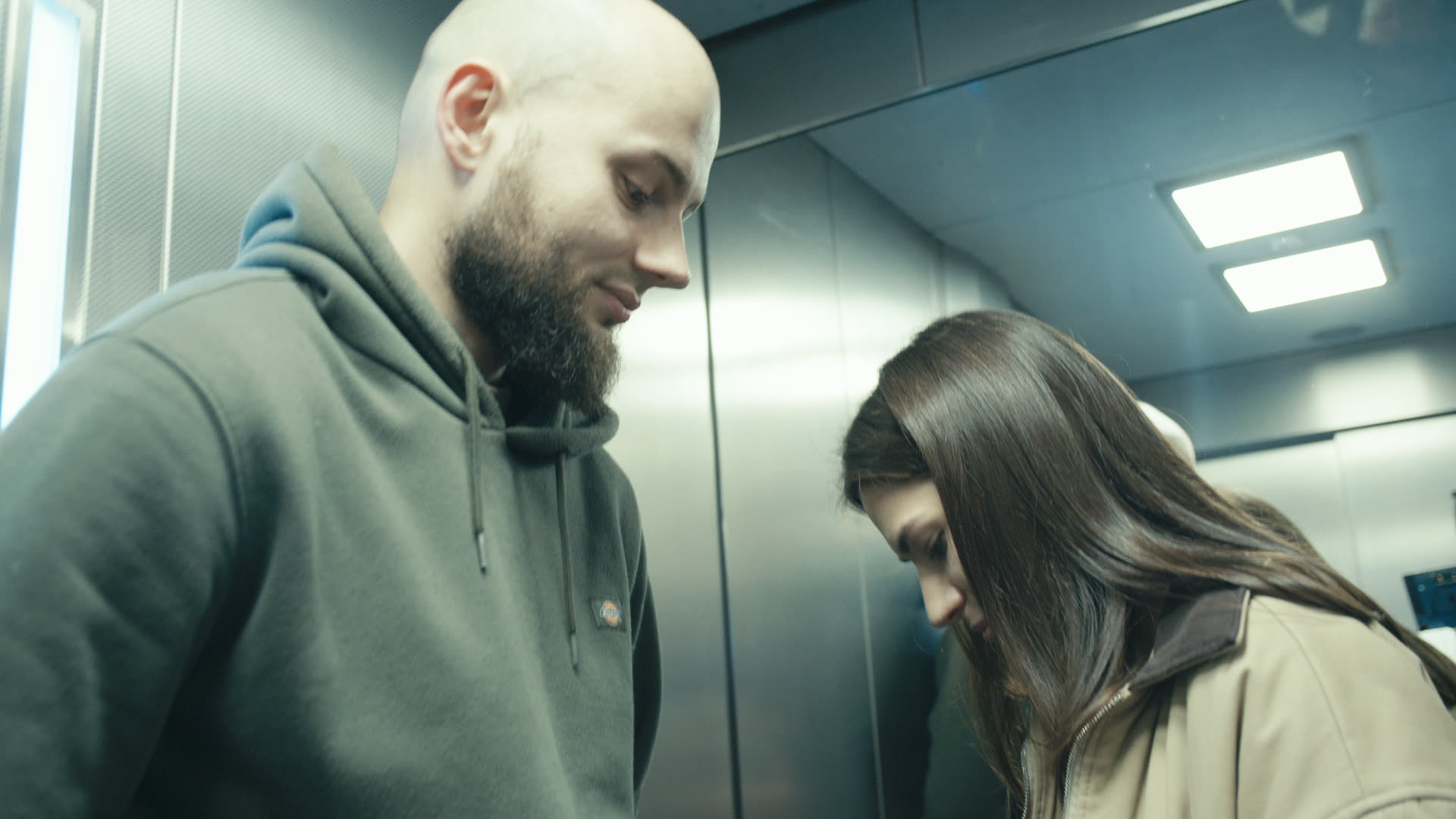
Speaker
00:00:00 (Transcript content available)
Speaker
00:00:00 (Transcript content available)
Speaker
00:00:00 It depends on evacuation.
Speaker
00:00:00 (Transcript content available)
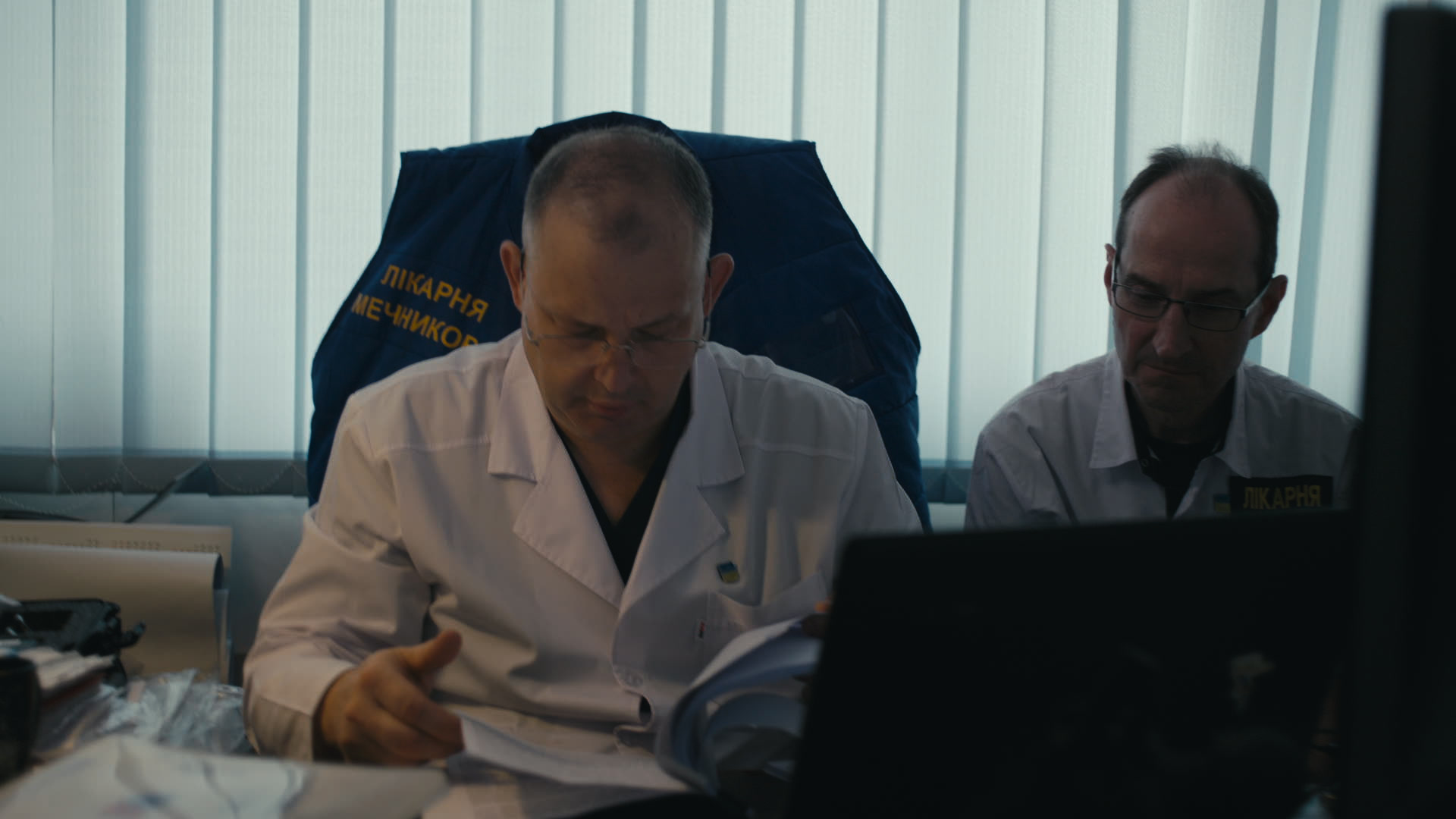
Speaker 1
00:00:00 [RUS] [INAUDIBLE]
00:00:00 [RUS] [INAUDIBLE]
00:00:31 What was the TD? Surgeist friend. But now the whole woman came here and asked him.
Speaker 2
00:00:46 There are some signatures.
Speaker 1
00:00:00 Or resolution, yes.
00:00:00 Or resolution, yes. Let me show you. Do you need SDI? This is how we get? No it's a localizer. Yeah, we're running a whole thing. Yeah, we're running a whole thing. We see now it's a player. That's how we get. No more sequences.
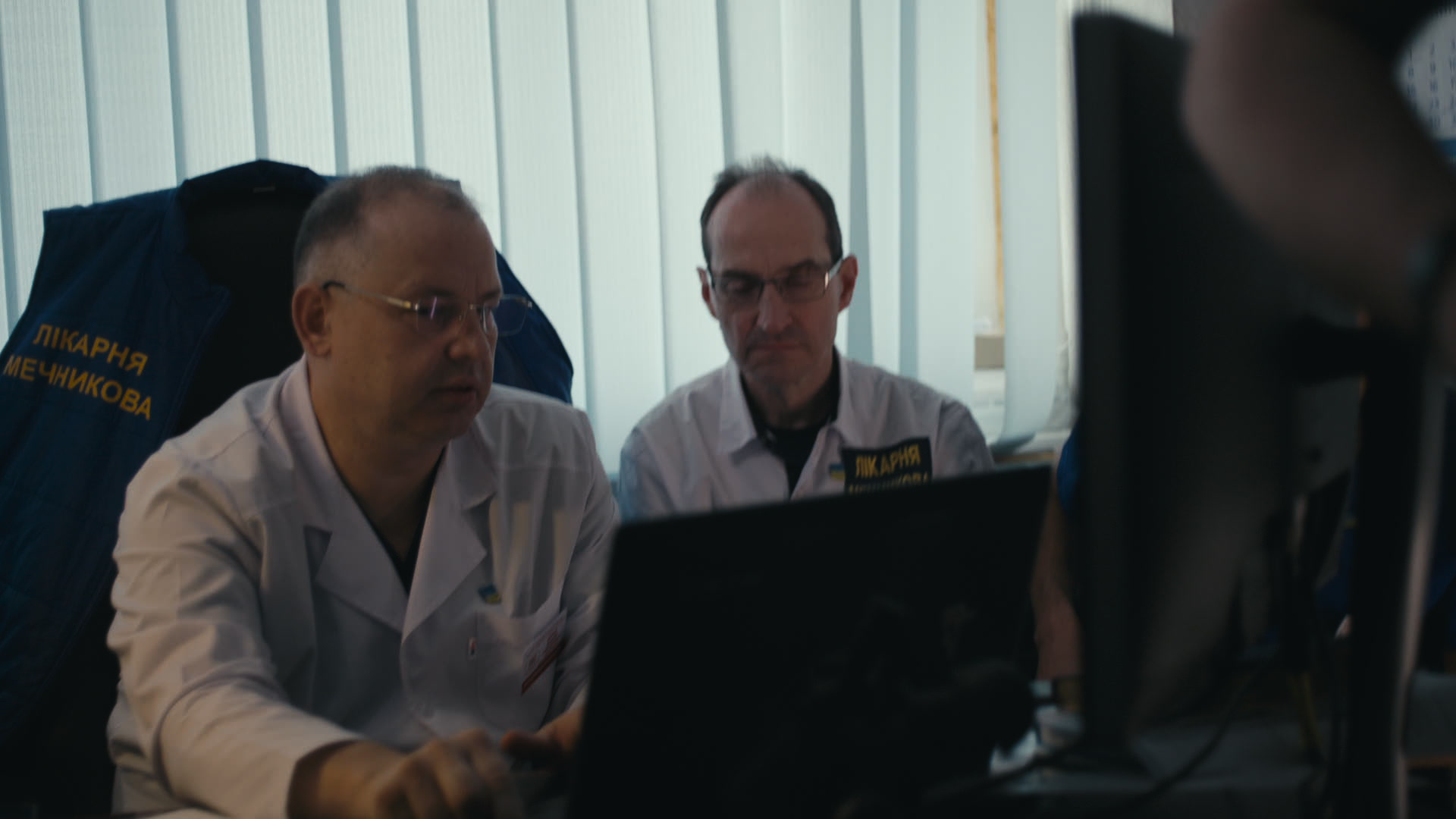
Speaker 1
00:00:00 I need to record the last computer.
00:00:00 I need to record the last computer. I want to see. Here is a failure. The front wall of the front wall.
Speaker 2
00:00:14 I know the... What is that? Where? This? This is the grey area. This is just normal. - Okay, where's the edema and the heterotic carbonate?
Speaker 1
00:00:30 - I think this is not like diffuse axonal injury, it's more for... - Contusions? - Contusions, yeah. - If you have DVI, it's maybe like secondary... - If you have DVI, it's maybe like secondary... - Schemia, yeah. - Secondary schemia, it's more... more character for secondary scheme than for diffuse axonal injury.
Speaker 1
00:00:00 I need to record the last computer.
00:00:00 I need to record the last computer. I want to see. Here is a failure. The front wall of the front wall.
Speaker 2
00:00:14 I know the... What is that? Where? This? This is the grey area. This is just normal. - Okay, where's the edema and the heterotic carbonate?
Speaker 1
00:00:30 - I think this is not like diffuse axonal injury, it's more for... - Contusions? - Contusions, yeah. - If you have DVI, it's maybe like secondary... - If you have DVI, it's maybe like secondary... - Schemia, yeah. - Secondary schemia, it's more... more character for secondary scheme than for diffuse axonal injury.
00:01:00 Because diffuse axonal injury is usually located in the corpus callosum, here, semi-oval center. - Yeah, in the pines, also, for instance. - Yes, and you can see a subduroal space, right side, left side, maybe, maybe,
Speaker 2
00:01:20 - Yeah, clothes. Small, sub-boreal clothes.
Speaker 1
00:01:51 - What was the idea of
00:02:31 [UKR] - Can you hear, Viacheslavovych?
00:02:37 [RUS] Yes, you can speak. [RUS] We just got the MRI discs, picked up Nikita, and now we're reviewing with Alex. [RUS] Veligura, to my office, can Viacheslavovych come up? [RUS] Yes, no-no, we loaded it on the big screen, yes, come over.
00:03:03 You have one more Hitchcock? I can give him mine, because he's mine. Now we invite the chief of ICU units, he asked us to see this patient yesterday. And now we will come here. And now we will come here.
Speaker 3
00:03:31 Very difficult case, a severe TBI injury patient with after car accident. It's severe TBI. Gotcha. So we got another person coming in. Gotcha. And after, when I go to the operation room, we can go together with Alex, with Alex and the chief of ICU units, write to patient.
Speaker 1
00:04:01 And Alex will examine this patient with what you... - Analyze. - Yes. Together with Vecislava, okay? I think it's a good idea. Now we check, analyze MRI, this patient.
Speaker 2
00:04:16 After that, after... I push the button.
Speaker 3
00:04:28 Does it work? Yes, yes, it's working. He can just put it in. Okay. After consultation, I go to operation, and we go together with Alex in ICU.
Speaker 1
00:04:44 Gotcha. Okay. Yes. Okay. After operation, go with Alex to ICU for this one. No. No, no. It's another idea. I go in operation room. You go with Alex in ICU units. Gotcha. In order to use time more efficiently. Oh, that's true. Tomorrow we will go in operation room together with Alex. Tomorrow. But today we go together with Slava, in ICU. After we finish our consultation patients.
Speaker 2
00:05:22 Right. When I see this patient, should I call surgery?
00:05:30 Surgery, yeah. The neurosurgeon or the general?
Speaker 1
00:05:41 I will call him. I think you tell you after you examine the patient, after you see his analysis, you can invite the group to tell you all about this patient.
00:06:04 [RUS] Artem, I can't reach Misha, he has phone problems. [RUS] Either you or Misha, I need you to record the CT follow-up of the patient we operated on yesterday. [RUS] Ivanov, Ivanov, with polytrauma. [RUS] Better on a disc, of course. [RUS] Yes. Or at least video.
00:06:30 [RUS] Better on disc. [RUS] Already called. Misha might have gone to the operating room with Vasyslav. [RUS] 14 days after injury. [RUS] Yes, please record it. [RUS] What did we see? [RUS] Multiple foci, you could say like contusions, bruises, but in places it looks the same as foci of secondary ischemia. [RUS] Don't move to say, but in the right hemisphere, up here these foci, [RUS] In the caudate nucleus area, in the internal capsule area.
00:07:18 [RUS] The brain suffered significantly, periventricular changes. [RUS] There are small subdural... [RUS] Clots, clots. [RUS] With narrow blood, right and left subdural.
Speaker 2
00:07:34 [RUS] Very, very severe. [RUS] Did you tell everyone the mechanism of injury?
Speaker 4
00:07:39 Yes. Is this DWI?
Speaker 1
00:07:44 DWI.
00:07:45 [RUS] This is the quality.
00:07:48 [UKR] But you can see
00:07:49 [RUS] Doppler signal [RUS] here. [RUS] Doppler signal [RUS] here [RUS] and here. [RUS] This could be [RUS] [INAUDIBLE] he has problems with his palate, hypoxia and hunger press. [RUS] The first thing he asked me,
00:08:50 [RUS] And you see that [RUS] [INAUDIBLE] [RUS] Because we did the CT on Sunday on disc, I just wanted to say that even by MRI [RUS] It's visible. Fracture of the anterior wall of the frontal sinus, need to look at the posterior wall, so there are no problems with occult liquorrhea.
Speaker 4
00:09:37 [RUS] There may be occult liquorrhea, because see how it's depressed.
Speaker 1
00:09:43 [RUS] - ENT looked twice, got sinuses, there's blood visible. [RUS] - We'll get to the sinuses now. So look, the anterior wall of the frontal sinus, how it's depressed. [RUS] He may have problems with his left ear, because it looks like mastoiditis here.
Speaker 4
00:10:05 [RUS] Did ENT look at the ear? [RUS] Well, they did everything, but if needed, they'll look again. [RUS] Left ear, because it's lighting up like mastoiditis.
Speaker 1
00:10:16 [RUS] Well, you know they supposedly hold for a long time, those positional...
00:10:21 [UKR] Zaitsev's dissertations.
00:10:24 [RUS] And indeed, both his maxillary sinuses, [RUS] both maxillary sinuses are totally filled. [RUS] On the right side.
00:10:33 [UKR] So, cerebellopontine.
00:10:34 [RUS] Hemosinus maximum, [RUS] cavitary, both sides.
00:10:38 Yes. Yes.
00:10:39 [RUS] - Also, in the ethmoid, [RUS] and in the ethmoid, [RUS] and in the ethmoid, [RUS] and in the ethmoid,
Speaker 2
00:10:52 [RUS] in the ethmoid. [RUS] - Remove it? - Yes.
Speaker 1
00:10:58 [RUS] And on the right side, he has [RUS] Maxillary, ethmoid on both sides and sphenoid [RUS] on both sides. [RUS] And who looked at the word? [RUS] Vasyl punctured yesterday. [RUS] You asked them twice, once they just examined, [RUS] but I asked to puncture, I think there's infection. [RUS] And there's lysed blood at the moment.
00:11:52 [UKR] That's the situation.
00:11:56 [RUS] - Tomorrow we'll look at CT. - We'll look at CT for bones and sinuses.
Speaker 4
00:12:00 [UKR] Last CT. That's the situation.
00:12:07 [RUS] - Tell me what Alex thinks about how long to ventilate him, [RUS] and he's coming out of sedation with pronounced psychomotor agitation.
Speaker 1
00:12:16 [RUS] - He'll come, Alex. - We'll bring him to us now. [RUS] - We're consulting patients now, I'll come later for a small operation, [RUS] Alex will come to you and you'll look together at what will happen. [RUS] Alex asks you to tell about the patient, but I said you'll be in person a bit later, [RUS] with Viacheslav, the doctor, analyze.
Speaker 4
00:12:42 [RUS] Viacheslav has two questions.
Speaker 1
00:13:05 [RUS] - This is his new...
00:13:20 [UKR] Svitlana Mykhailivna?
00:13:26 [RUS] Because we're looking for Marchenko all over the hospital, [RUS] can't find him.
00:13:33 How?
00:13:35 [RUS] Good.
00:13:39 [UKR] Liudmyla Vasylivna?
Speaker 4
00:13:46 [RUS] [INAUDIBLE] [RUS] Yesterday, after you wrote me, I moved him, pressure was already 140. [RUS] He corrected a bit, basically everything is normal. [RUS] What was it in the morning? [RUS] In the morning, they're telling me the pressure is 155, and they could bronchitis. [RUS] Did you look at that small invasive, blue one, on the monitor, the hard one? [RUS] On the monitor. [RUS] No, needed the blue one. [RUS] He says the bronchial is going a bit. [RUS] And how did you repeat? [RUS] Repeated, now, and who will do this not strongly?
00:14:28 I can tell you. Is there a mace? Is there a saturation? Yes, and he said that the insidation starts to...
Speaker 1
00:14:37 You just have a few kHz. You want to be able to use it? Yes. Now my internet is going to be a CDD.
Speaker 2
00:14:48 I'll be using the CDD. See you later.
00:15:03 [RUS] I'll bring when you're ready. [RUS] Okay, yes. [RUS] You can do this, I'll take it here and I'm asking when
Speaker 1
00:15:13 [RUS] and we'll see tomorrow [RUS] and the chair
Speaker 2
00:15:15 [UKR] Andriiovych, we're missing a day tomorrow
00:15:17 [RUS] there will be a race there [RUS] maybe not there? [RUS] Why? - Is it not needed? [RUS] - We're going to transfer him. - We're going to transfer him, a severe one. [RUS] - All done? - Come on, patient, I'll... [RUS] - Can we take the chair or not? - Yes, yes.
Speaker 1
00:15:30 [RUS] - He'll catch on it, of course. - Oh, then don't. [RUS] - Then they'll be clearing the equipment. - Yes, patient. [RUS] Good afternoon, I'm here to see you. - Go ahead.
Speaker 5
00:15:39 [RUS] - And there's this boy, just like mine. [RUS] - Boy. - Oops. [RUS] - I think I'm catching on. He has PE. [RUS] Yesterday you said he came. [RUS] He has PE. Yes, yes, yes. [RUS] Is he lying there receiving treatment? [RUS] There he is lying. He's sitting. [RUS] Everything went well. [RUS] Emergency help. [RUS] Consultation needed. [RUS] PE? Yes, already normal. [RUS] He's sitting.
Speaker 1
00:16:00 [RUS] Pulmonary embolism, pulmonary artery. [RUS] And with yours will I be doing PE? [RUS] No, just to consult. [RUS] PE is not for me. [RUS] Oh, not for me. Then who is this for? [RUS] Pulmonary embolism, pulmonary artery. [RUS] This is Serhii Valyk Oleksandrovych. [RUS] And where is this? [RUS] On the fifth floor. [RUS] This is the sixth. [RUS] Sixth, yes. [RUS] I understand, yes. [RUS] I understand, yes. [RUS] I treat tumors and TBI. [RUS] Yes, I know you deal with the head. [RUS] Something stood out. [RUS] I spoke with you yesterday, and you say, [RUS] Okay, I understand. Serhii. [RUS] Okay, I understand. Serhii.
00:16:29 [UKR] Serhii Oleh Oleksandrovych.
Speaker 4
00:16:30 [RUS] So, Vasyl.
00:16:32 [UKR] Andrii Hryhorovych, Marchyn, KVD, ward 21.
Speaker 1
00:16:36 [RUS] Now.
00:17:07 [UKR] And Moroz Svitlana Mykhailivna is calling about patient Liabchenko.
00:17:15 [RUS] Can you call her? [RUS] I'll give you the phone number now if you don't have it. [RUS] I'll Telegram you now... [RUS] I'll send it to you on Telegram now, okay? [RUS] Yes, thank you.
Speaker 2
00:17:40 [UKR] Mykhailo is coming in, who's for consultation?
Speaker 1
00:17:42 [RUS] - Let me remind you that the work with veins is done, that's me.
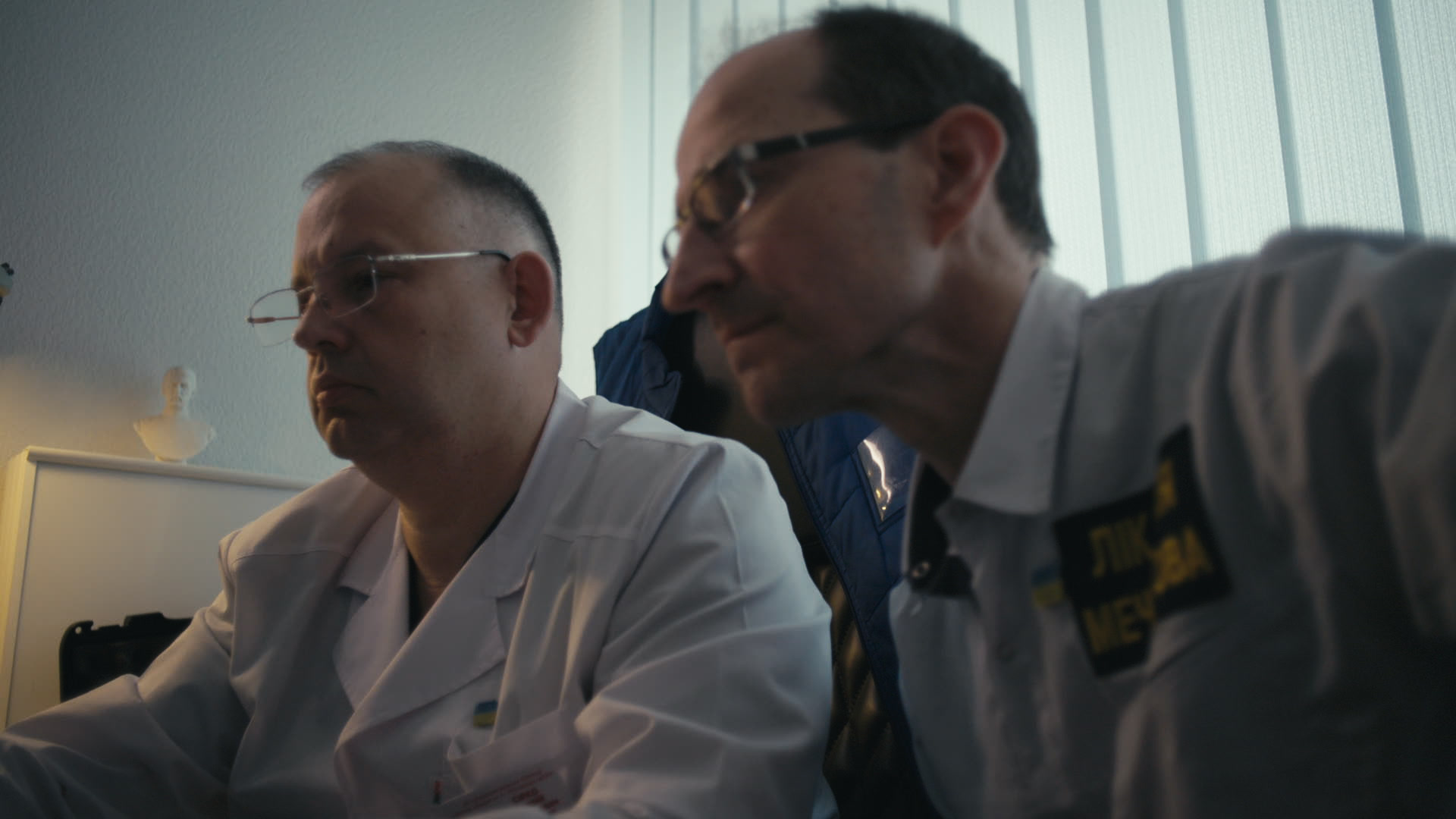
Speaker 1
00:00:00 It's great. It's great. Great, great, great. Slow and stop slowdown. So that's our graft. Yeah, yeah, yeah. It's our graft. And we totally remove intracerebral gematoma and brain And we totally remove intracerebral gematoma and brain
Speaker 3
00:00:29 and confusion. Great results. Yeah, this is the scan and the patient we did yesterday.
Speaker 2
00:00:37 Post-tops, CT control post-tops. Start. I can remove. You can see here. There are no subdural gematomas, there are no intracerebral gematomas here?
Speaker 3
00:00:57 Yeah, and that's just all the packing material there. Yeah, the texasio, which is just edema. It's very good. Very good. Let's see if he breaks out. Very good. I even to create a video and send to military neurosurgeon.
Speaker 1
00:00:00 It's great. It's great. Great, great, great. Slow and stop slowdown. So that's our graft. Yeah, yeah, yeah. It's our graft. And we totally remove intracerebral gematoma and brain And we totally remove intracerebral gematoma and brain
Speaker 3
00:00:29 and confusion. Great results. Yeah, this is the scan and the patient we did yesterday.
Speaker 2
00:00:37 Post-tops, CT control post-tops. Start. I can remove. You can see here. There are no subdural gematomas, there are no intracerebral gematomas here?
Speaker 3
00:00:57 Yeah, and that's just all the packing material there. Yeah, the texasio, which is just edema. It's very good. Very good. Let's see if he breaks out. Very good. I even to create a video and send to military neurosurgeon.
Speaker 2
00:01:17 They asked me for CT control, because all patients we analyze together.
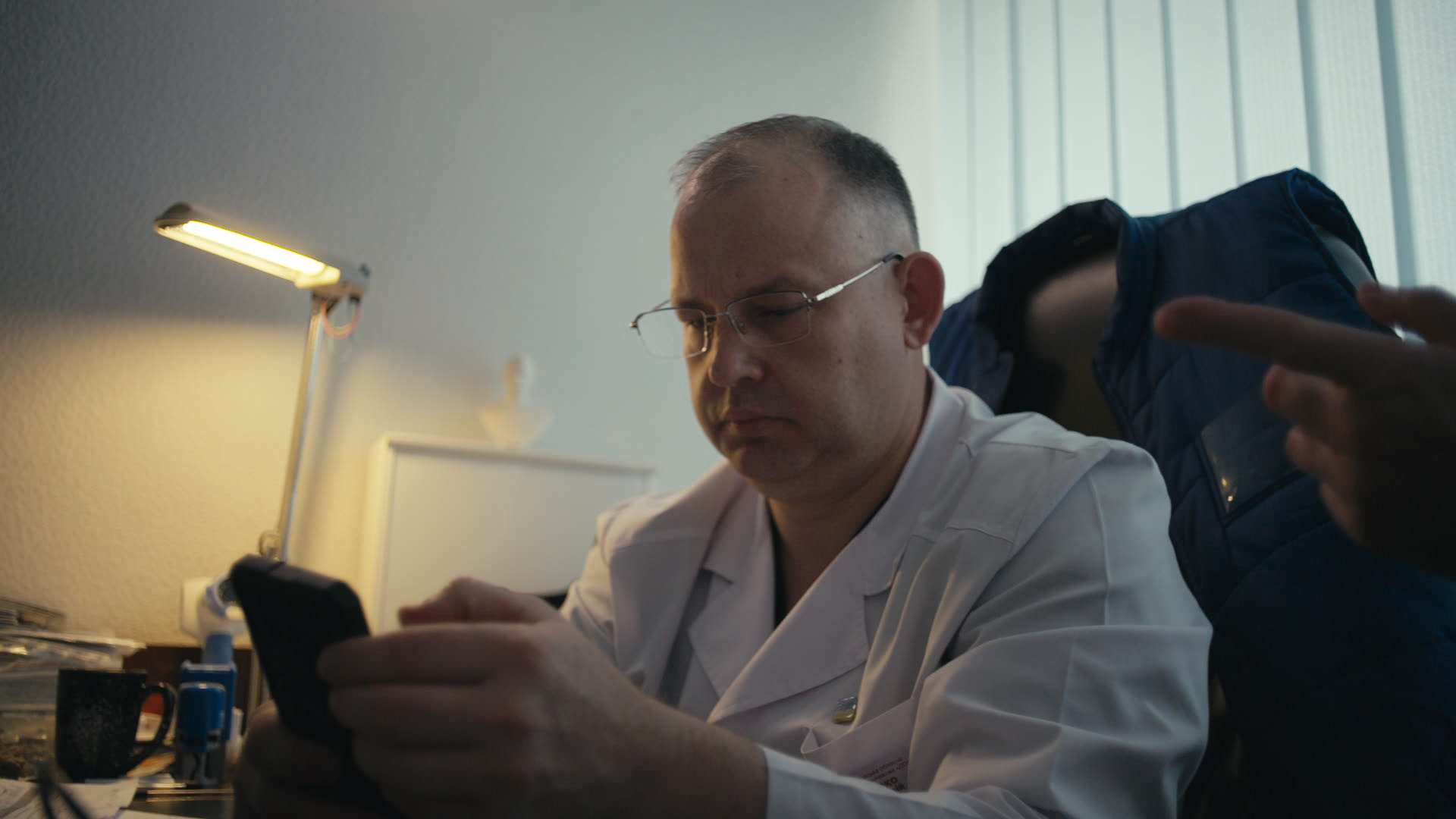
Speaker 1
00:00:00 it to the military guy who referred him. So, Andre doesn't waste time.
00:00:00 it to the military guy who referred him. So, Andre doesn't waste time. It's amazing. Notice what this guy looked like yesterday.
Speaker 2
00:00:27 It's much better now.
00:00:56 [RUS] I'll forget later. Evacuated hematomas, did skull base plasty.
Speaker 1
00:00:00 it to the military guy who referred him. So, Andre doesn't waste time.
00:00:00 it to the military guy who referred him. So, Andre doesn't waste time. It's amazing. Notice what this guy looked like yesterday.
Speaker 2
00:00:27 It's much better now.
00:00:56 [RUS] I'll forget later. Evacuated hematomas, did skull base plasty.
00:01:05 [UKR] We examined him this morning together with our Professor Volodko and with Serhii Anatoliiovych.
00:01:12 [RUS] This morning they already did a bronchoscopy, this morning they already did dressings on his legs, on [RUS] that is, his condition is severe, but slightly, slightly, I can say, there's a small,
Speaker 3
00:01:27 [UKR] there's still even some positive dynamics in...
Speaker 2
00:01:30 [RUS] Well, yes. Now tell me what you wanted to say. [RUS] When do you want? [RUS] No, well tell me, tell me... [RUS] Now I'll think about how best to do it, how best to do it. [RUS] Let me call you now, I'll find out about...
00:02:05 hmmm
00:02:44 [RUS] A few words so I understand what stage it's at... [RUS] Uh-huh, well don't rush, we're still consulting with Alex, so... [RUS] This, don't rus... [RUS] Well, so how do you feel about around one o'clock?
Speaker 3
00:03:11 [RUS] And when should I be there with you?
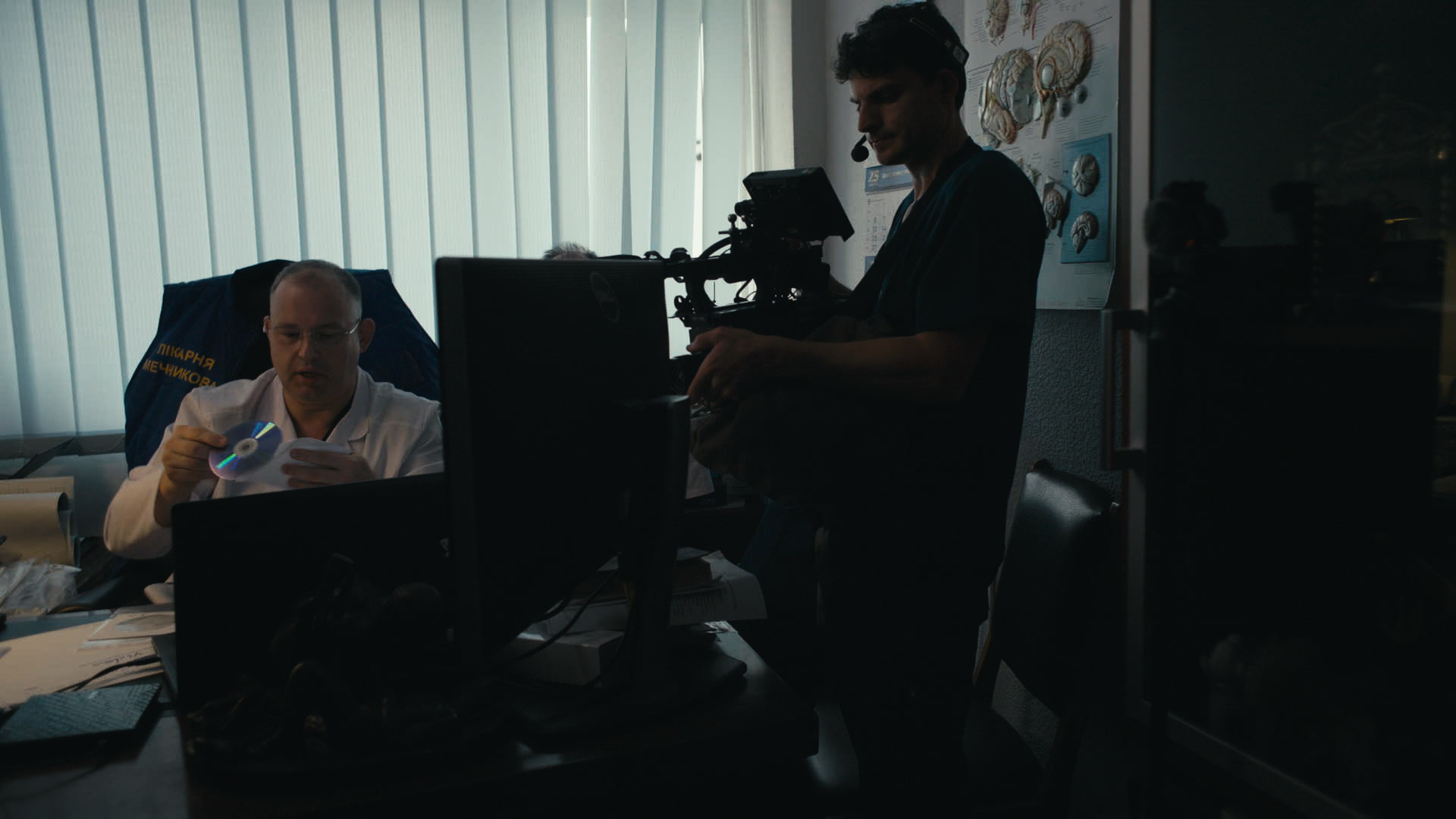
Speaker 1
00:00:00 [UKR-NEEDS] Я тут сам, чесно сказати, не дуже люблю. Люди виявили бажання показати, як ми лікуємо військових.
00:00:03 [UKR] Honestly, I don't really like it myself here. People expressed a desire to show how we treat military personnel. [UKR] Yesterday we operated on a severely wounded soldier. Usually, we don't have operations on Mondays. [UKR] We have so many rounds. But we operated on a wounded soldier. [UKR] And, I say, we also have a complex tumor in a woman. [UKR] And despite the war, you continue to save civilians too.
00:01:02 [RUS] I got caught in the rain, got a bit sick, so yesterday I had no strength. [RUS] Today I feel better, and I think tomorrow will be even better. [RUS] Because for your operation I need to be a strongman. [RUS] I asked you that she was a patient, and her daughter... [RUS] 20 years ago...
00:01:38 Yes, 21 years ago, this is my woman was
Speaker 1
00:00:00 [UKR-NEEDS] Я тут сам, чесно сказати, не дуже люблю. Люди виявили бажання показати, як ми лікуємо військових.
00:00:03 [UKR] Honestly, I don't really like it myself here. People expressed a desire to show how we treat military personnel. [UKR] Yesterday we operated on a severely wounded soldier. Usually, we don't have operations on Mondays. [UKR] We have so many rounds. But we operated on a wounded soldier. [UKR] And, I say, we also have a complex tumor in a woman. [UKR] And despite the war, you continue to save civilians too.
00:01:02 [RUS] I got caught in the rain, got a bit sick, so yesterday I had no strength. [RUS] Today I feel better, and I think tomorrow will be even better. [RUS] Because for your operation I need to be a strongman. [RUS] I asked you that she was a patient, and her daughter... [RUS] 20 years ago...
00:01:38 Yes, 21 years ago, this is my woman was
Speaker 2
00:02:08 [RUS] I showed my opinion.
Speaker 1
00:02:16 [RUS] - And I...
Speaker 2
00:02:38 [UKR] Okay. Is it hard for you to stand? [UKR] No, thank you. [UKR] The patient is already very worried. [UKR] Today her stomach has already stopped. [UKR] The worry has already set in. [UKR] As they said, everything starts tomorrow. [UKR] Why worry? [UKR] That's what I'm saying, it's all in our heads, why worry?
Speaker 1
00:03:09 [UKR] I'm telling you, you're in good hands, everything's fine. [UKR] - Now, in the presence of our general director,
00:03:51 [RUS] Serhii Anatoliiovych, quickly, three questions. [RUS] First, we did a CT scan on Ivanov with polytrauma.
00:04:00 [RUS] You hear, Serhii? Everything's fine there. [RUS] Everything's fine, they evacuated hematomas, so according to the CT everything's good.
00:04:44 [RUS-NEEDS] На 9:30 послуховаться на приймальному, да?
00:04:48 [RUS] At 9:30 to check in at the reception, yes? [RUS] Bring them there.
00:05:11 [UKR] So at 9:30 tomorrow then, Serhii Anatoliiovych?
00:05:14 [RUS] In the ICU? Polytrauma. Oh, good. 9:30, then tomorrow they, um, [RUS] Serhii Truchev, tomorrow we're planning a complex operation with Alex Volodko, [RUS] maybe 5-8 hours. As it goes? We'll try to finish by 2 o'clock, [RUS] to finish, but if I don't finish, you won't scold me too much. [RUS] Okay, then 9:30, tomorrow me and Alex Volodko, and call Skrypets to let him know, right? [RUS] Yes, and from the entrance call Yurii Yuriiovych to tell him to... [RUS] Good, good, good. And they'll come. Yes, good, good. [RUS] Now.
00:06:02 [RUS] Good, good, good. Okay, tomorrow 9:30, by the polytrauma unit, we meet.
00:06:09 [UKR] Thank you. We resolved one issue, that we'll meet with Serhii Anatoliiovych tomorrow, give an interview, and then he released us for the whole day, so we can calmly, never rush, because tomorrow there will be an event, the stroke day, journalists at noon, at two o'clock, then at three o'clock, and they released us.
00:06:33 [RUS] And Teddy? Teddy, are you here? [RUS] Yes, yes. [RUS] Khaikin is looking in, I'll say a few words. [RUS] Who wants to recommend? [RUS] Teddy, I agree with our general director. [RUS] Together at 9:30.
00:06:51 At 9:30.
00:06:53 [RUS] At 9:30, near the ICU, on the first floor.
00:06:58 We will go together with Alex, with you. After that, we can speak alone with the general director.
Speaker 3
00:07:08 Yeah? That's great. Yes. And after that, I receive permission. We can go with Alex in this patient in operation and operate how we need we will operate.
Speaker 1
00:07:21 Wow. That's excellent. Okay. All right. Yes. You're getting a producing credit too, it sounds like. Okay. All right. Yes. You're getting a producing credit too, it sounds like.
Speaker 3
00:07:30 Seriously. I take Logan and Laura bread. Yeah? Bread and butter.
Speaker 1
00:07:41 Right. Yes. I like a producer. Yes. Yes. Yes. Okay. Yeah. That's great. Thank you. Thank you.
00:07:55 [UKR] A few words. I'm telling Serhii Anatoliiovych to warn Yurii Yuriiovych that tomorrow at 9:15-9:30 on the first floor Serhii Anatoliiovych will be giving an interview,
00:08:07 [RUS] and this with Alex Volodko will happen, I will, he says tell Yurii Yuriiovych in advance, so there's maximum attendance.
00:08:14 9-30.
00:08:17 [RUS] Ask Serhii Anatoliiovych, because we planned that these would be journalists, cinematographers from America, so you clarify. [RUS] Maybe Serhii Anatoliiovych wants and... Yes, clarify, clarify, clarify, chauffeur. [RUS] I just know exactly that it will be me, Alexei, cinematographers, and he said to tell Yurii Yuriiovych something, that's what I'm telling you. [RUS] Well, Yurii Yuriiovych will clarify, fine. Well, he just says, definitely tell Yurii Yuriiovych, I'll call now.
00:08:46 [UKR] Okay, thank you Yurii Yuriiovych.
Speaker 2
00:08:50 [RUS] What's your name?
Speaker 1
00:08:51 [UKR] Viktoriia Oleksandrivna.
Speaker 2
00:08:53 [RUS] Oleksandrivna. And how many years are you?
Speaker 1
00:08:56 71.
Speaker 2
00:08:57 [RUS] 71. Well, that's not much. [RUS] Not much?
Speaker 1
00:09:00 I was trained with a patient
00:09:30 [RUS] I can't say that I drink wine every day.
00:09:38 I like whiskey, but my relatives forgot me to drink whiskey. Wine.
00:10:02 [RUS] I think this is meningioma falx.
00:10:09 [UKR] Meningioma falx.
00:10:13 [RUS] And two-sided.
00:10:23 [UKR] Yes, I'm saying.
00:10:28 [RUS] A tumor, a large tumor, complex, but we have no other option. [RUS] Mykhailo, I later understood that you were in surgery. Don't worry. [RUS] I asked Artem, and Artem recorded the CT control of Ivanov for me, the one we operated on with Alex yesterday. [RUS] So Artem managed everything, he's great, and I later asked where you were in surgery. [RUS] Good. Somewhere around 12, tell Rostyslav, we'll go into surgery with this small operation with Chernenko.
00:11:08 [UKR] Good.
Speaker 2
00:11:13 [UKR] We have no other option. It will slowly grow, press, until, roughly speaking, it overwhelms you.
Speaker 1
00:11:27 [UKR] In a month it started to press very hard. The leg won't lift, coordination of movement, it's impaired, turns. [UKR] The only guarantee is that we will do this carefully, without rushing, under the microscope. [UKR] As they say, in your hands. [UKR] We do the operation under the microscope, with high magnification 12-14 times.
00:12:01 [RUS] We will see what it's like in reality.
00:12:04 [UKR] If we're lucky, it won't be so...
00:12:07 [RUS] Sometimes it's cartilaginous, that's bad. [RUS] Sometimes it's cartilaginous and fused with vessels. [RUS] I'm showing this more to the daughters. [RUS] See these vessels? [RUS] How can you here?
00:12:24 The superior cyberspace is If we see that they are strongly absorbed, then we will leave the capsule. The capsule is 5-10% or 20% from the overall volume. But it gives you the possibility to feel the strength of the body that it has not been given to you.
00:13:15 And if it has grown for 20 years, we can be careful.
00:13:20 [RUS] Even if they ever start to grow again, we can irradiate them. [RUS] Now there's already stereotactic radiosurgery, gamma knife, cyber knife, linear accelerator. [RUS] No need to worry about this. [RUS] Your life, your neurological condition, it's the priority, it's number one.
Speaker 2
00:13:45 [RUS] And ask questions. [RUS] - Why aren't you asking?
Speaker 1
00:13:49 [UKR] - Ask whatever you want. - When will the anesthesiologist come? [UKR] - Today. Today we have three small operations. After three operations she will definitely come to you. [UKR] - In the evening, right? - It's after lunch, around three o'clock. [UKR] - Three, four. - Don't eat for some hours before evening. You know this, right? [UKR] - Now we know. - And until ten you can drink water and drink as much as possible.
00:14:13 - Till 10:00. - Till 10:00 can you eat and drink, because after 10:00 you can eat and drink. And tomorrow you heard, at 9:30 you will make a shot, it's called "premedication", so you don't worry.
00:14:30 And at 10:00 you will go to the operation. And until that time we go and give an interview,
00:14:36 [UKR] And then calmly, there's one plan for tomorrow, that's the operation. [UKR] How long will it take? [UKR] Four hours, five hours, six, seven. [UKR] Better all. You know why? [UKR] Because it will be like a cuckoo's nest. [UKR] If you shave it like this, a little will remain on the sides,
00:14:55 [RUS] but it won't look nice.
00:14:57 [UKR] The woman who came out before you, she had localization in the back.
00:15:00 [UKR] We removed it here from behind, here.
Speaker 2
00:15:03 [RUS] But for you, on the contrary, here I say cuckoo's nest. [RUS] Good morning. [RUS] This is what I had.
Speaker 1
00:15:13 [RUS] And what, you'll have different work. [RUS] - Look, your discs, I'm loading these main days. [RUS] I have all your discs, I'm not talking geography. [RUS] I usually take them home, and in the evening, after I have dinner, [RUS] I have the same screens at home, I sit down,
00:15:30 [UKR] Millimeter by millimeter I do the markup. [UKR] That is, I look where the old operation was and where the tumor is now, here, here, here, here. [UKR] Possibly, we'll need to partially use those previous craniotomies, possibly make an additional one, another one. [UKR] Don't worry about this.
00:15:52 Yes.
Speaker 2
00:15:53 [UKR] - Tell me, what does she think about this? [UKR] - Tell me, what does she think about this?
Speaker 1
00:15:58 [UKR] - Well, look.
00:16:00 [UKR] How to tell you, sometimes they tell patients: "Take a dictaphone and record." [UKR] What you're worrying about, you're not helping yourself. [UKR] On the contrary, you'll worry, your blood pressure will rise.
Speaker 2
00:16:13 [UKR] You'll have either constipation or diarrhea.
Speaker 1
00:16:17 [UKR] It's all already happened, all the checkpoints have come.
00:16:23 [RUS] - That's our fate, physically I explained, we've communicated with your daughter more than once, I explained, we've already done everything possible. [RUS] We did angiography and everything to have maximum information. [RUS] You know, it's like a minefield map for us.
00:16:47 I'm going to go here and I'm not going here.
Speaker 4
00:16:53 Let me say something. I have said this before, that I told my residents that they need to come study with Andres Sirko, because he is the best skull-based surgeon I've ever seen.
00:17:15 [UKR] And if I need interesting cases, then I will try to come here and do them. [UKR] This is a very important surgical case, but no one is demanding, as if he is.
Speaker 1
00:17:24 [UKR] I'll translate, I'll translate, Alex Valadka says, I tell my residents that they need to study skull base surgery with me. [UKR] [VO CANDIDATE] If, God forbid, I had a brain tumor, I would come here for the operation. [UKR] Thank you for the trust. This doesn't make it easier for me, it makes it even harder. [UKR] Believe me, I go to the operating room every day, so I know what needs to be done. [UKR] And from what's possible, we'll do everything best. [UKR] And I always say three factors: medicine, tumor, and patient.
00:18:07 [RUS] Of these three factors - the best factor is medicine. [RUS] Why? Because we have equipment, we have experience, I already have more than 5000 operations, of which 3000 tumors. [RUS] Here everything's good. As for the patient, of course, we'd prefer you not to be 71, but 17. [RUS] so that your weight, so that you would be so slim, thin,
00:18:30 [RUS] like Loral, thin, she drags such heavy suitcases of 50 kg. [RUS] Slender, thin and slender. And the tumor. [RUS] We'd want it to be so small, located there on the side,
00:18:46 [UKR] on the side, not in the center and in the depths.
00:18:49 We have to do what we have. We are ready to do this. I am not sure if I know that I need to be able to get out of time.
00:19:00 It's worse than all. You start to rush and you do it wrong. The operation is getting tired. You are nervous. I know that we will answer all the questions tomorrow and then we will go to the operation.
00:19:14 [UKR] Again, I'll say this for you. We will do all preventive measures for thromboembolic complications.
Speaker 2
00:19:21 [UKR] That is, we do a CT after the operation, if there's no hemorrhage, no problems,
Speaker 1
00:19:25 [RUS] Legs hurt, legs hurt a lot, we can't mobilize.
00:19:28 [UKR] We prescribe anticoagulants. We'll control blood pressure. [UKR] We know all this and we will try to prevent it.
00:19:44 [RUS] Let me shake your hand.
Speaker 2
00:19:46 [UKR] Thank you for the conversation. [UKR] Thank you. [UKR] Take my hand. [UKR] There, she smiled first. [UKR] Well, finally. [UKR] This is what the meeting should have been. [UKR] She liked Alik.
Speaker 1
00:19:59 [RUS] She liked the professor.
00:20:02 [UKR] [VO CANDIDATE] - What a measured life. They know what will happen in a year, in two, in ten. We don't know what will happen tomorrow. [UKR] - I don't know. - Yes. That's it. [UKR] - Let's go to the ward. - All the best. [UKR] - Get ready. If you believe in God, go to church and pray for all the doctors.
00:20:19 [RUS] All done. - All done.
00:20:21 [UKR] Alex is also coming, he goes to church. [UKR] I saw that you see...
Speaker 2
00:20:54 [UKR] So we resolved the issue so that your body doesn't strain, so that the pressure is normal.
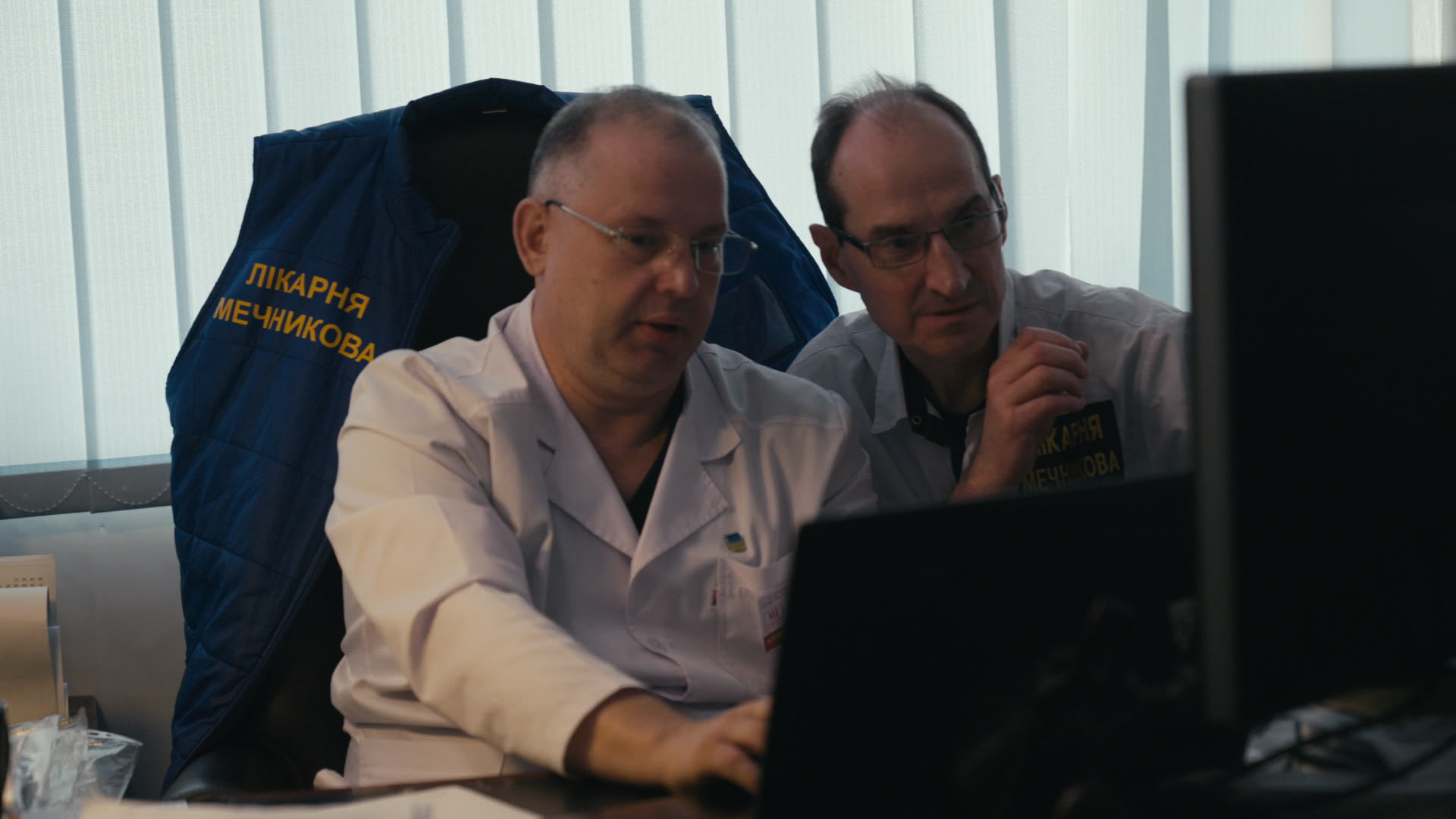
Speaker 1
00:00:00 [RUS] Maybe, this is part of it, and
00:00:00 [RUS] Maybe, this is part of it, and
00:00:30 [RUS] Yes, well okay, I'm still thinking so that the information doesn't get out. [RUS] One thing, remind me that tomorrow at 9:30 we go with Alex to the meeting with Ivanov. [RUS] Good. [RUS] Good afternoon! [RUS] Good afternoon!
00:01:04 [UKR] Support group, right? [UKR] Who's the patient? [UKR] I'm the patient, but my wife heard everything. [UKR] Immediately a question. This is our American colleague, [UKR] professor from Texas, head of the neurosurgical department. [UKR] The consultation costs 1 million dollars. [UKR] Do you have questions?
Speaker 1
00:00:00 [RUS] Maybe, this is part of it, and
00:00:00 [RUS] Maybe, this is part of it, and
00:00:30 [RUS] Yes, well okay, I'm still thinking so that the information doesn't get out. [RUS] One thing, remind me that tomorrow at 9:30 we go with Alex to the meeting with Ivanov. [RUS] Good. [RUS] Good afternoon! [RUS] Good afternoon!
00:01:04 [UKR] Support group, right? [UKR] Who's the patient? [UKR] I'm the patient, but my wife heard everything. [UKR] Immediately a question. This is our American colleague, [UKR] professor from Texas, head of the neurosurgical department. [UKR] The consultation costs 1 million dollars. [UKR] Do you have questions?
00:01:25 Yes?
00:01:27 [UKR] Do you mind if they film? [UKR] This might be an American documentary. [UKR] - In your city, village, region they probably won't show it?
Speaker 2
00:01:36 [UKR] If you want, I'll send it to you.
Speaker 1
00:01:39 [RUS] - We have a referral. - You can put away the referral.
00:01:42 [UKR] - Yes. - Show me the MRI conclusion first, [UKR] because it may turn out that you came to the wrong place.
Speaker 2
00:01:50 [UKR] It may turn out that you have back problems, and we don't treat back here. [UKR] - We're not back, we were already at Kyrpa's and we came to you with hope,
Speaker 1
00:01:59 [UKR] Because very... If needed, there's risk. [UKR] At Ihor Kyrpa's. [UKR] Ihor, yes. [UKR] What did he say? [UKR] What did he say? He's my student.
Speaker 2
00:02:19 [UKR] He said it's being analyzed, but we still want to consult with you.
Speaker 1
00:02:29 [RUS] Ten meters.
00:02:30 [RUS] Ten meters.
Speaker 2
00:02:39 [RUS] White eyebrow. [RUS] White eyebrow. [RUS] - Can I take this?
00:02:43 Yes.
00:02:46 [RUS] - And they also said there are some polyps in the nose, [RUS] that it's a centimeter from the nose,
Speaker 1
00:02:55 [RUS] - Something like that. [RUS] Let me start again.
Speaker 2
00:03:04 [RUS] Sphenoid ridge, I entered one more from the sinus. [RUS] - I have such a main pain, I've had it since childhood, I wouldn't have gone, [RUS] but I needed to pass the medical board, I went to the doctors and they discovered this disease.
Speaker 1
00:03:38 [RUS] I said that my head hurts twice a month, and for about 20 minutes in my left eye, I practically can't see anything.
Speaker 2
00:03:52 [RUS] - Two symptoms, first, including, in the head, twice a month, but sometimes he lost vision in the left eye.
00:04:10 [UKR] Ten minutes. - Twenty minutes. [UKR] Twenty minutes. - Completely? [UKR] No, no, no. Partially, you know, it's visible from the side.
00:04:24 [RUS] Probably, apparently, this is...
Speaker 1
00:04:28 [RUS] Grid on the eye. You know, how?
00:04:35 Sharp pains in the vision of the left eye.
Speaker 2
00:04:39 [RUS] 20 minutes. And how often? [RUS] About twice a month. [RUS] Same as the main pain, right?
Speaker 1
00:04:48 [RUS] They were at the same time.
Speaker 2
00:04:51 [UKR] Where do you live?
Speaker 1
00:04:52 [RUS] 12th district.
Speaker 2
00:04:58 [UKR] There the day before yesterday at hospital 15, we almost hit a girl. [UKR] Yes, we were driving, yes. [UKR] There the girl... [UKR] I was at the 16th yesterday, while I was standing at the bus stop, there almost... [UKR] They were also sawing at the junction several people. [UKR] Blackouts are wild here.
00:05:16 [RUS] Do you have a cleft lip?
Speaker 1
00:05:17 [UKR] Yes, but no cleft palate. This, if you're aware. [UKR] That is, the chief of our cinematographic group was also operated on with the same thing. [UKR] Didn't you meet him in the corridor?
00:05:32 Yes.
00:05:36 [UKR] Come back then.
00:05:37 [RUS] Two-sided.
Speaker 3
00:05:38 [UKR] Yes, you just showed it.
Speaker 1
00:05:42 [RUS] Ted, do you remember? [RUS] Ted, do you understand Ukrainian? [RUS] Well, a little.
Speaker 4
00:06:00 [RUS] More than Alexei? [RUS] Well, I also have Anastasia. [RUS] Anastasia.
00:06:07 Yeah, but yes, I but I saw that I've got a monitor out there. So yeah
Speaker 1
00:06:13 So what you want me coming for I would like especially because we are going with a brain tumor It's another case is CVA oncology cases. Now when we upload CEMRI, I ask about the analysis about the complaints And now we wait relatives maybe and friends, patient, we operate yesterday. Yeah. Yeah. All right. Well, yes, definitely. Yeah. Doctor must be attentive.
00:06:58 I see a lot of patients every day.
00:07:00 I know. Maybe in my life more than 50,000 patients.
Speaker 4
00:07:05 That's why I realized. Yeah, no, I mean, and we wanted to get this. You're seeing everybody and everybody waiting to see you. Thank you. Thank you. Thank you. That wouldn't happen to you, I was right, when you like your own scans, like, do you want to bring that in?
Speaker 3
00:07:24 Yeah. Well, sometimes you still do. I will load this into a goal, into aim.
Speaker 1
00:07:36 First of all, I perform a scientific work. I need to analyze my cases, all cases. That's why I need to save all information about the patient, first of all. and another, if this patient comes to me for operation, I not need to save this again. - It's all right. If you think that you have to work, I will every day 10-15 people.
00:08:26 - I can tell you, you can just be honest.
00:08:45 [UKR] We have a lot of work and without jokes, nothing passes here. [UKR] Both rounds in the ICU and rounds in the department. [UKR] So now we'll load it up and look at it as best we can. Don't worry. [UKR] We even operate together with the professor. [UKR] Yesterday we operated on a wounded soldier, a severely wounded soldier, [UKR] who has no chance of survival. [UKR] Tomorrow we're planning to operate together on a very complex tumor. [UKR] So this is normal work. Don't worry.
Speaker 2
00:09:15 [RUS] - Do you have any discharge? - Yes, there is, but we stopped here, I took my jacket and in 20 minutes without the jacket it started... [RUS] - Is this because of those... - I don't know, because of the polyp or not. Everything was fine, took off my jacket, stood 20 minutes without it, started running from the nose.
Speaker 1
00:09:38 [RUS] I already put my jacket back on. [RUS] Same here, only I got caught in the rain this week. [RUS] Got caught in the rain this week. [RUS] I was meeting our American colleagues. [RUS] From 7 in the evening spent an hour. [RUS] Hot, took the jacket, put it on, it was a bit sweaty, and then rain too.
00:10:00 [RUS] Well, never mind, I'll recover. [RUS] I specially postponed a special operation for tomorrow. [RUS] I know that tomorrow I'll feel better. [RUS] Good. [RUS] Ihor Yuriiovych worked with us for a long time, but then decided he needed to look for more peaceful [RUS] life. There aren't such numbers of wounded there as here. [RUS] Sometimes the lights go out. [RUS] But we have backup power for the ICU and operating rooms, there are big generators.
00:10:48 [UKR] Every Friday at 9 in the morning they turn them on and check how they work. [UKR] It's possible that just the branch going to me switched off. [UKR] See, I have a little trophy of juice. [UKR] These are gifts from patients I operate on from their relatives.
00:11:11 There are the whole fight. I told you about the Congress in LA.
Speaker 3
00:11:52 Yes. Did you tell me you were the star?
Speaker 2
00:12:28 [RUS] You have one disc, right?
00:12:30 [RUS] It.
00:12:30 [RUS] It.
Speaker 1
00:12:33 [UKR] Contrast start.
Speaker 2
00:12:59 MRI
00:13:01 [RUS] MRI, I couldn't do the MRI, because I have claustrophobia, [RUS] and I already got there and there was an attack, a panic attack, and it was uncontrollable.
00:13:28 I think even when I put a diagnosis in my in-comat, I don't know how to do it.
Speaker 1
00:13:36 Yes.
Speaker 2
00:14:04 [RUS] But it doesn't affect vision. [RUS] I wanted to tell you that in school they diagnosed me with vascular dystonia. [RUS] And I've had it like I'm telling you, since school twice a month, a flutter in my eye, everything's fine. [RUS] I went because I needed for the medical board and discovered
Speaker 1
00:14:36 [RUS] this... [RUS] - And how's your smell? [RUS] Everything is fine. [RUS] Well, obviously it's stuffed... [RUS] Oh, I have a deviated septum and one side is always stuffed.
Speaker 2
00:14:51 [RUS] Well, this is from school, those school fights. [RUS] Deviated septum, I didn't get it fixed. [RUS] But one side is always stuffed.
Speaker 1
00:15:00 [RUS] - Well, smell is fine, with sense of smell. [RUS] - For sure? [RUS] - Probably. [RUS] - Because it's growing exactly in the place where the olfactory tracts pass. [RUS] Well, yesterday we consulted with the professor, scheduled a patient for surgery, he has a tumor. [RUS] If yours is 2 by 1, maybe 2.5 by 1 cm, he has the same tumor, but his is pressing on the optic nerves.
Speaker 2
00:15:34 [RUS] It's pressing on the optic nerves. It has nothing to do with your optic nerves.
Speaker 1
00:15:39 [RUS] So vision will be fine? [RUS] It doesn't affect vision. It doesn't affect vision because there's still 1.5 cm to the optic. [RUS] But it doesn't affect it for now, right? [RUS] For now it doesn't affect. [RUS] Now I'll also look. [RUS] If you hadn't been examined for headaches, you wouldn't even know you have this. [RUS] And would it get worse later, or not?
Speaker 2
00:16:09 [RUS] I'll be honest, if I had such a tumor, I would first even be cautious, wouldn't rush to surgery.
Speaker 1
00:16:17 [RUS] - And we came to you exactly because we didn't want to come to just one doctor. [RUS] - I would know that there's an open-type MRI. [RUS] - Well, Zaporizhzhia has one, they say. [RUS] - Yes, there's no urgency, it's been growing in you for 3-5 years already, no less, possibly more.
00:16:40 go to Zaporozhye, make MRT and then come to me with MRT and we will see it again. And according to the characteristics of the MRT we can tell the forecast how it will quickly grow. Or we need to cut it or maybe through half a year to make a control MRT.
Speaker 2
00:17:04 My recommendation is to make MRT. MRT is not enough, right?
Speaker 1
00:17:11 It is here, here and here. Here are the zero nerves. To the nervous nerves it does not come. If it needs to operate, we operate with the old school. They go forward, hide the necklaces and make big trepanation.
Speaker 2
00:17:43 We now learned that we go from the side, here is a big trichotomy, we don't even hide these paces,
Speaker 1
00:18:16 [RUS] - As a consequence of surgery, could it be, Dad, I'll lose my sense of smell? [RUS] Yes, yes. [RUS] - But not vision? [RUS] - No, smell. [RUS] - We won't lose it completely. [RUS] - Well, maybe there won't be smell risks. [RUS] But there are risks, it's not guaranteed that it will happen. [RUS] Because in one place your olfactory nerve on the right is already gone,
00:18:38 He has it, he has it, he has it. He has it. And the left one, he has it pulled. And we are in operation, we are keeping him. We see this nerve, but it's not a fact that he will work like we wanted. But to Zoro, this relationship is not to Zoro. I told you about Anas Mier. Yes. Now he doesn't have this problem, but after the surgery, it's maybe...
00:19:07 [RUS] It can happen after surgery.
00:19:37 [UKR] The height is 7 mm, that's even less than a centimeter. [UKR] You see, you just have this anatomy, here you have a bone protruding inside the skull, [UKR] you were born with it, and on top of this, it looks like a cap put on a head.
00:19:59 [RUS] That is, it's like a cap put on, and behind it they are located right here, right here. [RUS] And here's the distance. [RUS] First of all, it doesn't affect vision, possibly problems with smell. [RUS] - Possibly. - Possibly, it's not 100%. [RUS] Well, there are some complications, they occur in one or two cases per 100 people. [RUS] What kind of complications? [RUS] After surgery, the brain is lifted, lowered, [RUS] they stop the bleeding and there, where it was growing, [RUS] there's vessel healing there. [RUS] We specifically coagulate them, stop the bleeding, [RUS] but sometimes after surgery there's bleeding in the bed [RUS] of the removed tumor. [RUS] Where the tumor was, there can be,
00:20:48 [UKR] hemorrhage occurs.
00:20:49 [RUS] In half the cases, it resolves on its own [RUS] without surgical intervention. [RUS] - That's only when
00:21:53 [RUS] You didn't even know you had it.
Speaker 2
00:21:57 [RUS] And when you mentioned the left eye... [RUS] - Ihor Yuriyovych said that if he hadn't looked closely, [RUS] no one would have known. [RUS] - Yes, I'm saying the same thing. [RUS] Left eye, yesterday a patient came, [RUS] he has this tumor, here it is located, [RUS] I'll show you again now, [RUS] his tumor is pressing right on the optic nerve,
Speaker 1
00:22:17 [RUS] and it's the same size as yours, [RUS] But it's localized on the vision. [RUS] It's exactly in the place where I... [RUS] I'll enlarge it specially for you.
Speaker 2
00:22:45 [RUS] This is his MRI. Your tumor is located right here, and his tumor is located right here.
Speaker 1
00:22:55 [RUS] See how big it is? [RUS] Well, it's a bit bigger than yours, but it's exactly in the place where the optic nerves are. [RUS] So your task is not to give in to depression or panic, find the time and opportunity to go to Zaporizhzhia, get an MRI, definitely with contrast. [RUS] And any day, well okay, Mondays work, Mondays for me usually have no wounded, it's a non-operating day.
Speaker 2
00:23:21 [RUS] And in order of live queue, the earlier you arrive, the earlier you get in, we'll upload the MRI and decide what to do next. [RUS] Andrii Hryhorovych, maybe a referral, so I can give it to them and they already know what I need to do.
Speaker 1
00:23:45 [RUS] And in Zaporizhzhia it's open-type, right?
Speaker 2
00:23:49 [RUS] Yes. Well, that doesn't cause the kind of problems that can occur.
00:23:56 [UKR] I'm saying, I don't control it, maybe it's not entirely my fault.
Speaker 1
00:24:18 [UKR] And with this MRI to you on Monday, right?
Speaker 2
00:24:23 [RUS] Well, maybe some day. Just on Monday I'm not in surgery, I can consult for a long time.
Speaker 1
00:24:27 [RUS] And from what time? From 7, I said, or from 5, you can get in line.
Speaker 2
00:24:31 [RUS] So if from 7, you'll be first in line. [RUS] And we come at 7, and you start seeing patients...
Speaker 1
00:24:38 [RUS] At 9. You can come at 8, yes. [RUS] In any case, I don't turn anyone away.
00:24:46 "I want to go now, I have a number,
00:25:28 [RUS] The tumor is benign, I'll say right away so you know this is not cancer, it's a benign tumor.
Speaker 2
00:25:34 [RUS] It's called a meningioma, I'm a thousand percent sure, I'll say even without histology.
00:25:44 But the pain.
Speaker 1
00:25:49 Or if it's properly high-quality, it is not... Well, I will tell you an analogy with women. You have fibromy, myome, mother, milk, the alazinone, they live with them, never always need to operate and, as a rule, it's the reason why what? The violation of hormone hormone. This is not even added to women, even tried to treat them with help.
00:26:17 [RUS] And the polyp that's in the nose?
Speaker 2
00:26:21 [UKR] I'll write now, here for you, go up to the eighth floor.
Speaker 1
00:26:28 [UKR] Today? [UKR] Not today, but right now.
00:26:32 [RUS] Somatic.
Speaker 2
00:26:33 [UKR] If the doctor isn't in surgery, he'll see you.
Speaker 1
00:26:37 [RUS] And which floor?
00:26:38 The Lox-S
00:27:12 [UKR] Tell them, Professor Sirko referred you.
Speaker 2
00:27:17 [RUS] The disc. [RUS] Our disc.
00:27:21 [UKR] Bilobrovka, that's all.
00:27:23 [RUS] Let's say, so as not to confuse.
00:27:25 [UKR] And with the MRI to you. [UKR] We agree with you, that's why we came.
Speaker 5
00:27:34 [RUS] We're not questioning anyone's diagnosis, but... [RUS] - I'm done. [RUS] - I, on the contrary.
Speaker 1
00:28:04 [RUS] That's her right. [RUS] - Well, also, there's nothing wrong with that. [RUS] - That's not necessary, it's right that you said we were there, we got a consultation.
Speaker 2
00:28:11 [RUS] You did everything right.
Speaker 1
00:28:13 [UKR] All done, have a good day. Goodbye.
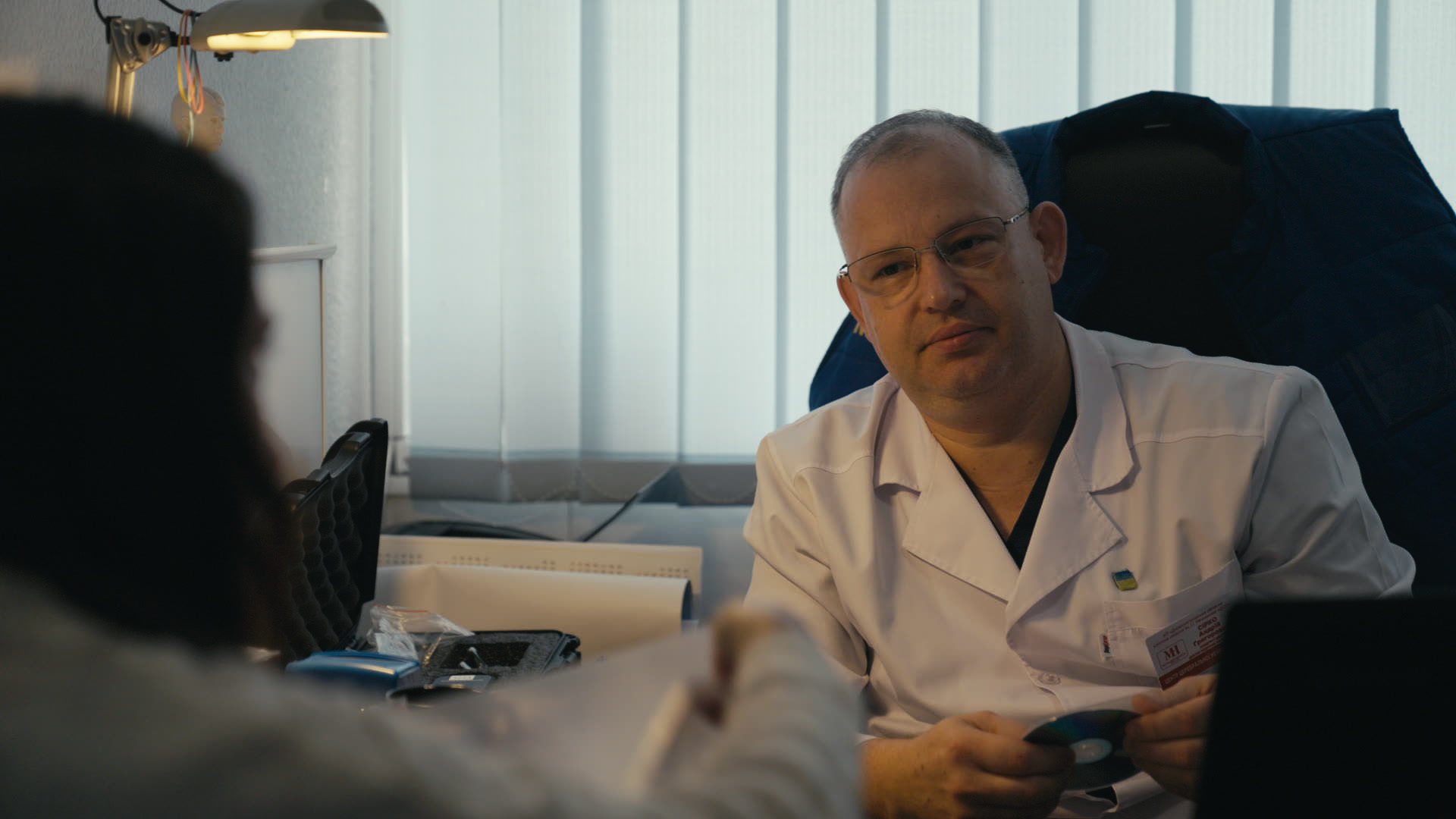
Speaker 1
00:00:00 No.
00:00:00 No. You can see it on the screen, right? They can shoot for the documentary American film. They take a lot of thousands of hours, and then they can take something that they like.
00:00:25 [UKR] It's been established that this is not a neurosurgical case, but since you've been waiting so long, we'll consult together with the professor.
00:01:09 Thank you. It's a huge difference between USA and Ukraine. If your patient would like to receive that consultation, yeah? We need to wait 2, 3, 6 months. Yeah, and there's a whole different building. 6 months. Usually not 6 months, but sometimes you have to wait.
Speaker 1
00:00:00 No.
00:00:00 No. You can see it on the screen, right? They can shoot for the documentary American film. They take a lot of thousands of hours, and then they can take something that they like.
00:00:25 [UKR] It's been established that this is not a neurosurgical case, but since you've been waiting so long, we'll consult together with the professor.
00:01:09 Thank you. It's a huge difference between USA and Ukraine. If your patient would like to receive that consultation, yeah? We need to wait 2, 3, 6 months. Yeah, and there's a whole different building. 6 months. Usually not 6 months, but sometimes you have to wait.
00:01:50 [RUS] Especially I know that in European countries, many countries also have to wait several months. [RUS] That's bad in Europe, yes. In America, not so bad.
00:02:02 [UKR] Not so bad. [UKR] But in other countries, European countries, I know, Lithuania, Latvia, Yuriy Yuriyovych.
00:02:16 [RUS] - Allow me, oh, he's thickening.
00:02:18 Yes?
00:02:19 [RUS] - Wait while your scan is loading. [RUS] Here our group is being captured on film. [RUS] Hello. [RUS] - Ruslana.

Speaker
00:00:00 (Transcript content available)
Speaker
00:00:00 (Transcript content available)
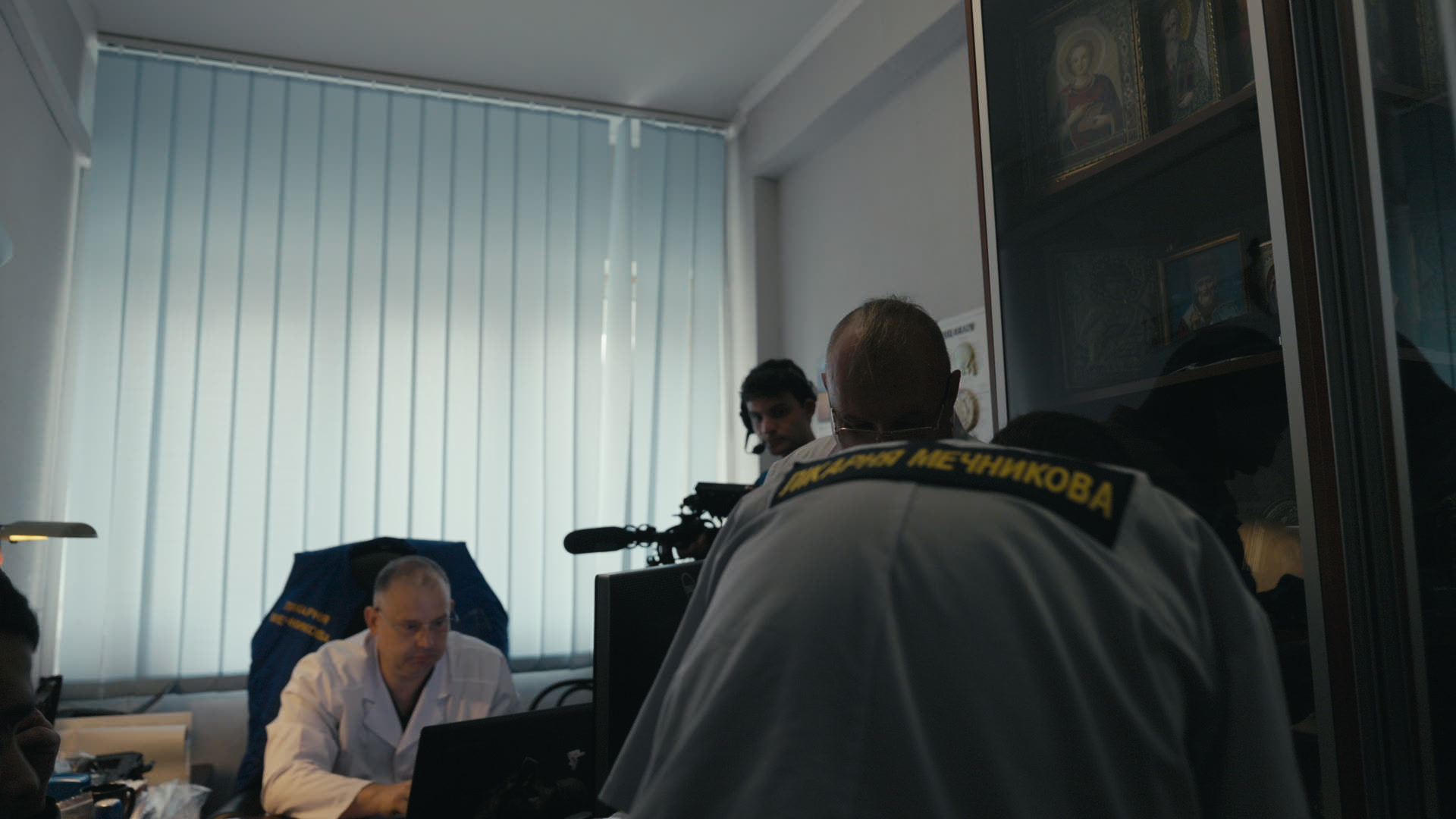
Speaker 1
00:00:00 [RUS] and other drones and other Russian weapons.
Speaker 2
00:00:00 [RUS] and other drones and other Russian weapons.
00:00:05 [UKR] - Missiles, weapons, weapons.
00:00:07 [RUS] - Is this made from Russian weapons? [RUS] Yes, it's a weapon. [RUS] Excellent. [RUS] Climb in. [RUS] Computer.
Speaker 1
00:00:00 [RUS] and other drones and other Russian weapons.
Speaker 2
00:00:00 [RUS] and other drones and other Russian weapons.
00:00:05 [UKR] - Missiles, weapons, weapons.
00:00:07 [RUS] - Is this made from Russian weapons? [RUS] Yes, it's a weapon. [RUS] Excellent. [RUS] Climb in. [RUS] Computer.
00:00:28 [UKR] Where it's black, that's air and the material we used for skull plastic surgery. [UKR] We completely removed the hematoma. [UKR] There's no blood there. That's very good. [UKR] In 3D reconstruction it looks like this.
00:01:07 We did a trap on two sides. When I said, you said to him, there is no left eye, there is a all-out orbit, we started thinking to go on the left side, and when we were placed,
00:01:30 we were looking at the right eye, he was the one who was coming. Then it was discovered on two sides, we found that when there was such a hit, these bones were out of the hole and there was a hole. This hole was just running out of the liquid. It was running out of the water and this infection is around the corner. - She falls in the brain. She falls in the brain.
00:02:00 So we found this hole, we closed it. And then we closed it here. It's called "Bangato Sharoa", it's called "Bangato Sharoa", 1, 2, 3, 4, closed it here. We even planned to set up, American colleagues give us titanium plates, to make them immediately, but we didn't do this, because it's very bad.
00:02:25 [RUS] Very sad wound. [RUS] I showed you the picture. [RUS] I showed you the best option after the patriotic ones treated us. [RUS] Therefore, putting artificial and foreign body is not needed, because there may be problems with infection. [RUS] God willing he survives, then we can do plastic surgeries. [RUS] - Don't ruin it, I'm not bringing him here. - No, no, no.
00:03:12 [RUS] You already came with Ivan. [RUS] You must understand that he may die in any case. [VO CANDIDATE] [RUS] Today they said 46,000 wounded have passed through. [RUS] And we did 2,500 brain surgeries.
00:03:30 [RUS] We can only say what happened in the past week.
00:03:34 [UKR] - Better, worse, wait Mykhailovych, better, worse, or at the same level.
00:03:41 [RUS] We won't give any prognosis in advance. [RUS] That's because since the operation, thank God, he's holding arterial pressure well. [RUS] His arterial pressure rises to 130, 140, 150. That's very good. [RUS] Arterial pressure. [RUS] - This is access to the arterial.
00:04:32 [UKR] So they connected 130-150, he holds the pressure normally. [UKR] Today I said, they did a bronchoscopy, meaning he has a lung contusion, a lot of sputum, they cleaned his lungs. [UKR] He has a heart contusion, I said on the first day, initially they didn't diagnose, but did tests, troponin test 10 times higher.
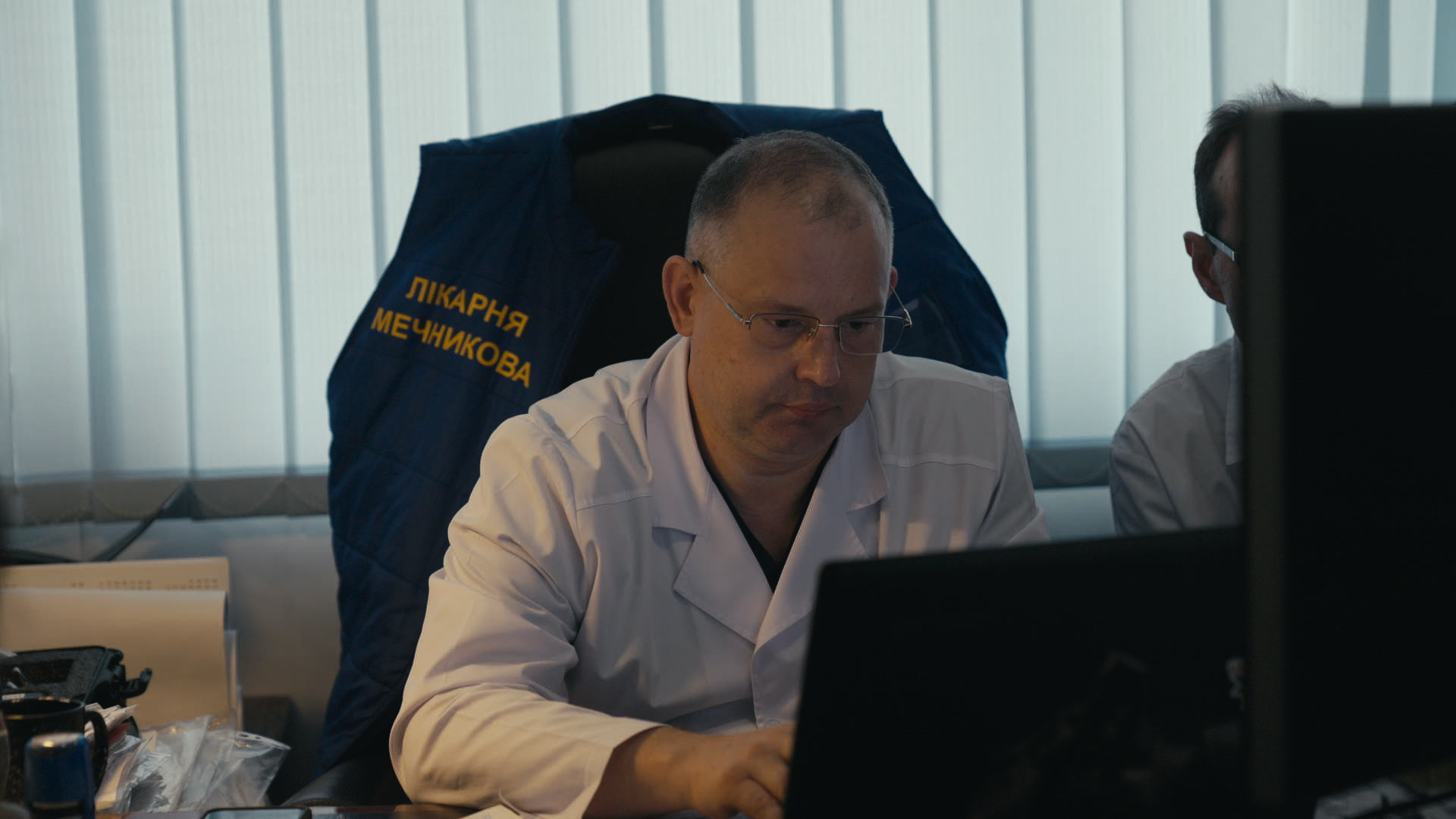
Speaker 1
00:00:00 Thank you.
00:00:00 Thank you. Did you? Oh, you did. I was asking if, uh, we already asked if she was okay if you filmed. But she was here earlier. I think she said yes. I'm not sure we got that on film.
Speaker 2
00:00:48 [you...] MRI conclusion is cystic change in the epiphys.
00:01:29 [UKR] You must understand that the pineal gland is an endocrine gland.
Speaker 1
00:00:00 Thank you.
00:00:00 Thank you. Did you? Oh, you did. I was asking if, uh, we already asked if she was okay if you filmed. But she was here earlier. I think she said yes. I'm not sure we got that on film.
Speaker 2
00:00:48 [you...] MRI conclusion is cystic change in the epiphys.
00:01:29 [UKR] You must understand that the pineal gland is an endocrine gland.
00:01:34 [RUS] Melatonin corresponds to normalization of sleep and wakefulness cycles. [RUS] Like ovaries in women, sometimes it's a solid structure, sometimes with cysts. [RUS] The sizes are normal, there's a cyst in the middle, but it's not a tumor cyst. [RUS] No, it's not a tumor cyst.
Speaker 3
00:01:56 [RUS] And she will live long and happily.
Speaker 2
00:01:59 [UKR] It was increasing in size, and now it became second to choose this examination. [UKR] In another mode a small bone. [UKR] The second hall we'll look at, another hall, which is called, hypophysis.
Speaker 1
00:02:27 Anastasia, is there a risk?
Speaker 2
00:02:30 She's out here. I need to change. Change. Change? My head cock is exhausted.
Speaker 1
00:02:42 Exhausted, tired, but I am... Hold on, the magnet.
Speaker 2
00:02:48 I come, your task is to answer my head.
Speaker 4
00:02:53 [UKR] At one o'clock come to Liudmyra Vasyliivna, and she'll take you, and you must feed.
Speaker 2
00:03:04 [UKR] And yourself.
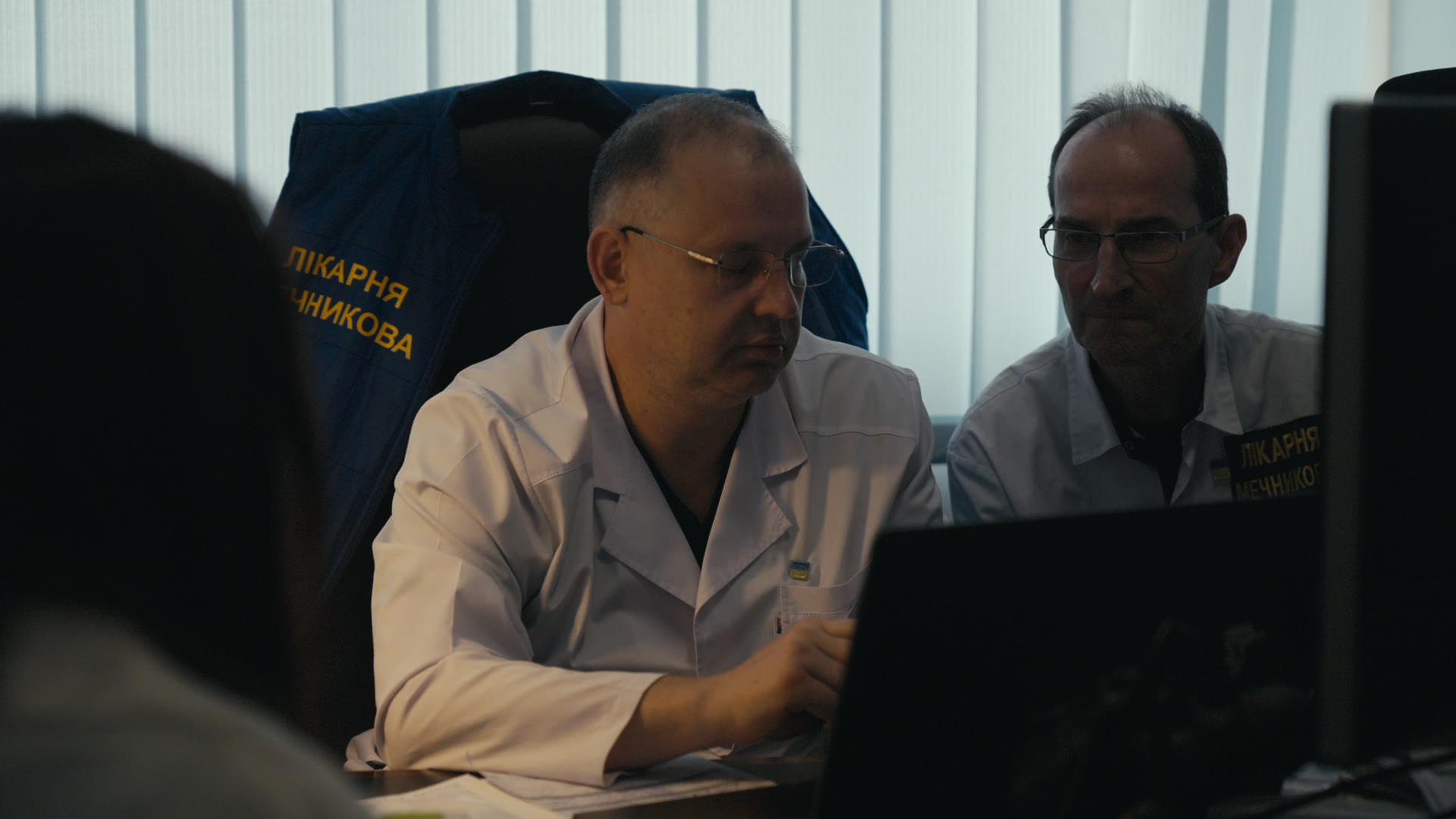
Speaker 1
00:00:00 [UKR-NEEDS] - Хормональні дистурбанцію.
Speaker 2
00:00:01 [UKR] - Hormonal disturbances. [UKR] And the endocrinologist. [UKR] - Endocrinologist, prescribed, maybe, prolactin test, [UKR] - Yes, yes, there was a microadenoma. [UKR] And also the test showed, pineal gland.
Speaker 1
00:00:13 [RUS] Now the second one.
Speaker 2
00:00:14 [UKR] She will live long and happily, tell her everything is fine.
Speaker 1
00:00:00 [UKR-NEEDS] - Хормональні дистурбанцію.
Speaker 2
00:00:01 [UKR] - Hormonal disturbances. [UKR] And the endocrinologist. [UKR] - Endocrinologist, prescribed, maybe, prolactin test, [UKR] - Yes, yes, there was a microadenoma. [UKR] And also the test showed, pineal gland.
Speaker 1
00:00:13 [RUS] Now the second one.
Speaker 2
00:00:14 [UKR] She will live long and happily, tell her everything is fine.
00:00:17 Yes.
Speaker 1
00:00:18 [UKR] Thank you, thank you. [UKR] - And tell me, please, the timeline. [UKR] - I think once every two years you can do an MRI, [UKR] and even once every two years without contrast.
Speaker 2
00:00:27 [RUS] Without contrast. [RUS] And from whom to get a referral?
00:00:30 [RUS] We initially observed with the sonographer, and then [RUS] and the other referrals satisfied the wife.
Speaker 1
00:00:39 [RUS] Further, you will worry. [RUS] Through the reef I'll write, not only without contrast. [RUS] Good. [RUS] Good. [RUS] Today is the 28th.
Speaker 2
00:00:46 Yes.
00:01:59 [RUS-NEEDS] Тихо
00:02:44 [RUS] Quiet! [RUS] You'll kill a person, step away from him.
Speaker 3
00:02:51 [RUS] We have a patient in the emergency room who fell. [RUS] From 5 meters and hit the roof. [RUS] Currently mild stunning. [RUS] Wanted to show you the image. [RUS] Federal animator. [RUS] Multiple fractures of the entire skull bone. [RUS] Linear fractures of the anterior and posterior walls of the frontal sinus. [RUS] There's a small company with Koley. [RUS] Quiet, you have a flash.
Speaker 1
00:03:11 Yes.
00:03:19 [RUS] - I'm ready, ready.
Speaker 3
00:03:26 [RUS] - And what's his injection? [RUS] - Invited.
Speaker 1
00:03:30 [RUS] - He was helping someone, meaning this isn't an occupational injury?
Speaker 3
00:03:35 [RUS] - People, some still can't see. [RUS] - Became. [RUS] - Do you agree with him? - Good, yes, of course. I'm just without you. [RUS] - Well, we're all correct. Now let's look again.
00:04:25 [RUS] - I think this is dural, because it's right along the fracture line. [RUS] - Yes, it's linear. - Yes, yes.
Speaker 1
00:04:52 [RUS] - I have
00:05:00 You can see fracture. Antenior wall, posterior wall, and roof of orbit.
Speaker 3
00:05:06 Yeah, you can see? Yeah, the sinuses are not that bad. Clearly visible. Clearly visible. Front of the sinuses, left side, right side, it's fracture. But they're not that bad, though, the sinus fractures. What about this? Do you have a face, a nose? A nasal or anointing?
Speaker 1
00:05:30 [RUS] And local?
Speaker 3
00:05:31 Yes?
00:05:32 [RUS] Did you do the local status? [RUS] Yes, yes.
Speaker 1
00:05:39 [RUS] Local status.
Speaker 3
00:05:45 [RUS] Did you suture already? [RUS] No, I didn't do anything, I was thinking.
Speaker 1
00:05:51 [RUS] Wash well, suture. [RUS] - And in 6 hours a check for epidural hematoma. [RUS] As for nasal liquorrhea, we'll see if there's liquorrhea, we'll operate.
Speaker 3
00:06:01 [RUS] If there's no liquorrhea, maybe it'll bring it. There's a linear fracture there, not that. [RUS] No diastasis there? - Yes. [RUS] - Thank you. - Sergey Viktorovych, tomorrow we can
Speaker 4
00:06:12 [RUS] schedule the big operation somewhere around 8:30 for 9 minutes to 20 minutes. [RUS] - Thank you for operating. [RUS] He ate there and now only otherwise. I'm tomorrow. And he won't eat, not this personalization.
00:06:30 [RUS] He has the one where they put prosthetics and touched: "I'll look, open it, I don't need to suture there and elbows here."
00:06:39 [UKR] Well, about 20 minutes.
00:06:41 [RUS] - Natalia Sergeevna doesn't mind? - No. She says: "Let's schedule it in the morning, we'll do everything in 20 minutes."
Speaker 3
00:06:48 [RUS] - Good. Then don't delay. - Good, kind.
Speaker 1
00:07:06 [RUS] - Sorry that very... [RUS] I was already in the operating room, you'll be somewhere in an hour-and-a-half, [RUS] if they want, they wait. [RUS] If you want, wait until tomorrow or for Rostislav Malyi. [RUS] talk to him because they've already called me to the operating room. [RUS] Good. [RUS] - Yes, either wait today, or tomorrow morning, or Rostislav Malyi.
00:07:54 [RUS] Three options. [RUS] Good. [RUS] - I have the impression that I've known you for a long time.
Speaker 5
00:08:00 [RUS] You probably come to me for results. [RUS] - No, not true. [RUS] It's just my first time, and another way twice.
Speaker 1
00:08:05 Ah.
Speaker 5
00:08:09 [RUS] - What did we decide here? [RUS] You regarding me on the repeat MRI
Speaker 1
00:08:19 [RUS] Wanted to compare Rostov and Irina's Rostov [RUS] Did we decide about her?
Speaker 5
00:08:24 Yes.
00:08:25 [RUS] You said that it's located in the middle [RUS] in one hemisphere, and in the other hemisphere
00:08:30 [RUS] Aha, I understand, let's do it here [RUS] And like the second disc
Speaker 1
00:08:38 [RUS] but centro
Speaker 5
00:08:45 [RUS] You know that a consultation with an American professor costs 1 million dollars?
Speaker 1
00:08:50 [RUS] Well, if... [RUS] Or second, or do you give consent that you'll be shown on American television in two years? [RUS] Yes, do you agree? [RUS] Yes, do you agree?
00:08:59 [UKR] Minna-car is popular.
00:09:01 That's all.
00:09:02 [RUS] You got permission, you can tell Anastasia and Ted,
00:09:06 We have permission. Okay, thank you. I chose you can pay one million dollars or give a wish.
00:09:18 [RUS] Now let's see, that was a joke, and now seriously. [RUS] Like the goal, it's, it's, it's, a nose. [RUS] I said we'll do a fresh MRI, to share, right? [RUS] All, understood. [RUS] All, understood. [RUS] Consultation, all, yes.
00:10:07 *thunder* First of all, we need to perform repeat CT after 6 hours. We never wait for deterioration. We perform after six hours. Yes, it's the first. And the second, we understand, realize it is a linear fracture. Don't do compression or diastasis between this. We will expect it and to prevent CSF leak.
00:11:00 If you have CSF leak, first of all we put external lumbar drainage. Or if it's on-stop, we perform surgery. But we never perform surgery in this blood trauma with linear fracture. In patients with gunshot wounds or mind blood penetrating wounds, we perform as possible. Yeah, we would do the same thing. We were not operating on the right.
Speaker 5
00:11:30 [RUS] what speeds will we have [RUS] I had dizziness [RUS] now of course [RUS] what changes [RUS] I feel in myself [RUS] very strong fatigue [RUS] very strong fatigue [RUS] and with memory [RUS] a big problem [RUS] but you said that this absolutely doesn't affect memory [RUS] there you had some, I had [RUS] doors of inclusion [RUS] or the substance of innovation, or whatever to call it correctly. [RUS] Therefore my miniology doesn't affect this, [RUS] but I would like to consult with you about this decline. [RUS] And more. [RUS] Igor Ilyich, I did on different declines, unfortunately. [RUS] But I hope that you can combine these distances, [RUS] because they changed a little for me, these sizes.
00:12:35 [RUS] Hold your hand, everything's falling apart.
Speaker 1
00:12:39 [RUS] - I'm not holding myself [RUS] No, in my office. And to return it by one o'clock to the senior nurses and hand it over. [RUS] Let him go now, we'll finish the consultation, and then he goes to you, Viacheslav Ivanovych, and meets him, consults another ward respectfully. And return by one.
00:13:35 [RUS] Good? [RUS] Come on, come on. [RUS] You have this little plump one, and tomorrow we'll operate with Alex on one like this.
00:14:05 It's the same localization, but it's... ...I... ...measurement. Look, we can be quiet and watch. After a half a year or after a year? After a year, I think. After a year, we can do the test.
00:14:31 [RUS] It doesn't affect the symptoms you have in any case.
Speaker 5
00:14:35 [RUS] When did you first get the MRI? [RUS] In February. Half a year has passed, in half a year I did it. [RUS] Tell me please, what medications can be used?
Speaker 1
00:14:49 [RUS] Because I have a small problem with my thyroid, and I don't have...
Speaker 5
00:14:54 [RUS] Any. [RUS] Any, yes? There's no... [RUS] Well, first, all these tumors, they're hormone-sensitive, and they arise as a result of hormonal imbalance, estrogen, progesterone.
Speaker 1
00:15:09 [RUS] In women, this is exactly the period of premenopause, menopause. [RUS] Well, they tried to treat with hormone medications, it didn't work.
00:15:17 [UKR] So you just have to understand that the same genesis - this is how fibroids, myomas arise, breast tissue, the same way meningiomas of the brain arise. [UKR] Half a year we looked, if 1-2 mm changed, that's nothing.
00:15:30 [UKR] We can do it after a year, if you're worried, do it in half a year.
Speaker 5
00:15:39 [UKR] If something appears, do it earlier.
00:15:42 [RUS] - So, no special medications, there won't be questions. [RUS] Are there physical loads, please tell me. [RUS] Now, when I bend over, my head starts [RUS] to hurt. [RUS] This just started recently. [RUS] - Do you have a neurologist, did someone see you? [RUS] - He first sent me to you, so after you I'll go to the neurologist. [RUS] - All these questions, resolve them with him. [RUS] - Tell me please, these white spots, so-called... [RUS] This is called foci of leukoaraiosis, or it's also called vascular foci, genesis, female gender, before menopause, arterial hypertension.
Speaker 1
00:16:25 [RUS] Tell me, what makes it different, or is that all? [RUS] Blood pressure control is recommended. [RUS] Only prevention. [RUS] You have a doctor, a local neurologist, right? [RUS] Yes, there's a local one. [RUS] Well, what I'll request, I think, the coordinates, I can't.
Speaker 5
00:16:48 Give.
00:16:50 [RUS] Something for me, I'll prescribe...
00:17:16 I think it does that. It doesn't help when it does.
Speaker 1
00:17:27 How long is that?
Speaker 3
00:17:33 What would cuts on the fence when the battery gets too low? But it doesn't. - It doesn't flash a warning.
Speaker 1
00:18:18 [RUS] Anastasia, you're nearby.
00:18:30 [UKR] You can now gather your things, maybe they're still planning to film tomorrow, ask. [UKR] If not, they can take their equipment. [UKR] You're going now with Nikita, as we planned to the ICU,
Speaker 5
00:18:46 [UKR] in an hour you return, eat, what do they plan to do next? [UKR] - I don't know yet, probably waiting for Bohdan and until then,
Speaker 1
00:18:57 [UKR] do something else, maybe do an interview with the man for the tractor. [UKR] - I think that's a good plan. [UKR] Good plan, while you eat and talk with this man, I give you full freedom. If you need someone to bring you, representative Mykhailo or Artem, you can wait for them to come to you and lead you.
00:19:57 [RUS] - That's all for today!

Speaker
00:00:00 - You're not gonna be bringing in like this, are you?

Speaker 1
00:00:00 Yeah.
Speaker 2
00:00:06 Speaker 1: Hold on one second. Speaker 2: Let me come in here.
Speaker 1
00:00:13 Speaker 1: Oops. Speaker 1: I want the mic showing.
Speaker 2
00:00:22 Speaker 1: There we go. Speaker 2: Okay. Speaker 2: Yeah. Speaker 2: For Stryker, yeah? Speaker 2: Yes. Speaker 2: Excellent. More tapasio. It's an artificial Dura. Dura-gen, yes. Speaker 3: Stuff you use every day. Wow, look at all that. Yeah. It's excellent. Speaker 2: Oh, no, no. This is safe. Speaker 2: The previous way is here. Speaker 2: it's maybe some... Speaker 2: Oh, the drill pieces.
Speaker 1
00:00:00 Yeah.
Speaker 2
00:00:06 Speaker 1: Hold on one second. Speaker 2: Let me come in here.
Speaker 1
00:00:13 Speaker 1: Oops. Speaker 1: I want the mic showing.
Speaker 2
00:00:22 Speaker 1: There we go. Speaker 2: Okay. Speaker 2: Yeah. Speaker 2: For Stryker, yeah? Speaker 2: Yes. Speaker 2: Excellent. More tapasio. It's an artificial Dura. Dura-gen, yes. Speaker 3: Stuff you use every day. Wow, look at all that. Yeah. It's excellent. Speaker 2: Oh, no, no. This is safe. Speaker 2: The previous way is here. Speaker 2: it's maybe some... Speaker 2: Oh, the drill pieces.
Speaker 3
00:01:02 Speaker 2: Yeah, yeah. Speaker 3: Bits in titanium mesh. Speaker 2: Yeah, yeah, small. Speaker 3: Small, but... Speaker 2: It's for vipershunt. Speaker 2: Yeah. Speaker 2: Ventricular peritoneal shunt. Speaker 3: Ventricolastomies, Speaker 3: no, no, no ventricolastomies. Speaker 2: It's ventricoloperitoneal shunt. Speaker 3: Yeah, these are stock packs and they are all of a stuff. Speaker 2: Yeah, we can close this.
Speaker 2
00:01:33 Speaker 3: Yeah, we saw some replacements yesterday here.
Speaker 3
00:01:47 Speaker 2: or it's for yes yeah backs for CSF leak
Speaker 2
00:01:55 Speaker 3: and this for lumbar drain yeah yeah that's a needle goes in
Speaker 3
00:02:04 Speaker 2: for external lumbar drainage. Speaker 3: Excellent. Speaker 3: Oh, wow. Speaker 3: I think it's for Speaker 2: our spinal neurosurgeon.
Speaker 2
00:02:29 Speaker 3: There are some punches. Speaker 2: Yeah. Speaker 3: This is excellent equipment. Speaker 2: Our spinal cord surgeon Dmitry Ocherenko with Nikola Zorin asked Nikonor Berlin for this instrument. Speaker 2: We will be very happy. Speaker 2: Yes, we invite them and we...
Speaker 3
00:03:06 Speaker 3: Yeah, these are all part of the retractor system. Speaker 3: Yes, yes. Speaker 3: Yeah, this is incredible. Speaker 3: We have to ask Connor how he did this. Speaker 2: Different type of rangers. Speaker 3: Retractor blades here.
00:03:30 Speaker 3: Smooth blades. Speaker 3: And here's the... Speaker 3: Here's the blades that keep any edge. Speaker 3: Yeah. Speaker 3: Okay. Wonderful. Speaker 3: Super.
Speaker 2
00:04:19 Speaker 2: oh and this after that I Speaker 2: okay time to do the morning with our team Speaker 2: let's go Alex yes Alex let's go
00:05:21 Speaker 2: You need to save me a cup of wood,
00:05:23 [RUS] Speaker 2: Andrey, I'm here, I want to go to ICU. [RUS] Speaker 2: In 5 minutes we're here, we'll sit together.
Speaker 1
00:05:36 [RUS] Speaker 2: Good morning.
Speaker 2
00:05:41 [UKR] Speaker 1: He went to change clothes, Vadim Vladimirovich, Alex. [UKR] Speaker 2: Anatoliy, close the blinds. [UKR] Speaker 2: Anatoliy, Alex. [UKR] Speaker 2: Anatoliy, Alex.
00:06:02 Speaker 2: Yes.
00:06:04 [RUS] Speaker 2: Vasilivna, please calculate the hours...
00:06:15 [UKR] Speaker 2: Hourly duty, and we will complete the schedule. [UKR] Speaker 2: Sit next to Maryana, you can hug Maryana, Vadim Volodymyrovych.
00:06:28 [RUS] Speaker 2: I allow it.
00:06:30 Speaker 2: Yes.
00:06:42 [RUS] Speaker 2: Lera will object. [RUS] Speaker 2: Okay, Yana will please us with something.
00:06:54 Speaker 2: 61 passion in our department and this morning 61 and from this number is 15 soldiers
00:07:13 [RUS] Speaker 2: And so he behaved and everything is normal and Chernenko prepared this operation and then ready
00:07:21 [UKR] Speaker 2: Another shunt, and Vadim Vadymovych, will they tighten the nerves? [UKR] Speaker 2: One nerve, one shunt and Chernenko. [UKR] Speaker 2: I looked, there on thin slices you can see where the air bubble [UKR] Speaker 2: comes out from the mastoid process. You can clearly see where it comes out.
00:07:43 [RUS] Speaker 2: It's better to see this exit through the canal, the canal and then the bubble in this exact place [RUS] Speaker 2: attached only already intro intro durally we will need to seal it well with wax and then there [RUS] Speaker 2: which room are they in [RUS] Speaker 2: They'll seal it. Next. [RUS] Speaker 1: Anyone?
00:08:39 [RUS] Speaker 2: Today on evacuation who do we have? [RUS] Speaker 2: Ward 11, who do we have?
00:08:56 [UKR] Speaker 2: Vadim Vladimirovich.
00:09:11 [RUS] Speaker 2: To ward 14, who?
00:09:16 [UKR] Speaker 2: Alexander Anatolyevich.
00:09:21 Speaker 2: And 20.
00:09:32 [RUS] Speaker 2: Sure?
00:09:48 [UKR] Speaker 2: Tomorrow we have directions Vinnytsia-Lviv, and at time 10 Vinnytsia.
00:10:03 Speaker 2: tomorrow two directions will be evacuated our patients in 10:20 to Vinice and 2:00 pm to
00:10:17 [RUS] Speaker 2: It's continent and continent and deb
00:10:47 [UKR] Speaker 2: I saw, either on Instagram or on Facebook, Yulia with a dog outside the gym window, and he was squatting with weights in the gym.
00:10:58 [RUS] Speaker 2: Did you see, Rostyslav?
00:11:00 [UKR] Speaker 2: Maybe he's getting ready? [UKR] Speaker 2: Ran ahead. [UKR] Speaker 1: I won't go. [UKR] Speaker 1: I won't go. [UKR] Speaker 2: He'll be just in the operating room.
00:11:15 [RUS] Speaker 2: He'll be just in the operating room. [RUS] Speaker 2: Probably Lera, so that, right? Or they've already processed the history. [RUS] Speaker 2: Good. So in that block two have fever, right? [RUS] Speaker 2: And in this block, ward 11, yeah, distinguished themselves? [RUS] Speaker 2: Well, that's not bad either.
Speaker 4
00:11:40 [RUS] Speaker 2: Good. What questions do we have?
Speaker 2
00:11:46 [RUS] Speaker 4: To throw months
00:12:00 [RUS] Speaker 2: But they handed in the history
00:12:22 Speaker 2: Good, you can prepare some cup of coffee tea of water I quickly go to the general director Speaker 2: Meeting and come back we will be meeting with our neurosurgical department ok good so
00:12:40 [UKR] Speaker 2: Alex, don't be offended, I'm going now to the operational meeting with the general, I'll listen to what he tells us. [UKR] Speaker 2: Okay?
00:12:49 [RUS] Speaker 2: Okay. [RUS] Speaker 2: Galina Vasilyevna, open, don't wash, now start, so they can adjust their equipment. Okay?
00:13:38 [UKR] Speaker 2: Because now we can film the operational meeting, and then there will be time to adjust. [UKR] Speaker 2: And here it will be with doctors. [UKR] Speaker 2: At these operational meetings the duty shift will report and we will review the operations for today.
00:13:57 [RUS] Speaker 2: There will be time.
00:14:02 [UKR] Speaker 2: If not, then they'll really adjust.
00:14:53 Speaker 2: Good.
00:15:10 [UKR] Speaker 2: So come in, you're already standing at the door holding it, good.
00:15:28 [RUS] Speaker 2: Everyone's good.
Speaker 1
00:15:33 [RUS] Speaker 2: Something came from Kran.
Speaker 2
00:15:42 [RUS] Speaker 1: 8 years already.
00:16:35 [RUS] Speaker 2: Good.
00:17:27 [RUS] Speaker 2: Good afternoon.
Speaker 4
00:18:18 [RUS] Speaker 2: To be continued...
00:19:19 [UKR] Speaker 4: Thank you.
00:19:44 [RUS] Speaker 4: Ukrainian garden. [RUS] Speaker 4: I'll take from your elders, because we don't see Russian security terms there, but there is coagulation. [RUS] Speaker 4: Further, they have accelerated, on webinar, on webinar campuses and public lunches on rights, in their way, for you.
00:20:32 [RUS] Speaker 4: But it's not worth it, not for food.
Speaker 1
00:20:37 [RUS] Speaker 4: I remember carrying out the coagulation.
Speaker 2
00:21:51 [RUS-NEEDS] Будем это делать.
00:22:10 [RUS] Speaker 2: We'll do it.
00:23:31 Speaker 2: Thank you.
Speaker 1
00:23:59 [RUS] Speaker 2: Yaroslavovych, well, what about the patient? [RUS] Speaker 1: Normal. [RUS] Speaker 1: Now I ordered the scan, we'll do it, because there are complaints of heartbeat.
Speaker 2
00:24:09 [RUS] Speaker 1: Pressure 130-150 limits invasive, such more is shown. [RUS] Speaker 2: Well, we'll visit you, to Tamarov, as I said, we'll record, we'll take you.
Speaker 1
00:24:21 [RUS] Speaker 2: Yes, definitely. And tomorrow, probably, we'll still puncture, sow, because it's good.
Speaker 2
00:25:06 [RUS] Speaker 1: Hello.
00:26:14 [RUS] Speaker 2: Good. [RUS] Speaker 2: Good.
00:26:22 Speaker 2: Well Speaker 2: Well Speaker 2: Thank you for watching.
00:27:33 [RUS] Speaker 2: And we'll find Alex, he got a little lost in the operational meeting and [RUS] Speaker 2: Good. [RUS] Speaker 2: They say we went with some doctor, who did they go with?
00:28:29 [UKR] Speaker 2: With Vasily someone.
00:28:36 [RUS] Speaker 2: Vasily or Dudin?
00:28:42 [UKR] Speaker 2: Denis Petrovich Dudin.
00:29:07 [RUS] Speaker 2: Quiet, quiet. [RUS] Speaker 2: Rostyslav, you've read it, right? [RUS] Speaker 2: Yes, Natalia Seredina, this Romance, they'll delay the shunt right away, then Chernenko, and then Vadim will make it to this [RUS] Speaker 2: Water we'll make it, you still want this, yes this Nastya still wants rotation, good Logan will come, well let's
00:30:02 [UKR] Speaker 2: Let's wait. Let's wait. Two-three minutes. [UKR] Speaker 2: Nikita, look at yourself, I'm on the line down. Closer. Take it like this and closer to yourself. [UKR] Speaker 2: Because Misha will now seat the berries for Vadim Volodymyrovych. [UKR] Speaker 2: Rostyslav, move closer to Lenin.
00:30:34 [RUS] Speaker 2: Don't be afraid. [RUS] Speaker 2: Alexander Ivanovich, move closer to Lena. [RUS] Speaker 2: Well, why are you so afraid? [RUS] Speaker 2: If you sit close, you won't start jumping with a parachute.

Speaker 1
00:00:00 brain in Ukraine in Ukraine and also here's a world champion jumping
00:00:30 Speaker 1: brain in Ukraine in Ukraine and also here's a world champion jumping
00:00:43 [UKR] Speaker 1: Skydiving, yes.
00:00:45 [RUS] Speaker 1: Here's the path.
Speaker 1
00:00:00 brain in Ukraine in Ukraine and also here's a world champion jumping
00:00:30 Speaker 1: brain in Ukraine in Ukraine and also here's a world champion jumping
00:00:43 [UKR] Speaker 1: Skydiving, yes.
00:00:45 [RUS] Speaker 1: Here's the path.
00:01:11 [UKR] Speaker 1: Didn't quite get it. Understood. [UKR] Speaker 1: For Olena Lidova, participated in... [UKR] Speaker 1: Setting a Guinness record or something, right?
Speaker 2
00:01:20 [RUS] Speaker 1: Simultaneous jump and figures...
Speaker 1
00:01:22 [UKR] Speaker 2: Guinness. [UKR] Speaker 1: Well, don't interrupt, seriously. Was that the case?
00:01:29 [RUS] Speaker 1: I'll ask to double-check. [RUS] Speaker 1: Wasn't it?
00:01:33 [UKR] Speaker 1: World championships, yes?
00:01:43 Speaker 1: - Speaker 1: - 1,500 sky jumping, successful. Speaker 1: - Really, really, 1,500. Speaker 1: - Really, really, 1,500.
Speaker 2
00:01:56 Speaker 1: And mother, sick children? Speaker 2: - They were talking about...
00:02:00 Speaker 1: - So how did they? Speaker 2: - The champion skydive? Speaker 1: - Yeah. Speaker 2: - 1,500 jumps. Speaker 1: - 1,500 jumps, successful.
Speaker 1
00:02:14 [RUS] Speaker 1: is it true [RUS] Speaker 3: is it true [RUS] Speaker 3: is it true [RUS] Speaker 3: it must be [RUS] Speaker 3: it's unexpected
00:02:21 Speaker 1: neurosurgeon Speaker 1: great mother Speaker 1: great mother Speaker 1: and world champion Speaker 1: in one Speaker 1: in one Speaker 1: in one
00:02:29 [RUS] Speaker 1: we'll tell [RUS] Speaker 1: we'll tell
00:02:50 [UKR] Speaker 1: what volume of operation
00:02:57 [RUS] Speaker 1: by time after trauma [RUS] Speaker 1: There was a drill.
00:03:31 Speaker 1: from Pavlograd patient 1977 years was born in 1977 in Glasgow Coma Scale score maybe nine nine Speaker 1: with hemorrhagic contusion and acute subdural hematoma from cranioplastic trepanation and
00:03:53 [RUS] Speaker 1: and removal subdural and intracerebral hematoma.
Speaker 4
00:04:00 [RUS] Speaker 1: Next. [RUS] Speaker 4: Sviatoslav Milinchuk, 54 years old, he was on September 1st,
Speaker 1
00:04:08 [RUS] Speaker 4: and he was not in the hospital, he was in vertebral neurology.
00:04:22 [UKR] Speaker 1: What diagnosis did you make?
Speaker 4
00:04:28 [UKR] Speaker 1: - Fracture.
Speaker 1
00:04:32 [UKR] Speaker 4: - Fracture. [UKR] Speaker 1: - Fracture. [UKR] Speaker 1: - Which one? [UKR] Speaker 1: - Which one.
00:04:44 [RUS] Speaker 1: - And it's not written there?
00:04:46 [UKR] Speaker 1: Well, take a look, and which are the most extreme of those you looked at, here with patients. [UKR] Speaker 1: There's 45 thousand, right? 45.
00:05:08 Speaker 1: from the start full-scale military invasion russia in ukraine from 24 february 2022 Speaker 1: We admitted now 46,009 patients. [VO CANDIDATE]
Speaker 2
00:05:26 Speaker 1: 46,009. Speaker 2: That's just since 2022, February.
Speaker 1
00:05:31 Speaker 1: And if you plus more than 4,500 from 2014 to 2022, Speaker 1: And if you plus more than 4,500 from 2014 to 2022,
Speaker 4
00:05:39 [RUS] Speaker 1: In 2022, this number
00:06:09 Speaker 4: trauma due to car accident, the fracture of the frontal Speaker 4: frontal sinus, the frontal border and also he has fracture of Speaker 4: transverse processes from the lumbar body and also he has a problem with his blood in our department. Speaker 4: Also performance if you control the patient is very safe, nothing special. Speaker 4: also you have patient Kalemka 72 years old he had stroke a few days ago and he came to us because
00:07:02 Speaker 4: he had some Speaker 4: bleeding but nothing more and when I told him it was no Speaker 4: and also he has a big problem with heart Speaker 4: he has performed four operations Speaker 4: in the last operation for heart
00:07:30 Speaker 4: and he takes the stent Speaker 4: and we decide to use conservative approach
Speaker 1
00:07:40 Speaker 4: to wait right now and give him time to perform this in two to three periods and change Speaker 1: previously he took what you mentioned
00:08:00 Speaker 1: no not Clexane I think an anti-platelet yes warfarin warfarin maybe
00:08:05 [UKR] Speaker 1: Warfarin, maybe, we tried to switch to Clexane. [UKR] Speaker 1: Show the control. [UKR] Speaker 1: This is probably what he was taking, right?
Speaker 4
00:08:19 [UKR] Speaker 1: And where is he lying now? [UKR] Speaker 4: In intensive care. [UKR] Speaker 1: We made this decision to look at the control.
Speaker 1
00:08:27 [UKR] Speaker 1: If there's progression, we'll have to remove the hemorrhagic focus. [UKR] Speaker 1: If there's no progression, and the depressed fracture, it can be operated on with primary plasty. [UKR] Speaker 1: We received titanium plates, titanium screws, you can come get them from the senior nurse, [UKR] Speaker 1: as before with signatures to write them off, made in China, Chinese.
00:08:55 [RUS] Speaker 1: Chinese, we'll also order bits for the screwdriver because there are specific ones [RUS] Speaker 1: Phillips head number 1, 2, we have, but so that each of you has one and [RUS] Speaker 1: yellow plates, good plates 0.6-0.8 millimeters and screws 5 millimeters
00:09:20 [UKR] Speaker 1: So we'll just order, I'll ask Sviatoslav to get titanium, let him download it, if it costs something, so that everyone has one or two screwdrivers in reserve, and the screws and plates are here. [UKR] Speaker 1: This is after how many years, we've been writing for 3-4 years, and I also signed many of these letters, as did Sergey Petrovich, and Cherednichenko, and Zorin. [UKR] Speaker 1: We are experts in this Department of Health, but they finally came, so this is very good.
00:10:21 Speaker 1: I tell my colleagues we got Speaker 1: titanium mesh and titanium screws from our Ministry of Health of Ukraine. Speaker 1: It's the first time from all period I know because previously we paid our own money to
Speaker 2
00:10:44 Speaker 1: get this mesh and screws. [VO CANDIDATE]
Speaker 1
00:10:48 Speaker 2: So you would pay your own money? Speaker 1: Yes. Speaker 2: Yes, yes. Speaker 1: Previously, we find the volunteers, a humanitarian organization, but from one year to another Speaker 1: year, the number of people who can possibly help us is decrease, decrease, decrease is Speaker 1: level zero that's why we are paying all money to buy tools to work. [VO CANDIDATE]
Speaker 4
00:11:24 Speaker 1: Okay. Speaker 4: He was operated in this summer in our hospital because of trauma. Speaker 4: And some days ago, no one exactly, he had trauma one more time. Speaker 4: and also temperature was 38, 39 and I tried to perform
Speaker 1
00:12:02 Speaker 4: lumbar puncture, it was only blocked on two wells, he also had a Speaker 1: opposite opposite counter side
Speaker 4
00:12:17 Speaker 1: yeah Speaker 4: no operation 14 because it's like 14 points for the
Speaker 1
00:12:26 Speaker 1: performance it's maybe a secondary repeat trauma yeah Speaker 1: because it's a long period from the first first trauma
00:12:54 [UKR] Speaker 1: Did he fall or was he hit, right? [UKR] Speaker 1: Well, there are fresh signs of trauma, right?
00:13:00 [UKR] Speaker 1: Good, operation.
00:13:03 [RUS] Speaker 1: by the way I want to say that Conor Berlin sent equipment
00:13:08 Speaker 1: for spinal neurosurgery I got the visa on time and invite Speaker 1: Dmytro and you and we are used to prepare some rangers some retractor
00:13:24 [RUS] Speaker 1: systems we will request and ceremoniously Alex will hand over I'll take photos and send to Conor [RUS] Speaker 1: it was a special operation by the way, Conor under cover of night brought it to Warsaw left it in a stash and through [RUS] Speaker 1: Ah, a cache? Like UPA? Like UPA? [RUS] Speaker 1: Although, when Conor was here the first time, he has Jewish roots, [RUS] Speaker 1: he studied this history of his, and there's Babyn Yar, right, Sviatoslav? [RUS] Speaker 1: He had relatives there, so he knows all our Ukrainian
00:14:11 [UKR] Speaker 1: histories very well. [UKR] Speaker 1: But most importantly, it arrived [UKR] Speaker 1: safe and sound. [UKR] Speaker 1: Report, Kolya, you can in German, you can in English.
00:14:20 Speaker 5: This is
Speaker 5
00:14:50 Speaker 1: What symptoms in this case? Speaker 5: It's local pain. Speaker 1: Local pain. Speaker 1: You can see it's more than half of the body.
Speaker 1
00:14:59 Speaker 1: It's...
00:15:00 Speaker 1: Yeah. Speaker 1: Mm-hmm. Speaker 1: as a member of European and the World Spinal Society can to describe this case in English. Speaker 1: -
00:16:03 [RUS] Speaker 1: Today we are preparing for stabilization
00:16:29 Speaker 1: without Speaker 1: We can see it with a pituitary matter, with a brain stem, with a basilar artery, and maybe it
00:17:18 Speaker 1: will be fibrous consistency of this tumor that's why we expect we couldn't to remove Speaker 1: totally totally remove this tumor you can see spread and growth to the cavernous sinus left side Speaker 1: around the internal carotid artery. That's why we expect increased brain edema and brain stem edema and Speaker 1: maybe occlusive hydrocephalus in acute postoperative period. That's why the first stage we decide to
00:18:08 Speaker 1: put ventricular peritoneal shunt to prepare for the second stage remove this huge maybe Speaker 1: for this location enormous giant petroclival meningioma Speaker 1: another patient with a very interesting patient maybe 11 years ago professor Zorin Nikolai together Speaker 1: with me we remove epidermoid cyst in this patient through the lateral uh trans temporal sub temporal Speaker 1: approach and after 10 years patient has regrowth and located epidermoid cyst in ventricle system in the
00:19:02 Speaker 1: ventricle, lateral ventricle. That's why first stage we remove this tumor from lateral third Speaker 1: ventricle and connection third ventricle with aqueductus cerebri and we perform like not Speaker 1: endoscopic and microscopic ventriculocisternostomy. Patient start to improve this neurological Speaker 1: condition recovery but after the coronavirus disease he start to slowly deterioration we Speaker 1: perform CT control and realize understand this are restorative to non-occlusive Speaker 1: hydrocephalus Sviatoslav perform ventricular peritoneal shunt but when we perform CT control
00:19:53 Speaker 1: we noticed a lot of air in the ventricular system. Speaker 1: We start to find two reasons for this pneumocephalus, Speaker 1: and find the place of the first operation we performed with Professor Zorin. Speaker 1: We open the mastoid cells. Speaker 1: And after the intracranial pressure decreases, the air fills the intracranial space. Speaker 1: That's why we today perform only plastic surgery for a place where open air cells of mastoid cells and pyramids of the temporal bone.
00:20:43 [UKR] Speaker 1: That's the situation. [UKR] Speaker 1: So we couldn't understand at first where the air came from after the shunt, and then we noticed that there were very hidden cells. [UKR] Speaker 1: And he had, besides coronavirus, after the shunt placement, another illness. [UKR] Speaker 1: So he had both ARVI, ARI, and possibly ear inflammation.
Speaker 6
00:21:03 [UKR] Speaker 1: And, in short, it started pulling air through the ear and eustachian tube into the skull.
Speaker 1
00:21:10 [RUS] Speaker 6: next situation ah don't show like coils I
Speaker 6
00:21:34 [RUS] Speaker 1: looks like yes Nikita yes looks like as if there's already these spirals placed
00:21:45 Speaker 6: but
00:21:46 [RUS] Speaker 6: - No, not ruptured. - Ruptured, without any symptoms.
Speaker 1
00:21:50 [RUS] Speaker 6: - Yes, it's a good case. [RUS] Speaker 1: - Middle cerebral artery? - Yes. [RUS] Speaker 1: - Yes? - Yes. [RUS] Speaker 1: - Here's the approach. [RUS] Speaker 6: - Which is better? Microsurgery or endovascular surgery?
Speaker 2
00:22:05 [RUS] Speaker 2: - You can go different ways, but I think microsurgery will be for this, [RUS] Speaker 2: and this will be for me.
Speaker 1
00:22:13 [RUS] Speaker 2: - Are you also planning?
00:22:14 Speaker 1: yes yes I'll let's say
00:22:44 [RUS] Speaker 1: trapping in this case [RUS] Speaker 1: and these techniques be you see these baby seals so then to insert two sections cost
00:23:00 [RUS] Speaker 1: a million dollars but twenty and these so kissing to place these [RUS] Speaker 1: baby seals or how two photos one to pull out I pull out
00:23:24 [UKR] Speaker 1: No. [UKR] Speaker 1: We are calculating that in the process of microsurgery to preserve two diverticulae. [UKR] Speaker 1: Next, Dmytro Vitaliyovych. [UKR] Speaker 1: Well, you want to say something here. [UKR] Speaker 1: Well, we congratulate. Dmytro Vitaliyovych, he had his birthday.
00:23:52 Speaker 1: happy birthday on Sunday but after he celebrated on Sunday he need to rest on Speaker 1: Monday that's why on Tuesday we can possibility to save him be healthy
Speaker 6
00:24:12 [RUS] Speaker 1: applause
Speaker 1
00:24:40 [RUS] Speaker 6: Married. [RUS] Speaker 1: Ah, Married?
00:24:42 Speaker 1: Next.
00:24:43 [RUS] Speaker 1: Ah, Next, Married. [RUS] Speaker 1: Sergey Petrovich is joking here. [RUS] Speaker 1: Actually, congratulations, I think today or tomorrow we'll hand over gifts from Conor Berlin.
Speaker 7
00:25:00 Speaker 1: Let's go. Speaker 7: Go.
Speaker 1
00:25:18 [RUS] Speaker 1: can Sviatoslav ah where's Sviatoslav if if there's Sviatoslav positive ah you read what's advertised on the website [RUS] Speaker 1: you'll correct because [RUS] Speaker 1: sit we'll now go to intensive care then with the professor will consult
00:26:06 [UKR] Speaker 1: Hello. Have I seen you before?
00:26:08 [RUS] Speaker 1: There's something familiar about your face?
00:26:10 [UKR] Speaker 1: Yes, Dmytro Vitaliyovych for now wait, wait.
00:26:21 [RUS] Speaker 1: Close it, Sasha, you're going to give me a cold here now.
Speaker 2
00:26:26 [RUS] Speaker 1: Well then go into this second room and freeze. [RUS] Speaker 2: - You plan
Speaker 4
00:27:02 [RUS] Speaker 4: I'm just saying that she looks normal
Speaker 1
00:27:06 [RUS] Speaker 4: I'm just doing paperwork
Speaker 3
00:27:10 [RUS] Speaker 1: I think that [RUS] Speaker 3: look
00:27:17 Speaker 3: Do you have a quick second to talk about the one over here? Speaker 3: Yeah, that would be great. Speaker 3: Yeah, and it's just that you can be, do you live with your significant other or just you alone? Speaker 4: How do you call me and find you here and go to me? Speaker 3: Yeah, sounds good. Speaker 3: Yeah, and we'll just go and just, all I want is to get you in your home. Speaker 3: Yeah, and we'll just go and just, all I want is to get you in your home. Speaker 3: I mean, obviously, the connection here is your father and us.
00:28:06 Speaker 3: Like, we want to get you as your own person. Speaker 3: Okay. Speaker 3: Yeah. Speaker 3: Can you give me your phone number? Speaker 3: Yes. Speaker 7: So, by that, what time?
Speaker 7
00:28:20 Speaker 7: By that. Speaker 7: What time? Speaker 7: 3:00 PM. Speaker 7: Okay. Speaker 7: Okay. Speaker 7: Yeah. Speaker 7: Yeah. Speaker 7: So at 3:00 p.m. we will meet in Bohdan's house?
Speaker 1
00:28:30 Speaker 1: No, no, no, without me.
Speaker 3
00:28:34 Speaker 1: Only Bohdan. Speaker 3: Alex, you don't have to come with us. Speaker 3: You're just interested in coming with us? Speaker 3: Yeah, I think it might be helpful. Speaker 3: Okay? Speaker 3: Alright. Speaker 3: But it'll just be you. Speaker 3: You'll just be there as a producer. Speaker 3: Right. Plus one. Five, one, two.
00:29:00 Speaker 3: One, two. One, two. Three, six, three. Speaker 3: Eight, three, six, five. Speaker 3: Yeah. Speaker 3: Okay.
Speaker 4
00:29:17 Speaker 4: I can take you and take you for the company.
Speaker 3
00:29:22 Speaker 4: Do you have enough for all the company?
Speaker 4
00:29:26 Speaker 3: Yeah. We have a second car. Speaker 4: Okay. Speaker 4: Yeah.
Speaker 1
00:29:37 Speaker 3: Yeah.
00:30:18 [RUS] Speaker 1: Going now. [RUS] Speaker 1: Now we'll meet at the operating block, Vadim. [RUS] Speaker 1: look I think that look Ryzhenko can't sign twice

Speaker 1
00:00:00 [UKR-NEEDS] Олександр Великими буквами Толубаєм, ну як ось це.
00:00:04 [UKR] Speaker 1: Oleksandr in capital letters Tolubaiev, well, like this. [UKR] Speaker 1: Here it says head of the neurosurgery center DMN Professor, and here it says Andriy in capital letters Serko. [UKR] Speaker 2: And here it says Tolubaiev and Serko. [UKR] Speaker 1: Well, yes. [UKR] Speaker 1: So first the position is written, then the surname, here, the name, well, yes, in small font the name, and in large font the surname.
00:00:28 [RUS] Speaker 1: It's the same, head of the center, church professor, and here Andriy Serfov, and this is the first and second for me. [RUS] Speaker 1: It seems to me that at the top it should be on the Mechnikov hospital letterhead, I'm trying to find this letterhead for you now. [RUS] Speaker 1: Mechnikov hospital header. [RUS] Speaker 1: You understand? [RUS] Speaker 1: And who will I sign it?
00:01:00 [RUS] Speaker 1: Let me call Kitova and ask. [RUS] Speaker 1: Maybe you could come and she could give this electronic one.
Speaker 1
00:00:00 [UKR-NEEDS] Олександр Великими буквами Толубаєм, ну як ось це.
00:00:04 [UKR] Speaker 1: Oleksandr in capital letters Tolubaiev, well, like this. [UKR] Speaker 1: Here it says head of the neurosurgery center DMN Professor, and here it says Andriy in capital letters Serko. [UKR] Speaker 2: And here it says Tolubaiev and Serko. [UKR] Speaker 1: Well, yes. [UKR] Speaker 1: So first the position is written, then the surname, here, the name, well, yes, in small font the name, and in large font the surname.
00:00:28 [RUS] Speaker 1: It's the same, head of the center, church professor, and here Andriy Serfov, and this is the first and second for me. [RUS] Speaker 1: It seems to me that at the top it should be on the Mechnikov hospital letterhead, I'm trying to find this letterhead for you now. [RUS] Speaker 1: Mechnikov hospital header. [RUS] Speaker 1: You understand? [RUS] Speaker 1: And who will I sign it?
00:01:00 [RUS] Speaker 1: Let me call Kitova and ask. [RUS] Speaker 1: Maybe you could come and she could give this electronic one.
00:01:30 [UKR] Speaker 1: Okay. Iryna Volodymyrivna, are you in the nine-story building now?
00:01:30 [UKR] Speaker 1: Okay. Iryna Volodymyrivna, are you in the nine-story building now? [UKR] Speaker 1: And where are you, at the signatures, downstairs? [UKR] Speaker 1: In the reception? Look, maybe Bohdan Andreyevych can come show two letters, [UKR] Speaker 1: and you'll say whether the form is suitable, or whether the letterhead form needs to be changed. Okay?
00:01:53 [RUS] Speaker 1: Yes, yes. Go, show her. [RUS] Speaker 1: So we don't do it twice. [RUS] Speaker 1: She's at the emergency room. Say, it'll work.
00:02:00 [RUS] Speaker 3: If not, yes. [RUS] Speaker 1: Andriy Hrunchenko checked everything, he'll sign everything. [RUS] Speaker 3: Andriy, what will we allow to be done in your office?
Speaker 3
00:02:07 [RUS] Speaker 3: We want to put lights in the toilet, [RUS] Speaker 3: so the light for... [RUS] Speaker 3: And today we have a good day, [RUS] Speaker 3: to get a consultation. [RUS] Speaker 3: Is there a better consultation?
Speaker 1
00:02:20 Speaker 1: Every day, every day, every day, every day, I have consultations every day, every day. Speaker 1: Now we are going to ICU units. Speaker 1: If you would like to go with us, we can go ICU units around not only the ICU where we were yesterday.
Speaker 3
00:02:39 Speaker 1: We go to another ICU units.
Speaker 4
00:02:45 Speaker 3: So the important things for us to get for the film would be are you going to see yesterday's patients on your rounds?
Speaker 3
00:02:55 Speaker 4: Yeah, yeah, yeah. Speaker 3: And then are you going to see tomorrow's patients?
Speaker 1
00:03:02 Speaker 1: Yeah, yeah, yeah. First of all we are going to the ICU units and see all patients, Speaker 1: include the patients we operate yesterday. Speaker 1: It's the first. Speaker 1: It's the first. Speaker 1: After that, we come back in my office. Speaker 1: You can stay all your equipment, what we would like. Speaker 1: How many, where you would like it. Speaker 1: We will consult a patient with Alex.
00:03:30 Speaker 1: Okay? Speaker 1: After that, I will go to the short operation today. Speaker 1: When I come back, I will talk, have talk with a patient,
Speaker 3
00:03:41 Speaker 1: which are going to operate tomorrow.
Speaker 1
00:03:45 Speaker 3: Okay. - Tomorrow, yes. Speaker 1: And we asked me about an interview with me. Speaker 1: Thursday. - Thursday. Speaker 1: First of all, we will have to take part in the Congress, Speaker 1: military surgeon and military anesthesiologist. Speaker 1: We also came to film this process Speaker 1: when we sit together with Alex and online. Speaker 1: The military congress is very helpful. [VO CANDIDATE] Speaker 1: Because it's one annual congress and all military surgeons, Speaker 1: military anesthesiologists take part in this congress. Speaker 1: After that we'll have time to Speaker 1: interview for you. Speaker 1: Yes?
Speaker 3
00:04:30 Speaker 3: Logan, so we can put up, I think we only have two lights with us, right? Speaker 3: We can put up something in his office. Speaker 3: How much time do we need in there? Speaker 3: Okay, so we're gonna go with Bohdan at 3 o'clock, but when do you think your surgery will be
Speaker 1
00:04:51 Speaker 3: over? Speaker 1: I think my surgery finished until 1 p.m. Speaker 1: Okay.
00:05:00 Speaker 1: After 1 p.m., we will have recorded my talk with the patient which I'm going to operate tomorrow.
Speaker 3
00:05:08 Speaker 3: So, we can go with you now and we'll see yesterday's patient as you go. Speaker 3: So, we can go with you now and we'll see yesterday's patient as you go. Speaker 3: As soon as we do, we'll break off and go back to your office. Speaker 3: And we'll start getting set up. Speaker 3: And we'll start getting set up. Speaker 3: Yes. Speaker 3: Yes. Speaker 3: Does that work, everybody? Speaker 3: Right. Speaker 3: Break. Speaker 3: Break.
Speaker 1
00:05:34 [RUS] Speaker 1: Wait there by my office, wait for Bitva, also show him, I'll consult, but after [RUS] Speaker 1: rounds in the ICU, we're now going with the professor to the emergency room, after [RUS] Speaker 1: this we'll come back, I'll be consulting, how we take, take this, wait. [RUS] Speaker 1: Is someone going with us so we don't lose anyone? Is Logan going or not?
Speaker 3
00:06:02 Speaker 3: Yes. Speaker 3: Yes.
Speaker 1
00:06:13 [UKR] Speaker 1: So, we'll start with the patient we operated on yesterday. [UKR] Speaker 1: And after this we can go to my office to prepare for consultations. [UKR] Speaker 1: And after this we can go to my office to prepare for consultations.
00:06:25 Speaker 1: Yes?
00:06:27 [UKR] Speaker 1: They want us to look at the patient we operated on yesterday first,
00:06:30 [UKR] Speaker 1: and after that they'll go set up the equipment. [UKR] Speaker 1: They haven't set up anything yet. [UKR] Speaker 4: They looked around a bit to see what can be put where.
00:06:45 Speaker 1: What? Speaker 1: Let's go.
00:06:52 [UKR] Speaker 1: In 5-7 minutes we'll be at the combat block.
Speaker 5
00:06:55 [RUS] Speaker 1: Alex.
Speaker 1
00:07:15 [RUS] Speaker 5: Well, this is much better.
00:07:17 Speaker 1: My battalion is in the i-a.
00:07:52 [RUS] Speaker 1: Good.
00:08:22 Speaker 1: Did you see a patient in the morning? Speaker 1: Did you see this patient? Speaker 5: We were in the hallway and we saw Alina, the skydiver. Speaker 5: We were in the hallway and we saw Alina, the skydiver. Speaker 5: We started talking to her about surgery last night. Speaker 1: You remember, it's Anatoly is the chief of Speaker 1: ICU department named ICU for polytrauma patient.
00:08:50 [RUS] Speaker 1: Show us the patient. [RUS] Speaker 1: Good. [RUS] Speaker 1: Nothing terrible. [RUS] Speaker 1: Nothing terrible.
Speaker 4
00:09:13 [UKR] Speaker 4: You did everything well, the pressure responded, the drainage is standing, [UKR] Speaker 4: measuring the pressure. [UKR] Speaker 4: Now, as for which ones were transferred to the department. [UKR] Speaker 1: And how did they respond? [UKR] Speaker 1: Finally.
00:09:28 Speaker 1: Yes?
Speaker 1
00:09:30 [UKR] Speaker 4: Then not high, not long.
Speaker 4
00:09:32 [RUS] Speaker 1: Not long? [RUS] Speaker 4: Not long, absolutely.
00:09:34 [UKR] Speaker 1: And what about sedation? [UKR] Speaker 4: Sedation, it's such an experiment.
Speaker 1
00:09:38 Speaker 1: Yes? Speaker 1: Anatoly said he performed bronchoscopy early in the morning with sedation, bronchoscopy, Speaker 1: because he has a lung contusion on both sides. [VO CANDIDATE] Speaker 1: After that perform one treatment on the leg you can see here and due to Speaker 1: didn't have possibility perform non-invasive measurement blood pressure Speaker 1: to continue to invasive measurement blood pressure today blood pressure is
Speaker 6
00:10:20 [UKR] Speaker 1: lowered.
Speaker 1
00:11:27 Speaker 6: -
00:11:30 Speaker 1: For this severe wound, yeah? Speaker 1: For this severe wound, it's now the third, Speaker 1: For this severe wound, it's now the third, Speaker 1: fourth day after injury. Speaker 1: It's a peak for intracranial hypertension. [VO CANDIDATE]
00:11:59 [UKR] Speaker 1: There's no cerebrospinal fluid from the nose, because yesterday Anatoliy Roslavovych brought him to the operating room, cerebrospinal fluid was running from the right nostril. [UKR] Speaker 1: Although we thought to open only the left half, but we saw something running from the right, so we opened and revised the anterior cranial fossa on both sides and sealed it on both sides, and then the ophthalmologists still worked. [VO CANDIDATE] [UKR] Speaker 1: So it's an extremely severe wound, but I don't want to get ahead of myself, [UKR] Speaker 1: for today the condition is stable, not worse, a little-little-little better. [UKR] Speaker 1: So we're working, treating. [VO CANDIDATE]
00:12:54 [UKR] Speaker 1: Thank you, Serhiy Anatoliyovych. At 9 o'clock there will be a CT scan control, I'll write or call you then with the tomography results. [UKR] Speaker 1: Okay, okay. [UKR] Speaker 1: How are you feeling, Volodymyr? Volodymyr, how are you feeling? Honestly. How? Yes? As you said, not bad. We'll go to the ward, they'll take you from the ICU. To the 4th floor. To neurosurgery. Yes.
00:13:41 [RUS] Speaker 1: Don't undress completely.
Speaker 4
00:13:49 [RUS] Speaker 1: I see, I see.
Speaker 1
00:13:59 Speaker 4: Uh-huh.
00:14:31 [UKR] Speaker 1: I'm just saying, you don't mind if we transfer you from here to the ward, where patients are already recovering.
00:14:38 [RUS] Speaker 1: Well, I hear.
00:14:51 Speaker 1: I
00:14:52 [UKR] Speaker 1: I understood. Okay, okay.
00:14:55 Speaker 1: Alex, let's go.
00:15:11 [RUS] Speaker 1: I'll ask now. [RUS] Speaker 1: Volodya. [RUS] Speaker 1: Volod.
00:15:21 [UKR] Speaker 1: You don't mind that they're filming you on camera?
00:15:26 Speaker 1: Huh? Speaker 1: Huh?
00:15:28 [RUS] Speaker 1: You don't mind?
00:15:29 Speaker 1: No. Speaker 1: No.
00:15:30 [UKR] Speaker 1: Okay, good. [UKR] Speaker 1: Okay, let's go. [UKR] Speaker 1: Now you can go set up in the office, and we'll go to another ICU. [UKR] Speaker 1: You know, where you filmed yesterday. [UKR] Speaker 1: Okay? [UKR] Speaker 1: Okay? If we coordinate everything, everything will be great. Okay? I'm just for not having any objections. [UKR] Speaker 1: Well, how can I? Maybe they want to film something that interests them. You'll have time to set up there, don't worry.
00:16:23 [RUS] Speaker 1: Okay, let's go, they... Anatoliy, Anatoliy, heart without pain.
00:16:30 [RUS] Speaker 1: Anatoliy, he's not very adequate. [RUS] Speaker 1: Yes, what you showed me. [RUS] Speaker 1: Yes, he's getting agitated there. [RUS] Speaker 1: Yes, he's getting agitated there. [RUS] Speaker 4: There's no more adequate than this. [RUS] Speaker 1: Seriously? [RUS] Speaker 4: Well, look, if not, let him stay. [RUS] Speaker 1: Let me take him tomorrow. [RUS] Speaker 4: Good, let him. [RUS] Speaker 1: Because he started telling me such things that... [RUS] Speaker 4: Generally better to tell there.
Speaker 4
00:16:51 [UKR] Speaker 1: Is that what it is?
Speaker 1
00:16:52 [RUS] Speaker 4: Yes, that's it. [RUS] Speaker 1: I say, do you want to go to the ward on the fourth floor? [RUS] Speaker 1: And I'm from Kursk. You still don't understand, I need to remove this, remove this so that [RUS] Speaker 1: I can breathe, go check and that's it, nothing more is needed, that's all.
Speaker 4
00:17:17 [RUS] Speaker 1: No, I understood. And is it already written in the chart? Is there a form? Yes, computer. Then write me a text that the computer.
Speaker 1
00:17:31 [RUS] Speaker 4: Done well, Alex. [RUS] Speaker 1: And I won't give it to anyone, I'll show you.
00:18:12 Speaker 1: Thank you.
00:18:15 [RUS] Speaker 1: You already know the fourth floor, right? [RUS] Speaker 1: Good. [RUS] Speaker 1: Okay, you've done it, you're ready.
Speaker 6
00:18:47 [RUS] Speaker 1: Good, well done, well done. [RUS] Speaker 6: One moment.
Speaker 1
00:18:56 [UKR] Speaker 6: Alex, I have my friends in the second room. [UKR] Speaker 1: We'll look at the MRI today too, Hryshyn said yesterday. [UKR] Speaker 1: Talked with Hryshch, Serhiy Petrovych.
Speaker 4
00:19:50 [RUS] Speaker 1: To be continued... [RUS] Speaker 4: Stupor, yes? [RUS] Speaker 4: Yes, stupor. [RUS] Speaker 4: Stupor, coma, elongated, just stupor. [RUS] Speaker 4: Transferred to a single group, [RUS] Speaker 4: sur, closing, and smaller than that, aneurysm, [RUS] Speaker 4: into the bladder. [RUS] Speaker 4: Mykola, we'll repeat today, [RUS] Speaker 4: we'll order this puncture.
Speaker 1
00:20:40 [RUS] Speaker 1: What does it all require? [RUS] Speaker 1: What does it all require to repeat? [RUS] Speaker 4: Well, it was extremely high, like Cargo 200. [RUS] Speaker 1: No, what needs to be repeated? [RUS] Speaker 4: Well, I'll repeat it. [RUS] Speaker 1: Yes, yes.
00:20:52 Speaker 1: 100%.
Speaker 4
00:20:54 [RUS] Speaker 1: What was the last one?
00:20:56 Speaker 4: 248. Speaker 4: 248.
Speaker 1
00:20:59 [RUS] Speaker 4: And where's Daryna? [RUS] Speaker 1: And how much accumulated? [RUS] Speaker 1: How much accumulated in quantity? [RUS] Speaker 4: Cargo 300 by level. [RUS] Speaker 1: Let's do a general analysis today and tomorrow for the tomograph. [RUS] Speaker 1: Good.
Speaker 4
00:21:56 Speaker 1: SAH.
Speaker 1
00:22:01 Speaker 4: Already.
00:22:07 [RUS] Speaker 1: Well, it emerged, it emerged and ischemia. [RUS] Speaker 1: Thank you.
00:22:45 Speaker 1: Good.
Speaker 4
00:23:10 [UKR] Speaker 1: What-what?
Speaker 1
00:23:11 [RUS] Speaker 4: They took him for a CT scan yesterday.
Speaker 4
00:23:13 [UKR] Speaker 1: Well, yes, it's passable there, but he caught pneumonia. [UKR] Speaker 4: Yes, unfortunately, yes. [UKR] Speaker 4: Yesterday a little pneumonia. [UKR] Speaker 4: For now, unfortunately, Smusar remains an open question. [UKR] Speaker 4: Because he needs to be operated on from here, but maybe he doesn't need to be operated on anymore.
Speaker 1
00:23:36 [UKR] Speaker 4: Waiting for him to be brought. [UKR] Speaker 1: Need administration.
Speaker 4
00:23:44 Speaker 1: 4
00:24:06 [RUS] Speaker 4: To give IVAC or withdraw? [RUS] Speaker 4: Maybe it's not necessary. [RUS] Speaker 4: To be continued...
Speaker 1
00:25:09 [RUS] Speaker 4: Well done. [RUS] Speaker 1: Good, well done.
00:25:27 [UKR] Speaker 1: I know there's a vascular neurosurgery center on the 4th floor.
00:25:32 [RUS] Speaker 1: He can wait there while the parents negotiate. [RUS] Speaker 1: In such cases, of course, you have free beds.
00:25:47 [UKR] Speaker 1: We need to involve Vyacheslav Ivanovych.
00:25:49 [RUS] Speaker 1: You understand, Vyacheslav Ivanovych doesn't want to waste nerve cells. [VO CANDIDATE] [RUS] Speaker 1: Saving them, yes. [RUS] Speaker 1: Okay. [RUS] Speaker 1: How's the right side? [RUS] Speaker 1: Excellent. [RUS] Speaker 1: Good. [RUS] Speaker 4: Thank you.
00:27:17 [RUS] Speaker 4: To be continued... [RUS] Speaker 1: Opens eyes, 9 points and that's a stretch. [RUS] Speaker 1: Well, that's right, I'm teaching you, it's better to tell the administration and everyone else [VO CANDIDATE] [RUS] Speaker 1: 7 points. [RUS] Speaker 1: Than to say that he's [RUS] Speaker 1: Than to say that he's [RUS] Speaker 1: clearly better, 12 points.
00:27:53 Speaker 1: And he's
00:27:55 [RUS] Speaker 1: Okay, let's go.
Speaker 2
00:28:51 [RUS] Speaker 1: And what did you tell him?
Speaker 1
00:28:57 [RUS] Speaker 2: Murat and Maxi, how to do it, not now, I'd better do it on the right letterhead. [RUS] Speaker 1: From him there is this, yes, his coordinates, Timur's, well, what, well, so you don't redo it three times. [RUS] Speaker 1: Alona, Alona, Alona, come on, daughter. [RUS] Speaker 1: Quick. [RUS] Speaker 1: Well, the fact that we reclassified his brain contusion to second degree.
00:29:46 [RUS] Speaker 1: If he lies like this, maybe he'll get a third one sometime, right?
Speaker 4
00:29:50 [RUS] Speaker 1: He doesn't quite reach the third yet.
Speaker 1
00:29:56 [RUS] Speaker 4: Bombarchuk is a stable patient. [RUS] Speaker 1: Thromboembolism.
Speaker 4
00:30:05 [RUS] Speaker 4: Babanin. [RUS] Speaker 4: Yesterday's operated patient.
00:30:08 [UKR] Speaker 4: In the evening.
Speaker 1
00:30:10 [RUS] Speaker 4: Schedule for tomography.
00:30:12 [UKR] Speaker 1: Misha, schedule for tomography.
Speaker 4
00:30:15 [RUS] Speaker 1: Babanin, the other ICU, and Ivanov, polytrauma.
Speaker 1
00:30:24 [RUS] Speaker 4: Stroke?
Speaker 4
00:30:34 [RUS] Speaker 1: Yeah, we'll come with Alex to him. [RUS] Speaker 4: Yes, we need to be there long. [RUS] Speaker 4: We need to see him for a long time. [RUS] Speaker 4: We need to see him for a long time. [RUS] Speaker 1: And what's so long?
00:30:42 [UKR] Speaker 4: Just that it was long, there are many prescriptions, [UKR] Speaker 4: not those, such CT, MRI.

Speaker 1
00:00:00 Thank you. Grazie.
00:00:43 [RUS] Thank you.
Speaker 2
00:01:05 he has a long
00:01:30 Speaker 2: he has a long Speaker 2: treatment both sides Speaker 2: after that Speaker 2: performed wound treatment Speaker 2: on the leg Speaker 2: you can see here Speaker 2: and due to Speaker 2: he didn't have possibility Speaker 2: to perform non-invasive measurement Speaker 2: blood pressure Speaker 2: continue to invasive Speaker 2: today blood pressure is higher Speaker 2: today blood pressure is higher
Speaker 1
00:00:00 Thank you. Grazie.
00:00:43 [RUS] Thank you.
Speaker 2
00:01:05 he has a long
00:01:30 Speaker 2: he has a long Speaker 2: treatment both sides Speaker 2: after that Speaker 2: performed wound treatment Speaker 2: on the leg Speaker 2: you can see here Speaker 2: and due to Speaker 2: he didn't have possibility Speaker 2: to perform non-invasive measurement Speaker 2: blood pressure Speaker 2: continue to invasive Speaker 2: today blood pressure is higher Speaker 2: today blood pressure is higher
Speaker 1
00:02:18 [RUS-NEEDS] Давай.
Speaker 2
00:02:32 Yes. Speaker 2: Yes. Speaker 2: Yes. Speaker 2: Very good. Speaker 2: For this severe wound, yes? [VO CANDIDATE] Speaker 2: For this severe wound, it's now sort of possibly [VO CANDIDATE] Speaker 2: For this severe wound, it's now sort of possibly [VO CANDIDATE]
00:03:18 [UKR-NEEDS] Ми думали відкривати середину, що ми говорили, що виріву-половину,
00:03:48 [UKR] Speaker 2: We were thinking to open the middle, what we said, that we'd remove half, [UKR] Speaker 2: but we saw the situation, we opened, and the anterior cranial fossa, [UKR] Speaker 2: they were collecting from two sides, and sealing from two sides. [VO CANDIDATE] [UKR] Speaker 2: And then he worked on the soft tissue too. [UKR] Speaker 2: So it's an extremely severe injury, but for now we don't want to take it ahead, [VO CANDIDATE] [UKR] Speaker 2: but today his condition is stable, we're improving little by little by little by little.
Speaker 1
00:04:13 [UKR] Speaker 2: Little by little better, so we're working on it.
00:05:30 [RUS] Thank you.
Speaker 2
00:05:55 [RUS-NEEDS] Ну, чую.
00:06:15 [RUS] Speaker 2: Well, I hear you.
00:06:22 Speaker 2: What?
00:06:30 [UKR] Speaker 2: I understand.
Speaker 1
00:06:32 [RUS] Speaker 2: Good, good.
Speaker 3
00:06:39 [RUS-NEEDS] Я не буду.
00:07:11 Yeah, but it's got one.
Speaker 1
00:07:33 Speaker 3: Yeah, but it's got one. Obrigado. Okay.
00:08:36 Okay. So we can go to Andre's office now.
Speaker 4
00:08:53 Speaker 4: So we can go to Andre's office now. Speaker 4: I think they're going to move.
Speaker 3
00:09:11 I know.
Speaker 1
00:09:28 Pay attention. Just walk.
Speaker 3
00:09:34 Speaker 1: Just walk. Speaker 3: Good job.
Speaker 2
00:09:48 Speaker 1: But if we're around them, let me go first.

Speaker 1
00:00:00 [RUS-NEEDS] я пойду в операционную плановую и в этот момент тебя наберу ты придешь заберешь алекса и вы с
00:00:05 [RUS] Speaker 1: I'll go to the scheduled operating room and at that moment I'll call you, you'll come pick up Alex and you with [RUS] Speaker 1: we'll check the second ward together [RUS] Speaker 1: in, in, in, in, and swamp parashroom today and I'll call Nikita, Nikita [RUS] Speaker 1: Do you have the MRI disc? [RUS] Speaker 1: Is it loaded? [RUS] Speaker 1: Loaded? [RUS] Speaker 1: Loaded on the computer, the MRI disc? [RUS] Speaker 1: I just asked to look at the MRI, I'll say
Speaker 2
00:00:52 [RUS] Speaker 1: based on the tests, the condition, then he'll come
00:01:00 [UKR] Speaker 2: Patient with microbus trauma injuries.
Speaker 1
00:00:00 [RUS-NEEDS] я пойду в операционную плановую и в этот момент тебя наберу ты придешь заберешь алекса и вы с
00:00:05 [RUS] Speaker 1: I'll go to the scheduled operating room and at that moment I'll call you, you'll come pick up Alex and you with [RUS] Speaker 1: we'll check the second ward together [RUS] Speaker 1: in, in, in, in, and swamp parashroom today and I'll call Nikita, Nikita [RUS] Speaker 1: Do you have the MRI disc? [RUS] Speaker 1: Is it loaded? [RUS] Speaker 1: Loaded? [RUS] Speaker 1: Loaded on the computer, the MRI disc? [RUS] Speaker 1: I just asked to look at the MRI, I'll say
Speaker 2
00:00:52 [RUS] Speaker 1: based on the tests, the condition, then he'll come
00:01:00 [UKR] Speaker 2: Patient with microbus trauma injuries.
Speaker 1
00:01:29 [RUS] Speaker 2: Okay. [RUS] Speaker 1: Nikita, load it quickly. [RUS] Speaker 2: Nikita. [RUS] Speaker 1: We don't have time. [RUS] Speaker 2: Bring this patient. [RUS] Speaker 2: Today we won't do it for you, [RUS] Speaker 2: because I don't know what I was doing. [RUS] Speaker 2: Tomorrow her sister will come, [RUS] Speaker 2: whose sister, the stars. [RUS] Speaker 2: We'll be able to give it to you tomorrow. [RUS] Speaker 2: They'll be unstable. [RUS] Speaker 2: Okay.
00:02:15 [RUS] Speaker 2: Artem, is there Artem? [RUS] Speaker 1: Nikita, Nikita, Nikita, we'll take you now together with the disc, we'll look at it in my office [RUS] Speaker 1: Artem, we found work for you, Alena will show you the patient, and Artem is our best specialist in [RUS] Speaker 1: removing staples, he can't do well at putting them in, but he's even better at removing them on the spot
00:02:59 [UKR] Speaker 1: So Artem, don't learn, don't learn from Botikov, hands in pockets, and who operated, I didn't
00:03:06 [RUS] Speaker 1: understand, that is, it's too early, it's promised too early, early, early, to imitate Botikov, hands [RUS] Speaker 1: in pockets, or Jafta operated, but the tired ones won't, then you'll say everything was decided [RUS] Speaker 1: the staples will be removed, relatives will appear, all of this from these, first ICU, I'm asking you [RUS] Speaker 1: say hello to him, let's go get the disc and where's the disc, almost with us, come on, almost with [RUS] Speaker 1: us, we'll attach this little hedgehog to ourselves, you see
00:03:55 [RUS] Speaker 1: Hancock
00:04:01 [UKR] Speaker 1: tell me your last name, Debrova
00:04:11 [RUS] Speaker 1: say "my name is Debrova," my sons, they, my, in name see Nikita, "my name is Debrova" [RUS] Speaker 1: Starozhenko doesn't even say hello anymore, well yes, yes, athletes look, this Gulinin will lead away his [RUS] Speaker 1: Katya, he jumps with those weights better than even looking at something, somehow, why [RUS] Speaker 1: no, old Rych, here's a young one, just say "yulechka," only you do, yulechka [RUS] Speaker 1: you're doing with your dog, say
00:05:05 Speaker 1: I think we will watch together in my big screen, in my cabinet, together with you and young but Speaker 1: smart anesthesiologist Nikita
00:06:05 [UKR] Speaker 1: Don't rush like that.
00:06:07 [RUS] Speaker 1: I have a ton of work. [VO CANDIDATE] [RUS] Speaker 1: I'll consult, but that doesn't mean I should [RUS] Speaker 1: take the first one past these [RUS] Speaker 1: specialists. [RUS] Speaker 1: If you want to be first, tomorrow at 7 in the morning [RUS] Speaker 1: come, and you'll be the very first. [RUS] Speaker 1: you were waiting in line, but you see, but I can't now just say sit [RUS] Speaker 1: wait, I'll see you after two hours, so I brought this Hitchcock and when we now talk with [RUS] Speaker 1: the anesthesiologist, you can, if he's alive, hook him up. I'll go now, just take this.
00:07:03 [RUS] Speaker 1: I have to make this. Now I have to make coffee. Where's the coffee? Where's my cup? Here's my cup. [RUS] Speaker 1: and one, and one, and one chair, we still need one for Nikita, there's still a small table [RUS] Speaker 1: I'll make coffee, we're consulting [RUS] Speaker 1: okay yes say not quite yet, so Nikita carefully set yourself up
00:08:05 Speaker 1: Thank you.
Speaker 3
00:09:48 [RUS] Speaker 1: Hello.
00:10:09 Speaker 3: I don't know. Speaker 3: I can be here.
Speaker 4
00:10:15 Speaker 4: I think it makes you stay in your area. Speaker 4: Just how soon you're going. Speaker 4: So, here's the first. Speaker 4: This is one mission.
Speaker 1
00:10:30 [RUS] Speaker 4: Hello. [RUS] Speaker 1: I'm listening. [RUS] Speaker 1: Hello, I'm listening. [RUS] Speaker 1: nevertheless, I just
00:11:11 [UKR] Speaker 1: I wanted you to talk a little quieter. [UKR] Speaker 1: And look, where is he located?
00:11:22 [RUS] Speaker 1: In Shakhtarsk.
00:11:25 [UKR] Speaker 1: I already understood.
Speaker 4
00:11:34 [UKR] Speaker 1: Can he do it tomorrow morning?
Speaker 1
00:11:37 [RUS] Speaker 4: Yes. And the MRI... Now I'll look at the MRI, I'll call you.
00:11:51 [UKR] Speaker 1: So, now I'll look at the MRI.
Speaker 3
00:11:58 [RUS] Speaker 1: Hello.
00:12:00 Speaker 3: Yes. Speaker 3: Yes.
Speaker 4
00:12:06 [RUS] Speaker 1: Come on, let Sviatoslav come.
00:12:11 [UKR] Speaker 4: 10 minutes.
00:12:13 Speaker 4: Also, also, tomorrow we have an international.
Speaker 3
00:12:19 Speaker 4: And we're gonna have a run from. Speaker 3: It's gonna be like a small run. Speaker 3: We can do some different cases tomorrow. Speaker 3: Oh, yeah. Speaker 3: A run? Speaker 3: Yeah. Speaker 3: I think you can get the picture of it. Speaker 3: He's a runner, yeah. Speaker 4: Thank you.
Speaker 1
00:13:30 [UKR] Speaker 1: Friends, I'll tell you, tomorrow you can go with the frames, right? [UKR] Speaker 1: When he comes for consultation, we'll talk with him about everything, we'll look at everything. [UKR] Speaker 1: He has the disc in his hands, right? [UKR] Speaker 1: He has the disc in his hands, he sent the link.
00:13:52 Speaker 1: Yes.
00:14:12 [UKR] Speaker 1: Can you give me a referral for a consultation to me, a referral for consultation?
Speaker 3
00:14:20 Speaker 1: Yes.
Speaker 1
00:14:47 [RUS] Speaker 3: At 9 in the morning.
00:14:54 [UKR] Speaker 1: Mechnikov Hospital.
00:14:57 [RUS] Speaker 1: Fourth floor.
00:15:00 [UKR] Speaker 1: Center of Cerebral Neurosurgery. [UKR] Speaker 1: Office of the Head, Professor Sirko. [UKR] Speaker 1: 9:00, tell me the last name. [UKR] Speaker 1: Yevgeniy Sergeyevich, what year?
Speaker 3
00:15:28 [UKR] Speaker 1: Okay, okay, 9:00 then.
00:15:30 [UKR] Speaker 3: Yes, he'll raise his hand if there's a line at the office.
Speaker 1
00:15:41 [UKR] Speaker 3: we operated on him yesterday, he had cerebrospinal fluid running from his right nostril, we looked, there's pneumocephalus [VO CANDIDATE] [UKR] Speaker 1: broken roof of the orbit and ethmoid bone.
00:16:10 [RUS] Speaker 1: So the main task yesterday was, first, to remove the contusion focus,
00:16:16 [UKR] Speaker 1: it was already organized. [UKR] Speaker 1: That's the first thing, and second, to do plastic surgery of the skull base, [UKR] Speaker 1: and we did plastic surgery both on the left and on the right. [UKR] Speaker 1: Because on the right we went in, and there was such a fracture, [UKR] Speaker 1: and a fragment tore the dura mater in the area of the cribriform plate and the defect is about 6 by 8 mm.
00:16:43 [RUS] Speaker 1: So we removed the hematoma, did plastic surgery on both sides.
00:16:50 [UKR] Speaker 1: Wait, I'm talking with a military neurosurgeon. [VO CANDIDATE] [UKR] Speaker 1: Five minutes.
00:17:00 [UKR] Speaker 1: and we sutured everything, sutured a patch of temporal bone on a vascular pedicle under that wound and invited our ophthalmologist [UKR] Speaker 1: so the ophthalmologist could finish that enucleation, clean it and suture it again. [UKR] Speaker 1: Yes, today there will be a CT control, I'll send the CT control then. [UKR] Speaker 1: Yes, we didn't operate on him right away because there was thrombocytopenia, 64, 56, on Sunday we transfused platelets, [UKR] Speaker 1: they rose to 121, then they fell to 90, to 80 and we transfused again yesterday.
00:17:48 [UKR] Speaker 1: And after we transfused platelet concentrate yesterday, then we took him to the operating room and operated. [UKR] Speaker 1: A cardiac contusion also appeared, because the troponin test is 10 times above the norm. [UKR] Speaker 1: with his lung contusions, of course there will be a cardiac contusion. [UKR] Speaker 1: So severe trauma, but they assembled quite well what was possible at that stage. [VO CANDIDATE] [UKR] Speaker 1: Well, we finished the operation, because cerebrospinal fluid was running and it was a matter of time when there would be meningoencephalitis, [UKR] Speaker 1: through nasal CSF leak. [UKR] Speaker 1: Good. [UKR] Speaker 1: Very good operation. [UKR] Speaker 1: Yes, at 9:00 he raises his hand that he's military, and take him then.
00:18:36 [UKR] Speaker 1: Just then we have a professor from America, Alex Volodko, neurosurgeon, head of the center, so we'll look at him together.
00:18:44 Speaker 1: yes Speaker 1: I think it's yours and I think this history can lay in the chair.
Speaker 4
00:19:41 [RUS] Speaker 1: What's the last name? [RUS] Speaker 4: Vdenne. [RUS] Speaker 1: How many days after injury?
Speaker 1
00:19:48 Speaker 4: 16.
00:19:51 [RUS] Speaker 1: 16 days.
00:19:52 Speaker 1: 16. Speaker 1: 16.
Speaker 4
00:19:56 Speaker 1: Traffic accident.
00:19:57 [RUS] Speaker 4: passenger of what, day, panoramic window, flew out [RUS] Speaker 4: passenger of what, day, panoramic window, flew out
Speaker 1
00:20:41 [RUS] Speaker 1: yes, go ahead
Speaker 3
00:20:50 [RUS] Speaker 1: now I'll set up here to copy the disc
Speaker 1
00:21:11 Speaker 3: Thank you.
Speaker 4
00:21:52 [RUS] Speaker 1: I called Nikita so you'd get into history, you'll show mom, kids, grandchildren
Speaker 1
00:22:15 [RUS] Speaker 4: not good
00:23:18 [UKR] Speaker 1: Tell him that me too, like him sometimes, they attract as a forensic medical expert.
00:24:03 [RUS] Speaker 1: Hello, Svetlana Khalmar. [RUS] Speaker 1: I'll call now [RUS] Speaker 1: The doctor [RUS] Speaker 1: Your attending physician will call [RUS] Speaker 1: Will tell you in more detail [RUS] Speaker 1: Okay? [RUS] Speaker 1: Yes, likewise [RUS] Speaker 1: Goodbye
00:24:35 [UKR] Speaker 1: Lyudmila Vasilievna
00:24:36 [RUS] Speaker 1: Find out what ward Marchenko is in [RUS] Speaker 1: Who's treating her [RUS] Speaker 1: Marchenko is a patient injured as a result of an explosion from Vasilkovka. [VO CANDIDATE] [RUS] Speaker 1: Who's treating her, just tell me the attending physician's last name and ward number.
00:25:13 Speaker 1: Thank you.
00:26:34 [RUS] Speaker 1: I signed. [RUS] Speaker 1: Please pass it on.
00:26:40 Speaker 1: Yes.
00:26:41 [RUS] Speaker 1: See you.
00:26:52 [UKR] Speaker 1: no, Marchenko isn't there, Marchenko isn't there now, you don't have such a last name
00:27:08 [RUS] Speaker 1: Mochenka not Mayda Lasin
00:27:57 Speaker 1: Thank you.
Speaker 5
00:28:00 [RUS] Speaker 1: Tesla.
Speaker 1
00:28:12 Speaker 5: Do they have DWI sequences? Speaker 1: No, it's a localizer.
Speaker 5
00:28:20 Speaker 1: We see now it's FLAIR.
Speaker 1
00:28:25 Speaker 5: That's all we get, no more sequences. Speaker 1: You can see left hemisphere multiple hypointense signals located near the nucleus caudatus. Speaker 1: It's near the internal capsule. Speaker 1: This and this.
Speaker 5
00:28:47 Speaker 1: This and this. Speaker 5: Is that the CT?
Speaker 1
00:28:57 [RUS] Speaker 5: Is there bone mode? [RUS] Speaker 1: You can already see these foci too.
00:29:52 [RUS] Speaker 1: Need to tell, let Grishin write down, need to write down and the last computer.
00:30:00 [RUS] Speaker 1: Why look?
00:30:03 [UKR] Speaker 1: Look, here you can see the fracture.
Speaker 5
00:30:06 [RUS] Speaker 1: Fracture, anterior wall, frontal. [RUS] Speaker 5: I know what this is.
00:30:14 Speaker 5: Where? Speaker 5: Yes.
00:30:17 [RUS] Speaker 5: No, no, that's dirty.
00:30:19 Speaker 5: This? Speaker 5: That's just normal caudate.
Speaker 1
00:30:27 Speaker 1: I think this is not like a diffuse axonal injury. Speaker 1: It's more for... Speaker 1: Contusions? Speaker 1: Contusions. Speaker 3: Yeah. Speaker 3: Yeah. Speaker 1: If you have DAI, it's maybe like secondary...
Speaker 3
00:30:46 Speaker 3: Yeah, secondary ischemia.

Speaker 1
00:00:00 Speaker 1: It's more characteristic for secondary scheme than for diffuse axonal injury, because diffuse
00:00:00 Speaker 1: It's more characteristic for secondary scheme than for diffuse axonal injury, because diffuse
Speaker 2
00:00:09 Speaker 1: axonal injury is usually located in the corpus callosum, yeah, semi-oval center.
Speaker 1
00:00:16 Speaker 2: And in the pons, also the brainstem. Speaker 1: Yes, and you can see subdural space right side, left side, maybe, maybe, clots. Speaker 1: Small subdural clots of... Speaker 1: Small subdural clots of... Speaker 2: Go back to the brainstem.
Speaker 1
00:00:00 Speaker 1: It's more characteristic for secondary scheme than for diffuse axonal injury, because diffuse
00:00:00 Speaker 1: It's more characteristic for secondary scheme than for diffuse axonal injury, because diffuse
Speaker 2
00:00:09 Speaker 1: axonal injury is usually located in the corpus callosum, yeah, semi-oval center.
Speaker 1
00:00:16 Speaker 2: And in the pons, also the brainstem. Speaker 1: Yes, and you can see subdural space right side, left side, maybe, maybe, clots. Speaker 1: Small subdural clots of... Speaker 1: Small subdural clots of... Speaker 2: Go back to the brainstem.
Speaker 3
00:01:02 Speaker 2: ... Speaker 3: We've been trying to leave for 24 hours to cancel all the situations. Speaker 3: And the only thing that we've been doing is the counter.
Speaker 1
00:01:22 Speaker 3: It was very aggressive to the circuit.
00:01:39 [RUS] Speaker 1: Can you hear me, Sanych? Yes, you can speak. We just picked up the MRI disks, picked up Nikita, and now [RUS] Speaker 1: Alex and I are looking at the big screen in my office. Can you come up to the office? Or no, no, we loaded it [RUS] Speaker 1: on the big screen, will that work?
00:02:10 Speaker 1: You have one more case. Speaker 1: It's now we invite a chief of ICU units. Speaker 1: He asked us to see this patient yesterday. Speaker 1: And now we will come here. Very difficult case, severe TBI injury patient with Speaker 1: after car accident. It's severe TBI, and after when I go, when I go operation room, we can go together
00:03:01 Speaker 1: with Alex, with Alex and the chief of ICU units write to patient and Alex will Speaker 1: examine this patient with what you analyze this. Yes, together with Vyacheslav. Speaker 1: Okay, I think it's a good idea. Now we check, analyze MRI this patient. After that, Speaker 1: after consultation, I go to operation and we go together with Alex in ICU.
00:04:00 Speaker 1: No, no, no, it's another idea. I go in operation room, you go together with Alex in ICU units, Speaker 1: in order to we use time more. It's true. Tomorrow, tomorrow we will go in Speaker 1: operation room together with Alex. Tomorrow, tomorrow. But today we go Speaker 1: together with Slava reaching with Alex in ICU after we finish our consultation
Speaker 2
00:04:30 Speaker 1: patients. Speaker 2: When I see this patient, should I call Sergei Grigorovich? Speaker 2: Sergei...
Speaker 1
00:04:49 Speaker 2: Yeah, I will call him, okay. Speaker 1: I think you tell you after you examine patient, after you see his analysis,
00:05:02 [RUS] Speaker 1: you can call Sergei Grigorovich and tell him about what he found. [RUS] Speaker 1: Yes, or at least, well, or at least video. Better on disk. Better, better on disk. Already [RUS] Speaker 1: brought? Maybe Misha went to the operating room with Rostyslav. Yes, record it please, quickly. Good.
00:05:59 [RUS] Speaker 1: We looked at multiple foci, you can say like contusions or bruises, but they sometimes look [RUS] Speaker 1: even like foci of secondary ischemia. Hard to say here, but in the right hemisphere from the top, [RUS] Speaker 1: these little foci in the left hemisphere, multiple. [RUS] Speaker 1: In the area of the caudate nucleus, in the area of the internal capsule. [RUS] Speaker 1: This is visible, yes? [RUS] Speaker 1: So the brain was severely damaged, there are periventricular changes.
00:06:30 [RUS] Speaker 1: And there are small subdural clots, they say.
00:06:37 [UKR] Speaker 1: With traces of blood on the right, on the left, subdural.
00:06:42 [RUS] Speaker 1: Very severe. [RUS] Speaker 1: Although
Speaker 4
00:06:46 Speaker 4: This Speaker 4: DWI Speaker 1: Yes. Speaker 1: DWI.
Speaker 1
00:06:54 [RUS] Speaker 1: but you can see [RUS] Speaker 1: but you can see [RUS] Speaker 1: hyperintense [RUS] Speaker 1: hyperintense [RUS] Speaker 1: and hyperintense [RUS] Speaker 1: and hyperintense [RUS] Speaker 1: and here
Speaker 3
00:07:08 Speaker 1: due to problems with maybe hypoxia, low blood pressure, maybe.
Speaker 1
00:07:15 Speaker 3: He told about this, it's like secondary ischemia. Speaker 1: Yes, plus both sides subdural clots. Yes, it's true. Speaker 1: Pre-hospital, pre-hospital stage, maybe hypoxia, maybe hypotension. And you can see hyperintense
00:08:01 [RUS] Speaker 1: signal. And in the posterior, not posterior, here in the corpus callosum and optic radiations. And one [RUS] Speaker 1: thing that needs to be written down - he still needs to have a CT to look, because [RUS] Speaker 1: is it on disk? I just wanted to say that even on the MRI you can see a fracture of the anterior wall of the frontal [RUS] Speaker 1: sinus. Need to look at the posterior wall so there are no problems with hidden CSF leak, and maybe
Speaker 4
00:08:47 [RUS] Speaker 1: hidden CSF leak, because you see how it's depressed.
Speaker 1
00:08:52 [RUS] Speaker 4: We looked at the sinuses twice, there's coagulated blood there. [RUS] Speaker 1: Now we'll get to the sinus. So, look, the anterior wall of the frontal sinus, how it's depressed. [RUS] Speaker 1: He may have problems with his left ear because here it looks like mastoiditis. [RUS] Speaker 1: See the ear? Didn't look at the ear? The left ear, because it's lighting up like, like [RUS] Speaker 1: mastoiditis. Zaitsev's dissertation. And indeed he has both maxillary sinuses, [RUS] Speaker 1: both maxillary sinuses totally filled on both sides. Hemosinus, maxillary cavities, both sides.
Speaker 2
00:09:46 Speaker 1: Yes, yes. Also in ethmoid cells and also sphenoid, both sides. Speaker 2: Sphenoid right and left sides. And go back also, is there a mastoid too to see earlier?
Speaker 1
00:10:02 Speaker 2: A mastoid, yeah, infection there. Yeah, yeah. And the right side.
00:10:21 [RUS] Speaker 1: He needs to have the frontal bone looked at, depressed anterior [RUS] Speaker 1: posterior wall.
00:10:29 Speaker 1: All.
00:10:36 [UKR] Speaker 1: Maxillary, both sides, ethmoid and sphenoid on both sides.
Speaker 4
00:10:45 [RUS] Speaker 1: And who looked, Slava? [RUS] Speaker 4: They all checked yesterday. [RUS] Speaker 4: We asked them twice. First time they just looked, but I asked them to puncture, thought there was infection. [RUS] Speaker 4: We asked them twice. First time they just looked, but I asked them to puncture, thought there was infection.
Speaker 1
00:10:54 [RUS] Speaker 4: And there's coagulated blood at the moment.
00:10:56 Speaker 1: Uh-huh.
Speaker 4
00:11:01 [UKR] Speaker 1: Well, that's the situation.
Speaker 1
00:11:03 [RUS] Speaker 4: Well, okay, we'll look again tomorrow. [RUS] Speaker 1: Yes, though let's look at the CT of facial bones and sinuses, the last CT.
Speaker 4
00:11:11 [UKR] Speaker 1: That's the situation.
00:11:15 [RUS] Speaker 4: Tell me, what did Alex think about how long to ventilate him,
Speaker 1
00:11:19 [RUS] Speaker 4: because he comes out of sedation with pronounced psychomotor agitation.
Speaker 3
00:11:24 [RUS] Speaker 1: Alex will come to you. [RUS] Speaker 3: Well, not now. [RUS] Speaker 1: Now we'll consult on patients, then I'll go to a small operation,
Speaker 1
00:11:32 [RUS] Speaker 1: Alex will come to you and together you'll look at the patient's analysis, everything. So he'll still come.
00:11:38 Speaker 1: Alex asked to tell about patients, but I said you will be a bit later in person near the patient, Speaker 1: together with Vyacheslav, watch, analyze, and Vyacheslav has two questions. Speaker 1: First of all, how need to duration for artificial ventilation,
00:12:00 Speaker 1: mechanical ventilation, and after he decrease drugs for Speaker 1: analog sedation, this patient, what is better variant?
Speaker 4
00:12:12 Speaker 1: Yeah.
Speaker 1
00:12:14 [RUS] Speaker 4: Is this from his new CT? [RUS] Speaker 1: CT. [RUS] Speaker 1: Sergei, is it that now, if it's Moroz Svetlana Mikhailovna, because Marchenko, [RUS] Speaker 1: we're looking for him all over the hospital, can't find him. So, good. [RUS] Speaker 1: Lvova. Very good. Now check on. Five, Kholin. Riabchenko Marina, I think.
00:13:02 [RUS] Speaker 1: Ward 21. Even this morning they told me that his pressure rose to 155 and they're giving him Ebrantil IV drip. [RUS] Speaker 1: On the monitor. [RUS] Speaker 1: But still he says that Ebrantil is barely working. I'm thinking why does he need this Ebrantil? They repeated [RUS] Speaker 1: now. Artem should bring the disk. I'll call you and tell you. [RUS] Speaker 1: There is, and he says that in days of sedation it starts.
Speaker 4
00:13:44 Speaker 1: The patient we operated yesterday.
Speaker 1
00:13:48 Speaker 4: Oh, yes. Speaker 1: Now my intern prepare CD disk,
Speaker 2
00:13:56 Speaker 1: and we see the CT control. Speaker 2: Okay. Speaker 2: All right.
Speaker 1
00:14:00 Speaker 1: All right.
00:14:16 [RUS] Speaker 1: Can you? I'll give you here, and this one, and the chair. [RUS] Speaker 1: Why?
00:14:30 [RUS] Speaker 1: We're going to the operating room for a difficult patient. [RUS] Speaker 1: The chair can be taken, I think. [RUS] Speaker 1: Carefully. [RUS] Speaker 1: This one. [RUS] Speaker 1: Ah, well then don't need it. [RUS] Speaker 1: Then we won't be removing equipment and we'll take it.
00:14:43 [UKR] Speaker 5: Andrei Georgievich, I called.
Speaker 5
00:14:46 [RUS] Speaker 1: Speak. [RUS] Speaker 5: Then there's that cold guy I have. [RUS] Speaker 5: The guy. [RUS] Speaker 5: I'll tell you, I'll fill it out. [RUS] Speaker 5: Pulmonary embolism he has. [RUS] Speaker 5: Yesterday. [RUS] Speaker 5: They said he approached. [RUS] Speaker 5: Yes, yes, yes. [RUS] Speaker 5: Yes, yes, yes. [RUS] Speaker 1: Is he lying down taking it? [RUS] Speaker 5: He's lying there.
00:15:00 [RUS] Speaker 5: He's sitting. [RUS] Speaker 5: Everything went successfully. [RUS] Speaker 5: Ambulance. [RUS] Speaker 5: Consultation needed. [RUS] Speaker 1: For pulmonary embolism? [RUS] Speaker 5: Yes, he's already sitting normally. [RUS] Speaker 1: Pulmonary embolism? [RUS] Speaker 1: What am I going to do with pulmonary embolism? [RUS] Speaker 5: No, well, just consult. [RUS] Speaker 1: So pulmonary embolism is not for me. [RUS] Speaker 1: So pulmonary embolism is not for me. [RUS] Speaker 5: Ah, not for you. [RUS] Speaker 5: Then who? [RUS] Speaker 1: Pulmonary embolism is Sergeev Oleg Alexandrovich on the fifth floor. 6-6. It's Sergeev.
Speaker 7
00:15:26 [UKR] Speaker 6: I treat tumors and injuries. Sergeev Oleg Alexandrovich. Well, to Vasylyno now.
Speaker 1
00:15:55 Speaker 7: Subtitle M.K.
00:16:15 [UKR] Speaker 1: Moroz Svetlana Mikhailovna is calling about patient Riabchenko.
00:16:22 [RUS] Speaker 1: Can you call her? I'll give you the phone number now if you don't have it. [RUS] Speaker 1: I'll send you on Telegram now. [RUS] Speaker 1: I'll send you on Telegram now, okay? [RUS] Speaker 1: Yes, thank you.
Speaker 2
00:16:48 [RUS] Speaker 1: Misha, come in. Who's on consultation? For now, these histories can be returned back for seniors.
Speaker 7
00:17:07 Speaker 2: So now people are coming in.
Speaker 1
00:17:28 Speaker 7: Yeah.
00:17:42 [RUS] Speaker 1: Well done, Artem, well done. [RUS] Speaker 1: Faster, faster, faster, faster. Nobody would have done it faster than you. [RUS] Speaker 1: Oh, what people. I, I won't get out. Well, come in, please, this one.
Speaker 2
00:18:11 Speaker 1: Wait, don't run away. Two words. It's a chief of medical service, our Department of Defense.
Speaker 1
00:18:23 [RUS] Speaker 2: Oh, wow.
00:18:25 [UKR] Speaker 1: So, so, so.
00:18:29 [RUS] Speaker 1: Konstantin Yulich, brings the flag,
00:18:36 [UKR] Speaker 1: the honor is unnecessary, [UKR] Speaker 1: and my life to Mazeland. [UKR] Speaker 1: Do you remember? [UKR] Speaker 1: We handed it to him indirectly in America, [UKR] Speaker 1: on stage to our friend Rock Armondo. [UKR] Speaker 1: Rock Armondo. Chief Surgeon Humeniuk. Humeniuk Konstantin Vitaliyovich. We will have a conference on Thursday. There will be a congress of military surgeons and anesthesiologists of Ukraine. [UKR] Speaker 1: And Alex and I will be giving two presentations there. [UKR] Speaker 1: And yesterday Alex and I operated on Ivanov's patient. [UKR] Speaker 1: He says that he's also somehow connected to your structures.
00:19:26 [RUS] Speaker 1: Glad to see you.
00:19:43 [UKR] Speaker 1: I think I've rested.
00:19:58 [RUS] Speaker 1: Yes, I'll take it.
Speaker 2
00:21:18 Speaker 1: It's CT control patient we operated yesterday.
Speaker 1
00:21:29 Speaker 2: Will they stop his sedation and see if he wakes up? Speaker 1: This patient? Speaker 1: Yes. Speaker 1: Yes. Speaker 1: In order to check his neurological exam.
00:22:00 Speaker 2: Thank you. Speaker 1: It's his primary.
00:23:02 Speaker 1: Thank you.
Speaker 2
00:23:34 Speaker 1: Thank you. Speaker 2: It's great. Speaker 2: Great. Speaker 2: Great.
Speaker 1
00:23:51 Speaker 2: That's our graft. Speaker 1: Yeah, yeah, yeah. Speaker 1: It's our graft. Speaker 1: Yeah, and totally remove Speaker 1: intracerebral hematoma and brain Speaker 1: contusion.
00:24:40 Speaker 1: Yeah, very good, very good, very good. I even want to create a video and send to military neurosurgeon. Speaker 1: Yeah, very good, very good, very good. I even want to create a video and send to military neurosurgeon. Speaker 1: They asked me for CT control because all patients we analyze together. Speaker 1: No.
00:25:13 [RUS] Speaker 1: Now.
00:25:15 Speaker 1: And Speaker 1: And Speaker 1: And Speaker 1: Teddy, we decided with Alex maybe the next, we will talk with the patient we will operate tomorrow. Speaker 1: In order to get the possibility to pick up all your equipment. Speaker 1: In order to get the possibility to pick up all your equipment.
Speaker 2
00:25:54 Speaker 2: Yes. Speaker 2: Yes. Speaker 1: What about this patient's family? Speaker 1: The patients may be not today, not today,
Speaker 1
00:26:01 Speaker 1: maybe tomorrow or... Speaker 1: I, now I call his friend and say to
Speaker 2
00:26:24 Speaker 1: to inform about the situation now. Speaker 2: We look at the scans and, um, you know it's very important I think he follows up. Like you said, he
Speaker 1
00:26:59 Speaker 2: was doing a video setting with the military guy who referred in. So I know doesn't waste time.
00:27:31 [UKR] Speaker 1: Two words. Thank you for not calling. Believe me, if I have any information, I'll call you myself and tell you. [UKR] Speaker 1: [VO CANDIDATE] Well, we just did a CT scan on him. Well, I liked everything, knock on wood, I liked everything. That is, we removed all the hematomas. Don't interrupt, don't interrupt, I'll finish my thought because then I'll forget. [UKR] Speaker 1: We removed the hematomas. Do you hear? We removed the hematomas. We did the skull base reconstruction. We looked at him this morning together [UKR] Speaker 1: with our Professor Avaladze and together with Sergei Anatolievich. This morning they did a bronchoscopy on him.
00:28:16 [RUS] Speaker 1: This morning they did dressings on his legs, on everything. That is, his condition is serious, but little by little I can
00:28:27 [UKR] Speaker 1: [VO CANDIDATE] say that there is still even a small positive dynamic. Now tell me what you wanted to say. [UKR] Speaker 1: When do you want to? Well, no, you tell me. [UKR] Speaker 1: Now I'll think about how to do this better.
00:29:03 [RUS] Speaker 1: Let me call you now. I'll find out now.
00:29:06 Speaker 1: Mm-hmm.
00:29:46 [RUS] Speaker 1: Two words so I understand what stage we're at. Well, don't rush, we're still consulting with Alex. So [RUS] Speaker 1: this downstairs. Well, how do you look at in an hour? [RUS] Speaker 1: When should I be at yours? [RUS] Speaker 1: What time is it now? Half past ten. Now I'll tell you. Well, roughly speaking, let's say now it's half past ten.

Speaker 1
00:00:00 [RUS] Speaker 1: Yes, today without journalists, so, if anything, they'll come tomorrow.
00:00:00 [RUS] Speaker 1: Yes, today without journalists, so, if anything, they'll come tomorrow. [RUS] Speaker 1: And today, okay? [RUS] Speaker 1: Alright, thank you. [RUS] Speaker 1: Thank you. [RUS] Speaker 1: Look, at 12 I have to be in the operating room already. [RUS] Speaker 1: Will you make it before 12? [RUS] Speaker 1: Yes, let's do it. [RUS] Speaker 1: Then don't delay. [RUS] Speaker 1: I'm in my office. [RUS] Speaker 1: Alex and I are consulting patients right now. [RUS] Speaker 1: And you'll come. [RUS] Speaker 1: Okay? [RUS] Speaker 1: Fourth floor. [RUS] Speaker 1: Fourth floor to the right. [RUS] Speaker 1: Office of the head of the cerebral neurosurgery center.
00:00:50 [RUS] Speaker 1: Please. [RUS] Speaker 1: Vasylyna, can you invite Yushchenko, the woman who's having surgery tomorrow? [RUS] Speaker 1: If she's alone, just her.
00:01:15 [UKR] Speaker 1: If with relatives, with relatives.
Speaker 1
00:00:00 [RUS] Speaker 1: Yes, today without journalists, so, if anything, they'll come tomorrow.
00:00:00 [RUS] Speaker 1: Yes, today without journalists, so, if anything, they'll come tomorrow. [RUS] Speaker 1: And today, okay? [RUS] Speaker 1: Alright, thank you. [RUS] Speaker 1: Thank you. [RUS] Speaker 1: Look, at 12 I have to be in the operating room already. [RUS] Speaker 1: Will you make it before 12? [RUS] Speaker 1: Yes, let's do it. [RUS] Speaker 1: Then don't delay. [RUS] Speaker 1: I'm in my office. [RUS] Speaker 1: Alex and I are consulting patients right now. [RUS] Speaker 1: And you'll come. [RUS] Speaker 1: Okay? [RUS] Speaker 1: Fourth floor. [RUS] Speaker 1: Fourth floor to the right. [RUS] Speaker 1: Office of the head of the cerebral neurosurgery center.
00:00:50 [RUS] Speaker 1: Please. [RUS] Speaker 1: Vasylyna, can you invite Yushchenko, the woman who's having surgery tomorrow? [RUS] Speaker 1: If she's alone, just her.
00:01:15 [UKR] Speaker 1: If with relatives, with relatives.
00:01:18 [RUS] Speaker 1: And then we'll continue consulting. [RUS] Speaker 1: And then we'll continue consulting.
00:01:28 Speaker 2: Another successful mission. Speaker 1: We say what would you like, I will do in the best way. Speaker 1: Okay? Speaker 1: Now, I think we will talk with patient. Speaker 1: We are going to operate tomorrow. Speaker 1: Logan, understand? Speaker 1: And maybe a bit later, a bit later, yes, a bit later, we'll be, maybe relatives, patients.
Speaker 2
00:01:57 Speaker 1: We operated yesterday and came here and also we will talk with them. Speaker 2: You mean later in the week? Speaker 2: You mean later in the week? Speaker 2: Today. Speaker 1: Today. Speaker 1: You tell me, what would you like? Speaker 1: You tell me, what would you like? Speaker 1: I organize in the best way. Speaker 1: I organize in the best way. Speaker 1: Yes. Speaker 1: Yes. Speaker 1: Yes.
Speaker 1
00:02:15 [RUS] Speaker 3: If we should be ready, then we'll wait a bit. [RUS] Speaker 1: Yes, so we solved many problems.
00:02:23 [UKR] Speaker 1: We'll talk with patients, we'll talk with parents.
00:02:27 [RUS] Speaker 1: And after that, we'll go with Alex to ICU. [RUS] Speaker 1: After that, you can go to Bohdan. [RUS] Speaker 1: Bohdan, yes. [RUS] Speaker 1: Okay. [RUS] Speaker 1: so I wanted to see the surgery, come in, don't be afraid, like before [RUS] Speaker 1: Vasylyna, Yushchenko, we'll film too, and then you Slenka or news Rima
00:03:00 [UKR] Speaker 1: Are you okay with being filmed? You'll go down in history on American television and Teslenko. [UKR] Speaker 1: This woman we already operated on, and call Teslenko.
00:03:18 [RUS] Speaker 1: Don't be afraid, they won't take you to America.
00:03:23 [UKR] Speaker 1: If they take you, it'll only be with me.
00:03:30 [UKR] Speaker 1: So, they don't mind.
00:03:36 Speaker 1: I would like to show you.
00:03:37 [UKR] Speaker 1: Alex Valadka, head of neurosurgery department in Dallas, Texas. [UKR] Speaker 1: And this is the fourth time we're coming together with him and operating and treating patients. [UKR] Speaker 1: I just want to show difficult cases. [UKR] Speaker 1: And he says: "After the war I will send my residents, that is, interns, so they can study how to operate with you."
00:04:14 Speaker 1: I told you, you said last time when we were in hospital, after the war I will send my residents to study not only their trauma cases, Speaker 1: skull base and neuro oncology cases. You can see this patient was a difficult Speaker 1: case because it's a confluence occlusion and occlusion of transverse sinus and Speaker 1: also occlusion of the straight sinus, okay, but nevertheless we performed surgery
00:04:59 [UKR] Speaker 1: and tell us how your condition changed before surgery and after surgery. [UKR] Speaker 1: Tell the truth, the whole truth, come on, come on.
Speaker 4
00:05:08 [UKR] Speaker 4: The very next day, I felt great. [UKR] Speaker 4: The very next day, I felt great.
Speaker 1
00:05:14 [UKR] Speaker 1: Thank you, on the third day, they say, it started to get much better. [UKR] Speaker 1: Thank you, on the third day, they say, it started to get much better. [UKR] Speaker 1: Thank you. [UKR] Speaker 1: No additional problems, vision, nothing? [UKR] Speaker 1: Well, smile, because you look so upset, as if you're not going for surgery.
Speaker 4
00:05:35 [UKR] Speaker 1: What, they called you? [UKR] Speaker 4: No, no, we didn't break through. [UKR] Speaker 1: We're very careful, not rushing.
Speaker 1
00:05:42 [RUS] Speaker 4: I definitely did. [RUS] Speaker 1: I definitely did.
00:05:46 [UKR] Speaker 1: I came to surgery, I look, you have a bad haircut. [UKR] Speaker 1: I called Vadym Vladymyrovych, I say, Vadym Vladymyrovych, you do the haircut. [UKR] Speaker 1: And I made him do the haircut. [UKR] Speaker 1: I'm not set up to do haircuts, I'm no hairdresser. [UKR] Speaker 1: And he did the haircut, went on to what he did with the prep. [UKR] Speaker 1: Mykhailo Maksymovych, Artem Tretyakov and I made the approach, [UKR] Speaker 1: and at the main stage, when we did the surgery under the microscope, [UKR] Speaker 1: I again called Vadym Vladymyrovych, and he assisted me. [UKR] Speaker 1: So I did the surgery.
00:06:20 [RUS] Speaker 1: Difficult?
00:06:21 [UKR] Speaker 1: Difficult, we even have video of the surgery. [UKR] Speaker 1: There's video, if you want, I'll show you later. Okay, ask questions.
Speaker 4
00:06:32 [UKR] Speaker 1: We'll remove the stitches on the 11th day after surgery.
Speaker 1
00:06:36 [RUS] Speaker 4: On the 11th day.
00:06:37 Speaker 1: Yes, you can see here.
00:06:40 [UKR] Speaker 1: And this is the transverse. And on the 12th we'll be discharging. [UKR] Speaker 1: I showed you yesterday the angiography of the venous system.
Speaker 4
00:06:53 [RUS] Speaker 1: Venous system started.
00:06:56 [UKR] Speaker 4: I'll tell you everything later.
00:07:00 [UKR] Speaker 4: Thank you. [UKR] Speaker 4: Thank you. [UKR] Speaker 4: Thank you.
Speaker 1
00:07:24 [RUS] Speaker 1: Come in, sit down. [RUS] Speaker 1: Come in, don't be afraid. [RUS] Speaker 4: Good morning. [RUS] Speaker 1: Good morning. [RUS] Speaker 1: Good morning. [RUS] Speaker 1: Good morning.
00:07:46 [UKR] Speaker 1: Will help Ukraine. [UKR] Speaker 1: I myself, honestly, don't really like this. [UKR] Speaker 1: Well, people expressed a desire to show how we treat soldiers. [UKR] Speaker 1: Yesterday we operated on a seriously wounded fighter. [UKR] Speaker 1: Usually on Monday we don't have surgery. [UKR] Speaker 1: Monday we only have rounds. [UKR] Speaker 1: But we operated on a seriously wounded fighter. [UKR] Speaker 1: And, I say, we also have a complex tumor in a woman.
00:08:32 [UKR] Speaker 1: And they, despite the war, you continue to save civilians too. [UKR] Speaker 1: I got caught in the rain, got a bit sick, so yesterday I had no strength. [UKR] Speaker 1: And today I already feel better, and I think tomorrow even better. [UKR] Speaker 1: Because for your surgery I need to be a strongman.
00:09:10 Speaker 1: I asked about permission. She is a patient and her daughter.
00:09:24 [RUS] Speaker 1: 21 years ago, surgery. [RUS] Speaker 1: 21 years ago, [RUS] Speaker 1: this woman had surgery [RUS] Speaker 1: by Alexey Grigoruk, [RUS] Speaker 1: Alexey Grigoruk and brother Sergey Grigoruk. [RUS] Speaker 1: Brother, brother, brother Sergey Grigoruk. [RUS] Speaker 1: We just spoke with Sergey Grigoruk today.
00:09:47 [UKR] Speaker 1: He asked us to look at a patient with severe trauma, so the professor could give his opinion.
00:10:01 [RUS] Speaker 1: Now I'll upload it.
00:10:05 [UKR] Speaker 1: We're saying that Alexey is the younger brother of Sergey Grigoruk.
Speaker 4
00:10:16 [UKR] Speaker 1: Brother Sergey Grigoruk, now I'll load your disk, and we'll look at the disk together with the professor, and we'll talk with you. Okay? Is it hard for you to stand?
00:10:28 Speaker 4: No.
Speaker 5
00:10:36 [UKR] Speaker 4: This patient already got nervous.
Speaker 4
00:10:39 [RUS] Speaker 5: What?
00:10:41 [UKR] Speaker 4: Today my stomach already got anxious, the worrying started.
Speaker 1
00:10:47 [UKR] Speaker 4: I said that it's not just going away.
Speaker 4
00:10:51 [UKR] Speaker 1: But why worry? [UKR] Speaker 4: Here I'm saying, you haven't been in my head, why worry.
Speaker 1
00:10:57 [UKR] Speaker 4: Or they say it won't turn out that somewhere.
00:11:10 [RUS] Speaker 1: Now I'll call our general director.
00:11:39 [UKR] Speaker 1: Sergey Anatolyevich, quickly. Three questions. [UKR] Speaker 1: First, we did CT of Ivanov with multiple trauma. [UKR] Speaker 1: Do you hear, Sergey Anatolyevich? Everything's fine there. [UKR] Speaker 1: Yes, everything's fine, Sergey Anatolyevich. [UKR] Speaker 1: We highlighted it there, so by CT everything's fine. [UKR] Speaker 1: Second question. Journalists are asking when they can interview you tomorrow or Friday. [UKR] Speaker 1: They have two days, which day do you... [UKR] Speaker 1: No-no-no, they wanted separately, Sergey Anatolyevich, to talk with you personally. [UKR] Speaker 1: They wanted with the general director, perhaps then Friday morning.
00:12:25 [UKR] Speaker 1: What did you say? Mini?
00:12:30 [UKR] Speaker 1: Uh-huh. And tomorrow at what time should I bring them? [UKR] Speaker 1: at 9:30 to talk in reception, yes? [UKR] Speaker 1: Bring them there.
00:12:57 [RUS] Speaker 1: Uh-huh, uh-huh, uh-huh.
00:12:59 [UKR] Speaker 1: And at 9:30 tomorrow then where, Sergey Anatolyevich? [UKR] Speaker 1: In intensive care multiple trauma. Oh, good. 9:30 tomorrow then they... [UKR] Speaker 1: Sergey Anatolyevich, tomorrow we're planning a complex surgery with Alex Valadka, possibly 5-8 hours. [UKR] Speaker 1: If it works out, we'll try to finish by 2, but if we don't finish, you won't scold me too much.
00:13:23 [RUS] Speaker 1: Okay, then at 9:30 tomorrow Alex Valadka and I, and call Skrypets to tell him, yes? [RUS] Speaker 1: Yes, and call Skrypets Yuriy Yuriyovych to tell him, so that... [RUS] Speaker 1: Okay, okay, okay, and will come, yes, okay, okay, now.
00:13:50 [UKR] Speaker 1: Okay, okay, okay, okay. So, tomorrow 9:30, at multiple trauma we meet. [UKR] Speaker 1: Thank you. [UKR] Speaker 1: We solved one issue, that Sergey Anatolyevich, Alex and I meet tomorrow morning, [UKR] Speaker 1: give an interview, and then he released us for the whole day, so we can calmly, not rush anywhere, [UKR] Speaker 1: because tomorrow there will be an event, there, stroke day, journalists at noon, at two o'clock, then at three o'clock.
00:14:19 [RUS] Speaker 1: And he released us. [RUS] Speaker 1: Is Teddy there? [RUS] Speaker 1: Teddy, here?
00:14:25 Speaker 1: Yes.
00:14:26 [UKR] Speaker 1: Let me look in, I'll tell him two words.
00:14:33 [RUS] Speaker 1: Teddy, I agreed with our director. [RUS] Speaker 1: Interview time 9:30.
00:14:41 Speaker 1: 9:30. Speaker 1: At the ICU units
00:14:45 [RUS] Speaker 1: on the first floor.
00:14:46 Speaker 1: We will go together with Alex, with you. Speaker 1: After that, we can speak Speaker 1: alone with the general director. Speaker 1: Agree? Speaker 1: Agree? Speaker 1: And after that, I received permission. Speaker 1: And after that, I received permission.
00:15:00 Speaker 1: We can go with Alex Speaker 1: with this patient Speaker 1: to the operation and operate Speaker 1: how carefully we will operate. Speaker 1: Wow. Speaker 1: That's excellent. Speaker 1: That's excellent. Speaker 1: Yes. Speaker 1: Okay? Speaker 1: Okay. Speaker 1: Okay. Speaker 1: Okay. Speaker 1: Okay. Speaker 3: You're getting a producing credit too.
00:15:22 [RUS] Speaker 1: I take Logan and Laura, Brad and Brad. [RUS] Speaker 1: I love producer. [RUS] Speaker 1: Yes, yes. [RUS] Speaker 3: Yes, yes, yes. [RUS] Speaker 1: Two words.
00:15:45 [UKR] Speaker 1: I spoke with Sergey Anatolyevich, he says: "Warn Yuriy Yuriyovych that tomorrow 9:15-9:30 on the first floor Sergey Anatolyevich will give an interview, [UKR] Speaker 1: together with Alex Valadka, I'll be there, he says Yuriy Yuriyovych, so there's maximum presence. 9:30. [UKR] Speaker 1: Ask Sergey Anatolyevich, because we planned that these will be journalists, filmmakers from America, and you clarify further. [UKR] Speaker 1: Maybe Sergey Anatolyevich wants and... Yes, clarify, clarify with the boss. [UKR] Speaker 1: I just know for sure that I'll be there, and Alex will be with the filmmakers. [UKR] Speaker 1: And he said for some reason to tell Yuriy Yuriyovych. So I'm telling you. [UKR] Speaker 1: Well, clarify, Yuriy Yuriyovych. Okay.
00:16:30 [UKR] Speaker 1: Well, he just says: "Definitely tell Yuriy Yuriyovych. [UKR] Speaker 1: I'll call now." That's it. Thank you, Yuriyovych.
Speaker 4
00:16:38 [UKR] Speaker 1: What's your name? [UKR] Speaker 4: Viktoria Alexandrovna. [UKR] Speaker 1: Alexandrovna, and how old are you?
Speaker 1
00:16:44 Speaker 4: 71.
Speaker 4
00:16:45 [UKR] Speaker 1: 71. Well that's not much.
Speaker 1
00:16:47 [RUS] Speaker 4: Not much?
00:16:48 [UKR] Speaker 1: Not much. I operated on a patient who was... [UKR] Speaker 1: What should I say... 90.
00:16:55 Speaker 1: 90. Speaker 1: 91 years old.
00:16:59 [UKR] Speaker 1: And I still asked him... [UKR] Speaker 1: Then they say, there was also an American, only from Carmondo. [UKR] Speaker 1: I operated on a patient 91 years old.
00:17:09 Speaker 1: 91 years old and Dr. Carmondo asked, what is the secret of your long lifetime? Speaker 1: What secret? Speaker 1: He answered Speaker 1: Every day Speaker 1: A cup of wine, a cup of wine, a cup of wine. I like whiskey, but my relatives
Speaker 2
00:17:29 Speaker 1: Forbid me, it is forbidden to drink whiskey
Speaker 6
00:17:35 Speaker 2: Whiskey is good. Yeah
Speaker 1
00:17:47 Speaker 6: What type of tumor was this? Speaker 1: I think it's meningioma. Speaker 1: Meningioma, and both sides grow. Speaker 1: Both sides.
00:18:11 [UKR] Speaker 1: So I'm telling you the tumor is big, the tumor is complex, but we have no other option. [UKR] Speaker 1: Now I'll answer. Mykhailo, I later understood that you're in the operating room. Don't worry, thankfully we have Artem, I asked Artem, and Artem recorded the CT control of Ivanov for me, the one we operated on with Alex yesterday. [UKR] Speaker 1: So Artem handled everything, he's great, and I later saw that you're in the operating room. Okay. [UKR] Speaker 1: At about 12, Sviatoslav, tell him, we'll go to the operating room for this small surgery with Chernenko. Okay?
00:18:58 [RUS] Speaker 1: Yes, let's go.
Speaker 4
00:19:01 [UKR] Speaker 1: We have no other option. It will slowly grow, press until, roughly speaking, it finishes you off. [UKR] Speaker 4: In a month it started to press more strongly. Pressing.
Speaker 1
00:19:19 [UKR] Speaker 4: For guarantee, and we, coordination of movements, we can violate, turns. [UKR] Speaker 1: Everyone asks for guarantees. What guarantees? [UKR] Speaker 1: The only guarantee is that we'll do this [UKR] Speaker 1: carefully, not rushing, under the microscope. [UKR] Speaker 1: That's the guarantee. [VO CANDIDATE] [UKR] Speaker 1: Under the microscope, yes. [UKR] Speaker 1: We do surgery under the microscope, [UKR] Speaker 1: under high magnification [UKR] Speaker 1: 12-14 times magnification. [UKR] Speaker 1: We'll see what density it has. [UKR] Speaker 1: If we're lucky, [UKR] Speaker 1: Sometimes it's like cartilage, that's bad. It's even worse when it's cartilage and fused with blood vessels. [UKR] Speaker 1: I'm showing this more to the daughter. These vessels, you see?
00:20:27 [UKR] Speaker 1: If we're lucky, so they're not fused with the tumor, then we'll try to remove it completely. [UKR] Speaker 1: Completely. If we see that they're strongly fused, then possibly we'll leave part of the capsule. [UKR] Speaker 1: Part of the capsule is 5-10, maximum 20% of the total volume. [UKR] Speaker 1: But this will allow your brain to breathe with relief, that it's not pressing on it like this. [UKR] Speaker 1: And for these pieces, if it grew in you for 20 years, for these pieces we can monitor. [UKR] Speaker 1: Even if someday they decide to grow, we can irradiate them.
00:21:12 [UKR] Speaker 1: Now there's already stereotactic radiosurgery, gamma knife, cyber knife, linear accelerator. [UKR] Speaker 1: So there's no need to worry about that. [UKR] Speaker 1: So we'll... Your life, your neurological condition, it's the priority, it's number one. [VO CANDIDATE]
Speaker 4
00:21:33 [RUS] Speaker 1: Ask questions. [RUS] Speaker 4: And what, not to ask? [RUS] Speaker 1: Well whatever you want, ask.
Speaker 1
00:21:38 [UKR] Speaker 4: And when will the anesthesiologist come? [UKR] Speaker 1: Today. Today we have three small surgeries. [UKR] Speaker 1: After three surgeries she'll definitely come to you. [UKR] Speaker 1: Well that'll be after lunch, around three, four. [UKR] Speaker 1: Nothing to eat after six in the evening. You know this, yes? [UKR] Speaker 1: And until ten you can drink water and drink as much as possible. [UKR] Speaker 1: Until 10 in the evening you can drink and drink plenty, because after 10 you can't eat or drink. [UKR] Speaker 1: And tomorrow you heard, around 9:30 they'll give you an injection, called premedication, so you don't worry, don't stress. [UKR] Speaker 1: And at 10 you'll go to the operating room. And by that time we'll go, give an interview and then calmly,
00:22:25 [UKR] Speaker 1: One plan will be for tomorrow - it's surgery. [UKR] Speaker 1: How much time will it take? [UKR] Speaker 1: Four hours, five hours, six hours, seven...
00:22:34 [RUS] Speaker 1: Shave everything. Better everything.
00:22:36 [UKR] Speaker 1: You know why? Because it'll be like a cuckoo's nest. [UKR] Speaker 1: If you shave it like this, a little will remain on the sides,
00:22:43 [RUS] Speaker 1: but it won't look good.
00:22:45 [UKR] Speaker 1: The woman who left before you, she had localization in the back. [UKR] Speaker 1: We removed hers in the back here, here. [UKR] Speaker 1: And we left this. [UKR] Speaker 1: And for you it's the opposite, here, I say, a cuckoo's nest. [UKR] Speaker 1: Look, your disks, this one I uploaded. I have all your disks, angiography. [UKR] Speaker 1: I usually take them home, and in the evening, after I have dinner, I have such screens at home too, [UKR] Speaker 1: I sit down and millimeter by millimeter I do, it's called planning. [UKR] Speaker 1: That is, I look where the old surgery was and where the tumor is now, here, here, here, here. [UKR] Speaker 1: Possibly, we'll need to partially use those previous craniotomies,
00:23:36 [RUS] Speaker 1: possibly, additionally make another one.
00:23:38 [UKR] Speaker 1: Don't worry about that. [UKR] Speaker 1: We'll do everything. [UKR] Speaker 4: Well, what do you think about this? [UKR] Speaker 1: Well, look. [UKR] Speaker 1: How to tell you? Sometimes I tell patients: "Take a recorder and record." [UKR] Speaker 1: That you're worrying, you won't help yourself. [UKR] Speaker 1: On the contrary you'll worry more, your pressure will rise.
Speaker 4
00:24:02 [UKR] Speaker 1: You'll have either constipation, or diarrhea. [UKR] Speaker 4: Already had everything, already went through all the points.
Speaker 1
00:24:11 [UKR] Speaker 1: This is our fate. Physically, we're not talking for the first time with your daughter, [UKR] Speaker 1: I told you, we already did everything we could, we did angiography too, and everything to have maximum information.
Speaker 2
00:24:30 [UKR] Speaker 1: You know, it's like a map of a minefield for us. Go here, but don't go there. [VO CANDIDATE]
00:24:48 Speaker 2: Let me say something. Speaker 2: So I have said this before that I tell my residents that they need to come study with Speaker 2: Andriy Sirko because he is the best skull base surgeon I've ever seen. Speaker 2: And if I needed surgery I would try to come here and have him do it.
Speaker 1
00:25:05 [UKR] Speaker 2: This is a very big, complex operative, but nobody is better than he is. [UKR] Speaker 1: I'll translate, Alex Valadka says: "I tell my residents that they need to study skull base surgery with me. [UKR] Speaker 1: If, God forbid, I had a brain tumor, I would come here for surgery." [UKR] Speaker 1: Thank you, Alex. Thank you for the trust. [UKR] Speaker 1: It doesn't make it easier for me, it makes it harder for me. [UKR] Speaker 1: Believe me, I go to the operating room every day, so I know what needs to be done. [VO CANDIDATE] [UKR] Speaker 1: And believe me, from what's possible, we'll do everything best. [UKR] Speaker 1: And I always say three factors: medicine, tumor, and patient.
00:25:55 [UKR] Speaker 1: Of these three factors the best factor is medicine. Why? Because we have equipment, we have experience, I have more than five thousand surgeries, of them three thousand tumors. [UKR] Speaker 1: Everything's good there. Patient, of course, I'd prefer you weren't 71, but 17. That your weight, that you were so slim, thin, yes, like Laura, so skinny, she drags such a heavy suitcase of 50 kg. [UKR] Speaker 1: Yes, yes, strong, yes, thin and strong. Well and the tumor. I'd prefer it to be so small, and somewhere over there, on the side, not in the center and in the depth. [UKR] Speaker 1: We have what we have. Well, we're ready for this. I'm saying that I specifically asked for time off. I don't like when I know I need to be free by some time, to leave.
00:26:47 [UKR] Speaker 1: You start to rush, and you do it wrong, surgery drags on, you get nervous again. [UKR] Speaker 1: And when I already know that tomorrow we'll solve all questions, and then we'll go with you calmly to the operating room. [UKR] Speaker 1: Again I'll tell you this. We'll do all means of prevention, thromboembolic complications. [UKR] Speaker 1: We do CT after surgery, if there's no hemorrhage, no problems, we prescribe anticoagulants. [UKR] Speaker 1: We'll control blood pressure, so there's no heart attacks, strokes. [UKR] Speaker 1: We know all this and we'll try to prevent it.
00:27:31 [RUS] Speaker 1: Okay, let me shake your hand. [RUS] Speaker 1: Okay, see you tomorrow.
Speaker 4
00:27:34 [UKR] Speaker 4: Thank you for the conversation. [UKR] Speaker 4: Thank you. [UKR] Speaker 1: Shake his hand. She was the first to smile.
Speaker 1
00:27:43 [UKR] Speaker 1: You liked him. [UKR] Speaker 1: You liked Alex. [UKR] Speaker 1: You liked the professor, yes? [UKR] Speaker 1: They have such a life, you know, measured. [UKR] Speaker 1: They know what will be in a year, in two, in ten. [UKR] Speaker 1: We don't know what will be tomorrow. [VO CANDIDATE] [UKR] Speaker 1: Okay, go to the ward. [UKR] Speaker 1: Prepare yourself, yes. [UKR] Speaker 1: If you believe in God, go to church, order prayers for the whole team. [UKR] Speaker 1: Did everything. Alex also, when he comes, he goes to church. He was in church on Sunday. When he goes to his priest in USA, Greek Catholic church,
00:28:28 [UKR] Speaker 1: He receives blessing from him.
00:28:30 [UKR] Speaker 1: Received blessing, he says: "I'm going, I don't worry about rockets, about drones, about Shaheds.
Speaker 4
00:28:35 [UKR] Speaker 1: I know that everything will be fine." [UKR] Speaker 4: Everything will be fine with us. Yes. [UKR] Speaker 4: Everything will be best with us. Yes. [UKR] Speaker 1: So the issue is resolved, so your body won't let us down. [UKR] Speaker 1: So the pressure is normal. [UKR] Speaker 4: And can I take pressure medication?
Speaker 1
00:28:55 [UKR] Speaker 1: Today drink everything you need, and tomorrow the anesthesiologist will tell you,
00:29:00 [UKR] Speaker 1: he'll say which medications you can, at what time, how much you can, a sip, two sips of water.
Speaker 4
00:29:05 [UKR] Speaker 1: Today everything is allowed. [UKR] Speaker 4: And coffee. Huh? [UKR] Speaker 1: And coffee. I can't finish drinking mine, and you can. [UKR] Speaker 4: I thought, and you can, great.
Speaker 1
00:29:15 [UKR] Speaker 1: The professor said you can. [UKR] Speaker 1: And then you're joking. You can. [UKR] Speaker 1: And why limit yourself? [UKR] Speaker 1: Yes. Well, of course, our task is to preserve your quality of life.
00:29:24 [RUS] Speaker 1: Okay? [RUS] Speaker 1: Okay, we agreed.
Speaker 2
00:29:35 Speaker 2: I don't know how you guys are going to do the Ukrainian part to get translated, but Speaker 2: Andriy told them what I mentioned, that every trip I make here, I'm Catholic, I go to Mass every Speaker 2: week. Speaker 2: I asked the priest for special blessing before coming. Speaker 2: He was mentioning it to them. Speaker 1: keep you safe. We consult a lot of patients. I would like to show the patient I will operate
Speaker 1
00:30:08 Speaker 1: today. We perform CT with thin slice scan. One millimeter. And after that I find the place where

Speaker 1
00:00:00 You can see here, it's intracranial space, it's a small "r".
Speaker 2
00:00:09 Speaker 1: You can see here, it's intracranial space, it's a small "r". Speaker 2: Oh, yeah, that's great. Speaker 2: Yeah, that is so cool. Speaker 2: That's a great picture. Speaker 2: yeah yeah there you go
Speaker 1
00:00:41 Speaker 2: so keep Speaker 1: So it's right here. Speaker 1: Right here. Speaker 1: It's the first time operation. Speaker 1: The second time we operate here. Speaker 1: Transventricular approach. Speaker 1: In this situation, I think it's maybe not need to remove all bone, Speaker 1: because it was 10, 14 years ago, but maybe this part
00:01:35 [RUS] Speaker 1: we can invite for consultation, let them come in [RUS] Speaker 1: I asked for Poselin or something [RUS] Speaker 1: one thing, remind me that tomorrow at 9:30 we're going with Alex to meet Sergey Anatolievich
Speaker 1
00:00:00 You can see here, it's intracranial space, it's a small "r".
Speaker 2
00:00:09 Speaker 1: You can see here, it's intracranial space, it's a small "r". Speaker 2: Oh, yeah, that's great. Speaker 2: Yeah, that is so cool. Speaker 2: That's a great picture. Speaker 2: yeah yeah there you go
Speaker 1
00:00:41 Speaker 2: so keep Speaker 1: So it's right here. Speaker 1: Right here. Speaker 1: It's the first time operation. Speaker 1: The second time we operate here. Speaker 1: Transventricular approach. Speaker 1: In this situation, I think it's maybe not need to remove all bone, Speaker 1: because it was 10, 14 years ago, but maybe this part
00:01:35 [RUS] Speaker 1: we can invite for consultation, let them come in [RUS] Speaker 1: I asked for Poselin or something [RUS] Speaker 1: one thing, remind me that tomorrow at 9:30 we're going with Alex to meet Sergey Anatolievich
Speaker 3
00:02:07 [RUS] Speaker 1: seal
Speaker 1
00:02:19 [RUS] Speaker 3: Good afternoon.
00:02:22 [UKR] Speaker 1: Support group, right? [UKR] Speaker 1: Who's the patient? [UKR] Speaker 3: I'm the patient, but my wife heard everything.
00:02:30 [UKR] Speaker 1: I have a question for you right away. This is our American colleague, a professor from Texas, head of the neurosurgical department. [UKR] Speaker 1: The consultation costs 1 million dollars. Do you have that? [UKR] Speaker 1: Do you? No. You don't mind if we film? This might be an American documentary. [UKR] Speaker 1: In your city, village, district, you probably won't show it? But if you want, I'll send you a copy.
00:02:58 [RUS] Speaker 1: So you can hide the referral.
00:03:01 [UKR] Speaker 1: Show me the MRI conclusion first, because it might turn out you came to the wrong place.
Speaker 3
00:03:09 [UKR] Speaker 1: It might turn out you have back problems, and I don't treat backs. [UKR] Speaker 3: We were already at Kirpa's and we came to you with hope, because we really, if necessary, have life, what's needed.
Speaker 1
00:03:27 [UKR] Speaker 1: At Igor Kirpa's. And what did he say?
Speaker 3
00:03:34 [UKR] Speaker 1: No, what did he say? Why didn't he operate? He's my student.
Speaker 1
00:03:38 [UKR] Speaker 3: He said to get tests done, but we still want to consult with you.
00:03:47 [RUS] Speaker 1: MRI discs.
Speaker 3
00:03:55 [UKR] Speaker 1: So, Bilobrovka region. [UKR] Speaker 3: Bilobrovka, yes. Can I take this?
00:04:02 Speaker 3: Yes.
Speaker 1
00:04:04 [UKR] Speaker 3: And they also said there are some polyps in the nose, that it's a centimeter to the brain or something like that.
00:04:15 [RUS] Speaker 1: Let me read it again.
Speaker 3
00:04:23 [UKR] Speaker 1: Sphenoid sinus. [UKR] Speaker 3: What started bothering me is headache or vision. I have this headache since childhood. [UKR] Speaker 3: I wouldn't have gone, but I needed to pass the military medical commission, I went to doctors and they discovered this disease.
Speaker 1
00:04:56 [UKR] Speaker 3: I said that I have headaches twice a month and when it happens for 20 minutes, my left eye, I practically couldn't see anything.
00:05:11 [RUS] Speaker 1: Two symptoms. [RUS] Speaker 1: First is headache, twice a month. [RUS] Speaker 1: But sometimes he lost vision on the side, on the side.
Speaker 3
00:05:28 [RUS] Speaker 1: 10-15 seconds.
Speaker 1
00:05:30 [UKR] Speaker 3: - 20 minutes. [UKR] Speaker 1: 20 minutes? [UKR] Speaker 3: - 20 minutes.
Speaker 3
00:05:34 [RUS] Speaker 1: - You remember?
00:05:38 [UKR] Speaker 3: Partially, yes you know, visible from the side.
Speaker 1
00:05:45 [UKR] Speaker 3: Debris, mesh on the eye.
00:05:53 Speaker 1: Quality of vision of the left eye.
Speaker 3
00:05:57 Speaker 1: 20 minutes, how often?
Speaker 1
00:06:00 [UKR] Speaker 3: About 2 times a month. [UKR] Speaker 1: Same as the headache, yes? [UKR] Speaker 1: Simultaneously with the headache. [UKR] Speaker 3: - Where do you live? - 12th block.
Speaker 3
00:06:17 [UKR] Speaker 1: - The day before yesterday, across from the 15th hospital, they hit our boy and girl. [UKR] Speaker 3: - Yes, we drove by, yes. [UKR] Speaker 3: There really, yesterday I was at the 16th, while I was standing at the bus stop,
Speaker 1
00:06:29 [UKR] Speaker 3: they almost hit several people on the crosswalk too.
Speaker 3
00:06:33 [RUS] Speaker 1: Did you have a cleft lip?
Speaker 1
00:06:36 [UKR] Speaker 3: Yes, but no cleft palate, so there were courses too. [UKR] Speaker 1: Well, it's just that the head of our craniomaxillofacial group was operated on for the same thing.
Speaker 3
00:06:49 [UKR] Speaker 1: Did you meet him in the corridor? [UKR] Speaker 3: No.
Speaker 1
00:06:52 Speaker 1: No?
Speaker 3
00:06:54 [UKR] Speaker 1: ENT, Veri and Stadi. [UKR] Speaker 3: Bilateral, yes do you want to show him? [UKR] Speaker 1: Is there a website?
Speaker 1
00:07:09 Speaker 1: yeah like like Speaker 1: like our, did you understand Ukrainian maybe? Speaker 1: - A little bit. - A little bit. Speaker 1: - A bit more than Alex. - A bit more. Speaker 1: Well, I also have Anastasia. - Anastasia, yeah.
Speaker 4
00:07:25 Speaker 1: - Anastasia. - Anastasia. Speaker 4: - Yes, but I saw that, I've got a monitor out there.
Speaker 1
00:07:30 Speaker 4: - Yes. - Is that what you want me coming for? Speaker 1: - I would like, especially when we consultate, Speaker 1: we are going with a brain tumor it's another college cases cvn college cases now when we Speaker 1: upload c mri i ask about an amnesis about complaints and now we wait
Speaker 4
00:07:56 Speaker 1: relatives maybe and friends patient we operate yesterday yeah
Speaker 1
00:08:05 Speaker 4: okay all right yeah yeah definitely yeah Speaker 1: uh doctor uh must be attentive must be attentive and i see a lot of patients every day
Speaker 4
00:08:20 Speaker 1: maybe in my life more than 50 000 patients that's why i realize what is
Speaker 1
00:08:26 Speaker 4: yeah no i i mean and we want to get this Speaker 1: yeah thank you thank you thank you Speaker 1: i i upload this into goal into aim first of all i perform a scientific work i need to analyze my Speaker 1: cases all cases that's why is i need to save in all information about patient first of all
00:09:12 Speaker 1: and another if this patient come to me for operation i not to need to save this again
00:09:24 [UKR] Speaker 1: Attention!
Speaker 3
00:09:25 [RUS] Speaker 1: Air raid alert! [RUS] Speaker 3: Please sit tight
Speaker 1
00:09:54 [RUS] Speaker 1: Two professors. Free of charge, by the way. Seriously.
00:10:02 [UKR] Speaker 1: We just have a lot of work and without jokes, without jokes we don't get through. [UKR] Speaker 1: And rounds in ICU, and rounds in the department. So now we'll upload and take a look as best we can. [UKR] Speaker 1: Don't worry. We even operate together with the professor. [UKR] Speaker 1: Yesterday we operated on a wounded soldier, a critically wounded soldier who had no chance at life. [VO CANDIDATE] [UKR] Speaker 1: Tomorrow we're planning to operate on a very complex tumor together too. [UKR] Speaker 1: So this is normal work, don't worry.
Speaker 3
00:10:34 [UKR] Speaker 1: Do you blow your nose, is there discharge from the nose? [UKR] Speaker 3: - Well yes, there is, but we got up here, I took off my jacket and in 20 minutes without a jacket it started...
Speaker 1
00:10:57 [UKR] Speaker 1: Same thing with me, except I got caught in the rain on Sunday. I got caught in the rain on Sunday when I was meeting our American colleagues. [UKR] Speaker 1: And from 7 in the morning until 7 in the evening I spent time, it was hot, took off my jacket, put it on, and it got a bit sweaty, and then it rained. [UKR] Speaker 1: Well, nothing, I'm recovering. I specifically moved a complex operation to tomorrow. I know that tomorrow I'll feel better. [UKR] Speaker 1: Igor Yuryevich worked with us for a long time, but then he decided he needed to look for a more peaceful life. [UKR] Speaker 1: There aren't as many wounded there as here. [VO CANDIDATE]
00:11:58 [UKR] Speaker 1: Sometimes the power goes out. But we have backup power for ICU and operating rooms, large generators are installed. [UKR] Speaker 1: Every Friday at 9 in the morning they turn them on and check how they work. [UKR] Speaker 1: So this may just be a branch that went to me, cut out. [UKR] Speaker 1: You see I have trophies of everything. [UKR] Speaker 1: Well what's this, here's these. These are gifts from patients I operate on, from their relatives. [UKR] Speaker 1: These are whole cartridges there. [UKR] Speaker 1: So one day we operate on wounded, the next day, if wounded don't arrive, thank God, [UKR] Speaker 1: we operate on complex tumors. Now 45 seconds left, your disc will load and we'll take a look.
00:12:49 [UKR] Speaker 1: I only returned from Los Angeles 10 days ago, there was a congress of American neurosurgeons, neurological congress, we were giving presentations, and met with Alex.
00:13:30 [RUS] Speaker 1: so Bilobrovka [RUS] Speaker 1: 21 discs yes
Speaker 3
00:14:18 [UKR] Speaker 1: And do you have the MRI? [UKR] Speaker 3: MRI, I did a CT, I couldn't do the MRI because I have, well, claustrophobia.
Speaker 1
00:14:30 [UKR] Speaker 3: And I already came there, and had an attack.
Speaker 3
00:14:36 [RUS] Speaker 1: Of fear?
Speaker 1
00:14:38 [UKR] Speaker 3: Panic attack. [UKR] Speaker 1: Panic attack, yes.
Speaker 3
00:14:41 [RUS] Speaker 3: And uncontrollable. [RUS] Speaker 3: In my opinion, even when I'm in a coma I could diagnose,
Speaker 1
00:14:50 [RUS] Speaker 3: but I couldn't force myself.
00:14:56 [UKR] Speaker 1: Compared to patients I consulted yesterday.
00:15:01 [RUS] Speaker 1: This is small.
00:15:02 Speaker 1: Yes?
00:15:03 [RUS] Speaker 1: Remember? [RUS] Speaker 1: Remember? [RUS] Speaker 1: I'm telling you, I'm telling you, I'm telling you...
00:15:19 [UKR] Speaker 1: Look, you do have this meningioma, but it doesn't affect your vision.
Speaker 3
00:15:28 [UKR] Speaker 1: It doesn't affect your vision. [UKR] Speaker 3: I wanted to tell you... [UKR] Speaker 1: Wait, one moment, Alexey. [UKR] Speaker 1: Go ahead. [UKR] Speaker 3: in school they also diagnosed me
00:15:41 [RUS] Speaker 3: with vascular dystonia [RUS] Speaker 3: and I have this, as I'm telling you [RUS] Speaker 3: since school twice a month mesh on the eye [RUS] Speaker 3: everything's fine, but I contacted about that, [RUS] Speaker 3: because I needed it for the military medical commission [RUS] Speaker 3: and they discovered
Speaker 1
00:15:55 Speaker 3: all this...
Speaker 3
00:15:57 [RUS] Speaker 1: What about smell? [RUS] Speaker 3: Everything's fine, well like, well [RUS] Speaker 3: obviously that... [RUS] Speaker 3: Oh, I have a deviated [RUS] Speaker 3: septum [RUS] Speaker 3: one side is blocked. Well this is from school, these school fights, deviated septum, I didn't get it straightened.
Speaker 1
00:16:16 [RUS] Speaker 3: One side is always blocked. With smell everything's normal. With smell. [RUS] Speaker 1: Are you sure? Because it's growing exactly in the place where the olfactory tracts pass.
00:16:34 [UKR] Speaker 1: Yesterday we consulted with the professor, we already scheduled the patient for surgery, he has a tumor, [UKR] Speaker 1: if yours is two by one, maybe yours is one and a half by one centimeter, well he has the same tumor, [UKR] Speaker 1: but his is pressing on the optic nerves, it's pressing on the optic nerves.
Speaker 3
00:16:55 [UKR] Speaker 1: Yours has no relation to the optic nerves at all. [UKR] Speaker 3: So with vision everything will be fine? [UKR] Speaker 1: It doesn't affect vision because it's still 1.5 cm away from vision.
Speaker 1
00:17:08 [UKR] Speaker 3: But it's not affecting it yet, right? [UKR] Speaker 1: Not affecting it yet.
00:17:12 [RUS] Speaker 1: Now I'll look again.
Speaker 3
00:17:16 [UKR] Speaker 1: If you hadn't been examined for headaches, you wouldn't even know you have this. [UKR] Speaker 3: And it would get worse?
Speaker 1
00:17:25 [RUS] Speaker 3: Or not?
Speaker 3
00:17:27 [UKR] Speaker 1: I'll be honest, if I had such a tumor, I'd probably even observe it first, I wouldn't rush to the operating room.
Speaker 1
00:17:35 [UKR] Speaker 3: But we came to you precisely to not come to just one doctor.
Speaker 3
00:17:44 [UKR] Speaker 1: I would find an open-type MRI.
Speaker 1
00:17:48 [UKR] Speaker 3: In Zaporizhzhia they say, I'm in... [UKR] Speaker 1: There's no urgency, it's been growing for at least 3-5 years, possibly more. [UKR] Speaker 1: Go to Zaporizhzhia, get an MRI, and then come to me with that MRI, and we'll upload it, look again. [UKR] Speaker 1: And by the characteristics of the tumor on MRI we can tell the prognosis, how fast it will grow. [UKR] Speaker 1: Whether we need to cut it now, or maybe in six months, in a year, do a control MRI. [UKR] Speaker 1: My recommendation is to do an MRI. [UKR] Speaker 1: MRI then from... [UKR] Speaker 1: Here it's localized here.
00:18:33 [UKR] Speaker 1: Here, here and here. [UKR] Speaker 1: Like this. [UKR] Speaker 1: And here are the optic nerves. [UKR] Speaker 1: It doesn't reach the optic nerves. [UKR] Speaker 1: Your optic nerves are intact. [UKR] Speaker 1: And do an MRI. If we need to operate, we'll operate, well, old school, they go from the front. [UKR] Speaker 1: From the front they open the frontal sinuses, through the frontal sinuses they do a large craniotomy. [UKR] Speaker 1: We've now learned that we go from the side, here's a small craniotomy, and we don't even open these sinuses, [UKR] Speaker 1: And we go from the side here. And this allows in most cases to preserve the patient's sense of smell. [VO CANDIDATE]
00:19:25 [UKR] Speaker 1: Because exactly in these places, here on the right and left, are located the olfactory bulbs. It's growing exactly in that place. [UKR] Speaker 1: - No, smell. - Well, maybe not, you'll feel some strong smells, strong ones. [UKR] Speaker 1: There is a risk, it's not guaranteed that it will happen. Because in one place of your olfactory nerve on the right is already gone, it's already crushed it.
00:20:00 [UKR] Speaker 1: and the left one it pushed aside and during surgery we preserve it, we see this nerve, but it's not certain that it will [UKR] Speaker 1: work as we would like but to vision this has no relation at all anosmia anosmia
00:20:17 Speaker 1: now he didn't have this problem don't have doesn't have this problem but after the surgery it's maybe Speaker 1: because it's a Speaker 1: surgical view
00:20:55 [UKR] Speaker 1: height and 7 mm height, that's even less than a centimeter, 7 mm height and you see [UKR] Speaker 1: You just have this anatomy, you have bone protruding inside the skull here, [UKR] Speaker 1: you were born with this, and on top of this it looks like someone put a hat on your head. [UKR] Speaker 1: So it's like a hat put on, and the optic nerves are located here, here they are located. [UKR] Speaker 1: And the distance is here.
00:21:30 [UKR] Speaker 1: First, it doesn't affect vision, possibly problems with smell.
00:21:35 [RUS] Speaker 1: Possibly.
00:21:36 [UKR] Speaker 1: Possibly, it's not 100%. [UKR] Speaker 1: Well, like any complications they occur, about one or two cases per 100 people. [UKR] Speaker 1: What complications? [UKR] Speaker 1: Sometimes after surgery the brain is lifted, lowered, bleeding is stopped, [UKR] Speaker 1: and where it grew from, that's where the blood vessels supply. [UKR] Speaker 1: We specifically coagulate them, stop the bleeding, [UKR] Speaker 1: but sometimes after surgery there's bleeding in the bed of the removed tumor. [UKR] Speaker 1: Where the tumor was, there it happens, occurs, well, like, hemorrhage. [UKR] Speaker 1: In half the cases it resolves on its own, without surgical intervention. [UKR] Speaker 1: Rarely when it's needed that repeat surgery, [UKR] Speaker 1: so in any case the day after surgery [UKR] Speaker 1: all patients go for a CT scan. [UKR] Speaker 1: We did a CT scan, everything's fine, to the ward. [UKR] Speaker 1: Yes, cafeteria on the first floor. [UKR] Speaker 1: If it's a large hematoma, possibly, rarely,
00:22:31 [UKR] Speaker 1: we'll need to go back to surgery. [UKR] Speaker 1: This is very rare. [UKR] Speaker 1: Well, the woman who came in before you, [UKR] Speaker 1: we're operating on her tomorrow, she's 71 years old. [UKR] Speaker 1: She has hypertension, she's overweight. [UKR] Speaker 1: There are more problems, we always say, [UKR] Speaker 1: possible related to somatic diseases. [UKR] Speaker 1: heart attacks, strokes, thrombosis of lower extremities, veins, pulmonary embolism. [UKR] Speaker 1: We talk about more complex things there, because that's age. [UKR] Speaker 1: You're 43 years old, young, healthy. [UKR] Speaker 1: So this has been with you for several years. [UKR] Speaker 1: If not for your headaches and the military medical commission, you wouldn't even know you have it.
Speaker 3
00:23:15 [UKR] Speaker 1: And when you said about the left eye... [UKR] Speaker 3: - Yuriy said that if I hadn't discovered it, no one would know.
Speaker 1
00:23:22 [UKR] Speaker 1: - Yes, I'm saying the same thing. Left eye, yesterday a patient came, he has this tumor, [UKR] Speaker 1: here it's located, I'll show you again, his is compressing the optic nerve, [UKR] Speaker 1: and it's the same size as yours, but it's localized... [UKR] Speaker 1: - On vision? - It's exactly in the place where vision is. [UKR] Speaker 1: I'll show you something. [UKR] Speaker 1: Oh, I'll officially enlarge it for you. [UKR] Speaker 1: This is his MRI. Your tumor is located here.
00:24:09 [RUS] Speaker 1: And his tumor is located here.
00:24:13 Speaker 1: Here.
00:24:15 [UKR] Speaker 1: It's a bit larger than yours, but it's exactly in the place where the optic nerves are. [UKR] Speaker 1: So your task is not to fall into depression, panic, find time and opportunity to go to Zaporizhzhia, do an MRI, definitely with contrast. [UKR] Speaker 1: And any day, well basically, on Mondays, Monday I usually, if there are no wounded, it's a non-operating day.
Speaker 3
00:24:40 [UKR] Speaker 1: But otherwise in order of the live queue, the earlier you come, the earlier you get in, we'll upload the MRI and decide what to do next.
Speaker 1
00:24:45 [UKR] Speaker 3: Andriy, maybe there's a referral so I can give them, so they already know that...
Speaker 3
00:24:52 [UKR] Speaker 1: Thank you, I'll write two words. [UKR] Speaker 3: What do I need to do? [UKR] Speaker 1: These unfortunate, such, such problems occur.
Speaker 1
00:25:36 [UKR] Speaker 3: And with this MRI to you on Mondays, right?
Speaker 3
00:25:41 [UKR] Speaker 1: Well, maybe any day. Just on Monday I'm not in the operating room, I can consult longer.
Speaker 1
00:25:45 [UKR] Speaker 3: And from what time? They said from seven or from five you can start lining up?
Speaker 3
00:25:50 [UKR] Speaker 1: Well if from seven, you'll be first in line. [UKR] Speaker 3: - And we come from 7, and you receive from 9.
Speaker 1
00:25:58 [UKR] Speaker 1: You can come at 8, in any case. [UKR] Speaker 1: I don't refuse anyone, today a man came, I want it now. [UKR] Speaker 1: I say, there's a queue, I can't, out of turn, take a person if this person isn't lying in the department. [UKR] Speaker 1: If they're in the department or operated on, or preparing for surgery, they go without a queue. [UKR] Speaker 1: everyone else in order of the live queue. [UKR] Speaker 1: Whoever I managed to consult before surgery, [UKR] Speaker 1: whoever I didn't manage after surgery, or if I know [UKR] Speaker 1: that I have a very complex surgery there, I'll come out, I'm alive, [UKR] Speaker 1: I say, better come another day.
00:26:30 [UKR] Speaker 1: If you're from Dnipro, from 12th block, then you can. [UKR] Speaker 1: Benign tumor, I'll say right away, this is not cancer, it's a benign tumor. [VO CANDIDATE]
Speaker 3
00:26:52 [UKR] Speaker 1: It's called meningioma, that's a thousand percent, even without histology I'll say.
00:27:03 [RUS] Speaker 3: - There's a tumor.
Speaker 1
00:27:07 [UKR] Speaker 3: Or if it's benign, it doesn't develop? [UKR] Speaker 1: - I'll tell you an analogy with women. [UKR] Speaker 1: Women have fibromas, myomas, uterine, mammary, with them they live, they don't always need to be operated on, [UKR] Speaker 1: and, as a rule, the cause is what? Hormonal imbalance.
Speaker 3
00:27:25 [UKR] Speaker 1: In women it's even proven, they even tried to treat it with hormones.
Speaker 1
00:27:36 [UKR] Speaker 3: And the polyps in the nose?
Speaker 3
00:27:40 [UKR] Speaker 1: I'll write here for you now, go up to the eighth floor.
Speaker 1
00:27:46 [UKR] Speaker 3: Today? [UKR] Speaker 1: ENT department. Not today, right now. [UKR] Speaker 1: Department. If the doctor's not in surgery, she'll examine you. [UKR] Speaker 3: What floor? [UKR] Speaker 1: ENT department, ask for Sapronova Olena Viktorivna. [UKR] Speaker 1: She's an ENT doctor with whom we operate some tumors through the nose. [UKR] Speaker 1: Your tumor can also be operated through the nose, [UKR] Speaker 1: but there will be more complications specifically with the nose afterwards after surgery. [UKR] Speaker 1: If we go through the nose, [UKR] Speaker 1: I said you can remove it transnasal approach, [UKR] Speaker 1: but I work with lateral supraorbital approach.
00:28:31 [RUS] Speaker 1: you say professor Sirko referred you
00:28:35 Speaker 1: to
Speaker 3
00:28:46 [RUS] Speaker 1: measure seven times, cut once
00:28:51 [UKR] Speaker 3: We agree with you, that's why we came. [UKR] Speaker 3: We don't doubt any diagnoses, but...
Speaker 1
00:29:01 [UKR] Speaker 1: On the contrary, I always say when people come, well not your case, but when there are much more complex tumors, [UKR] Speaker 1: I say, you have the opportunity to consult with this one, that one, that one. [UKR] Speaker 1: And I tell those who I know do this. [UKR] Speaker 1: Understand? Not that you ended up with a person who, possibly, has never done this in their life. [UKR] Speaker 1: And if a person went and asked opinions and chose where they'll be operated, that's their right. [UKR] Speaker 1: No, it's correct that you said we were there, we consulted.
00:29:30 [UKR] Speaker 1: You did everything right. [UKR] Speaker 1: And there should be someone coming for the patient from ICU, surname Ivanov. Ask, is he there?
Speaker 2
00:29:57 [UKR] Speaker 1: I'll receive them, ask, is Ivanov there? Acquaintances, relatives?
00:30:14 Speaker 2: What was the plan for that last patient? Speaker 2: - Smart planner?
Speaker 1
00:30:22 Speaker 1: - MRI. Perform MRI. Speaker 1: MRI, he didn't perform because he is afraid it's claustrophobia. Speaker 1: - Yes, and he find open MRI in Zaporizhzhia. Speaker 1: - Yes, and he find open MRI in Zaporizhzhia. Speaker 1: - Okay, near Dnipro and after that comeback. Speaker 1: - Okay, near Dnipro and after that comeback.

Speaker 1
00:00:00 [RUS-NEEDS] А ви у мене це перший раз?
00:00:10 [UKR] Speaker 1: Is this your first time with me?
00:00:13 Speaker 1: No?
00:00:18 [UKR] Speaker 1: Do you mind if they film you, possibly for a documentary American film? [UKR] Speaker 1: They film a lot, hundreds of thousands of hours, and then they'll choose what they like. [UKR] Speaker 1: Usually, this is not a neurosurgical case, but since you're already sitting here, we'll consult together with the professor, the American professor. [UKR] Speaker 1: surnames
Speaker 1
00:00:00 [RUS-NEEDS] А ви у мене це перший раз?
00:00:10 [UKR] Speaker 1: Is this your first time with me?
00:00:13 Speaker 1: No?
00:00:18 [UKR] Speaker 1: Do you mind if they film you, possibly for a documentary American film? [UKR] Speaker 1: They film a lot, hundreds of thousands of hours, and then they'll choose what they like. [UKR] Speaker 1: Usually, this is not a neurosurgical case, but since you're already sitting here, we'll consult together with the professor, the American professor. [UKR] Speaker 1: surnames
00:01:37 Speaker 1: It's a huge difference between USA and Ukraine. Speaker 1: If your patient would like to receive that consultation, we need to wait 2, 3, 6 months. Speaker 1: there's a whole different building six months i i i i remember usually not six months but sometimes
Speaker 2
00:02:02 Speaker 1: yeah especially i know in european country all countries also need to wait several several months
Speaker 1
00:02:12 Speaker 2: it's bad in europe yeah in america the way it is not so bad not so bad no not so bad but in another Speaker 1: country European country I know Lithuania yes Latvia yes Yuriy Yuryevich yes
00:02:30 [UKR] Speaker 1: Yes? Wait while the disk loads. Here we have the capture group.
Speaker 2
00:02:43 [UKR] Speaker 1: Here you... Ruslan, I already know. Ruslan, I know. Well, guys, you're in a hurry, Yuriy Yuryevich.
00:02:52 [RUS] Speaker 2: Did you tell them? I'll start.
Speaker 1
00:02:57 [RUS] Speaker 2: Alex, president from Ukraine. [RUS] Speaker 1: Here's the picture, yes. Yes, we need to print it. [RUS] Speaker 1: Yes, yes. And then I'll show the CT control. [RUS] Speaker 1: We were just looking at it. Yes, we'll wait when there... [RUS] Speaker 1: No, now you present the picture, and we'll show you the CT control. [RUS] Speaker 1: You know that Yuriy Yuryevich is a neurosurgeon? [RUS] Speaker 1: Yes, I know. You know?
00:03:21 [UKR] Speaker 1: Maybe we met. Well, how about in the past? There are no exes. [UKR] Speaker 1: There are. There are no exes. [UKR] Speaker 1: Yuriy Yuryevich, we studied together at the institute, then did our internship, and then even worked in the same department. [VO CANDIDATE]
Speaker 2
00:03:47 [RUS] Speaker 1: Alex, this is especially for you. [RUS] Speaker 1: For you, yes. [RUS] Speaker 1: For you, yes. [RUS] Speaker 2: There's metal, that's what remains. [RUS] Speaker 1: From the Orcs, yes? [RUS] Speaker 2: Yes, yes. [RUS] Speaker 2: This is amazing.
Speaker 1
00:04:13 [UKR] Speaker 1: Ruslan, sit closer so you can see the screen. [UKR] Speaker 1: And one of you? [UKR] Speaker 1: He says it wasn't such a necessity, but he really... [UKR] Speaker 1: I didn't see this gift.
Speaker 2
00:04:40 [UKR] Speaker 1: Ruslan, sit closer. [UKR] Speaker 2: Thank you to all my friends. [UKR] Speaker 2: Thank you to all my friends.
Speaker 1
00:04:51 [UKR] Speaker 2: You're exaggerating. [UKR] Speaker 1: No, this...
00:04:55 Speaker 1: Well...
00:04:57 [UKR] Speaker 1: Inspiration, it inspires... [UKR] Speaker 1: Freedom, he says: for freedom, for the fact that... [UKR] Speaker 1: For our friendship, and for Ukraine's freedom. [VO CANDIDATE] [UKR] Speaker 1: He values this very much.
00:05:09 [RUS] Speaker 1: I'm trembling now [RUS] Speaker 1: Moved, seriously [RUS] Speaker 1: Sit closer [RUS] Speaker 1: Ivanov, Ivanov, Ivanov [RUS] Speaker 1: Ivanov [RUS] Speaker 1: Ivanov [RUS] Speaker 3: This is a photograph from Metallgrad, drones and other Russian military equipment.
00:05:38 [UKR] Speaker 1: Places, cases, this is from Russia. [UKR] Speaker 1: Yes, this is Alex's photo. [UKR] Speaker 1: Look, this is his... [UKR] Speaker 1: Where it's black, that's air and the material we used to do the skull reconstruction. [VO CANDIDATE] [UKR] Speaker 1: We completely removed the hematoma. [UKR] Speaker 1: There's no blood there, this is very good.
00:06:26 [UKR] Speaker 1: In the 3D reconstruction it looks like this. [UKR] Speaker 1: We did a craniotomy on two sides. [UKR] Speaker 1: And when I was telling, translating for Yuriy Yuryevich, [UKR] Speaker 1: I was telling him, translating for him, his left eye is gone, the orbital bone is shattered, all of this is destroyed.
00:07:00 [UKR] Speaker 1: We initially thought to go from the left side here, but when we repositioned him, we looked, [UKR] Speaker 1: and from his right nostril, cerebrospinal fluid started leaking. [UKR] Speaker 1: Then we had to open on two sides, go in here, and we found that when there was such a blow, [UKR] Speaker 1: these bones exploded like this and tore this membrane, there was a hole here. [UKR] Speaker 1: And through this hole the cerebrospinal fluid was leaking. [UKR] Speaker 1: It leaks outward, he breathes in air, and all the infection that's around gets into the brain. [VO CANDIDATE] [UKR] Speaker 1: It gets into the brain, so we found this hole, we closed it. [UKR] Speaker 1: And then we did multi-layer, it's called multi-layer, one, two, three, four, we closed it here. [UKR] Speaker 1: We even planned to put, our American colleagues give us titanium plates, to do orbital reconstruction right away,
00:07:56 [UKR] Speaker 1: But we didn't do it, because his wound is very contaminated.
00:08:00 [UKR] Speaker 1: Very contaminated wound.
00:08:06 [RUS] Speaker 1: I showed you the picture.
00:08:13 Speaker 1: But...
00:08:20 [UKR] Speaker 1: I won't show it again, you should understand. [UKR] Speaker 1: I showed you the best version after they first treated him. [UKR] Speaker 1: So putting in an artificial foreign body isn't needed, because there could be problems with healing. [UKR] Speaker 1: God willing, if he survives, then we can do plastic surgery. [UKR] Speaker 1: I'm not bringing the parents here. [UKR] Speaker 1: No, no, no. [UKR] Speaker 1: You must understand that he can... [UKR] Speaker 1: Die at any moment. [VO CANDIDATE]
00:08:54 Speaker 1: Well, I...
00:08:57 [UKR] Speaker 1: We said today, 46 thousand wounded have passed through.
00:09:00 [UKR] Speaker 1: And we've done 2.5 thousand brain operations. [VO CANDIDATE] [UKR] Speaker 1: We can only say what happened in the last 24 hours. [UKR] Speaker 1: Better, worse... [UKR] Speaker 1: Wait, Mykhailo. Better, worse, or at the same level. [UKR] Speaker 1: We don't give any forecasts ahead of time. [VO CANDIDATE] [UKR] Speaker 1: Because from the moment of surgery, thank God, he's holding pressure well. [UKR] Speaker 1: His arterial pressure is even rising. [UKR] Speaker 1: It was 130, 140, 150 arterial pressure. This is very good.
Speaker 2
00:09:35 [UKR] Speaker 1: Blood pressure. [UKR] Speaker 2: So why were there problems yesterday? [UKR] Speaker 1: Because he... Oh, with you? [UKR] Speaker 2: Yours is very high.
Speaker 1
00:09:51 [UKR] Speaker 1: No, no, you don't need that, you need to take medication. [UKR] Speaker 1: Because it will end in a heart attack or stroke. [UKR] Speaker 1: They measured his pressure at Cargo 200 over 120, I said: let's connect the line... [UKR] Speaker 1: They connected the arterial line, 130-150, he's holding pressure normally. [UKR] Speaker 1: Today I said, they did a bronchoscopy on him, meaning he has a lung contusion, a lot of secretions, they cleaned his lungs. [UKR] Speaker 1: He has a cardiac contusion, I said on the first day, although they didn't make that diagnosis, but they did tests, the troponin test is 10 times higher. [UKR] Speaker 1: So he has severe, and what I told you, remember, in the evening, on Sunday, severe polytrauma, meaning traumatic shock, hemorrhagic shock, platelet concentrate, yesterday you also participated in having it delivered, and we were right to wait, because on Sunday everything was bleeding, even small wounds were bleeding, but yesterday when we went to surgery, his blood clotted very well.
00:10:52 Speaker 1: I tell about this hemostasis after transfusion thrombocytes, platelets. Speaker 1: It's a good hemostasis. Speaker 1: Yeah. Speaker 1: It's closed quickly, formation quickly. Speaker 1: We start to work this side. Speaker 1: Yes, the left side. Speaker 1: After that, we go to the right side. Speaker 1: Right side, we close the defect.
00:11:17 [RUS] Speaker 1: And when we return to the left side, there's a very good [RUS] Speaker 1: Clot. [RUS] Speaker 1: Yes, clot. [RUS] Speaker 1: So we can only pray to God. [VO CANDIDATE] [RUS] Speaker 1: This morning we talked with the head of that ICU, [RUS] Speaker 1: where he is now, and the head of the ICU approached, [RUS] Speaker 1: where he was before, and we coordinated the therapy. [RUS] Speaker 1: So now the main thing is that his heart works normally, lungs, that clotting is normal. [RUS] Speaker 1: We'll monitor these platelets, if needed, possibly they'll transfuse more platelets and antibiotics.
00:12:00 [RUS] Speaker 1: Why? Because it's infected and here there's a high risk of meningitis, encephalitis, big risk. [RUS] Speaker 1: Tomorrow we plan to do a lumbar puncture on him.
00:12:11 [UKR] Speaker 1: Today it's still early, because there's brain edema, but tomorrow we plan to do a lumbar puncture [UKR] Speaker 1: and send that fluid, cerebrospinal fluid, for general analysis and bacterial culture,
Speaker 3
00:12:22 [UKR] Speaker 1: meaning to culture, if there are bacteria, and if there are, what they're sensitive to.
Speaker 1
00:12:29 [UKR] Speaker 3: And with blood pressure, really, you don't need to worry about it, because, first of all, isn't it bad?
Speaker 3
00:12:34 [UKR] Speaker 1: For him, yes. [UKR] Speaker 3: It's not bad, first of all. [UKR] Speaker 3: We take into account that he has 2 amputations: leg and arm. Now they're gone. And that's a quarter of body mass. [UKR] Speaker 3: We fully replenished his circulating blood volume, but the leg and arm are gone. So the heart works as if they were there.
Speaker 1
00:12:54 [UKR] Speaker 3: And we're telling, that in parts... [UKR] Speaker 1: There are other situations, when a person has lost blood, they're brought in, they have unstable hemodynamics, they need to be on noradrenaline, on mezaton, and when they can't hold pressure, that's very bad. [VO CANDIDATE]
00:13:11 [RUS] Speaker 1: so I'll knock on wood yes well you can show what has passed what [RUS] Speaker 1: well at least 7 10 days if 7 10 days pass it's not not just then we can [RUS] Speaker 1: make some forecasts no need believe me everything breaks down [RUS] Speaker 1: possibly well only forecasts after 7-10 days pass everything that's possible here we [RUS] Speaker 1: closed we made for him we took apart such an incision such an incision for what [RUS] Speaker 1: all of this was turned back so that here it was possible to take what's called periosteum such layers
00:13:57 [RUS] Speaker 1: so that these tissues could separate the brain from all these nasal sinuses. [RUS] Speaker 1: And plus we took a piece of this periosteum and sutured it under the skin. [RUS] Speaker 1: Because this skin, it's closed, but in parts there's necrosis. [RUS] Speaker 1: Meaning the upper part of the skin, it's dead, but the inner layer, it's alive. [RUS] Speaker 1: And it needs to be given nutrition, so there won't be a hole here. [RUS] Speaker 1: Yes, yes, yes. So the process will be lengthy, but first he must survive. [VO CANDIDATE] [RUS] Speaker 1: Yes, we, this, thank him for the gift, yes, for the gift, yes. [RUS] Speaker 1: So, yes, stay strong, yes, and that's all, yes.
00:14:51 [UKR] Speaker 1: Yes, Yuriy Ilyich, and thank you.
00:15:02 Speaker 1: I give permission Speaker 1: come back Speaker 1: come back Speaker 1: tomorrow Speaker 2: I give permission Speaker 1: because now Speaker 1: because now Speaker 1: it's a lot of emotion Speaker 1: a lot of Speaker 1: yes
00:15:19 [UKR] Speaker 1: speak Mykhailo
00:15:22 Speaker 1: tomorrow
00:15:23 [RUS] Speaker 1: I'll give permission.
Speaker 2
00:15:53 [RUS] Speaker 1: they made such a painting called Cossack Mamay they already
Speaker 1
00:16:03 [RUS] Speaker 2: how much money speak wait [RUS] Speaker 1: now Michael wait a second
00:16:27 Speaker 1: 4
Speaker 2
00:16:50 [RUS] Speaker 1: who else there and for consultation come in come in you see the fear [RUS] Speaker 2: For consultation.
Speaker 4
00:17:26 [RUS] Speaker 2: Surnames.
Speaker 1
00:17:27 Speaker 4: Thank you.
00:18:05 [RUS] Speaker 1: This is the conclusion, I'll read it first. [RUS] Speaker 1: So we don't have to ask everything [RUS] Speaker 1: answer. [RUS] Speaker 1: Sometimes they write
00:18:14 [UKR] Speaker 1: a million diagnoses.
00:18:38 Speaker 1: MRI conclusion is cystic change in the epiphysis.
00:19:00 [UKR] Speaker 1: You must understand that the pineal gland is an endocrine gland. [UKR] Speaker 1: Melatonin is responsible for normalizing the sleep-wake cycle. [UKR] Speaker 1: Like ovaries in women can be solid structure, or can have cysts. [UKR] Speaker 1: The size is normal. In the middle there's a cyst, but it's not a tumor cyst. [UKR] Speaker 1: No, it's not a tumor cyst.
Speaker 5
00:19:27 [UKR] Speaker 1: And she will live long, long and happy.
Speaker 1
00:19:30 [UKR] Speaker 5: She was increasing vigilance, and she became in the second sequence, as they say. [UKR] Speaker 1: Well, in the second mode, a little cyst, that's all, that's all. [UKR] Speaker 1: We look at the second gland, the second gland, it's called the pituitary. [UKR] Speaker 1: Pituitary, we look at the pituitary. [UKR] Speaker 1: Anastasia, 12 o'clock, you see, my hedgehog exists, tiyet, but I...
00:20:19 [UKR] Speaker 1: Really, I'll go, your task, answer me with your head. [UKR] Speaker 1: Come to the clinical department on time. [UKR] Speaker 1: Sit.
Speaker 4
00:20:30 [UKR] Speaker 1: And she will examine you, and you must feed.
Speaker 1
00:20:34 [RUS] Speaker 4: Him.
Speaker 4
00:20:36 [UKR] Speaker 1: And yourself. [UKR] Speaker 4: At 12 we'll go to Alex. [UKR] Speaker 1: From 12 to one you spend in the other ICU. I'll call the intern doctor who did residency with us. And he'll take you.
Speaker 1
00:21:10 Speaker 4: Me.
Speaker 2
00:21:40 [UKR] Speaker 1: This is the chief and main head of the operating rooms and our interns, they'll take the holiday group and asked us.
Speaker 1
00:21:53 [UKR] Speaker 2: Sign here. [UKR] Speaker 1: Meaning, so you don't wait, they'll be in the ICU from 12 o'clock, and then they'll come.
00:22:05 [RUS] Speaker 1: Good. [RUS] Speaker 1: This is the posterior pituitary, neurohypophysis,
Speaker 2
00:22:12 [RUS] Speaker 1: it's more hyperintense than others, but that's normal. [RUS] Speaker 2: But why did she get an MRI? [RUS] Speaker 2: Why did she get surgery or something? [RUS] Speaker 1: What was the reason for you to work? [RUS] Speaker 1: Could be an irregularity in the menstrual cycle? [RUS] Speaker 5: Yes, it was like that, as a teenager.
Speaker 1
00:22:30 [RUS] Speaker 1: Hormonal imbalance.
Speaker 5
00:22:31 [UKR] Speaker 1: And the endocrinologist prescribed, even, prolactin. Yes, yes, yes.
Speaker 1
00:22:36 [UKR] Speaker 5: There was a microadenoma, and also a cyst of the pineal gland was found.
00:22:42 [RUS] Speaker 1: Second now. She will live long and happy,
00:22:44 [UKR] Speaker 1: a hundred years, so that everything is good. Yes. Thank you, thank you. [UKR] Speaker 1: I think once every two years you can do an MRI,
Speaker 5
00:22:53 [UKR] Speaker 1: and even once every two years without contrast. Without contrast.
Speaker 1
00:22:57 [UKR] Speaker 5: And who should I get the referral from? Because we were first monitored by a neurosurgeon, but then he left and the last referral was given to me by my gynecologist.
Speaker 5
00:23:08 [UKR] Speaker 1: Don't worry. In a year I'll write it, just without contrast. Okay?
Speaker 2
00:23:13 [UKR] Speaker 5: Okay.
Speaker 5
00:23:14 Speaker 2: 728? Speaker 5: Yes.
Speaker 1
00:23:44 [RUS] Quiet.
00:25:13 [RUS] Speaker 1: A man was killed. Come in. [RUS] Speaker 1: A man was killed. Come in. [RUS] Speaker 1: I tried. [RUS] Speaker 1: I tried.
Speaker 2
00:25:55 [RUS] Speaker 2: And what happened? [RUS] Speaker 2: Was repairing a roof.
Speaker 4
00:26:00 [RUS] Speaker 4: He was helping someone, meaning this isn't a work injury. [RUS] Speaker 4: You're not the attending doctor, are you? [RUS] Speaker 4: Right. [RUS] Speaker 4: now let's display [RUS] Speaker 4: now let's display
00:26:13 Speaker 4: yes Speaker 4: yes
Speaker 3
00:26:15 [RUS] Speaker 4: there's no nausea now [RUS] Speaker 3: wait a little [RUS] Speaker 2: and now the CSF will come out and call
Speaker 2
00:26:33 [RUS] Speaker 2: I think that you can lay him on his side here and in 6 hours a control [RUS] Speaker 2: agree or not? [RUS] Speaker 2: Yes, of course, I just without you.
Speaker 1
00:26:44 [UKR] Speaker 1: Everything is correct.
Speaker 4
00:26:46 [RUS] Speaker 1: Now again.
Speaker 2
00:26:54 [RUS] Speaker 4: I think it's epidural, because it's right along the fracture line. [RUS] Speaker 2: It's at the base on the right side.
Speaker 1
00:27:00 Speaker 2: About 5
00:27:30 Speaker 1: On the posterior wall and roof of orbit.
Speaker 2
00:27:35 Speaker 1: Yeah, you can see? Speaker 2: Yeah, the sinuses are not that bad. Speaker 2: They're clearly visible. Speaker 2: Frontal sinuses, left side, right side is... Speaker 2: They're not that bad though. Speaker 2: The sinus fractures, the lashes. Speaker 2: Do you have a face, a nose? Speaker 2: Amazing, or an anode.
00:27:58 [RUS] Speaker 2: Are you local?
00:28:00 [RUS] Speaker 2: This is local anesthesia.
Speaker 4
00:28:00 [RUS] Speaker 2: This is local anesthesia. [RUS] Speaker 4: Yes, that's enough.
Speaker 2
00:28:07 [RUS] Speaker 2: Local anesthesia.
Speaker 4
00:28:14 [RUS] Speaker 2: You already put in a catheter. [RUS] Speaker 4: No, you didn't do anything yet, I think.

Speaker 1
00:00:00 Yep.
Speaker 2
00:00:07 Speaker 1: Yep. Speaker 2: Very good
Speaker 1
00:00:30 Speaker 1: Right? Speaker 1: You're coming today. Yeah, I'm coming right now. Speaker 1: You got a mic? Speaker 1: Yeah, yeah. Speaker 1: Yeah, yeah.
Speaker 3
00:00:46 Speaker 3: I like Andre's text last night. Speaker 3: The hedgehog. Speaker 3: Yes.
Speaker 1
00:00:00 Yep.
Speaker 2
00:00:07 Speaker 1: Yep. Speaker 2: Very good
Speaker 1
00:00:30 Speaker 1: Right? Speaker 1: You're coming today. Yeah, I'm coming right now. Speaker 1: You got a mic? Speaker 1: Yeah, yeah. Speaker 1: Yeah, yeah.
Speaker 3
00:00:46 Speaker 3: I like Andre's text last night. Speaker 3: The hedgehog. Speaker 3: Yes.
Speaker 1
00:00:56 Speaker 1: recording? All right, good. Right here, and this is, you can, you'll be able to plug in here, I think. Speaker 1: I don't know. All right, that's good. Speaker 1: I don't know. All right, that's good. Speaker 1: Because I don't have two of this kind, you won't be able to hear the other mic that I have. Speaker 1: Oop, loose guy. That's good the magnet works that way. Speaker 1: It's like it knows what it's supposed to do. Speaker 1: All right, I didn't take my allergy medicine today. That's going to be a real problem. Speaker 2: I have a small package which I can give you one.
00:01:42 Speaker 1: Tissues? Speaker 1: Yes, sure. Speaker 1: Thank you. Speaker 1: Okay.
Speaker 3
00:02:00 Speaker 1: Yeah, let's go. Speaker 3: - Do you find the ICU? Speaker 3: - Yep.
Speaker 1
00:02:06 Speaker 1: - Is that just as you're coming away? Speaker 1: - Yes, yes. Speaker 1: She's gonna be listening in on the headphones Speaker 1: if we're in her room so she can translate. Speaker 1: - Okay. Speaker 1: - Yeah. Speaker 1: - Yeah, speaking here. Speaker 1: - Okay, that's recording. Speaker 3: - Yeah, again, there's no families here, Speaker 3: sound like the US. Speaker 3: - Yeah. Speaker 3: - They have a very strong group of families.
Speaker 3
00:02:52 Speaker 3: *clicks*
00:04:25 Speaker 3: Thank you. Speaker 3: Thank you.
00:06:12 Speaker 3: Thank you. Speaker 3: Great.
00:07:26 Speaker 3: Okay. Speaker 3: She wants me to do it. Speaker 3: No, that's what I want to do. Speaker 4: We're going to... Speaker 3: The hallucination. Speaker 3: So, we're not going to do it all. Speaker 3: Oh, the hallucination. Speaker 3: Intubating? Speaker 3: No, no, no, no. Speaker 3: Yeah, it's actually okay. Speaker 3: She's a... Speaker 3: Okay. Speaker 3: Where did she end up with the last night? Speaker 3: Oh. Speaker 3: Oh. Speaker 3: Did you ask where she did you last night? Speaker 3: What?
00:08:12 Speaker 3: So, Dan, do you want to ask Olena anything? Speaker 3: She was here last time? Speaker 1: She's a neurosurgeon. Speaker 1: Yes. Speaker 1: Where are you from originally? Speaker 1: Are you from Nipro? Speaker 3: Yeah. Speaker 1: When did you decide you wanted to be a neurosurgeon? Speaker 3: I don't know.
Speaker 2
00:08:43 Speaker 1: Did it find you or did you start discovering that you worked well with the nervous system?
Speaker 4
00:08:58 [UKR] Speaker 2: Did the profession find you? Or did you just see during your studies that you're very good with neuro and chose this profession?
Speaker 2
00:09:09 [UKR] Speaker 4: Let's say, the opposite. I saw that I didn't understand it very well, so I thought I needed to dive deeper and started studying it.
Speaker 1
00:09:24 Speaker 2: It was a bit the opposite way. I actually was not understanding things too well, so I decided to study it more.
Speaker 2
00:09:48 Speaker 1: How was it like here at night and how was it last night and how are the patients that we saw yesterday?
Speaker 4
00:09:58 [UKR] Speaker 2: How was everything last night and how are the patients we saw yesterday? [UKR] Speaker 4: That patient that Andriy Vyhorovych operated on, he's here now, still severe on the ventilator.
Speaker 1
00:10:17 Speaker 4: But today, there was more or less normal. Speaker 1: It's okay. Speaker 1: Alex, what do you want to know about last night? Speaker 1: Or what do we want to know about the patient? Speaker 1: Or what do we want to know about the patient?
Speaker 3
00:10:41 Speaker 1: And then, yeah. Speaker 3: Did she do any surgeries last night? Speaker 1: Yeah. Speaker 1: Come back here. Speaker 3: Come back here. Speaker 3: So maybe I'll ask her. Speaker 3: Did you do any surgeries last night?
Speaker 2
00:11:19 Speaker 1: Nick, what should we ask here? Speaker 2: - We had an operation on a truck, so they needed to operate.
Speaker 3
00:11:29 Speaker 3: - Yeah, hermitation. Dislocation syndrome. Yeah, that's what we call herniation in America.
Speaker 2
00:11:33 Speaker 3: Which is, yeah. Do patient doing well?
Speaker 4
00:11:38 Speaker 2: - How is patient? Speaker 4: - He's moving, tries to get to the tube and remove.
Speaker 2
00:11:51 Speaker 2: He tries to move, he's tied up, but he tries to move and touch all these tubes. Speaker 2: That's good.
Speaker 1
00:12:00 Speaker 2: Very good. Speaker 1: Did you say she was from here? Speaker 2: From here? Speaker 2: From here? Speaker 1: So is Anastasia. Speaker 1: Anastasia, yeah. Speaker 1: I got nothing. Speaker 1: but how, talk about continuing to do your job and staying here and doing it here through all of this. Speaker 1: And, you know, what, how is the hospital different now than it was 10 years ago in terms of the people?
Speaker 2
00:12:41 Speaker 1: And, you know, do you ever get used to it?
Speaker 4
00:12:45 [UKR] Speaker 2: Could you tell us a bit about how your work looks now and how it was before, if you worked here 10 years ago or the last 5 years, or if you appeared now? [UKR] Speaker 4: Yes, the work is very interesting, I like that our neurosurgical team is very powerful, constantly our guys improve and we strive, let's say, to keep up with the young ones. [UKR] Speaker 4: Now with the military, with the war, these are, of course, difficult duty shifts.
00:13:31 [UKR] Speaker 4: Specifically this week was more or less normal, but otherwise there are many wounded. [UKR] Speaker 4: Rather, 10 years ago, there were more, we examined ischemic strokes. [UKR] Speaker 4: Now neurologists have picked this up best and deal with ischemic strokes. [UKR] Speaker 4: And earlier we looked at everyone - comas, different etiologies, insults, and ischemic strokes. [UKR] Speaker 4: Something like that.
Speaker 2
00:14:03 [RUS] Speaker 4: Now the workload is less.
00:14:05 Speaker 2: Just briefly, I really like our team. It's a very strong and powerful team of neurosurgeons. Speaker 2: They work very well and everyone constantly develops, so we try to stay on top, all of us.
Speaker 4
00:14:22 Speaker 2: And as to how things were before and how things are now, now we have more work with soldiers, of course,
Speaker 2
00:14:32 [RUS] Speaker 4: This is very difficult. [RUS] Speaker 2: But, for example, 10 years ago, we also diagnosed some diseases, [RUS] Speaker 2: which, for example, neurologists now do, some neurological disorders.
Speaker 1
00:14:47 [RUS] Speaker 2: So we don't do that part anymore, for example.
Speaker 2
00:14:52 [RUS] Speaker 1: Have you had Russian soldiers?
Speaker 4
00:15:00 Speaker 2: How did you heal? Speaker 4: It was good.
00:15:30 Speaker 2: It's hard to think about them when they're here, not to operate, but to think. Is it difficult for you?
Speaker 2
00:15:38 Speaker 4: Well, it's difficult for us. Speaker 2: Yes, for us it's difficult. Speaker 1: But she takes care of them anyway. Speaker 1: Well, she hasn't had to. Speaker 1: But she would. Speaker 1: Yeah, but you would take care of them if you had to. Speaker 2: If you had to, would you have to help them?
00:15:58 [UKR] Speaker 4: I probably don't have a choice, I would help them anyway. They are our exchange fund. [UKR] Speaker 2: I don't think I have a choice. If I think about it, I would help.
Speaker 1
00:16:13 [UKR] Speaker 2: I would help, they are prisoners of war, and then we can exchange them to return our men and women.
00:16:26 Speaker 1: What should the rest of the world know about? Speaker 1: What's it like here in Dnipro? Speaker 1: Because I'll explain to you, in the U.S., it's almost, it's not in the news like every day.
Speaker 2
00:16:46 Speaker 1: I'm not in the sort of the major selection that comes up, but it feels like it's not as active as it was before, which is not the case.
00:16:59 [UKR] Speaker 2: What, in your opinion, should the world know right now about Dnipro, about the war? [UKR] Speaker 2: In many places, information is not being spread as actively about Ukraine, including in the USA.
Speaker 4
00:17:13 [UKR] Speaker 2: What, in your opinion, should people know now about the current situation? [UKR] Speaker 4: That the war continues, that we provide help to our wounded. [UKR] Speaker 4: We work, we are also the medical front, and everything continues, and shelling of Dnipro continues, and civilian wounded arrive.
Speaker 1
00:17:41 [UKR] Speaker 4: But we try to support our wounded, our soldiers.
00:18:16 Speaker 1: So, last couple of things. Speaker 1: how much longer do we have i don't want to hold them um
Speaker 2
00:18:36 Speaker 1: i know yeah well this is a little the last thing
Speaker 4
00:18:52 [UKR] Speaker 2: What do you think it means to be Ukrainian and what does it mean to you specifically to be a Ukrainian woman? [UKR] Speaker 4: I love my Ukraine, I love people, I love my profession.
00:19:12 [RUS] Speaker 4: I do this.
00:19:15 [UKR] Speaker 4: Roughly speaking, it drives me. [UKR] Speaker 4: I want [UKR] Speaker 4: the country to return [UKR] Speaker 4: to peaceful life. [UKR] Speaker 4: Everything to be restored. [UKR] Speaker 2: And what do you think,
Speaker 2
00:19:29 [RUS] Speaker 2: it means now to just be
Speaker 4
00:19:30 [UKR] Speaker 2: Ukrainian, a person from Ukraine?
Speaker 2
00:19:38 [UKR] Speaker 4: In my opinion, to be here, support our guys and do your job well.
00:20:17 Speaker 2: He's like a train that pulls everyone after him.
Speaker 1
00:20:23 Speaker 2: Very powerful train.
Speaker 4
00:20:27 [UKR] Speaker 1: What does it mean for you and for the team, that Alex, Rocco came, that other people come, what does it mean? [UKR] Speaker 4: This is also very powerful, because we feel that we are supported, that we are not alone in this struggle,
Speaker 2
00:21:00 [UKR] Speaker 4: that we are open to the world and that we are doing good work.
Speaker 1
00:21:08 Speaker 2: It is very powerful and means a lot to us. We feel that we have support, that we are not alone now, and we are open to the world, and it means a lot that we receive this support and help. Speaker 1: I got one more.
00:21:30 Speaker 1: So, Andrej Sirko talked about something that made me feel like he has something to live up to with his name being Sirko with Ivan Sirko. Speaker 1: Can you have her define who that is and imagine thinking that you had to live up to something? Speaker 1: He didn't say those words. That's just what it felt like. Speaker 1: Okay?
Speaker 2
00:21:52 [UKR] Speaker 2: The question is a bit abstract. He's asking about Andriy Sirko. He had the impression that Andriy is so supported and motivated by the fact of Sirko.
Speaker 4
00:22:11 [UKR] Speaker 2: The Cossack, right? That was his impression in general. And do you have something like that, that perhaps gives you strength, supports you? [UKR] Speaker 4: What gives me strength?
00:22:26 [RUS] Speaker 4: Or who?
00:22:30 [UKR] Speaker 4: Probably our neurosurgical community, specifically in my work. [UKR] Speaker 4: Because our guys go to seminars abroad, [UKR] Speaker 4: and actively communicate, bring some new things. [UKR] Speaker 4: And little by little following them, they don't let you, let's say,
Speaker 3
00:22:55 Speaker 4: There will be some pastes.
Speaker 1
00:23:25 Speaker 3: We can't go to the ICP. Speaker 1: Oh, okay. Speaker 1: Oh, okay. Speaker 1: No, right. Speaker 1: No, right. Speaker 1: No, right. Speaker 1: I was. Speaker 1: I was. Speaker 1: I was.
00:23:30 Speaker 1: Talk to you. Speaker 1: I was just filling time until we were ready to go. Speaker 1: So, I didn't realize we were already ready. Speaker 1: So, sorry. Speaker 1: Talk to you. Speaker 1: Talk to you. Speaker 3: Very good.
Speaker 3
00:23:54 Speaker 3: So that was the quickest way to get back up there. Speaker 3: And how are we going to find Laura? Speaker 3: I told Laura to be the Zandra's office. Speaker 3: Okay. Speaker 3: That's 740. Speaker 3: Awesome. Speaker 3: So we still think we're going to be. Speaker 3: Yeah. Speaker 3: It's after that. Speaker 1: 742. Speaker 3: Let's go. Speaker 1: I like the train that pulls us all along. Speaker 1: That was good. Speaker 3: That was great. Speaker 3: That was worth it. Speaker 3: Yeah. Speaker 3: You can do the actual thing.
Speaker 5
00:25:32 Speaker 3: Thank you.
Speaker 3
00:26:18 Speaker 5: I've done that before, you know, my last visit.
Speaker 5
00:26:22 Speaker 3: Just on my own. Speaker 5: You go together with filmmaker. Speaker 5: General director said to me,
00:26:30 Speaker 5: Andrei, how Alex can't go in ICU without me, without you, without...
Speaker 3
00:26:38 Speaker 5: It's very good if you would like to think about patients, but...
Speaker 5
00:26:44 Speaker 3: Yeah, I'm sorry.
00:26:50 [RUS] Speaker 5: I want to say, Julia Zimonya, today I will be a thrown person.
Speaker 4
00:26:57 [UKR] Speaker 5: I love you, but there are many rules in our department, in our hospital.
Speaker 5
00:27:03 [RUS] Speaker 4: I want to follow these rules.
00:27:10 [UKR] Speaker 5: In 5 minutes, I will go to your house and ask Laura, where is Alex
Speaker 1
00:27:40 [RUS] Speaker 5: Probably.
Speaker 5
00:28:10 Speaker 1: Oh, Terry? Speaker 5: Oh, Terry. Speaker 5: I say to you, don't worry. Speaker 5: I don't worry, I prepare Speaker 5: in the right way because Speaker 5: we don't have time. Speaker 5: We are a squirrel. Speaker 5: Squirrel. Speaker 5: Together with Alex, together with Speaker 5: filmmaker. Speaker 5: Terry Perry, yeah? Speaker 5: Pinion. Speaker 5: Terry... Speaker 5: Pinion.
Speaker 1
00:28:40 Speaker 1: The hedgehog. Speaker 1: He is alive. Speaker 5: Oh, actually, there's... Speaker 5: That was funny. Speaker 5: Is it alive or not alive? Speaker 1: Let's see here. Speaker 5: Is it alive or is alive? Speaker 1: I should be alive. Speaker 5: Yeah. Speaker 1: Yeah. Speaker 1: And where is Anastasia? Speaker 1: We should have a Speaker 1: No, I want to see the Speaker 1: Yeah, let's see if I can Speaker 1: Wait a second Speaker 1: Wait a second
00:29:30 Speaker 1: Test, test, test Speaker 1: Test, test, test. Speaker 1: Here, just tap it. Speaker 1: Okay, alright. So that one's on still. Good. Speaker 1: So we're recording. Oh, I might have had it muted though. Speaker 1: It's okay, we were talking to her in this one. Speaker 1: Alright, and then this one. Speaker 1: Anyway, I'll put it in the thing. Speaker 1: If I could get it to start right now, I'd put it on you.
Speaker 5
00:30:04 Speaker 1: But I don't know how to get him to start. Speaker 5: Here is Logan. Speaker 3: You want to give mine to Andre?
Speaker 1
00:30:22 Speaker 5: Oh, yeah. Speaker 1: Do we have the box that was in there, or a box like it for him to put in? Speaker 1: Do we have the others of these? Speaker 1: They're sitting on the...here I can go get them. Speaker 1: They're sitting like...

Speaker 1
00:00:00 Speaker 1: So these are the things that Tyler presents from the University of Virginia.
00:00:00 Speaker 1: So these are the things that Tyler presents from the University of Virginia. Speaker 1: Oh wait, this is the one. Speaker 1: Yes.
Speaker 2
00:00:15 Speaker 1: What is it? Speaker 2: Well, send him. Speaker 2: This is, he is from the University of Virginia. Speaker 2: Sending warm thoughts and encouragement from UVA to Ukraine. Speaker 2: So this is all the residents and faculty in the University of Virginia, Department of Neurosurgery. Speaker 2: I sent this to you. Speaker 2: Cool. Speaker 3: Unfortunately, Conor Berlin couldn't have the possibility to reach Dnipro.
Speaker 3
00:00:47 Speaker 3: But he will at some point. Speaker 3: But he will at some point. Speaker 2: He will, yes. Speaker 2: He is part of the team. Speaker 2: So the Cavaliers is the name of the team.
Speaker 1
00:00:00 Speaker 1: So these are the things that Tyler presents from the University of Virginia.
00:00:00 Speaker 1: So these are the things that Tyler presents from the University of Virginia. Speaker 1: Oh wait, this is the one. Speaker 1: Yes.
Speaker 2
00:00:15 Speaker 1: What is it? Speaker 2: Well, send him. Speaker 2: This is, he is from the University of Virginia. Speaker 2: Sending warm thoughts and encouragement from UVA to Ukraine. Speaker 2: So this is all the residents and faculty in the University of Virginia, Department of Neurosurgery. Speaker 2: I sent this to you. Speaker 2: Cool. Speaker 3: Unfortunately, Conor Berlin couldn't have the possibility to reach Dnipro.
Speaker 3
00:00:47 Speaker 3: But he will at some point. Speaker 3: But he will at some point. Speaker 2: He will, yes. Speaker 2: He is part of the team. Speaker 2: So the Cavaliers is the name of the team.
Speaker 2
00:00:55 Speaker 2: That is the university's name. Each university's team has a name. Speaker 2: It's a sport or a team?
00:01:00 Speaker 2: All sports. Speaker 2: Football team are the Cavaliers. Speaker 2: And these are the swords. That's their symbol. Speaker 2: Virginia is a very old state that goes back to the American Revolution. Speaker 2: Yeah. It's very nice.
Speaker 3
00:01:17 Speaker 2: Oh yeah, here's a tapisio. This is what we used yesterday. Speaker 3: Very useful, helpful. Yesterday we used it for the soldiers.
Speaker 4
00:01:29 Speaker 3: Yes. Speaker 4: Just say today we'll use it. Speaker 4: So we can have this as yesterday.
Speaker 3
00:01:37 Speaker 3: We used yesterday for soldiers.
Speaker 2
00:01:42 Speaker 3: So it's very useful and we plan to use maybe tomorrow. Speaker 2: So this is a very nice little card that he sent. Speaker 2: It said, Dear Andrei, the University of Virginia was founded in 1819 by Thomas Jefferson, Speaker 2: the primary author of the Declaration of Independence, Speaker 2: Secretary of State under George Washington, Vice President under John Adams. Speaker 2: John Adams was president when Metzikov Hospital was created. Speaker 2: In the third place of the United States, his rotunda, which is this building, pictured on the front here, still stands as tall as a bulwark of liberty, religious freedom, and education. Speaker 2: I know that Jefferson would have championed Ukraine fights with freedom. Speaker 2: Your friend, Connor, Berlin. Speaker 2: Here's a quote from Thomas Jefferson. Speaker 2: I prefer dangerous freedom over quiet slavery. [VO CANDIDATE]
Speaker 3
00:02:33 Speaker 5: That's Ukrainian people. Speaker 3: I sent you my best to corner.
Speaker 1
00:02:38 Speaker 1: Thank you. Speaker 1: That's wonderful.
Speaker 4
00:03:08 Speaker 4: Oops, I want to look at the mic showing.
Speaker 3
00:03:17 Speaker 4: Yeah. Speaker 3: Yeah. Speaker 3: For the right over here? Speaker 1: Yes. Speaker 1: It's artificial Dura. Speaker 1: Dura-gen, yes.
Speaker 1
00:03:30 Speaker 1: Stuff you use everyday. Speaker 1: Wow. Speaker 1: Look at all that. Speaker 1: Excellent.
Speaker 3
00:04:05 Speaker 3: for the Speaker 3: for Speaker 3: drainage branch Speaker 3: yes Speaker 3: for Speaker 3: CSF Speaker 1: and this Speaker 1: for Speaker 1: lumbar drainage Speaker 1: yes Speaker 1: for external u-bar drainage
Speaker 4
00:05:05 Speaker 1: Thank you.
Speaker 1
00:05:41 Speaker 4: Did I take the other one from you or is this the one you... Speaker 1: You'll be very happy. Speaker 1: Do you invite this to you? Speaker 4: No, I'll get one.
Speaker 2
00:05:59 Speaker 6: Thank you. Speaker 2: Yeah, these are part of your tractor system.
Speaker 1
00:06:12 Speaker 1: Yeah, this is part of the tractor. Speaker 1: I don't know how to do this.
Speaker 4
00:06:52 Speaker 4: These are the two they're wearing. Speaker 4: I don't have any other connected to them yet, but one inch for them. Speaker 4: Here, I'm going to do this. Speaker 4: I'm going to take a swing of one.
00:07:41 Speaker 4: Thank you. Speaker 4: Thank you.
00:08:37 Speaker 4: Can you let Andre know that we'd like to set up in his office while he's doing this?
Speaker 6
00:08:43 Speaker 4: Yeah. Speaker 6: What do you want? Speaker 6: You just want them handy? Speaker 6: Okay.
Speaker 3
00:09:08 [RUS] Speaker 6: Thank you. [RUS] Speaker 3: We're shooting another one. [RUS] Speaker 3: Documentary.
Speaker 7
00:09:41 [RUS] Speaker 3: Another one, good, I think.
Speaker 3
00:09:45 [RUS] Speaker 7: 61 people consists of 15 stab wounds. [RUS] Speaker 3: Seven. [RUS] Speaker 3: Yes? And in one, one, one hum and the skull.
Speaker 7
00:10:27 [RUS] Speaker 3: I looked there, on the thin slices it comes out, how it comes out, how it comes out, how it comes out.
Speaker 1
00:11:05 [RUS] Speaker 7: Petro.
Speaker 3
00:11:42 [RUS-NEEDS] 14-й палатный.
00:12:05 [RUS] Speaker 3: Ward 14.
00:12:16 Speaker 3: And 20.
00:12:20 [RUS] Speaker 3: What about 20?
Speaker 1
00:12:22 [UKR] Speaker 3: Vadim Vladimirovich.
00:12:24 Speaker 1: 20.
00:12:27 [RUS] Speaker 1: For sure?
00:12:28 Speaker 1: Yes.
Speaker 3
00:12:56 [RUS] Speaker 1: Thank you. [RUS] Speaker 3: Then already on [RUS] Speaker 7: 14:00. You're not joining? [RUS] Speaker 3: Here they'll even choose everywhere. [RUS] Speaker 3: Will the lecture happen? I don't know, I see the lecture on...
00:13:40 [UKR] Speaker 3: Registered, yes? No, I see on Instagram, on Facebook...
00:13:45 [RUS] Speaker 3: Far away. Yulia with the dog outside the window, in the gym, and he was doing squats in the gym. [RUS] Speaker 3: Saw the leaves? No, he was recording.
Speaker 1
00:13:58 [RUS] Speaker 3: I'm not going. What? What?
Speaker 7
00:14:02 [RUS] Speaker 1: They, what are you, an hour of the day?
00:14:06 Speaker 7: 14:30.
00:14:07 [RUS] Speaker 7: Or therapy, yes. [RUS] Speaker 7: Or therapy, yes. [RUS] Speaker 3: This is me on the nerve, yes? Or have they already filled out the histories?
Speaker 3
00:14:17 [UKR] Speaker 7: They filled out, but need to.
00:14:23 [RUS] Speaker 3: Good. So for that block two temperatures, yes? [RUS] Speaker 3: And for this block ward 11, yes? [RUS] Speaker 3: Well and also not yet. [RUS] Speaker 3: Good. [RUS] Speaker 3: What nutrition?
Speaker 7
00:14:41 [UKR] Speaker 7: Five months. [UKR] Speaker 7: Five months? [UKR] Speaker 7: As always, worrying, handing over the history.
Speaker 3
00:14:52 [RUS] Speaker 7: Hello, Tatiana Vsevolodovna. [RUS] Speaker 3: And Nikita knows the history?
Speaker 7
00:14:57 Speaker 3: Yes.
00:15:02 [UKR] Speaker 7: Did she cry? [UKR] Speaker 7: She cried.
Speaker 3
00:15:04 [RUS] Speaker 7: I'll check now. [RUS] Speaker 3: I think he's not offended. I'll now say to the Monorad transmission, I'll listen to what he tells us. Okay?
Speaker 2
00:16:04 Speaker 3: That's what she's doing. Speaker 2: I just went for the first day. Speaker 2: Yeah. Speaker 4: No, no, we're not going there. Speaker 4: We're going to his office to set up for later. Speaker 4: Oh, okay. Speaker 4: Yeah. Speaker 4: Yeah. Speaker 4: Yeah. Speaker 3: Is he doing a lot of conversations? Speaker 8: It seems like there's a lot less people outside of the office than we're here. Speaker 8: Yeah, but maybe there's something. Speaker 8: So people will still show up. Speaker 8: So people will still show up. Speaker 8: I still can't turn you this out. Speaker 8: Because yesterday when you showed up, there was like 35 people there.
Speaker 6
00:17:02 Speaker 6: Now they're like. Speaker 6: I'm here. Speaker 6: of operations that are coming today. Speaker 6: Probably maybe they will talk about the operation Speaker 6: that will be today. Speaker 6: If you don't want that, you can set up now. Speaker 6: If you want to film the other meeting Speaker 6: with some discussions of the woman operations, Speaker 6: you can film that and then set up in his office.
Speaker 2
00:17:25 Speaker 2: So when he comes back in a few minutes, Speaker 2: then we're going to run through all the cases. Speaker 2: Yeah, I don't think we need that for today. Speaker 4: So, like, just so you know, Alex, what we want to do is we want to get ourselves set in his office so that when he does the consultations, we – I mean, it's going to be cramped regardless, but we have, you know, something ready for it.
Speaker 4
00:17:52 Speaker 4: And then, like, eventually when you guys are doing the shorter surgery, Speaker 4: if it's shorter than yesterday and shorter than tomorrow, Speaker 4: what did we have during that time? Speaker 4: We wanted to find the guy, the tracker. Speaker 1: I think we wanted to talk to the one who's getting started. Speaker 2: Okay, so the problem is that the tracker guy released.
Speaker 2
00:18:18 Speaker 2: I got in trouble because we went down to the other ICU. Speaker 2: I didn't realize the politics here. Speaker 2: But remember when you were talking, you probably noticed, Speaker 2: but I saw a guy in the back who was one of the other directors.
00:18:30 Speaker 2: Right. Speaker 2: I don't know if he and I were the best of friends. Speaker 2: I went and said hi to him. Speaker 2: He called the administration, the general director, and he said,
Speaker 8
00:18:39 Speaker 2: you heard him kind of dressed up and down. Speaker 8: Oh, that's what that guy is. Speaker 2: Yeah. Speaker 8: That's the guy you were the only one you get. Speaker 8: That's the guy you wanted us to friend. Speaker 2: No, no, no, different guy. Speaker 2: Different guy. Speaker 2: But anyway, so others say, if you want to go to the ICU, just let them know.
Speaker 2
00:18:54 Speaker 2: Yeah, they were saying, why is Alex walking around with the firm people without you being there? Speaker 2: That kind of thing. Speaker 2: So we'll have to be very careful about that. Speaker 4: I think in your other times, it didn't matter because it was just you. Speaker 2: So you were just going to know. Speaker 2: But also, it was just an hour unit. Speaker 2: Right. Speaker 2: So this guy's different because he's polytrauma. Speaker 2: Maybe because he's such a high-profile patient. Speaker 2: Maybe because he's such a high-profile patient.
Speaker 4
00:19:15 Speaker 4: Yeah. Speaker 4: Yeah, so if we can, that hallway that's outside of... Speaker 4: Do we want to get out of the way here? Speaker 4: Let's just step out here to chat what we're doing.
00:19:30 Speaker 1: Sure. Speaker 4: What was that? Speaker 1: Yeah, let's do it. Speaker 1: Here he is. Speaker 4: Oh, okay.
00:20:00 Speaker 4: I left my water in that room. Speaker 4: It's sitting next to the chair that I'm sitting at.
Speaker 8
00:20:07 Speaker 8: I'll see what you can do. Speaker 8: They're on the bed. Speaker 8: In the staging room. Speaker 8: Room 16. Speaker 8: Whatever the one on the camera is on. Speaker 8: Is it 15? Speaker 8: Oh, you're taking it off. Speaker 8: She's in. Speaker 8: That's fine.
Speaker 4
00:20:34 Speaker 4: Water. My water, I left it in that room. Speaker 4: Okay, so if possible, that hallway that's outside of the OR that has the windows, you know like on the opposite side of where we were standing yesterday, there's a hallway Speaker 4: there that's got the window, right? If we get anything of today's surgery, is there an easy way to get there? Speaker 4: If we get anything of today's surgery, is there an easy way to get there? Speaker 2: Yeah, there must be. I think you probably just kind of go out the back door and turn.
00:21:21 Speaker 4: Right. Because then, you know, we wouldn't have to go through all the, you know, most of the decontamination things, right?
Speaker 2
00:21:34 Speaker 4: But also it would give us a different angle, right? You know, to be... Speaker 2: I don't know if they would still want you to go through all the sterile rigmarole type stuff. Speaker 2: The other reason I say that is I remember an interview that ABC did with Rocco when he did a piece,
Speaker 4
00:21:52 Speaker 2: and they had a reporter in that space, but he had some sort of gown on or something.
Speaker 2
00:21:56 Speaker 4: The reporter? Speaker 4: Well, maybe they, let's hope, they did that after they were already in the operating room Speaker 4: Well, maybe they, let's hope, they did that after they were already in the operating room
Speaker 4
00:22:04 Speaker 4: and just stepped out to get it, fingers crossed. Speaker 4: But if not, like, I think that the important thing for us today is to try and talk to the guy that has the tractor story, right? Speaker 4: At the same time, then, we want to try and figure out which nurse has the husband that died in the embankment apartments, you know. Speaker 4: And then, what am I trying to say?
Speaker 5
00:22:30 Speaker 4: What did we have after? Speaker 5: I talked to the woman who was getting surgery tomorrow.
Speaker 2
00:22:36 Speaker 5: Do we want to get her consent to these films? Speaker 2: Yeah, you talked about that with Andre yesterday. I think he said that and he found it.
Speaker 8
00:22:42 Speaker 8: Well, yeah, I guess the challenge now is after what happened this morning, it's like, Speaker 8: would we be in even less freedom of movement if you're down in the OR and we're trying to shoot stuff up here, you know? Speaker 8: Yeah, that's the problem. Speaker 8: And then it's like both you and Andre are gone. We're just like loose on our own.
Speaker 2
00:22:58 Speaker 8: Yeah. Speaker 2: Well, we have to have somebody. I think I can tell me that... Speaker 2: He gave us some people. Speaker 8: Yeah, he said that he'll get some interns. Speaker 8: I guess we just want him to fully understand and sign off.
Speaker 4
00:23:11 Speaker 8: This is where we're going to go, and this is what we'd like to accomplish this afternoon. Speaker 4: What did we say we were doing the afternoon? Speaker 4: What did you just say we wanted to do? Speaker 4: Oh, the woman tomorrow. Speaker 8: We're going to work on tomorrow. Speaker 8: And then the man with the tractor who got hit by the drone. [VO CANDIDATE] Speaker 4: And when you guys are doing the rounds today,
Speaker 2
00:23:34 Speaker 4: We don't necessarily want to spend the whole time doing the rounds with you guys. Speaker 2: Yeah, the rounds will be a lot shorter. Speaker 4: But if, I guess, if you guys are checking on our patient from yesterday. Speaker 2: Yeah, I think what I'm just going to say, after this surgery, you'll have more time to go to other ICUs.
Speaker 8
00:23:49 Speaker 2: And I didn't realize this, but apparently there's a lot of politics between different ICUs.
Speaker 2
00:23:53 Speaker 8: Because we ran into trouble because it wasn't this ICU, right? Speaker 5: So we went to somebody else's domain. Speaker 5: So we went to somebody else's domain. Speaker 5: Yeah.
00:24:00 Speaker 2: I mean, it caused a little bit of a scandal when I was wandering around under previous visit. Speaker 2: but I did get out of purpose because I wanted to learn my way around the hospital. Speaker 2: But I didn't realize going into an ICU was like enemy territory. Speaker 2: It's okay. Speaker 2: We'll figure it out. Speaker 2: I know I want to get back to it because if I'm not there, Speaker 2: I'm just going to have a heart attack. Speaker 2: I'm wondering where I'm wondering what's going on now. Speaker 4: Oh, you want to get back to that? Speaker 4: Yeah. Speaker 4: Okay, last thing.
Speaker 4
00:24:25 Speaker 4: We don't necessarily need you with Bodan tonight
00:24:30 Speaker 4: because I just want to get him and his significant other or just him how he spends his evenings.
Speaker 2
00:24:36 Speaker 4: You're welcome to join, but I don't need you in this scene. Speaker 2: Yeah, I'm happy to be there. Speaker 2: I might help kind of facilitate and explain some things. Speaker 4: Well, let's talk about it. Speaker 4: It could be more confusing out of you there. Speaker 2: Actually, Bologna's going to be at this meeting, too, I think. Speaker 2: Okay. Speaker 2: All right. Speaker 2: Yeah, since he's post-call. Speaker 2: No, wait. Speaker 2: No, I'm sorry. Speaker 2: I'm getting mixed up. Speaker 2: He was on call Monday night. Speaker 2: Yeah.
00:25:00 Speaker 2: So this is Tuesday. Speaker 2: You said that he was going to speak at the meeting, right? Speaker 2: Yeah. Speaker 2: Yeah, he'll be presenting cases. Speaker 5: Yeah, right now. Speaker 5: Yeah, right now. Speaker 5: We should go back here. Speaker 6: This is what someone told me, but I'm not 100% sure.
Speaker 4
00:25:13 Speaker 4: Wait, you go, and can you ask Andre's assistant? Speaker 4: Let's find out if Bodan's going to be there, then we should get to him and talk to him. Speaker 4: Oh, that's what we're leaving here? Speaker 4: Well, not quite yet. Speaker 4: I guess we can.
Speaker 6
00:25:35 Speaker 4: What's up? Speaker 6: And then we'll be here. Speaker 6: But we'll learn soon. Speaker 6: I mean, at some point, Andrei will return and probably come here and find us.
Speaker 8
00:26:58 Speaker 4: So what do you think of Logan?
Speaker 7
00:27:00 Speaker 8: Um, what do we do here? Speaker 7: Is there a switch?
Speaker 4
00:27:20 Speaker 4: I'm just not plugged in. Speaker 4: No. Speaker 4: Well that would uh Speaker 8: Hopefully it doesn't blow up Speaker 8: Stop floating Speaker 8: I don't want to scare to touch anything Speaker 4: I know Speaker 4: Huh? Speaker 4: It came off for a second Speaker 4: There you go Speaker 4: Not necessarily the color we were hoping for Speaker 1: I guess that's better
00:28:17 Speaker 4: So this is just a this and this this is like the the Rocco angle of service
Speaker 8
00:28:28 Speaker 4: And then this is the Alex angle in my mind, you know. Speaker 8: Yeah, we'll definitely have to like at some point shoot some stuff in this office. Speaker 8: Of course.
Speaker 4
00:29:06 Speaker 4: I wonder if we can cut Speaker 4: this morning to be as if Alex got in trouble alone for going to an ICU without him. Speaker 8: You might be old too. Speaker 4: Yeah. Speaker 8: I shouldn't have that. Speaker 4: Yeah, no. Speaker 4: I'm good at sitting. Speaker 4: I have an advanced degree. Speaker 4: He's got security cameras up there. Speaker 4: He's got security cameras up there. Speaker 4: He's got the feed of... Speaker 4: That's how he knows where. Speaker 4: How many people are lined up? Speaker 4: Where we're not supposed to go. Speaker 4: Right. Speaker 4: Where is this?
00:30:00 Speaker 4: I brought the bag. Speaker 4: Well, I don't know. Speaker 4: Did you use the tube light that I still had yesterday? Speaker 8: I don't know which one I used. Speaker 4: Okay, because I brought that same bag. Speaker 4: I don't know if the tube light made it back in it. Speaker 8: I use it for this. Speaker 8: I'm just hesitant to modify the space at all. Speaker 4: I know. Speaker 8: I don't want him to come back and be like, "What the fuck is this?" Speaker 8: You know? Speaker 8: Right. Speaker 8: Right.
Speaker 8
00:30:28 Speaker 4: You plugged in that lamp?
00:30:30 Speaker 8: I was not expecting to short circuit the light. Speaker 8: Something terrible like that. Speaker 8: Now we have some more problems. Speaker 8: I'd love it if you did this without the overheads on. Speaker 8: It's gross.

Speaker 1
00:00:00 Speaker 1: So all these rooms have like more natural light.
00:00:00 Speaker 1: So all these rooms have like more natural light. Speaker 1: Yeah. Speaker 1: Um... Speaker 1: Is there a way we can...
Speaker 2
00:00:12 Speaker 1: Alex is in the room in 22, in 21, in the meeting room.
Speaker 1
00:00:18 Speaker 2: Oh, the general director meeting, right? Speaker 1: Oh, not that one. Speaker 1: Oh, not that one. Speaker 1: No, Alex is upstairs. Speaker 2: I want to go get the...
Speaker 1
00:00:00 Speaker 1: So all these rooms have like more natural light.
00:00:00 Speaker 1: So all these rooms have like more natural light. Speaker 1: Yeah. Speaker 1: Um... Speaker 1: Is there a way we can...
Speaker 2
00:00:12 Speaker 1: Alex is in the room in 22, in 21, in the meeting room.
Speaker 1
00:00:18 Speaker 2: Oh, the general director meeting, right? Speaker 1: Oh, not that one. Speaker 1: Oh, not that one. Speaker 1: No, Alex is upstairs. Speaker 2: I want to go get the...
Speaker 2
00:00:34 Speaker 1: I do have I think...
Speaker 1
00:00:38 Speaker 2: Do you have the one on you? The second one? I know where one is. Speaker 1: No, it's in the canvas, or it's in the bag that I had with me in the room.
Speaker 2
00:00:47 Speaker 1: Not the deity, but the other one. Speaker 2: I'm gonna bring that back 6 over as well.
Speaker 1
00:01:34 Speaker 1: So they are starting the meeting in that room. Speaker 1: Is Boat on there? Speaker 1: Yeah, he's going to talk. Speaker 1: Should we film it? Speaker 1: Should we film it? Speaker 1: Yeah, let's go. Speaker 1: I think we should tell his assistant if they can unlock it. Speaker 1: Yeah. Speaker 1: Yeah.
Speaker 3
00:05:00 [RUS-NEEDS] дайте еще какой то
Speaker 4
00:05:19 [RUS-NEEDS] И, конечно, мы с вами
00:06:20 [RUS] Speaker 4: And, of course, we with you
Speaker 5
00:06:50 Speaker 4: and remove the subdural and intracerebral hematoma. Speaker 5: Soldier Mirenchuk, 54 years old, he was in bone trauma. Speaker 5: And because no place in the spinal surgery department, he was in the vertebral neurological unit.
00:07:18 [RUS] Speaker 5: It's like...
00:07:20 Speaker 5: It's...
00:07:21 [RUS] Speaker 5: ...compression fracture [RUS] Speaker 5: ...body vertebra [RUS] Speaker 5: ...compression fracture
00:07:30 [RUS] Speaker 5: ...compression fracture
Speaker 4
00:07:30 [RUS] Speaker 5: ...compression fracture [RUS] Speaker 4: ...what numbers
00:07:35 Speaker 4: ...
00:07:37 [RUS] Speaker 4: ...which ones did you look at [RUS] Speaker 4: ...isn't it written in this?
00:07:45 Speaker 4: No Speaker 4: I am sorry. Speaker 4: 46,900 patients. Speaker 4: 46,900. Speaker 4: That's just since 2022 February. Speaker 4: Yes. And if you have a plus, Speaker 4: more than 4,500 from 2014 to 2022,
00:08:34 Speaker 4: this number will be more than 50,000. Speaker 4: There were thousands of people, both civilians and soldiers, admitted because of the war. [VO CANDIDATE] Speaker 4: Because of the war. Speaker 4: How did it come back? Speaker 4: Wartime related injuries from the eastern part of Ukraine.
Speaker 5
00:08:55 Speaker 4: Terrible. Speaker 5: The soldier Sokolovsky had trauma due to car accident. Speaker 5: He has fracture of the frontal sinuses, the frontal bone. Speaker 5: and also he has fracture of transverse processes from lumbar vertebral bodies
00:09:30 Speaker 5: and also he has problem with his left leg in our department Speaker 5: also performed CT control with patient Alexia, nothing special Speaker 5: Also we have patient Kovalenko, 72 years old. He had trauma 5 days ago. Speaker 5: He came to us because yesterday he had some dysarthria, but nothing more. Speaker 5: And when I saw him, there was no dysarthria, but his wife said it was. Speaker 5: And also he has big problem with heart.
00:10:16 Speaker 5: He had performed for him an endovascular operation for heart, and he takes these medications.
Speaker 4
00:10:30 Speaker 5: And we decided together with Andrei Sergeevich to not operate right now and give him time to perform this in a subacute period and change anti-aggregant therapy.
00:10:46 [RUS] Speaker 4: They brought to us, here is the medication. [RUS] Speaker 4: Clexane. No. [RUS] Speaker 4: Long-term Clexane. [RUS] Speaker 4: I think, is there antiplatelet? [RUS] Speaker 4: No. Warfarin?
00:11:00 Speaker 4: No.
00:11:01 [RUS] Speaker 4: Warfarin, maybe, you decided, [RUS] Speaker 4: to change from Clexane, no?
00:11:04 Speaker 4: No.
00:11:09 [RUS] Speaker 4: Did you perform control, you did control, [RUS] Speaker 4: maybe, what Anthony was taking.
00:11:13 Speaker 4: Yes.
00:11:14 [RUS] Speaker 4: And where can we see the results?
00:11:18 [UKR] Speaker 4: We made this decision, look at the control chart. If there is progression, then we'll have to evacuate the hemorrhagic foci. There was no progression.
00:11:28 [RUS] Speaker 4: And the depressed fracture can be operated with primary plasty.
00:11:38 [UKR] Speaker 4: We received titanium plates, titanium screws, because it was difficult to get them before, [UKR] Speaker 4: which previously had to be written off under signature, Chinese-made,
00:11:50 [RUS] Speaker 4: and we'll also order the attachments for the drill bit [RUS] Speaker 4: because they're more specific there
00:12:00 [RUS] Speaker 4: that is, definitely, yes [RUS] Speaker 4: We have one or two, but so that each has two [RUS] Speaker 4: and rigid plates, good plates [RUS] Speaker 4: 0.6, 0.8 mm and silk mesh 5 mm [RUS] Speaker 4: so, we'll go ahead and order, I'll ask Sviatoslav
00:12:19 [UKR] Speaker 4: Therefore, to collect titanium, let him say how much it will cost, so that everyone has one or two drill bits in reserve, and we have screws and plates. [UKR] Speaker 4: This is for how many years, 3-4 years, and here 3-4 years they wrote, and I already wrote off many of these plates, [UKR] Speaker 4: Sergei Petrovich, Cherednichenko, Zorin. [UKR] Speaker 4: We are experts in this department of health. [UKR] Speaker 4: Because they finally came. [UKR] Speaker 4: So this is very good.
Speaker 6
00:12:54 [RUS] Speaker 6: Three questions.
00:12:58 [UKR] Speaker 6: Will they be the same thread? [UKR] Speaker 6: Just what about the screwdriver itself. [UKR] Speaker 7: Drill bit on peak. [UKR] Speaker 6: What will the screwdriver be like? [UKR] Speaker 8: They are completely different in general, but they will work, [UKR] Speaker 8: because they can be removed.
Speaker 8
00:13:11 [UKR] Speaker 8: And it's easier this way.
00:13:12 [RUS] Speaker 8: Screwed on another one. [RUS] Speaker 8: Rejected and paid.
Speaker 4
00:13:17 Speaker 4: I tell my colleagues, we got titanium mesh and titanium screws from our Ministry of Health. Speaker 4: It was time from our period. Speaker 4: I know because previously we paid all the money to get this mesh and screws. Speaker 4: So you pay your own money? Speaker 4: Yes, yes. Speaker 4: Previously we find volunteers, humanitarian organizations, but from one year to another Speaker 4: year the number of people who have the possibility to help us is decrease, decrease, decrease,
Speaker 5
00:14:04 Speaker 4: This is level zero, that's why we pay our money to work, to buy health supplies to work. [VO CANDIDATE] Speaker 5: The last patient, which needs attention, is the patient Churpasar. Speaker 5: He was operated in this summer in our hospital because of trauma. Speaker 5: And some days ago, no one exactly knows when, he had trauma one more time.
00:14:49 Speaker 5: Also, he has temperature about 38-39. Speaker 5: I tried to perform lumbar puncture, it was only blood on two levels. Speaker 5: He also has subacute subdural hematoma from another side. Speaker 5: It's about opposite, opposite, counter side. Speaker 5: Yeah, and I decided no operation for him, because it's like 14 point Glasgow scale.
Speaker 4
00:15:28 [RUS] Speaker 4: Yes, repeat trauma.
00:15:30 [RUS] Speaker 4: Yes, repeat trauma. [RUS] Speaker 4: Yes, yes, yes, [RUS] Speaker 5: he had several days ago [RUS] Speaker 5: a new trauma, [RUS] Speaker 5: he fell [RUS] Speaker 5: on the right side [RUS] Speaker 5: in white matter [RUS] Speaker 5: on the right side [RUS] Speaker 5: in white zone. [RUS] Speaker 4: Nobody knows. [RUS] Speaker 4: But I gather it's fresh trauma, yes?
00:15:54 Speaker 4: Yes.
00:15:56 [RUS] Speaker 4: Thank you. [RUS] Speaker 4: I'll take a photo and send it to Connor. [RUS] Speaker 4: This was a special operation by SBU. [RUS] Speaker 4: Connor, under cover of night, brought it to Warsaw. [RUS] Speaker 4: Left it in a hiding place. [RUS] Speaker 4: And in three days Alex picked it up from this hiding place and delivered it to Ukraine.
00:16:45 [RUS] Speaker 4: This is a cache. [RUS] Speaker 4: Ah, cache? [RUS] Speaker 4: Like UPA, like UPA had.
00:16:50 [UKR] Speaker 4: Although, when Connor was here again, he has Jewish roots, he studied this history, [UKR] Speaker 4: and Babyn Yar, yes, Sviatoslav, so he has relatives there, [UKR] Speaker 4: so he knows all our Ukrainian histories very well. [UKR] Speaker 4: The main thing is that it arrived, it's in this preservation.
Speaker 9
00:17:12 [UKR] Speaker 4: Report, Kolya, maybe in German, maybe in English.
Speaker 4
00:17:16 [RUS] Speaker 9: In this case it was a man, left [RUS] Speaker 4: This is local pay.
Speaker 7
00:18:16 [RUS] Speaker 4: How would you describe this case?
00:18:46 Speaker 7: and this patient has dislocation fracture C6 and C7.
Speaker 8
00:18:59 Speaker 7: Today he prepared for operation, stabilization of this dislocation fracture.
Speaker 4
00:19:35 We can see a patient with brain stem, with a Speaker 4: We can see a patient with brain stem tumor, with Speaker 4: the basilar artery, maybe it controls the blood supply of this tumor, that's why we expect
00:20:20 Speaker 4: we couldn't remove, totally remove this tumor. Speaker 4: You can see spread and growth to the cavernous sinus, left side around the internal carotid artery, Speaker 4: That's why we expect to increase brain edema and brain stem edema and maybe occlusive hydrocephalus in acute postoperative period. Speaker 4: That's why the first stage we decide to put ventriculoperitoneal shunt to prepare for the second stage to remove this huge, maybe, for this location, enormous giant petroclival meningioma.
00:21:27 Speaker 4: Another patient is a very interesting patient, maybe 11 years ago, Professor Zorin, Nikolai, together with me, we removed epidermoid cyst in this patient through the lateral, trans-temporal, sub-temporal approach. Speaker 4: and after 10 years, patient has regrowth and located epidermoid cyst in the third ventricle, Speaker 4: lateral ventricle, that's why first stage, we remove this tumor from lateral third ventricle Speaker 4: and connection third ventricle with subarachnoid cisterns Speaker 4: and this performed like not endoscopic
00:22:15 Speaker 4: but microscopic ventricular approach Speaker 4: and the patient starts to improve Speaker 4: with neurological condition, recovery Speaker 4: but after the coronavirus disease Speaker 4: he starts to slow deterioration Speaker 4: We perform CT control and realize, understand this, the result is a small occlusive hydrocephalus. Speaker 4: Sviatoslav performs ventriculoperitoneal shunt, but when we perform CT control, we notice a lot of air in the ventricular system. Speaker 4: We start to find the reason for this pneumocephalus and find the place in the place of the first operation
00:23:05 Speaker 4: we performed with Professor Zorin, we opened the mastoid cells. Speaker 4: And after the intracranial pressure decreased, the air filled the intracranial space. Speaker 4: That's why they performed alloplastic surgery for the place where opened air cells of mastoid cells and pyramid of temporal bone.
00:23:40 [UKR] Speaker 4: We couldn't understand at first where the air came from after the shunt, and then we looked closer, that there were very hidden cells then. [UKR] Speaker 4: There he also suffered, besides coronavirus, after the shunt was placed, another illness. [UKR] Speaker 4: That is, he had both ARVI, and possible ear inflammation, and, in short, air began to pull through the ear and Eustachian tube into the cranial cavity.
Speaker 10
00:24:05 [UKR] Speaker 4: Such a situation. Next, Petrovich.
00:24:08 [RUS] Speaker 10: I'll present to your attention in our department, in this case, [RUS] Speaker 10: a young woman with ruptured aneurysm
00:24:19 [UKR] Speaker 10: for microsurgery.
00:24:23 What approach would you use? What better? Microsurgical or endosurgical?
Speaker 7
00:24:51 Speaker 10: What approach would you use? What better? Microsurgical or endovascular?
00:25:00 Speaker 7: You can go either way, but I think microsurgical is different. That looks pretty wide.
Speaker 4
00:25:39 [RUS-NEEDS] а здесь нет вот это babyseals
Speaker 10
00:25:45 [RUS] Speaker 4: and here there are no baby seals
Speaker 4
00:26:19 Dmitry Vittarovitch, happy birthday on Sunday, but after he celebrated on Sunday, he needs to rest on Monday. Speaker 4: Dmitry Viktorovich, happy birthday on Sunday, but after he celebrated on Sunday, he needs to rest on Monday. Speaker 4: That's why on Tuesday we can have the possibility to see him.
00:27:04 Speaker 4: Be healthy, wealthy, a lot of money, a lot of children. Speaker 4: Yes, yes, you are not.
00:27:15 [RUS] Speaker 4: And you, not only in neurosurgery, [RUS] Speaker 4: Congratulations and I think today or tomorrow I'll give gifts from Connor Sterling.
00:28:14 [RUS] Speaker 4: Sviatoslav, where is Sviatoslav? [RUS] Speaker 4: He didn't go to the floor. [RUS] Speaker 4: If Sviatoslav is there, tell him. [RUS] Speaker 4: Did you read what's advertised on the website?
00:28:27 Speaker 4: Yes.
Speaker 7
00:28:34 [RUS] Speaker 4: Sviatoslav. [RUS] Speaker 7: Sviatoslav.
Speaker 4
00:28:49 [RUS] Speaker 7: Sunday

Speaker
00:00:00 (Transcript content available)

Speaker
00:00:00 Yes.

Speaker 1
00:00:00 [RUS] Speaker 1: Clean it well and stitch it up.
00:00:00 [RUS] Speaker 1: Clean it well and stitch it up. [RUS] Speaker 1: And check-up after 6 hours. [RUS] Speaker 1: And check-up after 6 hours. [RUS] Speaker 1: And regarding nasal CSF leakage, we'll see if there will be CSF leakage, [RUS] Speaker 1: if there will be CSF leakage, maybe it will appear. [RUS] Speaker 1: There's a linear fracture there, there isn't. [RUS] Speaker 2: There's no diastasis there. [RUS] Speaker 2: Thank you. [RUS] Speaker 2: Hold on. [RUS] Speaker 2: Can we tomorrow before the big surgery submit
Speaker 2
00:00:24 [UKR] Speaker 2: 8:30 to 9, not 20 minutes.
00:00:28 [RUS] Speaker 2: - Military. [RUS] Speaker 2: - Why did he show up? [RUS] Speaker 2: - Well, he ate, and now they're so... [RUS] Speaker 2: Tomorrow, and he won't eat, not this one, and the personnel haven't arrived yet. [RUS] Speaker 2: He was recruited yesterday. [RUS] Speaker 2: - Well, so, something today? [RUS] Speaker 2: - Yes, the one who had prosthetics installed, and they hit a nerve. [RUS] Speaker 2: I'll take a look, open up, I need the cervical and ulnar there.
Speaker 1
00:00:00 [RUS] Speaker 1: Clean it well and stitch it up.
00:00:00 [RUS] Speaker 1: Clean it well and stitch it up. [RUS] Speaker 1: And check-up after 6 hours. [RUS] Speaker 1: And check-up after 6 hours. [RUS] Speaker 1: And regarding nasal CSF leakage, we'll see if there will be CSF leakage, [RUS] Speaker 1: if there will be CSF leakage, maybe it will appear. [RUS] Speaker 1: There's a linear fracture there, there isn't. [RUS] Speaker 2: There's no diastasis there. [RUS] Speaker 2: Thank you. [RUS] Speaker 2: Hold on. [RUS] Speaker 2: Can we tomorrow before the big surgery submit
Speaker 2
00:00:24 [UKR] Speaker 2: 8:30 to 9, not 20 minutes.
00:00:28 [RUS] Speaker 2: - Military. [RUS] Speaker 2: - Why did he show up? [RUS] Speaker 2: - Well, he ate, and now they're so... [RUS] Speaker 2: Tomorrow, and he won't eat, not this one, and the personnel haven't arrived yet. [RUS] Speaker 2: He was recruited yesterday. [RUS] Speaker 2: - Well, so, something today? [RUS] Speaker 2: - Yes, the one who had prosthetics installed, and they hit a nerve. [RUS] Speaker 2: I'll take a look, open up, I need the cervical and ulnar there.
00:00:49 [UKR] Speaker 2: Well, about 20 minutes there.
00:00:51 [RUS] Speaker 2: - Batarinа Sergeevna doesn't mind? [RUS] Speaker 2: No. She just said, let's submit in the morning, we'll do everything in 20 minutes. [RUS] Speaker 2: Good. [RUS] Speaker 2: Then don't tie it up. [RUS] Speaker 2: Okay, got it.
Speaker 1
00:01:03 [RUS] Speaker 2: Slava, you're washing, right? [RUS] Speaker 1: Hello.
Speaker 2
00:01:12 [RUS] Speaker 3: Did I forget someone? [RUS] Speaker 2: Okay. [RUS] Speaker 1: Yes, go ahead. [RUS] Speaker 1: Yes, go ahead.
Speaker 1
00:01:30 [RUS] Speaker 3: - I had... [RUS] Speaker 1: tomorrow or to Rostyslav Malyi. [RUS] Speaker 1: Talk to him, because they already called me to the operating room. [RUS] Speaker 1: Okay.
00:02:00 [RUS] Speaker 1: Either wait today, or tomorrow morning, or to Rostyslav Malyi. [RUS] Speaker 1: Three options. [RUS] Speaker 1: Okay. [RUS] Speaker 1: I have a feeling that I've known you for a long time already. [RUS] Speaker 1: You probably come to me regularly. [RUS] Speaker 3: No, not regularly. [RUS] Speaker 3: It's just that the first time I came to you three times.
00:02:15 Speaker 1: Ah.
Speaker 3
00:02:19 [RUS] Speaker 1: And what did we decide here? [RUS] Speaker 3: You scheduled me for a repeat MRI. [RUS] Speaker 3: You wanted to compare whether mine is growing or not growing. [RUS] Speaker 3: You said that mine is located in the middle in one hemisphere, and you in the other hemisphere.
Speaker 1
00:02:43 [RUS] Speaker 3: This is the second one.
00:02:48 Speaker 1: but
00:03:01 [RUS] Speaker 1: or you give consent that you will be shown on American television in two years [RUS] Speaker 1: you got permission, you will say to Anastasia and Ted
00:03:15 Speaker 1: We have permission. Speaker 1: Thank you. Speaker 1: You can pay one million dollars or give a permission.
00:03:27 [RUS] Speaker 1: Now let's see, that was a joke, and now seriously.
00:03:34 [UKR] Speaker 1: So, eesh, eesh, eesh, eesh, eesh, nose.
00:03:41 [RUS] Speaker 1: I said to do a fresh MRI so you'd compare, right? [RUS] Speaker 1: Yes, yes. [RUS] Speaker 1: Okay, we remember. [RUS] Speaker 1: Consultation here.
00:04:31 Speaker 2: So the front side is the acceleration. Speaker 1: First of all, we need to perform repeat CT after 6 hours. Speaker 1: We never wait for deterioration. Speaker 1: We perform after 6 hours. Speaker 1: Yes, it's the first. Speaker 1: And the second, we understand, realize it is linear fracture. Speaker 1: Don't do compression or diastasis between this. Speaker 1: We will expect to prevent CSF leak. Speaker 1: If you have CSF leak, first of all, we put external lumbar.
00:05:17 Speaker 1: Or if it can't stop, we perform surgery. Speaker 1: But we never perform surgery in this blunt trauma with linear fracture.
Speaker 3
00:05:25 Speaker 1: In patients with gunshot wounds or mine blast penetrating wounds,
00:05:43 [RUS] Speaker 3: I was dizzy, that's why I did it. [RUS] Speaker 3: Now, of course, you know what changes I feel in myself now. [RUS] Speaker 3: Very strong fatigue. [RUS] Speaker 3: very strong fatigue [RUS] Speaker 3: and a small problem with memory [RUS] Speaker 3: but you said that it doesn't affect memory at all
00:06:00 [RUS] Speaker 3: there you had some white [RUS] Speaker 3: inclusions or foreign [RUS] Speaker 3: or how to call it correctly [RUS] Speaker 3: or how to call it correctly [RUS] Speaker 3: so [RUS] Speaker 3: my meningioma doesn't affect [RUS] Speaker 3: this, but I would like to consult [RUS] Speaker 3: with you about this [RUS] Speaker 3: and also [RUS] Speaker 3: Andrey Grigorievich, I did them on different [RUS] Speaker 3: machines, unfortunately [RUS] Speaker 3: but I hope that you can compare these distances so they changed a little bit
Speaker 1
00:06:27 [RUS] Speaker 3: these sizes
Speaker 3
00:06:45 [RUS] Speaker 1: pull yourself together, you're falling apart [RUS] Speaker 3: I always keep myself together [RUS] Speaker 3: I won't faint
Speaker 1
00:06:58 [RUS] Speaker 1: Alena, look, I can't get through to him
00:07:02 [UKR] Speaker 1: Dibrova, you know Dibrova
00:07:05 [RUS] Speaker 1: Is he at hand for you, or not at hand
00:07:14 [UKR] Speaker 1: First of all, so he comes, picks up Alex, and so that in an hour, no, from my office, and so that by the hour he hands him over to the senior sister. [UKR] Speaker 1: Let him go now, we'll finish the consultation, and then he goes to you, Vyacheslav Ivanovich, let him meet him, consult the second ward carefully, and return in an hour. [UKR] Speaker 1: Okay?
00:07:47 [RUS] Speaker 1: Come on, come on.
00:08:06 [UKR] Speaker 1: you have such a chubby one
00:08:10 [RUS] Speaker 1: and tomorrow Alex and I will operate on such [RUS] Speaker 1: It's the same localization, but it's not only. [RUS] Speaker 1: Meningioma is very small. [RUS] Speaker 1: I think, up to 2 cm we can calmly their [RUS] Speaker 1: doesn't affect the symptoms you have. [RUS] Speaker 1: First MRI, when did I do it? [RUS] Speaker 3: In February. [RUS] Speaker 3: Six months passed, after six months I did it.
Speaker 3
00:08:53 [RUS] Speaker 3: Tell me please, Andrey Grigorievich, [RUS] Speaker 3: what medications can I use? [RUS] Speaker 3: Because I have small problems with my thyroid,
Speaker 1
00:09:01 [UKR] Speaker 3: and I have anemia.
Speaker 3
00:09:04 [RUS] Speaker 1: Any. [RUS] Speaker 3: There's no such... [RUS] Speaker 3: There's no such...
Speaker 1
00:09:08 [UKR] Speaker 1: Well, first of all, these villains, meningiomas, they are hormone-sensitive, and they arise precisely as a result of hormonal imbalance, dysbalance, estrogens, progesterones in women, this is precisely the period before menopause. [UKR] Speaker 1: Well, they tried to treat with hormones, it didn't work, so you just need to understand that both fibroids, fibromas, meningiomas of the uterus, mammary glands, also meningiomas of the brain arise.
00:09:35 [RUS] Speaker 1: If you'll be worried, then do it in six months.
Speaker 3
00:09:45 [RUS] Speaker 1: If you'll be planning, then do it earlier. [RUS] Speaker 3: So, no special medications, I have no questions. [RUS] Speaker 3: Physical activity, tell me please.
00:10:00 [RUS] Speaker 3: Now when I bend over, I start to get dizzy, headache. [RUS] Speaker 3: This just recently started. [RUS] Speaker 1: Do you have a neurologist to see us? [RUS] Speaker 1: Do you have a neurologist to see us? [RUS] Speaker 3: He sent me to you first, so after you I'll go to the neurologist. [RUS] Speaker 1: All these questions... [RUS] Speaker 3: To him, yes? [RUS] Speaker 1: Decide with him. [RUS] Speaker 3: Tell me please, these white, so-called...
Speaker 1
00:10:20 [RUS] Speaker 1: These are called leukoaraiosis foci, or it's also called vascular, small vessel, genesis, female gender,
Speaker 3
00:10:31 [UKR] Speaker 1: age, pre-menopausal, menopausal, arterial hypertension.
Speaker 1
00:10:34 [RUS] Speaker 3: Tell me, how is this treated, or is that all?
Speaker 3
00:10:38 [RUS] Speaker 1: Prophylactic blood pressure control. [RUS] Speaker 3: Only prophylaxis. [RUS] Speaker 1: Do you have a doctor, local neuropathologist, yes? [RUS] Speaker 3: Yes, there's a local one.
Speaker 1
00:10:49 [RUS] Speaker 1: Well, if you want, then there's coordinates, [RUS] Speaker 1: I would probably recommend Syla and... [RUS] Speaker 3: Yes, please.
Speaker 3
00:10:58 Speaker 1: Yes.
00:11:00 [RUS] Speaker 3: Will you write me a referral, [RUS] Speaker 3: or should I get it from someone... [RUS] Speaker 3: Yes, your number for next. [RUS] Speaker 3: Well, I'll write it here.
00:11:05 [UKR] Speaker 3: Ah, uh-huh, I see.
00:11:30 [RUS] Speaker 3: Well this can't be treated, it is what it is already [RUS] Speaker 3: that's all in life. [RUS] Speaker 3: The main thing is that it doesn't grow.
Speaker 1
00:11:35 Speaker 1: Yes. Speaker 1: Yes.
00:11:36 [RUS] Speaker 1: Yes, if it grows, we'll cut it out. [RUS] Speaker 1: These foci control the pressure. [RUS] Speaker 1: If you don't control the pressure, [RUS] Speaker 1: they can increase in quantity... [RUS] Speaker 3: Well, how to control pressure? [RUS] Speaker 3: If it's low, how...
Speaker 3
00:11:47 Speaker 3: Yes. Speaker 3: Yes.
Speaker 1
00:12:08 Speaker 3: Thank you.
00:12:28 [RUS] Speaker 1: Anastasia, are you nearby?
00:12:37 [UKR] Speaker 1: Look, the last woman, they can now pack their things, [UKR] Speaker 1: maybe they're still planning to film tomorrow, ask, [UKR] Speaker 1: if not, they can take their equipment. [UKR] Speaker 1: You're now going with Nikita, as we planned the filming,
Speaker 3
00:12:55 [UKR] Speaker 1: In an hour you return, you eat. What are they planning to do next?
Speaker 2
00:13:03 [UKR] Speaker 3: I don't know yet. Wait, probably, for Bohdan and then what to do.
Speaker 1
00:13:07 [UKR] Speaker 2: You can do an interview with the guy on the terrace. [UKR] Speaker 1: I think that's a good plan. Good plan, just right, while you eat and talk with this guy,
Speaker 2
00:13:19 [UKR] Speaker 1: I give you complete freedom. If you need Mykhailo or Artem to introduce you, you can call them to come to you and take you. Okay?
Speaker 1
00:13:36 [UKR] Speaker 2: Okay. Then finish up some equipment. [UKR] Speaker 1: Yes, yes.
Speaker 3
00:13:44 [UKR] Speaker 1: That's all, live and enjoy life.
Speaker 1
00:13:46 [RUS] Speaker 3: I hope, even before they show me on television. [RUS] Speaker 1: Of course. I'll have a link later, I'll send it to you and you'll show that you became a star.
Speaker 3
00:13:56 [UKR] Speaker 3: Thank you very much. Have a great day everyone. [UKR] Speaker 1: Thank you. [UKR] Speaker 1: Thank you.
00:14:00 [UKR] Speaker 3: Thank you. [UKR] Speaker 3: Thank you. [UKR] Speaker 3: Thank you. [UKR] Speaker 3: Thank you.
Speaker 2
00:14:07 Speaker 1: That's all for today. Speaker 2: Yes.
00:14:10 [UKR] Speaker 2: I took the contact
00:14:40 Speaker 2: This is his city, from Sunday. Speaker 2: - From Miller.

Speaker 1
00:00:00 I like getting this one to read. Speaker 1: I like getting this one to read.
Speaker 2
00:00:12 Speaker 1: I don't know why. Speaker 2: I'll put the booth if you can go, you can just put the chair.
Speaker 1
00:00:30 Speaker 2: And if you want, I can take these boxes.
Speaker 2
00:00:35 Speaker 1: Yes, please. Speaker 2: Yes
Speaker 1
00:00:00 I like getting this one to read. Speaker 1: I like getting this one to read.
Speaker 2
00:00:12 Speaker 1: I don't know why. Speaker 2: I'll put the booth if you can go, you can just put the chair.
Speaker 1
00:00:30 Speaker 2: And if you want, I can take these boxes.
Speaker 2
00:00:35 Speaker 1: Yes, please. Speaker 2: Yes
Speaker 1
00:00:50 Speaker 1: In case we need it

Speaker 1
00:00:25 Thank you.
00:01:00 Speaker 1: here there was plastic there. Speaker 1: And now they're fixed. Speaker 1: Yeah.
Speaker 2
00:01:50 Male Speaker: I was talking also about Ukrainian
Speaker 1
00:02:11 Speaker 2: Male Speaker: I was talking also about Ukrainian Speaker 1: The Press: The foam wax in America is kind of a white, Speaker 1: gray color. Speaker 1: Male Speaker: White color from the U.S.? Speaker 1: The Press: Yeah, this is beeswax from bees, so it's more honey color. Speaker 2: Male Speaker: These bees live in my father's. Speaker 2: The Press: This is actually your father's bees? Speaker 1: Male Speaker: Yes, yes. Speaker 1: Male Speaker: My father sent me these wool and wool. Speaker 1: The Press: Hold it up for a little bit so you can see the color of it. Speaker 1: Yeah, you're tracking one? Speaker 1: In the United States, it's almost white or kind of curly gray.
Speaker 1
00:00:25 Thank you.
00:01:00 Speaker 1: here there was plastic there. Speaker 1: And now they're fixed. Speaker 1: Yeah.
Speaker 2
00:01:50 Male Speaker: I was talking also about Ukrainian
Speaker 1
00:02:11 Speaker 2: Male Speaker: I was talking also about Ukrainian Speaker 1: The Press: The foam wax in America is kind of a white, Speaker 1: gray color. Speaker 1: Male Speaker: White color from the U.S.? Speaker 1: The Press: Yeah, this is beeswax from bees, so it's more honey color. Speaker 2: Male Speaker: These bees live in my father's. Speaker 2: The Press: This is actually your father's bees? Speaker 1: Male Speaker: Yes, yes. Speaker 1: Male Speaker: My father sent me these wool and wool. Speaker 1: The Press: Hold it up for a little bit so you can see the color of it. Speaker 1: Yeah, you're tracking one? Speaker 1: In the United States, it's almost white or kind of curly gray.
00:02:56 Speaker 1: That's more wax. Speaker 1: You used to stop bleeding from the bone. Speaker 2: Here's these wax.
Speaker 2
00:03:00 Speaker 2: It's better than in the U.S. and in the European or in the world. Speaker 2: I don't know. Speaker 2: I can't be prepared. Speaker 3: I can't be prepared. Speaker 2: I can't be prepared. Speaker 2: I can't be prepared. Speaker 2: When we come back, maybe we should go film the bees.
00:03:49 Speaker 2: So this is prepared to sleep in the winter. Speaker 2: - Well, when you're going to go there, Speaker 2: right, when you're in the morning. Speaker 2: - I actually remember that
Speaker 1
00:04:05 Speaker 2: on Sunday, you see a lot of bees in the-- Speaker 1: - Oh yeah, the apiary now. Speaker 1: - Apiary, the apiary. Speaker 1: - The cacic. Speaker 1: Oh, yeah. Speaker 1: I was going to say, I just want to talk about this. Speaker 1: You're going to see it. Speaker 1: I think they're sitting in paper, but they're Speaker 1: sitting in the office. Speaker 1: Okay. Speaker 1: Okay. Speaker 1: They're sitting in the office. Speaker 1: I think tomorrow we can talk about that. Speaker 1: I think tomorrow we can talk about that. Speaker 1: Do you want to do something about this? Speaker 1: Holy cow. Speaker 1: You got it. Speaker 1: Whoa. Speaker 1: Wow. Speaker 1: I've never seen a piece of old wax that day. Speaker 1: Hey, you should look at me. Speaker 1: We can get it. Speaker 1: Be careful.
00:05:09 Speaker 1: Thank you. Speaker 1: Thank you.
00:07:31 Speaker 1: so Speaker 1: I think the audience will leave whatever they want to leave. Speaker 1: I think I just heard it. Speaker 1: Yeah.
00:08:19 So, Andre is worried about possible bleeding from this tumor, right?
00:09:43 Speaker 1: So, Andre is worried about possible bleeding from this tumor, right? Speaker 1: Worried about? Speaker 1: Bleeding? Speaker 3: Bleeding from the tumor? Speaker 1: So do you have some blood ordered in a blood bank? Speaker 1: So do you have some blood ordered in a blood bank? Speaker 3: Mm-hmm. Speaker 1: Okay, two units? Speaker 3: We ordered two units of blood,
00:10:00 Speaker 3: the pesticides, and two units of plasma. Speaker 1: Okay, good. Speaker 1: Yes, we did the same thing. Speaker 3: Thank you.
Speaker 3
00:10:38 Speaker 1: To connect the type and cross.
Speaker 1
00:10:43 Speaker 3: Preventure, before the operation. Speaker 1: Yeah, we do the same thing. Speaker 1: If we think there might be bleeding, we order some blood.
Speaker 3
00:10:58 Speaker 3: Not to be in a hurry and not notice after. Speaker 3: If everything will be okay, Speaker 3: It's the best way what we have done.
00:14:38 [RUS] Speaker 2: To be continued... [RUS] Speaker 3: Hello, good afternoon.
00:15:50 [RUS] Speaker 3: To be continued...
Speaker 2
00:16:48 Speaker 3: Thank you. Speaker 2: Michael is a general surgeon, is a residency in general surgery, but he would like to be
00:17:30 Speaker 2: I like the Speaker 2: Thank you also. Speaker 2: Since to them, we have a seat and help us. Speaker 2: That's enough for today.
00:18:00 Speaker 2: I'm good. Speaker 2: My phone will be at the end. Speaker 2: Yes, if you forgot some text, I mean, remember. Speaker 2: You can call the tele-medicine. Speaker 2: Yes.
00:18:38 [RUS-NEEDS] У меня фиброзная лодка, она рыцаренькая, это хорошо.
00:18:54 [RUS] Speaker 2: I have a fibrous plaque, it's loose, that's good. [RUS] Speaker 2: Because there's no overgrowth through it.
00:19:01 [UKR] Speaker 2: On both sides.
Speaker 3
00:19:03 [RUS] Speaker 2: And this is the tumor that was once again left from Alexey Petrovich. [RUS] Speaker 3: Ah, Alexey Petrovich, I don't know, this.
Speaker 2
00:19:14 [RUS] Speaker 3: Well, here, what I understand, but here, something, something I understand. [RUS] Speaker 2: Alexey Petrovich, I understand, is it possible? [RUS] Speaker 2: Yes, yes.
Speaker 1
00:19:50 Speaker 2: Yeah, yeah. Speaker 1: Yeah, tell them what you're doing. Speaker 1: It's your time to start more and prepare for surgery. Speaker 1: So tell them that you're changing gloves before you open Dura. Speaker 1: And you clean your hands with caution. Speaker 1: And you clean your hands with caution. Speaker 1: Yeah. Speaker 2: Tell the camera that.
Speaker 2
00:20:09 Speaker 2: After I open the wound, I change my clothes and then again, Speaker 2: Give me auto golden mold. Speaker 2: We'll try it on top.
Speaker 3
00:20:47 Speaker 2: You can
Speaker 2
00:21:50 [RUS] Speaker 3: I'm answering.
00:23:53 [RUS] Speaker 2: Thank you.
00:25:33 Speaker 2: At least one meter, 50 centimeters from ice.
Speaker 3
00:25:51 Speaker 2: What do you think is that
00:26:25 [RUS] Speaker 3: Thank you. [RUS] Speaker 3: Thank you.
00:27:19 [RUS] Speaker 3: I'm paying the machine, 7.5 dollars. [RUS] Speaker 3: I can't see you for a hundred
Speaker 2
00:28:17 [RUS] [To be continued...]
00:29:06 [RUS] Speaker 2: To be continued...
00:29:21 Speaker 2: Again. Speaker 2: Right again. Speaker 2: Right.

Speaker 1
00:03:24 [RUS] To be continued...
00:03:30 [RUS] Speaker 1: One more.
00:04:49 [RUS] Speaker 1: To be continued...
Speaker 2
00:05:09 Speaker 1: Thank you. So, let's go.
Speaker 1
00:03:24 [RUS] To be continued...
00:03:30 [RUS] Speaker 1: One more.
00:04:49 [RUS] Speaker 1: To be continued...
Speaker 2
00:05:09 Speaker 1: Thank you. So, let's go.
00:06:11 Speaker 2: So, let's go.
00:07:51 Speaker 2: - Speaker 2: Okay.
00:09:52 Speaker 2: Here.
Speaker 1
00:10:48 [RUS] [Subtitles by DimaTorzok] [RUS-NEEDS] Ну, я думаю, что я думаю, что среди не за тем, что было.
00:11:52 [RUS] Speaker 1: Well, I think, I think, among not for what was. [RUS] Speaker 1: Good? [RUS] Speaker 1: We're managing for now, if someone gets tired, Misha, me, if I call you. [RUS] Speaker 1: You can work for now, do some work. [RUS] Speaker 1: You can work for now, do some work.
00:12:39 Speaker 1: It's not this. Speaker 1: I don't have such that I have that I have something that I have that I got.
00:13:38 Speaker 1: Thank you.
00:14:17 [RUS] Speaker 1: To be continued...
00:14:49 [RUS] [Subtitles by DimaTorzok]
00:15:30 Speaker 1: -
Speaker 2
00:15:51 Speaker 1: I don't know if I go up there.
Speaker 1
00:15:55 Speaker 2: So, Andre, it looks like the way the bleeding water makes it worse even faster.
00:16:00 Speaker 1: Yeah, the time is light. Speaker 1: And the time is blocked.
Speaker 2
00:16:06 Speaker 2: I know many of your churches have actually stopped.
Speaker 1
00:16:10 Speaker 2: They're scared. Speaker 1: So, I realize that the time is blocked. Speaker 1: you do Speaker 1: the Speaker 1: blood Speaker 1: blood Speaker 1: blood Speaker 2: you guys hear that? Speaker 2: yeah
Speaker 2
00:16:30 Speaker 2: the bleeding market hurrying through Speaker 2: and make this a 12 hour case Speaker 2: and it's not going to be different Speaker 2: obviously
Speaker 1
00:16:51 [RUS] Speaker 1: Further, what did you get?
00:17:24 Thank you. Speaker 1: Thank you.
Speaker 2
00:18:42 [RUS] Speaker 1: To be continued...
00:18:52 Speaker 2: So, I'll be putting up on one. Speaker 2: Thank you.
00:19:57 Speaker 2: I'm saying away from you, but how much longer is the whole tumor revealed? Speaker 2: And Andre's might be dead, so if there's ever a time that there's a break, we need to change Speaker 2: and yours is dying. Speaker 2: So there won't be no break. Speaker 2: Thank you.
00:20:48 [RUS] Speaker 2: As I understand it, they want to go somewhere, and I don't know, both are trying their participation at this moment, and I can't gather them. [RUS] Speaker 2: Well, as I understand, I didn't tell it like that, and I think that... [RUS] Speaker 2: ...you what takes them. [RUS] Speaker 2: How is he deck? [RUS] Speaker 2: How is he deck?
Speaker 3
00:21:12 Speaker 2: Okay.

Speaker 1
00:00:00 CDC system.
00:00:30 Speaker 1: CDC system. Speaker 1: Thank you.
00:01:31 Speaker 1: Thank you. Speaker 1: Thank you.
00:02:41 Speaker 1: That's great. Speaker 1: Great, great, great. Speaker 1: So it's on the graph.
Speaker 1
00:00:00 CDC system.
00:00:30 Speaker 1: CDC system. Speaker 1: Thank you.
00:01:31 Speaker 1: Thank you. Speaker 1: Thank you.
00:02:41 Speaker 1: That's great. Speaker 1: Great, great, great. Speaker 1: So it's on the graph.
Speaker 2
00:02:51 Speaker 2: Yeah, it's our graph. Speaker 2: Yeah, and totally remove intracerebral hematoma and brain contusion.
Speaker 1
00:03:04 Speaker 2: Great results. Speaker 1: Yeah, this is the end and the patient we did yesterday. Speaker 1: Post-op CT control. Speaker 1: but I can remove. Speaker 1: but I can remove.
Speaker 2
00:03:24 Speaker 2: There are no subdural hematomas. Speaker 2: There are no intracerebral hematomas here?
Speaker 1
00:03:30 Speaker 1: And that's just all the packing material there.
Speaker 2
00:03:35 Speaker 1: The taposyl, the edema and it's very good. Speaker 2: Very good. Speaker 2: Very good. I even to create a video and send to military neurosurgeon. They asked me for CT control because all patients we analyze together. Speaker 1: Now, let's see.
00:04:32 [RUS] Speaker 2: Bendy
00:04:40 Speaker 2: tomorrow. Speaker 2: In order to get the possibility to pick up all your equipment. Speaker 2: In order to get the possibility to pick up all your equipment. Speaker 2: Yes. Speaker 2: What about these patients? Speaker 2: What about these patients? Speaker 2: These patients might be not today.
00:05:00 Speaker 2: tomorrow Speaker 2: all right Speaker 2: no I call Speaker 2: he's a friend
Speaker 1
00:05:23 Speaker 2: What is that? Speaker 1: What is the role of the roof here? Speaker 1: Okay, right. Speaker 1: What is the role of the roof here? Speaker 1: Alex. Speaker 1: I mean, I'm kind of having to frame this. Speaker 1: Yeah. Speaker 1: You see what I'm saying? Speaker 1: But, like, I'm not seeing you. Speaker 1: But, like, I'm not seeing you. Speaker 1: I have to cut off the roof. Speaker 1: Okay. Speaker 1: Yeah, that's fine. Speaker 1: Alex, you guys aren't waiting on us, are you? Speaker 1: No, no. Speaker 1: No, no. Speaker 1: He looked at his scans and he follows up with, like he said, he was doing a video sending it to the military guy who referred him.
Speaker 2
00:06:03 Speaker 1: And Andre doesn't waste time.
00:06:30 [RUS-NEEDS] Я вас сам наберу и расскажу.
00:06:35 [RUS] Speaker 2: I'll call you myself and tell you. [RUS] Speaker 2: We did a CT scan today.
00:06:43 [UKR] Speaker 2: I liked everything.
00:06:46 [RUS] Speaker 2: Let me knock on wood.
00:06:47 [UKR] Speaker 2: I liked everything.
00:06:49 [RUS] Speaker 2: We removed all the hematomas... [RUS] Speaker 2: Don't interrupt, I'll finish my thought. [RUS] Speaker 2: Otherwise I'll forget. [RUS] Speaker 2: We removed the hematomas. [RUS] Speaker 2: You hear, yes?
00:07:00 [RUS] Speaker 2: Hematomas, removed. [RUS] Speaker 2: Skull base plastics.
00:07:05 [UKR] Speaker 2: We looked at him this morning together with our professor Obolatka and Sergey Anatolievich.
00:07:12 [RUS] Speaker 2: This morning they already did a bronchoscopy on him, this morning they already changed the dressings on the GAG, on everything.
00:07:21 [UKR] Speaker 2: So, the condition is serious, but a little, I can say, slightly, there is still positive dynamics.
00:07:31 Speaker 2: yes Speaker 2: - No, you say...
00:08:53 [RUS] Speaker 2: Well don't rush, we're still consulting with Alex, so... [RUS] Speaker 2: Well, how do you see it time-wise? [RUS] Speaker 2: And when should I be at yours?
00:09:16 Speaker 2: Huh?
00:09:21 [RUS] Speaker 2: And what time is it now? [RUS] Speaker 2: Half past ten? [RUS] Speaker 2: Now I'll say
00:09:30 [RUS] Speaker 2: Well roughly speaking [RUS] Speaker 2: Now it's half past ten [RUS] Speaker 2: Now it's half past ten [RUS] Speaker 2: Let's say twelve
00:09:43 Speaker 2: Yes Speaker 2: Yes
00:09:44 [RUS] Speaker 2: I'll be at yours at twelve [RUS] Speaker 2: 12, well I'll definitely be at yours [RUS] Speaker 2: Yes, today [RUS] Speaker 2: Without journalists, so [RUS] Speaker 2: And if anything, they'll come tomorrow [RUS] Speaker 2: But today [RUS] Speaker 2: Alright? Okay, thank you [RUS] Speaker 2: Thank you [RUS] Speaker 2: I have to be in the operating room by 12, will you make it [RUS] Speaker 2: I have to be in the operating room by 12, will you make it [RUS] Speaker 2: then let's not delay in your office, Alex and I are just [RUS] Speaker 2: consulting patients and you'll come this
00:10:32 [RUS] Speaker 2: fourth floor fourth floor to the right, the head of the cerebral center's office
Speaker 1
00:10:36 [RUS] Speaker 2: territory [RUS] Speaker 1: Thank you.
Speaker 2
00:11:09 Speaker 1: Thank you. Speaker 2: A bit later, we will be friends, maybe relatives, patients. Speaker 2: We operate yesterday and come here. Speaker 2: Also, we will talk with them. Speaker 2: Okay, great. Speaker 2: Maybe later in the week. Speaker 2: Today. Speaker 2: Okay. Speaker 2: We say me, would you like? Speaker 2: I organize in the best way. Speaker 2: I organize in the best way. Speaker 2: Yes. Speaker 2: Yes. Speaker 2: If we have to make Bodhan wait, we'll make him wait a little bit.
00:12:07 [RUS] Speaker 2: Yes, so we solved a lot of problems.
00:12:11 [UKR] Speaker 2: We'll talk with the patients, talk with the parents.
00:12:15 [RUS] Speaker 2: And after that, we'll go with Alex to the ICU. [RUS] Speaker 2: After that, you can go to Bohdan. [RUS] Speaker 2: Bohdan, yes. [RUS] Speaker 2: Breis. [RUS] Speaker 2: Break, you grey. [RUS] Speaker 2: So, what I wanted to see the operation. [RUS] Speaker 2: Come in. [RUS] Speaker 2: Please. [RUS] Speaker 1: Good afternoon.
Speaker 1
00:12:35 [UKR] Speaker 2: So, I. [UKR] Speaker 1: - What's the name? - Yushchenko.
Speaker 2
00:12:41 [UKR] Speaker 2: - Is Vasylievna there? [UKR] Speaker 2: We'll film Yushchenko too. [UKR] Speaker 2: And then Teslenko. [UKR] Speaker 2: - Liudmyla Vasylievna? [UKR] Speaker 2: You don't mind being filmed? [UKR] Speaker 2: You'll end up in history on American general? [UKR] Speaker 2: And Teslenko. [UKR] Speaker 2: This woman we already operated on.
00:13:00 [RUS] Speaker 2: And call Teslenko. [RUS] Speaker 2: Don't be afraid, they won't take you to America.
00:13:11 [UKR] Speaker 2: If they do take you, it'll only be with me. [UKR] Speaker 2: So, they don't mind.
00:13:19 [RUS] Speaker 2: I want to allow you to show you, what I want.
00:13:49 [UKR] Speaker 2: And he says: "After the war, I will send my residents, meaning interns, so they can learn from you how to operate."
00:14:01 Speaker 2: I told you, you said last time when we were in hospital, after the war, I will send my Speaker 2: resident here to me in the study not only the trauma cases, skull base, skull base,
00:14:21 [UKR] Speaker 2: Currently at war
Speaker 1
00:14:52 [RUS] Speaker 2: Really, tell me. Tell the complete truth. Coward. [RUS] Speaker 1: Good. On the third day, super.
Speaker 2
00:15:01 [RUS] Speaker 2: What? What's wrong? [RUS] Speaker 2: Sorry, I'm looking. [RUS] Speaker 2: Feels very, very. [RUS] Speaker 2: Super. [RUS] Speaker 2: No additional problems,
Speaker 1
00:15:13 [UKR] Speaker 2: any problems with consciousness, nothing.
Speaker 2
00:15:15 Speaker 1: No.
00:15:17 [UKR] Speaker 2: Smile, because you look so upset,
00:15:19 [RUS] Speaker 2: You're not going to surgery.
Speaker 1
00:15:23 [RUS] Speaker 2: What, they called you? [RUS] Speaker 1: No, no. [RUS] Speaker 2: You're very careful, not rushing.
Speaker 2
00:15:30 [RUS] Speaker 1: You're doing it precisely. [RUS] Speaker 2: I'm doing it precisely. [RUS] Speaker 2: I came to the operating room, I look, you have a bad haircut.
00:15:37 [UKR] Speaker 2: I called Vadym Vladimirovich, I say, [UKR] Speaker 2: Vadym Vladimirovich, do the haircut. [UKR] Speaker 2: And I made him do the haircut.
00:15:45 [RUS] Speaker 2: Because I'm focused on the operation. [RUS] Speaker 2: I'm not set up to do haircuts.
00:15:48 [UKR] Speaker 2: I'm no hairdresser. [UKR] Speaker 2: And he did the haircut. [UKR] Speaker 2: Went about his business. [UKR] Speaker 2: Mykhailo Maksymovych and I, [UKR] Speaker 2: with Artem Tytiuk
00:15:58 [RUS] Speaker 2: made the access. [RUS] Speaker 2: And for the main stage,
00:16:00 [UKR] Speaker 2: when we did the operation under the microscope, [UKR] Speaker 2: I called Vadym Vladimirovich again [UKR] Speaker 2: and he assisted me. [UKR] Speaker 2: So I did the operation. [UKR] Speaker 2: We even have a video of the operation. [UKR] Speaker 2: We even have a video of the operation. [UKR] Speaker 2: There's a video. [UKR] Speaker 2: If you want, I'll show you later.
00:16:18 [RUS] Speaker 2: Okay, ask questions.
Speaker 1
00:16:20 [UKR] Speaker 2: Will we remove the stitches on the 11th day after the operation?
Speaker 2
00:16:24 [UKR] Speaker 1: On the 11th. [UKR] Speaker 2: Or the 12th. [UKR] Speaker 2: And it's transfixis. [UKR] Speaker 2: Or on the 12th we'll do it on the 12th. [UKR] Speaker 2: I'm showing you somewhere there's an angiography. [UKR] Speaker 2: Vene laberi. [UKR] Speaker 2: Vene laberi started the year. [UKR] Speaker 1: Will you write recommendations? [UKR] Speaker 1: Thank you. [UKR] Speaker 1: Thank you.
Speaker 3
00:16:47 [RUS] Speaker 1: Thank you very much.
Speaker 2
00:17:26 [RUS] Speaker 3: Good morning.
00:17:47 [UKR] Speaker 2: The desire to show how we treat military personnel. [UKR] Speaker 2: Yesterday we operated on a severely wounded fighter. [UKR] Speaker 2: Usually on Mondays we don't have operations. [UKR] Speaker 2: Only rounds. [UKR] Speaker 2: Monday we operated on a severely wounded fighter. [UKR] Speaker 2: And, I say, we also have a complex tumor in a woman. [UKR] Speaker 2: And they, despite the war, you continue to save civilians as well.
00:18:37 [UKR] Speaker 2: I was caught in the rain, got a little sick, so yesterday I wasn't here, but today I feel better, and I think tomorrow even better.
00:19:29 Speaker 2: -
00:19:30 [UKR] Speaker 2: We just spoke with Serhiy Hryhoruk today. He asked us to look at a patient with severe trauma, so the professor could give his opinion. [UKR] Speaker 2: We say that Oleksiy is the younger brother of Serhiy Hryhoruk. [UKR] Speaker 2: Okay, like Hryhoruk, now I'll load your disk, and we'll go up with the professor with the disk, and we'll talk.
Speaker 1
00:20:14 [UKR] Speaker 2: Okay? It's not hard for you to stand? [UKR] Speaker 1: No, no, no.
Speaker 3
00:20:24 [UKR] Speaker 3: The patient was very worried. [UKR] Speaker 3: Today her stomach already stopped. [UKR] Speaker 3: The anxiety started. [UKR] Speaker 3: When they said that tomorrow. [UKR] Speaker 3: It all began. [UKR] Speaker 2: And why worry? [UKR] Speaker 3: That's exactly what I'm saying, that it's all in our head. [UKR] Speaker 3: Why worry? [UKR] Speaker 3: I also tell her, you're in reliable hands. [UKR] Speaker 3: Everything is good.
Speaker 2
00:21:27 [UKR] Speaker 2: Sergiy Anatolievich, quickly, three questions.
00:21:30 [UKR] Speaker 2: First, we did a CT scan of Ivanov with polytrauma. [UKR] Speaker 2: You hear, Sergiy Anatolievich, everything is fine there. [UKR] Speaker 2: Yes, everything is fine, Sergiy Anatolievich, that's why we removed it, so according to the CT everything is fine. [UKR] Speaker 2: Second question. The journalists are asking when they can interview you, tomorrow or Friday. [UKR] Speaker 2: They have two days, which day suits you... [UKR] Speaker 2: No-no-no, they wanted separately, Sergiy Anatolievich, personally to speak with you. [UKR] Speaker 2: They wanted to speak with the general director, maybe Friday morning then. [UKR] Speaker 2: Something like that? No-no.
00:22:18 [UKR] Speaker 2: Aha. And what time tomorrow then shall I send them? [UKR] Speaker 2: At 9:30 to serve at the admissions office, right? [UKR] Speaker 2: Bring them there.
00:22:34 Speaker 2: Aha.
00:22:58 [UKR] Speaker 2: Thank you. [UKR] Speaker 2: If possible, they'll try to finish by two, but if they don't finish, you won't scold me too much. [UKR] Speaker 2: Okay, then at 9:30, tomorrow we'll call Samoiladka now and call Skrypets to tell him, right? [UKR] Speaker 2: Yes, and call Skrypets, call Yuriy Yuriyovich to tell him, so that... [UKR] Speaker 2: Good, good, good, they'll come, yes, good, good, now. [UKR] Speaker 2: Good, good, good, good. [UKR] Speaker 2: Okay, tomorrow 9:30 near the polytrauma, we're meeting.
00:23:45 [UKR] Speaker 2: Thank you. [UKR] Speaker 2: We resolved one issue, that Sergiy Anatolievich and I tomorrow morning are meeting with Alex,
00:23:55 - We will go to the interview at 9:30. Speaker 2: - We will go to the interview at 9:30. Speaker 2: - Interview at 9:30. Speaker 2: - 9:30 near the ICU units on the first floor. Speaker 2: - 9:30 near the ICU units on the first floor. Speaker 2: - We will go together with Alex, with you. Speaker 2: - We will go together with Alex, with you. Speaker 2: After that, we can speak alone with the general director.
00:24:44 Speaker 2: - That's great. Speaker 2: - That's great. Speaker 2: Yes, thank you. Speaker 2: - And after that, I receive permission. Speaker 2: We can go with Alex with this patient in operation Speaker 2: How neat we will operate. Speaker 2: Wow. That's excellent. Speaker 2: Yes. Speaker 2: Alright, yes. Speaker 1: You're getting a producing credit too, Speaker 1: it sounds like. Speaker 1: Seriously. Speaker 2: I Speaker 2: take Speaker 2: Logan and Laura Speaker 2: bread and butter. Speaker 2: Like producer, yes? Speaker 2: Yes, there you go. Speaker 1: Okay, yeah, that's great. Thank you. Thank you.
00:25:52 [UKR] Speaker 2: Ask Sergiy Anatolievich. Well, because we planned that these would be journalists, well, filmmakers from America. And you should clarify. Maybe Sergiy Anatolievich wants and... Yes, clarify, clarify, clarify, with the boss. I just know for sure that it will be me, and Alex, you the filmmaker. And he said for some reason to tell Yuriy Yuriyovich. That's what I'm telling you. [UKR] Speaker 2: Well, clarify, Yuriy Yurievich. Okay. [UKR] Speaker 2: Well, he just says: definitely tell Yuriy Yurievich.
00:26:20 [RUS] Speaker 2: I'll call now.
00:26:22 [UKR] Speaker 2: Okay. Thank you, Yuriy Yurievich.
Speaker 1
00:26:26 [UKR] Speaker 2: What's your name? [UKR] Speaker 1: Viktoriia Oleksandrivna.
00:26:30 [UKR] Speaker 2: And how old are you?
Speaker 2
00:26:32 Speaker 1: 71.
00:26:33 [UKR] Speaker 2: Well, that's not much. [UKR] Speaker 2: Not much. I operated on a patient who was...
00:26:41 [RUS] Speaker 2: Now I'll say...
00:26:42 Speaker 2: 90. Speaker 2: 91 years old.
00:26:47 [RUS] Speaker 2: And I asked. [RUS] Speaker 2: Here, you don't say, you were there too, American, Rokarmonda. [RUS] Speaker 2: I asked a question, 91 years old. [RUS] Speaker 2: And Rokarmonda asked: "What's the secret in your life?"
00:27:05 Speaker 2: He answered: "Every day, a cup of wine, a cup of wine, a cup of wine, I like whiskey, but my relatives forbid me to drink whiskey." Speaker 2: - Wine. - Yeah. Speaker 2: - Whiskey is good.
00:27:59 [UKR] Speaker 2: So, I'm telling you, a tumor, a large complex tumor, yes, but we have no other option. [UKR] Speaker 2: I then realized that you were in the operating room. Don't worry. Fortunately, we have Artem. I asked Artem. [UKR] Speaker 2: Artem recorded for me the CT control of Ivanov, whom Alex and I operated on yesterday.
00:28:30 [UKR] Speaker 2: So Artem handled everything. He's great. And then I found out that you were in the operating room. [UKR] Speaker 2: Good. We'll go around 12. Sviatoslav, tell them, we'll go to the operating room at seven. A small operation.
Speaker 3
00:28:49 [UKR] Speaker 2: We have no other option. It will slowly grow, press until it kills you.
Speaker 2
00:29:02 [UKR] Speaker 3: In a month it started to press very hard. The leg won't lift, coordination of movement is impaired, turns. [UKR] Speaker 2: Ask about guarantees. What guarantees? The only guarantee is that we will do this carefully, not rushing under the microscope. [UKR] Speaker 2: - We'll rely on your hands. [UKR] Speaker 2: - Under the microscope, we do the operation under the microscope, under high magnification, 12-14 times magnification. [UKR] Speaker 2: We'll see what its density is. If we're lucky, it won't be, you know, sometimes like cartilage, that's bad. [UKR] Speaker 2: It's even worse when it's cartilage and fused with vessels.
00:29:50 [UKR] Speaker 2: I'm showing this more to the daughter. [UKR] Speaker 2: These vessels, see?
00:29:55 [RUS] Speaker 2: They...
Speaker 1
00:29:57 Speaker 2: I can see here.
Speaker 2
00:30:03 Speaker 1: Superior sagittal sinus. Speaker 2: I show the anterior cerebral artery. Speaker 2: Anterior cerebral artery. Speaker 2: This, this, this.
00:30:16 [UKR] Speaker 2: If we're lucky that they're not fused with the tumor, then we will try to remove it completely.
00:30:30 [UKR] Speaker 2: If we see that they're strongly fused, then maybe we'll leave part of the capsule. [UKR] Speaker 2: Part of the capsule is 5-10, maximum 20% of the total volume.

Speaker 1
00:00:00 [UKR] Speaker 1: And by these pieces, if it grew for 20 years, we can observe.
00:00:00 [UKR] Speaker 1: And by these pieces, if it grew for 20 years, we can observe. [UKR] Speaker 1: Even if when they decide to grow, we can irradiate them. [UKR] Speaker 1: Now there is stereotactic radiosurgery, gamma knife, cyber knife, linear accelerator. [UKR] Speaker 1: You don't need to worry about this. [UKR] Speaker 1: That is, we will, your life, your neurological condition, it's a priority, it's number one.
Speaker 2
00:00:32 [RUS] Speaker 1: Ask questions.
Speaker 1
00:00:33 [UKR] Speaker 2: And what should I ask?
Speaker 1
00:00:00 [UKR] Speaker 1: And by these pieces, if it grew for 20 years, we can observe.
00:00:00 [UKR] Speaker 1: And by these pieces, if it grew for 20 years, we can observe. [UKR] Speaker 1: Even if when they decide to grow, we can irradiate them. [UKR] Speaker 1: Now there is stereotactic radiosurgery, gamma knife, cyber knife, linear accelerator. [UKR] Speaker 1: You don't need to worry about this. [UKR] Speaker 1: That is, we will, your life, your neurological condition, it's a priority, it's number one.
Speaker 2
00:00:32 [RUS] Speaker 1: Ask questions.
Speaker 1
00:00:33 [UKR] Speaker 2: And what should I ask?
Speaker 2
00:00:35 [RUS] Speaker 1: Well, whatever you want, ask.
Speaker 1
00:00:37 [UKR] Speaker 2: When will the anesthesiologist come? [UKR] Speaker 1: Today. Today we have three small operations. [UKR] Speaker 1: After three operations she will definitely come to you. [UKR] Speaker 1: In the evening, right? [UKR] Speaker 1: Well, it's after lunch. [UKR] Speaker 1: We also explained everything. [UKR] Speaker 1: Don't eat after six in the evening. You know that, right? [UKR] Speaker 1: And until ten you can drink water and drink as much as possible. [UKR] Speaker 1: Until ten in the evening you can drink and drink plenty, [UKR] Speaker 1: because after ten you can't eat or drink anything. [UKR] Speaker 1: And tomorrow you heard, around 9:30 they'll give you a shot, [UKR] Speaker 1: called premedication, so you don't worry, don't get anxious. [UKR] Speaker 1: and at 10 you'll go to the operation. [UKR] Speaker 1: And before that time we'll go, give an interview, [UKR] Speaker 1: and then calmly we'll have one plan for tomorrow, which is the operation.
00:01:27 [UKR] Speaker 1: So, how long will it take?
Speaker 2
00:01:30 [UKR] Speaker 1: Four hours, five hours, six hours, seven. [UKR] Speaker 2: Shave everything, right?
Speaker 1
00:01:33 [RUS] Speaker 1: Better everything.
00:01:34 [UKR] Speaker 1: You know why? [UKR] Speaker 1: Because it will be like a bird's nest. [UKR] Speaker 1: Like this you'll shave, here on the sides a bit will remain,
00:01:41 [RUS] Speaker 1: but it won't be nice.
00:01:43 [UKR] Speaker 1: The woman who just left, she had a localization in the back. [UKR] Speaker 1: We shaved her in the back here, and left this. And for you, on the contrary, here, I say, a bird's nest. [UKR] Speaker 2: And this, what was in me, and what will they do to you. [UKR] Speaker 1: Look, your disks, I'm loading the main ones. I have all your disks, I'm not kidding. [UKR] Speaker 1: I usually take them home, and in the evening, after, in the evening, I have such screens at home too, I sit, and millimeter by millimeter I do, it's called, marking. [UKR] Speaker 1: That is, if we look, where was the old operation, and where now is the tumor, here, here, here, here, maybe, we'll need to use part of those previous trepanations, maybe, additionally make another one.
00:02:37 [UKR] Speaker 1: Don't worry about it. [UKR] Speaker 1: We'll do everything. [UKR] Speaker 2: Tell me, what does she think about it? [UKR] Speaker 2: What are you basing on? [UKR] Speaker 1: Look, how can I tell you? [UKR] Speaker 1: Sometimes a patient says, take a voice recorder and record. [UKR] Speaker 1: What you're worrying about, [UKR] Speaker 1: you won't help yourself. [UKR] Speaker 1: On the contrary, you'll get exhausted, [UKR] Speaker 1: and your pressure will rise.
00:03:00 [RUS] Speaker 1: You'll have either constipation,
Speaker 2
00:03:01 [UKR] Speaker 1: or you'll have diarrhea. [UKR] Speaker 2: Everything's already there. [UKR] Speaker 2: Everything was already, all the points have arrived.
Speaker 1
00:03:09 [UKR] Speaker 1: Our destiny is, physically I told, we've already spoken with your daughters many times, [UKR] Speaker 1: I told, we've already done everything we could. [UKR] Speaker 1: We did angiography and everything, to have maximum information. [UKR] Speaker 1: You know, it's like a map of a minefield for us. [VO CANDIDATE]
Speaker 2
00:03:33 Speaker 1: Here you go, and here you go.
Speaker 1
00:03:37 Speaker 2: Oh, it's all. Speaker 1: Let's take my hand. Speaker 1: Take it. Speaker 1: Let me say something. Speaker 3: I have said this.
Speaker 3
00:03:52 Speaker 3: I tell my residents that they need to come study with Andre Serco. Speaker 3: He is the best skull based surgeon I've ever seen.
00:04:00 Speaker 3: And if I need a surgery, I would try to come here and have him do it.
Speaker 1
00:04:04 Speaker 3: So it's a very large, dangerous operation, but no one is better than he is. [VO CANDIDATE] Speaker 1: I'll put it on. Speaker 1: Alex Valadka says, I tell my residents that they need to learn with Andre Serco. Speaker 1: If, if God forbid, I would have to have surgery, I would have come to the operation here. Speaker 1: Thank you Alex.
00:04:27 [UKR] Speaker 1: This doesn't make it easier for me, it makes it even harder. [UKR] Speaker 1: Believe me, I go to the operating room every day, so I know what needs to be done. [VO CANDIDATE] [UKR] Speaker 1: And from what's possible, we'll do everything the best. [UKR] Speaker 1: In any surgery there are three factors: medicine, the tumor, and the patient. [UKR] Speaker 1: Of those three factors, the best is medicine. [UKR] Speaker 1: Why? Because we have the equipment, we have the experience. [UKR] Speaker 1: I have more than 5 thousand operations, of which 3 thousand are tumors. [UKR] Speaker 1: Everything's good here. [UKR] Speaker 1: The patient, of course, I wish you were not 71, but 17. [UKR] Speaker 1: I wish you were so slim and thin,
00:05:16 [UKR] Speaker 1: like Olga, so small, she drags such heavy suitcases of 50 kg. [UKR] Speaker 1: Yes, slender, thin and slender. And the tumor. I wish it was so small, and somewhere on the side, from the side, and not in the center and in depth. [UKR] Speaker 1: We have what we have. We're ready for this. I'm saying, I specially asked for time off. I don't like when I know I need to finish by some time, to leave. [UKR] Speaker 1: That's the worst. You start to rush, and you do it wrong, the operation drags on, you get nervous again. [UKR] Speaker 1: But I already know that tomorrow we'll solve all questions, and then we'll calmly go to the operating room.
00:06:00 [UKR] Speaker 1: Again, I'll tell you. We'll use all means of prevention, thromboembolic complications. [UKR] Speaker 1: We do a CT scan after the operation, if there are no problems, we prescribe anticoagulants. [UKR] Speaker 1: We'll control blood pressure, so there's no heart attack, stroke. [UKR] Speaker 1: We know this and we'll try to prevent it.
00:06:30 [RUS] Speaker 1: Let me shake your hand. [RUS] Speaker 1: Until tomorrow.
00:06:33 [UKR] Speaker 1: Thank you for the conversation. [UKR] Speaker 1: Thank you very much. [UKR] Speaker 1: Shake her hand, like this, this is the one who smiled. [UKR] Speaker 2: Well, finally, we should have met earlier.
00:06:43 [RUS] Speaker 1: Did you like Alex, did you like him, professor, yes?
00:06:47 [UKR] Speaker 1: They have such a measured life, you know, they have everything. [UKR] Speaker 1: They know what will happen in a year, in two, in ten, we don't know what will happen tomorrow. [UKR] Speaker 2: We know. [UKR] Speaker 1: Yes, that's it, we went, all the best, all the best, all the best, all the best, all the best, all the best, all the best, all the best, all [UKR] Speaker 1: Alex also comes, he goes to church. He was at church on Sunday. [UKR] Speaker 1: When he goes to his priest in the United States in Germany, the Greek Catholic church, [UKR] Speaker 1: he received his blessing. [UKR] Speaker 1: And with his blessing, I said: "I'm going, I'm not worried about rockets, about drones, about shaheds, I know everything will be fine."
00:07:35 [UKR] Speaker 2: Everything's fine with us. Our air defense is the best. [UKR] Speaker 1: So the questions are solved. [UKR] Speaker 1: And so your body doesn't fail us? [UKR] Speaker 1: That's my concern. [UKR] Speaker 1: So the pressure is normal. [UKR] Speaker 2: Can I take pressure medication? [UKR] Speaker 1: Today drink everything you need.
00:07:56 [RUS] Speaker 1: And tomorrow the anesthesiologist will tell you.
00:07:58 [UKR] Speaker 1: He'll say which medications you can take, at what time,
00:08:01 [RUS] Speaker 1: how much you can, a sip, 2 sips of water.
Speaker 2
00:08:04 [UKR] Speaker 1: Today everything is allowed.
00:08:05 [RUS] Speaker 2: And coffee. [RUS] Speaker 2: I drank it, you can too. [RUS] Speaker 2: Drink. [RUS] Speaker 1: And the professor said you can. [RUS] Speaker 1: Why restrict yourself? [RUS] Speaker 1: Well of course, our task is to
Speaker 1
00:08:21 [UKR] Speaker 1: preserve your quality of life.
00:08:23 [RUS] Speaker 1: Okay? [RUS] Speaker 1: That's it, okay.
Speaker 3
00:08:34 Speaker 3: I don't know how you guys are going to do the Ukrainian parts if you get translated, Speaker 3: but I mentioned that every trip I make here, the Catholic would amass every week. Speaker 3: I asked the priest to put him on your lens. Speaker 3: Your camera? Speaker 3: Yeah. Speaker 3: To keep it safe. Speaker 3: Yeah. Speaker 3: We can sort of take a lot of patients. Speaker 3: Yeah. Speaker 3: You think you want to get on the screen? Speaker 3: I would like to show a patient.
Speaker 2
00:09:02 Speaker 1: I'm in the camera. Speaker 2: I mean, do you want me to be in now?
Speaker 1
00:09:07 Speaker 1: Today, we perform a CT with a slim. Speaker 1: Yeah, one millimeter. Speaker 1: I have it, what I have, where I.
Speaker 3
00:10:13 Speaker 3: Yeah, two shots of that. Speaker 3: Yeah, we have that coverage. Speaker 3: There we go. Speaker 3: So keep going lower, down, down, down.
00:10:30 Speaker 3: So it's not low. Speaker 3: It's at the very top. Speaker 3: It's superior. Speaker 1: It's right below the lower margin of
Speaker 1
00:10:41 Speaker 1: the first time operation, the second time we operate here, transventricular approach.
Speaker 2
00:10:54 Speaker 1: And this situation, I think it's maybe not need to remove all bone, because it was 10-14 years ago, but maybe this part and go to the end.
Speaker 1
00:11:31 [RUS] Speaker 2: I asked you.
Speaker 3
00:11:40 [RUS] Speaker 1: One thing, remind that tomorrow at 9:30 Alex and I are going to meet Sergei Nikolaevich.
Speaker 1
00:11:44 [RUS] Speaker 3: Okay. [RUS] Speaker 1: Good day. [RUS] Speaker 1: Good day.
00:12:10 [UKR] Speaker 1: Support group, right? [UKR] Speaker 1: Who is the patient? [UKR] Speaker 4: I'm the patient, but, so that my wife hears everything.
00:12:19 [RUS] Speaker 1: First question. This is our American colleague, professor from Texas, Dallas.
00:12:25 [UKR] Speaker 1: He's the head of the neurosurgery department. [UKR] Speaker 1: The consultation costs 1 million dollars.
Speaker 4
00:12:32 Speaker 4: Do I have it? Speaker 4: Do I have it? Speaker 4: Do I have it? Speaker 1: No.
Speaker 1
00:12:34 [UKR] Speaker 1: Do you mind if we film? This might be an American documentary. [UKR] Speaker 1: In your city, village, district they probably won't show it, but if you want, I'll give you a copy.
00:12:45 [RUS] Speaker 1: We have a referral. [RUS] Speaker 1: You can put the referral away.
00:12:49 [UKR] Speaker 1: Show me the MRI conclusion first, because it may turn out that you came to the wrong place.
Speaker 4
00:12:57 [UKR] Speaker 1: It may turn out that you have back problems, and I don't treat backs.
00:13:00 [UKR] Speaker 4: We've already been to Kurapiy and we came to you with hope, because very, if needed, there's a disk.
Speaker 1
00:13:15 [UKR] Speaker 4: To Igor Kurapiy. [UKR] Speaker 1: What did he say?
Speaker 4
00:13:22 [UKR] Speaker 1: What did he say?
Speaker 1
00:13:26 [UKR] Speaker 4: He said to do the tests, but we still want to consult with you.
00:13:36 [RUS] Speaker 1: Do you have the disks?
Speaker 4
00:13:45 [UKR] Speaker 1: Bilobrovka. [UKR] Speaker 4: Bilobrovka, yes. [UKR] Speaker 4: Can I take this? [UKR] Speaker 4: And they also said that there are some polyps in the nose, that a centimeter to the brain or something like that.
00:14:01 [RUS] Speaker 4: I'll read it again.
00:14:32 [UKR] Speaker 4: I have this headache, it's been with me since childhood, I wouldn't go, but I needed to pass the medical commission, I turned to doctors and they found this disease.
Speaker 1
00:14:44 [UKR] Speaker 4: I said that I have headaches twice a month and when it happens for 20 minutes, I can practically see nothing with my left eye.
00:14:58 [RUS] Speaker 1: Two symptoms, first, basically, a day, twice a month, but sometimes he lost vision, in the face, in the face, in the face, in the face, in the face.
Speaker 4
00:15:17 [UKR] Speaker 4: 20 minutes. [UKR] Speaker 4: 20 minutes. [UKR] Speaker 4: 20 minutes? [UKR] Speaker 4: 20 minutes.
00:15:22 [RUS] Speaker 4: Completely?
Speaker 1
00:15:23 [UKR] Speaker 4: No, no, no. Partially, as you know, you can see from the side.
Speaker 4
00:15:29 [UKR] Speaker 1: Not through, not through, partially.
Speaker 1
00:15:34 [UKR] Speaker 4: A curtain on the eye. You know, like?
00:15:41 Speaker 1: Quality of vision of the left eye. Speaker 1: 20 minutes. How often?
00:15:48 [UKR] Speaker 1: Two, about twice a month.
Speaker 4
00:15:50 [RUS] Speaker 1: Is there a headache?
Speaker 1
00:15:54 [RUS] Speaker 1: Simultaneously with the headache. [RUS] Speaker 1: Simultaneously with the headache. [RUS] Speaker 1: Where do you live? [RUS] Speaker 4: 12th quarter.
Speaker 4
00:16:05 [RUS] Speaker 1: There the day before yesterday opposite the 15th century, a house was hit. [RUS] Speaker 4: Yes, we drove past, yes. [RUS] Speaker 4: There, somewhere... [RUS] Speaker 4: Yesterday I was in the 16th, while I stood at the stop, [RUS] Speaker 4: there almost on the ground, almost several people fell. [RUS] Speaker 1: So, do you have this, where, where did you fight? [RUS] Speaker 4: Yes, on the left bank there's no area, everything, by the way, well, so it was all the way.
Speaker 1
00:16:29 [RUS] Speaker 1: I'm just saying because the chief of our trauma group had the same operation. [RUS] Speaker 1: Did you meet him in the corridor?
00:16:40 Speaker 1: No?
Speaker 4
00:16:42 [RUS] Speaker 1: Boris, then. [RUS] Speaker 4: Bilateral, yes, I want to show him.
Speaker 5
00:16:46 I've got a monitor out there. Is that what you want me to come for?
Speaker 1
00:17:16 Speaker 5: I've got a monitor out there. Is that what you want me to come for? Speaker 1: I would like to, especially if we are going with brain tumor, Speaker 1: it's neurooncology cases, CNS oncology cases. Speaker 1: Now when we upload CT MRI, I ask about analysis, about complaints,
Speaker 5
00:17:41 Speaker 1: And now we wait relatives maybe and friends patient we operate yesterday. Speaker 5: Yeah. Speaker 5: Yeah. Speaker 5: All right. Speaker 5: All right. Speaker 5: Yes, definitely. Speaker 5: Okay. Speaker 3: Okay. Speaker 3: Dr. Speaker 3: Must be... Speaker 1: Thank you. Speaker 1: I see a lot of patients every day. Speaker 1: I know. Speaker 1: Maybe in my life more than 50 thousand patients. Speaker 6: It's why I... Speaker 5: Yeah, no, I mean, we wanted to get this. Speaker 5: You're seeing everybody and everybody waiting to see you. Speaker 5: Thank you. Speaker 5: Thank you. Speaker 3: That wouldn't happen to you, right? Speaker 3: That wouldn't happen to you, right? Speaker 3: No, I hear the scans. Speaker 3: No, it's all in front of that.
Speaker 3
00:18:30 Speaker 3: Yeah. Speaker 3: Well, sometimes you still do, but... Speaker 1: I can follow this into goal.
Speaker 1
00:18:41 Speaker 1: First of all, I perform scientific work. I need to analyze my cases, all cases. That's why I need to save all information about patient, first of all. [VO CANDIDATE]
00:19:00 [RUS] Speaker 1: And again, if this patient comes to me, I don't need to ask again.
00:19:29 Speaker 1: I'm ready.
00:20:00 [UKR] Speaker 1: in the department, so now we'll upload and we'll look as best as possible, don't worry. [UKR] Speaker 1: We even operate with the professor together. Yesterday we operated on a wounded soldier, [UKR] Speaker 1: a severely wounded soldier, who had no chance to live. Tomorrow we're going to [UKR] Speaker 1: operate a very complex tumor together too. So this is normal work, don't worry.
Speaker 4
00:20:22 [UKR] Speaker 1: Are you feeling okay today? [UKR] Speaker 4: No, well yes, I am, but we stood here, I took off my jacket, and after 20 minutes without a jacket I started feeling unwell. [UKR] Speaker 6: It's because of these... [UKR] Speaker 4: I don't know, caught a cold, didn't catch a cold. [UKR] Speaker 4: Everything was normal, took off the jacket, stood for 20 minutes without a jacket, started to feel bad.
Speaker 1
00:20:44 [RUS] Speaker 4: I put on the jacket, but I'm already feeling it.
00:20:47 [UKR] Speaker 1: I'm the same, only I got caught in the rain on Sunday. [UKR] Speaker 1: Got caught in the rain on Sunday, I was meeting our American colleagues, from 7 in the morning till 7 in the evening, [UKR] Speaker 1: it was hot, took off my jacket, then put it on, got a bit sweaty, and then it also rained. [UKR] Speaker 1: Well, nothing, I'm recovering. I specially postponed the operation for tomorrow, I know that tomorrow we'll be doing everything for much longer. [UKR] Speaker 1: Igor Yuliyovich worked for a long time, but then I decided that I need to look for a more peaceful life. [UKR] Speaker 1: There aren't as many wounded there as here.
00:21:37 [UKR] Speaker 1: No, no. [UKR] Speaker 1: Sometimes the power goes out. [UKR] Speaker 1: But we have backup power for intensive care and operating rooms, generators are installed. [UKR] Speaker 1: They turn them on every Friday at 9 in the morning and check how they work.
00:22:00 [UKR] Speaker 1: So this is probably just the girl who came to me, she got scared. [UKR] Speaker 1: She saw I have trophies. [UKR] Speaker 1: Well, what's this? [UKR] Speaker 1: Like this. [UKR] Speaker 1: These are gifts from patients I operate on, from their relatives. [UKR] Speaker 1: These are whole bullets. [UKR] Speaker 1: So one day we operate on the wounded, the next day, if wounded haven't arrived, thank God, we operate on complex tumors.
00:22:30 [UKR] Speaker 1: There's 40 seconds left, your disk will load, and we'll look. [UKR] Speaker 1: I just returned 10 days ago from Los Angeles, there was a congress of American neurosurgeons, neurooncology congress,
00:22:53 Speaker 1: I told you about the Congress in LA.
Speaker 3
00:22:58 Speaker 1: Yes.
Speaker 1
00:23:00 Speaker 3: You tell me you are the star. Speaker 1: Yes.
00:23:35 [RUS] Speaker 1: And you have this yes
Speaker 4
00:24:06 [UKR] Speaker 1: Do you have an MRI? [UKR] Speaker 4: MRI, I did a CT, I couldn't do an MRI, because I have, well, claustrophobia.
Speaker 1
00:24:18 [UKR] Speaker 4: Moreover, I already arrived there and had an attack...
Speaker 4
00:24:24 [RUS] Speaker 1: Fear?
00:24:26 [UKR] Speaker 4: Panic attack.
00:24:29 [RUS] Speaker 4: And uncontrollable. [RUS] Speaker 4: In my opinion, even at some point they diagnosed, [RUS] Speaker 4: but I don't know now.
Speaker 1
00:24:42 [UKR] Speaker 4: Not a fit, but I don't know the symptoms.
00:24:44 Speaker 1: You can compare with a patient I consulted yesterday. Speaker 1: It's small, yes? Speaker 1: Yeah. Speaker 1: Remember? Speaker 1: So the only case.
Speaker 3
00:25:07 [UKR] Speaker 1: You have this meningioma, indeed, it exists, but it affects vision.
Speaker 4
00:25:16 [UKR] Speaker 3: It affects vision. [UKR] Speaker 4: I wanted to tell you what bothers me. [UKR] Speaker 4: In school they diagnosed me with vegetative-vascular dystonia.
00:25:31 [RUS] Speaker 4: And I have like this, as I'm telling you, since school twice a month a grid on the eye, everything's normal.
Speaker 1
00:25:38 [UKR] Speaker 4: And I turned to them because I needed it for the medical commission and they found all this...
Speaker 4
00:25:44 [UKR] Speaker 1: And how's the smell? The sense of smell. [UKR] Speaker 4: Everything's fine. Well, how, well, of course, it gets blocked... Ah, I have a deviated septum, and all the time one side is blocked.
00:25:57 [RUS] Speaker 4: And from school, these school examinations, deviated septum, I didn't do it. [RUS] Speaker 4: But one side is always blocked. [RUS] Speaker 4: Well, with smell everything's normal, with the sense of smell.
Speaker 1
00:26:11 [RUS] Speaker 1: Sure? [RUS] Speaker 1: Because it's growing exactly in the place where the olfactory tracts pass. [RUS] Speaker 1: Yesterday, we scheduled a patient for surgery, he has a tumor. [RUS] Speaker 1: If you have two there, that is 1.5-1 cm. [RUS] Speaker 1: He has the same tumor, but it's pressing on the optic nerves. [RUS] Speaker 1: Yours has no relation to the optic nerves at all. [RUS] Speaker 1: That is, with vision everything will be good?
Speaker 4
00:26:49 [UKR] Speaker 1: It doesn't affect vision, because to vision, there's still 1.5 cm.
Speaker 1
00:26:56 [UKR] Speaker 4: It doesn't affect it yet, right? It doesn't affect it yet.
Speaker 4
00:27:04 [UKR] Speaker 1: If you hadn't been examined for headaches, you wouldn't even know you had this.
Speaker 1
00:27:10 [UKR] Speaker 4: And would it get worse, or not?
Speaker 4
00:27:16 [UKR] Speaker 1: I'll honestly say, if I had such a tumor? I'd first maybe watch, I'd observe, I wouldn't rush into it.
Speaker 1
00:27:23 [UKR] Speaker 4: And we came to you for the reason that we wanted to see more than one doctor.
Speaker 4
00:27:32 [UKR] Speaker 1: I would find an open-type MRI. [UKR] Speaker 4: I say, I'm in Zaporizhzhia. [UKR] Speaker 1: Yes, there's no urgency, it's been growing in you for at least 3-5 years.
Speaker 1
00:27:44 [UKR] Speaker 1: Maybe more. [UKR] Speaker 1: Go to Zaporizhzhia, get an MRI, [UKR] Speaker 1: then come with the MRI, [UKR] Speaker 1: we'll upload it and look again. [UKR] Speaker 1: And by the characteristics of the tumor on MRI [UKR] Speaker 1: we can tell the prognosis, how fast it will grow. [UKR] Speaker 1: Whether we need to go in now, or maybe in six months, in a year
Speaker 4
00:28:04 [RUS] Speaker 1: do a control MRI.
00:28:09 [UKR] Speaker 4: So, your recommendation? [UKR] Speaker 4: My recommendation is to do an MRI. [UKR] Speaker 4: Do an MRI, and the CT picture is insufficient, right?
Speaker 1
00:28:18 [UKR] Speaker 4: Here it's localized here, here and here. [UKR] Speaker 1: And here are the optic nerves. It doesn't reach the optic nerves. Your optic nerves are sitting. [UKR] Speaker 1: If we need to operate, we operate old school, they go from the front, [UKR] Speaker 1: from the front they open the frontal sinuses, through the frontal sinuses they make a large trepanation. [UKR] Speaker 1: We've now learned that we go from the side, here a small trepanation, [UKR] Speaker 1: and we don't even open these sinuses, and we go from the side. [UKR] Speaker 1: And this allows in most cases to preserve the patient's sense of smell.
00:29:13 [UKR] Speaker 1: Because exactly in these places, here on the right and left, [UKR] Speaker 1: are the olfactory bulbs.
Speaker 4
00:29:20 [UKR] Speaker 1: It's growing exactly in that place. [UKR] Speaker 4: Can the consequences of the operation lead to loss?
00:29:25 Speaker 1: Yes.
Speaker 1
00:29:26 [UKR] Speaker 4: Of what?
00:29:27 Speaker 1: No. Speaker 1: Smell.
00:29:32 [UKR] Speaker 1: Well, you'll feel some sharp smells. [UKR] Speaker 1: This risk exists, it's not necessarily what will happen. [UKR] Speaker 1: Because in one place of your exception, the right nerve is already gone, it's already been crushed. [UKR] Speaker 1: And the left one it pushed away. [UKR] Speaker 1: And in the operation we preserve it, we see it, this nerve, but it's not a fact that it will work the way we'd like.
00:30:01 Speaker 1: I told about anosmia. Speaker 1: Anosmia. Speaker 1: Anosmia. Speaker 1: Now he didn't have this problem, doesn't have this problem, but after the surgery, it's Speaker 1: maybe... Speaker 1: He may have it after surgery, yes. Speaker 1: Because it's...

Speaker 1
00:00:00 [UKR-NEEDS] Ви бачите, у вас просто така анатомія, у вас тут кіста вийдута всередині черепа,
00:00:01 [UKR] Speaker 1: You see, you have this anatomy, you have a cyst protruding inside the skull here, [UKR] Speaker 1: you were born with this, and on top of it, it's like, you know, putting a hat on your head. [UKR] Speaker 1: So like putting on a hat, and the optic nerves are located here, here they are located. [UKR] Speaker 1: And the distance is here. [UKR] Speaker 1: First of all, this doesn't affect vision. [UKR] Speaker 1: Possibly, problems with smell.
00:00:34 [RUS] Speaker 1: Possibly.
00:00:35 [UKR] Speaker 1: This is not 100%. [UKR] Speaker 1: Well, there are some complications. [UKR] Speaker 1: They occur in about one or two cases per 100 people. [UKR] Speaker 1: It happens after surgery, [UKR] Speaker 1: they might lift it, lower it, [UKR] Speaker 1: stop the bleeding, and there, where it grew from, there are blood vessels feeding it. [UKR] Speaker 1: We specifically coagulate, stop the bleeding, but it happens after surgery [UKR] Speaker 1: bleeding in the bed of the removed tumor. Where the tumor was, it happens sometimes, [UKR] Speaker 1: well, like, bleeding. In half the cases it resolves on its own, [UKR] Speaker 1: without neurological consequences. Rarely, when it's needed, a repeat surgery, [UKR] Speaker 1: So the next day after surgery all patients go for a CT scan.
Speaker 1
00:00:00 [UKR-NEEDS] Ви бачите, у вас просто така анатомія, у вас тут кіста вийдута всередині черепа,
00:00:01 [UKR] Speaker 1: You see, you have this anatomy, you have a cyst protruding inside the skull here, [UKR] Speaker 1: you were born with this, and on top of it, it's like, you know, putting a hat on your head. [UKR] Speaker 1: So like putting on a hat, and the optic nerves are located here, here they are located. [UKR] Speaker 1: And the distance is here. [UKR] Speaker 1: First of all, this doesn't affect vision. [UKR] Speaker 1: Possibly, problems with smell.
00:00:34 [RUS] Speaker 1: Possibly.
00:00:35 [UKR] Speaker 1: This is not 100%. [UKR] Speaker 1: Well, there are some complications. [UKR] Speaker 1: They occur in about one or two cases per 100 people. [UKR] Speaker 1: It happens after surgery, [UKR] Speaker 1: they might lift it, lower it, [UKR] Speaker 1: stop the bleeding, and there, where it grew from, there are blood vessels feeding it. [UKR] Speaker 1: We specifically coagulate, stop the bleeding, but it happens after surgery [UKR] Speaker 1: bleeding in the bed of the removed tumor. Where the tumor was, it happens sometimes, [UKR] Speaker 1: well, like, bleeding. In half the cases it resolves on its own, [UKR] Speaker 1: without neurological consequences. Rarely, when it's needed, a repeat surgery, [UKR] Speaker 1: So the next day after surgery all patients go for a CT scan.
00:01:20 [UKR] Speaker 1: We did the scan, everything's fine, to the ward. [UKR] Speaker 1: Critical on first wheels. [UKR] Speaker 1: If there's a large hematoma, possibly, rarely we'll need to go back into surgery again. [UKR] Speaker 1: This is very rare. [UKR] Speaker 1: Before you, a woman came in, we're operating on her tomorrow, she's 70 years old. [UKR] Speaker 1: not hypertension, not excess body weight. [UKR] Speaker 1: There are other problems, as they say, possibly related to somatic diseases. [UKR] Speaker 1: Clots, strokes, thrombosis of the lower extremities, ARDS, pulmonary embolism. [UKR] Speaker 1: We tell them more risks there, because this is age. [UKR] Speaker 1: You, we have 43 years old, young, healthy. [UKR] Speaker 1: So this is already several years.
00:02:08 [UKR] Speaker 1: If your headaches weren't severe, you wouldn't even know you have it.
Speaker 2
00:02:14 [UKR] Speaker 1: And when you mentioned the left eye... [UKR] Speaker 2: Igor Yurievich said that if it weren't big, no one would know.
Speaker 1
00:02:20 [UKR] Speaker 1: Yes, I'm saying the same thing. [UKR] Speaker 1: Left eye, yesterday a patient came, he has this tumor,
00:02:26 [RUS] Speaker 1: here it's located, I'll show you again,
00:02:28 [UKR] Speaker 1: it's compressing his optic nerve, [UKR] Speaker 1: And it's the same size as yours, but it's localized on vision. [UKR] Speaker 1: It's right in the place that affects vision. [UKR] Speaker 1: I'll zoom it in especially for you.
Speaker 2
00:03:02 [RUS] Speaker 1: This is MRI. Your tumor is located here. And his tumor is located after.
Speaker 1
00:03:12 [RUS] Speaker 2: It's so big, yes? [RUS] Speaker 1: Well, it's a bit bigger than yours, but it's right in the place where the optic nerves are.
00:03:19 [UKR] Speaker 1: So your task is not to fall into depression, panic, find the time and opportunity to go to Zaporizhzhia, do an MRI definitely with contrast. [UKR] Speaker 1: And any day, well basically on Mondays, Monday for me usually, there are no wounded, non-operative day.
Speaker 2
00:03:38 [UKR] Speaker 1: I work on a first-come basis, the earlier you arrive, the earlier you get in according to your MRI results and we'll decide what to do next. [UKR] Speaker 2: Andrey Viktorovich, maybe a referral, so I can give it to them, so they already know what I need to have done. [UKR] Speaker 2: Zaporizhzhia is open, yes?
Speaker 1
00:04:06 Speaker 2: Yes.
Speaker 2
00:04:07 [UKR] Speaker 1: These kinds of problems are encountered.
00:04:12 [RUS] Speaker 2: I won't say anything, I'm not [RUS] Speaker 2: I don't control myself [RUS] Speaker 2: I would be at your place in microwave
Speaker 1
00:04:35 [RUS] Speaker 2: And with this MRI to you
00:04:39 [UKR] Speaker 1: - You can come any day. It's just that Monday isn't operative, I can consult longer.
Speaker 2
00:04:44 [UKR] Speaker 1: - And at what time? They said from seven, or from five can you join the queue? [UKR] Speaker 2: - If from seven, then you'll be first in queue.
Speaker 1
00:04:52 [UKR] Speaker 2: - We come at seven, and you receive from what time? [UKR] Speaker 1: - From nine. You can come at eight, yes. In any case. [UKR] Speaker 1: I don't refuse anyone, today there, someone came, saying I want it now. [UKR] Speaker 1: I say, well there's a queue, I can't take someone out of turn, if this person isn't lying in the ward. [UKR] Speaker 1: If they're lying in the ward or operated on, or preparing for surgery, they'll be without queue. [UKR] Speaker 1: Everyone else, in order of the live queue, whoever I managed to consult before surgery, [UKR] Speaker 1: whoever I didn't manage, after surgery, or, I know I have a very complicated surgery there,
00:05:26 [RUS] Speaker 1: If you won't wait in the live queue, then it's better to come another day. [RUS] Speaker 1: But if you sit through here, there's 12-15 minutes, then it's possible. [RUS] Speaker 1: The tumor is benign, I'll say right away, this is not cancer, this is a benign tumor.
Speaker 2
00:05:51 [RUS] Speaker 1: It's called Meningioma, this is 1000%, even without histology I'll say. [RUS] Speaker 2: It's a tumor though.
Speaker 1
00:06:06 [UKR] Speaker 2: But if it's benign, it doesn't grow? [UKR] Speaker 1: I'll tell you an analogy with women. [UKR] Speaker 1: Women with fibroids, myoma, uterus, breast, they live with them, they live. [UKR] Speaker 1: Not always do they need to be operated on. [UKR] Speaker 1: And, as a rule, this is somehow caused by hormonal imbalance.
Speaker 2
00:06:23 [RUS] Speaker 1: For meningiomas even in the old days they tried to treat with hormones.
Speaker 1
00:06:34 [RUS] Speaker 2: And polyps, which are in the nose? [RUS] Speaker 1: I'll write now, so they can look at you for the eighth polyp. [RUS] Speaker 1: Today? [RUS] Speaker 1: To somatic. Not today, but somatically.
Speaker 2
00:06:50 [UKR] Speaker 1: If the doctor isn't in surgery, not she will look at you.
Speaker 1
00:06:54 [UKR] Speaker 2: And who will look? [UKR] Speaker 1: Ask for Sapronova, Olena, Viktorivna at the somatic department.
00:07:00 [UKR] Speaker 1: This is an ENT surgeon, with whom we operate on skull base tumors through the nose. [UKR] Speaker 1: Your tumor can also be operated through the nose, [UKR] Speaker 1: but there are more complications specifically with the nose afterwards after surgery. [UKR] Speaker 1: that we go through the nose, and then either, if they say, transnasal approach, [UKR] Speaker 1: or pterional supraorbital approach. [UKR] Speaker 1: Did you say the professor was all on a disc to you?
00:07:34 [RUS] Speaker 1: Disc. [RUS] Speaker 1: Our disc.
Speaker 2
00:07:36 [UKR] Speaker 2: Our disc, we didn't read it, he had it, that's all. [UKR] Speaker 2: They said you weren't there. [UKR] Speaker 2: And with the MRI to you. [UKR] Speaker 2: We agree with you, that's why we came. [UKR] Speaker 2: We don't doubt anything, the diagnoses, but...
Speaker 1
00:07:59 [UKR] Speaker 1: I always say at the reception, when people come, well not your case, but when much more complex tumors, [UKR] Speaker 1: you have the opportunity to consult with this one, that one, that one, and I tell those, who I know do this.
00:08:12 [RUS] Speaker 1: You see? And not like, you ended up with a person who maybe never in their life did this. [RUS] Speaker 1: And if a person went and asked around, whether they'll be operated on, that's their right. [RUS] Speaker 1: No, it's correct, what you said, that we were there, we consulted. [RUS] Speaker 1: You did everything right. [RUS] Speaker 1: Alright, have a good day. See you.
Speaker 3
00:08:40 [RUS] Speaker 1: To be continued...
00:09:12 Speaker 3: What was the plan for that last patient?
Speaker 1
00:09:55 Speaker 3: -
00:10:16 [RUS] Speaker 1: Very many, hundreds of thousands of hours, and then they'll allocate, that a few more will be added. [RUS] Speaker 1: Growing, not a neurosurgical case. [RUS] Speaker 1: Not a neurosurgical case. [RUS] Speaker 1: But when you already come, then we'll consult together with the professor.
00:10:39 Speaker 1: I might have come to the hospital.
00:11:25 [RUS] Speaker 1: This is a huge difference between the USA and Ukraine.
00:11:30 [RUS] Speaker 1: If your patient wants to get a consultation, you have to wait.
00:11:38 Speaker 1: two, three, six months. Speaker 1: Yeah, and there's a whole different building. Speaker 1: Six months.
Speaker 3
00:11:47 Speaker 3: Usually not six months, Speaker 3: but sometimes you have to wait. Speaker 1: Yeah, especially I know Speaker 1: in European countries Speaker 1: most countries also need to Speaker 1: wait several Speaker 1: months. It's bad in Europe. Speaker 1: Yeah, in America the wait is not so Speaker 1: bad. Not so bad. Speaker 1: But in another country,
Speaker 1
00:12:07 [UKR] Speaker 1: European countries, I know, Lithuania, Latvia, Yuriy Yurievich.
00:12:20 [RUS] Speaker 1: - Wait while your disc loads. [RUS] Speaker 1: We have a group captured. [RUS] Speaker 1: - We have everything. [RUS] Speaker 1: - Ruslan, I already know. [RUS] Speaker 1: Ruslan, I know. [RUS] Speaker 1: Well, you're in a hurry. [RUS] Speaker 1: - I understand what you said. [RUS] Speaker 1: - You said, I understood. [RUS] Speaker 1: Alex, a gift from Ukraine, the fighters sent it. [RUS] Speaker 1: There's a painting, yes. [RUS] Speaker 1: Yes, yes, yes, yes. [RUS] Speaker 1: Need to unpack it. [RUS] Speaker 1: Yes, yes... [RUS] Speaker 1: And then I'll show you the CT control, we're just you... [RUS] Speaker 1: Yes, yes, we'll wait, what's there... [RUS] Speaker 1: Yeah no, well, now. [RUS] Speaker 1: Now you'll unwrap the painting, and we'll show you on the CT control, just Yuriy Yurievich.
00:13:05 [RUS] Speaker 1: You know that Yuriy Yurievich isn't this... [RUS] Speaker 1: Yes, yes, yes, yes, yes. [RUS] Speaker 1: Professor. [RUS] Speaker 1: Well, to meet the family. [RUS] Speaker 1: How was the past? There is no past. [RUS] Speaker 1: There is no past. [RUS] Speaker 1: Yuriy Yurievich, we studied together in the institute, then internship passed, and then even worked in the same department.
Speaker 3
00:13:46 Speaker 3: - Speaker 3: - That is amazing. Speaker 3: - Thank you, that's incredible.
Speaker 4
00:13:55 Speaker 4: - National Ukrainian hero, Cossack Mamay. Speaker 4: - National Ukrainian hero, Cossack Mamay.
Speaker 3
00:14:07 [RUS] Speaker 3: I a little bit this... [RUS] Speaker 3: I a little bit this... [RUS] Speaker 1: He says that there was no such need, but he very...
Speaker 1
00:14:13 [RUS] Speaker 1: You'll be going home, it will be for you as a memory. [RUS] Speaker 1: This is in general... [RUS] Speaker 1: I never saw such a gift.
Speaker 3
00:14:25 [RUS] Speaker 1: Thank you very much. [RUS] Speaker 3: Thank you. [RUS] Speaker 3: Thank you. [RUS] Speaker 3: Thank you.
00:14:30 [RUS] Speaker 3: Thank you. [RUS] Speaker 3: Thank you. [RUS] Speaker 3: Thank you. [RUS] Speaker 3: Thank you.
Speaker 4
00:14:43 [RUS] Speaker 1: It's not like that.
Speaker 1
00:15:14 [RUS] Speaker 4: This is a photograph from metal and other Russian scrap.
00:15:27 [UKR] Speaker 1: Missiles, scrap...
00:15:29 [RUS] Speaker 1: This is from Russian scrap? [RUS] Speaker 1: Yes, this is from Azovstal. [RUS] Speaker 1: This is his CT scan. [RUS] Speaker 1: Where it's black, these are tissues and materials that we did the plastic with.
00:16:07 [UKR] Speaker 1: It appears only [UKR] Speaker 1: We did a craniotomy on both sides. [UKR] Speaker 1: And when I was telling, Yuriy Yurievich was translating, [UKR] Speaker 1: translating to him: "No left eye, shattered orbit, [UKR] Speaker 1: all this is shattered." We started thinking which side to go in from. [UKR] Speaker 1: And when we turned him over, we looked, from the right side on vision, he had CSF leak.
00:16:57 [UKR] Speaker 1: We had to open on both sides, go in here, and we found that here, when there was such an impact, [UKR] Speaker 1: these bones, they like exploded, and tore this membrane, there was a hole. [UKR] Speaker 1: And through these holes CSF was running. [UKR] Speaker 1: So it's running outward, he's inhaling air, and all the infection, which is around, it's getting into the brain. [UKR] Speaker 1: It's getting into the brain, so we found this hole, we closed it. [UKR] Speaker 1: And then multi-layered, it's called multiple layers, one, two, three, four, we closed it here. [UKR] Speaker 1: We even planned to install, our American colleagues give titanium plates, to do immediately the plastic of the orbit,
00:17:44 [UKR] Speaker 1: But we didn't do it, because his wound was very contaminated. [UKR] Speaker 1: Very contaminated wound. [UKR] Speaker 1: Very contaminated wound.
00:17:55 [RUS] Speaker 1: I showed you the picture. [RUS] Speaker 1: I won't translate.
00:18:09 [UKR] Speaker 1: You must understand. [UKR] Speaker 1: I showed you the best version after what you first processed. [UKR] Speaker 1: So putting artificial and foreign body is not needed, because there can be problems with healing. [UKR] Speaker 1: God grant that he survives, then we can do plastic surgery.
00:18:30 [UKR] Speaker 1: For parents it's not transport. [UKR] Speaker 1: No, no, no. [UKR] Speaker 1: You already entered the force for after. [UKR] Speaker 1: You must understand that he can die at any moment. [VO CANDIDATE] [UKR] Speaker 1: Well, I, we said today, 46 thousand wounded came, and 2.5 thousand we did brain surgeries, we can only say what happened in the last day. [UKR] Speaker 1: Better, worse, wait, Mykola, better, worse, or at the same level. [UKR] Speaker 1: We don't give any forecasts ahead. [UKR] Speaker 1: Because from the moment of surgery, thank God, he's holding pressure well. [UKR] Speaker 1: Blood pressure even rises in him. [UKR] Speaker 1: It was 130, 140, 150 blood pressure. This is very good.
00:19:21 [RUS] Speaker 1: Good, I was just asking.
00:19:25 [UKR] Speaker 1: Good blood pressure. [UKR] Speaker 1: Yuriy Yulievich, 200 over 120 is very high pressure? [UKR] Speaker 1: Yesterday there were problems why?
00:19:33 [RUS] Speaker 1: And you?
00:19:35 [UKR] Speaker 1: This is very high. [UKR] Speaker 1: You don't need this, you need to take medications. [UKR] Speaker 1: Because it will end with a heart attack or stroke. [UKR] Speaker 1: They measured his pressure 200 over 120, I say: let's connect the line. [UKR] Speaker 1: Arterial line. [UKR] Speaker 1: Connected the arterial line 130-150. [UKR] Speaker 1: He's holding pressure normally. [UKR] Speaker 1: I said, they did bronchoscopy for him, so he has lung contusion, a lot of mucus, they cleaned his lungs. [UKR] Speaker 1: He has heart contusion, so I said on the first day, at first the diagnosis wasn't made, but they did tests, troponin test 10 times higher. [UKR] Speaker 1: So he has severe, this is what I told you, in the evening that day, severe polytrauma, so traumatic shock, hemorrhagic shock, platelet concentrate yesterday.
00:20:26 [UKR] Speaker 1: You also participated so they delivered it. And we were right that we waited. [UKR] Speaker 1: Because on Sunday everything was bleeding in him. Even small wounds, bleeding. [UKR] Speaker 1: And yesterday, when we went into surgery, his blood clotted very well. [UKR] Speaker 1: I'm hoping about hemostasis, when we platelet with platelet formation quickly we start to work this side yes left side after that we go to the right side right
00:20:55 Speaker 1: formation quickly we start to work this side yes left side after that we go to the right side right Speaker 1: side we close the defect and when we return come back to the left side is code is very good yes
00:21:23 [RUS] Speaker 1: and we spoke with the head of that intensive care, where he is now, [RUS] Speaker 1: and approached the head of that intensive care where he was before, [RUS] Speaker 1: but we coordinated therapy. [RUS] Speaker 1: So now, the main thing is that his heart works normally, [RUS] Speaker 1: lungs, so that blood clots normally, [RUS] Speaker 1: we'll monitor these platelets, [RUS] Speaker 1: if needed, possibly, they'll still transfuse platelets and antibiotics. [RUS] Speaker 1: Moreover, because it's infected and here high risk of meningitis, meningoencephalitis, big risk. [RUS] Speaker 1: We plan to do a lumbar puncture tomorrow. [RUS] Speaker 1: Today is still early, because there's brain swelling, and tomorrow we plan to do a lumbar puncture [RUS] Speaker 1: and send this fluid, CSF, for general analysis and for bacterial culture,
Speaker 4
00:22:10 [RUS] Speaker 1: so to see if there are bacteria there, and if there are, then what they're sensitive to.
00:22:17 [UKR] Speaker 4: And about blood pressure there's no need to boast, because, first, this is not bad. [UKR] Speaker 4: Firstly, secondly, we're not taking into account that he has two amputations. [UKR] Speaker 4: He has no leg and arm now.
00:22:30 [UKR] Speaker 4: And this is a quarter of body mass, at minimum. [UKR] Speaker 4: We completely replenished his circulating blood volume, but the leg and arm are gone. [UKR] Speaker 4: So the heart is working as if it's there. [UKR] Speaker 4: And the distribution goes through part...
Speaker 1
00:22:44 [RUS] Speaker 1: This is good. Another situation, when a person lost blood, they're brought in, they have unstable hemodynamics, they need to be on inotropes, on pressors, and when they don't hold pressure, this is very bad. [RUS] Speaker 1: So I'll knock on wood. Can only say what passed? [RUS] Speaker 1: Turns out, we need to wait for recovery, yes, his awakening? [RUS] Speaker 1: Well, at least 7-10 days. [RUS] Speaker 1: So 7-10 days will pass. [RUS] Speaker 1: Is it possible, if parents came. [RUS] Speaker 1: Parents came, wife is here, on site, but I don't want to lie then. [RUS] Speaker 1: No need. [RUS] Speaker 1: Believe me, everything possible is being done. [RUS] Speaker 1: Well, only forecasts for... [RUS] Speaker 1: So, 7-10 days will pass. [RUS] Speaker 1: Everything that could be done here, we closed for him. [RUS] Speaker 1: We did for him... [RUS] Speaker 1: We again did such an incision.
00:23:36 [UKR] Speaker 1: Such an incision.
00:23:37 [RUS] Speaker 1: For what? All this was turned back. [RUS] Speaker 1: So that here we could take, [RUS] Speaker 1: it's called periosteum, such layers. [RUS] Speaker 1: Tissue. [RUS] Speaker 1: Tissue. [RUS] Speaker 1: So that this tissue could separate the brain [RUS] Speaker 1: from all these nasal sinuses. [RUS] Speaker 1: And plus we took a piece also [RUS] Speaker 1: of this periosteum and sutured it underneath the skin. [RUS] Speaker 1: Because this skin, [RUS] Speaker 1: it's closed,
00:24:01 [UKR] Speaker 1: but partially there's necrosis.
00:24:02 [RUS] Speaker 1: The upper part of the skin will die, but the inner layer is alive. [RUS] Speaker 1: It needs to be given nourishment. [RUS] Speaker 1: So there won't be a hole here. [RUS] Speaker 1: The process here will be lengthy. [RUS] Speaker 1: First he needs to survive. [VO CANDIDATE] [RUS] Speaker 1: Thank you very much. [RUS] Speaker 1: We're in touch. [RUS] Speaker 1: I for the gift. [RUS] Speaker 1: I'll come by tomorrow.
00:24:30 [RUS] Speaker 1: Thank you.
00:25:00 Speaker 1: Because now it's a lot of emotion. Speaker 1: Yeah. Speaker 1: A lot of-- Speaker 1: Yeah.
00:25:36 [RUS] Speaker 1: This is downed rockets, Shaheds and all the rest metal they melted and made this painting Cossack Mamay.
00:26:03 Speaker 1: [INDISTINCT SPEECH]
Speaker 3
00:26:38 [RUS] Speaker 1: Who else is there?
00:27:26 Speaker 3: Thank you. Speaker 3: I think she said yes.
Speaker 1
00:28:12 [RUS] Speaker 3: To be continued...
00:28:46 [UKR] Speaker 1: You must understand that the pineal gland - this is an endocrine gland. [UKR] Speaker 1: Melatonin is responsible for normalizing the sleep-wake cycle. [UKR] Speaker 1: Like ovaries in women can be solid structure, or can be with cysts. [UKR] Speaker 1: Normal size, in the middle there's a cyst, but this is not a tumor cyst. [UKR] Speaker 1: No, this is not a tumor cyst.
Speaker 3
00:29:15 [UKR] Speaker 1: And she will live long-long and happily. [UKR] Speaker 3: We just at first, well, at first the vision was deteriorating, and now it became, became, just, I think, I'm worried.
Speaker 1
00:29:28 [RUS] Speaker 3: Well, here, in another regime, here, a small cyst, that's all, that's all.
Speaker 3
00:29:34 [RUS] Speaker 1: Another gland, another gland, what we call, pituitary. [RUS] Speaker 3: There as it was microadenoma. [RUS] Speaker 3: Pituitary, pituitary.
Speaker 1
00:29:46 Speaker 1: Anastasia, is there this? Speaker 1: Is there a... Speaker 1: She's out here. Speaker 1: Change. Speaker 1: Change. Speaker 1: My head cock is exhausted.
Speaker 3
00:30:01 Speaker 1: Exhausted, tired, but I am... Speaker 3: Hold on, the magnet is... Speaker 3: I get it. Speaker 1: I come, your task, Speaker 1: your head is coming.
00:30:12 [UKR] Speaker 1: At one o'clock come to Liudmila Vasylivna.
Speaker 1
00:30:16 [RUS] Speaker 1: Here. [RUS] Speaker 1: Here.
Speaker 3
00:30:18 [UKR] Speaker 1: And she will take you, and you must feed.
Speaker 1
00:30:23 [RUS] Speaker 3: At one.
Speaker 3
00:30:24 [UKR] Speaker 1: And here. [UKR] Speaker 3: From 12 to one you spend in another intensive care.
Speaker 1
00:30:32 [UKR] Speaker 1: I'll call the intern doctor who came to us. [UKR] Speaker 1: Nikita such a tall one. [UKR] Speaker 1: And he will pick you up, and he will take you directly to intensive care. [UKR] Speaker 1: then bring you back. [UKR] Speaker 1: Okay?
00:30:44 Speaker 1: Yes.
00:30:45 [UKR] Speaker 1: So that you don't walk by yourselves, because I separately in remarks

Speaker 1
00:00:00 [UKR] Speaker 1: that with me or with other doctors you can go anywhere, but specifically you shouldn't go, because I will have problems.
Speaker 2
00:00:00 [UKR] Speaker 1: that with me or with other doctors you can go anywhere, but specifically you shouldn't go, because I will have problems.
Speaker 1
00:00:07 [RUS] Speaker 2: Spend some time back.
Speaker 2
00:00:09 [UKR] Speaker 1: Is there a head nurse sister? [UKR] Speaker 1: Dmina Vasiivna, if I'm in the operating room, [UKR] Speaker 1: Dmina Vasiivna, if I'm in the operating room,
Speaker 1
00:00:00 [UKR] Speaker 1: that with me or with other doctors you can go anywhere, but specifically you shouldn't go, because I will have problems.
Speaker 2
00:00:00 [UKR] Speaker 1: that with me or with other doctors you can go anywhere, but specifically you shouldn't go, because I will have problems.
Speaker 1
00:00:07 [RUS] Speaker 2: Spend some time back.
Speaker 2
00:00:09 [UKR] Speaker 1: Is there a head nurse sister? [UKR] Speaker 1: Dmina Vasiivna, if I'm in the operating room, [UKR] Speaker 1: Dmina Vasiivna, if I'm in the operating room,
Speaker 1
00:00:15 [UKR] Speaker 1: the wounded will come on time, seat them, feed them. [UKR] Speaker 1: Leave one portion for me. [UKR] Speaker 1: Because I haven't eaten today. [UKR] Speaker 1: One portion for me and... [UKR] Speaker 1: We feed our interns Mykhailo and Artem, they help us. [UKR] Speaker 1: And then who do we have today? And Rostyslav, and Vadim. [UKR] Speaker 1: This is the team that needs to be fed. Those who were in the operating rooms, and our interns. [UKR] Speaker 1: They should eat. First of all, the film crew and Nastya Siviv.
00:01:18 Speaker 1: -
00:01:20 [UKR] Speaker 1: What was the reason to work with an endocrinologist? [UKR] Speaker 1: Perhaps a menstrual cycle disorder? [UKR] Speaker 3: Yes, that's right. [UKR] Speaker 3: In adolescence. [UKR] Speaker 1: Hormonal disturbances.
00:01:30 [RUS] Speaker 3: Endocrinologist.
00:01:32 [UKR] Speaker 1: At least, prolactin. [UKR] Speaker 1: Yes, there was a microadenoma. [UKR] Speaker 3: And it also turned out that the thyroid gland.
00:01:40 [RUS] Speaker 3: Now second.
00:01:41 [UKR] Speaker 1: She will be very long and happy, and it's good that everything is fine.
Speaker 3
00:01:44 Speaker 1: Yes.
Speaker 1
00:01:47 [UKR] Speaker 3: Tell me, please, [UKR] Speaker 1: I think once every two years you can do an MRI and even once every two years without contrast. [UKR] Speaker 3: Without contrast, once every two years. And where should I be directed? Initially observed at the hospital, and he asked, and left, and the last direction was, and where not to be. [UKR] Speaker 1: If you will worry a lot, in a year I'll write, just whether without contrast, okay? [UKR] Speaker 1: Okay. [UKR] Speaker 1: Next, 28?
Speaker 4
00:02:13 Speaker 4: Yes.
Speaker 1
00:02:21 Speaker 4: -
00:04:11 [RUS] Speaker 1: Quiet. [RUS] Speaker 1: Killed a person. Come in.
Speaker 4
00:04:46 [RUS] Speaker 1: I tried. [RUS] Speaker 4: And now we'll bring it to the telecam.
00:05:42 Speaker 4: - Speaker 4: -
Speaker 1
00:07:18 [RUS] Speaker 4: Remove it well, suture it. [RUS] Speaker 1: Now control for epidural hematoma, and regarding the mentioned [RUS] Speaker 1: pareses, we'll see, whether there will be pareses, whether no pareses, [RUS] Speaker 1: can you bring, there's linear paresis, that's not it. [RUS] Speaker 4: I'm putting it, of course.
Speaker 4
00:07:33 Speaker 1: Yes.
00:07:34 [RUS] Speaker 4: Thank you. [RUS] Speaker 4: Can we submit tomorrow before the big operation, then 8:30 to 9, about 20 minutes. [RUS] Speaker 4: Why operate this? [RUS] Speaker 4: Yes, he ate something else to start. [RUS] Speaker 4: I tomorrow, he didn't eat, not this one, but stops, for some reason cranial. [RUS] Speaker 4: There he has, which, which prosthetic was placed, and touched, no. [RUS] Speaker 4: Open it, I need some wires there and it got stuck.
00:08:07 [UKR] Speaker 4: Well there, about 20 minutes.
00:08:09 [RUS] Speaker 4: - On the floor, I don't mind? [RUS] Speaker 4: - No, let's submit in the morning, but we won't do everything for you. [RUS] Speaker 4: - Okay? - No, behind and we'll take it. [RUS] Speaker 4: - Okay, alright. [RUS] Speaker 4: - Sviatoslav, somehow, probably, then. [RUS] Speaker 4: - Hello.
Speaker 1
00:08:32 [RUS] Speaker 2: Okay. [RUS] Speaker 1: If they want, then they wait. [RUS] Speaker 1: If they don't want, then they wait. [RUS] Speaker 1: If they don't want, then they wait tomorrow. [RUS] Speaker 1: Or to Rostyslav Malyi. [RUS] Speaker 1: Talk with him, because I already [RUS] Speaker 1: ordered the operating room. [RUS] Speaker 1: Either they wait today, or tomorrow morning, [RUS] Speaker 1: or Rostyslav Malyi. Three options. [RUS] Speaker 1: Okay. [RUS] Speaker 1: Just a condition that I warn you for a year. [RUS] Speaker 1: You don't go to the result.
Speaker 2
00:09:29 Speaker 5: -
Speaker 5
00:09:36 Speaker 2: - Speaker 5: -
Speaker 4
00:09:44 [RUS] Speaker 5: Yes, repeat MRI, and that is, with you contrast or not contrast. [RUS] Speaker 4: Not going, nothing. [RUS] Speaker 4: Yes, nothing, nothing. [RUS] Speaker 5: You said that it's not located, as a core in one hemisphere, and that is another machine.
Speaker 5
00:09:58 [RUS] Speaker 4: Aha, I remembered, let's here. [RUS] Speaker 5: And somehow it's here.
Speaker 1
00:10:05 [RUS] Speaker 4: Well, that's all, right? [RUS] Speaker 1: You know that a consultation with an American professor costs 1 million dollars. [RUS] Speaker 1: Or second, or you give consent that you will be shown on American television in 2 years. [RUS] Speaker 1: You got the principal, you got, you got the principal. [RUS] Speaker 1: You got the principal, you got, you got the principal. [RUS] Speaker 1: I'm saying, what can be paid 1 million dollars or give a promise. [RUS] Speaker 1: I'm saying, what can be paid 1 million dollars or give a promise.
00:11:53 Speaker 1: First of all, we need to perform repeat CT after 6 hours. Speaker 1: We never wait for deterioration, we perform after 6 hours, yes, is the cost. Speaker 1: And second, we understand, realize it is linear fracture, Speaker 1: going to compression or biostasis between these. Speaker 1: We will expect to prevent CSF leak. Speaker 1: If you have CSF leak, first of all, we put external lumbar damage. Speaker 1: Or, it can't stop, we perform surgery. Speaker 1: But we never perform surgery in this blast trauma with linear fracture.
Speaker 2
00:12:43 Speaker 1: In patients with gunshot wounds or mind blood penetrating wounds, we perform as well as possible.
Speaker 1
00:12:51 Speaker 2: Yeah, we will do the same thing. Speaker 1: We will not have it.
00:14:05 [RUS] Speaker 4: It's crumbling. [RUS] Speaker 1: alena [RUS] Speaker 1: can't get through [RUS] Speaker 1: debrova [RUS] Speaker 1: if he's at hand [RUS] Speaker 1: with you or not at hand [RUS] Speaker 1: first of all [RUS] Speaker 1: that he came [RUS] Speaker 1: took Alex
00:14:35 [UKR] Speaker 1: And so that he on time... [UKR] Speaker 1: No, to the boy's cabinet. [UKR] Speaker 1: To the boy's cabinet. [UKR] Speaker 1: And so that on time, he on time returned to the head nurse and handed over. [UKR] Speaker 1: Let him go now, we'll finish the consultation, [UKR] Speaker 1: and he then goes to you, Viacheslav Ivanovych, [UKR] Speaker 1: and meets him, consult the second ward carefully.
00:15:00 [UKR] Speaker 1: And return on time.
00:15:03 [RUS] Speaker 1: Come on. [RUS] Speaker 1: Come on, come on. [RUS] Speaker 1: You have chaos here, like pudgy. [RUS] Speaker 1: And tomorrow we sit on the first queue.
Speaker 5
00:15:45 [RUS] Speaker 4: up to 2 centimeters we can calmly observe
00:15:51 Speaker 5: -
Speaker 1
00:16:22 [UKR] Speaker 5: Okay, I'll add, what there? [UKR] Speaker 1: Meningioma, in the mammary gland also arise meningioma in the brain. [UKR] Speaker 1: Six months looked, and if one panel MRI didn't change, then it's nothing. [UKR] Speaker 1: We can in a year. [UKR] Speaker 1: If you will worry, do it in six months? [UKR] Speaker 1: If you will... [UKR] Speaker 1: - Yes, if something appears, do it higher.
Speaker 4
00:17:09 [UKR] Speaker 5: - No, such persons, means, undertake, we didn't sign.
00:17:22 [RUS] Speaker 4: - You didn't have, now we post [RUS] Speaker 4: Time that we
00:18:15 Speaker 4: Give.
Speaker 1
00:19:32 [RUS] Speaker 4: -
00:19:45 [UKR] Speaker 1: Anastasiia, you're nearby. [UKR] Speaker 1: Look. [UKR] Speaker 1: Zinochka is last. [UKR] Speaker 1: They can now collect their... [UKR] Speaker 1: Well, if they plan, maybe, and they plan to film tomorrow, ask. [UKR] Speaker 1: If not, they can take their equipment away. [UKR] Speaker 1: You now sit with Nykyta, as we planned, to accept.
Speaker 5
00:20:13 [UKR] Speaker 1: You return, you eat. What will they do next?
Speaker 1
00:20:20 [UKR] Speaker 5: Don't know yet. Whether wounded patients, because fights, what to do, can do with a surprised man, not to get into. [UKR] Speaker 1: I think this is a good plan. Good plan, just when you eat and value this man, I give you complete freedom. [VO CANDIDATE]
Speaker 5
00:20:40 [UKR] Speaker 1: If possible, so that you are introduced Mykhailo or Artem, you can wait for them, so they come to you and take you. Okay? [UKR] Speaker 5: Okay. [UKR] Speaker 5: I'll finish your prep. [UKR] Speaker 1: Yes, yes, yes. [UKR] Speaker 1: Thanks, development. [UKR] Speaker 5: I hope, until life that, when not show on television.
Speaker 4
00:21:07 [RUS] Speaker 1: Of course, I will still have a message, I'll tell you when you show him, that he began to choose.
Speaker 2
00:21:34 Speaker 4: I don't know, I don't know, I don't know how to say, let's go tomorrow. Speaker 2: We didn't talk about that painting. Speaker 2: That sculpture. Speaker 2: Huh? Speaker 2: Sculpture. Speaker 2: That painting we just operated. Speaker 2: Oh, wait. Speaker 2: One more? Speaker 2: Do you have another translation out there?
00:22:24 Speaker 2: Is that a painting we just operated? Speaker 2: I don't know.
00:22:30 Speaker 2: I'll check. Speaker 2: um
00:23:16 [RUS] Speaker 2: -
00:23:36 Speaker 2: Do I have two or is this the only one available? Speaker 2: I think I'll give you another one.
Speaker 5
00:23:45 Speaker 2: I don't know if we're going to film this consultation. Speaker 5: I think the consultation is going to happen.
Speaker 6
00:24:39 Speaker 5: -
Speaker 2
00:24:53 Speaker 6: Unless there's a reason she needs it. Speaker 2: No. Do we have any dead, more dead batteries? Speaker 2: Okay, these are two dead. Speaker 2: I'm gonna stick back to the group for them.
00:25:05 [RUS] Speaker 2: Ukraine.
00:26:35 Speaker 2: Okay. Speaker 2: Can I just leave it here for a moment, I wanna go to the room, are you gonna be here for the next 2 minutes?
00:27:22 Speaker 2: I'll be back in 2 minutes.
00:27:49 [RUS] Speaker 2: Thank you.
00:28:38 Speaker 2: -
00:29:25 Speaker 2: and then I'm going to think about a longer bit. Speaker 2: I'll get a little bit of it. Speaker 2: Yeah, there's a little bit of it. Speaker 2: A little bit of them coming in to give us. Speaker 2: Yeah. Speaker 2: There were more than three people. Speaker 2: Well, there were three people came in and then a doctor Speaker 2: accompanied them to get up. Speaker 2: And then Speaker 2: we talked about other people. Speaker 2: It was chaotic. Speaker 1: Isn't there a well-known Speaker 1: historical story?
Speaker 1
00:30:15 [RUS] Speaker 1: -

Speaker 1
00:00:00 Speaker 1: This is the political rule.
00:00:00 Speaker 1: This is the political rule.
00:00:30 Speaker 1: One more. Speaker 1: I think it
Speaker 3
00:01:09 Speaker 2: This image combines the ideals of a warrior and a philosopher, brave and bold, and peaceful Speaker 3: *
Speaker 1
00:00:00 Speaker 1: This is the political rule.
00:00:00 Speaker 1: This is the political rule.
00:00:30 Speaker 1: One more. Speaker 1: I think it
Speaker 3
00:01:09 Speaker 2: This image combines the ideals of a warrior and a philosopher, brave and bold, and peaceful Speaker 3: *
Speaker 2
00:02:03 [RUS] Speaker 3: To be continued...
00:02:30 Speaker 2: Thank you. Speaker 2: The English provides the ideals of a warrior and a philosopher, Speaker 2: brave and battle, yet peaceful and lies, and conquerors.
Speaker 4
00:02:57 Speaker 2: The legend likely arose in the 17th and 18th centuries, Speaker 4: when the Ukrainian process was defending the freedom of the foreign college.
Speaker 2
00:03:05 Speaker 4: The English of Catholic Elias appeared as opinions, songs, and poems, Speaker 2: showing it as a symbol of national identity and resistance. Speaker 2: So, you're going to be there. Speaker 2: So, you're going to be there. Speaker 2: You're going to be in the hospital.
Speaker 3
00:03:24 Speaker 2: Yeah. Speaker 3: Before you take it down, you want to get a shot? Speaker 3: I wouldn't want to have that weight with me. Speaker 3: We have to ship it. Speaker 2: Fortunately, we have Anastasia. Speaker 2: Fortunately, we have Anastasia. Speaker 3: Here, I'll get a picture. Speaker 3: Alex, do you want to get in there? Speaker 2: Oh, I'll get here. Speaker 2: Yeah, there you go. Speaker 2: There you go.
Speaker 2
00:04:00 Speaker 2: What? Speaker 2: The card didn't download? Speaker 2: Okay. Speaker 2: Okay. Speaker 2: Okay. Speaker 5: I got 72 minutes on this part so I think we'll make it, but it's going to be tight.
Speaker 5
00:04:40 Speaker 5: like you can shoot wide through the door as the windows are in a position where they're Speaker 5: keeping the subjects. Speaker 5: We're shooting into like exploding like that. Speaker 5: Like this is textbook office blocking.
Speaker 2
00:04:56 Speaker 2: Like if I were not doing it, choosing an office like that.
Speaker 1
00:05:11 Speaker 2: Thank you. Speaker 1: the Speaker 1: service
Speaker 5
00:05:54 Speaker 1: Thank you.
00:06:52 Speaker 5: I just want to make a game plan here. Speaker 5: Yeah. Speaker 3: So they're... Speaker 3: Let's go.
Speaker 6
00:07:07 Speaker 6: This is what you were talking about, right? Speaker 6: Yeah. Speaker 6: I think they need to take a picture of you holding the chair.
00:07:59 [UKR] Speaker 6: At one o'clock I'm taking Lydia and Vasiliy to have a snack, right?
Speaker 1
00:08:04 [RUS] Speaker 6: At one we're all talking. [RUS] Speaker 1: They quickly took them out, checked the other ward and brought them back. [RUS] Speaker 6: And do we need to take all the equipment with us? [RUS] Speaker 1: We won't need it.
00:08:30 Speaker 3: ¿Has hablado de la gente? Speaker 1: And you're going to surgery right now. Speaker 1: Well, we'll go to ICU first. Speaker 1: No, no, he's going to surgery. Speaker 1: I surgery without you. Speaker 1: We go together with Alex. Speaker 1: Yes, we're going without you. Speaker 1: You're not going without us, right? Speaker 1: With Alex, with Nikita. Speaker 1: After the lunch, after the interview with the freshman, Speaker 1: After the lunch, after the interview with the freshman, Speaker 1: after the go to the doctor. Speaker 1: Yes, yes. Speaker 1: Tomorrow we will have an interview with General Director.
00:09:16 Speaker 1: Where are we in? Speaker 1: - Speaker 1: about. Speaker 1: maybe
00:10:12 Speaker 1: i love it Speaker 1: after that we are going to go Speaker 1: my home here
00:10:57 Speaker 1: but I need to prepare my wife. Speaker 1: All right.
00:11:00 Speaker 1: Okay.
00:11:00 Speaker 1: Okay. Speaker 1: I don't see you. Speaker 1: But if I don't see you. Speaker 1: Yeah. Speaker 3: All right. Speaker 3: Good luck. Speaker 3: Good luck. Speaker 3: Thank you. Speaker 3: And we'll probably want to move our stuff into the room before we actually use this.
Speaker 2
00:11:18 Speaker 2: We just lift the room. Speaker 2: All right. Speaker 2: Let's come in with us. Speaker 2: Let's come in with us. Speaker 5: I was just going to go easy, right? Speaker 5: I'm not sure about your stuff. Speaker 5: We'll do an easy rig and then...
Speaker 3
00:11:37 Speaker 3: We have room 15.
Speaker 4
00:11:41 Speaker 3: Yeah, that's what we're gonna do. Speaker 4: We're bugging out. Speaker 5: So, we'll keep this.
Speaker 5
00:11:48 Speaker 4: We'll put this in the car. Speaker 5: We're gonna push this. Speaker 5: Logan's gonna wear this right now. Speaker 4: Okay. Speaker 5: I see it. Speaker 5: So these will go back to the room.
Speaker 3
00:11:59 Speaker 4: Dad, how's my battery? Speaker 3: What's that? Speaker 4: How's my battery here? Speaker 4: It's dead. Speaker 3: And this will go back. Speaker 2: I love this. Speaker 4: And this hedgehog looks alive. Speaker 2: And then, Thad, do we need to bring this mic stand back? Speaker 3: We'll take the mic stand with us, I think, probably. Speaker 3: Because we're going to talk to people. Speaker 3: Okay, yeah, I'm coming. Speaker 3: Hold on the flag. Speaker 3: This one's rolling still. Speaker 3: This one's rolling still. Speaker 3: All right.
Speaker 2
00:12:46 Speaker 3: I don't know if I can...
Speaker 3
00:12:53 Speaker 2: In one
Speaker 4
00:13:11 Speaker 3: We're going to be under in here now. Speaker 4: Okay. Speaker 4: So you'll notice, Snake, that the two smallest people,
00:13:30 Speaker 4: the two women in our group, carry most of the heavy equipment. Speaker 4: Oh, shit, you're going to hit the water spray. Speaker 4: But that takes the weight off the camera. Speaker 4: It's very cool. Speaker 5: It's just kind of a menace. Speaker 5: It kind of swings around and hits things.
Speaker 6
00:14:03 Speaker 4: You're learning a lot about making movies, documentaries. Speaker 6: No idea how I'm going to use these movies. Speaker 6: For a second career. Speaker 6: But I'm thinking about it. Speaker 4: But you could be the so medical medical TV shows are very popular you can be a consultant for the
Speaker 4
00:14:23 Speaker 4: Have you guys ever done a medical documentary before? Speaker 4: No, this is his whole thing is different for you not just the foreign country, but the whole field
Speaker 5
00:14:37 Speaker 4: Have you guys an international documentaries before yeah, yeah, yeah, so you're in Russia Speaker 5: Yeah, because I've been to Russia and then I've been to France for work, I've been to Speaker 5: Yeah, okay. Speaker 5: Yeah, okay. Speaker 5: I've been doing a bunch of different places. Speaker 5: But, yeah, there's a medical stuff for sure.
Speaker 4
00:14:53 Speaker 4: It's just a whole different. Speaker 4: Sometimes on rounds I kind of stand by and just listen to the residents' presentations. Speaker 4: It's so many acronyms, so many abbreviations.
Speaker 5
00:15:02 Speaker 4: It's like a foreign language if you're not a member of the club. Speaker 5: I guess, yeah, it doesn't even matter that they're speaking Ukrainian because maybe I Speaker 5: understand what was being said anyway. Speaker 4: That's a good point, yeah.
Speaker 2
00:15:15 Speaker 4: OK, so Nick, just to make sure I'm OK here. Speaker 2: Oh, yeah. Speaker 4: Andrei was pretty pissed about me going upstairs this morning.
Speaker 4
00:15:25 Speaker 4: I guess that other medical director of that unit complained.
Speaker 6
00:15:29 Speaker 4: Andrei wasn't pissed, but he got yelled at. Speaker 6: Yeah, yeah, I think they believed in him. Speaker 6: They believed in me, actually. Speaker 4: Oh, just for going downstairs? Speaker 4: - For me. Speaker 4: - Just 'cause you took us down on the first floor? Speaker 6: - Yeah, just for the I-brainer, I thought.
Speaker 4
00:15:45 Speaker 4: - Well, that was a great interview with Ovina. Speaker 4: - Ovina, yeah, was that a good interview? Speaker 4: - Ovina, yeah, was that a good interview? Speaker 6: - You haven't been in the patient room, Speaker 6: so you haven't visited anyone, Speaker 6: so why are you still making this? Speaker 4: - Because, because I think that the medical director Speaker 4: of that unit was just being a--
Speaker 6
00:16:05 Speaker 6: - I don't have enough for it. Speaker 6: Yeah, yeah. Speaker 4: Politics or politics? Speaker 6: No. Speaker 6: It's a big administration.
Speaker 4
00:16:19 Speaker 4: Well, you know what they say about any field in academics, if you're really an expert in Speaker 4: whatever history or art or medicine, they say, "Why are the battles in academics so fierce?"
00:16:30 Speaker 4: You know, people would just fight each other about small things. Speaker 4: And the answer is because the stakes are small. Speaker 4: You know what stakes means? Speaker 4: What they're fighting for is so small. Speaker 4: Who cares? Speaker 6: That's why they get so angry about it. Speaker 6: Yeah, maybe.
Speaker 6
00:16:47 Speaker 4: OK, so we're going to-- Speaker 6: I want to get the network and call that as well.
Speaker 4
00:16:54 Speaker 4: I was getting a network closer to the window Speaker 4: there in Andre's office. Speaker 6: Maybe because it's.. Speaker 4: It is a nice touch by the way, having the app on Laura's phone go off periodically, say
Speaker 5
00:17:08 Speaker 4: air alert. Speaker 5: I thought that was actually like, made that kind of compelling. Speaker 4: Yeah. Speaker 5: No one reacts to it, it's just like silence. Speaker 4: I know it's the same thing, I'm looking around and just like... Speaker 5: They didn't even look like the sound of the phone was coming from.
Speaker 4
00:17:23 Speaker 4: Well, they call that alarm fatigue. Speaker 4: It's a problem in the ICU because every manufacturer makes your little monitoring device have an alarm.
Speaker 5
00:17:30 Speaker 4: It's like a constant thing of noise so people just ignore them. Speaker 5: Just ignore all of them? Speaker 4: Yeah, and then you're gonna miss the one that's important. Speaker 6: Yes. Speaker 6: What's her name? Speaker 6: No idea. Speaker 4: She's really nice. Speaker 4: Yeah, she gave me a big hug. Speaker 5: The security angle is really good. Speaker 5: Kind of. Speaker 5: Kind of? Speaker 4: Well, actually, one thing you did get wrong, the guy wasn't getting suctioning this morning
Speaker 4
00:17:59 Speaker 4: when we said we go see the patient. Speaker 4: It was bronchoscopy, which is a much bigger deal. Speaker 6: I don't think so. Speaker 4: No, that's what they said. Speaker 4: They said he got bronced this morning. Speaker 4: Because I was thinking suctioning happens all the time. Speaker 4: What's the big deal? Speaker 4: It's like you just stick something down there and suck out the mucus. Speaker 4: But bronchoscopy is a formal thing. Speaker 4: You get a little endoscope and go look in the lungs. Speaker 5: That's not what they were doing when we came down there the second time, was it? Speaker 4: No, no, no. But they said they were doing it the first time. Speaker 4: You can kind of suck some of the secretions out and send them for culture.
Speaker 6
00:18:30 Speaker 4: There's some mucus plug-in airways you can suction it, you know, that kind of stuff. Speaker 6: Maybe they've been trying to say suction it, but they said bronchoscopy. Speaker 6: Because I don't think it was. Speaker 6: At first, there was no one there who was going to make the bronchoscopy.
Speaker 4
00:18:47 Speaker 6: So they have like three physicians who perform at bronchoscopy.
Speaker 6
00:18:53 Speaker 4: Should we go find out where they are?
Speaker 4
00:18:57 Speaker 6: They said they're coming to get here.
Speaker 5
00:19:00 Speaker 4: Is this dad getting a... Speaker 5: I didn't know where he went. Speaker 4: I thought he went with them.
Speaker 6
00:19:08 Speaker 5: Who's back on the other side? Speaker 6: Do they have like a phone or something? Speaker 4: They just went down to the room, right? Speaker 4: Which works.
Speaker 4
00:19:42 Speaker 4: - Hey, wait one sec. Speaker 4: Huddle up real quick, you know, Speaker 4: we got off to a rough start this morning Speaker 4: because Andrew was getting you up. Speaker 4: held up because we went into foreign territory. Speaker 4: held up because we went into foreign territory. Speaker 4: But he totally revised the schedule to kind of help us out. Speaker 4: I don't know if you noticed. Speaker 4: He changed it to like three. Speaker 4: He was bobbing and weaving because he knew you guys wanted to be there for the pre-op discussion Speaker 4: in tomorrow's case and the family of this. Speaker 4: So he kept putting off his work. Speaker 4: So he's, I mean, others on our side. Speaker 4: He's trying to help us out. Speaker 4: He's trying to help us out. Speaker 4: Yeah, we just got to be careful. Speaker 4: Yeah, we just got to be careful. Speaker 4: Or I got to be careful. Speaker 4: Yeah. Speaker 4: Not to cross the line again. Speaker 4: All right.
00:20:29 Speaker 4: We're going to the... Speaker 4: No, we're going to our unit. Speaker 4: A patient we looked at briefly. Speaker 4: Nick knows where he is. Speaker 3: But this is the friend, right? Speaker 4: Yeah. Speaker 4: We found him. Speaker 4: We found him.
Speaker 3
00:20:50 Speaker 4: So what do you guys need for us to roll? Speaker 3: Right, Laura? Speaker 3: I need a mic. Speaker 3: One.
Speaker 4
00:21:03 Speaker 4: Watch your stick there.
Speaker 5
00:21:11 Speaker 4: Such a Ukrainian.
Speaker 4
00:21:19 Speaker 5: Did you know the hospital director was going to be there this morning? Speaker 4: No. Speaker 4: I wonder if that was planned or if he went down there just to put out the fires,
Speaker 5
00:21:28 Speaker 4: but he was being very nice to me.
Speaker 4
00:21:30 Speaker 5: I feel like he seems to like us, though. Speaker 4: Oh, yeah. Speaker 4: No, I think all sins are forgiven as far as he's concerned. Speaker 4: But he realized that Andre Sirko was very plugged into international stuff, Speaker 4: which I think they like. Speaker 4: I mean, there's incredible work being done here, Speaker 4: but it's not that well-known, Speaker 4: especially in, well, you guys know Speaker 4: what the United States is like. Speaker 4: The news cycle is just insane. Speaker 5: - Right. Speaker 4: - I mean, I log on to the Fox News app Speaker 4: and it's all about how great Trump is. Speaker 4: I log on to CNN and they're covering stupid stuff. Speaker 5: - Yeah, yeah. Speaker 4: - The BBC is good, but they-- Speaker 5: - What's the crazy thing about the US media? Speaker 5: They don't cover the same story. Speaker 4: - Not anymore. Speaker 5: So it's like if you're in like an echo chamber. Speaker 4: So when I was a kid, all we had was ABC, NBC, CBS.
00:22:17 Speaker 4: And you say that the same news every night, they're covering the same stories, you know. Speaker 4: And now it's like the old saying about once you've heard two different eyewitness accounts of the same auto accident, Speaker 4: you begin to wonder about the accuracy of recorded history.
00:22:30 Speaker 4: Because like two people look at it the same thing and it's totally different. Speaker 4: All right. Let's go. Let's go. Speaker 4: Oh! Speaker 2: Let's go! Speaker 4: All right, Nick. Speaker 4: So we're on camera now.
Speaker 3
00:22:58 Speaker 4: They're filming your backside.
Speaker 4
00:23:10 Speaker 3: .
Speaker 6
00:23:29 Speaker 4: That's okay.
Speaker 4
00:23:30 Speaker 6: No hedgehog. Speaker 4: Let's get out of the house. Speaker 4: Nick, do you think at some point they can talk to the rehab unit also? Speaker 4: Again. Speaker 4: Can these people go to the rehab unit? Speaker 4: Because that's... Speaker 4: Well, no, we have to talk to Andrei first, but that would be a really impressive place to see.
Speaker 6
00:23:47 Speaker 6: For sure. Speaker 6: I think they will be very happy for it, but they need to prepare for it. Speaker 6: I can put it back. Speaker 6: Okay.
00:24:49 Speaker 6: - Your English is getting better. Speaker 6: - Your English is getting better. Speaker 4: I don't know if we have one.
Speaker 2
00:25:04 Speaker 4: Yeah, this is idea for my Ukrainian. Speaker 2: Yeah.
Speaker 4
00:25:12 Speaker 4: Hang on. Speaker 4: Let's show you. Speaker 4: Come on. Speaker 4: Let's go. Speaker 4: Let's go. Speaker 4: Yeah.
Speaker 7
00:25:50 Speaker 3: -
Speaker 4
00:25:54 Speaker 7: - Yes, the wife of patients is here. Speaker 4: - Oh, the wife? Speaker 4: Okay, so time out. Speaker 4: So how do we get permission if the wife is here? Speaker 4: She knows there's an actuary here? Speaker 4: Oh, okay, okay. Speaker 5: - We'll just probably give her something like that. Speaker 5: - Okay. Speaker 5: - Okay. Speaker 4: So we're also gonna go talk to the tractor man today too. Speaker 4: So we're also gonna go talk to the tractor man today too.
Speaker 6
00:26:25 Speaker 6: - I don't know about the director. Speaker 6: We're just coming to the patient. Speaker 6: - Okay. - Surgery's friend.
00:26:30 Speaker 6: - Okay. - If you remember. Speaker 6: -
Speaker 4
00:26:41 Speaker 4: - Behind you.
Speaker 2
00:26:56 Speaker 2: Okay. Speaker 2: Okay.
Speaker 7
00:27:08 Speaker 7: Okay. Speaker 7: Hey.
Speaker 4
00:27:16 Speaker 4: Hi. Hello. Do you speak English? No. Speaker 4: No? Okay. Thank you. Speaker 4: All right. So he was injured in an accident. Do you have gloves anywhere? Speaker 4: Yes. So the accident was two weeks ago? Speaker 4: Yes. Speaker 7: - 16 days ago. Speaker 7: - 15 days ago. Speaker 7: - Okay. Speaker 7: - 15 days ago. Speaker 7: - 16 days ago. Speaker 7: - Okay. Speaker 4: - And let's see.
Speaker 6
00:27:48 Speaker 4: - So is he still... Speaker 6: - He's now getting very pentagon. Speaker 4: - How much? Speaker 6: - It's 2 milligrams in the 50 milliliters. Speaker 6: And he's getting 4 milliliters per hour. Speaker 6: So it's like 160 micrograms of reme-fentany. Speaker 6: So it's like 160 micrograms of reme-fentany.
Speaker 4
00:28:05 Speaker 6: Okay. Speaker 4: All right, and no propofol? Speaker 6: No propofol. Speaker 4: And what vent settings is he? Speaker 6: He says that he has four days and then his enzymes went...
Speaker 6
00:28:23 Speaker 4: What, white enzymes? Speaker 6: After four. Speaker 4: His cardiac enzymes? Speaker 7: No, liver. Speaker 4: Oh, liver. Speaker 4: oh I see okay
Speaker 4
00:28:54 Speaker 4: are you still getting the opiates?
Speaker 6
00:29:08 Speaker 4: are you getting pupil reactivity? Speaker 6: - Yes, but now he's deep sedated. Speaker 6: - Yeah.
Speaker 4
00:29:25 Speaker 4: Okay. Speaker 4: How long ago did he get the tracheostomy?
Speaker 6
00:29:33 Speaker 7: - I think it was like eight days, nine days. Speaker 6: - Eight months. Speaker 6: - And we got bronchoscopy yesterday, Speaker 6: and changed the. Speaker 6: - Okay. Speaker 6: - So we checked if the skin around it. Speaker 4: - Is he storming a lot?
Speaker 4
00:30:00 Speaker 6: - He has been, but-- Speaker 4: - It looks like it, yeah, he's-- Speaker 6: - No, no, no. Speaker 4: - He's breathing rapidly, okay.
Speaker 7
00:30:07 [RUS] Speaker 7: - Well, that's what I thought, that it was sympathetic [RUS] Speaker 7: storm, but there was psychomotor agitation, when they withdrew [RUS] Speaker 7: from propofol with fentanyl, there was pronounced psychomotor [RUS] Speaker 7: agitation. [RUS] Speaker 7: Unclear, very unclear.
Speaker 4
00:30:29 [RUS] Speaker 6: - We prescribed, tell me, she's on clonidine?

Speaker 1
00:00:00 Speaker 1: - Yeah, okay.
Speaker 3
00:00:29 Speaker 2: - Speaker 3: Sometimes he's following him on his arm, left arm.
Speaker 2
00:00:35 Speaker 1: Yeah. What did you tell him about prognosis?
Speaker 1
00:00:44 Speaker 2: It's his question to you. Speaker 1: Okay. Well, it's still very early in this process. Speaker 1: I mean, it's been 16 days, but recovery can take many, many months. Speaker 1: And there is more and more articles being published and more and more discussion at meetings Speaker 1: about just waiting and being patient. Speaker 1: You know, don't give up too soon on these patients.
Speaker 1
00:00:00 Speaker 1: - Yeah, okay.
Speaker 3
00:00:29 Speaker 2: - Speaker 3: Sometimes he's following him on his arm, left arm.
Speaker 2
00:00:35 Speaker 1: Yeah. What did you tell him about prognosis?
Speaker 1
00:00:44 Speaker 2: It's his question to you. Speaker 1: Okay. Well, it's still very early in this process. Speaker 1: I mean, it's been 16 days, but recovery can take many, many months. Speaker 1: And there is more and more articles being published and more and more discussion at meetings Speaker 1: about just waiting and being patient. Speaker 1: You know, don't give up too soon on these patients.
Speaker 3
00:01:21 Speaker 3: Yeah, so 16 days may seem like a very long time, but if you look at recovery, which can
Speaker 1
00:01:36 Speaker 3: take years, then 16 days is very short. Speaker 1: I think the most important thing to try now is to get him off the ventilator. Speaker 1: Off the ventilator? Speaker 1: And then when he's off the ventilator, he might be able to leave the ICU. Speaker 1: Does that make sense?
Speaker 3
00:02:11 [RUS] Speaker 1: - Yes, thank you.
00:02:41 Speaker 3: What about his MRI? Speaker 3: What do you think? Speaker 3: Is brain damage getting better or not? Speaker 1: It sounds like it's getting better. Speaker 1: The most important thing, more than any MRI scan, is how he is doing.
Speaker 1
00:02:55 Speaker 3: I mean his clinical exam. Speaker 1: And if he is opening his eye, that's a very good sign. Speaker 1: Yeah. So the MRI does show some areas of possible ischemia, like strokes, but just on one side.
Speaker 3
00:03:31 Speaker 1: and then the uh the brain stem you know down deep looks in the the the important structures in the
Speaker 1
00:03:38 Speaker 3: middle of the the thalamus and brainstem they look good yeah yeah and on the right side everything's Speaker 1: fine so so um yeah it'll just take time it's just difficult yeah i've we have all seen patients with Speaker 1: very bad MRI scans who go on to do very well. Speaker 1: So the best thing right now is to do exactly what they are doing.
00:04:24 Speaker 1: So take care of his oxygen, his blood pressure, his nutrition, and try to treat any infections. Speaker 1: Yeah, I haven't told her he may have sinusitis, sinus infections.
Speaker 3
00:04:51 Speaker 1: Have you told her? Speaker 3: Yesterday, they made a puncture and there is no puncture. Speaker 1: No puncture, okay.
00:05:00 Speaker 3: Yesterday also we got the circles. Speaker 3: Okay. Speaker 3: - So, from the urine blood and you know.
Speaker 1
00:05:09 Speaker 1: - Yeah, we saw the CT scan today too. Speaker 1: He may need frontal sinus surgery when he's more stable.
Speaker 3
00:05:16 Speaker 3: - For the results of this sample, Speaker 3: - Yes, we can expect. Speaker 3: - Yes, we can expect.
Speaker 2
00:05:27 Speaker 2: - Alex said that they have looked at the NKT
00:05:34 [RUS] Speaker 2: fractured skull bones,
00:05:36 [UKR] Speaker 2: there, where the sinuses are, above the eyebrows.
00:05:38 [RUS] Speaker 2: And that this could be the cause [RUS] Speaker 2: of fluid leakage [RUS] Speaker 2: from the skull cavity. And in the future it will require
00:05:44 [UKR] Speaker 2: surgical intervention, if that happens.
00:05:46 [RUS] Speaker 2: This could be a cause of infection. [RUS] Speaker 2: And they looked at it, [RUS] Speaker 2: compared MRI and CT. [RUS] Speaker 2: And so we asked them to look at it, [RUS] Speaker 2: they did it literally. [RUS] Speaker 2: That's where they came from. [RUS] Speaker 2: So it's possible, it's possible,
Speaker 1
00:06:00 [UKR] Speaker 2: such intervention may still be needed.
00:06:05 Speaker 1: How long will the suture stay on his face? Speaker 1: It's been 16 days. Speaker 1: Yeah, these look like prolines. Speaker 1: They could probably come out now if they've been in for 16 days. Speaker 1: Yeah, it looks like they could all come out now.
00:06:52 Speaker 1: I would try to stop as much as we can. Speaker 1: You know, it may have to wane slowly. Speaker 3: - Yeah, but keep it as low as possible. Speaker 1: - Yeah. Speaker 3: - Stay stable and to go on to it.
Speaker 3
00:07:06 Speaker 1: - Yeah, yeah, he's gonna have to come off it sooner or later. Speaker 3: - The lowest level. Speaker 1: - Yeah, so I guess how do you explain to her, just say, you're trying to cut it? Speaker 3: We would like to remove the player, because he won't be able to get the player. Speaker 3: We would like to remove the player, because he won't be able to get the player.
Speaker 1
00:07:30 Speaker 3: We would have to play a bit. Speaker 1: We would have to take a minimum level. Speaker 3: We would have to stay the level and stay the level.
Speaker 2
00:07:43 Speaker 1: Hopefully, slowly, slowly, slowly... Speaker 2: ...and then you will have to do the player, you can see if he can do the player's best.
Speaker 1
00:07:59 Speaker 1: Yeah, that's a very difficult question. Speaker 1: Normal? Probably not back to where he was. Speaker 1: But he can still recover a lot. Speaker 1: Yeah, yeah, so it's just... Speaker 1: . Speaker 1: Yeah, they just say it's impossible to predict, but you know the more time you give
Speaker 3
00:08:38 Speaker 1: people the better they recover. Speaker 3: Come back please. Speaker 3: Because you asked me to film the...
Speaker 1
00:09:14 Speaker 3: She's not against... Speaker 1: We have consent or permission. Speaker 3: Are we not opposed? Speaker 3: No, I'm not. Speaker 1: Thank you. Speaker 1: Thank-you. Speaker 1: Thank-you. Speaker 1: Thank-you.
Speaker 2
00:09:30 Speaker 1: Thank-you. Speaker 2: Yes, yes, we are at the center. Speaker 2: When? Speaker 2: When? Speaker 2: Ok, 4:00, you've eaten. Speaker 3: Alright. Speaker 3: It's lunch time for you. Speaker 4: Your lunch and then... Speaker 2: -
00:10:00 Speaker 2: - Oh, sure, sure. Speaker 2: -
Speaker 1
00:10:09 Speaker 2: - What about withdrawal sedation? Speaker 1: - Yeah, I would go as much as you can. Speaker 1: I mean if... Speaker 1: Yeah. Speaker 2: Yeah. Speaker 3: When we turn it off, it's very... Speaker 1: Yeah. Speaker 1: Have you tried other things like Seroquel or things like that? Speaker 1: Seroquel, okay, okay. Speaker 1: Yeah, so try to... Speaker 1: Yeah, Seroquel is the way to start. Speaker 1: Yeah, yeah, Ketaiopine. Speaker 1: Yeah, so do that and get them off the narcotics. Speaker 2: It's a dose... Speaker 1: Yeah, yeah, there you go. Perfect. Speaker 1: I've been preparing for you. Speaker 3: What do you think about the doses? Speaker 1: 100? Speaker 1: 100? Speaker 2: Low? Speaker 1: Yeah, I mean, you can start low and then gradually go up. Speaker 1: So what do you usually start with here?
00:11:02 Speaker 2: 100 to 100. Speaker 1: Yeah, that's probably a good way to start and see if you can get off the ready.
00:11:12 [RUS] Speaker 1: - I don't know
Speaker 2
00:11:38 Speaker 1: propranolol.
Speaker 1
00:12:06 Speaker 1: Four times, yeah. So you can go up on that, you can try some Seroquel. Speaker 1: Four times, yeah. So you can go up on that, you can try some Seroquel.
Speaker 3
00:12:11 Speaker 1: And you also...
Speaker 1
00:12:16 Speaker 3: What is your general opinion about him, without his wife? Speaker 1: Yeah, I think what I told her, it's still very early. Speaker 1: I mean, I'd give him more time. Speaker 1: Especially get him off the Remy Patin, though. Speaker 1: And then when he's still, yeah.
Speaker 3
00:12:33 Speaker 3: - Speaker 3: - Okay, so we're gonna try with. Speaker 1: - Yeah. Speaker 3: All right. Speaker 1: - You have three more days here, so. Speaker 1: - Yeah, let me see how you-- Speaker 1: - I hope so. Speaker 1: - I hope so. Speaker 1: I'm making better. Speaker 1: All right. Speaker 1: Thank you.
Speaker 1
00:12:51 Speaker 1: Yeah. Speaker 1: Okay. Speaker 4: - All right, I need to get his line. Speaker 4: - All right, I need to get his line.
Speaker 3
00:13:00 Speaker 3: - I'm gonna get his. Speaker 3: - Thank you. Speaker 3: - There he is. Speaker 3: - We got one more. Speaker 3: - We got one more. Speaker 3: - Okay. Speaker 1: - Hi, talk. Speaker 1: Got you. Speaker 3: - Yes, sir.
Speaker 1
00:13:19 Speaker 1: - So see, you guys know what to do. Speaker 1: You're doing everything we would do.
Speaker 3
00:13:26 Speaker 3: - The only problem is Speaker 3: - The only problem is Speaker 3: What can be done?
00:14:00 Speaker 3: - Whatever the patient needs, they can get it.
Speaker 1
00:14:04 Speaker 3: So they have opportunity. Speaker 1: - You mean in the United States you mean? Speaker 3: - No, this patient. Speaker 1: - Oh, he's different, yeah. Speaker 3: - His family and his friends, Speaker 3: they are able to get whatever we told them to get.
Speaker 3
00:14:18 Speaker 3: So they're saying we need the person. Speaker 3: Okay, we have Ukrainian check-ups, and we have Speaker 3: American check-ups, and they say, Speaker 3: we need America we say we don't need America but they say but we want to get the American one Speaker 3: so they went to Dubai and get American too for him yeah for some crazy moment etc or anything Speaker 3: what we tell them that for him he's getting not irrigation is like this here yeah I see but again
Speaker 1
00:14:56 Speaker 3: - Also he has 34 hour nurse for him, only for him.
Speaker 3
00:15:00 Speaker 1: - Oh, yeah. Speaker 3: - So they're paying nurses. Speaker 1: - Yeah, because they don't get too many bad things. Speaker 3: - Yeah, it's not a bad, it's like a visual. Speaker 3: So it's like a, it's nurses of duty who comes to them. Speaker 1: - Oh, I see, I see. Speaker 3: - Okay? Speaker 3: - So it's not like bribing them. Speaker 3: - So it's not like bribing them. Speaker 3: It's like a private nurse. Speaker 1: - Yeah, private duty nurse. Speaker 1: - Yeah. Speaker 3: - I would just, I think. Speaker 1: - Oh, yeah, sorry.
Speaker 1
00:15:32 Speaker 1: Yep, all right, can we go off camera now to eat? Speaker 1: Stuff our pie holes. Speaker 1: I can take this on up, right? Speaker 1: Go ahead.
Speaker 4
00:15:54 Speaker 1: Yeah. Speaker 4: You were going to do it correctly. Speaker 4: Look at that. Speaker 4: Okay. Speaker 3: It's like a charging case. Speaker 4: What is this? Speaker 4: What is this? Speaker 4: That's the receiver. Speaker 4: So you can, it records internally but it also can come through this and you can connect
00:16:51 Speaker 4: camera so but it's also how you monitor. Speaker 4: Yeah, exactly. Speaker 4: See that? Speaker 4: It's like a headphones. Speaker 4: Not originally but yes I've said it now so it goes on when it comes out.
Speaker 3
00:17:15 Speaker 4: they're all recording there that's my voice yeah that's the older version
Speaker 4
00:17:24 Speaker 3: so the older version we have a different case yeah I know it's pretty sweet yes so like this one
Speaker 3
00:17:44 Speaker 4: Yes, but this one with you can put the clip there's a magnetic clip
Speaker 4
00:17:49 Speaker 3: Can I use my magnets for my day show? Speaker 4: Yeah, you probably can. Speaker 3: Let's try it. Speaker 3: Just to see if it works. Speaker 3: Yeah, it works. Speaker 3: Yeah, it works. Speaker 4: Yeah, so theoretically next time we'll see if the badge. Speaker 4: Maybe. Yeah, exactly. There you go. You don't even need the... Speaker 4: Yeah, nobody's going to notice that they have something. Speaker 4: Well, now we have a little secret here for all of you guys.

Speaker 1
00:00:00 Thank you.
00:01:26 Speaker 1: Thank you.
00:02:00 Speaker 1: Thank you.
00:02:45 Speaker 1: I have other stuff like on that little thing here. Speaker 1: Yeah. Speaker 1: Who can I ask where I can put this? Speaker 1: I'd like to put it over there. Speaker 1: We lost our guide, so who do I ask about where I can put this? Speaker 1: I want to put it right in there. Speaker 1: Just, you know, in between these two machines.
Speaker 1
00:00:00 Thank you.
00:01:26 Speaker 1: Thank you.
00:02:00 Speaker 1: Thank you.
00:02:45 Speaker 1: I have other stuff like on that little thing here. Speaker 1: Yeah. Speaker 1: Who can I ask where I can put this? Speaker 1: I'd like to put it over there. Speaker 1: We lost our guide, so who do I ask about where I can put this? Speaker 1: I want to put it right in there. Speaker 1: Just, you know, in between these two machines.
00:03:30 Speaker 1: You know, hidden-ish. Speaker 1: Not too, like right there. Speaker 1: If possible. Speaker 1: Yeah.
Speaker 2
00:03:48 Speaker 1: Sure.
Speaker 3
00:05:48 [UKR] Speaker 2: Can I set up the microphone?
00:12:07 Speaker 3: - Speaker 3: um Speaker 3: i show you Speaker 3: Thank you.
Speaker 4
00:14:55 Vielen Dank.
00:15:40 Speaker 4: Vielen Dank.
00:16:39 [RUS] Speaker 4: To be continued...
00:16:49 Speaker 4: Very important to correct the condition, Speaker 4: correction, that's Speaker 4: I don't have surgery.
00:18:16 Speaker 4: - Right. Speaker 4: Very, very important, I see. Speaker 4: My father now is set down,
Speaker 3
00:18:27 Speaker 3: and he's in the program, Speaker 3: and he's a lot of. Speaker 3: - Wow. Speaker 3: - You okay? Speaker 3: So now it's a paper. Speaker 3: It doesn't have a. Speaker 3: It's why it's. Speaker 3: It's part of. Speaker 3: Here, I can. Speaker 3: I can. Speaker 3: So, this is the model of
00:19:49 Speaker 3: Thank you. Speaker 3: Yeah, it's very important
00:20:52 Speaker 3: Thank you. Speaker 3: Mexico hospital to David Speaker 3: Thank you.
00:21:49 Speaker 3: so Speaker 3: so
00:22:58 Speaker 3: - Speaker 3: and i remember you on sunday
00:23:47 [RUS] Speaker 3: To be continued...
Speaker 4
00:24:15 Speaker 3: Köszönöm.
00:25:01 Speaker 4: and then, like December 31st, Speaker 4: I'll tell you, they could have you crossed this eventually. Speaker 4: Yeah, anytime I take a step I could.
Speaker 1
00:25:48 Speaker 4: .
Speaker 3
00:26:02 Speaker 1: Okay.
00:27:11 Speaker 3: I recommend you sit and understand the... Speaker 3: Yeah, you can all try to sit in this table and imagine it, 3, 4, 5, 7, 8, 9, 10 hours. Speaker 3: It's very comfortable. Speaker 3: You can try all. Speaker 3: It's a chair from my. Speaker 3: especially for me, including my tape, Speaker 3: including my tape, regulation is
00:27:56 Speaker 3: is especially Speaker 3: for
00:28:00 Speaker 3: general Speaker 3: chair Speaker 3: but I use it as Speaker 3: It's like a force Speaker 3: A saddle
Speaker 4
00:28:41 Speaker 3: this
00:29:26 Speaker 4: Grazie.
00:30:44 Speaker 4: I think I have to go in mind if an article

Speaker 1
00:01:24 Thank you. just like a gap in the structure.
00:02:00 Speaker 1: just like a gap in the structure. Speaker 1: - This line, this line is from the outside. Speaker 1: - No, but outside. Speaker 1: - Yes, yes, yes, yes. Speaker 1: Olya, please. Speaker 1: Olya, show me Logan. Speaker 1: - Sile. Speaker 1: - Sile. Speaker 1: - That's how? Speaker 1: - So that's not how you come back. Speaker 1: - I can go out and then come back in? Speaker 1: Yes. Speaker 1: Yes.
Speaker 2
00:03:05 Oh wow, look at that. Speaker 2: Oh wow, look at that.
00:03:30 Speaker 2: Alright, and I... Speaker 2: Oh... Speaker 2: I can't... Speaker 2: Yep... Speaker 1: You're gonna... Speaker 1: You're gonna... Speaker 1: One more? Speaker 2: One more? Speaker 2: One more? Speaker 2: Yeah, that's it. Speaker 2: One, two, you're gonna take... Dziękuję.
Speaker 1
00:01:24 Thank you. just like a gap in the structure.
00:02:00 Speaker 1: just like a gap in the structure. Speaker 1: - This line, this line is from the outside. Speaker 1: - No, but outside. Speaker 1: - Yes, yes, yes, yes. Speaker 1: Olya, please. Speaker 1: Olya, show me Logan. Speaker 1: - Sile. Speaker 1: - Sile. Speaker 1: - That's how? Speaker 1: - So that's not how you come back. Speaker 1: - I can go out and then come back in? Speaker 1: Yes. Speaker 1: Yes.
Speaker 2
00:03:05 Oh wow, look at that. Speaker 2: Oh wow, look at that.
00:03:30 Speaker 2: Alright, and I... Speaker 2: Oh... Speaker 2: I can't... Speaker 2: Yep... Speaker 1: You're gonna... Speaker 1: You're gonna... Speaker 1: One more? Speaker 2: One more? Speaker 2: One more? Speaker 2: Yeah, that's it. Speaker 2: One, two, you're gonna take... Dziękuję.
00:06:25 おやすみなさい
00:07:35 Thank you.
00:10:33 Thank you.
00:11:33 Vielen Dank.
Speaker 1
00:13:01 can we
00:14:54 Speaker 1: can we Speaker 1: I can come up here. Speaker 1: One time I will move. Speaker 1: And I like this view. Speaker 1: Can you see the river? Speaker 1: You can see the river. Speaker 1: You can see the river. Speaker 1: The river.
00:15:30 Speaker 1: And bridge. Speaker 1: Right side and left side.
Speaker 2
00:15:37 Speaker 1: You see the river? Speaker 2: Yes. Speaker 1: Yes.
Speaker 1
00:15:44 Speaker 1: Okay. Yeah.
Speaker 2
00:16:15 Speaker 2: Yeah.
00:19:56 ご視聴ありがとうございました
Speaker 1
00:20:25 [RUS] Thank you.
00:20:50 [RUS] Speaker 1: Thank you.
Speaker 2
00:21:25 Thank you. Thank you.
00:22:19 Obrigado.
Speaker 1
00:25:49 Yes. Speaker 1: It's one of the. Speaker 1: It's one of the. Speaker 1: But in some situations we use the. Speaker 1: I try to use it. Speaker 1: Yeah.
00:27:26 ありがとうございました
00:28:12 I remember last time I was here, there was a plastic there.
Speaker 2
00:28:37 Speaker 1: I remember last time I was here, there was a plastic there. Speaker 2: This and this, yes.
Speaker 1
00:30:08 Yes, yes. Speaker 1: Yes, yes. Speaker 1: Yes,

Speaker 1
00:00:00 Well, when we come back, maybe we should go film the bees. Speaker 1: Well, when we come back, maybe we should go film the bees. Speaker 1: But how is this prepare to sleep on the video? Speaker 1: Ah, well, when...
Speaker 2
00:01:19 Speaker 2: - Speaker 2: E aí
00:02:32 Speaker 2: Thank you.
00:04:22 Speaker 2: so
Speaker 1
00:00:00 Well, when we come back, maybe we should go film the bees. Speaker 1: Well, when we come back, maybe we should go film the bees. Speaker 1: But how is this prepare to sleep on the video? Speaker 1: Ah, well, when...
Speaker 2
00:01:19 Speaker 2: - Speaker 2: E aí
00:02:32 Speaker 2: Thank you.
00:04:22 Speaker 2: so
00:05:06 [RUS] Speaker 2: To be continued...
00:07:18 [RUS] Speaker 2: To be continued...
00:09:14 Speaker 2: Gracias.
00:10:01 [RUS] [To be continued...]
00:10:33 [RUS] Speaker 2: To be continued...
00:11:47 [RUS] Speaker 2: To be continued...
00:13:37 [RUS] Speaker 2: To be continued...
Speaker 1
00:13:52 Speaker 2: Thank you.
00:14:49 Speaker 1: that's it Speaker 1: yes I'm on the board.
00:16:17 Speaker 1: I'm on the board. Speaker 1: Thank you. Speaker 1: So tell them that you're changing gloves before you open their up. Speaker 1: Yeah. Speaker 1: Tell me, tell the government. Speaker 1: After I open the first stage, I change my gloves and again, give me alcohol more.
00:18:08 [RUS] Speaker 1: To be continued...
00:19:16 Speaker 1: - Michael, to tak,
00:22:23 Speaker 1: At least one meter, 50 centi-meter of bromance.
00:22:41 [RUS] Speaker 1: Thank you.
00:24:12 Speaker 1: Thank you.
00:25:04 [RUS] Speaker 1: To be continued...
Speaker 2
00:25:16 おやすみなさい
00:27:21 Amém.
00:29:04 Speaker 2: Amém. Speaker 2: Thank you. Speaker 2: So
00:30:13 [RUS] [To be continued...]

Speaker
00:00:00 Let's go.

Speaker 1
00:01:45 [RUS] To be continued...
00:03:04 So,
00:04:01 Speaker 1: So,
00:04:40 [RUS] [To be continued...]
Speaker 1
00:01:45 [RUS] To be continued...
00:03:04 So,
00:04:01 Speaker 1: So,
00:04:40 [RUS] [To be continued...]
00:05:43 [RUS] Speaker 1: To be continued...
00:06:43 [RUS] Speaker 1: To be continued. [RUS] Speaker 1: To be continued...
00:08:02 Speaker 1: So,
00:09:20 Speaker 1: Thank you.
Speaker 2
00:09:37 Speaker 1: Thank you.
00:11:16 Speaker 2: * Music *
Speaker 1
00:11:43 [RUS] Speaker 2: To be continued... [RUS] Speaker 1: To be continued...
00:13:16 [RUS] Speaker 1: To be continued... [RUS] Speaker 1: To be continued...
Speaker 2
00:21:31 Speaker 1: Thank you.
00:23:37 Speaker 2: Thank you. Speaker 2: Thank you.
00:25:40 Thank you.
00:27:41 Speaker 2: Thank you. Speaker 2: Hey there
00:30:09 [RUS] Speaker 2: To be continued...

Speaker 1
00:00:41 Thank you.
00:02:02 [RUS] Speaker 1: Thank you. [RUS] Speaker 1: To be continued...
00:03:49 [RUS] [Subtitles by DimaTorzok]
Speaker 2
00:04:13 Thank you.
Speaker 1
00:00:41 Thank you.
00:02:02 [RUS] Speaker 1: Thank you. [RUS] Speaker 1: To be continued...
00:03:49 [RUS] [Subtitles by DimaTorzok]
Speaker 2
00:04:13 Thank you.
00:05:41 Speaker 2: Thank you. Speaker 2: Thank you.
00:06:37 Speaker 2: Thank you.
00:07:40 Obrigado.
00:09:10 Speaker 2: Thank you.
Speaker 1
00:12:07 Speaker 2: Thank you.
Speaker 2
00:12:30 Speaker 1: You really deserve it.
00:13:30 Speaker 2: yeah Speaker 2: um Speaker 2: Thank you.
00:14:36 [RUS] Speaker 2: To be continued...
00:15:10 Thank you. Speaker 2: Thank you.
00:16:02 Speaker 2: Thank you.
00:17:28 Speaker 2: I have the floor.
Speaker 1
00:18:06 Speaker 2: Thank you.
00:18:44 [RUS] Speaker 1: To be continued...
Speaker 2
00:19:47 [RUS] Speaker 1: To be continued... [RUS] Speaker 2: To be continued...
Speaker 1
00:20:35 Speaker 2: Thank you.
Speaker 2
00:20:58 [RUS] Speaker 1: Ah, and it doesn't work?
00:23:11 Speaker 2: Thank you.
Speaker 1
00:23:42 [RUS] Speaker 2: To be continued...
00:25:05 Speaker 1: Thank you.
00:26:01 Speaker 1: Yeah, I know, I know. Speaker 1: Talk about this guy. Speaker 1: This guy. Speaker 1: What do you call the name? Speaker 1: He's got the-- he's updated. Speaker 1: Everything's going good? Speaker 1: From different view? Speaker 1: Yeah.
Speaker 2
00:26:31 Speaker 1: Thank you.
00:27:16 Speaker 2: Thank you.
Speaker 1
00:27:42 [RUS] Speaker 2: To be continued...
00:27:52 Speaker 1: we need to catch this photo and part of the session. Speaker 1: I read the photo of a sub-return with this drop and part of this... Speaker 1: - Manitory? - Yeah, heart monitor. Speaker 1: - Blood pressure and... - Drop blood and heart is bit...
Speaker 2
00:28:24 [RUS] Speaker 1: Thank you.
00:28:45 Speaker 2: and then there's water.
Speaker 1
00:29:17 Speaker 2: professional
00:30:17 Speaker 1: So just like this, maybe a small bottle. Speaker 1: Okay. Speaker 1: Thank you. Speaker 1: Thank you. Speaker 1: One percent. Speaker 2: 100 percent.
Speaker 2
00:30:30 Speaker 2: Yeah, 99 percent for all white and one percent for all white. Speaker 2: And he's going to get the big, uh, Speaker 2: He's going to get to it. Speaker 2: He's going to get to it.

Speaker 1
00:01:44 Grazie.
00:02:55 Speaker 1: Grazie.
00:07:31 Speaker 1: Shhh.
00:10:04 [RUS] Speaker 1: Thank you.
Speaker 1
00:01:44 Grazie.
00:02:55 Speaker 1: Grazie.
00:07:31 Speaker 1: Shhh.
00:10:04 [RUS] Speaker 1: Thank you.
00:11:30 Speaker 1: wrong
00:13:11 [RUS] Speaker 1: To be continued...
00:15:24 Speaker 1: *phone rings*
00:16:24 [RUS] Speaker 1: To be continued...
00:16:37 Speaker 1: Thank you.
Speaker 2
00:18:30 Speaker 1: Ainda não.
00:19:00 Speaker 2: Thank you.
00:19:55 [RUS] Speaker 2: To be continued... [RUS] Speaker 2: To be continued... [RUS] Speaker 2: To be continued...
Speaker 1
00:21:40 [RUS] Speaker 2: To be continued...
00:23:03 Speaker 1: Thank you. Speaker 1: Thank you.
00:24:27 [RUS] Speaker 1: Thank you.
00:25:28 Speaker 1: just Speaker 1: Thank you.
00:27:11 Speaker 1: Thank you.
00:27:30 [RUS] Speaker 1: Should I open more?
Speaker 2
00:28:56 Speaker 1: Thank you.
00:29:30 Speaker 2: is like a breast,

Speaker
00:00:00 (Transcript content available)

Speaker 1
00:00:00 [RUS-NEEDS] Распад.
Speaker 2
00:03:00 [RUS] Speaker 1: Breakup.
00:04:09 [RUS] Speaker 2: Thank you. [RUS] Speaker 2: To be continued...
00:05:11 Speaker 2: Thank you.
Speaker 1
00:00:00 [RUS-NEEDS] Распад.
Speaker 2
00:03:00 [RUS] Speaker 1: Breakup.
00:04:09 [RUS] Speaker 2: Thank you. [RUS] Speaker 2: To be continued...
00:05:11 Speaker 2: Thank you.
00:06:33 [RUS] Speaker 2: Further.
00:08:16 [RUS] Speaker 2: To be continued...
Speaker 3
00:08:58 [RUS-NEEDS] Вы думаете, вы без защиты работаете? Нет, конечно.
00:09:01 [RUS] Speaker 3: Do you think you're working without protection? No, of course not. [RUS] Speaker 3: No, I can tell you.
Speaker 2
00:09:05 Speaker 3: Yes.
Speaker 3
00:09:07 [RUS] Speaker 2: Oh, that's it. [RUS] Speaker 3: Of course. [RUS] Speaker 3: But she won't catch up with her, what's with my cheapening. [RUS] Speaker 2: Won't catch up.
Speaker 2
00:09:13 Speaker 3: Yes.
00:09:18 [UKR] Speaker 2: Alright guys, thank you all.
00:09:20 [RUS] Speaker 2: Thank you. [RUS] Speaker 2: Everyone did great. [RUS] Speaker 2: Everyone did great. [RUS] Speaker 2: I will. [RUS] Speaker 2: You're not going to undress.
Speaker 1
00:09:50 Speaker 1: Thank you.
00:12:27 [RUS] Speaker 1: That's what I'm talking about. [RUS] Speaker 1: You'll really help there.
Speaker 3
00:12:37 [RUS] Speaker 1: What are you going to say? [RUS] Speaker 3: To talk in the tank or don't want to? [RUS] Speaker 1: No, I can't in the tank. [RUS] Speaker 3: Ah, you'll talk in the tank, I understand. [RUS] Speaker 3: Alright. [RUS] Speaker 1: Like when you level out, [RUS] Speaker 1: I can't. [RUS] Speaker 1: Level out?
00:12:51 Speaker 3: Ah, yes?
Speaker 1
00:12:55 [RUS] Speaker 3: Will you give badges in the air then?
00:12:59 Speaker 1: E o pôo.
00:13:54 [RUS] Speaker 1: To be continued...
00:14:41 Thank you.
00:15:31 Speaker 1: Thank you.
Speaker 4
00:16:06 Speaker 1: Thank you.
Speaker 5
00:17:00 Speaker 4: Thank you. Speaker 5: first. Speaker 5: Since all the men are gone.
00:17:46 Speaker 4: I think the lights are on the outside.
Speaker 4
00:17:50 Speaker 5: Yeah. Speaker 4: Oh, it's behind the window. Speaker 4: Yeah. Speaker 5: Ah, yeah, I knew it. Speaker 5: Okay, I'll wait out here and watch the stuff.
Speaker 6
00:18:47 Speaker 5: Thank you. Speaker 6: Sorry, Alex, I walked off with the key and I saw Andre. Speaker 6: No, I figured I was laughing. Speaker 6: I was trying to single that I have the key here. Speaker 7: I love you. Speaker 7: You're chasing the story. Speaker 7: That's what you guys got to do. Speaker 7: Yeah, we got a nice shot. Speaker 7: We got a nice river and stuff. Speaker 7: Yeah, and then stuff that Rocko and Pro, or it's anything.
Speaker 5
00:19:14 Speaker 5: Yeah, I guess I have a record that's all that equipment from the refs. Speaker 5: Yeah. Speaker 5: Yeah, I'm afraid some of them, I think, are putting you above more. Speaker 5: Well, I keep telling you, we're going to need two thorough steel things. Speaker 5: Right. Speaker 5: You're only going to use one. Speaker 5: You just kind of take it put in your pocket. Speaker 5: You just kind of take it put in your pocket.
00:19:30 Speaker 5: Well, you know, like. Speaker 5: You saw your phone. Speaker 5: You had a whole suitcase full of stuff that kind of a lens set. Speaker 6: Yeah, so that wasn't donated. Speaker 5: That was like stolen, essentially. Speaker 5: Well, yeah, it was probably donated by Russia. Speaker 5: I'm not sure how that works. Speaker 7: But, like, so, again, this doc I saw about a doctor coming to Ukraine.
Speaker 7
00:19:52 Speaker 7: Like after one of his surgeries in England, he kept like anything they were throwing out, he pulled back out and cleaned. Speaker 7: Like, you know, medical tools, right? Speaker 7: All the things that are only used once in other countries.
Speaker 5
00:20:10 Speaker 5: Why are these things not closed? Speaker 5: Maybe I have to work it from the inside. Speaker 5: Let's see. Speaker 5: Yeah, these are allowed.
Speaker 6
00:20:20 Speaker 5: They're not moving. Speaker 6: Is this because the door frame is like messed up? Speaker 5: Yeah, it looks like somebody went out of something.
Speaker 5
00:20:32 Speaker 5: Yeah, this is really... Speaker 5: It's supposed to be that way. Speaker 5: Alright, let's change the code.
Speaker 2
00:20:50 [RUS] Speaker 2: I have a switch, this one is mine.
Speaker 1
00:21:50 [UKR] Speaker 2: Tomato.
Speaker 4
00:22:20 Speaker 1: Is it going to be a good scene right Speaker 4: and that's what I meant. Speaker 4: The story
00:23:32 Speaker 4: So now we're going to honor the office of the daughter of the woman. Speaker 4: And then we're going to do a house. Speaker 4: And then we're going to do a house. Speaker 4: Yeah. Speaker 4: We're not going to try to stay. Speaker 4: We're not going to try to stay. Speaker 7: It seems like it's going to be like four hours. Speaker 7: Yeah.
Speaker 5
00:23:49 Speaker 7: There's no... Speaker 5: Oh, did you fix it? Speaker 5: No. Speaker 5: Oh, you fixed it. Speaker 5: How did you do that? Speaker 5: These are air. Speaker 4: Yeah. Speaker 5: That was easy. Speaker 5: Thank you. Speaker 5: Anastasia did almost everything. Speaker 5: But Ova came at the last minute. Speaker 5: You guys going to let me hear this? Speaker 4: You just did the surgery. Speaker 4: You can relax.
Speaker 1
00:24:30 Speaker 5: I didn't do nothing. He did it all. Speaker 1: I'll take the Venice. Speaker 4: Yeah. Speaker 4: Yeah. Speaker 4: Then I'll take the small camera. Speaker 6: You can also take the small camera.
Speaker 5
00:24:44 Speaker 5: Whose water is this? Speaker 5: Oh, that might be mine. Speaker 5: Thank you.
Speaker 7
00:25:17 Speaker 7: That was just my last thing.
Speaker 5
00:25:24 Speaker 7: So let's come to this. Speaker 5: That's going through the garbage.
Speaker 4
00:25:34 Speaker 5: Alright, so we're Speaker 4: probably leaving with a new one. Speaker 5: Oh yeah, we think a lot less. Speaker 5: I think it's kind of pumped up. Speaker 1: I wonder if maybe Speaker 6: should you try to download one last card Speaker 6: Do you want to pack up what we're... Speaker 4: Well, let me check. Speaker 4: But I think the cards will be done. Speaker 4: And then another card will be an assignment. Speaker 6: Okay, so we should pack up what we're shooting in there. Speaker 6: That's a movie. Speaker 6: I need to go out of here.
Speaker 5
00:26:03 Speaker 4: Unless you have a card that's only like halfway full. Speaker 5: Did that show you guys? Speaker 5: Look. Speaker 5: Can we compare to the other one? Speaker 5: Yeah. Speaker 5: It's getting shorter. Speaker 4: There should be one stairwell where people walk up and then people walk down.
Speaker 4
00:26:21 Speaker 5: That's way too loud. Speaker 4: So, just for your information, this is the rehabilitation loop.
Speaker 5
00:26:28 Speaker 4: Someone told us about yesterday. Speaker 5: Yeah, it's very nice. Speaker 5: Yeah, I don't know. Speaker 5: Re-evalidation. Speaker 5: Yeah. Speaker 5: They're very proud of this. Speaker 5: Yeah. Speaker 5: Thank you.
Speaker 7
00:27:08 Speaker 4: Is it a little bit more? Speaker 7: Yeah, letting you just build the scene. Speaker 7: Yes, yeah. Speaker 6: Essential. Speaker 7: Yeah, no, no, I like that was a happy accident. Speaker 4: Okay. Speaker 7: Well, I think he's going to go eating.
00:27:54 Speaker 4: He mentioned if he wants to eat. Speaker 7: Oh, you know what? Speaker 7: Should we get a shot of him eating after the surgery? Speaker 7: No, nobody likes watching people eat. Speaker 4: Yeah. Speaker 4: Yeah, I worked on a Jersey Mike's commercial and they said that we weren't allowed to show the people when they actually ate the sandwich.
Speaker 4
00:28:15 Speaker 4: We only showed them holding the sandwich looking at you. Speaker 4: Does anyone take some? Speaker 6: It's like an alcohol commercial. Speaker 7: Well, the alcohol commercial is like a legality thing. Speaker 7: Well, the alcohol commercial is like a legality thing. Speaker 7: Yeah. Speaker 7: The food thing is just a... Speaker 7: Watching stuff at Jersey Mike's coming out should be illegal. Speaker 6: Yes. Speaker 4: Okay, well, we're going to go and check the cards.
Speaker 6
00:28:38 Speaker 6: Let me just boot this in and let me see how much is here.
Speaker 4
00:28:43 Speaker 6: And we can make a decision if you want to reload. Speaker 4: And I can also start packing stuff on it. Speaker 6: So I've got one that's completely gone here, Laura. Speaker 6: And I've got 46 on the other. Speaker 4: That's like half of that. Speaker 6: Yeah.
Speaker 6
00:28:59 Speaker 6: Let me give you this is the full one. Speaker 6: whether or not you want to dump it now is the decision. Speaker 6: I just want to get it out of the camera. Speaker 4: I'll take it. Speaker 4: I'll take it. Speaker 4: And then do you want me to pack up the battery? Speaker 5: This is very good. Speaker 5: Very quick. Speaker 5: Efficient. Speaker 5: Efficient. Speaker 5: No wasted motion. Speaker 5: I think so. Speaker 5: Yeah, that's where I made a point. Speaker 5: I was trying to get a new battery. Speaker 1: I put a new battery. Speaker 1: Yeah, so I'll be good for this. Speaker 1: Yeah, so I'll be good for this. Speaker 1: Are you operating faster? Speaker 1: I'm just waiting. Speaker 1: Yeah, no, no. Speaker 1: We got it. Speaker 1: We understood. Speaker 7: Okay. Speaker 7: Have you done a Nate Boyer with the Minichikova? Speaker 6: I've done a lot of Nate Boyer on this. Speaker 6: Most of the walking I've been doing is from the back. Speaker 4: What do you mean a Nate Boyer? Speaker 6: It's like an MVP style shot where we just follow Nate around from behind.
00:29:52 Speaker 6: Yeah, or indivisible is where we're running. Speaker 6: Right, that's where Nate got the idea to use it in MVP. Speaker 6: Yeah.
Speaker 7
00:30:02 Speaker 4: I'm going to take this back to the room.
Speaker 4
00:30:06 Speaker 4: Can we take this? Speaker 4: Can we take this? Speaker 4: Yeah. Speaker 4: I could take both actually.
Speaker 1
00:30:14 Speaker 4: Logan, maybe us and the daughter, she's still there.
Speaker 4
00:30:22 Speaker 1: Yeah, she's not in there, is she? Speaker 1: Okay, it looks like we're rolling on both. That's great. Speaker 1: Okay, it looks like we're rolling on both. That's great.
Speaker 7
00:30:30 Speaker 4: Would you please just... Speaker 7: I'm sticking around. Speaker 7: Yes, I can handle that.

Speaker 1
00:00:00 Speaker 1: We'll have you sit right next to the camera.
00:00:00 Speaker 1: We'll have you sit right next to the camera. Speaker 1: .
00:00:51 Speaker 1: - I can do that Speaker 1: Yeah.
00:01:49 Speaker 1: Yeah, behind the t-shirt with the flag in front.
Speaker 1
00:00:00 Speaker 1: We'll have you sit right next to the camera.
00:00:00 Speaker 1: We'll have you sit right next to the camera. Speaker 1: .
00:00:51 Speaker 1: - I can do that Speaker 1: Yeah.
00:01:49 Speaker 1: Yeah, behind the t-shirt with the flag in front.
Speaker 2
00:01:54 Speaker 1: Yeah, so we don't see the area. Speaker 2: Yeah.
Speaker 1
00:02:02 Speaker 2: Do you want me to sit here? Speaker 1: Please do. Speaker 1: Yeah. Speaker 1: I'll come over here so I'm near you. Speaker 2: Do you want me to sit on this or? Speaker 1: You can, no, no, it's okay. Speaker 1: Let me grab a chair next door. Speaker 1: No, we took one. Speaker 1: See their chairs. Speaker 1: I'll check over here. Speaker 1: I think she locked that one. Speaker 1: You think? Speaker 1: Nope. Speaker 1: Cool. Speaker 1: Cool. Speaker 1: We're good.
00:02:59 Speaker 1: Thank you.
Speaker 3
00:03:07 Speaker 1: somewhere
Speaker 2
00:03:37 [RUS] [NEEDS_TRANSLATION] Speaker 3: - Вы микрофи, правда, что-то мы вас снимаем? - Микрофи, зоскава.
Speaker 3
00:03:41 [RUS] [NEEDS_TRANSLATION] Speaker 2: Скажите, пожалуйста, как вас, вас, вас, вас? [RUS] [NEEDS_TRANSLATION] Speaker 3: - Мой имей Анатолий, Чудневский, [RUS] [NEEDS_TRANSLATION] Speaker 3: я, здесь Чудневский, [RUS] [NEEDS_TRANSLATION] Speaker 3: мне 66, сироп, пожалуйста, 6.7, пошел. [RUS] [NEEDS_TRANSLATION] Speaker 3: Ну, я обращаюсь даже за такую обстановку, [RUS] [NEEDS_TRANSLATION] Speaker 3: что так все получилось,
00:04:01 [UKR] [NEEDS_TRANSLATION] Speaker 3: І я почався зустрітися до приємного. [UKR] [NEEDS_TRANSLATION] Speaker 3: Останнюю часу я робив перегляд, декілька років. [UKR] [NEEDS_TRANSLATION] Speaker 3: Берусей, Львеш і там теж матьківателів. [UKR] [NEEDS_TRANSLATION] Speaker 3: Така робота, зарплата, більше, ніби тут. [UKR] [NEEDS_TRANSLATION] Speaker 3: Коли почалися обстріли в Запоріжжі, дуже користують, [UKR] [NEEDS_TRANSLATION] Speaker 3: мені довелося б бросити все і приїхати до Запоріжжя. [UKR] [NEEDS_TRANSLATION] Speaker 3: Я роблю експериму на техніку, і ця процес не дуже часто.
00:04:48 [UKR] Speaker 3: Мені, в сь [UKR] [NEEDS_TRANSLATION] Speaker 3: Зарушується збривляся, копали ці траншеї, третянотанкові траншеї. [UKR] [NEEDS_TRANSLATION] Speaker 3: От такого плану, десь як оця комната наша, такої висоти 2,5 метри на 4 метри ширина і 2 години.
00:05:39 [UKR] [NEEDS_TRANSLATION] Speaker 3: Сімейніма рацію кричать хлопця, а ми з ними сьогоднішли військового охорони.
00:05:45 [RUS] [NEEDS_TRANSLATION] Speaker 3: Я ж не могу длиться в прибор, все время, не могу, [RUS] [NEEDS_TRANSLATION] Speaker 3: не могу, не могу, не могу, не могу, не могу, не могу, не могу. [RUS] [NEEDS_TRANSLATION] Speaker 3: Все, они кричат: «Николай, быстро, скребли, быстро!» [RUS] [NEEDS_TRANSLATION] Speaker 3: Тревога, травога. [RUS] [NEEDS_TRANSLATION] Speaker 3: Я парушуюча выскочил.
00:06:00 [RUS] [NEEDS_TRANSLATION] Speaker 3: И все, я, они казалось, что я уже звонил, [RUS] [NEEDS_TRANSLATION] Speaker 3: когда я жена, укрепляю, что он бит на 5 на 6. [RUS] [NEEDS_TRANSLATION] Speaker 3: И все, я не хочу, я же ничего не ходил, [RUS] [NEEDS_TRANSLATION] Speaker 3: Ну, в Бумыне, я сказал, как, конечно, лет-летний был там в среду, [RUS] [NEEDS_TRANSLATION] Speaker 3: я бы не был в месте
00:06:43 [UKR] [NEEDS_TRANSLATION] Speaker 3: Тобто, я командир, я зараз на роб [UKR] [NEEDS_TRANSLATION] Speaker 3: Доча теж така синяя, синяя американець, а дочка вона з'їжджала з дочкой.
Speaker 2
00:07:25 [UKR] [NEEDS_TRANSLATION] Speaker 3: От синяя приїхав, я не можу, я палив, не спецію, я просто сиї приїхав, сьогоднішніше.
Speaker 3
00:07:38 [RUS] [NEEDS_TRANSLATION] Speaker 2: А можете загадать этот день, когда вы как цивильный, который помогает в Казанистане? [RUS] [NEEDS_TRANSLATION] Speaker 3: Так, я официально, чем в Казанистане написано «Цивильный парад». Я не висковый. [RUS] [NEEDS_TRANSLATION] Speaker 3: Я пятерачки был военкоматом. Я был в армии замковозводом. [RUS] [NEEDS_TRANSLATION] Speaker 3: Это заместитель командира ЗОР. [RUS] [NEEDS_TRANSLATION] Speaker 3: У меня должность была такая старшая сержанка. [RUS] [NEEDS_TRANSLATION] Speaker 3: Он всегда ходил, просился, а он мне говорит: [RUS] [NEEDS_TRANSLATION] Speaker 3: «Нет, мы не можем его взять, не дай Бог, что он получится, [RUS] [NEEDS_TRANSLATION] Speaker 3: а россияне будут говорить, что он как старики воюет».
00:08:24 [RUS] [NEEDS_TRANSLATION] Speaker 3: У меня это макинация такая, мол, как шар.
Speaker 2
00:08:29 [UKR] [NEEDS_TRANSLATION] Speaker 3: П'ять разів я ходив на контакт, просився, візьміть, на мене єсть, я можу пострійку, як мабуть, розказатися, побідити, що я не цей.
Speaker 3
00:08:43 [UKR] [NEEDS_TRANSLATION] Speaker 2: Як вони вас долучили тоді працювати з військовими?
Speaker 2
00:08:48 [RUS] Speaker 3: Ще раз, ще.
Speaker 3
00:08:49 [UKR] [NEEDS_TRANSLATION] Speaker 2: Як вони вас долучили працювати, щоб не цікаватися з військовими?
00:08:53 [RUS] [NEEDS_TRANSLATION] Speaker 3: Это не скобы. [RUS] [NEEDS_TRANSLATION] Speaker 3: Нет, это работа, как я себя хорошо чувствую. [RUS] [NEEDS_TRANSLATION] Speaker 3: Я уже в тихи счета, я уже как-то влюбил парадокс. [RUS] [NEEDS_TRANSLATION] Speaker 3: А уже я на пенсии, уже с часов на пенсии. [RUS] [NEEDS_TRANSLATION] Speaker 3: У меня уже работа, я, что вам сказать, я не могу. [RUS] [NEEDS_TRANSLATION] Speaker 3: Берите меня, не могу. [RUS] Speaker 3: Живой. [RUS] [NEEDS_TRANSLATION] Speaker 2: И вот, если паня Рикман, уже працювала на скалатке? [RUS] [NEEDS_TRANSLATION] Speaker 3: Да, так и так. Я могу все заработать. [RUS] [NEEDS_TRANSLATION] Speaker 3: Все могу. А скалатка - это моя самая профессия по жизни была. [RUS] [NEEDS_TRANSLATION] Speaker 3: Я просто так. Потому что она очень актуальна.
Speaker 2
00:09:40 [RUS] [NEEDS_TRANSLATION] Speaker 3: Очень актуальна.
Speaker 3
00:09:45 [UKR] [NEEDS_TRANSLATION] Speaker 2: Коли ви згадуєте, що ви пішли на роботу і вас порадовували, як той день згадувалися?
00:09:52 [RUS] [NEEDS_TRANSLATION] Speaker 3: Як обичливо. Все було як обичливо.
00:09:55 [UKR] [NEEDS_TRANSLATION] Speaker 3: Ми жилили в одному місці, а їздили кожного ранку, в черзі поверталися за 60 км від роботи до нього.
00:10:07 [RUS] [NEEDS_TRANSLATION] Speaker 3: И даже туда, я бы, ну, как обычно, все, все, так, будучи, но все. [RUS] [NEEDS_TRANSLATION] Speaker 3: Ничего не предвещало. [RUS] [NEEDS_TRANSLATION] Speaker 3: Но, все понимаете, у нас там четыре скалата, четыре, мы катали вот эти траншеи. [RUS] [NEEDS_TRANSLATION] Speaker 3: И я был самый крайний, самый попередный.
00:10:30 [UKR] [NEEDS_TRANSLATION] Speaker 3: Якщо вони притіли з другого наприклад, то там були вибухи.
Speaker 2
00:10:37 [UKR] [NEEDS_TRANSLATION] Speaker 3: А то, якби перший вибух, це так, що чешно.
Speaker 3
00:10:42 [UKR] [NEEDS_TRANSLATION] Speaker 2: Як Ви думаєте, чому вибухає на такий атак? [UKR] [NEEDS_TRANSLATION] Speaker 3: Ну, це жиренька це ж, не на чоловіка, а на якось полевики, чи на громаді, чи воволюки, полевики, на пожирники.
00:11:00 [UKR] [NEEDS_TRANSLATION] Speaker 3: Бо в сколапор це ж механіза, по-перше, він бороть, а по-друге, якщо його не буде, то буде ці коварники вихаються. [UKR] [NEEDS_TRANSLATION] Speaker 3: Але вони стріляють, кидають.
00:11:15 [RUS] [NEEDS_TRANSLATION] Speaker 3: Я ж не перший.
00:11:17 [UKR] [NEEDS_TRANSLATION] Speaker 3: Зі мною вже був другий, перший був так,
Speaker 2
00:11:21 [UKR] [NEEDS_TRANSLATION] Speaker 3: я ловенько, пасінжа, пасінжа.
Speaker 3
00:11:25 [UKR] [NEEDS_TRANSLATION] Speaker 2: Як ситуація у вас в Барни-Поліщі?
00:11:30 [UKR] [NEEDS_TRANSLATION] Speaker 3: Запорізь, так, щас трошечки, це два тижні,
00:11:34 [RUS] [NEEDS_TRANSLATION] Speaker 3: Я поставил полтых, полтых, для наших родов, хорошо им дали. [RUS] [NEEDS_TRANSLATION] Speaker 3: А так были, я и на Матур-Сичи, на Тур-Сичи все выготовили для выгонок для хеликоптеров, для таких, для того, чтобы не было. [RUS] [NEEDS_TRANSLATION] Speaker 3: В этом году
00:12:31 [UKR] [NEEDS_TRANSLATION] Speaker 3: - Зараз я ж кажу, що трохи це обихнути, а так, а ще, що два-три рази за тиждень прилетають кабель, [UKR] [NEEDS_TRANSLATION] Speaker 3: іного раз кабель летіли, і вили, вили, прямо з моторсічі, з проходної люди виходили,
Speaker 2
00:12:49 [RUS] [NEEDS_TRANSLATION] Speaker 3: И после конца снижение, он не пил
Speaker 3
00:13:20 [UKR] [NEEDS_TRANSLATION] Speaker 2: Тобто цивільних часто атакують? [UKR] [NEEDS_TRANSLATION] Speaker 3: Так, цивільних. Вони ж не кидають там, де військові. [UKR] [NEEDS_TRANSLATION] Speaker 3: Вони кидають там, де вони, не розумієте я,
00:13:30 [UKR] [NEEDS_TRANSLATION] Speaker 3: вони накинуть на одного, одного, двух людей.
00:13:34 [RUS] [NEEDS_TRANSLATION] Speaker 3: Чи все воно десь там таке.
00:13:36 [UKR] [NEEDS_TRANSLATION] Speaker 3: Він робить, що под'єзд упав, дон розрушився, [UKR] [NEEDS_TRANSLATION] Speaker 3: щоб було побільше жертв.
00:13:45 [RUS] [NEEDS_TRANSLATION] Speaker 3: Пусть это не так-то не так.
Speaker 2
00:13:49 [RUS] [NEEDS_TRANSLATION] Speaker 3: Я так же не совсем не может, а это так сильно поделает.
Speaker 3
00:13:54 [RUS] [NEEDS_TRANSLATION] Speaker 2: Я подумаю, почему вы не все равно. [RUS] [NEEDS_TRANSLATION] Speaker 3: Я не могу, я не могу, вообще не можно понять. [RUS] [NEEDS_TRANSLATION] Speaker 3: Ну, так, ну, так, не знаю, что я так понимаю, что я себя. [RUS] [NEEDS_TRANSLATION] Speaker 3: Замуждаю, всегда. [RUS] [NEEDS_TRANSLATION] Speaker 3: Я в истории туда дальше за 300 лет я не могу ничего рассказать, [RUS] [NEEDS_TRANSLATION] Speaker 3: мне малостью, но в чем. [RUS] [NEEDS_TRANSLATION] Speaker 3: А так вот, это не так. [RUS] [NEEDS_TRANSLATION] Speaker 3: Так вот, сиди, а бы на выпады, чтобы заедли, а там висковые, [RUS] [NEEDS_TRANSLATION] Speaker 3: чиновисковые, видимо, в рано, чтобы было много шерстов.
Speaker 2
00:14:36 [UKR] [NEEDS_TRANSLATION] Speaker 3: Все так просидали, все таки.
Speaker 3
00:14:41 [RUS] [NEEDS_TRANSLATION] Speaker 2: - Вы сказали, что завтра вы подсветитесь? [RUS] [NEEDS_TRANSLATION] Speaker 3: - Да, я не выписаюсь, но не перебиведеть в лекарню на поместо жительства. [RUS] [NEEDS_TRANSLATION] Speaker 3: Я же, это же не Днепро, а у меня в Запорожье, в Запорожье. [RUS] [NEEDS_TRANSLATION] Speaker 3: И там тоже я буду лежать в лекарне, тоже там, в лекарне, там,
Speaker 2
00:15:03 [UKR] [NEEDS_TRANSLATION] Speaker 3: Я не виріш
Speaker 3
00:15:33 [RUS] [NEEDS_TRANSLATION] Speaker 2: А что лекарька, вы террорабелитацию? [RUS] Speaker 3: Да. [RUS] [NEEDS_TRANSLATION] Speaker 3: Вот такого, мы бы не было серьезного разговаривать. [RUS] [NEEDS_TRANSLATION] Speaker 3: У меня, мой брат, я пойму. [RUS] [NEEDS_TRANSLATION] Speaker 3: И ему показал наш профессор, что он нечего. [RUS] [NEEDS_TRANSLATION] Speaker 3: Он не успел фотографировать, но он не успел. [RUS] [NEEDS_TRANSLATION] Speaker 3: Он сказал, что перебитый мир глаз не в целом.
00:15:59 [UKR] [NEEDS_TRANSLATION] Speaker 3: Тобто закриваємо, і перебити мир, мир не ваконавиться. [UKR] [NEEDS_TRANSLATION] Speaker 3: Тобто 99-99, що я власне. [UKR] [NEEDS_TRANSLATION] Speaker 3: Звісно, дуже б не хотілося, я ще хотів робити, ще хочу піти, наробити, там чи сюди. [UKR] [NEEDS_TRANSLATION] Speaker 3: Мене така головна вирішня. Я хочу ще працювати, як ви себе ваконавли.
00:16:26 [RUS] [NEEDS_TRANSLATION] Speaker 3: Я заберу разом, я не знаю, все же, зосем по-другому все.
Speaker 2
00:16:33 [UKR] [NEEDS_TRANSLATION] Speaker 3: Вот так, вот так.
Speaker 3
00:16:36 [RUS] [NEEDS_TRANSLATION] Speaker 2: Кто вас чекает и будет встречаться в Запоряжении? [RUS] [NEEDS_TRANSLATION] Speaker 3: Дорца, Олечка, Алина, Ирина. [RUS] [NEEDS_TRANSLATION] Speaker 3: Она у меня очень любит лошадей. [RUS] [NEEDS_TRANSLATION] Speaker 3: И занимается лошадьми спортом. [RUS] [NEEDS_TRANSLATION] Speaker 3: Сейчас она на каникулах, 4 за 1, за 1, кинжилась, она на каникулах. [RUS] [NEEDS_TRANSLATION] Speaker 3: Сейчас она на каникулах. [RUS] [NEEDS_TRANSLATION] Speaker 3: Она как инструктор, люди, люди по инструкциям, даже там хортися, острые хортися. [RUS] [NEEDS_TRANSLATION] Speaker 3: И эта каникулы очень острые. [RUS] [NEEDS_TRANSLATION] Speaker 3: Она как инструктор, хотя ей там 15 лет, дичинка за собой.
00:17:22 [RUS] [NEEDS_TRANSLATION] Speaker 3: Ну, у нас уже довольно-таки уже настойно, так что, типа изнашивания, [RUS] [NEEDS_TRANSLATION] Speaker 3: как и изнашивания. [RUS] [NEEDS_TRANSLATION] Speaker 3: У нас тоже было очень много. [RUS] [NEEDS_TRANSLATION] Speaker 3: А у меня не было такой же мопатераций, но она уже сильно разорвалась. [RUS] [NEEDS_TRANSLATION] Speaker 3: И он ищел Эрику, и он ищет как бы, и он и рядом стоял, [RUS] [NEEDS_TRANSLATION] Speaker 3: он на параде стоял, а молния, я, даром, я, как-то [RUS] [NEEDS_TRANSLATION] Speaker 3: уже на тракте, он испытывал тюрьмой. [RUS] [NEEDS_TRANSLATION] Speaker 3: Ну, сейчас у него еще другая, но сейчас уже не остался,
00:18:07 [RUS] [NEEDS_TRANSLATION] Speaker 3: И все равно. [RUS] [NEEDS_TRANSLATION] Speaker 3: Додца моя [RUS] [NEEDS_TRANSLATION] Speaker 3: А я сам, как сегодня моя Таечка, Жиночка, онкология,
Speaker 2
00:18:48 [RUS] [NEEDS_TRANSLATION] Speaker 3: и все, и все, и все, и все.
Speaker 3
00:18:53 [RUS] [NEEDS_TRANSLATION] Speaker 2: - Почему я вас наиболее сейчас, если у вас вообще нет? [RUS] [NEEDS_TRANSLATION] Speaker 3: - Так, все, я ради семьи же, мне не надо ничего,
00:19:02 [UKR] [NEEDS_TRANSLATION] Speaker 3: Мені гроші – нічого. Я радий дітей, своїх півотів.
Speaker 2
00:19:11 [UKR] [NEEDS_TRANSLATION] Speaker 3: Така позиція. [UKR] [NEEDS_TRANSLATION] Speaker 2: Останні питання, що для вас значить бути Україною зараз?
Speaker 3
00:19:19 [UKR] [NEEDS_TRANSLATION] Speaker 3: Раніше, я не був так значений, коли я був ще підлітком, а коли я вже став дорослим, то Україна – це не може. [UKR] [NEEDS_TRANSLATION] Speaker 3: Це життя ми живе на Україні. [UKR] [NEEDS_TRANSLATION] Speaker 3: Круто так. [UKR] [NEEDS_TRANSLATION] Speaker 3: Я не можу так дуже красиво розказати. [UKR] [NEEDS_TRANSLATION] Speaker 3: Я тільки почалася ця масштабно, [UKR] [NEEDS_TRANSLATION] Speaker 3: ми всі перешли до українського. [UKR] [NEEDS_TRANSLATION] Speaker 3: Тільки на українських людей, на няких російських. [UKR] [NEEDS_TRANSLATION] Speaker 3: Ми дивимося і не слухаємо, що російське, ми маємо таку.
Speaker 2
00:20:04 [UKR] [NEEDS_TRANSLATION] Speaker 3: Не тільки українські, а й українці. [UKR] [NEEDS_TRANSLATION] Speaker 2: Чому ви думаєте важливо відмовитися від слуха та говорити російською?
Speaker 3
00:20:16 [UKR] [NEEDS_TRANSLATION] Speaker 3: Вони не чудові, вони вираги нам, як на ці, як на вага розможних, може, ти треба розуміти, як на вага.
00:20:30 [UKR] [NEEDS_TRANSLATION] Speaker 3: А так тільки на українській нові, я тільки за те, що вся Україна розміляла тільки на українській. [UKR] [NEEDS_TRANSLATION] Speaker 3: Тільки на українській. [UKR] [NEEDS_TRANSLATION] Speaker 3: Всім до вас, я бачу.
Speaker 1
00:20:41 [RUS] [NEEDS_TRANSLATION] Speaker 3: Я понимаю.
00:21:12 Speaker 1: I know you're getting good stuff, but you at some point make sure you talk about growing up, Speaker 1: dreaming of a country of exon and what it was like to finally achieve that and the threat,
Speaker 2
00:21:32 Speaker 1: you know, he knows what it was like otherwise.
00:21:36 [UKR] [NEEDS_TRANSLATION] Speaker 2: Питання від режисера. Питання: [UKR] [NEEDS_TRANSLATION] Speaker 2: "Дяби для вас було жити під час Родинського Союзу [UKR] [NEEDS_TRANSLATION] Speaker 2: і там можливо думати про те, що буде Україна окремою Україною?"
Speaker 3
00:21:48 [UKR] [NEEDS_TRANSLATION] Speaker 3: Я зрозумію ваше питання. [UKR] [NEEDS_TRANSLATION] Speaker 3: Якщо був Советський Союз, це було майже 30 років тому, [UKR] [NEEDS_TRANSLATION] Speaker 3: в нашому міші воно було ще Советського Союзу. [UKR] [NEEDS_TRANSLATION] Speaker 3: Зараз воно все не так.
00:22:04 [RUS] [NEEDS_TRANSLATION] Speaker 3: Сейчас мы живем в Украине, наша Украина - это самая лучшая дождая всей этой демократии Украины. [RUS] [NEEDS_TRANSLATION] Speaker 3: Я только за то, чтобы в Украине все люди разговаривали только наукраинском, только наукраинском. [RUS] [NEEDS_TRANSLATION] Speaker 3: Российский факт. Все.
Speaker 1
00:22:29 [RUS] [NEEDS_TRANSLATION] Speaker 3: Ну и что, как устроено.
00:22:35 Speaker 1: Did you ask him what it means to be a Ukrainian ritual? Speaker 1: And then I had basically people go about their lives and when things are far away, things Speaker 1: are far away. Why should people that aren't here care and what can we learn about? Speaker 1: What is what's happening here in Ukraine? Speaker 1: What's happening in Europe? Speaker 1: What can we learn from you guys? Speaker 1: I'm going off a little bit, but just, you know.
Speaker 2
00:23:12 [UKR] [NEEDS_TRANSLATION] Speaker 2: Питання від тих, хто живе дуже далеко. Вони з Америки приїхали і питають:
Speaker 3
00:23:18 [UKR] [NEEDS_TRANSLATION] Speaker 2: Я думаю, що в тому, що люди, які не в контексті, не наміщують в Україні, що їм може розуміти про Україну, про війни, або що вони? [UKR] [NEEDS_TRANSLATION] Speaker 3: Я не можу так глобально відповідати на це питання. Вони повинні все одно знати, що Україна все одно це інформація. [UKR] [NEEDS_TRANSLATION] Speaker 3: Де б вони не живуть, де б вони не були, все одно вони там не зовсім все одно. [UKR] [NEEDS_TRANSLATION] Speaker 3: Все одно, якщо вже діти будуть, чи англичані, чи американці, [UKR] [NEEDS_TRANSLATION] Speaker 3: а вони всі виглядні, вони повинні бути українцями,
Speaker 2
00:24:03 [UKR] [NEEDS_TRANSLATION] Speaker 3: і виглядні бути, внести свою мотивацію українців.
Speaker 3
00:24:11 [UKR] [NEEDS_TRANSLATION] Speaker 2: - Чи іноземці? Ті, хто не українці, іноземці, пидає більше, чому їм важливо знати? [UKR] [NEEDS_TRANSLATION] Speaker 3: - Що Україна так просто не здатся. [UKR] [NEEDS_TRANSLATION] Speaker 3: Вони може так думають, що на початку, на початку, на початку,
00:24:31 [RUS] [NEEDS_TRANSLATION] Speaker 3: Мы все жили, что Украина падает. [RUS] [NEEDS_TRANSLATION] Speaker 3: Значит, за три дня, что они были члены россиянами, [RUS] [NEEDS_TRANSLATION] Speaker 3: Крия, на пещатки, парады, парады. [RUS] [NEEDS_TRANSLATION] Speaker 3: И такого мы будем никак. [RUS] [NEEDS_TRANSLATION] Speaker 3: Украинцы - это такая кистка, кистя в таких организме, [RUS] [NEEDS_TRANSLATION] Speaker 3: что они проживут. [RUS] [NEEDS_TRANSLATION] Speaker 3: Мы не можем, мы не можем програться.
Speaker 1
00:24:57 Speaker 1: I remember what happened in Budapest in the 90s and probably take you guys as well. Speaker 1: So ask him if he feels betrayed by the world because Ukraine did a brave thing in exchange for a better world. Speaker 1: And there's promises made, and it doesn't feel like it's been kept.
Speaker 3
00:25:32 Speaker 1: Does he feel betrayed by that?
Speaker 2
00:25:37 [UKR] [NEEDS_TRANSLATION] Speaker 3: Мамо, це таке ж, що, я не дуже розумію.
Speaker 3
00:25:42 [UKR] [NEEDS_TRANSLATION] Speaker 2: Ви змінили нас, а потім, коли закінчите, я б ще останні питання за даме, що все буде змотуватися. [UKR] [NEEDS_TRANSLATION] Speaker 3: Так, ну це так, я вже усім її доді пашаю, хай вона побачу. [UKR] [NEEDS_TRANSLATION] Speaker 3: Я наступний раз, коли виболи, я їй розказав, вона так, піднялася, знаєте, як приїхала.
Speaker 2
00:26:02 Speaker 3: I think he's a good guy.
00:26:37 [UKR] [NEEDS_TRANSLATION] Speaker 2: Він каже, що пам'ятаєте, що в Будапешті, в Будапешті меморатурі, коли ви послали...
Speaker 3
00:26:45 [UKR] [NEEDS_TRANSLATION] Speaker 2: Так, кажеш, що ви ж напевно те, що пам'ятаєте. Чи відчуваєте ви, що тоді Україна віддала зброю, в обмін на те, що буде якась безпека? Чи відчуваєте, що вони зрадили нас?
Speaker 2
00:27:03 [UKR] [NEEDS_TRANSLATION] Speaker 3: Американці зрадили? [UKR] [NEEDS_TRANSLATION] Speaker 2: Ні, звідси. [UKR] [NEEDS_TRANSLATION] Speaker 3: Взагалі всі. [UKR] [NEEDS_TRANSLATION] Speaker 3: Так, я вважаю, що зрадили нас.
Speaker 3
00:27:13 [UKR] [NEEDS_TRANSLATION] Speaker 3: Бо вони ж обіщали нам безпеку. [UKR] [NEEDS_TRANSLATION] Speaker 3: А бачите, ці підписи вони не коштували ту вимагу, [UKR] [NEEDS_TRANSLATION] Speaker 3: яку вони підписали.
Speaker 2
00:27:27 [RUS] [NEEDS_TRANSLATION] Speaker 3: Я бы у нас два зброя.
Speaker 3
00:27:34 [RUS] [NEEDS_TRANSLATION] Speaker 3: Ябер на зброя. [RUS] [NEEDS_TRANSLATION] Speaker 3: Ябер на зброя. [RUS] [NEEDS_TRANSLATION] Speaker 3: Потому что мы будем делать ничего. [RUS] [NEEDS_TRANSLATION] Speaker 3: Я считаю, я вас не могу. [RUS] [NEEDS_TRANSLATION] Speaker 3: Ябер на зброя.
Speaker 1
00:27:56 Speaker 1: I feel the world is betrayed.
Speaker 2
00:28:01 Speaker 1: It makes me angry.
Speaker 1
00:28:03 [UKR] [NEEDS_TRANSLATION] Speaker 2: - Та, що йому знову
00:28:37 Speaker 1: We're done with the interview. Speaker 1: I want him to show us the videos on the phone, and also we should get him to sign some more Speaker 1: advanced paperwork, but get his contact information, so we don't know how to let him know.
Speaker 2
00:28:50 Speaker 1: But like, he'd shown the videos of the tractor.
Speaker 1
00:28:52 [RUS] Speaker 2: Я могу.
00:29:35 Speaker 1: Thank you. Speaker 1: I'm going to go.
00:30:30 Speaker 1: You got it. Speaker 1: You still got it. Speaker 1: I got nothing. Speaker 1: Nothing. Speaker 1: That's never happened. Speaker 1: You didn't let it win, did you? Speaker 1: No, you didn't let it win. Speaker 1: There's no.

Speaker 1
00:00:00 Speaker 1: Oh, yeah, you're here.
00:00:00 Speaker 1: Oh, yeah, you're here.
Speaker 2
00:00:00 Speaker 1: Oh, yeah, you're here. Speaker 2: You wanna... Speaker 2: If he beat you, he's gonna beat me. Speaker 2: Well, I think you're stronger than me. Speaker 2: You gotta carry that thing all day. Speaker 2: I feel like if you're going around challenging people to arm wrestle, you don't lose often. Speaker 2: No, you... Speaker 2: I don't think that's... Speaker 1: It's a... Speaker 1: It's a... Speaker 1: How do you want him to hold it?
Speaker 1
00:00:29 [RUS] Speaker 1: placard for transport evacuation [RUS] Speaker 1: placard for transport evacuation
Speaker 1
00:00:00 Speaker 1: Oh, yeah, you're here.
00:00:00 Speaker 1: Oh, yeah, you're here.
Speaker 2
00:00:00 Speaker 1: Oh, yeah, you're here. Speaker 2: You wanna... Speaker 2: If he beat you, he's gonna beat me. Speaker 2: Well, I think you're stronger than me. Speaker 2: You gotta carry that thing all day. Speaker 2: I feel like if you're going around challenging people to arm wrestle, you don't lose often. Speaker 2: No, you... Speaker 2: I don't think that's... Speaker 1: It's a... Speaker 1: It's a... Speaker 1: How do you want him to hold it?
Speaker 1
00:00:29 [RUS] Speaker 1: placard for transport evacuation [RUS] Speaker 1: placard for transport evacuation
00:00:34 [UKR] Speaker 1: they came to the cargo
00:00:36 [RUS] Speaker 1: and this is aid
00:00:43 Speaker 1: this
00:00:48 [RUS] Speaker 1: what it costs [RUS] Speaker 1: I just don't know
00:01:40 Speaker 1: - Speaker 1: Thank you.
00:02:56 Speaker 1: - Speaker 1: Thank you.
00:04:08 Speaker 1: Thank you.
00:04:54 Speaker 1: I'm ahead.
Speaker 2
00:04:58 Speaker 1: Here. Speaker 2: Oh, here. Speaker 2: Yeah.
Speaker 3
00:05:50 Speaker 1: Did you get a photo? Speaker 3: I did something. Speaker 3: Ok. Speaker 1: - He's very strong.
Speaker 1
00:07:06 Speaker 3: I have to describe all that one. Speaker 1: Yeah, I pulled my attention line
Speaker 2
00:07:12 Speaker 2: when we're numb. I'll do that as well. Speaker 2: But it works out fine and way.
Speaker 3
00:07:21 Speaker 2: How well, you tell them. Speaker 3: I was thinking about his wife.
Speaker 1
00:07:58 Speaker 1: so Speaker 1: so
Speaker 3
00:08:30 Speaker 1: Miami. Speaker 3: today
00:09:26 Speaker 3: I asked him, Speaker 3: uh,
Speaker 2
00:09:56 Speaker 3: is Speaker 2: and
Speaker 1
00:11:04 Speaker 2: And then I asked him if he felt betrayed the world, Speaker 1: and let's see this chair came from this room Speaker 1: yeah Speaker 1: yeah
Speaker 2
00:11:37 Speaker 2: Thank you. Speaker 2: This is where he'll meet us. Speaker 2: Yeah. Speaker 1: It's kind of the back side of the house. Speaker 1: You can notice the entrance.
Speaker 1
00:12:09 Speaker 2: So Logan, here's the... Speaker 1: It's on the first one. Speaker 1: It would be a little strange. Speaker 2: What I want from this scene is it to be a scene,
Speaker 2
00:12:21 Speaker 2: but it's like if he likes to read when he's at home, Speaker 2: and something like that. Speaker 2: - So find something that he does. Speaker 2: - If he takes his work home with him, you know, that. Speaker 2: - They don't have, like, looking through stuff. Speaker 2: - But then I want to also have, like, within that, Speaker 2: or separately from that, just a shot. Speaker 2: Like, I want to get shots of the people that we know in here Speaker 2: so that we can cut it to, like, you know, Speaker 2: them doing something, then the air raid sirens, Speaker 2: and it's just, like, they have to deal with it. Speaker 2: You know, you see shots of the city with the air raid siren. Speaker 2: You know, that kind of thing. Speaker 2: So, just to connect... Speaker 2: So, some B-roll, some scene work, potentially... Speaker 2: Right. Speaker 2: But not... Speaker 2: I mean, is it like... Speaker 2: What am I trying to say? Speaker 2: It doesn't have to be a big thing. Speaker 2: It can be, but like, just really... Speaker 2: Just that we're feeling he doesn't...
00:13:18 Speaker 2: He doesn't get to go home from the war. Speaker 2: It's here. Speaker 2: Okay? Speaker 1: That makes sense. Speaker 2: All right. Speaker 2: I mean, we'll do a little conversation with him. Speaker 2: I forgot to say that. Speaker 2: You know, just get a little of him about maybe growing up, dreaming of working here, you know. Speaker 2: I would think that if we did more of a... Speaker 2: It's just hard because we're not going to have that much of him, you know, working, right?
Speaker 1
00:14:02 Speaker 2: But, like, we should at least get his, you know, his thoughts on his father and, you know.
Speaker 2
00:14:11 Speaker 1: Should I bring a stand then and, like, the pipeline? Speaker 2: I think so. Why not? Speaker 2: You know, let's just... Speaker 2: Yeah, let's just
Speaker 1
00:14:21 Speaker 2: make sure we have it. Speaker 1: I mean, obviously, so far, everything's been so rushed. Speaker 1: I know. Speaker 1: It's a really good time to, like,
Speaker 2
00:14:30 Speaker 1: try to set anything up. Speaker 2: Right. Speaker 2: Right, right, right. Speaker 1: That was one of the fastest Speaker 1: interview lighting set-up Speaker 1: ever, right by me. Speaker 2: Yeah, I know. Speaker 2: I appreciate you rolling with all this. Speaker 2: I know it's, uh, Speaker 2: I know it's, yeah. Speaker 2: We knew it wasn't going to be ideal coming in, Speaker 1: but, uh, Speaker 2: great.
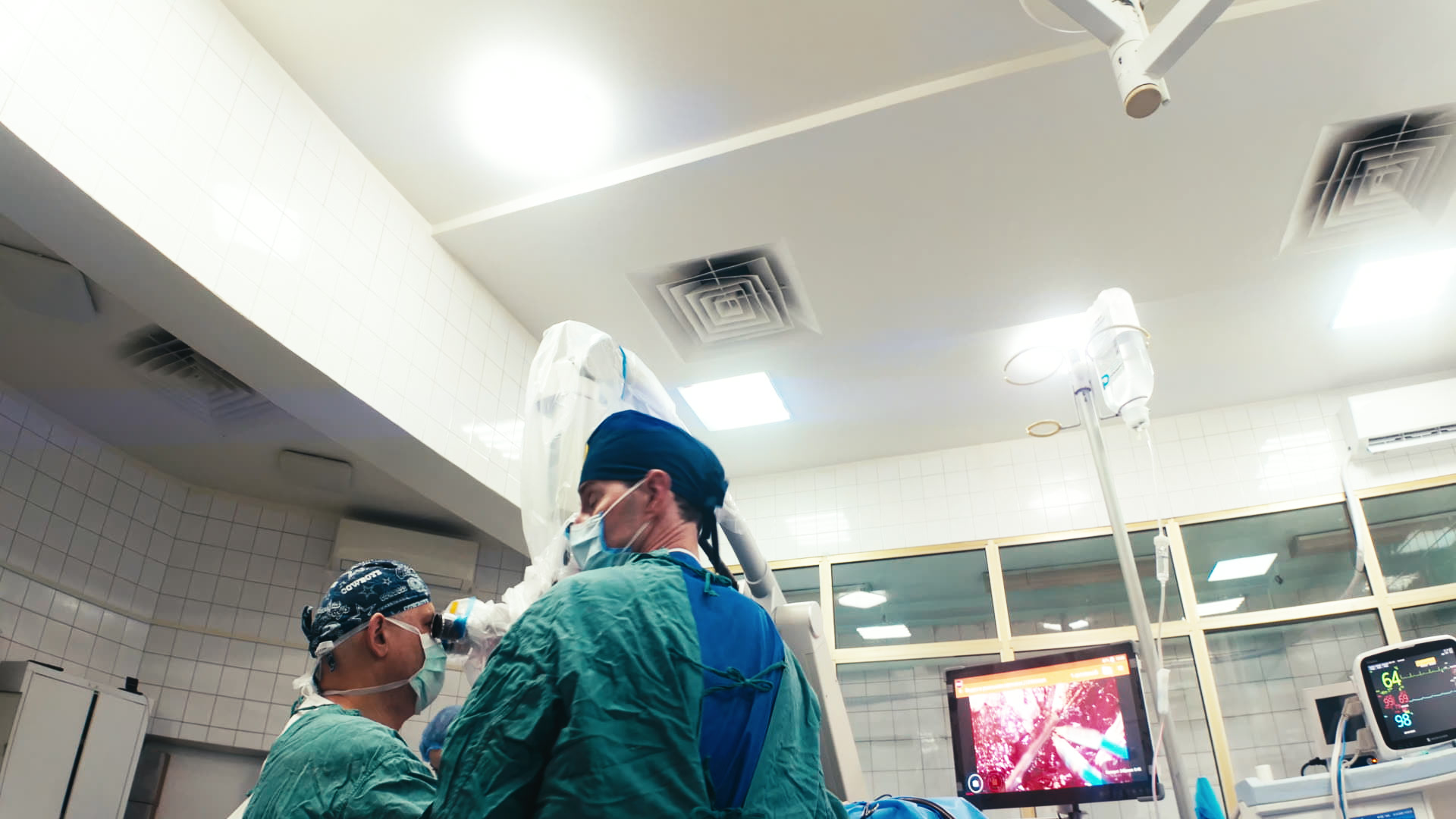
Speaker
00:00:00 (Transcript content available)
Speaker
00:00:00 (Transcript content available)
Speaker
00:00:00 (Transcript content available)
Speaker
00:00:00 We're looking for the biggest wing the cowboys are going to see all season.
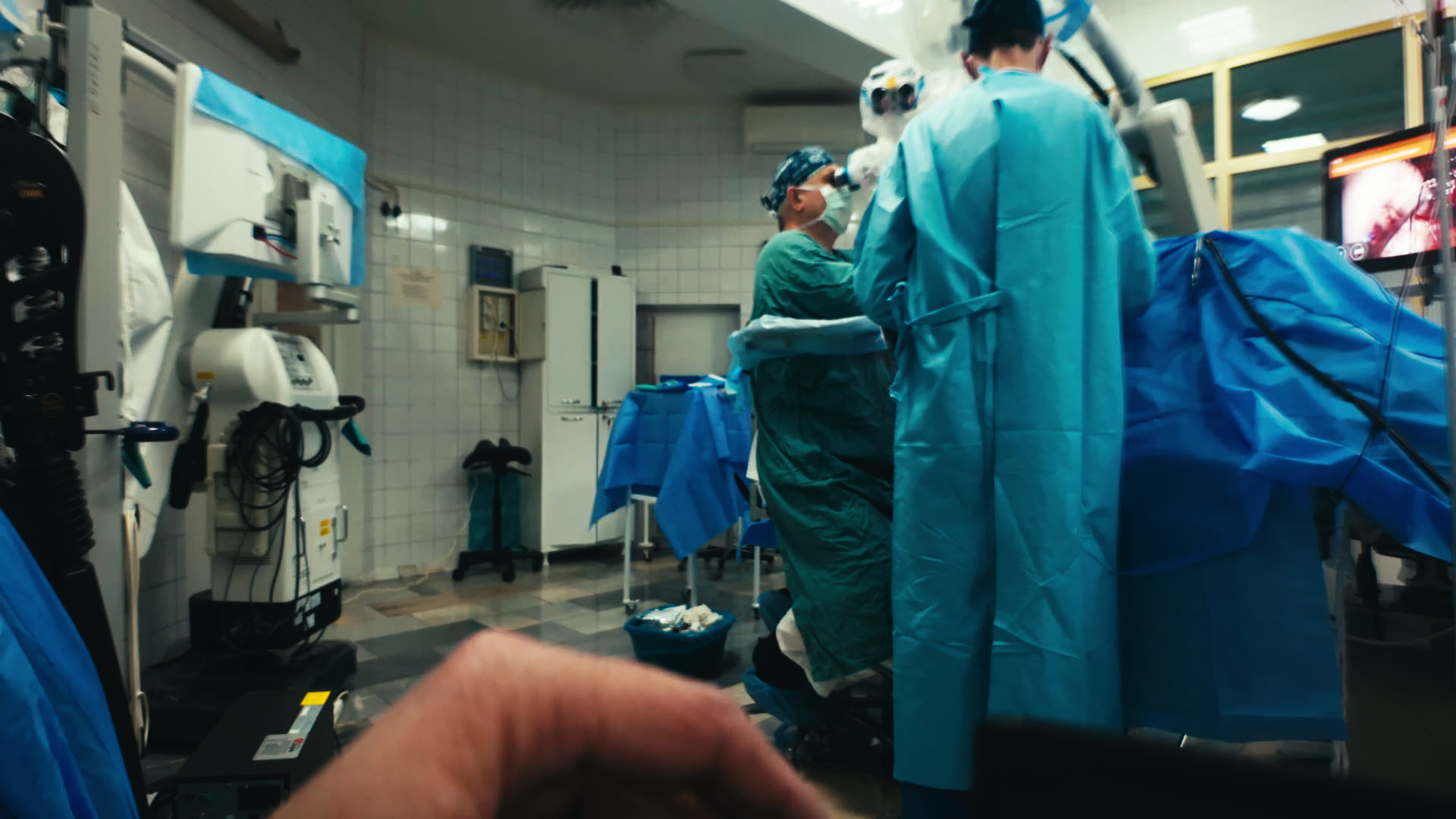
Speaker
00:00:00 「食べてみましょう」
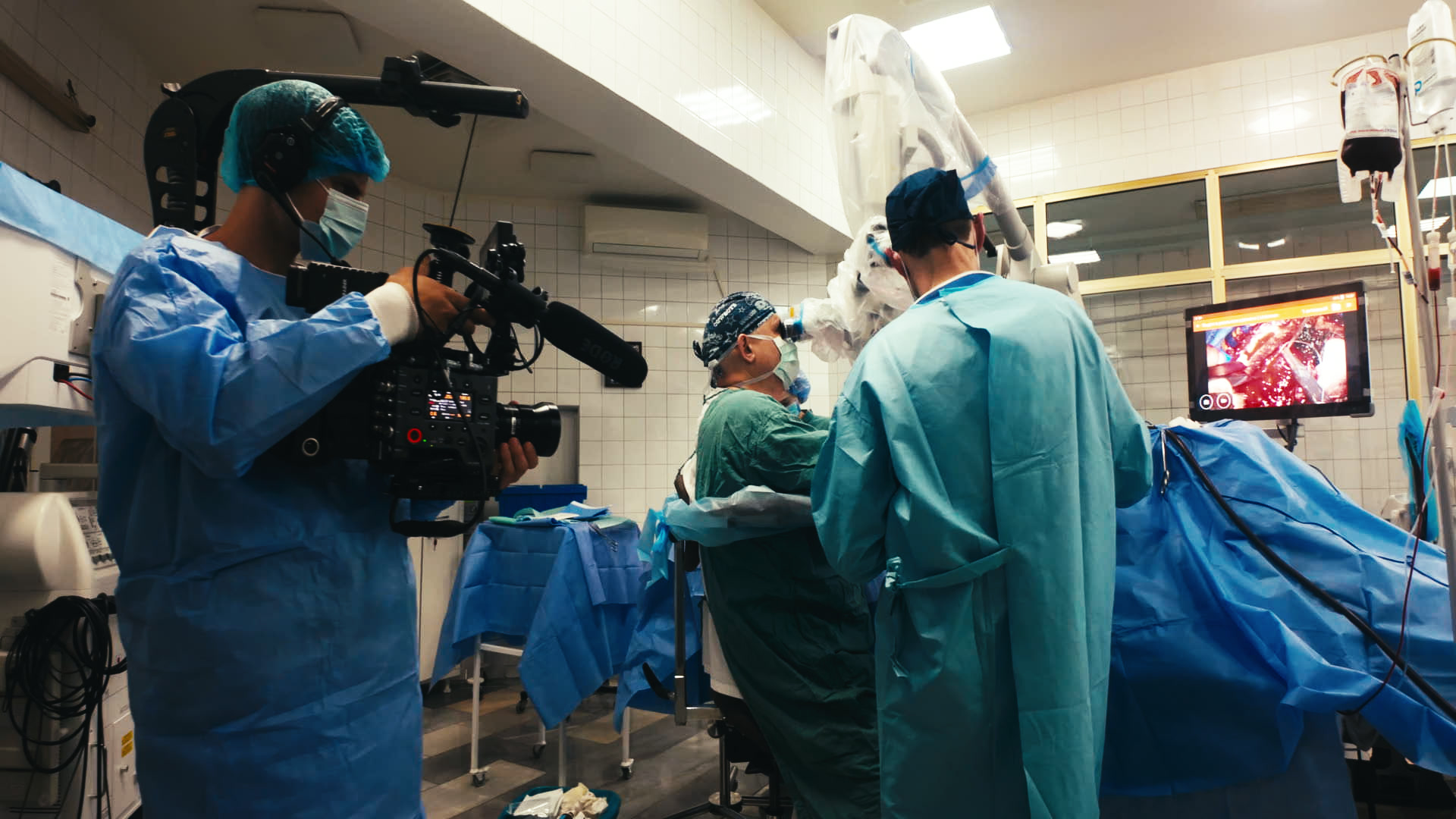
Speaker
00:00:00 (Transcript content available)
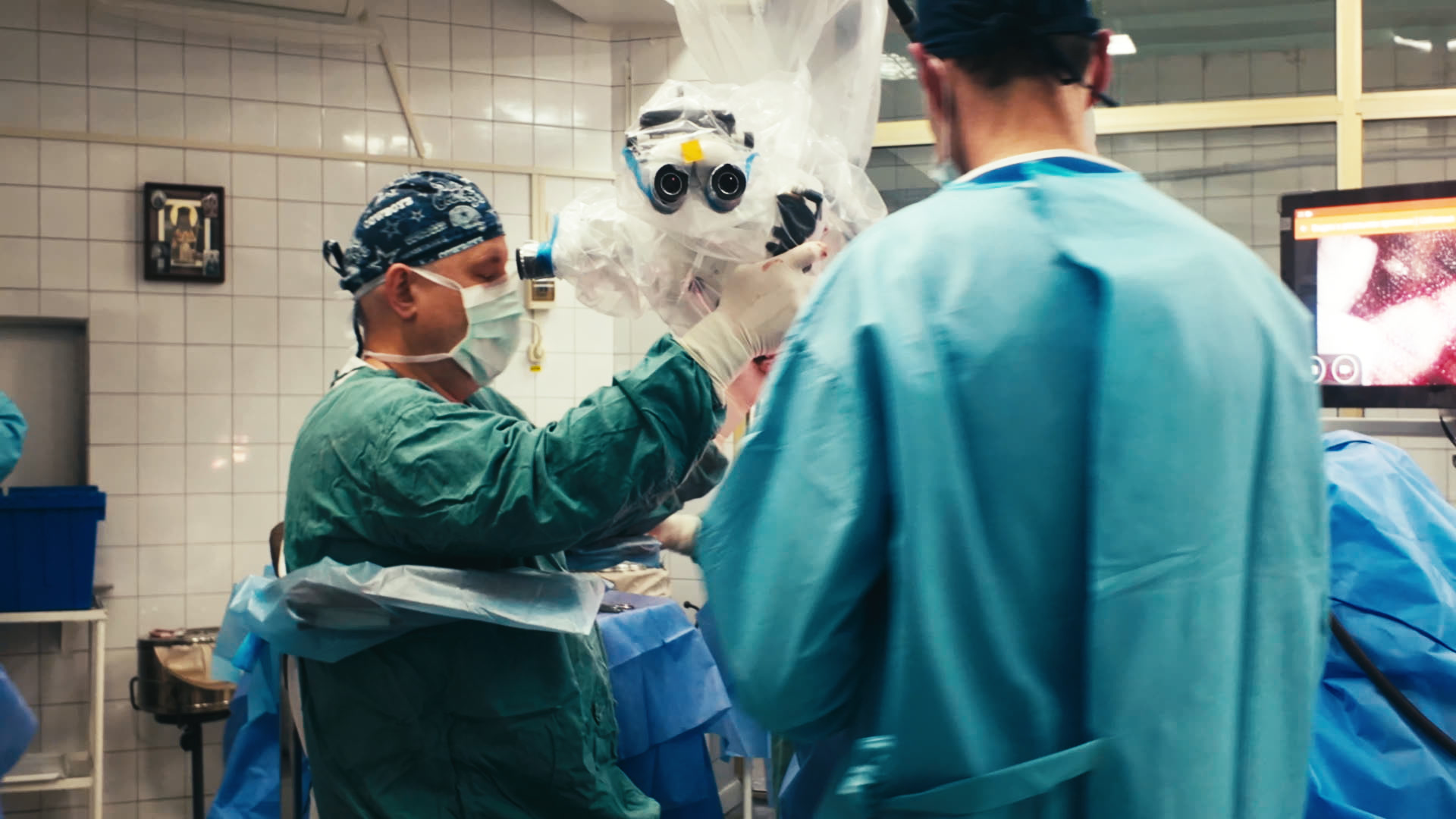
Speaker
00:00:00 (Transcript content available)
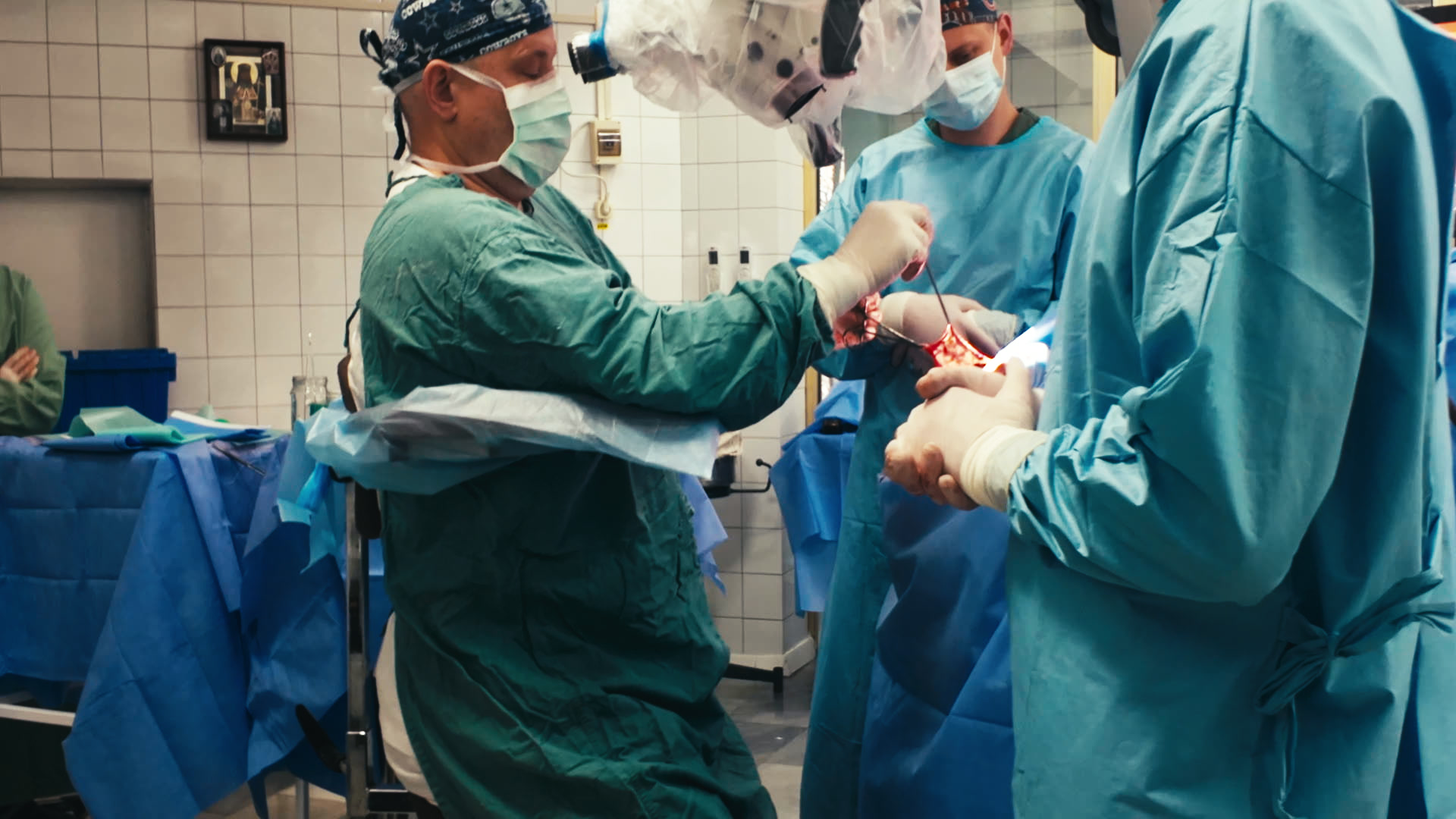
Speaker 1
00:00:00 He's oh my goodness he's holding it up for us.
Speaker 2
00:00:00 He's oh my goodness he's holding it up for us.
Speaker 1
00:00:04 It's okay. It's okay. It's okay. Take your time.
Speaker 3
00:00:33 Sorry, would you guys be able to move the light off of it? Yeah, if you move the light off, I can actually see it. - It's kind of, yeah. - I can move. - Oh, there you go, yeah. - Okay, so here's the left hemisphere, here's the right hemisphere, this is the area in the middle. The tumor destroyed a lot of the dura, so Andre is an expert at taking this,
Speaker 1
00:00:00 He's oh my goodness he's holding it up for us.
Speaker 2
00:00:00 He's oh my goodness he's holding it up for us.
Speaker 1
00:00:04 It's okay. It's okay. It's okay. Take your time.
Speaker 3
00:00:33 Sorry, would you guys be able to move the light off of it? Yeah, if you move the light off, I can actually see it. - It's kind of, yeah. - I can move. - Oh, there you go, yeah. - Okay, so here's the left hemisphere, here's the right hemisphere, this is the area in the middle. The tumor destroyed a lot of the dura, so Andre is an expert at taking this,
Speaker 2
00:00:53 which is the pericranium, which is the tissue that covers the bone. And most intersurgents just think this gets in the way,
Speaker 4
00:01:00 but Andre is a master in using it to reconstruct the dura, to cover the titanium mesh that we use with the bone back and to repair the inside the scalp. It's always an educational experience
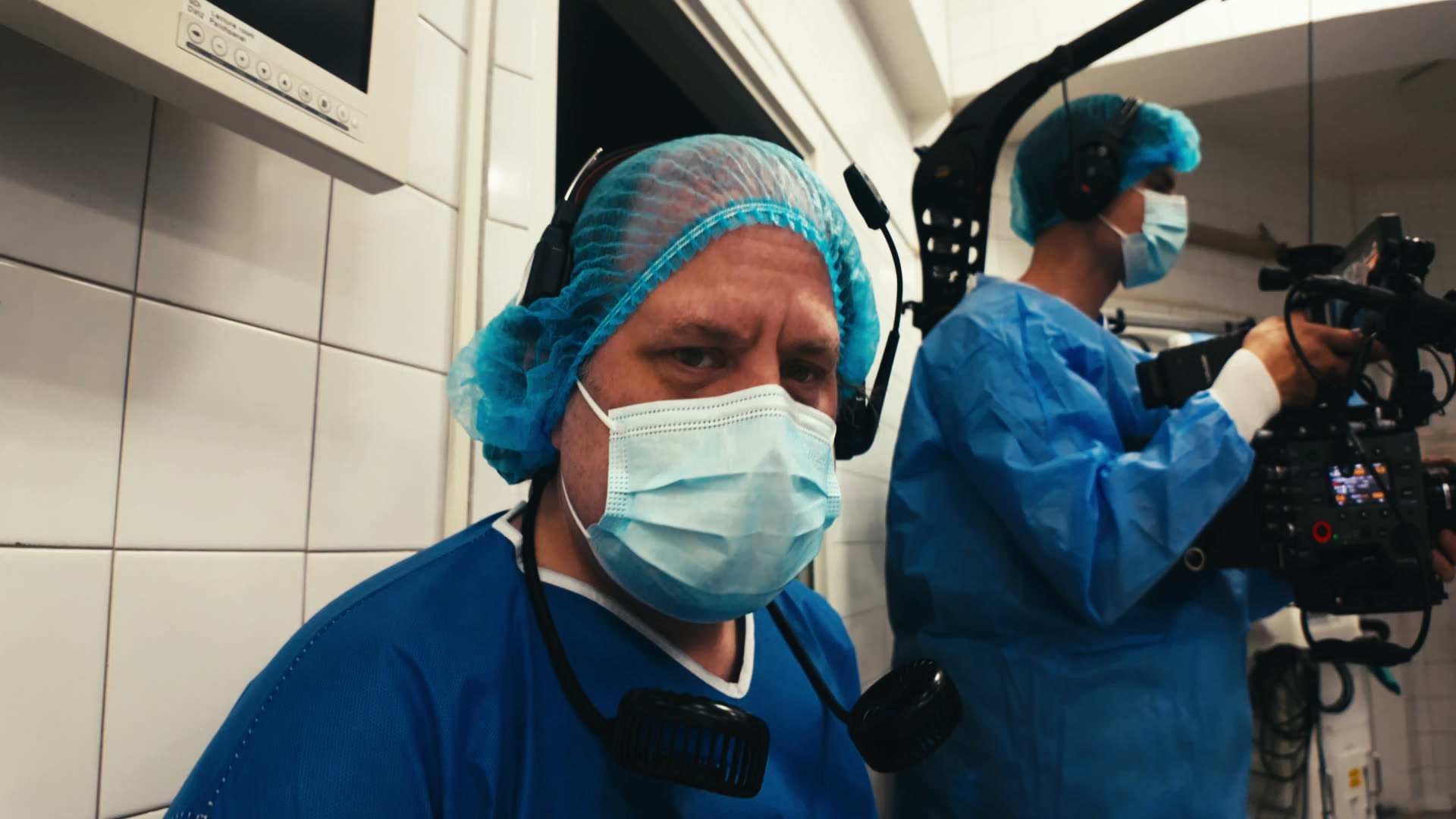
Speaker
00:00:00 So that was a little crazy ATS.
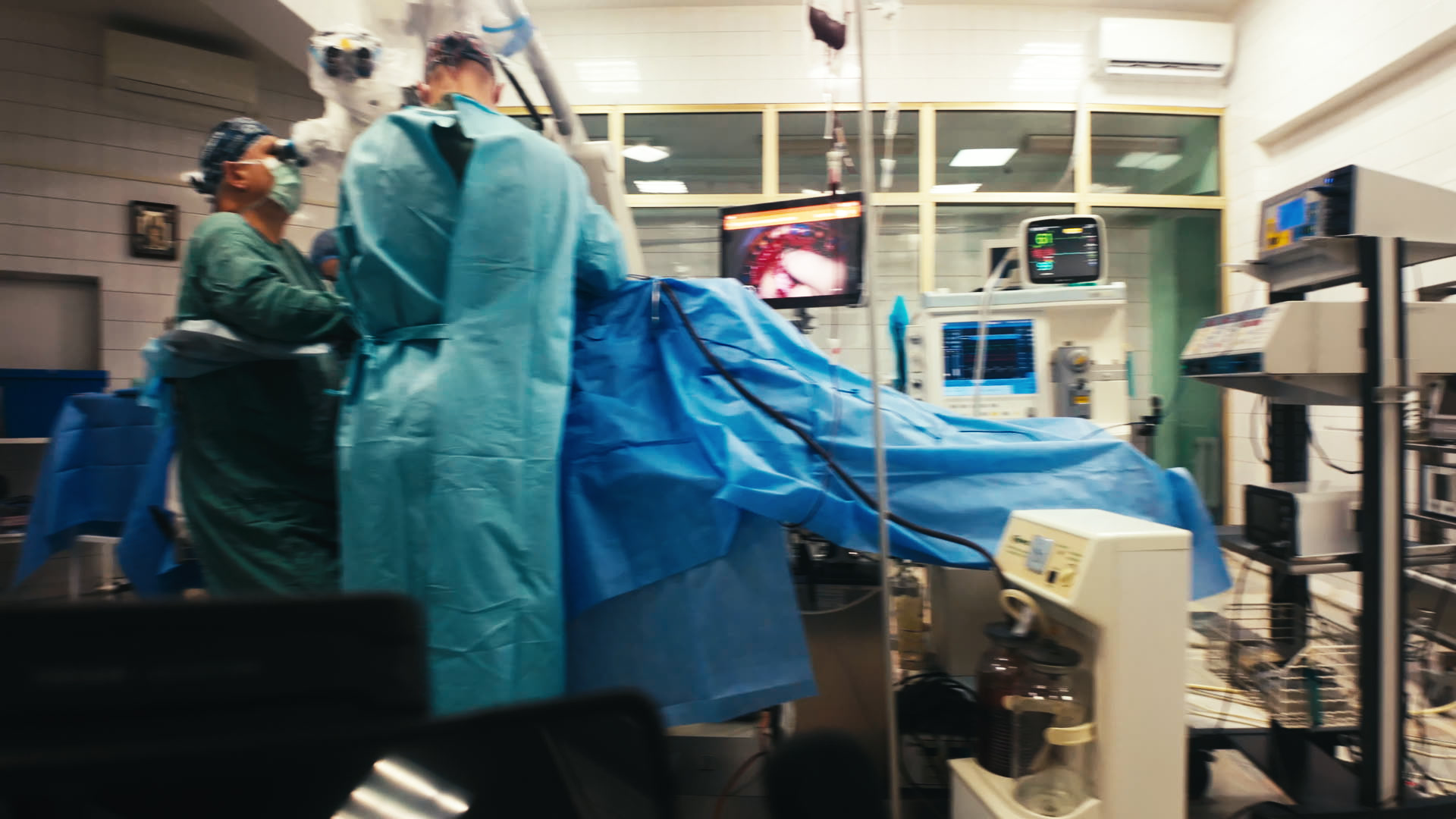
Speaker
00:00:00 (Transcript content available)
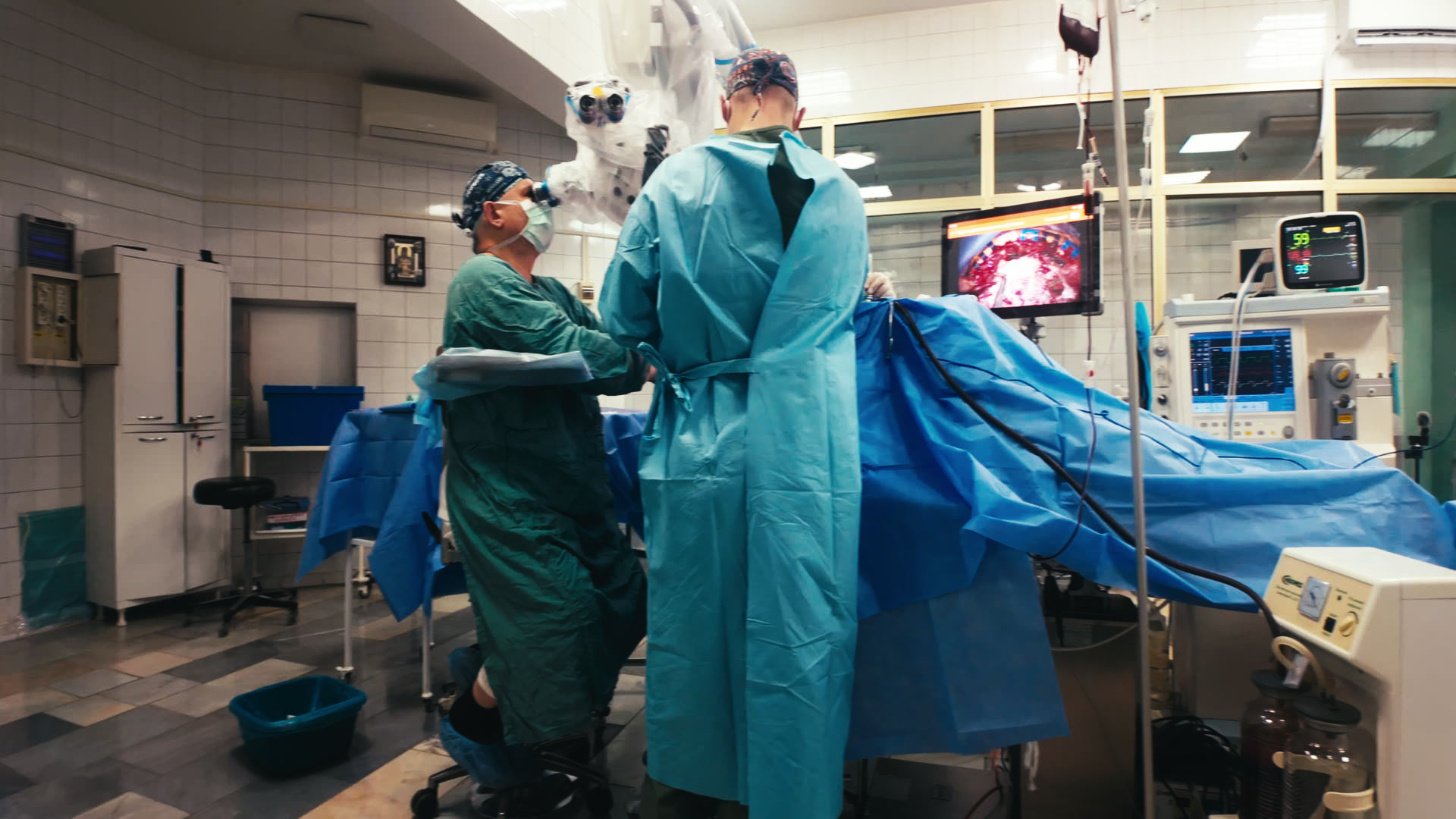
Speaker 1
00:00:00 So can I make a brief editorial comment in front of the camera and if I look away, So can I make a brief editorial comment in front of the camera and if I look away, I'll look against somebody else? Is that the best way to do it? Say it again. If I just want to make a brief editorial comment now to explain something,
Speaker 2
00:00:21 should I just, you know, look directly at the camera or look at the camera? You either look directly at the camera unless I'm there, right?
Speaker
00:00:00 (Transcript content available)
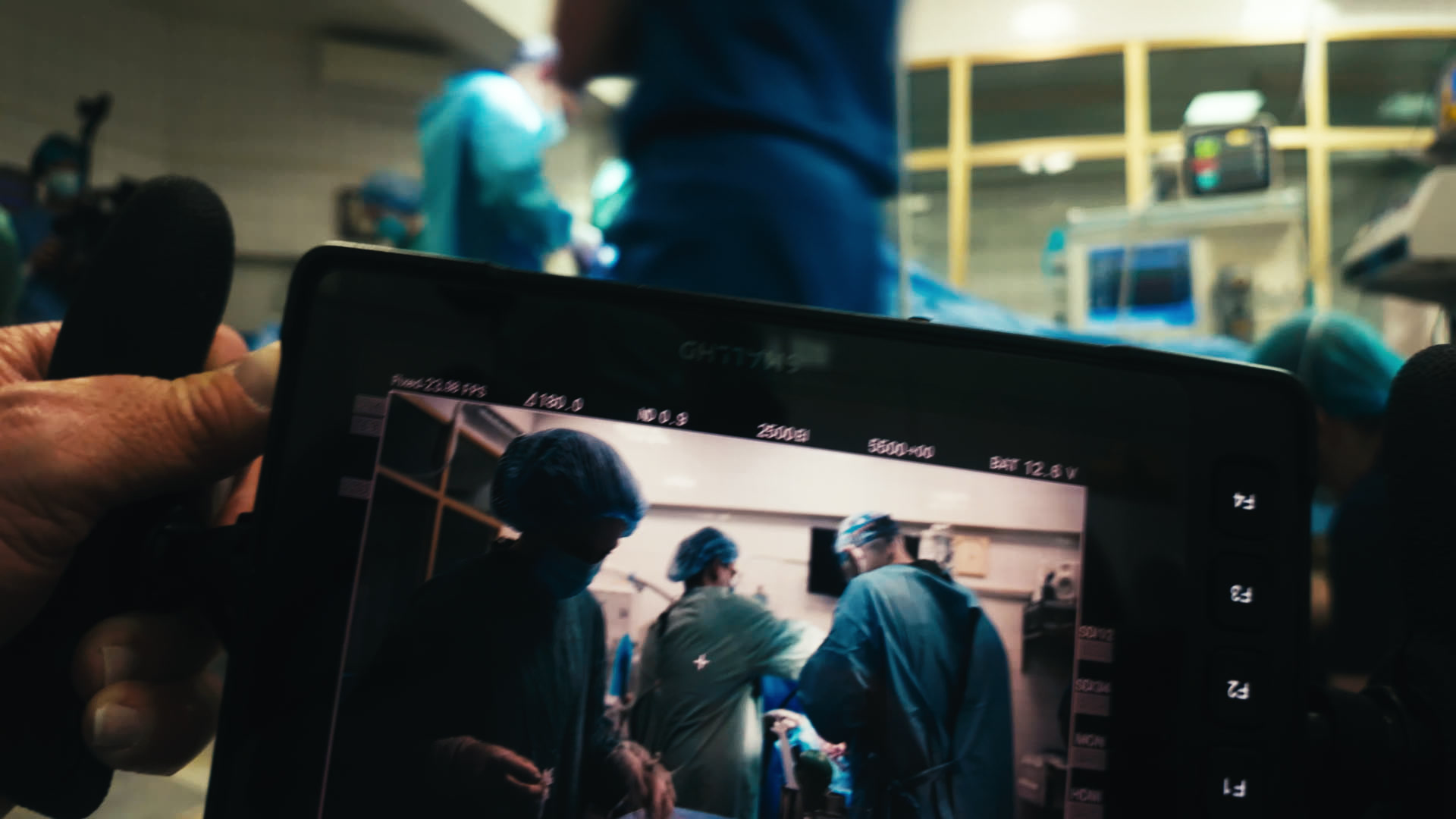
Speaker 1
00:00:00 Logan, Andre's on his way out.
00:00:00 Logan, Andre's on his way out.
00:00:32 [RUS] [NEEDS_TRANSLATION] - А что она убрала? - Когда она убрала?
Speaker 2
00:00:36 [RUS] [NEEDS_TRANSLATION] - Когда она убрала? - Когда она убрала? [RUS] [NEEDS_TRANSLATION] - Воля. - Ну, убрала. [RUS] [NEEDS_TRANSLATION] - Вы думаете, вы разрешили ее? - У меня, что она устала.
Speaker 1
00:00:00 Logan, Andre's on his way out.
00:00:00 Logan, Andre's on his way out.
00:00:32 [RUS] [NEEDS_TRANSLATION] - А что она убрала? - Когда она убрала?
Speaker 2
00:00:36 [RUS] [NEEDS_TRANSLATION] - Когда она убрала? - Когда она убрала? [RUS] [NEEDS_TRANSLATION] - Воля. - Ну, убрала. [RUS] [NEEDS_TRANSLATION] - Вы думаете, вы разрешили ее? - У меня, что она устала.
Speaker 3
00:00:48 [RUS] Volya. - Yes? [RUS] [NEEDS_TRANSLATION] - Ну, мог ее уволить. - Конечно. [RUS] [NEEDS_TRANSLATION] - Но она за ней не успеет, что за моей дешевле. - Не уследить?
Speaker 1
00:00:56 Yes. Well done sir, I caught it, I caught it.
Speaker 2
00:01:27 A lot of fun to watch you wear. Let's go. Are you going to talk to the dollar? Yes, in my little-- OK. --in a little-- Thank you, Paul. Thank you. Yeah, can you-- Yeah, can you--

Speaker
00:00:00 (Transcript content available)
Speaker
00:00:00 And one more, you stay.
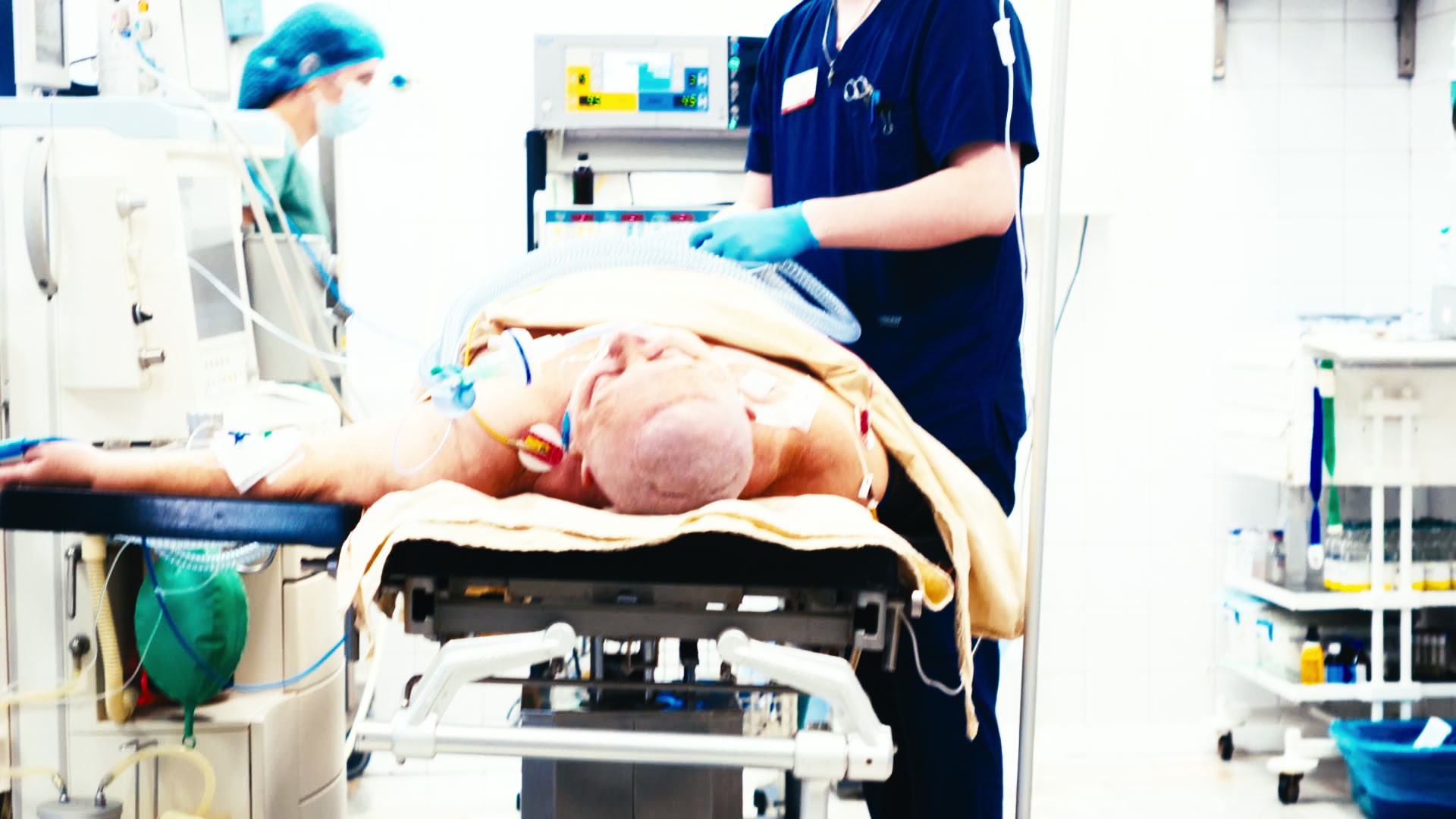
Speaker
00:00:00 (Transcript content available)

Speaker 1
00:00:00 see before the injury yeah yeah and after the injury he has lost his eyes it's without protest yeah
Speaker 2
00:00:00 see before the injury yeah yeah and after the injury he has lost his eyes it's without protest yeah

Speaker 1
00:00:00 [UKR-NEEDS] Коли ми бачимо в реанімаційному відділенні 50 молодих хлопців, які дихають тільки за допомогою апаратів,
00:00:39 [UKR] Speaker 1: When we see in the intensive care unit 50 young guys who breathe only with the help of machines, [UKR] Speaker 1: We all understand that the enemy simply wants to kill us, and we are doing everything possible to survive. [VO CANDIDATE] [UKR] Speaker 1: Every day dozens of operations together with our colleagues from America are conducted at Mechnikov Hospital. [UKR] Speaker 1: Already 130 neurosurgical operations have been performed, which allowed our most critical patients to survive.
00:01:32 [UKR] Speaker 1: Yesterday an extremely difficult operation, the day before an operation that saves lives. [UKR] Speaker 1: And this is all with the help of Alex Volodko, who is constantly around the clock with our professor Andriy Sirko. [UKR] Speaker 1: When you see these guys who have their eyes knocked out, who have no limbs, you understand how much international help is needed today. [VO CANDIDATE] [UKR] Speaker 1: Alex Volodko, a true neurosurgeon who helps and teaches all of us today how to save the most critical patients.
00:02:26 [UKR] Speaker 1: And takes experience from our professors, doctors who have already done almost thousands of operations and saved lives.
Speaker 1
00:00:00 [UKR-NEEDS] Коли ми бачимо в реанімаційному відділенні 50 молодих хлопців, які дихають тільки за допомогою апаратів,
00:00:39 [UKR] Speaker 1: When we see in the intensive care unit 50 young guys who breathe only with the help of machines, [UKR] Speaker 1: We all understand that the enemy simply wants to kill us, and we are doing everything possible to survive. [VO CANDIDATE] [UKR] Speaker 1: Every day dozens of operations together with our colleagues from America are conducted at Mechnikov Hospital. [UKR] Speaker 1: Already 130 neurosurgical operations have been performed, which allowed our most critical patients to survive.
00:01:32 [UKR] Speaker 1: Yesterday an extremely difficult operation, the day before an operation that saves lives. [UKR] Speaker 1: And this is all with the help of Alex Volodko, who is constantly around the clock with our professor Andriy Sirko. [UKR] Speaker 1: When you see these guys who have their eyes knocked out, who have no limbs, you understand how much international help is needed today. [VO CANDIDATE] [UKR] Speaker 1: Alex Volodko, a true neurosurgeon who helps and teaches all of us today how to save the most critical patients.
00:02:26 [UKR] Speaker 1: And takes experience from our professors, doctors who have already done almost thousands of operations and saved lives.
00:02:37 [RUS] Speaker 1: Alex, very pleased.
00:02:42 [UKR] Speaker 1: Good work, good work. We very much appreciate everything that is being done here at Mechnikov Hospital, [UKR] Speaker 1: by these teams of American surgeons, neurosurgeons who save lives. [UKR] Speaker 1: He is a true hero for us today who came in order to operate on [UKR] Speaker 1: the most critically wounded hero. Thank you. [UKR] Speaker 1: This is a world-famous American neurosurgeon who specializes in neurotrauma. [UKR] Speaker 1: And with Andriy Sirko they are doing great work to save the most critical heroes.
00:03:34 [UKR] Speaker 1: These are those who have no chances. These are those who lose 3-4 liters of blood. [UKR] Speaker 1: And we understand that without such help, without such participation, when you need to stand for 10 hours in the operating rooms, there would be no success. [UKR] Speaker 1: Therefore today our respect to the doctors and Alex Volodko is a symbol of international aid. [UKR] Speaker 1: Thank you. [UKR] Speaker 1: Thank you. [UKR] Speaker 1: Andriy Hryhorovych will tell about all the moments of our surgical interventions.
00:04:22 [UKR] Speaker 1: With Alex they are powerful, very powerful surgeons. [UKR] Speaker 1: But, unfortunately, the relatives don't want us to show our heroes. [UKR] Speaker 1: One thing I can say is that when you enter the second intensive care, [UKR] Speaker 1: you see these dozens of lifeless bodies, it becomes very difficult. [UKR] Speaker 1: To think that today these young guys, who are 30, 35, 40, 45, unfortunately, after the war survive with great difficulty. [UKR] Speaker 1: Very difficult. And many of them become disabled. [UKR] Speaker 1: Thank you. [UKR] Speaker 1: Thank you.
Speaker 2
00:05:32 [RUS] Speaker 1: already in the corridor. [RUS] Speaker 2: Yes, after the operating room you can report.
Speaker 3
00:05:37 [RUS] Speaker 1: Come on. [RUS] Speaker 3: By the meeting quickly, there I will provide you immediately
Speaker 1
00:05:53 [RUS] Speaker 3: for voting, so you have time to go there. [RUS] Speaker 1: Yes, brother, we won't drag it out there. [RUS] Speaker 1: We don't drag it out, we...
00:06:00 [RUS] Speaker 1: Maybe say a word, shall we? [RUS] Speaker 1: Someone must definitely say something. [RUS] Speaker 1: You prepare, that... [RUS] Speaker 1: I think we will entrust this to Vitaliy. [RUS] Speaker 1: That he said that finally we are solving important issues for people. [RUS] Speaker 1: And someone from the women should speak. [RUS] Speaker 1: It's very important that the most important issues... [RUS] Speaker 1: Right here.
00:06:55 [RUS] Speaker 1: no, we'll open it slightly
Speaker 4
00:07:09 [RUS] Speaker 1: well, well, well, well, well, well, well, well, now [RUS] Speaker 4: Yuriich, need to turn on the light here [RUS] Speaker 4: Oh, okay [RUS] Speaker 4: - We'll do it in the corridor. [RUS] Speaker 4: - Okay, no need.
00:07:30 [RUS] Speaker 4: - This is OR, somewhere?
00:07:32 Speaker 4: - Yes.
Speaker 1
00:07:33 [RUS] Speaker 4: - If we can open the OR and see... [RUS] Speaker 1: - We can open it. [RUS] Speaker 4: - Come on. [RUS] Speaker 1: - Yes, let's open it.
Speaker 3
00:07:53 [UKR] Speaker 1: corridor, you can't see the smell there
00:07:57 [RUS] Speaker 3: against the background of this dressing room [RUS] Speaker 3: these scrubs
Speaker 4
00:08:00 [RUS] Speaker 1: well they themselves [RUS] Speaker 4: yes yes
00:08:19 Speaker 4: I think it looks good. Speaker 4: I think it looks good. Speaker 5: I think it's better standing. Speaker 4: Alright, Ricky.
00:08:30 Speaker 4: Stand or stand? Speaker 4: Stand. Speaker 4: Stand. Speaker 4: And then I'll have her do the interview for me.
Speaker 5
00:08:38 [RUS] Speaker 4: Good.
00:09:08 [UKR] Speaker 5: Can you look at me? [UKR] Speaker 5: Yes, good. [UKR] Speaker 5: Please say a few sentences about the importance of Mechnikov Hospital right now.
Speaker 1
00:09:18 [UKR] Speaker 1: Today Mechnikov Hospital is an outpost that saves thousands of wounded heroes. [UKR] Speaker 1: More than 50 thousand critically wounded have come through our walls and operating rooms. [UKR] Speaker 1: And tens of thousands of them received head wounds, limb wounds.
Speaker 5
00:09:42 [UKR] Speaker 1: And today in these operating rooms we do everything to save their lives. [VO CANDIDATE]
Speaker 1
00:09:48 [UKR] Speaker 5: What does it mean for you and for the hospital that such doctors as Alex, as Rocco come to you? [UKR] Speaker 1: Alex Volodko and Rocco Armondo today are symbols of international aid. [UKR] Speaker 1: They perform operations around the clock, save lives together with Ukrainian neurosurgeons and professors. [UKR] Speaker 1: It is very important that this experience that we have, that American neurosurgeons have today,
Speaker 5
00:10:26 [UKR] Speaker 1: be established here to save lives.
Speaker 1
00:10:32 [UKR] Speaker 5: And what, in your opinion, should everyone hear about Dnipro, about your work? [UKR] Speaker 1: First of all, that today hundreds of Ukrainians suffer from war every day. [UKR] Speaker 1: It's not only military, but also civilians who live near the front line. [UKR] Speaker 1: These are those who are near the front line, where bombs, rockets are dropped, FPV drones fly, and everything is done to kill Ukrainians.
Speaker 5
00:11:08 [UKR] Speaker 1: The whole world must know about this and help us defend ourselves. [VO CANDIDATE]
Speaker 1
00:11:17 [UKR] Speaker 5: Say a few words about Andriy Hryhorovych.
00:11:43 [RUS] Speaker 1: for the entire neurosurgical community, [RUS] Speaker 1: so that in the future we can save lives. [RUS] Speaker 1: We value everyone who comes to us today [RUS] Speaker 1: for the sake of salvation. [RUS] Speaker 1: Thank you.
Speaker 5
00:12:08 [RUS] Speaker 1: Let me also say "glory to USA".
Speaker 1
00:12:11 [UKR] Speaker 5: Last question. What, in your opinion, does it mean for you to be Ukrainian now and to be people from Ukraine? [UKR] Speaker 1: Well, first of all, it's to defend Ukraine, to be a patriot of our country. [VO CANDIDATE] [UKR] Speaker 1: And most importantly, to save Ukrainians who are in trouble every day.
Speaker 4
00:12:35 [UKR] Speaker 1: Glory to Ukraine, glory to USA.
00:12:41 Speaker 4: Well, the last one was: he grew up without Ukraine, and now he has Ukraine. Speaker 4: We don't want to lose it. Speaker 4: That kind of thing. Speaker 4: What does it mean to have this country?
Speaker 5
00:12:58 Speaker 5: I understand that it's based on the Soviet Union, Speaker 5: but the Ukraine has not existed.
Speaker 1
00:13:05 [UKR] Speaker 5: What does it mean for you now that this country exists and it's under threat and needs to be preserved? What is your opinion about this? [UKR] Speaker 1: It is first of all freedom. This is freedom, which today gives the right to live freely in the big world of free people. [VO CANDIDATE]
Speaker 4
00:13:24 [UKR] Speaker 1: Therefore we all, all Ukrainians strive today for this freedom, which will allow us, our children, our grandchildren to live in a civilized world. [VO CANDIDATE]

Speaker 1
00:00:00 We'll always have the train.
Speaker 2
00:00:00 We'll always have the train. They're walking in their room tonight, room, point out, sitting at the theater or something, and you guys obviously take it with the other ones. Okay, we're sleeping together. I was like, what happens in Dnipro? Or on the way to Dnipro? All right, so, oh, my body, or am I just sit like this?
Speaker 1
00:00:20 Okay, I'm remembering on my media train. No, like, literally, this is, what I want more than anything for this is for you to just be reflective.
Speaker 2
00:00:37 And, you know, we even, like, this is going to be likely the end of the first five minutes of the film. Okay, let me say the end of the first five minutes? 20 minutes. Okay, so let me say something I was interested in Anastasia. She seemed really kind of bothered today, you know. She didn't want to go into patient's rooms. You know it would have been helpful. You know it would have been helpful.
Speaker 1
00:00:00 We'll always have the train.
Speaker 2
00:00:00 We'll always have the train. They're walking in their room tonight, room, point out, sitting at the theater or something, and you guys obviously take it with the other ones. Okay, we're sleeping together. I was like, what happens in Dnipro? Or on the way to Dnipro? All right, so, oh, my body, or am I just sit like this?
Speaker 1
00:00:20 Okay, I'm remembering on my media train. No, like, literally, this is, what I want more than anything for this is for you to just be reflective.
Speaker 2
00:00:37 And, you know, we even, like, this is going to be likely the end of the first five minutes of the film. Okay, let me say the end of the first five minutes? 20 minutes. Okay, so let me say something I was interested in Anastasia. She seemed really kind of bothered today, you know. She didn't want to go into patient's rooms. You know it would have been helpful. You know it would have been helpful.
00:01:00 And it's her just hanging back. And we were walking out together and I asked her how she's doing. She made a comment that the drilling, you know, the drilling of the skull, it got really loud. And then the smell really bothered her for some reason. And I'm thinking, you know, we're all visitors. We're laughing and joking about this. She has to live this every day. You know, we're out of here next week. And she's not. I don't want to say this on film, because then this becomes like a reality TV show. I don't want to say this on film, because then this becomes like a reality TV show.
Speaker 1
00:01:27 I don't have any of my Ukrainian flag mandates anymore. I don't know what happened to my... Anyway. We're all gossiping about each other. That's not good either. Oh, you mean if you want to talk to me? Yeah, I'm talking to a camera about a member of our team. How this affects her. No, I think you... Well, I think, I, you know, I don't know. I mean, it's an interesting question. Tell you what. Laura's doing a great job doing me. Are you rolling right now? We are rolling. Yeah. Well, I think he. So the other thing I thought was really gratifying was.
Speaker 2
00:02:09 I got to get a mic on you. Yeah. Yeah. Don't. I mean, we do have the shop. I don't know what you want to say. Where did I leave the mic now? There's one over there. Is that the one that's on the TV? Yeah. All right. All right. Yeah, I mean, I think it's our disease.
Speaker 1
00:02:31 I think it's a chocolate. It's not chocolate. I don't know what happened to all the lights. She does-- keep that thought. She does-- keep that thought. Hey, guys. You know, people are going to think this is just some logo for some obscure clothing brand or something. Trust me, I've had this shirt probably longer You guys have been alive. You can finish that thought. You seem to have to be going with something, and then you can answer to me. Well, just seeing the people in the hallway. Well, just seeing the people in the hallway.
Speaker 2
00:03:04 Oh, you mean the patients stacked up in the hallways? Yeah. And I'm going to get closer to you. All right. All right. So we were talking about how you could tell people were very happy to see me there. I mean, there's genuine hugging and smiling and stuff like that and telling me they're so happy to have me back. It means a lot to them. When someone comes all the way from the United States, regardless of what we do while we're here,
Speaker 1
00:03:31 just by virtue of the fact that you're making all the effort to come here and show support that way means a lot to them. Yeah, but it also means a lot to you. I could feel your joy at being back and greeting the people.
Speaker 2
00:03:49 That's a good point. So this originally kind of started, I've told you this story, when I heard Rocco Ramon to speak at a meeting over two years ago now, and he described his experience in Ukraine.
00:04:00 Then I got to talking to him and said, "How did this all work out?" And the light bulb went off in my head, right? It's like, wow, he's actually doing something to try to make a difference, maybe in only a small way, but it's pushing things in the right direction. And that's what was motivating me initially, trying to help and be part of something big. Now it's personal. Now I know these people. We're friends. We've scrubbed on tough cases together. We've done CPR in the ICU.
00:04:30 We're around there on some really sick people. So we really do care about them. Ander's circle does a great job of keeping Rocco and me in the loop every day via our WhatsApp chat about what's going on, not only in the country, but what's going on with the people in the hospital. So they really are like friends, and you want to help your friends when they're
Speaker 1
00:04:50 in trouble. You know, Alex, we've talked about this enough times that it's kind of hard to be, come out as the first time, but I feel like this is a great spot for you to sort of just reflect like you did when we first met on you've had numerous positions awards all of these things where you know i know you've said it before but like the this i think this is a good setting for it because you know we're going to have this like everything in the film is going to come to this end of the you're wrapping up the the first 20 minutes and i think this is a great place to
Speaker 2
00:05:30 get that information out. So I've been incredibly blessed to have, by most objective measures, have a great career. I've done a lot more things than I ever could have dreamed of doing. Things that you can put on your resume or check boxes on. I've been president of one of the major national societies. I've been involved with the American Board of Neurological Surgery as the vice chair level and done some work there. NIH study section where you're actually supposedly a smart person, invited to review research grants, and you learn a lot. It's a lot of hard work, and it's an honor to be invited. And at this point in my career, a lot of people kind of start slowing down, you know, heading for the exit, and I had no plans to do that.
00:06:18 And that's why it's so exciting to be involved in something like Ukraine, because all those things I just mentioned, they're very important. And I don't mean to downplay how important they are for my specialty and for the professional medicine as a whole, but they can't compare to trying to help in a war. And people ask me, "Well, what difference are you making? You're just one person." Yeah, but you get enough, one here, one there, it does tend to make a difference. And if nothing else, I think it gives the Ukrainian people some encouragement, because no surprise. Every Ukrainian I've talked to says, "Thank you for coming. We really appreciate your support." And what struck me is talking to someone yesterday where she mentioned that
00:07:04 every Ukrainian is a volunteer. They go home and they try to volunteer and do something in their spare time to help their country. She started a small company that makes first aid kits. Maybe cut the tape. I'm talking about Anastasia, so maybe you shouldn't go into that much detail but people yeah we're talking about how um she said everyone in Ukraine is a volunteer and it reminded me a lot of the United States in World War II right gas rationing and meat rationing and coupons and all that stuff the whole country was in a hundred percent and you know Ukraine's at
00:07:49 100% most Americans aren't even aware of what's happening here. Every once in a while there's a story in the news, but it's different being here. And I really think it does make a difference. You know, like I said, not to disparage what I've done in the past, not to disparage the people who are doing those very important things now, but this takes it to a whole new level. You know, the joke I make with people is, "Would you trade a walk-on part in the war for a lead role in a cage?" was over the age of 50 or 60 probably recognized that as a Pink Floyd lyric. And not that I was playing a lead role in a cage, I was playing a lead role in kind of a stereotyped vision
00:08:30 of success in academic medicine in America. And I still value that and that's important. But kind of comparing that to having a walk-on part in a war, literally, is one thing that motivates me to keep doing this. And now they're my friends. So I keep reassuring them we're not going anywhere. You know, I saw one of them this morning. I reminded her that when I was leaving my last visit, she said, please don't forget about us. And I told her today, I said, I didn't forget about you guys, but I'm not going to. I mean, I'm here for the duration and I'll be helping with the
Speaker 1
00:09:04 reconstruction as well. Tell us about the journey here this time and give us a few things that you gave us on the train, but like, you know, the trip and how we were there right before an airstrike. And then when we get to the hotel, we just check in.
00:09:30 When you get to the hotel, you just check in. their rates that are on the top, you know. And then, like-- - Okay, well, let's take those one at a time. So, yeah, thinking about the train ride.
Speaker 2
00:09:46 Actually, our little crew here had a heck of a time getting to Warsaw on time, but once we did, it was pretty straightforward. You get on the train from Warsaw to Helm at the border and get on the other train. We were lucky we didn't get attacked. You know, I made that joke when we arrived at 7:00 AM the next morning, you know, we made it through. But we have a pretty long layover at Keeve in the middle of the night. I don't know the exact time. Was it midnight or something like that? That's like half an hour, maybe longer. But apparently just maybe an hour or two after we left, Keeve got attacked. You know, early that Sunday morning, you know, we were gonna arrive at 7:00, so an hour or two before that, and I was just checking the news updates
00:10:30 on the apps on my iPhone and saw the big update, you know, Kiev attacked by missiles at 2:35 a.m. Like, you know, we-- well, actually, I got to be careful. Maybe not missiles, you know, maybe drones, but Kiev was attacked by Russian, you know, airborne weapons. Then you got to thinking, yeah, maybe that could have been us.
Speaker 1
00:10:58 Now, let's do it one more time and say, instead of it being about the crew, just say, "I" or the train. You can say, "we," but like, "Once I finally got to the train," "It seemed pretty easy," something like that. Just to take us out of it. I'm not sure yet, well, take us out of it. - Okay, you're right, all right. So say that over again. - As if we're not here, we weren't here with the journey.
Speaker 2
00:11:25 It's like you were-- So the trip here was actually pretty smooth.
00:11:30 You had no problem with the flights over and getting to Warsaw, getting up early the next morning, getting on the train. The ride itself was pretty uneventful. I was able to get some work done. And we were supposed to pull... I was supposed to pull in a kiev, or our train was supposed to pull in a kiev. It's fine when you say we, because we as a train... So we were supposed to pull into Tanyipro at 7 a.m. on Sunday, and maybe at 5 or 6 a.m. I had gotten up and was just checking news updates on the apps on my phone and saw that Keeve had been attacked at 2.35 that morning. And we have a pretty long layover at Keeve. I was asleep for most of it, but it's around midnight or 12.30 or something in that neighborhood,
00:12:17 maybe half an hour or longer. And we missed a pretty significant attack by a relatively short amount of time. And it made me stop and think. You never know what's going to happen. You're taking a train ride for granted, and passenger trains have been attacked. It's unlikely, but not impossible.
Speaker 1
00:12:39 I know you've just seen Andre a couple weeks before, but how good is it to see Andre anytime you get a chance to see him? How do you feel to just walk up and see your old pal?
Speaker 2
00:12:55 Or walk on the train? It's always great to see Andrei, especially after a long train ride, which represents a culmination of two and a half days of travel to get here. And I'm constantly amazed at Andrei. He's such a fascinating guy. It's always great to see people in their own environment. I'm talking about people who are highly skilled and accomplished. He can multitask better than anyone I've ever known. You know, he can be having two separate conversations going at once, and he's constantly getting interrupted on WhatsApp by the other hospitals, sending him updates and CT scans about patients, you know, the military hospitals, about, you know, sending them to Metchnikov or whether they should do an immediate,
00:13:40 the trade of art is damage control surgery first and then send them to us. But he always goes right back to what he was doing, no matter how many interruptions he has. I've never met anybody else that could do that, because you do something, you get interrupted, you lose your train of thought. He's very organized, likes to plan everything way in advance.
00:14:00 He plans his surgeries the night before for a long time, which is one of the reasons why he's such a great surgeon. And yet, he can also bob and weave and roll. You know, the old cliché that no battle plans are first contact with the enemy, or Mike Tyson's version of it, is that everyone's got a plan for the fight until they get hit in the face, that type of thing. Something happens that messes up Andre's plans, he just rolls with it. He doesn't scream or yell or get upset, and even if he does happen to get a little annoyed,
00:14:30 he gets over it very quickly. The training program in this country is very different than what they have in our country. So in the United States, you finish your seven years of neurosurgery, and then maybe an extra year for advanced training in a field, and then you're done. You can do anything. As a matter of fact, if you're the guy who got some specialized training in a very complex field like skull base surgery, like Andre, you may be doing the biggest cases out there. Here it's very different. People who, the young attendings who are officially finished with their training, they are still under Andre's wing and he he takes a almost a paternal interest in them and how well they're
00:15:18 progressing so even though they're they're finished with their training they have a lot less autonomy than we have in our country so he kind of gives them cases gradually more and more challenging cases you know and keeps mentoring them that way he cares a lot about his team and his people. He's a fascinating guy. I keep talking with Rocco about we need to write some sort of article about leadership under fire or some title like that. Just kind of thinking of what lessons can we learn from being not only an effective administrative leader and an outstanding surgeon, but he actually goes home at night after a long day and works on academic projects,
00:16:00 You're compiling his data, analyzing it, you're writing it up.
Speaker 1
00:16:05 It's amazing. He's an incredible individual hero of the nation, right?
Speaker 2
00:16:12 Yeah, there's a legend of Ukraine versus national hero of Ukraine or something. I don't understand the gradations, but he was awarded,
Speaker 1
00:16:21 or he was given one of these awards directly from Volodymyr Zelenskyy, the president. We've got to find that video. If there is a video.
Speaker 2
00:16:30 There must be. He sent me at least a still picture of it. Yeah, if he can send us the microscope video, he's got that.
Speaker 1
00:16:38 Yeah. But, you know, he had a whole thing planned for you, for us, for you, for us, the film-going audience. But he had something on his mind for you. Like, it was pretty quick into the journey of taking us around. Like, I mean, we might have been like 200 yards from the, you know, 200 meters, whatever, from the train station when he brings up a case. Just tell me about what, you know, the surgery we had today, but like, literally, you get off the train
Speaker 2
00:17:15 and like you're driving over and he's got something on his mind. Oh, yeah, I don't remember that, to be honest. Yeah, he said like, we have this case that's quite interesting. Yeah, he didn't. So literally, he picked me up at the train station, you know, we're driving, and barely got out of the parking lot when he kept getting these messages from the military hospital, the mobile military hospital, about a patient they had a terrible injury. The technical term was like polytrauma. Here, they use polytrauma to not include traumatic brain injury. Maybe it's getting a bit too much in the weeds. The point is the guy has a bad brain injury as well as injuries to all four extremities,
00:18:02 injuries to the chest, the heart, the lungs. I don't want to go into too much detail here, but also injuries to his face. And he was critically ill. He was too unstable to go to surgery immediately in terms of blood pressure not being good enough and things like the way we measure blood clotting, things like that. So, we decided the best thing for him was to stabilize the patient overnight and then if he's okay the next morning, do it then. But yeah, Andre kept thinking about that, the whole drive and then we got together later that afternoon, he was still talking about it. That's why he thinks about these things and turns it over and over and thinks about it from every angle to make sure he's not missing anything or there's no way maybe that things
00:18:52 could be done better. Yeah, I think that was the patient we just operated on, right? I was thinking about it. I was thinking about it. That started early Sunday morning. It was like my ears perked up. I was like, this is the story. Yeah. Because he said it immediately. And by the way, us not in the medical field, the technical term is the guy got blown up.
Speaker 1
00:19:15 I don't mean to be, he got very badly war injured.
Speaker 2
00:19:21 Like, not, it's not pretty. Another thing that struck me around today is I, again, I had always known this, but maybe I'd kind of forgotten it on an emotional level. But how many civilians have been victims of what I call combat-related injury, they call it war injury. I mean, civilians literally had some very nice elderly gentleman plowing his field in a tractor-type machine, and a drone drops a grenade or some sort of bomb on him. Elderly people who have lived in these small villages their whole lives, who live half an hour from the fighting, they get injured by drones or even missiles.
00:20:09 And these are total non-military targets. There's no reason to be attacking these people. There's no strategic value to the spot of land that they're on. And still, they get hurt. It's amazing. Yeah, so talk about the rounds. And tell me about, like, obviously when we were doing the military rounds, yes,
Speaker 1
00:20:39 all of them you would expect to be, or maybe not all, but that they would be combat related. But like, I mean, every single person it seemed like.
Speaker 2
00:20:49 I mean, there were a couple that weren't, but like it was just, it was all war related, combat related injuries. Yeah, so the ICU is administratively divided into a military unit and then the non-military patients. So we always start rounds with the military patients. And as you'd expect, there's a lot of serious injuries. So very sad stories there. What's also interesting is that we saw several military people who had non-combat related neurosurgical diseases like brain tumors or strokes or things like that. But the ones with injuries, it's interesting, obviously there are a lot more of them in the ICU because once you get up to the regular inpatient ward, higher up, as you'd expect,
00:21:34 not as seriously injured because they either get better or unfortunately they don't make Unfortunately, in Metzikov, their survival rate is very high. Unfortunately, in Metzikov, their survival rate is very high. And as soon as they get stable enough also, they try to transfer them as many as they can, transfer to other places like Lviv or Kiev or Vinicius or other cities. Because you have a finite number of beds, there's going to be more coming in, so you're
00:22:00 going to have to move some of them out one way or the other. Yesterday he told me that when the war started in 2014 and they first started seeing some of these penetrating brain injuries and especially the ones he deals with where there's trauma that they call the skull base, you know, the part of the skull that's immediately below the brain, which can be a very complicated area to operate on, they would keep these patients in the ICU for a couple of weeks maybe just to make sure there were no infections or leakage of cerebral spinal fluid or things like that. Because they weren't sure that the other hospitals had enough expertise to manage these complex combat related surgeries. But now a couple of things have happened. The volume went way up after February 24, 2022.
00:22:51 And unfortunately the other hospitals had to acquire expertise also. It's something nobody wanted, but the number of these injured patients is, you know, they've kind of diffuse to so many other cities that everyone is at least passively familiar with them. So they can send the patients out earlier, sometimes after only several days and not several
Speaker 1
00:23:11 weeks like they did when this thing started 11 years ago.
Speaker 2
00:23:17 Why is it often easier for good people to do nothing? Why is it often easier for good people to do nothing? So you're playing off the old quote, the only thing that's necessary for the triumph of evil is for good people to do nothing. Maybe it's just too much work to try to do something. It's easier to say I'll get to it later or it's not that big a problem. I just want to get back to my life. That's a good question. I never thought about it, though. I mean, why is it so easy for some people to, you know, ignore their credit card bills or ignore that funny sound the car makes until it breaks down or ignore that little lump they got
00:24:05 until it becomes big and becomes a cancer? I don't know.
Speaker 1
00:24:13 You know, to get to a place in your life where you felt you could do something like this, your kids are, you know, off on their own, you know, you had all the life experiences expected or dreamed of if you're going to the career that you had. I just find it amazing that the people who take the step, once you take the step, it's hard to imagine your life before. And like, why did, you know, not why did it take me so long, but like, you know, the actual doing of something like this, there's so much reward. I mean, you're not doing it for the reward you're getting, but you get something out of it that's so profound.
00:25:00 Why wouldn't good people want to do the hard thing?
Speaker 2
00:25:05 Like, how do you inspire people to take the chance? Well, that's a great question. Yeah, now once you've crossed that line and you've actually come here and you realize just an amazing story of what it's like here, what the Ukrainian people are putting up with, what the doctors and nurses and everybody else in the hospital does, and everybody who's not in the medical field also.
00:25:30 It's a great point to say, you know, what was life like before? It's like having your first child. You can't imagine what life was like before that. It's also, it's like developing any other good habit, right? Eat your vegetables every day, or read a good book for 15 minutes a day, or exercise a few times a week, that kind of thing. It becomes part of your routine, and you look forward to doing it, and you look forward to keeping up with everything in between your actual physical visits.
00:26:00 And there's lots of things we can do besides just coming here. I mean, Rocco Armanda and Connor Berlin, the resident of the University of Virginia, are magical at getting the supplies that are used directly in the operating room. I mean, literally, they go from being received in the warehouse here to being in the OR, you know, the next day. And I've seen firsthand, you know, what a difference that can make because it's sometimes very difficult, if not impossible, to get some of these things in Ukraine.
Speaker 1
00:26:33 I mean, we saw it today. Like, oh, Andre opened the bag and then used the stuff in the surgery.
Speaker 2
00:26:39 Yeah, yeah, and Rocco, as you know, he'll probably tell you, a couple times, every few months, he, on his own dime, rents a U-Haul van and drives from where he lives in the Washington, D.C. area, up to New York City, where Razum is located, the 501c3, a non-profit organization that benefits Ukraine, gives the stuff to them, and they deal with all the customs and shipping charges and things like that. So that's a very important way to help. In terms of helping Andre kind of get the word out in terms of research, you know, I can't do many things well, but I can write pretty well. You know, I had good grammar teachers in grade school and high school, and you learn how to put together sentences, and then over the course of a career, you learn how to put together a scientific article or a research grant
00:27:30 or things like that. And I think it's amazing for someone for whom English is not his native language, but there's still some polishing and, you know, rewriting and editing and kind of asking, you know, amplifying things so we can help get the word out with academic publications and presentations. And whenever we can, just kind of general public type presentations, you know, ones that are not heavy on the technical science of how to do this operation, but more just what it's like over here. Because so many people think it may as well be on Mars. You know, like the idea about physically going there is not even in the back of their mind.
Speaker 1
00:28:11 So, I love doing this and I could do it all night, but we all need rest. So, I've got like two final things. And we're going to hopefully leave it at that. And we're going to hopefully leave it at that. So, tell me... Well, I'm here all week, folks. I'm here all week. Take your weights out. We're here all week, too. So first thing of those two, tell me about Andre. Like, even if this weren't like a war zone and him having the combat brain injuries and all, like he was already one of the foremost in his field already.
Speaker 2
00:28:51 You know, like, so just tell me that like, here is a person who ends up being right where they're supposed to be. So, Andre Sirko is a phenomenal skull base surgeon by training. Before 2014, that's how he was making his name. Again, it's a combination of he's just naturally smart, he works very hard, he prepares. Never underestimate the importance of preparation for every single case. So I got a great analogy to tell you. This may be out of left field, but stick with me here. So what do Mick Jagger and Derek Jeter have in common? I'll tell you. So I think everybody remembers that this famous play Derek Jeter made, I think it was kind of late in the season, or chasing a foul ball, or he dives into the stands and try to get it,
00:29:38 and he kind of comes up all bloodied and bruised. You know, I was like, "Why would you do that?" And the answer was, "Once you start easing up on one, you'll ease up on all of them." You know, you can't stop going 100%. I remember some outfielder whose name escapes me, but he crashed into a wall trying to get a fly ball. So why don't you just stop?

Speaker 1
00:00:00 So there's Derek Jeter.
00:00:00 So there's Derek Jeter. And then late one night years ago, I was traveling somewhere, and I got in a hotel room, and I was trying to watch something on TV while I was unpacking. And believe it or not, it was Mick Jagger being interviewed by Larry King. And I was kind of half listening, and then Larry King asked him, he said, have you ever just kind of dogged it for a concert? You know, just kind of not feel good, just kind of go out and not give your best effort. Mick Jagger said never. Every time it was so important for him to kind of get prepared and do his best. So if you can unite, you know, those two New Yorkers by the idea about always giving 100%, that's what Andrei does. So anyway, before I went on that tangent, so he's smart, he works hard, he prepares. And he also knows the literature enough. I mean, he knows that he lives in Ukraine, which is not on most people's academic map, but he gets his stuff out there.
00:00:56 And he was publishing in kind of local regional journals in Ukraine, but he started to publish more in the mainstream journals. And unfortunately, now he's having to publish a lot about combat-related injury. So, yeah, he was a kind of a guy who is determined and knows what he wants to do and was at the top of his field. And it's interesting because we have some young faculty in my current department and some residents who wanted to go into this skull-based field. And there are certain pretty prominent neurosurgeons who specialize in that area, in North America, maybe Europe. And I come back and I tell them how great this guy Andres Sirko is, and one of them referred to him as one of these,
00:01:41 some of the effect of secret giants or unknown giants. This guy is doing incredible work, But he's not a household name in the neurosurgical field in other hemispheres or in Western Europe. So it's ironic that we're changing that with Andre. We just had a very large neurosurgical meeting in Los Angeles, the Congress of Neurological Surgeons. And at least among the trauma, the critical care people, Andre was his first trip to the United States. And he actually made sure his wife and son came with him because he didn't want them to be left behind in Ukraine if his apartment block would get hit by a drone or a missile.
Speaker 1
00:00:00 So there's Derek Jeter.
00:00:00 So there's Derek Jeter. And then late one night years ago, I was traveling somewhere, and I got in a hotel room, and I was trying to watch something on TV while I was unpacking. And believe it or not, it was Mick Jagger being interviewed by Larry King. And I was kind of half listening, and then Larry King asked him, he said, have you ever just kind of dogged it for a concert? You know, just kind of not feel good, just kind of go out and not give your best effort. Mick Jagger said never. Every time it was so important for him to kind of get prepared and do his best. So if you can unite, you know, those two New Yorkers by the idea about always giving 100%, that's what Andrei does. So anyway, before I went on that tangent, so he's smart, he works hard, he prepares. And he also knows the literature enough. I mean, he knows that he lives in Ukraine, which is not on most people's academic map, but he gets his stuff out there.
00:00:56 And he was publishing in kind of local regional journals in Ukraine, but he started to publish more in the mainstream journals. And unfortunately, now he's having to publish a lot about combat-related injury. So, yeah, he was a kind of a guy who is determined and knows what he wants to do and was at the top of his field. And it's interesting because we have some young faculty in my current department and some residents who wanted to go into this skull-based field. And there are certain pretty prominent neurosurgeons who specialize in that area, in North America, maybe Europe. And I come back and I tell them how great this guy Andres Sirko is, and one of them referred to him as one of these,
00:01:41 some of the effect of secret giants or unknown giants. This guy is doing incredible work, But he's not a household name in the neurosurgical field in other hemispheres or in Western Europe. So it's ironic that we're changing that with Andre. We just had a very large neurosurgical meeting in Los Angeles, the Congress of Neurological Surgeons. And at least among the trauma, the critical care people, Andre was his first trip to the United States. And he actually made sure his wife and son came with him because he didn't want them to be left behind in Ukraine if his apartment block would get hit by a drone or a missile.
00:02:29 So they were there also, which was nice. But he was, I mean, everyone knew who he was. It was a great experience for him because everyone recognizes him as the world's expert in penetrating brain injury.
Speaker 2
00:02:42 So my last official thing, and then I'm going to let the two of them, if they have any followers for the day, just ask them. So just to prepare you that this is not completely final, but just tell me what we saw today. What was, what, like, and, I mean, it wasn't, like, exactly what, I mean, and tell me this, but, like, a skull reconstruction. I mean, we saw that. Yeah. Pieces were pulled out. They were clean. They were, you're not going to hear my voice. So all of this stuff, like, you know, it was a, it was a reconstruction. And, and, and, and, again, your own words. I haven't cued you. Just, just take us through. Well, today's case was, again, unfortunately, I'm one of Andre's specialties.
Speaker 1
00:03:33 A patient who had very bad damage to lots of parts of the body, including the face and, a piece of shrapnel had kind of gone up in the edge of part of the skull base and it kind of blew some of the fragments of the top of the eye socket and the bottom of the brain there into the brain itself. And it was a pretty big operation. It involved a scalp incision going from ear to ear. But then you have to pull down the skin, the scalp there. And then you take off some of the bone. You have to carefully get under the brain, actually get to that part of the brain so you can see the defect there and then repair it.
00:04:24 And watching other circles do this is like watching LeBron James play basketball or Novak Djokovic play tennis. They make it look really easy until you try to do it yourself. And I've seen other surgeons struggle with a lot of parts of the procedure that Andre did. But it was all just very smooth, kind of constant motion, not hurrying, but not getting stuck and freezing and pausing. And again, because he had thought about this step by step the night before. He's done this countless times, but you have to look at the unique features of every case. where exactly is this injury in relationship to, for example, the important venous structures
00:05:09 or some of the important cranial nerves. What traps can you get into, what precautions you have to take? It was all fine and very well. He did a great job and he developed some techniques. I don't want to get into the technical details, but ways to kind of use this thing called pericranium.
00:05:30 the covering of the outside the skull that we tend to think of as something that gets in the way. But he realized that's an opportunity to use that to do the reconstruction and other materials. It's always just so much fun to come and watch. I mean, assisting is great, but even if I hadn't scrubbed at all, just kind of sitting ringside watching someone at
Speaker 2
00:05:51 their very best. So just to add on to that, tell me about Rostislav and then ending with Bodong.
Speaker 1
00:06:00 So like a spiritual son and then a biological son. So two of Andres' younger faculty members were involved in the case. Rostislav helped a lot with the opening and the approach, and then Andres said we got under the microscope, he would ask me to get involved. And while we were doing that, Rostislav was on the back table kind of reconstructing some of the fractured parts of the bone so we could put that back. And then towards the very end, after Andre had finished putting the bone back, was starting to work on the closure over that, his son, Bodgan, came in. And Bodgan's actually much better because he's had some extra training in plastic surgery. So again, it's a case of him letting his junior faculty get involved.
00:06:49 I think if I hadn't been there, of course, they would have been assisting the whole time and he maybe would have let them do more. So I always feel a little bit bad when I come here, like I'm bumping out some of the younger neurosurgeons from being able to assist Andre. But they get it. They understand. Yeah, when Lodon was scrubbing in, he asked us not to film his tattoo, and I was like, "Well,
Speaker 2
00:07:13 and he said, "My country's at war." And I was like, "Oh, you don't want identifying markers." Ah-ha. I hadn't even thought about that. Yeah.
Speaker 1
00:07:24 I didn't either. I was like, "What are you so..." See, Bogdan actually spent some time at a stabilization point, too, pretty far forward. So when the soldier gets injured, the first way they try to care for them is like buddy care. You can get a, you know, put on a tourniquet on your leg or help your buddy, you know, that kind of thing. And then they try to move you however they can to a place where the whole goal is just stabilize you. So if you're in shock, they try to give you some blood or fluid to bring you back. They can do emergency abdomen surgeries and maybe chest surgeries too, but they can't do brain surgeries. So then once they stabilize you, they move you to the next higher echelon of care. But Bogdan was pretty far forward there for a while. So, yeah, he was living very much on the edge.
Speaker 2
00:08:14 Laura, do you have a couple things? One thing? Anything? I mean, I guess I was wondering what were you doing during the surgery?
Speaker 1
00:08:24 What was I doing during the surgery? Well, mostly just assisting. And you could tell Andrei did a lot of that.
00:08:30 And this was kind of simple because the main things he used were just a suction and a bipolar. And then periodically, you could tell that Olga and I got in the rhythm, because Andre would even look up from the scope. He'd just kind of hold out his hand and say what he needed, and you knew that he'd alternate between the suction, the cautery, the scissors, primarily. And then you kind of try to, you're looking under the scope and anticipating what he needs next. And then he was asking me to tie things, to speed things up. What was amazing to me, I've never seen this anywhere, is a scrub nurse, Olga. actually let her tie a couple of knots. And she was perfect. I was thinking, "She needs to come and teach our interns how to do that." That was impressive.
00:09:22 How do you what? You can't really rebuild someone's brain, unfortunately. You try to reconstruct as much as you can. So this is one of the unique things that Andre has brought to this whole field is the idea of bringing a microscope in for penetrating brain injury. And microscope be used for the most difficult, complex cases. But no one does it for trauma, right? Well, he realized what you want to do is get rid of all the any kind of contaminants or blood or even dead tissue, but be as gentle as you can with the rest of the brain. Microscope's kind of being very careful only to work on the damaged part. You know, the old cliché, like if you're doing a tumor, you take the tumor away from the brain.
00:10:10 Don't take the brain away from the tumor. He was kind of doing that with the damaged tissue. So you can't really reconstruct the brain, but you can try to help it heal as much as you can. The reconstruction has to come with all the stuff that's immediately outside the brain. So the brain is encased by this thick leathery thing called the dura, and that's the sack that that holds the cerebral spinal fluid, well, you have to get that closed in a watertight manner. If not, the cerebral spinal fluid leaks and you can get an infection because if CSF can come out, bacteria can go in. The other residents, we joke, we call it cerebral spinal fluid brain water. We don't want to see brain water at the end of a case. And then
Speaker 3
00:10:52 you've got to reconstruct the skull and the rest of it. So you guys were putting what looked like almost like gauze into the brain.
Speaker 1
00:11:04 What was that? So the way we reconstructed the hole in the skull directly beneath the brain, if you want to get technical, was first Andre Harvester did a fat graft from the temporalis muscle. You know, temporalis, if you put your hand right here and open and close your mouth, you feel a muscle move. That's the temporalis muscle. Obviously.
Speaker 2
00:11:30 Dan.
Speaker 1
00:11:43 We'll get right back to Professor. Good to go? No, no. You got to reboot or something? Yeah. It's different from like this camera versus the Alexa. So it looks like it'll roll until it dies. This camera will cut, and then it'll tell you that the battery is dead.
Speaker 3
00:12:00 It's very strange. All right, we're back up. So to get into some of the technical parts of what we saw today in the operating room, let me start over. To get into some of the technical details about what Andre did today in the operating room and how he basically plugged that hole in the skull
Speaker 1
00:12:20 at the bottom of the brain. First he harvested some temporalis muscle. So if you put your hand here and open and close your jaw,
00:12:30 you feel a muscle move, that's the temporalis. And because of the big incision that we had, the temporalis was right there. So it's easy to harvest or take a small piece of it, use that to plug the hole. And then he used, to try to help reconstruct the Dura and bolster that closure, a couple of things. The trade name is Takaseal, which he gets from the United States, especially from people like Rocco and Connor Berlin and other places. That is a very sticky kind of a way to help get a watertight seal, but also bolster and give some support. He also used something, a trade name for that is Duragen,
00:13:16 which you can kind of lay on the dura, and then helps, eventually it almost kind of gets incorporated into the dura, you know. But you don't have enough dura to go, the dura is that covering right over the brain, right? You gotta get a watertight seal. So as we were working, he kind of put a couple of large pieces of that to reconstruct all that dura that had been destroyed, and then that's exposing brain to a hole in the bottom of the skull, into bacteria, which is a disaster waiting to happen. So he got that closed and laid it under there, and then he closed whatever dura there was, and then he put another big piece of muscle under there that he harvested. And then he worked his magic with this thing called the pericranium that before the case he had injected with a lot of local anesthetic and epinephrine,
00:14:03 so it swelled up and was easier to work with. And then if you have a piece that's like this, he kind of cut it in thirds. So like here's a slice here and a slice here. So you take the middle strip and lay it down over the opening to help get a watertight thorough closure. And then he took another strip to close another part of it. And then at the very end, when he put the skull back with these little plates, he put that third and final strip over those plates. Actually, let me rephrase that. So let me start over. So he used the pericradium, which is, if you imagine a piece of it like this he gets, You can kind of put a slice here and a slice here, so you have three sections of it, right? So one section you can lay directly over the dura and suture that in, so you get a watertight closure.
00:14:51 The advantage is it's still attached to its blood supply, right? So it's not dead, it's actually living. It gives a great closure. Again, something he really started advocating for quite a bit. Then the second piece goes outside the skull. When you put the bone flap back, we use little plates and screws, And those can actually erode through the scalp sometimes or be cosmetically unpleasant, especially on the forehead. So you kind of lay this stuff over it to give another layer. Then the third piece, you actually sew to the inside of the scalp where there was the penetrating injury, where the shrapnel or whatever
00:15:30 came through, made a big cut right there. You close that as best you can. Then put this in there to give an extra closure. So, again, doing all this extra work, multiple layers of closure, really prevents infection, helps the wounds heal much better. And it's something I've started to teach my residents back home when we get cases like this.
Speaker 2
00:15:50 You know, I've never been in a room where the skull was exposed or the brain was exposed. But the crazy thing is, it's like, you know, I had moments of like, oh, wow, that's, you know,
00:16:00 it's a shock to the system. But I really did feel like I was witnessing artistry.
Speaker 1
00:16:09 It really is amazing watching him. Like I said, it's also easy to get so wrapped up in the details of what's the next step, what's the next step, what's the next step. But you do have to sit back sometimes and say, this is amazing. We're operating on somebody's brain. I mean, someone's whole personality is right here. So I try very hard to once in a while come up for air and regain a big perspective
Speaker 2
00:16:33 before diving deep into details of what comes next. People's emotions, people's memories. What makes them them? We know the old joke where the patient asked an ear surgeon and said, Doc, will I be able to speak Spanish after surgery? And the doc said, sure. I can't speak Spanish now. I can't speak Spanish now. Well, you know, maybe you need to have the Ukrainian in the cranium. Oh, my gosh. I just didn't want there. Laura?
Speaker 3
00:17:11 I mean, how do you think the surgery went? Did you think it went well? Did it accomplish everything you guys set out to do? Yeah, I'm sorry. I was looking at you a little bit when I was trying to answer the question, so that's my bad.
Speaker 1
00:17:23 I think the surgery today went really well. You know, we did what we needed to do, which was plug the hole, stop the CSF leak, did a good watertight closure. So the surgery went well, now we'll have to see how the patient does, because he had a lot of bad injuries. So we've done the best we can for now, and we'll see how he does in the ICU.
Speaker 2
00:17:46 So, as I understand it, normally, without this kind of trauma, you want to wake up the patient pretty quickly to make sure that you you know you've kept them them and they don't have any um paralysis and that kind of thing but i know in this case he might not be looking until wednesday or thursday um what what you you mentioned it like like um what's not the prognosis per se but like What are the potential pitfalls for him from him waking up at least at all or in a state
Speaker 1
00:18:29 where he can have his mental pathways? So even though the surgery went well, he may already have had a pretty bad brain injury, whether it's kind of a diffuse injury from blast effect or because he had so many bad systemic injuries, did he get hypotensive? Did his blood pressure get too low because he was bleeding from everywhere so much? And once you had a, even a relatively mild hit to the brain, if your blood pressure drops or if your oxygen drops for whatever reason, like lung problems, that's like an incredible double whammy. So we don't really know all the details of what happened to him in those first few minutes after injury. So that's going to be a major concern now. And then the usual concerns with any neurosurgical operation, is he going to
00:19:16 get a wound infection in the sinus spinal fluid leak? He's at high risk for seizures, so he's on medicine to prevent that, which is kind of a standard protocol in the community now. So that's just the brain alone. Now, what about all those other injuries? Hopefully his lung problem won't get worse. Hopefully his extremity injuries won't get infected. There's But at least today we did, I think we did a very good job.
Speaker 2
00:19:47 I should say Adry did a very good job about trying to repair his injuries to his skull and his brain as best we could. You mentioned it in situation, but Director Ryfchenko? Yes.
00:20:00 That was amazing seeing him there. And I just loved how delicate he was with the patients.
Speaker 1
00:20:06 How much I felt emotion from him. Yeah, so it was very impressive to see Director Sergei Idrzenko, I got to work for my Ukrainian hours, Sergei Idrzenko actually come to the ICU to see some of the patients himself because he is a real, he's a doctor's administrator. He doesn't sit behind a desk all day. I mean, he's out there spending a lot of time in the hospital. He knows what goes on. He's doing his very best to provide the best care for the patients. And he apparently was around this weekend and checked on some of the patients who was concerned about them. So he made a point of coming around today and really making sure things were going well, making sure that the patients didn't need anything, making sure that the doctors and nurses had as many resources as he could get them to do their job.
Speaker 2
00:20:58 He's just a solid, solid guy, doing a great job under incredibly trying circumstances. Yeah, he came in on Sunday to do all that. Last thing, I know I said that earlier, but this time, just tell me about Medznikov Hospital and how it's the largest ex-hospital and all these people come from different places,
Speaker 1
00:21:24 and also how that affects people waiting to see Andre. Yeah, so Medznikov is one of the largest hospitals in the region, And as a result, they get input from a lot of other surrounding regions. And because of, you know, again, the old cliche that Rocco uses, imagine putting Walter Reed near the front line. So you have this great hospital that can do amazing stuff, and it gets this constant influx of casualties. But because it's such an advanced referral center, it gets people from all other areas, too, with their complex medical conditions, like a lot of the brain tumors that Andre sees.
00:22:00 He gets referred to toughest cases. On top of that, a lot of the Ukrainians who are fleeing the Russians in the south and the east are kind of moving up to the Dnipro because it's the nearest big city. So it seems like things are more crowded here than they were when I first started coming. And it seems like Andrei's clinics, where he sees what he calls consultations, there are a lot more of those patients now. So their volume of brain tumors and aneurysms and all the neurosurgical things you see in a general population has increased on top of all the increase in the combat related injuries. All that's superimposed on the fact that a lot of the people have left. They've either gone to the military, they've gone to other parts of Ukraine or left the
00:22:48 country altogether. So there's a reduced workforce handling this increased workload. And unlike our soldiers, when they would go to the Middle East for sort of a defined rotation of maybe 12 months, plus or minus. These people are here for the duration. They can't just finish their tour of duty and go back home. Then you saw the work they do today. It's just
Speaker 2
00:23:13 amazing. They do it with a good attitude and they work hard and they do their best and go
Speaker 1
00:23:17 home and do it again tomorrow. No tour, just duty. No tour, just duty. Yes. Loading. I'm good. All right. No good. I hope you got something out of that. Oh, we did. You know, this is really kind of like when you have to write a term paper, right? And you're kind of figuring out what you're going to include. You sort of know the theme, what's going to go where. You just have like hundreds of hours of film to play with to do that. What's like, you know, I heard someone talk about writing, that it's mopping the wrong
Speaker 4
00:23:58 way.

Speaker 1
00:00:00 on the floor and then you go back and clean it up.
00:00:00 on the floor and then you go back and clean it up. That's not how you mop the floor when you're doing it.
Speaker 2
00:00:09 You know, as a job, like as you're figuring it out, you just... Yeah, it just comes together. Well, that's why I keep asking you. Are you sure we got a good idea here? Are you sure we got a good idea here? Okay. Okay. This is where I'm an expert. Yeah, exactly. I really love what you were saying, though, about, you know, I really love what you were saying, though, about, you know, and kind of calling it Circo, it's such a great name. - Yeah, I mean, it's just-- - You've met the guy, you've seen him in the wild, in his natural environment. - Yeah, and like, when I first heard the name,
Speaker 1
00:00:40 I was like, that's a great title. But then I was like, but it's about all of these other people as well. But then, like, again, just hearing him in Los Angeles talk about, like, you know, a duty that he has to the name. That's the subtext to me. It was like, you know, I can't.
Speaker 1
00:00:00 on the floor and then you go back and clean it up.
00:00:00 on the floor and then you go back and clean it up. That's not how you mop the floor when you're doing it.
Speaker 2
00:00:09 You know, as a job, like as you're figuring it out, you just... Yeah, it just comes together. Well, that's why I keep asking you. Are you sure we got a good idea here? Are you sure we got a good idea here? Okay. Okay. This is where I'm an expert. Yeah, exactly. I really love what you were saying, though, about, you know, I really love what you were saying, though, about, you know, and kind of calling it Circo, it's such a great name. - Yeah, I mean, it's just-- - You've met the guy, you've seen him in the wild, in his natural environment. - Yeah, and like, when I first heard the name,
Speaker 1
00:00:40 I was like, that's a great title. But then I was like, but it's about all of these other people as well. But then, like, again, just hearing him in Los Angeles talk about, like, you know, a duty that he has to the name. That's the subtext to me. It was like, you know, I can't.
Speaker 2
00:01:00 Circo. That's your whole thing right there. That's the kernel of your whole project. You got to get him to say that again. Or use the footage he got in L.A. No, no. We'll get there. Awesome. Awesome. Yeah, no, because I think it's just like, it's just, it's sharp.
Speaker 1
00:01:16 It's like. It's like. And it's not just everyone saying, oh, it's my duty. I mean, this guy, I mean, he's in freaking danger of getting blown up, him and his family. That's like a serious commitment. You know, you and I don't have to live that way. You know, you and I don't have to live that way. And where he lives, specifically.
00:01:30 So it's like he's, if you're doing good things here consistently, you're a target. And then he lives in a place that's a target. Like, he's part of the city, you know, we were, as we drove around, talking about how... Yeah. He was close to the factory. He was close to the factory. Yeah. All right, well, thank you for doing that. No, thank you. I'm going to take your... I'm going to take your... Oh, hey. Oh, yeah, okay. I've been hugging people all day. I haven't seen you in two hours. It was like 30 seconds. No, no, I'm a hugger as well.
Speaker 2
00:02:03 Well, I think they like it. Great day. Great day.

Speaker
00:00:00 They say 20-hour room service.

Speaker 1
00:20:46 Test test test test test test test
00:21:30 Speaker 1: Test test test test test test test Speaker 1: Just tap it Speaker 1: Okay, all right that one's on still good. So we're recording. Oh, I might have had it muted though. It's okay Speaker 1: We were talking there in this one Speaker 1: Right this one Speaker 1: Anyway, I'll put it in the thing, but it's a hedgehog.
00:22:00 Speaker 1: That was funny. Speaker 1: If I could get it to start right now, I'd put it on you, but I don't know how to get it to start. Speaker 2: Do you want to give mine to Andrei so he's wearing one? Speaker 1: Oh yeah, yeah. Speaker 1: Do we have the box that was in there, or a box like it, for him to put in?
Speaker 2
00:22:33 Speaker 2: Uh, no, it's in the operating room. Speaker 2: Okay, here? Speaker 2: Where do you want to do it? Speaker 2: Yeah, okay, Logan. Speaker 1: Okay. Speaker 2: Dad, so these are things that Connor Berlin sent us from University of Virginia. Speaker 2: Oh, wait, look at this. Speaker 2: This is the most important thing. Speaker 2: Yes. Speaker 2: How do you open this? Speaker 3: What is it? Speaker 3: Oh, sending... Speaker 2: Sending warm thoughts and encouragement from UVA to Ukraine.
Speaker 1
00:20:46 Test test test test test test test
00:21:30 Speaker 1: Test test test test test test test Speaker 1: Just tap it Speaker 1: Okay, all right that one's on still good. So we're recording. Oh, I might have had it muted though. It's okay Speaker 1: We were talking there in this one Speaker 1: Right this one Speaker 1: Anyway, I'll put it in the thing, but it's a hedgehog.
00:22:00 Speaker 1: That was funny. Speaker 1: If I could get it to start right now, I'd put it on you, but I don't know how to get it to start. Speaker 2: Do you want to give mine to Andrei so he's wearing one? Speaker 1: Oh yeah, yeah. Speaker 1: Do we have the box that was in there, or a box like it, for him to put in?
Speaker 2
00:22:33 Speaker 2: Uh, no, it's in the operating room. Speaker 2: Okay, here? Speaker 2: Where do you want to do it? Speaker 2: Yeah, okay, Logan. Speaker 1: Okay. Speaker 2: Dad, so these are things that Connor Berlin sent us from University of Virginia. Speaker 2: Oh, wait, look at this. Speaker 2: This is the most important thing. Speaker 2: Yes. Speaker 2: How do you open this? Speaker 3: What is it? Speaker 3: Oh, sending... Speaker 2: Sending warm thoughts and encouragement from UVA to Ukraine.
00:23:22 Speaker 2: So this is all the residents and faculty in the University of Virginia, Department of Neurosurgery.
Speaker 3
00:23:28 Speaker 2: I sent this to you. Speaker 3: Cool.
Speaker 2
00:23:30 Speaker 2: For counter-bullying, what did I say? Speaker 2: Unfortunately, Conor is rich in Dupro. Speaker 2: No, but he will at some point. Speaker 2: He is part of the team. Speaker 3: He will prepare a long time. Speaker 2: The Cavaliers is the name of the team. Speaker 2: That is the university's name. Speaker 2: Each university's team has a name. Speaker 3: It's a sport. Speaker 2: A sport or a team? Speaker 2: All sports, yeah. Speaker 2: So the football team are the Cavaliers. Speaker 2: So the football team are the Cavaliers. Speaker 2: And these are the swords. Speaker 2: That's their symbol. Speaker 2: Virginia is a very old state that goes back to the American Revolution. Speaker 2: Virginia is a very old state that goes back to the American Revolution.
00:24:00 Speaker 2: Yeah.
00:24:00 Speaker 2: Yeah. Speaker 2: That's very nice. Speaker 2: And all these medicals. Speaker 2: Oh, yeah. Speaker 2: Here's a... Speaker 2: Yeah, tachycele. Speaker 2: This is what we used yesterday in the operating room. Speaker 2: Very useful, helpful. Speaker 3: Yesterday we used it for the soldiers.
Speaker 1
00:24:20 Speaker 3: It's very... Speaker 1: Today we'll use it, so we have to say yes yesterday.
Speaker 3
00:24:26 Speaker 3: We used yesterday for soldiers.
Speaker 2
00:24:32 Speaker 3: It's very useful, and we plan to use maybe tomorrow. Speaker 2: So this is a very nice little card that he sent. Speaker 2: It says, "Dear Andre, the University of Virginia was founded in 1819 by Thomas Jefferson, the Speaker 2: primary author of the Declaration of Independence, Secretary of State under George Washington, Speaker 2: Vice President under John Adams. Speaker 2: John Adams was president when Metzikov Hospital was created.
00:25:00 Speaker 2: And the third President of the United States, his rotunda, which is this building, pictured Speaker 2: on the front here still stands tall as a bulwark of liberty religious freedom and education i know Speaker 2: that jefferson would have championed ukraine's fight for freedom your friend connor berlin
Speaker 3
00:25:17 Speaker 2: here's a quote from thomas jefferson i prefer dangerous freedom over quiet slavery that's the Speaker 3: ukrainian people that's beautiful i sent you my best to corner thank you that's wonderful okay
Speaker 2
00:25:31 Speaker 2: Yeah, all these supplies. Speaker 2: Yeah, all these supplies. Speaker 2: These will go straight to the operating room in the ICU. Speaker 3: I see. Speaker 3: Oh, yeah. Speaker 3: For our promise to send. Speaker 3: More tech-a-seal. Speaker 3: Yeah. Speaker 3: Promise to send summit. Speaker 3: Yeah, the foot plate for the drill. Speaker 3: Yeah. Speaker 3: Stryker. Speaker 3: Stryker drill because we don't have... Speaker 3: Stryker drill because we don't have... Speaker 3: Hold on one second. Speaker 1: Let me come in here. Speaker 1: Oops. Speaker 1: One, one, one.
Speaker 3
00:26:00 Speaker 1: I want the mic showing.
Speaker 2
00:26:06 Speaker 3: There you go. Speaker 2: Yeah, the footplate. Speaker 3: For Striker, yeah? Speaker 2: Yes. Speaker 2: Excellent. Speaker 2: More Tacosil. Speaker 3: It's artificial Dura-Gen. Speaker 2: Dura-Gen, yes. Speaker 2: This is stuff you use every day. Speaker 2: Whoa, look at all that. Speaker 2: That's excellent. Speaker 2: Oh no, I'm dropping it.
Speaker 3
00:26:32 Speaker 2: This out of the way. Speaker 3: The previous way, maybe some...
Speaker 2
00:26:43 Speaker 2: Oh, your drill pieces. Speaker 2: Yeah, yeah. Speaker 2: Good bits and titanium mesh. Speaker 3: Yeah, small, but... Speaker 2: We can use it.
Speaker 3
00:27:03 Speaker 2: For ventricolostomies, drainage systems. Speaker 3: No, not all ventricolostomies. Speaker 3: It's ventricolostomial shunt. Speaker 2: Yeah. Speaker 2: And these are stock packs and valves. Speaker 3: Yeah. Speaker 3: Yeah. Speaker 3: We can close this spot. Speaker 2: Yeah, we saw several patients yesterday here. Speaker 3: Oh, it's for drainage bags. Speaker 3: Yeah. Speaker 3: Yeah. Speaker 3: Yeah. Speaker 3: Bags for CSF.
Speaker 2
00:27:40 Speaker 3: And this for maybe... Speaker 2: Lumbar drain. Speaker 2: Lumbar drain. Speaker 2: Yeah. Speaker 2: Yeah, that's a needle goes in. Speaker 3: for external room bar drainage. Speaker 2: Excellent. Speaker 2: Oh, wow. Speaker 2: Oh, retractor sets too. Speaker 2: Spine retractors. Speaker 3: I think it's for power and spine. Speaker 2: Yeah, spine surgery and kerosene punches. Speaker 2: This is excellent equipment. Speaker 2: This is excellent equipment.
Speaker 3
00:28:32 Speaker 2: He will be very happy. Speaker 3: We invite Azim and we...
Speaker 4
00:28:42 Speaker 4: Alex, can I just scoot the chassis further out so I can just scoot a little better?
Speaker 2
00:28:47 Speaker 4: Just gonna scoot them both this way. Speaker 2: Yeah, these are all part of the retractor system. Speaker 2: Yes. Speaker 2: Excellent, so angle here at... Speaker 2: Yeah, this is incredible. Speaker 2: We have to ask Connor how he did this. Speaker 2: - Do it? - Yeah. Speaker 3: - Different type of rodgers. Speaker 2: - Uh-huh, and retractor blades here. Speaker 2: Smooth blades. Speaker 2: And here's the... Speaker 2: Here's the blades with teeth on the edge. Speaker 2: Yeah, this is wonderful. Speaker 2: Okay.

Speaker 1
00:00:00 Speaker 1: and what was the point of the diagnosis? After that I... Speaker 1: - From Pavlograd, patient, 1977, Oops. Okay. Alright. Time to... Speaker 1: and acute subdural hematoid, ...our... ...team. Speaker 1: osteoplastic,
Speaker 2
00:00:30 Okay. Okay.
Speaker 1
00:01:03 to save me a couple of volts. Henry, I am here. Speaker 1: Compression fracture, yeah? Speaker 1: Yeah, compressive fracture. In five minutes, I will-- Speaker 1: What's the number of this patient? Perfect. Speaker 1: And the instrument. Speaker 1: And the instrument. Hey. Speaker 1: Isn't it written about this? Speaker 1: No. Speaker 1: Well, look, what are the latest screens of those you looked at? Speaker 1: Well, look, what are the latest screens of those you looked at?
Speaker 2
00:01:23 [RUS-NEEDS] Мы должны показать со всех сторон.
Speaker 1
00:00:00 Speaker 1: and what was the point of the diagnosis? After that I... Speaker 1: - From Pavlograd, patient, 1977, Oops. Okay. Alright. Time to... Speaker 1: and acute subdural hematoid, ...our... ...team. Speaker 1: osteoplastic,
Speaker 2
00:00:30 Okay. Okay.
Speaker 1
00:01:03 to save me a couple of volts. Henry, I am here. Speaker 1: Compression fracture, yeah? Speaker 1: Yeah, compressive fracture. In five minutes, I will-- Speaker 1: What's the number of this patient? Perfect. Speaker 1: And the instrument. Speaker 1: And the instrument. Hey. Speaker 1: Isn't it written about this? Speaker 1: No. Speaker 1: Well, look, what are the latest screens of those you looked at? Speaker 1: Well, look, what are the latest screens of those you looked at?
Speaker 2
00:01:23 [RUS-NEEDS] Мы должны показать со всех сторон.
Speaker 1
00:01:28 [RUS-NEEDS] На работу спешат люди, плохо занять.
00:01:32 Speaker 1: 45.
00:01:49 [UKR-NEEDS] Ми будем залишати гаджі. [RUS-NEEDS] Сидись побачити, Мар'яна. [RUS-NEEDS] Можете обняти Мар'яну Вадим Вадимович? [RUS-NEEDS] Я дозволяю. [RUS] Will Maryana be there? - Will Maryana be there?
Speaker 3
00:02:15 Speaker 1: 50,000. Speaker 1: This is 1,000 severe wounded people, both civilian and soldiers admitted to our hospital.
Speaker 1
00:02:23 [RUS] Elena will be against it, right, Vadim? [RUS-NEEDS] - Хорошо, Яна, а ты нас порадуешь?
Speaker 4
00:02:31 [UKR] 61 people registered, 15 military.
Speaker 1
00:02:35 [RUS] 61 patients in our department this year. [RUS-NEEDS] Иванин, из этих номеров 15 солдат. [RUS-NEEDS] Один нерв, один шунт и черненка. [RUS-NEEDS] Я подавился, там на тонких срезах видно, где пухаряется повитро, выхода из сусцевидного витровка. [RUS-NEEDS] Чётко видно, где выхода.
00:03:25 [RUS-NEEDS] Лучше видно. [RUS-NEEDS] Видно вот такой выход.
00:03:29 Speaker 2: He had trauma five days ago and he came to us because yesterday he had some dysartia, but nothing more.
00:03:34 [RUS-NEEDS] то есть надо будет наверно воском доброе промазать, а потом еще там они заклеены [RUS-NEEDS] Далее
Speaker 3
00:03:49 [RUS] Petrov from ward 11 [RUS] Petrov from ward 11
00:03:55 Speaker 2: He had performed for him operation
00:03:58 [RUS-NEEDS] Пульс у меня был 125 вечером в 7 часов
00:04:00 [RUS-NEEDS] температура 39,4, [RUS-NEEDS] давление 140. [RUS-NEEDS] Утром давление 135, [RUS-NEEDS] температура 37,8,
00:04:09 Speaker 2: and we decide to get the angry support
00:04:11 [RUS-NEEDS] Останет у нас 7, [RUS-NEEDS] и 2 поступишь. [RUS-NEEDS] Сильного вклада у нас 103, да? [RUS-NEEDS] Один вклад, на 14.
00:04:25 Speaker 1: - Previously he took what you might say?
00:04:28 [RUS-NEEDS] На 14 вкладом. [RUS-NEEDS] А куда сильного вклада?
Speaker 1
00:04:30 [RUS] [Subtitles by DimaTorzok]
00:05:00 [RUS-NEEDS] 20-й.
Speaker 3
00:05:05 [RUS] Vadim Vladimirovich. [RUS] Vadim Vladimirovich. [RUS-NEEDS] Кошна?
00:05:17 Speaker 1: We received titanium plates, titanium screws, you can come get them from the senior nurse, Speaker 1: We received titanium plates, titanium screws, you can come get them from the senior nurse,
Speaker 1
00:05:33 [RUS-NEEDS] - Континьер тритмент, антиньер, континьер реабилитейный процесс.
Speaker 4
00:06:03 [RUS] Is anyone running to the rally tomorrow? [RUS-NEEDS] 14 апреля, вы не привлекаетесь?
Speaker 1
00:06:18 [RUS-NEEDS] - Трудовые резервы бегут. [RUS-NEEDS] - У Лидии прийдет? [RUS-NEEDS] - Я не знаю, я бачил у Лидии на...
00:06:27 Speaker 1: They finally arrived, so this is very good.
00:06:31 [RUS-NEEDS] Видели, Ростов? [RUS-NEEDS] Может готовиться? [RUS] No записался. [RUS-NEEDS] Я не пойду. [RUS-NEEDS] Чего?
Speaker 3
00:06:50 Speaker 5: Made, well, screwed... Speaker 1: - Who screwed it?
Speaker 1
00:06:56 [RUS-NEEDS] - Он как раз будет в операционной. [RUS-NEEDS] - Наверное, лириша, или уже их оформили историю. [RUS-NEEDS] - Ну, видно, нужно. [RUS-NEEDS] - Хорошо, то есть по тому блоку два температур, а по этому блоку 11 палата, да, отличилось?
00:07:12 Speaker 1: previously we paid our own money to get this mesh and screws.
00:07:20 [RUS-NEEDS] Хорошо. И кем испытаниям наносит?
Speaker 4
00:07:24 [RUS-NEEDS] Кинать месяца.
Speaker 1
00:07:30 [RUS-NEEDS] Кинать месяца? [RUS-NEEDS] Я взждый хвилююч сдача историй.
Speaker 4
00:07:35 Speaker 1: to another year, a number of people who can possibility would like to help us decrease,
00:07:38 [RUS-NEEDS] Звенки Татьяны Сауны. [RUS-NEEDS] А Никита сдал историю еще?
Speaker 3
00:07:45 [RUS] Yes. [RUS-NEEDS] Никита сейчас сдал. [RUS-NEEDS] Он працевает.
Speaker 1
00:08:00 You can prepare some cup of coffee or tea or water. I quickly go to the general director meeting and come back and we will be meeting with our
Speaker 2
00:08:12 Yes, perfect. Okay No, no, no, no. We're hanging here. He's going to the general director's meeting. Speaker 2: yeah and i decide no operation for him Yeah. Yeah, he told me to wait here. So last time I'm just going to, I just went for the first day and then I just hung out
00:09:26 here. Yeah, we're not going there, we're going to his office to set up for later.
00:09:30 Speaker 1: but is there among the traumas
Speaker 5
00:09:34 Speaker 1: surgery Speaker 1: by the way I want to say that Huh? Speaker 1: Connor Bergen Speaker 1: Connor Bergen
Speaker 2
00:09:43 Speaker 1: and So people will still show up. I still can't figure this out. Speaker 1: and When you showed up, there was like 35 people. Yeah. And now there's like two. Yeah, no, but... ...operations that are coming. We'll talk about the operation in three of the day today. If you don't want that, you can set up now.
Speaker 7
00:10:01 If you want to film the other meeting with discussions of the operations, you can film that and then set up in his office. So when he comes back in a few minutes, then they're going to run through all the cases and surgeries.
Speaker 5
00:10:14 Yeah, I don't think we need that for today. Okay. So just so you know, Alex, what we want to do is we want to get ourselves set in his office so that when he does the consultations, Speaker 1: he has Jewish roots he studied this history from his own and there that Babenyar right but we have something ready for it. And then, like, eventually, when you guys are doing the shorter surgery today, that's shorter than yesterday and shorter than tomorrow, what did we have during that time? Speaker 3: In this case, this is woman with sequestrated EMEA L4, L5 on the right side. I think we wanted to talk to the one who's getting here. Okay, so the problem is that we, I got in trouble because we went down to the other ICU without him. I didn't realize the politics here, but remember when you were talking to him, you probably didn't notice,
Speaker 2
00:11:11 but I saw a guy in the back who's one of the other directors of the unit. I don't know if he and Andre are the best of friends. I went and said hi to him. Speaker 1: What symptoms in this case? Speaker 3: It's local pain. Yeah. So he. Huh? Speaker 1: Yeah. Speaker 1: Yeah. But anyway, so others said, if you want to go to the ICU, just let him know. Yeah. They were saying, why is Alex walking around with the film people without you being there? That kind of thing. So we'll have to be very careful about that. I think in your other times, it didn't matter, because it was just you. And also, it was just in our unit, too. So this guy's different, because he's polytrauma in our unit. maybe because he's such a high profile case now also. Speaker 1: inspiration
Speaker 5
00:12:05 Yes, yes. Do we want to get out of the way here? Yeah, yeah. Like, well, let's just step out here to chat. Well, maybe go to Andre's office. Sure. What was that? Yeah, let's do it. Oh, he locked it up.
Speaker 2
00:12:34 Yeah, he locked it up. Oh, okay. Thank you. Oh.
Speaker 3
00:13:12 Oh, you're cooking up. Oh. Okay. Water.
Speaker 5
00:13:23 I want my water I left it in that room. Aha. Ah.
Speaker 2
00:13:30 Okay. Yeah. So you guys can get set up here.
Speaker 5
00:13:38 Okay, so if possible, that hallway that's outside of the OR that has the windows, you know, like on the opposite side of where we were standing yesterday, there's a hallway there that's got the window, right? If we get anything of today's surgery, is there an easy way to get there? Yeah, there must be.
Speaker 2
00:14:06 I think you probably just kind of go out the back door where we were and turn. Right. Yeah, I don't know that part too well. Because then, you know, we wouldn't have to go through all the, you know, or most of the decontamination.
Speaker 5
00:14:21 Oh, I see what you're saying. But also it would give us a different angle, right? Yeah. I don't know if that's behind, I don't know if they would still want you to go through with all the sterile rigmarole type stuff.
Speaker 2
00:14:32 The other reason I say that is I remember an interview that ABC did with Rocco when he was here. They did a piece and they had a reporter in that space, but he had some sort of gown on or something. A reporter? Speaker 1: And prepare for the second stage Well, maybe they, let's hope, they did that after they were already in the operating room and just stepped out to get it. Fingers crossed.
Speaker 5
00:14:55 But if not, I think that the important thing for us today is to try and talk to the guy that has the tractor story. At the same time, then we want to try and figure out which nurse has the husband that died in the embankment, the apartments, you know. Yeah. And then, what am I trying to say? What did we have after?
Speaker 8
00:15:20 You want to talk to the woman who is getting surgery tomorrow. Do we want to get her to consent to be done?
Speaker 2
00:15:25 Yeah, you talked about that with Andre yesterday. I think he said that would be fine. I guess the challenge now is after what happened this morning, it's like, would we be even less freedom of movement if you're down in the OR and we're trying to shoot Speaker 1: located epidermolysis in ventricle system in the short ventricle, lateral ventricle.
Speaker 6
00:15:41 Then it's like both you and Andre are gone. We're just like loose on our own. Yeah, well, we have to have somebody. I think Andre told me that.
Speaker 2
00:15:47 Speaker 1: short ventricle with aqueductus vestibule and we perform like not endoscopic and microscopic
Speaker 6
00:15:52 I guess we just want him to obviously fully understand.
Speaker 2
00:15:57 - Yeah he just, everything needs to be with his blessing, yeah.
00:16:00 - To a convicts this afternoon. - Yeah, what did we say we were doing after? What did you just say we wanted to do? Oh, we'll talk to the woman tomorrow. - Yeah, we're going to work on, Speaker 1: and realize, understand this, are resorting to non-occlusive hydrocephalus. and then the man with the tractor. - Right. - Come back it by the drone. - Yeah. - And when you guys are doing the rounds today, we don't necessarily want to spend the whole time
Speaker 5
00:16:23 doing the rounds with you guys. - Yeah, the rounds will be a lot shorter today. Speaker 1: we noticed a lot of air in the ventricular system. I guess if you guys are checking on our patient from yesterday. Yeah, I think what I'm saying is after the surgery, we'll have more time to go to other ICUs.
Speaker 2
00:16:34 And I didn't realize this, but apparently there's a lot of politics between different ICUs and it's very territorial.
Speaker 5
00:16:38 Because we ran a drug visa wasn't this ICU, right?
Speaker 2
00:16:43 Yeah. Like, we went to somebody else's term. Yeah. I mean, it caused a little bit of a scandal when I was wandering around on a previous visit. But I did that on purpose because I wanted to learn my way around the hospital. But I didn't realize going into an ICU is like enemy territory. It's okay. We'll figure it out.
00:17:00 I want to get back to her because if I'm not there, Andre's going to have a heart attack. Where am I wandering off to now?
Speaker 5
00:17:07 Oh, you want to get back to that? Yeah, I need to get back to that. Last thing. We don't necessarily need you with Bodan tonight because I just want to get him and his significant other or just him and how he spends his evenings. You're welcome to join, but I don't need you in the scene.
Speaker 2
00:17:25 Yeah, I'm happy to be there. I might help kind of facilitate and explain some things and provide some background.
Speaker 5
00:17:30 Let's talk about it. It could be more confusing. Actually, Bogdan's going to be at this meeting, too, I think. Okay. Yeah, since he's post-call. No, wait. No, I'm sorry. Wait, I'm getting mixed up. Speaker 7: I present to your attention in our department this case. Yeah. So this is Tuesday morning. You said that he was going to speak at the meeting, right? Yeah. Yeah, he'll be presenting cases. Maybe we should be there. Yeah, right now. So maybe we should go back there. Okay.
Speaker 2
00:18:00 Okay, why don't we get out? Because you... Can you ask Andre's... Yeah.
Speaker 5
00:18:10 Speaker 1: What about this? Speaker 1: What about this? Yeah, she might... Yeah. Ludmilla. Speaker 7: Yeah. Yeah, I better get back there.
Speaker 3
00:18:18 [RUS] Good afternoon.
Speaker 2
00:18:39 Speaker 4: - You can go either way, Speaker 1: Alex, this microsurgical approach is better for quality of life microneurosurgeon.
Speaker 1
00:18:56 Maybe coffee or-- Water. Speaker 1: Endovascular approach is better quality of life endovascular surgeon.
Speaker 2
00:19:00 Is this water OK?
00:19:00 Yes. OK.
00:19:02 [RUS] [To be continued...]
00:19:25 By the way, you want some coffee? They're in there now. Yeah, what are those guys doing? They're just like poking around the office.
Speaker 8
00:20:00 They wouldn't want coffee. They're trying to figure out how to write it. - Okay, so they're getting set up. - Yeah. - Okay. - We also need to grab the comms. So we should go back there anyway and get the comms. Speaker 4: Yes.
Speaker 2
00:20:15 No, but the coffee is here. - They're cold cups. - Huh? - Yeah, we'll get our cups. - Okay. Oh, I'm waiting. Oh, hey, there he is. Speaker 1: That's why on Tuesday we have the possibility to save him
Speaker 9
00:20:41 Okay. No operation. No working. Oh, man. Well, good. So we didn't miss anything. It was like a lot of soldiers, but it was like not serious or injuries, just like concussion or something like this. Speaker 1: Yes, yes, you are not going to be able to do it.
Speaker 2
00:20:58 I still feel very bad.
Speaker 9
00:21:03 It's like the biggest part now. We don't have like trauma or something like this because they actually don't have possibilities for evacuation for this, like holding to become really trauma surgery, acute surgery, because they are dead there. We don't have possibility, soldiers don't have possibility to perform fast evacuation. That's why the biggest part of the surgery we have now is like tourniquet syndrome. - A long-term turnikens this night was some soldiers. First one.
Speaker 2
00:21:49 - Hey, hey. You're just filling me in on last night. So he didn't do any brain surgeries last night. So he's had some concussions in soldiers and things, but there was a, what'd you say?
00:22:00 Just an amputation. I said, "Ooh, that's still a pretty horrible thing." But he was explaining how that's the most common injuries now because you don't get many trunk abdominal things. Oh, I'm sorry. This is Laura. She with the film. And Anastasia. Yeah, this is, but they've heard so much about you. This is, this is Bogdan. He's famous.
Speaker 8
00:22:16 Oh, okay. So we're going to go to your house later, maybe.
Speaker 9
00:22:20 Yeah, today. Today. Yeah. Which time? Well, I think the earlier one would be better. It's like 3 p.m. Okay? 4 p.m.?
Speaker 8
00:22:31 That, yeah, that would be, let me check with that. Speaker 3: I'll put it up here. Speaker 3: - Hello. Speaker 3: - Hello. We'll finish way before that.
Speaker 2
00:22:44 Yeah. Okay. Yeah. We'll confirm with that, but we should tell that that he's here. Yeah.
Speaker 8
00:22:54 I'm retired. Okay. So, in the biggest cases, we know about surgery, we have a lot of amputations, but not a lot of like peridotrauma surgery.
Speaker 3
00:23:08 Yeah, yeah, I see what you mean. It's like, here is very cool places of like trauma neurosurgery, but if we say about like acute trauma surgery, we don't have central something like this. If you wanted to, I wanted to learn trauma surgery, where I have to go.
Speaker 9
00:23:23 And you said, "Rustly, I go in a lot of different mobile hospitals, front-wire surgical group,
00:23:30 and they don't have a lot of cases of trauma." It's like, it can be on one mobile hospital, one operator to me, for like 24 hours. It's like... One lap right away, yeah. Yeah, it's like nothing, because if in the beginning, in the war, and it was not like a kill zone of drones, and it was very fast evacuation, It can be like 10, 15 vaporotony.
Speaker 3
00:23:59 Speaker 8: Three or four games? Speaker 8: - Great, yeah.
Speaker 9
00:24:05 Speaker 8: - It can be, Speaker 8: - I'm a black person. Speaker 8: - I'm a black person. - Yeah. Speaker 2: and the house will be here, Speaker 2: and the house will be here, - Yeah, tourniquet syndrome, yeah.
Speaker 2
00:24:23 Speaker 8: Yeah, and we'll just go and just, Coffee, no coffee in the meeting, right? Coffee stays here. - It's only for the leave.
00:24:30 - Oh, you can bring, can they bring coffee? Okay. - We can bring it. - Okay. Okay.
Speaker 3
00:24:38 Hey, come on.
Speaker 1
00:24:42 Speaker 8: get you as your own person. Speaker 8: get you as your own person.
00:24:51 [RUS] Прочитал, yes
Speaker 3
00:25:22 [RUS-NEEDS] Да, да, да.
00:25:23 Speaker 8: Yeah. Speaker 8: As a producer of the booking. Speaker 8: There you go.
Speaker 1
00:25:29 [RUS-NEEDS] Вадим Успеет. [RUS-NEEDS] Если вы хотите туда, то мы сейчас ротацияю.
00:25:36 Speaker 8: Yeah.
00:25:42 [RUS-NEEDS] Логан прийде?
00:25:45 Speaker 4: And you said 3 surgery should be a couple hours, maybe.
00:25:46 [RUS-NEEDS] Ну давайте подчекаем. [RUS-NEEDS] Давайте подчекаем. [RUS] Yes. [UKR-NEEDS] Дві-три хвилини. [UKR-NEEDS] Мікіта, подивинь до себе, я на ліній ренод.
00:26:00 Speaker 8: - Yeah, one, well we have a second car,
00:26:03 [UKR-NEEDS] І поближче до себе.
00:26:05 Speaker 8: so we, yes, it'll be enough. Speaker 8: - Yeah.
00:26:11 [RUS-NEEDS] Володимир, на дончок.
00:26:13 Speaker 10: - Sounds like it, I mean,
00:26:16 [RUS-NEEDS] не бойся [RUS-NEEDS] сонечко можно что-то [RUS-NEEDS] Александр Иванович, подвигайся до Лены.
00:26:22 Speaker 8: - Yeah, I sent you the, I sent it.
00:26:25 [RUS-NEEDS] Если близко посидите, не начнете прыгать с парашютом.
00:26:27 Speaker 4: Is that the one you use?
00:26:30 Speaker 4: What does it say? Speaker 10: and then you should be able to copy the text.
00:26:39 [RUS-NEEDS] Хуэлсон дьюти тудей. [RUS-NEEDS] Воз, Богдан и Елена, [RUS-NEEDS] Олена Леонидовна.
00:26:48 Speaker 4: Yeah, I just go with this one. Speaker 10: It's a hospital, but I want... Skydiving. Skydiving, yeah.
00:27:18 [RUS-NEEDS] Вау! [UKR-NEEDS] Зелена Лизина, брала участь у рекорд Гиннеса чи чого? Одночасний прыжок і фігуру. [RUS-NEEDS] Не перебивай, серйозно. Було ж таке? Я попитаюся перекласти. [UKR-NEEDS] Чемпіонати міра.
00:28:07 [UKR-NEEDS] Скільки у тебе прыжків успішних? [UKR-NEEDS] Успішні?
00:28:12 Speaker 2: Well, his characteristic is mysterious. 1,500 skydiving, successful.
Speaker 2
00:28:20 Really?
Speaker 1
00:28:25 Yeah. Wow. 1,500. And mother, three children.
Speaker 2
00:28:30 Speaker 1: If I didn't come, and she gave it to you, then you with you... Alina is a champion skydiver. Speaker 2: What, you didn't approach? Champion skydiver. Speaker 1: I won't tell a club that it's... Speaker 1: I won't tell a club that it's... - Wait, you said that.
Speaker 1
00:28:46 - It's true, it's true. - She's hear. - Yeah, yeah, yeah, I have some interest. Speaker 2: - in one person, in one place.
00:29:00 So, the podium. - It was only one operation after 4:00 PM. Operated by.
Speaker 3
00:29:10 [UKR-NEEDS] Відомлення судової в нитрішньому зководницьма, вона сама зародилась і забоїв.
Speaker 1
00:29:25 [UKR-NEEDS] А скільки по часу після травми?
Speaker 3
00:29:31 Speaker 8: Like, we wanted to put a tube light in there for--
00:29:36 [RUS-NEEDS] все
Speaker 1
00:29:49 [RUS-NEEDS] сихи руки [RUS-NEEDS] сейчас скаж

Speaker 1
00:00:00 Speaker 1: where yesterday we go to another ICU unit.
00:00:00 Speaker 1: where yesterday we go to another ICU unit. - Support. - From Pavlograd, patient, 1977, he was birthed in 1977, in Glasgow Comscales Core maybe nine, nine with hemorrhagic confusion Speaker 1: on your rounds? performed cranioplastic trepanation,
00:00:25 [RUS-NEEDS] кишково-пластичное, [RUS-NEEDS] и отрезать субдорол и интросеребровую гематома. [RUS-NEEDS] Далее.
Speaker 2
00:00:34 [RUS-NEEDS] Солдер Милинчук, 54 лет, [RUS-NEEDS] был в травмах,
Speaker 1
00:00:00 Speaker 1: where yesterday we go to another ICU unit.
00:00:00 Speaker 1: where yesterday we go to another ICU unit. - Support. - From Pavlograd, patient, 1977, he was birthed in 1977, in Glasgow Comscales Core maybe nine, nine with hemorrhagic confusion Speaker 1: on your rounds? performed cranioplastic trepanation,
00:00:25 [RUS-NEEDS] кишково-пластичное, [RUS-NEEDS] и отрезать субдорол и интросеребровую гематома. [RUS-NEEDS] Далее.
Speaker 2
00:00:34 [RUS-NEEDS] Солдер Милинчук, 54 лет, [RUS-NEEDS] был в травмах,
00:00:40 Speaker 2: You can say all your equipment, what we would like.
00:00:44 [RUS-NEEDS] он был в вертибре неврологической гене.
00:00:48 It's like a compressive fracture of L3 vertebra.
Speaker 1
00:00:57 Compression fracture, yeah? Speaker 2: - Tomorrow, yes. What's the number of this patient? And the instrument. Speaker 2: First of all, we will have two parts,
00:01:18 [RUS] No. [RUS-NEEDS] Ну подивись, а какие самые экраны из тех, что вы смотрели?
00:01:21 Speaker 2: take part in the Congress, military surgeon and military anesthesiologist, we also came to film this process.
00:01:26 [RUS-NEEDS] Там 45 тысяч, да?
00:01:30 45. 46.09.
Speaker 3
00:01:40 46.09. from the start full-scale military invasion, Russia in Ukraine from 24 February 2022, we admitted now 46,009 patients. 46,900. That's just since 2022, February 2022.
Speaker 1
00:01:53 Yes. And if you plus more than 4,500 from 2014 to 2022, his number will be more than 50,000. More than 50,000? Speaker 1: I think my surgery finished over there. Because of the war, combat, military injuries. Yeah, combat, wartime related injuries from eastern of Ukraine. That's terrible.
Speaker 2
00:03:03 from lumbar bodies and also he has problem with his left leg in our department. Also performance CT control patient Alexiev, nothing special. Also we have patient Kavlenka, 72 years old. He had trauma five days ago and he came to us because yesterday he had some dysartia, but nothing more. And when I saw him, it was no dysartia, but his wife said it was. and also he has big problem with heart.
00:03:50 He had performed for him operation in the vascular operation for heart and he take the Kliksan Speaker 3: okay no great right now and give him time to to perform this in a super cute period and change anti-agrilytic therapy.
Speaker 1
00:04:18 - Previously he took what you might say?
Speaker 2
00:04:25 - Klexan.
Speaker 1
00:04:33 - No, not Klexan. I think anti-platelet. Yes? Varfarin? Varfarin maybe? - Yes. - Varfarin maybe we decide to change in Klexan, yeah? - Yes. - To prepare if need to operate this patient.
00:04:43 [UKR-NEEDS] Покажи, що контроль. Це, мабуть, то, що Антоній прийняв. А де він зараз лежить? [UKR-NEEDS] В реанімацію. Ми прийняли таке рішення: подивіться, поки контролю. Якщо буде прогресія, то доведеться видаляти вогнище за бою. [UKR-NEEDS] Не було прогресію, а вдалений перелом можна буде прооперувати з первинною пластикою. [UKR-NEEDS] Ми отримали титанові пластини, титанові шурупи, можна приходить отримати у старші медсестри, [UKR-NEEDS] як і раніше під підписі їх списувати, мейденчина китайський, [RUS-NEEDS] и под них мы еще закажем насадки для отвертки потому что там специфичнее
00:05:29 [RUS-NEEDS] крестоподивнее да там 1 2 у нас есть но так чтобы у каждого из вас было и [RUS-NEEDS] желтые пластины хорошие пластины 0 6 08 миллиметра и шурупы по 5 миллиметров так что [UKR-NEEDS] Набрати титан, хай він зкається, якщо це буде коштувати, щоб у кожного одна-дві отвердки були в запасі, а шурупи і пластини є. [UKR-NEEDS] Це за скільки років, ми роки 3-4 писали, і я підписував багато цих пластів, як і Сергій Петрович, і Чередніченко, і Зорін, ми є експертами у цьому департаменті охорони [UKR-NEEDS] Це вони нарешті прийшли, так що це дуже добре.
Speaker 3
00:06:27 [UKR-NEEDS] - Тобі питання, це жало те саме буде, просто що на викоротку саме? [RUS] You found the same stinger.
Speaker 5
00:06:41 [UKR] They're specifically different, but they'll do it because they can break. [UKR-NEEDS] І так проще. [RUS-NEEDS] Зробили, ну, накрутили...
Speaker 1
00:06:50 Speaker 2: How did you react? Speaker 4: Not high, not long. Ministry of Health of Ukraine. It's first time from all period I know because Speaker 2: Anatoly said to perform bronchoscopy,
Speaker 4
00:07:12 So you would pay your own money to obtain the surgical equipment?
Speaker 1
00:07:22 Yes, yes. Previously we find the volunteers, humanitarian organization, but from one year to another year, a number of people who can possibility would like to help us decrease, decrease, decrease is level zero. That's why we're paying our money to buy. I have tools to work.
Speaker 2
00:07:50 - The last patient which needs attention is the patient Chupasov. He was operated in this summer in our hospital because of trauma. And some days ago, no one exactly, he had trauma one more time. And also he has temperature about 38, 39. And I tried to perform lumbar puncher, it was only blood on two levels. he also have subacute subduro-thematoma from another side
Speaker 1
00:08:40 opposite opposite side
Speaker 2
00:08:48 Speaker 3: Yes, yes, very good. because it's like 14 points plus performance here
Speaker 1
00:08:55 [RUS-NEEDS] это может быть второй раз, это травма [RUS-NEEDS] потому что это
Speaker 2
00:09:08 [RUS-NEEDS] он был несколько дней назад [RUS-NEEDS] у него был знаков [RUS-NEEDS] правой стороны
00:09:19 Speaker 2: Yeah.
Speaker 1
00:09:22 [RUS] ah [RUS-NEEDS] но есть ли среди травм
00:09:30 [RUS] yes
00:09:33 Speaker 2: We thought to open, that we only talked about the left half, but saw that it was flowing from the right, so we opened and revised the anterior cranial fossa from both sides,
00:09:34 [RUS-NEEDS] кстати хочу сказать что [RUS-NEEDS] коннор берген [RUS-NEEDS] санте саму [RUS-NEEDS] спина [RUS] ah [RUS] and [RUS] and [RUS-NEEDS] сам раунджер сам ретрактор систем мы бы запрос запросами и торжественным алекс передасть я [RUS-NEEDS] зроблю фото и отправим коннору это была спецоперация с был конор под покровом ночи [RUS-NEEDS] довез до варшавы залишил в тайнике и через трижни алекс забрался этого тайника и доставил украину
00:10:12 Speaker 3: - Yes.
00:10:23 [RUS-NEEDS] он же мое еврейские корни он вивчал эту историю из своих и там этот бабеньяр да [RUS-NEEDS] Ростислав ну то есть у него там родители были так что он знает все украинские наши истории [RUS-NEEDS] очень хорошо. [RUS-NEEDS] Но самое главное, что она доехала, ценность и сохранность. [UKR-NEEDS] Доповидай, Коля, может, немецкой, может, англійськой.
Speaker 3
00:10:51 Speaker 2: - Read what? Speaker 2: I have, I'm the head doctor. This is military men with the human genome of L2. We will plan to do trans-perpetonus vertebroplasty.
Speaker 1
00:11:16 What symptoms in this case?
Speaker 3
00:11:23 It's local pain. Local pain. You can see it's more than half of the body. It's aggressive.
Speaker 1
00:11:33 Yeah. as a member of European and the whole spinal society can to describe this case in English inspiration
Speaker 6
00:12:01 [RUS-NEEDS] У меня есть хер
00:12:02 Speaker 5: What did you go over to photograph? Today, he prepared for operation, stabilization, of this dissertation approach.
Speaker 4
00:12:45 Ward is a patient's exam. Speaker 3: Disconjugate or out of sync type of thing? you're asking the symptoms of the condition of neurological exam.
Speaker 6
00:12:56 - It's really clean in the neck. - Oh, good.
Speaker 1
00:13:02 - With the, with the, with the, - Yeah. Speaker 2: Then you filmed yesterday. Speaker 2: Then you filmed yesterday. - Dale. - For, for, for, for, for treatment. Speaker 2: If everything is agreed, then everything will be great.
00:13:50 fibrose consistency of this tumor that's why we expect we couldn't do remove totally totally remove this tumor you can see spread and grows to the cavernous sinus left side around the internal carotid artery as is why we expect increase brain edema and brain stem edema and maybe occlusive hydrocephalus in acute postoperative periods that's why the Speaker 5: Well, they have some answers, right?
00:14:38 [RUS-NEEDS] Винтер-перитерал шант [RUS-NEEDS] И готовить вторую степень [RUS-NEEDS] И улучшить этот огромный [RUS-NEEDS] Энеразийный диет [RUS-NEEDS] Петриклевооменеома [RUS-NEEDS] Наступный
00:14:57 patient with very interesting patient maybe 11 years ago Professor Zorin Nikolai together with me we removed epidermolysis in this patient through the lateral trans temporal sub temporal approach and after 10 years patient has regrowth and located epidermolysis in ventricle system in the short ventricle, lateral ventricle. That's why first stage we remove this tumor from lateral, short ventricle and connection Speaker 2: 4th floor, you already know it, right?
00:15:47 ventricular cisternostomy, patient start to improve this neurological condition, recovery, but after the coronavirus disease, he start to slowly deterioration. We perform CT control and realize, understand this, are resorting to non-occlusive hydrocephalus. Rastislav performed ventricular peritoneal shunt, but when we performed CT control, we noticed a lot of air in the ventricular system. we start to find two reasons for this pneumocyfaloids and find the place in the place of the first operation we performed with professor Zorin we open the mastoid cells and after the intracranial
00:16:44 pressure decrease its air fill the intracranial space that's why we today perform only plastic surgery for a where was open where open air cells of mastoid cells and pyramids temporal bone Speaker 2: .
Speaker 7
00:17:17 Speaker 3: The reconstruction? Repair from the... young woman with unruptured ureth for microsurgical clipping today.
Speaker 1
00:17:52 Like coils here? What about this?
Speaker 7
00:18:10 Yeah.
Speaker 4
00:18:16 Is it ruptured or no? - No, no, unwrapped without any symptoms. - Yeah, that's a good case.
Speaker 7
00:18:26 - Yeah. - Yeah. - What approach will you use?
00:18:30 Speaker 2: 300 ml per day. Speaker 7: 300?
Speaker 4
00:18:39 but I think microsurgical would be good for that. Speaker 7: And by level? Speaker 7: By level SOPR, probably, so sure, SOPR 910 bar, psychomotoring. Is that your plan also, clipping? Yes. Yeah, I agree. Alex, this microsurgical approach is better for quality of life microneurosurgeon. Speaker 2: Tomorrow we'll transport. Yeah? Speaker 7: Together with CT. That's a good case. Good case. Someone after that.
Speaker 7
00:19:14 Maybe to happen. Speaker 7: SAH progressed a bit,
Speaker 1
00:19:24 Speaker 7: Yes, and hemorrhage Speaker 7: Thank you.
Speaker 4
00:20:01 [RUS] Yes.
Speaker 1
00:20:11 [RUS-NEEDS] Дмитрий Витальевич, он... [RUS] Happy birthday! [RUS] Happy birthday [RUS] Happy birthday [RUS-NEEDS] Но после, что он
00:20:30 [RUS-NEEDS] Пелёв, он должен [RUS-NEEDS] Растаться на мэнде
00:20:34 That's why on Tuesday we have the possibility to save him Be healthy, wealthy, a lot of money, a lot of children Yes, yes, you are not going to be able to do it. Speaker 7: Because there, well, by his words, he needs to be operated on, but maybe it's no longer necessary to operate.
00:20:56 [RUS] yes [RUS] we
00:21:24 Let's go.
Speaker 3
00:21:33 Oh, guys, I'm here. Yeah, watch that.
00:22:29 Are you done with this? I'll put it up here.
00:22:35 [RUS] Hello.
Speaker 4
00:22:38 Speaker 7: Good, well done.
Speaker 8
00:23:07 I don't know either. Next week. Yeah. Speaker 7: Good. Yeah. I wanted to talk about going over to your place. I was in my bag. Three or four games? Yeah.
00:24:00 - Great, yeah. - I mean, it's just that, - Yeah. - It can be, - Hi. - Do you live with your - I'm a black person. - I'm a black person. - Or just you alone? - Just alone, you'll be here, and the house will be here, you'll call me and I will like, find you here and you go to me, or it'll be just you. - Yeah, sounds good, okay. Yeah, and we'll just go and just, all I want is to get you in your home. I mean, obviously, the connection here is, you know, your father and us, like, want to get you as your own person. Okay. Yeah. Okay. Can you give me your phone number? Yes. So, Bogdan, what time? Bogdan, what time?
Speaker 2
00:24:54 3 p.m. 3 p.m.? Okay. Speaker 7: Now I turned off, reduced sedation, Yeah. Yeah. Andrei?
Speaker 4
00:25:00 Speaker 7: the person perked up. We will meet at Bogdan's house. No, no. We'll meet at Bogdan's house. Yeah. We'll meet at Bogdan's house. Speaker 2: administration, than to get tired. Okay. Speaker 2: No, well, how does he perform? Speaker 2: 7 points. Speaker 2: And he, of course, said, obviously better I'll go. Speaker 2: 12 points. Yeah. All right. Speaker 2: Good. Speaker 2: Thank you. Yeah. As a producer of the booking. There you go. The court jester. All right. Plus one. 512. Plus 1. 512. One, two. Yeah. 363. 363. 8365. Oh, yeah, this should be a short surgery. And then we'll just see some ICU patients. And you said 3 surgery should be a couple hours, maybe. Yeah, we'll go run it.
Speaker 2
00:25:49 I can gain my car and thank you for your company. Yeah. - Do you have one car for the whole company? - Yeah, one, well we have a second car,
Speaker 8
00:26:00 so we, yes, it'll be enough. - Okay. - Yeah. - Okay, so I guess we'll just go straight from here then, Speaker 2: Right now, and after we check. - Sounds like it, I mean, we don't need to get anything from the hotel, right? Speaker 3: Good. I think I finally got the Wi-Fi. Speaker 5: I said that Timur, I Timur will do everything. Yeah, it's FreeGath. Is that the one you use? Speaker 2: you, by the way, on soccer. Yeah, that's... Speaker 2: Come on, I wasn't in a hurry.
Speaker 10
00:26:30 Speaker 2: Well, something, something you, after the race don't cross. That's the password. Oh. I never knew that. Speaker 2: specifically, after, if to you. and then you should be able to copy the text. Yeah, which network is it?
Speaker 2
00:26:42 Speaker 2: Alena! It is. Yes. So you just can send me a pause. Yeah, I just go with this one. Oh, that one works. It's a hospital, but I want... Oh, it's simple. Speaker 5: I we quickly busy. Speaker 5: I we quickly busy. - It's good or photos. Yeah, the pronunciation of. Speaker 5: This boy,
Speaker 8
00:27:00 - Thank you. - But it's spelled with an H? - I'll just text you, yeah. - H, H, okay, all right. Speaker 2: We transferred him, what can be done. Speaker 2: Need to in the first stage, right? I copied it, okay. Speaker 2: If will lie like this, Speaker 2: - Yes, to third still doesn't reach.
Speaker 10
00:27:20 Is it, uh, how do you pronounce his name? - Rostislav?
Speaker 9
00:27:24 - Rostislav, yeah, Rostislav. - He's great. - I cornered him in the break room and met. He put us on the Wi-Fi. - Yeah, okay, thanks, yeah.
00:27:30 Yeah, Rostislav's great. - He may not have been allowed to. He was sort of like secretive with it, but...
Speaker 1
00:27:52 [RUS-NEEDS] В этом году мы находимся в центре Теребраинтонной профессии, а тут Андрей Сергков. [RUS] Good. [RUS-NEEDS] Это первое и второе метод. [RUS-NEEDS] Мы покупаем сверку на бланке больницы Вечникова. [RUS-NEEDS] Сейчас пытаемся передать бланку больницы Вечникова. [RUS-NEEDS] Вы понимаете?
Speaker 2
00:28:11 [RUS-NEEDS] Ну, характеристика его таинственная. [RUS-NEEDS] А кто здесь? [UKR-NEEDS] Ну, характеристики теж ви підписуєте, а на діються на пункті. [UKR-NEEDS] Два я кистою наберу і спрашиваю. [UKR-NEEDS] Якщо я не прийшов, а вона тобі дала, то ти з вами…
00:28:30 [UKR-NEEDS] Та що, ти ж не підходив?
Speaker 1
00:28:35 [RUS-NEEDS] Клубоку не буду сказати, що це… [UKR-NEEDS] Якщо я взяв на ПДО, у них є запроси офіційні, що вони оправляють на Роженку,
Speaker 8
00:29:26 -Andrey, what are we allowed to do in your office? Like, we wanted to put a tube light in there for-- just a light for the-- and is today a good day to get the consultations? Is there a better day for consultations? -Every day, every day, every day, every day, We have consultations every day. Now we are going to ICU units. If you would like to go with us, we can go ICU units around, not only the ICU where we were

Speaker 1
00:00:00 where yesterday we go to another ICU unit.
00:00:00 - Well we see, so the important things for us to get for the film would be, are you gonna see yesterday's patient on your rounds? - Yes, yes. - Okay, all right. And then are you going to see tomorrow's surgical patient? - Yes, okay.
Speaker 2
00:00:26 First of all, we are going to the ICU units and this year all patients include the patients we operate yesterday. Okay. It's the first. After that, we come back in my office. You can say all your equipment, what we would like. How many, where you would like. We will consult a patient with Alex. Okay. After that, I will go to the short operation today. When I come back, I will talk, have talk with a patient, which are going to operate tomorrow. - Okay. - Tomorrow, yes. And we asked me about the interview with me. - Thursday.
00:01:14 - Thursday, Thursday. Speaker 2: - - Are they having a seizure? take part in the Congress, military surgeon and military anesthesiologist, we also came to film this process. When we sit together with Alex and online, we have a military Congress. Speaker 2: - - Alina! Speaker 3: Oh, he's stopped.
Speaker 1
00:00:00 where yesterday we go to another ICU unit.
00:00:00 - Well we see, so the important things for us to get for the film would be, are you gonna see yesterday's patient on your rounds? - Yes, yes. - Okay, all right. And then are you going to see tomorrow's surgical patient? - Yes, okay.
Speaker 2
00:00:26 First of all, we are going to the ICU units and this year all patients include the patients we operate yesterday. Okay. It's the first. After that, we come back in my office. You can say all your equipment, what we would like. How many, where you would like. We will consult a patient with Alex. Okay. After that, I will go to the short operation today. When I come back, I will talk, have talk with a patient, which are going to operate tomorrow. - Okay. - Tomorrow, yes. And we asked me about the interview with me. - Thursday.
00:01:14 - Thursday, Thursday. Speaker 2: - - Are they having a seizure? take part in the Congress, military surgeon and military anesthesiologist, we also came to film this process. When we sit together with Alex and online, we have a military Congress. Speaker 2: - - Alina! Speaker 3: Oh, he's stopped.
Speaker 1
00:01:47 Yeah, Logan, so we can put up, I think we only have two lights with us, right? And we can put up something in his office. How much time do we need in there? And, okay, so we're going to go with Bogdan at 3 o'clock. But when do you think your surgery will be over? I think my surgery finished over there.
Speaker 2
00:02:16 Okay, so... After 1 p.m. we will have recorded my talk with patients, which I will not... Tomorrow.
00:02:30 Yes. So, okay, so we can go with you now, and we'll see yesterday's patient as you go. As soon as we do, we'll break off and go back to your office, and we'll start getting set up.
Speaker 1
00:02:37 Okay? Yes. Does that work, everybody? Right. Ready? Break.
00:02:44 [RUS-NEEDS] - Поехали.
Speaker 2
00:03:46 yeah yeah yeah maybe careful there's a fire thing
Speaker 3
00:03:53 you left your americana hospital literally geez the ugly americans Speaker 5: the minister of wild life, wild animals,
Speaker 2
00:04:04 let's go
Speaker 3
00:04:10 No rain. The weather is much better. Obrigado.
Speaker 2
00:05:22 Did you see the patient in the morning? No. Did you see the patient? No. No, we were in the hallway and we saw Olina, the skydiver. Speaker 2: - Say that they have a common queue.
Speaker 3
00:05:56 And then Thad just started asking her questions.
Speaker 2
00:06:05 - You remember? - Yes. - Anatoly is the chief of ICU department, named ICU for polythrombopation. - Yes. - Yes.
00:06:14 [RUS] Thank you.
Speaker 4
00:06:19 Speaker 5: starts
Speaker 2
00:06:45 [RUS-NEEDS] А как вы отреагировали? [RUS-NEEDS] Как вы отреагировали? [RUS-NEEDS] Не высоко, не долго. [RUS-NEEDS] Не долго?
Speaker 4
00:06:56 Speaker 5: And they went to some road bump at night, and they flipped like four times.
00:06:57 [RUS-NEEDS] Не седакция, это... [RUS] Yes?
Speaker 2
00:07:02 Speaker 5: And there was four of them in the car, and one of them was him that was not belted.
00:07:06 [RUS-NEEDS] Юлия Нзимонина, сенейшн.
00:07:10 Yeah, yeah. Speaker 5: All of them. Speaker 5: All of them. Speaker 5: Yeah, yeah. Speaker 5: And him is in coma for three weeks.
Speaker 5
00:07:33 [RUS] Thank you!
Speaker 3
00:08:01 [RUS] Thank you.
00:08:02 Yes, yes, very good.
Speaker 2
00:08:48 Speaker 5: It's not that much in here. Speaker 5: It's okay. Speaker 5: But MRI is different. good.
Speaker 3
00:09:16 And no leakage from the nose? No, no. Yeah.
Speaker 2
00:09:19 [UKR-NEEDS] Немає лікварей з носу, тому що вчора Анатолій Рославович привезли його в операційну, з правою нозрі побіжав ліквар. [UKR-NEEDS] Ми думали відкривати, що ми говорили тільки ліву половину, але побачили, що з правою біжджає, тому відкрили і передню черепну ямку ревізували з двох сторон, [RUS-NEEDS] из двух сторон заклеивали, а потом работал еще в офтальморах, [RUS-NEEDS] поэтому край важное поранение, но пока мы не хотим забегать вперед,
00:09:47 Speaker 4: after a vehicle accident. Speaker 4: Yeah.
00:09:59 [RUS] Yes работаем.
Speaker 5
00:10:03 Speaker 4: And then, when we go to the OR, I guess Nick will come get me and we'll examine the patient And it might be so alive.
Speaker 3
00:10:09 Speaker 4: So, I don't know. Hope so. Yes. Fingers crossed. Speaker 1: Nick, at some point I'd like to talk to you a little bit more and maybe get something with you outside the hospital as well. - In 9 hours I will have to tell you. I will tell you to get to know you. - If you can find out. - Okay. Speaker 5: Also, tomorrow we have a stroke day, the international stroke day.
Speaker 2
00:10:32 Speaker 5: And we're going to have a run from Michigan to the hospital at 2 o'clock. Speaker 5: And we're going to have a run from Michigan to the hospital at 2 o'clock.
00:10:37 [RUS-NEEDS] Честно. [RUS-NEEDS] - Я что? - Да.
Speaker 5
00:10:42 Speaker 4: Okay.
Speaker 2
00:10:44 [RUS] Yes?
00:10:45 Speaker 1: Yeah. Speaker 1: Yeah.
00:10:51 [RUS-NEEDS] - На четвертый повар. [RUS-NEEDS] У меня, я хередер. [RUS] Yes. [RUS-NEEDS] Я больше.
Speaker 5
00:11:12 What did you go over to photograph?
Speaker 3
00:12:02 This guy... This guy is critically ill and he's got a bandage with giraffes and hippos. Speaker 4: Yeah, they carry these huge amounts of really heavy luggage. I think there's this guy. Speaker 4: But watching them work is interesting. So here's like... Okay. Okay. This guy is like critically ill, and his bandage has giraffes and hippos. Speaker 2: Now I'll tell you exactly the time. It's kind of one of those, what's the phrase? Disconjugate or out of sync type of thing?
Speaker 2
00:12:48 [RUS] Okay. [UKR-NEEDS] Все, полетіли. [UKR-NEEDS] Тепер ви можете не влаштовувати в кабінеті, а ми зайдемо в іншій реанімацію.
00:13:00 [UKR-NEEDS] Потім ви вчора знімали.
Speaker 5
00:13:05 Speaker 4: This is just some of it in a hotel.
Speaker 2
00:13:06 [RUS] Okay?
00:13:14 Speaker 2: Do you have a little here?
00:13:17 [RUS-NEEDS] Добрый. Я просил то, чтобы у меня...
Speaker 5
00:13:19 Speaker 2: Do you have any other character from English, Professor Sikhi? Speaker 4: Obviously not.
Speaker 2
00:14:17 [RUS-NEEDS] Ты хочешь поехать на Веделина на 4-й повар? [RUS-NEEDS] А я с Курска. Ты что, не понимаешь? [RUS-NEEDS] Мне нужно вот это снять, вот это снять, [RUS-NEEDS] чтобы я мог дышать, пойти проверить и всё. [RUS-NEEDS] Мне больше ничего не надо. Всё.
Speaker 5
00:14:30 [RUS-NEEDS] Ну, вот они какие-то ответы, да? [RUS-NEEDS] Вы что в истории не знаете? [RUS] No.
00:14:35 Thank you.
Speaker 2
00:15:34 4th power, you already know it, right? Speaker 2: Yes, yes, yes, yes, yes, we operated on him from scratch, because
Speaker 6
00:15:58 [RUS-NEEDS] Алекса, я у меня есть парень, моего парня в 2-малателе.
00:16:20 he has he has severe brain injury traumatic brain injury and i want your opinion about this case
Speaker 3
00:16:33 of course and few and future patients this patient sure okay okay yeah we'll do it right now
Speaker 2
00:16:43 Of course. . .
Speaker 3
00:17:14 The reconstruction? Repair from the... Are they rebuilding after a missile? Yeah.
Speaker 7
00:17:21 [RUS-NEEDS] я хочу, чтобы
Speaker 2
00:17:53 [RUS-NEEDS] По количеству, сколько набралось? [RUS-NEEDS] 300 мл за дубой.
Speaker 7
00:18:30 300?
00:18:31 [RUS-NEEDS] За еще раз в сегодня 300 мл. [RUS-NEEDS] Сергей Маконин, Шойен, там можно трошки больше. [RUS-NEEDS] А по уровню? [RUS-NEEDS] По уровню СОПР, наверное, так и уверен, СОПР 910 бар, психомоторинг. [RUS-NEEDS] Завтра Гнатаму розвозив. [RUS] Okay.
Speaker 2
00:18:56 [RUS] Okay?
Speaker 7
00:19:01 Speaker 1: three signatures there
00:19:02 [UKR-NEEDS] Разом та Катеріген. [RUS-NEEDS] Ну, все, що. [RUS-NEEDS] Вчора був САК, вчора був Катер. [RUS-NEEDS] Трошки спрогресував САК,
Speaker 2
00:19:16 [RUS-NEEDS] Сак?
Speaker 7
00:19:20 [RUS-NEEDS] Травматичный микро-сак [RUS-NEEDS] И еще нет, конечно [RUS-NEEDS] Да, и сон [RUS-NEEDS] Возможно, я вам точно не скажу, потому что, на жаль, не описано [RUS-NEEDS] Вы рисовывались, да?
Speaker 2
00:19:31 [RUS-NEEDS] Вы рисовывались, совершенно нет [RUS] Now [RUS] Now [RUS-NEEDS] Я здесь не буду [RUS-NEEDS] Я тут выкладываю [RUS-NEEDS] Эликс
Speaker 7
00:19:48 Dziękuję.
Speaker 2
00:19:48 [RUS] Okay.
Speaker 7
00:20:19 [UKR-NEEDS] Тому що там, ну, його слів треба оперувати, але можливо вже не треба оперувати. [UKR-NEEDS] Це так, віля. [RUS-NEEDS] Чекаю на його визит.
00:21:00 [UKR-NEEDS] Ну, є чотирка. [RUS-NEEDS] Чотирка? [RUS] Yes. [UKR-NEEDS] Вже ілю, то там, ага, віля. [RUS-NEEDS] Я ему вчера позвонил, я вчера даже на ЦИТа, он позвонил и сказал, что я не прав, как делать, что он есть, у меня короколевский рук в больнице. [RUS-NEEDS] И на ЦИТа вызываю, что понятно, что у меня ситуация, у меня было подавать на Ямар или вы будете оперировать? [RUS-NEEDS] Может быть и не надо оперировать, а у нас есть. [UKR-NEEDS] Група неврологічна, вже вертикалізація,
00:22:25 Speaker 4: And this is just the report they want him to sign up. Speaker 2: will tell more in detail Speaker 2: okay? Speaker 2: yes, yes
Speaker 2
00:22:50 [RUS-NEEDS] Он может почитать, пока родители до муулицей
Speaker 7
00:22:55 [RUS-NEEDS] Ну, конечно, так думаю, да, но... [RUS-NEEDS] Трия Петровича издала, а, иншую, в иную камень [RUS-NEEDS] Ну, в таком случае, понятно, что у вас места у вас свободные есть
Speaker 2
00:23:05 [RUS] Ну, this is [RUS-NEEDS] Ну, если слава Ивановича подключать, понимаешь, что у нас не хочет тратить гневные цветки [RUS-NEEDS] Ну, ну, конечно
Speaker 7
00:23:16 [RUS] Good morning, no changes. [RUS-NEEDS] - Кома-один, вот вообще, динамики ноль. [RUS-NEEDS] Были эпизоды литератки, но, после "Авзанас" к нему. [RUS] Good. [RUS] And a person was admitted yesterday, Alexey. [RUS-NEEDS] - Там АА, вот этого, собственно говоря, коллегу. [RUS-NEEDS] - У нас есть, что он, что он берет его.
Speaker 5
00:23:42 [RUS] Vladyslav, I'm not arguing. [RUS-NEEDS] Отлично. [RUS] Good. [RUS-NEEDS] Доброго. [RUS] [Subtitles by DimaTorzok]
Speaker 7
00:24:17 [RUS] [To be continued...]
Speaker 2
00:24:38 [RUS-NEEDS] 9 баллов, и то с натяжкой.
Speaker 7
00:24:52 [RUS-NEEDS] Сейчас я отключил меня пинкау. [RUS-NEEDS] Сейчас я отключил, уменьшил седацию, [RUS-NEEDS] человечек подожил.
00:25:00 [RUS-NEEDS] Ну как, да, лучше сказать [RUS-NEEDS] администрации, чем уставать.
Speaker 2
00:25:08 [RUS-NEEDS] Нет, ну, как она упоминает? [RUS-NEEDS] 7 баллов. [RUS-NEEDS] И он, конечно, сказал, что явно лучше [RUS-NEEDS] 12 баллов. [RUS] Good. [RUS] Thank you.
Speaker 3
00:25:20 Andrei, the patient we operated on yesterday, will he get a CT control?
Speaker 2
00:26:03 Yes, now.
Speaker 3
00:26:08 Right now? Right now, and after we check. Good.
Speaker 2
00:26:14 [RUS-NEEDS] Сейчас отдадим, да? [RUS-NEEDS] А кто тебе то, что вы сказали? [RUS-NEEDS] Я сказал, что Тимур, я Тимур все сделаю. [RUS-NEEDS] Ну, как бы не сейчас, я там, [RUS-NEEDS] что-то направлено вам. [RUS-NEEDS] Но есть это, потому что
00:26:26 Speaker 4: Do they have SWI sequences or this is all we get?
00:26:27 [RUS-NEEDS] Давай, я не спешил.
00:26:29 Speaker 2: No, it's a localizer.
00:26:30 [RUS-NEEDS] Потом, вы подпишите и отдать, потом, [RUS-NEEDS] конкретно, после, если вам. [RUS-NEEDS] Алена! [RUS-NEEDS] Алена, Алена, давай швиденько. [RUS-NEEDS] Доброе.
Speaker 5
00:26:49 [RUS-NEEDS] Быстро. [RUS-NEEDS] Я у нас швидко заняты. [RUS-NEEDS] Мы так у нас подавляемся, почти балаке.
00:26:55 Speaker 2: capsule.
00:26:58 [RUS-NEEDS] который мы говорим, что ДТП будет за христи, [RUS-NEEDS] он цикл моторит, он кипствует.
Speaker 2
00:27:03 [RUS-NEEDS] Мы его переписали, что можно. [RUS-NEEDS] Надо в первую степень, да?
00:27:07 Speaker 4: Is that the CT-ray?
00:27:10 [RUS-NEEDS] может, и третья, когда-то получится, да? [RUS-NEEDS] - Да, до третий еще не дотягивает. [RUS] Here, here, [UKR-NEEDS] Це теж Привовилий великий сусуентру Лоптонії.
00:27:46 I'll take you to Alex and take him to the bathroom
00:28:23 [RUS-NEEDS] загружено на компьютере мрт диск [RUS-NEEDS] а уже по анализам по состоянию
00:29:01 Speaker 2: Yeah, we don't have DVI, you're right.
Speaker 3
00:29:07 Good morning, I'm good.

Speaker 1
00:00:00 [RUS] Artem!
Speaker 2
00:00:27 [RUS] Speaker 1: - Artyom! [RUS] Speaker 2: Nikita, Nikita, we'll take you now along with the disk to my office to look.
00:00:45 Speaker 2: Careful, watch out.
Speaker 3
00:01:15 Speaker 2: - - Are they having a seizure? Speaker 2: - Should we give him something? Speaker 2: - Should we give him something?
Speaker 1
00:00:00 [RUS] Artem!
Speaker 2
00:00:27 [RUS] Speaker 1: - Artyom! [RUS] Speaker 2: Nikita, Nikita, we'll take you now along with the disk to my office to look.
00:00:45 Speaker 2: Careful, watch out.
Speaker 3
00:01:15 Speaker 2: - - Are they having a seizure? Speaker 2: - Should we give him something? Speaker 2: - Should we give him something?
Speaker 2
00:01:30 Speaker 2: - Huh? Speaker 2: - - Alina! Speaker 2: - - Oh, okay.
Speaker 3
00:01:37 Speaker 3: Oh, he's stopped. Speaker 3: - - - Okay.
Speaker 5
00:02:09 Speaker 4: - Yeah, the hedgehog.
Speaker 2
00:02:18 [UKR] Speaker 5: Thank you. [UKR] Speaker 2: Ulinin saw his card.
00:02:48 [RUS] Speaker 2: He jumps around with weights so much, it's better even though she'll watch. [RUS] Speaker 2: And Yulka, there's Yulka. [RUS] Speaker 2: And Yulka, you're not walking your dog?
Speaker 4
00:03:11 [RUS] Speaker 4: Uhhhhhhhhhhhhhh
Speaker 5
00:03:12 Speaker 4: What scan is that? Speaker 5: The vision from second to third. Speaker 4: Oh, yeah, okay. Speaker 2: I think we will... Speaker 2: What are these from? Speaker 2: ...together in my big screen, Speaker 2: in my cabinet, Speaker 2: together with you and Speaker 2: young,
Speaker 2
00:03:30 Speaker 2: but smart Speaker 2: ... Speaker 4: Young, strong, smart, Speaker 4: good-looking. Speaker 2: Hedgehog. Speaker 4: Yeah, that was so funny. Speaker 4: They left one last night. Speaker 4: Others said, there is a hedgehog on my desk.
Speaker 5
00:03:51 Speaker 5: I see the morning on the Twitter of Germany, Speaker 5: the minister of wild life, wild animals,
00:04:00 Speaker 5: gives you for free if you ask the hedgehog door Speaker 5: for your fence. Speaker 5: So you put the door in their head, then the hedgehogs came. Speaker 5: - Keep going. Speaker 5: They give that to you for free? Speaker 5: - Yeah, yeah. Speaker 5: - You just need to ask them. Speaker 5: - You just need to ask them.
Speaker 2
00:04:21 Speaker 2: I'm going to consult with you. Speaker 2: I'm going to tell you that I'm going to take you first. Speaker 2: If you want to get first, you'll come in tomorrow Speaker 2: and you'll be the first one. Speaker 2: Are you working? Speaker 2: No. Speaker 2: I'm not sure.
Speaker 4
00:04:41 Speaker 4: Have you guys met Nick? Speaker 4: Did we meet yesterday? Speaker 1: Yeah, we met. Speaker 4: Yeah, can't remember who's who. Speaker 4: Yeah, just step over them and try to get to Andre's computer.
Speaker 2
00:05:11 Speaker 4: Actually, let Andre get there first.
00:05:13 [RUS] Speaker 2: now we'll lift I need to do make who
Speaker 5
00:05:24 [RUS] Speaker 2: my cup and one more chair for Nikita [RUS] Speaker 5: - Vasily, is there still a small one? - 25 MRI, difficult to look at.
00:05:36 [UKR] Speaker 5: There's such an MRI, Andrey says, not the most beautiful.
Speaker 2
00:05:42 [RUS] Speaker 5: Well, you can see what's needed there. [RUS] Speaker 2: - I see that there are not three tests, but there are not few. [RUS] Speaker 2: - Say that they have a common queue. [RUS] Speaker 2: Nikita, carefully. [RUS] Speaker 2: - I'm afraid, so what.
Speaker 5
00:06:19 Speaker 5: starts Speaker 5: I'm gonna stand, it's not a problem because this MRI is not that good.
Speaker 4
00:06:32 Speaker 5: We're gonna see. It's a.25 Tesla MRI, so it's pretty low quality.
Speaker 5
00:06:39 Speaker 4: That's okay. So this is an MRI of the TBI patient?
Speaker 4
00:06:43 Speaker 5: Yes, a TBI patient that is a Sergey friend. Speaker 4: Do you know his story at all? Speaker 5: Yes, of course. They've been driving the newest Range Rover with a big glass roof.
Speaker 5
00:06:55 Speaker 4: Okay. Speaker 5: And they went to some road bump at night, and they flipped like four times. Speaker 5: And there was four of them in the car, and one of them was him that was not belted. Speaker 5: Okay. Speaker 5: And he went through the glass roof. Speaker 5: Was he drinking alcohol? Speaker 5: Yes, all of them. Speaker 5: All of them. Speaker 5: Drunk. Speaker 5: Drunk as hell. Speaker 5: And he went through the roof. Speaker 4: The glass roof? Speaker 5: Yeah, yeah. Speaker 5: And three of them are fine. Speaker 5: They just had some minor bumps or some minor injuries.
Speaker 4
00:07:29 Speaker 5: And him is in coma for three weeks. Speaker 4: Oh, shit. Speaker 4: Did he have surgery for craniotomy? Speaker 5: Yes. Speaker 5: Yes. Speaker 5: They prefer-- and also, his TBI wasn't that bad.
Speaker 5
00:07:46 Speaker 5: His first CT scans, like, pretty good. Speaker 5: He was just agitated, like intubated and agitated, like... Speaker 5: We can't... Speaker 5: He's been getting a lot of sedation and it didn't work.
00:08:00 Speaker 1: The phone is like, "This camera's gonna be like unmanned now." Speaker 5: And we thought that he had... Speaker 5: Yeah. Speaker 5: Diffuse axonal injury. Speaker 4: Uh-huh. That makes sense.
Speaker 1
00:08:18 Speaker 5: And then... Speaker 1: I think I'll do this. Speaker 1: The last disc come from two days ago. Speaker 1: I don't know. Speaker 1: I can be in here because-- Speaker 4: We know right away, early on, would he get hypoxic or hypotension at all after injury?
Speaker 4
00:08:32 Speaker 4: I think if you stay here-- Speaker 4: We don't know. Speaker 5: Okay. Speaker 5: So his first discontent here, whatever is his cognition.
Speaker 5
00:08:42 Speaker 5: How old is he? Speaker 5: About 15? Speaker 5: He's 30. Speaker 5: Okay. Speaker 5: It's okay. Speaker 5: It's not that much in here. Speaker 4: Yeah, it's a little, yeah, it looks okay for 38. Speaker 5: It's okay. Speaker 5: But MRI is different. Speaker 4: What does that show? Speaker 4: Diffuse external injury? Speaker 5: You're gonna see. Speaker 5: The last loop is diffuse.
Speaker 2
00:09:14 Speaker 4: Um, yeah, actually, probably, he's only here for a minute to look at a...
Speaker 5
00:09:26 Speaker 2: Okay. Speaker 5: Okay. Speaker 5: Just a few minutes.
Speaker 4
00:09:30 Speaker 2: So, Thad. Speaker 4: So, this first thing we're going to do is, ironically, that Nearestrojan, I mentioned the guy who was on Light Blue Scrubs, so might be trouble. Speaker 4: He asked me to look at a friend of his who's been in the ICU for a few weeks now, comatose Speaker 4: after a vehicle accident. Speaker 4: Nick, have you met Nick? Speaker 4: Yeah. Speaker 4: So Nick is in the ICU. Speaker 4: So, anyway, Sergey just wanted me to look at the patient. Speaker 4: So, Nick is going to show me the MRI scan now.
00:10:00 Speaker 4: But then, Andre said, "We'll sit here for consultations." Speaker 4: And then, when we go to the OR, I guess Nick will come get me and we'll examine the patient Speaker 4: more detail. Speaker 4: So, I don't know. Speaker 1: It might be good to get that too, but we'll talk about it.
Speaker 1
00:10:15 Speaker 1: Nick, at some point I'd like to talk to you a little bit more and maybe get something with you outside the hospital as well.
Speaker 5
00:10:22 Speaker 1: Because, you know, not today. Speaker 5: Also, tomorrow we have a stroke day, the international stroke day.
Speaker 4
00:10:32 Speaker 5: And we're going to have a run from Michigan to the hospital at 2 o'clock. Speaker 4: I think we have a couple of different, we have some difficult cases tomorrow.
Speaker 1
00:10:42 Speaker 4: Okay. Speaker 1: A run? Speaker 1: Yeah. Speaker 1: I think you're going to get the picture of this. Speaker 1: Yeah. Speaker 1: Yeah.
Speaker 5
00:10:55 Speaker 5: I might be a good picture for the movie.
Speaker 4
00:11:00 Speaker 5: Is it a day or what? Speaker 4: Huh? Speaker 4: there yeah yeah Logan is a cinematographer this is his thing the alpha cameras and
Speaker 1
00:11:14 Speaker 4: angles and things. Speaker 1: You wouldn't believe the setups that we do in Speaker 1: On our other projects
Speaker 4
00:11:32 Speaker 1: Yeah, they're Speaker 4: Pretty crazy I never knew all this work went into documentaries movies Speaker 4: So I was looking at the camera when you were interviewing Alina this morning, the one. Speaker 4: It looked kind of dark, you know, in a hallway, but is that... Speaker 4: Do you guys have ways to clean that up? Speaker 4: Yeah.
00:12:00 Speaker 4: Yeah, okay. Speaker 4: All right. Speaker 2: Uh-huh. Speaker 2: Mm-hmm. Speaker 4: Yeah, they carry these huge amounts of really heavy luggage. Speaker 4: I mean, I had no idea. Speaker 4: But watching them work is interesting. So here's like... Speaker 5: I'll stay in here for this one. Speaker 5: How did it transport it? Speaker 4: It was difficult. This is the... Speaker 2: You can send me a consultation to me.
Speaker 2
00:12:30 Speaker 4: Yeah, I see so many pictures. Speaker 2: Yes. Speaker 2: Now I'll tell you exactly the time. Speaker 2: So you need to go to 10:30, 10:30, 10:30. Speaker 2: I'll show you the room.
Speaker 4
00:12:55 Speaker 2: Yes, so, this is a Starbucks at the Warsaw Trace station. Speaker 4: All this luggage. Speaker 4: This is just some of it in a hotel. Speaker 4: And this is at the train station in Helm, while we were transferring.
Speaker 2
00:13:13 Speaker 4: That's a lot of luggage. Speaker 2: Do you have a little here? Speaker 4: Yeah. Speaker 2: Do you have any other character from English, Professor Sikhi? Speaker 4: Obviously not. Speaker 4: This whole thing, I didn't even know these people six weeks ago.
Speaker 4
00:13:27 Speaker 4: And then I gave a talk at the University of Dallas, which is right at the college, about Ukraine. Speaker 4: And somebody there said, "Hey, you know, he connected me with a professor there from Hartkeith." Speaker 4: And then he also said, "You know, it's Thad who makes documentaries." Speaker 4: And so, no, no, no, he makes documentaries about all sorts of sports and things. Speaker 4: So the three of us, the lady from Hartkeith, we met and talked, and he thought it was a great idea for a documentary. Speaker 4: And I said, "Oh, by the way, I'm leaving in a few weeks to go to New York."
Speaker 2
00:14:05 Speaker 4: So they may come back in February.
Speaker 5
00:14:51 Speaker 2: Which network is better, hospital or 3F3? Speaker 5: - The hospital should be better, but it doesn't work.
00:15:00 Speaker 5: - The police is like for everyone in the hospital.
Speaker 2
00:15:00 Speaker 5: - The police is like for everyone in the hospital. Speaker 2: - So wait, I'm talking with the military. Speaker 2: - Five minutes. Speaker 2: - And we started to get a CSF leak from the nose.
00:15:22 [RUS] Speaker 2: And asked our ophthalmologist, so the ophthalmologist [RUS] Speaker 2: will do this enucleation, clean and newly sew up [RUS] Speaker 2: Yes, today there will be CT control, I'll send you CT control [RUS] Speaker 2: Yes, yes, yes, yes, yes, we operated on him from scratch, because
00:15:51 [UKR] Speaker 2: First we transfused platelets, they rose to 1, then they fell to 90-80 and again transfused yesterday. [UKR] Speaker 2: And after yesterday we transfused platelet concentrate, took him to the operating room and operated. [UKR] Speaker 2: Cardiac contusion was revealed, because the troponin test was 10 times the normal limit.
00:16:17 [RUS] Speaker 2: Well, of course, cardiac contusion is understandable. [RUS] Speaker 2: Yes. Well, that is, it's a serious injury, but we handled it quite well, as much as possible at that stage. [RUS] Speaker 2: Well, and we already operated, because CSF was leaking, and it's a matter of time when there would be meningitis, well, through the nasal CSF leak. [RUS] Speaker 2: Good. [RUS] Speaker 2: Yes, yes, at 9:00, yes, he comes, raises his hand, that I'm military, [RUS] Speaker 2: and I'm just then, just we have a professor from America,
00:16:53 [UKR] Speaker 2: Alex Volodko, advertising head of the center,
00:16:56 [RUS] Speaker 2: so we'll examine him together.
00:17:19 Speaker 2: I think it's... Speaker 2: Thank you. Speaker 2: I think this... Speaker 2: ...is we can lay in the chair. Speaker 2: Sure. Speaker 2: Sure.
Speaker 5
00:17:54 Speaker 2: Thank you for coming.
Speaker 2
00:18:01 [RUS] Speaker 5: 16 days [RUS] Speaker 2: 16 it was [RUS] Speaker 2: 16 years old
00:18:08 Speaker 2: Car accident
00:18:10 [RUS] Speaker 2: Passenger [RUS] Speaker 2: Passenger [RUS] Speaker 5: Flew through the panorama [RUS] Speaker 2: Panoramic window flew out [RUS] Speaker 2: Through the roof [RUS] Speaker 5: They flipped 5 times or 4 [RUS] Speaker 5: And he flew out [RUS] Speaker 5: There were 4 necks
Speaker 1
00:18:26 [RUS] Speaker 5: All the rest are whole
Speaker 2
00:18:51 [RUS] Speaker 1: Knock-knock, did I enter? [RUS] Speaker 2: Yes, please. [RUS] Speaker 1: three signatures there
00:19:04 Speaker 2: Good, I just need to put Speaker 2: they arrived the day before yesterday
Speaker 5
00:19:52 Speaker 4: It's a scotty pippen kobe bryant and michael jordan
00:19:59 [RUS] Speaker 5: - Are you from Odessa? - Odessa. [RUS] Speaker 5: We went in the morning to see Ivanov, at 7 am, and met in the hallway Elena Leonidovna. [RUS] Speaker 5: And they filmed Elena Leonidovna for 20 minutes, but we didn't reach Ivanov. [RUS] Speaker 5: And went to you.
Speaker 2
00:20:44 [UKR] Speaker 5: So with her there's a whole big interview.
Speaker 5
00:21:31 Speaker 2: Tell me how to bring the legal experts to the case of medical experts. Speaker 5: got invited as medical expert and judge cases. Speaker 5: Yeah, legal lawsuits. Speaker 5: Lawsuits. Speaker 5: Lawsuits.
Speaker 4
00:21:59 Speaker 4: So you have the CD and service run? Speaker 4: What was that CD you agreed? Speaker 4: It was Serge's front. Speaker 4: MRI. Speaker 5: Serge's front. Speaker 4: Was that his computer? Speaker 4: Was that his computer? Speaker 5: It's loaded. Speaker 5: It's loaded. Speaker 5: But now the woman came here and asked him to sign signatures. Speaker 4: Oh, I see. Speaker 4: So he's already reviewed the case. Speaker 4: And this is just the report they want him to sign up.
Speaker 2
00:22:33 [RUS] Speaker 2: and I'll dial now [RUS] Speaker 2: your treating doctor will dial [RUS] Speaker 2: will tell more in detail [RUS] Speaker 2: okay?
00:22:42 Speaker 2: yes
00:22:44 [RUS] Speaker 2: yes, yes [RUS] Speaker 2: goodbye [RUS] Speaker 2: Elena Asena [RUS] Speaker 2: find out in which ward Marchenko is [RUS] Speaker 2: who treats her? [RUS] Speaker 2: Marchenko, patient, suffered [RUS] Speaker 2: Marchenko, patient, suffered [RUS] Speaker 2: as a result of the explosion in Sosylkovka, who treats her, tell me the surname simply of the treating doctor and ward number
Speaker 5
00:23:24 Speaker 5: One more time.
Speaker 2
00:24:47 [RUS] Speaker 5: I'll sign. [RUS] Speaker 2: Please pass. [RUS] Speaker 1: - Yes, yes,
Speaker 5
00:25:21 Speaker 1: There is no one in the back, right?
Speaker 1
00:25:43 Speaker 5: What's the camera with the camera?
Speaker 4
00:25:51 [RUS] Speaker 1: - Yes, one dream.
Speaker 2
00:26:26 Speaker 4: Do they have SWI sequences or this is all we get? Speaker 2: No, it's a localizer. Speaker 4: Yeah, but I mean a whole thing, so we have T2 Flare, T2, T1, that's all we get, no more Speaker 4: sequences. Speaker 2: You can see left hemisphere multiple... Speaker 2: multiple hyper-tensical signal located in the nucleus Caudatus, it's near the internal Speaker 2: capsule. Speaker 2: This and this. Speaker 2: This and this.
Speaker 4
00:27:01 Speaker 2: This and this.
Speaker 5
00:27:07 Speaker 4: Is that the CT-ray? Speaker 5: No, it's on admission.
Speaker 4
00:27:21 Speaker 4: Did he come to Bechnikov after injury? Speaker 4: Okay. Speaker 4: Okay. Speaker 4: Good.
Speaker 2
00:27:39 [RUS] Speaker 2: You can also see these foci. [RUS] Speaker 2: Well, I have to say, Grishin will write it down here, you also need to write down the computer to the last one, to see why.
Speaker 4
00:28:19 Speaker 2: Fracture, anterior wall of frontal. Speaker 4: Yeah, but what is that though? Speaker 4: Where? Speaker 4: Yeah. Speaker 4: Yeah. Speaker 4: Yeah.
00:28:30 Speaker 4: No, no, no. Speaker 4: The gray area. Speaker 4: This? Speaker 4: That's just, okay, this is just normal caudate.
Speaker 2
00:28:37 Speaker 4: Here's edema, the head of the caudate on the left. Speaker 2: I think this is not like a diffusational injury, it's more for... Speaker 4: Contusions? Speaker 2: Contusions. Yeah? Speaker 2: Yeah. Speaker 2: If you have DVI, it's maybe like secondary... Speaker 2: The schemy, yeah, yeah, yeah.
00:29:00 Speaker 2: Secondary schemy. Speaker 2: Yeah, we don't have DVI, you're right. Speaker 2: It's more character for secondary scheme than for diffuse axonal injury.
Speaker 4
00:29:10 Speaker 2: Because diffuse axonal injury is usually located in the corpus callosum, semi-oval center.
Speaker 2
00:29:19 Speaker 4: And in the pines, also the brainstem. Speaker 2: Yes, and you can see subdural space right side, left side, maybe clots.
Speaker 4
00:29:32 Speaker 2: - Yeah, small subdural clods. Speaker 4: - Yeah, go back to the brainstem. Speaker 4: Midline.
Speaker 3
00:29:46 Speaker 2: - What is for it? Speaker 3: - It doesn't look too bad. Speaker 3: Okay. Speaker 3: Do you know what he does on exam now, Nick? Speaker 3: Or we'll look at him later.

Speaker 1
00:00:00 Speaker 1: I can explain.
Speaker 2
00:00:00 Speaker 1: I can explain. Speaker 2: Yeah, what example are you getting? Speaker 1: He's sedated.
Speaker 1
00:00:09 Speaker 1: We've been trying to leave him from sedation for 24 hours. Speaker 1: We cancelled all the sedation. Speaker 1: And the only thing that he's doing, he's trying to move his hand, like, to move it. Speaker 1: He was very agitated, very aggressive the first days.
Speaker 2
00:00:29 Speaker 1: and then we started sedating him
Speaker 1
00:00:00 Speaker 1: I can explain.
Speaker 2
00:00:00 Speaker 1: I can explain. Speaker 2: Yeah, what example are you getting? Speaker 1: He's sedated.
Speaker 1
00:00:09 Speaker 1: We've been trying to leave him from sedation for 24 hours. Speaker 1: We cancelled all the sedation. Speaker 1: And the only thing that he's doing, he's trying to move his hand, like, to move it. Speaker 1: He was very agitated, very aggressive the first days.
Speaker 2
00:00:29 Speaker 1: and then we started sedating him
Speaker 1
00:00:34 Speaker 2: how long has he been off sedation Speaker 1: yes 24 hours and now he's again in sedation
Speaker 2
00:00:41 Speaker 2: and what were you giving him
Speaker 3
00:00:46 Speaker 2: how much Speaker 3: we took the disks, MRC
00:00:51 [RUS] Speaker 3: took Nikita and now with Alex we're looking at the MRI in my office, maybe he can come up
Speaker 1
00:01:01 [RUS] Speaker 3: yes, no, no, we uploaded it on the big screen, come over
Speaker 3
00:01:13 Speaker 1: you have one more hedgehog i can give him mine yeah because he's my Speaker 3: will you be here for consultation Speaker 3: And now we will come here. Speaker 3: - I can't believe you, I am not sure. Speaker 3: - Very difficult case, severe TBI injury. Speaker 3: - So, examine him like. Speaker 3: - After car accident, severe TBI.
Speaker 4
00:01:54 Speaker 4: So, we got another person coming in. Speaker 4: - And after, when I go to operation room,
Speaker 3
00:02:02 Speaker 3: We can go together with Alex and the chief of ICU units, right to patient. Speaker 3: And Alex will examine this patient with what you... Speaker 3: - With Vyacheslav? - Yes, together with Vyacheslav, okay? Speaker 3: I think it's a good idea. Speaker 3: Now we check, analyze, MRI of this patient. Speaker 2: After that... - Oh, here's Slava.
Speaker 5
00:02:58 Speaker 5: - Speaker 5: Alex, ICU, or this one? Speaker 5: - No. Speaker 3: - No, no, no, it's another idea.
Speaker 3
00:03:07 Speaker 3: I go in operation room, you go together with Alex Speaker 3: in ICU units in order to use time more efficiently. Speaker 3: Oh, it's true. Speaker 3: - And tomorrow we'll go in operation room Speaker 3: together with Alex, tomorrow, tomorrow. Speaker 3: But today we go together with Slava, Speaker 3: in ICU after we finish our consultation patients. Speaker 3: - So thank you so much. Speaker 3: - So thank you so much. Speaker 2: - Yeah, when, when I see this patient, Speaker 2: should I call Sergey Grigorovich?
Speaker 2
00:03:41 Speaker 2: Sergey, uh, Hang on, hang on. Speaker 2: - Are you certain or-- Speaker 2: - Yeah, the, Grigorovich. Speaker 2: - Sure, yeah. Speaker 2: - I will call him, okay.
Speaker 3
00:03:57 [RUS] Speaker 3: I think that you can say that after you examine the patient, after you see his tests, [RUS] Speaker 3: you can invite Sergey Grigoruk and tell him everything about the patient.
00:04:09 Speaker 3: Yes.
00:04:14 [RUS] Speaker 3: Artem, I can't reach Misha, he has problems with his phone.
Speaker 2
00:04:18 [RUS] Speaker 3: Either you or Misha, I need you to record a CT control of the patient we operated on yesterday.
Speaker 6
00:04:23 Speaker 2: There's MRI scan. Speaker 6: It's... Speaker 6: Quality is insufficient, but it's 1.25 Tesla.
Speaker 3
00:04:34 Speaker 2: Okay, we can see... Speaker 3: ... or, at least, a video. Speaker 3: ... or, at least, at least, at least.
Speaker 7
00:04:46 Speaker 7: ... or, at least, at least, at least.
Speaker 5
00:04:48 [RUS] Speaker 7: - 20 days after the trauma. - Yes, I told you. [RUS] Speaker 5: - Yes, write it down please, close.
Speaker 3
00:04:53 Speaker 5: - MRA - 12.
00:04:58 [RUS] Speaker 3: - What did we see? [RUS] Speaker 3: Multiple foci, you can say, like contusions, yes, bruises. [RUS] Speaker 3: But in some places it looks even like areas of secondary ischemia. [RUS] Speaker 3: There's no DWI to say for sure, but in the right hemisphere, up here these foci... [RUS] Speaker 3: in the left hemisphere, multiple, in the area of the caudate nucleus, in the area of the internal capsule. [RUS] Speaker 3: You can see it, right? So the brain was severely damaged, periventricular changes. [RUS] Speaker 3: There are small subdural, subdural, clots, clots, with blood cells, on the right, on the left, subdural.
00:05:44 [RUS] Speaker 3: very severe, Alex was told to find trauma this is 9 and Y indivy and tsepar by [RUS] Speaker 3: It's not better quality, but you can see signal here. [RUS] Speaker 3: Yes, ischemia.
00:06:03 [UKR] Speaker 3: Hyperintensity signal also here.
00:06:08 [RUS] Speaker 3: And signal here. [RUS] Speaker 3: This could be a problem, could be hypoxia,
Speaker 1
00:06:16 [RUS] Speaker 3: local ischemia, maybe. [RUS] Speaker 1: He said that he didn't have hypoxia, the pressure didn't drop [RUS] Speaker 6: He was lying there somewhere [RUS] Speaker 1: I showed him the first CT, but he says that he had hypoxia
00:06:30 [RUS] Speaker 6: Maybe he was lying, they were drunk in a ditch [RUS] Speaker 1: I told him all this [RUS] Speaker 3: We talked about this, it's like secondary ischemia
Speaker 7
00:06:42 [RUS] Speaker 3: Plus, subdural clot
Speaker 3
00:06:54 [RUS] Speaker 7: In the preoperative, maybe [RUS] Speaker 3: CT of the head, the last one on the disk [RUS] Speaker 3: even on MRI you can see fractures of the anterior wall of the frontal sinus, we need to look at
Speaker 6
00:07:42 [RUS] Speaker 3: the posterior wall so there are no problems with hidden CSF leak, maybe
Speaker 3
00:07:48 [RUS] Speaker 6: hidden CSF leak because you see how it's pushed in, the ENT doctors looked twice and punctured yesterday [RUS] Speaker 3: the sinus, there's clotted blood, so look, the anterior wall of the frontal sinus, how it's pushed in [RUS] Speaker 3: he may have problems with the left ear because it looks like here
Speaker 6
00:08:16 [RUS] Speaker 3: didn't they look at the ENT ear? [RUS] Speaker 6: - Well, they looked at everything, but if needed we can look again with him. [RUS] Speaker 3: - The left ear, because it lights up like... [RUS] Speaker 6: - Mastoiditis? [RUS] Speaker 3: - Yes, like mastoiditis. [RUS] Speaker 6: - Well, you know that when they hold them for a long time, all these positional...
Speaker 3
00:08:31 [RUS] Speaker 3: - Zaitsev's dissertation. And indeed he has both maxillary sinuses,
00:08:42 Speaker 3: Yes. Speaker 3: There is a maxillary cavity both sides. Speaker 3: Yes, yes. Speaker 3: Also in ethmoid cells. Speaker 2: And mastoid we saw too. Speaker 3: And also sphenoid both sides. Speaker 3: Sphenoid right and left sides.
00:09:00 Speaker 2: And go back also, is there mastoid too that we see earlier?
Speaker 2
00:09:04 Speaker 3: Mastoid? Speaker 2: Yeah. Speaker 2: Infection there. Speaker 2: Yeah. Speaker 2: Yeah.
Speaker 6
00:09:22 [RUS] Speaker 3: Yes, so we need to look at the frontal bone, the nose is depressed, anterior posterior wall
Speaker 3
00:09:31 [UKR] Speaker 6: and all the sinuses. Tomorrow morning we'll move, we'll see. [UKR] Speaker 3: Maxillary, bilaterally ethmoid and sphenoid bilaterally.
Speaker 1
00:09:47 [RUS] Speaker 3: And who looked at the ENT? [RUS] Speaker 1: Vasily punctured yesterday. [RUS] Speaker 6: We asked them twice, once they just examined, but I asked them to puncture, thought there was infection.
Speaker 3
00:09:56 [RUS] Speaker 6: And there was lysed blood, at the moment.
00:10:03 [UKR] Speaker 3: That's the situation.
00:10:06 [RUS] Speaker 3: Well, okay, tomorrow then we'll look at the CT. [RUS] Speaker 3: Yes, we'll look at the CT for bones and sinuses, the last CT.
Speaker 6
00:10:13 [UKR] Speaker 3: So that's it, that's the situation.
00:10:17 [RUS] Speaker 6: Tell me, what does Alex think about how long to ventilate him,
Speaker 3
00:10:21 [RUS] Speaker 6: and he comes out of sedation with pronounced psychomotor agitation.
Speaker 1
00:10:26 [RUS] Speaker 3: Alex will come to you. [RUS] Speaker 1: We'll bring him to us now, now with you.
Speaker 3
00:10:30 [RUS] Speaker 3: Now, now we'll consult the patients, [RUS] Speaker 3: Then I'll go for a small operation, and Alex will come to you and you'll look at the patient together, the tests, everything, so he'll still be here.
00:10:40 Speaker 3: Alex asked to tell you about patients, but I said you will be a bit later in person near the patient, together with Vyacheslav, watch, analyze. Speaker 3: So, I have two questions. Speaker 3: So, I have two questions. Speaker 3: First of all, how need to duration for artificial ventilation? Speaker 3: Mechanical ventilation. Speaker 3: Mechanical ventilation. Speaker 3: Mechanical ventilation. Speaker 3: And after he decreased drugs for anointing sedation, the patient, what is the way to Speaker 3: Yeah. Speaker 3: Yeah. Speaker 3: Sure. Speaker 3: Sure.
Speaker 6
00:11:19 [RUS] Speaker 6: the CT is from after the injury and not the cassette model, we'll add it to Servina.
Speaker 3
00:11:47 [RUS] Speaker 6: Setova M
Speaker 1
00:11:50 [UKR] Speaker 3: Lyudmila Vasilyevna?
Speaker 4
00:11:54 [RUS] Speaker 1: Okay, now check again the root.
Speaker 3
00:11:59 [UKR] Speaker 4: I'm in the hospital. Different?
00:12:02 [RUS] Speaker 3: Revchenko, Marina. [RUS] Speaker 3: I think, maybe, room 21 even. [RUS] Speaker 6: Yesterday, right after you texted me, I went up, [RUS] Speaker 6: the pressure was already 140. [RUS] Speaker 6: He corrected it a little, and basically everything is normal. [RUS] Speaker 6: How are you in the morning? [RUS] Speaker 3: In the morning, what upset me, that his pressure was 155, and they're dripping ebrantil on him. [RUS] Speaker 6: Did you look at this small invasive blue inscription, what's on the yellow monitor?
Speaker 6
00:12:27 [RUS] Speaker 3: On the monitor. [RUS] Speaker 6: No, you had to look at the blue one.
Speaker 3
00:12:30 [RUS] Speaker 3: Well, anyway, he says that ebrantil is going a little. [RUS] Speaker 3: I think, why does he need this ebrantil? [RUS] Speaker 6: Did you repeat it? [RUS] Speaker 3: Repeated, now Artem should bring it. [RUS] Speaker 3: Well then... [RUS] Speaker 3: I'll write you, let you know.
Speaker 6
00:12:45 Speaker 3: - Speaker 6: - We talked about the patient we operated yesterday.
Speaker 2
00:12:51 Speaker 2: - Oh, yes. Speaker 3: - Speaker 3: - Now my intern prepare CD disc and we see the CT control.
00:13:00 Speaker 2: - Okay. Speaker 2: - See you later. Speaker 2: - All right, see you a little bit. Speaker 2: Thank you. Speaker 6: - Thank you.
Speaker 1
00:13:14 [RUS] Speaker 1: I'll bring it when I'm here. [RUS] Speaker 1: I'll bring it when I'm here.
Speaker 5
00:13:19 [RUS] Speaker 1: - [RUS] Speaker 5: rights to dirt like how then like he's a boy I have Polin I'll say supplemented body he yesterday [RUS] Speaker 5: talked that he came he has yes yes yes yes he's sitting successfully everything went emergency
00:14:06 [RUS] Speaker 5: help consultation needed was yes already normal look he's sitting pulmonary embolism [RUS] Speaker 5: artery? What am I going to do with TELA? [RUS] Speaker 5: No, just consult them, talking about... [RUS] Speaker 5: TELA - that's not for me. Not for you? Then for whom?
Speaker 3
00:14:20 [RUS] Speaker 3: Pulmonary embolism, branch artery - that's Sergey Oleg Aleksandrovich. [RUS] Speaker 3: Where is that? On the fifth floor. [RUS] Speaker 5: On the sixth. Sixth. That's Sergey Oleg Aleksandrovich. [RUS] Speaker 5: I understand, yes.
Speaker 5
00:14:30 [RUS] Speaker 3: You treat tumors and TBI. [RUS] Speaker 5: Yes, I know that you deal with the head. [RUS] Speaker 5: Something stood out, I talked to you yesterday, and you say, [RUS] Speaker 5: tomorrow let him come. Okay, I understand. Sergey? [RUS] Speaker 3: Oleg Aleksandrovich, well, what are you, Silma?
Speaker 3
00:14:42 [UKR] Speaker 8: Andrey Grigorievich, Marina VPD, room 21.
00:14:46 [RUS] Speaker 3: Now. [RUS] Speaker 3: Moroz Svetlana Mikhailovna is calling about patient Ryabchenko, can you [RUS] Speaker 3: can you take her still there on Celliphon, if not, I'll now I telegram
00:15:35 [RUS] Speaker 3: I'll send it in telegram now, okay, yes, thank you
Speaker 4
00:15:50 [UKR] Speaker 3: Mikhail is coming in, who's for consultation?
Speaker 3
00:15:52 [RUS] Speaker 4: Yeah, because it's work with the patient, it's me.
Speaker 4
00:15:56 [RUS] Speaker 3: For now these histories can be older, return them back for now.
00:15:59 Speaker 4: Uh-huh.
00:16:07 [RUS] Speaker 4: I have room for people to sit. [RUS] Speaker 4: Okay, now people have come?
00:16:12 Speaker 4: Yes.
Speaker 3
00:16:21 Speaker 4: This is going to go back now.
00:16:44 [RUS] Speaker 3: Well done Artem, well done. [RUS] Speaker 3: Nobody would have done it faster than you. [RUS] Speaker 3: Oh, what people. [RUS] Speaker 3: I won't get out, but you come in, please.
00:17:17 Speaker 3: it's a chief of medical service our department of defense oh wow yeah Speaker 3: yeah
00:17:30 Speaker 3: - If you are stopping, yeah.
00:17:32 [RUS] Speaker 3: Constantin Vitalievich, hello, flag, [RUS] Speaker 3: flag, [RUS] Speaker 3: you honor, [RUS] Speaker 3: and my wife in Mazeland. [RUS] Speaker 3: Yes, yes. [RUS] Speaker 3: We handed it to him in America, [RUS] Speaker 3: on the side
00:18:02 Speaker 3: Great. Speaker 3: Yes, Gumenio.
00:18:04 [RUS] Speaker 3: - Hello, Constantin Vitalievich. We will have a conference on Thursday. [RUS] Speaker 3: There will be a congress of military surgeons and anesthesiologists of Ukraine. [RUS] Speaker 3: And Alex and I will give two presentations. [RUS] Speaker 3: And yesterday Alex and I operated on Ivanov's patient. [RUS] Speaker 3: They say that he also belongs to your structure.
Speaker 8
00:18:26 [UKR] Speaker 3: - Okay, Andrey Grigorievich. - Thank you.
Speaker 7
00:18:31 [UKR] Speaker 8: - We're glad. - Thank you. [UKR] Speaker 7: - There are some meetings about this. - And the review? [UKR] Speaker 7: - On the 14th or 2nd.
Speaker 8
00:18:47 [UKR] Speaker 8: - I think you've appeared on time. [UKR] Speaker 8: Everything is normal for everyone here. [UKR] Speaker 8: Whoever you want, you deliver on schedule. [UKR] Speaker 8: I gave the medicine. [UKR] Speaker 8: You'll take it, right?
Speaker 4
00:19:01 Speaker 4: I think I can probably get the screen now.
Speaker 3
00:19:19 Speaker 4: I'll put it on my side.
00:20:21 Speaker 3: It's CT control patient. Speaker 3: Oh, okay. Speaker 3: Yesterday. Speaker 2: Will they stop his sedation, see if he wakes up?
Speaker 2
00:20:37 Speaker 3: This patient? Speaker 3: Yeah. Speaker 3: Yeah. Speaker 3: In order to check his neurological exam. Speaker 3: Yes, yes.
Speaker 3
00:21:02 Speaker 2: Yeah, you sent his, you sent the picture yesterday of his injuries when he came in. Speaker 3: It's his. Speaker 3: Yeah. Speaker 4: It's terrible.
Speaker 2
00:21:32 Speaker 2: The Russians are assholes. Speaker 2: They always have been.
Speaker 4
00:21:59 Speaker 2: When will you talk to his family next, you know? Speaker 4: I think you can come in with where it is. Speaker 4: I just want to make sure you see how.
Speaker 2
00:22:45 Speaker 2: It's great. Speaker 2: Great. Speaker 2: Yeah. Speaker 2: Yeah. Speaker 2: Slow down, slow down. Speaker 2: Let's see. Speaker 2: So that's on the graph. Speaker 2: Yeah. Speaker 2: Yeah. Speaker 7: Yeah. Speaker 7: - Yes, just edema.
Speaker 3
00:23:00 Speaker 3: - Yeah, and totally remove Speaker 3: intracerebral hematoma and brain contusion.
Speaker 2
00:23:08 Speaker 3: It's great, great, great results. Speaker 2: - Yes, this is the scan on the patient we did yesterday. Speaker 2: The post-op, CT control, the post-op. Speaker 3: - Just start. Speaker 3: I even remove.
Speaker 3
00:23:24 Speaker 3: And you can see here.
Speaker 2
00:23:28 Speaker 3: there are no subdural hematomas, there are no intracerebral hematomas here. Speaker 2: Yeah, and that's just all our packing material there, you know, the taposil,
Speaker 3
00:23:40 Speaker 2: which is just edema. It looks very good. Speaker 3: Very good. Speaker 2: Yeah, let's see if he wakes up. Speaker 3: Very good. Speaker 3: I went to create a video and sent to a military neurosurgeon.
Speaker 2
00:23:55 Speaker 3: they asked me for ct control because all patients we analyze together
Speaker 3
00:24:29 Speaker 2: When will you talk to his family next? Speaker 3: Yes, yes, I think. Speaker 3: We decided with Alex maybe next we will talk with a patient we will operate tomorrow. Speaker 3: - In order to be, Speaker 3: tend to possibility Speaker 3: pick up all your equipment, yeah? Speaker 3: - Yes. Speaker 2: - What about this patient's family? Speaker 3: - Patients maybe not today. Speaker 2: - Tomorrow time. Speaker 3: - Tomorrow or. Speaker 2: - Okay.
Speaker 2
00:25:11 Speaker 2: Yeah, that looks very good. Speaker 2: - All right, great. Speaker 3: I now I call his friend and say to words about the situation now. Speaker 4: Alex, you guys aren't waiting on us, are you? Speaker 2: No, no. Speaker 2: We look at the scans, and it's very important. Speaker 2: Andre follows up with, like you saw, he was doing a video sending it to the military guy
00:26:04 Speaker 2: who referred him. Speaker 2: Andre doesn't waste time. Speaker 2: It's amazing. Speaker 2: That was what this guy looked like when he showed up yesterday.
Speaker 3
00:26:31 Speaker 2: I think it's much better now.
00:26:34 [UKR] Speaker 3: Two words. Thank you for not calling. Believe me, if I have any information, I'll call you myself and tell you. [UKR] Speaker 3: We just did a CT scan on him. I liked everything. Knock on the table. [UKR] Speaker 3: I liked everything. That is, we removed all the hematomas... Don't interrupt, don't interrupt, I'll finish my thought, because then I'll forget. [UKR] Speaker 3: We removed the hematomas, you hear, yes? We removed the hematomas, did plastic surgery of the skull base. We looked at him in the morning together with our Professor Valadka, and together with Sergey Anatolyevich.
00:27:15 [RUS] Speaker 3: He already had a bronchoscopy in the morning, he already had dressings on his legs in the morning, on everything. [RUS] Speaker 3: So, the condition is severe, but a little, I can say, slightly,
00:27:30 [UKR] Speaker 3: there is still even positive dynamics according to...
Speaker 2
00:27:34 [RUS] Speaker 3: Well, yes. Now tell me what you wanted to say.
00:27:47 Speaker 2: Did you get this image?
Speaker 3
00:27:55 Speaker 2: So you see the staple line going across the head from ear to ear, and then the two titanium
00:28:00 [RUS] Speaker 3: plates. [RUS] Speaker 3: How to do it better, do it better. [RUS] Speaker 3: Let me call now, I'll find out the floor now.
00:28:08 Speaker 3: - Mm-hmm. Speaker 3: - Mm-hmm.
Speaker 4
00:28:25 Speaker 4: - Do you have to take off over there? Speaker 4: - It's on the camera side. Speaker 4: There's a little lock. Speaker 4: I'm looking on the left side.
Speaker 2
00:28:54 Speaker 2: It's kind of inside view of the skull of the reconstruction.
Speaker 4
00:28:58 Speaker 2: You're kind of looking from the back of his head towards his eye sockets.
Speaker 3
00:29:04 Speaker 4: That's crazy.
00:29:05 [RUS] Speaker 3: Well, how are you looking at the watch? [RUS] Speaker 3: And when should I be with you?
00:29:20 Speaker 3: Huh?
Speaker 4
00:29:25 [RUS] Speaker 3: What time is it now?
Speaker 3
00:29:27 Speaker 4: Half past 10. Speaker 3: Half past 10?
00:29:31 [RUS] Speaker 3: How much time do you need? [RUS] Speaker 3: Now I'll tell you. [RUS] Speaker 3: Well, roughly speaking, let's do this, now it's half past 10? [RUS] Speaker 3: - By half past eleven, but we'll have something. [RUS] Speaker 3: - Yes, do something at three. [RUS] Speaker 3: - Let's do 12 o'clock with you. [RUS] Speaker 3: - 12 o'clock with you? [RUS] Speaker 3: - Yes, 12 o'clock with you. [RUS] Speaker 7: At 12, well, I'll definitely be with you then. [RUS] Speaker 7: - Yes, today without journalists, so this one, and if anything, [RUS] Speaker 7: - Yes, today without journalists, so this one, and if anything,
Speaker 7
00:29:57 [RUS] Speaker 7: they'll come tomorrow.

Speaker 1
00:00:00 [RUS] Speaker 1: okay thank you thank you
00:00:00 [RUS] Speaker 1: okay thank you thank you [RUS] Speaker 1: look, at 12 I have to be in the operating room already, will you make it by 12? [RUS] Speaker 1: Yes, then don't be late. I'm in my office, Alex and I are just consulting patients and you'll come. Okay? [RUS] Speaker 1: Yes, but you're with Alex. [RUS] Speaker 1: Fourth floor. Fourth floor to the right, yes, the office of the head of the center of cerebral neurosurgery. [RUS] Speaker 1: Thank you. [RUS] Speaker 1: You're welcome.
Speaker 2
00:01:04 Speaker 1: Did you see that? Speaker 2: He didn't accidentally, you know, it will turn.
Speaker 1
00:01:19 Speaker 3: It's good to see Tiski and Andrey, another successful mission. Speaker 1: We say what would you like, I will do it in the best way, okay? Speaker 1: Mm-hmm. Now we I think we will talk with patient we are going to operate tomorrow Speaker 1: Logan understand and maybe a bit later Speaker 1: a bit later Speaker 1: Yes, a bit later will be the friends maybe relatives patients we operate Speaker 1: Yesterday and come here. Okay. Also, we will talk with them. Okay great. You mean later later in the week? Speaker 1: Okay, okay. We say me what we would you like?
Speaker 1
00:00:00 [RUS] Speaker 1: okay thank you thank you
00:00:00 [RUS] Speaker 1: okay thank you thank you [RUS] Speaker 1: look, at 12 I have to be in the operating room already, will you make it by 12? [RUS] Speaker 1: Yes, then don't be late. I'm in my office, Alex and I are just consulting patients and you'll come. Okay? [RUS] Speaker 1: Yes, but you're with Alex. [RUS] Speaker 1: Fourth floor. Fourth floor to the right, yes, the office of the head of the center of cerebral neurosurgery. [RUS] Speaker 1: Thank you. [RUS] Speaker 1: You're welcome.
Speaker 2
00:01:04 Speaker 1: Did you see that? Speaker 2: He didn't accidentally, you know, it will turn.
Speaker 1
00:01:19 Speaker 3: It's good to see Tiski and Andrey, another successful mission. Speaker 1: We say what would you like, I will do it in the best way, okay? Speaker 1: Mm-hmm. Now we I think we will talk with patient we are going to operate tomorrow Speaker 1: Logan understand and maybe a bit later Speaker 1: a bit later Speaker 1: Yes, a bit later will be the friends maybe relatives patients we operate Speaker 1: Yesterday and come here. Okay. Also, we will talk with them. Okay great. You mean later later in the week? Speaker 1: Okay, okay. We say me what we would you like?
00:02:02 [RUS] Speaker 1: - Yes. - I'll organize in the best way. [RUS] Speaker 1: - Please. - Yes. [RUS] Speaker 4: If we have to do a little, we'll do a little. [RUS] Speaker 1: Yes, so we decided that we have a lot of problems.
00:02:15 [UKR] Speaker 1: We'll talk to the patients, talk to the relatives.
00:02:19 [RUS] Speaker 1: And after that, Alex and I go to ICU. [RUS] Speaker 1: After that, we can go to Bohdan.
Speaker 4
00:02:26 [RUS] Speaker 4: - Yes. - Yes. [RUS] Speaker 4: - Yes, yes. [RUS] Speaker 1: So, what did I want to look at the operation?
Speaker 5
00:02:36 [RUS] Speaker 1: Come in. Don't be afraid. [RUS] Speaker 5: Good afternoon. [RUS] Speaker 5: Good afternoon. [RUS] Speaker 1: What's your name? [RUS] Speaker 5: Yushchenko. [RUS] Speaker 5: Yushchenko. [RUS] Speaker 1: Vasilina, me? [RUS] Speaker 1: Well, we'll film Yushchenko too. [RUS] Speaker 1: And then you with Lenka.
Speaker 1
00:02:51 [UKR] Speaker 1: Lyudmila Vasilina.
00:02:52 [RUS] Speaker 1: Me, so they know.
00:03:26 Speaker 1: -
00:03:28 [RUS] Speaker 1: I'll be wearing this
00:04:05 Speaker 1: I told you say the last time when we were in hospital after the war I will send my resident here Speaker 1: To me in the study not only in their trauma cases Speaker 1: Skull base. Skull base. Yes. Speaker 1: Skull base and their oncology cases you can see these Speaker 1: patients Speaker 1: Very difficult case because it's a confluence Speaker 1: Occlusion yeah, the torcula and occlusions
Speaker 3
00:04:39 Speaker 1: Transversal sinus and also occlusions is
Speaker 1
00:04:47 Speaker 3: Rectal sinus Speaker 1: Nevertheless, we perform surgery. Speaker 1: And tell you how has your mood changed before the operation and after the operation.
Speaker 5
00:04:56 Speaker 1: Tell me the truth. Speaker 5: - It's okay.
Speaker 1
00:05:00 Speaker 5: - It's okay. Speaker 1: - She says, the third day after surgery, you feel very well. Speaker 1: She says, "Super."
Speaker 5
00:05:15 [RUS] Speaker 1: - Are there any additional problems with vision?
Speaker 1
00:05:20 [RUS] Speaker 5: - No, no. [RUS] Speaker 1: - You're smiling, you look as calm as if you're not going to surgery. [RUS] Speaker 5: - For whom? [RUS] Speaker 1: - What, did they let you? [RUS] Speaker 5: - No, no, what we... [RUS] Speaker 1: - We're very careful, not rushing. [RUS] Speaker 6: - You're definitely doing the operation, right? [RUS] Speaker 1: - I'm definitely doing it. [RUS] Speaker 1: I came to the operating room, I see you have a bad shave.
00:05:41 [UKR] Speaker 1: I asked Vladimir Vladimirovich, I said Vladimir Vladimirovich, I did the shave and made him do the shave.
00:05:49 [RUS] Speaker 1: Because I came for the operation, I didn't come to do shaving, I'm not a hairdresser. [RUS] Speaker 1: And he did the shave, went because he made history. [RUS] Speaker 1: Mikhail Maksimovich, Artem Tretyakov and I made the approach, and at the main part, when we did the operation under the microscope, I again asked Vladimir Vladimirovich.
00:06:34 Speaker 3: Where is the venous drainage going?
Speaker 5
00:06:38 Speaker 1: they send to Vein of Labbe start to work. Speaker 5: Do you see.
Speaker 6
00:07:20 [RUS] Speaker 5: -Good morning!
Speaker 1
00:07:29 [RUS] Speaker 6: Good morning.
00:07:53 [UKR] Speaker 1: Yesterday we operated on a severely wounded soldier.
00:08:00 [RUS] Speaker 1: -Usually, on Monday we don't have operations, we only have rounds. [RUS] Speaker 1: We operated on a seriously wounded girl, and we still have a complex tumor in a woman. [RUS] Speaker 1: And they, not giving up on the war, continue to operate on civilians. [RUS] Speaker 1: I got caught in the rain, got a little sick, so yesterday I had no voice.
00:08:46 [RUS] Speaker 1: Today I feel better, and I think tomorrow even better.
00:08:51 Speaker 1: Because for your operation, it needs to be strong man.
00:09:00 Speaker 1: Understand? Speaker 1: I ask about permission. Speaker 1: Yes. Speaker 1: Yes. Speaker 1: Thank you. Speaker 1: She's a patient and her daughter. Speaker 1: Yes. Speaker 1: 21 years ago this woman was operated by Alexei Grigoruk, it's brother Sergey Grigoruk. Speaker 1: Oh, brother. Speaker 1: Brother, brother, brother, brother, brother, brother. Speaker 1: We just talked with Sergey Grigoruk.
00:09:38 [RUS] Speaker 1: He asked us to look at the patient with severe trauma, so that the professor would give his opinion.
Speaker 6
00:09:57 [RUS] Speaker 1: We're saying that Alexei is the brother, younger brother of Sergey Grigoruk.
Speaker 1
00:10:01 [RUS] Speaker 6: Yes, yes, yes. [RUS] Speaker 1: Brother of Sergey Grigoruk, now I'll load your disk, [RUS] Speaker 1: and we'll go up together with the professor,
00:10:16 [UKR] Speaker 1: and we'll talk with you, okay?
Speaker 5
00:10:18 [RUS] Speaker 1: It's not hard for you to stand? [RUS] Speaker 5: No, no, no.
Speaker 1
00:10:29 [UKR] Speaker 6: The family is very worried.
Speaker 6
00:10:31 [RUS] Speaker 1: - Why?
00:10:32 [UKR] Speaker 6: - Today the stomach already stopped, [UKR] Speaker 6: the worry started. [UKR] Speaker 6: When they said that tomorrow everything. [UKR] Speaker 1: - Why worry? [UKR] Speaker 6: - That's what I'm saying, that everything happens in the head. [UKR] Speaker 6: Why worry? [UKR] Speaker 6: I'm saying, in reliable hands.
Speaker 1
00:11:01 [RUS] Speaker 1: - Now I'll call our general director too. [RUS] Speaker 1: Sergey Anatolyevich, I'll be quick, three questions. [RUS] Speaker 1: First, we did a CT scan on Ivanov with polytrauma. [RUS] Speaker 1: Do you hear, Sergey Anatolyevich? [RUS] Speaker 1: Everything is good there. [RUS] Speaker 1: Everything is good, Sergey Anatolyevich. [RUS] Speaker 1: The hematomas are removed, so according to CT everything is good.
00:11:48 [UKR] Speaker 1: Another question. Journalists are asking when they can interview you, tomorrow or Friday.
00:11:54 [RUS] Speaker 1: They have two days, which day do you... [RUS] Speaker 1: No, no, no, they wanted separately, Sergey Anatolyevich, especially to talk with you. [RUS] Speaker 1: They wanted with the general director, maybe on Friday in the morning. [RUS] Speaker 1: What did you say?
00:12:18 [UKR] Speaker 1: Mini.
00:12:22 Speaker 1: Aha.
00:12:23 [RUS] Speaker 1: And tomorrow at what time should I bring them?
00:12:25 Speaker 1: This...
00:12:27 [RUS] Speaker 1: At 9:30 to meet at the reception, yes?
Speaker 3
00:12:32 [RUS] Speaker 1: Bring them there.
Speaker 1
00:12:38 Speaker 3: Aha.
00:12:50 [RUS] Speaker 1: 9:30 tomorrow then where, Sergey Anatolyevich? [RUS] Speaker 1: In the polytrauma ICU. Oh, good. 9:30, tomorrow they, this. [RUS] Speaker 1: And tomorrow we're planning a complex operation with Alex Valadka, possibly for 5-8 hours. [RUS] Speaker 1: How it works out? We'll try to finish by 2, but if we don't finish, you won't scold me too much. [RUS] Speaker 1: Okay, then at 9:30 tomorrow Alex, Valadka and I will call Skrypets, tell him, yes? [RUS] Speaker 1: Yes, and call Skrypets, call Yuriy Yuryevich, tell him to...
00:13:31 [UKR] Speaker 1: Good, good, good.
00:13:32 [RUS] Speaker 1: And they'll come. [RUS] Speaker 1: Yes, good, good. [RUS] Speaker 1: Now.
00:13:42 [UKR] Speaker 1: Good, good, good, good.
00:13:43 [RUS] Speaker 1: Okay, tomorrow 9:30, near the polytrauma, we'll meet.
00:13:49 [UKR] Speaker 1: Thank you.
00:13:53 [RUS] Speaker 1: I'll come back and one question, that Sergey Anatolyevich, Alex and I are meeting tomorrow, giving an interview, and then he let us go for the whole day, so we can calmly, not rushing anywhere, because tomorrow there will be an event, stroke day, journalists at lunch, at 2 o'clock, then at 3 o'clock, and we're released.
Speaker 6
00:14:13 [RUS] Speaker 1: Is Teddy here? Teddy, are you here?
Speaker 1
00:14:17 [RUS] Speaker 6: Yes, yes.
00:14:18 [UKR] Speaker 1: Hi, I'll tell him two words.
Speaker 4
00:14:20 [RUS] Speaker 1: No, Teddy, I agreed with our director.
Speaker 1
00:14:28 [RUS] Speaker 4: Together at 9:30.
00:14:30 Speaker 1: At 9:30. Speaker 1: 9:30, near the ICU units on the first floor. Speaker 1: we will go together with Alex, with you. Speaker 1: After that, we can speak alone with the general director. Speaker 1: That's great. Speaker 1: That's great. Speaker 1: That's great. Speaker 1: Yes. Speaker 1: And after that, I receive permission. Speaker 1: We can go with Alex with this patient in operation and operate how we need to operate.
Speaker 7
00:15:00 Speaker 7: Wow. Speaker 7: That's excellent. Speaker 7: That's excellent. Speaker 7: Yes. Speaker 7: All right. Speaker 7: All right. Speaker 7: Yes. Speaker 7: - I'm pretty so pretty too, it sounds like him. Speaker 3: - Seriously. Speaker 1: - I am, you, take Logan and Laura,
Speaker 1
00:15:19 Speaker 1: Brett, yeah? Speaker 1: Brett and Butter. Speaker 1: - Right, yeah. Speaker 1: - Like producer, yes? Speaker 1: - Yes, there you go, yes, yes. Speaker 4: - Okay, yeah, that's great, thank you, thank you. Speaker 4: - Okay, yeah, that's great, thank you, thank you. Speaker 1: - Yeah.
00:15:36 [RUS] Speaker 1: Two words Yuriy Yuryevich. I spoke with Sergey Anatolyevich, he says that tomorrow 9:15, 9:30 on the 1st floor Sergey Anatolyevich will be giving an interview with Alex Valadka. [RUS] Speaker 1: I'm saying that Yuriy Yuryevich, so that there's maximum presence. 9:30. [RUS] Speaker 1: - Ask Sergey Anatolyevich, because we planned that these would be journalists, filmmakers from America, and you still clarify, maybe Sergey Anatolyevich wants and... [RUS] Speaker 1: - Yes, clarify, clarify, clarify, chief. I just know for sure that I'll be there, Alexei will be there, the filmmakers will be there, and he said to tell Yuriy Yuryevich something, so I'm telling you. [RUS] Speaker 1: - Well, clarify, Yuryevich, okay.
00:16:22 [RUS] Speaker 1: He just says: "Be sure to tell Yuriy Yuryevich," you know? [RUS] Speaker 1: Thank you Yuriy Yuryevich.
Speaker 6
00:16:30 [RUS] Speaker 1: What's your name?
Speaker 1
00:16:32 [UKR] Speaker 6: Victoria Aleksandrovna.
Speaker 6
00:16:34 [RUS] Speaker 1: And how old are you?
Speaker 1
00:16:35 Speaker 6: 71.
00:16:37 [RUS] Speaker 1: Well, that's not a lot. [RUS] Speaker 1: Not a lot. I operated on a patient who was...
Speaker 6
00:16:46 Speaker 1: 90. Speaker 6: - 91. - 91.
Speaker 1
00:17:10 [RUS] Speaker 1: I'll turn
Speaker 3
00:17:19 Speaker 1: But my relatives forbade me, forbidden to drink whiskey. Speaker 3: - So they drink wine. Speaker 3: - Yeah. Speaker 3: - Whiskey is good. Speaker 2: - Yeah.
Speaker 1
00:17:39 Speaker 8: - What was the, what type of tumor was this? Speaker 1: - I think it's meningioma. Speaker 1: - Yeah. Speaker 1: - Meningioma,
00:18:03 [UKR] Speaker 1: so I'm telling
00:18:08 [RUS] Speaker 1: Tumor, large tumor, complex, but we have no other option. [RUS] Speaker 1: Mikhail, I later understood that you're in the operating room. Don't worry. [RUS] Speaker 1: I asked Artem, and Artem recorded the CT control of Ivanov for me, that Alex and I operated yesterday. [RUS] Speaker 1: So Artem managed everything, he's great, and I later found out that you're in surgery. [RUS] Speaker 1: Good. Around 12, tell Rostislav, we'll go to surgery with this, a small operation with Chernenko.
00:18:48 [UKR] Speaker 1: Good.
00:18:49 [RUS] Speaker 1: Yes, let's go.
00:18:53 [UKR] Speaker 1: We have no other option, it will slowly grow, press, until,
Speaker 6
00:19:04 [RUS] Speaker 1: well, roughly speaking, it kills you.
00:19:06 [UKR] Speaker 6: - Okay, in a month it started pressing very hard.
00:19:10 [RUS] Speaker 6: - Pressing.
Speaker 1
00:19:11 [UKR] Speaker 6: - The leg doesn't lift, and this coordination of movement, it's affected, turns, all all.
00:19:22 [RUS] Speaker 1: The only guarantee is that we'll do it carefully, not rushing under the microscope. [RUS] Speaker 1: That's the guarantee. [RUS] Speaker 1: Under the microscope, yes, we do the operation under the microscope, under high magnification, 12-14 times magnification.
00:19:40 Speaker 1: We will see what is the possibility. Speaker 1: If it's a good thing, it's not like a headache. Speaker 1: It's bad. Speaker 1: It's even worse when it's a headache and a headache with the Speaker 1: I'll show you more about these kidneys.
Speaker 3
00:20:01 Speaker 1: You can see it here.
Speaker 1
00:20:35 Speaker 1: - Speaker 1: If they are very deep, then we will leave
00:21:06 [RUS] Speaker 1: - Stereotactic radiosurgery, gamma knife, cyber knife, linear accelerator. [RUS] Speaker 1: You don't need to worry about this.
Speaker 6
00:21:17 [RUS] Speaker 1: Your life, your neurological condition - it's a priority, it's number one.
Speaker 1
00:21:26 [RUS] Speaker 6: - What can you ask? [RUS] Speaker 1: - Ask what you want.
00:21:30 [RUS] Speaker 6: - The anesthesiologist, you'll come. [RUS] Speaker 1: - Today we have three small operations. [RUS] Speaker 1: After three operations she'll definitely come to you. [RUS] Speaker 1: Evening, yes? [RUS] Speaker 1: Well, it'll be after lunch around three, three-four. [RUS] Speaker 1: After six in the evening don't eat. [RUS] Speaker 1: You know, yes?
00:21:46 Speaker 1: Yes.
Speaker 6
00:21:47 [RUS] Speaker 1: And until ten you can drink water and drink as much as possible.
Speaker 1
00:21:52 [RUS] Speaker 6: Until ten. [RUS] Speaker 1: Until ten in the evening you can drink and drink plenty, because after ten neither eat nor drink.
00:22:00 [RUS] Speaker 1: And tomorrow you heard, around 9:30 they'll give you a shot. [RUS] Speaker 1: It's called premedication, so you don't worry, don't get anxious. [RUS] Speaker 1: And at 10 you'll go to surgery. [RUS] Speaker 1: And by that time we'll go give interviews, and then calmly our only plan tomorrow will be the operation. [RUS] Speaker 1: How long will it take?
Speaker 6
00:22:23 Speaker 1: 4-5-6-7-4.
Speaker 1
00:22:26 [RUS] Speaker 6: - All will hurt. - Better all. [RUS] Speaker 1: You know why? Because it'll be like a cuckoo's nest. [RUS] Speaker 1: Like this you'll be shaved, a little remains on the sides, but it won't be ugly. [RUS] Speaker 1: The woman who came out before you, she had it located in the back. [RUS] Speaker 1: We removed it in the back here, here, and this we left. [RUS] Speaker 1: And for you it's the opposite, here, I'm saying, a cuckoo's nest. [RUS] Speaker 6: And this is what I had, this, that you'll still have. [RUS] Speaker 1: Look, your disks - these are the main ones disinfected. I have all your disks - it's geography. [RUS] Speaker 1: I usually take them home, and in the evening, after I have dinner, I also have such screens at home, [RUS] Speaker 1: I sit and millimeter by millimeter do, it's called, marking.
00:23:14 [RUS] Speaker 1: I think about where was the old operation, and where is the tumor now, here, here, here. [RUS] Speaker 1: Maybe we'll need to use part of this previous trepanation, [RUS] Speaker 1: maybe make another additional one.
Speaker 6
00:23:30 [RUS] Speaker 1: Don't worry about this. [RUS] Speaker 6: - Tell me, what do you think about this?
Speaker 1
00:23:38 [RUS] Speaker 1: - Well, look, how to tell you? [RUS] Speaker 1: Sometimes I tell a patient: "Take a recorder and record." [RUS] Speaker 1: What you're worrying about, you're not helping yourself. [RUS] Speaker 1: You, on the contrary, will be pecking, your pressure will rise.
Speaker 6
00:23:53 [RUS] Speaker 1: You'll have either constipation, or diarrhea.
Speaker 1
00:23:57 [RUS] Speaker 6: Already had everything, already went through all the points.
Speaker 3
00:24:02 [RUS] Speaker 1: This is our fate, if I explain physically, we're already operating on your daughter for the first time, I told you, we've already done everything we could, we did angiography, and everything so we have maximum information, you know, it's like we have a map of a minefield, go here, but don't go here.
00:24:40 Speaker 3: Let me say something. Speaker 3: So I have said this before that I tell my residents that they need to come study with Speaker 3: Andrei Sirko because he is the best skull base surgeon I've ever seen. Speaker 3: And if I need a surgery, I would try to come here and have him do it. Speaker 3: So it is a very large dangerous operation, but no one is better than he is.
Speaker 1
00:25:04 Speaker 1: So tell them that. Speaker 1: I'll explain. Speaker 1: Alex Hladko says, I tell my residents that they need to learn skull base surgery. Speaker 1: If, if I could, I could have a brain, I would have come for the operation here. Speaker 1: Thank you, Alex. Speaker 1: Thank you for your trust. Speaker 1: It's not easy for me. Speaker 1: It's easier for me.
00:25:26 [RUS] Speaker 1: - Yes, but believe me that I go to surgery every day, so I know what needs to be done. [RUS] Speaker 1: And of what's possible, we'll do everything better. [RUS] Speaker 1: And I always say three factors: medicine, tumor and patient. [RUS] Speaker 1: Of these three factors, the best factor is medicine. [RUS] Speaker 1: Why? Because we have equipment, we have experience, I already have more than 5000 operations, of which 3000 tumors. [RUS] Speaker 1: Everything is good here. Patient, of course, we'd like you not to be 71, but 17. [RUS] Speaker 1: So you'd have weight, so you'd be as slim, as thin as Laura, skinny, she carries such heavy suitcases of 50 kg.
00:26:15 [RUS] Speaker 1: Yes, thin and thin. And the tumor. We'd like it to be so small, and going there to the side, sideways, not in the center and in the depth. [RUS] Speaker 1: We have to do what we have to. We're ready for this. I'm saying that I specially asked. I don't like when I know that I need to be free by a certain time and leave. [RUS] Speaker 1: That's bad. You start to rush, and you do it wrong, the operation drags on, you get nervous again. [RUS] Speaker 1: But when I already know that we're solving all issues tomorrow, then we'll go calmly to the operating room with you. [RUS] Speaker 1: I'll tell you this. We'll do all the means of prevention of thromboembolic complications.
00:27:00 [UKR] Speaker 1: We'll do a CT after the operation, if there are no bleedings, no problems, we'll prescribe anticoagulants. [UKR] Speaker 1: We'll control blood pressure, so there's no heart attack, no stroke. [UKR] Speaker 1: We know all this and we'll try to prevent it.
00:27:23 [RUS] Speaker 1: Let me help you up.
00:27:26 [UKR] Speaker 1: -Thank you for the conversation. -Thank you.
00:27:30 [UKR] Speaker 1: Lift your hand. [UKR] Speaker 1: There she is, first, she smiled.
00:27:33 [RUS] Speaker 6: -Well, on the grid.
00:27:35 [UKR] Speaker 1: -You liked it.
00:27:36 [RUS] Speaker 1: -Alex liked it. [RUS] Speaker 1: -Liked it, professor.
00:27:41 [UKR] Speaker 1: They have such a life, you know, measured.
00:27:44 [RUS] Speaker 1: They know what will be in a year, in two, in ten. [RUS] Speaker 1: We don't know what will be tomorrow.
00:27:48 Speaker 1: -Yes. Speaker 1: -Okay.
00:27:50 [RUS] Speaker 1: Okay, go to the ward, prepare yourself, yes, if you believe in God, go to church, for the health of the whole team.
00:27:59 [UKR] Speaker 1: All done. Alex also comes, he goes to church.
00:28:03 [RUS] Speaker 1: I said that you were in church on Saturday.
00:28:09 Speaker 1: Yes.
00:28:10 [RUS] Speaker 1: He was in church on Sunday, when he comes, he goes to his brother's church, he's from the Greek Catholic Church.
00:28:20 [UKR] Speaker 1: He received a blessing. [UKR] Speaker 1: He received a blessing, says: "I'm going, I'm not worried about missiles, about drones, about shaheds. I know that everything will be fine."
Speaker 6
00:28:28 [UKR] Speaker 6: Everything will be fine for us.
Speaker 1
00:28:31 [RUS] Speaker 6: Our air defense is the best.
00:28:33 [UKR] Speaker 1: Thank you. [UKR] Speaker 1: So the issues are resolved, so your body doesn't fail.
Speaker 6
00:28:41 [UKR] Speaker 1: So the pressure is normal. [UKR] Speaker 6: Can I take something for pressure before the operation?
Speaker 1
00:28:46 [RUS] Speaker 1: today we take everything we need and in the morning the anesthesiologist will tell you, he'll say which drugs you can at
Speaker 6
00:28:54 [RUS] Speaker 1: what time, how many sips of water you can take, two sips of water, today everything is possible, coffee, coffee I drank and
Speaker 1
00:29:04 Speaker 6: You can write. Speaker 1: The professor said you can. Speaker 1: The professor says you can. Speaker 1: Why would you have to be exempt? Speaker 1: Well, of course. Speaker 1: Our task is to preserve your quality of life. Speaker 1: Good. Speaker 1: Good.
Speaker 3
00:29:26 Speaker 3: So Laura, I don't know how you guys are going to do the Ukrainian part,
00:29:30 Speaker 3: but Andre told them when I mentioned that every trip I make here, Speaker 3: I Catholic, I go to Mass every week. Speaker 3: And I asked the priest for a special blessing after Mass.
Speaker 1
00:29:42 Speaker 3: But he was mentioning that to them, just to keep me safe while I'm here.
Speaker 3
00:29:47 Speaker 1: We consultate a lot of patients, yeah? Speaker 3: Yeah.

Speaker 1
00:00:00 Today we perform CT with slim.
Speaker 2
00:00:00 Today we perform CT with slim.
Speaker 1
00:00:04 Thin cut, yeah, one millimeter slice. One millimeter, and after that I find the place where is the problem. The leak. Yeah, yeah. This is a leak. - So, why, and z
Speaker 2
00:00:49 Oh, you can see here. It's intracranial space. It's a small air. Oh, yeah. Oh, that's great. Yeah, that is so cool. That's a great picture. Yeah. Do you have a... Yeah. There you go. So keep going lower down, down, down. Okay. So it's not low. It's at the very top of the air. So superior. Yeah. It's right below the lower margin of trepanation.
Speaker 1
00:00:00 Today we perform CT with slim.
Speaker 2
00:00:00 Today we perform CT with slim.
Speaker 1
00:00:04 Thin cut, yeah, one millimeter slice. One millimeter, and after that I find the place where is the problem. The leak. Yeah, yeah. This is a leak. - So, why, and z
Speaker 2
00:00:49 Oh, you can see here. It's intracranial space. It's a small air. Oh, yeah. Oh, that's great. Yeah, that is so cool. That's a great picture. Yeah. Do you have a... Yeah. There you go. So keep going lower down, down, down. Okay. So it's not low. It's at the very top of the air. So superior. Yeah. It's right below the lower margin of trepanation.
Speaker 1
00:01:37 So it's right here. Right here. That's the first time operation. That's the first time operation. That's the first time operation. second time we operate here, transventricular approach. And this situation, I think it's maybe not need to remove all bone, because it was 10 or 14 years ago, but maybe--
00:02:00 Just that part, yeah. --this part and go to the end closer. Well, bless you. So another question can come. Yeah, that's a great picture.
Speaker 3
00:02:15 [RUS] I can request a consultation, anyone can come in
Speaker 4
00:02:27 [RUS] I asked
Speaker 1
00:02:55 [RUS] Good morning. - Good morning.
00:03:01 [RUS] - Good morning. - Good morning. [RUS] - Support group, yes? - Yes. [RUS] - Who is the patient? - I'm the patient, but so the wife hears everything. [RUS] - You have a question right away. This is our American colleague, professor from Texas, [RUS] Dallas, head of the neurosurgical department.
00:03:21 [UKR] Consultation, money - 1 million dollars.
00:03:25 [RUS] - We don't have such money. - Don't need to.
00:03:28 [UKR] - If filming happens, maybe there will be an American documentary film. [UKR] - We'll show it. [UKR] - In your city, in the village, in the district they probably won't show it? [UKR] If you want, I'll send you a copy.
00:03:39 [RUS] - We have a referral. [RUS] - You can hide the referral.
00:03:42 [UKR] - Show me the MRI conclusion first, [UKR] because it may turn out that you came in vain.
00:03:49 - No.
Speaker 5
00:03:50 [UKR] - It may turn out that you have a spine problem, and I don't treat the spine. [UKR] - Not the spine, we were already at Kirpa's and we came to you too.
00:03:57 [RUS] with hope, because very, if needed, disk, if needed, there's a disk.
Speaker 1
00:04:08 [RUS] At Igor Kirpa's. Igor, yes. And what did he say?
Speaker 5
00:04:15 [RUS] What did he say? That he didn't operate? He's my student. [RUS] - You know, he told me to do tests, Kirpa Igor Yuryevich, he told me to do tests, but we still want to consult with you, so we came.
00:04:30 [RUS] - There is, there is. [RUS] - There is. [RUS] - This is still a white envelope. [RUS] - White envelope, can I take this?
00:04:43 - Yes.
Speaker 1
00:04:45 [RUS] And they also said that there are some polyps in the nose, that it's a centimeter from the nose, or something like that. [RUS] Let's check again.
Speaker 5
00:05:04 [RUS] Sphenoid, another sinus. [RUS] What started bothering you? Headache or vision? [RUS] I have such a headache, I've had it since childhood, I wouldn't have gone,
00:05:30 But I needed to go to the hospital, I went to the doctor and found this disease.
Speaker 1
00:05:37 I said that I have two times a month pain my head, and I have to see it on the left eye. Two symptoms: first of all, complaint in the headache, two times per month, but sometimes he lost vision left eye.
Speaker 5
00:06:09 [RUS] 10-15 seconds
Speaker 1
00:06:11 [UKR] 20 minutes [UKR] 20 minutes?
Speaker 5
00:06:14 [RUS] completely [RUS] partially
Speaker 1
00:06:20 [UKR] you know, from the side you can see
Speaker 5
00:06:25 [RUS] partially [RUS] grid on the eye [RUS] you know how
00:07:02 [UKR] visa
Speaker 1
00:07:04 [RUS] - Yes, yesterday I was personally at 4 PM, while standing at the stop, I almost fell on the ground, almost fell too, several people.
Speaker 5
00:07:14 [RUS] - You had a cleft lip? [RUS] - Yes, and the left lip doesn't move, I'm telling you, well, so you're also aware.
Speaker 1
00:07:22 [RUS] - I'm just saying that just the chief of our oculomotor group had the same thing operated on.
Speaker 6
00:07:30 Did you meet him in the corridor? Yes. No? Where is Teddy? The two-sided. There is outside. Outside, yes.
Speaker 1
00:07:50 Teddy is like... Teddy understands Ukrainian maybe? A little bit. A bit more than Alex. A bit more. Well, I also have Anastasia. Anastasia. There you go. There you go. Anastasia. But I saw that. I've got a monitor out there. Yes. Is that what you want me coming for? I would like, especially when we consult with brain tumor, it's neuro-oncology cases, severe oncology cases. Now when we upload the MRI, I ask about anamnesis, about the complaints, and now we wait for relatives and friends, patients, we have to operate yesterday.
Speaker 3
00:08:43 Yeah. Yeah. Yeah. All right. All right. Well, yes, definitely. Yeah. So, Logan, I know this is a bit of a response. But see, this is what we're waiting for. This is how long it takes to load up. So four minutes, 30 seconds.
Speaker 1
00:09:00 - I know it might be in my-- - Huh? - Like a disk. - Yeah, it's old-fashioned. Some of them load pretty quickly. Some are really long like this. You're just sitting around waiting for it to upload into his hard drive. - And we wanted to get this. You're seeing everybody and everybody waiting to see you.
Speaker 3
00:09:16 - Thank you. - Thank you. - But that wouldn't happen in the US, right? - No, it would-- - Like, you're going to scan, like-- No, it's all electronic. Well, sometimes you still do, but we can talk about that.
Speaker 1
00:09:28 I upload this into a goal. To aim. First of all, I perform scientific work. I need to analyze my cases, all cases. That's why I need to save all information about patient,
00:09:52 [RUS] and one more thing. If
Speaker 2
00:10:22 Whose phone is that? Yours? I deleted that from my phone. He also has portable hard drives here where he keeps all his data.
Speaker 1
00:10:39 Because he was saying he goes home with a lot of research on this, so you need all the data.
00:10:44 [RUS] We just have a lot of work and without sacrifices, without jokes it doesn't pass for us. [RUS] And rounds in ICU, and rounds in the department. [RUS] So now we'll load and go up as most. [RUS] Don't worry. [RUS] We even operate with the professor together. [RUS] Yesterday we operated on a severely wounded soldier who has no chance at life. [RUS] Tomorrow we're planning a very complex operation to operate together too. [RUS] so this is normal work, don't worry.
Speaker 5
00:11:15 [RUS] Do you blow your nose, discharge something? [RUS] Well yes, there is, but we were standing here, I took my jacket, and for 20 minutes without a jacket I started...
Speaker 4
00:11:26 [RUS] Because of this same... [RUS] Because of this same...
Speaker 5
00:11:30 [RUS] I don't know, because of a polyp, not a polyp, everything was normal, took off the jacket, stood for 20 minutes without a jacket,
Speaker 1
00:11:35 [RUS] started flowing from the nose, put on the jacket, but it's too late. [RUS] - I'm the same, only I got caught in the rain on Sunday. [RUS] Got caught in the rain on Sunday, I was meeting just our American colleagues. [RUS] From 7:00 to 7:00 in the evening spent an hour, hot, took off the jacket, then put it on, [RUS] got a little sweaty, and then also rain, walking. [RUS] Well, nothing, I'm recovering already. [RUS] I specially moved a complex operation to tomorrow, I know that tomorrow I'll feel much better. [RUS] Igor Yuryevich worked with us for a long time, but then decided that he needs to look for a calmer life.
Speaker 2
00:12:22 [RUS] There aren't such numbers of wounded as here.
Speaker 1
00:12:36 - Do you like the overhead lights or anything?
00:13:02 [RUS] What is this? [RUS] Well, what is this?
00:13:04 [UKR] Like this.
00:13:06 [RUS] These are gifts from patients I operate on, from their relatives. [RUS] And these are whole sets. [RUS] So one day we operate on the wounded, [RUS] another day, if the wounded didn't come, thank God, [RUS] we operate on complex tumors. [RUS] Now 45 seconds left, [RUS] the disk will load and we'll go up.
00:13:33 Did you ever get that?
Speaker 2
00:13:47 I told about the Congress in LA. Yes. Did you tell me you were the star?
Speaker 1
00:14:11 [UKR] So, the matter is in hand.
00:14:28 [RUS] 21 disks, yes?
Speaker 5
00:14:59 [UKR] Do you have an MRI? [UKR] MRI, I did CT, I couldn't do MRI, because I have claustrophobia.
Speaker 1
00:15:12 [UKR] Moreover, I already got there and had an attack.
Speaker 5
00:15:17 [RUS] Fear.
00:15:19 [UKR] Panic attack.
00:15:22 [RUS] Moreover uncontrollable.
Speaker 1
00:15:27 I think I diagnosed the patient, but I don't know. Compared to patient we consulted yesterday, it's small.
Speaker 2
00:15:44 Remember? the... So he only has... Can you stand over there Logan behind the woman maybe? You can get the screen over here. Okay.
Speaker 1
00:16:14 [RUS] - Now, now, one thing, Alex.
Speaker 5
00:16:19 [RUS] - Tell me. [RUS] - I was diagnosed in school, it's vascular dystonia. [RUS] And I have it like I'm telling you, [RUS] from school twice a month, I skipped everything, everything is normal.
Speaker 1
00:16:31 [RUS] And this I came back from that reason, that I need for VLK and they found this...
Speaker 5
00:16:37 [RUS] - And how's smell? Olfaction? [RUS] - Everything is fine. Well, obviously, it's blocked. Well, I have a deviated septum and one side is always blocked. [RUS] Well, these are school fights. Deviated septum, I didn't straighten it.
Speaker 1
00:16:57 [RUS] But one side is always blocked. Well, smell, well, everything is normal. I can smell. [RUS] - For sure? Because it's growing right in the place where the olfactory [RUS] tracts pass. [RUS] Yesterday, when I consulted, we scheduled the patient for surgery, he has a tumor. [RUS] If you have 2 by 1, 2.5 by 1 centimeter, he has the same tumor, but it's pressing on the optic nerves. [RUS] It's pressing on the optic nerves. [RUS] It has no relation to your optic nerves at all. [RUS] So, everything will be fine with vision. [RUS] Doesn't affect vision. [RUS] Doesn't affect vision, because to vision there's still a centimeter and a half.
00:17:49 [RUS] But this doesn't affect it yet, right? [RUS] Doesn't affect it yet. [RUS] Now I'll look more. [RUS] If you hadn't been examined because of headaches, you wouldn't even know you have this. [RUS] And it would be worse later.
Speaker 5
00:18:08 [RUS] I'll honestly say, if I had such a tumor, I would first maybe even watch it, not rush into surgery
Speaker 1
00:18:17 [RUS] and we came to you for that reason so that not one doctor I would have found MRI
Speaker 5
00:18:27 [RUS] open MRI in that place. [RUS] I'm from Zaporizhzhia, I'm saying, me. [RUS] Yes, there's even no urgency. [RUS] It's been growing in you already 3-5 years, no less.
Speaker 1
00:18:38 [RUS] Possibly, even more. [RUS] Go to Zaporizhzhia, do an MRI.
00:18:42 [UKR] And then come to me with the MRI,
00:18:44 [RUS] and we'll load it again and look. [RUS] And by the characteristics of the tumor on MRI, [RUS] we can tell the prognosis, [RUS] how fast it will grow. [RUS] Or if we need to operate now, [RUS] or maybe in six months, in a year do a control MRI.
00:19:00 [RUS] So, your recommendation...
Speaker 5
00:19:04 [RUS] My recommendation is to do an MRI. [RUS] Do an MRI and then...
00:19:08 [UKR] CT is not enough, right?
Speaker 1
00:19:11 [RUS] It's located right here.
00:19:14 [UKR] Here, here and here like this.
00:19:20 [RUS] And here are the optic nerves. [RUS] And from these nerves it doesn't reach, the optic nerves are intact. [RUS] And do an MRI. If we need to operate, we'll operate, well, old school, yes, they go from the front. [RUS] From the front they open the frontal sinuses, through the frontal sinuses they do a large trepanation. [RUS] Now we've learned that we go from the side, here's a small trepanation, and we don't open these sinuses, and we go from the side here. [RUS] And this allows in most cases to preserve the patient's smell, because in these places, right here on the right and left, are the olfactory bulbs.
Speaker 5
00:20:13 [RUS] - So it's growing right in that place. [RUS] - As a result of the operation I might lose smell? [RUS] - Yes, yes. [RUS] - But not vision?
Speaker 1
00:20:21 - No. Smell.
00:20:24 [RUS] - Completely? [RUS] - Maybe, won't be some subtle smells, subtle. [RUS] These are risks, it's not necessarily that it will be. [RUS] Because in one place of your olfactory nerve on the right is already gone, [RUS] it already pressed it. [RUS] - Pressed it.
00:20:42 The right one has been taken away.
Speaker 2
00:21:12 - I see a little view.
Speaker 1
00:21:19 - Here. - The height of 7mm.
00:21:38 [RUS] 7 mm height, even less than a centimeter. [RUS] 7 mm height. [RUS] And you see, you just have such anatomy, you have here a view, [RUS] the bone is pushed out, the middle of the skull, you were born with it. [RUS] And on top, on top, it looks like a hat put on the head.
00:21:59 [UKR] So, like this, a hat put on.
00:22:01 [RUS] And the optic nerves are located here, here I have them located. [RUS] And therefore, here, first, it doesn't affect vision, possibly problems with smell. [RUS] - Possibly. - Possibly, it's not 100%. [RUS] Well, any complications, they occur in one-two cases per 100 people. [RUS] - What complication? - Sometimes after surgery the brain swells, shrinks, [RUS] Holds bleeding, and where, where it grew, [RUS] there's fusion of vessels. [RUS] We specially coagulate them, [RUS] hold bleeding, [RUS] but sometimes after surgery, [RUS] bleeding in the bed of removed tumor. [RUS] Where was the tumor, [RUS] there happens, [RUS] like a bleeding. [RUS] In half the cases it resolves on its own, [RUS] without surgical intervention. [RUS] Rarely when a repeat operation is required, [RUS] so in any case the next day [RUS] after surgery all patients [RUS] get a CT scan. We do a CT scan, everything's good, to the ward. Katya on the first floor.
00:23:08 [RUS] If you have a large hematoma, possibly, rarely, but will need to go for a repeat operation. [RUS] This is very rare. The woman who came before you, whom we'll operate on tomorrow, she's 71 years old. [RUS] She has hypertension, she has excess body weight, there are other problems, we always say, [RUS] possibly related to somatic diseases, heart attacks, strokes, thrombosis of lower extremities, VN, pulmonary embolism. [RUS] We tell about more complex ones there, because this is more. [RUS] You're 43 years old, young, healthy. [RUS] So this has been with you for several years already. [RUS] If not for your headaches and VLK, you wouldn't even know you have it.
00:23:57 [RUS] And you said about the left eye... [RUS] Igor Yuryevich said that if it wasn't detected, well, nobody would know that... [RUS] Yes, I'm saying the same thing. [RUS] Left eye, yesterday a patient came, he has this tumor, here's where it's located, I'll show you again now,
Speaker 5
00:24:11 [RUS] he has it pressing the optic nerve, and it's the same size as yours, but it's localized...
Speaker 1
00:24:25 [RUS] on the ground [RUS] it's right on the street [RUS] now I'll show [RUS] officially for you there's more [RUS] this is a man [RUS] your tumor is located here [RUS] and his tumor, like this, this is such a small one, yes? [RUS] Well, it's a little smaller than yours, but it's right in this place where the optic nerves are, [RUS] so your task, don't fall into depression, panic, [RUS] find time, opportunity to go to Zaporizhzhia, do an MRI, definitely with contrast,
Speaker 5
00:25:16 [RUS] And any day, well better on Mondays, Monday for me, usually, if there are no wounded, is a non-operating day, but otherwise living line, the earlier you come, the earlier you get in, we'll load the MRI, decide what to do next. [RUS] Andrey Grigorievich, maybe there's a referral, so I give it to them, and they already know what I need to do.
00:25:43 and
Speaker 1
00:25:44 [RUS] Well, in Zaporizhzhia is it open, right?
00:25:49 Yes.
Speaker 5
00:25:50 [RUS] Well, it's not that urgent, what problems with a conclusion. [RUS] I'm saying, I can't control myself, maybe not entirely my automobile.
Speaker 1
00:26:18 [RUS] And for the MRI come to you on Monday, yes?
Speaker 5
00:26:22 [RUS] Well, maybe any day. Just Monday I'm not in surgery, I can consult long. [RUS] At what time?
00:26:28 - We said 7, or 5 can you take a number? - If 7, you'll be the first number. - We come at 7, and you take a number?
Speaker 1
00:26:38 - 9, you can go at 8. In any case, I don't turn away. I want to say, I want to take a number. I can't take a number if this person is not in the department.
00:26:55 [RUS] If you're lying in the department or operated, preparing for surgery, they go in line. [RUS] Everyone else is living line. [RUS] Who I managed to consult before surgery, who I didn't manage after surgery. [RUS] And if I know I have a very complex surgery, I'll come out, if alive, better come the next day. [RUS] But if you're from Dnipro, from the 12th, then you can... [RUS] The tumor is benign, I'll say right away, so it's not cancer, it's a benign tumor.
Speaker 5
00:27:33 [RUS] It's called meningioma, that's a thousand percent, even without histology, I'll say. [RUS] - This smelled.
Speaker 1
00:27:48 [UKR] Or if it's benign, does it not develop?
Speaker 5
00:27:52 [RUS] - I'll tell an
Speaker 1
00:28:17 [RUS] And the polyp that's in the nose? [RUS] I'm saying, now you don't want to.
00:28:24 [UKR] Go up for ENT reasons.
00:28:27 [RUS] Today? [RUS] ENT doctor. Not today, but now. [RUS] Somatic. [RUS] If the doctor is not in surgery, he'll see you. [RUS] What offices? [RUS] ENT department.
00:28:40 [UKR] Ask for Sapronova, Olena Viktorovna.
Speaker 6
00:28:42 This is the ENT doctor,
00:29:41 Thank you. Yeah, thank you. I always say, when people come, it's not your case, but when you have the most difficult you have the ability to consult with this, this, this, and this, and I say, those who know what they are doing. Understand? Not that you have to get to the person who has been able

Speaker 1
00:00:00 And if the lady went and asked her to operate,
00:00:00 And if the lady went and asked her to operate, and she chose to decide where she will operate, it's her right. - I thought that she was afraid. - It's not right, it's right that you said we were there. We had to consult with this. You did it right. - All right, good day. - See, what was the plan of him? - See, what was the plan of him? - Okay. - Okay.
00:00:26 [RUS] - We should go to the patient in ICU.
00:00:31 [UKR] Last name Ivanov.
Speaker 1
00:00:00 And if the lady went and asked her to operate,
00:00:00 And if the lady went and asked her to operate, and she chose to decide where she will operate, it's her right. - I thought that she was afraid. - It's not right, it's right that you said we were there. We had to consult with this. You did it right. - All right, good day. - See, what was the plan of him? - See, what was the plan of him? - Okay. - Okay.
00:00:26 [RUS] - We should go to the patient in ICU.
00:00:31 [UKR] Last name Ivanov.
00:00:33 - Yes. - Yes.
00:00:35 [RUS] - And the girls here, or yours? [RUS] - I came. [RUS] - Ask, which Ivanovs are there? [RUS] - Acquaintances, relatives. [RUS] - Acquaintances, relatives.
00:00:55 So what was the plan for that last patient with that small planum tumor? MRI. Perform MRI. MRI. He didn't perform because he's afraid it's claustrophobia. Oh, yes, yes. And he'll find open MRI in Zaporizhzhia. Okay.
00:01:23 [RUS] I won't linger about, and then I'll return.
00:01:53 American film. They take a lot of it. There are hundreds of thousands of hours, and then they will choose the one they like. It's not a neurosurgery film, but if you've already sat... It's not a neurosurgery film. But if you've already sat, we'll consult with an American professor - I'm not sure.
00:03:08 It's a huge difference between USA and Ukraine.
Speaker 2
00:03:13 If your patient would like to receive that consultation, we need to wait 2, 3, 6 months.
Speaker 1
00:03:23 Yeah, and there's a whole different building. Yes. Six months. Usually not six months, but sometimes you have to wait.
Speaker 2
00:03:33 Yeah, especially I know in European countries also need to wait several months. It's bad in Europe, yeah. In America, the wait is not so bad. Not so bad. No. But in another country, European country, I know, Lithuania, Latvia, Yuriy Yuryevich, yes.
Speaker 1
00:03:59 Oh, that's okay. Wait until you have a tale-based.
Speaker 2
00:04:08 There's a group of people. Ah, okay. Oh, okay.
Speaker 1
00:04:17 [RUS] - Ruslan I already know. [RUS] - You hurry. [RUS] - I understand, we said, I'm on the 4th floor. [RUS] - Alex, greetings from Ukraine, soldiers passed this to him. [RUS] - Need to print. [RUS] - And then I'll show you, like your control. [RUS] - Yes, we'll wait, where's the driver there. [RUS] - You know that Yuriy Yuryevich didn't react? [RUS] - There are no ex's. [RUS] - There aren't.
00:05:04 [RUS] - There are no ex's. [RUS] Yuriy Vich, we studied together in the institute, [RUS] then did internship, [RUS] and then even worked in the department.
Speaker 2
00:05:17 [RUS] - Alex, this is specially for me. [RUS] - For me? [RUS] - Yes, it's metal, [RUS] this stays, with us it will get lost.
00:05:28 Oh my god, that is amazing. Wow. Thank you, that's incredible. Look at that. National Ukrainian hero, Cossack Mamai. Cossack, yes. Oh my god, this is incredible. Thank you very much. But you do not need to do this. This is not necessary. I never seen before. Oh, okay. Well, thank you very much. And thank you. Thank you. Thank you and all your countrymen, your friends, your family who are fighting for freedom.
Speaker 1
00:06:18 You're an inspiration for the rest of the world. It's my honor. Thank you. Yes, it's amazing. Thank you.
Speaker 2
00:06:57 This picture is made of metal from drones and other Russian weapons.
Speaker 1
00:07:11 This is made from Russian missiles or weapons? wow okay
00:07:33 [UKR] Where it's black, that's air and material that we used for skull reconstruction. [UKR] We removed the hematoma completely.
00:07:50 There is no blood there. It looks like a 3D reconstruction. It looks like a 3D reconstruction. We did a trepanation on two sides.
00:08:18 [RUS] And when I was telling, translating to Yuriy Yuryevich, [RUS] I said, we're translating for him, the left eye is gone, [RUS] the left eye is gone, the orbit is shattered, [RUS] all this is shattered.
00:08:30 [RUS] We first thought that from the left side to go here. [RUS] And when we translated, we see, with the explosion on the right, [RUS] he has a CSF leak. [RUS] Then we managed to open on two sides, [RUS] go here, and we found that here, [RUS] When there was such an impact, these bones, they like bulged out and tore this membrane, there was a hole. [RUS] And these holes just let CSF leak. So it runs outside, he inhales, the infection around, it gets into the brain. [RUS] It gets into the brain, so we found this door, we closed it. [RUS] And then we did many layers, it's called many layers, one, two, three, four, closed here. [RUS] We even planned to place, our American colleagues give us titanium plates,
00:09:23 [RUS] to do reconstruction of the orbit right away, but we didn't do it, because his wound is very contaminated. [RUS] Very contaminated wound. [RUS] I showed you the better option after he was treated the first time.
00:10:00 [RUS] So placing an artificial foreign body is not needed, because there can be problems with healing. [RUS] God willing, if he survives, then we can do plastic surgeries. [RUS] I'm not bringing relatives here. [RUS] No, no, no. You already came with Ivan Kosko. [RUS] You must understand that he can die in any case. [RUS] Well, we today said 46 thousand wounded came through and 2.5 thousand we [RUS] did brain operations. We can only say what happened in the past
00:10:37 [UKR] day. Better, worse, wait Mikhail, better, worse, or at the same level.
00:10:46 [RUS] We don't give any prognoses. [RUS] That's because from the moment of surgery, thank God, he holds pressure well. [RUS] Blood pressure even rises in him.
00:11:00 [RUS] It was 130, 140, 150 blood pressure. [RUS] That's very good. [RUS] - Pressure, I ask. [RUS] - Blood pressure. [RUS] - I just asked. [RUS] - So 200 blood pressure, Yuriy Yuryevich, 200 over 120, is that a lot of pressure? [RUS] Yesterday there were problems with what? [RUS] At yours? [RUS] You have very high. [RUS] You have very high. [RUS] This is not needed, you need to take medications. [RUS] Because it will end in a heart attack or stroke. [RUS] They measured his pressure 200 over 120. [RUS] I say, let's connect the line. [RUS] Arterial line. [RUS] Connected 130-150. [RUS] Pressure he holds normally.
00:11:41 [UKR] Today I said, they did a bronchoscopy on him, so he has lung contusion, lots of sputum, they cleaned his lungs. [UKR] He has heart contusion, I said on the first day, at first they didn't diagnose, but they did tests, troponin test, 10 times higher.
00:11:58 [RUS] He's severely, as I told you, severe polytrauma, traumatic shock, hemorrhagic shock, thrombocyte concentrate. [RUS] Yesterday you also participated, so he was delivered. [RUS] And it's good that we waited, because on Sunday everything on him was bleeding, small wounds and bleeding.
Speaker 7
00:12:19 [RUS] And yesterday, when we started the operation, his blood clotted very well.

Speaker 1
00:00:00 He is director. He is director. Yes. Do you have a bowling ball? I know, I know, but I spent time in Poland as a kid. Oh, we need it. I've got a climb. Yes, we need to get out of the way. Oh, the white?
00:00:47 Oh, I haven't checked that we're all rolling on all of them. Do you see three of them? Yes. Yes. Now you're running them out of paper towels, Alex. Now you're running them out of paper towels.
Speaker 2
00:01:30 What are you doing? So the accident was two weeks ago? How many? 16 days. 15 days ago.
Speaker 3
00:02:01 It hasn't been done. 16 days ago. 16 days ago.
Speaker 1
00:00:00 He is director. He is director. Yes. Do you have a bowling ball? I know, I know, but I spent time in Poland as a kid. Oh, we need it. I've got a climb. Yes, we need to get out of the way. Oh, the white?
00:00:47 Oh, I haven't checked that we're all rolling on all of them. Do you see three of them? Yes. Yes. Now you're running them out of paper towels, Alex. Now you're running them out of paper towels.
Speaker 2
00:01:30 What are you doing? So the accident was two weeks ago? How many? 16 days. 15 days ago.
Speaker 3
00:02:01 It hasn't been done. 16 days ago. 16 days ago.
Speaker 2
00:02:10 Do you want to drop a bag and hold this? He's not getting really content. I don't know how much. It's 2 milligrams in the 50 milliliters and he's getting 4 milliliters per hour so it's like 160 micrograms of remifentanil
00:02:30 in an hour and no propofol? no propofol he's been with us a long time I'll tell you that propofol was 4 days and then he's been 4 days and then his enzymes went after 4 years - After four days of propofol. - Oh, I see, okay. - So, it means it's a long, like four hours.
00:03:19 Are you still getting the opiates? Yes, still opiates.
Speaker 4
00:03:34 Are you getting people reactivated?
Speaker 3
00:03:51 How long will you get the freaky oxygen?
Speaker 2
00:03:54 [RUS] About 8-9 days we have? [RUS] And we did bronchoscopy yesterday, and we didn't change already. [RUS] - So we looked
00:04:45 [RUS] very unclear [RUS] very delicate [RUS] and we thought that this [RUS] this is not that he [RUS] but he was very delicate [RUS] we prescribed, say, naphazoline [RUS] and we started with [RUS] and clonidine
00:05:00 [RUS] he received clonidine [RUS] 200 mcg per day [RUS] 200 mcg per day
Speaker 3
00:05:13 [RUS] 200 mcg per day
Speaker 2
00:05:15 And the naphazoline
00:05:45 [RUS] And sometimes he responds to commands with his hand, his left hand.
00:05:49 Yes.
Speaker 3
00:05:51 [RUS] What did you say about what we talked about? [RUS] Tell me, this is what I wanted to ask you about. [RUS] This is his question. [RUS] What is your prognosis? [RUS] It's very early. [RUS] It's very early to give prognoses. [RUS] To understand what we'll come to. [RUS] 16 days? [RUS] Yes, 16 days have passed.
Speaker 4
00:06:11 [UKR] But recovery can take many months.
Speaker 2
00:06:16 [RUS] And there are more and more articles, [RUS] and more [RUS] 16 days now may seem like a very long [RUS] time has passed.
Speaker 4
00:06:51 [RUS] But if we take the whole recovery period, which [RUS] can take years, 16 days is very little.
Speaker 2
00:07:03 [RUS] So now the most important thing for us, as early as possible
Speaker 4
00:07:18 [RUS] And the earlier he gets off it, the earlier he can move from ICU to rehabilitation.
Speaker 2
00:07:25 [RUS] - Is he coming out? [RUS] - Yes, thank you.
Speaker 3
00:07:30 [RUS] - If there are questions, ask them. [RUS] Such a unique opportunity you won't have ever. [RUS] - I searched the internet.
00:07:38 Alex was president of the American Association of Neurosurgeons,
Speaker 2
00:07:43 a world specialist in neurotrauma. Good, but MRI, which has been affected by his disease, are they actually going to be there? She's asking about his MRI. What do you think? His brain damage is getting better or not?
Speaker 4
00:08:03 It sounds like it's getting better. The most important thing, more than any MRI scan,
Speaker 2
00:08:10 [RUS] Looks like yes, but the most important thing is not the MRI, but his condition. [RUS] I mean, his condition is more important than...
Speaker 3
00:08:19 [RUS] Now it's ready. [RUS] Americans don't turn around, I'll come. [RUS] Okay.
00:10:07 [RUS] [To be continued...]
Speaker 4
00:11:12 [RUS] [Subtitles by DimaTorzok]
Speaker 3
00:11:40 Is he leaving? Is he leaving? Okay.
00:12:49 [RUS] [Subtitles by DimaTorzok]
Speaker 2
00:13:08 I'm moving. I'm moving.
Speaker 3
00:14:24 Thank you.
00:14:54 [RUS] When? [RUS] When?
Speaker 2
00:14:56 Okay, 4:00. I've heard. Alright. Yeah, lunch and then... Okay, sure you're rolling here.
Speaker 1
00:15:07 You're rolling here. Anyway, it doesn't matter. We got it. Whatever. You're on, so... Yep.
Speaker 2
00:15:46 - Yeah, yeah. So try to-- yeah, serum levels where to start.
Speaker 4
00:15:52 Yeah, yeah,. Yeah, so get them off the top. It's, uh,. Yeah, yeah, there you go. I'm going to prepare for this. I'm going to prepare for this. What do you think about it below? I would start. 100? Low? I mean, you can start low and then gradually. I mean, you can start low and then gradually. So what do you usually start with?
Speaker 2
00:16:16 [RUS] I think this is a very good way. [RUS] With March sutokilis, secondary ischemia Saturday. [RUS] I don't know
00:17:16 After 16:00, we have four days.
Speaker 4
00:17:20 Four days. That means it's a sunny day. That means it's a sunny day.
Speaker 1
00:17:26 We'll give you a little bit. Good.
00:17:30 Good. Good. Good. Good.
Speaker 2
00:17:39 Good. Good.
Speaker 1
00:17:58 Thank you. All right, cool. Thank you. There he is You guys know what to do. You're doing everything I mean. The only problem is we're following behind you so that you can film.
Speaker 2
00:18:49 So, you know, who is patient,
00:19:00 who is opportunity
00:19:49 to the light. so it's like a private nurse
00:20:37 yeah private duty nurse yeah so it's probably - I think so. - Yeah. - We go off camera now to eat. - Stuff our pie holes. - Stuff our pie holes. - Mm-hmm. - You got a lunch? - Yeah. - The doctors. - Yeah. - Yeah, we can drag it. - Yeah. - This is before, - What's this? - I don't know.

Speaker 1
00:00:00 I'm running up against the counter. I'm running up against the counter. I see. I might just need to close the blinds. Like just a little bit? I don't think it goes any further. I think the blinds close really kind of ruins the look actually. Yeah, I don't think it does. Yeah, it doesn't feel good at all.
Speaker 2
00:00:37 I think they interrogated it. Yeah, so the problem is, Laura, once you move that thing, you know, it's more of a reflection now. I'll just flip to this. Sorry, I've been texting my nurse practitioner. You've been texting who? They're a practitioner right now. They're awake at home now. They're starting to email and text.
Speaker 3
00:01:03 Alex, we've gotten something really special here. The moments that we had with Bogdan. Good. Good. And also that the old tractor driver we talked to today, I lost an arm wrestling match. That's right. It's never happened after an interview before where I've been challenged to an arm wrestling,
00:01:30 especially by a wounded guy at a hospital. Was it his right or his left arm? I think he used his right and it was his left that you couldn't. No, no, it was his right that you couldn't touch. That'd be awesome if he beat you with his finger. I think he did. I think he did. Does it need to go higher? That's a great story. Yeah.
Speaker 1
00:00:00 I'm running up against the counter. I'm running up against the counter. I see. I might just need to close the blinds. Like just a little bit? I don't think it goes any further. I think the blinds close really kind of ruins the look actually. Yeah, I don't think it does. Yeah, it doesn't feel good at all.
Speaker 2
00:00:37 I think they interrogated it. Yeah, so the problem is, Laura, once you move that thing, you know, it's more of a reflection now. I'll just flip to this. Sorry, I've been texting my nurse practitioner. You've been texting who? They're a practitioner right now. They're awake at home now. They're starting to email and text.
Speaker 3
00:01:03 Alex, we've gotten something really special here. The moments that we had with Bogdan. Good. Good. And also that the old tractor driver we talked to today, I lost an arm wrestling match. That's right. It's never happened after an interview before where I've been challenged to an arm wrestling,
00:01:30 especially by a wounded guy at a hospital. Was it his right or his left arm? I think he used his right and it was his left that you couldn't. No, no, it was his right that you couldn't touch. That'd be awesome if he beat you with his finger. I think he did. I think he did. Does it need to go higher? That's a great story. Yeah.
Speaker 2
00:01:53 Are you holding up from the bronze and bronze? I will pump you up. You're girly back. Yeah, but that was a huge reflection in it last.
Speaker 3
00:02:05 Oh, oh. Oh, so Logan can see. Sure, sorry. Sure, sorry. That makes sense. I was like, you're holding the camera, huh? It's pretty much gone now. You're gonna see it a little bit because the room is white, but actually, yeah, it's not that bad now.
Speaker 1
00:02:24 I'm turning off. Oh, yeah, this light might help too. This one.
Speaker 4
00:02:34 Oh, so we have the light there. Maybe it can help you or no? Which one? I will show you. See, by gun, you can look in the show. Show by gun here. See, we see the camera here. You see the-- Oh, that'll make it worse. Yeah, that'll make it worse. Yeah, because you want less light on this wall. It's a silhouette if it-- If the wall gets lit up. If the wall gets lit up. I think it's for the sake of what we can do here. I don't know. I think it's probably fine, Ted. Yeah, I agree. I mean, literally, if people are worried about that,
Speaker 3
00:03:03 we haven't been doing our job.
Speaker 1
00:03:10 That's-- It's very subtle though, I think. Yeah. Yeah, we're fine. I'm not concerned.
Speaker 3
00:03:23 So, like we said before Bogdan, we'll start in English. Okay. As you get into it, whenever you want, you can switch to Ukrainian. Or you can have an answer and then say, "I'd like to say that again in Ukrainian." you can feel it's this is entirely again this is your world okay we're witness to
Speaker 4
00:03:45 it not and do you want to be looking at you yeah yeah okay how do you start your day oh I mean and
Speaker 3
00:03:59 end your day you have to go to schedule how I start my day today you know I mean like you said go to sleep by 10 up by 6 a.m. Just tell me about that. About schedule of my day? Yeah, yeah, like what you do when you wake up. If I wake up at home, it's probably will be at 6 a.m.
Speaker 4
00:04:18 And after this, I will go to do some fitness, yoga, exercise, something like this for 15-30 minutes. After this, I take a cold shower, go to cooking my breakfast before breakfast I go to perform some meditation a little bit I write the goals for day and after this I perform breakfast eat breakfast and go to the job after job I will go to the CrossFit gym perform CrossFit go to the home uh reading cooking sleep at 10 pm something like this why is that important for you uh i think
00:05:06 thanks to this you can find yourself yourself normally you can improve something in your life if you like you have basic basic line it's like normal sleep normal eating normal like minds uh your thoughts okay your like body okay and then you can improve yourself you can help yourself to change something in your own world something like this if you don't sleep enough if you don't eat good or something like this it will be impossible to improve something in your life to improve yourself something like this and you cannot to live all time in like uh
00:05:54 depression because if you will um don't use these rules i think it will be very worse for you and when i have night shifts or something like this you can like feel it i feel on myself how it's like when you don't have strict schedules it's like you cannot do nothing you know and you cannot do exercise reading or something like this is this right for everyone who work in like some special
00:06:30 conditions or something like this without normal sleep or something like this i think it's very
Speaker 3
00:06:37 important when you have time good eating good sleeping and my good mindset to live in the in
Speaker 4
00:06:45 these conditions it's not just a cold shower it's it's you you refrigerate it yeah yeah it's like two bottles of water or in my refrigerator for every morning it's like to break break break your board
Speaker 3
00:07:02 something like this. Did I get significantly brighter, Logan? Is that what you're looking at the light? What's that? Oh, I thought you were looking at the light. Anyway, two bottles of water, is it like the big jumps of water? Yeah, it's like about six liters, each one.
Speaker 4
00:07:17 That's a lot of cold water. Yeah, it's about 10-12 liters of cold water. Also, I like to swim in Dnipro, River Dnipro, but I don't like to go there in the summer. I perform swimming when it's cold. Autumn, the beginning of the spring and winter. I very like to swim in the river. Because it's very refreshing your mindset. It's very helpful to you and I very like it to do in the morning. You know, no one is there, everybody is sleeping now. And you just came in the beach, like sitting and you're hearing the songs of the world and after this you go to swim in the cold river like I don't know
00:08:10 like Wiken or something like this and after this swimming your body is hot like fire and you can just go by your day and it's very cool I very like it I very like cold water it's like my I I don't know how to say it. The amazing, the coolest thing in life which you can find everywhere. Just cold water and it will be something amazing. You don't need any drugs or something like this.
Speaker 3
00:08:42 Just cold water, swimming some minutes and you will be fine.
Speaker 4
00:08:47 Invigorating. Yeah. Where were you when the invasion started? Tell me about that night. oh i was living with my friend in other apartments and it was like we think we thought that something will be because all news was about this like thousands of russian soldiers right now near border of ukraine something like this and everyone knows that something will be wrong and it was about 5 or 4 a.m and my like the best friend called me and say bogdan it's start
00:09:35 okay it's start and i what's going on i i just sleeping what what's good what start big war i say you it it will be so it started and what's mean big war and my friend say the russians everywhere and i woke up with my friend his name ilya he's of thermology surgeon he worked in the other hospital and he for all these four years treated the soldiers with problems with ice after injured ice he performed operation in this i believe together and we just i take all my stuff like all documents everything we perform photo i have this photo near our apartments because we really
00:10:25 didn't know what's going on and i i realized that i understand it i probably will not come back to home because you you you didn't know what's going on so we just uh scraps together wrap together i I don't know how to say exactly and go to the job. And it was like a very good in remember what's going on in those morning. It was a lot of people who try to take money from the ATM, you know. It was about 20, 30 persons near every ATM.
00:11:13 It was first time I heard alarm, you know, first bombing, first. It was like firstly in my life, I understand. And I remember my first day only what I have of protection of myself. And I remember my first day only what I have of protection of myself. It's like the glasses from protection from armor, you know. And I really, I don't know what I have to do. And I just like put on my eyes and go to the job. And I saw a lot of people near ATM, near gas stations. And it's like something horrible begin. It's, you feel it. Everyone you see like eyes, you understand, it's fear, something wrong. A lot of cars, go fast, go.
00:11:59 So, and we meet together in the job. and everyone was in like telegram canals or like news or something like this and we all time reading what's going on and it was awful because we really don't understand what's going on
Speaker 3
00:12:21 something like this you said something about being with your professor that night or the guy who was your teacher
00:12:30 no this guy was my friend we live together Yeah, but when we were outside, you were talking about, like, or maybe it was just a conversation after the invasion.
Speaker 4
00:12:38 It was after the first night of this invasion, I had night shift as a resident of neurosurgery, and his name Stanislav, and we had this night shift together. He was as my mentor, as my chef of this night. And after some operations, it was first wounded people after full-scale invasion. First civilians, first soldiers with brain trauma related to the war. And we performed the surgeries. I never saw the surgeries before. And he teached me. And in the morning we were near the hospital outside and we had a small talk and he said,
00:13:33 okay, I was a resident of neurosurgeon in 2013 when we started war. This is other. Because we think in 2013, it's horrible. It's a lot of number of soldiers. But everyone say who was in hospital in these years, that was, oh, you don't know what's mean to be like neurosurgeon in the condition of war when I came to residency, because it was like actually finished. But when it started one more time, it was like 10 more soldiers than in 2013. And he said to me, okay, I think time in 2013 was awful
00:14:22 and it was like horrible times in my life. But now I understand the horrible times start now
00:14:30 because it's more bigger, more bigger number of casualties of soldiers. It's like we never thought this before. something like this and when it started we saw soldiers which came not like now by evacuation the soldiers which take some time for from his platoon you know from
00:15:00 they they are comment to our hospital and they come to our hospital in this weapons with everything you know just because someone of his uh command has injured and they like take off from from the uh hell and uh go with them in our hospital also i remember the civilians from mariupoli when it's be possible to civilians to go out from mariupoli and i never forget the one guy it was like older guy about 50 years old with his young daughter or maybe something like this and they came from mariupo and they thought they didn't have like severe trauma just little some
00:15:54 but in his car was his daughter dead and he just asked okay we just have a little little like It's everything okay, but what I have to do with my daughter and his car near our hospital and in his car his daughter is not alive. and also it was situation when it will be possible evacuation from other style by helicopters and it was like hundreds of soldiers in our hospital for one hour or something like this it's everywhere where you can sit was soldiers seated soldiers wounded soldiers which
00:16:42 it's like real heroes which uh protect mario for these days like without connections with our country you know and you see in in their eyes and the same they came back from the hell because they come to our hospital in all stuff they had like weather like uh carrier plate everything like for protection you know only without weapon but how they look in
Speaker 3
00:17:18 azov style they was they were in our hospital something like this wow you were at the other hospital in in nipro then right sorry you were at a different hospital
Speaker 4
00:17:34 in nipro than not mechnikov right or were you already in that you studied elsewhere is what i'm
Speaker 3
00:17:39 say uh i started i started in machinico hospital oh you did yeah okay all four all four years i
Speaker 4
00:17:45 i am in machinico hospital oh so then you did a year at the other one is that what you're saying
Speaker 3
00:17:51 no no you never okay no i just was like uh go in other hospitals for experience but actually all my
Speaker 4
00:18:00 study and job in this hospital. Did you grow up wanting to do this? Sorry? Did you grow up wanting to do neurosurgery? I don't understand. It's like very difficult questions to answer because you know when you grow up with something it's like becomes a part of your life and if you see from the like
Speaker 3
00:18:36 early years all this stuff you understand this stuff you become a part of this stuff something like this now you know at the at the end of your day near the beginning of ours today um um you were uh in that in that staff meeting with your with your father do you did you ever uh um did you ever like as a as a kid do you remember going around those halls that you now work in in those rooms did you
Speaker 4
00:19:09 did you have an experience as a child that uh yes of course i uh the biggest experience i had that i actually didn't see my father because he all time performed studying working at his room so doesn't matter which time is it which day is it he was all time in his in his work you know so from my childhood i remember that in the biggest part of my time no father near me that make you angry oh it's not make me angry it's make make maybe maybe made me
00:20:00 sad not angry i i don't have angry for them because he performed all of this to have possibility to live in our country. It's very hard to live in our country and to find
Speaker 3
00:20:14 place to become someone. So he just performed his job. You just tell me why it's hard to live in your country and become someone. That's what you just
Speaker 4
00:20:29 said. What do you mean by that? What do I not know? Okay, let's start. you have to understand that your country and my country have the biggest difference we don't have institutions like uh if you wanted to become someone in united states you understand strict way like go to college medical school study hard pass some exams go somewhere and after the
00:21:00 finishing of some some like specialization you will have some experience knowledge and you will have normal salary or something like this and you can live for this salary it's like um you know the rules of this game previously you start just doesn't matter what do you want to do if we say about ukraine it's not like uh very strict way and very understandable rules how it's how it's going on and doesn't matter you wanted to become it's like not about only soldiers
00:21:48 children so something something like that or you wanted to become maybe journalist or something like this and you okay i will go to university and study journalism or psychology or something but after this it will not be like okay you have degree of journalist you will have job and this job will give you money like to buy you foods i don't tell like uh buy a car or something like this and it's really impossible in the biggest situation to find the job or to find the way it's all about the rules you don't understand in the school or something like this you have to you have to find this experience
Speaker 3
00:22:41 I think it will be enough
Speaker 4
00:22:47 Does your father inspire you? It's also a difficult question Because I don't think it will be so hard Of course the guy who found own way and had achieved goals had achieved reputation different achievements which give him a lot of possibilities you see and oh it's cool i wanna perform the same i ready to studying i ready to do it everything i want to like have the same i want to just be the guy who
00:23:37 had the same achievement something like this it's not like the strict uh like the same achievements
Speaker 3
00:23:44 i just say it's very it's very good example how to do you know something like this So my father was a college professor who's now retired. He's about to be 88. And he was always, always, always at work. And I felt like his grad students were almost more of his kids than we were.
Speaker 4
00:24:10 Did you experience anything like that? The people that worked under your father? Like before you started working, did you see them as getting the time that you didn't?
Speaker 6
00:24:26 [RUS] [NEEDS_TRANSLATION] Трансвайд?
Speaker 4
00:24:27 [UKR] [NEEDS_TRANSLATION] Розказав, що його батько-професору...
Speaker 6
00:24:30 [UKR] [NEEDS_TRANSLATION] Ні-ні, я зрозумію, мені під кінець саме питання. [UKR] [NEEDS_TRANSLATION] Чи чували ви, що, наприклад, ваш тату теж проводить з людьми на роботі, з колегами, з інтернами, більше часу ми з вами, що він майже більше як їх батько, ніж ваш?
Speaker 4
00:24:47 It's like hard questions too. I think there will be a big conversation after this film with my father. Yes, of course. Because, you know, when you're a child, it doesn't matter which car your father has or in which apartments you live. First of all, what do you want to have? It's like the people who love you and near you. it's like the first what what do you need and i think it's doesn't matter where you're from it's the same rules for and of course if you understand that someone has more attention than you
Speaker 3
00:25:34 it's like can like beat a little bit you something like this
Speaker 4
00:25:42 what's it like working with him now before i'm working for him working with him uh i think it's hard because it's so it's so a hard interview it's like i'm in therapist you know in the psychologist i just say it's it's hard and it only not only about you have to perform good job you know it's like as a two person in one it's like chef of everybody and it's your father and you have to
00:26:27 red direction like your father your chef and if you have chef and you don't like he say you something okay I don't worry about this but if it's your chef and after the job it's your father it's very hard to like make cut of the job you know when you go
Speaker 3
00:26:50 out from your hospital cut the job and go to the to the family it's very hard
Speaker 4
00:26:56 yeah something like this is more expected of you I don't understand I think yes but probably for my younger brother more because I'm not very you know good guy like i don't i don't know how to say in english exactly how you say when you know the son of uh
00:27:30 your best friend of your mother you know that your mother say okay uh the son of my best friend like your mother has best friend you know as a mother this other guy and he all time say you oh it's
Speaker 3
00:27:46 got this guy had degree it's a guy had a very cool achievements and what about you so i'm not the guy
Speaker 5
00:27:54 of this mother you understand are you are you saying you and your brother have different mothers
Speaker 6
00:28:00 no no no it's like saying when you know your parents can compare you with children of their friends and say that oh look my friends uh kids achieved this and that and what about you so that's right to say that
Speaker 4
00:28:21 i'm not that kid who is like always an example that like all parents
Speaker 1
00:28:33 yeah i think uh he probably will perform this one this achievement no it's the right Right, right, right, right, right, left, left, left, right, hold it. Too much. Keep going left. Keep going, keep going, keep going. Okay. Thank you. Perfect. But like you're, I mean, now being at the hospital, though, you're at Metchnikov.
Speaker 3
00:29:02 Your name is Sirko. You work for Sirko who has a legendary or you know, he has, he's known what he does, right? What I'm saying is like, is it more pressure simply because he's your father also?
Speaker 4
00:29:23 Do you feel like you need to perform that much better just because people are judging you?
00:29:30 Actually, for myself, I find that I don't want to perform more achievements. Because it's like not your life when you're thinking only about to become better than someone, you know.
Speaker 5
00:29:45 And for me, sometimes it was like a goal, you know.

Speaker 1
00:00:00 in international conference, congress.
00:00:00 in international conference, congress. That's why we will continue to help until your victory. Yes, absolutely. And after that, we will continue to develop a plan, a plan to research it. - Can we push it? - Yes, Alex. - Yeah. - We will continue to work in the peaceful neurosurgery.
Speaker 2
00:00:31 - Absolutely. Oh, there she is, hey. Hey, how are you? I'm fun too.
Speaker 3
00:01:09 That is Nick's man. I don't know. Oh? Yes, please. Because last day, you see we have to wait the general director here.
Speaker 1
00:00:00 in international conference, congress.
00:00:00 in international conference, congress. That's why we will continue to help until your victory. Yes, absolutely. And after that, we will continue to develop a plan, a plan to research it. - Can we push it? - Yes, Alex. - Yeah. - We will continue to work in the peaceful neurosurgery.
Speaker 2
00:00:31 - Absolutely. Oh, there she is, hey. Hey, how are you? I'm fun too.
Speaker 3
00:01:09 That is Nick's man. I don't know. Oh? Yes, please. Because last day, you see we have to wait the general director here.
Speaker 4
00:01:24 We all, we'll be in the--
Speaker 5
00:01:29 Are you sure she's not already here? I thought she said she was going to grant something for you.
Speaker 3
00:01:36 Did she say she needed to lock the car? No, she did that earlier, I thought. What did I do with the phone? Hello. Hey, we can get into the ICU.
Speaker 5
00:01:49 Okay. Where is she? Where is she?
00:02:00 She says she's coming right now. Okay.
Speaker 1
00:02:19 I'm going to go ahead and go ahead
Speaker 2
00:02:34 [RUS] [NEEDS_TRANSLATION] Мы провели с Алексом, это иде
Speaker 1
00:03:04 Boy, you have to add a lot of people to that list of credits. I am responsible for my department, 60 beds. I am responsible for all urgent neurosurgeon who take care of patients in urgent department. Also, I am responsible for our civil military communication with military hospitals.
00:03:29 [RUS] [NEEDS_TRANSLATION] Поэтому это в то же [RUS] [NEEDS_TRANSLATION] У меня есть разные ответственности, но я должен [RUS] [NEEDS_TRANSLATION] пить время, быстро. [RUS] [NEEDS_TRANSLATION] Даже 5 минут, я должен
00:04:18 [RUS] [NEEDS_TRANSLATION] как-то можно, потому что если я [RUS] [NEEDS_TRANSLATION] буду слегка, снизу, я буду много
00:04:24 patient. Plus you have a lot of clinical work to do also. All the surgeries, all the consultations, all the rounds. Yes, articles. When you go home at night you do your academic research.
00:04:51 [RUS] [NEEDS_TRANSLATION] Вы также президент Украинской социальной социальной социальной социальной социальной социальной социальной социальной социальной социальной социальная. [RUS] [NEEDS_TRANSLATION] Здесь она. [RUS] [NEEDS_TRANSLATION] Анатасия. [RUS] [NEEDS_TRANSLATION] Попреперите Кечко для генерального директора. [RUS] [NEEDS_TRANSLATION] Поверяю вас здесь и ждем для генерального дуэрка. [RUS] [NEEDS_TRANSLATION] 5 минут, чтобы начать. [RUS] [NEEDS_TRANSLATION] Поехали! [RUS] [NEEDS_TRANSLATION] Анатолий, Анатолий
00:05:39 [RUS] [NEEDS_TRANSLATION] Вы же тоже поучаствуйте с нами [RUS] [NEEDS_TRANSLATION] Куда идите? [RUS] [NEEDS_TRANSLATION] Конечно, куда бы быть [RUS] [NEEDS_TRANSLATION] Дженеровый директор
Speaker 2
00:05:53 [RUS] [NEEDS_TRANSLATION] Сейчас смотрим время
Speaker 1
00:06:00 yeah that's bad injuries okay so you're gonna and after that the general director come came
Speaker 2
00:06:09 we will stay as usually here and see in that direction okay you can quickly change your position So we will start, where do you want to stand when we start?
Speaker 5
00:06:23 Just like this? Is that different way of you guys? Where would he usually? He will come and stand right here, probably? Yeah, I think that works. And then we're shooting the opposite direction of his interview. Maybe this? Maybe this? Yeah. So when the director Dushenko comes, where will he? So when the director Dushenko comes, where will he?
Speaker 1
00:06:42 He will come and stand here? This is here. Alright. One second, please. Thank you.
Speaker 3
00:07:25 She is out there already, okay. Alright, so you are going to wait. We're going to have a brick. Yay. I don't know. I don't know. I don't know. I don't know. Is this my big tower?
Speaker 5
00:07:47 Is that the battery?
Speaker 1
00:08:19 I suppose today is the first day after injury. I suppose today is the first day after injury. If injury was on Saturday. Saturday or Sunday? Saturday. He was admitted on Sunday in our hospital. - To here, yes. - Yes, Sunday, Monday, Tuesday, Wednesday,
Speaker 2
00:08:55 maybe the fifth, the fifth day. - Sunday, Monday, yes.
Speaker 1
00:09:00 - Yes, the fifth day, yes. And I think tomorrow we need to perform form a lumbar puncture, and we get a C-cephalic, a C-cephalic, a C-cephalic, a cerebrospinal fluid. For examination, common analysis, pleocytosis, yes, check, and we sent to our bacteriological laboratory, because it's a high risk of proletoceptic complication due to the hemencephalus and long-time connection intracranial space with external.
00:09:47 Due to defects of orbits, defects of anterior scull base both sides. Due to defects of orbits, defects of anterior scull base both sides. Due to defects of orbits, defects of anterior scull base both sides. You can see here. Yes? Yes. As far as the tissue there. I remember even on the table, we noticed a C-SF leak.
Speaker 2
00:10:16 Yeah, but not since surgery. No leak after surgery. Yeah, that's the important thing. Yeah, that's the important thing. Yes. But leak was from the opposite side of my entrance wound.
Speaker 1
00:10:29 entrance wound was left side, yes, and this is a flick we notice in the right side from
Speaker 2
00:10:36 right nostril in the operation table.
Speaker 1
00:10:40 Yes, yeah. Is this the patient? Yeah, yeah. Yes, we discuss about the patient we operate on mind and we decide what need to do, what
Speaker 2
00:10:56 need to do more. Well, it's a great reconstruction with the tachycele and the muscle grafts.
Speaker 1
00:11:02 A great reconstruction by soft material, soft tissue muscle with fasceus and periostom. We say in Ukraine periostom, in USA we say pericranial. Pericranial flap, but Rooka, I don't understand, they say pericardium. Pericranial flap, but Rooka, I don't understand, they say pericardium. it's yeah right part of the body it's not pretty cardium it's very very very very cranium and Roko sent not Roko Elizabeth sent that picture yeah I think it was a typo yes what it's a draft for our next article lateral skull base
00:11:55 injury, it's fracture due to the mastoid process.
00:12:00 Those are beautiful pictures. Yeah. Yes, beautiful.
Speaker 2
00:12:06 This is for a manuscript that we're putting--
Speaker 1
00:12:10 Andrei's leading on, we're putting together. We prepare this manuscript together with Rokka Armando and Alex Walatka, and analyze our cases. And Elizabeth, yeah, she's the artist. She shows the pericranial flap very tough, big. Yes. Yes. It's like muscle. One second. Hello.
00:12:41 [RUS] [NEEDS_TRANSLATION] Спасибо. [RUS] [NEEDS_TRANSLATION] Доброе, доброе, доброе.
Speaker 2
00:13:28 [RUS] [NEEDS_TRANSLATION] Да, я разумею.
00:13:56 so you're going to talk about today's operation Maybe talk about how you prepare for every operation.
Speaker 1
00:14:03 You study the images, you measure, you think about things. Yes, I took my hard disk yesterday and go to home and have dinner.
00:14:24 [RUS] [NEEDS_TRANSLATION] И после этого я потребую кафе.
00:14:30 [RUS] [NEEDS_TRANSLATION] Я знаю, что кафе не плохое для моего тела, [RUS] [NEEDS_TRANSLATION] для моего здоровья. [RUS] [NEEDS_TRANSLATION] Но это нужно восхищаться мою мину.
00:14:41 I know you don't like tea or coffee, you like only water, yeah? Yeah. But I need to refresh after the busy day, a cup of coffee, that's why I switch on, like light, yes, energy, and I analyze CT, MRIs is a patient for today, and analyze angiography. Angiography, very huge case. I don't realize, understand how many hours we need to perform this operation. Angiography is important because the tumor may be very vascular. Very vascular, first of all. Another, I need to know about supraestagital sinus, this way, collateral veins,
00:15:32 and also I saw a lot of branches of anterior cerebral atris, boy side involved in the group in this capsule of this tumor. We need to preserve these branches. And the second very important located in the motor area. Premotour motor area is like superior frontal gyrus, pre-central gyros and post-central gyros. We need to open the inter-hemispheric fission. So the motor area controls movement. So she could be paralyzed if things go badly. Maybe paralyzed and maybe a big problem with function
00:16:17 our pelvis organs maybe.
Speaker 2
00:16:21 Urine problems. And you need to go right between the two hemispheres of the brain
Speaker 1
00:16:27 to get it. Yes, yes. And also, she had surgery before, so there's lots of scar tissue there, which will make this even more complicated. It's very difficult. It's very difficult, but patient started deteriorating months ago. It's quickly. Fast deteriorate. It deteriorates. We couldn't wait more because this tumor grows 20 years. maybe some part will be tough but youngest tumor will be soft. I hope this peripheral part of tumor will be soft. I can do aspiration. I don't need to cut with monopolar
00:17:20 I hope if you'll be this, we can finish our surgery more fast, more safety. It's traumatic for patients, but if this tumor will be tough, hypervascular result, it will be difficult for us, but I think together with you, we will kill this tumor. Brain tumor killer. Yeah. So in the United States, there would be all sorts of fancy image guidance, which as you
Speaker 2
00:17:55 know, I tell people it's like a way to create a GPS system around the head, so you know exactly
00:18:00 where the tumor is, it goes from here to here, you make your incision here, but you don't
Speaker 1
00:18:05 need to use any of that. Yes. Because you just do it the old-fashioned way. You study the scans and you measure. I create 3D model in my brain. my brain is like Ukrainian navigation system located this is cheaper than brain
Speaker 2
00:18:22 lab system, metronic system, but I need to check all slides in the Excel, coronal
00:18:30 view and sagittal view. And you said that you like to do this the night before
Speaker 1
00:18:34 because then when you studied it and then you sleep your brain processes the information I go to bed and my brain continued to work continue to work and when I wake up maybe new idea will be in my neural negation brain system yeah it's always I like to prepare before
00:19:00 afternoon or evening prepare for next day surgery but if you will have wounded people I really have time to prepare I need to decide quickly and fast what need to do in this situation but since to our experience more than 2500 patients. It's like artificial intelligence. When I see my brain understand, realize type kind of injury, they find in my memory the such case. The such case I operate before. Oh, I remember in this situation, need to perform this, this, this stage, it will be
00:19:49 [RUS] [NEEDS_TRANSLATION] Я сказал Грегори Гаврилюк, что я не должен читать много артиков, которые были созданы 10-30 лет назад, потому что сейчас мы изучили этот цикл. [RUS] [NEEDS_TRANSLATION] Делайте, проверяй
Speaker 2
00:20:36 It's a very good model. Yes, absolutely. That's very common in business as well, as you know. I've also told you before that I need to send my residents here to watch how you do surgery because you do it without a lot of the fancy equipment. You do it the old-fashioned way by studying the scans and measuring and studying the anatomy and planning it in advance. And you use very few instruments also. I mean, some people have trays and trays of instruments, and you just have a few basic things that you use, which I think is amazing how efficient you are. I need to study them how to use one instrument in a different way.
Speaker 1
00:21:15 Yes, yes, yes. In a different way. I like this elective cases, complex cases, all basic cases I like. Yes. But I like it's a peaceful time without war, without war. because I need to rest, have a lot of strength, power, in order I can perform operations 3, 5, 7, 9 hours. - Absolutely. - Absolutely. - Because during the war, if I don't problem with my sleep during the night and wake up a lot of times due to the air alarm, need to go to shelter,
00:21:57 [RUS] [NEEDS_TRANSLATION] Я не чувствую себя очень хорошо в саду, но я понимаю, что я должен идти в операционную комнату для лечения. [RUS] Да? [RUS] [NEEDS_TRANSLATION] Это наш Украинский реалитет, но тумор продолжает растение, и мы можем ждать, когда война будет остановлена, [RUS] [NEEDS_TRANSLATION] или закончена война, потому что тумор убивает пациента.
Speaker 2
00:22:23 [RUS] [NEEDS_TRANSLATION] Мы должны убивать тумор, пока тумор убивает пациента.
Speaker 1
00:22:26 Exactly. Yeah, the tumors are not going to wait, unfortunately.
Speaker 2
00:22:30 That's great.
Speaker 1
00:22:30 That's great. That's why if you have difficult CVM, complex cases, TBI, we operate the first. But we know in our department there are a lot of patients who wait for planning surgery for these neuro-oncology cases.
Speaker 2
00:22:50 Yes. Yes. But tomorrow we will have a big event, very important event. We also need to prepare for this event because we will have two reports, two presentations for all surgeons, military surgeons, for all military anesthesiologists.
Speaker 1
00:23:15 and also all doctors have the possibility to take part in this Congress tomorrow. That's why the main event for tomorrow is our take part in this Congress with the military. And also you can see, you can have the possibility to see Colonel Goumenouk. - Yes, yes. - He will hold this meeting. - Actually, yeah. - He will hold and we will see it online, but we will have possibility. - That's right. - That's why we need to start prepare from 9:00 to 9:30. I need to check my internet connection and my Zoom in my cabinet and 9:30 start open ceremony.
00:24:04 Open ceremony will continue to 10:00. 10, but from 10 to 10:30, it's our time.
Speaker 2
00:24:12 It's our time. So you're the first speaker at the meeting. After the opening ceremonies, you will be the first speaker. Not I, we. We. We will show speaker tomorrow. That's why it's very important. I said my wife, if I will be tired, exhausted today,
Speaker 1
00:24:30 you need to remember me, you're in the morning tomorrow. I need to give my laptop. My laptop. Oh.
Speaker 2
00:24:45 Thanks. You are great. Appreciate it. You are a symbol of 8 Ukraine, international.
00:25:00 Very good job. I'm inspired by your leadership. Thank you. Thank you very much. Thank you. Good job in the surgeon's room. He was a master. He was a master. I was a student. No students. Together work good. Yes. Well, thank you for all that you do. Thank you very much. Thank you. What would you like to say? A couple of words, maybe? Well, every time I come here, I'm so impressed by the knowledge and the skills of the doctors and the nurses here. The problem is there are not enough resources and not enough people to take care of not only all the wounded, but all the civilians as well.
00:25:47 So as I tell Andre every day, that's why Rocco and I and many others are going to keep doing everything we can to support you, support Andrei, support the hospital with supplies, with presentations at Congresses to teach the world what you are doing, with what Rokhler says, ongoing cultural exchanges. I just heard this morning on the Ukraine, the latest podcast, how Ukraine is so far ahead of drone technology than any other country, and the rest of the world is being left behind. And by the same token, what you are doing here to care for combat casualties and military patients that no other country has ever seen, you're leading the world in that as well.
Speaker 6
00:26:30 So thank you for your leadership. You're blessed USA neurosurgeons. We appreciate it. We appreciate it. Very good job. Very good job in Mexico hospital. Yes, it's an amazing facility. you could do so much more if you had more thank you
Speaker 1
00:26:58 are we coming around you interview him now are we moving around yeah comes a direction you also
Speaker 6
00:27:54 [UKR-NEEDS] Ми всі розуміємо, що нас просто ворог хоче вбити, а ми продамо все можливе, щоб вижити.
00:28:14 [UKR] [NEEDS_TRANSLATION] Ми всі розуміємо, що нас просто ворог хоче вбити, а ми продамо все можливе, щоб вижити. [UKR] [NEEDS_TRANSLATION] Кожне дня десятки операцій разом із нашими колегами з Америки проводяться лікарні марш-на-дам. [UKR] [NEEDS_TRANSLATION] Вже 130 провели тільки в керівничних операцій, які дозволилися вибухати наші пацієнти. [UKR] [NEEDS_TRANSLATION] Вчора у нас важка операція. [UKR] [NEEDS_TRANSLATION] Позавчора операція, яка рятує життя, це все з допомогою Алексе Володки,
00:29:06 [UKR] [NEEDS_TRANSLATION] який постійно, цілодобово знаходиться з нашим професором Андрієм Сірковом операційно. [UKR] [NEEDS_TRANSLATION] Коли бачиш цих хлопців, в яких вибиті очі, в яких нема кінцівок, розумієш, наскільки потрібна сьогодні інтернаціональна допомога.
Speaker 7
00:29:31 [UKR] [NEEDS_TRANSLATION] Алекс Балатко, він справжній нейрохірург, який допомагає і навчає сьогодні нас всіх, як треба рятувати надважки. [UKR] [NEEDS_TRANSLATION] І бере досвід наших професорів, лікарів, які зробили вже майже тисячі операцій і врятували життя.

Speaker
00:00:00 (Transcript content available)

Speaker 1
00:00:00 I'm going to have to fix this broken shotgun.
00:01:07 I'm going to have to fix this broken shotgun. I might come out. I think 6 is ready to go on the tripod now. Just gonna pack things up and then we'll probably get to walk over there. Okay.
Speaker 2
00:01:29 How do I get back into it? Thank you. Can I hear this over? No, I don't think that's... We'll see. We'll go when we go find them. Does it make sense for us to go and try to talk to them without the cameras first to kind
Speaker 1
00:02:20 of make a plan? Maybe we'll start making sure that we'll have a way. Yep. Yep.
Speaker 1
00:00:00 I'm going to have to fix this broken shotgun.
00:01:07 I'm going to have to fix this broken shotgun. I might come out. I think 6 is ready to go on the tripod now. Just gonna pack things up and then we'll probably get to walk over there. Okay.
Speaker 2
00:01:29 How do I get back into it? Thank you. Can I hear this over? No, I don't think that's... We'll see. We'll go when we go find them. Does it make sense for us to go and try to talk to them without the cameras first to kind
Speaker 1
00:02:20 of make a plan? Maybe we'll start making sure that we'll have a way. Yep. Yep.
Speaker 2
00:02:43 All right We're okay
Speaker 1
00:02:58 My key grip
Speaker 2
00:03:00 Yeah, they're all mislabels. Okay. Go for mine. I'm the master, that's why I always want to use this.
Speaker 1
00:03:15 We got our handkerchief here. But mine's the transmitter, so if I could mine off, I'll just stop working. Do you love the Bennett? Uh, no.
Speaker 2
00:03:57 Okay. I think you can take these two? All right. I'm actually... Oh, where did I put my water? Is my water there? No, I set it down here. There we go. Got it. Got it. So, I think we are going to be able to sync timecode because there's obviously timecode
00:04:54 on the receiver and we'll be able to figure it out. Is this door unlocked? I'll stop in the bathroom in two seconds.
00:07:04 Thanks.
Speaker 3
00:07:53 I thought there was already one down here. I saw a good lesson on the walls.
Speaker 2
00:08:00 Maybe on the bridge? I mean, maybe that is the one I... Right. Is it looking for this thing to be carried away? Yeah, yeah. Indeed.
Speaker 4
00:09:10 Thank you. - Is the patient almost in the OR? Did you understand the whole setup down there?
Speaker 5
00:09:30 - I think we do. - Yeah, it will be a bit later, Alex. - Okay, so the patient's not there yet? - Not yet, not yet. The patient's now in ICU unit. - And the point is to perform.
Speaker 4
00:09:46 - He hasn't even gotten the platelets yet. - Okay, so we have time. - Okay, I understand. - Yes. - I'll see you. - I'm not here. Should we also want to just...
Speaker 5
00:10:25 [UKR] [NEEDS_TRANSLATION] - Тобто, щоб ви побачили, як пацієнт заїжджає в оперіцію, як його перекладають, як його все...
Speaker 3
00:10:30 [UKR] [NEEDS_TRANSLATION] Ми все встигаємо, просто він трохи переживає. [UKR] [NEEDS_TRANSLATION] - Ми теж переживаємо, бо вони трошки медлени, щоб ми вчасно, щоб ви їх завалили, щоб вони були там до того, як все почнеться.
00:10:46 [RUS] Все. [RUS] [NEEDS_TRANSLATION] Садима я тут.
Speaker 5
00:11:07 [RUS] [NEEDS_TRANSLATION] Мне сказали, что поехали за первой партией тромбоксидов.
00:11:11 the first part of the tromboceros is only 20 minutes.
Speaker 2
00:11:28 yeah okay thank you - Laura, do I need to hold the power button or hold the middle button?
Speaker 5
00:11:59 Is it already on?
Speaker 2
00:12:32 Have a chair, have the chair here. Have a chair, have the chair here. Can you see my name? - Hi. - Yeah.
Speaker 5
00:12:51 - Sit back in our way. What leds this is? - Uh. - Yeah. Yeah.
Speaker 2
00:13:07 Yeah. Yeah. Yeah. We can move the chair next to the... Yeah, yeah. I'm fine doing that. I'll keep my columns down so you can listen. If we can sit there, then great. If we can sit there, then great. Next to the camera. I would sit right by this camera.
00:14:02 Do you have a hand?
00:14:30 Is this camera speeding already? Should I close it? Yeah, you're good. Let's close the door. And we're rolling. I'm sorry. Yeah. You have camera. You have camera. You have camera. You have camera. You have camera.
Speaker 5
00:14:57 [RUS] [NEEDS_TRANSLATION] Одна глаза не вижу [RUS] [NEEDS_TRANSLATION] Не видите? [RUS] [NEEDS_TRANSLATION] Почти не вижу [RUS] Лос [RUS] [NEEDS_TRANSLATION] Ахахаха [RUS] Лос [RUS] [NEEDS_TRANSLATION] Чёр, чёр [RUS] Чёр [RUS] Чёр [RUS] Чёр [RUS] Чёр [RUS] Чёр [RUS] Чёр [RUS] Чёр [RUS] [NEEDS_TRANSLATION] Может, я ещё раз-маля [RUS] [NEEDS_TRANSLATION] Придёшь сюда
Speaker 2
00:15:36 - Is there a second chair?
Speaker 4
00:15:56 I'm going to get a piece of
Speaker 1
00:16:27 What time will you? someone up here. That probably he just popped over here, right?
Speaker 2
00:17:00 To, like, towards the eye camera? Sure, yeah, yeah. I mean, I can sit a little farther if you want. Okay. So what we're doing right now is all patients show up with a CD, a compact disc, and then
Speaker 4
00:17:12 Andrade takes that and copies it to his hard drive. You can see the progress of that while we're waiting to see the images. So Andrade will have a record of it on his hard drive when he backs it up here, but then you just eject the CD and give it to the patient. So the patient goes to see other doctors they take the CD with them and all their paper records.
00:17:30 Gotcha. Almost uploaded. No. You are wrong. You are wrong. It's a CD is empty.
Speaker 5
00:17:43 Unfortunately, I will ask my resident to repeat, repeat, repeat. No. Yeah. What is all this here? No. No. I'll find you too much. Arshtem, at the end.
Speaker 2
00:17:59 At the end we find you.
00:18:00 Yeah, you're good. You're totally good. I'm not. Let's go here and go.
Speaker 6
00:18:33 [RUS] [NEEDS_TRANSLATION] не записали пустые диски [RUS] [NEEDS_TRANSLATION] Пустой диск? [RUS] [NEEDS_TRANSLATION] Пустой диск, да, пустой диск. Я сейчас попрошу своих помощников записать вам диск.
Speaker 2
00:18:43 [RUS] [NEEDS_TRANSLATION] Я не могу. [RUS] [NEEDS_TRANSLATION] Высок на правой стороне. [RUS] [NEEDS_TRANSLATION] Я не знаю, потому что я не знаю, что я не знаю.
Speaker 5
00:18:57 [RUS] [NEEDS_TRANSLATION] Да, я не знаю. [RUS] [NEEDS_TRANSLATION] Артём, заходи. [RUS] [NEEDS_TRANSLATION] Михаил сказал, что будет наказано. [RUS] [NEEDS_TRANSLATION] Я тоже за мной. [RUS] [NEEDS_TRANSLATION] Вот смотри, пациент сделал МРТ, а диск пустой. [RUS] [NEEDS_TRANSLATION] Шульгину знаете? [RUS] [NEEDS_TRANSLATION] Шульгину Кристину, которая на МРТ работает, сказать срочно записать диск. [RUS] [NEEDS_TRANSLATION] Профессор сидит с американским профессором, ждет пока он запишет. [RUS] [NEEDS_TRANSLATION] Сейчас, Артём. [RUS] [NEEDS_TRANSLATION] И сейчас, одну секундочку. [RUS] [NEEDS_TRANSLATION] Тут вошла, Слава? [RUS] [NEEDS_TRANSLATION] Да, как тестов, как тестов. [RUS] [NEEDS_TRANSLATION] Там должна быть Синолис Анастасия. [RUS] [NEEDS_TRANSLATION] Фирма Синолиса, звук Анастасия. [RUS] [NEEDS_TRANSLATION] Синолис, она есть или нет? [RUS] [NEEDS_TRANSLATION] Синолис Анастасия, нет.
00:19:53 [RUS] [NEEDS_TRANSLATION] Подождите, в коридоре пока принесут вас в диск, [RUS] [NEEDS_TRANSLATION] а я пока пообщаюсь. [RUS] [NEEDS_TRANSLATION] Пусть остаётся здесь. [RUS] [NEEDS_TRANSLATION] Пусть остаётся здесь. [RUS] [NEEDS_TRANSLATION] Давайте быстренько с герой записать. Мы вас позовем, хорошо? [RUS] [NEEDS_TRANSLATION] Хорошо, добрый. [RUS] [NEEDS_TRANSLATION] Потому что если я не увижу, ваш диск будет плохо.
Speaker 1
00:20:17 [RUS] [NEEDS_TRANSLATION] Заходите, вы будете рисовать.
Speaker 5
00:20:55 The Press: The Press: Okay. The Press: Did you get them on camera for the agreement? The Press:
Speaker 2
00:21:25 The Press:
Speaker 5
00:21:54 *repe
Speaker 1
00:23:13 - Two thousand years. - Two thousand years. Yeah. Yeah.
00:23:30 So you can send a patient for us.
Speaker 4
00:23:30 So you can send a patient for us. And you will keep the other 13,000. You can see how it better. No, a 10-pack hour hospital complains about that when we do this. No, a 10-pack hour hospital complains about that when we do this.
Speaker 5
00:23:42 I sent 2,000 for company and... I said, "City-a-thousand for you." That's right. They pay for my trips to Ukraine.
00:23:52 [RUS] [NEEDS_TRANSLATION] Долгого? [RUS] [NEEDS_TRANSLATION] - Да, я, если этот имплант стоит 2000 евро, в Украине 15 тысяч евро, [RUS] [NEEDS_TRANSLATION] то дефектно, то это будет. [RUS] [NEEDS_TRANSLATION] Я отправлю ваша кредит-карт. [RUS] - Да. [RUS] [NEEDS_TRANSLATION] - Вот бонус. [RUS] [NEEDS_TRANSLATION] - Да, хороший. [RUS] [NEEDS_TRANSLATION] А вы с Киева, да? [RUS] [NEEDS_TRANSLATION] - Да, я с Виталия. [RUS] [NEEDS_TRANSLATION] - Да, я с Киевом.
Speaker 1
00:24:19 [RUS] [NEEDS_TRANSLATION] Дмитрий Стивер и от Сайфа [RUS] [NEEDS_TRANSLATION] Дмитрий Стивер и от Сайфа
Speaker 5
00:24:55 Yes, sir. So is it a picture of
Speaker 4
00:25:19 Does it cost for ordinary patients? And you would try to cover this with pericraniin too? When you put it in? If there is pericraniin then? If there is pericraniin then? Yeah.
Speaker 1
00:25:30 Let's get it. It's very reliable. Uh-huh.
00:25:37 [RUS] Pорошok Canada. [RUS] Titanic pорошok Canada.
00:25:43 Titanium is produced from Canada.
00:26:14 [RUS] [NEEDS_TRANSLATION] - Американ [RUS] [NEEDS_TRANSLATION] то есть вы с карты иным тоже
Speaker 5
00:26:50 [RUS] [NEEDS_TRANSLATION] - А можно мне пару пациентов? [RUS] [NEEDS_TRANSLATION] - Нет, это примерно. [RUS] [NEEDS_TRANSLATION] - Алекс очень часто за 4-й визит приезжает до нас.
Speaker 1
00:27:03 [RUS] [NEEDS_TRANSLATION] - Сейчас мы ждем, когда нас покличит туда військового оперовать. [RUS] [NEEDS_TRANSLATION] - Будем с нами как-то не опустили. [RUS] [NEEDS_TRANSLATION] - Нет, важная параметра. [RUS] [NEEDS_TRANSLATION] - Для начала, да.
Speaker 5
00:27:18 [UKR] [NEEDS_TRANSLATION] Можна, наступний візит буде у лютому.
00:27:44 of
00:28:14 [RUS] [NEEDS_TRANSLATION] Да, это был такой... [RUS] [NEEDS_TRANSLATION] Мы можем потом показать, что мы не помним. [RUS] [NEEDS_TRANSLATION] Мы не
00:28:46 [UKR] [NEEDS_TRANSLATION] І вони просили на рейси. [UKR] [NEEDS_TRANSLATION] Це було 20 років тому. [UKR] [NEEDS_TRANSLATION] У 2005 році вийшла брошюра. [UKR] [NEEDS_TRANSLATION] Що ми поставили їх найбільше в Україні ці китарових пластин?
Speaker 1
00:29:04 [UKR] [NEEDS_TRANSLATION] У нас це попілько просто цінність в тому, що зазвичай їх друкують на Дмитрі, а ми їх розвиваємо. [UKR] [NEEDS_TRANSLATION] Вони монолітні, ціними, вони не користь. [UKR] [NEEDS_TRANSLATION] Я думаю, що в штатах маленькі можливо, я великий, [UKR] [NEEDS_TRANSLATION] коли вони розвивовані, то ми думаємо, що великі розвивовані. [UKR] [NEEDS_TRANSLATION] Це така наша цільна.
Speaker 5
00:29:31 [UKR] [NEEDS_TRANSLATION] Ну, якщо це вони ціними, то ми перенадили.
Speaker 6
00:29:35 [UKR] [NEEDS_TRANSLATION] Я думаю, що це хороша ідея, я просто покажу, що ми з електренцями і оперуємо, і публікуємо ось цих всесвітньо відомих дилов. [UKR] [NEEDS_TRANSLATION] І це наша ілюстрація, наша істаттєв, ви неся на вклади.

Speaker 1
00:00:00 I actually brought you extra copies of these two. You have more in my bag. I'll give them to you in front of the journalists. They can show them.
Speaker 4
00:00:10 [RUS-NEEDS] - Они собр
Speaker 3
00:00:42 Yeah, where the suitcase is.
Speaker 2
00:01:17 Yeah. And then, because you're safe over there. Right. My internist went to register for the desk. If he comes, we will leave him without a doubt. We will leave him because he is waiting for him. So, let's go.
Speaker 1
00:00:00 I actually brought you extra copies of these two. You have more in my bag. I'll give them to you in front of the journalists. They can show them.
Speaker 4
00:00:10 [RUS-NEEDS] - Они собр
Speaker 3
00:00:42 Yeah, where the suitcase is.
Speaker 2
00:01:17 Yeah. And then, because you're safe over there. Right. My internist went to register for the desk. If he comes, we will leave him without a doubt. We will leave him because he is waiting for him. So, let's go.
Speaker 3
00:01:33 So, let's go. O que é isso?
00:02:02 [RUS] Thank you. [UKR-NEEDS] Ви не проти, якщо американські колеги фільмують, можливо через рік два десь буде фільм документальний. [UKR-NEEDS] Ми консультуємо з нашим американським професором.
Speaker 2
00:02:48 [UKR-NEEDS] Вони ж просилило все добре і бачили через пару років. [UKR-NEEDS] Зараз ми так погаєте? [UKR-NEEDS] Я вам цінімонтатом, ми не зверенима сіда, а вона сказала, що ми не вона біля вирічка. [RUS] What caused this?
Speaker 4
00:03:19 [RUS-NEEDS] - Я уже пришла, я не знаю. [RUS-NEEDS] Я поед [UKR-NEEDS] У мене цей, почала відказувати просто праву руку. [UKR-NEEDS] Я зразу протягалася в город, мене назначила на мрт, і ще усіхки якесь теж.
00:03:59 Speaker 1: We'll figure it out tomorrow
00:04:04 [UKR-NEEDS] І мені, коли зробили мрт, мені зразу позовив мені навчий, сказав, що в мене опухор. [UKR-NEEDS] Я почала дзвонити усім, спрашиваю, що мені робить далі. [UKR-NEEDS] У мене подруга, вона Азорина була, вона робила теж операцію. [RUS-NEEDS] Я вам сказав, що я вже голову не переймала.
Speaker 5
00:04:22 [RUS-NEEDS] - Он еще рекомендовал? - По моему, плюс еще в Чепараде.
Speaker 4
00:04:52 [RUS-NEEDS] По моему, плюс еще. Я с ним тоже созванивалась, [RUS-NEEDS] он сказал только операцию. [RUS-NEEDS] Он сказал, что он может сделать ее через две недели, [RUS-NEEDS] потому что он вошел на эту... [RUS-NEEDS] У него так, или болит, или что скажет, [RUS-NEEDS] я сейчас две недели буду дома. [RUS-NEEDS] - Он здесь загружал? [UKR-NEEDS] Загрузав? Дивію, ні. [UKR-NEEDS] Він діск загружав чи ні?
00:05:23 Speaker 1: yes
00:05:24 [UKR-NEEDS] І все. Він оцепацьов мені сказав, що треба робити операцію, що, скоріше, що параліч. [UKR-NEEDS] Після такої операції. [RUS-NEEDS] Сказав, що це, певно, вроджений, не?
00:05:37 Speaker 4: yes, this is supposed to be they should have eaten Speaker 4: there, these operators
00:05:46 [RUS-NEEDS] - Сейчас рука не ослаблена, она не может ничего. [RUS] Don't cut anything at all. [RUS-NEEDS] - Попрой, поставь, подсобой. [RUS-NEEDS] - Подожди, подожди. [RUS-NEEDS] - Я скажу, зижми, как он подстанет. [RUS-NEEDS] - Ну, там ножик порезать я не могу, например.
Speaker 3
00:06:00 [RUS-NEEDS] - Поступово, гору поднимай. [RUS] Here it is, heavy for me, as it stands. [RUS-NEEDS] - Поступово, пустой, стоп. [RUS-NEEDS] Пальчиком, кинчик носа. [RUS] Other hand. [RUS] Dado. [UKR-NEEDS] Він сказав, що в мене може бути замедлення речі, що в мене може право нагадати щось.
Speaker 4
00:06:20 [RUS-NEEDS] Усе з цим зв'язано.
Speaker 5
00:06:26 [UKR-NEEDS] Тремор і вітряний речі. [RUS-NEEDS] Порушення мови, так?
Speaker 2
00:06:38 [UKR-NEEDS] - Ні, не може, ще сказав лікар, що може. [UKR] And now there's weakness in the right hand. [UKR] He's asking, did it occur suddenly or gradually?
Speaker 4
00:06:48 [UKR-NEEDS] - Ні, поступово. Вона просто тряслася. [RUS-NEEDS] Я могла просто щось розлити, але могла все робити. [UKR-NEEDS] А потягом почала вона тяжесть бути, і мені вже стало там [RUS-NEEDS] Я не могла нажимать, оборезать ножиком. [RUS-NEEDS] Мне стало тяжелее и тяжелее, а теперь опять не может. [RUS-NEEDS] Просто, ну, с каждым днем хуже. [RUS-NEEDS] Но мне, можно сказать, не такало, потому что мне сказали прям...
Speaker 1
00:07:14 What was she saying?
Speaker 5
00:07:22 I think it's maybe... That's what I was saying, do a cavernoma.
Speaker 1
00:07:29 That's what I was asking, was it sudden or slow?
Speaker 5
00:07:30 Slow, slow. You can see the... The signal is like... Located around this. Did you get a headache?
00:07:43 [UKR-NEEDS] Головній бульболь? [UKR-NEEDS] Так, є, але не часті. [UKR-NEEDS] У мене кров з носу ще є.
Speaker 4
00:07:51 Speaker 1: okay
00:07:53 [UKR-NEEDS] Ні. [UKR-NEEDS] Не може, так? Це просто слабі сосуди в мене. [RUS-NEEDS] Всьо. [UKR] Are you the stands?
Speaker 5
00:08:00 [UKR] Are you the stands? [UKR] Are you the stands? [UKR] Are you the stands? [UKR] Are you the stands? [UKR-NEEDS] Ні, це не виробляє. [UKR] Are you the stands?
Speaker 4
00:08:14 [UKR-NEEDS] Голові боли у мене є, але я б не сказала, що кожен день голова у мене болить. [UKR-NEEDS] Періодично, так.
Speaker 5
00:08:21 [UKR-NEEDS] Ти деякі дали знову, ти контінус? [UKR-NEEDS] Буває, коли я мірюю мене давлення повищене. [UKR-NEEDS] Тож періодично. [UKR-NEEDS] Ну, в післяній разі все було 156 на 111.
Speaker 4
00:08:30 [UKR-NEEDS] Потім я пішла кров, зносу, я мірюю давлення, в мене воно понижено, [RUS-NEEDS] 107 на 86, ну, понижний вон у мене.
Speaker 1
00:08:41 [UKR-NEEDS] - Так, симптоми стаємо.
Speaker 3
00:08:46 [RUS-NEEDS] - Симптоми наростають, так, часом?
00:08:50 Speaker 1: Sit down please.
Speaker 4
00:08:52 [RUS-NEEDS] - Так, воно поросить.
00:08:54 Speaker 5: That was a beautiful operation.
00:08:55 [UKR] They have their right hand. [UKR-NEEDS] - Проманта, то наази там, ісмо, мов, мов.
00:09:00 [UKR] Nothing else, no leg, nothing. [UKR] And if I'm oxygen, if she gives,
Speaker 5
00:09:07 like to see in the external corner and digital view
Speaker 1
00:09:10 [RUS-NEEDS] Как вы подходите?
Speaker 5
00:09:40 Speaker 1: And bring me the phone number and I'll call her.
00:09:42 [RUS-NEEDS] Стрель [RUS-NEEDS] Никол
Speaker 3
00:10:37 [UKR-NEEDS] А зір, як зір?
Speaker 4
00:12:43 [RUS-NEEDS] Харошо, бачу. [RUS-NEEDS] Харошо? [UKR-NEEDS] Так, ніколи ножа у вас. [RUS] Quiet. [UKR-NEEDS] Обід привезли. [UKR-NEEDS] Туди, відносно. [UKR-NEEDS] Туди, там, в цій ковній ковній. [UKR-NEEDS] І пащук, що лежить, хоче до вас попасти. [UKR-NEEDS] Може, в мене хай підвожди?
Speaker 3
00:13:02 [UKR-NEEDS] Хай підвожди. [RUS-NEEDS] Я первый с диском уже.
Speaker 5
00:13:26 [RUS] Good.
00:13:28 どうぞ Thank you.
00:14:17 I think in this situation the best one is the sub-temporal approach.
00:15:03 Speaker 1: Yes, thank you. You can see this one. Maybe it can remove the inferior gyrus. That was like a surface recession.
Speaker 3
00:15:21 Yes, because if you go from the... This part you can see these optic nodes
Speaker 5
00:15:32 and after that, the hyasma and after that, the optic radiation goes here
Speaker 3
00:15:37 [RUS-NEEDS] Действительно, это врачная патология, [UKR-NEEDS] Це кавенозна ангіума, і вона супроводжується тим, що потихеньку підкровлює. [UKR-NEEDS] Тобто маленькі крововили, гірше, гірше, об'єм і збільшується, збільшується, збільшується. [UKR-NEEDS] Це друге. Дійсно потрібно оперувати, тому що цей крововили може стати з часом і ще більше.
Speaker 4
00:16:22 Speaker 1: Good, everything you're saying is right, agreed.
Speaker 3
00:16:30 [UKR-NEEDS] Не спіши. Почав казати. Вроджена, повторні крововилови, потрібна операція. Перед операцією в будь-якому разі потрібно виконувати ангіографію. [RUS-NEEDS] Це що таке? [UKR-NEEDS] Це інвазивне дослідження судин. Подивитися, як артерії йдуть до неї, чи кров постачають її, чи не кров постачають, як проходять поруч інші артерії. [UKR-NEEDS] - Це тут у вас можна зробити. - Ліва сторона відповідає за рухи в правих кінцівках і за мову. [UKR-NEEDS] Якщо це пухлина, пухлина оперується в нашому відділенні. Якщо це судинні патології, як у вашому випадку, [UKR-NEEDS] на цьому ж поверсі напроти судинної нейрохірургії. Якщо Ілія Євгенович береться за вашу операцію... [UKR-NEEDS] - Так, якщо він береться тиждень-два не горить, він може прооперувати вас.
Speaker 4
00:17:20 [UKR-NEEDS] - Можна, мені вже дві наділи нічого не станеться.
Speaker 3
00:17:27 [UKR-NEEDS] - Якщо він подивиться уважно, МРТ і скаже, що я ні, ми тоді візьмемо. [UKR-NEEDS] У нас така домовленість, що ми оперуємо пухлини, вони оперують судді, патологію, один в одного не забираємо.
Speaker 4
00:17:38 [UKR-NEEDS] Я ж не була по телефону, я йому казала, що мені вас посовідували, і посовідував, він сказав, що ви не перетесь, [UKR-NEEDS] бо ви там щось не це, якщо він вже відкаже це, то тоді ви візьмєте. [UKR-NEEDS] Він сказав, що я тебе візьму, на цій неділю мені треба подзвонити просто,
00:17:56 Speaker 1: We were in Vienna together with Rocco Armando, with your honorable.
00:18:00 [UKR-NEEDS] Він ж не бачив відео.
Speaker 3
00:18:05 [UKR-NEEDS] В будь-якому разі цю зону мозку оперую я і Плющев, Ілля, Івгеньвич оперують. [UKR-NEEDS] Тільки оперую пухлини я, він оперує судину патологію.
00:18:16 Speaker 1: and we performed very worthily there.
00:18:19 [UKR-NEEDS] Але в нас називається, правильно, етика і діонтологія. [UKR-NEEDS] Ми на себе не перетягуємо, тому що це складні речі і у нас є розподіл і спеціально два відділення є. [UKR-NEEDS] Тому я знаю, він результати є, він не погані, гадні результати, він оперується. [UKR-NEEDS] І саме з того відділення він більше всього виконав такі втрачання.
Speaker 4
00:18:43 [UKR-NEEDS] – Ну нам би хотіло, щоб ви там присутствували. – Це дуже багато хочете.
Speaker 3
00:18:48 [UKR-NEEDS] Я ж не можу розірватися на тисячу маленьких.
Speaker 4
00:18:53 Speaker 1: Let's do it right away, so you don't forget, take it home.
Speaker 3
00:18:55 [UKR-NEEDS] Через один день знаходиться його операційний. Якщо потрібно, він може покликати, я навіть під час операції можу підійти до нього.
00:19:02 Speaker 1: This...
00:19:13 [UKR-NEEDS] І ще раз на великому екрані, в ординаторській у нас, кожного ранку ми розбираємо план тих операцій, які ми плануємо робити сьогодні. [RUS-NEEDS] доступ, який доступ, туди чого.
Speaker 4
00:19:31 [UKR-NEEDS] Чито, це аналіз, що ви кажете, його треба за декілька днів робити? [UKR-NEEDS] Він робиться тільки, коли вона ляже до нас.
00:19:38 Speaker 1: This is specially for...
Speaker 3
00:19:40 [UKR-NEEDS] Так, називається ангіографія. Я вам напишу, і це стандарт. [UKR-NEEDS] Тобто, коли вона приїде на госпіталізацію, так? [UKR-NEEDS] Так, він в будь-якому разі виконає вам це дослідження.
Speaker 4
00:19:49 Speaker 1: Autosurgeons, there's hand sanitizer.
00:19:53 [UKR-NEEDS] Він мені сказав, що може бути параліч, так? [UKR-NEEDS] Як правило, розлади мови можуть бути, розлади рухів і зору, але як правило, воно з часом потихеньку... [UKR-NEEDS] – Бачите, він мені сказав, що це воно сужить може бути.
Speaker 3
00:20:09 [UKR-NEEDS] – З часом воно буде краще, я ж не закінчив. Ніхто не скаже, що воно відновиться на 100%. [UKR-NEEDS] За те, що після операції воно буде краще, це я знаю. [UKR-NEEDS] Тому що частина за те, що каверному пошкодила структуру мозку, а частина за те, що після операції наростає зона надрікова.
Speaker 4
00:20:24 [UKR-NEEDS] Скільки рази ще? Скільки буде стоїть така операція?
Speaker 3
00:20:34 [UKR-NEEDS] Один мільйон доларів. [UKR-NEEDS] Один мільйон доларів? [RUS-NEEDS] Не влякайте мене так. [UKR-NEEDS] А чому ви не питаєте? [RUS-NEEDS] Причай, що зробити одразу, будь ласки початку. [UKR-NEEDS] Американських, канадських чи австралійських?
Speaker 4
00:20:47 It's our! Our? All right, run! Thank you! Good morning! Speaker 1: Nastya, you need to moisturize your hands. We won't go, we won't go
Speaker 3
00:21:04 Speaker 1: No? And Laura? Logan? We won't go Speaker 1: If needed... Thank you for coming Oh, he's back. Good Speaker 1: I don't mind. Can you check your lunch? Yes, you can check your lunch. Because after the lunch we will go to the operation. Um... Anastasia, we will consult with a patient and we will go to lunch after this operation.
Speaker 2
00:21:50 Andre, can we see if you're... Is there a red light?
00:22:00 Yeah, red light.
Speaker 5
00:22:03 [RUS-NEEDS] - Нет, это не оран
Speaker 3
00:22:05 Speaker 1: lateral ventricle we used the transoccipital approach the first surgery 10 years ago and
00:22:34 [UKR-NEEDS] Ви буваєш виробництво?
Speaker 2
00:23:19 [RUS-NEEDS] Ну дайте я заключение, хотя я прочитаю заключение.
Speaker 3
00:23:37 [RUS-NEEDS] Вчера я был в холоде и был холодным, поэтому сегодня это холодная, для защиты от болезней.
Speaker 1
00:23:55 Speaker 1: Yes, with good result. were no mediums though, right? No, two largest. I think that maybe they didn't get one for honest and obvious. Speaker 1: Yeah, thank you. They didn't get one for honest and obvious. Did we tell them to get some for her? Speaker 5: Yes, it was important for today's surgery. Speaker 5: And then this is from August 2025. Oh. I think maybe they thought she was going to be large, but they just did it safely. Well, I haven't heard back about her even yet, so.
Speaker 6
00:24:51 Speaker 5: Yes.
Speaker 3
00:24:53 [RUS-NEEDS] если вы очень хорошо, то мы растяем [RUS-NEEDS] у вас зрение падает или что [RUS-NEEDS] хорошо по гормонам
Speaker 6
00:25:35 Speaker 5: surgical treatment of penetrating wounds
Speaker 3
00:25:52 Speaker 1: that create a beautiful statistical analysis.
00:26:31 [UKR-NEEDS] Ви такі очі розкриваєте.
00:26:34 Speaker 1: some suggestion for lateral skull base.
Speaker 4
00:26:38 [RUS-NEEDS] Без, що, якимось медикаментом не може. [UKR-NEEDS] Це вже як вам видніше.
Speaker 3
00:26:45 Speaker 1: he'll prepare for final submission.
00:27:12 [RUS-NEEDS] 22, молодец, ты знаешь, где нужно быть. [RUS-NEEDS] Зайди домой на секундочку. [RUS-NEEDS] - Я приехала из крови рога. [RUS-NEEDS] Аденома гипофиза с инфра-супра-солярным ростом. [RUS-NEEDS] Гормоны все в норме.
00:28:03 [RUS-NEEDS] То есть гормоны неактивны раз. [RUS-NEEDS] И вроде базирует нормальный. [RUS-NEEDS] Переверьте, что я скажу. [RUS-NEEDS] Я предлагаю ей операцию, если она согласна, то на 10 листопада через нос.
00:28:16 Speaker 5: Yeah, here's 829.
00:28:21 [RUS-NEEDS] Хорошо? И подходите, мы сейчас быстрее перекусим, там рассчитали нашу команду на 12 человек.
00:28:30 Speaker 5: Andrei Sirko, Department of Surgery, Dnipropetrovsk Regional Clinical. Speaker 1: Yeah. Speaker 5: Yeah, I show.
00:28:50 [RUS] Goodbye.
00:29:02 I recommend to perform transnational transphaneudil approach remove this pituitary adenoma because Speaker 5: Yeah, 4:31 and 4:43.
Speaker 1
00:29:17 Então ele vai fazer a cirurgia?
00:29:30 Sim
Speaker 3
00:29:32 [RUS-NEEDS] вам контраст вводовый?
00:29:55 Speaker 1: interesting illustration, wartime injury, brain injury,

Speaker 1
00:00:00 [RUS-NEEDS] Контрастное вещество.
00:00:04 [RUS] [NEEDS_TRANSLATION] Контрастное вещество.
Speaker 2
00:00:09 [RUS] [NEEDS_TRANSLATION] В вену что-то вводили? [RUS] [NEEDS_TRANSLATION] Здесь капельницы делают, я же не вижу, здесь лежу, каждый день делает капельницы.
Speaker 1
00:00:17 [RUS] [NEEDS_TRANSLATION] Каждый день делает капельницы.
Speaker 1
00:00:00 [RUS-NEEDS] Контрастное вещество.
00:00:04 [RUS] [NEEDS_TRANSLATION] Контрастное вещество.
Speaker 2
00:00:09 [RUS] [NEEDS_TRANSLATION] В вену что-то вводили? [RUS] [NEEDS_TRANSLATION] Здесь капельницы делают, я же не вижу, здесь лежу, каждый день делает капельницы.
Speaker 1
00:00:17 [RUS] [NEEDS_TRANSLATION] Каждый день делает капельницы.
Speaker 2
00:00:24 [RUS] [NEEDS_TRANSLATION] И на левый глаз? [RUS] [NEEDS_TRANSLATION] Да, левый глаз. [RUS] [NEEDS_TRANSLATION] совсем совсем не видите не видите да но какие-то контуры там пальцы закройте правый глаз сколько пальцев [RUS] [NEEDS_TRANSLATION] да а так
Speaker 1
00:01:02 [RUS] [NEEDS_TRANSLATION] опять вроде
00:01:03 mm-hmm they sent this patient for me with diagnosis a factor a group mengeoma but I think it's not a factor a group is a tuberculose element you my tuberclem cell
Speaker 3
00:01:27 [RUS] [NEEDS_TRANSLATION] венчома витца интро селера ретро селера and lateral пара селер росту из компрессионы
Speaker 1
00:01:36 [RUS] [NEEDS_TRANSLATION] опек нерс и [RUS] [NEEDS_TRANSLATION] Удалять эту опухоль. [RUS] [NEEDS_TRANSLATION] Опухоль доброкачественная, но она давит на зрительный [RUS] [NEEDS_TRANSLATION] нерв, и вы пока ослепли на один глаз, а потом ослепнете [RUS] [NEEDS_TRANSLATION] на второй глаз. [RUS] [NEEDS_TRANSLATION] сложная операция но мы такие операции делаем у нас в клинике
00:02:27 [RUS] [NEEDS_TRANSLATION] мы даем список на операцию вы с этим списком подходите к старшей медсестре все что из больницы [RUS] [NEEDS_TRANSLATION] она вычеркивает все что нет вы покупаете я вас условно пишу на 17 ноября [RUS] вы [RUS] [NEEDS_TRANSLATION] советуете с родственниками сдаете анализы и тогда 17 ноября приходите ко мне [RUS] [NEEDS_TRANSLATION] 17 ноября это будет понедельник понедельник и вы понедельник ко мне приходите телефон ваш
00:03:26 [RUS] [NEEDS_TRANSLATION] окулис посмотрел [RUS] [NEEDS_TRANSLATION] вы пойдете в отделение заполнительной помощи там где вы были там где бадогин [RUS] [NEEDS_TRANSLATION] сергей иорич да и показывайте мое заключение [RUS] [NEEDS_TRANSLATION] напишу
00:04:25 1 million dollar in USA more expensive than in our country
00:04:42 [RUS] [NEEDS_TRANSLATION] Вы спросили, я сказал, мы даем вам список. [RUS] [NEEDS_TRANSLATION] Вы идете к старшей медсестре. [RUS] [NEEDS_TRANSLATION] Все, что есть в больнице, она все вычеркивает. [RUS] [NEEDS_TRANSLATION] Все вычеркивает то, что в больнице склад может обеспечить. [RUS] [NEEDS_TRANSLATION] То, чего нет, вы сами где будет возможность, [RUS] [NEEDS_TRANSLATION] приобретайте, приходите, мы вас оперируем. [RUS] [NEEDS_TRANSLATION] Вы такое спрашиваете.
00:05:00 [RUS] [NEEDS_TRANSLATION] Мы работаем в государственной больнице. [RUS] [NEEDS_TRANSLATION] Я пишу вот, чтобы запомнил 17, 11, 2025. [RUS] [NEEDS_TRANSLATION] Добро? [RUS] [NEEDS_TRANSLATION] И обязательно, чтобы кто-то из родственников был, чтобы [RUS] [NEEDS_TRANSLATION] мы поговорили.
00:05:30 [RUS] [NEEDS_TRANSLATION] Потому что мы эти операции делаем почти каждый день, но никто не скажет, что это будет простая прогулка, это сложная операция. [RUS] [NEEDS_TRANSLATION] И мы должны рассказать все риски, все возможные осложнения. [RUS] [NEEDS_TRANSLATION] Надо же ему сказать, если не оперировать, вы со временем просто ослепнете. [RUS] [NEEDS_TRANSLATION] Я говорил о диагнозе, о том, что у нас есть тектики, и о том, что может быть, возможно, есть у нас. [RUS] [NEEDS_TRANSLATION] Мы решили обеспечить больницу в 17-м новом.
Speaker 2
00:06:24 [RUS] [NEEDS_TRANSLATION] Вместе
Speaker 1
00:06:45 [UKR] [NEEDS_TRANSLATION] А стачані митчисту не можу показати, да?
00:06:51 [RUS] [NEEDS_TRANSLATION] не это когда вы поступите мы дадим вам да сейчас вы идете к вот этому товарищу показываете вот эту [RUS] [NEEDS_TRANSLATION] бумагу и вот эту хорошо так пока еще рано говорить спасибо только планируем time to lunch [RUS] [NEEDS_TRANSLATION] 22 секунды, 22 секунды, 22 секунды, 22 секунды, а потом в операционной комнате.
00:07:31 [UKR] [NEEDS_TRANSLATION] Анастасія, 22-го палату і починаєте активно кушати, я зараз підключусь, щоб все було з'їдено, тому що сил вам понадобиться дуже багато. [UKR] [NEEDS_TRANSLATION] Так, вас заберуть, відведуть, роздінуть, одінуть, все зроблять.
00:08:16 It's not enough for today.
00:08:19 [RUS] [NEEDS_TRANSLATION] - Другой пациент я отправлю в сентябрь.
00:08:50 [UKR] [NEEDS_TRANSLATION] Знову ж не розтягуй час, тому що... 12 хвилин.
Speaker 4
00:08:59 [RUS] [NEEDS_TRANSLATION] Алекс, я хочу переглядати, якщо я знайшу...
Speaker 1
00:09:05 [RUS] [NEEDS_TRANSLATION] - Дивись, дивись, дивись, дивись, дивись.
Speaker 4
00:09:09 [RUS] [NEEDS_TRANSLATION] - Дивись, дивись, дивись, дивись. [RUS] - Див
00:09:19 All right, well, we can redo it. But these are the things from Hunter Berlin UVA. Yeah, that way. Film quickly. Or Alessandro, you can just find it. We can recreate it. You coming? I'm going to hear Logan. I'm not sure. Do you want to see him? Yeah, let's just find it out. This is going now. If you will come, I open. But he may take you off. We can do it later.
Speaker 1
00:09:50 Later, yes. I only need to find... Maybe tahasil is...
Speaker 3
00:10:00 There are... Yes.
Speaker 4
00:10:13 Oh, there are... What size? Nine by... 10 by 5. Yes, I take two, but I think we use only one.
Speaker 1
00:10:27 Okay. After that, we open again and film this process.
Speaker 4
00:10:32 Someone's gonna ask you about... Yes. Are there more keys in there? No, but there are plenty of other stuff. We can put it in the box. I prepare this one. Let's go to eat. It's like that you're using something we need to bring the story here. Oh yeah. Yeah, amazing how they do that. Oh, sorry. Well, we're gonna film. We'll do it later, but that box of supplies.
Speaker 1
00:11:10 [RUS] [NEEDS_TRANSLATION] - Да, я думаю, там мурого
Speaker 5
00:11:41 [RUS] [NEEDS_TRANSLATION] - Сейчас мы с этого, мы пойдем [RUS] [NEEDS_TRANSLATION] говори только быстро так огромное нам на 7 числа назначена вот эти все дальнейшие движения
Speaker 1
00:12:24 [RUS] [NEEDS_TRANSLATION] есть какой-то шанс там не уезжать то какая неделя седьмой две недели но вот одна неделя и
Speaker 5
00:12:35 [RUS] [NEEDS_TRANSLATION] вторая не она у нас еще быстрее заболеет коронавирусом эти говорю пусть она [RUS] [NEEDS_TRANSLATION] почему [RUS] [NEEDS_TRANSLATION] так вот и ребята не понимают врачи я беру за то что я на видать не что такое [RUS] [NEEDS_TRANSLATION] что вообще не ничего не переживал не трус на быть не дома бабушка 90 лет [RUS] [NEEDS_TRANSLATION] вот такая история тут она из-за не девочки сидят а вот в этом вопрос [RUS] [NEEDS_TRANSLATION] я буду готов чтобы она и долучи если есть такой шанс и случайно как то ли еще врач
Speaker 1
00:13:10 [RUS] [NEEDS_TRANSLATION] сейчас не молодой парень делая другой не знаю очень просто его что-то поменять
Speaker 5
00:13:22 [RUS] [NEEDS_TRANSLATION] вадим вадим вадим владимир ну почти сейчас я найду что-то решим [RUS] [NEEDS_TRANSLATION] шанс я просто иючест прямо этим вот вы и как как правильно так как до этого
Speaker 1
00:13:42 [UKR] [NEEDS_TRANSLATION] я разумеется так никто
Speaker 5
00:13:57 [UKR] [NEEDS_TRANSLATION] зараз подойдем к 1 владимировичу я ему скажу тогда пусть она лежит а перед лучами
00:14:02 [RUS] [NEEDS_TRANSLATION] нам все равно будет переоформить историю полетели полетели полетели все на 7 число на эту маршруту
Speaker 1
00:14:11 [RUS] [NEEDS_TRANSLATION] начинаем хорошо [RUS] [NEEDS_TRANSLATION] а где этот [RUS] [NEEDS_TRANSLATION] А тут не надо. [RUS] От.
00:14:44 [UKR] [NEEDS_TRANSLATION] Всі переживають, що вони треба їхнішити, як будуть транспортувати. [UKR] [NEEDS_TRANSLATION] Скажи їм, що тромбоцити тільки поставили капот. [UKR] [NEEDS_TRANSLATION] Томбоцити тільки поставили капот. [UKR] [NEEDS_TRANSLATION] Це значить, щоб у них є час поїсти.
00:15:00 [RUS] [NEEDS_TRANSLATION] Артем. [RUS] [NEEDS_TRANSLATION] На подоконнике две порции отложите себе с Михайлом. [RUS] [NEEDS_TRANSLATION] Вы их отведете, переоденете и вернетесь покушаете. [RUS] [NEEDS_TRANSLATION] Хорошо? [RUS] [NEEDS_TRANSLATION] Вы не поедете? [RUS] [NEEDS_TRANSLATION] Да, только не поедете, их отвезти, раздеть, переодеть и операционные. [RUS] [NEEDS_TRANSLATION] Вот эти одноразовые, да, костюмы? [RUS] [NEEDS_TRANSLATION] Что-что? [RUS] [NEEDS_TRANSLATION] Одноразовые костюмы, что у нас там лежат, да? [RUS] [NEEDS_TRANSLATION] Ну там Оля с Кариной должны были подготовить.
00:15:30 [RUS] [NEEDS_TRANSLATION] Сейчас подожди, давай я тебе отдам, что спрячешь у Михаила в ординаторской. [RUS] [NEEDS_TRANSLATION] Вадим. [RUS] [NEEDS_TRANSLATION] Вадим. [RUS] [NEEDS_TRANSLATION] Вадим. [RUS] [NEEDS_TRANSLATION] Призвище Пашук. [RUS] [NEEDS_TRANSLATION] Пашук, пусть у нас лежит, на следующей неделе мы переоформим ей историю. [RUS] [NEEDS_TRANSLATION] А, хорошо. [RUS] [NEEDS_TRANSLATION] Да, да, пусть она лежит, а перед лучами мы новую историю оформим. [RUS] [NEEDS_TRANSLATION] ты кушал рост 7 числа тогда вы берите бери этот артём [RUS] [NEEDS_TRANSLATION] сейчас
00:16:17 [RUS] [NEEDS_TRANSLATION] так россия слов это россия слову забирай я думаю что ты можешь даже в свои ординаторские есть и спой
Speaker 4
00:16:27 [RUS] [NEEDS_TRANSLATION] сейчас я Артему дам с Михайлом, они сохранят [RUS] [NEEDS_TRANSLATION] сейчас [RUS] [NEEDS_TRANSLATION] Саша.
Speaker 1
00:17:09 ok
00:17:29 [RUS] [NEEDS_TRANSLATION] хорошо спрячет его с Михаилом когда вы их переоденете [RUS] [NEEDS_TRANSLATION] хорошо алекс мой бисисит [RUS] [NEEDS_TRANSLATION] здесь place ok сюда он сид он сид он сид он не не кушай тебе даже еще салат [RUS] [NEEDS_TRANSLATION] достался антоник то не работает тот есть у нас такое правило так вот этом не [RUS] [NEEDS_TRANSLATION] будет если приду [RUS] [NEEDS_TRANSLATION] нормально честно наталья написал пока поют тромбоциты
00:18:09 Easy. Thank you.
00:19:53 Thank you.
00:23:37 *Gasp* Thank you.
00:24:19 [RUS] [NEEDS_TRANSLATION] александр анатольевич, я на то же написал пост, ну пусть это будет, мы чуть позже напишем от себя еще,
00:24:30 [RUS] [NEEDS_TRANSLATION] понял его используем твой вариант я напишу вместе кто на русский [RUS] [NEEDS_TRANSLATION] я буду есть да
Speaker 2
00:25:01 [RUS] [NEEDS_TRANSLATION] здесь забыли до
Speaker 1
00:25:17 [RUS] [NEEDS_TRANSLATION] Спасибо большое. [RUS] [NEEDS_TRANSLATION] Скажите Миша и Артём, пусть их берут и ведут в операционную передевают.
Speaker 4
00:25:22 [RUS] [NEEDS_TRANSLATION] Они уже поели. [RUS] [NEEDS_TRANSLATION] Смотрите, жена большая, да?
Speaker 1
00:25:30 [RUS] [NEEDS_TRANSLATION] Андрей Асанков, Леваннистер.
Speaker 4
00:25:30 [RUS] [NEEDS_TRANSLATION] Андрей Асанков, Леваннистер.
Speaker 3
00:25:34 [RUS] [NEEDS_TRANSLATION] А где он? 14.
00:25:35 14.
00:25:37 [RUS] [NEEDS_TRANSLATION] Что можете брать? [RUS] [NEEDS_TRANSLATION] Малый, он разговаривает. [RUS] [NEEDS_TRANSLATION] Я хотела еще вас уточнить. [RUS] [NEEDS_TRANSLATION] Уточняйте. [RUS] [NEEDS_TRANSLATION] Скажите, пожалуйста, ему положено вообще грубое аналитие?
Speaker 1
00:25:49 [RUS] [NEEDS_TRANSLATION] Или как это вообще все происходит? [RUS] [NEEDS_TRANSLATION] У нас проходит острый период лечения. [RUS] [NEEDS_TRANSLATION] После этого мы эвакуируем. [RUS] [NEEDS_TRANSLATION] а уже на последующих этапах там центральные и захидные украине их направляют но висков [RUS] [NEEDS_TRANSLATION] службовать но все равно будет какой-то госпиталь переводить мы не занимаемся но инвалидам возможно
Speaker 2
00:26:16 [RUS] [NEEDS_TRANSLATION] инвалидов войны у нас в госпитале стам решать там решают вопросы лкк в лк и группы не мы мы не
Speaker 1
00:26:25 [RUS] [NEEDS_TRANSLATION] решаем вопросы группа я вам рассказываю они сами сделают запрос мы ни одного [RUS] [NEEDS_TRANSLATION] человека за 10 лет войны группу инвалидность не оформляли это все в
Speaker 5
00:26:40 [RUS] [NEEDS_TRANSLATION] дальше на этапах и госпиталя
Speaker 1
00:26:46 [RUS] [NEEDS_TRANSLATION] а дымишь они 15 16 полоте [RUS] [NEEDS_TRANSLATION] алло [RUS] [NEEDS_TRANSLATION] сейчас они уже идут к вам сейчас только их переоденут вы даете команду чтобы его подавали
00:27:32 [RUS] [NEEDS_TRANSLATION] хорошо хорошо хорошо хорошо хорошо [RUS] алекс let's go [RUS] [NEEDS_TRANSLATION] Ну что, подкрепился?
00:28:00 [RUS] [NEEDS_TRANSLATION] А как ты рыбу? [RUS] [NEEDS_TRANSLATION] Ты заказывал рыбу? [RUS] Да. [RUS] Да. [RUS] [NEEDS_TRANSLATION] Мне руки не дали, то я ее ел. [RUS] [NEEDS_TRANSLATION] Потому что Алекс так рыбу выхватил. [RUS] [NEEDS_TRANSLATION] Потому что Алекс так рыбу выхватил. [RUS] [NEEDS_TRANSLATION] Будете рыбу? [RUS] [NEEDS_TRANSLATION] Не-не-не. [RUS] [NEEDS_TRANSLATION] Сейчас, подожди, что я хотел сказать. [RUS] [NEEDS_TRANSLATION] Смотри, тут уже некроз пошел. [RUS] [NEEDS_TRANSLATION] как ты думаешь я думаю может сюда один разрез а второй где-то сюда чтобы мы [RUS] [NEEDS_TRANSLATION] могли где-то надкосницы взять хорошие лапоть [RUS] [NEEDS_TRANSLATION] вот этот лапоть вот здесь вот так идет сюда и мы можем туда до уха так широкая
00:28:49 [RUS] [NEEDS_TRANSLATION] чтобы было сохраняем питание. [RUS] [NEEDS_TRANSLATION] И тут мы можем взять этот высочный мисус с этой стороны, [RUS] [NEEDS_TRANSLATION] а справа возьмем большую ростку надкостности. [RUS] [NEEDS_TRANSLATION] Алло. [RUS] [NEEDS_TRANSLATION] Какое телебачение? [RUS] а [RUS] а
Speaker 3
00:29:39 [RUS] [NEEDS_TRANSLATION] танец
00:29:52 [UKR] [NEEDS_TRANSLATION] - Це не треба було йому телефон давати.
00:29:56 [RUS] [NEEDS_TRANSLATION] Починаючи з 6-го ранку,

Speaker 1
00:00:00 [RUS] [NEEDS_TRANSLATION] Я говорю, что скоро уже тихать будет.
00:00:00 [RUS] [NEEDS_TRANSLATION] Я говорю, что скоро уже тихать будет. [RUS] [NEEDS_TRANSLATION] Операция не началась. [RUS] [NEEDS_TRANSLATION] Я понял. [RUS] [NEEDS_TRANSLATION] Хорошо. [RUS] [NEEDS_TRANSLATION] Хорошо, Юрия, все, на контроле.
Speaker 2
00:00:28 [RUS] [NEEDS_TRANSLATION] хорошо хорошо добрый добро
Speaker 1
00:00:32 [RUS] [NEEDS_TRANSLATION] мне кажется что уже шили трогать не надо [RUS] [NEEDS_TRANSLATION] что что? [RUS] [NEEDS_TRANSLATION] распутать, что уже шили не надо [RUS] [NEEDS_TRANSLATION] не надо трогать? [RUS] [NEEDS_TRANSLATION] я думаю, что здесь максимально к задней девушке [RUS] [NEEDS_TRANSLATION] там сзади она хочет поджечь [RUS] [NEEDS_TRANSLATION] а вот это все сюда вывернуть наперед? [RUS] да [RUS] [NEEDS_TRANSLATION] ты думаешь? [RUS] [NEEDS_TRANSLATION] все зашить там не надо [RUS] [NEEDS_TRANSLATION] не надо [RUS] [NEEDS_TRANSLATION] просто что мне в голову приходит
Speaker 1
00:00:00 [RUS] [NEEDS_TRANSLATION] Я говорю, что скоро уже тихать будет.
00:00:00 [RUS] [NEEDS_TRANSLATION] Я говорю, что скоро уже тихать будет. [RUS] [NEEDS_TRANSLATION] Операция не началась. [RUS] [NEEDS_TRANSLATION] Я понял. [RUS] [NEEDS_TRANSLATION] Хорошо. [RUS] [NEEDS_TRANSLATION] Хорошо, Юрия, все, на контроле.
Speaker 2
00:00:28 [RUS] [NEEDS_TRANSLATION] хорошо хорошо добрый добро
Speaker 1
00:00:32 [RUS] [NEEDS_TRANSLATION] мне кажется что уже шили трогать не надо [RUS] [NEEDS_TRANSLATION] что что? [RUS] [NEEDS_TRANSLATION] распутать, что уже шили не надо [RUS] [NEEDS_TRANSLATION] не надо трогать? [RUS] [NEEDS_TRANSLATION] я думаю, что здесь максимально к задней девушке [RUS] [NEEDS_TRANSLATION] там сзади она хочет поджечь [RUS] [NEEDS_TRANSLATION] а вот это все сюда вывернуть наперед? [RUS] да [RUS] [NEEDS_TRANSLATION] ты думаешь? [RUS] [NEEDS_TRANSLATION] все зашить там не надо [RUS] [NEEDS_TRANSLATION] не надо [RUS] [NEEDS_TRANSLATION] просто что мне в голову приходит
Speaker 2
00:00:57 [RUS] [NEEDS_TRANSLATION] потому что если мы это распустим, мы бы его не зашьем [RUS] [NEEDS_TRANSLATION] а если у нас будет там закрыто все
Speaker 1
00:01:05 [RUS] [NEEDS_TRANSLATION] будет заживать [RUS] [NEEDS_TRANSLATION] в любом случае, глаз надо будет распустить [RUS] [NEEDS_TRANSLATION] глаз же ниже [RUS] [NEEDS_TRANSLATION] глаз тогда пусть распустят [RUS] [NEEDS_TRANSLATION] и дообработают, ну мы так говорили с этими [RUS] [NEEDS_TRANSLATION] с автокомбологами, мы его позорем, когда будем разживать
00:01:24 [UKR] [NEEDS_TRANSLATION] Свою рано позовем, щоб вони відкрили глаз, і доудаляли.
00:01:30 [UKR] [NEEDS_TRANSLATION] Тому що там на етапі воєнного госпіталя, вони звази нічого не діляли.
00:02:13 [RUS] [NEEDS_TRANSLATION] - Съесть тебе. [RUS] [NEEDS_TRANSLATION] Ого, ничего себе! [RUS] [NEEDS_TRANSLATION] А пацанам оставили? [RUS] [NEEDS_TRANSLATION] Да пацаны уже съели и... [RUS] [NEEDS_TRANSLATION] И забыли. [RUS] [NEEDS_TRANSLATION] Да, это я продам цени.
Speaker 3
00:02:34 [RUS] [NEEDS_TRANSLATION] Красаны им что давали? [RUS] [NEEDS_TRANSLATION] Да ты красаны им в этом давали. [RUS] [NEEDS_TRANSLATION] А я говорю что... [RUS] Да.
00:02:44 - Dobra, do warbach!
Speaker 2
00:02:52 Chod
Speaker 1
00:03:15 [RUS] [NEEDS_TRANSLATION] - Ну надо, чтобы ножка на вкуснице была, где-то сбоку. [RUS] [NEEDS_TRANSLATION] - Ты сегодня с червоешь? [RUS] [NEEDS_TRANSLATION] Там холодильник устратывай, с химпеджерой.
Speaker 3
00:03:29 [RUS] [NEEDS_TRANSLATION] Ну там три порции я замотал овощей печёных.
Speaker 1
00:03:33 [RUS] [NEEDS_TRANSLATION] - Вкуснейшие. [RUS] [NEEDS_TRANSLATION] - Потому что лазаньи мы с Владимиром доедаем, а вот вкуснейшие овощи осталось. [RUS] [NEEDS_TRANSLATION] - Да нет, они уже сейчас мы с Алексом и Ростиславом оперируем Иванова, а потом, [RUS] [NEEDS_TRANSLATION] если они всегда останутся, они выйдут через интервью.
00:04:04 [UKR] [NEEDS_TRANSLATION] Ну, ночі вони не будуть точно, можливо час-два побудуть і прийдуть відпочивати, бо моїх у шоттані вже. [UKR] [NEEDS_TRANSLATION] Так? Що завтра? [UKR] [NEEDS_TRANSLATION] Так, так, так, сутра приходить. [UKR] [NEEDS_TRANSLATION] Ти що завтра теж дежуриш?
00:04:27 [RUS] [NEEDS_TRANSLATION] Вроде бы да. [RUS] [NEEDS_TRANSLATION] Да мы щит еще побачимся. [RUS] [NEEDS_TRANSLATION] Мы щит еще побачимся с тобой. [RUS] [NEEDS_TRANSLATION] Мы щит еще побачимся с тобой. [RUS] [NEEDS_TRANSLATION] Давай. [RUS] [NEEDS_TRANSLATION] Давай. [RUS] [NEEDS_TRANSLATION] Что ты говоришь? [RUS] [NEEDS_TRANSLATION] Наверное, ножка должна [RUS] [NEEDS_TRANSLATION] перебить. [RUS] Ага. [RUS] [NEEDS_TRANSLATION] Наверное, ножка на костнице где-то сбоку должна быть. [RUS] [NEEDS_TRANSLATION] Уже все перебито. [RUS] [NEEDS_TRANSLATION] Перебито слева. [RUS] [NEEDS_TRANSLATION] а справа, ну идти будут [RUS] [NEEDS_TRANSLATION] ну, да, если так есть
00:05:00 [RUS] да [RUS] [NEEDS_TRANSLATION] просто там надо, я думаю, левый кусок мышцы возьмем, чтобы накрыть орбиту [RUS] [NEEDS_TRANSLATION] эпидурально засунем орбиту накрыть [RUS] [NEEDS_TRANSLATION] я как-то думаю, что надо будет титаном [RUS] [NEEDS_TRANSLATION] я думаю, ну, да, да, да, да, да, да, да, да, да, да, да, да, да, да, да, да,
Speaker 2
00:05:24 [RUS] [NEEDS_TRANSLATION] там же дефекта костей нету [RUS] [NEEDS_TRANSLATION] ну кроме стенки орбиты
00:05:30 [UKR] [NEEDS_TRANSLATION] глаза и так нету
00:05:32 [RUS] [NEEDS_TRANSLATION] вываливаться нечего [RUS] [NEEDS_TRANSLATION] так что верхняя стенка орбиты [RUS] [NEEDS_TRANSLATION] ему особо и не надо [RUS] [NEEDS_TRANSLATION] чтоб герметично было [RUS] [NEEDS_TRANSLATION] И в нём я смотрел там там на цепале [RUS] [NEEDS_TRANSLATION] с правом [RUS] [NEEDS_TRANSLATION] что я справа [RUS] [NEEDS_TRANSLATION] я не видел [RUS] [NEEDS_TRANSLATION] оболочка порвалась со стороны
00:06:00 [RUS] [NEEDS_TRANSLATION] Воздух левого. [RUS] [NEEDS_TRANSLATION] Да, и воздух зашёл. [RUS] [NEEDS_TRANSLATION] Просто держал левого. [RUS] [NEEDS_TRANSLATION] Ну, там, да, воздух. [RUS] [NEEDS_TRANSLATION] Шёл бы ему хорошо, что у него с полной стороны вообще полных мелко. [RUS] [NEEDS_TRANSLATION] Да, ну, вообще мелко, он где-то по центру есть. [RUS] [NEEDS_TRANSLATION] У него больше эффектов. [RUS] [NEEDS_TRANSLATION] Ренальд фактурный. [RUS] А, а, а... [RUS] [NEEDS_TRANSLATION] Тебя сказать, что завтра не может это, не знаю. [RUS] А? [RUS] [NEEDS_TRANSLATION] Не горит. [RUS] [NEEDS_TRANSLATION] Прошу, не могу опираться. [RUS] [NEEDS_TRANSLATION] Ну, он у нас не целый день опираться.
Speaker 3
00:06:38 [RUS] [NEEDS_TRANSLATION] А у тебя какая-то... [RUS] [NEEDS_TRANSLATION] Давай я туда возьму, а у меня... [RUS] [NEEDS_TRANSLATION] Ну, а у них может нас... [RUS] [NEEDS_TRANSLATION] насредник.
Speaker 2
00:06:50 [RUS] [NEEDS_TRANSLATION] А сюда вам не большая вас. [RUS] Угу.
Speaker 3
00:07:01 [RUS] [NEEDS_TRANSLATION] я хочу, что хочется два места встать, что выражается [RUS] [NEEDS_TRANSLATION] ну да [RUS] [NEEDS_TRANSLATION] давайте теперь, где я, куда возьму [RUS] [NEEDS_TRANSLATION] можно, пришел, взять, я бы возьму [RUS] [NEEDS_TRANSLATION] - Нет, ну, дальше я
Speaker 2
00:07:45 [RUS] [NEEDS_TRANSLATION] по состояниям [RUS] [NEEDS_TRANSLATION] Тернем ты на 16:30 записал [RUS] [NEEDS_TRANSLATION] на 1 компьютер [RUS] [NEEDS_TRANSLATION] и жене сказал, что она сразу шла с диском [RUS] [NEEDS_TRANSLATION] записывай, что я принесла [RUS] [NEEDS_TRANSLATION] ангел [RUS] [NEEDS_TRANSLATION] это я принес [RUS] [NEEDS_TRANSLATION] это я принес [RUS] [NEEDS_TRANSLATION] как бы моя лоза, которая это [RUS] [NEEDS_TRANSLATION] а, короче, это сделай [RUS] [NEEDS_TRANSLATION] Жанна-Нерапия
Speaker 3
00:08:20 [RUS] [NEEDS_TRANSLATION] У четверых пойдем, сузилья. [RUS] [NEEDS_TRANSLATION] А, новую сделали. [RUS] [NEEDS_TRANSLATION] напротив миноры [RUS] [NEEDS_TRANSLATION] на углу [RUS] [NEEDS_TRANSLATION] где махнул пап [RUS] [NEEDS_TRANSLATION] угол [RUS] [NEEDS_TRANSLATION] на втором этаже [RUS] [NEEDS_TRANSLATION] там они сделали [RUS] [NEEDS_TRANSLATION] да, костюль говорит [RUS] [NEEDS_TRANSLATION] смотря с какой стороны [RUS] [NEEDS_TRANSLATION] с другой стороны министерство чебуреков [RUS] [NEEDS_TRANSLATION] ну там типа украинская кухня
00:09:05 [RUS] [NEEDS_TRANSLATION] потому что уже в доллар баре эти стейки уже
Speaker 1
00:09:09 [RUS] [NEEDS_TRANSLATION] уже не можем. [RUS] [NEEDS_TRANSLATION] Раньше ещё не кучу этого уложили. [RUS] [NEEDS_TRANSLATION] Как оно называется?
Speaker 2
00:09:22 [RUS] [NEEDS_TRANSLATION] Глокамоль? [RUS] [NEEDS_TRANSLATION] Зелёное? [RUS] [NEEDS_TRANSLATION] Глокамоль. [RUS] [NEEDS_TRANSLATION] А пока, да. [RUS] [NEEDS_TRANSLATION] Когда уже купили вон голубовый бам, заточнилось.
Speaker 3
00:09:36 [RUS] [NEEDS_TRANSLATION] Уже нечего заказывать, если уже перекроют. [RUS] [NEEDS_TRANSLATION] Ты уже: "Ой, а помнишь, там какой-то был стейк, [RUS] [NEEDS_TRANSLATION] вкусный другой не упустый?" [RUS] [NEEDS_TRANSLATION] Нет, ну, там вкусно, просто хочется остановить.
Speaker 2
00:09:50 [RUS] [NEEDS_TRANSLATION] Помните, я тут показывал. [RUS] [NEEDS_TRANSLATION] Они в Пятнике приехали, а Пятни уже не было, [RUS] [NEEDS_TRANSLATION] я с ним поговорил, я готова операцию, [RUS] [NEEDS_TRANSLATION] просто надо сказать, что да.
Speaker 1
00:10:13 [RUS] [NEEDS_TRANSLATION] а невралгин у нас
00:10:30 [RUS] [NEEDS_TRANSLATION] У нас много маленьких раненых, может быть, если повисит тогда на неделе 60, если нет, тогда в 17.
Speaker 3
00:10:37 [RUS] [NEEDS_TRANSLATION] Но когда вы уже бежите в отделение, шансов попасть в операционную у вас намного выше.
00:10:59 [UKR] [NEEDS_TRANSLATION] Так уже подают?
00:11:01 [RUS] [NEEDS_TRANSLATION] Уже подают. [RUS] [NEEDS_TRANSLATION] Я шёл, Тёма Дегова искал костюмы, [RUS] [NEEDS_TRANSLATION] потому что для них все М взяли костюмы одноразовые. [RUS] [NEEDS_TRANSLATION] Машины? [RUS] [NEEDS_TRANSLATION] М-ка? Это очень маленький.
Speaker 4
00:11:22 [RUS] [NEEDS_TRANSLATION] Это Смол.

Speaker
00:00:00 (Transcript content available)

Speaker 1
00:00:43 .
Speaker 2
00:01:00 [RUS] [NEEDS_TRANSLATION] Это означает, что Андрей, который работает, это хорошо.
Speaker 1
00:01:06 [RUS] [NEEDS_TRANSLATION] - Или Алекс, да? Потому что вы не знаете... [RUS] [NEEDS_TRANSLATION] - Алекс имеет большую. Андрей, который еще есть.
Speaker 2
00:01:17 [RUS] [NEEDS_TRANSLATION] - И мы знаем, что у нас есть один большой, который включен и один включен.
Speaker 1
00:00:43 .
Speaker 2
00:01:00 [RUS] [NEEDS_TRANSLATION] Это означает, что Андрей, который работает, это хорошо.
Speaker 1
00:01:06 [RUS] [NEEDS_TRANSLATION] - Или Алекс, да? Потому что вы не знаете... [RUS] [NEEDS_TRANSLATION] - Алекс имеет большую. Андрей, который еще есть.
Speaker 2
00:01:17 [RUS] [NEEDS_TRANSLATION] - И мы знаем, что у нас есть один большой, который включен и один включен.
Speaker 1
00:01:23 [RUS] [NEEDS_TRANSLATION] - Я понимаю.
Speaker 2
00:01:29 How are the charges on you?
Speaker 1
00:01:30 Good. Okay. Both on all. Oh yeah, because you guys have 52 hours. Yeah. You want to fully charge. It's like 32 gigs in memory, so they can go all day.
Speaker 2
00:01:46 Yeah. It seems that now Bonda will come in and have to wrap up. But I'm not sure. It was probably Bogdan on the phone with Andrei. And he asked someone to go to the registration desk. And so then Bogdan then come here, I think.
Speaker 1
00:02:13 But I'm not sure. I didn't hear everything to those. Gotcha.
Speaker 2
00:02:42 Thank you.
Speaker 1
00:02:47 What time is it now? 4:36. Because Rondan was supposed to come at you to you. What time is it now? 4:36. So he might come down and finish this. Oh yeah, you can hear me? You can hear me, okay. You can hear me, okay. So, uh... We don't know how much longer they have until... Anastasia was saying that she thinks it was Bodan that Andrew was on the phone with.
Speaker 2
00:03:14 Gotcha. What's the ophthalmologist?
Speaker 1
00:03:21 The thing about the ophthalmologist is he's lost in the eye. They have to look at him to see what they're going to do. So at least getting some of that initial look and discussion is worth it because it's just like everything that he's got going on is... I mean, I don't envy him waking up. He's gonna get a lot of pain. He's gonna get a lot of pain. Yeah. And...
Speaker 2
00:03:55 So, how about you have an iPhone, possibly,
Speaker 1
00:03:59 so you can put this in the white coat. Okay, sounds good. Yeah, that's a good idea. Mm-hmm. So, what's your shirt? Yeah, okay.
Speaker 2
00:04:22 Thank you. Thank you.
00:05:19 [RUS-NEEDS] лапочки в крови.
00:05:40 [RUS] [NEEDS_TRANSLATION] лапочки в крови. [RUS] [NEEDS_TRANSLATION] А это у нас часы не переведены, да, здесь? [RUS] Да.
00:07:04 *crying*
00:08:33 Thank you.
00:12:02 Obrigado.
00:12:51 Obrigado.
00:13:03 [RUS] [NEEDS_TRANSLATION] ДИНАМИЧНАЯ МУЗЫКА
00:14:37 [RUS] [To be continued...] [RUS] [To be continued...]
00:16:20 [RUS] [To be continued...]
00:17:19 [RUS] [To be continued...] [RUS] [To be continued...]
00:18:08 [RUS] [To be continued...]
00:20:15 Ainda não.
00:21:23 Ainda não.
00:23:17 [RUS] [To be continued...]
00:24:05 [RUS] Thank you.
00:24:23 [RUS] [NEEDS_TRANSLATION] Спасибо.
00:27:21 ...
00:29:23 [RUS] Ага. [RUS] [NEEDS_TRANSLATION] Разводишь на руку? [RUS] [NEEDS_TRANSLATION] А у вас это тяжелое? [RUS] [NEEDS_TRANSLATION] Ага, да. [RUS] [NEEDS_TRANSLATION] Разводишь. [RUS] [NEEDS_TRANSLATION] Разводишь. [RUS] [NEEDS_TRANSLATION] Разводишь.

Speaker 1
00:03:57 [RUS] The girls are resting.
00:04:00 [RUS] Speaker 1: Well, probably, also as interesting as "cariva".
00:04:07 [UKR] Speaker 1: Okay, everyone, it's working. [UKR] Speaker 1: Not just like that.
Speaker 2
00:05:53 Speaker 1: Thank you.
Speaker 1
00:03:57 [RUS] The girls are resting.
00:04:00 [RUS] Speaker 1: Well, probably, also as interesting as "cariva".
00:04:07 [UKR] Speaker 1: Okay, everyone, it's working. [UKR] Speaker 1: Not just like that.
Speaker 2
00:05:53 Speaker 1: Thank you.
00:06:55 Speaker 2: Thank you.
Speaker 1
00:11:24 E aí Speaker 1: E aí
00:12:36 Speaker 1: Thank you.
00:15:23 Speaker 1: E aí
00:16:55 Speaker 1: Okay.
00:17:57 Speaker 1: No.
00:18:20 [RUS] Speaker 1: This is the most cold staff.
00:18:52 Come on.
00:19:42 Speaker 1: Come on. Speaker 1: Come on
00:21:08 Speaker 1: E aí Speaker 1: Obrigado.
Speaker 3
00:22:35 [RUS] Good afternoon.
00:23:07 [RUS] Speaker 3: Good afternoon.
Speaker 1
00:23:21 [RUS-NEEDS] Так, дико смыкнуть, поправить.
00:23:42 [RUS] Speaker 1: So, wildly close, straighten it up. [RUS] Speaker 1: Like this, the stands are not nice for me. [RUS] Speaker 1: Well, but. [RUS] Speaker 1: What? [RUS] Speaker 1: Yes, well I'll manage now. [RUS] Speaker 1: Rarely? [RUS] Speaker 1: Well, what to do already? [RUS] Speaker 1: Well, what to do already?
00:24:00 Speaker 1: And...
Speaker 4
00:24:02 [RUS] Speaker 4: Thank you. [RUS] Speaker 4: Thank you. [RUS] Speaker 1: You're welcome. [RUS] Speaker 1: And more, please, here inside.
Speaker 1
00:24:24 [RUS] Speaker 1: DYNAMIC MUSIC
00:24:37 Speaker 1: and then have it. Speaker 1: - I'll try to keep it. Speaker 1: - Oh, okay.
Speaker 4
00:25:07 Speaker 4: Again? Like this one? Speaker 4: Yeah, I was gonna say you just drop it, you just put it in your pocket. Speaker 4: Okay. Speaker 4: You don't even have to like... Speaker 4: There you go. Speaker 4: Yeah. Speaker 4: Okay. Speaker 4: All good. Speaker 4: I'll shake your hand and all the rest later.
Speaker 3
00:25:23 Speaker 4: It's good to meet you. Speaker 3: Nice to meet you.
Speaker 4
00:25:34 Speaker 3: It's work?
00:25:37 [RUS] Speaker 4: - Yes, yes.
Speaker 1
00:25:38 Speaker 4: - We...
Speaker 3
00:25:43 [RUS] Speaker 1: - Why did you freeze? [RUS] Speaker 3: - Right now, guys, don't tie it. [RUS] Speaker 1: - What won't tie there? [RUS] Speaker 1: - What won't tie there? [RUS] Speaker 1: - You'll be in these photos [RUS] Speaker 1: - Cool, right? [RUS] Speaker 1: - Good.
00:26:41 Speaker 3: Can I ask one thing? Speaker 3: I just don't want to film my tattoo, okay? Speaker 3: I just don't want to film my tattoo, okay? Speaker 4: You don't want to film what? Speaker 3: My tattoo on my arms. Speaker 4: No problem. Speaker 4: Okay? Speaker 4: And if, what was I going to say, other times we put the mic here, but it works in the pocket.
Speaker 4
00:27:00 Speaker 5: Okay. Thank you. Speaker 4: Just do a quick thing.
Speaker 3
00:27:12 Speaker 3: Be careful. Speaker 3: I want to, you know. Speaker 4: So, if you don't mind me asking, it won't be in film, why don't you want the tattoo shown?
Speaker 4
00:27:31 Speaker 3: Can you repeat? Speaker 4: Why don't you want the tattoo shown? Speaker 3: Because now war is in my country and it's like very specific, you know?
Speaker 3
00:27:41 Speaker 3: Ah, doctor...
Speaker 4
00:27:45 Speaker 3: It's can be not safe to...
Speaker 3
00:27:50 Speaker 4: Do I have something identifying? Speaker 3: Yep, yep... Speaker 4: Ah... Speaker 3: I could have my glasses on a little...
00:28:09 [RUS] Speaker 2: Thank you.
00:28:17 [UKR] Speaker 3: Ruslanovych told Natalya Sergeevna the recipe for Mikhail's course.
00:28:22 [RUS] Speaker 3: And no one called, no one said anything. [RUS] Speaker 3: We're spinning, aren't we? [RUS] Speaker 3: Siroshtan?
00:28:46 Speaker 3: Yes.
Speaker 2
00:29:10 [RUS] Speaker 3: Okay, he should come
00:29:25 [UKR-NEEDS] Закрита, нижній край і рани просто так зашив.
Speaker 5
00:29:47 [UKR] Speaker 2: Closed, lower edge and wounds just sewed like that. [UKR] Speaker 5: And we called him to come, roughly speaking,

Speaker 1
00:00:00 [RUS] Speaker 1: remaining membranes necrotic and, probably, sewed it back,
00:00:00 [RUS] Speaker 1: remaining membranes necrotic and, probably, sewed it back, [RUS] Speaker 1: because there's no upper or lower eyelid. [RUS] Speaker 1: What's your request? [RUS] Speaker 1: Eight. [RUS] Speaker 1: Light pierce. [RUS] Speaker 1: We didn't [RUS] Speaker 1: expand the wound that was sewn
00:00:21 [UKR] Speaker 1: by Bumirovich together with Elena Leonidovna. Understood?
00:00:24 Speaker 1: Uh-huh.
Speaker 1
00:00:00 [RUS] Speaker 1: remaining membranes necrotic and, probably, sewed it back,
00:00:00 [RUS] Speaker 1: remaining membranes necrotic and, probably, sewed it back, [RUS] Speaker 1: because there's no upper or lower eyelid. [RUS] Speaker 1: What's your request? [RUS] Speaker 1: Eight. [RUS] Speaker 1: Light pierce. [RUS] Speaker 1: We didn't [RUS] Speaker 1: expand the wound that was sewn
00:00:21 [UKR] Speaker 1: by Bumirovich together with Elena Leonidovna. Understood?
00:00:24 Speaker 1: Uh-huh.
00:00:25 [RUS] Speaker 1: At least it wasn't alive there, but it was a joke. [RUS] Speaker 1: My task. [RUS] Speaker 1: Here's this wound. [RUS] Speaker 1: Here it is.
00:00:38 [UKR] Speaker 1: Take it, and also put sutures on the aponeurosis, muscle. [UKR] Speaker 1: And then also stitch under it, stretch this flap like this. [UKR] Speaker 1: So it works here, got it? [UKR] Speaker 1: Like this. [UKR] Speaker 1: So that if the epidermis falls apart, so it's covered here, well, and sew.
00:00:58 [RUS] Speaker 2: And you left this to stitch here or you'll cut?
00:01:00 [RUS] Speaker 1: Yes, no, no, we left this to pull it, so nothing rolls up there. [RUS] Speaker 1: Good. [RUS] Speaker 1: So, roughly speaking, you understand, starting from here, [RUS] Speaker 1: project so it throws over through sutures, [RUS] Speaker 1: stitch this flap, I, by the way, started trimming it so it's more... [RUS] Speaker 1: Like this. Stretch the flap well.
Speaker 3
00:01:23 [UKR] Speaker 1: Like this.
Speaker 1
00:01:24 Speaker 3: Uh-huh.
00:01:26 [RUS] Speaker 1: And tell Siroshtan simply that he only removed the eye, [RUS] Speaker 1: didn't remove any membrane, because when we opened, [RUS] Speaker 1: we got retro-bulbar fiber and brain. [RUS] Speaker 1: There the membrane is destroyed, bones are destroyed, that is, roughly speaking, [RUS] Speaker 1: retro-bulbar fiber brain, we put tachocomb, [RUS] Speaker 1: upper muscle, periosteum, there are many layers, [RUS] Speaker 1: so his task is only to remove non-viable tissue. [RUS] Speaker 2: - Can I, can I drop my glasses right on the tip of my nose? [RUS] Speaker 1: - Let's go. [RUS] Speaker 1: - And let's go. [RUS] Speaker 1: - Okay. [RUS] Speaker 1: - Okay. [RUS] Speaker 4: - I want, I'll be, I'll be fine.
00:02:13 Speaker 1: - Yes.
00:02:15 [RUS] Speaker 1: - And let's go. [RUS] Speaker 1: - Okay. [RUS] Speaker 1: - I'll be, I'll be fine.
00:02:21 Speaker 1: - Yeah, okay. Speaker 1: - Okay. Speaker 1: - Okay. Speaker 1: - It's true.
Speaker 2
00:02:27 Speaker 4: - How are you, Wagner? Speaker 2: - I'm okay. Speaker 2: How about you? Speaker 2: - Good to see you again. Speaker 2: - The same. Speaker 4: - Be easier to stand on this side? Speaker 2: - No, it's okay.
Speaker 1
00:03:10 Speaker 2: We can just leave it and it will be like this one for the first time.
Speaker 2
00:03:18 [RUS] Speaker 1: and we can have our layered cakes there. [RUS] Speaker 2: Andreevich, well you don't expect [RUS] Speaker 2: great hopes from Siroshtan, [RUS] Speaker 2: because he's such a rookie. [RUS] Speaker 1: Well, you stand with him and do it together. [RUS] Speaker 1: It's the best time. [RUS] Speaker 4: How do you hear? [RUS] Speaker 2: Everything's good. [RUS] Speaker 4: Is this normal? [RUS] Speaker 2: Good. [RUS] Speaker 2: Good.
00:03:44 Speaker 2: - Yes.
Speaker 4
00:03:54 [RUS] Speaker 2: - What's now in T
Speaker 2
00:04:13 Speaker 4: - 25 degrees, 24 degrees. Speaker 2: - Sorry. Speaker 4: - We got to maybe 25 degrees, 24 degrees. Speaker 2: - Oh, it's so warm. Speaker 4: - And then we came to Warsaw and it was raining. Speaker 4: Horribly.
Speaker 1
00:05:01 [RUS] Speaker 2: And he knows, they'll call him, who will call him. [RUS] Speaker 1: She'll meet him, they'll dress him, and you together.
Speaker 3
00:05:20 Speaker 2: I think we can cut those, please.
Speaker 2
00:05:49 Speaker 3: Would it be better to cover the titanium?
00:05:55 [RUS] Speaker 2: Andrey said he wants to appear on the lasers, because it's not very good titanium.
00:06:49 Speaker 2: I am a little bit nervous. Speaker 2: Why? Speaker 2: Because you assist me, you know, it's something like incredible. Speaker 2: I'm learning from you. Speaker 2: No, no, no. Speaker 4: I come to Ukraine to learn.
Speaker 4
00:07:04 Speaker 4: I can't wait until the Russians will pop on.
Speaker 2
00:07:44 Speaker 4: Ich habe das nicht mehr. Speaker 2: capron and it's like can wrap it together and yeah it is hard to get good nuts yeah so it's Speaker 2: better to use monofilament like something like this because first of all it's very important Speaker 2: to start from the hardest part of reconstruction because you have the spot like this very inside so
Speaker 4
00:08:35 Speaker 2: you have to start from this and then finish it ways more easy Speaker 4: if you want to see more than nuts and bolts of surgery you can go Speaker 4: right there maybe just by the stool this is where the action is so i'd like we were saying i don't Speaker 4: I don't know how much blood and dust you want to show in this documentary.
Speaker 2
00:09:35 Speaker 4: I'm going to say you're nervous because they're filming you. Speaker 2: Okay.
00:09:52 [RUS] Speaker 2: Good.
00:09:53 [UKR] Speaker 2: We still need about 30 minutes.
00:09:57 [RUS] Speaker 2: So, well, close the bifrontal incision. [RUS] Speaker 2: Autolmy here. [RUS] Speaker 2: Yes, here like this.
Speaker 4
00:10:11 Speaker 4: tonight sorry were they operating after we are yeah yes Speaker 4: so yeah after we finish this case then the ophthalmologist will come and do their Speaker 4: surgery yes yes after our operation the ophthalmology will be there yes yeah okay
Speaker 2
00:10:39 [RUS] Speaker 4: I want to take and sharpen.
00:11:16 Speaker 2: You see we start from the like above the wound and now we have like basis of reconstruction Speaker 2: and now we can like easy go.
00:12:15 Speaker 2: In your university, in your hospital, do you have like programs for trauma, surgery, fellowship,
Speaker 4
00:12:20 Speaker 2: or something like this? Speaker 4: Not for, not especially for neuro trauma. Speaker 2: Yeah, yeah, I know. Speaker 4: For general trauma. Speaker 4: For general trauma. Speaker 4: And what they do in the United States now, it's not only trauma, there's... Speaker 2: Acute surgery. Speaker 4: Yeah, acute care surgery. Speaker 4: So trauma, and then other emergencies, and then ICU care.
Speaker 2
00:12:40 Speaker 2: And how long fellowship? Speaker 4: I believe it's two years, yes. Speaker 4: I believe it's two years, yes.
Speaker 4
00:12:47 Speaker 2: And how does it work as a trauma surgeon in the United States? Speaker 4: Oh, it's a lot easier than here, because it is what they call shift work. Speaker 4: So you maybe do some hospitals 12 hours or some 24 hours, but then you're done after that. Speaker 4: And then sometimes you do ICU work, you know. Speaker 4: And then sometimes you do ICU work, you know.
Speaker 2
00:13:06 Speaker 4: Not like in the old days where you never go home. Speaker 2: It's after residency of general surgery? Speaker 2: Yes. Speaker 2: It's so hard to find place in fellowship of trauma surgery.
Speaker 4
00:13:29 Speaker 2: It's not very like a competitor specialization in the United States. Speaker 4: It's better now because they, we were just talking about this, Speaker 4: about 20 years ago they changed it from trauma because back then you never went home Speaker 4: and CT scanning became so fast that after a CT scan you would not have to operate very often. Speaker 4: Okay. Yeah. Fewer surgeries, bad hours. Speaker 4: And they don't like it. Speaker 4: So that's why they said we're going to we're going to do all the emergency Speaker 4: surgery to get more cases and we'll also take over the ICU and we'll make shift work.
Speaker 2
00:14:11 Speaker 4: So a lot of women go against it for that reason.
Speaker 4
00:14:15 Speaker 2: It's right. For work, work, work, balance is it's good choices.
Speaker 2
00:14:19 Speaker 4: It's still long hours, but not nearly as bad as... Speaker 2: Like, not every day you live in your workstation.
Speaker 4
00:14:31 Speaker 2: Yeah, exactly. Speaker 4: So, work-life balance, I mean, if you're a surgeon, it's never that great, but better
Speaker 2
00:14:38 Speaker 2: I just read about this type of specialty. Speaker 2: I just read about this type of specialty.
Speaker 4
00:14:42 Speaker 2: Actually interesting in the future.
00:14:46 [RUS] Speaker 4: In my hospital there aren't many other patients who are interested in trauma, so I work more deeply with patients.
00:14:52 Speaker 4: Oh, yes.
Speaker 2
00:14:53 [RUS] Speaker 4: Doctors, doctors, doctors, doctors, doctors, doctors, doctors, doctors, doctors,
Speaker 5
00:15:23 [RUS] Speaker 2: this we can sew with regular so they don't open
00:15:46 Speaker 5: Whenever you invite us to be over. Speaker 5: Or time works in the end. Speaker 5: By the way, we'll leave with you when you leave. Speaker 5: We won't take the day off.
Speaker 2
00:16:02 Speaker 2: I think... Speaker 2: Like, for reconstruction, you see, it's like rapid,
Speaker 4
00:16:12 Speaker 2: it the pericranium when you use this type of tissue. Speaker 4: I showed that to some of my residents back home. Speaker 4: We used it for some of these complex repairs. Speaker 2: And if you use like Vikril or ProLen or something like good tissue, it's better.
Speaker 2
00:16:28 Speaker 4: Yeah, we use Vikril. Speaker 2: Okay. Speaker 2: Okay. Speaker 2: Okay. Speaker 2: Okay. Speaker 2: Because actually in Ukraine still today we don't have like trauma surgery really and Speaker 2: we actually don't have normal education for the guy who go in the army as surgeons so they
Speaker 4
00:17:05 Speaker 2: start learning in the mobile hospital not in like America. Speaker 4: Well, that's what always happens in the United States, too. Speaker 4: When a war starts, none of the general surgeons know about trauma. Speaker 4: And then they learn it all there, so they have all this expertise. Speaker 4: And then after the war, it goes away again.
Speaker 2
00:17:23 Speaker 4: That's why people like Rocco are so important. Speaker 2: Because when I think about the place of residency, Speaker 2: I think about military residency of general surgery, Speaker 2: but it's only like name. Speaker 2: It's not about experience and not about knowledge, Speaker 2: because you live not at home for years, Speaker 2: but you don't have knowledges and any experience Speaker 2: after this for years. Speaker 2: And you start learning only when you go to the war.
Speaker 4
00:18:00 Speaker 4: The faculty said that 2,000 years ago, right?
00:18:00 Speaker 4: The faculty said that 2,000 years ago, right? Speaker 4: Yeah. Speaker 4: 2500 years, war is the best school for the surgeons.
Speaker 2
00:18:52 Speaker 2: Thank you.
00:19:10 [RUS] Speaker 2: We'll have empties. [RUS] Speaker 2: Well, periodically, probably, in my opinion that's everything.
Speaker 4
00:19:17 [RUS] Speaker 2: Let's move on.
Speaker 5
00:19:25 Speaker 4: I think well.
Speaker 2
00:20:00 Speaker 5: Okay, no problem.
Speaker 5
00:20:06 Speaker 2: I have to turn off something. Speaker 5: Okay.
Speaker 2
00:20:16 Speaker 5: Okay.
00:20:46 [RUS] Speaker 2: these shoots were already at home on the storm [RUS] Speaker 2: these shoots were already at home on the storm [RUS] Speaker 2: I also think let him be on duty today honestly but then I got a little upset [RUS] Speaker 2: I want to understand how she was holding to lift this up lift up
00:21:10 [UKR] Speaker 2: This is the maximum place. [UKR] Speaker 2: You understand that they have a translator, right? [UKR] Speaker 2: They even have a translator, right?
00:21:48 [RUS] Speaker 2: will go [RUS] Speaker 2: and you also did the issue [RUS] Speaker 2: wow I see you drank water in this got refreshed
00:22:16 Speaker 2: youtube
00:22:29 [RUS] Speaker 2: Yes please, I'd be so happy if she operated there all night. [RUS] Speaker 2: Let them do their thing.
00:23:02 Speaker 2: Thank you. Speaker 2: Uh-huh.
00:23:11 [RUS] Speaker 2: How long will you operate here? [RUS] Speaker 2: We have a burst one. [RUS] Speaker 2: Let's try.
00:25:39 [RUS] Speaker 2: - Happiness
00:25:54 [RUS-NEEDS] Американская шесть?
00:26:17 [RUS] Speaker 2: American six?
00:26:18 Speaker 2: Yeah Speaker 2: Yeah
00:26:23 [RUS] Speaker 2: What? [RUS] Speaker 2: There, seems like, only media, somehow didn't give [RUS] Speaker 2: Didn't give luck, right? [RUS] Speaker 2: And these vulgar ones are enough for me [RUS] Speaker 2: There, well, tasty, everything [RUS] Speaker 3: Well, like he had melon, of course [RUS] Speaker 2: Cool.
00:26:52 [UKR] Speaker 2: minbin
00:26:58 [RUS] Speaker 2: no no I want the process
00:27:00 [RUS] Speaker 2: Pufenka was [RUS] Speaker 2: Well, let's go, somehow fasten him
00:28:03 [RUS] Speaker 2: *safe journey* [RUS] Speaker 2: What will we bring together here? [RUS] Speaker 2: And what are you nowhere? [RUS] Speaker 2: Come on [RUS] Speaker 2: Where?
00:28:29 Speaker 2: No Speaker 2: Okay.
00:29:02 [RUS] Speaker 2: Regular? [RUS] Speaker 2: Regular. [RUS] Speaker 2: What here? [RUS] Speaker 2: Should come together.
00:29:14 Speaker 2: *gasp*

Speaker 1
00:00:09 [RUS-NEEDS] Миша, мой телефон предоперационный, там где операционный медсестры столик,
00:01:25 Speaker 3: we must feed them, let them rest and give them what we can give them, *Gunshot*
00:02:26 [RUS-NEEDS] Я не попал на отбор на вот эти, которые проходили. [RUS-NEEDS] там были временные рамки что-то надо было пройти тестирование не мог с приемника выйти и короче не [RUS-NEEDS] попал
Speaker 2
00:03:06 [RUS] Is it about foxes? - Yes. [RUS-NEEDS] - Ты не попал? - Нет. [RUS-NEEDS] - Как он попал? - Нет. [RUS] And in the dorms, what's there, in the cast [RUS-NEEDS] короче если не сильно захотят они найдут кого-то не переживать да
Speaker 1
00:00:09 [RUS-NEEDS] Миша, мой телефон предоперационный, там где операционный медсестры столик,
00:01:25 Speaker 3: we must feed them, let them rest and give them what we can give them, *Gunshot*
00:02:26 [RUS-NEEDS] Я не попал на отбор на вот эти, которые проходили. [RUS-NEEDS] там были временные рамки что-то надо было пройти тестирование не мог с приемника выйти и короче не [RUS-NEEDS] попал
Speaker 2
00:03:06 [RUS] Is it about foxes? - Yes. [RUS-NEEDS] - Ты не попал? - Нет. [RUS-NEEDS] - Как он попал? - Нет. [RUS] And in the dorms, what's there, in the cast [RUS-NEEDS] короче если не сильно захотят они найдут кого-то не переживать да
Speaker 1
00:03:38 [RUS-NEEDS] ничего страшного [RUS-NEEDS] а миша все нормально там миша расслабься я понял я вообще не переживать и андрей роти рассказывать [RUS-NEEDS] не не ну там все зашли там этом пару шовчиков добавим
00:04:39 [RUS-NEEDS] нам ничего трогать не будем
Speaker 2
00:04:44 Speaker 5: They're waiting, not waiting.
Speaker 1
00:04:46 [RUS-NEEDS] просто когда вот подшиваешь это кости паневроза но потом плохо смещается за [RUS-NEEDS] это вот это натяжение ты все равно до конца на сто процентов не угадаешь [RUS-NEEDS] это какой-то тип с сбатчешь у меня я не работал на сгушник да
00:05:46 Speaker 1: So let's decide what you want to film. Speaker 1: And, yeah, then we'll go, well, as we leave, we'll shoot the shelter.
00:06:06 [RUS-NEEDS] но типа буква г ауток длинный ну типа как вот у тебя кремольера идет и вот он такой [RUS-NEEDS] не артально не викина [RUS-NEEDS] все что-то придумаем
00:06:38 Speaker 2: 9:15
00:06:54 [RUS-NEEDS] А катетер в Флогарте не приезжал, а гуманитарка ничего такого.
00:07:10 Speaker 2: No, where is the room?
00:07:16 [RUS-NEEDS] раздуваешь баллончик и там этот вытаскиваешь м был сосудов коня был
00:07:22 Speaker 5: I want to walk this.
00:07:31 [RUS-NEEDS] Таня, у вас он конечно жёсткий [RUS-NEEDS] Что она хочет? [RUS-NEEDS] Так выделите ещё комнату
00:07:49 Speaker 6: Like dinner with all the people. Speaker 1: Are we filming it or are we, you know, participants in it? Speaker 5: I think participants.
00:08:03 [RUS] [Subtitles by DimaTorzok] [RUS-NEEDS] Кто? [RUS-NEEDS] Не, не, давайте
00:08:38 Speaker 4: for just a few minutes of footage, but...
00:09:21 [RUS-NEEDS] Сейчас мы уже зашиваем под кошку [RUS-NEEDS] Дошиваем
00:09:27 Speaker 1: It's not that interesting to shoot two people on a Zoom.
Speaker 3
00:09:28 [RUS-NEEDS] 10 минут 15
00:09:30 [RUS] Yes yes [RUS-NEEDS] - Это тво
Speaker 1
00:09:35 Thank you.
00:10:09 [RUS-NEEDS] Да, супер, спасибо [RUS] Yes супер
00:10:42 Speaker 1: Yeah, that's what I would do.
00:11:07 [RUS-NEEDS] не получается [RUS-NEEDS] еще выкрыл
Speaker 2
00:11:52 [RUS] Uh-huh.
00:11:54 Speaker 6: please decide if you want to be on camera.
00:11:59 [RUS-NEEDS] прикле
Speaker 1
00:12:07 [RUS-NEEDS] не против [RUS] [Subtitles by DimaTorzok]
00:13:11 Mm-hmm. Speaker 4: Yeah.
00:14:08 [RUS-NEEDS] вот эти капроны [RUS-NEEDS] Давайте еще.
00:15:24 [RUS] Yes. [RUS] [To be continued...] [RUS] [Music playing]
00:16:17 [RUS] [To be continued...]
00:17:00 [RUS-NEEDS] Сейчас еще капрон.
00:17:10 Gracias.
00:17:38 [RUS] Yes. [RUS-NEEDS] Капром пока не убирайте, сейчас будем зашивать кожу, посмотрим
00:18:44 [RUS-NEEDS] где-то докинем, хорошо? [RUS-NEEDS] Можно так? [RUS-NEEDS] Можно и викрию тогда давать. [RUS-NEEDS] Просто не знаю, как он сейчас выглядит. [RUS-NEEDS] Девушки, там двойка, четверка, четверка. [RUS-NEEDS] Продолжение следует. [RUS-NEEDS] Продолжение следует. [RUS-NEEDS] Нет, не оставь. [RUS-NEEDS] Потом, что у нас есть. [RUS-NEEDS] Девушки, у нас есть. [RUS] Still closed, please open the second one.
Speaker 2
00:19:19 [RUS] Uncovered the second one, yes.
00:19:23 Thank you. Bom.
Speaker 3
00:19:56 [RUS] [To be continued...]
Speaker 1
00:20:50 [RUS-NEEDS] Сейчас пару шоточков выплеваем сделаем [RUS-NEEDS] Не?
Speaker 2
00:21:16 [RUS-NEEDS] По управлять? [RUS-NEEDS] Не, не надо [RUS] [Subtitles by DimaTorzok]
Speaker 3
00:21:33 [RUS-NEEDS] так [RUS-NEEDS] давайте [RUS-NEEDS] попробовать [RUS-NEEDS] поддираю [RUS] Thank you.
Speaker 2
00:22:21 [RUS-NEEDS] - Как это [RUS] [Subtitles by DimaTorzok]
Speaker 1
00:23:44 [RUS-NEEDS] Снимаем это все и досмотрим.
00:25:34 [RUS] Good хорошо.
Speaker 2
00:25:38 [RUS] [Subtitles by DimaTorzok]
Speaker 1
00:26:24 [RUS-NEEDS] я могу вот так все оставить вам будет удобно вам как-то модуна до опустить [RUS-NEEDS] чтобы вам было удобно или сниму мы поставим на подголовник как мы сделаем [RUS-NEEDS] так вам удобнее можно стол по отрегулировать чтобы она будет зафиксирована
Speaker 3
00:26:49 [RUS-NEEDS] Голову надо просто опустить, потому что я сяду. [RUS-NEEDS] Вот, я сяду. [RUS-NEEDS] А нет, столу у нас на самом низке. [RUS-NEEDS] А голову мы ниже не опустим. [RUS-NEEDS] А можно опустить? [RUS-NEEDS] Или стулчик повыше просто поднять. [RUS-NEEDS] Вот есть, чтобы я... [RUS-NEEDS] Стол еще не полностью опустим.
Speaker 2
00:27:17 [RUS-NEEDS] Нет, нет, я попробую. [RUS-NEEDS] да и сейчас я сделаю [RUS-NEEDS] надо помешать [RUS-NEEDS] да да я сейчас сделаю [RUS-NEEDS] а вот вы что, Толя? [RUS] this is ситночка
Speaker 1
00:27:36 [RUS-NEEDS] а ну смотрите [RUS-NEEDS] а так где нормально
Speaker 3
00:27:41 [RUS-NEEDS] а вот я сказал [RUS-NEEDS] что у вас [RUS-NEEDS] вы умерили на русском [RUS-NEEDS] мне нужны перчатки [RUS-NEEDS] сухой дадите
Speaker 1
00:27:53 [RUS-NEEDS] не не я вот вам просто готовлю [RUS-NEEDS] еще сухой
Speaker 3
00:28:16 [RUS-NEEDS] Солик не мешает.
Speaker 2
00:28:23 [RUS-NEEDS] Замочку.
00:28:49 Oczki mamy na tym? Nie, nie

Speaker 1
00:00:00 [RUS] And somewhere
00:00:00 [RUS-NEEDS] - Да, не так
00:00:30 [RUS-NEEDS] Давай турочку.
00:01:30 [RUS-NEEDS] Пока. [RUS-NEEDS] А потом, если... [RUS] Yes где? [RUS-NEEDS] Ты чего хочешь? [RUS] Yes нет. [RUS-NEEDS] Это что-нибудь на пиццентрин. [RUS-NEEDS] Я? [RUS-NEEDS] А, я. [RUS-NEEDS] Вы. [RUS-NEEDS] Ну, как раз, ее просто так, а вы уходите по-английски. [RUS] Yes. [RUS-NEEDS] Я, я обратила. [RUS-NEEDS] Я там, поделюсь кулку, [RUS-NEEDS] потому что попросили меня, как я так и сидел.
Speaker 1
00:00:00 [RUS] And somewhere
00:00:00 [RUS-NEEDS] - Да, не так
00:00:30 [RUS-NEEDS] Давай турочку.
00:01:30 [RUS-NEEDS] Пока. [RUS-NEEDS] А потом, если... [RUS] Yes где? [RUS-NEEDS] Ты чего хочешь? [RUS] Yes нет. [RUS-NEEDS] Это что-нибудь на пиццентрин. [RUS-NEEDS] Я? [RUS-NEEDS] А, я. [RUS-NEEDS] Вы. [RUS-NEEDS] Ну, как раз, ее просто так, а вы уходите по-английски. [RUS] Yes. [RUS-NEEDS] Я, я обратила. [RUS-NEEDS] Я там, поделюсь кулку, [RUS-NEEDS] потому что попросили меня, как я так и сидел.
00:02:00 [RUS-NEEDS] Держи аккурадного, чтобы в вашем руке...
Speaker 3
00:02:04 [RUS-NEEDS] только тут аккуратно на этом столе вот тут посолить я покажу пальцем педаль [RUS-NEEDS] не сразу же стол внизу подел [RUS-NEEDS] Воспомин
00:03:30 I'm going to go.
Speaker 1
00:03:41 [RUS] [To be continued...]
Speaker 3
00:04:16 [RUS-NEEDS] У него нога - рука -
00:04:56 A to są dwie na chwilę na nohach? ご視聴ありがとうございました
Speaker 2
00:05:52 おやすみなさい
00:07:10 Speaker 1: And did Fogarty catheter not arrive, any humanitarian aid like that.
00:07:45 [RUS] [To be continued...]
00:08:46 [RUS] [Subtitles by DimaTorzok]
Speaker 3
00:09:10 [RUS-NEEDS] Я же наверху с момента, как нам сказали, что только
00:10:17 [RUS-NEEDS] суперургентные вещи берутся, я тут ничего не беру. Это там любители есть. [RUS-NEEDS] 4 часа ночи что-то найти и тащить на второй этаж.
Speaker 2
00:10:30 Uah! Pate od r
Speaker 3
00:10:52 [RUS-NEEDS] Нет, там никакие дрянжи нет.
Speaker 1
00:11:42 [RUS] yes
Speaker 3
00:11:43 Speaker 1: won't work Thank you.
00:13:05 [RUS] [To be continued...]
Speaker 1
00:13:32 [RUS] [To be continued...]
Speaker 2
00:14:04 [RUS] Thank you.
Speaker 1
00:14:26 [RUS] Thank you.
Speaker 2
00:14:56 [RUS-NEEDS] Смотрите, на синем.
00:16:32 [RUS-NEEDS] откроет [RUS-NEEDS] сейчас
Speaker 3
00:16:59 [RUS-NEEDS] придержите второй рукой ну за за за пин чтобы потянуть потяните и второй рукой
00:17:00 [RUS-NEEDS] держите что-то херобель [RUS-NEEDS] там ничего не случилось
Speaker 2
00:17:23 [RUS] Yes, good. [RUS] Now. [RUS-NEEDS] Вот тут
Speaker 3
00:18:05 [RUS-NEEDS] Не, хоть.
00:18:29 Dziękuję wam też.
00:18:35 [RUS-NEEDS] а то мой телефон или твой?
00:19:12 Speaker 1: Then, what we have.
00:19:14 [RUS-NEEDS] то твой телефон или твой? [RUS-NEEDS] твой? [RUS-NEEDS] я же вам подал видео [RUS-NEEDS] ааа, ну и что понравилось? [RUS] yes [RUS-NEEDS] у меня тоже был одиннадцатый
00:19:30 [RUS-NEEDS] который держал зарядку [RUS-NEEDS] Часкал [RUS-NEEDS] Я вам сказала, что это [RUS-NEEDS] Сам ей больным папой [RUS-NEEDS] Я что-то вам говорила, что просила, что она скачала [RUS-NEEDS] Вот она как-то датак свитла, чтобы она
Speaker 2
00:19:45 [RUS-NEEDS] Молела котами с летом [RUS-NEEDS] Она говорит, мама, ей нельзя установить [RUS-NEEDS] У нее нету памяти, я говорю [RUS-NEEDS] Дайте еще пастырь
Speaker 3
00:19:55 [RUS] Now.
00:19:56 Speaker 2: Bom.
00:19:58 [RUS-NEEDS] И что, довольный телефон? [RUS-NEEDS] За свои деньги? [RUS-NEEDS] В первую [RUS-NEEDS] Один, он у него стоит в руке, в бедре
00:21:23 [RUS] Let's take the body. [RUS-NEEDS] Мочу, ты на него [RUS-NEEDS] Моча снялся
Speaker 2
00:22:00 [RUS-NEEDS] не экстюбировать
00:22:30 [RUS] Two, three.
Speaker 3
00:23:00 [RUS] Thank you. [RUS-NEEDS] - Они жаркие у вас. [RUS-NEEDS] - Кипец.
Speaker 2
00:23:20 *půj
Speaker 3
00:23:50 [RUS-NEEDS] Клайф так произойдёт. [RUS-NEEDS] А клайф на замену.
Speaker 2
00:24:00 [RUS-NEEDS] Есть.
Speaker 3
00:24:04 [RUS-NEEDS] Я уже знаю сколько раз пробовал.
Speaker 2
00:24:14 [RUS-NEEDS] Ну их надо замочить хорошо просто. [RUS] [Whistling]
Speaker 3
00:25:11 [RUS-NEEDS] Да, Миша. Алё. [RUS-NEEDS] Дома есть.
Speaker 4
00:25:43 [RUS-NEEDS] И еще у него есть перелом Л3, Л4, Л5 и Л3, поперечный [RUS-NEEDS] федроский справа. [RUS-NEEDS] Линейный обозначенный. [RUS-NEEDS] Смптом Лосега позитивный. [RUS-NEEDS] Справа и убитый. [RUS-NEEDS] Возвращается к ул. [RUS-NEEDS] Но сила чувствует, что в правой конечной кинтейке [RUS-NEEDS] сбережено. [RUS-NEEDS] То травматологи хочет сделать его вытяжение. [RUS-NEEDS] И у него есть перелом поперечных федроск. [RUS-NEEDS] - Потому что ты там решишь, и они, в принципе, заберут [RUS-NEEDS] обрешенными дружками до себя, потому что оперировать там не надо. [RUS] And the frontal cyst is only in front, right?
Speaker 3
00:26:19 [RUS-NEEDS] - Переду, передние стенки лобной пасы. [RUS-NEEDS] - Ну я сейчас приду. Ты на приемнике? [RUS-NEEDS] - Ну я пришел тут комнатки, на первом этаже.
00:26:30 [RUS-NEEDS] - Я смотрю лобню, давай, вот я заканчиваю.
Speaker 2
00:26:34 Mmhmm.
00:26:52 [RUS] [Subtitles by DimaTorzok]

Speaker
00:00:00 (Transcript content available)

Speaker 1
00:00:00 [RUS] Speaker 1: - Okay, on the top side.
00:00:00 [RUS] Speaker 1: - Okay, on the top side.
Speaker 2
00:00:08 Speaker 1: Okay, perform by yourself.
00:01:08 Speaker 2: I'm sorry, I'm sorry. Speaker 2: - One thousand five hundred sky jumping, successful. Speaker 2: - Really? Speaker 2: - One thousand five hundred. Speaker 2: - One thousand five hundred. Speaker 2: And one of the second children. Speaker 2: - They're talking about-- Speaker 2: - He was a champion skydiver. Speaker 2: - Yeah, a champion skydiver. Speaker 2: - Fifteen hundred jumps. Speaker 2: - Wow. Speaker 2: - Fifteen hundred jumps, successful.
Speaker 1
00:00:00 [RUS] Speaker 1: - Okay, on the top side.
00:00:00 [RUS] Speaker 1: - Okay, on the top side.
Speaker 2
00:00:08 Speaker 1: Okay, perform by yourself.
00:01:08 Speaker 2: I'm sorry, I'm sorry. Speaker 2: - One thousand five hundred sky jumping, successful. Speaker 2: - Really? Speaker 2: - One thousand five hundred. Speaker 2: - One thousand five hundred. Speaker 2: And one of the second children. Speaker 2: - They're talking about-- Speaker 2: - He was a champion skydiver. Speaker 2: - Yeah, a champion skydiver. Speaker 2: - Fifteen hundred jumps. Speaker 2: - Wow. Speaker 2: - Fifteen hundred jumps, successful.
Speaker 3
00:01:41 Speaker 2: - It's true. Speaker 3: - Yes, she's here, that has to be true.
Speaker 2
00:01:48 Speaker 2: - Neurosurgeon, the great mother and gold champion Speaker 2: in one person, in one place.
Speaker 1
00:01:56 Speaker 2: So the paradigm. Speaker 1: - It was only one operation after 4:00 PM
Speaker 2
00:02:02 Speaker 1: operated by Elena Leniudovna.
Speaker 1
00:03:01 [UKR] Speaker 2: Thank you.
00:03:29 Speaker 1: I have a number of Speaker 1: Because no places in the spinal surgery department, he was in the vertebral neurological unit. Speaker 1: It was like a compressive rope of L3 vertebra, body vertebra.
00:04:00 Speaker 1: Compression fracture, yeah? Speaker 1: Yeah, compressive fracture. Speaker 2: What's the number of this patient? Speaker 1: I don't remember. Speaker 1: There's no one. Speaker 1: No. Speaker 2: You can see, what is the actual patient?
Speaker 2
00:04:23 Speaker 2: 45,000?
00:04:25 [RUS] Speaker 2: Thank you.
00:04:55 Speaker 2: So 22 February. Speaker 2: And if you're the last, more than 4,500 from 2014 to 2022, it's number 50,000. Speaker 2: And if you're the last, more than 4,500 from 2014 to 2022, it's number 50,000. Speaker 2: It's a thousand, it's severe wounded people, both civilian and soldiers, in particular. Speaker 2: Because of the war. Speaker 2: Combat.
Speaker 1
00:05:49 Speaker 1: - Speaker 1: and also he has fracture of transverses from lumbar bodies Speaker 1: and also he has problem with his left leg in our department. Speaker 1: Also performance CT control patient Alexeyev, nothing special. Speaker 1: Also we have patient Kavlenko, 72 years old. Speaker 1: He had trauma five days ago and he came to us Speaker 1: because yesterday he had some dysertia, Speaker 1: but nothing more. Speaker 1: And when I saw him, it was no dysertia,
00:06:39 Speaker 1: but his wife said it was. Speaker 1: and also he has big problem with heart. Speaker 1: He had performed for him operation Speaker 1: and wasco operation for heart Speaker 1: and he take Kliksan Speaker 1: and we decide together with Andre Sirko Speaker 1: no operate right now Speaker 1: and give him time to perform this in a super acute period
Speaker 2
00:07:15 Speaker 1: and change anti-aggregant therapy. Speaker 2: - Previously, he took what you mentioned. Speaker 1: - Plexan, yeah. Speaker 2: - No, not Plexan. Speaker 2: I think anti-platelet, yes?
00:07:30 Speaker 2: - Yes. Speaker 2: - Yes. Speaker 2: - Plexan, yes. Speaker 2: - Plexan, yes.
00:07:36 [UKR] Speaker 2: I don't know when to operate on him. [UKR] Speaker 2: Show me the control. [UKR] Speaker 2: Did you do a control? Maybe Anton did it.
Speaker 1
00:07:45 [UKR] Speaker 2: Where is he lying now? [UKR] Speaker 1: ICU. [UKR] Speaker 2: You made this decision, look, do a control scan.
Speaker 2
00:07:54 [UKR] Speaker 2: If there's progression, we'll have to, probably, we'll have to operate. [UKR] Speaker 2: If there's no progression.
00:08:00 [RUS] Speaker 2: It's an old fracture, it can be operated with primary plastics.
00:08:09 [UKR] Speaker 2: We received titanium plates, titanium screws, you can get them from the senior nurse, [UKR] Speaker 2: who will write them off under signature, American, Chinese.
00:08:21 [RUS] Speaker 2: And for them we'll also order screwdriver attachments, because they're specific. [RUS] Speaker 2: Phillips head, yes. [RUS] Speaker 2: We have one or two, but so that each of you has one. [RUS] Speaker 2: And yellow plates, good plates 0.6-0.8 mm. [RUS] Speaker 2: And screws 5 mm.
00:08:46 [UKR] Speaker 2: So I'll ask Rostislav for each one,
00:08:51 [RUS] Speaker 2: because he takes titanium, he said,
00:08:54 [UKR] Speaker 2: if it comes in, so that each one has one or two screwdrivers in reserve, [UKR] Speaker 2: and there are screws and plates. [UKR] Speaker 2: This is after how many years? [UKR] Speaker 2: I wrote for 3-4 years, and I squeezed many of these plates in there. [UKR] Speaker 2: Sergiy Petrovych and Cherednychenko, and Zorin, [UKR] Speaker 2: and expectations, [UKR] Speaker 2: like in this department
00:09:19 [RUS] Speaker 2: health insurance,
00:09:20 [UKR] Speaker 2: but they finally arrived, so [UKR] Speaker 2: it's very good.
Speaker 4
00:09:25 [RUS] Speaker 4: So the question,
00:09:26 Speaker 4: is
00:09:29 [UKR] Speaker 4: will it be the same yellow? [UKR] Speaker 4: Just that
Speaker 5
00:09:32 [RUS] Speaker 4: for the hand is the same?
00:09:33 [UKR] Speaker 5: Thank you, it's the same yellow. [UKR] Speaker 5: They're the same for different ones, [UKR] Speaker 5: but when you do it,
Speaker 2
00:09:39 [RUS] Speaker 5: they can fit.
00:10:14 Speaker 2: So you pay your own money? Speaker 2: Yes. Speaker 2: Yes. Speaker 2: Previously we find the humanitarian organization, but from one year to another year, the number
00:10:30 Speaker 2: of people who have the ability to help us is decrease, decrease, decrease is level zero.
Speaker 1
00:10:37 Speaker 2: That's why we are paying our money to buy tools to work. Speaker 1: Also the last patient which needs attention is the patient Churpasov. Speaker 1: He was operated in this summer in our hospital because of trauma. Speaker 1: And some days ago, no one exactly, he had trauma one more time. Speaker 1: and also he has temperature about 38 39 and I tried to perform lumbar puncture it was only blood on two levels
00:11:33 Speaker 1: he also have subacute subdural gematoma from another side this one it's about yeah and I decide no operation for him Speaker 1: because it's like 14 point Glasgow Coma scale.
00:12:00 Speaker 1: Yep, repeat trauma. Speaker 1: Yeah, yeah, he had some days ago new trauma, Speaker 1: he had signs of like right side, Speaker 1: blue color his right eye.
Speaker 2
00:12:23 [RUS] Speaker 1: Nobody knows.
00:12:25 Speaker 2: So.
00:12:29 [RUS] Speaker 2: By the way, I want to say that Connor Roberdin
00:12:33 Speaker 2: sent some equipment for Spinal Neurosurgery. Speaker 2: I will invite you and you, and you, Speaker 2: to prepare some rongeurs, some retractors, systems.
00:12:53 [RUS] Speaker 2: We'll ask you, and it will be passed through Alice, [RUS] Speaker 2: I'll take a photo and send it to Connor.
00:13:00 [RUS] Speaker 2: It was a special operation of the SBU. [RUS] Speaker 2: Connor arrived at night to Warsaw. [RUS] Speaker 2: Left it in a cache. [RUS] Speaker 2: And a week later, Erik picked it up from this cache and delivered it to Ukraine. [RUS] Speaker 6: It's a cache. [RUS] Speaker 2: Ah, a cache? How? Did he bury it? [RUS] Speaker 2: It was a good trip for Connor. [RUS] Speaker 2: He learned this history. [RUS] Speaker 2: Great Britain. [RUS] Speaker 2: He learned our history.
Speaker 7
00:13:46 [RUS] Speaker 7: In this case, it's a woman, it's a disk,
00:13:50 Speaker 7: sequestrated here for the fight on the right side. Speaker 7: We will plan to remove this here, Speaker 7: trans-legmantary approach, right side. Speaker 7: This is military man with the gmangium of L2.
Speaker 2
00:14:09 Speaker 7: We will plan to do trans-tercutaneous vertebraplasty. Speaker 2: What symptoms in this case?
00:14:18 [RUS] Speaker 2: It's local pain. [RUS] Speaker 2: You can see that more than half of the body. [RUS] Speaker 2: You can see that more than half of the body.
Speaker 7
00:14:25 [RUS] Speaker 2: It's destroyed.
Speaker 6
00:14:32 [RUS] Speaker 7: In your case.
Speaker 2
00:14:37 [RUS] Speaker 6: So, patient Vakurina.
00:14:40 Speaker 2: as a member of European and the whole spinal system
Speaker 6
00:14:45 Speaker 2: society can describe this case in English? Speaker 6: The patient has hernia of risk L4 and L5. Speaker 6: today will be removed this hernia Speaker 6: next without and this patient has dislocation fracture
Speaker 2
00:15:29 [RUS] Speaker 6: Today he will have stabilization of this dislocation.
Speaker 5
00:15:50 [RUS] Speaker 2:
Speaker 2
00:16:09 Speaker 5: - For the first stage of Speaker 2: with basilar artery, maybe it will be a fibrous consistency of this tumor. Speaker 2: That's why we expect it to remove properly, properly remove this tumor.
00:16:56 Speaker 2: You can see spread and growth to the cavernous sinus, left side around the internal carotid artery. Speaker 2: That's why we expect increase brain edema and brain stem edema and maybe Speaker 2: the hydrocephalus in acute postoperative period. Speaker 2: That's why the construction decided to Speaker 2: to prepare for the second stage Speaker 2: to remove this huge, Speaker 2: maybe for this location, Speaker 2: enormous giant petroclinous lingeoma.
00:17:50 Speaker 2: Thank you. Speaker 2: patient has Speaker 2: regrowth and located Speaker 2: epidermolytis in Speaker 2: ventricle system in the Speaker 2: sub-ventricle, lateral ventricle Speaker 2: that's why we remove this Speaker 2: tumour from lateral Speaker 2: sub-ventricle and Speaker 2: connection sub-ventricle Speaker 2: with acrobatis vestibule Speaker 2: and with perform Speaker 2: like not endoscopic Speaker 2: and microscopic Speaker 2: because the stemostomy, where a patient starts to improve
00:18:53 Speaker 2: this neurological condition, recovery, Speaker 2: but after the coronavirus disease,
00:19:00 Speaker 2: he starts to slowly deterioration. Speaker 2: We perform CT control, and I realized, Speaker 2: I understand this, I resort to the non-occlusive Speaker 2: getocephalus, Rostislav performed
00:19:14 [RUS] Speaker 2: We performed a shunt, but when we did a CT control, we saw that there was a lot of air in the ventricular system. [RUS] Speaker 2: We started searching based on this pneumocephalus and found the first operation. [RUS] Speaker 2: We did a shunt and opened the mastoid cells. [RUS] Speaker 2: After that, we did a shunt, and after that, we did a shunt. [RUS] Speaker 2: In this case, we prescribed medication for local areas, where we opened the cells, etc.
00:20:24 [RUS] Speaker 2: Let's go.
00:20:45 Speaker 2: Young woman is unruptured the diorism for microsurgical clipping. Speaker 2: No, no, no, no. Speaker 2: Unratched without any symptoms. Speaker 2: Yeah, it's a good case. Speaker 2: For any Moscow? Speaker 2: Yeah. Speaker 2: What approach we use? Speaker 2: What better, microsurgical or endoscopic surgery?
Speaker 8
00:21:32 Speaker 8: Yeah, you could go either way, but I think microsurgical will be better for that, and that looks pretty wide.
Speaker 2
00:21:37 Speaker 8: That'd be difficult for oil. Speaker 2: So, do you find also potential? Speaker 2: Yeah. Speaker 2: Yeah, I agree. Speaker 2: Micro-never searcher approach is better for quality of light micro-never searcher. Speaker 2: Endo-wascoller approach is better for quality of light endo-wascoller searcher. Speaker 2: Yeah. Speaker 2: Yeah. Speaker 2: That's a good case. Speaker 2: Good case.
00:22:14 [RUS] Speaker 2: Thank you.
00:23:14 Speaker 2: - Speaker 2: to save him, be healthy, wealthy, a lot of money, a lot of children, Speaker 2: yes, you are already there, you are not only in neurosurgery,
00:23:52 [RUS] Speaker 2: And to spend time in the Carpathian region, to find many mushrooms,
00:24:04 Speaker 2: yes?
00:24:06 [RUS] Speaker 2: Merry. [RUS] Speaker 2: Further, Merry Petrovich. [RUS] Speaker 2: Further, Merry Petrovich.
00:24:49 [UKR] Speaker 2: Rimovich
Speaker 5
00:24:55 [UKR] Speaker 2: Did you read what was advertised on the website?
00:24:59 Speaker 5: - Yes.
00:25:01 [UKR] Speaker 5: - Will you correct it? [UKR] Speaker 5: - Will you correct it?
00:25:06 [RUS] Speaker 5: - And at Vasyl's?
00:25:13 [UKR] Speaker 5: - I think so. [UKR] Speaker 5: - Will prepare. [UKR] Speaker 5: - The patient?
Speaker 1
00:25:36 [RUS] Speaker 2: Dmitry Ivanovich, as I expected. [RUS] Speaker 1: no no he wrote all this not me
00:26:22 [RUS] Speaker 1: I think yes
Speaker 3
00:26:29 [RUS] Speaker 1: I'm just saying that he looks normal I just did the paperwork only
Speaker 1
00:26:42 Speaker 3: nice to meet you yeah um do you have a quick second uh wanted to talk to you about going over
Speaker 3
00:26:49 Speaker 1: to your your place tonight um three four pms will be okay yeah that'd be great yeah and it's just uh
Speaker 1
00:27:00 Speaker 3: Do you live with your significant other or just you alone?
Speaker 3
00:27:05 Speaker 1: Just alone will be here and house will call me and I will find you here and go to me or just... Speaker 3: Yeah, sounds good. Speaker 3: Okay. Speaker 3: Yeah, and we'll just go and all I want is to get you in your home.
Speaker 1
00:27:23 Speaker 3: I mean obviously the connection here is your father and us like want to get you as your own person.
Speaker 3
00:27:36 Speaker 1: Okay. Speaker 3: Okay. Speaker 1: Can you give me your phone number? Speaker 3: Yes. Speaker 3: About that what time? Speaker 3: About that. Speaker 8: What time? Speaker 1: 3 p.m. Speaker 8: 3 p.m.? Speaker 1: Is Ubi okay? Speaker 1: Is Ubi okay? Speaker 8: Yeah. Speaker 8: Andrei? Speaker 8: Andrei? Speaker 8: So at 3:00 PM we will meet at Bohdan's house? Speaker 8: No, no, we're meeting here. Speaker 2: We're meeting here. Speaker 3: Only Bohdan's. Speaker 3: Alex, you don't have to come with us. Speaker 3: If you're just interested in coming with us. Speaker 3: Yeah, I think it might be helpful actually. Speaker 3: I'll go. Speaker 3: Alright. Speaker 3: But it'll just be you. Speaker 3: He'll just be there as a producer of the film right there.
Speaker 1
00:28:18 Speaker 1: you go all right plus one five one two plus one five one two one two yeah three six three three Speaker 1: six three eight three six five eight three six five yeah it's your yeah okay and mine yeah let me
Speaker 3
00:28:40 Speaker 1: I can't came by car and take you all your company yeah it's really enough one car for all your Speaker 3: company yeah one one well we are we have a second car so we guess it'll be enough yes okay yeah Speaker 3: Who's asking for the password? I don't know. Speaker 3: Anyway, here, I'll get your number. Speaker 3: Yeah, I sent you the... Speaker 3: - I can see it. Speaker 3: All right, you.
Speaker 6
00:29:22 Speaker 6: - Yeah, it's the password. Speaker 6: - Give the password. Speaker 6: That's the password. Speaker 6: No. Speaker 6: Take a photo and then keep a copy.
Speaker 1
00:29:34 Speaker 1: - Okay. Speaker 1: - Mm-hmm. Speaker 1: - You have WhatsApp? Speaker 1: - So you just can send me plus, and at 3:00 PM, Speaker 1: - So you just can send me plus, and at 3:00 PM,
Speaker 3
00:29:43 Speaker 1: I will be here. Speaker 3: - And that, is the pronunciation Bodan or Bohdan?
Speaker 9
00:29:49 Speaker 9: - Sorry? Speaker 9: - Is the pronunciation-- Speaker 9: Bohdan or Bohdan, okay. Speaker 9: - Okay. Speaker 9: - Thank you. Speaker 9: But it's spelled with an H and not a G? Speaker 9: - H, H.

Speaker 1
00:00:00 [RUS-NEEDS] Я думаю, что, смотри, Мишенко же не может два раза подписываться.
00:00:06 [RUS] [NEEDS_TRANSLATION] Я думаю, что, смотри, Мишенко же не может два раза подписываться. [RUS] [NEEDS_TRANSLATION] Вот тут пишется, наверное, медичный директор, так? [RUS] [NEEDS_TRANSLATION] А вот тут пишется... [RUS] [NEEDS_TRANSLATION] Александр, я не могу сказать, что это. [RUS] [NEEDS_TRANSLATION] Тут пишется заведующий центром энергетики ДМН профессор, а вот тут пишется Андрей. [RUS] [NEEDS_TRANSLATION] И тут пишется Толубаева, тут Сирко. [RUS] [NEEDS_TRANSLATION] - То есть сначала пишется должность, потом фамилия,
00:00:38 [UKR] [NEEDS_TRANSLATION] то есть имя, ну вот так, мелким шлифтом имя, а великим фамилия.
00:00:43 [RUS] [NEEDS_TRANSLATION] То же самое, с дверицей центра Церплентом Эр-Профессор, а тут Андрей Сирко. [RUS] [NEEDS_TRANSLATION] - Хорошо. - Это первое. [RUS] [NEEDS_TRANSLATION] И второе, мне кажется, что тут сверху надо, или на бланке больницы Мечника,
Speaker 1
00:00:00 [RUS-NEEDS] Я думаю, что, смотри, Мишенко же не может два раза подписываться.
00:00:06 [RUS] [NEEDS_TRANSLATION] Я думаю, что, смотри, Мишенко же не может два раза подписываться. [RUS] [NEEDS_TRANSLATION] Вот тут пишется, наверное, медичный директор, так? [RUS] [NEEDS_TRANSLATION] А вот тут пишется... [RUS] [NEEDS_TRANSLATION] Александр, я не могу сказать, что это. [RUS] [NEEDS_TRANSLATION] Тут пишется заведующий центром энергетики ДМН профессор, а вот тут пишется Андрей. [RUS] [NEEDS_TRANSLATION] И тут пишется Толубаева, тут Сирко. [RUS] [NEEDS_TRANSLATION] - То есть сначала пишется должность, потом фамилия,
00:00:38 [UKR] [NEEDS_TRANSLATION] то есть имя, ну вот так, мелким шлифтом имя, а великим фамилия.
00:00:43 [RUS] [NEEDS_TRANSLATION] То же самое, с дверицей центра Церплентом Эр-Профессор, а тут Андрей Сирко. [RUS] [NEEDS_TRANSLATION] - Хорошо. - Это первое. [RUS] [NEEDS_TRANSLATION] И второе, мне кажется, что тут сверху надо, или на бланке больницы Мечника,
Speaker 2
00:01:03 [RUS] [NEEDS_TRANSLATION] лучше характеристику его так сделано
Speaker 1
00:01:13 [RUS] [NEEDS_TRANSLATION] ну характеристику тоже вы подписываете я надеюсь на подпись вам вручную
00:01:54 Andrei, what are we allowed to do in your office?
Speaker 3
00:02:17 Andrei, what are we allowed to do in your office? Like, we wanted to put a tube light in there for just a light for the, and is today a good
00:02:30 day to get the consultations? Is there a better day for consultations? Every day, every day, every day, every day, every day, we have consultations, every day,
Speaker 1
00:02:41 Now we are going to ICU units. Now we are going to ICU units. If you would like to go with us, we can go ICU units around, not only the ICU where we were yesterday.
Speaker 3
00:02:55 We go to another ICU units. Well, we see-- so the important things for us to get for the film would be are you going to see yesterday's patient on your rounds? - Okay, all right. - And then, are you going to see tomorrow's - And then, are you going to see tomorrow's surgical patients on your hands? - Yeah, yeah. - Okay, yeah. - First of all, we are going to the ICU units
Speaker 1
00:03:24 and to see all patients, include the patients we operate yesterday. - Okay. - It's the first.
00:03:30 After that, we come back in my office. You can say all your equipment, what we would like. how many, where you would like, we will consult a patient with Alex. - Okay. - After that, I will go to the short operation today. When I come back, I will talk, have talk with a patient, which are going to operate tomorrow.
00:04:00 - Okay. - Tomorrow, yes, and we asked me about the interview - With me, Thursday, first of all we will have to take part in the Congress, military surgeon and military anesthesiologist, we also came to film this process, where we sit together with Alex, and online we have a military Congress,
00:04:30 it's very helpful because it's one annual Congress and all military anesthesiologists take part in this Congress.
Speaker 3
00:04:40 After that, we'll have time to interview for you. Yeah. Logan, so we can put up-- I think we only have two legs with us, right? We can put up something in his office. How much time do we need in there? And OK, so we're going to go with Bogdan at 3:00.
Speaker 1
00:05:03 When do you think your surgery will be over? I think my surgery finished until 1 p.m. Okay. After 1 p.m. we will have recorded my talk with the patient which I'm going to operate.
Speaker 3
00:05:23 Yes. Yes. So we can go with you now and we'll see yesterday's patient as you go. So we can go with you now and we'll see yesterday's patient as you go. As soon as we do, we'll break off and go back to your office. Yes. and we'll start getting set up. - That work, everybody? - That work, everybody? - All right. Ready, break.
Speaker 1
00:05:46 - No, no, we're gonna go into the...
Speaker 5
00:06:02 [RUS] Thank you.
Speaker 2
00:06:31 [RUS] [NEEDS_TRANSLATION] Спасибо. [RUS] [NEEDS_TRANSLATION] Они хотят просто с вами поговорить и расспросить, как они, когда возле тебя ракета падает. [RUS] [NEEDS_TRANSLATION] А то на пароник. [RUS] [NEEDS_TRANSLATION] Добрый. [RUS] [NEEDS_TRANSLATION] Мариша, это не то слово.
00:07:43 [RUS] [NEEDS_TRANSLATION] Добрый день. [RUS] [NEEDS_TRANSLATION] это на станислава лирича пароника он просит мы подписали характеристику я хотел спросить как [RUS] [NEEDS_TRANSLATION] правильно должно быть оформлено, у него надо довидка, чтобы она вот так вот [RUS] [NEEDS_TRANSLATION] выглядела. Просто на каком, может быть, как-то правильно бланк надо взять, чтобы
00:08:32 [RUS] [NEEDS_TRANSLATION] куча раз это не переподписывать, не переделывать. [RUS] [NEEDS_TRANSLATION] У него довидка и характеристика, на каком они бланке должны быть правильно [RUS] [NEEDS_TRANSLATION] сделаны, чтобы это... [RUS] [NEEDS_TRANSLATION] - Какой у нас? - Молодцы.
Speaker 6
00:08:55 [UKR] [NEEDS_TRANSLATION] Я думаю, у меня так получилось.
00:08:59 [RUS] [NEEDS_TRANSLATION] Я думаю, что она стандартная банка. [RUS] [NEEDS_TRANSLATION] Как мы письма пишем. [RUS] [NEEDS_TRANSLATION] Здравствуйте, Мур, скажи мне, пожалуйста, доктору надо довидка и характеристика. [RUS] [NEEDS_TRANSLATION] В другое место работа, но уже у нас не работает. [RUS] [NEEDS_TRANSLATION] На каких банках это делается? [RUS] [NEEDS_TRANSLATION] Ну, официально, как мы письма пишем, правильно? [RUS] [NEEDS_TRANSLATION] Ну, слово характеристикой пошел текст. [RUS] [NEEDS_TRANSLATION] А как? Ну, мы же обычно там сбоку пишем, на такого-то или икоря. [RUS] [NEEDS_TRANSLATION] Хорошо, а у тебя есть чья-нибудь характеристика, чья-нибудь довидка на бланке?
Speaker 2
00:09:49 [RUS] [NEEDS_TRANSLATION] Ну, доведка, что, может быть, он у нас противов, чешло. [RUS] Да. [RUS] [NEEDS_TRANSLATION] И интернатура, и этот. [RUS] [NEEDS_TRANSLATION] Не-не-не, ну, тут интернатура, тут все, доведка про него, прям, как биография.
Speaker 6
00:10:04 [RUS] [NEEDS_TRANSLATION] Конечно, все есть у ребят. [RUS] Да. [RUS] Улё. [RUS] [NEEDS_TRANSLATION] Паронник. [RUS] [NEEDS_TRANSLATION] Нейроферок. [RUS] [NEEDS_TRANSLATION] У меня Богдан пришел. [RUS] [NEEDS_TRANSLATION] У меня Богдан пришел.
00:10:30 [RUS] [NEEDS_TRANSLATION] Наверное, его попросили. [RUS] [NEEDS_TRANSLATION] Богдан Сиркова принял. [RUS] Да. [RUS] [NEEDS_TRANSLATION] Ну, мне звонил сам Сирков. [RUS] [NEEDS_TRANSLATION] А Богданчик принес. [RUS] [NEEDS_TRANSLATION] Бумажки. [RUS] [NEEDS_TRANSLATION] Но я сразу видела, что бланки [RUS] [NEEDS_TRANSLATION] точно не могут быть эти. [RUS] [NEEDS_TRANSLATION] что может быть богдан скинет тебе текст и характеристику полностью [RUS] [NEEDS_TRANSLATION] это ходит давай я тебе давай мне богдан скинет а я тебе или я скажу сразу тебе [RUS] [NEEDS_TRANSLATION] файлом он скинет просто сам текст ну а на них на том бланке ну а ты просто [RUS] [NEEDS_TRANSLATION] вырежешь и вставишь, подредактируешь. [RUS] Все.
00:11:29 [RUS] [NEEDS_TRANSLATION] Ну кто пришел? [RUS] [NEEDS_TRANSLATION] Да ну она еще с 1 ноября [RUS] [NEEDS_TRANSLATION] Ну что, вообще, девочка сбежит, она еще не оформлена. [RUS] [NEEDS_TRANSLATION] Ну что, вообще, девочка сбежит, она еще не оформлена.
Speaker 4
00:11:41 [UKR] [NEEDS_TRANSLATION] Так она еще только оформляется.
00:11:44 [RUS] [NEEDS_TRANSLATION] Куда ее вообще? [RUS] [NEEDS_TRANSLATION] Ну что, что?

Speaker 1
00:00:00 Is this charged or does this mean it doesn't?
00:00:00 Is this charged or does this mean it doesn't? Hey Dan, Andrew is here. Here, I'll go get him.
00:01:11 Hey, Ben. Yeah. Andre's here. He's going to have a conversation with an anesthesiologist.
Speaker 2
00:01:38 You know which one of which? Yeah, I can do it. You just know. You just know. Also, I have this. I'm not sure if it's charged. It's a roll with two. It's a roll with two. Great.
Speaker 1
00:00:00 Is this charged or does this mean it doesn't?
00:00:00 Is this charged or does this mean it doesn't? Hey Dan, Andrew is here. Here, I'll go get him.
00:01:11 Hey, Ben. Yeah. Andre's here. He's going to have a conversation with an anesthesiologist.
Speaker 2
00:01:38 You know which one of which? Yeah, I can do it. You just know. You just know. Also, I have this. I'm not sure if it's charged. It's a roll with two. It's a roll with two. Great.
Speaker 3
00:02:26 Sure, yeah. Yeah. It's charged.
00:02:30 Yeah, it is. Yeah. Yeah. Should we grab the chairs for a moment? Yeah, take it in and put the mic. He was just agitated. Yeah, yeah. Agitated, like, "Boo-hoo-hoo-hoo-hoo-hoo-hoo-hoo-hoo-hoo-hoo-hoo-hoo-hoo it didn't work. The phone was like, this cannot be like, and now. And we thought that he had a...
Speaker 4
00:02:58 ...diffuse external injury. Maybe, yeah. That makes sense. And then... his CT scan still okay. No, I think I'll do his... The last CT scan for D2 is a good point. I don't, you know, I can be in here because...
Speaker 2
00:03:29 se você tem aqui I want him to go over.
Speaker 3
00:03:48 I think once he sits, you need to scoot over just as Alex, because he's lost.
Speaker 4
00:03:54 Can I have a microphone? Alex, do you want a microphone? You want to have a microphone? Yes. You want me to get your screen? He's only here for a minute until let's get up.
00:04:10 [RUS] [NEEDS_TRANSLATION] Да, ну, как сам просто думаешь, что у меня не надо, наверное. [RUS] [NEEDS_TRANSLATION] Ну ладно, окей.
Speaker 5
00:04:16 Okay. Okay.
Speaker 3
00:04:46 I'll show the MRI scan now. Then I'll sit here for consultations. If we go to the OR, I guess Nick will come get me and we'll examine the patient more detail. I don't know. It might be good to get that too, but we'll talk about it. Nick, at some point I'd like to talk to you a little bit more
Speaker 4
00:05:06 and maybe get something with you outside of the hospital as well. Maybe not today. Not today. Tomorrow we have a stroke day, so the international stroke day. And we're gonna have a run from Michnik hospital at two o'clock. It's gonna be like a small run here. You can be there. We have some difficult cases tomorrow.
Speaker 2
00:05:30 Okay. A run? I think you can get a picture of this. I think you can get a picture of this. A runner, yeah.
Speaker 4
00:05:42 I mean, it's gonna be a good picture for the movie, as I think. Is it a day or light? Huh? Is it day or? - Oh. - Oh. Okay. - The movie, there's a cinematographer.
Speaker 2
00:06:00 This is a big alpha camera. - You wouldn't believe the setups that we do on our other projects. Yeah, they're pretty crazy. We actually do a lot to make it look like there's no light.
Speaker 3
00:06:34 I mean, so it looks natural. I was looking at the camera when you were interviewing Alvino this morning. - Yeah, it's kind of dark, you know, in a long way, but you guys have ways to clean it up? - Yeah, yeah. - Don't worry about it. - All right. - Uh-huh. - Yeah, they carry these huge ones, like really heavy luggage, but I had no idea. - Uh-huh. - But I'd like to know more of this. So here's like... - I'll stay in here for this one. - How did they transport it? It was difficult. This is the... You can give me a consultation.
Speaker 5
00:07:18 So many pictures. Yes. Yes, I will tell you exactly the time. The time... So you... 10:30. 10:30. Yes, 10:30.
00:08:07 Obviously not. Obviously not. I didn't even know these people six weeks ago. Then I gave a talk at the University of Dallas,
Speaker 3
00:08:19 which is around the country, but not Ukraine. And somebody there said, "Hey, you know, he connected me with a professor there." Oh. And then he also said, "You know, he's a man's for a country." Oh. No, no, no. He makes the avenues by all sorts of sports and things. So the three of us, the ladies from the party, and he told us to go to the effort documentary, and I said, "Oh, by the way, I'm leaving for a few weeks." Yeah. That's why I was thinking maybe you would sit there. So they made contact in February. No, that was not the...
Speaker 5
00:08:57 [UKR] [NEEDS_TRANSLATION] Лід поробіжав і з правою, ми подивилися, що полі розбитий лід, хорбіт і вишідчі кіски. [UKR] [NEEDS_TRANSLATION] Тому головна задача, бо вчора, по-перше, видалити вогнечі забори, воно вже організувалося.
00:09:19 This is first, and second, The plastic plastic is left and I'm talking with the military. 5 minutes We had to cut it under the ring of a lighted knife on the living body
00:10:10 and asked our thermologist to clean the thermologist and clean the thermologist We did not experiment with the treatment, because there was a trombocytopenia. We were on the week's day, we went to 120, then they fell from 90 to 80.
00:10:48 [UKR] [NEEDS_TRANSLATION] Вчора перевели трамбоконцентрат, взяли його в операційну і пророперували. [UKR] [NEEDS_TRANSLATION] Вирісувався там ще забій серця, тому що тропоніновий тест 10 разів перелищує норму. [UKR] [NEEDS_TRANSLATION] На фунтіву забоїв лохи, звісно, щоб забій серця. [UKR] [NEEDS_TRANSLATION] Важка травма, але досить добре зібрали, що можна було на тому етаті. [UKR] [NEEDS_TRANSLATION] Ми вже дооперували, тому що ліквя біжав і це питання часу, коли був був біцеймінецепаліт. [UKR] [NEEDS_TRANSLATION] Через мене даймі ліквяємо. [UKR] [NEEDS_TRANSLATION] Добре.
00:11:30 [UKR] [NEEDS_TRANSLATION] В 9:00 він підіймаю руку, що я військовий.
00:11:35 [RUS] [NEEDS_TRANSLATION] И вот тогда как раз у нас профессор из Америки, Алекс Валатка, Рекеруза, в заведующей центре, то мы его разом поднимемся.
00:12:07 I think it's... Thank you. I think this... ...lay in the chair. In the chair. Okay.
Speaker 4
00:12:44 [RUS] [NEEDS_TRANSLATION] Великобритания
Speaker 5
00:12:49 [RUS] [NEEDS_TRANSLATION] 16 сутки. [RUS] [NEEDS_TRANSLATION] 16-й был. [RUS] [NEEDS_TRANSLATION] Да, 16-й был. [RUS] ДТП. [RUS] ДТП. [RUS] [NEEDS_TRANSLATION] Пассажир. [RUS] [NEEDS_TRANSLATION] Пассажир. [RUS] [NEEDS_TRANSLATION] Пассажир. [RUS] [NEEDS_TRANSLATION] Вылетел через панораму. [RUS] [NEEDS_TRANSLATION] Панорамное окно вылетело. [RUS] [NEEDS_TRANSLATION] В крышу, да. [RUS] [NEEDS_TRANSLATION] Они 5 раз перевернулись или 4, он вылетел в один из [RUS] [NEEDS_TRANSLATION] переворотов. [RUS] [NEEDS_TRANSLATION] Их было 4 человека в машине, все остальные не вылетели, [RUS] [NEEDS_TRANSLATION] он вылетел. [RUS] [NEEDS_TRANSLATION] Все остальные целые, он такой.
00:13:38 [RUS] [NEEDS_TRANSLATION] Тук-тук, я встыла? [RUS] [NEEDS_TRANSLATION] Да, давайте. [RUS] [NEEDS_TRANSLATION] Здравствуйте. [RUS] [NEEDS_TRANSLATION] По три подписи там. [RUS] [NEEDS_TRANSLATION] Сейчас я поставлю, переписываю в теги.
Speaker 2
00:14:09 *Sigh* It's easier to use. Thank you.
Speaker 4
00:14:33 I guess I'm ready now though.
Speaker 3
00:14:38 I wonder if I have some Chicago Bulls poster.
Speaker 4
00:14:42 It's uh, Scottie Pippin, Kobe Bryant, and Michael Jordan. Well, three of them are the same. Same player.
00:14:52 [RUS] [NEEDS_TRANSLATION] - Я сейчас позвал мне эту историю, что вам не будешь показывать детям, внукам. [RUS] [NEEDS_TRANSLATION] - Я буду показывать вас и говорить, я вот с Андреем Григорьевичем знаком. [RUS] [NEEDS_TRANSLATION] Я ж не фотогенист. [RUS] [NEEDS_TRANSLATION] Он вам рассказал про историю с Иллиану Леонидуны? [RUS] [NEEDS_TRANSLATION] - Не, не дошел. [RUS] [NEEDS_TRANSLATION] Мы пошли утром смотреть Иванова, в 7 утра. [RUS] [NEEDS_TRANSLATION] Мы встретили в поле травмы Ильяну Леонидовну. [RUS] [NEEDS_TRANSLATION] В итоге они 20 минут снимали Ильяну Леонидовну, [RUS] [NEEDS_TRANSLATION] до Иванова мы не дошли. [RUS] [NEEDS_TRANSLATION] И пошли к вам. [RUS] [NEEDS_TRANSLATION] Так что с ней там целое интервью большое.
00:16:24 Sometimes got invited as medical expert and judge cases.
Speaker 3
00:16:35 Legal cases, yes, yes, yes, lawsuits. Do you have the CD and surgery? What was the CD you created? MRI. Yes, it's loaded. But now the woman came here and asked him to sign signatures.
Speaker 5
00:17:25 [RUS] [NEEDS_TRANSLATION] Лечащий вас наберет, расскажет более подробно. [RUS] [NEEDS_TRANSLATION] Хорошо?
00:17:30 [RUS] Да. [RUS] [NEEDS_TRANSLATION] Да, взаимно. [RUS] [NEEDS_TRANSLATION] До свидания. [RUS] [NEEDS_TRANSLATION] Легоносина, а узнайте, в какой палате лежит Марченко, кто ее лечит. [RUS] Кто? [RUS] [NEEDS_TRANSLATION] Марченко, пациентка, пострадала в результате взрыва с Васильковки. [RUS] [NEEDS_TRANSLATION] Кто ее лечит? [RUS] [NEEDS_TRANSLATION] Скажите мне фамилию лечащего врача. [RUS] [NEEDS_TRANSLATION] И номер палаты. [RUS] [NEEDS_TRANSLATION] И номер палаты.
Speaker 2
00:18:16 I don't have mice in my head.
Speaker 4
00:18:21 magic
Speaker 2
00:18:38 No, we were waiting for 100. - For 100? - Yeah.
Speaker 4
00:19:08 Thank you.
Speaker 2
00:19:21 Should we put it somewhere? Yeah So you want to capture the screen? Yeah, actually you don't want to know Oh
Speaker 5
00:19:34 [RUS] [NEEDS_TRANSLATION] Я подписал. [RUS] [NEEDS_TRANSLATION] Поведайте, пожалуйста. [RUS] [NEEDS_TRANSLATION] Вы лики, дякую. [RUS] Да. [RUS] [NEEDS_TRANSLATION] До помощи. [RUS] [NEEDS_TRANSLATION] Мир моя, Марченко.
Speaker 2
00:19:54 [UKR] [NEEDS_TRANSLATION] Мир жить зараз.
00:19:56 [RUS] [NEEDS_TRANSLATION] А у вас, Марченко, аромат, как и милая. [RUS] [NEEDS_TRANSLATION] Можно блокер. [RUS] [NEEDS_TRANSLATION] Могу набрать спасительный блок
Speaker 4
00:20:31 [RUS] [NEEDS_TRANSLATION] У вас нет больной Марченко? [RUS] [NEEDS_TRANSLATION] Цивильно поранено. [RUS] [NEEDS_TRANSLATION] Марченко нет. [RUS] [NEEDS_TRANSLATION] Спасибо. [RUS] [NEEDS_TRANSLATION] Такой нет. [RUS] [NEEDS_TRANSLATION] На блоке нет такого.
Speaker 5
00:20:58 0.2 Tesla
Speaker 4
00:21:03 [RUS] МРА [RUS] [NEEDS_TRANSLATION] О, ковальчик [RUS] [NEEDS_TRANSLATION] О, резолюция [RUS] Да [RUS] [NEEDS_TRANSLATION] Ну покажи-ка
Speaker 5
00:21:13 Do they have SBI sequences? No, it's a localizer.
Speaker 3
00:21:21 We see now it's flare.
Speaker 5
00:21:25 That's how we get no more sequences. You can see left hemisphere, multiple high-tech tensor signal located near the nucleus call data.
00:21:41 [RUS] [NEEDS_TRANSLATION] Это на интернете. [RUS] [NEEDS_TRANSLATION] У меня есть три компьютера.
Speaker 3
00:21:52 [RUS] [NEEDS_TRANSLATION] Это при выступлении. [RUS] [NEEDS_TRANSLATION] Это на сегодняшний день? [RUS] [NEEDS_TRANSLATION] Нет, это на обмиси. [RUS] [NEEDS_TRANSLATION] 16 дней назад.
Speaker 4
00:22:03 [RUS] [NEEDS_TRANSLATION] У меня только такой есть.
Speaker 3
00:22:08 [RUS] [NEEDS_TRANSLATION] Теперь следующий. [RUS] [NEEDS_TRANSLATION] - Он приехал в Батченкове после отчетов? - Да.
Speaker 5
00:22:40 [RUS] [NEEDS_TRANSLATION] и вчера это воскресенье [RUS] [NEEDS_TRANSLATION] надо сказать этот запишет гришин [RUS] [NEEDS_TRANSLATION] надо записать и компьютер последний почему посмотреть я схожу запишу [RUS] [NEEDS_TRANSLATION] Смотри, тут видно перелом. [RUS] [NEEDS_TRANSLATION] Фракция. [RUS] [NEEDS_TRANSLATION] Онтарьер вал.
Speaker 3
00:23:11 [RUS] [NEEDS_TRANSLATION] Фронтал. [RUS] [NEEDS_TRANSLATION] Я знаю. [RUS] [NEEDS_TRANSLATION] - Да, но что это? [RUS] - Да. [RUS] - Это? [RUS] - Это? [RUS] [NEEDS_TRANSLATION] - Это нормальный. [RUS] [NEEDS_TRANSLATION] - Здесь уедема.
Speaker 5
00:23:28 [RUS] [NEEDS_TRANSLATION] - Я думаю, это форти.
00:23:31 not like a diffuse axonal injury, it's more for... - For a contusion. - Contusions, yeah? - Yeah. - If you will have DVI, it's maybe like secondary. - Ischemia, yeah. - Secondary ischemia, it's more, it's more for secondary ischemia than for diffuse axonal injury, because diffuse axonal injury
00:24:00 is usually located in the corpus callosum, yeah?
Speaker 3
00:24:04 And semi-oval center. - And in the pines, also the brainstem. - Yes, and you can see subdural space,
Speaker 5
00:24:13 right side, left side, maybe,
Speaker 3
00:24:17 maybe, clothes. - Small. - Small subdural clothes. - Go back to the brainstem.
00:24:33 [RUS] это [RUS] он [RUS] он [RUS] он [RUS] он [RUS] он
Speaker 4
00:24:53 [RUS] он
00:24:54 But we've been trying to leave him from sedation for 24 hours. We can sort of the sedation. And the only thing that he's doing, he's trying to move his hand, like, to move it. That's all. He was very agitated, very aggressive the first days. And then we started sedating him. Pretty, pretty strong sedation for a few months. How long has he been off sedation?
Speaker 5
00:25:24 [RUS] [NEEDS_TRANSLATION] - Он сходил [RUS] [NEEDS_TRANSLATION] - Да, подойди. [RUS] [NEEDS_TRANSLATION] - У тебя еще один хачкок? [RUS] [NEEDS_TRANSLATION] - Я могу дать ему меня, потому что он мой босс. [RUS] [NEEDS_TRANSLATION] - Сейчас мы пригласили чипов у нас, не у нас.
00:26:17 [RUS] [NEEDS_TRANSLATION] - Мы уже бпп прослотились.
00:26:24 Now we'll come here. You can just go to

Speaker
00:00:00 [RUS] [NEEDS_TRANSLATION] Одну порцию мини.

Speaker 1
00:00:00 I'm not going to have you put on that one, but there's--
00:00:00 I'm not going to have you put on that one, but there's-- Yeah, this one. Can I put your microphone behind the t-shirt or-- Yeah, behind the t-shirt with the flag in front.
Speaker 2
00:00:15 Yeah, so we don't see the-- there we go. Yeah. Yeah. It's a good one. It's a good one. Sure. Thank you. You want me to sit here? Please do. Yeah. I'll come over here so I'm near you.
Speaker 1
00:00:30 Do you have any trouble with some dates? You can... No, no, it's okay. And... let's grab a... Is there a chair next door? No, we took one. Do you feel good? Yes, you can leave me now, so I can see it.
Speaker 1
00:00:00 I'm not going to have you put on that one, but there's--
00:00:00 I'm not going to have you put on that one, but there's-- Yeah, this one. Can I put your microphone behind the t-shirt or-- Yeah, behind the t-shirt with the flag in front.
Speaker 2
00:00:15 Yeah, so we don't see the-- there we go. Yeah. Yeah. It's a good one. It's a good one. Sure. Thank you. You want me to sit here? Please do. Yeah. I'll come over here so I'm near you.
Speaker 1
00:00:30 Do you have any trouble with some dates? You can... No, no, it's okay. And... let's grab a... Is there a chair next door? No, we took one. Do you feel good? Yes, you can leave me now, so I can see it.
Speaker 3
00:00:51 It will be when they are going to be around around a year.
Speaker 2
00:00:56 [RUS] [NEEDS_TRANSLATION] Я вам ставлю адресу свою.
00:01:00 [UKR] [NEEDS_TRANSLATION] Добре, добре, все зробимо. [UKR] [NEEDS_TRANSLATION] Ми обміняємось контактами, і якщо вони його доробля...
Speaker 3
00:01:06 [UKR] [NEEDS_TRANSLATION] Мені було б дуже інтересно подивитися це все. [UKR] [NEEDS_TRANSLATION] Не тільки за себе, а взагалі.
Speaker 2
00:01:13 Are you open? Not yet. There's a chair by that table over there. Let me see if I can. So, we're not gonna keep it alone, right? Okay. Okay. We'll be quick.
Speaker 1
00:01:28 I'm good to go in here.
00:01:30 You don't want to give it to me? Yeah, she can hold that back to your head. Yeah, she can hold that back to your head.
Speaker 3
00:01:39 I'll come back for you.
00:01:46 [UKR] [NEEDS_TRANSLATION] Добре.
00:02:10 [RUS] [NEEDS_TRANSLATION] 66 лет я уже в 67-й пошел. [RUS] [NEEDS_TRANSLATION] 66 лет я уже в 67-й пошел. [RUS] [NEEDS_TRANSLATION] Я очень об этом, что
00:02:40 [UKR] [NEEDS_TRANSLATION] і зарплата, а коли почалися обстріли в Запоріжжя дуже крепкі, [UKR] [NEEDS_TRANSLATION] мені довелося бросити все і приїхати сюди, в Запоріжжя, допомагати. [UKR] [NEEDS_TRANSLATION] Бо я роблю екскаваторщикам на техніки, і ця професія не дуже часто. [UKR] [NEEDS_TRANSLATION] і завжди дефіцит є в таких робітниках. [UKR] [NEEDS_TRANSLATION] А у мене дуже великий досвід в цьому.
00:03:18 [RUS] [NEEDS_TRANSLATION] Ми робили, де у мене все це сталося, [RUS] [NEEDS_TRANSLATION] ми робили Покровський напрямок.
00:03:26 [UKR] [NEEDS_TRANSLATION] Прилетів, я не знаю, лансет чи дрон,
00:03:30 [UKR] [NEEDS_TRANSLATION] щось було дуже велике, бо вирва була дуже здорова. [UKR] [NEEDS_TRANSLATION] І мені крикнули по рацію: "У нас рація, у мене рушниця, зброя своя". [UKR] [NEEDS_TRANSLATION] І я копав ці протиотанкові траншеї. [UKR] [NEEDS_TRANSLATION] От такого плану, як оця наша комната, висоти 2,5 метри на 4 метри шириною і 2 в глубину.
00:04:00 [UKR] [NEEDS_TRANSLATION] Мені на рацію кричать хлопці, а зі мною завжди робили військові, вони в охорони. [UKR] [NEEDS_TRANSLATION] Я ж не можу дивитися в прибор, мені треба робити, працювати. [UKR] [NEEDS_TRANSLATION] Вони кричать: «Николаївич, швидко з кабіни, тривога, тривога». [UKR] [NEEDS_TRANSLATION] І я за рушничою вискочив, і все.
00:04:21 [RUS] [NEEDS_TRANSLATION] Они сказали, когда я уже звонил, что бил метров на 5-6. [RUS] [NEEDS_TRANSLATION] И я поплыл. Я уже ничего не помню. [RUS] [NEEDS_TRANSLATION] Был выбух. [RUS] [NEEDS_TRANSLATION] Экскаватор, конечно, если бы я был там, в середине, то я был бы 200. [RUS] [NEEDS_TRANSLATION] Ну, 200 вы понимаете, что это такое.
00:04:49 [UKR] [NEEDS_TRANSLATION] Сам я живу в Запоріжжі, це 100 кілометрів від Дніпра, а Покровський напрямок від Дніпра до Сергіївки, де я робив, це 250 кілометрів.
Speaker 2
00:05:05 [UKR] [NEEDS_TRANSLATION] Я там, як в командировці, офіційна робота, мені це влаштовувало так.
Speaker 3
00:05:14 [RUS] [NEEDS_TRANSLATION] А ви ви повернулися з роботи за кордоном?
Speaker 2
00:05:18 [UKR] [NEEDS_TRANSLATION] Ну, майже рік назад, майже рік уже.
Speaker 3
00:05:22 [UKR] [NEEDS_TRANSLATION] Ви подумали, що треба їхати допомагати? [UKR] [NEEDS_TRANSLATION] Так, ну, у нас в сім'ї, у мене син, волонтер, він в Майамі живе, теж збирає кошти, там, ну, все так офіційно, все. [UKR] [NEEDS_TRANSLATION] Дочка теж така, у мене син і дочка, син американець, а дочка, вона зі мною живе.
00:05:44 [RUS] [NEEDS_TRANSLATION] З внучкою.
00:05:45 [UKR] [NEEDS_TRANSLATION] І оце я приїхав, я не можу, я там в безпеці, а вони тут під обстрелом. [UKR] [NEEDS_TRANSLATION] Я бросив все і приїхав сюди знову.
Speaker 2
00:05:56 [UKR] [NEEDS_TRANSLATION] Ось так вкратце. [UKR] [NEEDS_TRANSLATION] Можете згадати той день, коли ви як цивільний, який допомагає?
Speaker 3
00:06:06 [UKR] [NEEDS_TRANSLATION] Тут офіційно в мене в цьому лікарному лісту написано: «Цивільно поранений, я не військовий». [UKR] [NEEDS_TRANSLATION] Я п'яти раз ходив в військомат, хотів, щоб мене взяти. [UKR] [NEEDS_TRANSLATION] Я був в армії з замком згодом, це заміститель командира згода. [UKR] [NEEDS_TRANSLATION] І в мене дожність була, така старший сержант, я був, і я ходив, ходив, просився, а вони кажуть, ні, ми не можемо тебе взяти, не дай Бог, що вийде, а росіяни тоді будуть казати, що, ну як, старики воюють. [UKR] [NEEDS_TRANSLATION] І вони, оця мотивація така була, що вони мене набрали. [UKR] [NEEDS_TRANSLATION] П'ять разів я ходив в енкомат, просився, візьміть мене, в мене єсть, я можу і построїть, як надо, і розказати, обідати, що кудись там щось таке.
Speaker 2
00:07:02 [UKR] [NEEDS_TRANSLATION] Я це вмію. [UKR] [NEEDS_TRANSLATION] Як вони вас долучили тоді працювати з військовими? [UKR] [NEEDS_TRANSLATION] Як вони вас долучили працювати, що в кінці-кінці війці працювали з військовими? [UKR] [NEEDS_TRANSLATION] Як вони вас долучили працювати, що в кінці-кінці війці працювали з військовими?
Speaker 3
00:07:14 [UKR] [NEEDS_TRANSLATION] Це робота така, я себе добре почуваю. Я живчик ще такий, я можу на лакотки з любим поробити. [UKR] [NEEDS_TRANSLATION] А вже я на пенсії, вже 6 років на пенсії. Я можу робити, у мене досвід великий.
Speaker 2
00:07:32 [UKR] [NEEDS_TRANSLATION] Я пішов, сказав, я можу, беріть мене, і вони взяли мене на роботу.
Speaker 3
00:07:41 [UKR] [NEEDS_TRANSLATION] І ви цей останній рік майже працювали на екскалаторію? [UKR] [NEEDS_TRANSLATION] Так, тільки так. Я можу все зробити. [UKR] [NEEDS_TRANSLATION] А екскалатор – це моя основна професія по життю була. [UKR] [NEEDS_TRANSLATION] Я якось так пішов. Вона дуже актуальна зараз, розумієте?
Speaker 2
00:08:01 [UKR] [NEEDS_TRANSLATION] Дуже актуальна.
Speaker 3
00:08:05 [UKR] [NEEDS_TRANSLATION] Коли ви згадуєте той день, коли ви пішли на роботу і вас поранило, як той день виглядав? [UKR] [NEEDS_TRANSLATION] Як обичайно. Все було як обичайно. Ми жили в одному місті, а їздили кожний ранок, [UKR] [NEEDS_TRANSLATION] і ввечері поверталися за 60 кілометрів від роботи, де ми жили. [UKR] [NEEDS_TRANSLATION] І ми їздили туди, і робили. [UKR] [NEEDS_TRANSLATION] Як звичайно, все так буднічно було. [UKR] [NEEDS_TRANSLATION] Нічого не передвищало такої біди. [UKR] [NEEDS_TRANSLATION] У нас там чотири екскаватори, і ми копали оці траншеї. [UKR] [NEEDS_TRANSLATION] І я був в самій крані, самій попереду.
00:08:51 [UKR] [NEEDS_TRANSLATION] Якщо б вони полетіли з іншого напрямку, вони б там б вибухнули.
Speaker 2
00:08:57 [UKR] [NEEDS_TRANSLATION] А так, я був перший, і вони отримали, що на мене потрапили.
Speaker 3
00:09:03 [UKR] [NEEDS_TRANSLATION] Як Ви думаєте, чому росіяни атакують ескалатори? [UKR] [NEEDS_TRANSLATION] Це жирненька цель. Вони на чоловіка одного чи на якусь. [UKR] [NEEDS_TRANSLATION] Вони не кинуть гранату чи вибухівку. Вони кинуть на жирненьке. [UKR] [NEEDS_TRANSLATION] Бо екскаватор – це ж механізм. По-перше, він дуже дорогий, а по-друге, якщо його не буде, не буде цих оборонительних ліній. [UKR] [NEEDS_TRANSLATION] Вони стріляють, кидають, і я ж не перший. Це вже зимою був другий випадок.
Speaker 2
00:09:40 [UKR] [NEEDS_TRANSLATION] Перший був так, легенько, а це вже, звісно, посерйозно.
Speaker 3
00:09:46 [UKR] [NEEDS_TRANSLATION] Як ситуація у вас в Дому в Запоріжжі зараз? [UKR] [NEEDS_TRANSLATION] Запоріжжя, так, зараз трошечки, це два тижні, вони вже якось так повтихли трошки,
00:10:00 [UKR] [NEEDS_TRANSLATION] повтихли, бо наші там їх хорошо їм дають. [UKR] [NEEDS_TRANSLATION] А так, були і на Мотор Січі, Мотор Січ – це таке виробництво, [UKR] [NEEDS_TRANSLATION] де виготовляли двигуни для хелікоптерів, літаків, більше для вертолютів. [UKR] [NEEDS_TRANSLATION] І вони туди мітять на такі промислові об'єкти. [UKR] [NEEDS_TRANSLATION] То на Греблю, Дніпрогез, Дніпрогез кинули. [UKR] [NEEDS_TRANSLATION] І я там теж працював трошки, я допомагав теж на екскаваторі. [UKR] [NEEDS_TRANSLATION] А так, тільки так, тільки знищити інфраструктуру,
Speaker 2
00:10:44 [UKR] [NEEDS_TRANSLATION] більше в них немає ніяких задач. [UKR] [NEEDS_TRANSLATION] Багато атак на Запоріжжя відбувається?
Speaker 3
00:10:50 [RUS] [NEEDS_TRANSLATION] Атак?
00:10:52 [UKR] [NEEDS_TRANSLATION] Ну, зараз я ж кажу, що трошки це повтихло трошечки, а так, взагалі, ну, два-три рази на тиждень прилітають каби, [UKR] [NEEDS_TRANSLATION] іной раз каби летіли, і люди гинули, прямо з Моторсіч, з проходної люди виходили після кінця зміни, [UKR] [NEEDS_TRANSLATION] І вони кинули, і там загинуло багато людей. [UKR] [NEEDS_TRANSLATION] Прямо в процесі, люди закінчили роботу, а вони кинули в цей момент. [UKR] [NEEDS_TRANSLATION] І все, і люди прямо на остановках, там просто ужас. [UKR] [NEEDS_TRANSLATION] І здання це наполовину згоріло.
Speaker 2
00:11:36 [UKR] [NEEDS_TRANSLATION] Тоді ще було таке, дуже часто кидають.
Speaker 3
00:11:40 [UKR] [NEEDS_TRANSLATION] Тобто цивільних часто атакують? [UKR] [NEEDS_TRANSLATION] на цивільних, вони ж не кидають там, де військові. [UKR] [NEEDS_TRANSLATION] Вони кидають там, де вони, розумієте, [UKR] [NEEDS_TRANSLATION] вони не кинуть на одного, на двох людей,
00:11:55 [RUS] [NEEDS_TRANSLATION] чи в село десь там таке.
00:11:57 [UKR] [NEEDS_TRANSLATION] Їм треба, щоб под'єзд упав,
00:12:00 [UKR] [NEEDS_TRANSLATION] дом розрушився взагалі, [UKR] [NEEDS_TRANSLATION] щоб було побільше жертв.
00:12:05 [RUS] [NEEDS_TRANSLATION] Оце для них.
00:12:07 [UKR] [NEEDS_TRANSLATION] Оце вони так воюють. [UKR] [NEEDS_TRANSLATION] Вони воювати, я так розумію, зовсім не можуть,
Speaker 2
00:12:12 [UKR] [NEEDS_TRANSLATION] Оце так, цивільних вбивають та і все. [UKR] [NEEDS_TRANSLATION] Як ви думаєте, чому вони це роблять?
Speaker 3
00:12:19 [UKR] [NEEDS_TRANSLATION] Я їхню логіку взагалі не можна зрозуміти. [UKR] [NEEDS_TRANSLATION] Ну так, вони завжди так воювали, росіяни. [UKR] [NEEDS_TRANSLATION] Завжди, всі так. [UKR] [NEEDS_TRANSLATION] Всі так. [UKR] [NEEDS_TRANSLATION] Ну, якось так. [UKR] [NEEDS_TRANSLATION] Я в історії туди далі за 300 років не можу нічого розказати, [UKR] [NEEDS_TRANSLATION] бо я мало свідомий в цьому. [UKR] [NEEDS_TRANSLATION] А так вони воюють, цивільно, аби побільше людей, щоб загибло, а там військовий чи не військовий,
Speaker 2
00:12:53 [UKR] [NEEDS_TRANSLATION] їм головне, щоб було багато жертв. Це так, росіяни вони такі всі.
Speaker 3
00:13:02 [UKR] [NEEDS_TRANSLATION] Ви сказали, що завтра виписуєтесь? [UKR] [NEEDS_TRANSLATION] Так, ні, я не виписуюсь, мене переводять в лікарню на помісто жительства. [UKR] [NEEDS_TRANSLATION] Це ж Дніпро, а мене везуть в Запоріжжя, я сам ж в Запоріжській. [UKR] [NEEDS_TRANSLATION] І там теж я буду лежать в лікарні, теж там, теж. [UKR] [NEEDS_TRANSLATION] Ну, якесь лікарні, там будуть якісь там процедури робити. [UKR] [NEEDS_TRANSLATION] Ну, в мене поврежден гласний нерв, і я глас втратив.
00:13:30 [UKR] [NEEDS_TRANSLATION] Я на вас дивлюсь, я бачу вас тільки одним глазом. [UKR] [NEEDS_TRANSLATION] І в ухо я не чую нічого, і в глибіжі теж.
00:13:39 [RUS] [NEEDS_TRANSLATION] У мене все в осколках, тут вся права сторона.
00:13:46 [UKR] [NEEDS_TRANSLATION] З правої сторони в мене вибухнула ця вибухівка.
Speaker 2
00:13:50 [UKR] [NEEDS_TRANSLATION] І я так, права сторона.
Speaker 3
00:13:54 [UKR] [NEEDS_TRANSLATION] А що лікарі кажуть за реабілітацією? [UKR] [NEEDS_TRANSLATION] Поки такого не було серйозного розговору, у мене мій брат двоюродний, він офтальмолог, [UKR] [NEEDS_TRANSLATION] і йому показав наш професор, що в Мечникова тут, він йому скинув фотографії ці моєго глаза, [UKR] [NEEDS_TRANSLATION] він його фотографував і сказав, що перебитий нерв, [UKR] [NEEDS_TRANSLATION] Оце в мене тут закліювано. [UKR] [NEEDS_TRANSLATION] Перебитий нерв. Нерв не вистанавливається.
00:14:26 [RUS] [NEEDS_TRANSLATION] Тобто 99,9% я втратив.
00:14:30 [UKR] [NEEDS_TRANSLATION] Звісно, дуже б не хотілося. [UKR] [NEEDS_TRANSLATION] Я ще хотів робити. [UKR] [NEEDS_TRANSLATION] Ще хочу піти на роботу, там же ж сюди. [UKR] [NEEDS_TRANSLATION] Мене так голими руками не візьмеш. [UKR] [NEEDS_TRANSLATION] Я хочу ще працювати і якось допомагати. [UKR] [NEEDS_TRANSLATION] А з одним глазом, я не знаю, це вже зовсім по-другому все.
Speaker 2
00:14:53 [UKR] [NEEDS_TRANSLATION] Ось так, ось так, такі діла.
Speaker 3
00:14:57 [UKR] [NEEDS_TRANSLATION] Хто вас чекає і буде зустрічати в Запоріжжі?
00:15:00 [UKR] [NEEDS_TRANSLATION] Доця і внуця. Доця Олічка, а внуця Ілінка. [UKR] [NEEDS_TRANSLATION] А вона в мене дуже любить лошадей і займається лошадиним спортом.
00:15:16 [RUS] [NEEDS_TRANSLATION] Сейчас она на каникулах, четверть закончилась, и она на каникулы. [RUS] [NEEDS_TRANSLATION] И она сейчас на конюшне. [RUS] [NEEDS_TRANSLATION] Она как инструктор людей, по инструкциям. [RUS] [NEEDS_TRANSLATION] У нас же там остров Хортися, и эта конюшня на этом острове. [RUS] [NEEDS_TRANSLATION] И она как инструктор, хотя ей там 15 лет, и она девчинка совсем, Манюня.
00:15:43 [UKR] [NEEDS_TRANSLATION] Вона вже настроєна так, що тільки з лошадьми в неї буде зв'язана її життя. [UKR] [NEEDS_TRANSLATION] Дуже любила лошади. [UKR] [NEEDS_TRANSLATION] А в неї був такий випадок, оце літом була дуже сильна гроза. [UKR] [NEEDS_TRANSLATION] А її конь, і ще Орік Конь був, і ще кобилка.
00:16:10 [RUS] [NEEDS_TRANSLATION] рядом стояли на пагорби сверху, а молния как ударила их убила. [RUS] [NEEDS_TRANSLATION] Там, конечно, была трагедия, она воспитывала этого Эрика. [RUS] [NEEDS_TRANSLATION] Вот так. Ну, сейчас у нее уже другая лошадь уже не осталась одна. [RUS] [NEEDS_TRANSLATION] Но все равно любит это дело. [RUS] [NEEDS_TRANSLATION] А дочь моя, она дизайнер, она разрабатывает всякие макеты,
00:16:38 [UKR] [NEEDS_TRANSLATION] Таке, ну, таке сложне, комп'ютерне, це ж на комп'ютері. [UKR] [NEEDS_TRANSLATION] А синок у мене є, він живе в Майами, зразу живе в 6-7 років в Нью-Йорке, [UKR] [NEEDS_TRANSLATION] ось, а тоді переїхав в Майами, там клімат трошки получше, пом'якче, ну, і таке теж. [UKR] [NEEDS_TRANSLATION] Ну, отак, отака моя сім'я. [UKR] [NEEDS_TRANSLATION] А я сам вдавець, у мене моя таечка, жіночка, вона онкологія була, вона померла.
Speaker 2
00:17:08 [UKR] [NEEDS_TRANSLATION] І я оце вісім років, як я вдавець, один живу.
Speaker 3
00:17:14 [UKR] [NEEDS_TRANSLATION] Що для вас найбільші підтримки, ваші діти? [UKR] [NEEDS_TRANSLATION] Так, сім'я. Я раді сім'ї живу. Мені не треба нічого, не гроші, нічого. [UKR] [NEEDS_TRANSLATION] Я раді дітей своїх і внуків, я оце живу.
Speaker 2
00:17:30 [UKR] [NEEDS_TRANSLATION] Ось така позиція моя.
Speaker 3
00:17:34 [UKR] [NEEDS_TRANSLATION] Останнє питання. Що для вас значить бути українцем? [UKR] [NEEDS_TRANSLATION] Це дуже. Раніше якось воно не було так значимо, коли я був ще підлітком, а коли я вже став дорослим, то Україна для мене це майже все. [UKR] [NEEDS_TRANSLATION] Це наше життя, ми живемо ради України. [UKR] [NEEDS_TRANSLATION] Ось так, якось так. [UKR] [NEEDS_TRANSLATION] Я не можу так дуже красиво розказати, [UKR] [NEEDS_TRANSLATION] для мене Україна. [UKR] [NEEDS_TRANSLATION] І як тільки почалася ця повномасштабна, [UKR] [NEEDS_TRANSLATION] ми всі в сім'ї перейшли на українську мову. [UKR] [NEEDS_TRANSLATION] Тільки на українській мові балакуємо, [UKR] [NEEDS_TRANSLATION] ніяких російських. [UKR] [NEEDS_TRANSLATION] Не дивимося, не слухаємося російського,
00:18:21 [RUS] [NEEDS_TRANSLATION] нам табу.
Speaker 2
00:18:24 [UKR] [NEEDS_TRANSLATION] ми тільки українські мови, ми українці. [UKR] [NEEDS_TRANSLATION] А чому, думаєте, важливо відмовитися від всього?
Speaker 3
00:18:31 [UKR] [NEEDS_TRANSLATION] Чому, думаєте, важливо відмовитися від слухати, говорити російською? [UKR] [NEEDS_TRANSLATION] Ні, ну воно нам чуждо, вони вражи нам. [UKR] [NEEDS_TRANSLATION] Як ми можемо на мові вража розуміти? [UKR] [NEEDS_TRANSLATION] Можна, так, може треба розуміти їх як вража. [UKR] [NEEDS_TRANSLATION] А так тільки на українській мові. Я тільки за те, щоб вся Україна розмовляла тільки на українській мові. [UKR] [NEEDS_TRANSLATION] Тільки на українській мові.
00:19:00 [UKR] [NEEDS_TRANSLATION] Все, друзі, ми любі. [UKR] [NEEDS_TRANSLATION] Так, дякую. [UKR] [NEEDS_TRANSLATION] А, він викликав акумулятор, батарейка сіла.
Speaker 2
00:19:08 [RUS] [NEEDS_TRANSLATION] Ми вже все.
Speaker 3
00:19:10 [UKR] [NEEDS_TRANSLATION] Вже все. Можете повторити ще частину про "хочете, щоб все було на українській мові?"
Speaker 1
00:19:18 [RUS] [NEEDS_TRANSLATION] Ну скажите, кивните, когда можно сказать.
Speaker 3
00:19:47 [UKR] [NEEDS_TRANSLATION] і якщо виявився до того, [UKR] [NEEDS_TRANSLATION] Наше мишлення було ще СССР. Зараз воно все не так. [UKR] [NEEDS_TRANSLATION] Зараз ми живемо в Україні, і наша Україна – це найкраща держава у світі для нас, для українців.
00:20:35 [UKR] [NEEDS_TRANSLATION] І я тільки за те, щоб в Україні всі люди розмовляли тільки на українській мові.
00:20:44 [RUS] [NEEDS_TRANSLATION] Только на украинский. Россия - факт. [RUS] [NEEDS_TRANSLATION] Всё, нет.
Speaker 2
00:20:50 [UKR] [NEEDS_TRANSLATION] Ну, вот так.
00:20:52 [RUS] [NEEDS_TRANSLATION] Спасибо.
Speaker 1
00:20:54 Okay. Did you ask him what it means to be a Ukrainian?
00:21:00 And then I had basically people go about their lives and when things are far away, things are far away. Why should people that aren't here care and what can we learn about? What does what's happening here in Ukraine and what's happening in Dnipro have to do with the rest of the world? What can we learn from you guys? I'm going off a little bit, but just, you know. I understand. The question is from those who live very far. They came from America and asked: "Why do you think people who are not in the context of the place in Ukraine,
Speaker 3
00:21:44 what is important to know about Ukraine and the war now, and why?"
00:21:49 [UKR] [NEEDS_TRANSLATION] Я не можу так глобально відповідати на цей питання, але вони повинні все одно знати, що Україна все одно – це їхня батьківщина. [UKR] [NEEDS_TRANSLATION] Де б вони не жили, де б вони не були, все одно вони там будуть не зовсім свої люди.
Speaker 2
00:22:10 [UKR] [NEEDS_TRANSLATION] Вони все одно, якщо вже діти будуть у них, то діти будуть вже там чи англічанами, чи американцями, а вони все одно, вони повинні бути українцями і там нести свою мотивацію українцям.
Speaker 3
00:22:31 [UKR] [NEEDS_TRANSLATION] А іноземці? Ті, хто не українці, іноземці, питають більше, чому їм важливо знати? [UKR] [NEEDS_TRANSLATION] Що Україна так просто не здасться. Вони, може, там думають, що на початку полномасштабної війни всі ж думали, що Україна паде. [UKR] [NEEDS_TRANSLATION] Бачите як? За три дні, що вони будуть росіяни в Києві, на хрещатикі, парад буде. [UKR] [NEEDS_TRANSLATION] Ні, такого не буде ніколи. Ніколи. [UKR] [NEEDS_TRANSLATION] Українці – це така кістка, кістяк такий в організмі, що найважливий.
00:23:16 [UKR] [NEEDS_TRANSLATION] Ми не можемо програти. Якщо ми програємо, то України не буде.
00:23:21 [RUS] [NEEDS_TRANSLATION] Не буде. А ми не можемо програти. Не можемо.
Speaker 2
00:23:26 [UKR] [NEEDS_TRANSLATION] Вот так. [UKR] [NEEDS_TRANSLATION] - Дякую.
Speaker 1
00:23:49 [RUS] [NEEDS_TRANSLATION] - А можно с ним? Мы не можем видимся. [RUS] [NEEDS_TRANSLATION] Ти ж розум
Speaker 3
00:24:22 [UKR] [NEEDS_TRANSLATION] Я думав, ви з Англії.
00:24:24 [RUS] [NEEDS_TRANSLATION] А ви з Америки. [RUS] [NEEDS_TRANSLATION] А ви з Америки. [RUS] [NEEDS_TRANSLATION] Ну, будете в Майами, заходьте до мого сина.
Speaker 2
00:24:32 [UKR] [NEEDS_TRANSLATION] Він вас прийме як рідного. [UKR] [NEEDS_TRANSLATION] Він приймає, як ви з'їздите.
Speaker 1
00:24:39 [RUS] [NEEDS_TRANSLATION] Ми просто зробили в Майами,
Speaker 2
00:24:42 [UKR] [NEEDS_TRANSLATION] так що я тоді гадаю. [UKR] [NEEDS_TRANSLATION] Вони часто там бувають, [UKR] [NEEDS_TRANSLATION] і вони тільки закінчили там, як знімати якесь кіно. [UKR] [NEEDS_TRANSLATION] Ну, добре, добре. [UKR] [NEEDS_TRANSLATION] Останнє питання. [UKR] [NEEDS_TRANSLATION] Ласка пішка?
00:24:53 [RUS] [NEEDS_TRANSLATION] О, не, я був. [RUS] [NEEDS_TRANSLATION] Це теж. [RUS] [NEEDS_TRANSLATION] Я був. [RUS] [NEEDS_TRANSLATION] Я був.
00:24:58 [UKR] [NEEDS_TRANSLATION] Він каже, що пам'ятаєте, що було в Будапешті, [UKR] [NEEDS_TRANSLATION] Будапештський меморандум, коли підписували. [UKR] [NEEDS_TRANSLATION] Так, в 91-му році. [UKR] [NEEDS_TRANSLATION] Він каже, що ви ж напевно теж це пам'ятаєте. [UKR] [NEEDS_TRANSLATION] Чи відчуваєте ви, що тоді Україна віддала зброю в обмін на те,
Speaker 3
00:25:17 [UKR] [NEEDS_TRANSLATION] що буде якась безпека. Чи ви відчуваєте, що вони зрадили нас? [UKR] [NEEDS_TRANSLATION] Американці зрадили? [UKR] [NEEDS_TRANSLATION] Ні, взагалі всі. [UKR] [NEEDS_TRANSLATION] Так, я вважаю, що зрадили нас. [UKR] [NEEDS_TRANSLATION] Бо вони ж обіцяли нам безпеку. [UKR] [NEEDS_TRANSLATION] А бачите як, ці підписи, вони не коштували той бумаги, [UKR] [NEEDS_TRANSLATION] на яку воно підписано. [UKR] [NEEDS_TRANSLATION] Якби у нас була ядерна зброя, то не було б цього нічого.
Speaker 2
00:26:00 [UKR] [NEEDS_TRANSLATION] А так, я вважаю, для вас це не обидно, що я так кажу. [UKR] [NEEDS_TRANSLATION] Вона сказала, що він спрятався.
Speaker 3
00:26:11 [RUS] [NEEDS_TRANSLATION] Ви виробилися?
Speaker 1
00:26:13 [UKR] [NEEDS_TRANSLATION] Ні? Ну, добре. [UKR] [NEEDS_TRANSLATION] Я відчуваю, що світ не злитий.
Speaker 2
00:26:22 [RUS] [NEEDS_TRANSLATION] Це мене злитий.
Speaker 3
00:26:23 [UKR] [NEEDS_TRANSLATION] Каже, що його це злить, бо він теж відчуваєш світ наш злитий. [UKR] [NEEDS_TRANSLATION] Це дуже добре, що ви так думаєте. [UKR] [NEEDS_TRANSLATION] А ми всі так, дорослі люди, ті молоді ж не знають цього всього. [UKR] [NEEDS_TRANSLATION] А моє покоління, старші трошки, вони це пам'ятають, і дуже бідно було, що нас так зрадили росіяни. [UKR] [NEEDS_TRANSLATION] Я вважаю, що це їхня винавця. [UKR] [NEEDS_TRANSLATION] Росіяни
00:27:22 [RUS] [NEEDS_TRANSLATION] Я могу, вы заснимете это? [RUS] [NEEDS_TRANSLATION] Да, сейчас, сейчас, дайте только найти. [RUS] [NEEDS_TRANSLATION] Момент, момент. [RUS] [NEEDS_TRANSLATION] Сейчас, сейчас, сейчас. [RUS] [NEEDS_TRANSLATION] Мое видео. [RUS] [NEEDS_TRANSLATION] Сейчас, сейчас, сейчас.
Speaker 1
00:27:48 [UKR] [NEEDS_TRANSLATION] Так, так, так.
00:27:55 [RUS] Я Тадdeus Matula.
Speaker 2
00:28:00 [RUS] [NEEDS_TRANSLATION] Как его зовут? [RUS] [NEEDS_TRANSLATION] Анатолий. [RUS] [NEEDS_TRANSLATION] И сиреном? [RUS] [NEEDS_TRANSLATION] чудовский а я вначале на початку интервью я казал я к манесу чудуновский чудновский
Speaker 3
00:28:17 [RUS] [NEEDS_TRANSLATION] Чубновский Анатолий, да. [RUS] [NEEDS_TRANSLATION] 66 руки у меня.
Speaker 1
00:28:23 66. 66.
Speaker 3
00:28:25 [RUS] [NEEDS_TRANSLATION] А, вау. [RUS] [NEEDS_TRANSLATION] Давай, на локотки, Тарес, давай.
Speaker 1
00:28:32 [RUS] [NEEDS_TRANSLATION] Не, не, не, сюда, давай. [RUS] [NEEDS_TRANSLATION] Арм-рестлой? [RUS] [NEEDS_TRANSLATION] Давай. [RUS] [NEEDS_TRANSLATION] На локотки. [RUS] [NEEDS_TRANSLATION] Давай. [RUS] [NEEDS_TRANSLATION] ОК, давай.
00:28:51 You got it. You still got it. I got nothing. Nothing.
Speaker 3
00:29:01 That's never happened. You don't let him win. No, you don't let him win. Is that now? Okay.
Speaker 1
00:29:10 [RUS] [NEEDS_TRANSLATION] Я не знаю. [RUS] [NEEDS_TRANSLATION] Я не знаю.
00:29:13 [UKR] [NEEDS_TRANSLATION] Якщо він був тебе, він був був мене. [UKR] [NEEDS_TRANSLATION] Я думаю, що ти сильнее, ніж мені. [UKR] [NEEDS_TRANSLATION] Тобто, що будь лікарі. [UKR] [NEEDS_TRANSLATION] Я думаю, якщо ви йдете національної людини, то ти не маєштовхи. [UKR] Ні. [UKR] [NEEDS_TRANSLATION] Я не думаю, що це…
Speaker 3
00:29:30 [UKR] [NEEDS_TRANSLATION] Це екскаватор, і вони його вже погрузили…
00:29:34 [RUS] [NEEDS_TRANSLATION] Щас, щас.
00:29:36 [UKR] [NEEDS_TRANSLATION] Погрузили лафет на транспорт, евакуацій. [UKR] [NEEDS_TRANSLATION] Оце вони загрузили його.
Speaker 4
00:29:49 [RUS] [NEEDS_TRANSLATION] Ось таке воно. [RUS] [NEEDS_TRANSLATION] А це допомагав цей екскаватор.

Speaker 1
00:00:00 Oh, it's out west. Speaker 1: Oh, it's out west. Speaker 1: Yeah, it's even longer. Speaker 1: Canada is a very big one. Speaker 2: Bohdan, would you like to help her with this? Speaker 2: So I'm not, you know...
Speaker 2
00:00:45 Speaker 2: Since we just met. Speaker 2: There you go.
00:00:50 [RUS] Speaker 3: They asked me how we met, I told them very unromantically that we just talked for a very long time, so very love.
00:01:19 Speaker 2: It's straight enough. Speaker 2: Yeah. Speaker 2: Yeah. Speaker 3: The butcher's just the white. Speaker 3: The butcher's just the white. Speaker 3: The butcher's just the white. Speaker 2: Yeah. Let's get out of here. Speaker 2: I'm tired over here too. Speaker 2: Thank you. Alex, let's get out of here. Speaker 2: This side.
Speaker 1
00:00:00 Oh, it's out west. Speaker 1: Oh, it's out west. Speaker 1: Yeah, it's even longer. Speaker 1: Canada is a very big one. Speaker 2: Bohdan, would you like to help her with this? Speaker 2: So I'm not, you know...
Speaker 2
00:00:45 Speaker 2: Since we just met. Speaker 2: There you go.
00:00:50 [RUS] Speaker 3: They asked me how we met, I told them very unromantically that we just talked for a very long time, so very love.
00:01:19 Speaker 2: It's straight enough. Speaker 2: Yeah. Speaker 2: Yeah. Speaker 3: The butcher's just the white. Speaker 3: The butcher's just the white. Speaker 3: The butcher's just the white. Speaker 2: Yeah. Let's get out of here. Speaker 2: I'm tired over here too. Speaker 2: Thank you. Alex, let's get out of here. Speaker 2: This side.
Speaker 3
00:01:42 Speaker 2: Grab a chair or something.
Speaker 1
00:01:49 [RUS] Speaker 3: Well, looks good, well done. [RUS] Speaker 1: What are you finishing up? [RUS] Speaker 3: I don't know.
Speaker 3
00:01:55 Speaker 3: Is it yours?
00:02:00 [RUS] Speaker 3: Should I put out the candle, what do you think? [RUS] Speaker 3: I'm afraid the towel will catch fire. [RUS] Speaker 3: I forgot. [RUS] Speaker 3: I don't know.
Speaker 1
00:02:41 Speaker 1: Let's repeat. It's like just simple talking after job.
Speaker 2
00:02:48 Speaker 1: Yeah, exactly. Speaker 2: In Ukrainian. Speaker 2: Yeah. You mind if I steal this chair even though it would normally be here? Speaker 2: Yeah. Speaker 2: It's okay. Speaker 2: I'm just in Ukrainian, yes. Speaker 2: And I can pay attention and let me know if I'm missing something.
00:03:08 [RUS] Speaker 2: And you? [RUS] Speaker 2: I think, where will you understand? [RUS] Speaker 2: Just...
00:03:14 [UKR] Speaker 2: Yes, I'm doing. [UKR] Speaker 2: OK!
Speaker 3
00:03:20 [UKR] Speaker 1: Need to
Speaker 1
00:03:39 [UKR] Speaker 3: But you'll have to tell me just as emotionally as you tell me. [UKR] Speaker 1: How today went, just without profanity, probably, or with profanity. [UKR] Speaker 1: And without profanity. [UKR] Speaker 1: Today was a fairly uncomplicated day and uncomplicated shift, but actually I slept about 3-4 hours. [UKR] Speaker 1: Because in the middle of the night there were many wounded, lightly wounded, we didn't have operations, but still every hour they called me, and it was very hard. [UKR] Speaker 1: Also, of course, there were several drunks with broken faces.
00:04:28 [UKR] Speaker 1: Our contingent was also there. [UKR] Speaker 1: And when I came to work, they had just finished the operation about the wounded.
00:04:38 [RUS] Speaker 1: This wounded.
00:04:40 [UKR] Speaker 1: And we called so I could finish the operation, I agreed with Alex. [UKR] Speaker 1: We finished the operation together, very difficult patient, unfortunately, and it's very unfortunate that for years now people are losing their health and lives actually. [UKR] Speaker 1: And when you see a person who lost their sight, lost their limbs, it's very hard to understand that this is all happening near you. [UKR] Speaker 1: Was it military? [UKR] Speaker 1: Yes, it was military and, unfortunately, he has very severe injuries and a very severe head injury.
00:05:27 [UKR] Speaker 1: So yes, we finished the operation, after that there were a few free minutes to have dinner. [UKR] Speaker 1: And after that there were constant calls to the admissions diagnostic department.
Speaker 3
00:05:45 [UKR] Speaker 1: That was the shift. [UKR] Speaker 3: And when you texted me good night, what were you going to sleep or did you go again?
Speaker 1
00:05:51 [UKR] Speaker 1: No, when I texted you good night, I was hoping I would lie down and sleep. [UKR] Speaker 1: At 10.
00:05:57 Speaker 1: My work, I've got a new work.
00:06:01 [UKR] Speaker 1: That didn't happen to me. [UKR] Speaker 1: I generally thought I texted you and I would already be asleep. [UKR] Speaker 1: And about 30 minutes later they called me, so until 4 in the morning I was protecting your sleep and watching the clock with rockets.
Speaker 3
00:06:14 [UKR] Speaker 3: That's probably good, yes, I slept well today. [UKR] Speaker 3: Because I knew you were online and I would know if something happened. [UKR] Speaker 3: Well, perfect. [UKR] Speaker 3: You see, and when you're at home sleeping, I protect your sleep. [UKR] Speaker 1: So that's how we work. [UKR] Speaker 1: And in the morning we met with the Americans who arrived. [UKR] Speaker 1: They filmed our morning round.
Speaker 1
00:06:39 [UKR] Speaker 3: What, everything directly? And operations? [UKR] Speaker 1: No, they only filmed the operative meeting, where it was shown what happened during the night, what operations will be for the day.
Speaker 3
00:06:53 [UKR] Speaker 1: And after that we went through the ICUs, and they stayed.
Speaker 1
00:07:00 [UKR] Speaker 3: What did they film? [UKR] Speaker 1: Yes, this was their last day of filming, so they were busy. [UKR] Speaker 1: They didn't stay with me on shift yesterday, [UKR] Speaker 1: Because they didn't pull all the joy of working at night. [UKR] Speaker 1: I think it would have been very interesting for them to feel these feelings in the morning,
Speaker 3
00:07:20 [UKR] Speaker 1: When it's like, thank God, it's over. [UKR] Speaker 3: Soon there will be beautiful sunrises from your window.
Speaker 1
00:07:27 [UKR] Speaker 1: Yes, yes, yes. After that I got ready and walked home, [UKR] Speaker 1: Stopped by to buy us sweets and came home to sleep.
Speaker 3
00:07:39 [UKR] Speaker 1: How was your day yesterday? [UKR] Speaker 3: The breakfast was delicious, I must say. [UKR] Speaker 1: The breakfast was great, yes.
00:07:45 [RUS] Speaker 1: 11 out of 10.
00:07:47 [UKR] Speaker 3: I tried hard, because. [UKR] Speaker 3: After I joked with you, went to sleep, I slept peacefully, [UKR] Speaker 3: Because, as you see, I felt that you wouldn't be sleeping. [UKR] Speaker 3: When I picked up the phone at night, there was something about these alerts.
Speaker 1
00:08:00 [UKR] Speaker 3: I saw that you were online 5 minutes ago, 8 minutes ago, Bohdanchik isn't sleeping. [UKR] Speaker 1: On par with sticker packs, of course, on me. [UKR] Speaker 1: I felt that this is a new level of relationships. [UKR] Speaker 1: Just with whom I can still spend time with Stas, and now also with Alexander.
Speaker 3
00:08:21 [UKR] Speaker 1: "Oh, this is a new level, when you exchange sticker packs there for 10 minutes". [UKR] Speaker 3: Because it's closeness.
Speaker 1
00:08:30 [UKR] Speaker 3: Makes me laugh.
00:08:32 [RUS] Speaker 1: Well, come on. [RUS] Speaker 1: I love you.
00:08:37 [UKR] Speaker 1: I think that you're here now. [UKR] Speaker 1: I feel very calm. [UKR] Speaker 3: You see, I accidentally became a participant in the film. [UKR] Speaker 1: What is "accidentally". [UKR] Speaker 3: Well if I'd known, I would have dressed nicer. [UKR] Speaker 1: Everything's super, I generally fulfilling t-shirts. [UKR] Speaker 3: No, you're always handsome. [UKR] Speaker 3: I told them, when they asked me how you met Bohdan.
Speaker 3
00:08:57 [UKR] Speaker 3: My volume of knowledge, just like this autumn.
00:09:00 [UKR] Speaker 3: I said, when I came in, I saw him, and like: "Ah, wow!"
Speaker 1
00:09:05 [UKR] Speaker 3: They don't like it. [UKR] Speaker 1: Well, it was the same way from my side.
Speaker 3
00:09:08 [RUS] Speaker 1: Did you tell them about the first meeting?
Speaker 1
00:09:10 [UKR] Speaker 3: No, I said that you should tell that.
Speaker 3
00:09:12 [RUS] Speaker 1: Oh, well.
Speaker 1
00:09:13 [UKR] Speaker 3: That's your part of the story, why would I tell it.
Speaker 3
00:09:19 [UKR] Speaker 1: Yes, well okay. [UKR] Speaker 3: What else about the shift?
Speaker 1
00:09:22 [RUS] Speaker 3: It was just too short, probably, that's why.
00:09:27 [UKR] Speaker 1: Yes, there just wasn't anything, like, really crazy.
Speaker 3
00:09:30 [UKR] Speaker 1: So there's nothing to tell you. [UKR] Speaker 3: Relatively calm? From one to ten, how hard?
Speaker 1
00:09:38 [UKR] Speaker 1: Because of the fact that there were constant calls at night, it's probably six out of ten, [UKR] Speaker 1: Considering like a regular shift. [UKR] Speaker 1: There wasn't something that I was directly losing it, but still.
Speaker 3
00:09:51 [UKR] Speaker 1: Like 6 out of 10, and in the morning it was a bit hard. [UKR] Speaker 3: And when the rocket hit, was that 10 out of 10? [UKR] Speaker 3: That was 100 out of 10.
Speaker 1
00:10:00 Speaker 1: Yes.
00:10:01 [UKR] Speaker 1: That's something beyond. [UKR] Speaker 1: Well, basically, all next week, no shifts. [UKR] Speaker 1: Until next Monday.
00:10:10 [RUS] Speaker 1: We'll be together.
00:10:11 [UKR] Speaker 1: We'll be together choosing Halloween costumes.
Speaker 3
00:10:19 [UKR] Speaker 1: Do you still have to, how will it be? I don't know.
Speaker 1
00:10:23 [RUS] Speaker 3: I don't know, who to ask. [RUS] Speaker 1: Maybe they'll say: "Stop, camera".
Speaker 3
00:10:30 [UKR] Speaker 1: Okay. What are we doing tomorrow?
Speaker 1
00:10:32 [RUS] Speaker 3: Tomorrow? I don't know, haven't thought of it. Sleep. [RUS] Speaker 1: Sleep.
00:10:40 [UKR] Speaker 1: I think that I won't go to training tomorrow morning. [UKR] Speaker 1: I think I'll go, if to training, then in the evening.
Speaker 3
00:10:47 [UKR] Speaker 1: Maybe I'll go to surgical training, if there is something.
Speaker 1
00:10:55 [UKR] Speaker 3: So what are you asking? [UKR] Speaker 1: Yes, if there is something.
Speaker 3
00:11:00 [UKR] Speaker 1: In general, nothing else like that. [UKR] Speaker 3: When they asked me about our relationship development and all that, I said we talked, [UKR] Speaker 3: Then we didn't see each other for a month, and then, when you returned, the spark went crazy. [UKR] Speaker 3: But I didn't know if I could tell, so I said Bohdan was away for a month, he'll tell if he wants.
Speaker 1
00:11:23 [UKR] Speaker 3: So I don't know, we just didn't agree beforehand what I can say and what not. [UKR] Speaker 1: I think if they want to and ask, I'll tell them. [UKR] Speaker 1: So the main thing that needs to be done this week is to change the wheels, [UKR] Speaker 1: Find this, find...
00:11:45 [RUS] Speaker 1: Halloween costume. [RUS] Speaker 1: That's it.
Speaker 3
00:11:51 [UKR] Speaker 1: Basic needs and write this chapter.
Speaker 1
00:11:55 [UKR] Speaker 3: Did you sleep well, by the way? [UKR] Speaker 1: Well, so-so. [UKR] Speaker 3: Without yoga after sleep, not you. [UKR] Speaker 1: No, I even showered with cold water.
00:12:03 [RUS] Speaker 1: Didn't pour over?
Speaker 3
00:12:04 [UKR] Speaker 1: No, very cold, but the water... [UKR] Speaker 3: That doesn't count with your level of cold water pouring. [UKR] Speaker 1: But still much colder than usual. [UKR] Speaker 3: Well, yes, but it doesn't reach our freezer, understand?
Speaker 1
00:12:17 [RUS] Speaker 1: Well, close, already close.
00:12:19 [UKR] Speaker 1: Need a few days for ice to form inside the bottle, [UKR] Speaker 1: And then it'll be just right.
Speaker 2
00:12:33 Speaker 1: It's okay? Speaker 2: Yeah, it's good, it's good. Speaker 2: Great. Speaker 2: That was beautiful. Speaker 2: You can keep going or... Speaker 2: You can keep going or... Speaker 1: We just, like, finish all, like, about this day. Speaker 2: Anastasia, what... Speaker 2: What would be good for them today?
00:12:54 [RUS] Speaker 2: To talk about what... [RUS] Speaker 2: Hey, this here, this was good, I really like, [RUS] Speaker 2: What we're doing.
Speaker 3
00:13:06 [RUS] Speaker 1: To warm hands
Speaker 1
00:13:14 [RUS] Speaker 3: Of course
00:13:16 [UKR] Speaker 1: I'm saying you warmed your hands. [UKR] Speaker 1: He's so caring. [UKR] Speaker 1: Looking at me and there's a microphone on you.
Speaker 3
00:13:23 Speaker 1: Yes.
00:13:30 [UKR] Speaker 3: You're all set, go ahead. [UKR] Speaker 3: Now you're in the film. [UKR] Speaker 3: That's what I think. [UKR] Speaker 3: You're in the film, I'm saying. [UKR] Speaker 1: Sounds like Lukasheva found such?
Speaker 1
00:13:40 [RUS] Speaker 3: Taras takes it.
Speaker 3
00:13:41 [UKR] Speaker 1: Oh, high five. [UKR] Speaker 3: You see, this is practice. If nothing works out for us... [UKR] Speaker 1: We're in the finals... [UKR] Speaker 3: We're already trained. [UKR] Speaker 1: We're in the finals. [UKR] Speaker 3: Hello, you're automatically in the finals if you're the only man. [UKR] Speaker 1: Are we filming The Bachelor? [UKR] Speaker 3: Breathe out, you need shoulders, to drop them, relax. [UKR] Speaker 3: Well yes, shake, relax, breathe out.
Speaker 1
00:14:15 [UKR] Speaker 3: No, well just, to lower your shoulders. [UKR] Speaker 1: Uh-huh, right.
Speaker 3
00:14:22 [RUS] Speaker 3: Everything's fine.
00:14:23 [UKR] Speaker 3: Think about that you love me, stroke my leg and tell me what you want from life.
Speaker 1
00:14:30 [UKR] Speaker 3: And that's it. [UKR] Speaker 1: Can I take off my shirt, can I? [UKR] Speaker 3: No, you just needed to wear home clothes. [UKR] Speaker 1: And I'm in home clothes, these are my own comfortable pants? [UKR] Speaker 3: Well, I'm saying that you were wearing formal clothes, not like...
Speaker 3
00:14:45 [UKR] Speaker 1: Well, so what, in Jesus pants and a t-shirt.
Speaker 1
00:14:49 [UKR] Speaker 1: Hygge. You know what, to watch yoga, meditate, there, sit on the balcony. [UKR] Speaker 1: Hygge. You know what, to watch yoga, meditate, there, sit on the balcony. [UKR] Speaker 3: I'll do yoga today, because a new video came out on Patreon.
Speaker 3
00:14:58 Speaker 1: Yes.
Speaker 1
00:14:59 [RUS] Speaker 3: So I'll have an evening routine.
00:15:02 Speaker 1: Ooh.
Speaker 3
00:15:04 [UKR] Speaker 1: Cool, ooh.
Speaker 1
00:15:06 [RUS] Speaker 3: I want another piece of baklava.
Speaker 3
00:15:07 [UKR] Speaker 1: Should I give you a piece with pistachio?
Speaker 1
00:15:11 [RUS] Speaker 3: And what's the other one with? [RUS] Speaker 1: Well in general with walnut.
Speaker 3
00:15:16 [RUS] Speaker 1: Want both? [RUS] Speaker 3: Which one's tastier? [RUS] Speaker 1: Well, I like pistachio more. [RUS] Speaker 3: No, I want pistachio. [RUS] Speaker 1: Well, let's try the broken one first. [RUS] Speaker 3: Well, it doesn't look as tasty. [RUS] Speaker 1: You want a spoon here?
Speaker 1
00:15:33 [UKR] Speaker 3: No, fork is fine.
Speaker 3
00:15:34 [RUS] Speaker 1: Well let's try. [RUS] Speaker 3: Well damn. [RUS] Speaker 3: Well okay.
Speaker 1
00:15:42 [RUS] Speaker 3: Want some tea? [RUS] Speaker 1: I understand
00:16:17 [UKR] Speaker 3: Mmm, mine with pistachios is tastier. [UKR] Speaker 1: I'm very worried that they counted wrong,
Speaker 3
00:16:28 [UKR] Speaker 1: That the check was only on one of them.
Speaker 1
00:16:32 [UKR] Speaker 3: And what? You less or more, should it be?
00:16:35 [RUS] Speaker 1: Well, less.
00:16:36 [UKR] Speaker 1: Because the check was only on this package, and this package had no check. [UKR] Speaker 1: Are they different? [UKR] Speaker 1: I thought they just try at one price. [UKR] Speaker 3: No, maybe at one price. [UKR] Speaker 1: Pistachio was more expensive I think. [UKR] Speaker 3: Just need to check. I'll drink your tea meanwhile. [UKR] Speaker 1: It's cold. [UKR] Speaker 1: Let me make a new one. [UKR] Speaker 3: Okay. [UKR] Speaker 3: Give me the coaster, go ahead. [UKR] Speaker 3: Coaster. [UKR] Speaker 1: Coaster.
Speaker 3
00:17:07 [UKR] Speaker 3: So it doesn't knock, it annoys me. [UKR] Speaker 3: So it doesn't knock, it annoys me.
Speaker 1
00:17:13 [UKR] Speaker 3: I want pizza. [UKR] Speaker 1: What what? [UKR] Speaker 3: Want pizza. [UKR] Speaker 1: From where? [UKR] Speaker 3: Well, with sausage and cheese, so it's tasty.
Speaker 3
00:17:22 [RUS] Speaker 1: Homemade? [RUS] Speaker 3: Homemade?
Speaker 1
00:17:24 [UKR] Speaker 3: Well, understand?
Speaker 3
00:17:30 [RUS] Speaker 1: And I want tasty.
Speaker 1
00:17:32 [UKR] Speaker 3: Did you see, I sent you?
Speaker 3
00:17:34 [RUS] Speaker 1: Where?
Speaker 1
00:17:35 [UKR] Speaker 3: About pizza. [UKR] Speaker 1: Where? In home? [UKR] Speaker 3: What is this home? It's near Trinity Church.
Speaker 3
00:17:45 [UKR] Speaker 3: And what I told you that they're opening [UKR] Speaker 3: An Italian restaurant and their pizza will be there and stuff. [UKR] Speaker 3: No, yes. Well in short, but it should be [UKR] Speaker 3: Tasty, because it's from an Italian restaurant.
Speaker 1
00:17:58 [UKR] Speaker 1: Last time pizza was maximally not tasty.
Speaker 3
00:18:04 [UKR] Speaker 1: It was a frisbee. [UKR] Speaker 3: Well, sorry, then we have to go to Italy. [UKR] Speaker 1: No, but you can make it at home. [UKR] Speaker 1: You know, it wasn't after, but like overdone.
Speaker 1
00:18:13 [RUS] Speaker 1: Just charged, to the max.
00:18:16 [UKR] Speaker 1: No? No. [UKR] Speaker 1: No? No. [UKR] Speaker 1: So, what's the rating for Halloween costumes? [UKR] Speaker 3: Nothing yet. [UKR] Speaker 1: Shall we just be normal? [UKR] Speaker 3: We'll just be regular people.
Speaker 3
00:18:35 [UKR] Speaker 1: Well what to do?
Speaker 1
00:18:36 [RUS] Speaker 3: Need to find.
00:18:37 [UKR] Speaker 1: Can't we go buy some ready-made set?
Speaker 3
00:18:41 [UKR] Speaker 3: We don't have that here. [UKR] Speaker 3: We don't have that here.
00:18:43 [RUS] Speaker 3: Harry Potter?
00:18:44 [UKR] Speaker 3: We're not the western world.
00:18:45 [RUS] Speaker 3: Harry Potter?
00:18:46 [UKR] Speaker 3: Bohdan, we just need to fit into a minimal budget
Speaker 1
00:18:50 [UKR] Speaker 3: With my maximum creative idea, understand? [UKR] Speaker 1: Well when I worked at camp, [UKR] Speaker 1: I just took from the garbage pile, cut out children's stuff, and made a costume.
00:19:00 [UKR] Speaker 1: Can't do that, right? [UKR] Speaker 1: No, well like garbage, where children just left things. [UKR] Speaker 1: Well and that's it, and they stayed. [UKR] Speaker 3: What is it? Costume of who?
Speaker 3
00:19:08 [RUS] Speaker 1: Costume, well, whoever you want.
Speaker 1
00:19:11 [UKR] Speaker 3: Uh-huh, lost child. [UKR] Speaker 1: You come up with who you want to be. [UKR] Speaker 3: I have information for you.
Speaker 3
00:19:19 Speaker 1: What?
00:19:20 [UKR] Speaker 3: In general, I'll tell you privately.
00:19:21 [RUS] Speaker 3: Okay.
00:19:27 [UKR] Speaker 3: About our anniversary [UKR] Speaker 3: It's just not bad news [UKR] Speaker 3: Because in short I well if came up with what I want to symbolically give you [UKR] Speaker 3: It won't arrive. [UKR] Speaker 3: Don't rush. [UKR] Speaker 3: Because when I thought about what I'd like to give you, it came to me...
Speaker 1
00:20:00 Speaker 3: Wow!
Speaker 3
00:20:04 [UKR] Speaker 1: It's not a nuclear bomb.
Speaker 1
00:20:06 [RUS] Speaker 3: Bohdan.
Speaker 3
00:20:07 [UKR] Speaker 1: No? Okay, fine. [UKR] Speaker 3: Be amazed.
Speaker 1
00:20:16 [UKR] Speaker 3: We'll go out on the balcony, just watch the sunset. [UKR] Speaker 1: I specifically asked them not to film.
Speaker 3
00:20:25 [UKR] Speaker 3: In short, I came up with this, and it should have been very easily accessible.
Speaker 1
00:20:29 [UKR] Speaker 3: Don't you want to sit for a chat? [UKR] Speaker 1: Want to just watch? [UKR] Speaker 3: Well you asked not to film.
00:20:36 Speaker 1: We can go on the like there and you can perform the camera like higher. Speaker 1: Yeah, we'd love that. Speaker 1: You were saying this is a crazy sunset. I've never seen something like this. Speaker 1: It's amazing. Speaker 1: I asked maybe it's like a nuclear bomb or something like this. Speaker 2: Yes, Anastasia is talking in our ear letting us know what you're saying.
Speaker 3
00:20:59 [UKR] Speaker 3: It's because, you know, there was rain.
Speaker 1
00:21:05 [UKR] Speaker 3: And the sky of what's ideally blue there. [UKR] Speaker 1: It's like Andriy says about how the sunset fell. [UKR] Speaker 1: He says, like this, clear blue sky, and such triangles. [UKR] Speaker 1: They're like: "And what is this? Sunset? Can't be".
Speaker 3
00:21:23 [UKR] Speaker 1: Sunset.
Speaker 1
00:21:28 [UKR] Speaker 3: That'll be fine. [UKR] Speaker 1: I'm in shock. [UKR] Speaker 1: Look how neat everything is.
Speaker 3
00:21:36 [RUS] Speaker 3: I don't know, oh how beautiful.
Speaker 1
00:21:37 [UKR] Speaker 3: I want to photograph. [UKR] Speaker 1: Yes film, okay? [UKR] Speaker 3: If this will be cut, then you know, you came out ugly. [UKR] Speaker 3: Need to cut.
Speaker 3
00:21:53 [RUS] Speaker 1: Oh, cool.
00:21:55 [UKR] Speaker 3: I don't know what's reflected in the building.
00:21:57 [RUS] Speaker 3: I want to photograph.
00:21:58 [UKR] Speaker 3: Still it's memory, very beautiful.
Speaker 1
00:22:03 [RUS] Speaker 3: So, about your gift.
Speaker 3
00:22:04 [UKR] Speaker 1: And what about it? [UKR] Speaker 3: It should be very easily accessible [UKR] Speaker 3: Right in the store.
00:22:10 [RUS] Speaker 3: But when I came to the store,
00:22:12 [UKR] Speaker 3: I saw that it's all not so simple. [UKR] Speaker 3: And I had to order it, [UKR] Speaker 3: And it says it only just arrived in Ukraine. [UKR] Speaker 1: Nothing terrible. [UKR] Speaker 3: Just so you know, because I really wanted to give it to you. [UKR] Speaker 3: I generally imagined in my head that I'll buy it right away at the store and even give it earlier when you have a bad mood.
Speaker 1
00:22:31 [UKR] Speaker 3: And I turned out that it won't even arrive by Saturday. [UKR] Speaker 1: Nothing terrible, it's not a problem. After Saturday I plan for us to be together.
00:22:39 [RUS] Speaker 3: Ha-ha.
Speaker 3
00:22:41 [UKR] Speaker 1: What if... [UKR] Speaker 3: No, just that it won't work out symbolically, you know, to give. [UKR] Speaker 1: Nothing terrible. I don't have any problems.
Speaker 1
00:22:48 [UKR] Speaker 3: Can I also not give you anything Saturday.
Speaker 3
00:22:50 [RUS] Speaker 1: Not give you anything Saturday? No, give, but just... [RUS] Speaker 3: So you don't think I'm dishonest, behaving not well to you, understand? [RUS] Speaker 3: You became cold.
Speaker 1
00:23:07 [RUS] Speaker 3: Oh, look, how here... Wait, stop. [RUS] Speaker 1: Not dissolved. Well wait, tea. [RUS] Speaker 3: Want to photograph.
Speaker 3
00:23:27 [RUS] Speaker 1: Want me to photograph? [RUS] Speaker 3: Me? [RUS] Speaker 3: Don't you want?
00:23:30 Speaker 3: No.
Speaker 1
00:23:31 [UKR] Speaker 3: Actually in half hour an online meeting, if anything. [UKR] Speaker 1: Consultation? [UKR] Speaker 3: Well, yes, about studies. [UKR] Speaker 3: About what next is this subject. [UKR] Speaker 3: At what time? [UKR] Speaker 3: Supervision studio, what I said. [UKR] Speaker 3: I just need to understand how they'll take place. [UKR] Speaker 3: And so in half hour I'll need to join. [UKR] Speaker 1: Excellent. [UKR] Speaker 1: I think we'll finish the episode with eating baklava.
00:24:00 [RUS] Speaker 3: Don't you want?
Speaker 3
00:24:02 [UKR] Speaker 1: Give me. [UKR] Speaker 3: Well what?
Speaker 1
00:24:10 [RUS] Speaker 3: That's it, I'll try this. [RUS] Speaker 1: Sugar bomb. [RUS] Speaker 3: It's not that sugary
Speaker 3
00:24:25 [RUS] Speaker 1: Don't remember [RUS] Speaker 3: Don't know [RUS] Speaker 3: It's just equally sugary [RUS] Speaker 1: Sugary [RUS] Speaker 1: Don't know, so sweet [RUS] Speaker 1: In the tooth [RUS] Speaker 3: Uh-huh, so the tooth doesn't fall out [RUS] Speaker 3: I think, it's bothering you.
Speaker 1
00:24:47 [RUS] Speaker 3: I'll skip
Speaker 3
00:25:11 [UKR] Speaker 1: Well, if it happens.
00:25:13 [RUS] Speaker 3: Well, okay.
Speaker 1
00:25:19 [RUS] Speaker 3: So tomorrow morning you're sleeping long with me.
Speaker 3
00:25:23 [UKR] Speaker 1: Turns out, yes. [UKR] Speaker 3: Not even at 6 in the morning you start running somewhere. [UKR] Speaker 1: No, absolutely not.
00:25:30 [UKR] Speaker 1: We'll decide this question. [UKR] Speaker 3: We can watch an episode.
00:25:36 [RUS] Speaker 3: Watch an episode, find out what happened there, and then [RUS] Speaker 3: Sweetly sleep. [RUS] Speaker 3: Haven't had any strikes in a while. [RUS] Speaker 3: Drone hasn't flown in a while, you know, I'm already thinking, damn, when [RUS] Speaker 3: Such quiet, then something might happen.
00:26:00 [RUS] Speaker 3: I don't want to hit and on the parking lot it's already not fun we'll sleep on the lot we'll put up [RUS] Speaker 3: A tent in short at Kolysk launched there at 19 residential building homes sounded
Speaker 1
00:26:12 [RUS] Speaker 3: Homes a car through stands it was mine. 19 remembered
00:26:28 [UKR] Speaker 1: Nothing.
Speaker 3
00:26:30 [UKR] Speaker 1: Actually, everything's super. [UKR] Speaker 3: It's hard for me. [UKR] Speaker 3: You know that you'll be filmed anyway, and I didn't know. [UKR] Speaker 3: I thought I'd just sit and no one would film.
Speaker 1
00:26:42 [UKR] Speaker 3: Turns out I'm a participant here. [UKR] Speaker 1: Look, you understand that you're so talented that you could just hop.
Speaker 3
00:26:51 [UKR] Speaker 1: I just went to get stuff from the car, I come in the same way.
Speaker 1
00:26:56 [UKR] Speaker 3: Well I'm just, how to say it, adaptive.
Speaker 3
00:27:02 [RUS] Speaker 1: Yes you, hell, so adaptive.
00:27:04 [UKR] Speaker 3: Well I'm shocked, I just, you understand, if I'd known, I would have worn something that suits my color type better.
Speaker 1
00:27:12 [UKR] Speaker 3: Now it seems to me I'm not very pretty. [UKR] Speaker 1: Look, you'll just have such a huge list of this, need also a shirt with turtles definitely, and there'll be a combo.
Speaker 3
00:27:25 [UKR] Speaker 3: If they paid there, I'd need money. [UKR] Speaker 3: I really love experience, but somewhere need to earn money.
Speaker 1
00:27:33 [UKR] Speaker 3: Because I feel like I'm gradually sliding into the minus, and living isn't getting cheaper. [UKR] Speaker 1: No, well, what here, well, it's all experience. [UKR] Speaker 1: Turtles then will pay off.
Speaker 3
00:27:47 [UKR] Speaker 1: Can tell the children later. [UKR] Speaker 3: Children, it seems to me, there's already enough to tell. [UKR] Speaker 3: Well, was walking down the street three Shaheds fell nearby. [UKR] Speaker 3: It seems to me these stories are enough, understand? [UKR] Speaker 3: Someone has fun college years, and I have what? [UKR] Speaker 3: Can distinguish by sound what's flying now. [UKR] Speaker 1: Well, this, it seems to me, are much more useful life skills,
Speaker 1
00:28:09 [UKR] Speaker 1: Than just partying in college life.
Speaker 3
00:28:16 [UKR] Speaker 1: And so you can clearly say: "Oh, Shahed, oh, Gerbera, oh, something else there".
Speaker 1
00:28:20 [UKR] Speaker 3: Gerbera I don't understand what that is. [UKR] Speaker 1: That's also, like, such.
Speaker 3
00:28:22 [RUS] Speaker 3: Shahed?
00:28:23 [UKR] Speaker 3: It's faster? [UKR] Speaker 1: It has approximately the same characteristics. [UKR] Speaker 1: It has approximately the same characteristics.
00:28:27 [RUS] Speaker 3: Damn. [RUS] Speaker 3: But to us they...
00:28:30 [UKR] Speaker 3: Ah, I saw something like that. [UKR] Speaker 3: I thought it was a reconnaissance drone.
Speaker 1
00:28:33 [RUS] Speaker 3: Understand, I need also this...
00:28:35 [UKR] Speaker 1: You need to conduct a study of this topic, so you worry to the max. [UKR] Speaker 1: It seems to me, consuming such information, it only adds anxious thoughts.
Speaker 3
00:28:46 [UKR] Speaker 1: Because, the more you read about it,
00:28:48 [RUS] Speaker 3: Well, then I can fantasize, imagine something much [RUS] Speaker 3: Worse, for example. [RUS] Speaker 3: Well, also yes. [RUS] Speaker 3: Can show them a Shahed wing. [RUS] Speaker 1: Ah, well yes. [RUS] Speaker 1: Like, it didn't seem to me, just a piece of metal, [RUS] Speaker 1: Take to the garbage a piece of metal and say: "Oh, this is a piece of Shahed". [RUS] Speaker 3: No, well and it's honest, a piece of Shahed, understand? [RUS] Speaker 3: No, well and it's honest, a piece of Shahed, understand? [RUS] Speaker 3: We won't lie. [RUS] Speaker 3: Won't we? [RUS] Speaker 3: See? [RUS] Speaker 3: And if we had a cat, you'd have psychological
Speaker 1
00:29:18 [UKR] Speaker 3: On all bases, understand? [UKR] Speaker 1: That's already some happy super family from commercials, just baklava or something like that.
Speaker 3
00:29:26 [UKR] Speaker 3: Want me to play...
00:29:28 [RUS] Speaker 3: Qatar?
00:29:31 [UKR] Speaker 3: I wanted to say, can you play unhappy. [UKR] Speaker 3: Can't cry? [UKR] Speaker 3: No, I can't, just. [UKR] Speaker 3: You know, I can, I'm talented. [UKR] Speaker 1: I know, generally, calmly.
Speaker 4
00:29:46 Speaker 2: Yeah, that's funny. Speaker 4: I was just about to, I was just sending you a WhatsApp Speaker 4: Figuring you that you might hear the buzz Speaker 4: 'cause I was gonna tell you,

Speaker 1
00:00:00 Speaker 1: over and then we've got the scene this is you guys you guys are awesome man this has been really
00:00:00 Speaker 1: over and then we've got the scene this is you guys you guys are awesome man this has been really Speaker 1: amazing like I I think you said something about you were worried about being on camera or you didn't Speaker 1: think you were going to be on camera you're great amazing and that and that that sky yeah yeah yeah
Speaker 2
00:00:22 Speaker 1: so I think just to end it just like um just you know let me clear and then you know you take the
00:00:34 [RUS] Speaker 2: I just, can you clean this up, I think, everything and that's it.
Speaker 1
00:00:00 Speaker 1: over and then we've got the scene this is you guys you guys are awesome man this has been really
00:00:00 Speaker 1: over and then we've got the scene this is you guys you guys are awesome man this has been really Speaker 1: amazing like I I think you said something about you were worried about being on camera or you didn't Speaker 1: think you were going to be on camera you're great amazing and that and that that sky yeah yeah yeah
Speaker 2
00:00:22 Speaker 1: so I think just to end it just like um just you know let me clear and then you know you take the
00:00:34 [RUS] Speaker 2: I just, can you clean this up, I think, everything and that's it.
Speaker 3
00:00:43 [RUS] Speaker 2: That's it, I can't anymore. [RUS] Speaker 3: Ukrainian material? [RUS] Speaker 2: No, this is called "Work about your partner". [RUS] Speaker 3: What are there?
Speaker 2
00:00:57 [UKR] Speaker 3: Which series were you watching? [UKR] Speaker 2: So the end of the second, you fell asleep again. [UKR] Speaker 3: Such is life.
00:01:37 Speaker 2: -
00:01:39 [UKR] Speaker 2: Bohdan, don't you think about acting in movies? [UKR] Speaker 2: So handsome. [UKR] Speaker 3: Thank you. [UKR] Speaker 3: Solve such a my face,
00:01:46 [RUS] Speaker 3: for a new lord.
Speaker 3
00:01:50 [UKR] Speaker 2: Who would you play? [UKR] Speaker 3: Oh, some options.
Speaker 2
00:01:55 [RUS] Speaker 3: Let's work this way. [RUS] Speaker 2: Batman.
00:01:59 Speaker 3: Well.
00:02:05 [RUS] Speaker 2: Can't think of anything.
Speaker 3
00:02:08 Speaker 2: That's it.
00:02:09 [UKR] Speaker 3: No, well I would play a Hobbit.
00:02:11 [RUS] Speaker 3: Can I? [RUS] Speaker 3: Hobbit.
00:02:14 [UKR] Speaker 2: You can, but you don't fit the height.
Speaker 2
00:02:19 [UKR] Speaker 3: Well, were everyone who played Hobbits, were they small?
Speaker 3
00:02:24 [RUS] Speaker 2: Well, yes.
Speaker 2
00:02:27 [UKR] Speaker 3: What, really, actually small? [UKR] Speaker 2: I think so, yes.
Speaker 3
00:02:30 [RUS] Speaker 2: And I think, yes, we can...
00:02:33 [UKR] Speaker 3: Well look, where would I want to act? Either in a new series of "Lord of the Rings", or in "Harry Potter", or...
00:02:46 [RUS] Speaker 3: Well, I don't know what else.
Speaker 2
00:02:52 [UKR] Speaker 3: No, or I would like to film some movie about the past, you know, that type.
Speaker 1
00:03:01 [UKR] Speaker 2: This already sounds like something more about you, in my opinion.
00:03:47 Speaker 1: Yep, got it. Speaker 1: All right. Speaker 1: Good job, guys. Speaker 1: That was awesome. Speaker 1: And you even washed up my coffee. Speaker 1: I said it somewhere, we went out to see the sky.
Speaker 2
00:04:03 Speaker 2: We can do for you, then you, one more. Speaker 2: Yeah, please, please, thank you. Speaker 2: Yeah, please, please, thank you. Speaker 1: In Ukraine, no problem with coffee, don't worry.
Speaker 1
00:04:15 Speaker 1: Really, that was, you guys gave us something Speaker 1: really special, again, thank you for inviting us in. Speaker 2: I didn't expect that I will be in this movie too. Speaker 1: Well, I'm so glad you are. Speaker 1: I'm so glad you are. Speaker 1: That was a really lovely moment. Speaker 1: It was real. Speaker 3: It's a beginning of the film industry.
Speaker 2
00:04:43 Speaker 2: I don't think so. Speaker 2: We'll see. Speaker 1: So, we can... Speaker 1: It's not so hard, is it? Speaker 2: It was hard. Speaker 1: You're a great, you're a star. Speaker 1: So what we can do is while you're on your online meeting, we can just sit down and ask you a few questions. Speaker 1: How long is your meeting? Speaker 2: 20 minutes, I think. Speaker 1: Yeah, that's fine. That's good. Speaker 2: And should I answer one more time about the night when missiles...
Speaker 1
00:05:16 Speaker 1: Yeah, well we'll do that in... Speaker 1: In Ukraine? Speaker 1: Yeah. Speaker 1: But we can do that after your meeting. Speaker 1: You can go Bohdan while you're doing your meeting. Speaker 1: After we'll do that. Speaker 1: Bohdan, do you want to show us the shelter together?
Speaker 3
00:05:29 Speaker 1: After her meeting?
Speaker 1
00:05:30 Speaker 3: It's like how you say it, it's like "Don't matter." Speaker 1: Okay. Speaker 1: Logan. Speaker 1: Logan. Speaker 1: At some point you're going to show us the shelter. Speaker 1: Do you want to do that? Speaker 1: Yeah.
Speaker 4
00:05:48 Speaker 1: Is this the Caucasus Bouton? Speaker 4: Is this the Caucasus Bouton? Speaker 2: I don't know. Speaker 2: I just draw this. Speaker 4: This is you?
Speaker 2
00:06:00 Speaker 4: It's all their equipment there. Speaker 2: Oh my god. Speaker 4: That's what I say.
Speaker 1
00:06:07 Speaker 2: For what is it? Speaker 1: For what is this? Speaker 1: That's a light. Speaker 2: Oh. Speaker 1: It's a light that won't look like a light. Speaker 1: I mean, on camera. If you look over, it'll be bright. It'll look like a light.
Speaker 4
00:06:21 Speaker 1: Yeah, I know. Speaker 4: Yeah, this is amazingly complicated. Speaker 4: Yeah, I say that every time. Speaker 4: Yeah, I say that every time. Speaker 1: So we can see the shelter and then we'll be like downstairs and we'll get out of there.
Speaker 1
00:06:33 Speaker 1: Have we got a club edge? Speaker 1: So what we're going to do is we'll talk to Bob Dunn, and then when she's done, Speaker 1: we'll have her answer a few questions in Ukrainian, how she feels more comfortable, Speaker 1: and then we go down and see that together. Right? Sound good? Speaker 1: Good. Speaker 1: I had Anastasia do an entire interview for us today. Speaker 1: So, like, I had no idea. Speaker 1: I could only feel the emotion. Speaker 1: But, yeah, no, it's all good. Speaker 1: Because, again, this is not us, our version of your world.
00:07:21 Speaker 1: This is your world, right? Speaker 1: That's what I want us to see. Speaker 1: And so, yes, start with English, you're telling me. Speaker 1: But then it's totally comfortable that Ukrainian...
Speaker 3
00:07:32 Speaker 3: Okay, it's possible. Speaker 3: When I don't understand, I can ask like translation. Speaker 3: Absolutely. Speaker 3: Absolutely. Speaker 3: Absolutely. Speaker 3: We're easy. Speaker 3: We're easy. Speaker 3: Your coffee. Speaker 3: Your coffee. Speaker 1: Ah, thank you. Speaker 1: Okay, get down. Speaker 1: Ooh, can you sit down so I can take it from the... Speaker 1: Ooh, can you sit down so I can take it from the... Speaker 1: Nah. Speaker 1: Thank you. Speaker 1: I have that in the other hand. Speaker 1: That was the problem. Speaker 1: All right. Speaker 1: You have a cup of coffee and you go to shelter. Speaker 1: You have a cup of coffee and you go to shelter. Speaker 1: No, no.
Speaker 1
00:08:00 Speaker 1: We'll do the shelter at the very end. Speaker 1: So we're going to talk to you. Speaker 1: So we're going to talk to you. Speaker 1: Sasha, you'll have your call whenever it is. Speaker 1: And then when the call is done, we'll talk to her. Speaker 1: And then together we'll all go down and see the shelter. Speaker 1: And then we're done. Speaker 1: Yeah. Speaker 1: Yeah. Speaker 1: And also, Logan, I think we should get just solo shots of each of them in the space somehow. Speaker 1: And also, Logan, I think we should get just solo shots of each of them in the space somehow. Speaker 1: You know?
00:08:27 [UKR] Speaker 1: Also, if you can film Bohdan at work, we can gather here, and her here.
Speaker 2
00:08:36 [UKR] Speaker 1: This is her phone. [UKR] Speaker 2: I need to take off this safe while I have my meeting.
Speaker 1
00:08:44 [UKR] Speaker 2: Can you do it? I have a professional one. [UKR] Speaker 1: What is this?

Speaker 1
00:00:00 What would you like Bogdan to help you with this again?
00:00:00 What would you like Bogdan to help you with this again? Alright, here you go. It was a very romantic moment the first time.
Speaker 2
00:00:11 Yeah, one sec. Do my comms, Laura. Very beautiful. Absolutely.
Speaker 1
00:00:23 Well, it looks better without me. There you go.
Speaker 1
00:00:00 What would you like Bogdan to help you with this again?
00:00:00 What would you like Bogdan to help you with this again? Alright, here you go. It was a very romantic moment the first time.
Speaker 2
00:00:11 Yeah, one sec. Do my comms, Laura. Very beautiful. Absolutely.
Speaker 1
00:00:23 Well, it looks better without me. There you go.
Speaker 4
00:00:32 Yeah, should we take that thing in the back room?
Speaker 5
00:00:36 You can see us standing there looking at it. Yeah, it's gotta go around the corner. Yeah, you can take it after I take this picture.
Speaker 1
00:00:45 And then I'm gonna put my camera down. I picked up the camera just to get a picture of the picture. And there we go. here we go and see. Thank you. So what would you like me to do?
Speaker 3
00:01:09 How'd I look here, so I can see. How'd I look here, so I can see. If you can't squeeze it over here, you'll be fine, otherwise just...
Speaker 1
00:01:16 Well, yeah, actually it's better to have your... Thank you. I think it's gonna be easy enough for her to understand me that I don't need you to ask the questions, but for nuance and whatnot, just be available. Yeah. Yeah. What is that? So do you want to, Sasha, answer in Ukraine? Yes, yes, yes. And so like, I want you to be, I want you to follow up. So I can ask in English, and if there's something as she's talking, I want you to follow up. Or you know what, you know what I asked her in English, that's what I want more of.
Speaker 6
00:02:04 But you know what, go ahead, you talk her.
Speaker 1
00:02:08 What do you want to learn? What functional... I just want to hear about the experience of being in Nipro, you know, and Bogdan being at the hospital and then being together and, you know, how they met and all those, you know.
Speaker 6
00:02:33 Oh, yeah, you know what, you weren't here when we did the earlier, so yeah, okay.
Speaker 2
00:02:39 How about you tell your questions in this thing, and I will stand maybe in the corner, or I can sit next to you.
Speaker 1
00:02:47 You can say here. That'll be the eye line. Why don't you sit there and you have the conversation. I'll be on comms. I'll let you know what to start with, but ask the follow-ups.
Speaker 6
00:03:00 You did a great job. I can tell you were there were things that--and I'll be in the other room.
Speaker 2
00:03:14 [RUS] [NEEDS_TRANSLATION] - Я не знаю
00:04:02 [UKR] [NEEDS_TRANSLATION] - Та всі
00:04:06 13% Is this okay? 13% Good 10 Do you want to give me the first question?
Speaker 6
00:04:35 [RUS] [NEEDS_TRANSLATION] Будемо починати з питання про тебе, Богдана.
Speaker 2
00:04:39 [RUS] [NEEDS_TRANSLATION] А ти розвиток?
Speaker 6
00:04:40 [UKR] [NEEDS_TRANSLATION] Так, я розвиток. [UKR] [NEEDS_TRANSLATION] Що ти вперше раз відчула, коли тебе побачила зустріла Богдана? [UKR] [NEEDS_TRANSLATION] Не знаю, напевно, я відчула цікавість і бажання дізнатися, який...
Speaker 3
00:04:55 [RUS] [NEEDS_TRANSLATION] Щось ще можливе? [RUS] [NEEDS_TRANSLATION] Теншин.
Speaker 6
00:04:59 [UKR] [NEEDS_TRANSLATION] Притяжіння якесь, напевно. [UKR] [NEEDS_TRANSLATION] Як після цього Ваше спілкування розумілося з Твоєї сторони?
Speaker 3
00:05:09 [UKR] [NEEDS_TRANSLATION] З моєї сторони я побачила його задовго до того, як ми почали спілкуватися. [UKR] [NEEDS_TRANSLATION] І з моєї сторони це був звичайний робочий день. [UKR] [NEEDS_TRANSLATION] І якось так ми чомусь почали розмовляти, і, напевно, це був такий перший раз, [UKR] [NEEDS_TRANSLATION] коли я проговорила з людиною три години, і навіть цього не відчула, [UKR] [NEEDS_TRANSLATION] бо була якась така енергетика, і я така, вау, цікаво. [UKR] [NEEDS_TRANSLATION] Може, це просто разова акція, але потім, коли він почав приходити кожен день, [UKR] [NEEDS_TRANSLATION] кожен день було це відчуття, що ти не виснажуєшся, [UKR] [NEEDS_TRANSLATION] що ти тільки отримуєш задоволення, натхнення, [UKR] [NEEDS_TRANSLATION] і ти відчуваєш якийсь такий приплив енергії після.
00:05:54 [UKR] [NEEDS_TRANSLATION] Я подумала, що так, ну, щось це вже, [UKR] [NEEDS_TRANSLATION] щось більше, ніж просто спілкування.
00:06:00 [UKR] [NEEDS_TRANSLATION] І так продовжувалось, мені здається, два місяці. [UKR] [NEEDS_TRANSLATION] Але далі він поїхав на місяці, [UKR] [NEEDS_TRANSLATION] ми не бачилися цей час і майже не спілкувались. [UKR] [NEEDS_TRANSLATION] І коли він повернувся, це мало бути напевно романтично, він прийшов з букетом квітів і так далі. [UKR] [NEEDS_TRANSLATION] Але я сказала, що я не хочу стосунків поки що, ну не з ним, а взагалі. [UKR] [NEEDS_TRANSLATION] Проте моя брама не стояла і все одно ми почали зустрічатись, мені здається, через 9 тижні.
Speaker 6
00:06:32 [UKR] [NEEDS_TRANSLATION] Я про це не жалкую, тобто мені здається, я досі відчуваю те, що відчувала тоді, навіть ще більше. [UKR] [NEEDS_TRANSLATION] Ми вже почули про те, що ти Богдану дуже багато даєш, і відчуття дому, і він нам дуже багато розказав, що він отримає, і який це подарунок просто.
Speaker 3
00:06:55 [UKR] [NEEDS_TRANSLATION] Як це для тебе, що ви разом зараз в ці складні часи, і враховуючи те, що він працює в лікарні і є нергохірургом в такі складні періоди? [UKR] [NEEDS_TRANSLATION] Я думаю, для мене це якась опора і відчуття захищеності, бо дуже важливо, мені здається, в такий мінливий час, і дуже дійсно важкий, і морально, і фізично, мати когось поряд. [UKR] [NEEDS_TRANSLATION] Причому, щоб цей хтось був дійсно людиною, з якою ти просунаєшся вранці, [UKR] [NEEDS_TRANSLATION] і ти такий, да, це та сама людина. [UKR] [NEEDS_TRANSLATION] Тобто, мені здається, в моменти, коли ти переживаєш якусь масовану атаку [UKR] [NEEDS_TRANSLATION] або сидиш у криті, ти якраз дуже добре розумієш,
00:07:40 [RUS] [NEEDS_TRANSLATION] чи це та людина, чи це не та людина.
00:07:43 [UKR] [NEEDS_TRANSLATION] І от я розумію, що це та людина. [UKR] [NEEDS_TRANSLATION] І, напевно, дійсно, це відчуття захищеності, [UKR] [NEEDS_TRANSLATION] і разом легше проходити через такі труднощі, які ми маємо. [UKR] [NEEDS_TRANSLATION] От що до його роботи?
00:07:56 [RUS] [NEEDS_TRANSLATION] Робота, просто як частина життя.
00:07:59 [UKR] [NEEDS_TRANSLATION] Просто я дізнаюсь, напевно, і для себе щось нове. [UKR] [NEEDS_TRANSLATION] І, ну, дійсно, напевно, після того, як була атака біля лікарні,
Speaker 6
00:08:08 [UKR] [NEEDS_TRANSLATION] я вже думаю і про ризики, але як звичайна робота. [UKR] [NEEDS_TRANSLATION] Ти загадала про атаки, як зараз життя в Дніпрі виглядає, [UKR] [NEEDS_TRANSLATION] Як можливо, ви змінилися за ці останні роки?
Speaker 3
00:08:23 [UKR] [NEEDS_TRANSLATION] І що зазвичай ви робите, коли, наприклад, є така не вніпра?
00:08:30 [UKR] [NEEDS_TRANSLATION] Якщо казати, як зміни за останні кілька років з моменту повномасштабного вторгнення, [UKR] [NEEDS_TRANSLATION] то дійсно, це, напевно, загальне якесь відчуття приганічності. [UKR] [NEEDS_TRANSLATION] Тобто, так, ми всі щось робимо, ми всі рухаємося, [UKR] [NEEDS_TRANSLATION] всі намагаємось будувати наше життя і дійсно триматись бо я коли бачу як люди там я не знаю [UKR] [NEEDS_TRANSLATION] починають новий бізнес або допомагають іншим або змінюють роботу або створюють сім'ю я просто [UKR] [NEEDS_TRANSLATION] в захваті бо це дійсно дуже важко поєднувати у наш час так забула питання збилось от і так [UKR] [NEEDS_TRANSLATION] змінились, то дійсно напруженіше. Тобто, ти ніби звикаєш до того, що є різні види атак,
00:09:16 [UKR] [NEEDS_TRANSLATION] є там ракети, дрони, каби, я не знаю, додається щось нове, і ти ніби до цього звикаєш, [UKR] [NEEDS_TRANSLATION] але все одно якесь фонове відчуття тривоги і небезпеки, воно є. І коли ти, наприклад, [UKR] [NEEDS_TRANSLATION] хоч трошки це забуваєш, розслабляєшся, починаєш думати про щось інше, і, наприклад, [UKR] [NEEDS_TRANSLATION] там в цю ніч відбувається якась атака, ти просинаєшся зранку, [UKR] [NEEDS_TRANSLATION] просто вдячний за те, що ти живий, і ти дивишся на світ трохи по-іншому. [UKR] [NEEDS_TRANSLATION] Ти йдеш і такий, Боже, яка гарна вулиця, які гарні дерева, [UKR] [NEEDS_TRANSLATION] тобто ти ніби фізично відчуваєш себе присутнім, [UKR] [NEEDS_TRANSLATION] і це таке постійне пробудження проти нашої волі, воно, звичайно, трошечки виснажує. [UKR] [NEEDS_TRANSLATION] І коли такі є атаки масовані, тому вже ніби, це дивно звучить,
00:10:02 [UKR] [NEEDS_TRANSLATION] Тривога є постійно, ти можеш постійно реагувати, але якщо ти хочеш хоч якось жити паралельно з цим, ти вже вчишся це відділяти. [UKR] [NEEDS_TRANSLATION] Тобто, чи ти там можеш залишитись в домі, чи ти там маєш піти в коридор, чи ти можеш піти в укриття, якщо в тебе є змога. [UKR] [NEEDS_TRANSLATION] У нас є змога піти в укриття, на жаль, вона є не в усіх, бо домівки і квартири в Україні не пристосовені до цього. [UKR] [NEEDS_TRANSLATION] Якщо ми бачимо, що багато що летить, є Дніпро-Червонний, [UKR] [NEEDS_TRANSLATION] йде масована атака на всю Україну, багато чого запустили, [UKR] [NEEDS_TRANSLATION] то ми спускаємось в паркінг і сидимо там чекаючи. [UKR] [NEEDS_TRANSLATION] Сподіваючись, що ми піднімемось назад і продовжимо спати.
Speaker 6
00:10:46 [UKR] [NEEDS_TRANSLATION] Пізніше, коли все закінчиться. [UKR] [NEEDS_TRANSLATION] Що або хто підтримує і дає тобі сили в цей час зараз?
Speaker 3
00:10:56 [UKR] [NEEDS_TRANSLATION] Якщо казати, хто, то це люди, які мене оточують.
00:11:00 [UKR] [NEEDS_TRANSLATION] Їх небагато таких близьких, але вони мені дуже надихають. [UKR] [NEEDS_TRANSLATION] Як Богдан, яскравий представник, мої друзі, моя родина. [UKR] [NEEDS_TRANSLATION] Тобто це ті люди, які мене надихають. [UKR] [NEEDS_TRANSLATION] І якась діяльність, тобто відчуття себе...
Speaker 2
00:11:20 [RUS] Все?
00:11:22 [UKR] [NEEDS_TRANSLATION] Під час тривоги.
00:11:24 I forgot to change it. This one's dead too. We need a new battery. Hey Laura, we need a new battery. The drone? *Sigh* Bring up on the foot.
00:12:15 A little more. Cool. Thank you. Okay. You guys ready?
Speaker 3
00:12:30 And we're rolling again.
00:12:33 [RUS] [NEEDS_TRANSLATION] Як з моменту, де я зупинилася, чи з початку?
00:12:36 [UKR] [NEEDS_TRANSLATION] Так, а щодо того, що надихає, то це діяльність, це відчуття себе, напевно, важливим у будь-якому своєму прояві, [UKR] [NEEDS_TRANSLATION] або ти фактично щось якось фізично допомагаєш людям, або це через розмову, або ще якось.
00:12:55 [RUS] [NEEDS_TRANSLATION] Я не знаю, напевно, це ще щоденна рутина.
00:13:00 [UKR] [NEEDS_TRANSLATION] Тобто, як би банально воно не звучало, але мати змогу повноцінно поспати, [UKR] [NEEDS_TRANSLATION] поїсти, позайматися спортом, це дійсно те, що тримає, [UKR] [NEEDS_TRANSLATION] і те, що тебе може якось утримувати на плову в цей час.
Speaker 6
00:13:14 [UKR] [NEEDS_TRANSLATION] Ти знадала, що Богдан є в ній людинах, хто тебе надихає. [UKR] [NEEDS_TRANSLATION] Коли тебе питають про нього, ти кажеш про його професію, про його роботу,
Speaker 3
00:13:23 [UKR] [NEEDS_TRANSLATION] що він робить, що ти відчуваєш в цей момент?
00:13:27 [RUS] [NEEDS_TRANSLATION] Ну, я не знаю.
00:13:29 [UKR] [NEEDS_TRANSLATION] Насправді, якщо чесно, коли мене питають про Богдана, [UKR] [NEEDS_TRANSLATION] я не одразу кажу про його професію. [UKR] [NEEDS_TRANSLATION] Спочатку я просто розповідаю, яка він людина. [UKR] [NEEDS_TRANSLATION] Бо професія для мене – це як складова особистості, [UKR] [NEEDS_TRANSLATION] а є ще багато-багато того. [UKR] [NEEDS_TRANSLATION] Бо там ще є багато фактів, які я можу про нього розказати. [UKR] [NEEDS_TRANSLATION] Тобто професія – це не першочергове. [UKR] [NEEDS_TRANSLATION] І коли розповідаю, то відчуваю гордість. [UKR] [NEEDS_TRANSLATION] Мені класно поділитися з кимось, чим він займається. [UKR] [NEEDS_TRANSLATION] Але зазвичай це більше про те, що він класно жартує,
Speaker 6
00:14:02 [UKR] [NEEDS_TRANSLATION] він енергійний, тобто більше про інші риси також.
Speaker 3
00:14:09 [UKR] [NEEDS_TRANSLATION] На що сподіваєшся в майбутньому?
00:14:12 [RUS] [NEEDS_TRANSLATION] На нашу перемогу.
Speaker 6
00:14:14 [UKR] [NEEDS_TRANSLATION] На ін-action не сподіваюся на інше, чекаю тільки на це.
Speaker 3
00:14:19 [UKR] [NEEDS_TRANSLATION] особисті якісь сподівання можливо?
00:14:23 [RUS] [NEEDS_TRANSLATION] Побачити нашу перемогу, залишитися до цього часу живою, здоровою,
Speaker 6
00:14:27 [UKR] [NEEDS_TRANSLATION] щоб з близьким рідмами було все добре.
00:14:34 Do you have any questions you want to ask? Let's check if I got it.
00:15:29 Grazie.
Speaker 3
00:15:55 [UKR] [NEEDS_TRANSLATION] Два питання. Прийшло. Перше, ти в Дніпрі виросла?
Speaker 6
00:16:00 [UKR] [NEEDS_TRANSLATION] Так, я народилась не тут, але за своєю свідомою життя росла в Дніпрі.
Speaker 3
00:16:05 [UKR] [NEEDS_TRANSLATION] Розкажи трошки про те, як було твоє дитинство і той час, коли ти росла в Дніпрі. Як це було? [UKR] [NEEDS_TRANSLATION] Це було добре. Я це згадую тільки з якимось теплом, але я думаю, що завдячують моїм батькам, які створили таке середовище, [UKR] [NEEDS_TRANSLATION] або першочергово в родині, де мені було добре, як дитині. [UKR] [NEEDS_TRANSLATION] Бо коли ти дитина, ти не аналізуєш політичну ситуацію,
00:16:30 [UKR] [NEEDS_TRANSLATION] або скільки грошей у вас залишилось, [UKR] [NEEDS_TRANSLATION] або що там, які працюють твої батьки, [UKR] [NEEDS_TRANSLATION] тобі важлива їх присутність, [UKR] [NEEDS_TRANSLATION] те, як вони з тобою граються, щось розповідають і так далі. [UKR] [NEEDS_TRANSLATION] Плюс в мене була цікава школа, незвичайна. [UKR] [NEEDS_TRANSLATION] І це все на мене загально повпливало, такий утворчий вплив мені дало.
00:16:55 [RUS] [NEEDS_TRANSLATION] Тому я загадую це гарно.
Speaker 6
00:16:57 [UKR] [NEEDS_TRANSLATION] І дитинство для мене було щасливим. [UKR] [NEEDS_TRANSLATION] Що, на твою думку, повинен знати світ про Дніпро, про Україну зараз?
Speaker 3
00:17:06 [UKR] [NEEDS_TRANSLATION] Що би тобі хотілося, щоб ви не знали і пам'ятали? [UKR] [NEEDS_TRANSLATION] Важко, якщо чесно, так відповісти, але, напевно, про те, які тут люди, [UKR] [NEEDS_TRANSLATION] про те, як багато ми робимо кожен день, щоб мати просто дім, [UKR] [NEEDS_TRANSLATION] або мати місце, де ти можеш побачити свою родину, або куди піти, [UKR] [NEEDS_TRANSLATION] або якісь такі прості речі, і про те, що люди це постійно зараз втрачають. [UKR] [NEEDS_TRANSLATION] Тобто, що Росія, вона не зупиняється і не зупиниться. [UKR] [NEEDS_TRANSLATION] І дуже хотілося б, щоб світ це бачив і знав, наскільки ми сильні,
00:17:53 [UKR] [NEEDS_TRANSLATION] і наскільки багато ми робимо для того, щоб просто жити своє звичайне життя,
Speaker 6
00:17:59 [UKR] [NEEDS_TRANSLATION] яке мають змогу жити люди за кордоном і не думати, наприклад, про це.
00:18:06 [RUS] [NEEDS_TRANSLATION] - Нет, нет вопросов?
00:18:33 [UKR] [NEEDS_TRANSLATION] бути українкою взагалі, як на твою думку,
Speaker 3
00:18:37 [UKR] [NEEDS_TRANSLATION] і що це значить зараз бути українцем з України? [UKR] [NEEDS_TRANSLATION] Ну, для мене це з гордістю про це казати. [UKR] [NEEDS_TRANSLATION] І нести це в собі, що я українка, я належу до цієї нації, [UKR] [NEEDS_TRANSLATION] і для мене це щось про якусь таку ніби внутрішню силу, [UKR] [NEEDS_TRANSLATION] яку ти відчуваєш, я не знаю, може, від своїх предків чи від кого, [UKR] [NEEDS_TRANSLATION] але це щось про таке ґрунтовне, що ніби прокинулось кожному з нас.
Speaker 6
00:19:07 [UKR] [NEEDS_TRANSLATION] І для мене це дійсно про те, чому хочеться пишатися і про що хочеться сказати.
Speaker 1
00:19:21 [RUS] [NEEDS_TRANSLATION] Спасибо.
00:19:47 Thank you. Oh, no, she needs to keep it on because she's showing us the... They're showing us the show. To be honest, I just wanted to have some blitzkits.
Speaker 6
00:19:58 But Bob Brown still has his own.
Speaker 4
00:20:00 I'll show you a few more. You're great. You're very pretty in person, also very pretty on TV. That looks good. You speak very well. You look calm. - Thank you. - Yeah. - Yeah. - Thank you. - It's my favorite English
Speaker 3
00:20:23 - Say it. - Saying fake it till you make it.
Speaker 4
00:20:29 And I use it every day. - That works. - Now we can start giving you your apartment back.
Speaker 6
00:20:38 - Yeah.
00:21:10 [RUS] [NEEDS_TRANSLATION] - Ага, я думаю...
Speaker 3
00:21:13 [UKR] [NEEDS_TRANSLATION] Ну давай, так тросички.
00:21:25 [RUS] [NEEDS_TRANSLATION] Спасибо. [RUS] [NEEDS_TRANSLATION] Спасибо.
Speaker 4
00:21:33 [RUS] [NEEDS_TRANSLATION] Управься.
Speaker 3
00:21:41 [RUS] [NEEDS_TRANSLATION] Упопрошу [RUS] Ага.
00:21:48 [UKR] [NEEDS_TRANSLATION] Середньої кімнати.
00:21:58 Here.
Speaker 4
00:22:13 Thank you.
Speaker 6
00:22:23 [RUS] [NEEDS_TRANSLATION] - Смотрим? [RUS] - Да. [RUS] [NEEDS_TRANSLATION] - Спасибо! [RUS] [NEEDS_TRANSLATION] - Спасибо. [RUS] [NEEDS_TRANSLATION] - Спасибо.
Speaker 7
00:22:38 [RUS] [NEEDS_TRANSLATION] - Извините. [RUS] [NEEDS_TRANSLATION] Скоро не было? [RUS] [NEEDS_TRANSLATION] Вообще.
Speaker 1
00:23:09 [RUS] [NEEDS_TRANSLATION] - Конечно, это так мило будет, он же делал еще и молдак обрел. [RUS] [NEEDS_TRANSLATION] - Ну, конечно. [RUS] [NEEDS_TRANSLATION] - И про себя слышать. [RUS] [NEEDS_TRANSLATION] - Ну, ты про себя слышала?
Speaker 3
00:23:21 [RUS] [NEEDS_TRANSLATION] - Мне кажется, это намного круче, чем вы с этой целью снастотоправцы.
Speaker 1
00:23:25 [RUS] [NEEDS_TRANSLATION] - Он не сипит, он не сипит.
Speaker 2
00:23:29 [RUS] [NEEDS_TRANSLATION] - Он не сипит, он не сипит.
Speaker 5
00:23:38 Yeah. It's-- These didn't really bother me right now. I haven't noticed the pet that much,
Speaker 4
00:23:42 but maybe I just see them so much now. No, no, no. That's good. That's good.
Speaker 1
00:23:47 Plus, I mean, for a documentary about Ukraine, it's perfectly appropriate. Yeah, exactly. Exactly. Yeah, well, you know, maybe I shouldn't feel like I got to--
00:24:00 So like we always want to hide the mic. And so like that using these that have the magnet on it makes it super easy to put it on. And I don't have to as like when we have a sound man, you know, I actually have some medical tape with me. And you would you would put like the pack here and then medical tape up here so that it's all hidden. And so that we're, you know, it's not like we have come into your apartment and set up a light.
00:24:30 So it looks, you know, and so, but with the magnet, it makes it like much quicker and easier when we don't have a sound man, you know, or woman, sound woman.
00:24:30 So it looks, you know, and so, but with the magnet, it makes it like much quicker and easier when we don't have a sound man, you know, or woman, sound woman. and I just figured making it look like a Ukraine flag would be great. And I asked Anastasia if we could find maybe some magnets that were Ukraine flagged.
Speaker 7
00:24:57 And then she came back with tape that was yellow and blue.
Speaker 1
00:25:03 It's more easier than an American flag. Oh yes, yes, I could not, I had to put several layers on to make it work. Yeah, I couldn't even do a single layer in the American flight. Uh-oh. Uh-oh. What happened? We, uh, everything is okay. We've managed. We've got a wall. Two fingers. It's all safe. It's an apartment. It's an apartment. Don't worry, it's for memory about this. Don't worry, everything's okay. Yeah, we go. Oh, wow. We'll fix it.
Speaker 7
00:25:39 Don't cry. Everything's okay. Just put a picture over. Just put a picture over. No, I mean, I mean, they've got a memory now.
Speaker 1
00:25:52 Got that one. I'll get the other one, too. But now you have his DNA on it.
00:26:00 Yeah, yeah. It's proof that he's been here. Among other things, yeah.
Speaker 7
00:26:12 I thought I was going to be blown away the cups which was crushed a little bit and they fixed this and it cost more than just new cup because this cup has history. Oh yeah. Yeah and they have the type of art to rebuild the cups using different like clue to like
00:27:05 fix it the cups and the cup can cost like one thousand dollars because it's like was crushed and then refixed it but yeah like cool this some gold or
Speaker 1
00:27:20 something like this right they have name it of this art I don't remember how actually it's name it but it's very popular in Japan well we can make a few
Speaker 3
00:27:31 [RUS] [NEEDS_TRANSLATION] - Я не могу
Speaker 7
00:28:05 [RUS] [NEEDS_TRANSLATION] если сеть тоже надо там посетить уже скоро будет это хорошо заказать ее нельзя мне кажется
Speaker 3
00:28:11 [RUS] [NEEDS_TRANSLATION] Это сходный? [RUS] [NEEDS_TRANSLATION] Можно написать суббитв, но
Speaker 7
00:28:44 [RUS] [NEEDS_TRANSLATION] У меня ужасные волосы.
00:29:11 This cup can cost 10 dollars and thanks to Kintsugi it can cost hundreds of dollars. This one is the same. They say that this cup is more valuable, more cost because this cup has history.
Speaker 1
00:29:29 Yeah, of course, I get it. I like that.
Speaker 3
00:29:34 Yeah, that's a great concept. Can you show a picture you take of us here?

Speaker 1
00:00:00 and what's going on now we go to the shelter yeah we're just gonna make sure we're packed up here so and what's going on now we go to the shelter yeah we're just gonna make sure we're packed up here so
Speaker 2
00:00:10 that as soon as we're done with the shelter we can just carry this out to the car but yeah we're
Speaker 3
00:00:17 uh um there you go we're gonna do the shelter and then we're done okay and then you can go back to
Speaker 1
00:00:21 sleep should I go to with you yeah I mean unless you don't okay want to you
Speaker 1
00:00:00 and what's going on now we go to the shelter yeah we're just gonna make sure we're packed up here so and what's going on now we go to the shelter yeah we're just gonna make sure we're packed up here so
Speaker 2
00:00:10 that as soon as we're done with the shelter we can just carry this out to the car but yeah we're
Speaker 3
00:00:17 uh um there you go we're gonna do the shelter and then we're done okay and then you can go back to
Speaker 1
00:00:21 sleep should I go to with you yeah I mean unless you don't okay want to you
Speaker 2
00:00:28 already in the film so yeah don't worry yeah might as well at this point yes you should should you yes you should unless you didn't want to then you're
Speaker 3
00:00:43 - Fine, not, but if you're leaving it up to me, 100%.
Speaker 2
00:00:49 - I need to, can you move the camera? - Yeah. - Yes, absolutely. All right, whose are these things? Are these are all ours, I guess so. - Yeah. - So, she is cool. - I'm coming back to, are you?
00:01:14 [RUS] [NEEDS_TRANSLATION] Ты нужна шерп. [RUS] [NEEDS_TRANSLATION] - Да, сегодня, Оши, я извиняюсь. - Я извиняюсь, тоже. [RUS] [NEEDS_TRANSLATION] - Нет, нет. [RUS] [NEEDS_TRANSLATION] - Мы все устали. - Мы лучше уйдем, [RUS] [NEEDS_TRANSLATION] - Мы должны уйти, пока мы уничтожим. - Я серьезно.
Speaker 3
00:01:58 [RUS] [NEEDS_TRANSLATION] - Я не думаю, что мы не получили ничего на камере. [RUS] [NEEDS_TRANSLATION] - Чтобы сейчас было шесть камеры?
Speaker 2
00:02:12 [RUS] [NEEDS_TRANSLATION] Я бы, конечно...
Speaker 3
00:02:17 [RUS] [NEEDS_TRANSLATION] Это же захидный сит, я забыла. [RUS] [NEEDS_TRANSLATION] У них нет, ты не за заказ. Помнишь, я заказала трубицей, когда мы приезжали. Хочешь такого? [RUS] [NEEDS_TRANSLATION] Да, он. [RUS] [NEEDS_TRANSLATION] Реально? [RUS] [NEEDS_TRANSLATION] я на сколько с этого я
Speaker 1
00:03:09 [RUS] [NEEDS_TRANSLATION] У них, типа, с 6 ст. грн должен быть заказ, если замовывается, а если нет, он до самого.
Speaker 3
00:03:20 [RUS-NEEDS] - Он будет остренько.
Speaker 4
00:03:51 [RUS] [NEEDS_TRANSLATION] - Он будет остренько. [RUS] [NEEDS_TRANSLATION] - Нормально? [RUS] [NEEDS_TRANSLATION] - Что планируется для сегодняшнего? [RUS] [NEEDS_TRANSLATION] - Я знаю, Андрей у него... [RUS] [NEEDS_TRANSLATION] - Ну, ну... [RUS] [NEEDS_TRANSLATION] - 9:30, это интервью с дженерал-директором. [RUS] [NEEDS_TRANSLATION] - 9:30, да, правильно. [RUS] [NEEDS_TRANSLATION] - Я могу зайти, где у женщин купить. [RUS] [NEEDS_TRANSLATION] - Он работает сегодняшний день, наверное, [RUS] [NEEDS_TRANSLATION] он может начать позже, да? [RUS] [NEEDS_TRANSLATION] Он имеет так много консультаций в срочетании.
Speaker 3
00:04:14 We have a meeting with Director Dushenko tomorrow at 9:30 in the morning.
Speaker 4
00:04:19 I think tomorrow is the... Yeah, probably late morning, early afternoon.
Speaker 2
00:04:26 That's going to be that recurrence, that night's the lady.
00:04:30 I think maybe we won't go over with you in the morning. You'll go over your time and we'll start like an hour later going over, something like that. I mean, I'm good with trying to go at your time again, but tomorrow night we have, are we over at Andre?
Speaker 4
00:04:52 I'm going to need the keys though, because my stuff is, yeah. We'll figure out what to do tomorrow morning.
Speaker 2
00:05:03 Yeah, so we'll have to find a way to. I mean, yeah, I don't want to, I think, but tomorrow night's definitely going to be,
Speaker 3
00:05:12 feels like it'll be later than tonight, so starting a little later, at least happy,
Speaker 2
00:05:19 I'll be able to, I think, I agree, so tomorrow night we're at, with Andrei and Tatiana,
00:05:30 that's Wednesday so maybe maybe it's 8 for us 8:15 at the hotel and you know 8:30 we're over there and we're just gonna be ready to get so I mean technically it could be later but I don't want to make I don't want to be late for uh right okay Logan yeah uh do you have uh do you and Laura have a second um yeah we're just talking about the morning sorry Bogdan Sasha what was actually okay never seems okay yeah we're thinking of not going at the same time as Alex tomorrow just because we're gonna have another late night yeah yeah so um like 8:30 in the lobby or 8:15 in the lobby
00:06:19 I mean, you know where they... It's 9:30 occurring and... Yeah, it's on the first floor. It's there where... Will be his office? It's there where we interviewed Alina, the blind,
Speaker 4
00:06:30 this morning is somewhere in that area. Yeah. But he didn't give us a spot. Where's the director of the Ringo's office? He has some offices, It depends where you have decision to talk with him.
Speaker 1
00:06:49 Actually he gives all interview on the first floor.
Speaker 4
00:06:53 Yeah, okay. Like near emergency department. Yeah, I think that's what Andre said. Yeah, remember, Director Rezeko does not like being late. No. That's why I get there early. That's why we're saying like 8:15, 8:30. there's not like we don't I it's correct me if I'm wrong we don't have enough
Speaker 2
00:07:11 stuff for it to be more than an hour set up right or do you know yeah yeah I wouldn't push it yeah so I a 15 and yeah there's always a yeah all right
Speaker 4
00:07:27 so that's all good Laura so maybe okay because 8:30 hospital okay so we're
Speaker 1
00:07:36 the shelter now let's go
Speaker 2
00:07:45 let's show your camera 100 i say he wanted to see really he wants to see it i wanted to see it
Speaker 3
00:07:53 i wanted to see the 100 year old camera i mean logan wants to see it too i don't know where is it
Speaker 1
00:08:06 I need to... It's work now. We perform photo for this camera. Oh, is it 35mm? Yeah, yeah. I think so.
Speaker 2
00:08:32 So 250. That's cool. I was trying to take a picture of it, but I ended up hitting the video button.
Speaker 3
00:08:44 That's really 100 years old? Wow. I think near this. All right, let me actually get a picture now. And I found only one instruction in the internet to know how to take a picture.
Speaker 2
00:08:59 It was very difficult. There we go. Now I'll get to the stuff.
Speaker 4
00:09:05 Clearly I do this for a living. Do we need jackets if we're going out of the shelter? No, no, it's not... No cold...
Speaker 2
00:09:16 The one I use more strictly for video, I have to grab it to... I have to grab it to make sure I'm getting a photo. Oh, battery exhausted. Everything's against me. Hard day. Hard day. Oh, that's why. There we go. Now we should be good.
Speaker 3
00:09:39 Yes. What should I do? There you go. Show me? Now I'm gonna get... Now I'm gonna get... Perfect. Alright.
00:09:54 [RUS] [NEEDS_TRANSLATION] Подпиши мне мою куртку и телефон. [RUS] [NEEDS_TRANSLATION] Будь ласк.
Speaker 2
00:10:20 At this point, I'm sure If I figure out the time, then you probably agree about that.
Speaker 4
00:10:30 But hey, if I figure it out tonight, still more than 60% of the trick. It's a way of synchronizing the clocks on all the cameras together so that in the edit they know exactly what time you do.
Speaker 1
00:10:46 We're going to leave this up here, aren't we? I think we can leave. If you go to the shelter and then come back and take all our stuff. Yeah, but I'm going to take this one. Oh, yeah, that's right.
Speaker 2
00:11:00 Alright? Okay.
Speaker 1
00:11:10 What is this charging? That's a little hooker. Yeah, that's his cigarette.
Speaker 3
00:11:20 [RUS] [NEEDS_TRANSLATION] Ну надо сказать, что мы либо тут, либо вообще копайте, [RUS] [NEEDS_TRANSLATION] думав вниз. [RUS] [NEEDS_TRANSLATION] Нет, мы можем оставить. [RUS] [NEEDS_TRANSLATION] Вы, у вас, нужны монитер? [RUS] [NEEDS_TRANSLATION] Я могу это делать без монитера. [RUS] [NEEDS_TRANSLATION] Хоть одну, одну, одну. [RUS] [NEEDS_TRANSLATION] Ты, ты выглядишь, как ты. [RUS] [NEEDS_TRANSLATION] Нет, нет, нет, нет. [RUS] [NEEDS_TRANSLATION] Отлично, давай, давай. [RUS] [NEEDS_TRANSLATION] Нет, монитер, вон там. [RUS] [NEEDS_TRANSLATION] Треба, напевно, за то, что ты мне показал, в минус третий, там, до стильцы показать.
Speaker 4
00:11:55 [RUS] [NEEDS_TRANSLATION] За нормой безопасности, треба ты просто с этими.
00:12:00 [RUS] [NEEDS_TRANSLATION] Материал, это интересно.
00:12:01 The hospital has a lot of those things in the doorways. I only got this tall. My first trip here, I was tripping all, every time. Towards the end of the second day, I figured it out. I noticed everything. He said, "You no longer trip." And that's why you notice that when we start going towards where we have those morning meetings, that they just redid that doorway. So you don't have to worry about that.
Speaker 2
00:12:36 So, you see why I wanted to do a scene with them and not like Alex coming to visit. Oh yeah. It's always much better. It's always much better. Yeah, yeah. Well, I think there was something lost in translation. Like, it was like, "Oh, Alex is going to have dinner." I'm like, "No, no, that's not what we're doing."
00:13:16 [RUS] [NEEDS_TRANSLATION] А ты покажешь там, где стулья?
00:13:22 Oh my god. Do you want the rest of us to be up here and you come out from the elevator? Yeah, we can come out from the elevator. Okay.
00:13:30 Okay, so… But you know what, during the A&A, they can explain that, but it's a good point. They're just showing it to us in this time. This is not a reenactment. So but that's a great point. So it's just like, you know when I was younger there was a show called MTV Cribs where these rock stars would show where they lived. So that's what this is. Except for it's shelters. It's not Cribs. So we should be like chill guys. This is our shelter. So what we'll do is we'll stay out of the way here, Logan, and as soon as you guys go through, we'll fall.
00:14:17 Okay. Okay. Okay. Okay. So you two and Logan are going to get on the elevator, and it's going to open. He's going to roll when you're on the elevator. It's going to open. You're just going to take him on it.
00:14:30 Do we want them? Yeah. Giving us a tour, per se. So just you can... That's what I feel. And I mean, that's not necessarily what we do. - Z lift? - Yeah, whatever. - Yeah, yeah. - Okay, okay. - Change batteries. - Yeah. - We have to be in the lift now or no?
Speaker 1
00:15:00 - I'll leave it. - I'm always looking to ready. - Yeah, you have to change the battery. - Okay.
Speaker 2
00:15:13 [UKR] [NEEDS_TRANSLATION] Майка зірне нам хоче, щоб показувати яке укриття. [UKR] [NEEDS_TRANSLATION] - Так, якщо ти не маєшто говорити до камера, ти не маєшто говорити, [UKR] [NEEDS_TRANSLATION] ти просто піляш, але якщо ти маєшто говорити до цього, коли ти вийде вийде, [UKR] [NEEDS_TRANSLATION] то це тоді ми приймемо, коли ми бачимо, що це розриває.
00:15:29 [RUS] Да. [RUS] [NEEDS_TRANSLATION] В английском или в украинском? [RUS] [NEEDS_TRANSLATION] Поворим о том, когда он в розовом. [RUS] [NEEDS_TRANSLATION] Я думаю, что в английском, потому что ты рассказываешь [RUS] [NEEDS_TRANSLATION] остальное об этом, что происходит здесь. [RUS] [NEEDS_TRANSLATION] Но если ты более комфортно, говорить о украинском, [RUS] [NEEDS_TRANSLATION] просто делай украинский. [RUS] Да. [RUS] [NEEDS_TRANSLATION] Так куда ты? Богдан, ты не можешь.
Speaker 1
00:15:55 What was the close for? So now we are showing you the place where sometimes spend about the half of the night or all night just on the parking, because we don't have any specific shelter for the safety place, when we have knowledge and news that a lot of rockets and a lot of drones go to the Dnipro and we see just here.
00:16:45 I like these places. Great one. And now I'm in jeans, in sneakers, but if it will be like news in some like chats that our city is red And it's like we'll be bombing after in two or three minutes, we understand we have to hurry up. It's just like in what are you at home. Like actually sometimes I forgot my sneakers. I cannot find any shoes and I go just buy any shoes on my feet. So just any shorts, t-shirts. and i just sitting here with sasha and we just have a talking and living for the yellow or green
00:17:34 uh what's mean it's like everything's okay it's safety and we go to home something like this so thanks god we had the opportunities to this shelter because the biggest part of ukraine don't have actually opportunities like this, they don't have places to be safe, something. So it's horrible, it's really horrible because if they say about my parents, about father of Sasha, they don't have possibility to go in some type of shelter or something like this. I think we probably wanted to go there.
00:18:20 No, you want to park there. No, you can go back. Let's go. What are we doing? Oh, he's doing there. Yeah, so something like this. Yeah, and I'm happy that I can feel safety here, because if you don't have parking in your house you need to stay in apartment and just wait what will be. And we don't have like in Kyiv a lot of station of subway or something like this so it's horrible and so something like this
Speaker 2
00:18:59 it's our shelter, we need to shelter and it can help to stay safe.
Speaker 3
00:19:08 Have you had to come here when he's been at the hospital? No, it was like, I don't know, "balistica"? I don't know how to say it in English. It's a very fast rocket. And you don't have time to go to shelter. And I just saw, for example, that Dnipro is red, and it's all, and it's an explosion.
Speaker 2
00:19:32 and what I can do, just go away from windows and that's all. Well, I think that's all we needed. I mean, we can follow you back up, but that's about it. But yeah, you want to get some more light? Is that what you're thinking? I think we're past that point. Yeah. But... Maybe we should just have to walk. Yeah, yeah. So, where you are right now, we're going to have you walk out and just walk into that spot. And we'll use the voices that you've been, the words you've said before, we'll cut under
00:20:22 this or over this. So, just walk out and then walk to that spot. Okay.
00:20:28 [RUS] [NEEDS_TRANSLATION] - Это просто пройти
00:20:57 - All right, cool. - Anything else? - No, that's it.
00:21:00 - Oh, yes. - Thank you. - Thank you. - And we did it with like 10 or 11 minutes. - Yeah, that's fair. - A lot of minutes. - Yeah, yeah. I mean, it's like, do I have any more questions? I mean, it's like, do I have any more questions? - I don't. - We're good. - All right, do we wanna have him, just go with him upstairs to have a little bit? - Yeah, I'll take a few more. Let's go back out, yeah. - Yeah, yeah.
00:21:25 [UKR] [NEEDS_TRANSLATION] Я думаю, нам треба почугати, поки ці люди...
00:22:04 We don't need a card to get back up, right? Okay, we'll let you go up what floor? Ten. So you guys go up and we'll come back. So you guys go up and we'll come back. Okay. I'll go with you. in case I need to direct them. I'm just saying. We're going up now, so in a second, come up. Yeah. I'm going to.
00:22:54 [RUS] [NEEDS_TRANSLATION] Ты хочешь? [RUS] [NEEDS_TRANSLATION] Ты уже готова. [RUS] [NEEDS_TRANSLATION] Тебе, коротышка. [RUS] [NEEDS_TRANSLATION] Тебе, коротышка.
Speaker 3
00:23:00 [UKR] [NEEDS_TRANSLATION] Просто так стучи.
00:23:02 [RUS] [NEEDS_TRANSLATION] Не, мое навазье в Загалей кто-то трамается, что ты казал. [RUS] [NEEDS_TRANSLATION] Я тоже тобой обошелась.
00:23:27 All right. All right. Got it. Good. Good. Good.
Speaker 2
00:23:35 Looks good. And I got to get on the floor of an elevator. I wasn't expecting that. How was I going to get out of their way? I guess I could have gone out.
Speaker 1
00:24:00 You don't have any codes or something to do? Oh, I do have a code. It's over there, though. I'll put it all when I get to the car. Thank you though.
Speaker 2
00:24:25 Sasha, you don't have to come out with us. Thank you. I'll take your mic. Thank you. You're welcome. - Yeah. - Yeah. - Can I take your hand? - You can? - Yeah, yeah. - Yes? - I'm sure you forget. - No, roughly, where you're at 840. - You can just have...

Speaker 1
00:00:00 Hang on.
00:00:52 Hang on. Yes. You're welcome.
Speaker 2
00:01:58 Thank you. so So, yeah, so I'm looking at them and trying to digest all those messages.
Speaker 1
00:02:46 Well, it's like all these things are happening at the same time. Yeah. Which is like not good. Ideal. Because I feel like we can't. On the interview with the director of the hospital. On the interview with the director of the hospital.
Speaker 1
00:00:00 Hang on.
00:00:52 Hang on. Yes. You're welcome.
Speaker 2
00:01:58 Thank you. so So, yeah, so I'm looking at them and trying to digest all those messages.
Speaker 1
00:02:46 Well, it's like all these things are happening at the same time. Yeah. Which is like not good. Ideal. Because I feel like we can't. On the interview with the director of the hospital. On the interview with the director of the hospital.
Speaker 2
00:03:01 Right. Because that's like optically not good. Right. Right. Are they doing something with him before the interview? Did you, the way I interpreted that message made it seem like they might have been.
Speaker 1
00:03:14 So I don't know if it's, I mean, what I thought was happening, and I'll have to look back, I'll have to look at what they just sent, because I didn't read that part, but what I thought is that the director wanted to say something to Alex first, and then we would do
Speaker 2
00:03:31 our interview, but are they saying it's going to be before the, before 9:30? No, well, maybe that's what you're referring to. It says, as I mentioned earlier, the general director invited us from 9.30 to the entrance right in front of the entrance of the Department of Intensive Polytrauma, the place where we saw yesterday the patient who had been operated on. We'll need to be there fully ready by 9.20. After that, you can have a personal interview with him. At around 10.20 to 10.30, in the same place on the first floor, there'll be an evacuation At around 10.20 to 10.30, in the same place on the first floor, there'll be an evacuation of wounded soldiers transferred for treatment. You can film that as well. From 10.30, what, 10.20 to 10.30? 10.20 to 10.30. However, regarding tomorrow's surgery, However, regarding tomorrow's surgery, here's the plan. At 9.30, we're doing the free medication. At 10 o'clock, the patient will be brought to the operating room. 10.30 will be the start of the operation. Hang on. Before we get too far, let me plug in where we're walking to
00:04:33 so we're not walking the wrong direction. with with uh it sucks because i feel like you almost want to see like the pre-medication like before the surgery too right because otherwise it's like i feel like the surgery has no impact right now we will have seen this woman a few times and then i feel like we're just like unfortunately i don't think we can film the transport of the
Speaker 1
00:05:03 Which is so important. My goodness. My goodness. I mean, like, the easiest thing would be to say, hey, general director, can you do it on Thursday? I mean, like, the easiest thing would be to say, hey, general director, can you do it on Thursday? Right. But I don't know that that's... Yeah, that's something that's, like, possible. Right.
Speaker 2
00:05:33 yeah it's just the first time i guess i've heard we've heard of it actually happening well because because also i feel like like if we shoot the evacuation i feel like we want to shoot like at the train too right yeah it's like i'm getting loaded on the train so it's like it's
Speaker 1
00:05:54 of like an all morning thing if we did that yeah i mean like you know that probably take us like three hours
Speaker 2
00:06:03 so i think the bigger problem is that i feel like we're gonna like we have no context like yeah like to do
Speaker 1
00:06:13 the operating room stuff like we're stuck with general director right and also i was gonna you You know, like that image on the cover of the deck of the surgery happening. I wonder if that was actually in the emergency surgery room. Because if it was in the room we were in, then like, which we'll be in again tomorrow if we're in for the surgery. Yeah, I feel like that must have been a camera, you know, staged before the surgery, right? That like was remotely triggered. And I was wondering if we wanted to do something like that, get in before and have it something that would be cleaned up or some, you know, whatever, whatever the sanitized.
Speaker 2
00:07:12 But let's set that aside. I feel like we kind of tried to do that last time. We just set the camera up on the stick. We just set the camera up on the stick. I feel like it didn't really work. No. But, like, I don't think we could get as close as that other camera was
Speaker 1
00:07:26 because we were there too close to the surgery time. But maybe I'm wrong.
00:07:30 Maybe that's as close as we can get. So because it was like a low angle up towards the lights from beneath the table, right? You know Right exactly Yes, I mean and it's not like that's that's not a It's not a a must-have deal-breaking shot or whatnot, but, you know, it was a dramatic look.
00:08:22 So, I'm not questioning to disagree, I'm questioning to understand exactly... I don't look at it again. Oh, no, no. I see exactly like where it was. So we've seen the operating room. For sure. But now I'm going back to the patient herself. So the idea is, ideally, if we didn't have the general director and we didn't have a potential of shooting the soldiers, like, how would we want to get that? And yes, we'd definitely love to get her before she's sedated, right? And then, you know, maybe even getting the operating room, filming it getting prepped, you know? And then, you know, maybe even getting the operating room, filming it getting prepped, you know?
00:09:12 Like the things getting set out, you know? Like the things getting set out, you know? Something like that. And then having her in it so we get all of that.
Speaker 2
00:09:22 Is that, uh... Yeah, I would say so. Yeah.
Speaker 1
00:09:30 Yeah. yes
Speaker 2
00:09:48 no right and I feel like it's more evident for us too because we have everybody like us right yeah yeah I mean look I think we've got to get something of the surgery obviously I just think the surgery itself isn't going to be very interesting I think what's interesting is seeing the woman how she feels before in that process because it humanizes the whole thing.
00:10:30 Otherwise, like, I don't think the surgery could look anything very different about the camera
00:10:30 Otherwise, like, I don't think the surgery could look anything very different about the camera
Speaker 1
00:10:34 than the surgery would look. Of course. You know, they were different. What we're able to... I mean, like... You'd want to get her, like, getting her head shaved, you know. You'd want to get her, like, getting her head shaved, you know. Yeah, exactly. Right? I mean, yeah. Alex, do you want to say you can have a video? Well, maybe it's worth texting Alex.
Speaker 2
00:11:25 Yeah. Yeah, well, that's the thing, too, because it's also like you're connecting an interview.
00:11:30 Um, so. Yeah.
Speaker 1
00:11:39 I mean. Yeah. I would say we. We could set it up on a lockdown and I just press record. But like that's. That's just. I don't know. I like um I want to uh yeah this is it's a tough one it's a tough one right exactly
Speaker 2
00:12:28 Yeah.
Speaker 1
00:12:30 I guess, but I was trying to think about what's best for the movie. This is artist. Yeah, it doesn't feel, it said it was open, but it might not be. One, okay. We do we speak only English is that okay? Can we point? Okay Well, I thought I said it was closing at 10:00
00:13:17 Yeah, I mean let's make sure or I'll... We'll
Speaker 2
00:14:09 Thank you. Thank you.
Speaker 1
00:14:15 I really picked this because it was 4.6 and it looked like it was cool inside. That was the... yeah, so I don't know if it's uh... I mean it seemed like they... Seemed like he was pointing to that the food was good, but... I'm going to get my voice to the next one.
00:15:05 Yeah, I'd say we decide what we're going to order and order it and then call Alex. I forgot to check when I make sure it closes at 10 so we're not being totaled.
00:16:54 yeah it closes at 10 okay *pain US Georgian
00:17:49 Gotcha I was like, what is Jordan food? And she just looked like, I mean, she described what kind of thing you like to bring. It's like a subtle difference. Cauliflower. Potato fritter with guacamole and salad with tomatoes. Guacamole. Yeah. I'm not reading that because I'm thinking of ordering it. I'm reading that because guacamole.
Speaker 2
00:18:45 Yeah, sure, of course. Is there another appetizer you're looking at? No. I haven't even checked the appetizers, but I think I remember reading that the dumplings were good. Hmm.
00:19:38 I feel like that makes the most sense that was how we do it.
Speaker 1
00:19:44 I don't know how much setup there's going to take place in a while. Right. And I feel like, I mean, I feel like we'd need Anastasia at either one of them or someone Who can Yeah Yeah
Speaker 2
00:20:16 We don't know he he didn't he's never stopped to talk to us which I would assume if he if he if he spoke English she would
Speaker 1
00:20:23 You kind of just smile and nod. You think maybe he doesn't speak English. You think maybe he doesn't speak English. Right. And also, like, even if he does, it might be like a mystery. Yeah. Hello. Hello. Let's try it. Let's do it.
Speaker 2
00:21:00 Can I have, um, like, uh, sparkling water?
Speaker 1
00:21:09 Water with gas. Water with gas. Water with gas? And, um, and, uh, this? Are we ordering our main main entries as well?
Speaker 2
00:21:52 And then the side of the...
Speaker 1
00:21:56 One, two Yeah, those two.
00:22:30 Oh, oh yeah, so I don't need one. Great, okay, good, good.
Speaker 2
00:22:39 Water with gas and Coke Zero?
Speaker 1
00:22:43 Yes. And a glass with ice, if you have it. Thank you. Let me WhatsApp Alex, I mean call him via WhatsApp. This place does? Or here? Yeah. Good, good. - Hey, so we're just sitting here discussing tomorrow and we just wanted to make sure we're reading all this correctly. If you've followed all the stuff that Andre has sent us, it seems like there are three things at the same time that would be worth filming, but the one thing that we have to film is the general director interview, obviously.
00:23:45 we can't move, well, I mean, we can't move anything, but like when, so, but let's just
Speaker 2
00:23:51 talk about the patient. Did you look at this, the surgical schedule there? Yeah, I mean, I forget if you have time, but he was talking about cutting skin at 1030
Speaker 1
00:24:03 or something like that. Yeah, and that's also when, and that's also when the soldiers are being moved, right? and that's like an hour after we have the general director. So like, you know, like we were discussing that like what can make the surgery interesting
00:24:30 is by seeing the patient before she's sedated. But that was the lady we saw today, right? Yes. Yeah. Yeah. So, um, I did we, well.
Speaker 2
00:24:49 Yeah, because I think that's why we want to, you know, see her. It's because, like, we've now seen this character a few times. And we've seen her, yeah, on the tour, and then we've seen her in Andre's office. Because, like, she's nervous, and, like, you know, you kind of want to see the process.
Speaker 1
00:25:03 And, like, humanize her, you know? You'd love to get the hedge shaving. Yeah, the head getting shaved, stuff like that. The kind of crap stuff. which means but I think that's happening like her the schedule around like if
Speaker 2
00:25:17 she's being sedated at 9:30 is that what it said?
Speaker 1
00:25:23 or so would that stuff be happening even before then?
Speaker 2
00:25:27 right do we need to rethink our
Speaker 1
00:25:31 just given the reality on the ground here you gotta make the Of course, yes, that's a given. There's no... Something else has to work around that.
Speaker 2
00:25:45 I guess you guys have speaker phones, so I've been trying to... ...andre is kind of visualing it. Yeah, and I've tried to learn how you need to think about this from the point of view of your business because I think it is pretty cool to, it's a good visual to see all the pieces kind of lined up in a hallway right now. But in terms of the documentary here, I mean, it's probably not as important as trying to get all the problems I don't know. I mean, Director Shank will probably have you
00:26:30 It's at least 10 o'clock, we've got 10:30, right?
Speaker 1
00:26:34 It wasn't specified how much time it was going to give us, but we're not sure. But I don't think we should, I don't think we should like either, you know, we definitely shouldn't move it, but we also shouldn't like, "Okay, we're done, thanks, you know, like after five minutes or something," you know? I think we gotta, like, I mean, I think we're all in agreement that politically that's the play that must happen. Yeah.
00:27:00 Yes. Thank you. I guess, dude, do we find another surgery? Okay, theoretically. Okay, so we talked to Dr. D'orge, though.
Speaker 2
00:27:15 It said it could take some time, just a few visuals, so we'll take a look at the emergency
Speaker 1
00:27:22 to see the patients being sent out, you know. Because we'll be right there, correct? It'll be happening where we are, basically. So... Gotcha. So I think, I think, okay, go ahead, Laura. So I think, I think, okay, go ahead, Laura.
00:28:22 I do not have this case. So what it's sounding like, I think that Director Roshchenko will be understanding if we tell him that we want to cut out to get the transferring of the soldiers, right?
Speaker 2
00:28:40 And so like, because that would be like saying 1020 we stop and we go get that. Yeah, I think it's fine. I mean, what if I'm not phrasing it up? I guess I'd be surprised if he gave us more than an hour of his time. Well, that's exactly what happened. Well, that's exactly what happened. Like, if anything, I was expecting he was going to give us, like, 20 minutes. Yeah, well, then, I mean, we should, unless, like, I mean, we have no idea what the moving the soldiers looks like, right? So, like, we're just going to have to play it by ear anyway, so.
Speaker 1
00:29:19 I'm trying to go with the way back machine here. Well, Andre's probably up still looking at his plans. I don't mind messaging him on the main group and saying, hey, do you have pictures of the soldiers being moved so we can plant them? I got some right here. Or you got them already. Okay. - Is this a video of one of them?

Speaker 1
00:00:00 No, I got it, okay.
00:00:00 No, I got it, okay. Yeah, I'm getting close here, I got some of these pictures. So you'll get to see at least some of that in a little bit.
Speaker 2
00:00:20 What's the name of our group here, NEPRO 4? Yeah, yeah, I called it the NEPRO 3 first because I can't count, and then I changed it.
00:00:30 I mean I could count how many people I was adding to the group but...
Speaker 1
00:00:00 No, I got it, okay.
00:00:00 No, I got it, okay. Yeah, I'm getting close here, I got some of these pictures. So you'll get to see at least some of that in a little bit.
Speaker 2
00:00:20 What's the name of our group here, NEPRO 4? Yeah, yeah, I called it the NEPRO 3 first because I can't count, and then I changed it.
00:00:30 I mean I could count how many people I was adding to the group but...
Speaker 1
00:00:35 Right, right. Yeah, I usually don't do a whole lot of stuff in WhatsApp. So I got a few pictures... Yeah, there's one picture in particular I'm thinking of. I don't know where to find that. I have a little bit of info too
00:01:00 Let me send you out these to get you guys going um There's pictures and and he sends me pictures and everything he sends on whatsapp goes into my photo file so uh all right here's a picture that you have hung out with him i think you just send it to all of us right
00:01:51 yeah okay here's here's some pictures yeah this is a little better and i have a one of these i think is a video where I'm just standing in the parking lot and doing a 360 of all the ambulances lined up. Okay so some better pictures coming here. Well, I'm taking a few seconds to upload all of them. Okay, you know some of that.
Speaker 3
00:02:28 There's some stuff that might be of interest.
Speaker 2
00:02:51 I don't know. I'm still not really sure what the space is. Yeah, I know. We're not going to know until we see it. It should be out of his way. I sent it. Yeah, no, I'm seeing all these. But these are just... Oh, these are the... So what, they're lined up in the ambulances, and then they are all trucked in the... Yeah, I have somewhere in a canton. I gave her some camera. where I have a picture of the hallway and like you said there's so many pictures I need to pull up here on my phone until I answer that.
00:03:30 And then are they taken... Are they taken... Are they taken then to the train station and loaded onto a train? Okay. Yeah. I mean you'd almost want to like arrive in one of the ambulances, right?
Speaker 3
00:03:44 Definitely. And then like see them at the train. Definitely. And then like see them at the train. Right. Gosh. Yeah. That might be a bridge too far, you know, in a war zone with a ninja warfighter.
Speaker 2
00:03:58 Because these are all military guys being transferred, not the civilians. Well, even if we don't ride in an ambulance, you'd want to see them get on to the ambulances
Speaker 1
00:04:07 and then you'd want to see them, like, at the train station, like, getting... at least film people getting loaded on. At least I think you can, I don't know. But that's why Andre made a point. They're saying, "Please make sure we have someone in with him." Make someone... Yeah. Yeah, he was going to get spanked like he did this morning.
Speaker 2
00:04:33 Yeah, he gave you quite a dressing down. I'm sorry you had to go through that. Wasn't it interesting to see that when you guys were walking out, I don't know if you saw him, he gave me a big head on the back. I know. So would So would
Speaker 1
00:05:15 Yeah, it's sort of like a picture standing in that hallway and all these guys are washed up. Um, it is... Yeah, I like it, so I can just have to message out there,
Speaker 2
00:05:27 and then like, just like, hey, do you have any pictures?
Speaker 1
00:05:30 Yeah, and if he sees it, then he can send us. Yeah, I think that's the best way to go. and sometimes it might be kind of called inaudible, you know, if they're going to press you short or something.
Speaker 2
00:05:46 Yeah, I think, you know, look, we also know that the surgery the other day was much later than was expected. So I think that, like, I mean, obviously it's good to plan, but I'm also feeling like the more we talk this over we can we can be prepared I think it's just be prepared for everything and and the order is Roshchenko soldiers patience and just know that there's something that we'd like to get with each and then be yeah be
00:06:30 on our toes. Yeah, I think that's the best we can do given the information we have right now. Right. And we don't know of another day that they're going to be transferring. I'm sure that there isn't. Yeah, you said me, I thought it was always good dating, but you always had the high-pointer
Speaker 1
00:06:49 party, but I sort of got the sense from what it was going to be the main.
Speaker 2
00:06:54 Yeah, maybe it's only a few days, or something like that.
Speaker 3
00:07:00 Let me, I'm adding a question.
00:07:37 [RUS] [NEEDS_TRANSLATION] *мир ими*
00:08:01 Yeah, we're about to stay. You did something.
Speaker 2
00:08:11 Okay, Alex, I think, what do you guys think?
Speaker 3
00:08:15 Do you think we can let him go or what do you, yeah? I think so, thanks Alex. Yeah.
Speaker 2
00:08:23 You're asking if we just don't get it. We just don't have good answers.
Speaker 1
00:08:30 All right, well, yeah, I mean, literally we wanted to call you just to sort of like talk this out even further to make sure that we were we were all clear on the same page. I mean, there's way too many suggestions that you guys already have. Like, think about the cemeteries, think about the ambulance. You'll take the patients and you can look at it tomorrow.
00:09:15 Yeah, I wanted to have you to see how it shakes out tomorrow. Before something, I think we're going to see the plans.
Speaker 2
00:09:22 Yep, yep. I mean, you know, the goal, obviously, I'll state it again, Alex, the goal is like to not leave here without a full movie, you know, even with us planning on or thinking we're going to come back with Rocco or that kind of thing. because you don't know how anything's gonna shake out. You don't want... I mean, it's just so much better to go home knowing you have something, right? And then obviously then plan for getting things even better the next time, but don't go home with like something half finished, right?
Speaker 1
00:10:12 - Yeah. - Yeah, I mean. - Yes, that's right, especially when it takes you two and a half days to get there. - Right, right.
Speaker 2
00:10:38 Okay, Andre responded. 10 to 15 minutes before the scheduled time, the wounded, both in sitting on lying stretchers, are brought down to the admission diagnostics department. They are positioned along the corridor from the nurse's station to the entrance of the entrance. Then the doctors arrive and take them outside one by one, bringing them out.
00:11:00 Okay. All right.
Speaker 3
00:11:08 I think it's even with the wounded soldiers, if you need 10 or 15 minutes before that,
Speaker 2
00:11:13 you know, we're going to be too close. Yeah. Yeah, Alex, we can let you get to sleep, and we'll keep going in our conversation.
Speaker 1
00:11:27 All right? All right.
Speaker 2
00:11:32 Okay, sounds good. Well, we'll continue to have questions, but it's okay. I think we've exhausted the amount of answers that you can give us. Sounds good. Sounds good. Thank you. Thank you. See you tomorrow. Well, quickly, the other thing that we really need to do is that you need to tell on exactly what's going to happen. Well, quickly, the other thing that we really need to do is that you need to tell on exactly what's going to happen.
Speaker 4
00:11:59 Could you ask me twice about this? Tell me twice what's going to happen tomorrow night. Okay. So, what I want, okay, I think, by the way, I think we couldn't have asked for, you know,
Speaker 2
00:12:21 a better sort of representative conversation for, you know, a young couple in Nibiru, you know, connected to the story, right? It was really, they both turned out to be really natural, It was really, they both turned out to be really natural, you know, and the emotion between them was so clear, you know? Yeah. And Bogdan had just, you know, just great things to say. So that in mind, you know, like I think the, the, the, the, the scene I imagine happening, as I've imagined it, is,
00:13:17 Alex, as a visitor, you know, I'm I'm the son of an academic. When my my father would have someone
00:13:30 visit, say, from Poland or from Denmark or whatnot, it would be customary for him to invite you know we like as a kid I would go to some of these didn't we'd go out but also there'd be a time where they're invited to the house because they've come all this way right and so that's like whether they come with their spouse or not you know it's you and you invite them in your home and it's like it's a catch-up it's also like you know a little side chatter, but like for Tatiana, like all I expect from her is just to be there to,
00:14:15 to greet Alex, right? And then like to be a part of, like, whether it's, it doesn't have to be dinner dinner, right? It can just be like, they get together for a coffee, right? you know and it's like but it's at the house excuse me sorry I'll get away I was just trying to uh okay um all right I'm not going to be able to dip it I'm just gonna there you go But then it's like, so, the, no matter how social the call is, these, I mean, it's not like academic types are totally unique in this.
00:15:19 I'm not suggesting that, I'm just using it as a frame of reference. Then, you know, invariably, even though the two academics have spent the day sharing work, they do then return to the conversation of the day just in a more relaxed or, like, in the, you know, like they have their their so what I'm saying is that uh-huh oh wow amazing thank you this is like the the beale something or other yeah
00:16:10 right the last one's one of four both of them can be one of yours I'm going to pick one. Yeah. So, I see it as like, it's a hello and welcome and like, oh, it's so good to see you again. Thank you for coming to our town, our world, you know, like, you know, how is blah, blah, blah.
00:16:55 And then it's like, and then in the scene, as I would have pictured it, and, you know, now that we've had this just poor soldier, you know, I just think that they then talk about the prognosis, and then it's like at that point, you almost like there's maybe some shop talk about the way Andre does his work, and then
00:17:30 And it's like a little beat of... Tatiana doesn't speak English, so it's not like there can be much, right?
Speaker 3
00:17:46 So, I mean, the other thing is, is that we don't have... What do you want to interview her? Okay. That would be the biggest ask for money.
Speaker 2
00:17:57 So, here's the thing. Both she and Alex's wife had strong opinions about what needed to be shared. And she got really, Tatiana got emotional as she was talking about the realities of living in Dnepro during this time. And I don't think it's, if she doesn't want to be interviewed, that's fine.
Speaker 3
00:18:26 And if she's just hesitant to be interviewed, I think even if we just get 15 minutes of her...
Speaker 2
00:18:33 Did she say she was hesitant to be interviewed? No. She just wants to know what's going on. Yeah, and I think if you could just... I think you could just... And just to say, do you interview her about... Yeah, I mean, it was like, you know, I mean, like, one thing that, like, I hope I still had one of my mics on in my pocket. I mean, it's not, it's hardly usable, but like, when we were writing back, um um uh
00:19:21 all right uh when Bogdan and I were coming back over here I told them that like um not to sell himself short on the whole I mean I get it you you you're not you're not much of a hero if you walk around saying, "I'm a hero," right? That's not something you really... an admirable quality. But I told them that just living your life
00:20:00 and continuing to find a way to be positive in this is a heroic act. I know it's a circumstance, but it's like... But you also have to know, this is like living in a prison. Like, you know, I can't leave. Like, literally, it was sounding like he couldn't just go to the border, you know, without, like, several layers of, you know, approvals and paperwork and, you know. So, but it was sort of like that line was also an interesting kind of, you know, additional, like for, for Sasha, her mother and sister could leave.
00:20:58 because I was understanding by Bogdan's sort of conversation that like as a, you know, as a male in a service age that like, you know, you have to do your part, you know.
00:21:57 uh Like, you know, go ahead. No, I didn't. Yeah. Yeah. Yeah. And, like, um, and, look, um, it was, it was very clear from our drive around, right around where they live that there are a lot of targets there.
00:22:30 You know? So it's not like it's... And look... Andri is a... is himself a high-value target in sort of killing the... you know, demoralizing the people, right? You know, so it's not like, you know, I mean, he showed us his apartment, right? You know, he showed us you could physically identify him. And he's a, you know, he's been a recognized hero of Ukraine, right?
00:23:16 Right. So this is like not him agreeing to be this featured in this makes him even more of a target, right? So it's, I think that's kind of the emotion that I was getting is that like, you know, he's doing important work and he's doing work that I mean clearly you see the people lining up for him it's it's it's uh and like the you know the conversations today with the the the council like I trust the other doctors but I came to you because you're you right he like he's got this
00:24:05 I think that's such a great thing to have in our story that like he has this reputation that people are going to come to him. Right. You know, because he has this, he's the acknowledged, you know, leader in this. So what I want from her, yeah, it's just like...
00:24:30 His position has them... Where they live, or just being here, has them at risk. Physically, where they are in the city, has them at risk. Him being who he is, has them at risk, you know? And it's not just him, it's all of them. and it's all of them regardless of like his position you know it's and I think it's just thank you I think it's just
00:25:23 And then five is like getting a little time with Alex, him just talking about his experience but also showing that I think number five is just is I mean Andrei just showing as like what he does each night to prep for his surgeries or the night before like he has a surgery kind of thing. So then it's like oh five would actually be that would be six five would be like closing the beat of you know I mean we could tomorrow we could even have we could even have Andre showing Alex where they go, the shelter, rather than just showing us. Because the difference between tonight and tomorrow night is in the scene, Alex is there. Right. Do you also want to get Andre doing his prep work? Without Alex? Without Alex? Yeah, yeah, absolutely. I think as much as we can
00:26:31 tie the story together of having him actually doing the prep work for um um the surgery of the soldier that we saw I think that's yeah I think it's like they if you you play the tape through it's you know you've you've gotten a tour of the place you know and then like like, well, we're going to go see the patient. And then, you know, if we continue it, it's like, but we can also, depends on what we get tomorrow, of the tomorrow's surgery, because it could also be.
00:27:18 Um
00:27:30 Yeah Yeah, I mean, that's perfectly mine. You can hit send on that. Yeah, she wants to, you know... yes well absolutely at least absolutely I do yeah
00:28:38 What? What? Maybe we can ask for a charge. um um her phone just died did you have a charger that she can put her phone on I mean
Speaker 3
00:29:16 I mean There's a whole bunch of candy and then a whole bunch of kids.

Speaker 1
00:00:00 Speaker 1: We go to the dacha, and the neighbors move their things onto our territory. feeling it emotionally or you know because I'm I'm seeing double jellied coffee and marscapone cream on the bed of chocolate biscuit crusts that's
00:00:48 That's the artist dessert.
Speaker 2
00:00:58 The what? Speaker 1: We have documents, we won't redo the documents. Or jelly coffee and marscapone cream on the bed of a chocolate biscuit crust.
Speaker 1
00:01:07 Where did I get caramelized? There was probably another one up here, but anyway. Okay, I mean like... Speaker 1: I think how much Soviet mentality has ingrained itself in people, they don't want to accept. I can do any of this. Uh... I will want ice cream, but what else should I get? Speaker 1: And I understood, until you become strong, until you stand up for what you have by right, Um... Should I get the... Should I get like the... Speaker 1: you won't be respected. So could I get this with ice cream or should I get like this with ice cream?
Speaker 1
00:00:00 Speaker 1: We go to the dacha, and the neighbors move their things onto our territory. feeling it emotionally or you know because I'm I'm seeing double jellied coffee and marscapone cream on the bed of chocolate biscuit crusts that's
00:00:48 That's the artist dessert.
Speaker 2
00:00:58 The what? Speaker 1: We have documents, we won't redo the documents. Or jelly coffee and marscapone cream on the bed of a chocolate biscuit crust.
Speaker 1
00:01:07 Where did I get caramelized? There was probably another one up here, but anyway. Okay, I mean like... Speaker 1: I think how much Soviet mentality has ingrained itself in people, they don't want to accept. I can do any of this. Uh... I will want ice cream, but what else should I get? Speaker 1: And I understood, until you become strong, until you stand up for what you have by right, Um... Should I get the... Should I get like the... Speaker 1: you won't be respected. So could I get this with ice cream or should I get like this with ice cream?
Speaker 2
00:01:56 Speaker 1: That's the most important thing for us now.
Speaker 1
00:02:01 Which...
Speaker 3
00:02:06 You want this with ice cream, yes? Yeah, just yes, yes. Something and then ice cream. Right, right. Okay. Want to hand Speaker 1: I argued with him all through first year. Speaker 1: that I wanted to change my environment.
Speaker 1
00:02:53 But you have ice cream, though. Speaker 1: I took my things from that company I was in. Speaker 1: Went, sat at the first desk. We have a cold and ice cream. Okay, so not even just ice cream. Okay. Like, I couldn't order ice cream. that's no that's fine yeah only ice cream Speaker 1: We went on a first date. yeah yeah let's do it Speaker 1: He says: "So your plans match mine. Let's get married on the first date." right yeah that's fine
Speaker 3
00:03:40 This is cheese. Speaker 1: And so from the first date we dated for another six months, and then got married. Which is, which is? Speaker 1: And after 3rd year we got married, and in 6th year our little Bohdan was born. Which is best here? Which is, which is your favorite? Should I get that? Or, well, that was... This. Speaker 1: That's how we lived. Speaker 2: Tell us how the dynamics of your husband's work changed over these years? Uh-huh. This with chocolate and cherry. This one? Yes. Chocolate, nut, cherry. This with cream and pistachio.
Speaker 1
00:04:16 Okay, I like that over there, but I'll do this. And do you want to split this one over here? I'll do this one.
00:04:30 Yeah, it's a chocolate something or other. Yeah, I think it looks kind of good. Yeah, let's get it. Yeah, let's do it. Yeah, so that that that yeah, yeah, yeah, okay It's funny the kitchen being closed it means no ice cream That's like what they have to like make it Yeah, well give us a few hours Me too
00:05:21 But I have to want it Each of these nights I want to keep wanting to get the day and even then it's like 1:00 a.m. Speaker 1: I will try with all my might to help him achieve what he wants. if I do that again tonight like Oh. What?
00:06:06 What's up? Speaker 1: there's garden, vegetable garden, kind of Georgia.
Speaker 2
00:06:24 Wait, did you see this, that there's two directions? What is it?
Speaker 1
00:06:30 Speaker 1: He traveled, studied in Helsinki, and many places to raise his level. Uh huh. Okay, sundae. Okay. Speaker 1: because they already feel strength in themselves. Thank you. *phone rings*
00:07:53 I'm good, thank you. Yeah, I'm good. Normally, yes, but no, not tonight. That looks great.
Speaker 2
00:08:12 That's great. Mm-hmm. Well, maybe. I'm not sure.
00:08:30 Speaker 1: "Do you remember how you laughed there on the sofa at the surname Sirko? Declare. They're pretty good, though. Yeah. Speaker 1: Well, I relate with great respect. Sad. No! Speaker 1: But in general, this is, I would say, a sacred surname.
Speaker 1
00:08:50 Oh, I like lemon, but... Speaker 1: This is a very serious responsibility to bear such a surname. Yeah. It's just like a lemon cake. Speaker 1: And at all lectures where we were at the medical academy, when there was roll call, and Sirko, ataman, they immediately said all the teachers. Yeah, me too. Yeah. I'm definitely wanting some of the eclair type thing. The eclair is better than this. Yep. order a second you flare Speaker 1: gives such energy. I think so yeah Speaker 1: and, as they say,
00:09:38 Speaker 1: lived in vain. Speaker 1: Honestly. it's not bad Speaker 2: Tell us a little about your sons. it was okay it was sort of a Speaker 1: I love my children very much. but Speaker 1: Probably more than anything in the world. These are my children. We'll get one more though. Speaker 1: And Bohdan and Sviatoslav, they are such different children. You want one more of that and then we'll pay. Oh, please. Whether we finish any of them. I'll finish this one since more is coming. How about that? I might be done. I think that one's pretty good too.
Speaker 2
00:10:31 It's funny, I was expecting it to be a lot more real. Yeah. Same. People are just expecting me very rich. Card
Speaker 1
00:11:11 All right, here we go. ...
00:12:22 Speaker 1: With Sviatoslav it's somehow, if with Bohdan it was somehow spiritual and deep, You do apple pie or do I, I can just do it in the cart. Oh wait, ha, gotta hold it the right way. Hang on, let's do it, let's do it this way. yeah
00:13:18 I don't know that I brought another card. Well, I have American dollars, you know. Don't read. You've, uh... Hold on for that. Speaker 1: Because they're probably concentrated on such serious questions. Yeah, I'm... One second. And it wasn't like, it wasn't even picking up the chip, right? Speaker 1: This is the only place where I worked.
Speaker 2
00:14:06 What's the US dollars?
Speaker 1
00:14:20 Speaker 1: This means a lot. Speaker 1: It's night shifts, it's surgeries, it's emergency, it's everything. They accept dollars, but they accept dollars in card. It's not like that.
Speaker 2
00:14:48 Speaker 1: I once saw an interview with such a warrior, very strong, very brave, who was wounded. - No, it was supposed to be a chip thing, which wasn't picking up the chip and wasn't picking up the phone beep. We can try again. It's not like the $900 or $1,000 sushi night
Speaker 1
00:15:00 we had in Dallas. Well, there was only like four of us or something like that. That was kind of my bad. I should have checked. - That was a little extreme problem. - Yeah. - Cart with this. Speaker 1: My husband studied for 30 years, not in vain. I could try it. Yeah, yeah. Hmm.
Speaker 2
00:15:28 You want to try my car?
Speaker 1
00:15:30 Yeah. Oh, excuse. How about this one? Let's try one more here. Maybe they don't take American Express. Maybe that's it. Ah, they don't take American Express.
Speaker 3
00:15:47 No, no, no. Speaker 1: We can do for our country what we can do. Okay, well that one at least beeped through. Speaker 1: Whoever knows how to hold a weapon, they hold a weapon,
Speaker 1
00:16:05 Okay, oh now it's 110. Speaker 1: We won't remain this way. That's fine. You, uh, in cash? Speaker 1: My husband insisted that I Yes. Well, let me see here. Speaker 1: to work. And if you can't Speaker 1: work, then there's no point. I have 90. Yeah. Speaker 1: Where should we go? Can I try yours? Speaker 1: defend it.
Speaker 2
00:16:43 Yes. All right, well thanks, Laura. Speaker 1: I was very happy for my husband.
Speaker 1
00:17:07 Yeah, that's why she went... Oh, yeah, 40 was crazy. I know, I was like geez. I mean I don't know why the last one didn't work. I mean the first...
Speaker 2
00:17:22 Is it a MasterCard? Let me see which one I put... I put down... Yeah, I put down a MasterCard the last time.
00:17:30 I wonder if only they only put pizza. Because I put pizza, that's like 10 to the bar. Ah...
Speaker 1
00:17:43 Right. Speaker 1: After 2014 we every day, when there was Maidan, we every day worried very much for Ukraine. It's 10 o'clock. Yeah. Let's go. Go. night thank you
00:18:32 they did have like i noticed that they brought the uh they did have a um a code scanner uh or a qr on the bill I didn't notice that before well anyway thanks Laura I know I know I'm not I'm not there's no yeah I know there's no no but yeah I'm really you're you're paying. You guys want a candy? Speaker 1: We're living, people maybe in Dnipro and in Ukraine didn't feel it, but we already knew that we're living in war.
00:20:00 Yeah. Yeah. Yeah.
Speaker 4
00:20:13 Yeah, Anastasia was telling us that her neighborhood of Chilas has a lot of Soviet architecture. So if we wanted to shoot something like that, we could go there.
Speaker 1
00:20:21 Sounds good. I thought it was one of those COGO robots.
Speaker 2
00:20:31 All right It is
Speaker 1
00:20:58 I'm going to go. Oof. Thank you.
00:22:10 Thank you.
Speaker 2
00:22:47 What's up here?
Speaker 1
00:23:07 Yeah.
Speaker 2
00:23:12 It's hard to tell if this stuff is just like dilapidated old architecture that's collapsed on its own. Speaker 1: If today people who have reason, have at least some human qualities, Or like what's been hit by like install. Right. I thought since there was like freeze, it was probably old. You know, I found out what Shackett was since, uh, what's, Bogdan used the name as well. You remember, uh, um, why can't I?
Speaker 1
00:23:34 Oh, cause it's like gone on to movie mode. come on now Speaker 1: I don't understand at all, people, the whole problem is that they're on our land, it's those sort of Speaker 1: get out of our land and the war will end. they're drones but they're Speaker 1: This is not being discussed at all, that they will leave, do you understand? they're like Speaker 1: They consider this theirs. And the population of this country considers that they're doing it right. rocket or bomb drones you know
00:24:00 FPV them right into the yeah right into the building yeah absolutely yeah
Speaker 2
00:24:22 Me. Thank you.
Speaker 1
00:25:01 Did you see that like they have this sort of like
00:25:46 ping-pong ball machine where it's like it's a ping-pong table and it's like Speaker 1: But on a physical level, if I'm a doctor, I will help. ping-pongs at you on a ping-pong table yeah yeah I don't know I just saw it in the last night after you you guys left the restaurant I just I had nothing else else to do but sit and contemplate with my eyes on the TV that were repeating all the things that the hotel has. I was like, I was in a daze and I'm like, "Wait, whoa, I've got to see this whole cycle again." Because I think I just, I think there was a... Right, I was like, "I can't... Did I make that up?" And no, I didn't.
00:26:33 Ah, this one's here. I mean, it might come up right now. Look at that. The plants with the...
Speaker 2
00:26:58 with the...
Speaker 1
00:27:04 Techno jam. Andre's so funny. Use the sauna. Use the spa. He got a boxing ring.
Speaker 4
00:27:15 Well, the best part is that he sent us the photo of the injured guy, and then right under it, it's like, Dear friends, please use the spa.
Speaker 1
00:27:22 Right? Like, I'm going to just send you something that's going to haunt your nightmares. Haunt your, I mean, even your casual, enjoyable dreams, it'll haunt. And then, take a load off. Treat yourself. I mean, that photo is actually disturbing. Yep. Good night. Sleep well. See you in the morning. *thud*
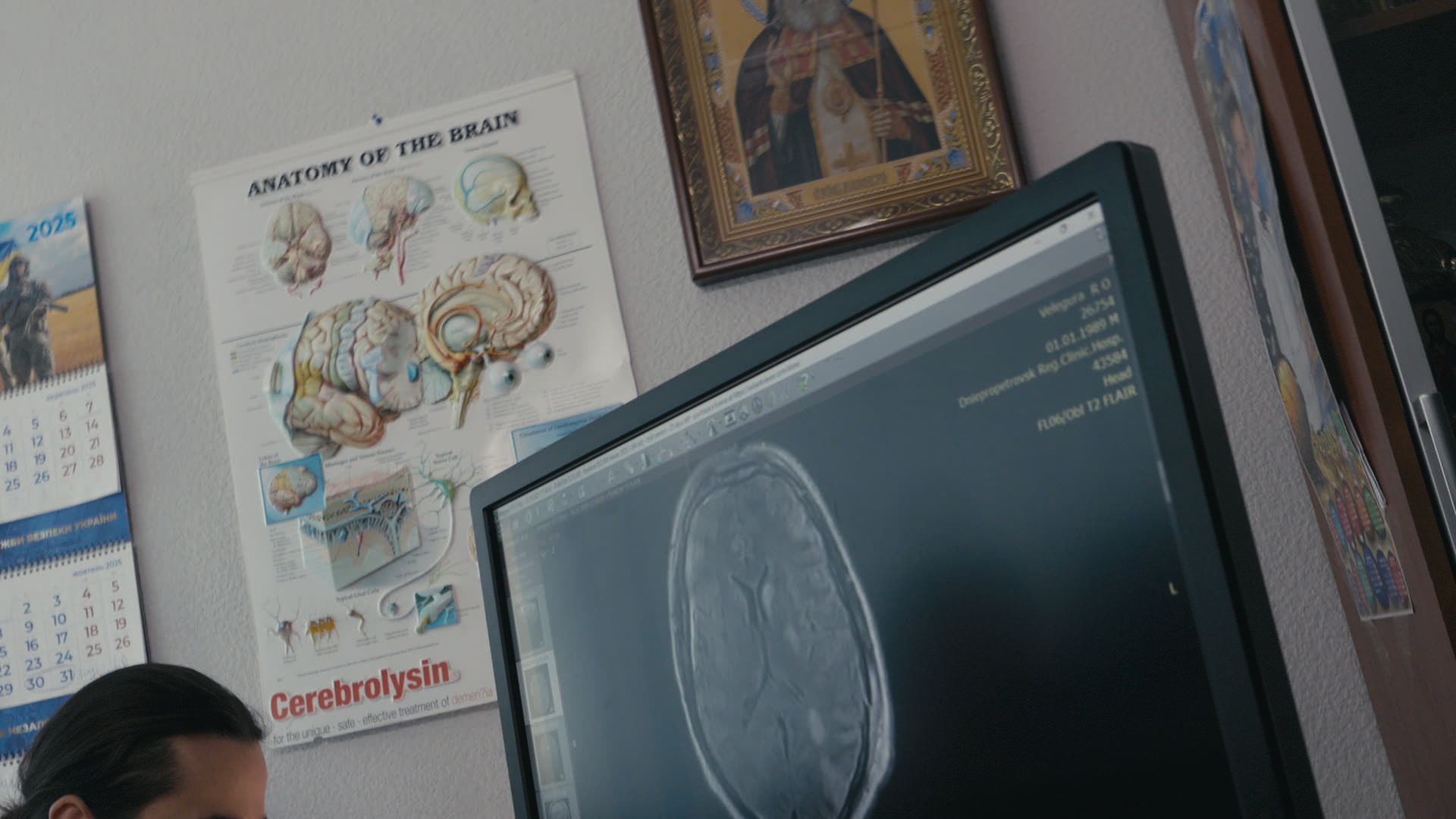
Speaker 1
00:00:00 The localizer.
00:00:00 The localizer. Yeah, not coming in the hole. We see now it's flare. It's a flare. That's how we get, no more sequences. You can see left hemisphere multiple hypotensory signal located in the near nucleus callatus yeah, it's near the internal consular yeah, this and this. This is the CD.
Speaker 2
00:01:25 Zobaczmy.
00:01:36 [RUS] [NEEDS_TRANSLATION] Пусть запишет Гришин. [RUS] [NEEDS_TRANSLATION] Надо записать и компьютер последний. [RUS] [NEEDS_TRANSLATION] Почему посмотреть?
Speaker 1
00:00:00 The localizer.
00:00:00 The localizer. Yeah, not coming in the hole. We see now it's flare. It's a flare. That's how we get, no more sequences. You can see left hemisphere multiple hypotensory signal located in the near nucleus callatus yeah, it's near the internal consular yeah, this and this. This is the CD.
Speaker 2
00:01:25 Zobaczmy.
00:01:36 [RUS] [NEEDS_TRANSLATION] Пусть запишет Гришин. [RUS] [NEEDS_TRANSLATION] Надо записать и компьютер последний. [RUS] [NEEDS_TRANSLATION] Почему посмотреть?
00:01:46 [UKR] [NEEDS_TRANSLATION] Тут видно перелом.
Speaker 1
00:01:48 fracture, anterior wall of frontal, I know. Yeah, but what is that though? The right, yeah. The right, yeah. This? No, no, no, the gray area. This? That's just, okay, that's just normal. Here's edema, the head of the closet in the lab.
Speaker 2
00:02:10 I think this is not like diffuse axonal injury, It's more for... - Conclusions. - Conclusions. Yeah? - Yeah. - If you have DVI, it's maybe like secondary... - Schemia. - Yeah. - Secondary schemia. It's more... for secondary schemia than for diffuse axonal injury. Because diffuse axonal injury is usually located in the - The corpus
Speaker 1
00:03:15 Oh, it's 4:00. It's 4:00. It's an octobium. Okay. You don't need an exam now, but we'll look at him later. Yeah, we can look at him later.
00:03:30 I can explain. What exam will you get? He's sedated. We've been trying to leave him from sedation for 24 hours. He canceled all the sedation. And the only thing that he was doing, he was trying to move his hand. Like, to move it. And that's all. He was very agitated, very aggressive in the first place. And then we started sedating him. He was a pretty pretty sedation. How long did you get on sedation? A cloth? 30 hours. 30 hours. And now he's again on sedation.
00:04:12 [RUS] [NEEDS_TRANSLATION] - А можешь слушать, Евславныч? [RUS] Yes, can you speak? [RUS] [NEEDS_TRANSLATION] - Но мы как раз забрали диски МРТ, забрали Никиту.
Speaker 2
00:04:23 [RUS] [NEEDS_TRANSLATION] И сейчас с Алексом смотрим. [RUS] [NEEDS_TRANSLATION] Велигуру, ко мне в кабинет, можешь туда подняться, Евславныч?
00:04:30 Yes.
00:04:32 [RUS] [NEEDS_TRANSLATION] - Не-не, мы загрузили на большом экране этот. [RUS] [NEEDS_TRANSLATION] Да, подойди.
00:04:43 You have one more Hitchcock? I can give him mine, because he's my boss. Now we invite chief of ICU units, he asked us to see this patient yesterday.
00:05:05 [RUS] [NEEDS_TRANSLATION] И теперь мы сюда. [RUS] [NEEDS_TRANSLATION] Очень сложный случай. [RUS] [NEEDS_TRANSLATION] Среди ТБИ-инжури. [RUS] [NEEDS_TRANSLATION] Пациент с авто-кар-сидентом.
Speaker 3
00:05:20 [RUS] [NEEDS_TRANSLATION] Среди ТБИ-инжури. [RUS] Good. [RUS] [NEEDS_TRANSLATION] У нас есть другая человека. [RUS] [NEEDS_TRANSLATION] Когда я пойду в операционную комнату, [RUS] [NEEDS_TRANSLATION] Когда я пойду в операционную комнату,
Speaker 2
00:05:31 [RUS] [NEEDS_TRANSLATION] Мы можем вместе с Алексу и с главным университетом врача. [RUS] [NEEDS_TRANSLATION] И Алекс будет обзором и обзором и обзором и обзором. [RUS] [NEEDS_TRANSLATION] Я думаю, это хорошая идея. [RUS] [NEEDS_TRANSLATION] Теперь мы проверим, анализируем МРАИ этих пациентов. [RUS] [NEEDS_TRANSLATION] После этого... [RUS] [NEEDS_TRANSLATION] Ты будешь надевать? [RUS] [NEEDS_TRANSLATION] Я пущу кнопку.
Speaker 3
00:06:08 [RUS] [NEEDS_TRANSLATION] Это работает? [RUS] [NEEDS_TRANSLATION] Да, да, работает. [RUS] [NEEDS_TRANSLATION] Он просто подходит...
00:06:15 After consultation, I go to operation and go together with Alex in ICU.
Speaker 2
00:06:25 Gotcha. Okay. Yes, okay. After operation, go with Alex to ICU for this one. No, no, no, it's another idea. I go in operation room, you go together with Alex in ICU units. In order to be used time more officially. Oh, it's true. Tomorrow we will go in operation room together with Alex. Tomorrow. But today we go together with Slava, with Alex in ICU. After we finish our consultation patients. Right. Sitakish, sitakish. When I see this patient, should I call Sergei Grubarovic?
Speaker 1
00:07:10 Sergei... Are you certain or...
Speaker 2
00:07:18 ...Grogo?
00:07:43 [RUS] Artyom, I can't reach Misha, he has phone problems. [RUS] [NEEDS_TRANSLATION] Или ты, или Миша, мне нужно, чтобы записали КТ-контроль больного, который мы вчера оперировали. [RUS] [NEEDS_TRANSLATION] - Иванов, Иванов, с Политравмур. [RUS] [NEEDS_TRANSLATION] - Лучше, конечно, на диск. [RUS] [NEEDS_TRANSLATION] Да, или хотя бы видео, лучше на диск.
Speaker 1
00:08:14 [RUS] [NEEDS_TRANSLATION] Уже звозили, Миша может быть пошел операционную с Росиславом.
Speaker 2
00:08:19 [RUS] [NEEDS_TRANSLATION] Да, запиши, пожалуйста, быстренько. [RUS] [NEEDS_TRANSLATION] Что мы посмотрели? Множественные очаги, можно сказать, как контузии, ушибы, но оно местами выглядит даже как очаги вторичной ишемии. [RUS] [NEEDS_TRANSLATION] Тут не двигает, чтобы сказать, но вот в правом полушарии, вот вверху вот эти очагки, в левом полушарии, [RUS] [NEEDS_TRANSLATION] они в области хвостатого ядра, в области внутренней капсулы, это да, видно, да? [RUS] [NEEDS_TRANSLATION] То есть мозг хорошо пострадал, переведикулярные есть изменения, есть небольшие субдуральные,
00:09:05 [RUS] [NEEDS_TRANSLATION] Субдуральные [RUS] [NEEDS_TRANSLATION] Клосс [RUS] [NEEDS_TRANSLATION] Зузская кровь [RUS] [NEEDS_TRANSLATION] справа слева [RUS] [NEEDS_TRANSLATION] Субдуральная [RUS] [NEEDS_TRANSLATION] Очень тяжелая [RUS] [NEEDS_TRANSLATION] А это субдуральная [RUS] [NEEDS_TRANSLATION] Это ДВИ
00:09:22 Yes. ДВИ ДВИ
00:09:25 [RUS] [NEEDS_TRANSLATION] Это более качество [RUS] [NEEDS_TRANSLATION] Но вы видите [RUS] [NEEDS_TRANSLATION] Гиперинтенциальный сигнал [RUS] [NEEDS_TRANSLATION] Гиперинтенс сигнал тоже здесь. [RUS] [NEEDS_TRANSLATION] Может быть, причина к проблемам с гипоксией, [RUS] [NEEDS_TRANSLATION] лодоксия [RUS] [NEEDS_TRANSLATION] Я бы рассказал вам. [RUS] [NEEDS_TRANSLATION] Мы говорили об этом, это как secondary химия.
Speaker 4
00:10:10 [RUS] [NEEDS_TRANSLATION] Плюс, с другой стороны, субдураллоклотс. [RUS] [NEEDS_TRANSLATION] Когда он уже был у нас, эпизодом гипотензии не было гарантированного.
Speaker 2
00:10:22 [RUS] [NEEDS_TRANSLATION] В хоспитале? [RUS] [NEEDS_TRANSLATION] При хоспитале, при хоспитале, хипотенция, и вы можете видеть сигнал в поздравном подъеме корпуса колеса.
00:10:43 Yes? Yes.
Speaker 4
00:10:46 [RUS] [NEEDS_TRANSLATION] И нужно записать компьютер. [RUS] [NEEDS_TRANSLATION] Мы сделали компьютер.
Speaker 2
00:10:56 [RUS] [NEEDS_TRANSLATION] Воскресение. [RUS] [NEEDS_TRANSLATION] На диске. [RUS] [NEEDS_TRANSLATION] Я просто хотел сказать, что даже ПМР-3 видно. [RUS] [NEEDS_TRANSLATION] Перелом передней стенки, лобной пазухи. [RUS] [NEEDS_TRANSLATION] Надо посмотреть заднюю стенку, чтобы там не было проблем со скрытой ликвареей. [RUS] [NEEDS_TRANSLATION] Может быть, скрытая ликварея.
Speaker 4
00:11:21 [RUS] [NEEDS_TRANSLATION] Потому что видишь, как она вдавлена. [RUS] They looked twice and punctured the sinus.
Speaker 2
00:11:27 [RUS] [NEEDS_TRANSLATION] Там коллизирована кровь. [RUS] Uh-huh, we'll get to the sinuses now.
00:11:30 [RUS] [NEEDS_TRANSLATION] То есть вот смотри, передняя стенка лубной пазухи, как она вдавлена. [RUS] [NEEDS_TRANSLATION] У него могут быть проблемы с левым ухом, потому что здесь похоже, как остыки.
00:11:42 [UKR] [NEEDS_TRANSLATION] Видишь?
Speaker 4
00:11:45 [RUS] [NEEDS_TRANSLATION] Дворы ухо не смотрели?
Speaker 2
00:11:47 [UKR] [NEEDS_TRANSLATION] - Вони всі дивилися, але ще раз потрібно з цього.
Speaker 4
00:11:51 [UKR] [NEEDS_TRANSLATION] - Ліве ухо, тому що воно світиться як мастої дід.
Speaker 2
00:11:56 [UKR] [NEEDS_TRANSLATION] - Ти знаєш, що вони коли діляють довго, то це позиційно. [UKR] [NEEDS_TRANSLATION] - Дисертация Зайцева. [UKR] And he has both maxillary sinuses, both maxillary sinuses,
00:12:12 [RUS] I can't, I won't.
Speaker 1
00:12:41 [RUS] [NEEDS_TRANSLATION] Стоит лист, но лицевая сторона может быть полностью...
00:12:50 Yes. Yes.
Speaker 2
00:12:53 [RUS] [NEEDS_TRANSLATION] Т.е. у него надо посмотреть лобную кость носика, вдавливая на передняя и задняя стенка и все пазочки. [RUS] Upper maxillary, with lattice on both sides and film-like on both sides.
Speaker 4
00:13:17 [RUS] [NEEDS_TRANSLATION] - А кто смотрел слов? [RUS] [NEEDS_TRANSLATION] - Вас их вчера бунтировали.
00:13:19 Yes.
00:13:20 [RUS] We asked them twice, once they just examined, but I asked to puncture, thought there was an infection.
Speaker 2
00:13:26 [RUS] [NEEDS_TRANSLATION] И там лизированная кровь на данный момент.
Speaker 4
00:13:32 [UKR] [NEEDS_TRANSLATION] Вот такая вот ситуация.
Speaker 2
00:13:35 [RUS] Okay, we'll look at the CT tomorrow. [RUS] Yes, we'll look at bones and sinuses on the CT, the last CT.
Speaker 4
00:13:42 [UKR] [NEEDS_TRANSLATION] Вот такая вот ситуация.
00:13:47 [RUS] [NEEDS_TRANSLATION] - Скажи, что Алекс думает по поводу того, как долго его вентилировать, [RUS] [NEEDS_TRANSLATION] и он выходит у нас из седации с выраженным психомоторничным возбуждением. [RUS] [NEEDS_TRANSLATION] - А он как придет, Алекс? [RUS] [NEEDS_TRANSLATION] - Мы сейчас его приведем к нам.
Speaker 2
00:13:59 [UKR] First we'll consult the patient, then I'll go to the big surgery, and Alex will come to you and you'll see the patient, analysis, everything, nothing to worry.
00:14:09 Alex asked to tell about patients, but I said you will be a bit later in person, near the patient, together with Vecislaw, watch, analyze.
Speaker 4
00:14:20 [RUS] [NEEDS_TRANSLATION] - Суставы у вас есть [RUS] [NEEDS_TRANSLATION] Ну я не буду. Политравна. [RUS] [NEEDS_TRANSLATION] Ну я не посмотрю. [RUS] [NEEDS_TRANSLATION] А Сергей Натальевич сейчас это. [RUS] [NEEDS_TRANSLATION] Мороз.
Speaker 2
00:15:00 [UKR] [NEEDS_TRANSLATION] Светлана Михайловна.
00:15:06 [RUS] [NEEDS_TRANSLATION] Потому что Марченко мы ищем.
00:15:08 [UKR] [NEEDS_TRANSLATION] По всей больнице не можем найти.
00:15:10 [RUS] And his.
00:15:13 How?
00:15:16 [RUS] Good.
00:15:19 [UKR] [NEEDS_TRANSLATION] Людмила Сена?
Speaker 1
00:15:27 [RUS] [NEEDS_TRANSLATION] Хорошо, сейчас подчекай. [RUS] [NEEDS_TRANSLATION] Я прикусила. По-другому? [RUS] [NEEDS_TRANSLATION] Репченко, Марина. [RUS] [NEEDS_TRANSLATION] Мне кажется, моя 21-я палата, божа. [RUS] [NEEDS_TRANSLATION] Я вчера, после того, как ты мне написал,
Speaker 4
00:15:40 [RUS] [NEEDS_TRANSLATION] давление уже было 140. [RUS] [NEEDS_TRANSLATION] Мы немножко подкоррегировали, [RUS] [NEEDS_TRANSLATION] в принципе, все нормально. [RUS] [NEEDS_TRANSLATION] А я кинутру.
Speaker 2
00:15:52 [RUS] [NEEDS_TRANSLATION] - А ты смотрелся на эту маленькую инвазивную синюю надпись, [RUS] [NEEDS_TRANSLATION] или на мониторе желтого? - На мониторе. [RUS] [NEEDS_TRANSLATION] - Нет, надо было синей. - Но все равно говоришь, что бронтин чуть-чуть идет.
Speaker 4
00:16:02 [RUS] [NEEDS_TRANSLATION] - А когда ты повторили? - Повторили, сейчас Артем должен принести деть.
Speaker 2
00:16:08 [RUS] I'll call you and tell you. - Urine is present, saturation is present. [RUS] [NEEDS_TRANSLATION] Он говорит, что в дни седации начинает... [RUS] [NEEDS_TRANSLATION] Вы говорили о Тиванове. [RUS] [NEEDS_TRANSLATION] ...какшен, который мы получили вчера.
00:16:20 О, да.
Speaker 1
00:16:23 [RUS] [NEEDS_TRANSLATION] Сейчас мои интернеры готовы к CD-диск и мы видим CT-контроль.
00:16:30 [RUS] Goodbye! [RUS] Goodbye! [RUS] Thank you. [RUS] Thank you. [RUS] Thank you. [RUS] Thank you. [RUS] Thank you.
Speaker 2
00:16:43 [RUS] [NEEDS_TRANSLATION] Я его приведу, когда я вас наберу.
Speaker 1
00:16:47 [RUS] [NEEDS_TRANSLATION] Это ты можешь, я 10-я даю.
Speaker 2
00:16:51 [RUS] [NEEDS_TRANSLATION] Я забираю, я заберу это. [RUS] [NEEDS_TRANSLATION] Завтра посмотрим, как это. [RUS] [NEEDS_TRANSLATION] И кресло.
Speaker 1
00:16:55 [UKR] [NEEDS_TRANSLATION] Андреевич, у нас же завтра день инсульт, там забег будет.
00:16:58 [RUS] [NEEDS_TRANSLATION] Может их туда?
00:17:00 [RUS] [NEEDS_TRANSLATION] Это зачем? [RUS] [NEEDS_TRANSLATION] Не надо. [RUS] [NEEDS_TRANSLATION] Мы в операционную идем к тяжелому.
Speaker 2
00:17:05 Все?
00:17:06 [RUS] [NEEDS_TRANSLATION] Добро пациента оперировать. [RUS] [NEEDS_TRANSLATION] Стул можно забрать, я думаю. [RUS] [NEEDS_TRANSLATION] Вот это. [RUS] [NEEDS_TRANSLATION] Вот это вообще будет, конечно. [RUS] [NEEDS_TRANSLATION] А ну тогда, наверное, тогда уже они будут убирать технику. [RUS] Good afternoon! [RUS] [NEEDS_TRANSLATION] Я к вам. [RUS] [NEEDS_TRANSLATION] Говори. [RUS] [NEEDS_TRANSLATION] А там это холмых хлопчиков у меня. [RUS] [NEEDS_TRANSLATION] Парень, я скажу, заполчаюсь. [RUS] [NEEDS_TRANSLATION] Телла у него. [RUS] [NEEDS_TRANSLATION] Вчера поговорили, что подошел. [RUS] [NEEDS_TRANSLATION] Да, да, да. [RUS] [NEEDS_TRANSLATION] Да, да, да.
Speaker 5
00:17:30 [RUS] [NEEDS_TRANSLATION] Он в принимации лежит? [RUS] [NEEDS_TRANSLATION] Вот он лежит. [RUS] [NEEDS_TRANSLATION] Он сидит. [RUS] [NEEDS_TRANSLATION] Удачно все прошло, в скорой помощи. [RUS] [NEEDS_TRANSLATION] Консультация нужна. [RUS] [NEEDS_TRANSLATION] Да, уже нормальный, он сидит. [RUS] [NEEDS_TRANSLATION] Да, уже нормальный, он сидит. [RUS] [NEEDS_TRANSLATION] болельничной артерии. А что я буду делать с тобой? [RUS] [NEEDS_TRANSLATION] - Нет, ну просто поконсультировать, он говорит о том. [RUS] [NEEDS_TRANSLATION] - Так, это не ко мне. - А, не к вам. А кому это?
Speaker 2
00:17:49 [RUS] Thromboembolism, olecranon artery - that's Sergey Oleg Alexandrovich.
Speaker 5
00:17:53 [RUS] Where is it? - On the fifth floor. Or sixth? [RUS] [NEEDS_TRANSLATION] Шестой, да. - Это Сергей Олег. Я понял, да. [RUS] I treat tumors and TBI. - Yes, I know you work with heads [RUS] [NEEDS_TRANSLATION] связаны. Что-то выделилось, я вчера с вами говорил,
Speaker 4
00:18:06 [UKR] [NEEDS_TRANSLATION] а завтра пусть подойдет. Все, я понял. Сергей Олег Александрович.
Speaker 2
00:18:11 [UKR] [NEEDS_TRANSLATION] Андрей Григорьевич, Марченко, ВД, 21-й палате. [UKR] [NEEDS_TRANSLATION] Александр Ильич, а звонит Мороз Светлана Михайловна по поводу больной Рябченко.
00:18:54 [RUS] [NEEDS_TRANSLATION] А ты можешь набрать ее, я сейчас дам тебе телефон, если тебя нет.
00:19:00 [RUS] [NEEDS_TRANSLATION] Я сейчас тебе в телеграм. [RUS] [NEEDS_TRANSLATION] Я в телеграм сейчас тебе скину, хорошо? [RUS] [NEEDS_TRANSLATION] Да, спасибо.
Speaker 1
00:19:20 [UKR] [NEEDS_TRANSLATION] Михаил заходит, кто на консультацию?
00:19:22 [RUS] [NEEDS_TRANSLATION] Нам на консультацию работа истечен с Вильной, это
Speaker 2
00:19:24 я.
Speaker 3
00:19:26 [RUS] [NEEDS_TRANSLATION] Пока эти истории можно оставшие, пока вернуть назад.
00:19:40 Okay, so now people are coming in? Yeah.
Speaker 1
00:19:52 This is going to go back now over here.
Speaker 2
00:19:59 And.
00:20:13 [RUS] [NEEDS_TRANSLATION] вот молодец артем молодец
Speaker 1
00:00:00 There they are! And also the generator! And also the generator! Right. I saw it. That's what I would like to show you. Yes, get her.
Speaker 2
00:00:47 So the stores nearby Andre's house use generators when they're... when they've lost their power. You can see we have a little ogen there, and they have a generator there. おやす
00:01:57 We're going to go back up there, get past the crop shop, and walk past this way. Okay, okay.
00:02:56 I'll take the bag as well. Let me take the bag. Yeah, we do. It could be. Hang on. We can't hear it. We'll get it on later. Or do you see it? No, but I can't see it. Alright, that's the bigger one, but it's fine.
Speaker 1
00:00:00 There they are! And also the generator! And also the generator! Right. I saw it. That's what I would like to show you. Yes, get her.
Speaker 2
00:00:47 So the stores nearby Andre's house use generators when they're... when they've lost their power. You can see we have a little ogen there, and they have a generator there. おやす
00:01:57 We're going to go back up there, get past the crop shop, and walk past this way. Okay, okay.
00:02:56 I'll take the bag as well. Let me take the bag. Yeah, we do. It could be. Hang on. We can't hear it. We'll get it on later. Or do you see it? No, but I can't see it. Alright, that's the bigger one, but it's fine.
00:03:30 Is there a magnet on it? No, use the other one that's got a magnet. Do you have a magnet? No, that doesn't have a magnet either. Uh... Yeah, keep going. Hold on.